 Skip to content
Why Are Private Label Bags Growing in Retail, and How Can Brands Build Better Bag Programs?
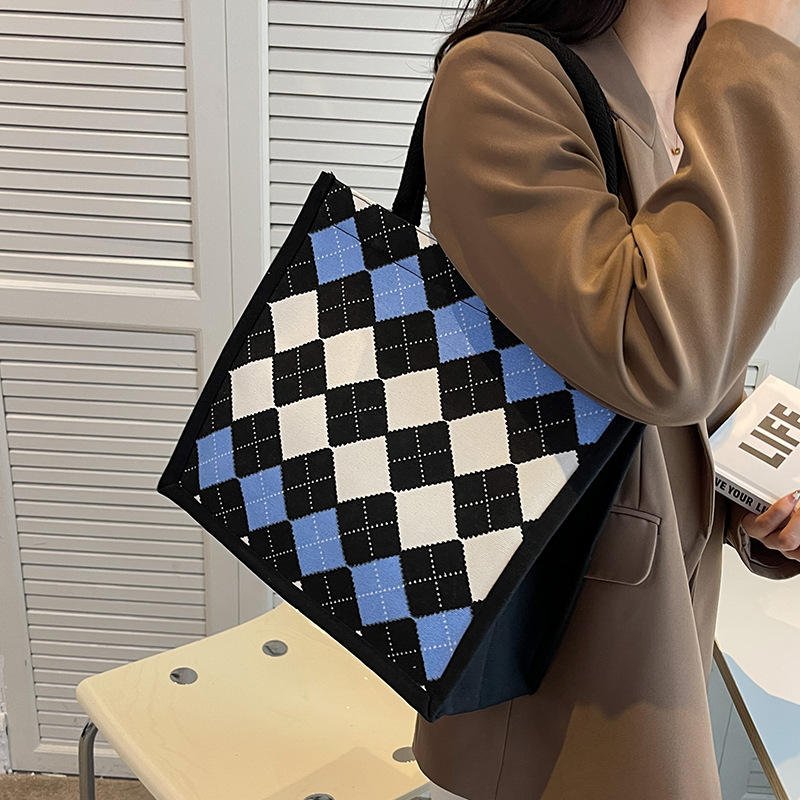
Private label used to be the quiet corner of retail: the cheaper shelf option, the plain package, the “good enough” substitute when shoppers wanted to save money. That picture has changed. Today, private label is no longer just a low-price alternative. It has become a serious strategy for retailers, e-commerce brands, beauty companies, lifestyle labels, grocery chains, outdoor brands, and promotional buyers that want more control over product identity, margin, customer experience, and supply chain stability.
Why Does Packaging Matter in Custom Bag Manufacturing?
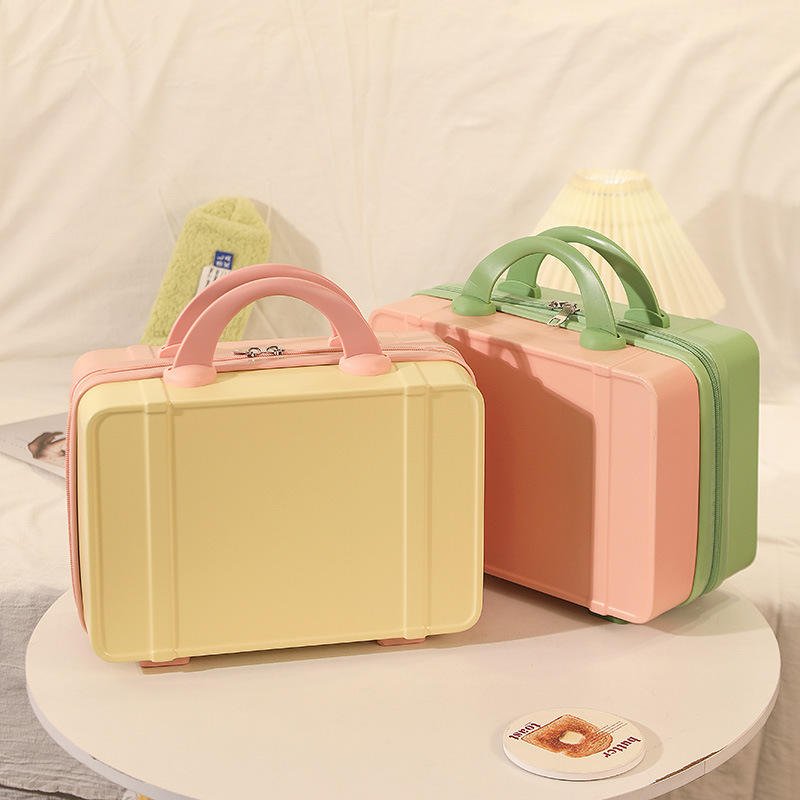
A custom bag can look perfect on the production table and still disappoint the buyer if the packaging is poorly planned. This is a common problem in real manufacturing. A canvas tote may arrive with fold marks across the logo. A PU cosmetic pouch may show pressure marks from metal zipper pulls. A clear PVC bag may be scratched because no surface separation was used. A cooler bag may lose shape because too many units were compressed into one carton. In many cases, the problem is not the bag itself. The problem is that packaging was treated as an afterthought.
Why Does Flexible MOQ Help New Product Development for Custom Bags?
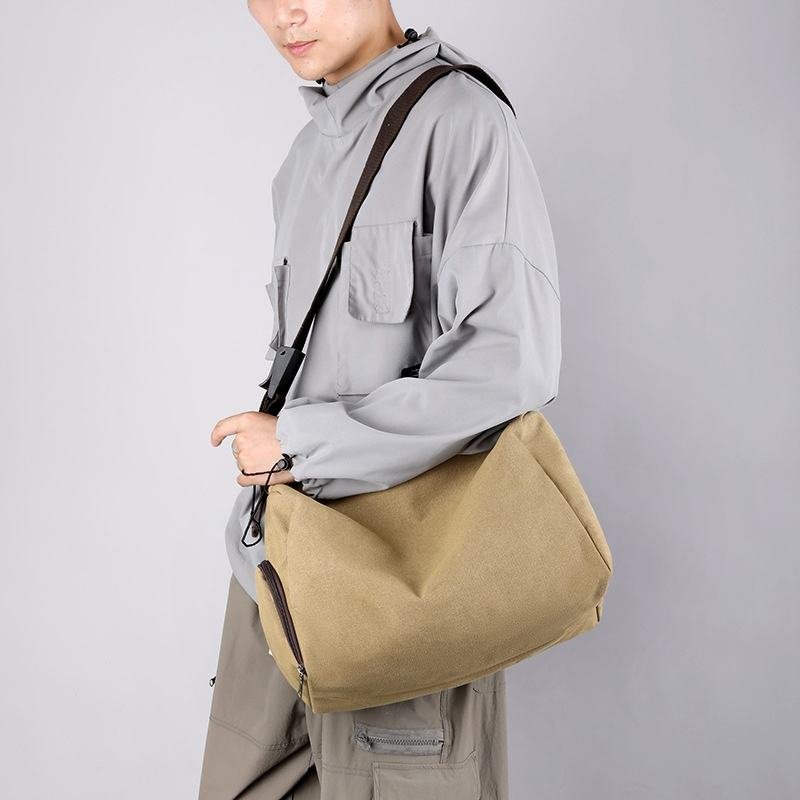
Many new bag products do not fail because the idea is bad. They fail because the first production decision is too big, too early, and too expensive to correct. A brand may love a tote bag sample in the meeting room, but real customers may later say the handle is too short, the fabric feels too soft, the logo is too small, or the color does not match the lifestyle images. A cosmetic pouch may look beautiful in a product rendering, but once buyers use it, they may ask for a wider opening, smoother zipper, stronger lining, or better packaging. New product development is full of these details. The risk is not only whether a factory can make the product. The real risk is whether the product can sell, repeat, improve, and scale.
Why Do Two Bag Factories Give Different Prices for the Same Design?
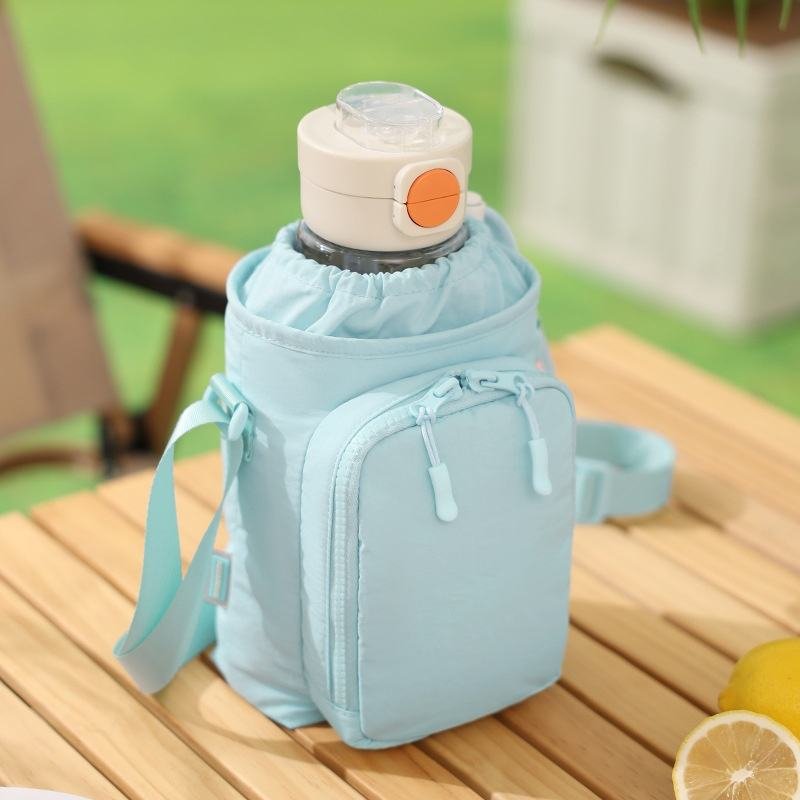
You send the same tote bag drawing to two factories. One quotes USD 3.20. Another quotes USD 5.80. At first, it feels like one of them must be wrong. Maybe the higher factory is overcharging. Maybe the lower factory is trying to win the order. But in real custom bag manufacturing, two factories can look at the same design and silently make very different assumptions about fabric weight, lining, zipper grade, logo process, sewing reinforcement, packaging, inspection, sample revisions, and export preparation.
Why Sample-to-Bulk Consistency Matters More Than Ever in Custom Bag Manufacturing
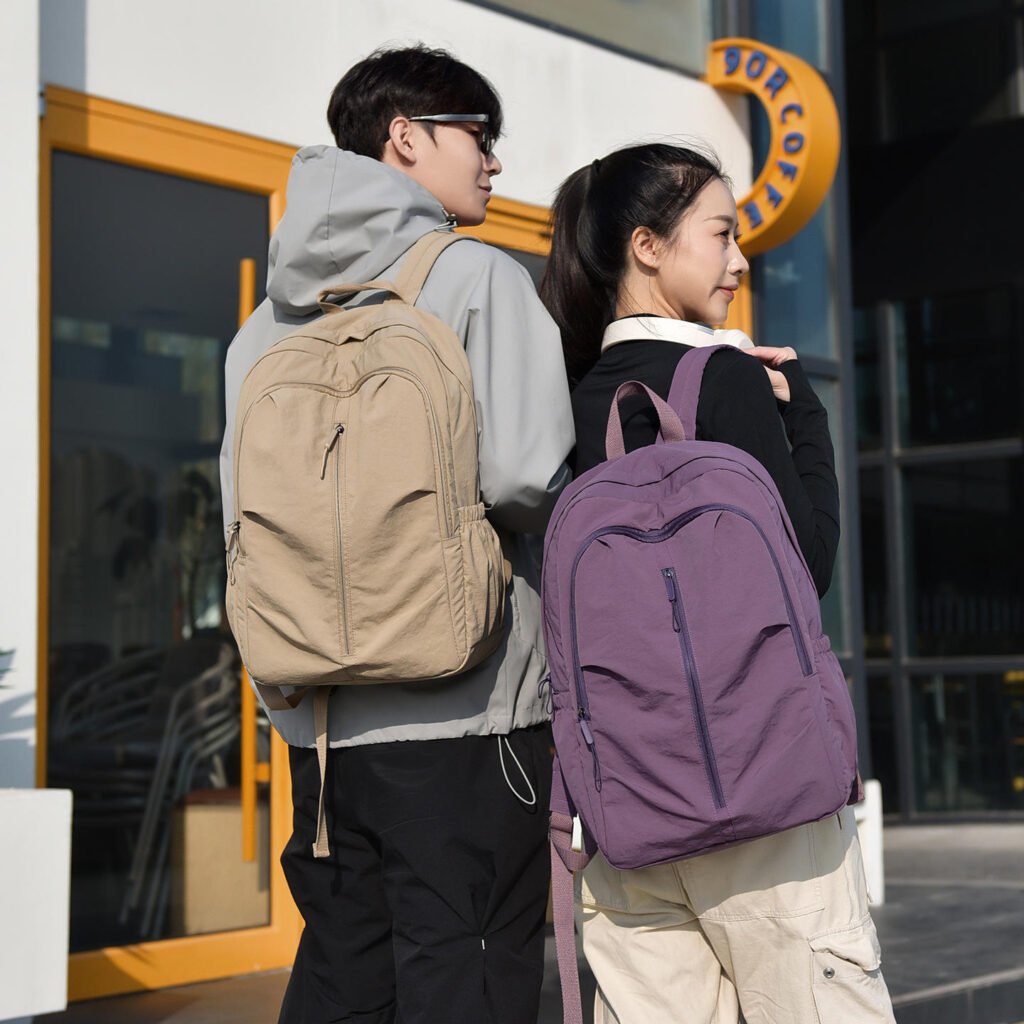
A beautiful sample can win a buyer’s confidence in five minutes. A disappointing bulk shipment can destroy that confidence in five seconds. This is one of the most common but underestimated risks in custom bag manufacturing. Brands do not only need a tote bag, backpack, cosmetic pouch, cooler bag, travel bag, or drawstring bag that looks good in one sample photo. They need the same fabric feel, color tone, logo placement, zipper function, stitching quality, structure, packaging, and user experience to stay stable across hundreds, thousands, or repeat production batches.
Why Quality Control Can Protect Brand Reputation in Custom Bag Manufacturing
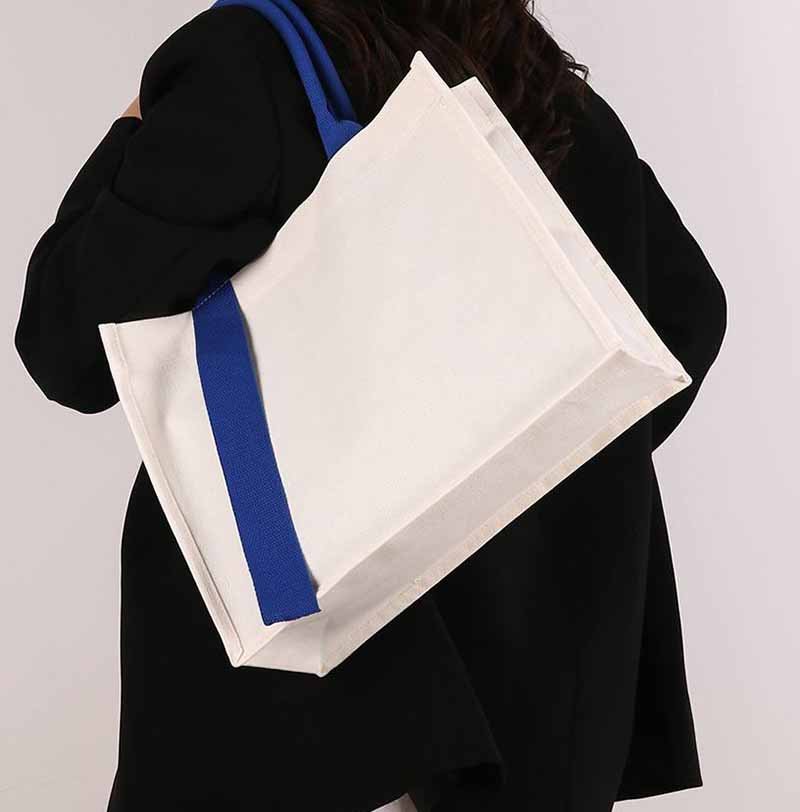
A customer rarely says, “This product failed quality control.” They say, “The zipper broke.” “The strap came loose.” “The logo is crooked.” “The bag looks cheaper than the photos.” For a brand, that sentence is not just product feedback. It can become a refund, a poor review, a support ticket, a retailer complaint, a lower repeat purchase rate, or a quiet decision from the customer never to buy again.
How to Optimize a Bag Design for Mass Production: A Factory Guide for Brands
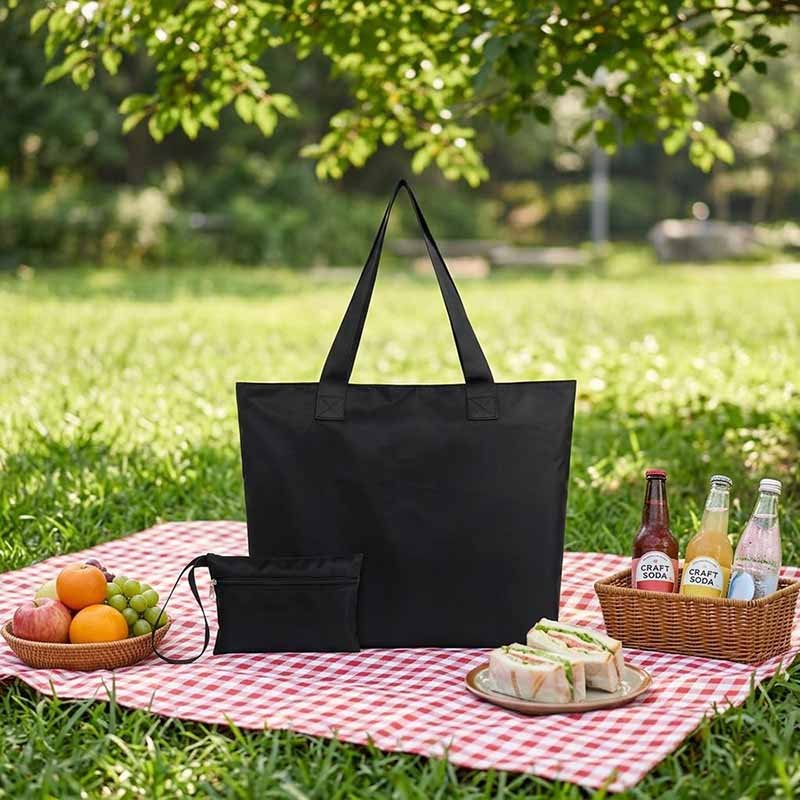
A bag design can look perfect on a screen, attractive in a 3D rendering, and impressive in a handmade prototype, but still fail when it enters mass production. This is one of the most expensive lessons for brands, retailers, importers, and e-commerce sellers. A design that works for one sample may become slow to sew, difficult to inspect, costly to source, or inconsistent across 500, 5,000, or 50,000 units. That is why serious brands do not treat mass production as the final step after design. They build production thinking into the design from the beginning.
Why Multi-SKU Bag Development Needs Better Project Management
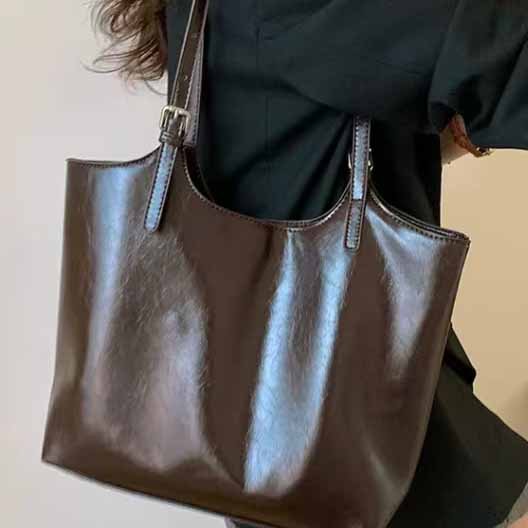
A single custom bag project can already be complicated. A multi-SKU bag program is a different game. One tote bag becomes five colors. One backpack becomes three sizes. One cosmetic pouch becomes a full retail set with different linings, zippers, labels, hangtags, barcodes, cartons, and market versions. To the buyer, these may look like “small variations.” To the factory, each variation becomes a controlled production unit. If nobody manages those differences clearly, the project does not fail dramatically in one moment. It fails slowly: one wrong zipper puller, one outdated logo file, one missing Pantone code, one carton label copied from another SKU, one sample comment that never reached the sewing line.
Common Mistakes Brands Make During Bag Sampling
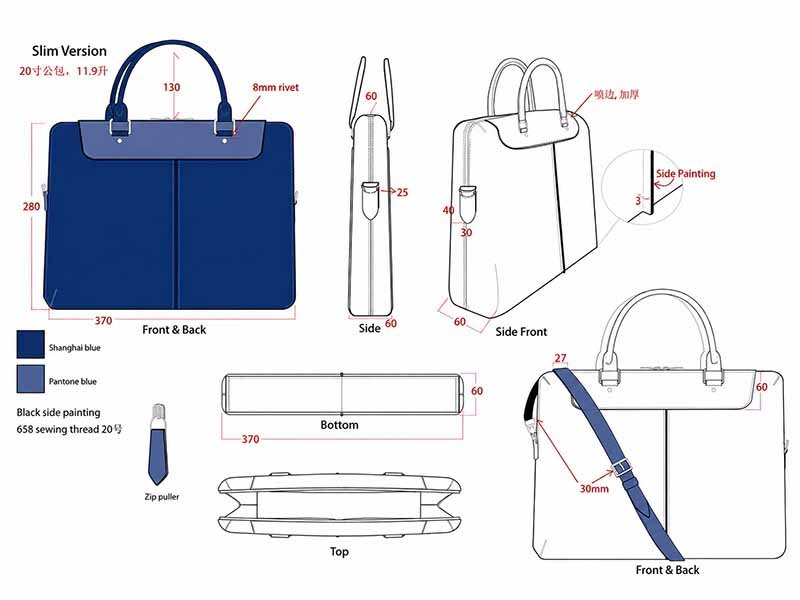
Many brands treat bag sampling like a simple visual checkpoint: “Does the sample look close enough to the design?” That mindset is where expensive problems begin. In real custom bag manufacturing, a sample is not just a prettier version of a sketch. It is the first physical test of your material choice, structure, size, logo method, pocket layout, stitching route, packaging direction, and bulk production feasibility. A good sample should answer one practical question: can this product be produced repeatedly, at the expected quality level, within the target cost and delivery timeline
How to Balance Quality, MOQ, and Cost in Custom Bags: A Practical Guide
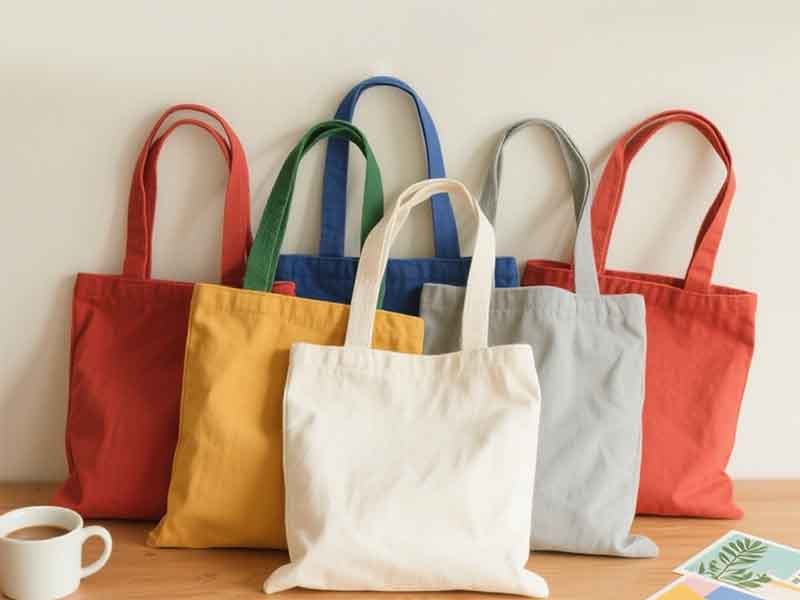
Custom bag manufacturing often looks simple from the outside: send a product photo, ask for a quote, compare suppliers, and choose the lowest price. But experienced buyers know the real challenge is not finding a factory that can “make a bag.” The real challenge is finding the right balance between product quality, MOQ, unit cost, sampling risk, material availability, production stability, and long-term reorder potential.
What Affects Custom Bag Manufacturing Cost
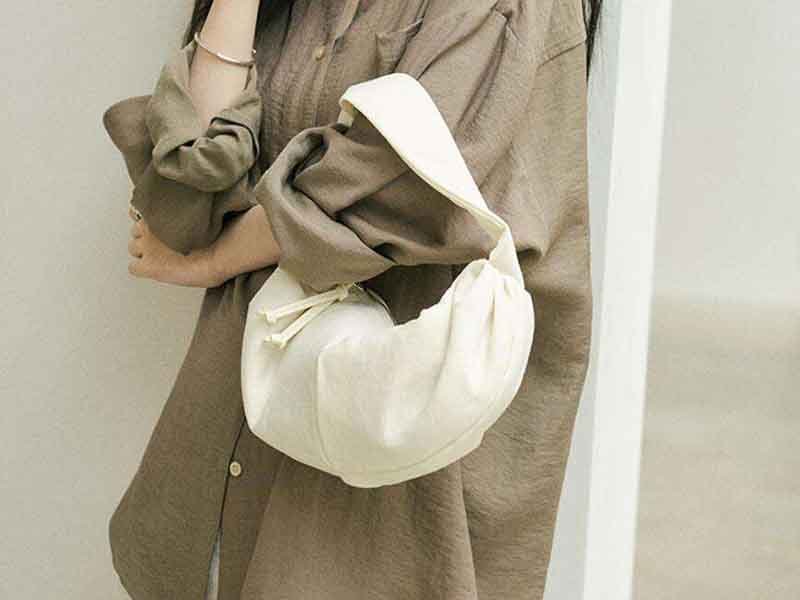
A custom bag quote can look simple on the surface: one product, one logo, one quantity, one unit price. But in real manufacturing, that number is built from dozens of small decisions. The fabric you choose, the number of pockets, the lining, the zipper grade, the stitching method, the logo process, the packaging, the sample revisions, the order quantity, and even the shipping carton can all change the final cost. That is why two factories can quote very different prices for what appears to be the same bag.
How Can USA Brands Find Reliable Bag Manufacturers in China
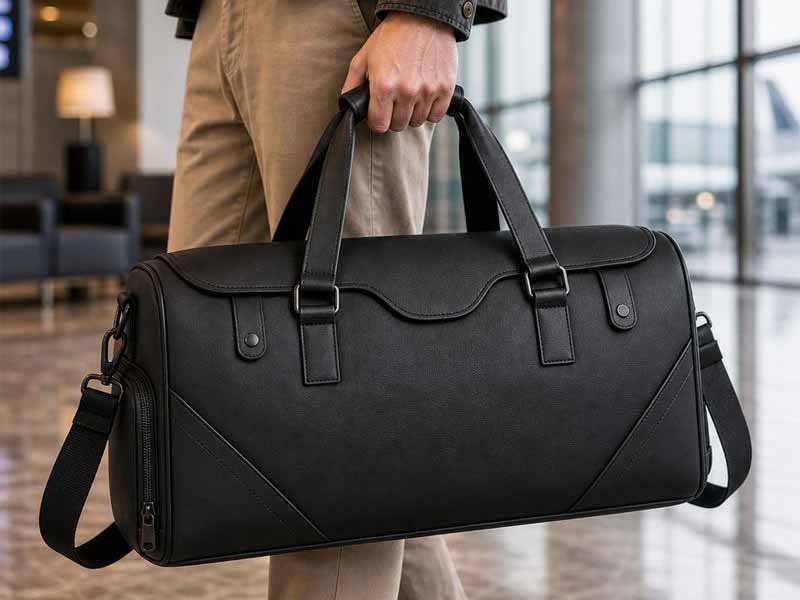
For many USA brands, finding a bag manufacturer in China looks simple at first. Search online, collect five quotes, compare prices, and choose the cheapest factory. But in real sourcing work, this is exactly where most problems begin. A low unit price does not tell you whether the supplier can match your sample, control fabric batches, keep the zipper smooth, meet FBA carton rules, finish production on time, or ship with correct export documents. The real question is not “Where can I find a bag factory?” The real question is “Which factory can safely turn my design into repeatable, sellable, brand-ready products?”
