Many brands treat bag sampling like a simple visual checkpoint: “Does the sample look close enough to the design?” That mindset is where expensive problems begin. In real custom bag manufacturing, a sample is not just a prettier version of a sketch. It is the first physical test of your material choice, structure, size, logo method, pocket layout, stitching route, packaging direction, and bulk production feasibility. A good sample should answer one practical question: can this product be produced repeatedly, at the expected quality level, within the target cost and delivery timeline?
Brands make mistakes during bag sampling when they send incomplete briefs, approve materials too late, judge samples only by photos, ignore structure and load points, skip logo and packaging tests, and rush into bulk production without locking specifications. The safest sampling process confirms materials, dimensions, stitching, trims, branding, packaging, QC standards, and revision notes before production starts.
Think of sampling as a rehearsal before a live performance. If the rehearsal hides weak straps, wrong fabric stiffness, poor zipper alignment, unclear logo placement, or packaging that crushes the bag shape, the final “performance” will happen in front of your customers. The painful part is that buyers usually discover these mistakes only after the shipment arrives. This guide explains the common sampling mistakes brands make, why they happen, and how to avoid them before your next custom bag project moves into bulk production.
What Is Bag Sampling Really For?
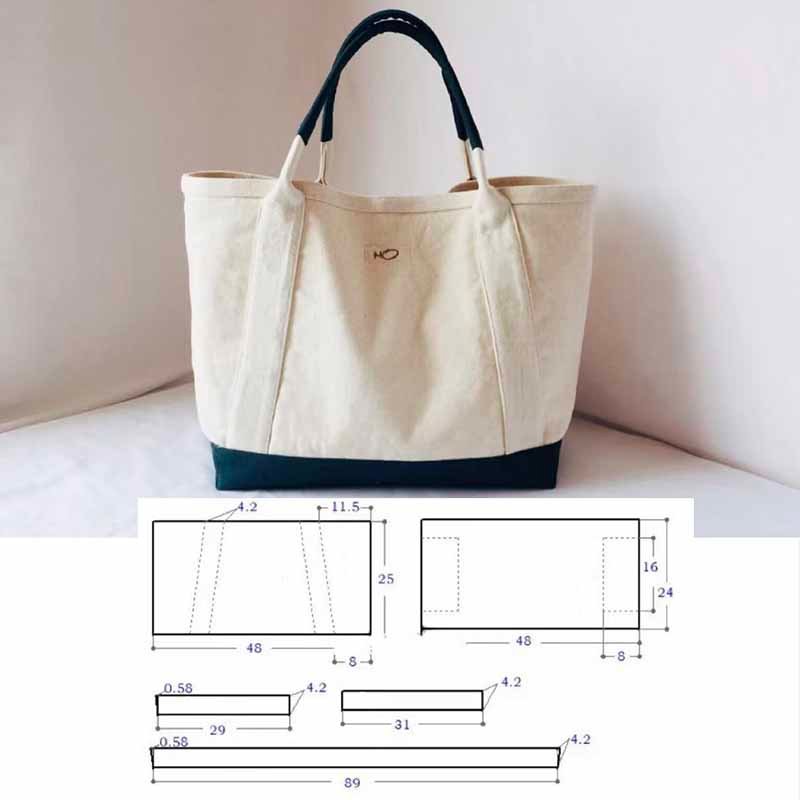
Bag sampling is the process of turning an idea, sketch, tech pack, reference sample, or product photo into a physical approval sample that can guide bulk production. Its real purpose is not only to check appearance, but to verify material, structure, size, workmanship, logo effect, usability, packaging, cost, and production repeatability before mass production begins.
Bag sampling is easy to misunderstand because the word “sample” sounds small. For a buyer, it may feel like one piece. For a factory, it is a controlled experiment. The sample room is testing whether your design can be cut, sewn, reinforced, branded, packed, inspected, and repeated by production workers without constant confusion.
A useful bag sample should answer several practical questions. Does the material support the bag shape? Does the opening feel convenient? Are the handles long enough? Does the zipper bend smoothly around the curve? Is the inner pocket easy to reach? Does the logo method match the fabric surface? Does the bag still look good after packing? Can the same result be repeated in 300, 1,000, or 10,000 pieces?
Many sampling failures happen because buyers only look at the sample as a finished object. A professional manufacturer looks at it as a bridge between development and bulk production. That bridge must be strong enough to carry all future order decisions.
For brand buyers, sampling should be treated as a decision-making stage. It protects your product launch, your advertising budget, your customer reviews, and your inventory cash flow. A poorly reviewed first production run can create problems far beyond the cost of the sample itself.
Here is a practical way to understand what sampling should confirm:
| Sampling Area | What It Confirms | Why It Matters Before Bulk |
|---|---|---|
| Material | Fabric, lining, thickness, handfeel, color, coating | Affects structure, cost, durability, review quality |
| Structure | Shape, size, pocket layout, straps, opening | Affects usability and production difficulty |
| Workmanship | Stitching, binding, seams, reinforcement | Affects durability and brand perception |
| Branding | Logo method, label, hardware, color match | Affects brand identity and retail appearance |
| Packaging | Folding, carton fit, barcode, FBA or retail needs | Affects shipping, warehouse handling, and presentation |
| QC Standard | Measurement tolerance, defects, inspection points | Affects consistency during bulk production |
Is a Bag Sample Just a Prototype?
A bag sample is a prototype, but it should not be treated as a rough mockup only. In serious OEM and ODM bag projects, the approval sample becomes the reference standard for bulk production. That means the sample must show the correct fabric, lining, hardware, logo position, stitch type, size, shape, packaging direction, and functional details. If the first sample is only used to “see the look,” important production decisions remain open. Those open decisions often become production delays later.
For example, a tote bag sample may look good in photos, but if the canvas weight is too soft, the bag may collapse on a retail shelf. A cosmetic bag may look elegant, but if the zipper curve is too tight, customers may complain that it catches at the corner. A backpack may look close to the rendering, but if the shoulder strap reinforcement is weak, the bag may fail under load. The sample is where these issues should be exposed, not hidden.
Why Does Sampling Control Bulk Risk?
Sampling controls bulk risk because every confirmed sample detail reduces guesswork during production. When the sample is approved with clear notes, the factory can prepare the bill of materials, cutting pattern, sewing route, logo process, trims, packaging, and inspection standard more accurately. Without this step, production workers may follow assumptions instead of fixed instructions. That is how small differences become large inconsistencies.
A simple example is zipper specification. If the sample uses one zipper type but the bulk order does not lock zipper size, slider type, tape color, and puller style, the production batch may look slightly different or perform differently. The same problem can happen with webbing thickness, lining color, thread color, binding tape width, logo placement, and carton packing. Good sampling creates a shared physical reference for the buyer, factory, QC team, and production line.
What Should a Sample Confirm?
A serious bag sample should confirm what the buyer can see, touch, test, measure, and approve. The most important checks include dimensions, material handfeel, fabric stiffness, lining, color, logo effect, stitch quality, zipper movement, hardware finish, seam reinforcement, pocket usability, handle comfort, packaging method, and whether the product matches the intended sales channel. For Amazon, Shopify, retail, wholesale, and promotional programs, the sample may also need to confirm barcode labels, hangtags, polybags, carton labels, or FBA preparation.
Brands should also check whether the sample is realistic for bulk production. Some sample-room techniques can make one piece look beautiful but are too slow or unstable for larger production. A good factory should explain when a design detail is possible but inefficient, attractive but fragile, or premium but costly. Sampling is not only about saying “yes.” It is about finding the best balance between design, cost, durability, and repeatability.
How Does Sampling Affect Cost and Lead Time?
Sampling affects cost and lead time because decisions made at this stage determine material sourcing, cutting efficiency, sewing difficulty, logo setup, packaging complexity, and production planning. A bag with many curved seams, custom hardware, special lining, multiple logo positions, and retail packaging will take longer to sample and produce than a basic canvas tote with one printed logo. The earlier these details are clear, the easier it is to estimate cost and timeline.
Brands often lose time when they change important details after the first sample: fabric weight, bag size, zipper type, pocket layout, logo method, or packaging style. Each change may require a new pattern, new material sourcing, new logo test, or new sample revision. A small design change can be reasonable, but repeated unclear changes can stretch the project from days into weeks. The best way to control cost and lead time is to prepare a clear brief before sampling and review the sample with production in mind.
What Briefing Mistakes Delay Samples?
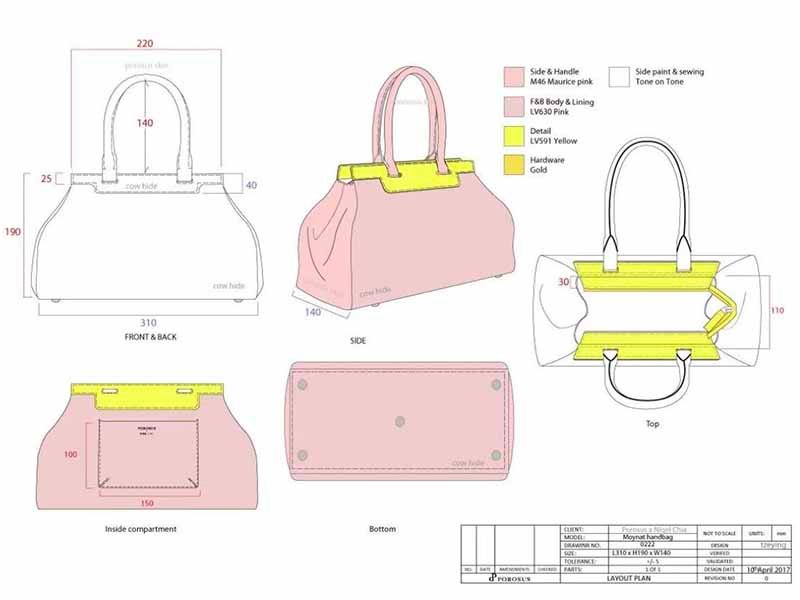
Briefing mistakes delay samples when brands send unclear product references, missing dimensions, incomplete logo files, no material direction, no target quantity, no packaging requirement, or no intended use case. A factory can make better samples when the buyer explains what the bag should carry, where it will be sold, how it should look, and what must not change.
A bag sample is only as clear as the information behind it. When a brand sends one screenshot and asks, “Can you make this?” the factory may understand the general style, but not the exact product requirement. The sample maker then has to guess the size, fabric, lining, trim quality, structure, zipper grade, logo method, packaging, and target price level.
The problem is not that factories cannot work from photos. Experienced bag manufacturers can often create a first development direction from references. The problem is that a photo cannot explain everything. It cannot show fabric GSM, inner structure, seam allowance, pocket depth, reinforcement method, lining quality, or how the bag should perform under weight.
A poor brief creates a hidden cost: every missing detail becomes a future question. If the buyer does not define the intended sales channel, the factory may recommend the wrong packaging. If the buyer does not define target order quantity, the factory may choose materials that are easy for sampling but difficult for bulk sourcing. If the buyer does not define the product function, the sample may look right but feel wrong in real use.
A good sampling brief does not need to be perfect. It just needs to reduce unnecessary guessing. At minimum, brands should provide product type, reference images, target dimensions, material preference, logo artwork, quantity range, packaging direction, target market, and expected usage.
| Brief Item | Poor Version | Better Version |
|---|---|---|
| Product Type | “A travel bag” | “Weekend duffle bag for 2–3 day trips” |
| Size | “Medium” | “45 x 25 x 28 cm, tolerance ±1 cm” |
| Material | “Waterproof fabric” | “TPU-coated polyester or similar water-resistant fabric” |
| Logo | “Put our logo on it” | “Embossed PU patch, 45 mm wide, front center” |
| Quantity | “Maybe bulk later” | “First order 500 pcs, repeat order expected if approved” |
| Packaging | “Normal packing” | “Individual polybag, barcode sticker, export carton” |
Is Your Tech Pack Complete?
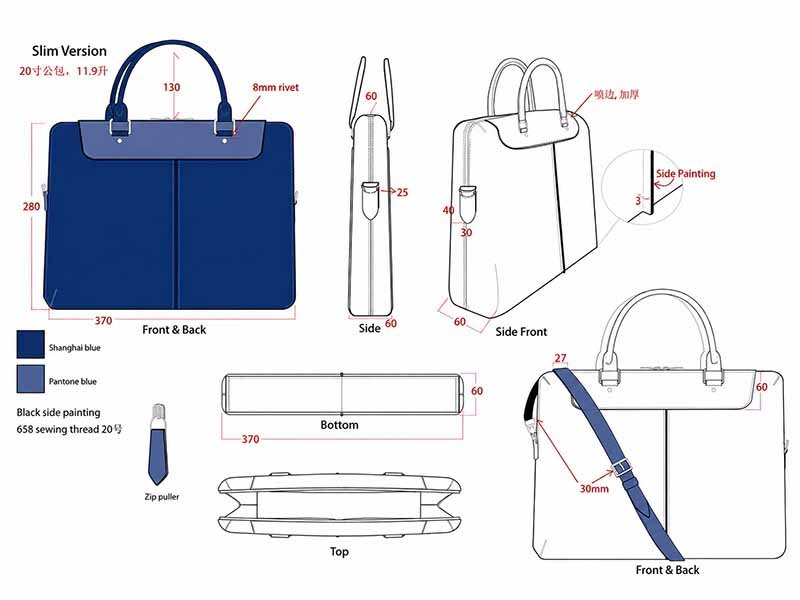
A complete tech pack does not need to be complicated, but it should be specific enough to prevent expensive assumptions. For bag sampling, the most useful tech pack normally includes product sketches or photos, dimensions, material requirements, lining details, zipper or closure type, hardware color, logo file, logo position, stitch or binding preference, packaging requirement, and target quantity. If the design has special compartments, laptop sleeves, insulation, waterproof seams, or load-bearing straps, those details should be highlighted clearly.
Brands often believe the factory can “figure it out” from a reference image. A capable factory can help develop missing details, but it still needs a clear decision path. For example, “black backpack” is not enough. Is it a 600D polyester backpack, nylon backpack, PU leather backpack, or waterproof TPU backpack? Is the laptop compartment padded? Should the zipper be No.5 or No.8? Is the lining black polyester or contrast color? A stronger tech pack reduces back-and-forth and makes the first sample closer to the buyer’s real expectation.
What Details Should Brands Send First?
Before sampling, brands should send the information that affects material, structure, cost, and production feasibility first. The most useful starting package includes clear photos or drawings, target size, material direction, logo artwork, color reference, quantity estimate, packaging needs, target country, and product use case. If the buyer has a physical reference sample, sending it to the factory can dramatically improve accuracy, especially for structure, handfeel, thickness, and proportion.
The use case matters more than many buyers realize. A cooler bag needs different testing logic from a cosmetic pouch. A beach bag needs different material thinking from a laptop backpack. A tool bag needs stronger reinforcement than a promotional tote. When the factory understands what the bag carries, how heavy the load is, and where the customer uses it, the sampling team can choose better materials, seams, handles, and hardware. Good briefs are not just about appearance; they explain the job the bag must perform.
How Do Vague References Cause Rework?
Vague references cause rework because two people can look at the same image and imagine different products. A buyer may focus on the silhouette, while the factory may focus on the construction. A buyer may want a premium handfeel, while the reference image only shows a basic shape. A buyer may assume the logo is embroidered, while the factory may choose heat transfer because it is more common for that surface. These differences are not always visible until the sample arrives.
Rework becomes expensive when it changes the pattern or material after the first sample. Changing a logo position may be simple. Changing bag depth, strap angle, zipper opening, insulation thickness, or bottom structure may require a new pattern and a new sample. This is why every reference image should be paired with notes: what you like, what you want to change, what must stay the same, and what is flexible. The more clearly you explain the reference, the fewer surprises appear in the sample.
Do Photos Replace Measurements?
Photos do not replace measurements. They are helpful for style direction, but they cannot define scale, pocket depth, strap length, gusset width, handle drop, laptop compartment size, or carton packing. A product can look balanced in a photo but feel too small or too large when used. For bags, even a 2–3 cm difference can change capacity, cost, shipping volume, and user experience.
Measurements should be practical, not just decorative. For a tote bag, handle drop affects shoulder comfort. For a backpack, strap length and back panel height affect fit. For a cosmetic bag, opening width affects how easily users can see inside. For a cooler bag, dimensions affect insulation performance and carton size. If you do not know the exact size, provide a target object: “fits a 15-inch laptop,” “holds six 330 ml cans,” or “fits standard skincare bottles up to 18 cm tall.” Functional measurements make sampling much more accurate.
Which Material Mistakes Hurt Quality?
Material mistakes hurt quality when brands choose fabric only by appearance, price, or a competitor photo without checking thickness, stiffness, coating, abrasion resistance, water resistance, color, lining compatibility, and product structure. The right material should match the bag’s usage, target market, branding level, durability needs, and expected bulk production cost.
Materials are not just surfaces. In bag manufacturing, material is structure, cost, weight, feel, durability, and customer experience. A fabric that looks attractive on a flat swatch may not behave well after cutting, folding, stitching, binding, or packing. A soft fabric may feel premium in hand but may not hold the intended shape. A stiff material may create a strong silhouette but make curved seams harder to sew cleanly.
Many brands make the mistake of asking for “the same material as the picture.” A picture rarely tells the full material story. A black tote in a photo could be cotton canvas, polyester canvas, Oxford, recycled polyester, PU-coated fabric, or a blended material. Each option has a different handfeel, cost, durability, and MOQ implication.
Another common mistake is approving the bag shape before approving the material. In reality, material and structure should be developed together. A cosmetic pouch made in soft PU may need reinforcement or lining to hold shape. A backpack made from lightweight polyester may need foam padding in key areas. A cooler bag needs insulation and lining compatibility, not just an attractive outer shell.
Brands should also understand that material changes after sample approval can create bulk inconsistency. Even when two fabrics look similar, they may behave differently under stitching, heat transfer, embroidery, embossing, or packing pressure. If the final bulk material is not locked, the approved sample loses part of its value.
How Should Brands Choose Fabric?
Brands should choose fabric based on the bag’s use case first, then brand positioning, durability requirement, cost target, and appearance. For example, canvas can be strong and natural-looking for lifestyle totes, but it may not be the best choice for a wet beach bag. Oxford polyester can work well for promotional, travel, and functional bags, while nylon may offer a smoother, lighter feel for sports or outdoor products. PU and leather can add a premium look, but they require attention to surface finish, thickness, logo method, and storage conditions.
The best fabric decision usually comes from comparing options side by side. Ask the factory for material suggestions with pros, cons, approximate cost level, and recommended use. For bags, useful material questions include: Is the fabric stiff enough? Does it wrinkle easily? Can it carry the expected weight? Does it work with the logo process? Is it easy to source for repeat orders? Can the color be consistent in bulk? A professional manufacturer should help you choose the material that works in real production, not just the one that looks good in a photo.
Do Swatches Need Approval First?
Yes, swatches should be approved before or during sampling whenever material appearance, handfeel, color, coating, or texture matters. Swatch approval helps the buyer avoid paying for a full sample made from the wrong fabric. This is especially important for brand-sensitive products such as cosmetic bags, leather goods, travel pouches, premium totes, neoprene bags, and retail packaging sets. A digital image cannot accurately show texture, thickness, stretch, shine, or softness.
Swatches are also useful for comparing cost levels. A buyer may ask for a premium feel but still need a realistic target price. By reviewing two or three material options, the brand can decide whether to prioritize handfeel, durability, sustainability, waterproof performance, or cost control. For repeat orders, keeping an approved swatch record helps reduce future color or texture drift. If your brand cares about consistency, swatch approval is not a small step; it is a quality-control tool before sampling and bulk production.
Which Materials Affect Structure?
Almost every material affects structure, but the impact is most obvious in canvas, PU, leather, neoprene, EVA, insulated materials, TPU-coated fabric, and high-denier polyester or nylon. Thick or stiff materials create stronger shape but may increase sewing difficulty at corners and seams. Soft materials can improve handfeel but may need lining, foam, binding, or reinforcement to prevent collapse. Stretchy materials such as neoprene require special attention to pattern shape and seam tension.
Structure is also affected by lining and padding, not only outer fabric. A backpack may need foam in straps and back panels. A laptop sleeve needs padding thickness and inner fabric protection. A cooler bag needs insulation layers and food-safe lining. A cosmetic pouch may need inner binding or piping to hold the shape. If the buyer changes the material after the sample, the pattern may need adjustment. That is why material selection should happen before final pattern approval, not after.
How Can Material Changes Affect Bulk?
Material changes can affect bulk production in four major ways: appearance, workmanship, cost, and lead time. A different fabric may absorb printing differently, react to heat transfer differently, wrinkle under stitching, change seam thickness, or require different needle and thread settings. Even a small material substitution can make the final product feel different from the approved sample. For branded products, this difference can damage customer trust.
Material changes can also affect MOQ and delivery. Some materials are available in stock colors, while others require dyeing or custom production. Some coatings or special fabrics may require higher minimums. If a brand approves a sample using sample-room fabric without confirming bulk availability, the project may face delays later. Before final approval, brands should ask: Is this exact material available for bulk? What is the expected color tolerance? Is there a backup material? Can the material be used for repeat orders? These questions protect the sample-to-bulk relationship.
How Do Structure Mistakes Appear?
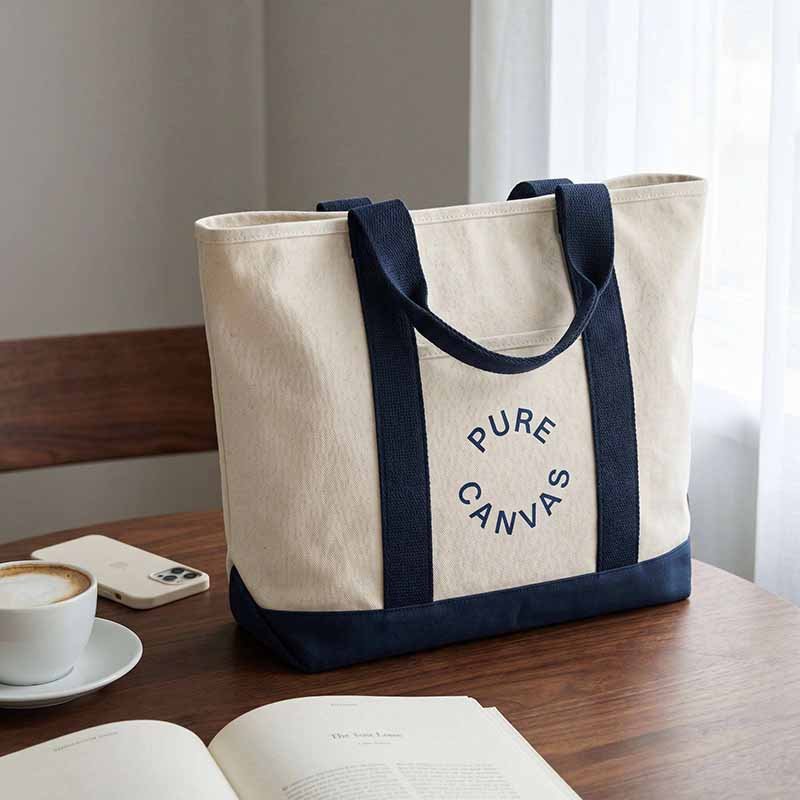
Structure mistakes appear when the bag looks correct but performs poorly in real use. Common signs include weak handles, uncomfortable straps, poor opening access, sagging body shape, unstable bottom panels, shallow pockets, tight zipper curves, unbalanced proportions, and stress points that tear during load testing or repeated use.
Bag structure is where design meets engineering. A product may look simple from the outside, but every seam, gusset, pocket, handle, zipper, binding, and reinforcement point affects how the bag behaves. Many brands focus heavily on color and logo during sampling but pay less attention to how the bag opens, stands, carries, folds, stores, and survives everyday use.
Structure mistakes often appear late because they are not always obvious in sample photos. A photo may show the front view beautifully, but not reveal whether the bag tips forward when loaded, whether the zipper scratches the hand, whether the inner pocket is too shallow, or whether the strap attachment pulls the side panel out of shape.
For functional bags, structure matters even more. A tool bag must handle weight and abrasion. A medical bag may need organized compartments. A cooler bag must balance insulation, sealing, and carrying comfort. A travel bag needs access, load distribution, and packing volume. A cosmetic bag needs an opening that lets users see and reach products easily.
A strong sample review should include real-use testing. Put the expected items inside the bag. Carry it. Zip and unzip it repeatedly. Check pocket access. Pull the straps. Test the handle drop. Place it on a table or shelf. Pack it into its intended packaging. Many structural problems become obvious only when the bag is used like the final customer will use it.
Is the Bag Size Practical?
A practical bag size is not just a number on a spec sheet. It must match the products or objects the customer will actually carry. A tote bag that is 2 cm too narrow may not fit a folder. A cosmetic pouch that is too shallow may not fit standard skincare bottles. A backpack that is too slim may look sleek but fail to fit a laptop and charger comfortably. The sample stage is the right time to test real capacity.
Brands should define size around function. Instead of only saying “30 x 20 x 10 cm,” explain what the bag should hold. For example: “fits a 13-inch laptop,” “holds 8–10 cosmetic items,” “fits gym shoes and clothes,” or “holds six cans plus ice pack.” This makes the sampling review much more practical. Also check whether size changes affect carton packing and shipping cost. A slightly larger bag may improve usability but increase carton volume. A good sample review balances user experience with production and logistics reality.
Are Pockets and Openings Tested?
Pockets and openings are often where user frustration begins. A pocket can look useful in a product photo but be too narrow for a phone, too shallow for a passport, or too deep for small items. A zipper opening can look neat but make it hard to see inside. A drawstring can look simple but close poorly if the fabric is too thick. Sampling should test access, not just appearance.
Brands should place real items into the pockets during sample review. Test phone pockets, laptop sleeves, bottle holders, card slots, mesh pockets, zipper compartments, and elastic loops with real objects. Check whether the opening angle is comfortable, whether the zipper movement is smooth, and whether the user can remove items without fighting the structure. For retail products, small usability details can affect customer reviews. A well-designed opening may not be the first thing customers praise, but a poor opening is often the first thing they complain about.
How Should Straps Be Checked?
Straps should be checked for length, width, comfort, stitching strength, reinforcement, angle, and load distribution. A handle may look fine when the bag is empty, but it can feel uncomfortable or pull at the side seams once the bag is loaded. For backpacks, shoulder straps should be tested with weight. For tote bags, handle drop should be checked on the shoulder and in the hand. For duffle bags, both hand straps and shoulder straps need balance.
A good sampling review should include a simple load test based on the product’s intended use. For example, a lightweight promotional tote may not need the same reinforcement as a tool bag, but it still needs to carry normal items safely. Strap attachment points should be examined closely because they concentrate stress. Look for reinforced stitching, bartacks, box stitches, extra webbing layers, or internal backing where needed. Strap failure is one of the most visible and damaging quality problems because it usually happens after the customer is already using the product.
Do Load Points Need Reinforcement?
Yes, load points need reinforcement whenever the bag carries weight, experiences pulling, or uses thin materials around stress areas. Common reinforcement areas include handle joints, shoulder strap ends, zipper ends, bottom corners, side seams, pocket openings, D-ring attachments, buckle points, and laptop compartment seams. Without reinforcement, a bag may pass a visual inspection but fail in real use.
The type of reinforcement depends on the bag and material. Options may include bartack stitching, box stitching, extra fabric backing, webbing reinforcement, binding, rivets, thicker thread, or pattern adjustment. However, reinforcement should not be added blindly. Too much reinforcement can increase cost, weight, and stiffness. The smart approach is to reinforce the areas that actually receive stress. During sampling, brands should ask the factory where the highest stress points are and how they will be controlled in production. This turns the sample review into a durability discussion, not just a style review.
Do Branding Details Need Testing?
Branding details need testing because logo method, label type, hardware finish, zipper puller, hangtag, packaging, and color matching can change how customers perceive the bag. A branding idea that looks good in a design file may not work well on textured fabric, curved panels, soft PU, neoprene, canvas, or coated materials.
Branding is not decoration only. For many buyers, it is the reason the customer recognizes the product as part of a brand. The mistake brands make is assuming the logo file can be placed anywhere, in any method, on any material. In reality, logo performance depends on surface texture, material thickness, heat sensitivity, stitch density, panel shape, and production quantity.
For example, embroidery can look premium on canvas or polyester, but it may distort thin fabric if the backing is not right. Heat transfer can create clean graphics, but it may not suit every coating or long-term use scenario. Embossed PU patches can look elegant, but they need the right patch thickness, edge finish, and stitch position. Rubber patches and woven labels can work well for outdoor or lifestyle bags, but they need MOQ and mold considerations.
Hardware also affects branding. A zipper puller, buckle, D-ring, snap hook, or metal logo plate can make the product feel more premium, but it also adds cost, weight, sourcing time, and inspection points. If the buyer approves the bag body but leaves hardware open, the final product may feel different from the approved sample.
Packaging is another branding detail that is often tested too late. For Amazon, Shopify, retail stores, gift sets, and wholesale distribution, packaging may need barcode labels, hangtags, insert cards, dust bags, color boxes, FBA labels, carton marks, or retail display requirements. If packaging is not reviewed during sampling, the product may be technically correct but commercially incomplete.
Which Logo Method Fits the Material?
The right logo method depends on fabric surface, product positioning, budget, quantity, and expected durability. Common options include screen printing, heat transfer, embroidery, woven label, rubber patch, PU patch, leather patch, metal plate, debossing, embossing, and zipper puller branding. No single method is best for every bag. The best logo method is the one that matches the material and the brand image without creating avoidable production risk.
For example, screen printing can be cost-effective for flat fabric panels, but fine lines may not perform well on heavily textured surfaces. Embroidery can look strong and premium, but it may not suit very small text or thin fabrics. Debossing works well on certain PU or leather materials, but not on most woven fabrics. During sampling, brands should test the logo method on the actual material, not only approve it on a digital mockup. The sample should confirm logo size, position, color, clarity, durability, and visual balance.
Is Hardware Confirmed Before Bulk?
Hardware should be confirmed before bulk production because it affects appearance, function, cost, weight, and lead time. Hardware includes zipper sliders, pullers, buckles, snap hooks, D-rings, rivets, magnetic buttons, metal plates, strap adjusters, and decorative trims. Even when hardware looks small, it can create major delays if the color, finish, size, or supplier is not locked early.
Brands should confirm hardware finish with physical samples whenever possible. “Gold” can mean bright gold, light gold, antique gold, brushed gold, or rose gold. “Black” can mean matte black, shiny black, gunmetal, or painted black. These differences matter for premium brand presentation. Hardware should also be checked for function. Zippers should run smoothly. Buckles should hold tension. Snap hooks should open easily but not feel loose. If custom hardware is needed, buyers should discuss mold cost, MOQ, lead time, and replacement risk before sample approval.
How Should Labels Be Reviewed?
Labels should be reviewed for size, position, material, text accuracy, color, stitching, comfort, and compliance needs. A label is small, but it can create visible quality problems. A crooked woven label can make a product look cheap. A care label with wrong wording can create retail or compliance issues. A label placed in an uncomfortable position can irritate the user. These details should be checked in the physical sample.
For private label and retail projects, brands should prepare label artwork carefully. This may include brand labels, care labels, origin labels, size labels, warning labels, barcode labels, and hangtags. The sample should show where each label goes and how it is attached. If the product is sold through Amazon, retail chains, or distributors, label and barcode requirements should be discussed early. It is much easier to fix label placement during sampling than after bulk production has started.
Does Packaging Match the Channel?
Packaging should match the sales channel because Amazon, Shopify, retail, wholesale, promotional, and gift channels have different needs. A simple polybag may be fine for some bulk B2B orders, but a retail product may need hangtags, insert cards, dust bags, color boxes, barcode stickers, or shelf-ready packaging. An Amazon FBA product may need FNSKU labels, suffocation warnings, carton labels, and packaging that protects the product during warehouse handling.
The packaging sample should be checked with the bag inside. Does the bag fold without permanent creases? Does the logo remain visible? Does the package protect hardware? Does the carton size waste space? Does the barcode scan correctly? Does the packaging match the brand’s price level? Many buyers treat packaging as the final step, but packaging can affect customer reviews, return rates, shipping cost, and warehouse acceptance. If your bag will be sold online, packaging is part of the product experience.
How Should Brands Approve Samples?
Brands should approve samples by checking the physical sample against the final specification, not by relying on photos alone. Approval should confirm materials, dimensions, stitching, structure, logo, hardware, labels, packaging, revision notes, QC standards, and bulk production readiness. Only a clearly approved sample should become the production reference.
Sample approval is where many brands move too quickly. The excitement of seeing a real sample can make buyers overlook small issues. But small sample issues often become large bulk issues because production repeats whatever is approved. If the handle position is slightly wrong in the sample and nobody records it, the bulk order may repeat that wrong handle position hundreds or thousands of times.
Photo and video review is useful, especially for international buyers, but it should not be the only approval method for important projects. Photos can show shape and workmanship, but they may hide handfeel, stiffness, color difference, zipper resistance, handle comfort, and real capacity. For serious bulk orders, physical sample review is safer.
A professional approval process should be written, not only verbal. The buyer and factory should record what is approved, what needs revision, and what will be adjusted before bulk. This record may include measurement sheets, material codes, logo artwork, Pantone references, packaging files, QC notes, and final comments. Without written approval notes, people may remember the same sample differently.
Brands should also separate “sample approved with changes” from “sample fully approved.” If the sample is approved only after changes, those changes must be documented clearly. For example: “Approve shape, but change zipper puller to matte black,” or “Approve material, but move logo 15 mm higher.” This prevents confusion when the production team prepares bulk materials.
Is Photo Approval Enough?
Photo approval can be enough for simple changes, but it is usually not enough for full sample approval on serious custom bag projects. Photos are helpful for checking general shape, logo position, stitching appearance, color direction, and packaging layout. Videos can also show zipper movement, folding, and basic structure. However, neither photos nor videos can fully confirm handfeel, stiffness, weight, comfort, capacity, texture, or real durability.
If the project involves premium materials, custom structure, exact color matching, special hardware, retail packaging, or a larger bulk order, physical sample approval is strongly recommended. The buyer should touch the material, test the opening, carry the bag, place real items inside, inspect seams, check the logo, and review packaging. If timing is tight, the buyer can use photo/video review for early comments, then use the shipped sample for final approval. This layered approach saves time without removing control.
What Should Buyers Check Physically?
Buyers should physically check the sample from three angles: appearance, function, and production readiness. Appearance includes color, shape, logo, stitching neatness, hardware finish, label placement, and packaging. Function includes capacity, pocket access, zipper movement, handle comfort, strap strength, load points, and opening convenience. Production readiness includes whether materials, trims, and processes are available for bulk and whether the final standard is clearly recorded.
A simple physical review checklist can prevent many mistakes:
| Check Point | What to Review | Common Risk |
|---|---|---|
| Dimensions | Length, width, depth, handle drop | Bag too small, too large, or costly to ship |
| Material | Handfeel, stiffness, color, lining | Wrong structure, poor texture, inconsistent bulk |
| Sewing | Stitching, binding, corners, seams | Weak durability or cheap appearance |
| Function | Pockets, zippers, carrying comfort | Bad user experience |
| Branding | Logo, labels, hardware, packaging | Weak brand presentation |
| Bulk Readiness | BOM, revision notes, QC standard | Sample-to-bulk mismatch |
The goal is not to criticize every small detail. The goal is to decide what matters, what can be accepted, and what must be corrected before bulk production.
How Are Revisions Recorded?
Revisions should be recorded in writing with photos, measurements, and clear action notes. A good revision note should say exactly what changes, where it changes, and what standard should be used. For example, “Increase front pocket height from 14 cm to 16 cm,” is much clearer than “make pocket bigger.” “Move logo 20 mm down from top seam,” is better than “logo lower.” Clear revision notes help the sample room and production team avoid interpretation errors.
Brands should also keep revision versions organized. Sample 1, Sample 2, and final approval sample should not be mixed. Each version should have a date, change list, and approval status. For complex projects, it is useful to create a simple revision table showing material changes, structure changes, logo changes, packaging changes, and open questions. This is especially important when multiple people are involved, such as product managers, designers, sourcing teams, factory sales, sample makers, and QC staff.
When Is a Sample Ready for Bulk?
A sample is ready for bulk only when the buyer and factory agree that the physical product, specifications, materials, trims, logo, packaging, and QC expectations are locked. The sample should not have major open questions. Minor changes can still be made if they are clearly documented, but key decisions must be fixed before material purchasing and production planning.
Before moving to bulk, brands should ask five questions. First, is the final material confirmed and available? Second, are all dimensions and tolerances clear? Third, are logo files, label files, and packaging files approved? Fourth, are reinforcement and functional details tested? Fifth, does the factory understand the inspection standard? If the answer is yes, the project can move forward with much lower risk. If the answer is no, another revision may be cheaper than a failed production run.
How Can Szoneier Help Reduce Sampling Mistakes?
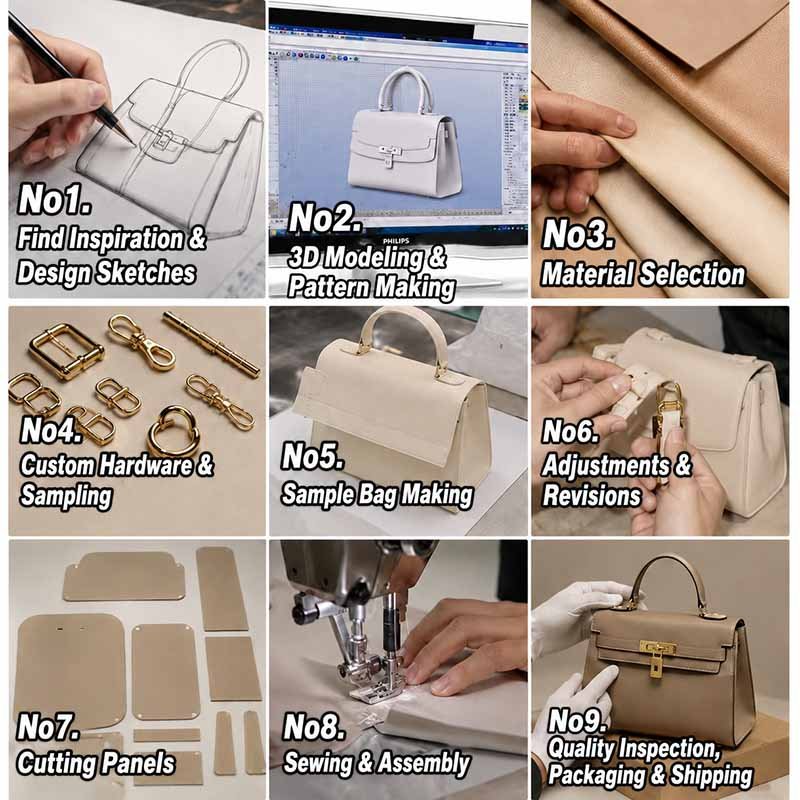
Szoneier helps brands reduce sampling mistakes by treating bag sampling as a full manufacturing preparation process. Instead of simply sewing one sample, Szoneier supports buyers through requirement review, material comparison, structure suggestions, pattern making, sample sewing, internal checking, photo/video review, revision, final approval, QC planning, packaging coordination, and export delivery preparation.
For brands, the best sampling partner is not always the factory that says “yes” the fastest. It is the manufacturer that asks the right questions before cutting fabric. What will the bag carry? Which channel will sell it? What material level does the brand expect? What quantity is planned? Does the logo method match the surface? Is the sample meant for market testing, retail presentation, or immediate bulk production?
Szoneier is positioned as a Shenzhen-based custom bags and soft goods OEM/ODM manufacturer for global brands, retailers, importers, Amazon sellers, Shopify brands, promotional companies, and B2B buyers. The company’s value is not limited to sewing bags. It helps buyers turn product ideas, reference samples, tech packs, material concepts, logo files, and packaging requirements into production-ready custom bags.
This is especially important for brands developing tote bags, backpacks, drawstring bags, cooler bags, lunch bags, makeup bags, travel bags, duffle bags, gym bags, beach bags, tool bags, medical bags, waterproof bags, leather bags, neoprene bags, EVA cases, pet bags, baby bags, storage pouches, and other sewn soft goods.
Szoneier’s project logic is simple: solve problems during sampling before they become expensive during bulk production.
What Makes a Sampling Partner Reliable?
A reliable sampling partner should understand materials, structure, sewing, branding, packaging, quality control, and export requirements together. Many suppliers can make a bag that looks similar to a photo. Fewer suppliers can explain why a material may collapse, why a zipper curve may be risky, why a logo method may fail on a coating, or why a packaging method may increase carton volume. Reliability comes from practical manufacturing judgment.
For brand buyers, a reliable partner should also communicate clearly. The factory should tell you what information is missing, what choices affect cost, what details need approval, and what risks may appear in bulk. Szoneier’s model is built around factory-based sampling, material coordination, sewing production management, quality inspection, packaging, and shipment support. This allows buyers to discuss one project through a more complete manufacturing lens instead of dealing with disconnected vendors.
How Does Szoneier Support OEM and ODM Sampling?
For OEM projects, Szoneier can work from existing tech packs, samples, drawings, material requirements, logo files, and packaging standards. This is suitable for brands that already have a mature product and need a manufacturing partner to reproduce it with stable quality. The key challenge is matching the approved standard and controlling sample-to-bulk consistency.
For ODM projects, Szoneier can help buyers develop from an idea, product photo, rough sketch, reference link, target market, target cost, or usage scenario. This is useful for brands building new products or expanding a product line. In ODM sampling, the factory’s role is not only execution. It also involves material suggestions, structure advice, logo method recommendations, cost optimization, and production feasibility review. This helps brands avoid building a beautiful sample that is too expensive, too fragile, or too difficult to repeat in bulk.
What Should You Send Before Asking for a Quote?
Before asking for a quote or sample, send the details that help the factory understand the product clearly. The most useful information includes product photos or sketches, target dimensions, expected material, lining preference, logo artwork, logo method if known, quantity range, packaging requirement, destination country, target market, and expected timeline. If you have a physical sample, tech pack, BOM, or retail packaging file, include it.
A quote based on complete information is more useful than a quick quote based on guesswork. If the factory does not know the material, size, quantity, logo method, and packaging requirement, the price can only be rough. For serious custom bag projects, clear information saves time for both sides. It also helps the factory suggest whether the first sample should focus on structure, material, logo testing, packaging, or all details at once.
When Should You Start a Custom Bag Project?
Start your custom bag project before your launch timeline becomes urgent. Sampling, revision, material confirmation, packaging approval, bulk production, inspection, and shipment all need time. If your sales campaign, retail delivery, Amazon launch, or seasonal promotion has a fixed date, the sampling stage should begin early enough to allow at least one revision cycle. Rushing sampling is one of the easiest ways to create avoidable quality problems.
A practical project path looks like this: send your product idea or tech pack, review material and structure options, confirm sample cost and sample plan, make the first sample, review the sample physically, record revisions, approve the final sample, prepare bulk production, inspect goods, and ship to your warehouse, Amazon FBA, distributor, or retail channel. This process may sound detailed, but it is much cheaper than discovering preventable problems after bulk goods arrive.
Final Thoughts: Sampling Is Where Better Bag Products Begin
The most expensive bag sampling mistakes are not always dramatic. They are often small decisions that were never confirmed: the wrong fabric stiffness, a vague measurement, a weak strap joint, an untested logo method, a zipper that catches, a label in the wrong place, packaging that does not fit the sales channel, or a sample approved by photos without physical review. These small mistakes can multiply quickly once bulk production starts.
For brands, sampling should be treated as a professional checkpoint before money, materials, production time, and customer trust are placed at risk. A strong sample does more than show what the bag looks like. It confirms whether the bag can be made consistently, packed correctly, inspected clearly, shipped safely, and sold with confidence.
If you are developing custom tote bags, cosmetic bags, backpacks, cooler bags, travel bags, leather goods, neoprene bags, or other sewn soft goods, Szoneier can help review your idea, material direction, structure, logo method, packaging plan, and sampling requirements before bulk production.
Send your product photo, sketch, tech pack, reference sample, logo file, target quantity, material preference, packaging needs, and destination country to Szoneier. Nancy and the Szoneier team can help evaluate your custom bag project, prepare a sampling plan, and support your move from concept to production-ready custom bags.