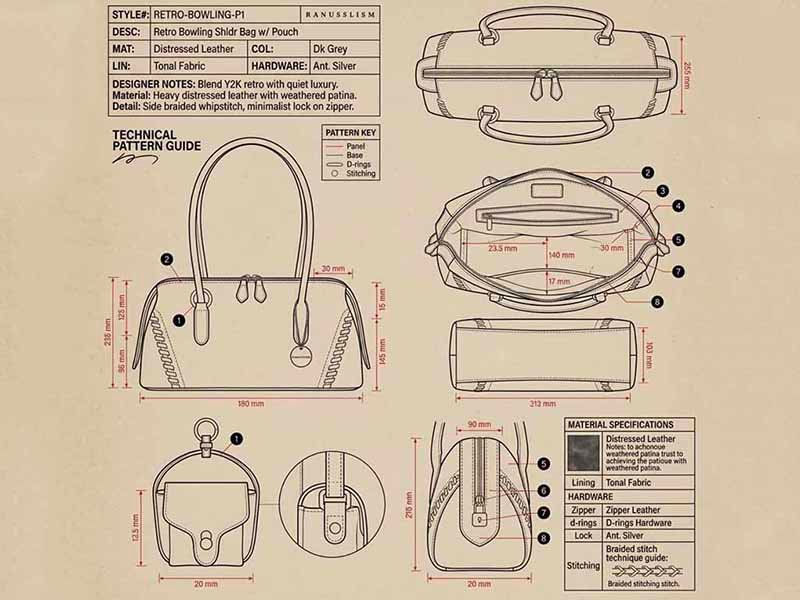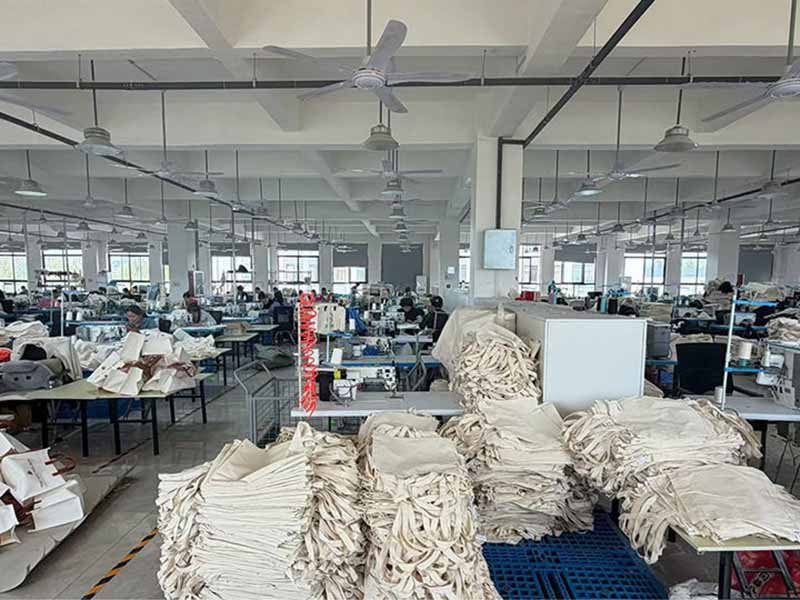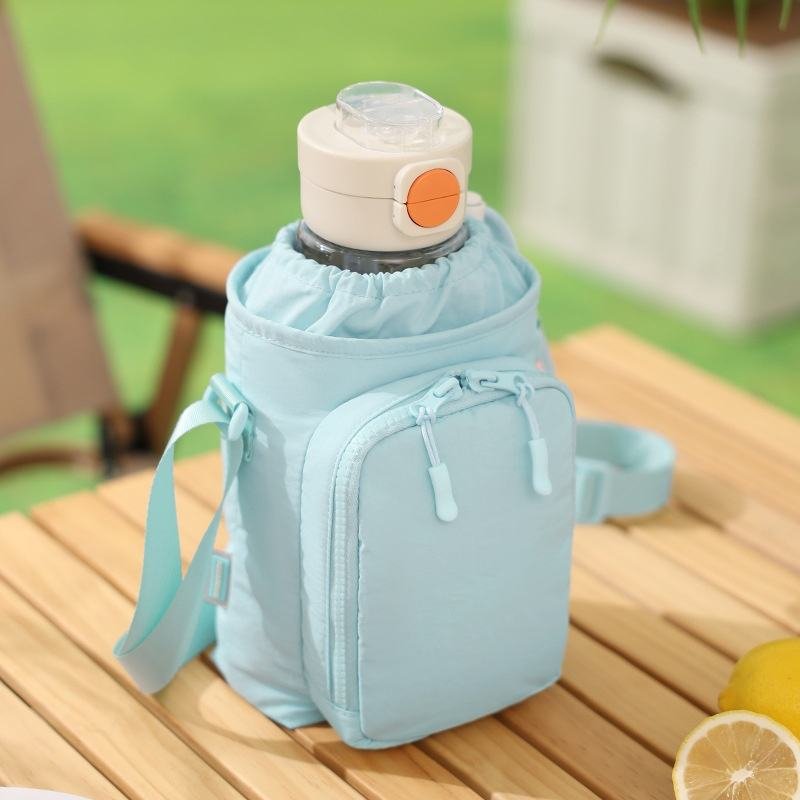
You send the same tote bag drawing to two factories. One quotes USD 3.20. Another quotes USD 5.80. At first, it feels like one of them must be wrong. Maybe the higher factory is overcharging. Maybe the lower factory is trying to win the order. But in real custom bag manufacturing, two factories can look at the same design and silently make very different assumptions about fabric weight, lining, zipper grade, logo process, sewing reinforcement, packaging, inspection, sample revisions, and export preparation.
The real answer is simple: two bag factories give different prices for the same design because they are usually not quoting the same product standard. A design image shows the shape, but it does not define the full manufacturing specification. Material grade, structure, sewing difficulty, hardware, logo method, MOQ, lead time, QC level, packaging, and delivery terms can all change the final unit price.
This is why experienced buyers do not compare only the final number. They compare the quotation logic behind the number. A low quote can be smart cost control, but it can also hide thinner fabric, weaker hardware, fewer inspections, or missing packaging costs. A high quote can be overpriced, but it can also include better materials, stronger construction, cleaner finishing, and lower production risk.
Think of it like ordering coffee from two cafés. Both write “latte” on the menu, but one uses instant powder and the other uses fresh beans, real milk, trained baristas, and quality control. Same name. Different product. Custom bags work the same way.
What Looks the Same but Costs Different?
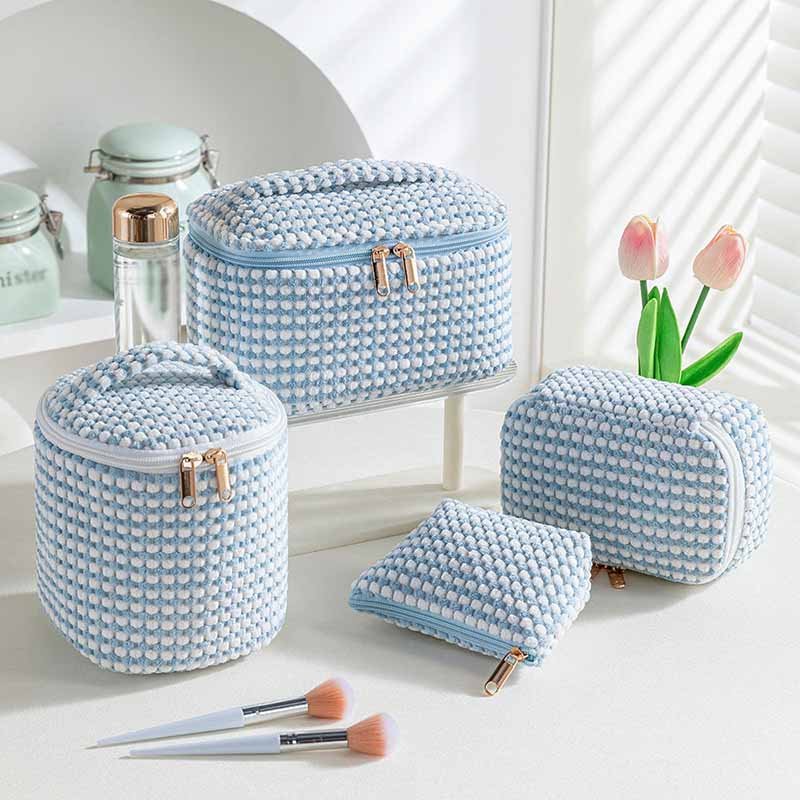
Two bags can look identical in a design image but cost differently because factories may quote different hidden specifications. Material weight, lining, zipper grade, reinforcement, logo process, packaging, inspection, and production terms all affect the final price. A fair comparison starts by checking whether both factories are pricing the same product standard, not just the same outer shape.
Material Assumptions
A design picture rarely tells the full material story. A buyer may write “canvas tote bag,” “600D polyester backpack,” or “PU makeup pouch,” but each phrase can cover several quality levels. For example, canvas can range from lightweight 8 oz fabric for promotional totes to heavier 12 oz, 14 oz, or 16 oz canvas for retail-quality bags. Polyester can be 210D, 300D, 600D, 900D, or higher, each with different hand feel, strength, coating, and cost.
This is where quotation gaps often begin. One factory may assume a lightweight stock fabric to keep the unit price low. Another may quote a thicker material because the bag needs better structure, stronger carrying ability, or a more premium retail feel. Both factories may believe they quoted the same design, but they are not quoting the same material standard.
A serious buyer should always ask for the fabric specification behind the price: material name, denier or GSM, thickness, coating, lining, color, and whether the fabric is stock or custom. Without those details, the cheaper price may simply come from a lower-grade material, not better manufacturing efficiency.
Size and Consumption
Small size differences can create real price differences. A tote bag that is 38 × 35 × 10 cm and another that is 42 × 38 × 12 cm may look similar on a screen, but the larger version uses more fabric, longer seams, more lining, larger packaging, and sometimes higher freight volume. For backpacks, cooler bags, travel bags, and duffle bags, even a few centimeters can change zipper length, webbing usage, foam size, and carton capacity.
Factories often quote based on the information they receive. If the buyer provides only a reference photo, one factory may estimate a compact version while another quotes a larger and more structured version. This can make one price look much lower, even though the factories are not pricing the same size.
For fair comparison, dimensions should include width, height, depth, handle drop, strap length, pocket size, zipper length, gusset depth, and packing method. The more complete the size information, the fewer quotation surprises later.
Trims and Components
Trims are small parts, but they can change both cost and product reliability. Zippers, sliders, buckles, D-rings, magnetic snaps, Velcro, webbing, binding tape, piping, eyelets, labels, and hangtags all need to be selected and priced. A quote using basic generic trims will usually be lower than a quote using smoother zippers, stronger webbing, metal hardware, custom pullers, or branded labels.
For lightweight promotional bags, simple trims may be enough. For bags that carry weight, such as backpacks, travel bags, gym bags, laptop bags, cooler bags, and tool bags, trims become part of the product’s safety and durability. A weak buckle or rough zipper can cause returns even if the fabric looks good.
A clear quotation should not simply say “hardware included.” It should explain zipper type, slider style, buckle material, webbing width, label method, and any custom trim requirements. If these details are missing, the quote is not fully comparable.
Production Interpretation
A bag design is not a production instruction by itself. Factories still need to decide how the bag will be patterned, cut, stitched, reinforced, lined, turned, packed, and inspected. One factory may simplify the structure to reduce labor. Another may preserve the shape, add reinforcement, and quote more carefully based on real production steps.
This happens often with bags that look simple from the outside but are more complex inside. A tote bag with lining, inner zipper pocket, magnetic closure, bottom support, reinforced handles, and custom logo patch costs much more than an unlined flat tote. A cooler bag with insulation and leak-resistant lining costs more than a normal lunch tote. A backpack with padding, compartments, and shaped shoulder straps costs more than a basic drawstring bag.
The difference is not always about one factory being cheap and another being expensive. Sometimes one factory is quoting a simplified version, while the other is quoting a production-ready version that is closer to what the buyer actually expects.
| Visible Design Detail | Possible Low-Cost Assumption | Possible Higher-Cost Assumption | Why Price Changes |
|---|---|---|---|
| Canvas tote body | 8 oz canvas | 12–16 oz canvas | Higher fabric weight increases material cost and structure |
| Polyester bag shell | 210D–300D polyester | 600D–900D coated polyester | Higher denier and coating improve strength and durability |
| Zipper closure | Basic nylon zipper | Smoother zipper with stronger slider | Better function and lower defect risk |
| Tote handle | Single stitch | Cross-stitch or bartack reinforcement | More labor, stronger load-bearing points |
| Packing | Bulk packing | Individual polybag, label, carton mark | More labor and packaging material |
Which Material Choices Change the Price?
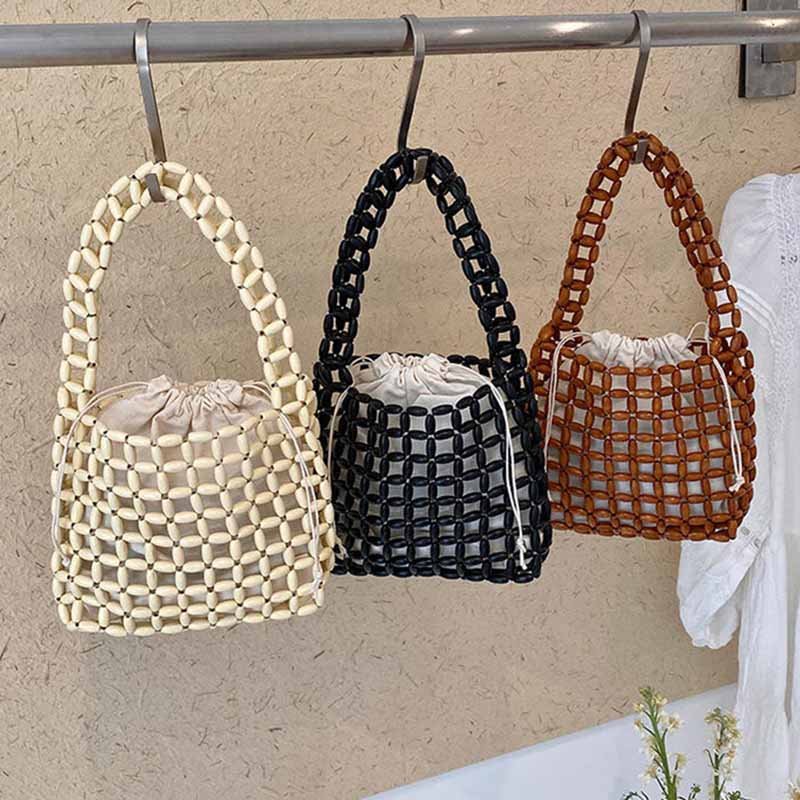
Material choices affect price through fabric weight, thickness, coating, lining, color availability, supplier MOQ, cutting waste, and performance requirements. A cheaper quote may use stock fabric, basic lining, or lighter material, while a higher quote may include stronger fabric, better coating, custom color, premium lining, or tested functional materials.
Fabric Weight
Fabric weight is one of the most direct cost drivers in bag manufacturing. For cotton and canvas bags, weight is often described in ounces, such as 8 oz, 10 oz, 12 oz, 14 oz, or 16 oz. For polyester, nylon, and Oxford fabrics, denier is commonly used, such as 210D, 300D, 420D, 600D, 900D, or 1680D. These numbers do not only affect cost. They affect the bag’s hand feel, strength, shape, and suitable use.
A lightweight 8 oz canvas tote may work well for events, giveaways, or simple shopping bags. A 12 oz or 16 oz canvas tote feels heavier, holds shape better, and is more suitable for retail brands or daily use. A 210D polyester drawstring bag may be fine for promotions, while a 600D or 900D polyester bag is better for backpacks, tool bags, and outdoor products.
When two factories give different prices, check whether they quoted the same material weight. If not, the comparison is not meaningful. The cheaper quote may be based on a thinner fabric, while the higher quote may be designed for longer product life.
Coating and Lining
Coating and lining are often hidden inside the product, but they strongly affect cost. Polyester, nylon, and Oxford fabrics may have PU coating, PVC coating, TPU lamination, water-resistant finishing, or no coating at all. Each choice affects price, flexibility, waterproof performance, odor, hand feel, and durability.
Lining also matters. A bag with no lining is cheaper and faster to sew. A bag with 190T polyester lining, 210D lining, printed lining, padded lining, mesh lining, or waterproof lining requires extra material, cutting, sewing, and inspection. If the bag includes inner zipper pockets, elastic sections, padded compartments, or bottle holders, the lining becomes even more important.
For cooler bags, cosmetic bags, baby bags, medical bags, and waterproof bags, lining is not just decorative. It affects cleaning, insulation, protection, and user experience. If one quote includes lining and another quote does not, the prices are not quoting the same bag.
Stock and Custom Colors
Stock colors usually cost less and move faster because the fabric already exists in the market. Black, navy, grey, natural canvas, and some common colors are often easier to source. Custom Pantone colors may require dyeing, lab dips, higher material MOQ, longer lead time, and extra approval steps.
This is especially important for small and medium orders. If a buyer wants 300 pieces in a special Pantone color, the fabric supplier may still require a much larger dyeing quantity. The unused material cost may need to be spread across the order, which raises the unit price. If the order includes several colors, each color may create its own MOQ and cutting plan.
A lower quote may assume stock colors. A higher quote may include custom dyeing or stricter color matching. Buyers should ask whether the quoted price is based on stock fabric or custom color material before judging the price difference.
Functional Materials
Functional materials usually cost more because they require special construction, coating, lamination, or testing. Waterproof dry bags may involve TPU or PVC materials and seam treatment. Cooler bags may use PEVA, aluminum foil lining, foam insulation, or thicker thermal layers. RFID blocking bags require shielding material. Fire-resistant bags require special fabric and cautious performance claims. Laptop bags may need foam, EVA, or protective lining.
These materials also change production difficulty. Some materials are harder to cut, crease, turn, bind, or sew. Some require special machines or slower production speed. Some create higher waste during cutting or more inspection points during assembly.
A quote that includes real functional material will naturally be higher than a quote that uses a similar-looking but non-functional material. Buyers should be careful with very cheap quotes for waterproof, fireproof, insulated, anti-theft, RFID, or protective bags. The price should match the required performance level.
| Material Choice | Common Budget Range in Use | Common Higher-Spec Range in Use | Main Cost Driver |
|---|---|---|---|
| Cotton canvas | 8–10 oz | 12–16 oz | Weight, density, hand feel, durability |
| Polyester/Oxford | 210D–300D | 600D–1680D | Denier, coating, abrasion resistance |
| PU material | Thin promotional PU | Thicker backed PU | Thickness, backing, surface stability |
| Lining | No lining or 190T | 210D, printed, padded, waterproof | Extra material and sewing process |
| Color | Stock color | Pantone custom dye | Dyeing MOQ, lab dip, waste allowance |
| Cooler lining | Basic PEVA | PEVA + foam + aluminum layer | Insulation performance and assembly |
How Do Structure and Sewing Affect Cost?
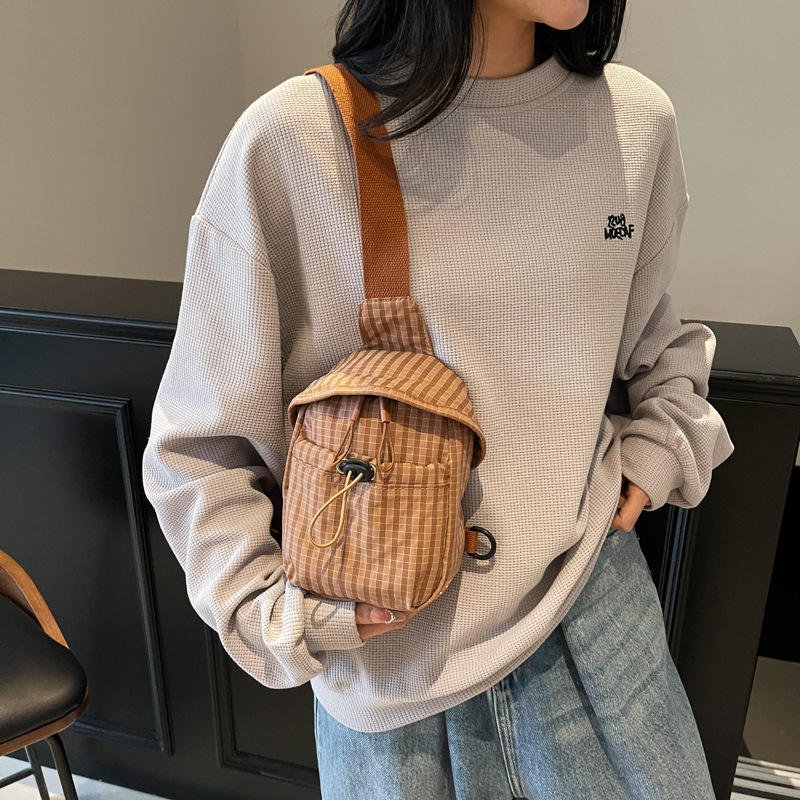
Structure and sewing affect cost because they decide how many pattern pieces, sewing steps, reinforcements, inspections, and skilled labor hours are needed. A flat pouch may be simple to produce, while a lined, padded, multi-pocket, reinforced bag requires slower production and tighter workmanship control. Labor often explains large price gaps between factories.
Pattern Complexity
A simple bag has fewer pattern pieces and fewer sewing steps. A basic drawstring bag may need only front and back panels, drawcord channels, and simple seams. A structured backpack may include outer panels, lining panels, foam pieces, zipper panels, shoulder straps, binding tape, inner pockets, back padding, bottom reinforcement, and hardware positions.
Each extra piece adds cutting time, matching risk, sewing operations, and inspection work. Curved shapes, three-dimensional structures, tight corners, and shaped panels also slow production. A factory that understands the construction may quote higher because it sees the real labor behind the design.
Pattern complexity also affects sample development. If the first sample does not hold its shape, the factory may need to adjust the pattern, change seam allowance, modify foam thickness, or revise the structure. These steps are part of turning a design into a production-ready product, not just sewing a bag.
Reinforcement Points
Reinforcement is one of the clearest differences between a low-cost bag and a reliable bag. Handles, shoulder straps, bottom corners, zipper ends, side seams, pocket openings, and buckle positions are common stress points. These areas may need extra fabric, backing patches, bartacks, box stitching, X stitching, binding, or thicker thread.
From the outside, two bags may look almost the same. But one handle may be attached with a single stitch line, while another may use cross-stitch reinforcement and hidden support tape. The second option takes more time but performs better under load. For grocery bags, tool bags, laptop bags, travel bags, and backpacks, this difference matters a lot.
A lower quote may skip reinforcement unless the buyer specifies it. A more careful quote may include reinforcement based on expected use. The right choice depends on product positioning, target load, and customer expectations.
Pockets and Padding
Pockets and padding add value, but they also add labor. A simple inner pocket may not change the cost too much, but multiple zipper pockets, mesh pockets, bottle holders, laptop sleeves, elastic organizers, hidden pockets, and padded compartments can significantly increase sewing time.
Padding also changes the production flow. Foam, sponge, pearl cotton, EVA, and insulation layers need to be cut, positioned, held in place, and sewn without shifting. If the bag has a padded laptop compartment, the factory must control size accuracy so the laptop fits properly. If it is a camera bag or protective case, the padding must align with the intended protection areas.
This is why a “similar-looking” backpack can have very different prices. One may only have a decorative pocket, while another may include real internal organization, foam support, and reinforced compartments. The difference is not visible from one front-view image.
Stitching Standard
Stitching quality affects both strength and appearance. Better stitching often requires more experienced workers, slower sewing speed, better thread tension control, neater turning, more careful trimming, and stricter inspection. These details add cost, but they also make the product look more professional.
For brand and retail products, messy stitching can make even good material look cheap. Crooked seams, uneven stitch length, puckering, loose threads, skipped stitches, and poor binding can all reduce perceived value. For functional bags, stitching also affects strength, especially around handles, zippers, pockets, and load-bearing seams.
Factories that quote very low may rely on faster sewing and wider tolerance. That may work for simple promotional items, but it may not work for a product that must represent a brand. Buyers should ask what stitching standard, reinforcement method, and inspection process are included before accepting the lowest quote.
| Sewing Feature | Cost Impact | Practical Reason |
|---|---|---|
| Flat unlined pouch | Low | Fewer pieces, simple sewing sequence |
| Lined tote bag | Medium | Extra lining panels, turning, top finishing |
| Padded laptop sleeve | Medium to high | Foam cutting, alignment, protection fit |
| Multi-pocket backpack | High | More panels, zippers, compartments, inspections |
| Reinforced straps | Medium | Extra stitching, backing, bartack or box stitch |
| Curved zipper opening | Medium to high | Requires skilled sewing and shape control |
How Do Logo, Hardware, and Packaging Change the Quote?
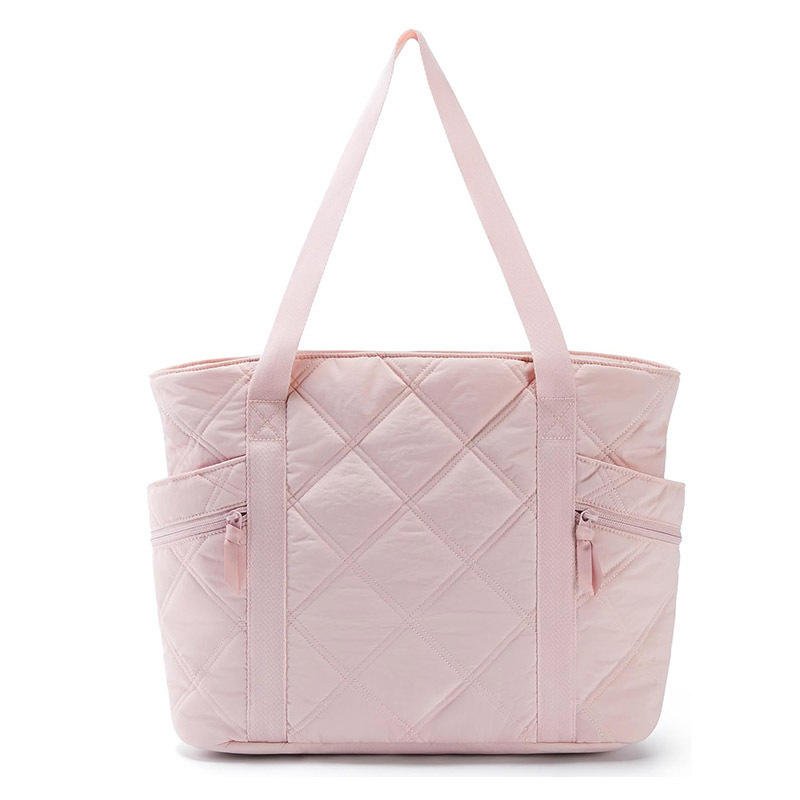
Logo, hardware, and packaging change the quote because they involve setup cost, labor, supplier MOQ, mold fees, material grade, and channel requirements. A basic screen-printed bag in bulk packing will cost less than a bag with embroidery, custom pullers, metal hardware, woven labels, hangtags, barcodes, and retail packaging.
Logo Process
Logo method can change both price and lead time. Common logo options include screen printing, heat transfer, embroidery, woven labels, rubber patches, leather patches, debossing, embossing, metal plates, and silicone patches. Each method has a different setup process, MOQ, durability level, and visual effect.
Screen printing is often cost-effective for simple one-color or two-color logos. Heat transfer works well for detailed graphics and smooth surfaces. Embroidery gives a more premium textile feel but depends on stitch count, thread colors, and fabric stability. Rubber patches, leather patches, and metal plates create stronger branding but may involve mold costs or higher component MOQ.
A factory quoting screen printing will usually be cheaper than a factory quoting embroidery or custom patches. That does not mean one quote is wrong. It means the branding solution is different. Buyers should define logo size, color, process, position, and artwork format before comparing prices.
Zipper and Hardware Grade
Zippers and hardware often separate a cheap bag from a reliable one. A small pouch may only need a basic nylon coil zipper. A travel bag, backpack, or gym bag needs a smoother, stronger zipper that can handle repeated opening and closing. Hardware choices also vary widely: plastic buckles, zinc alloy buckles, metal D-rings, magnetic snaps, custom pullers, plated hardware, and engraved components all have different costs.
Cheap trims may reduce the unit price, but they can increase defect risk. A zipper that jams or splits can make the whole bag feel low quality. A buckle that breaks can make a backpack unusable. A metal part with poor plating may rust, fade, or scratch easily.
A professional quotation should define zipper size, zipper type, slider style, puller material, buckle material, webbing width, and metal finish. If these details are not listed, the buyer should not assume the cheaper quote includes the same trim quality.
Labels and Tags
Labels, tags, and inserts are important for private label and retail-ready products. A custom bag may need woven labels, printed labels, care labels, size labels, brand hangtags, barcode stickers, warning labels, carton labels, and product inserts. Each item adds material cost, artwork setup, supplier MOQ, and packing labor.
For Amazon and Shopify sellers, labeling can also affect fulfillment. FNSKU labels, polybag warnings, carton marks, and packaging accuracy help goods move smoothly through warehouses. For retailers, hangtags and barcode labels support shelf display and inventory systems. For premium brands, dust bags, tissue paper, and insert cards can improve customer experience.
A quote that includes only the bag will be cheaper than a quote that includes brand labels and channel-ready packing. Buyers should check whether the price is for factory output only or for finished retail preparation.
Retail Packing
Packaging is not only a cost item. It affects brand image, shipping volume, damage risk, and warehouse acceptance. Basic bulk packing is usually the lowest-cost option. Individual polybags, branded polybags, dust bags, retail boxes, insert cards, barcode labels, and stronger export cartons all add cost.
For a promotional tote, simple packing may be enough. For a cosmetic bag, leather pouch, gift set, or DTC product, packaging becomes part of the product experience. For FBA or retail channels, packaging must also support scanning, storage, carton labeling, and receiving requirements.
The danger is when a low quote does not clearly include packaging. The buyer may later pay extra for labels, cartons, repacking, or barcode work. A clear quotation should state the packing method, pieces per carton, carton size if available, label requirements, and whether retail or FBA preparation is included.
| Item | Lower-Cost Option | Higher-Cost Option | Cost Reason |
|---|---|---|---|
| Logo | 1-color screen print | Embroidery, patch, metal plate | Setup, labor, component MOQ |
| Zipper | Basic nylon zipper | Stronger zipper with custom puller | Trim grade and function |
| Hardware | Plastic buckle | Metal buckle or custom hardware | Material, plating, mold, MOQ |
| Label | No label or simple printed label | Woven label, care label, hangtag | Branding and sewing labor |
| Packaging | Bulk packing | Individual polybag, retail box, FBA label | Material, labor, carton control |
| Insert | None | Product card or instruction card | Printing, packing, brand experience |
Do MOQ, Lead Time, and QC Change Unit Price?
MOQ, lead time, and QC change unit price because they affect setup efficiency, material purchasing, production scheduling, inspection labor, and risk control. Smaller orders carry more fixed cost per unit. Rush orders may require overtime or priority scheduling. Stronger QC may cost more, but it helps reduce defects, claims, returns, and brand damage.
Quantity Breaks
Order quantity has a direct impact on unit price. Before bulk production starts, the factory may need pattern work, sample development, material sourcing, logo setup, trim purchasing, packaging preparation, production planning, and quality coordination. These fixed efforts must be spread across the order quantity.
That is why a 200-piece order usually has a higher unit price than a 1,000-piece order, and a 5,000-piece repeat order usually has better pricing again. The product may be exactly the same, but material purchasing and production efficiency improve as quantity increases.
Small orders can still be smart. They help brands test new products, reduce inventory risk, and collect market feedback before scaling. But buyers should understand that trial order pricing is not the same as mature bulk order pricing. A good factory can usually provide quantity breaks such as 200, 500, 1,000, 3,000, and 5,000 pieces so buyers can plan both launch and scaling stages.
Rush Production
Lead time affects price because factory capacity is planned in advance. A normal order can fit into material purchasing, sampling, production, inspection, and packing schedules. A rush order may require priority material sourcing, overtime, faster logo processing, shorter approval windows, and tighter production coordination.
If one factory quotes based on normal lead time and another quotes based on urgent delivery, the prices will differ. This is common when buyers have a product launch, trade show, seasonal campaign, Amazon restock deadline, or retail delivery window.
Rush production can be useful, but it should be used carefully. Faster production can increase pressure on material confirmation, sample approval, and quality checks. Buyers should ask whether the quoted price is based on standard lead time or urgent lead time. They should also leave enough time for sample approval and final inspection whenever possible.
Sample Revisions
Custom bags often need sample revisions before bulk production. The first sample may need adjustments to size, material, handle length, pocket position, logo size, zipper direction, lining, padding, or packaging. These revisions are normal, especially for new product development.
The problem happens when the buyer compares only the first quotation and assumes the final price will never change. If the approved sample becomes more complex than the original inquiry, the cost may need to be updated. For example, adding lining, changing to thicker fabric, upgrading hardware, enlarging the bag, or switching from printing to embroidery can all affect the final price.
A responsible quotation process should connect the final unit price to the approved sample and confirmed BOM. Initial quotes are useful for budget planning, but the final production quote should reflect the actual sample standard. This protects both buyer and factory from misunderstanding.
Inspection Level
Quality control affects unit price because inspection takes time, people, records, and process discipline. A simple visual check is cheaper than a structured inspection system that covers incoming material, pre-production sample confirmation, in-line checks, final inspection, and packing inspection.
For custom bags, inspection may include dimensions, color, material, logo position, stitching, zipper function, hardware, lining, cleanliness, load-bearing points, packaging, carton marks, and quantity. Larger buyers may request AQL inspection or third-party inspection before shipment. These requirements may increase cost, but they reduce the risk of receiving defective goods.
A low quote may not include enough inspection time. That may be acceptable for very simple low-risk promotional items, but it can be risky for retail, e-commerce, travel, sports, baby, medical, or functional bags. Buyers should always ask what QC steps are included in the price.
How Can Buyers Compare Factory Quotes Fairly?
Buyers can compare factory quotes fairly by sending the same RFQ package to each factory and requiring the same quotation format. The RFQ should include material, dimensions, structure, logo, hardware, packaging, quantity, QC, lead time, and delivery terms. Without these details, factories are pricing assumptions instead of the same product.
Clear RFQ Details
A clear RFQ reduces guesswork. Instead of sending only a photo, buyers should provide product dimensions, material specification, lining requirement, logo artwork, logo method, color, pocket layout, hardware type, packaging method, order quantity, destination country, and target delivery date. If available, a tech pack, physical sample, sketch, or reference link should also be included.
A weak inquiry says, “Please quote this tote bag.” A stronger inquiry says, “Please quote a 38 × 35 × 10 cm cotton canvas tote, 12 oz natural canvas, inner pocket, 3 cm cotton webbing handles, one-color screen print logo, individual polybag, 500 and 1,000 pieces, FOB Shenzhen and DDP Los Angeles options.”
The stronger inquiry helps factories quote the same standard. It also saves time because the buyer does not need to spend days asking why prices are different. Good information at the beginning leads to better pricing, better samples, and fewer changes later.
Quote Comparison
A quotation should be compared line by line, not only by unit price. Buyers should check whether each factory includes the same material, lining, zipper, hardware, logo process, packaging, sample cost, mold fee, lead time, MOQ, QC level, Incoterm, and shipping preparation.
One factory may quote EXW, while another quotes FOB or DDP. One may include retail packaging, while another includes bulk packing only. One may quote stock fabric, while another quotes custom Pantone material. One may include final inspection, while another does not mention QC. These are not small differences. They can completely change the total landed cost and risk level.
The best method is to create a simple comparison sheet. If any important specification is blank, unclear, or described too generally, ask the factory to confirm it in writing. This makes the decision more objective.
Low-Price Warning Signs
A low quote is not always a bad quote. Some factories are efficient, specialize in a certain bag type, or have better access to a material. But an unusually low price should be checked carefully. The risk is not the low price itself. The risk is a low price with unclear specifications.
Common warning signs include vague material descriptions, no fabric weight, no lining detail, no zipper or hardware specification, no sample process, no QC explanation, unclear packaging, unclear delivery terms, and pressure to place an order quickly. Another warning sign is when a factory says “same quality, cheaper price” but cannot explain what material, construction, and inspection are included.
A good buyer does not simply reject the lowest quote. Instead, ask the factory to explain the price basis. If the factory can show clear specifications and similar samples, the price may be valid. If the factory avoids details, the low quote may become expensive later.
Factory Proof
A reliable factory should be able to provide more than a price. It should show similar product experience, material options, sample photos, workmanship details, logo examples, packaging choices, production workflow, and QC checkpoints. For serious projects, buyers can also request an online meeting, video factory review, material comparison, or pre-production sample confirmation.
The proof should match the product. For canvas totes, ask about canvas weight, handle reinforcement, printing method, and packing. For cooler bags, ask about insulation, lining, zipper, leakage concerns, and carton packing. For leather or PU pouches, ask about material thickness, backing, lining, edge finishing, and logo process.
A factory that helps clarify details before production is usually more valuable than one that only gives a low number. The right partner helps buyers reduce risk from sample to bulk order, especially when the product is part of a brand, retail program, or long-term product line.
| RFQ Item | What Buyers Should Confirm | Why It Matters |
|---|---|---|
| Dimensions | Width, height, depth, handle drop, pocket size | Controls fabric use, labor, and packing volume |
| Material | Fabric type, GSM/denier, thickness, coating | Determines cost, durability, and appearance |
| Structure | Lining, pockets, padding, reinforcement | Controls sewing time and production difficulty |
| Logo | Method, size, color, position | Affects setup cost, MOQ, and lead time |
| Hardware | Zipper, slider, buckle, D-ring, webbing | Affects function, strength, and defect risk |
| Packaging | Polybag, retail box, hangtag, barcode, carton mark | Affects unit cost and delivery readiness |
| Quantity | 200, 500, 1,000, 3,000+ pieces | Controls material purchasing and unit cost |
| QC | In-line check, final inspection, AQL, third-party | Reduces defect and shipment risk |
| Trade Term | EXW, FOB, CIF, DDP, FBA | Changes total landed cost |
Ready to Compare Your Custom Bag Quote More Clearly?
If two bag factories give different prices for the same design, do not rush to choose the cheapest one or reject the most expensive one. First, make sure every factory is quoting the same product standard. The real goal is not to find the lowest number on paper. The real goal is to find a production plan that protects your brand, your margin, your launch schedule, and your customer experience.
For brand owners, Amazon sellers, Shopify brands, retailers, importers, promotional companies, and B2B buyers, Szoneier helps turn product ideas, reference samples, drawings, and tech packs into production-ready custom bags. Our team can review your material options, structure, logo method, packaging requirements, MOQ, sample process, QC expectations, and delivery plan before production begins.
Send Szoneier your product photo, sketch, tech pack, logo file, quantity, target market, packaging requirement, and destination country. We will help you review the real cost factors behind your design and prepare a clearer quotation for your custom bag project.
Contact Szoneier for custom tote bags, backpacks, cosmetic bags, cooler bags, travel bags, drawstring bags, leather goods, neoprene bags, waterproof bags, and other soft goods manufacturing projects.
Your design may look simple. The right quotation should make every hidden detail clear.