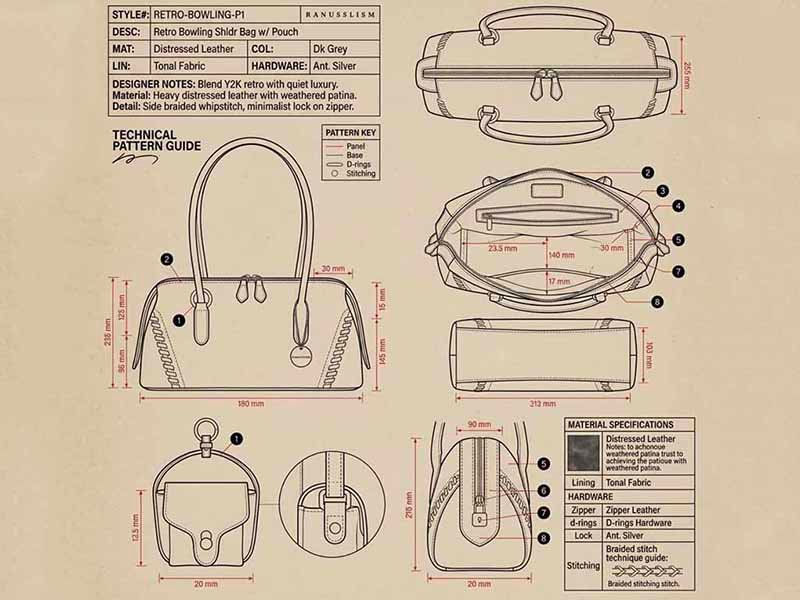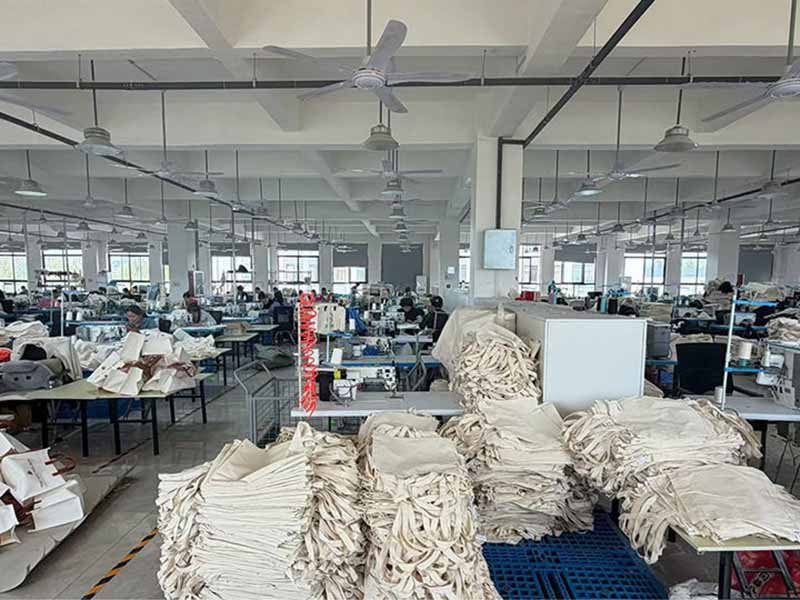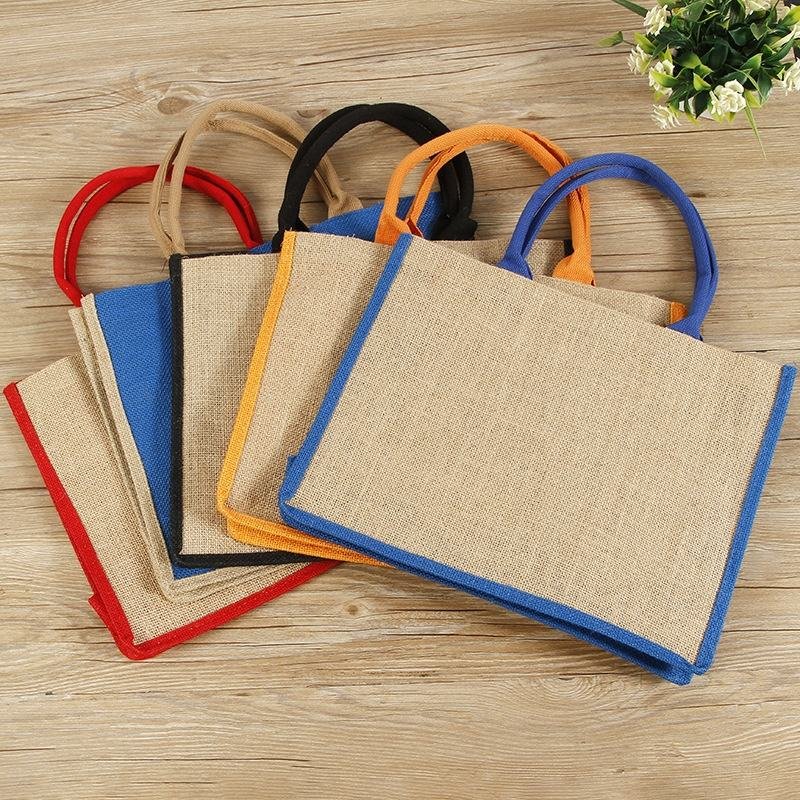
Sustainable bag materials are no longer just a “green product” topic. They now sit at the center of product development, retail approval, customer trust, and brand storytelling. A few years ago, many buyers simply asked factories for an “eco-friendly bag” and accepted whatever material sounded natural or recycled. Today, the questions are sharper: Is the RPET certified? Is the cotton organic or recycled? Can jute handle a clean logo? Is vegan leather durable enough? Does the coating affect recyclability? Can the supplier keep the same material stable from sample to bulk order?
Sustainable bag materials should be chosen by balancing environmental claims, durability, product function, cost, certification, MOQ, and bulk production stability. RPET, recycled cotton, organic cotton, jute, hemp, FSC paper packaging, and selected lower-impact synthetic alternatives can all work, but the best choice depends on bag type, sales channel, target price, branding needs, and verification requirements.
Here is the part many brands discover too late: a material that looks sustainable in a catalog can fail in real use. A soft recycled cotton tote may look premium but stretch under heavy groceries. A beautiful jute bag may feel natural but limit fine logo detail. A waterproof recycled polyester pouch may perform well but require careful coating selection. The winning brands are not the ones that choose the trendiest material; they are the ones that match material, structure, certification, and customer expectations before the first sample is made.
What Are Sustainable Bag Materials?
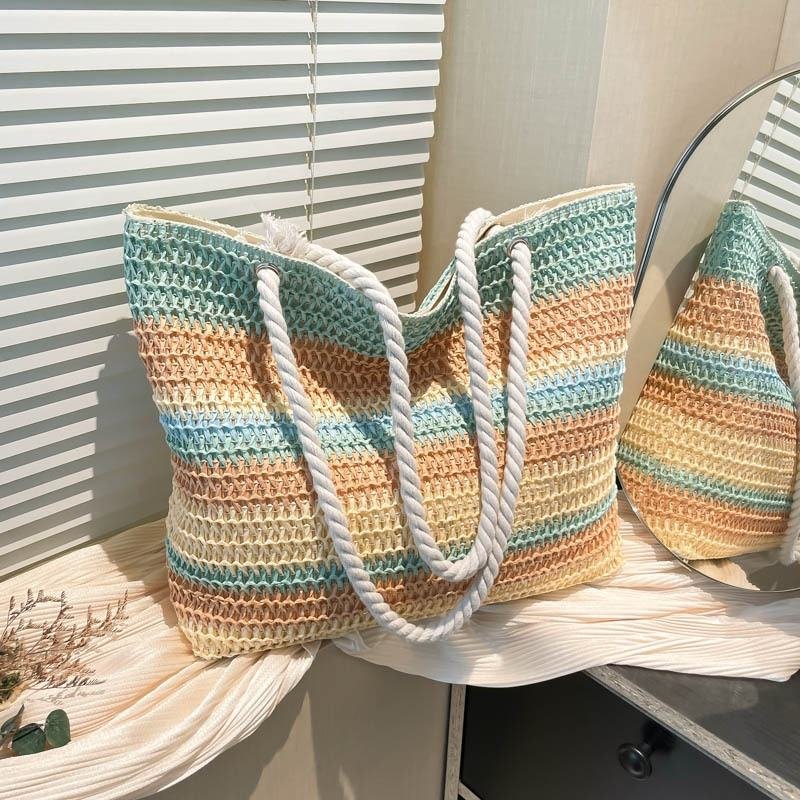
Sustainable bag materials are materials chosen to reduce environmental impact while still meeting real product needs such as strength, reuse, appearance, logo application, and bulk production stability. They may include recycled fibers, renewable natural fibers, certified paper packaging, lower-impact coatings, or durable materials designed for long reuse. A material is only truly useful when its claim is clear, verifiable, and practical for the bag’s purpose.
What Makes a Bag Material Sustainable?
A sustainable bag material should do more than sound environmentally friendly. In actual bag manufacturing, the material must answer three questions: where does it come from, how does it perform, and what claim can the brand honestly make about it?
For example, RPET polyester can reduce the use of virgin polyester if the recycled content is verified. Organic cotton can support a natural fiber story if the cotton source is properly documented. Jute and hemp can create a strong natural look, but they still need to be checked for texture, shedding, color consistency, and logo performance. FSC-certified paper may not make the bag itself sustainable, but it can improve the packaging story when used for hangtags, inserts, or gift boxes.
In B2B custom bag development, sustainability should be connected to function. A reusable tote that breaks after a few uses is not a good sustainable product. A recycled fabric backpack with weak stitching is not better than a durable conventional one. A material’s environmental value becomes meaningful only when the final bag can be used repeatedly, shipped safely, and accepted by the target customer.
For brand buyers, the better question is not simply “Is this eco-friendly?” A stronger question is: “Can this material support our product function, brand claim, price point, target market, and repeat production plan?”
Are Recycled Materials Always Better?
Recycled materials are often a smart choice, but they are not automatically better for every bag. RPET, recycled nylon, and recycled cotton can reduce reliance on virgin resources, but buyers still need to check strength, hand feel, color stability, coating, MOQ, and certification availability.
RPET is widely used for tote bags, backpacks, drawstring bags, travel pouches, and cosmetic bags because it can be made into different deniers and finishes. However, if the brand wants to print “made with recycled polyester,” the recycled claim should be supported by reliable documentation. Recycled cotton can work well for casual totes and drawstring bags, but the fiber may be shorter than virgin cotton, so fabric strength and surface consistency need to be reviewed before bulk production.
A recycled material should also fit the product’s life cycle. If a recycled fabric needs a heavy coating, complex lamination, or mixed components that make the final product harder to process later, the claim should be worded carefully. The practical goal is not to chase the most fashionable material name, but to choose a material that is lower-impact, durable, available, and honest.
This is why sample testing matters. A swatch can look good in a supplier catalog, but the same material may behave differently after cutting, sewing, folding, printing, packing, and shipping.
How Do Reuse and Durability Matter?
For bags, reuse is one of the strongest parts of sustainability. A reusable shopping bag, tote, backpack, or travel pouch creates value only when the customer actually uses it many times. This is why durability should be treated as part of the sustainability decision, not as a separate technical detail.
A basic promotional tote may only need to carry light daily items, while a grocery tote may need reinforced handles and stronger seams. A travel bag may face friction, compression, and heavier loading. A cosmetic bag may need stain resistance and zipper reliability. Each product has a different durability requirement.
Common durability checkpoints include fabric weight, seam allowance, stitch density, handle reinforcement, zipper quality, colorfastness, and coating stability. For many fabric bags, a stitch density of around 7–10 stitches per inch is common, depending on material thickness and product type. For heavier bags, reinforcement stitches or bar-tacks are often needed at stress points such as handles, shoulder straps, side seams, and zipper ends.
A sustainable bag that looks good but fails quickly creates waste, complaints, and replacement cost. A better product uses the right material and the right construction from the beginning.
Do Buyers Trust Eco Claims?
Buyers trust eco claims when they are specific, realistic, and connected to evidence. Vague language such as “green,” “earth-friendly,” or “eco material” is becoming less convincing because it does not explain what has actually improved. Serious buyers want to know whether the material is recycled, organic, renewable, reusable, certified, lower-impact, or simply designed to last longer.
A stronger claim is usually more specific. For example, “RPET outer fabric,” “organic cotton canvas,” “recycled cotton blend,” or “FSC-certified paper hangtag” is clearer than “sustainable bag.” If the product uses several materials, the claim should not make the whole bag sound more sustainable than it really is.
For e-commerce brands, clear claims reduce customer confusion. For retail brands, accurate claims help buyer approval. For promotional buyers, simple and verifiable claims are easier to explain to end clients. For global brands, documentation may be just as important as the material itself.
| Material Claim | What It Usually Means | What Buyers Should Check | Common Bag Use |
|---|---|---|---|
| RPET Polyester | Polyester made with recycled plastic content | Certification, denier, coating, color stability | Totes, backpacks, pouches |
| Organic Cotton | Cotton grown under organic standards | Fabric weight, shrinkage, colorfastness | Totes, dust bags, drawstring bags |
| Recycled Cotton | Cotton fiber recovered from waste or scraps | Blend ratio, strength, surface consistency | Casual totes, pouches |
| Jute | Natural plant fiber with rustic texture | Shedding, odor, logo clarity | Shopping bags, gift bags |
| Hemp | Strong natural fiber with premium eco image | MOQ, fabric availability, cost | Lifestyle totes, pouches |
| FSC Paper | Forest-based paper from controlled sources | Chain-of-custody documents | Hangtags, inserts, packaging |
Which Materials Are Trending?
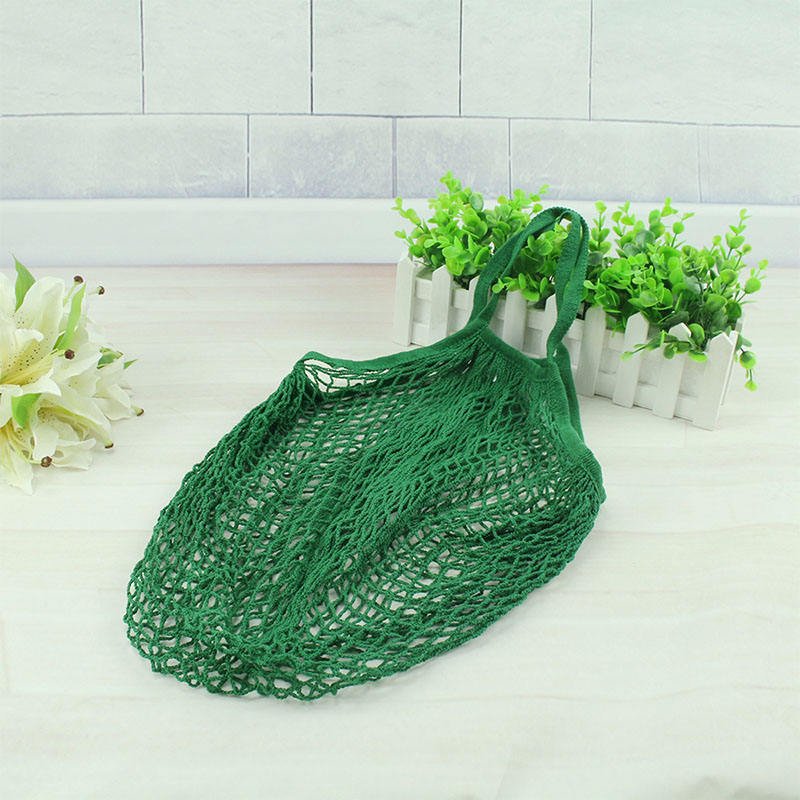
The strongest sustainable bag material trends include RPET, recycled cotton, organic cotton, jute, hemp, cork fabric, selected vegan leather alternatives, and certified paper packaging. The market is moving from broad “eco-friendly” claims toward materials that can be explained clearly, verified more easily, and matched to real product performance. Brands now care about appearance, cost, durability, certification, and scalability at the same time.
Why Is RPET Popular?
RPET is popular because it gives brands a practical recycled-content story while still offering good performance for many bag types. It can be woven into lightweight shopping bag fabric, stronger Oxford fabric, smooth pouch fabric, or more structured backpack material. This flexibility makes RPET one of the easiest sustainable materials to apply across different product lines.
For example, 190T or 210D RPET can work for lightweight foldable bags and drawstring bags. 300D–600D RPET Oxford is often used for shopping bags, backpacks, cooler bag shells, and travel organizers. Higher-denier fabrics may be selected when abrasion resistance and structure are more important.
RPET also works with many logo methods, including screen printing, heat transfer, woven labels, embroidery, and rubber patches. However, buyers should confirm whether the fabric surface has coating or water-resistant finishing because this can affect printing, hand feel, and sustainability wording.
The main risk is overclaiming. If a brand wants to promote recycled content, it should ask whether the material can be supported by proper documentation. If certification is not available for the selected fabric, the claim should be more cautious.
Is Organic Cotton Still Strong?
Organic cotton remains strong because it feels familiar, natural, and premium. It is especially suitable for brands that want a softer, cleaner, lifestyle-oriented image. A cotton tote, dust bag, drawstring pouch, or gift bag can feel warmer and more personal than a synthetic bag.
For tote bags, common cotton canvas weights range from about 6 oz to 16 oz. A 6–8 oz fabric is often used for lighter promotional totes or dust bags. A 10–12 oz canvas gives a stronger hand feel for retail totes. A 14–16 oz canvas can feel more premium but increases cost, weight, and shipping volume.
Organic cotton is not always the best choice for bags that need water resistance, very high abrasion resistance, or a highly structured shape. It can also shrink, wrinkle, or absorb stains if untreated. For this reason, sampling is important. A cotton bag should be checked for shrinkage, colorfastness, stitching behavior, logo clarity, and handle strength before bulk production.
Organic cotton works best when the brand values natural touch, simple design, and long-term reuse rather than technical performance.
How Does Recycled Cotton Compare?
Recycled cotton is attractive because it supports a lower-waste story and often has a soft, natural surface. It is commonly used for casual tote bags, drawstring bags, pouches, dust bags, and promotional bags. Compared with organic cotton, recycled cotton may have a more textured or slightly irregular appearance, which some brands like because it feels honest and less industrial.
However, recycled cotton needs careful review. Recycled fibers may be shorter than virgin fibers, so many fabrics are blended with virgin cotton, polyester, or other fibers to improve strength and stability. This does not make the material bad, but it means the brand should describe the material accurately.
For example, a recycled cotton blend may be a good option for a lifestyle tote, but it may not be ideal for a heavy grocery bag unless the fabric weight and handle construction are strong enough. Buyers should ask for fabric weight, blend composition, sample photos, swatches, and logo tests before confirming the material.
Recycled cotton is strongest when the product does not need extreme technical performance but needs a natural, responsible, and approachable brand feel.
Are Jute and Hemp Growing?
Jute and hemp are growing because they offer a visible natural identity. Unlike recycled polyester, which may look similar to ordinary polyester, jute and hemp immediately communicate a natural texture. This makes them useful for organic food brands, wine brands, wellness products, farmers markets, gift packaging, and boutique retail.
Jute is affordable and visually strong, but it has a coarse surface. Fine text, gradients, and complex logos may not print well directly on jute. Many brands solve this by using cotton panels, simple one-color prints, woven labels, or leather patches. Jute also needs to be checked for odor, shedding, and storage conditions.
Hemp is often positioned as stronger and more premium, but it can have higher MOQ, higher material cost, and limited color choices compared with cotton or polyester. It suits brands that want a durable, natural, slightly elevated product rather than a low-cost promotional bag.
Both materials work best when the design respects their texture instead of forcing them to behave like smooth synthetic fabric.
Is Vegan Leather Practical?
Vegan leather can be practical for cosmetic bags, fashion pouches, small accessories, tech organizers, and premium gift sets. It can create a polished look and works well with debossing, embossing, metal plates, foil stamping, and clean zipper details. For beauty and lifestyle brands, this can be more aligned with the brand image than cotton or jute.
However, “vegan leather” is a broad term. Many vegan leathers are PU-based, PVC-based, microfiber-based, bio-based blends, or plant-fiber composites with synthetic coatings. Their performance can vary widely. Some feel soft and durable, while others peel, crack, smell, or deform after storage.
Before choosing vegan leather, buyers should check thickness, backing material, surface durability, odor, colorfastness, folding marks, abrasion resistance, and heat sensitivity. If the material will be used for a bag sold in humid or hot markets, aging behavior is especially important.
Vegan leather can be a good choice, but it should not be treated as automatically sustainable. Its real value depends on composition, quality, claim wording, and product life.
| Trending Material | Common Specification Range | Best-Fit Bag Types | Practical Buyer Note |
|---|---|---|---|
| RPET Polyester | 190T, 210D, 300D, 600D | Shopping bags, backpacks, pouches | Good balance of cost and function |
| Organic Cotton Canvas | 6–16 oz | Totes, dust bags, drawstring bags | Natural feel, but check shrinkage |
| Recycled Cotton | 120–380 gsm | Totes, pouches, casual bags | Check blend and strength |
| Jute | 10–14 oz common range | Gift bags, shopping bags, wine bags | Strong natural look, coarse surface |
| Hemp Blend | 200–450 gsm | Lifestyle bags, premium totes | Higher cost and MOQ possible |
| Vegan Leather | 0.6–1.4 mm | Cosmetic bags, fashion pouches | Test peeling, odor, and aging |
How Do Materials Affect Performance?
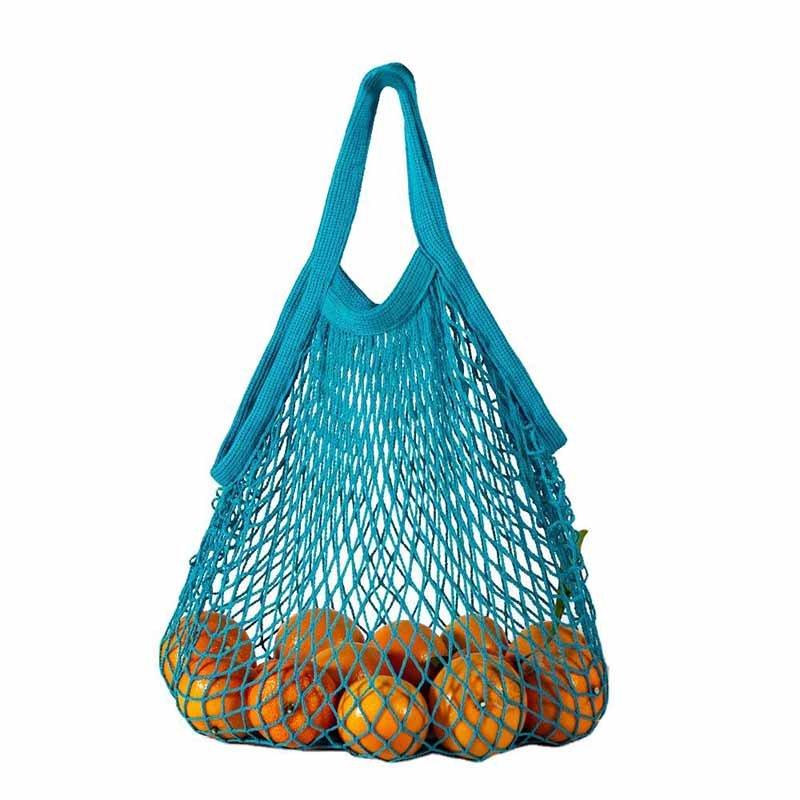
Bag materials affect strength, water resistance, weight, hand feel, logo quality, sewing behavior, packaging volume, and customer satisfaction. A sustainable material still needs to work as a real bag. The right material should match the product’s load, use frequency, retail price, climate, logo method, and expected lifespan. Performance should be tested through samples, not assumed from material names.
Which Materials Are Stronger?
Material strength depends on fiber, weave, thickness, coating, seam construction, and reinforcement. A heavy cotton canvas may feel strong, but a 600D polyester Oxford may perform better in abrasion and water resistance. Jute may carry weight well, but the handle attachment and seam finishing must be strong. Recycled cotton may look natural, but it may require a higher fabric weight or blended yarn to improve strength.
In bag production, failure often happens at stress points, not in the middle of the fabric. Handles, shoulder straps, zipper ends, side seams, bottom corners, and binding edges need special attention. For heavier reusable totes, cross stitching, box stitching, or bar-tacking can improve handle strength. For backpacks and travel bags, webbing, foam, lining, and zipper quality are just as important as the outer fabric.
A buyer should not ask only, “Is this material sustainable?” A better question is, “Can this material hold the expected load after repeated use?” For many bag categories, durability is the difference between a good sustainable product and a weak promotional item.
Which Materials Feel Premium?
Premium feel is not created by material name alone. It comes from hand touch, surface texture, weight, structure, lining, hardware, stitching, logo method, and packaging. Organic cotton canvas can feel warm and natural. RPET can feel clean and technical. Vegan leather can feel polished and elegant. Cork fabric can feel distinctive and boutique. Jute feels rustic rather than luxury, which can be perfect for some brands and wrong for others.
For example, a 12 oz cotton canvas tote with neat stitching and a woven label may feel more premium than a thin recycled polyester tote. But a structured RPET travel pouch with clean lining and smooth zipper may feel more premium than a wrinkled cotton pouch. Material quality must be judged inside the final product, not only on a swatch.
The target customer matters. A wellness brand may define premium as natural and calm. A beauty brand may define premium as smooth, clean, and easy to wipe. An outdoor brand may define premium as durable and technical. The material should support the brand’s version of premium.
Do Eco Fabrics Resist Water?
Some sustainable materials can resist water, but many natural fibers need finishing or lining to do so. RPET polyester and recycled nylon can be made water-resistant with coatings or laminations. Organic cotton, recycled cotton, jute, and hemp generally absorb moisture unless treated. Vegan leather can resist light moisture, but edge finishing and stitching holes may still allow water entry.
The terms are important. Water-resistant means the bag can handle light moisture or splashes. Water-repellent means water beads on the surface for a period of time. Waterproof usually requires stronger material structure, sealed seams, welded construction, or special coatings. A sewn cotton tote should not be described as waterproof. A TPU dry bag with welded seams is a different product category.
For cosmetic bags, a water-resistant lining may be more important than a waterproof outer fabric. For cooler bags, the inner lining and insulation matter more than the outside appearance. For backpacks, the outer shell, zipper flap, coating, and seam design all affect water performance.
Which Materials Print Logos Well?
Logo performance depends on the surface. Smooth RPET polyester usually supports screen printing, heat transfer, woven labels, rubber patches, and embroidery. Cotton canvas works well with screen printing, embroidery, woven labels, and leather patches. Recycled cotton can print well, but uneven texture may affect fine details. Jute is better for bold logos, simple artwork, sewn labels, or cotton-panel printing. Vegan leather supports debossing, embossing, foil stamping, metal logos, and patches.
The same logo can look very different on different materials. A small serif font may look sharp on smooth polyester but unclear on jute. A large embroidered logo may look premium on canvas but too heavy on thin fabric. A heat-transfer logo may look clean on RPET but needs testing on coated materials.
Before bulk production, buyers should test the logo on the final material, final color, and final coating. This avoids a common problem: the sample looks good on one fabric, but bulk production uses another surface and the logo result changes.
| Performance Need | Better Material Options | Specification to Review | Common Risk |
|---|---|---|---|
| Heavy Carrying | 12–16 oz canvas, 600D RPET, reinforced jute | Handle stitching, seam allowance, webbing | Handle tearing |
| Lightweight Folding | 190T/210D RPET, thin recycled polyester | Fabric weight, coating, folding marks | Weak structure |
| Water Resistance | Coated RPET, recycled nylon, TPU, PEVA lining | Coating type, seam design | Overstated waterproof claims |
| Premium Touch | Organic cotton, vegan leather, cork, heavy canvas | Surface feel, lining, hardware | Higher cost |
| Fine Logo Detail | Smooth RPET, cotton canvas, vegan leather | Print method, heat tolerance | Blurry logo |
| Natural Texture | Jute, hemp, recycled cotton | Shedding, color variation | Rough surface |
Which Material Fits Each Bag Type?
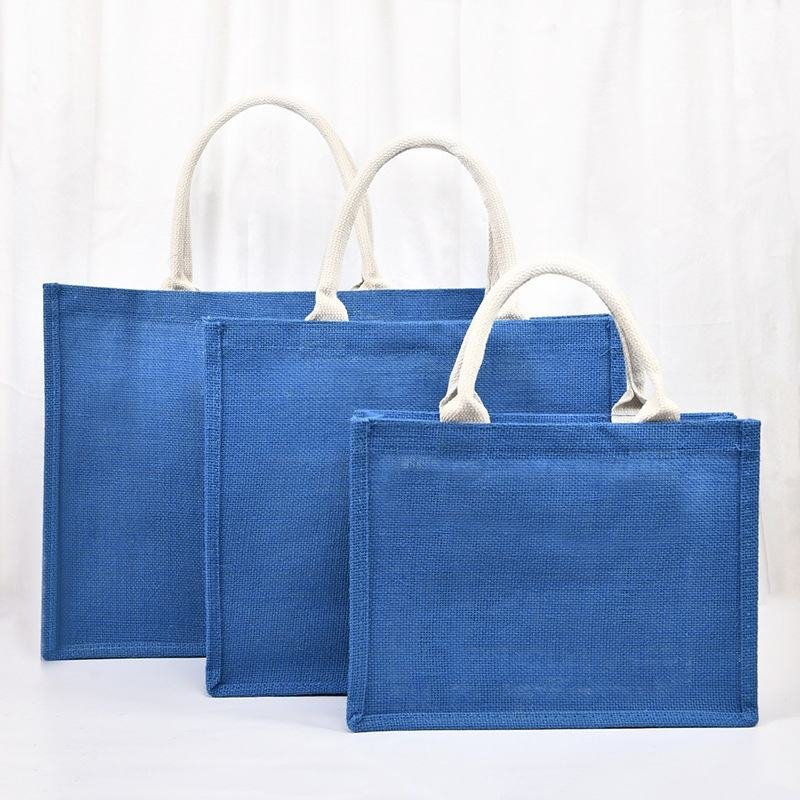
The best sustainable material depends on the bag type. RPET works well for performance and travel bags. Organic cotton and recycled cotton fit lifestyle totes and pouches. Jute and hemp suit natural retail and gift bags. Vegan leather is useful for premium cosmetic bags and accessories. A good material choice starts from product function, not from a trend list.
Which Materials Fit Tote Bags?
Tote bags offer the widest material choice because they can be simple, premium, promotional, retail-focused, or heavy-duty. Organic cotton canvas, recycled cotton, RPET, jute, hemp, and blended fabrics can all work, but each creates a different customer experience.
For a premium lifestyle tote, 10–12 oz organic cotton canvas or recycled cotton canvas often feels solid without becoming too heavy. For a strong grocery tote, heavier canvas, laminated jute, or 300D–600D RPET may be more practical. For a promotional event tote, 6–8 oz cotton or lightweight RPET may control cost better. For a natural food or wine brand, jute can create an immediate eco look.
The main technical points are handle length, handle strength, bottom shape, seam finishing, logo placement, and fabric shrinkage. A tote bag looks simple, but poor proportion or weak handles can make it feel cheap. For reusable totes, material selection should always be paired with proper reinforcement.
Which Materials Fit Cosmetic Bags?
Cosmetic bags need a different material logic because they are handled often, stored in bathrooms, packed in luggage, and exposed to makeup powder, oil, lotion, and moisture. The outer material should match the brand look, but the lining is just as important.
RPET polyester is practical for beauty pouches because it can be lightweight, printable, and available in many colors. Vegan leather is suitable for brands that want a more polished, premium look. Cotton canvas works for natural beauty brands, but it may need a wipe-clean lining to avoid staining. Recycled nylon can work well for travel cosmetic bags because it is light, smooth, and strong.
Common lining choices include polyester lining, PEVA lining, TPU-coated fabric, or easy-clean synthetic lining depending on budget and claim requirements. Buyers should test zipper movement, lining cleaning, corner sewing, logo durability, and packaging compression. A cosmetic bag must look good after shipping and after real use, not only in a studio photo.
Which Materials Fit Cooler Bags?
Cooler bags need technical construction. The outer shell may use RPET polyester, recycled polyester Oxford, or another durable fabric, but the cooling performance depends on insulation, lining, seam construction, zipper, and closure design.
A common cooler bag structure includes an outer fabric, foam insulation, inner lining such as PEVA or aluminum foil material, binding, zipper, handle webbing, and sometimes reinforced bottom panels. Even if the outer fabric uses recycled content, the whole product is still a multi-material item. Brands should therefore be careful with broad sustainability claims.
For lunch bags and small cooler bags, buyers often care about easy cleaning, odor control, light insulation, and food-related safety. For larger cooler totes, carrying strength and zipper durability become more important. If leak resistance is required, the lining and seam method need extra attention.
Cooler bags are a good example of practical sustainability. The product must first perform its function. Then the brand can improve selected components, such as recycled outer fabric, lower-plastic packaging, or more responsible hangtags.
Which Materials Fit Backpacks and Travel Bags?
Backpacks and travel bags need stronger materials and more structured development than simple totes. RPET Oxford, recycled nylon, canvas blends, and selected recycled polyester fabrics are common options. The material must support daily friction, weight, shape, and repeated opening and closing.
For school, commuting, gym, or travel backpacks, buyers should review fabric denier, lining strength, padding, zipper size, buckle quality, shoulder strap webbing, mesh, and reinforcement. A sustainable outer shell is only one part of the product. Foam, lining, thread, zipper tape, labels, and trims also affect the final bag.
Packing cubes and lightweight organizers can use thin RPET or recycled polyester to reduce weight. Toiletry bags may use RPET, recycled nylon, vegan leather, or coated cotton with easy-clean lining. Duffle bags and weekenders need stronger fabric, larger zippers, reinforced handles, shoulder straps, and durable lining.
Travel products are handled roughly by users, airlines, hotels, gyms, and cars. A sustainable travel bag should not only look good; it should survive real movement.
| Bag Type | Better Material Choices | Useful Specification Range | Key Development Check |
|---|---|---|---|
| Tote Bag | Organic cotton, recycled cotton, RPET, jute | 6–16 oz cotton, 210D–600D RPET | Handle strength and logo clarity |
| Cosmetic Bag | RPET, vegan leather, recycled nylon, canvas | 210D–300D fabric, 0.6–1.2 mm vegan leather | Lining and zipper quality |
| Cooler Bag | RPET shell, polyester Oxford, PEVA/foil lining | 300D–600D shell fabric | Insulation and lining safety |
| Backpack | RPET Oxford, recycled nylon, canvas | 300D–900D fabric | Strap, zipper, and abrasion |
| Travel Bag | RPET, recycled nylon, canvas, vegan leather trims | 300D–600D fabric, heavy webbing | Weight and reinforcement |
| Gift Bag | Jute, cotton, FSC paper packaging | 10–14 oz jute, 6–10 oz cotton | Texture and print method |
How Should Brands Verify Sustainability?
Brands should verify sustainability through material documents, certifications, sample testing, supplier transparency, and accurate claim wording. Useful checks may include GRS or RCS for recycled materials, organic certification for cotton, FSC documentation for paper packaging, and market-specific chemical or performance tests. A claim should match the actual component, not exaggerate the whole product.
What Certifications Matter?
The most useful certification depends on what the brand wants to claim. If the claim is about recycled polyester, recycled nylon, or recycled cotton, buyers often look for recycled-content documentation or recognized recycled material standards. If the claim is about organic cotton, organic fiber certification may be needed. If the claim is about paper packaging, FSC documentation may be relevant.
A common mistake is mixing up component-level claims and product-level claims. A bag with an FSC paper hangtag is not an FSC bag. A bag with an RPET outer fabric is not automatically fully recycled. A cotton tote packed in recycled paper does not mean the cotton itself is recycled or organic.
Buyers should ask which component is certified, who holds the certificate, whether the certificate is current, whether the material supplier is included, and whether order-level documentation can be provided if needed. For retail and larger B2B programs, this should be discussed before sampling, not after production.
Certifications are useful, but they are not decoration. They must connect directly to the material, supplier chain, and public claim.
Is GRS Important for RPET?
GRS can be important for RPET bags when the brand needs a stronger recycled-content claim, especially for retail, corporate, or compliance-sensitive projects. It helps support traceability and recycled material verification across the supply chain.
However, GRS-certified RPET may affect cost, MOQ, fabric availability, and lead time. Some certified fabrics may be available only in limited colors, standard deniers, or higher minimum quantities. If a buyer wants a custom color, special texture, or unique coating, the material sourcing process may take longer.
For a small test order, a brand may first choose available RPET fabric and use careful wording. For a retail launch or large corporate program, certified material may be worth the extra planning. The decision depends on where the product will be sold and how strongly the sustainability claim will be promoted.
The best time to decide is before sample development. Once a sample is approved using non-certified fabric, switching to certified fabric later may change hand feel, color, price, and delivery schedule.
Is FSC Relevant to Packaging?
FSC is relevant when the bag’s packaging includes paper components such as hangtags, inserts, belly bands, gift boxes, tissue paper, paper mailers, or cartons. It does not usually apply to fabric bags themselves unless the product uses forest-based materials.
Packaging matters because customers judge the whole product experience. An organic cotton tote packed with excessive plastic sends a mixed message. A recycled fabric pouch with a responsible paper hangtag, reduced plastic packaging, and clean carton labeling feels more consistent.
For e-commerce brands, packaging also affects unboxing. For retail brands, hangtags and inserts must explain the product clearly without overclaiming. For Amazon sellers, packaging needs to balance sustainability, barcode requirements, protection, and shipping efficiency.
Buyers should ask whether FSC paper is available, whether the printing supplier can support the claim, and whether the packaging design can reduce unnecessary material. Sometimes the most practical improvement is not a new fabric, but a cleaner packaging system.
How Can Brands Avoid Greenwashing?
Brands can avoid greenwashing by using specific, limited, evidence-based claims. Instead of saying “100% eco-friendly bag,” say exactly what is true: “outer fabric made with recycled polyester,” “organic cotton canvas tote,” “recycled cotton blend pouch,” or “FSC-certified paper hangtag.”
The claim should not suggest that the whole product is sustainable if only one component has improved. A cooler bag with recycled outer fabric may still include foam, lining, zipper, and plastic components. A vegan leather pouch may avoid animal leather but still use synthetic coating. A cotton tote may be natural but still require dyeing, printing, and shipping.
Good claim language is honest and simple. It helps the customer understand the improvement without pretending the product has no environmental impact. This approach protects the brand from customer doubt, retailer pushback, and future compliance risk.
A useful internal rule is this: if the claim cannot be explained clearly to a buyer in one sentence and supported with documents or material facts, it should be rewritten.
Do Claims Need Testing?
Many claims need testing, especially when they involve recycled content, organic content, chemical safety, waterproofing, food-contact use, biodegradability, compostability, or children’s products. Testing requirements depend on the market, product use, customer type, and sales channel.
For example, a cooler lunch bag may need lining safety review. A baby-related storage bag may need stricter chemical checks. A cosmetic bag may need odor, colorfastness, and lining wipe tests. A waterproof bag needs a clear test method because ordinary sewn bags are rarely truly waterproof. A recycled-content claim may need certification or supplier documentation.
Testing adds cost and time, so buyers should plan it early. If testing is required after bulk production, it may be too late to change the material or claim. A smarter process is to define claim requirements before sampling, choose materials that can support those claims, test the sample if needed, and then approve bulk production.
Verification is not only about risk control. It also gives sales teams stronger evidence when presenting the product to retailers, distributors, or end customers.
| Claim or Requirement | Useful Evidence | When to Confirm | Risk if Ignored |
|---|---|---|---|
| Recycled Content | GRS/RCS or supplier documentation | Before sampling | Weak or rejected claim |
| Organic Cotton | Organic fiber documentation | Before material purchase | Misleading product description |
| FSC Packaging | FSC paper and print chain support | Before packaging design | Invalid packaging claim |
| Water Resistance | Coating details or water test | During sample review | Customer complaints |
| Food-Related Use | Lining safety review or test report | Before bulk production | Compliance risk |
| Chemical Safety | REACH, CPSIA, Prop 65 or buyer-required tests | Before shipment | Import or retail problems |
| Biodegradable Claim | Standard-specific testing | Before public claim | High greenwashing risk |
How Should Brands Choose a Supplier?
Brands should choose a sustainable bag supplier by checking material knowledge, sample development ability, certification support, MOQ flexibility, quality control, packaging capability, and export experience. A good supplier should help buyers match material, structure, logo, claim, cost, and production risk. The right partner does not just offer eco materials; it helps build a reliable product.
What Should Buyers Ask First?
Buyers should begin with practical product questions, not only material questions. What bag are we making? What will it carry? Who will use it? How often should it be reused? What price range must it meet? Which market will it sell in? What sustainability claim do we want to make? Do we need certification?
A clear RFQ should include product photos, reference links, target size, material preference, logo artwork, expected quantity, packaging requirements, destination country, and target delivery schedule. If the buyer already has a tech pack, that is even better. If not, a good manufacturer should still be able to discuss material options and sample feasibility based on reference images and use scenarios.
The first conversation should reveal whether the supplier understands real bag development. If the supplier only replies with a low price and no material questions, that is a warning sign. Sustainable bag projects need more than quotation speed. They need material judgment.
How Do Samples Reduce Risk?
Samples reduce risk because sustainable materials often behave differently after cutting, sewing, printing, folding, and packing. A material swatch may look good on a desk but feel too soft in a tote bag. A jute fabric may look natural but not print small logos clearly. A vegan leather may look premium but show folding marks after packing. An RPET fabric may need a different coating or lining to meet the product’s function.
A proper sample helps buyers review size, shape, hand feel, logo result, zipper movement, seam quality, lining, reinforcement, packaging, and final perceived value. It also helps the factory identify production issues before bulk cutting.
For custom sustainable bags, sample review should not be rushed. Buyers should check the sample like a real customer would: carry it, open it, pack it, clean it, photograph it, and compare it with the target retail price. If changes are needed, it is much cheaper to revise the sample than to fix thousands of finished bags.
How Does MOQ Affect Materials?
MOQ is strongly connected to material choice. Some standard cotton, canvas, RPET, and non-woven materials may be available in smaller quantities if stock fabric exists. Custom colors, special coatings, certified fabrics, woven patterns, unique trims, or special packaging can increase MOQ.
For example, a basic cotton tote may be easier to produce at a lower MOQ than a custom-dyed certified RPET backpack. A stock recycled polyester pouch may be faster than a custom recycled cotton blend. A special vegan leather color may require a larger material order from the supplier.
Buyers should treat MOQ as part of product strategy. For market testing, it may be better to choose available sustainable materials first. After sales validation, the brand can upgrade to custom colors, certified materials, or more complex packaging. This staged approach helps reduce inventory risk.
A practical supplier should explain MOQ by material, color, logo method, accessory, packaging, and structure instead of giving one fixed answer for every project.
How Can Factories Control Quality?
Factories control quality by managing each step from material confirmation to final packing. For sustainable bag projects, this includes fabric inspection, color confirmation, certification review, pre-production sample approval, cutting control, logo testing, sewing inspection, inline checks, final inspection, packing review, and carton labeling.
Common quality issues include fabric color variation, coating odor, uneven stitching, loose threads, weak handles, zipper jamming, logo peeling, lining stains, wrong labels, and packaging mismatch. These problems are easier to prevent during production than to solve after shipment.
A factory-based manufacturer can usually control these risks better than a trading-only supplier because the team is closer to sampling, material selection, sewing, inspection, and shipment preparation. For brands, this matters because sustainable materials may have different sewing behavior, surface texture, or coating performance from conventional materials.
Quality control should be discussed before the order is placed. The buyer and supplier should agree on the approved sample, acceptable tolerance, packing method, inspection standard, and key risk points.
Are Sustainable Bags Scalable?
Sustainable bags are scalable when the material supply, production process, certification support, quality standard, and reorder plan are stable. A brand may start with 200–500 pieces for market testing, then grow to 1,000, 5,000, or more pieces after customer feedback. But scaling requires planning.
Buyers should ask whether the fabric will remain available, whether the same color can be repeated, whether certification can support future orders, whether the supplier can manage multiple SKUs, and whether peak-season production affects lead time. This is especially important for brands building a full product line, such as tote bags, cosmetic bags, pouches, cooler bags, and travel organizers using the same material or color system.
Scalability also depends on documentation. If the first order uses one material and the second order uses a similar but undocumented substitute, the brand’s claim may become inconsistent. A strong supplier should keep material records, approved sample details, logo standards, packing requirements, and order history.
A sustainable product line should not feel like a one-time experiment. It should be built so the brand can repeat, improve, and expand with fewer surprises.
Final Thoughts: Build Sustainable Bags Customers Can Trust
Sustainable bag materials are moving from trend to requirement. But the brands that win will not be the ones using the most fashionable material name. They will be the ones making better product decisions: material matched to use, structure matched to load, logo matched to surface, certification matched to claim, and production matched to long-term demand.
For a buyer, the most practical sustainable material strategy is simple. Choose RPET when you need scalable recycled-content performance. Choose organic cotton when you want natural premium hand feel. Choose recycled cotton when you want a softer circular-material story. Choose jute or hemp when natural texture is part of the brand identity. Choose vegan leather carefully when appearance and surface quality matter. Choose FSC-certified paper for packaging, tags, and inserts when the packaging story matters.
Most importantly, choose a manufacturing partner that can turn the material idea into a real, sellable, repeatable product. A sustainable bag is not just a fabric. It is a system of material, structure, sewing, logo, packaging, documentation, and delivery.
Szoneier helps global brands, retailers, importers, Amazon sellers, Shopify brands, promotional companies, and B2B buyers develop custom bags and soft goods with material sourcing, sample development, OEM/ODM production, quality inspection, packaging, and export delivery support.
If you are planning sustainable tote bags, RPET shopping bags, organic cotton pouches, eco cosmetic bags, jute gift bags, recycled fabric backpacks, or a full sustainable bag product line, send your product photo, reference sample, tech pack, logo file, target quantity, material preference, packaging request, and destination country to Szoneier. Our team can help evaluate material options, sample feasibility, MOQ, cost factors, quality risks, and bulk production planning before you move forward.
Custom sustainable bags are not about choosing the greenest-sounding word. They are about building products your customers can use, trust, and buy again.