 Skip to content
Red Flags When Choosing a Custom Bag Manufacturer
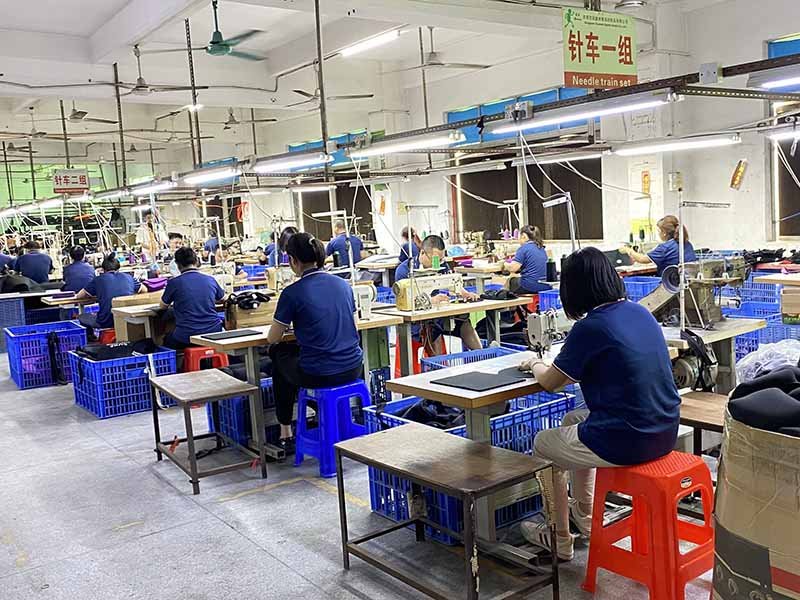
Choosing a custom bag manufacturer is not just about finding someone who can sew a bag. For brand owners, importers, Amazon sellers, Shopify brands, retailers, promotional companies, and B2B buyers, the real question is whether the manufacturer can control the whole project: materials, sample development, structure, logo application, bulk production, quality inspection, packaging, and delivery. A bag may look simple in a photo, but once it enters production, small decisions can change the final result. Fabric weight affects shape. Zipper quality affects user experience. Stitching affects durability. Packaging affects reviews, retail presentation, and warehouse receiving.
Bag Manufacturer vs Bag Supplier: What Is the Real Difference
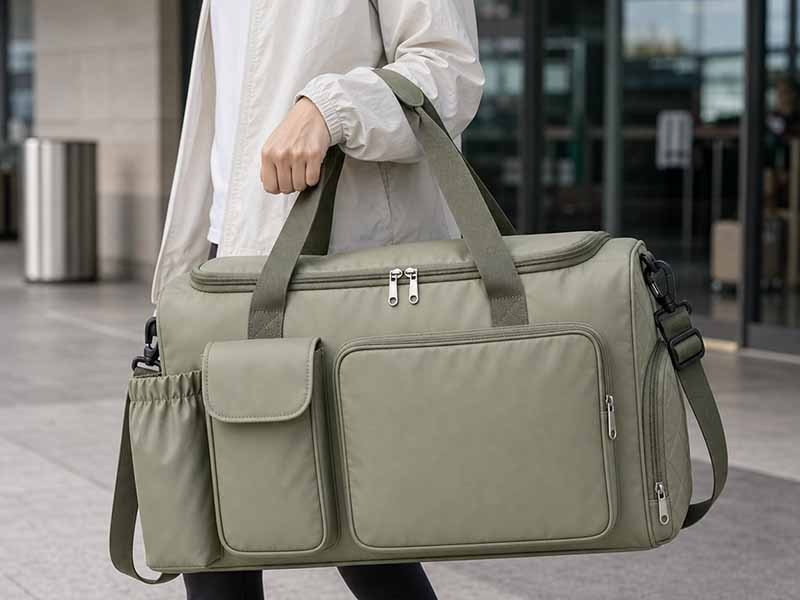
Many buyers think “bag manufacturer” and “bag supplier” mean almost the same thing. On a website, both may show polished product photos, talk about OEM service, and promise competitive pricing. But once a project moves from idea to sample, and from sample to bulk order, the difference becomes very practical. It affects who controls materials, who develops the pattern, who manages sewing quality, who solves structure problems, who owns production responsibility, and who answers when the final shipment does not match the approved sample.
How to Choose a Reliable Bag Manufacturer for Your Brand
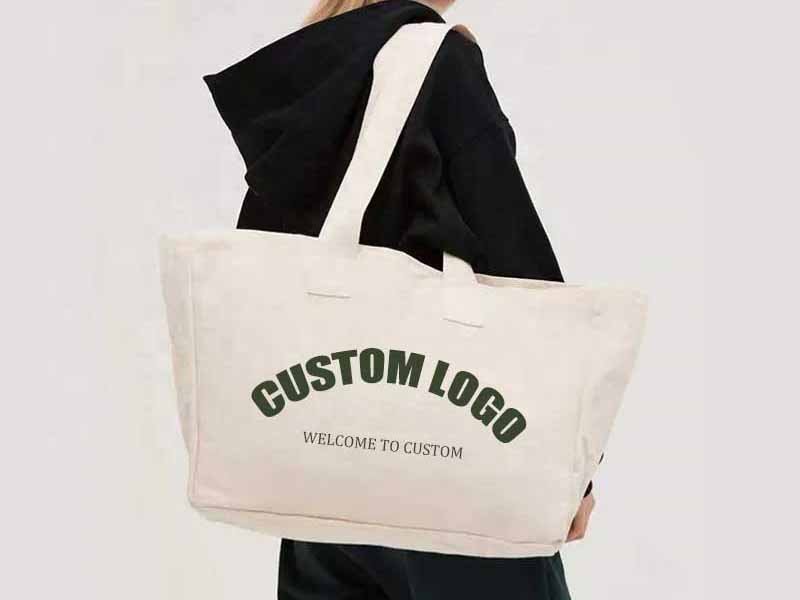
Choosing a bag manufacturer sounds simple until your brand has real money, real timelines, and real customers waiting for the final product. A low quote may look attractive at first, but one weak zipper, one delayed shipment, one wrong fabric, or one bulk order that does not match the approved sample can quickly cost more than the savings you expected. For brand owners, retailers, importers, Amazon sellers, Shopify teams, promotional buyers, and product managers, the manufacturer you choose becomes part of your product quality, your customer experience, and your brand reputation.
Types of Crossbody Bags Used for Everyday Carry

A crossbody bag looks simple at first. One bag body, one long strap, a few pockets, maybe a zipper or buckle. But in real daily life, this small product solves many annoying problems. People do not want to hold their phone all day. They do not want keys scratching sunglasses. They do not want a wallet buried at the bottom of a tote. They do not want to take off a backpack every time they need a subway card, passport, earphones, or lip balm. That is why crossbody bags have become one of the most used everyday carry products across travel, commuting, shopping, outdoor walking, work, school, events, fitness, and weekend life.
Custom Bag Production Workflow Step by Step Guide
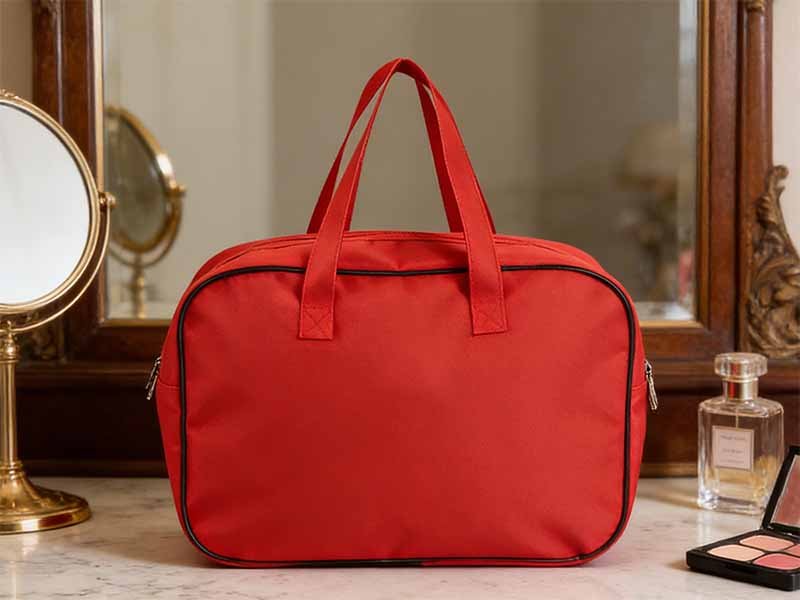
At first glance, producing a custom bag seems straightforward—choose a design, add a logo, and place an order. But once you move into real production, the process becomes much more structured. A bag is not made in one step. It goes through a sequence of decisions, validations, and production stages that directly affect cost, quality, and delivery time. Missing one detail early on can lead to multiple revisions later, increasing both risk and expense.
What Does a Custom Bags Manufacturer Actually Do: Full Guide

A lot of companies start looking for a factory when they already have a bag idea in mind. Some have a hand sketch. Some have a sample from the market. Some only know that they want to build a tote bag, backpack, travel bag, or cosmetic bag under their own logo. At that point, many people assume the factory’s job is simple: receive the order, sew the bag, and ship it out. In real business, it does not work like that.
OEM vs ODM vs Private Label Tote Bags: Which Fits Your Business

In the world of tote bag manufacturing, businesses are often presented with three major production options: OEM (Original Equipment Manufacturer), ODM (Original Design Manufacturer), and Private Label. These terms can be overwhelming, especially for brands just starting out or those looking to scale their operations. But understanding the differences between these options is crucial for any business seeking to create high-quality tote bags without the hassle of extensive design work and production management.
How to Order Luxury Bags From China: Guide
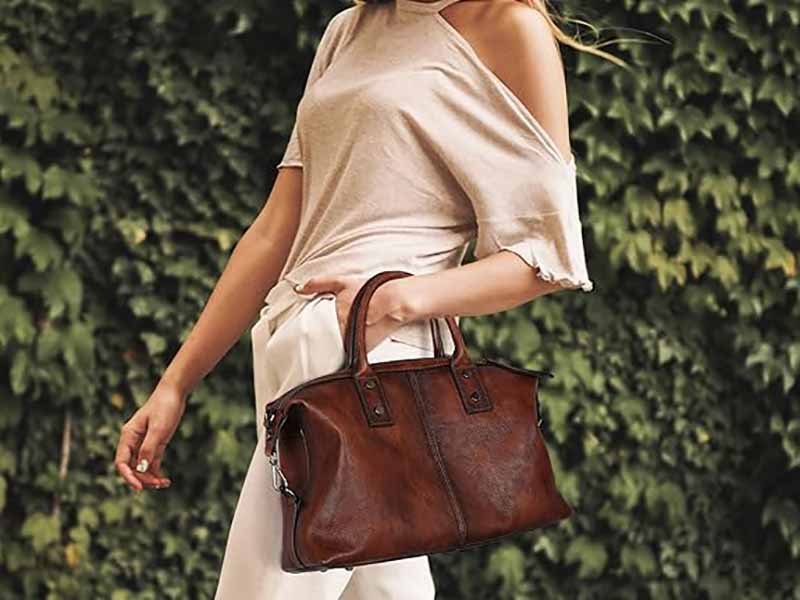
Ordering luxury bags from China has quietly become one of the most strategic moves for modern brands—yet it remains one of the most misunderstood. Many people still associate “luxury” with European ateliers and “China” with mass production, assuming the two cannot coexist. In reality, a growing number of premium bag brands—especially emerging labels and e-commerce-first companies—are built on Chinese OEM and private-label supply chains that deliver craftsmanship, flexibility, and cost control that legacy regions can’t match.
20 Best Anti Theft Bags: Styles Guide for Safer Travel
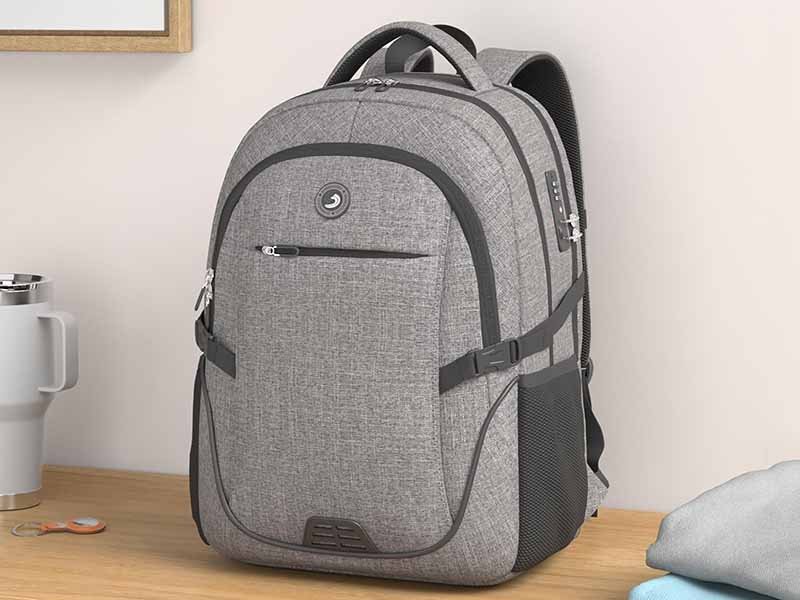
Anti-theft design isn’t about paranoia — it’s about empowerment. Today’s top styles let you move freely through airports, cafes, or metro lines while your essentials stay sealed and safe. From minimalist lockable crossbodies to rugged slash-resistant backpacks, this guide reveals which designs actually work, how to choose by lifestyle, and what to look for in construction, materials, and OEM customization.
What Is a Bag: Types, Functions & Custom Manufacturing Guide
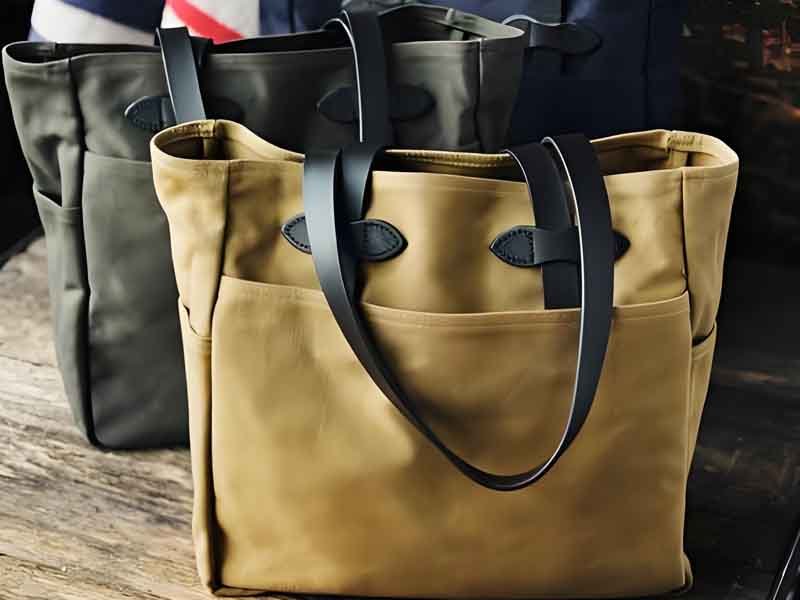
Imagine a world without bags—no backpacks slung over shoulders, no tote bags carrying groceries, no sleek laptop sleeves easing your commute. Bags are silent heroes of our daily lives, seamlessly combining function and fashion. From ancient satchels used by traders crossing deserts to today’s high‑tech gear bags made of fireproof, odor‑proof, or insulated materials, bags have evolved extensively. They serve as personal storage systems, style statements, and even status symbols.
