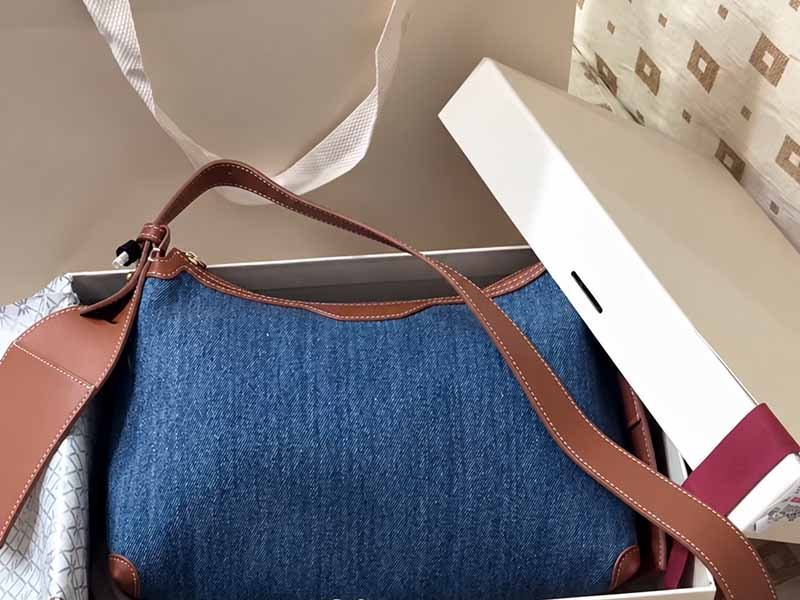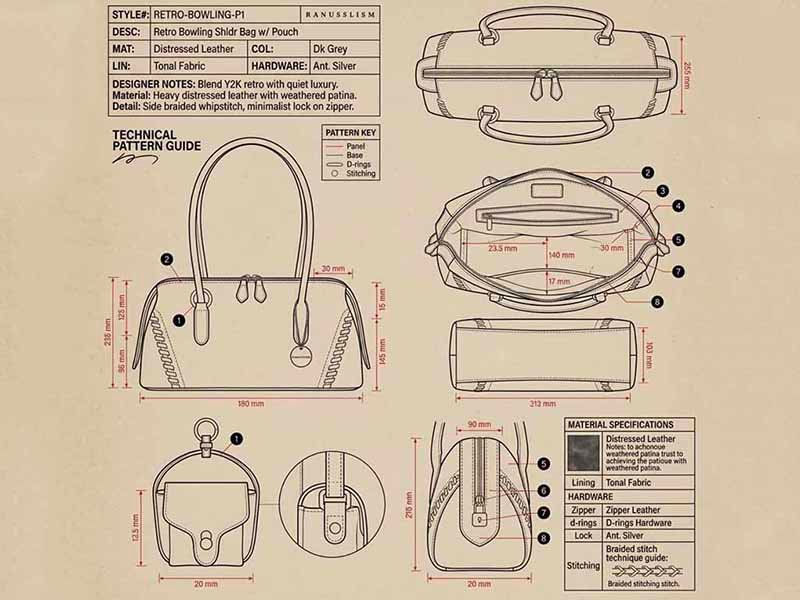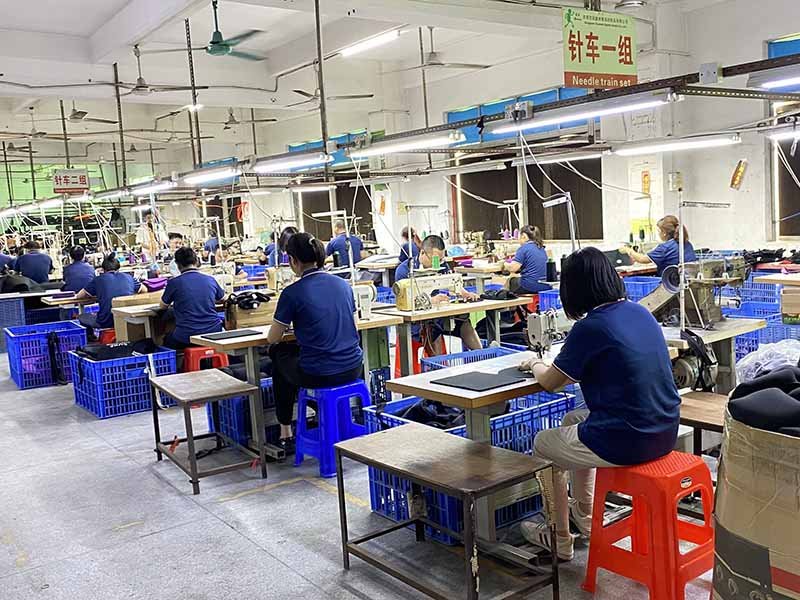
Choosing a custom bag manufacturer is not just about finding someone who can sew a bag. For brand owners, importers, Amazon sellers, Shopify brands, retailers, promotional companies, and B2B buyers, the real question is whether the manufacturer can control the whole project: materials, sample development, structure, logo application, bulk production, quality inspection, packaging, and delivery. A bag may look simple in a photo, but once it enters production, small decisions can change the final result. Fabric weight affects shape. Zipper quality affects user experience. Stitching affects durability. Packaging affects reviews, retail presentation, and warehouse receiving.
A red flag when choosing a custom bag manufacturer is any warning sign that the supplier may not properly control factory transparency, quotation details, sampling, material consistency, production quality, delivery planning, or after-sales support. The safest supplier is not always the cheapest one. It is the one that can clearly explain how your product moves from idea to sample, from approved sample to bulk production, and from inspection to shipment.
Many sourcing problems begin long before the goods are shipped. They often start with a vague quote, an unclear sample, a missing material detail, or a supplier who says “yes” too fast. If you learn how to identify these risks early, you can avoid the most expensive mistakes before paying a sample fee, deposit, or bulk order balance.
What Counts as a Red Flag?
A red flag is any sign that a custom bag manufacturer may not control your project properly, from material selection and sampling to bulk production, inspection, packaging, and delivery. It is not always fraud. More often, it is vague communication, unclear pricing, weak sample control, poor QC habits, unrealistic timelines, or a supplier who says “yes” before understanding the product.
Vague Answers
One of the earliest red flags is a supplier who answers every question with “no problem” but gives very few details. In custom bag manufacturing, details are everything. A tote bag, cosmetic pouch, backpack, cooler bag, leather bag, or neoprene pouch can look simple in photos, but the final result depends on fabric weight, lining, zipper grade, handle reinforcement, thread tension, logo method, packaging, and tolerance control.
A serious manufacturer should ask questions before quoting. They may ask about dimensions, material preference, product use, target market, quantity, packaging, logo artwork, destination country, and whether the product is for retail, Amazon, corporate gifts, outdoor use, travel, cosmetics, medical use, pet products, or daily carry. These questions are not delays. They are part of risk control.
If a supplier gives a fixed price after seeing only one product photo, the price is usually based on assumptions. Those assumptions may later become hidden costs or quality compromises. For example, “canvas tote bag” may mean 8 oz, 10 oz, 12 oz, or 16 oz canvas. “Waterproof bag” may mean water-resistant coating, coated fabric, welded TPU construction, or only a simple water-repellent surface. “Logo included” may mean screen printing, embroidery, woven label, rubber patch, heat transfer, leather patch, debossing, or metal plate.
When the answer is too simple, the project is often not being evaluated seriously. Buyers should not expect every supplier to give a perfect technical report at the first reply, but they should expect practical questions. A good manufacturer tries to understand the product before selling the price.
Unrealistic Promises
A manufacturer who promises everything too easily can be more dangerous than one who says, “This part needs checking.” In real custom bag production, some details require sampling, material supplier confirmation, production testing, or technical review. Custom-dyed fabrics may require higher MOQ. Special zippers or hardware may need longer lead time. Retail packaging may require artwork approval. Functional claims such as waterproof, fireproof, RFID blocking, insulation, or load-bearing strength may require proper materials and sometimes testing.
A good factory does not reject difficult requests automatically, but it will separate what is certain from what needs confirmation. For example, it may say, “We can make this structure, but the exact MOQ depends on fabric availability,” or “This logo effect is possible, but embroidery may not look clean on this thin material.” That kind of answer is more trustworthy than a fast “yes.”
Buyers should be careful with suppliers who promise bulk production without a physical sample, guarantee exact performance without testing, or offer a production timeline that ignores material sourcing and sample revision. The best manufacturers reduce uncertainty. Weak suppliers hide uncertainty until it becomes the buyer’s problem.
For many B2B projects, one unrealistic promise can cause a chain reaction. A rushed sample leads to poor approval. Poor approval leads to wrong bulk production. Wrong production leads to inspection issues. Inspection issues lead to delayed shipping or expensive rework. In the end, the buyer does not only lose money. They may also lose a launch date, retail window, campaign deadline, or customer trust.
Weak Product Understanding
Another red flag is when the supplier talks like a seller but not like a manufacturer. A true custom bag manufacturer should understand how product use affects construction. A travel bag needs stronger handles, smoother zippers, and better seam reinforcement than a light promotional tote. A cosmetic bag needs clean lining, accurate logo placement, and good zipper movement. A cooler bag needs insulation material, inner lining, seam design, and realistic expectations for cold retention. A backpack needs shoulder strap structure, webbing quality, bartack reinforcement, and load distribution.
If a supplier cannot explain why one material, zipper, lining, or stitching method is better for your use case, they may only be matching photos rather than engineering the product. This is risky because bags are used, carried, pulled, filled, opened, closed, folded, washed, packed, and shipped. Appearance matters, but function matters just as much.
Experienced manufacturers often identify risks before the buyer notices them. They may warn that a sharp corner is hard to sew neatly, that a logo is too close to a seam, that a strap needs reinforcement, or that a thin fabric may not hold shape. These comments are valuable. They show the factory is thinking about production, not just closing the order.
At Szoneier, this type of thinking is central to custom bag development. A project is not treated as “just a bag.” It is reviewed through material, structure, sample feasibility, sewing method, quality control, packaging, and delivery requirements. For serious buyers, this matters because the manufacturer must help prevent issues before they appear in bulk production.
Risk Patterns
Red flags become more serious when several appear together. A slow reply by itself may not be a big problem. A cheap quote by itself may not be dangerous. A small sample delay may be understandable. But if the same supplier gives a vague quote, refuses video review, avoids sample details, cannot explain materials, and promises unrealistic delivery, the risk level becomes much higher.
| Red Flag Pattern | What Buyers May Notice | Practical Risk |
|---|---|---|
| Quote after one photo | No questions about size, fabric, logo, packaging | Price may change later or product may be downgraded |
| No sample control | No revision record or approved sample standard | Bulk goods may not match the confirmed sample |
| Weak material knowledge | Cannot explain fabric weight, coating, lining, or zipper options | Product may fail in hand feel, durability, or function |
| No QC explanation | Only says “we check quality” | Defects may be found too late |
| Unrealistic timeline | Same lead time for simple and complex products | Missed launch, event, or retail delivery date |
| Avoids verification | Refuses video call, production photos, or factory visit | Hard to confirm real production capability |
A good buyer does not need to reject every supplier at the first sign of imperfection. Manufacturing is complex, and honest limitations are normal. The real issue is whether the supplier is transparent, practical, and willing to explain. Red flags are not just about what goes wrong. They are about whether the supplier has a system to prevent, detect, and correct problems.
How Do You Verify the Factory?
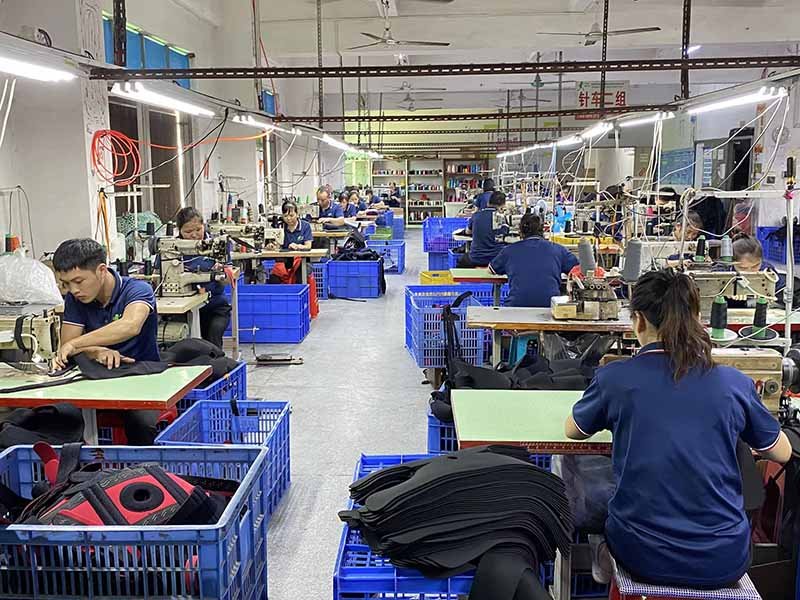
You verify a custom bag factory by checking whether its identity, production role, sample room, material knowledge, communication process, QC workflow, and export capability are real and consistent. A reliable manufacturer should be able to show how your project moves through sampling, production, inspection, packing, and shipment, not just show attractive product photos.
Factory Identity
The first step is to understand who you are really working with. Is the supplier a factory-based manufacturer, a trading company, a sourcing agent, or a company that manages several partner factories? None of these models is automatically bad, but the buyer must know where the responsibility sits.
A factory-based manufacturer usually has stronger control over sampling, material confirmation, sewing coordination, QC, packaging, and urgent communication. A trading-only supplier may still be useful if they manage projects professionally, but if they simply forward your request to unknown workshops, communication can become slow and quality accountability becomes unclear.
Ask direct questions: “Do you have in-house sampling?” “Who makes the sample?” “Who keeps the approved sample?” “Who checks bulk production?” “Can your product or QC staff join a video meeting?” A serious supplier should be able to answer without hesitation.
Also check consistency across company name, website, email, quotation, invoice, bank account, business address, and shipping documents. It is normal for a brand name and registered company name to differ, but the supplier should explain the relationship clearly. Confusing or inconsistent documents are not just an accounting issue. They can become a customs, payment, or dispute issue later.
For larger projects, buyers should also ask whether the factory can support long-term communication and repeat production. A one-time sample is not enough. The supplier must be able to repeat the approved standard across future orders, new colors, new SKUs, and packaging changes.
Video Review
For international buyers, video factory review is one of the most practical ways to reduce uncertainty. It does not need to be complicated. A useful video review can show the sample room, material area, cutting area, sewing area, semi-finished goods, finished products, QC table, packing area, and carton preparation. The goal is not to inspect every machine. The goal is to confirm that the supplier has a real working process.
During the video call, buyers should ask product-specific questions. If you are making cosmetic bags, ask about lining, zipper, inner seams, and logo placement. If you are making cooler bags, ask about insulation, inner material, binding, zipper closure, and packing shape. If you are making backpacks, ask about shoulder straps, bartack points, webbing, and load-bearing areas. A real manufacturer can usually explain these details naturally.
Video review also reveals communication quality. Does the supplier explain clearly? Can they show relevant samples? Do they understand the difference between sample display and production control? Can they involve the right team members when the project is technical? The answer to these questions often tells you more than a product catalog.
A supplier who refuses all video review requests may still have reasons, but for serious custom projects, complete refusal is a warning sign. Video review is not about distrust. It is a normal way for global buyers to build confidence before paying for sample development or bulk production.
Sample and Material Evidence
Product galleries are useful, but they are not enough. Many websites show beautiful bags, but buyers need evidence connected to their own product category. Ask the manufacturer to show similar samples, available materials, zipper options, webbing choices, lining materials, logo examples, packaging samples, or previous construction references.
For example, if you are developing a 600D Oxford tool bag, seeing a cotton tote sample does not prove capability. If you need a premium PU cosmetic pouch, seeing a basic non-woven bag is not enough. If you are developing a neoprene lunch bag, the supplier should understand thickness, lamination, elasticity, smell control, and edge finishing.
Material evidence matters because words are often too broad. “Nylon,” “polyester,” “canvas,” “Oxford,” “PU,” and “neoprene” can include many grades and price levels. Ask for photos or videos of material cards, similar bulk goods, or sample swatches. For larger projects, physical material swatches may be worth requesting before final sampling.
The right supplier should help narrow choices instead of making buyers guess. They should explain which options fit the target use, price level, MOQ, and brand positioning. This is especially important for buyers developing a product line, not just one item. Material and trim consistency can affect brand recognition across multiple SKUs.
Visit Readiness
A reliable factory should be comfortable with qualified buyers visiting by appointment, especially for larger projects or long-term cooperation. Not every buyer can travel to China or visit a factory in person, but a supplier’s willingness to support visits says a lot about transparency.
A factory visit should usually cover the sample room, materials, sewing production, inspection area, packaging process, warehouse area, and export preparation. Buyers do not need to inspect every detail like a professional auditor, but they should observe whether the operation feels organized and whether the team can answer technical questions.
For buyers who cannot visit directly, a third-party inspection company or sourcing audit can also help. This is especially useful before high-value bulk orders, retail programs, or long-term supply agreements. The cost of verification is often small compared with the cost of a failed production run.
Szoneier supports video factory review, online meetings, and scheduled factory visits for qualified custom bag projects. This is useful for buyers who want to see sample rooms, material options, sewing production, QC workflow, packaging areas, and shipment preparation before moving forward.
A factory that is serious about long-term B2B clients should not treat verification as an inconvenience. Verification builds trust on both sides. It also helps buyers understand what the supplier can genuinely control and what must be planned more carefully.
What Quote Details Should Be Clear?
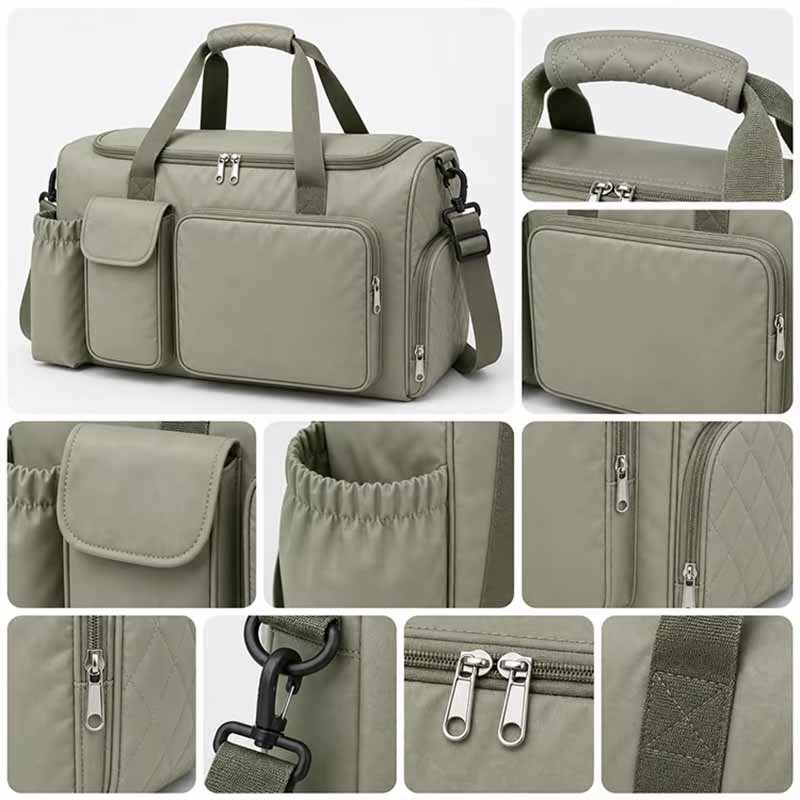
A custom bag quotation should clearly state the product size, material, lining, structure, logo method, accessories, packaging, quantity, MOQ, sample cost, bulk lead time, payment terms, shipping terms, and assumptions. If these details are missing, the quoted price may not represent the actual product you expect to receive.
Product Specifications
A quotation is only meaningful when the product specifications are clear. The same product name can describe very different bags. “Canvas tote bag” could mean a lightweight promotional tote or a heavy retail tote with lining and zipper closure. “Makeup bag” could mean a simple pouch or a structured cosmetic organizer with compartments. “Cooler bag” could mean a basic lunch bag or an insulated bag with thick foam and leak-resistant lining.
Before comparing prices, buyers should confirm the basic specification set: dimensions, fabric type, fabric weight or denier where relevant, lining, zipper, handle, webbing, pocket layout, hardware, logo method, logo size, packaging, and quantity. Without these details, suppliers may quote based on different assumptions.
A professional manufacturer will often separate confirmed details from estimated details. For example, it may say the quote is based on 300D polyester, one-color screen print, standard zipper, and individual polybag. If the buyer later changes to 600D Oxford, embroidery, metal zipper, and printed retail packaging, the cost will change. This is normal. What matters is whether the original quote was transparent.
Clear specifications protect both sides. Buyers get more accurate pricing. Manufacturers avoid misunderstandings during production. For serious B2B buyers, a clear quotation is also useful internally because purchasing, product development, finance, logistics, and management teams may all need to review the same project.
MOQ Logic
MOQ is one of the most misunderstood parts of custom bag manufacturing. Buyers often ask, “What is your MOQ?” But a better question is, “What affects the MOQ for this exact design?” MOQ can change based on material availability, color, fabric supplier minimums, logo process, hardware, packaging, mold requirements, production setup, and product complexity.
For selected simple bag projects using available materials and standard processes, lower MOQ may be possible. For custom-dyed fabrics, printed packaging, molded rubber patches, custom hardware, waterproof construction, insulated cooler bags, EVA cases, or complex backpacks, the MOQ may increase.
A reliable supplier should explain MOQ clearly rather than giving the same number for every product. Unrealistically low MOQ for every custom design can be risky because some costs must be spread across the order quantity. If the order is too small, the supplier may cut corners, use substitute materials, or increase the unit price later.
MOQ should be understood as a production planning number, not just a sales barrier. When handled correctly, it helps buyers choose a design that matches their budget, testing stage, and launch plan. For example, a brand may start with 200–500 pieces for selected basic products, then increase to 1000–3000+ pieces after market validation and product feedback.
Hidden Cost Areas
Many disputes happen because the buyer and supplier define “included” differently. A unit price may or may not include sample cost, logo setup, mold fee, artwork adjustment, custom packaging, hangtags, barcode labels, FBA labels, carton marks, testing, inspection, shipping, duties, or DDP delivery.
Logo cost is especially easy to misunderstand. “Logo included” can mean screen printing, heat transfer, embroidery, woven label, rubber patch, leather patch, metal plate, debossing, embossing, or sublimation. Each method has different setup cost, MOQ, durability, appearance, and production time.
Packaging can also change cost significantly. A basic polybag is very different from printed retail packaging, kraft box, insert card, barcode label, Amazon FBA carton labeling, or multi-SKU packing. For brands, packaging is part of the product experience. For Amazon sellers, packaging can affect warehouse receiving and customer reviews.
Shipping terms must also be clear. EXW, FOB, CIF, DDP, air freight, sea freight, express delivery, and door-to-door service all affect landed cost. A low product price can become expensive if shipping and destination charges are not understood.
| Quote Item | Common Options | Why It Changes Price |
|---|---|---|
| Fabric weight | 210D, 300D, 600D, 900D Oxford; 8–16 oz canvas | Heavier or stronger materials usually cost more |
| Logo process | Screen print, embroidery, woven label, rubber patch, debossing | Setup, labor, MOQ, and durability differ |
| Zipper grade | Nylon, resin, metal, waterproof zipper | Smoothness, strength, appearance, and cost vary |
| Packaging | Polybag, hangtag, insert card, retail box, FBA label | Labor, printing, carton plan, and compliance differ |
| Order quantity | 200, 500, 1000, 3000+ pcs | Unit cost usually improves when setup cost spreads out |
| Shipping term | EXW, FOB, CIF, DDP, express, air, sea | Landed cost and responsibility change significantly |
Price Comparison
Comparing quotes without standard specifications is like comparing different products. One supplier may quote a basic version, while another includes better fabric, stronger zipper, lining, packaging, and QC. The cheaper option may not be cheaper if the final product needs upgrades later.
Buyers should create one RFQ sheet and send the same information to each supplier. The RFQ should include product type, dimensions, material, lining, logo method, quantity, packaging, destination country, expected delivery window, and any required standards. If some details are not confirmed, ask suppliers to list their assumptions.
The most useful quote is not always the shortest. A good quotation should help the buyer understand cost drivers. For example, it may explain that embroidery is better for a premium look but increases cost, or that ready-color fabric can reduce MOQ and lead time, or that heavier webbing is recommended for load-bearing bags.
A professional supplier helps buyers make informed trade-offs. A weak supplier simply pushes the lowest number and waits for problems to appear later. For long-term buyers, the best quotation is not just a price. It is a clear production plan that can be checked, approved, and repeated.
How Should Sampling Be Managed?
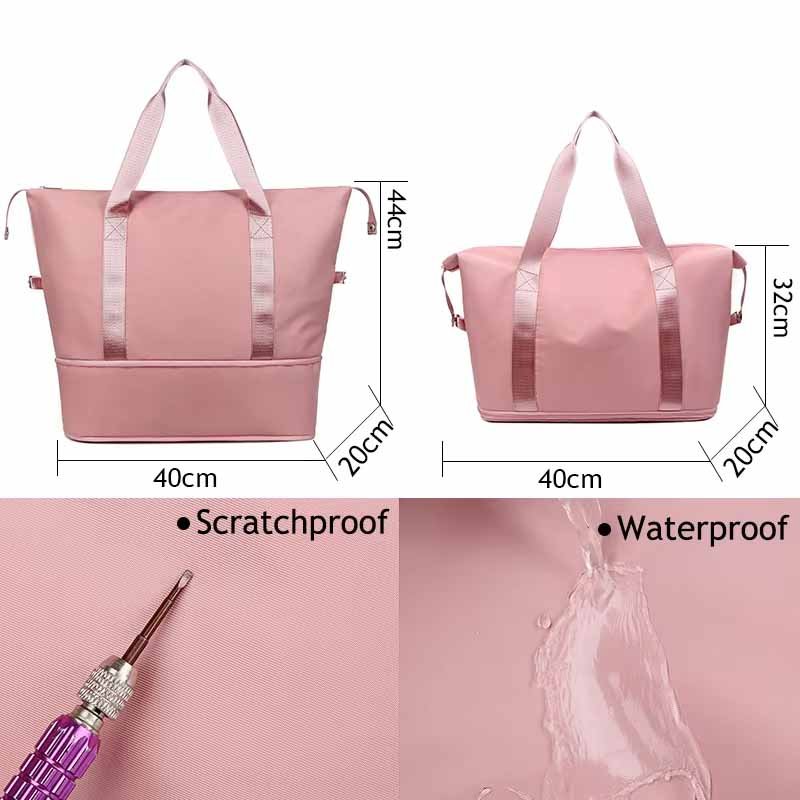
Sampling should be managed as a controlled development stage that confirms material, size, structure, logo, stitching, accessories, packaging direction, and production feasibility. A physical sample is not just a preview. It is the standard that guides bulk production and helps prevent costly misunderstandings before mass manufacturing begins.
Physical Sample
For most custom bag projects, a physical sample is necessary before bulk production. Photos, drawings, and mockups are useful, but they cannot fully show hand feel, fabric stiffness, zipper smoothness, handle comfort, lining quality, logo texture, seam strength, or packing shape.
A sample helps the buyer check whether the product feels right in real use. Does the tote stand naturally? Is the handle length comfortable? Does the cosmetic bag open smoothly? Is the backpack strap strong enough? Does the cooler bag hold its shape? Does the logo look premium or cheap? These questions are hard to answer from a screen.
Skipping the sample may save time in the short term, but it can create much larger risks in bulk production. This is especially true for new suppliers, new materials, new bag structures, new logo processes, or new packaging requirements.
For repeat orders, a new sample may not always be required if the approved sample, materials, and specifications remain unchanged. But for a first order with a new manufacturer, the sample is one of the most important risk-control steps.
Sampling is also where buyers can test whether the supplier communicates clearly. A good manufacturer explains what is confirmed, what is still estimated, what may change in bulk production, and what cost or time impact each revision may create.
Revision Records
The first sample is rarely perfect. That does not automatically mean the supplier is bad. In custom bag development, the first sample often reveals what needs improvement: the size may need adjustment, the fabric may be too soft, the pocket may be too shallow, the zipper may need upgrading, the logo may need repositioning, or the packaging may need a different folding method.
What matters is how revisions are recorded. Each change should be written clearly, with version numbers if possible. For example: V1 sample used 12 oz canvas; V2 changed to 16 oz canvas. V1 logo was 80 mm wide; V2 changed to 95 mm. V1 handle was 55 cm; V2 changed to 65 cm.
Without revision records, the final sample can become confusing. The buyer may remember one change, the factory may remember another, and the production team may work from outdated notes. This is how bulk production mistakes happen.
A good manufacturer should welcome clear revision records because they reduce disputes. Buyers should also summarize all final changes before sample approval, especially when communication happens across email, WhatsApp, calls, PDFs, and photos.
For multi-SKU projects, revision records are even more important. A brand may have one bag in three colors, two logo styles, and different packaging versions. If the project is not documented, the chance of mixed details increases.
Bulk Match
The approved sample should become the benchmark for bulk production. However, buyers should ask which details are exactly the same and which details may change during mass production. Sometimes a development sample uses available fabric in a similar color because the exact bulk fabric requires MOQ. Sometimes logo samples use a small-batch process that must be adjusted for mass production. Sometimes packaging is mocked up before final printing.
These situations are not necessarily problems if the supplier explains them clearly. The danger is when sample-to-bulk differences are hidden. Buyers should ask: “Will the bulk fabric be the same as the sample?” “Will the zipper and hardware be the same?” “Will the logo process be identical?” “Will the same pattern be used?” “Will the factory keep an approved sample for QC?”
For production control, the approved sample should be physically kept and referenced. The production team should also have a final specification sheet that matches the sample. If a supplier cannot explain how the sample becomes the bulk standard, the buyer should be cautious.
A reliable custom bag manufacturer should also review bulk feasibility during sampling. A sample that looks good but is difficult to repeat can still create problems. Smart sampling checks not only appearance but also production stability.
Approval Checklist
Sample approval should not be based only on whether the product “looks good.” A structured checklist helps buyers review the product more carefully. The checklist should include size, fabric, lining, structure, stitching, zipper, handle, logo, color, packaging, function, and any performance expectations.
Different bag types require different checks. A promotional tote may focus on fabric weight, print clarity, seam strength, and packing. A premium cosmetic bag may focus on shape, zipper, lining, logo position, cleanliness, and retail presentation. A backpack may require reinforcement checks, pocket function, strap comfort, and load-bearing areas. A cooler bag may require insulation thickness, inner lining, seam construction, and closure quality.
| Sample Checkpoint | Practical Standard to Confirm | Common Issue Caught Early |
|---|---|---|
| Size tolerance | Often within about ±0.5–1.0 cm for soft bags, depending on structure | Bag looks smaller, taller, or less balanced than expected |
| Fabric and lining | Material type, weight, color, coating, hand feel | Wrong stiffness, poor feel, color mismatch |
| Logo placement | Size, position, color, process, alignment | Logo too low, crooked, too small, or unsuitable process |
| Zipper and hardware | Smoothness, strength, color, finish | Rough zipper, weak puller, poor visual match |
| Stitching | Seam cleanliness, reinforcement, thread color | Loose threads, weak stress points, uneven sewing |
| Packaging | Fold method, polybag, label, carton plan | Creasing, wrong label, poor retail presentation |
At Szoneier, sampling is treated as part of the manufacturing control system. Buyers can send photos, sketches, reference samples, tech packs, logo files, material preferences, packaging requirements, quantity plans, and destination countries. The goal is to turn a rough idea or product reference into a sample-ready and production-ready custom bag with fewer risks.
Which Quality Controls Matter?
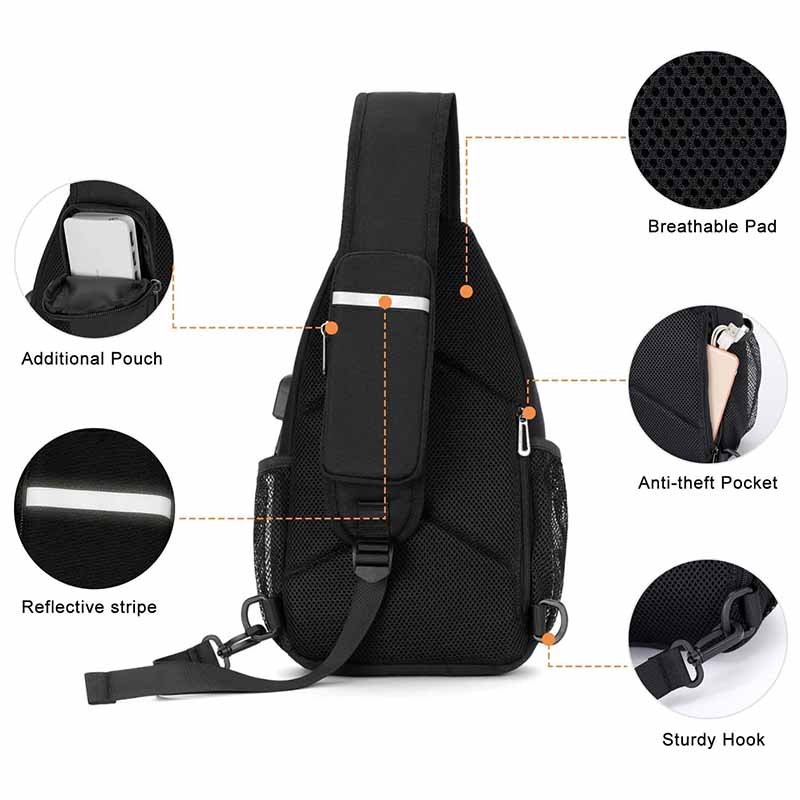
The most important quality controls are incoming material checks, accessory checks, pre-production sample confirmation, in-line inspection, final inspection, packaging verification, and shipment quantity checks. Strong QC does not begin at the end of production. It starts before cutting and continues through sewing, finishing, packing, and shipment preparation.
Material Checks
Many quality problems begin before sewing starts. If the material is wrong, the finished bag cannot be right. Incoming material inspection should check fabric type, color, texture, thickness, coating, smell, surface defects, and whether the material matches the approved sample or confirmed swatch.
For polyester, nylon, Oxford, canvas, cotton, PU, leather, PVC, TPU, neoprene, mesh, jute, RPET, and non-woven fabrics, different checks matter. Oxford and nylon may need checks for denier, coating, color consistency, and surface marks. Canvas may need checks for weight, weave, shrinkage risk, and hand feel. PU and leather need checks for surface texture, thickness, scratches, color consistency, and backing quality. Neoprene needs checks for thickness, lamination, elasticity, smell, and edge finish.
Accessories should also be checked before production. Zippers, sliders, buckles, webbing, D-rings, labels, patches, hooks, elastic, and thread can all affect product quality. A bag can look good but fail because the zipper is rough, the buckle is weak, or the webbing is too thin.
Catching material issues before cutting saves time, fabric, labor, and disputes. Buyers should ask whether the factory compares bulk materials against approved swatches or samples before production starts.
In-Line Inspection
In-line inspection is one of the most valuable QC steps because it catches repeated problems while production can still be corrected. Waiting until final inspection may be too late, especially if hundreds or thousands of bags have already been sewn with the same mistake.
During production, inspectors or supervisors should check stitching quality, seam allowance, logo position, pocket placement, zipper attachment, lining alignment, handle reinforcement, bartack points, binding, thread trimming, and shape consistency. For bags with multiple parts, small errors can multiply quickly. A pocket placed 1 cm off may not seem serious on one piece, but across 1000 pieces it becomes a bulk defect.
In-line checks are especially important for backpacks, tool bags, cooler bags, medical bags, pet carriers, structured cosmetic bags, leather goods, and other products with functional construction. These products are harder to fix after full assembly.
Buyers should ask whether the manufacturer checks goods during production or only after everything is finished. A supplier who relies only on final inspection may be reacting to problems instead of preventing them.
Final Inspection
Final inspection confirms whether finished products match the approved sample and final specification before shipment. It should check appearance, size, color, logo, stitching, zipper function, hardware, lining, cleanliness, packing quantity, labeling, carton marks, and overall workmanship.
For many soft bags, a practical size tolerance may be around ±0.5–1.0 cm, depending on material and structure. For very structured items, tighter control may be needed. For soft or foldable products, some variation is normal, but it should not affect appearance, function, or packaging.
Defects should be categorized. Minor defects may include loose threads or small removable marks. Major defects may include crooked logos, uneven stitching, wrong size, poor zipper function, or visible fabric flaws. Critical defects may include broken handles, sharp hardware, wrong product, unsafe construction, or function failure.
A professional supplier should be able to explain how defects are identified, corrected, replaced, or prevented in future production. “We check everything” is not enough. Buyers need to know what is checked and when.
Packaging Control
Packaging control is often underestimated, but it can affect product protection, customer experience, warehouse receiving, retail display, and shipping cost. Even well-made bags can arrive damaged, creased, dirty, mislabeled, or rejected by a warehouse if packaging is poorly managed.
Before shipment, the factory should confirm individual packing, hangtags, barcode labels, insert cards, polybag size, carton quantity, carton dimensions, carton weight, carton marks, SKU separation, and destination requirements. For Amazon FBA, labeling and carton requirements are especially important. For retail buyers, packaging presentation and product protection may matter more. For promotional orders, event timing and carton identification may be critical.
Final packing photos are helpful. Buyers can ask for photos of the finished bag, individual packaging, inner carton arrangement, outer carton marks, and pallet packing if needed. This does not replace full inspection, but it gives a practical last check before shipment.
Good packaging control reduces preventable problems after production is already complete.
| QC Stage | Main Check Items | Typical Risk Reduced |
|---|---|---|
| Incoming materials | Fabric, lining, coating, color, zipper, hardware, webbing | Wrong material or weak components |
| Pre-production review | Approved sample, spec sheet, logo file, packaging plan | Production starts with outdated information |
| In-line inspection | Stitching, seam, logo placement, reinforcement, zipper | Repeated defects across bulk order |
| Final inspection | Size, appearance, function, cleanliness, quantity | Defective goods shipped to buyer |
| Packaging check | Polybag, carton, barcode, FBA label, carton mark | Warehouse rejection or poor customer experience |
| Shipment check | Carton count, weight, documents, delivery method | Shipping delay or customs confusion |
Szoneier’s quality control approach covers material review, sample confirmation, production checks, finished product inspection, packaging review, and shipment preparation. This is important because custom bags are not judged only by how they look in the factory. They must survive packing, shipping, warehouse handling, customer use, and repeat orders.
How Do You Judge Delivery and Support?
Judge delivery and support by checking whether the manufacturer gives realistic timelines, confirms material availability, explains each production stage, manages packaging and labels, supports export documents, communicates delays early, and takes responsibility after shipment. Reliable delivery is not just speed. It is controlled planning from sample approval to final arrival.
Timeline Reality
A realistic timeline should reflect the product’s complexity. A simple tote bag using available material and basic printing can move faster than a custom backpack, leather tote, insulated cooler bag, waterproof dry bag, EVA case, or multi-SKU retail program. If a supplier promises the same timeline for every product type, they may not be evaluating production properly.
A normal project timeline includes material confirmation, sample development, sample revision, bulk material preparation, cutting, logo application, sewing, in-line inspection, finishing, final inspection, packaging, and shipment preparation. Shipping time then depends on express, air, sea, rail, or DDP delivery.
Buyers should ask for the timeline by stage, not just one final delivery date. For example: sample time, revision time, bulk lead time after deposit and sample approval, packing time, and estimated shipping time. This makes the schedule easier to manage internally.
The most dangerous supplier is not always the slow one. It is the one who gives a fast timeline without checking fabric, accessories, logo method, packaging, and production capacity.
A reliable manufacturer should also warn buyers about timing risks. If packaging artwork is late, if material color needs confirmation, if a logo process needs setup, or if peak season may affect capacity, the supplier should say so early.
Export Packaging
Export packaging is part of delivery support, not a minor afterthought. The right packaging protects the bag, supports the buyer’s sales channel, and reduces logistics problems. A product going to Amazon FBA has different packing needs from a product going to a retailer, a corporate gift event, or a wholesale warehouse.
For Amazon sellers, carton labels, SKU separation, barcode labels, carton weight, carton dimensions, and polybag requirements may be important. For retailers, hangtags, retail bags, insert cards, display packaging, and carton marks may matter. For premium brands, packaging affects the customer’s first impression. For promotional buyers, delivery timing and carton identification may be the key concern.
A reliable manufacturer should ask about packaging early, because packaging can affect unit cost, carton size, shipping cost, and production schedule. If packaging is discussed only after bulk goods are finished, buyers may face delays or extra costs.
Buyers should confirm what packaging is included in the quote and what is charged separately. They should also confirm whether the factory can provide final packing photos before shipment. This is a simple but useful way to catch avoidable mistakes.
Shipping Options
Different shipping methods serve different business needs. Express is usually best for samples and urgent small shipments. Air freight is faster for bulk goods but more expensive. Sea freight is more economical for larger orders but requires earlier planning. DDP or door-to-door service can simplify importing for some buyers, but the exact terms must be clear. FOB, CIF, EXW, and DDP are not interchangeable.
A reliable supplier should explain shipping options based on destination country, carton volume, product weight, urgency, budget, and customs needs. Bags are often bulky, so carton volume can affect freight cost more than actual weight. For lightweight but large bags, volumetric weight may be important.
Buyers should also ask whether the supplier can provide commercial invoice, packing list, carton details, HS code reference, label photos, and shipment tracking. For larger or regulated projects, additional documents may be needed.
The red flag is a supplier who gives a product price but cannot explain shipping responsibility. Landed cost matters more than unit price alone.
| Delivery Item | Practical Buyer Check | Why It Matters |
|---|---|---|
| Sample timeline | Usually depends on complexity, material, and logo method | Prevents unrealistic launch planning |
| Bulk lead time | Confirm after sample approval and material readiness | Avoids false production promises |
| Carton details | Quantity per carton, carton size, gross weight | Affects freight cost and warehouse planning |
| Shipping method | Express, air, sea, DDP, door-to-door | Balances cost, speed, and responsibility |
| Export documents | Invoice, packing list, carton marks, labels | Supports customs and receiving |
| Delay updates | Supplier informs issues before deadline | Gives buyer time to adjust plans |
After-Sales Response
After-sales support should be discussed before placing the order. No manufacturer can honestly promise that every order will be perfect forever, but a reliable one should have a clear way to review problems. If a buyer reports shortages, wrong labels, zipper issues, logo defects, packing errors, or functional problems, the supplier should ask for photos, videos, carton marks, quantities affected, and shipment details.
The response should be practical. Depending on the issue, solutions may include replacement parts, rework, credit, discount, replacement goods, or corrective action in the next production run. For serious quality problems, the supplier should help identify the root cause: material, sewing, logo process, packing, inspection, or transportation.
A supplier who disappears after shipment is a major red flag. Custom bag manufacturing is not only about one transaction. Many buyers need repeat orders, new colors, new SKUs, seasonal products, packaging upgrades, and long-term supply stability.
Strong after-sales support shows that the manufacturer cares about the next order, not just the current invoice. This is especially important for brands, retailers, importers, and e-commerce sellers that rely on stable product quality and repeat supply.
Szoneier supports global custom bag buyers with communication through email and WhatsApp, project review, sampling, production coordination, quality inspection, packaging, and export delivery support. For buyers shipping to North America, Europe, Australia, the Middle East, and Asia, this kind of support helps reduce the gap between factory production and final market delivery.
Final
Choosing a custom bag manufacturer should never be based only on who replies fastest or who offers the lowest unit price. The better question is: who can help you reduce risk before bulk production begins?
If you are developing tote bags, backpacks, drawstring bags, cooler bags, lunch bags, makeup bags, travel bags, duffle bags, gym bags, beach bags, leather goods, neoprene products, waterproof bags, tool bags, medical bags, EVA cases, pet bags, baby bags, storage pouches, or other custom soft goods, start by checking the red flags first.
A reliable manufacturer should help you confirm the product structure, material choice, logo process, sample standard, MOQ, quotation assumptions, QC workflow, packaging plan, and delivery route. These details are not extra work. They are the foundation of a stable custom manufacturing project.
Szoneier is a custom bags and soft goods OEM/ODM manufacturer serving global brands, retailers, importers, e-commerce sellers, promotional companies, and business buyers. With 18+ years of manufacturing experience, factory-based sampling, material sourcing, sewing production coordination, quality inspection, packaging, and export delivery support, Szoneier helps buyers turn product ideas, reference samples, sketches, tech packs, and brand requirements into production-ready custom bags.
Send your product photo, sketch, tech pack, logo file, target quantity, packaging needs, and destination country to the Szoneier team. We can help review your custom bag project, suggest practical material and structure options, prepare a sampling plan, and support your project from sample development to bulk production and global delivery.