Private label used to be the quiet corner of retail: the cheaper shelf option, the plain package, the “good enough” substitute when shoppers wanted to save money. That picture has changed. Today, private label is no longer just a low-price alternative. It has become a serious strategy for retailers, e-commerce brands, beauty companies, lifestyle labels, grocery chains, outdoor brands, and promotional buyers that want more control over product identity, margin, customer experience, and supply chain stability.
Private label bags are growing in retail because they give brands more control over design, price, quality, packaging, and customer loyalty. Bags are visible, reusable, practical, and easy to customize across materials, logos, colors, functions, and sales channels. For retailers, private label bags are no longer simple merchandise; they are margin tools, brand carriers, and product-line builders.
The broader retail data supports this shift. U.S. private label sales reached $282.8 billion in 2025, with annual dollar sales increasing $64.8 billion over five years and dollar share rising from 19.1% to 21.3%, according to PLMA. Circana also reported that U.S. private label sales reached $330 billion, capturing a 24% unit share and a 23% dollar share of the total market. For bag buyers, this matters because the same forces driving store brands—value, quality, trust, premiumization, sustainability, and differentiation—are now reshaping how brands develop custom tote bags, cosmetic bags, cooler bags, travel pouches, backpacks, shopping bags, and functional soft goods.
The real story is not that private label bags are “cheaper.” The real story is that a well-developed private label bag can sit in a customer’s car, gym locker, office, suitcase, bathroom, stroller, retail checkout, or weekend trip—and quietly advertise the brand every day.
What Is Driving Private Label Bag Growth?
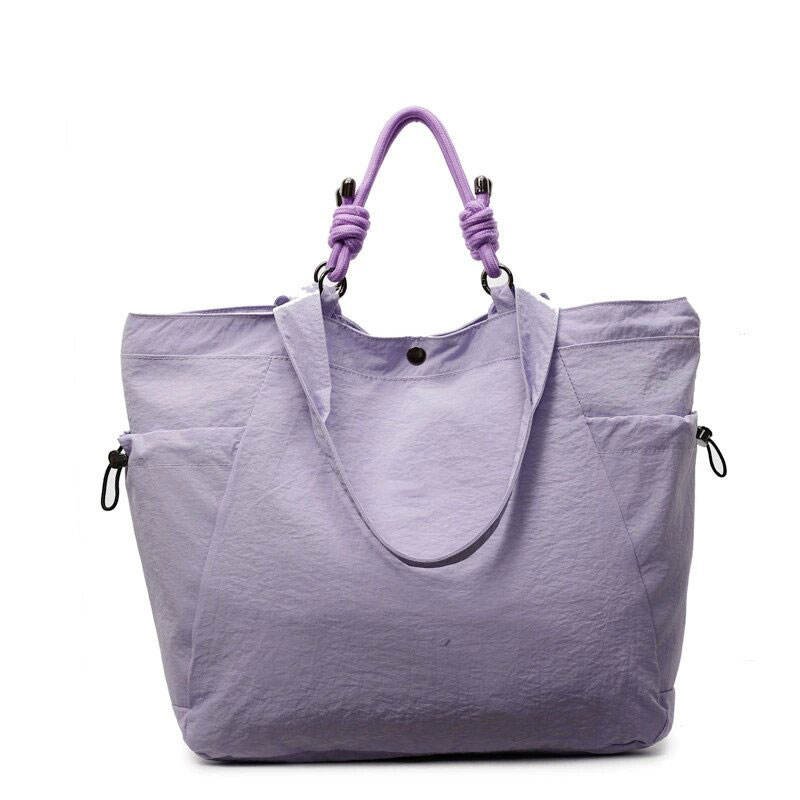
Private label bag growth is being driven by stronger consumer trust in store brands, retailer demand for better margins, and the need for more differentiated products. Bags work especially well because they are visible, reusable, customizable, and easy to connect with lifestyle, beauty, grocery, travel, and promotional retail programs.
Retailers Want More Control
Retailers are investing in private label bags because they want products they can control from concept to shelf. When a retailer sells a national-brand product, pricing, packaging, product updates, and product availability are often controlled by another company. With a private label bag, the retailer can decide the material, structure, logo placement, color system, packaging, carton labels, selling price, and reorder plan.
This control matters because retail has become more competitive. Online marketplaces make price comparison easy. Social media makes product appearance more important. Customer reviews make quality issues more visible. A private label bag gives the retailer a product that competitors cannot copy exactly if the design, material, packaging, and use case are developed properly.
For bags, the control is practical, not abstract. A beauty brand can decide whether a cosmetic pouch should use PU leather, clear TPU, satin, canvas, or quilted polyester. A grocery retailer can choose whether a reusable shopping bag should focus on foldability, load-bearing strength, recycled material, or insulation. A travel brand can build packing cubes, toiletry pouches, shoe bags, and wet/dry organizers under the same visual system.
This is why buyers are no longer only asking for “cheap logo bags.” They are asking for useful, branded products that can support retail programs, e-commerce launches, gift sets, loyalty programs, and repeat sales.
Consumers Trust Private Label More
Consumers are more open to private label products than they were in the past. Many shoppers still like national brands, but they are less willing to pay a premium unless the product clearly offers something better. In everyday categories, shoppers have learned that retailer-owned products can be practical, attractive, and good value.
This change is important for private label bags because bags are easy for customers to judge. A shopper can feel the fabric, pull the zipper, check the stitching, look at the lining, and decide whether the product feels worth the price. If the bag looks well made, has a practical shape, and feels aligned with the brand, customers do not treat it as a second-choice product.
Numerator reported that premium private label now accounts for 40% of all private label spend, up 3.8 points since 2019. That trend is highly relevant to retail bags. A cosmetic pouch with a smoother zipper, a tote with stronger handles, or a cooler bag with cleaner insulation can feel like a smart buy rather than a budget compromise.
The shopper does not care whether the product is “private label” from a sourcing perspective. They care whether it looks good, works well, feels fair for the price, and matches the brand promise. That is why private label growth rewards brands that take product development seriously.
Value Is Not Just Low Price
The biggest mistake many brands make is assuming private label growth is only about cheaper products. Price matters, but value is broader than price. In bags, value includes material durability, comfort, size, appearance, packaging, ease of cleaning, and whether the product fits the customer’s daily routine.
A low-cost tote that tears after a few uses is not good value. A slightly more expensive tote with stronger stitching, better handle reinforcement, and cleaner printing may create better customer satisfaction and fewer complaints. The same logic applies to cosmetic bags, lunch bags, travel pouches, backpacks, shopping bags, and promotional bags.
For retail buyers, the real question is not “How low can the factory quote?” The better question is “Which specification gives the customer the right experience at the right price?” Sometimes that means using 10oz canvas instead of 6oz canvas. Sometimes it means choosing 600D polyester instead of a thinner fabric. Sometimes it means simplifying the structure so the budget can go into better zippers, lining, or packaging.
NIQ has described private label as part of a changing retail shelfscape where private label and national brands are reshaping shelves through different shopper needs, value expectations, and brand strategies. For bag categories, this means buyers should think less like commodity purchasers and more like product managers.
Supply Chains Are More Flexible
Private label bags are also growing because manufacturing supply chains have become more flexible. A capable custom bag manufacturer can now help buyers develop many product types from reference photos, tech packs, physical samples, sketches, or early-stage ideas. That lowers the barrier for retailers and e-commerce brands that want to build their own bag line.
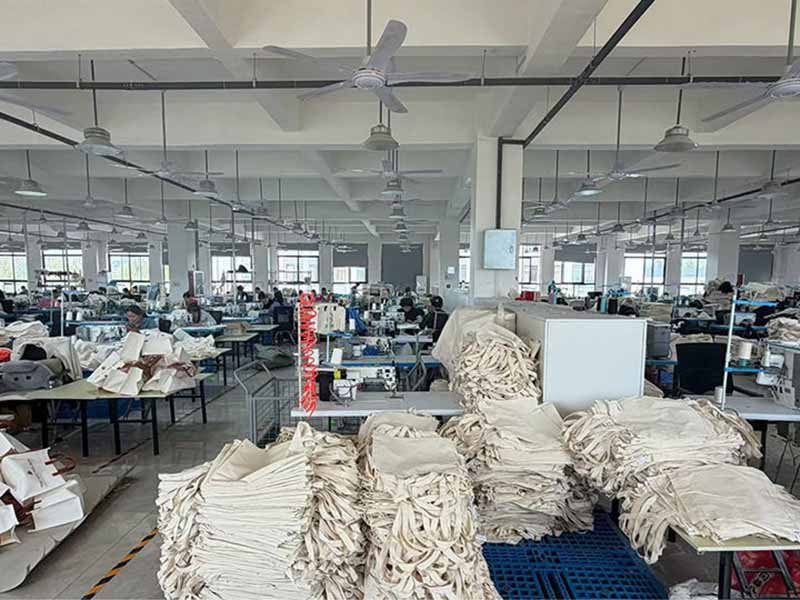
Szoneier is positioned as a Shenzhen-based custom bags and soft goods OEM/ODM manufacturer, not a simple trading-only supplier. The company facts describe Szoneier as a factory-based custom bags and soft goods manufacturing partner with in-house sampling, sewing production coordination, quality inspection, packaging, and export delivery support.
This type of manufacturing support is important because private label buyers often need more than sewing. They need help comparing materials, adjusting structures, confirming samples, managing packaging, and keeping bulk production close to the approved sample.
For buyers, flexibility should not mean random production. A reliable private label program still needs a clear product brief, approved sample, material standard, QC process, and reorder record. The strongest growth is happening among brands that treat private label bags as planned products, not quick logo-printing projects.
| Growth Factor | Retail Impact | Bag Category Impact |
|---|---|---|
| U.S. store brand sales | $282.8 billion in 2025 | More retailers are willing to develop owned products |
| Private label dollar share | 21.3% across tracked store brands | Private label is now a mainstream retail strategy |
| Premium private label spend | 40% of private label spend | Buyers can develop better materials and packaging, not only low-cost bags |
| Consumer value pressure | Shoppers compare usefulness and price | Bags must feel durable, practical, and fairly priced |
| E-commerce growth | Reviews influence buying decisions | Zippers, seams, packaging, and photo appeal matter more |
Why Do Bags Fit Retail Private Label?
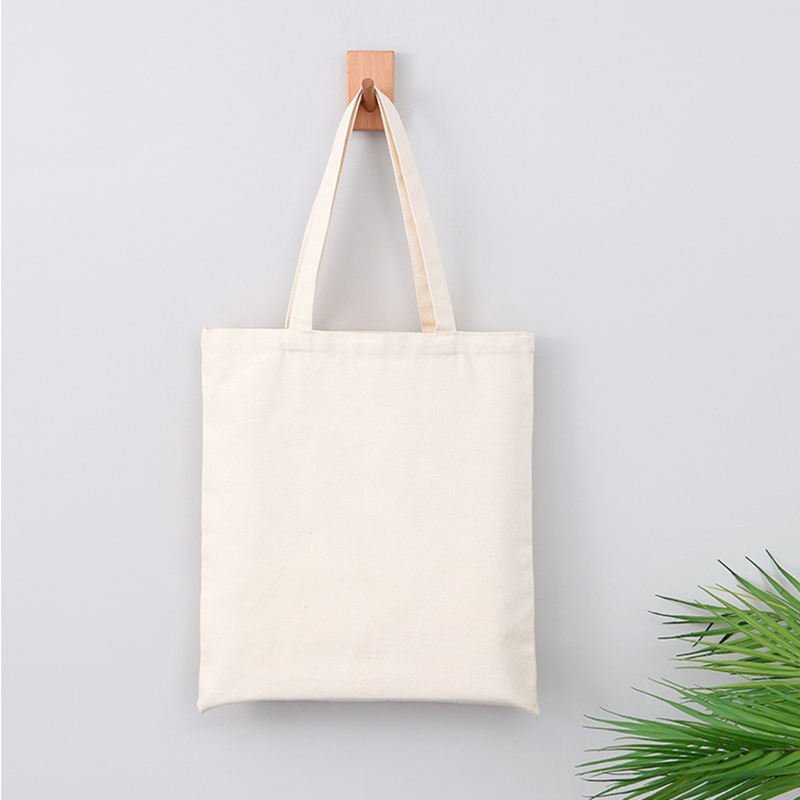
Bags fit retail private label because they are practical, visible, reusable, and highly customizable. A retailer can develop tote bags, cosmetic bags, cooler bags, shopping bags, travel pouches, or backpacks around its own customer group, price point, channel, and brand identity.
Bags Are Used in Public
Bags are powerful private label products because customers carry them in public. A reusable shopping bag may appear in grocery stores, parking lots, offices, gyms, schools, and weekend markets. A tote bag may be used for work, shopping, travel, or events. A cosmetic bag may show up in bathrooms, hotel rooms, handbags, and gift sets.
This public visibility gives bags a branding advantage over many other private label products. A private label snack is consumed and disappears. A bottle of shampoo may stay at home. A good tote bag or cooler bag can stay in use for months or years. Every time the customer carries it, the brand gets another impression.
That does not mean the logo should always be large. In many retail programs, subtle branding works better. A woven label, small leather patch, zipper pull, tonal embroidery, or clean screen print can make the bag feel more premium. The goal is to make the product useful enough that customers choose to carry it, not just accept it as a giveaway.
This is where product quality and brand exposure connect. A bag that customers enjoy using becomes long-term brand media. A bag that feels cheap is quickly forgotten, thrown away, or hidden in a closet.
Bags Support Many Retail Categories
Bags are not limited to fashion. They work across grocery, beauty, travel, outdoor, pet, baby, sports, corporate gifting, and e-commerce retail. This is one reason private label bag programs are growing. A single product format can be adapted to many markets by changing the size, material, structure, logo, and packaging.
A beauty brand may use cosmetic pouches for skincare kits. A grocery retailer may use foldable shopping bags or insulated cooler bags. An outdoor brand may need dry bags, waist bags, tool pouches, or backpacks. A pet brand may create treat pouches, travel bags, and carrier accessories. A lifestyle store may sell seasonal canvas totes.
This flexibility is especially useful for retailers that want to build product families. One material direction can support multiple SKUs. For example, a canvas collection may include a tote, pouch, bottle bag, and drawstring bag. A neoprene collection may include a lunch bag, bottle sleeve, and sports pouch. A recycled polyester collection may include a shopping tote, packing cube, and travel organizer.
Szoneier’s documented product scope includes tote bags, backpacks, drawstring bags, cooler bags, lunch bags, makeup bags, travel bags, duffle bags, gym bags, beach bags, leather bags, neoprene bags, waterproof bags, functional bags, and soft goods accessories. This broad category coverage is useful for buyers who want to develop private label bag programs beyond one single SKU.
Customization Is Easy to Understand
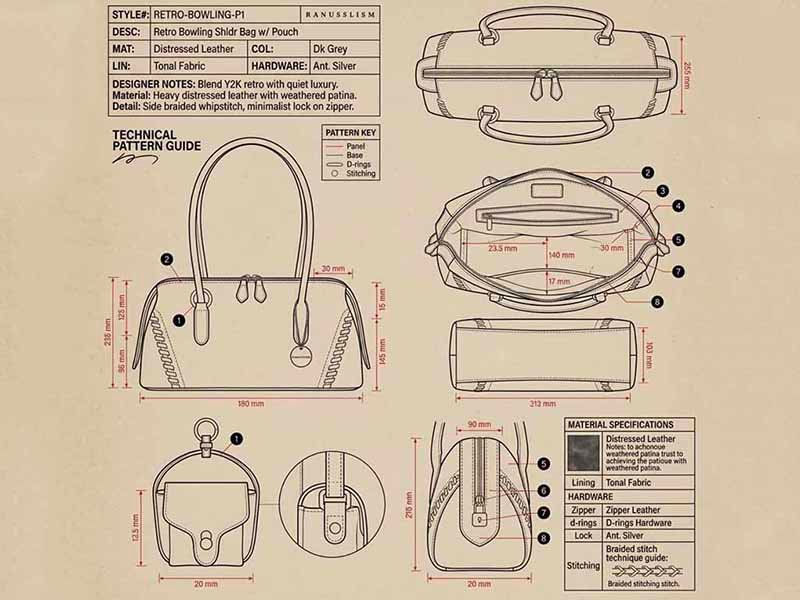
Bags are easier for buyers to brief than many technical products because most customization points are visible and practical. Buyers can specify size, material, color, handle length, pocket layout, zipper type, lining, logo method, packaging, and carton requirements. Even when the buyer does not have a full tech pack, a clear reference photo plus target use case can usually start the development conversation.
Still, bag customization should not be treated casually. A small structure change can affect cost, sewing difficulty, packing size, and durability. Adding a lining can improve perceived value but also increase labor and material cost. Changing a handle from webbing to self-fabric may improve appearance but affect strength. Adding multiple pockets may improve function but increase sewing time.
This is why sample development is important. The first sample helps buyers check real proportions, material stiffness, logo scale, zipper smoothness, handle comfort, and packaging fit. A buyer may discover that a tote needs a wider bottom, a cosmetic pouch needs more structure, or a travel bag needs lighter fabric.
Good sampling turns a rough idea into a production-ready product. It also helps both buyer and manufacturer agree on what “approved quality” looks like before bulk production begins.
Bags Can Become Product Lines
Private label bags are not only single products. They can become repeatable product lines. A retailer can start with one tote bag, then add a mini tote, zipper pouch, cosmetic bag, cooler bag, travel organizer, or seasonal gift bag. This is one of the strongest reasons bags fit private label retail.
A product line gives brands more ways to test the market. Instead of betting everything on one large order, buyers can start with a focused SKU, collect customer feedback, and expand into new colors, sizes, or materials. This is useful for Amazon sellers, Shopify brands, retailers, and promotional buyers because it lowers development risk.
A repeatable bag line also makes manufacturing easier over time. Once the brand confirms the material, stitching standard, logo method, packaging style, and QC requirements, future SKUs can be developed faster. The buyer and factory build a shared language. That reduces mistakes, shortens communication, and improves consistency from order to order.
This is also how private label bags become stronger retail assets. A single tote can generate sales. A complete bag series can create visual identity, repeat purchase, cross-selling, seasonal launches, and stronger customer memory.
| Bag Type | Common Private Label Use | Typical Materials | Useful Custom Points |
|---|---|---|---|
| Tote bag | Retail merchandise, shopping, events | Cotton canvas, polyester, RPET, non-woven | Handle length, print area, inner pocket, bottom gusset |
| Cosmetic bag | Beauty sets, retail pouches, travel kits | PU, polyester, TPU, canvas, satin | Lining, zipper, shape, logo patch, wipeable interior |
| Cooler bag | Grocery, food delivery, outdoor, lunch | 600D polyester, Oxford, non-woven, aluminum foil lining | Insulation, zipper, handle strength, leak control |
| Travel pouch | Packing, toiletry, accessories | Nylon, polyester, mesh, TPU | Compartments, zipper, mesh panels, lightweight structure |
| Drawstring bag | Promotion, sports, school, events | Polyester, nylon, cotton, non-woven | Cord type, reinforced corners, print method |
| Backpack | Retail, outdoor, school, work | Polyester, nylon, Oxford, canvas | Shoulder straps, pockets, lining, load reinforcement |
How Do Private Label Bags Improve Margins?
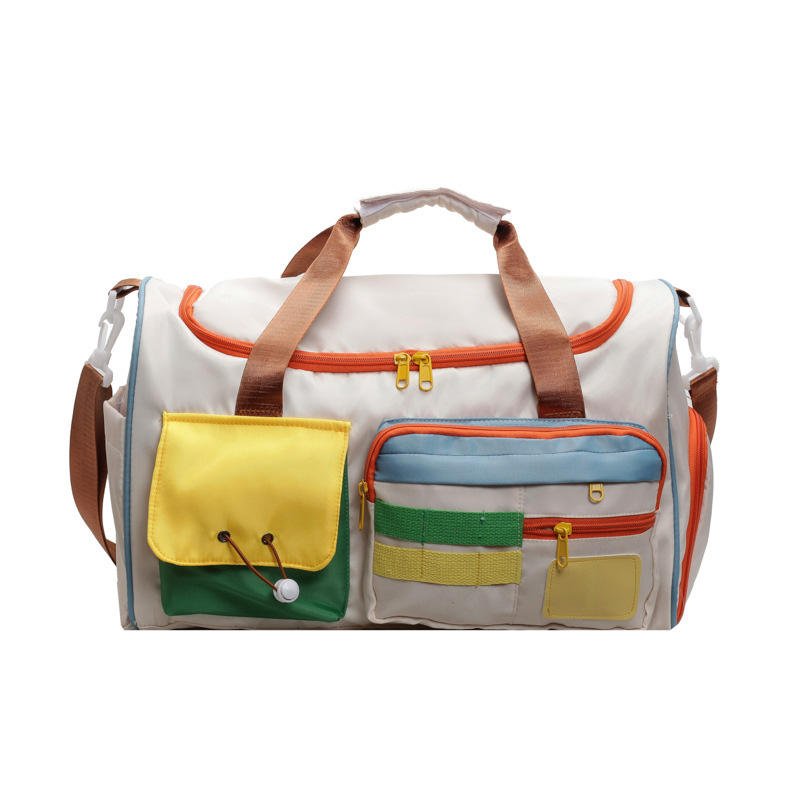
Private label bags improve margins by giving brands control over materials, design, packaging, sourcing, and retail positioning. Instead of selling the same generic product as competitors, brands can build exclusive bags that match their customer, price point, and sales channel.
Margin Starts With Specification
In bag manufacturing, margin is often won or lost in the specification stage. Two bags may look similar in a photo but have very different costs because of fabric weight, lining, zipper quality, handle construction, logo process, stitching complexity, packaging, and carton packing method.
For example, a simple canvas tote without lining is very different from a lined tote with an inner pocket, zipper closure, reinforced bottom, and woven label. A basic cosmetic pouch with one compartment is very different from a structured pouch with PU leather, custom lining, metal zipper, branded puller, and retail hangtag. The product name may be the same, but the manufacturing cost and retail value are not.
Smart buyers do not simply ask for the cheapest version. They decide where the customer will notice value. In a tote bag, handle comfort and fabric weight may matter most. In a cosmetic bag, zipper smoothness and lining may matter most. In a cooler bag, insulation and seam strength are more important than decoration.
Margin improves when money is spent where the user actually feels the difference. It is usually better to upgrade a zipper, handle, lining, or reinforcement point than to add decorative details that do not improve the user experience.
Better Design Reduces Price Comparison
Generic bags are easy to compare by price. If ten sellers offer the same plain tote with a printed logo, buyers will quickly push the price down. Private label bags reduce price comparison when they include useful design differences that match the brand’s audience.
These differences do not need to be complicated. A grocery brand might add a bottle divider or foldable pocket. A beauty brand might use a wipeable lining and a compact travel shape. A yoga brand might add a mat strap or wet pocket. A pet brand might use a washable treat pouch with a clip. A travel brand might use color-coded packing cubes.
Once the bag has its own structure, use case, material direction, and packaging, it becomes harder for customers to compare it directly with a generic market item. That gives the brand more room to protect selling price.
The best private label bag programs do not add features randomly. They add details that make the product easier to use, easier to sell, or easier to remember. This is how custom development turns a bag from a commodity into a brand product.
Packaging Adds Perceived Value
Packaging can change how customers perceive a private label bag before they even open it. A bag shipped in a plain polybag may feel like a commodity. The same bag with a clean hangtag, barcode label, belly band, insert card, or retail sleeve can feel more intentional and giftable.
For retail buyers, packaging also affects operations. Stores may need hang holes, barcode stickers, size labels, carton marks, and shelf-ready packing. Amazon sellers may need FNSKU labels, polybag warnings when required, carton labels, and shipment planning. Shopify brands may care more about unboxing, tissue paper, inserts, or branded mailer compatibility.
The key is to match packaging to the sales channel. Over-packaging a low-cost promotional tote may waste budget. Under-packaging a premium cosmetic pouch may damage perceived value. A practical rule is simple: packaging should protect the product, explain the product, support the channel, and reinforce the brand without creating unnecessary cost.
Packaging is also where private label buyers can look more professional without completely changing the product itself. A good hangtag, product card, care instruction, or barcode system can make a bag easier to sell and easier to manage.
Quality Protects Real Profit
Profit is not only the difference between unit cost and selling price. Real profit must account for returns, complaints, replacement shipments, bad reviews, delayed launches, and lost trust. For private label bags, quality issues often come from weak seams, uneven stitching, zipper failure, color inconsistency, poor printing, dirty finishing, wrong labels, or packaging mistakes.
This is why quality control should be built into the order from the beginning. Material inspection, accessory checking, pre-production sample approval, in-line inspection, final inspection, and packaging review all reduce bulk-order risk. A buyer may not need the same QC depth for every project, but the quality standard should be clear before mass production starts.
Szoneier’s company facts emphasize material selection, sample development, sewing production management, quality inspection, packaging, and export delivery as part of its manufacturing system. For private label buyers, this kind of process matters because the product carries their brand name. A factory defect becomes the retailer’s customer-service problem.
The best margin strategy is not to remove every cost. It is to remove waste while protecting the details customers notice: material feel, structure, stitching, zipper function, logo accuracy, and packaging presentation.
| Margin Decision | Lower-Cost Choice | Higher-Value Choice | Practical Impact |
|---|---|---|---|
| Fabric | Thin non-woven or low-denier polyester | 10–16oz canvas, 600D polyester, RPET, PU, neoprene | Higher perceived value and better durability |
| Logo | Basic one-color print | Woven label, embroidery, patch, embossing, branded puller | Stronger brand identity |
| Structure | Flat single-compartment bag | Gusset, inner pocket, lining, reinforced handle | Better user experience |
| Packaging | Plain polybag | Hangtag, barcode, belly band, insert card, retail sleeve | Better retail presentation |
| QC | Final visual check only | Material, in-line, final, and packaging inspection | Lower return and review risk |
| Reorder planning | One-time order | Approved sample, material record, packaging record | Easier repeat production |
Which Retail Channels Use Private Label Bags?
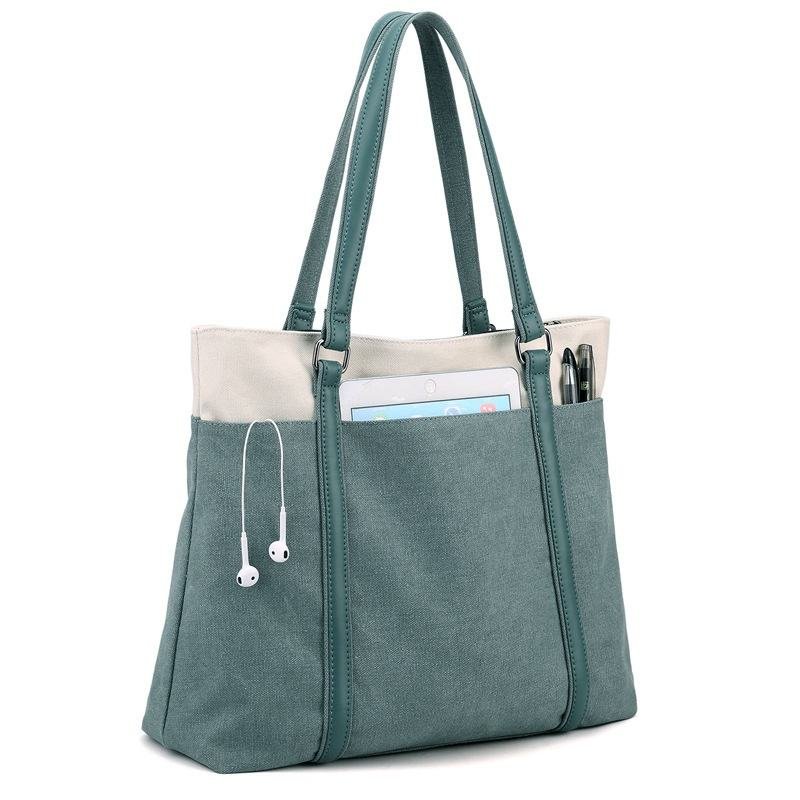
Private label bags are used by fashion retailers, beauty brands, grocery chains, lifestyle stores, travel companies, outdoor brands, e-commerce sellers, corporate gift buyers, and promotional distributors. Each channel uses bags differently, so product design should match the customer, selling environment, packaging needs, and usage scenario.
Fashion and Lifestyle Retail
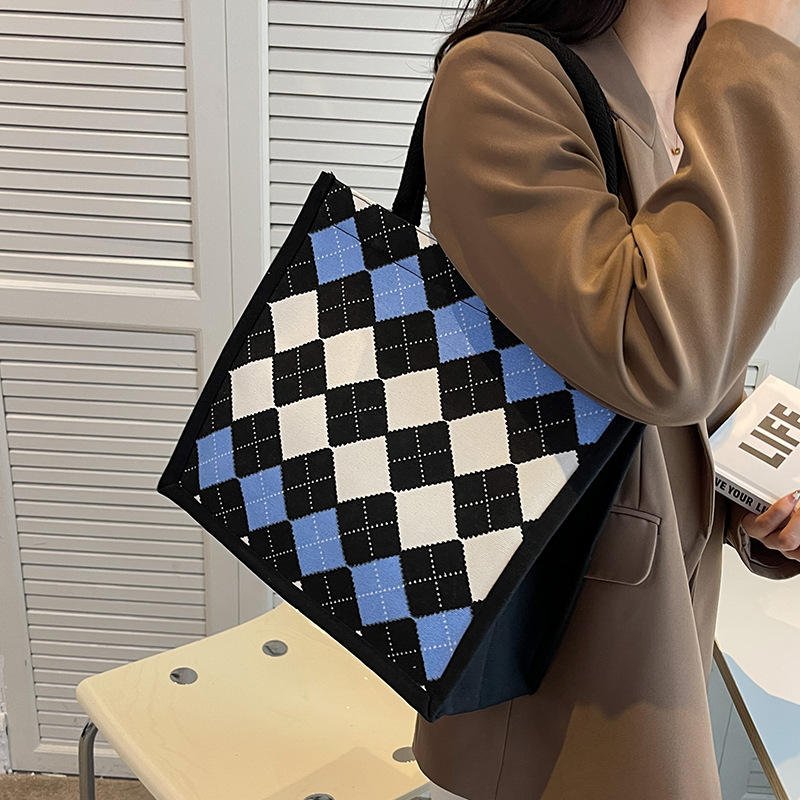
Fashion and lifestyle retailers use private label bags to expand their product range and strengthen brand identity. Tote bags, mini bags, crossbody bags, cosmetic pouches, travel pouches, and canvas shoppers can all become part of a seasonal or evergreen collection. These products help retailers offer accessories without depending fully on national brands.
In this channel, appearance matters. Buyers should pay attention to fabric texture, color matching, hardware tone, lining quality, label placement, stitching cleanliness, and packaging. A tote sold in a fashion store usually needs better finishing than a giveaway tote. A pouch sold as a lifestyle accessory should feel intentional in hand, not like a basic promotional item.
Fashion buyers should also think in collections. A brand may develop a canvas tote, zipper pouch, and small accessory bag using the same fabric, label, and packaging style. This creates a stronger shelf story and makes it easier for customers to buy multiple items.
The more consistent the product language, the more professional the private label line feels. A private label fashion bag does not need to imitate luxury brands. It needs to fit the retailer’s own audience, styling, price point, and repeat-purchase plan.
Beauty and Personal Care
Beauty brands use private label bags because cosmetic pouches add value to skincare sets, makeup kits, holiday boxes, influencer gifts, and travel-size product bundles. A good pouch can make the whole set feel more premium. A poor pouch can make even a good beauty product feel less special.
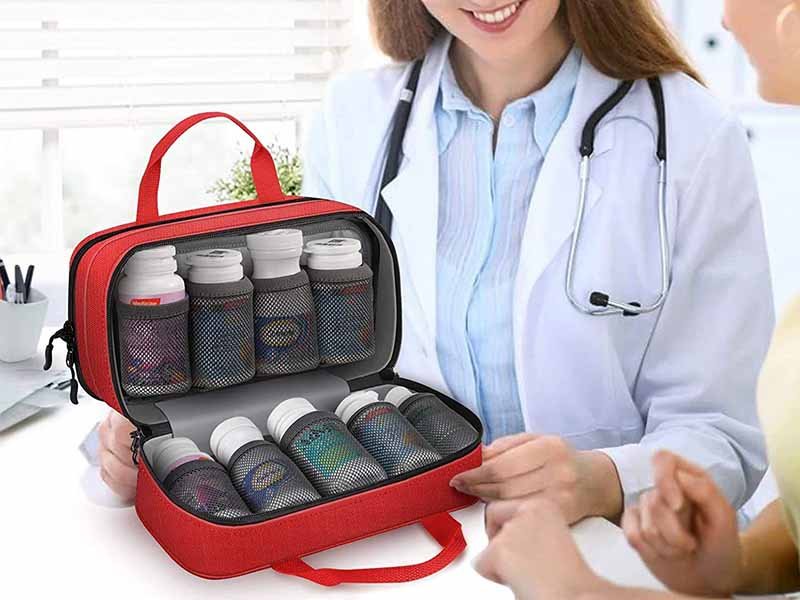
For cosmetic bags, buyers should focus on shape, zipper smoothness, lining, surface cleaning, logo subtlety, and photo appeal. PU leather, clear TPU, satin, polyester, quilted fabric, and canvas can all work depending on the brand image. A luxury-inspired skincare brand may prefer PU with embossing. A clean beauty brand may prefer canvas or recycled polyester. A travel-focused beauty brand may need transparent panels or wipeable lining.
The function should be based on real customer behavior. Can it hold brushes? Can it stand on a counter? Can it fit travel-size bottles? Is the lining easy to clean? Does the zipper open wide enough?
These small details decide whether customers keep using the pouch after the original products are finished. That long-term use is one of the biggest advantages of private label cosmetic bags.
Grocery and Daily Retail
Grocery and daily retail channels use private label bags mainly for practicality and repeat visibility. Reusable shopping bags, foldable totes, insulated grocery bags, wine bags, cooler bags, and lunch bags are common because they solve everyday carrying problems. These bags also reinforce sustainability and store loyalty when customers bring them back repeatedly.
In this channel, strength and convenience are more important than decoration. A grocery tote should have comfortable handles, enough capacity, clean printing, and stable stitching. An insulated bag should use suitable outer fabric, insulation material, lining, zipper, and handle reinforcement. A foldable bag should be light enough to carry but strong enough for repeated use.
A good grocery bag program can be tiered. A retailer may offer a low-cost checkout tote, a stronger reusable bag, and a premium insulated cooler bag. Each product serves a different customer need and price point.
This turns private label bags into a practical retail system rather than a one-off accessory. A customer may buy the basic tote first, then later buy the insulated bag for frozen food or picnic use.
E-Commerce and Marketplace Brands
Amazon, Shopify, and DTC brands use private label bags to create differentiated products that can be photographed, reviewed, shipped, and reordered efficiently. E-commerce buyers care about function, appearance, packaging size, review risk, and listing competitiveness. A bag must look good online but also perform well after delivery.
For Amazon sellers, product reviews can make or break the program. Common complaint points include weak zippers, thin fabric, bad smell, poor stitching, wrong size, and packaging damage. For Shopify brands, unboxing and brand consistency may matter more. They often need branded inserts, custom packaging, and a product story that matches their website and social media.
Szoneier’s company facts list Amazon sellers, Shopify/DTC brands, retailers, importers, wholesalers, promotional companies, and B2B buyers among its customer types, with support for sampling, flexible MOQ, production, quality inspection, packaging, and export delivery.
For e-commerce buyers, this is useful because the product must be manufacturing-ready, warehouse-ready, and customer-review-ready at the same time.
| Retail Channel | Common Bag Products | Key Buying Focus | Common Order Concern |
|---|---|---|---|
| Fashion retail | Tote bags, pouches, mini bags | Appearance, material feel, finishing | Color consistency and premium look |
| Beauty | Cosmetic bags, makeup pouches, gift bags | Lining, zipper, clean branding | Giftable packaging and stain resistance |
| Grocery | Shopping bags, cooler bags, wine bags | Strength, capacity, reusability | Handle load and insulation quality |
| Outdoor | Dry bags, backpacks, tool pouches | Durability, coating, reinforcement | Performance claims and seam strength |
| E-commerce | Travel pouches, organizers, cosmetic bags | Photo appeal, packaging, reviews | Size accuracy and defect control |
| Promotion | Drawstring bags, event totes, gift pouches | Unit cost, logo visibility, delivery | Production timing and print consistency |
What Should Buyers Prepare Before Production?
Before producing private label bags, buyers should prepare the use case, size, material direction, logo file, quantity, packaging needs, sales channel, delivery country, and quality expectations. Clear preparation helps the manufacturer quote accurately, sample faster, avoid misunderstanding, and keep bulk production consistent.
Define the Use Case First
The first question should not be “How much is this bag?” It should be “What will this bag be used for?” Use case controls almost every manufacturing decision. A tote for retail sale is different from a tote for a trade show. A cosmetic pouch for a premium skincare set is different from a low-cost giveaway pouch. A cooler bag for grocery shopping is different from a lunch bag for office use.
When the use case is clear, the manufacturer can recommend more suitable materials, construction, logo methods, and packaging. For example, a beach bag may need mesh panels or waterproof lining. A travel pouch may need lightweight fabric and multiple compartments. A grocery bag may need wider handles and stronger seams. A cosmetic bag may need wipeable lining and a stable shape.
Buyers should also explain the selling channel. Retail stores, Amazon, Shopify, wholesale distributors, supermarkets, and promotional events all have different requirements. The same bag may need different packaging, barcode labels, carton packing, or delivery planning depending on where it will be sold.
A clear use case helps the factory avoid quoting the wrong version of the product. It also helps the buyer avoid paying for features that do not matter.
Prepare Product Details
A useful RFQ does not need to be complicated, but it should include enough detail to avoid guesswork. At minimum, buyers should provide product photos or sketches, approximate dimensions, target material, color, logo method, quantity, packaging style, delivery country, and target selling channel.
If the buyer has a physical sample, tech pack, or BOM, the quotation will be more accurate. If not, a reference photo plus clear notes can still work. For example, “We need a 22 x 12 x 8 cm PU cosmetic bag with wipeable lining, gold zipper, embossed logo, 1,000 pcs, retail hangtag, shipping to the U.S.” is much more useful than “Please quote this makeup bag.”
Incomplete information often leads to misleading quotations. One supplier may quote without lining. Another may assume a thinner fabric. Another may exclude packaging. This makes price comparison unfair.
A detailed brief helps all suppliers quote the same product, and it helps the buyer make a better decision. It also helps the manufacturer spot risks early, such as material MOQ, difficult logo placement, packaging cost, or unrealistic delivery timing.
Plan MOQ and Sampling
MOQ should be planned around product risk, not only around price. Many private label buyers want to start small, test the market, and scale later. This is reasonable, especially for new SKUs. However, MOQ depends on material availability, color, logo process, accessory sourcing, packaging, and product complexity.
Szoneier’s company facts state that MOQ starts from 200 pcs for selected custom bag projects, while exact MOQ depends on material availability, logo process, accessory selection, packaging requirements, color options, and product structure. This type of MOQ structure is useful for brands that want to test a private label bag before moving into larger repeat orders.
Sampling should be treated as part of risk control. A sample helps confirm size, fabric hand feel, structure, logo placement, zipper smoothness, stitching quality, and packaging. It also gives the buyer something to photograph, test, and show internally before bulk production.
Skipping sampling may save time at the beginning, but it often creates larger problems later. For private label bags, the approved sample should become the reference standard for mass production.
Confirm Packaging and Delivery
Packaging should be discussed before bulk production, not after the bags are finished. Retail-ready packaging may include hangtags, barcode stickers, belly bands, insert cards, printed polybags, carton labels, or display packaging. E-commerce packaging may need FNSKU labels, carton limits, warning labels, or shipping documents.
Delivery planning also affects the project. Buyers should confirm whether goods are going to an Amazon FBA warehouse, retail distribution center, overseas warehouse, office, event venue, or multiple addresses. Each destination may have different carton labeling and packing requirements.
A manufacturer with export experience can help buyers avoid common problems such as oversized cartons, missing labels, unclear packing lists, wrong carton marks, or poor product protection during shipping. Szoneier’s company facts mention familiarity with export packaging, carton labels, barcode labels, FBA labels, commercial invoices, packing lists, express, air freight, sea freight, DDP door-to-door delivery, multi-address shipping, sample shipping, and bulk shipment coordination.
Private label production does not end when the bag is sewn. The project is only successful when the right product arrives at the right destination, in the right packaging, ready for the buyer’s channel.
| Preparation Item | Why It Matters | Example for Private Label Bags |
|---|---|---|
| Use case | Guides material and structure | Retail cosmetic pouch vs promotional pouch |
| Size | Affects cost, usability, and carton packing | 22 x 12 x 8 cm makeup bag |
| Material | Controls appearance, strength, price, and feel | Canvas, PU, polyester, neoprene, RPET |
| Logo method | Affects brand look and MOQ | Screen print, embroidery, woven label, embossing |
| Packaging | Makes product channel-ready | Hangtag, barcode, FBA label, retail sleeve |
| Quantity | Affects unit price and production planning | 200 pcs pilot, 1,000 pcs launch, 5,000 pcs reorder |
| Delivery country | Affects logistics and documents | U.S. FBA, EU retailer, Australia warehouse |
How Should Brands Choose a Bag Manufacturer?
Brands should choose a bag manufacturer by checking factory capability, sampling process, material knowledge, quality control, packaging support, export experience, communication, and ability to support repeat orders. The best partner reduces development risk instead of simply offering the lowest unit price.
Check Factory-Based Capability
A private label bag project needs more than a seller who can forward messages. Buyers should understand whether the supplier has real factory-based project control or is mainly acting as a trading middleman. A trading company may still be useful in some cases, but private label programs need tighter control over samples, materials, production standards, and revisions.
Factory-based capability matters most when the product is customized. If the buyer needs a specific size, lining, pocket layout, logo position, packaging, or quality standard, the supplier must be able to communicate these details accurately with the production team. Too many communication layers increase the risk of mistakes.
Szoneier’s company facts describe the company as a factory-based custom bags and soft goods manufacturer with in-house sampling, sewing production coordination, quality inspection, packaging, and export delivery support. The same document also states that Szoneier works with a controlled network of 10+ satellite partner factories while keeping sampling, quality, communication, and delivery under Szoneier’s management.
This kind of structure is useful for buyers who need both flexibility and project control. It is especially relevant for multi-SKU retail programs, seasonal launches, and repeat orders.
Review Sampling Discipline
Sampling discipline is one of the clearest signs of a serious manufacturer. A strong supplier should not rush straight from a photo to bulk production unless the product is extremely simple and the buyer fully accepts the risk. For most private label bags, the sample is the bridge between idea and production.
A good sampling process should confirm material, size, pattern, sewing method, logo placement, accessories, lining, packaging, and finishing. It should also allow the buyer to request revisions when something does not match the target. Photos and videos can help, but physical samples are often necessary for checking hand feel, weight, zipper quality, shape, and real usability.
For private label buyers, sampling is also a commercial checkpoint. The sample helps answer practical questions: Does the product match the expected retail price? Does it photograph well? Does it feel durable enough? Is the logo position correct? Does the packaging support the sales channel?
Good sampling reduces the risk of approving a design that cannot be produced consistently. It also helps both sides avoid disputes later because the approved sample becomes the quality reference for bulk production.
Compare Material Knowledge
Material knowledge is one of the biggest differences between a basic supplier and a real manufacturing partner. A buyer may ask for canvas, polyester, PU, neoprene, Oxford, or RPET, but the factory should help explain which option fits the product’s use, price point, durability needs, and retail positioning.
For example, canvas may look better for lifestyle totes but may not be ideal for wet-use products. Neoprene has a soft protective feel but may not suit every budget. PU can raise perceived value for cosmetic bags but requires attention to surface quality and edge finishing. Oxford fabric can work well for functional and outdoor bags. TPU or PVC may be useful for clear or water-resistant products, but claims must be handled carefully.
Szoneier’s company facts show that its material experience includes nylon, polyester, Oxford, canvas, cotton, neoprene, leather, PU, PVC, TPU, EVA, and other soft goods material systems. This matters because private label buyers often need to balance appearance, cost, durability, shipping weight, MOQ, and customer review risk.
A supplier who understands material trade-offs can often help buyers avoid expensive mistakes. The right material is not always the most expensive one. It is the one that fits the customer, use case, price point, and production plan.
Evaluate QC and Delivery Support
Quality control and delivery support are essential because private label products carry the buyer’s brand. A weak zipper, wrong logo, dirty surface, poor stitching, incorrect label, or damaged carton can create customer complaints even if the product looked good in a quotation.
Buyers should ask how the supplier checks materials, accessories, pre-production samples, sewing, semi-finished goods, final products, and packaging. They should also ask whether the supplier can support carton labels, barcode labels, packing lists, FBA requirements, DDP delivery, or split shipments if needed.
The best manufacturer is not always the cheapest one. It is the one that helps the buyer reduce risk from product idea to customer delivery. For private label bags, that means clear communication, realistic MOQ, reliable sampling, practical material advice, stable sewing quality, packaging accuracy, and export-ready logistics.
When those systems are in place, a private label bag can grow from a first test order into a long-term retail product line. That is the real goal: not just one order, but a repeatable product program that customers recognize, use, and trust.
Final Thoughts: Private Label Bags Are Growing Because Retailers Want Products They Can Own
Private label bags are growing because retailers and brands are tired of competing only on other people’s products. They want merchandise that fits their customer, protects their margin, strengthens their brand, and supports repeat sales. Bags are ideal for that strategy because they are practical, visible, customizable, and expandable into product families.
But private label success does not come from printing a logo on the cheapest available bag. It comes from better decisions: the right material, the right structure, the right logo method, the right packaging, the right sample process, the right quality control, and the right manufacturing partner.
The market data shows that private label is no longer a weak alternative. Store brands are gaining sales, share, consumer trust, and premium positioning. But the same trend also reminds buyers that quality and consistency still matter. A private label bag carries the buyer’s name, so every seam, zipper, handle, label, and package becomes part of the brand experience.
Szoneier helps global brands, retailers, importers, Amazon sellers, Shopify brands, promotional companies, and B2B buyers develop custom bags and soft goods from idea to sample, from sample to bulk production, and from production to global delivery. Its company facts describe Szoneier as a Shenzhen-based custom bags and soft goods OEM/ODM manufacturer serving global buyers with design, material sourcing, sampling, bulk production, quality inspection, packaging, and export delivery support.
If you are planning a private label tote bag, cosmetic bag, shopping bag, cooler bag, lunch bag, travel pouch, backpack, leather goods project, neoprene product, or functional soft goods line, prepare your product photo, sketch, tech pack, logo file, target quantity, packaging needs, and delivery country.
Send your project details to Szoneier to review material options, structure, MOQ, sampling, packaging, and production planning. A better private label bag program starts with a clearer product brief—and the right manufacturing partner behind it.