Skip to content
A customer rarely says, “This product failed quality control.” They say, “The zipper broke.” “The strap came loose.” “The logo is crooked.” “The bag looks cheaper than the photos.” For a brand, that sentence is not just product feedback. It can become a refund, a poor review, a support ticket, a retailer complaint, a lower repeat purchase rate, or a quiet decision from the customer never to buy again.
Quality control protects brand reputation by preventing defective, inconsistent, or poorly finished products from reaching customers. In custom bag manufacturing, QC checks materials, stitching, zippers, hardware, logo placement, dimensions, structure, packaging, and shipment readiness. A strong QC system helps brands reduce complaints, returns, bad reviews, rework, delivery issues, and supplier disputes while keeping customer trust stable.
This is why quality control should not be treated as a factory-side technical detail. For brands, importers, retailers, Amazon sellers, Shopify brands, promotional companies, and B2B buyers, QC is a reputation protection system. A tote bag, backpack, cosmetic pouch, cooler bag, travel bag, or leather accessory may look simple from the outside, but every customer feels the hidden production decisions: fabric weight, seam strength, zipper smoothness, handle reinforcement, lining quality, logo durability, carton packing, and batch consistency. One weak detail can turn a strong product idea into a public quality problem. The smarter approach is to protect the brand before the product ever reaches the customer.
What Is Quality Control in Bag Manufacturing?

Quality control in bag manufacturing is the structured process of checking materials, components, workmanship, function, size, logo, packaging, and shipment readiness against an approved standard. It starts before production, continues during cutting and sewing, and ends before shipment. Good QC helps brands keep bulk goods consistent with approved samples and prevents avoidable defects from reaching customers.
What QC Really Means
In custom bag manufacturing, quality control is not only a final inspection before goods leave the factory. It is a complete production discipline that connects the approved sample, material standard, sewing workmanship, function, branding details, packaging, and shipment requirements into one controllable process.
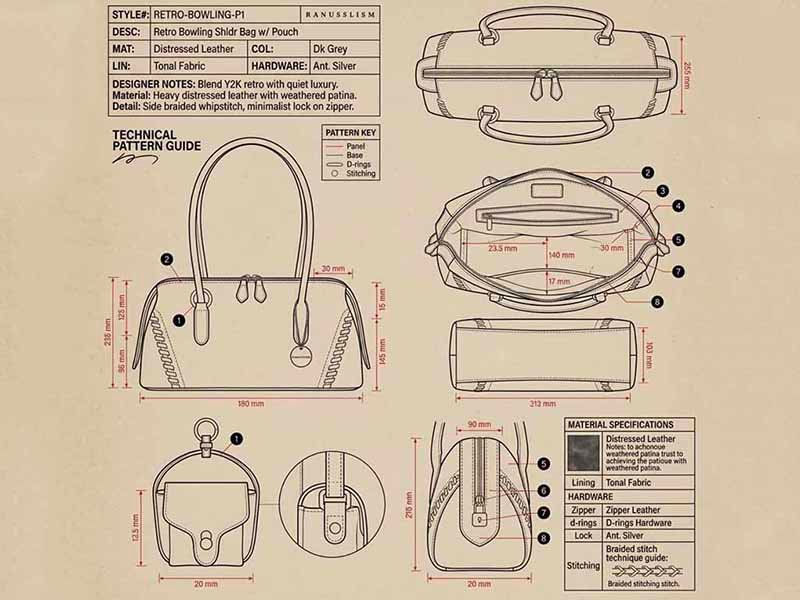
A bag may look simple, but every finished piece contains many small decisions. The fabric weight, coating, lining, thread, zipper, slider, buckle, webbing, handle reinforcement, pocket layout, logo method, carton label, and folding method all affect how the end customer experiences the product. If these details are not checked at the right time, a small production mistake can become a customer complaint later.
For serious brands, QC should answer one practical question: will the customer receive the same product experience that the brand promised? This means the bulk goods should match the approved sample in appearance, structure, hand feel, function, size, branding, and packaging. A good manufacturer does not rely only on worker experience. It builds repeatable checkpoints so the order stays under control from material preparation to final shipment.
What Gets Checked
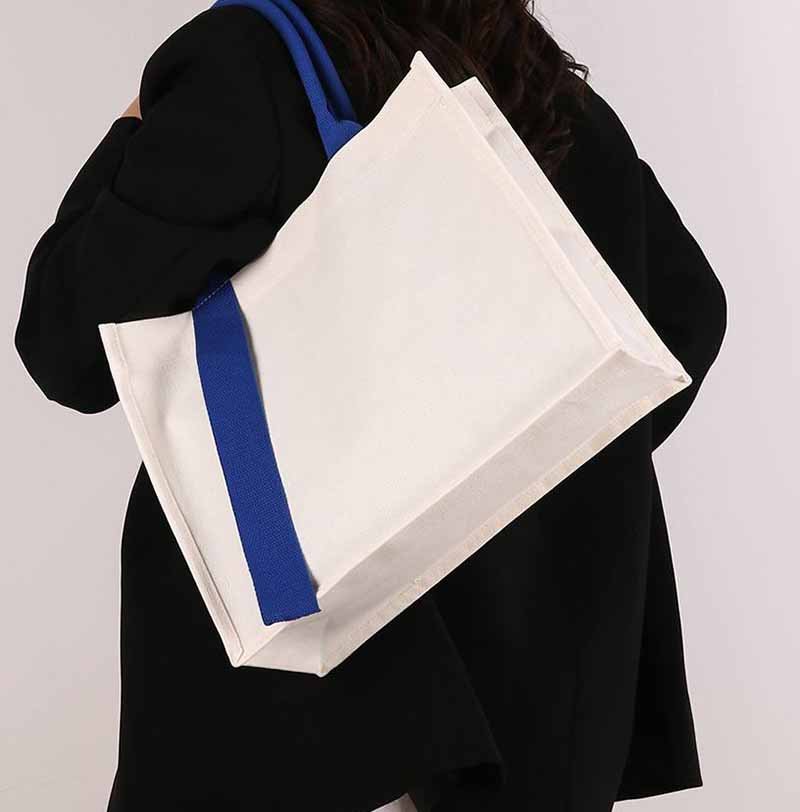
Different bag categories require different quality priorities. A cotton tote bag may focus more on fabric weight, seam strength, print clarity, handle position, and folding. A backpack needs more attention to zipper strength, strap reinforcement, pocket construction, lining, load-bearing points, and user comfort. A cooler bag needs checks on lining, insulation, odor, stitching, handle strength, and leakage-prone areas. A cosmetic bag requires clean surface finishing, zipper smoothness, lining cleanliness, logo accuracy, and packaging appearance.
Common QC checkpoints include material inspection, accessory inspection, pre-production sample confirmation, cutting inspection, in-line sewing inspection, semi-finished product review, final inspection, packaging inspection, and carton label verification. These checks reduce the chance that wrong materials, poor workmanship, or packaging mistakes reach the buyer’s warehouse or end customer.
The most useful QC systems are specific. Instead of saying “check quality,” the team should know what is acceptable for the product: size tolerance, stitch density, color standard, logo position, zipper movement, handle reinforcement, carton quantity, barcode placement, and packaging method. Clear standards reduce confusion between buyer, merchandiser, sample room, production line, QC team, and packing team.
| QC Stage | Typical Checkpoints | Practical Reference Range | Brand Risk Reduced |
| Material check | Color, texture, coating, thickness, odor, defects | Match approved swatch; visible defects removed before cutting | Color mismatch, cheap hand feel, poor durability |
| Size check | Length, width, gusset, strap drop, pocket position | Small pouches: often ±3–5 mm; larger bags: often ±5–10 mm depending on structure | Poor fit, wrong product appearance, listing mismatch |
| Stitching check | Stitch density, seam allowance, thread tension, skipped stitches | Many fabric bags use about 7–10 stitches per inch; exact standard depends on material and structure | Weak seams, uneven appearance, returns |
| Zipper check | Smooth opening, slider strength, zipper tape alignment | Open-close test on sampled pieces during in-line and final inspection | Jammed zipper, unusable product |
| Logo check | Position, color, clarity, adhesion, embroidery density | Compare with approved artwork and sample; tolerance should be agreed before bulk | Unprofessional branding, customer distrust |
| Packing check | Folding, polybag, label, barcode, carton mark, quantity | Match packing instruction, FBA or retailer rules if applicable | Warehouse issues, poor unboxing, shipment delay |
Why Timing Matters
The timing of QC is just as important as the inspection itself. Material problems should be found before cutting. Sewing problems should be found during production. Packaging problems should be found before cartons are sealed. If defects are only discovered at the final stage, the factory may need to rework, sort, replace, delay shipment, or ask the buyer to accept lower-quality goods. None of these outcomes is ideal for a brand.
For example, if a zipper is slightly rough during the first sewing stage, it can be replaced or adjusted early. If the same zipper issue is found after 5,000 bags are finished and packed, the problem becomes much more expensive. The same logic applies to handle reinforcement, logo printing, fabric color, lining material, and carton labels.
Good QC is therefore not about catching people doing something wrong. It is about protecting the production flow. It gives the factory a chance to correct problems early and gives the buyer more confidence that the order is still aligned with the approved sample.
Why Brands Should Care
Brands should care about QC because customers do not separate the factory from the brand. If the seam opens, the customer blames the brand. If the zipper jams, the customer blames the brand. If the product looks cheaper than the website photos, the customer blames the brand.
That is why quality control is a commercial issue, not only a factory issue. Strong QC protects product reviews, customer service workload, repeat purchase rate, retail buyer confidence, and long-term brand value. For custom bags and soft goods, especially when orders include private label logos, retail packaging, Amazon preparation, or multi-SKU development, QC becomes one of the most important tools for keeping the brand promise consistent.
Why Do Quality Issues Damage Brand Reputation?

Quality issues damage brand reputation because customers judge the brand by the product they receive, not by the factory process behind it. A weak strap, jammed zipper, crooked logo, poor stitching, or damaged package can quickly become a refund, negative review, lost repeat customer, or public complaint. Repeated defects make buyers doubt the brand’s reliability.
Why Customers React Strongly
Customers react strongly to quality problems because bags are daily-use products. They are touched, carried, opened, closed, packed, worn, displayed, and often used in public. When a bag fails, the customer feels the problem immediately. A backpack strap that feels weak, a cosmetic pouch with a rough zipper, a tote bag with thin fabric, or a cooler bag with a bad smell can quickly disappoint the buyer.
The emotional part matters. Customers may not understand stitching standards, fabric coating, zipper grades, or seam allowance, but they understand whether the product feels reliable. If a bag looks careless, the customer assumes the brand is careless. If the logo is crooked, the customer questions the brand’s professionalism. If the bag breaks after light use, the customer may believe the brand exaggerated product quality.
In many cases, the visible defect is only part of the damage. The bigger issue is broken expectation. A customer buys based on product photos, reviews, price, description, and brand image. When the received product feels worse than expected, the customer loses trust not only in that item but also in the next product the brand may offer.
How Defects Become Reviews
A defect becomes more dangerous when it appears in reviews. On marketplaces and DTC websites, reviews act like public quality records. A single complaint may not destroy a product, but repeated comments about the same issue can reduce conversion. Phrases like “zipper broke,” “stitching came apart,” “logo peeled,” “smells bad,” “looks cheap,” or “not like the photo” can make future buyers hesitate.
The problem is especially serious for products sold online, because customers cannot touch the product before buying. They rely on other buyers’ experiences. If reviews mention quality issues, the brand’s own product description becomes less persuasive. Even strong photography and good copy cannot fully overcome customer photos showing defects.
Bad reviews also stay visible longer than many brands expect. A quality issue from one production batch may continue affecting future traffic, advertising performance, and conversion rate for months. This is why preventing defects before shipment is usually cheaper than trying to repair brand trust after customers complain.
How Returns Add Hidden Costs
Returns are one of the clearest signs that quality has damaged customer confidence. But the cost of a return is more than the refund. It may include return freight, warehouse handling, repacking, inspection, customer service time, replacement shipping, lost inventory value, platform penalties, and lower product ranking.
For bag brands, common return triggers include wrong size, weak stitching, poor material, broken zippers, unpleasant odor, color mismatch, damaged packaging, inaccurate product photos, and poor perceived value. Some of these are design or listing problems, but many are preventable through better QC.
A cautious brand should not look only at the factory defect rate. It should also look at customer-facing failure rate. A defect that seems small in the factory may create a high return risk if it affects product use or perceived value. For example, a slightly uneven inner seam may be acceptable in a low-cost promo bag, but the same issue may be unacceptable in a premium cosmetic pouch or branded gift item.
How Trust Gets Rebuilt
Once quality problems damage reputation, rebuilding trust takes time. The brand may need to improve the product, update the supplier, respond to reviews, replace defective goods, adjust packaging, revise product photos, and reassure customers. This recovery process is usually more expensive than preventing the defects in the first place.
Quality control helps brands stay ahead of this cycle. It reduces the number of customers who experience avoidable disappointment. It also gives the brand more confidence when launching new SKUs, increasing order quantity, or expanding into retail channels.
For B2B buyers, this is why supplier selection should never be based only on the lowest unit price. The real question is whether the supplier can help protect customer trust after the product enters the market. A factory that controls materials, samples, production, inspection, and packaging is usually better positioned to support long-term brand reputation than a supplier that only focuses on making the order as cheaply as possible.
Which Bag Defects Hurt Brands Most?

The bag defects that hurt brands most are the ones customers notice quickly or experience during normal use. These include weak stitching, poor material, zipper failure, loose handles, color mismatch, peeling logos, dirty surfaces, bad odor, wrong size, damaged hardware, and poor packaging. These defects reduce perceived value and make customers question the brand.
Which Material Problems Matter
Material problems can damage reputation before the customer even uses the bag. The first things customers notice are color, texture, thickness, smell, softness, stiffness, shine, and surface cleanliness. If the material feels cheaper than expected, the customer may immediately feel that the product is overpriced.
Common material defects include color variation, stains, coating marks, wrinkles, weak lamination, PU cracking, leather scratches, fabric slubs, bad odor, poor lining, and wrong fabric weight. Some of these issues are cosmetic, but others affect durability. For example, a thin fabric may not support the intended load. A weak coating may peel. A poor lining may tear or wrinkle badly. A strong-looking product may fail because the material selection was not suitable for the use scenario.
Material QC should happen before cutting. Once defective material is cut into panels and sewn into finished bags, fixing the problem becomes much harder. For custom products, brands should confirm material swatches, color standards, thickness, hand feel, coating, lining, and special performance expectations before mass production.
Which Sewing Problems Matter
Sewing problems are among the most common reasons customers complain about bags. A bag is not only a fashion item or storage product; it is also a load-bearing structure. Stitching quality affects both appearance and function.
Common sewing defects include skipped stitches, loose threads, uneven seam lines, weak reinforcement, poor binding, twisted straps, crooked pockets, open seams, lining puckering, uneven corners, and thread tension problems. For lightweight promotional bags, these issues may look unprofessional. For backpacks, travel bags, tool bags, pet bags, gym bags, and cooler bags, they may cause functional failure.
The highest-risk sewing areas are usually handles, shoulder straps, zipper ends, pocket openings, bottom corners, side seams, and stress points where users pull or carry weight. A good QC team pays special attention to these areas during in-line inspection, not only at final inspection. If the same sewing issue repeats across a batch, it can create a large number of similar customer complaints.
Which Functional Problems Matter
Functional problems hurt brands because they stop the customer from using the product comfortably. A bag can look nice in photos but still disappoint if the zipper is rough, the buckle feels weak, the strap slips, the pocket is too small, or the opening is inconvenient.
Zippers are especially important. Customers interact with them repeatedly. A zipper that jams, separates, scratches fabric, or feels weak can make the whole bag feel low quality. Hardware also matters. Buckles, D-rings, rivets, hooks, snaps, sliders, magnetic buttons, and metal plates should be checked for strength, finish, sharp edges, rust risk, and correct attachment.
Functional QC should match the product type. A cosmetic bag needs smooth zipper movement and clean lining. A cooler bag needs lining integrity, insulation structure, handle strength, and odor control. A backpack needs strap adjustment, zipper strength, pocket function, and load-bearing points. A travel bag needs more attention to repeated opening, carrying comfort, and hardware durability.
| Defect Type | Common Examples | Customer Impact | Inspection Priority |
| Material defects | Color mismatch, stains, odor, weak coating, wrong thickness | Product feels cheap or different from photos | Check before cutting |
| Sewing defects | Loose threads, skipped stitches, weak reinforcement, uneven seams | Product looks careless or breaks during use | Check during sewing |
| Zipper defects | Rough movement, teeth separation, weak slider, poor alignment | Product becomes frustrating or unusable | Check in-line and final |
| Hardware defects | Scratches, rust, loose rivets, weak buckles, sharp edges | Product feels unsafe or low quality | Check before assembly and final |
| Logo defects | Crooked placement, peeling print, unclear embroidery, wrong color | Brand identity looks unprofessional | Check sample and production |
| Packaging defects | Dirty polybag, wrong barcode, weak carton, poor folding | Poor unboxing or warehouse problems | Check before shipment |
Which Branding Problems Matter
Branding defects are especially damaging because they affect identity. A customer may forgive a tiny internal thread more easily than a crooked logo on the front of the bag. Logo position, color, sharpness, durability, and surface compatibility all influence perceived professionalism.
Different logo methods carry different risks. Screen printing can crack or fade if ink and fabric are not compatible. Heat transfer can peel if temperature, pressure, or material choice is wrong. Embroidery can distort thin fabric if backing and stitch density are not handled well. Debossing may look weak on unsuitable PU or leather. Metal plates can scratch, discolor, or sit unevenly if not installed properly.
Packaging also belongs to the branding experience. A clean polybag, correct hangtag, proper folding, accurate barcode, and strong carton may not seem exciting, but they prevent unnecessary disappointment. For retail, Amazon, Shopify, corporate gifts, and influencer campaigns, packaging is part of the first impression. When packaging looks careless, customers often assume the product quality is careless too.
How Does QC Reduce Customer Complaints?

QC reduces customer complaints by finding problems before products reach customers. It checks whether the finished goods match the approved sample, function correctly, look clean, carry the right logo, and meet packaging requirements. By inspecting materials, sewing, accessories, and final goods at different stages, brands can prevent many defects that cause refunds, bad reviews, and support tickets.
How Material Checks Help
Material checks reduce complaints by preventing unsuitable materials from entering production. If a fabric, leather, PU, PVC, neoprene, lining, or webbing does not match the approved sample, the finished product may disappoint customers even if sewing is clean.
Material inspection should compare production materials against approved standards. The team should check color, texture, weight, coating, surface defects, odor, flexibility, thickness, lining, and batch consistency. For certain products, function-related checks may also be needed. Cooler bags may require lining and insulation review. Waterproof bags may require attention to coated fabric and seam construction. Leather goods may require surface grading and scratch control. Neoprene products may require odor and elasticity checks.
Early material checks protect both the brand and the production team. If a material issue is found before cutting, it can often be replaced, sorted, or discussed with the buyer. If it is found after sewing, the order may need rework or discount. If customers find it after delivery, the brand may face complaints and returns.
How In-Line Checks Help
In-line checks reduce complaints by catching production mistakes while the order is still being made. This is one of the most important inspection stages because many bag defects repeat once a process is wrong.
For example, if the handle placement is slightly off on the first batch, the same mistake may continue unless someone checks early. If zipper tape is sewn too tightly, many pieces may show puckering. If thread tension is wrong, seams may look uneven or weak. If a logo fixture is misplaced, the entire order may carry an off-center logo. In-line QC helps stop these problems before they become batch-level defects.
In-line inspection is also useful for production learning. Workers, line leaders, merchandisers, and QC staff can correct the method quickly. This reduces rework, improves consistency, and helps maintain delivery schedules. For buyers, in-line updates also provide confidence that the order is not being checked only at the very end.
| Complaint Risk | What QC Should Check | Common Control Method | Better Stage to Catch It |
| “The bag looks different from photos” | Material, color, shape, logo, size | Approved sample comparison | Pre-production and final |
| “The zipper is hard to use” | Zipper type, slider, sewing tension, alignment | Open-close test on sampled pieces | In-line and final |
| “The strap broke” | Webbing, reinforcement, stitch pattern, stress points | Reinforcement check and pull-feel review | In-line |
| “The logo is peeling” | Logo process, material compatibility, adhesion | Production test and sample approval | Before bulk and in-line |
| “The bag smells bad” | Material odor, glue, lining, packaging ventilation | Material and finished goods review | Material and final |
| “The package arrived messy” | Folding, polybag, carton strength, labels | Packing instruction and carton check | Packing stage |
How Final Checks Help
Final checks reduce complaints by stopping obvious defective goods before shipment. A proper final inspection compares finished products with the approved sample and buyer requirements. It should include appearance, dimensions, color, stitching, zippers, hardware, logo, cleanliness, odor, packaging, quantity, carton marks, and labels.
Final inspection is especially important when goods are being shipped internationally. Once products leave the factory, correction becomes harder and more expensive. A defect found before shipment can still be sorted, repaired, repacked, or replaced. A defect found after arrival may create warehouse delays, customer complaints, platform issues, or local rework costs.
However, final inspection should not be the only QC step. It is the last protection layer, not the whole system. If a factory depends only on final inspection, it may discover problems too late. The best results come from combining pre-production confirmation, material checks, in-line inspection, final inspection, and packaging control.
How Feedback Improves Future Orders
Customer feedback should feed back into QC. If buyers report zipper complaints, strap issues, color concerns, packaging damage, or review patterns, those issues should become new inspection priorities for the next order.
This is especially important for brands that reorder or develop product lines. A first order may reveal how customers actually use the product. For example, customers may carry heavier loads than expected, store cosmetics that can stain lining, travel with the bag more often than planned, or care more about packaging than the brand originally assumed. Good suppliers use this feedback to improve material choice, reinforcement, structure, packaging, and inspection standards.
This is how QC becomes more than defect control. It becomes product improvement. Over time, the buyer and manufacturer can reduce recurring complaints, improve product value, and create a more stable customer experience across future batches.
Do Better QC Systems Lower Business Risk?
Better QC systems lower business risk by reducing defects, rework, shipment delays, returns, customer complaints, and supplier disputes. They create clear standards, inspection records, and corrective actions. For brands, this protects cash flow, product launch timing, online reviews, retail relationships, and long-term customer trust.
How QC Reduces Financial Risk
Quality problems create costs that are often larger than the original defect. A weak zipper may look like a small component issue, but if customers return the product, the brand may pay for refunds, replacement shipping, warehouse handling, customer service, review damage, and lost future sales.
Better QC reduces these costs by catching problems earlier. A material issue found before cutting may require replacement material or sorting. The same issue found after production may require repair or discount. If customers find it after delivery, the brand may face refunds and public complaints. The later the defect is found, the higher the business risk.
For many custom bag orders, the factory price is only one part of the total commercial risk. Brands should also consider return rate, review impact, repacking cost, missed sales season, retailer penalties, and customer support workload. A slightly lower unit price can become expensive if the supplier cannot control quality consistently.
How QC Reduces Launch Risk
Product launches depend on timing. A delay caused by quality problems can affect Amazon listing schedules, Shopify campaigns, retail delivery windows, influencer promotions, trade shows, seasonal sales, and corporate events.
Better QC reduces launch risk because it creates earlier visibility. Pre-production checks confirm whether materials and components are ready. In-line checks show whether production is following the approved standard. Final checks confirm whether the goods are ready to ship. This staged visibility gives buyers more time to make decisions if problems appear.
Launch risk is especially high for multi-SKU orders. If one colorway uses the wrong lining, one size has wrong carton labels, or one logo version is misplaced, the entire program can be disrupted. A structured QC system helps keep product variations organized and reduces confusion across SKUs.
How QC Reduces Dispute Risk
Supplier disputes often happen when standards were unclear. The buyer says the product is wrong; the supplier says it is acceptable. Without clear samples, records, photos, and inspection criteria, both sides may struggle to resolve the issue.
Better QC systems reduce dispute risk by creating evidence. Approved samples, material cards, measurement charts, production photos, inspection reports, and packing records help both sides understand what was agreed and what was delivered. This does not remove every disagreement, but it makes problem-solving more objective.
For custom bags, dispute prevention begins before production. Buyers should confirm material, dimensions, logo method, color, stitch expectations, packaging, carton quantity, and special functional requirements. Suppliers should point out production risks instead of silently accepting unclear instructions. When both sides build the standard early, final inspection becomes much easier.
| Business Risk | Without Strong QC | With Strong QC | Practical Benefit |
| Rework cost | Defects found after bulk completion | Problems caught during material or in-line checks | Lower repair cost and less delay |
| Return risk | Defects reach end customers | Customer-facing issues blocked before shipment | Fewer refunds and complaints |
| Launch delay | Quality problems discovered near shipping date | Earlier production visibility | Better campaign and delivery planning |
| Supplier dispute | Standards depend on verbal discussion | Approved sample, records, and photos support decisions | Faster problem resolution |
| Review damage | Repeated defects appear in customer reviews | Batch-level issues are corrected earlier | Stronger rating protection |
| Repeat order risk | Each order feels different | Sample and production standards are reused | Better long-term consistency |
How QC Supports Scaling
Scaling is not only about producing more pieces. It is about producing more pieces without losing consistency. A brand may start with 200 or 500 pieces, then increase to 2,000, 5,000, or more across multiple colors and SKUs. As quantity grows, quality control becomes more important.
Small production problems become larger when volume increases. A 2% defect level in a 300-piece order means about 6 affected units. In a 5,000-piece order, the same level means about 100 affected units. The exact acceptable level depends on product type and buyer standards, but the principle is clear: higher volume increases the cost of weak process control.
Better QC systems help suppliers repeat what worked. They preserve sample records, material standards, logo methods, packaging instructions, and inspection priorities. This is especially useful for brands building long-term product lines rather than one-time orders. Consistency across repeat orders is one of the strongest foundations for brand trust.
Are Reliable Manufacturers Better for Brand Protection?
Reliable manufacturers are better for brand protection because they control more than sewing. They help manage materials, sampling, production, inspection, packaging, communication, and delivery. A reliable partner reduces uncertainty, improves sample-to-bulk consistency, catches problems early, and helps brands avoid the defects that lead to complaints, returns, and poor reviews.
What Makes a Manufacturer Reliable
A reliable bag manufacturer is not simply the supplier with the lowest price or fastest promise. Reliability means the factory can understand the product, confirm details, make a practical sample, control production, inspect quality, communicate clearly, and ship goods according to the buyer’s requirements.
For custom bags, reliability starts with technical understanding. The supplier should understand fabric, leather, PU, PVC, neoprene, Oxford, canvas, nylon, polyester, mesh, EVA, lining, webbing, zippers, buckles, logo processes, and packaging options. It should also understand how these choices affect cost, durability, appearance, and customer experience.
A reliable manufacturer should also be honest about risk. If a material is too thin for the intended structure, the supplier should say so. If a logo process may peel on a certain surface, it should suggest alternatives. If a requested delivery date is unrealistic, it should explain the production timeline instead of accepting the order and causing trouble later.
Why Factory Control Matters
Factory control matters because custom bag orders involve many details that can be lost through poor communication. When a supplier is close to sampling, material selection, production, QC, packing, and shipment, it can respond more quickly when problems appear.
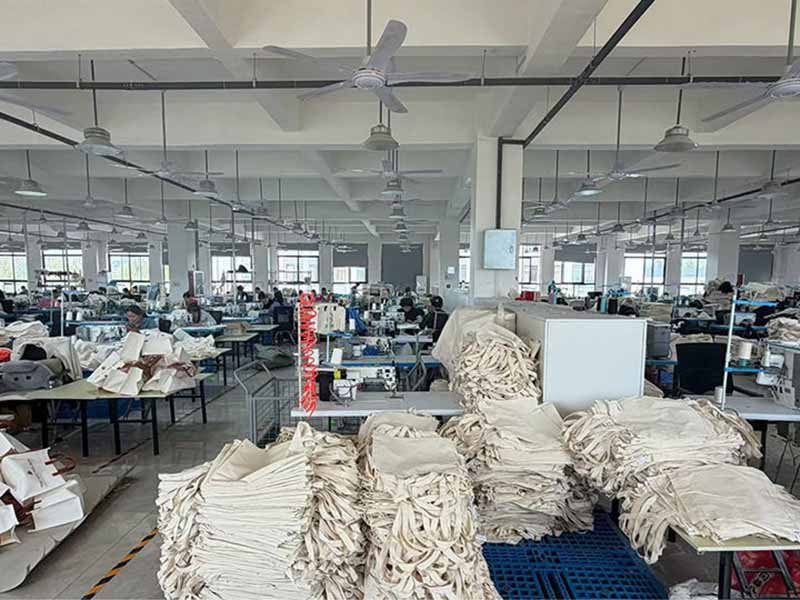
A factory-based manufacturing partner is often easier to evaluate through sample review, video factory review, material discussion, production updates, and QC communication. Buyers can better understand whether the supplier has a real process or is only passing messages between the buyer and unknown production sources.
This does not mean every factory is automatically reliable. A factory still needs structured project management, professional communication, and quality discipline. But for brand buyers, direct control over sampling, materials, production coordination, inspection, and packaging usually creates a stronger foundation for brand protection than a supplier that cannot clearly explain where and how the product is made.
What Buyers Should Check
Buyers should evaluate suppliers based on evidence, not slogans. Claims like “high quality” and “best price” are not enough. A serious supplier should be able to explain its sample process, material confirmation, production flow, inspection points, packaging control, communication method, and export experience.
A practical supplier review should include product range, similar project experience, sample quality, material knowledge, logo process advice, QC checkpoints, packaging ability, response speed, documentation, and willingness to discuss risk. Buyers should also check whether the supplier can support the order size they need, from trial runs to repeat bulk production.
For larger buyers, the most valuable supplier is often not the cheapest one. It is the one that reduces uncertainty. If a manufacturer helps prevent defects, protect launch timing, keep bulk goods consistent, and support repeat orders, it contributes directly to brand reputation.
| Supplier Factor | What to Ask | Why It Protects the Brand |
| Sampling ability | Can the supplier develop and revise samples based on tech packs, photos, or reference samples? | Reduces product development mistakes before bulk |
| Material knowledge | Can it explain suitable fabrics, linings, coatings, and alternatives? | Prevents poor hand feel, weak durability, and cost mismatch |
| QC process | Does it inspect materials, in-line sewing, final goods, and packaging? | Reduces customer-facing defects |
| Logo experience | Can it recommend suitable logo methods for different materials? | Avoids peeling, distortion, wrong color, and poor branding |
| Packaging control | Can it handle barcodes, carton labels, FBA, retail packing, and export cartons? | Reduces warehouse and unboxing problems |
| Communication | Can it provide clear updates, photos, and issue feedback? | Helps buyers make decisions before problems grow |
| Repeat order support | Can it keep records for future batches and new SKUs? | Improves long-term consistency |
How to Start a Safer Project
A safer custom bag project begins with clear information. Buyers should send product photos, sketches, tech packs, target dimensions, material preferences, logo artwork, quantity, packaging requirements, destination country, and any quality concerns from previous suppliers. The more complete the information, the easier it is for the manufacturer to evaluate cost, structure, material, sample timing, and production risk.
The next step is sample development. A sample should not be treated only as a sales formality. It should be used to confirm structure, material, size, logo, workmanship, packaging direction, and bulk feasibility. If the sample needs changes, those changes should be recorded clearly before mass production.
For brands that care about reputation, the goal is not just to receive a bag order. The goal is to build a product that customers can trust. A reliable manufacturing partner helps reduce quality surprises, keeps the order closer to the approved sample, and supports future product development with fewer preventable risks. When quality control is built into the supplier relationship from the beginning, brand protection becomes much easier.
Conclusion: Protect Your Brand Before Products Reach Customers
Quality control is not only a factory checklist. It is a brand protection strategy. For custom bag buyers, QC helps prevent the problems that customers remember most: weak seams, poor zippers, bad materials, crooked logos, dirty packaging, inconsistent batches, and products that do not match expectations.
The better the QC system, the more stable the customer experience becomes. Brands, retailers, importers, Amazon sellers, Shopify brands, promotional companies, and B2B buyers all depend on product consistency. A bag that looks good in a sample room must still look good in bulk production, after packing, after shipping, and finally in the customer’s hands.
For buyers developing custom tote bags, backpacks, cosmetic bags, cooler bags, travel bags, duffle bags, gym bags, beach bags, leather goods, neoprene products, EVA cases, waterproof bags, tool bags, medical bags, pet bags, or other sewn soft goods, supplier choice matters. A reliable manufacturing partner should help control materials, sampling, production, inspection, packaging, and export delivery—not only quote a unit price.
Szoneier works with global brands and B2B buyers to turn product ideas, reference samples, tech packs, material concepts, logo requirements, and packaging needs into production-ready custom bags and soft goods. From material selection and sample development to sewing production, quality inspection, packaging, and export delivery, the goal is to reduce custom manufacturing risk and keep bulk production closer to the approved sample.
If you are planning a new custom bag project, send your product photo, sketch, tech pack, logo file, target quantity, material requirements, packaging needs, and delivery country. A clear start makes it easier to evaluate the right material, structure, logo process, sample plan, production standard, and QC focus before mass production begins.