Skip to content
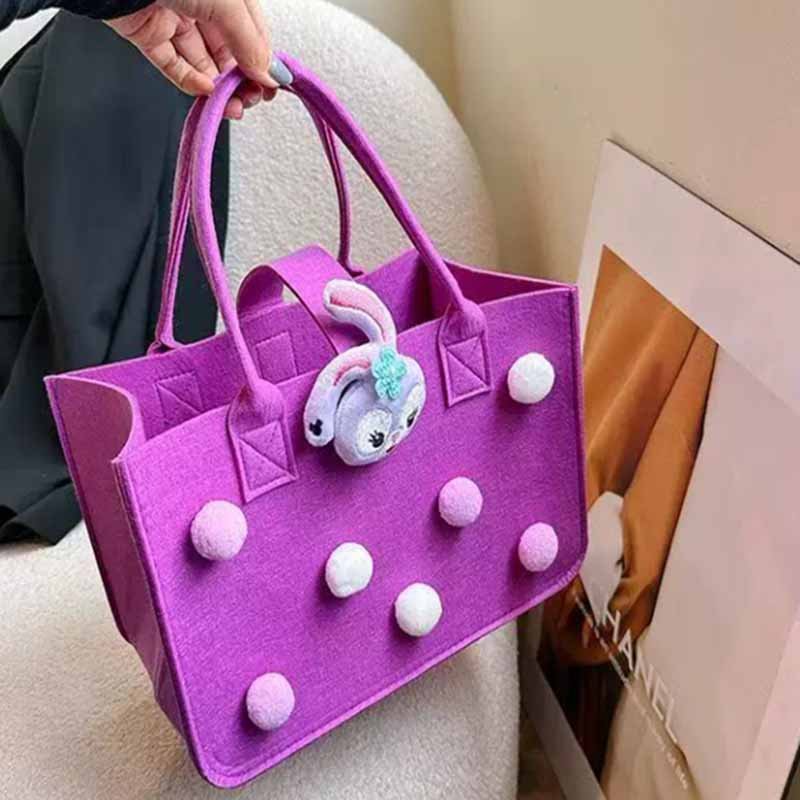
Promotional bags used to be treated as simple giveaways: cheap, fast, logoed, and often forgotten after the event. That mindset is changing. Corporate buyers now expect campaign bags to do more than carry brochures or samples. A good promotional bag must support brand positioning, feel useful in daily life, match sustainability expectations, survive repeated use, and still fit the budget and timeline of a real campaign. In other words, the bag is no longer just packaging for a campaign. It is part of the campaign itself.
Promotional bag trends are being shaped by sustainability, practical design, better materials, cleaner branding, smaller but smarter order planning, and stronger quality control. Corporate buyers are moving away from disposable giveaways and choosing reusable tote bags, drawstring bags, cooler bags, backpacks, pouches, and custom soft goods that people can keep, carry, and associate with the brand after the event.
This shift matters because branded merchandise has become more emotional and more measurable. A cheap bag may carry a logo for one day, but a useful bag can stay in someone’s car, office, gym locker, kitchen, suitcase, or shopping routine for months. Now imagine two bags from the same trade show: one is tossed into a hotel trash bin, while the other becomes someone’s weekly grocery, gym, or office bag. The difference is not luck. It is design, material, function, and manufacturing planning.
What Are Promotional Bags in Corporate Campaigns?
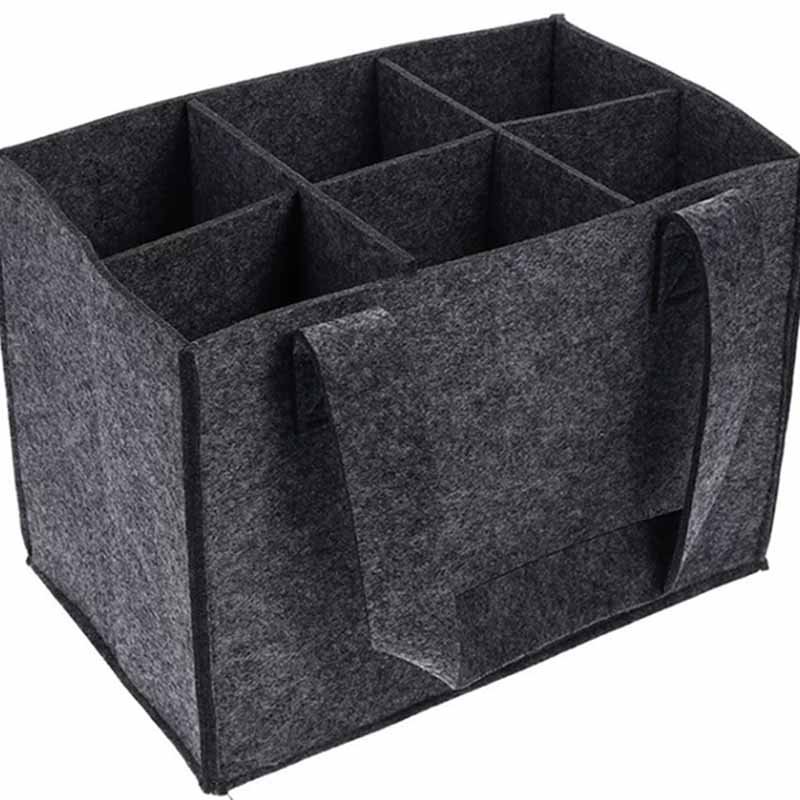
Promotional bags are custom-branded bags used to support marketing, events, corporate gifting, employee programs, retail promotions, and customer engagement. Their value comes from repeated use. A well-designed promotional bag keeps a brand visible long after the campaign ends, especially when the bag is practical, durable, comfortable to carry, and matched to the recipient’s daily life.
What makes a bag promotional?
A bag becomes promotional when it carries a company’s brand identity and is distributed with a campaign purpose. That identity may be a logo, slogan, event name, QR code, artwork, brand color, product message, or limited-edition design. But the print alone does not make the bag valuable. The real value comes from how often the recipient uses it.
In corporate campaigns, this difference matters. A weak promotional bag may carry a logo for one day and disappear after the event. A useful bag may stay in someone’s car, office, gym locker, luggage, kitchen, or shopping routine for months. That means the brand keeps appearing in public without buying extra media space.
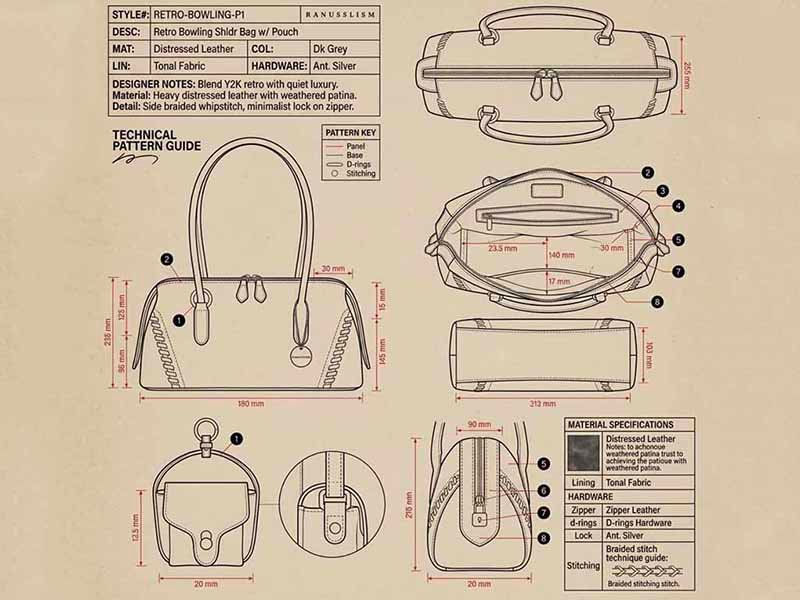
From a manufacturing point of view, the best promotional bags are not just “blank bags with logo printing.” They are designed around function. Handle length, fabric weight, bottom gusset, pocket layout, stitching strength, zipper quality, and folding method all affect whether people keep using the bag. A promotional bag should feel like something the recipient would choose to use, not something they received only because it was free.
How do corporate buyers use promotional bags?
Corporate buyers use promotional bags in many different campaign settings. Trade shows often need tote bags or drawstring bags to carry brochures, catalogs, samples, notebooks, and giveaways. Employee onboarding programs may use backpacks, laptop bags, pouches, or tote sets to create a stronger first impression. Retail campaigns often use reusable shopping bags to encourage repeat visits. Corporate gifting programs may choose cooler bags, canvas totes, travel pouches, or premium soft goods to improve perceived value.
The strongest campaigns match the bag to the behavior of the recipient. A food and beverage brand may choose cooler bags because they naturally connect with drinks, meals, picnics, and outdoor use. A tech company may choose laptop sleeves or backpacks because the product fits work routines. A beauty brand may choose cosmetic pouches because they connect directly with samples, skincare products, and travel.
This is where many buyers make mistakes. They choose a bag only by unit price instead of asking how the recipient will use it. A promotional bag should not only fit the budget. It should fit the campaign message, audience, distribution environment, and expected reuse.
Why are bags still popular in branded campaigns?
Bags remain popular because they solve a real everyday problem: people need to carry things. Unlike many small promotional items that stay on a desk or disappear into a drawer, bags move through airports, offices, stores, gyms, campuses, conferences, hotels, cars, and public spaces. This gives bags strong brand visibility.
Another reason is versatility. A promotional pen can only do one thing. A tote bag can carry groceries, books, samples, clothes, or work items. A cooler bag can support lunch, drinks, outdoor events, and family use. A backpack can become part of a daily commute. A pouch can organize cosmetics, cables, medicine, travel accessories, or samples.
For corporate buyers, promotional bags also offer a wide pricing range. A simple non-woven tote can support a high-volume event. A canvas tote can support lifestyle branding. A cooler bag can support a higher-value gift. A backpack can support a premium employee or client program. This flexibility makes bags one of the most practical branded merchandise categories for both budget campaigns and premium corporate programs.
Which Promotional Bag Types Are Trending?
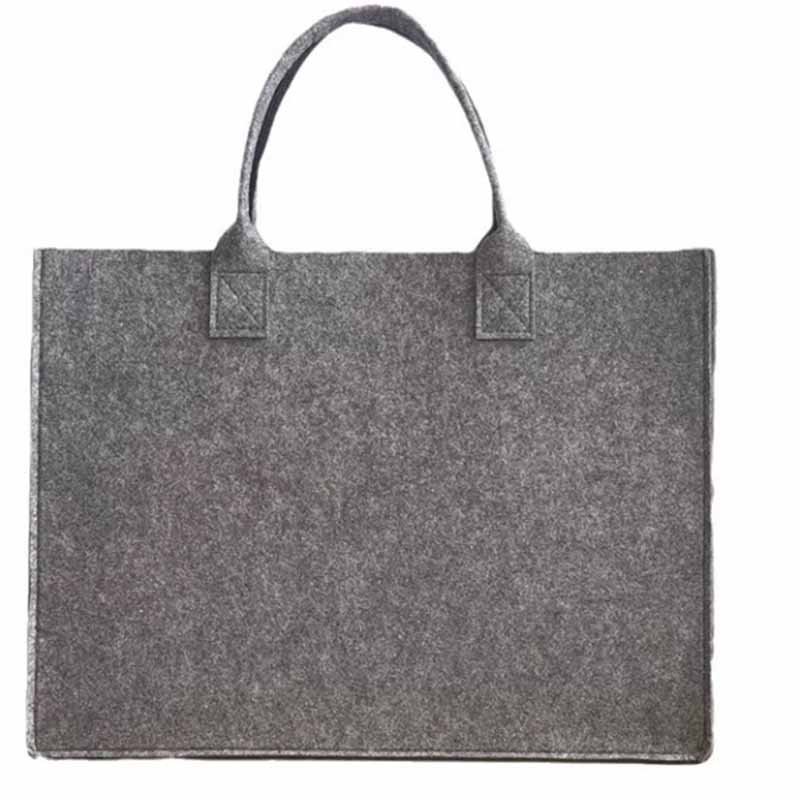
The strongest promotional bag trends include reusable tote bags, drawstring bags, cooler bags, backpacks, pouches, foldable shopping bags, and multi-piece campaign kits. The right choice depends on the campaign goal, audience, budget, material, logo method, delivery deadline, and expected reuse. Practical bags with daily value are replacing disposable, one-time giveaway styles.
| Bag Type | Common Corporate Use | Typical Material Range | Useful Size Range | Branding Value | Buyer Watch-Out |
| Tote Bag | Trade shows, retail, conferences | Cotton, canvas, RPET, non-woven, polyester | 35–45 cm wide | Large logo area, easy visibility | Handle strength, fabric weight, bottom support |
| Drawstring Bag | Sports events, schools, charity runs | 210D–300D polyester, RPET, cotton | 33×42 cm to 38×45 cm | Lightweight and cost-efficient | Corner reinforcement and cord quality |
| Cooler Bag | Employee gifts, food, beverage, outdoor | Oxford, polyester, PEVA, aluminum foil lining | 6-can to 24-can capacity | Higher perceived value | Insulation thickness and leakage control |
| Backpack | Premium events, tech gifts, onboarding | Polyester, nylon, Oxford, canvas | 15L–25L common range | High daily utility | Longer sampling time and higher unit cost |
| Cosmetic Pouch | Beauty, wellness, travel kits | Canvas, polyester, PU, nylon, mesh | 15–25 cm wide | Good for product kits | Zipper, seam shape, and small-size accuracy |
| Foldable Bag | Retail, grocery, travel campaigns | RPET, polyester, nylon | 10L–20L capacity | Compact and reusable | Folding structure must be tested |
Are tote bags still the top choice?
Tote bags are still one of the top choices for corporate campaigns because they are simple, visible, reusable, and easy to customize. They offer a large branding area, work across many industries, and can be produced in different cost levels. A basic non-woven tote may be suitable for a short event, while a heavier canvas tote can feel like a retail-quality lifestyle item.
The main reason tote bags stay popular is that people understand them immediately. There is no learning curve. Recipients can use them for shopping, commuting, office items, books, samples, groceries, or travel extras. For trade shows and conferences, tote bags also help attendees carry multiple items without needing extra packaging.
However, not all tote bags create the same brand impression. A thin tote with weak handles may feel disposable. A stronger tote with reinforced handles, a stable bottom gusset, clean logo placement, and better fabric weight feels more useful and professional. For many campaigns, upgrading from a very basic tote to a better-structured version can improve perceived value without moving into the cost level of backpacks or complex bags.
Which drawstring bags fit event giveaways?
Drawstring bags fit campaigns where quantity, portability, fast distribution, and cost control are important. They are common for sports events, schools, charity walks, music events, outdoor activities, youth campaigns, and large public programs. They are lightweight, easy to pack, and simple for recipients to carry during the event.
A basic drawstring bag is usually made from lightweight polyester or non-woven fabric. A better version may use 210D or 300D polyester, RPET fabric, cotton, or a combination of mesh and solid panels. Small details have a big effect on perceived quality. Reinforced lower corners, thicker cords, metal eyelets, double stitching, and smoother fabric can make the bag feel more reliable.
Drawstring bags are not ideal for every brand. If the campaign targets executives, luxury clients, or premium corporate gifts, a drawstring bag may feel too casual. But for high-volume campaigns where recipients need something light and practical, it remains one of the most efficient promotional bag formats. The best version is not necessarily expensive. It is simply strong enough, neat enough, and visually aligned with the campaign.
How do cooler bags support corporate gifting?
Cooler bags are becoming more popular in corporate gifting because they feel more useful than standard giveaways. They fit food, beverage, outdoor, wellness, hospitality, employee appreciation, and seasonal campaigns. A cooler bag can be used for lunch, drinks, picnics, road trips, beach days, sports events, or family outings. This gives it a longer life than many low-cost promotional items.
From a buyer’s perspective, cooler bags also feel more giftable. Even a small 6-can cooler bag can create a higher perceived value than a basic tote if the structure, lining, zipper, and handle are well made. Larger cooler bags can support premium campaigns, retail bundles, or outdoor brand promotions.
The manufacturing details matter a lot. Buyers should check the insulation layer, inner lining material, seam construction, zipper strength, handle reinforcement, and whether the bag needs leak-resistant or wipe-clean properties. A cooler bag with poor lining or weak seams may fail quickly. A well-made cooler bag can stay in daily use for a long time, especially when the design is clean and the logo is not too aggressive.
Are backpacks better for premium campaigns?
Backpacks are better for premium campaigns when the audience has a clear daily-use need. They work especially well for employee onboarding, tech events, education programs, corporate travel, sales teams, conferences, and VIP gifts. Compared with simple totes or drawstring bags, backpacks offer more structure, more storage, and stronger perceived value.
The cost is higher because backpacks require more materials, more stitching steps, more components, and more quality control. Zippers, shoulder straps, padding, lining, compartments, webbing, buckles, and back panels all affect cost and production time. This means backpacks are not usually the best choice for very large low-budget campaigns.
But when the goal is stronger brand loyalty, daily visibility, or employee experience, backpacks can be worth the investment. A well-designed backpack can be used for commuting, travel, laptops, school, or events. The branding should usually be more subtle than on a giveaway tote. For premium campaigns, a small woven label, rubber patch, embroidery, or tone-on-tone logo often feels more professional than a large front print.
What Materials Are Driving New Demand?
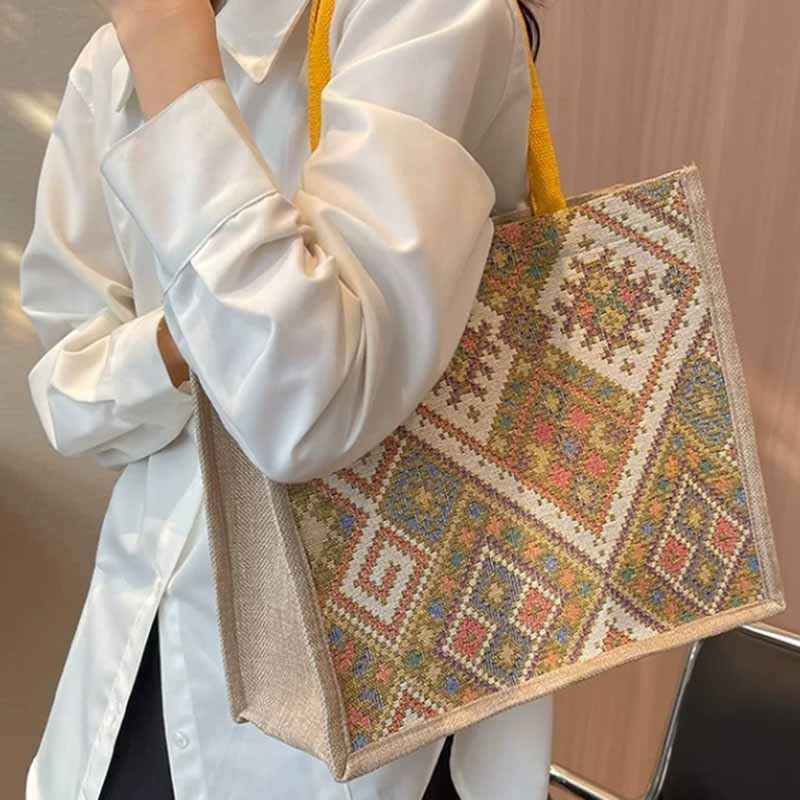
New demand is being driven by RPET, recycled polyester, cotton, canvas, jute, non-woven fabric, Oxford cloth, nylon, and durable polyester blends. Buyers are looking for materials that balance sustainability, cost, structure, print quality, durability, and real reuse. The best material is the one that matches the campaign purpose and user behavior.
| Material | Typical Use | Common Weight / Spec Range | Strength | Best Campaign Fit |
| Non-Woven Fabric | Budget tote bags, mass giveaways | 70–120 gsm | Low cost, light, easy to produce | High-volume events |
| Cotton | Tote bags, drawstring bags, gift bags | 4–10 oz | Natural feel, good print surface | Lifestyle and casual campaigns |
| Canvas | Premium totes, retail bags | 10–16 oz | Stronger structure, long reuse | Brand merchandise and gifting |
| RPET Polyester | Totes, foldable bags, backpacks | 190T–600D common range | Recycled material story, durable | Sustainability-focused campaigns |
| Oxford Fabric | Cooler bags, backpacks, sports bags | 210D–600D | Durable, practical, cost-flexible | Functional corporate programs |
| Jute | Grocery bags, natural gift bags | 10–14 oz equivalent feel | Rustic, natural appearance | Organic, food, wellness, farm brands |
| Nylon | Foldable bags, travel bags, pouches | 190T–420D | Lightweight and strong | Travel and outdoor campaigns |
Is recycled polyester a strong option?
Recycled polyester and RPET are strong options for corporate campaigns that want a more responsible material story without losing durability. They are commonly used in reusable shopping bags, foldable bags, tote bags, drawstring bags, backpacks, pouches, and travel accessories. For brands, RPET also gives a clearer marketing message than ordinary polyester because it connects the product to recycled content.
However, recycled material should be used carefully. Buyers should avoid vague claims like “fully green” or “perfectly eco-friendly” unless they have documentation to support them. A safer approach is to describe the material directly, such as “made with RPET fabric” or “recycled polyester option available.” This keeps the claim specific and easier to verify.
From a practical manufacturing view, RPET still needs the same quality checks as regular polyester. Color consistency, fabric hand feel, coating, print adhesion, stitching strength, and shrinkage should be reviewed before bulk production. The material story may attract attention, but long-term reuse depends on whether the bag is actually strong, comfortable, and useful.
Are cotton and canvas still relevant?
Cotton and canvas remain highly relevant because they feel familiar, natural, and easy to use. A cotton tote is often seen as casual and approachable, while a heavier canvas tote can feel more premium and retail-ready. These materials are especially popular for cafés, museums, bookstores, universities, wellness brands, fashion events, lifestyle campaigns, and creative agencies.
The difference between cotton and canvas is mainly structure and durability. Lightweight cotton is flexible and affordable, but it may not hold shape well under heavier loads. Canvas has a tighter, stronger feel and can support better handles, bottom gussets, inner pockets, and more premium finishing. For corporate campaigns that want the bag to be reused often, canvas usually creates a stronger impression.
Buyers should pay close attention to fabric weight. A 4–5 oz cotton bag may work for lightweight giveaways, while a 10–16 oz canvas bag feels more substantial. Heavier fabric increases cost and shipping weight, but it can also improve reuse and perceived brand value. The right choice depends on whether the bag is meant to be a simple event item or a long-term branded product.
How do jute bags support eco campaigns?
Jute bags support eco campaigns because they have a natural texture and a strong visual connection to organic, grocery, food, farm, wellness, and sustainability themes. They look different from common polyester or non-woven bags, so they can help a campaign feel more earthy and authentic. Jute is often used for reusable shopping bags, wine bags, gift bags, produce bags, and natural retail packaging.
That said, jute is not suitable for every logo or every structure. Its coarse texture can make fine logo details harder to reproduce. Screen printing on jute usually works better with bold graphics and simple colors. If the design includes small text, gradients, or detailed artwork, buyers may need a label, patch, or simpler logo layout.
Jute can also feel rougher than cotton or polyester, so handle comfort should be checked. Many jute shopping bags use cotton webbing or padded handles to improve the user experience. When designed well, jute bags can create a strong eco-style campaign product, but buyers should treat them as a specific material choice, not a universal replacement for all promotional bags.
How should brands balance cost and sustainability?
Brands should balance cost and sustainability by focusing on reuse first. A bag that is used many times is usually more valuable than a bag that only sounds sustainable but is thrown away after one event. Material matters, but design, strength, size, comfort, and usefulness are just as important.
A practical approach is to divide campaign needs into three levels. For short-term mass events, a lower-cost non-woven or lightweight polyester bag may be acceptable. For brand campaigns that need better reuse, RPET, Oxford, cotton, or canvas may be more suitable. For premium gifting, buyers may add lining, pockets, zipper closures, custom labels, and better packaging.
The key is to avoid overbuilding and underbuilding. Overbuilding wastes budget when the event only needs a simple carrier. Underbuilding damages the campaign when the bag feels cheap or breaks quickly. A good manufacturer should help buyers compare material options honestly, including cost, MOQ, printing effect, lead time, packing volume, and expected use.
How Is Ctusom Branding Changing?
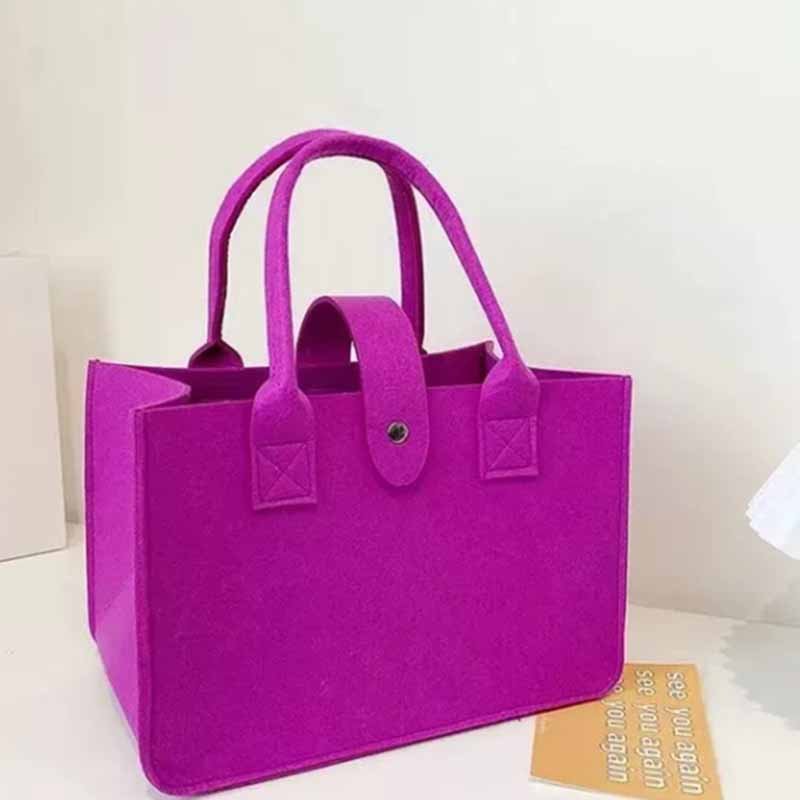
Custom branding is becoming cleaner, more practical, and more product-like. Corporate buyers are moving away from oversized logos on cheap bags and choosing better logo placement, refined colors, premium decoration methods, and packaging that supports the campaign story. The goal is no longer just visibility. The goal is visibility people are willing to carry.
Which logo methods look more premium?
Premium logo methods include embroidery, woven labels, rubber patches, leather patches, debossing, heat transfer, metal badges, and high-quality screen printing. The best method depends on the bag material, quantity, design style, budget, and campaign level.
Embroidery works well on canvas, cotton, backpacks, and some structured fabrics. It gives texture and durability, but it may not be suitable for very small text or gradient artwork. Woven labels are popular for retail-style bags because they look subtle and professional. Rubber patches work well for sports, outdoor, tech, and lifestyle bags. Debossing or leather patches can improve the perceived value of canvas bags, leather goods, or premium gift items.
Screen printing remains widely used because it is cost-efficient and clear on many flat fabrics. Heat transfer is useful for colorful graphics or detailed artwork, especially on polyester and some synthetic fabrics. The mistake is choosing a logo method only by price. A logo should match the material and the audience. A premium campaign may be better served by a small label than a large, low-cost print.
How do colors affect campaign recognition?
Color affects recognition because people often remember a campaign visually before they remember the exact message. A bag using consistent brand colors can connect with event booths, landing pages, packaging, uniforms, product displays, and digital ads. This makes the campaign feel more complete.
However, color control in bag manufacturing is not as simple as choosing a color on screen. Different materials absorb dye and ink differently. Cotton, canvas, polyester, jute, PU, and non-woven fabrics may all show color in slightly different ways. A Pantone reference helps, but buyers should still review physical material swatches or lab dips when color accuracy is important.
For large campaigns, color consistency can affect brand trust. A slight shade difference may be acceptable for a casual giveaway, but it may not be acceptable for retail merchandise or premium corporate gifts. Buyers should confirm whether the material color is stock color or custom dyed. Stock colors usually have lower MOQ and faster lead time. Custom colors improve brand matching but may require higher MOQ, longer lead time, and more careful approval.
Are minimalist designs more effective?
Minimalist designs are often more effective when the goal is long-term reuse. Many recipients do not want to carry a bag that looks like a loud advertisement. A smaller logo, clean typography, balanced placement, and simple color palette can make the bag feel more like a lifestyle item. This is especially important for employee gifts, client gifts, premium events, retail promotions, and DTC brand campaigns.
But minimalism is not always the best choice. Large public events, school campaigns, sports activities, charity runs, and product launches may need bold artwork to create energy and visibility. A bright drawstring bag may perform better at a youth event than a quiet neutral tote. A conference tote may need a large sponsor logo because sponsor visibility is part of the campaign value.
The better question is not “Should the logo be big or small?” The better question is “Will the recipient feel comfortable using this bag after the campaign?” If the answer is yes, the branding is doing its job. If the bag only works at the event but feels awkward afterward, the design may be too campaign-heavy and not useful enough.
How can packaging improve perceived value?
Packaging can make a promotional bag feel more intentional. A folded tote with a branded paper band, a cooler bag with a hangtag, a pouch packed inside a gift box, or a backpack with a welcome card can create a stronger first impression. This is especially useful for corporate gifts, onboarding kits, VIP events, product launches, influencer mailers, and retail promotions.
Packaging also helps operations. If a campaign includes multiple colors, sizes, departments, event locations, or recipient groups, proper packaging reduces confusion. Inner labels, carton marks, SKU stickers, barcode labels, and grouped packing instructions can make distribution much easier.
Buyers should think about packaging early because it affects cost, carton size, labor, and lead time. A bag packed flat will usually save more space than a bag packed fully shaped. A gift box may look better but increase shipping volume. A polybag may protect the item but may not match a sustainability-focused campaign. The right packaging should support both the brand experience and the real logistics of the campaign.
How Do Buyers Choose the Right Bag?
Buyers should choose the right promotional bag by matching campaign purpose, recipient behavior, budget level, material, branding method, lead time, and expected reuse. The best bag is not always the cheapest or most premium. It is the one that people will actually keep, use, and connect with the brand.
| Campaign Scenario | Better Bag Choice | Practical Size / Spec | Why It Works | Common Mistake |
| Trade Show | Tote bag or drawstring bag | 35×40 cm tote, 33×42 cm drawstring | Easy to distribute and carry | Choosing fabric too thin for catalogs |
| Employee Onboarding | Backpack, tote, pouch set | 15L–22L backpack, A4 tote | Feels useful and organized | Overbranding with a huge logo |
| Corporate Gift | Cooler bag or canvas tote | 6-can, 12-can, or 10–16 oz canvas | Higher perceived value | Ignoring packaging experience |
| Retail Promotion | Reusable shopping bag | 10L–20L capacity | Encourages repeat store visits | Weak handles and no bottom support |
| Beauty Campaign | Cosmetic pouch or makeup bag | 15–25 cm width | Fits samples and product sets | Poor zipper quality |
| Outdoor Event | Cooler bag, dry pouch, sports bag | Depends on activity | Matches real outdoor use | Not testing lining or seams |
| Tech Event | Laptop sleeve or backpack | 13–16 inch laptop fit | Strong daily utility | Not checking padding and fit |
| Wellness Program | Lunch bag or bottle holder | Lunch capacity or bottle size | Connects to daily routines | Choosing material hard to clean |
What bag fits trade shows?
Trade shows need bags that are easy to hand out, easy to carry, and strong enough for brochures, catalogs, samples, and small gifts. Tote bags are usually the safest choice because they offer a large print area and a simple open structure. Drawstring bags can also work well when the event has a younger, more casual, or sports-related audience.
The main technical issue is load capacity. Trade show attendees often collect more material than expected. A thin bag with weak handles may look fine when empty but fail when filled with catalogs. For this reason, buyers should consider reinforced handles, a wider bottom gusset, stronger stitching at stress points, and fabric weight that matches the expected load.
Size also matters. A tote that is too small cannot hold A4 documents or catalogs properly. A bag that is too large may look awkward and increase material cost. For many trade show campaigns, a size around 35×40 cm to 38×42 cm is practical. If the bag needs to hold boxed samples or product kits, a wider gusset should be considered.
Which bag works for employee gifts?
Employee gifts should feel more personal and useful than mass giveaways. A backpack, laptop tote, lunch bag, cooler bag, or pouch set can work well depending on the company culture and campaign message. For onboarding, a bag may hold a notebook, water bottle, badge, apparel, welcome card, and tech accessories. For wellness programs, a lunch bag or cooler bag may be more meaningful.
The most important factor is daily usability. Employees are more likely to use a bag if the design feels professional and not overly promotional. A small woven label, subtle embroidery, rubber patch, or tone-on-tone logo can feel more refined than a large front print. Neutral colors such as black, navy, gray, beige, and olive often work well for corporate use because they fit different personal styles.
Packaging also matters for employee gifts. A bag handed over in a loose carton feels ordinary. A bag packed with a welcome card, inner items, and clean folding can feel like a real onboarding experience. For remote teams, the packaging should also protect the product during delivery and make the unboxing experience feel organized.
What should brands choose for retail promotions?
Retail promotions usually need reusable shopping bags, tote bags, foldable bags, or gift-with-purchase pouches. The bag should support repeat store visits, product carrying, and brand visibility outside the retail environment. For supermarkets, grocery stores, pharmacies, bookstores, fashion stores, and lifestyle retailers, reusable bags are especially practical.
The best retail promotional bags have enough strength for real shopping. Handle attachment, bottom gusset, seam strength, and fabric thickness should be reviewed carefully. A retail bag may need to carry bottles, books, apparel, packaged goods, or multiple small items. If the bag fails under normal shopping weight, the campaign creates the wrong impression.
Design should also match the retail brand. A natural food store may prefer jute, cotton, or kraft-style packaging. A fashion retailer may prefer canvas, black polyester, or a clean minimalist tote. A beauty brand may use cosmetic pouches or small gift bags. Retail bags should not look like random giveaways. They should look like part of the store experience.
How do buyers match quality with budget?
Buyers match quality with budget by separating “must-have” specifications from “nice-to-have” details. Must-have items include correct size, usable material, strong handles, clear logo, stable stitching, and on-time delivery. Nice-to-have details may include custom lining, special zipper pulls, premium labels, custom packaging, or multiple compartments.
A useful way to manage budget is to create three specification levels. A budget version may use non-woven fabric or lightweight polyester with simple printing. A standard version may use cotton, RPET, Oxford, or better polyester with reinforced stitching and cleaner packaging. A premium version may use canvas, nylon, PU, custom trims, lining, pockets, and branded packaging.
This approach helps teams compare value instead of only comparing price. The cheapest option may not be the best if the bag is not reused. The most expensive option may not be necessary if the campaign is only a short event. The right budget is the one that supports the campaign goal without wasting money on details the recipient will not notice or use.
What Manufacturing Factors Matter Most?
The most important manufacturing factors are MOQ, material availability, sampling, logo testing, structure, stitching, QC, packaging, lead time, and logistics. Corporate campaigns often have fixed launch dates or event deadlines, so buyers need these details confirmed before bulk production begins, not after problems appear.
| Factor | Typical Buyer Question | Practical Manufacturing Point | Risk If Ignored |
| MOQ | What is the minimum order? | Depends on material, color, logo, accessories, packaging | Design may not fit budget or quantity |
| Sampling | Can we approve a real sample first? | Confirms material, size, logo, workmanship | Bulk goods may not match expectations |
| Material | Is the fabric in stock? | Stock materials reduce lead time and MOQ | Custom fabric may delay the project |
| Logo Process | Which method fits our artwork? | Print, embroidery, patch, label, heat transfer | Logo may crack, blur, or look cheap |
| Stitching | Is the bag strong enough? | Handles, seams, corners, and stress points matter | Bag may break during use |
| QC | What will be inspected? | Material, size, logo, sewing, packing, quantity | Defects may reach the event |
| Packaging | How will goods be packed? | Affects distribution, carton volume, labels | Sorting and delivery may become messy |
| Logistics | Can it arrive before the event? | Express, air, sea, DDP, or FBA need planning | Campaign deadline may be missed |
How does MOQ affect campaign planning?
MOQ affects campaign planning because each custom decision can change the minimum quantity. A simple tote using stock fabric and one-color printing may have a much lower MOQ than a backpack with custom-dyed fabric, special zippers, lining, packaging, and multiple logo applications. Buyers should discuss MOQ before finalizing the design.
In many custom bag projects, MOQ depends on material availability, fabric color, logo method, accessory selection, structure complexity, and packaging requirements. Stock materials and standard accessories usually make smaller trial orders easier. Custom colors, special hardware, custom webbing, unique lining, molded parts, or complex structures often require higher quantities.
For corporate campaigns, MOQ should match the campaign stage. A first-time test campaign may need 200–500 pieces. A regional event may need 1,000–3,000 pieces. A national retail or corporate program may need 5,000 pieces or more. The buyer should not only ask, “What is your MOQ?” A better question is, “What specification can meet my target quantity without creating unnecessary cost or delay?”
Why does sampling matter before bulk production?
Sampling matters because a promotional bag is a physical product, not just a design file. A digital mockup cannot show fabric hand feel, handle comfort, zipper smoothness, stitch quality, logo texture, actual color, folding shape, or packing effect. The sample is where the campaign idea becomes real.
A good sample should confirm the most important production details. For a tote bag, buyers should check fabric weight, handle length, logo placement, seam strength, and bottom shape. For a cooler bag, they should check lining, insulation, zipper, handle strength, and internal capacity. For a pouch, they should check zipper function, seam shape, logo clarity, and size accuracy. For a backpack, they should check padding, compartments, straps, balance, and laptop fit if needed.
Sampling also protects both sides. The buyer can see what will be produced. The factory can confirm whether the design is practical for bulk production. If changes are needed, they should be made before bulk production, not during it. This is especially important for campaigns with fixed event dates because there may not be enough time to correct major issues later.
How do stitching and structure affect durability?
Stitching and structure affect durability more than many buyers realize. A bag can look good in photos but fail in real use if the stress points are weak. Handles, shoulder straps, zipper ends, drawstring corners, side seams, bottom seams, and pocket openings all need proper reinforcement based on the bag’s purpose.
For tote bags, handle attachment is one of the most important areas. Cross-stitching, box stitching, or reinforced bartacks can improve strength. For drawstring bags, lower corner reinforcement helps prevent tearing. For cooler bags, seams and lining need to handle weight, moisture, and repeated opening. For backpacks, shoulder strap stitching, zipper tracks, and back panel construction are critical.
Structure also affects comfort and usability. A tote with no bottom support may collapse under heavier items. A backpack with poor strap balance may feel uncomfortable. A cooler bag with weak side panels may lose shape. A pouch with poor zipper placement may be hard to open. Good promotional bags are not only printed well. They are built around how people will actually use them.
What QC checks should buyers expect?
Buyers should expect quality control that covers materials, dimensions, logo, stitching, function, cleanliness, packaging, and quantity. A simple final glance is not enough for corporate campaigns, especially when the bags will be distributed at public events, sent to employees, or used as branded gifts.
A practical QC process should include material color and fabric checks before production, logo confirmation before mass printing, in-line inspection during sewing, and final inspection before packing. Key points include size tolerance, logo position, print clarity, stitch consistency, handle strength, zipper function, lining condition, loose threads, stains, odor, packing method, carton quantity, and shipping marks.
For campaign buyers, QC is not only about avoiding defects. It protects the campaign experience. If bags arrive with color differences, crooked logos, weak seams, or wrong packing labels, the marketing team may have no time to fix the issue before the event. This is why buyers should confirm inspection standards, approved sample details, packing instructions, and final delivery schedule before placing the bulk order.
How Will Promotional Bags Evolve Next?
Promotional bags will evolve toward higher reuse value, verified sustainability, cleaner branding, more functional structures, smaller test orders, and better campaign-ready packaging. Corporate buyers will expect custom bag manufacturers to provide material guidance, sampling support, quality control, and reliable delivery instead of only low-cost production.
Are sustainable bags becoming standard?
Sustainable bags are becoming a standard expectation in many corporate campaigns, especially for retail, food, education, wellness, travel, hospitality, and lifestyle brands. Buyers increasingly ask about RPET, cotton, canvas, jute, recycled materials, reusable formats, and lower-waste packaging. But sustainability is becoming more practical and less slogan-driven.
The future is not about simply putting “eco” in the product name. Buyers will need clearer material descriptions, more honest claims, and better product durability. A bag made with recycled fabric still needs strong stitching. A cotton tote still needs enough fabric weight to be reused. A jute bag still needs comfortable handles and suitable logo execution.
The strongest sustainable promotional bags will be those that recipients keep using. Reuse is the real test. A durable RPET shopping bag, a strong canvas tote, a useful cooler bag, or a well-made pouch can support a brand’s sustainability message better than a weak product with a green label. Buyers should focus on material, lifespan, repair risk, and real-life usefulness together.
Will functional designs replace simple giveaways?
Functional designs will take more space in corporate campaigns, but simple giveaways will not disappear. There will always be events that need low-cost tote bags or drawstring bags in large quantities. However, more companies are moving part of their budget toward bags with real daily value, such as cooler bags, lunch bags, backpacks, laptop sleeves, travel pouches, cosmetic bags, wet bags, and organizers.
The reason is simple: useful bags stay in circulation longer. A cooler bag can support lunch and weekend trips. A backpack can support commuting. A pouch can organize cables, cosmetics, medicine, or travel items. A reusable shopping bag can stay in a car or kitchen. These functions make the brand part of normal life instead of a one-day event.
For buyers, this means product planning needs to start with the recipient, not the catalog. Ask what the audience does every day. Do they travel, shop, commute, attend classes, go outdoors, carry tech items, or use beauty products? The more closely the bag fits a real routine, the more likely it is to be used after the campaign.
Do brands need more customized product series?
Brands increasingly need customized product series instead of one isolated promotional bag. A campaign may include a tote bag, pouch, bottle holder, and gift packaging under the same visual system. A beauty brand may use cosmetic bags, drawstring pouches, and sample kits. A food and beverage brand may use cooler bags, lunch bags, wine bags, and reusable shoppers. A travel brand may use backpacks, packing cubes, toiletry pouches, and passport holders.
Product series help brands look more organized. They also make campaigns more flexible. One product can be used for trade shows, another for VIP gifting, another for retail promotions, and another for employee programs. When the materials, colors, logo style, and packaging are coordinated, the campaign feels more professional.
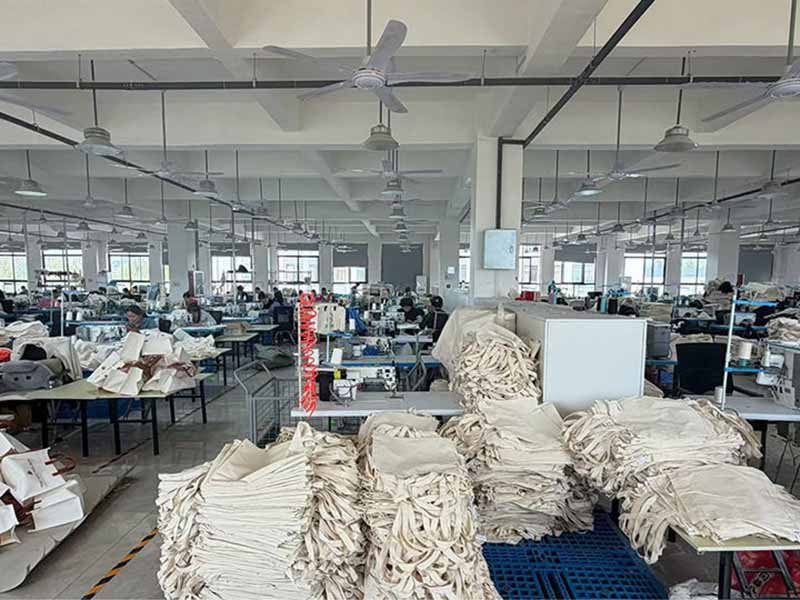
From a manufacturing perspective, series development requires stronger project control. Materials, trims, colors, logo techniques, packaging, and QC standards need to stay consistent across multiple SKUs. This is where a factory-based custom bags and soft goods manufacturer can add value. Instead of treating each item as a separate order, the project can be managed as a connected product system.
How can buyers prepare for future campaigns?
Buyers can prepare for future campaigns by planning earlier, testing samples, choosing practical materials, and building a repeatable specification system. Many campaign problems happen because the bag is chosen too late. When the event date is fixed, rushed decisions can lead to limited material choices, higher shipping costs, weaker packaging, or skipped sample checks.
A better approach is to build a campaign bag library. This can include approved materials, standard tote sizes, preferred logo methods, color references, packaging rules, carton marks, QC standards, and past order feedback. Once these details are organized, future campaigns become faster and more consistent.
Buyers should also consider long-term supplier fit. A good partner should be able to review product ideas, suggest material alternatives, make samples, explain MOQ clearly, manage logo testing, control sewing quality, support packaging, and coordinate export delivery. For brands planning promotional tote bags, drawstring bags, cooler bags, backpacks, pouches, reusable shopping bags, or campaign kits, working with Szoneier can help turn early ideas into sample-ready and production-ready custom bags with fewer avoidable risks.
Ready to Build Better Promotional Bags for Your Next Campaign?
The best promotional bag is not the one with the biggest logo or the lowest unit price. It is the one your audience actually wants to keep. That means the right material, the right structure, the right logo method, the right packaging, and the right production control. For corporate campaigns, every detail matters because the bag becomes part of the brand experience after the event is over.
Szoneier helps global brands, retailers, importers, promotional companies, e-commerce sellers, and B2B buyers develop custom bags and soft goods from idea to sample, from sample to bulk production, and from production to global delivery. With 18+ years of custom bag and soft goods manufacturing experience, Szoneier supports material sourcing, OEM/ODM development, logo application, sample revision, bulk sewing production, quality inspection, packaging, and export shipment coordination.
If you are planning promotional tote bags, drawstring bags, cooler bags, backpacks, pouches, reusable shopping bags, employee gift bags, event bags, or branded campaign kits, send your product idea, reference photo, logo file, target quantity, material preference, packaging needs, and delivery country to Szoneier.
Your next corporate campaign does not need another forgettable giveaway. It needs a promotional bag people will actually use.