 Skip to content

How to Choose a Bag Manufacturer for Medical Bag Projects
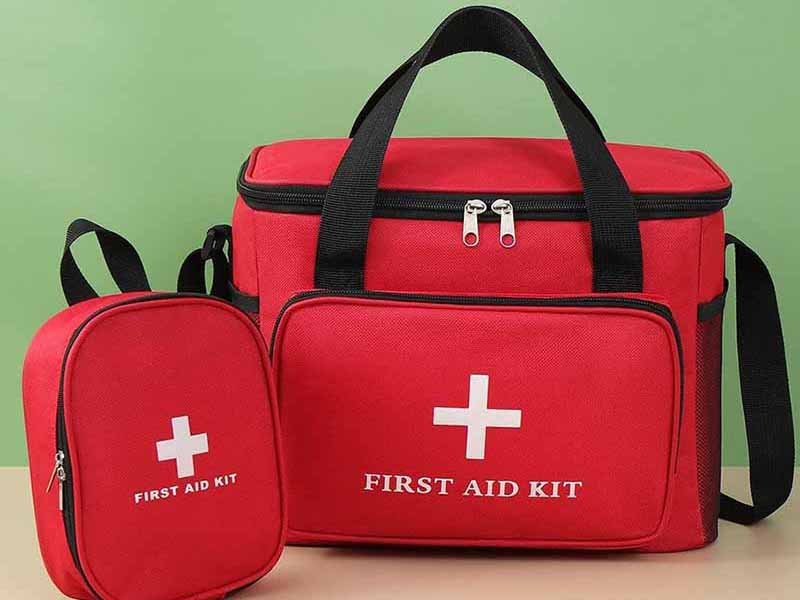
The right medical bag manufacturer should combine relevant product-development experience, suitable material sourcing, practical compartment engineering, controlled sampling, documented quality inspection, appropriate testing support, realistic commercial terms, and reliable repeat-production management. The strongest choice is rarely determined by factory size or the lowest quotation alone. It comes from matching the manufacturer’s capabilities to the product’s intended use, technical risks, order volume, target market, and long-term program requirements.
How Do You Choose a Bag Manufacturer for Corporate Gift Projects
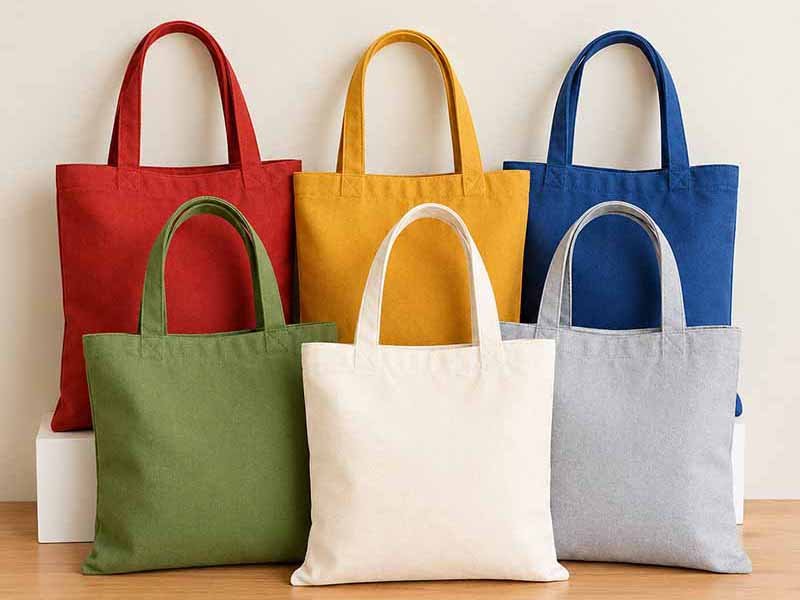
To choose a bag manufacturer for a corporate gift project, evaluate six areas: project fit, manufacturing capability, sample and quality control, MOQ and pricing, production capacity, and delivery management. Ask for physical evidence instead of relying only on sales claims. Approve materials, colors, logos, construction, packaging, and a final sample before bulk production, then confirm inspection standards and the required arrival date in writing.
What Makes a Good Bag Manufacturer for Global Brands
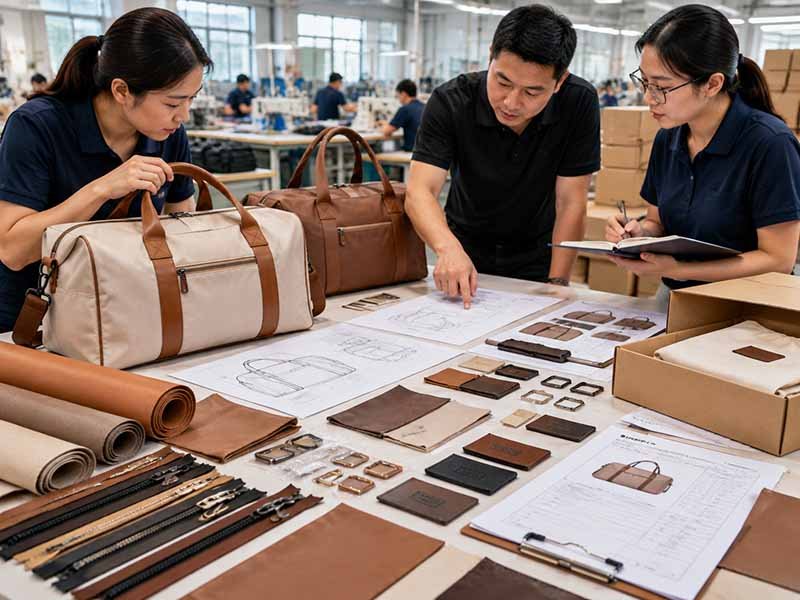
A good bag manufacturer for global brands combines relevant product experience, controlled sampling, material knowledge, documented specifications, repeatable production, multi-stage quality control, realistic capacity, compliance support, transparent commercial terms, export-ready delivery, and reliable repeat-order management. The strongest manufacturer is not automatically the cheapest or largest factory. It is the one that can consistently reproduce the approved product while keeping quality, timing, communication, and supply-chain risk under control.
Why Do Global Brands Need Factory-Based Bag Manufacturers
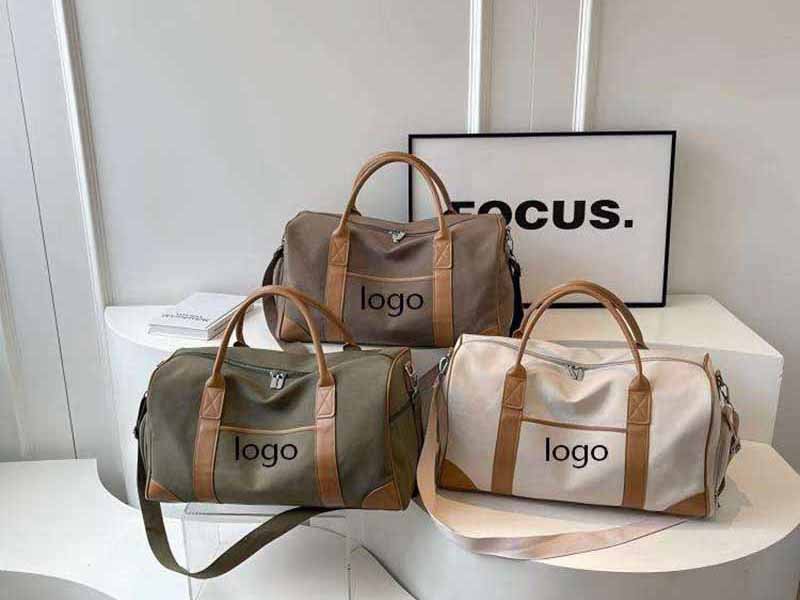
Global brands need factory-based bag manufacturers because manufacturing control connects product development with repeatable production. A capable factory-based partner can coordinate materials, pattern making, sampling, production standards, quality inspection, compliance requirements, packaging, capacity planning, and shipment under one accountable system. This reduces communication gaps, sample-to-bulk variation, unexpected substitutions, delayed decisions, quality claims, and long-term supply-chain instability.
What Should Brands Check During a Video Factory Tour
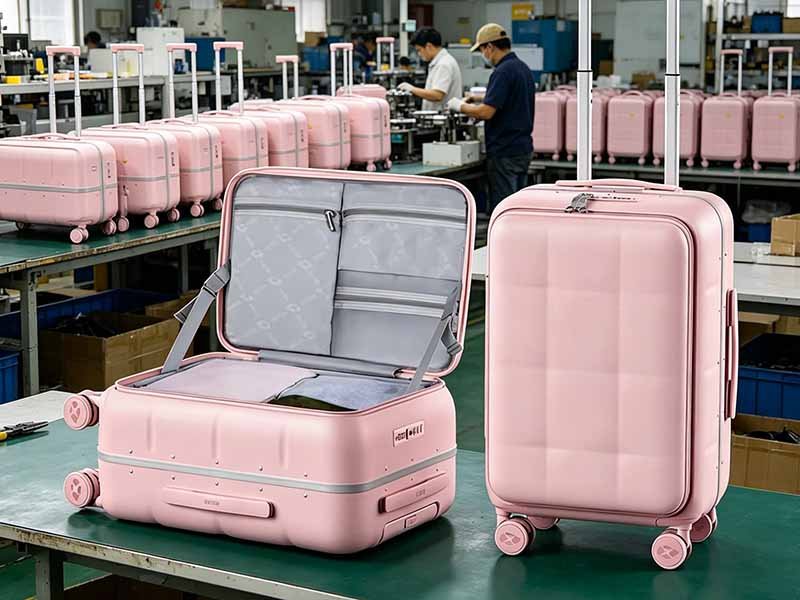
During a video factory tour, brands should verify six things: factory identity, relevant product experience, actual production capability, quality-control procedures, realistic capacity, and operational transparency. A useful tour should move through sampling, materials, cutting, sewing, inspection, packing, and warehousing while allowing the brand to ask spontaneous questions and compare what appears on camera with quotations, samples, specifications, and earlier supplier claims.
How to Choose a Bag Manufacturer That Can Scale With Your Brand
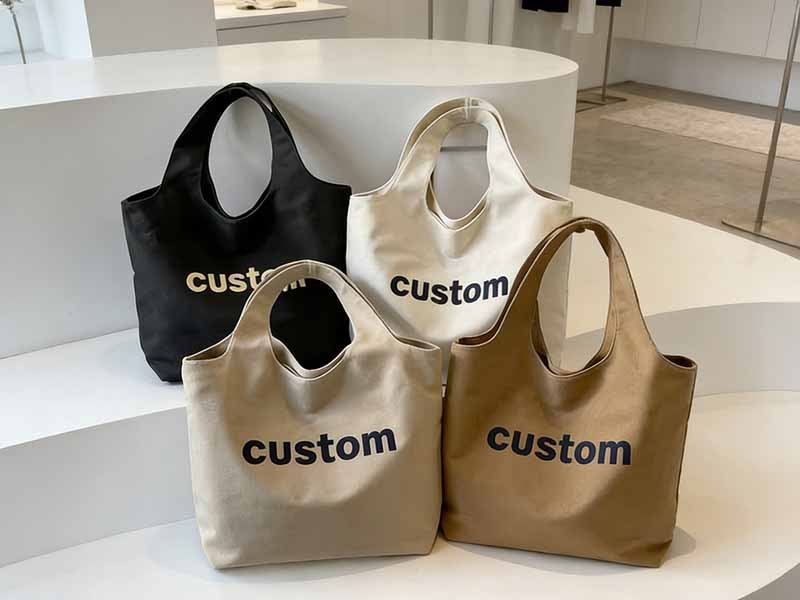
A scalable bag manufacturer should support increasing order volume, more SKUs, repeat production, and greater product complexity without losing control of materials, specifications, quality, communication, or delivery. The strongest manufacturing partner is not simply the factory claiming the largest monthly capacity. It is the one with systems that make product development, sourcing, production, inspection, packaging, and replenishment more predictable as the brand grows.
How to Choose a Bag Manufacturer for Shopify and DTC Brands
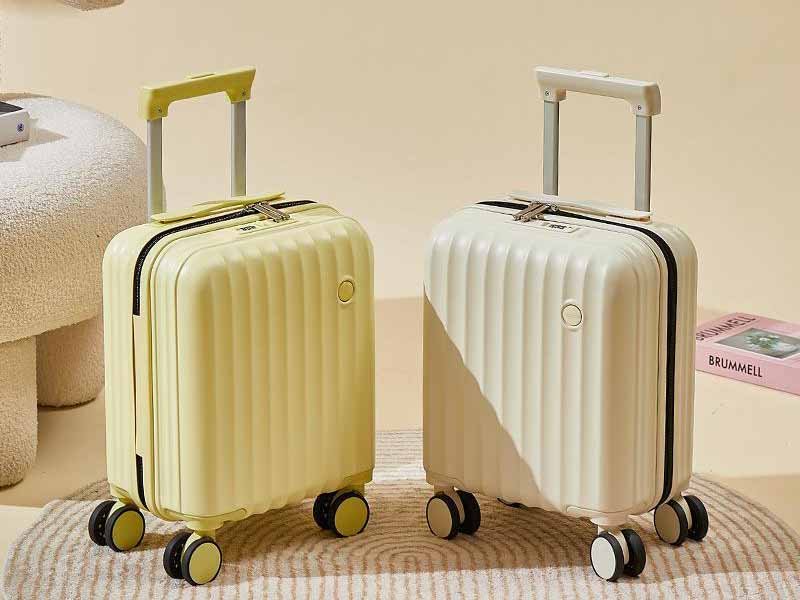
For a Shopify or DTC brand, the right bag manufacturer is not simply the factory willing to quote the lowest price or accept the smallest first order. A suitable manufacturer should be able to understand the product, develop or reproduce it accurately, control materials and workmanship, explain MOQ and cost drivers, support realistic launch timing, prepare retail-ready packaging, and reproduce the same approved product when orders become larger or more complex.
What Documents Should a Bag Manufacturer Provide
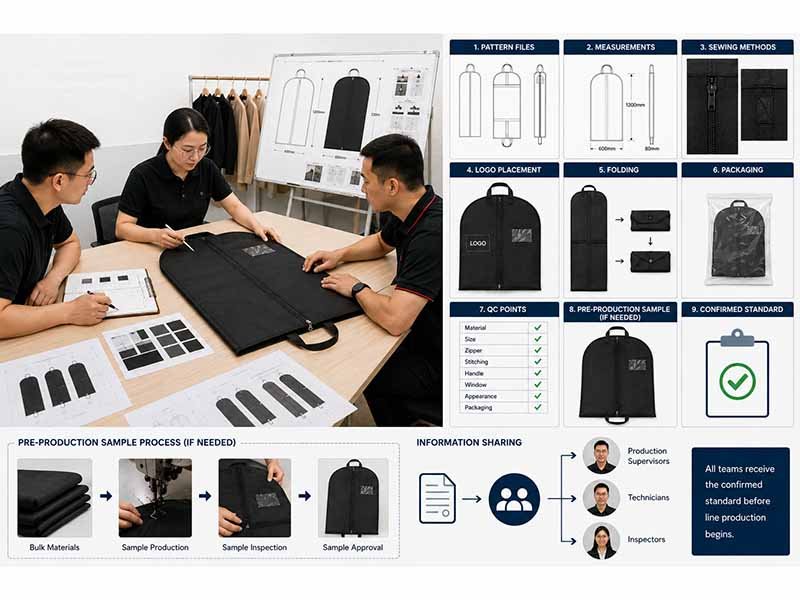
A beautiful sample can make a supplier look convincing, but documentation shows whether that same result can be repeated across thousands of units, several colors, multiple SKUs, different packaging versions, and international shipments. Many expensive manufacturing problems do not begin at the sewing line. They begin much earlier, when an approved material was never recorded, a logo revision remained buried in a message thread, a test report covered a different product, or a packing instruction was understood differently by two teams.
How to Choose a Bag Manufacturer for Amazon FBA Products
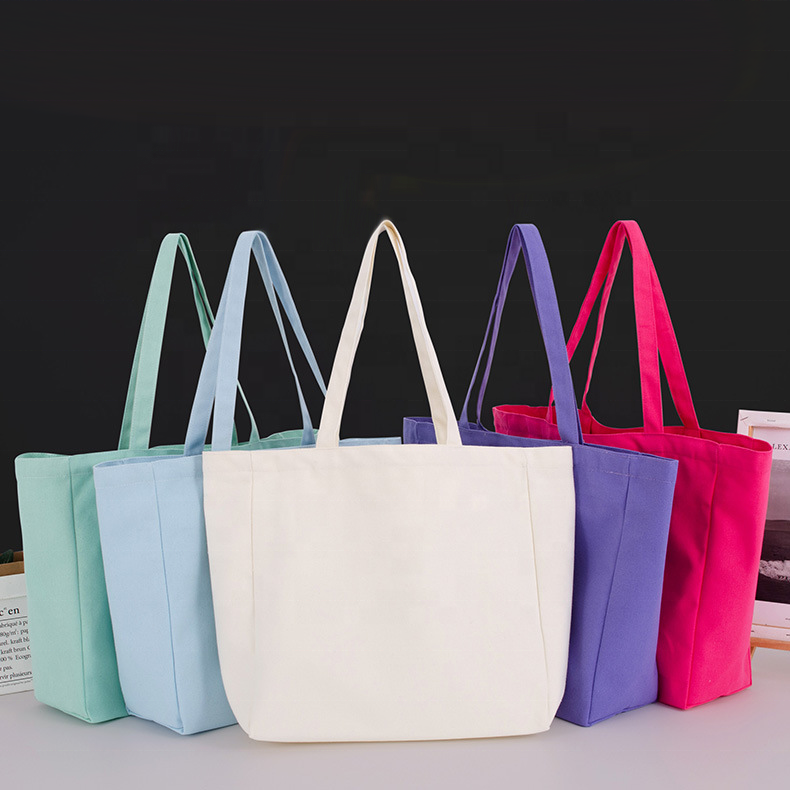
To choose a bag manufacturer for Amazon FBA, evaluate product-development ability, sample-to-bulk consistency, quality control, FBA packaging and labeling execution, MOQ and cost structure, lead-time reliability, and repeat-order capability. The right factory should not simply sew a bag correctly once. It should be able to reproduce the approved product, keep SKUs organized, follow current Amazon preparation instructions, and support predictable replenishment as sales grow.
Custom Cosmetic Bag Manufacturing Guide: How Are Branded Makeup Bags Made
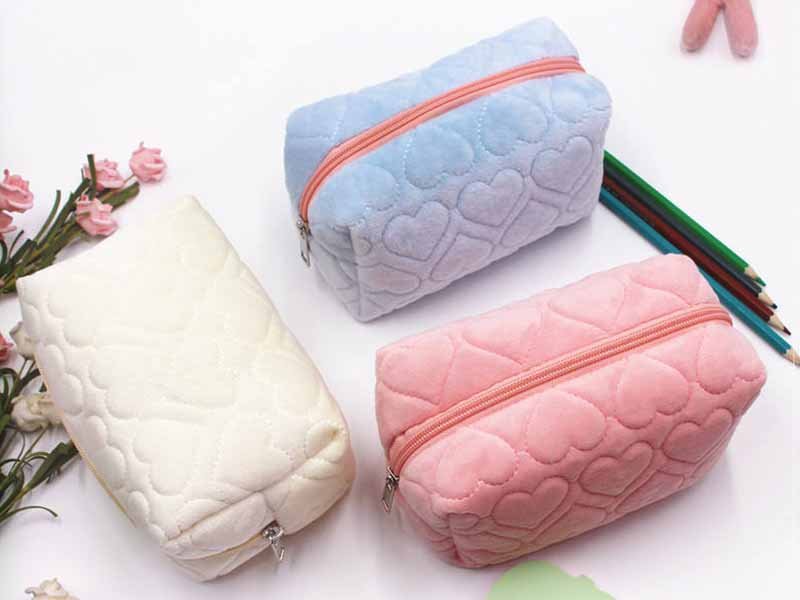
A cosmetic bag looks simple until you need thousands of them to look, feel and perform the same way. A zipper pouch may contain only a few visible components, yet small decisions about fabric thickness, lining, zipper length, pocket position, reinforcement and logo application can completely change the finished product. Those decisions also affect material purchasing, sampling time, minimum order quantities, sewing efficiency, inspection standards, packaging volume and ultimately the price paid for every finished unit.
Custom Bag Manufacturing Guide for Shopify Brands: How Do You Go From Idea to Production
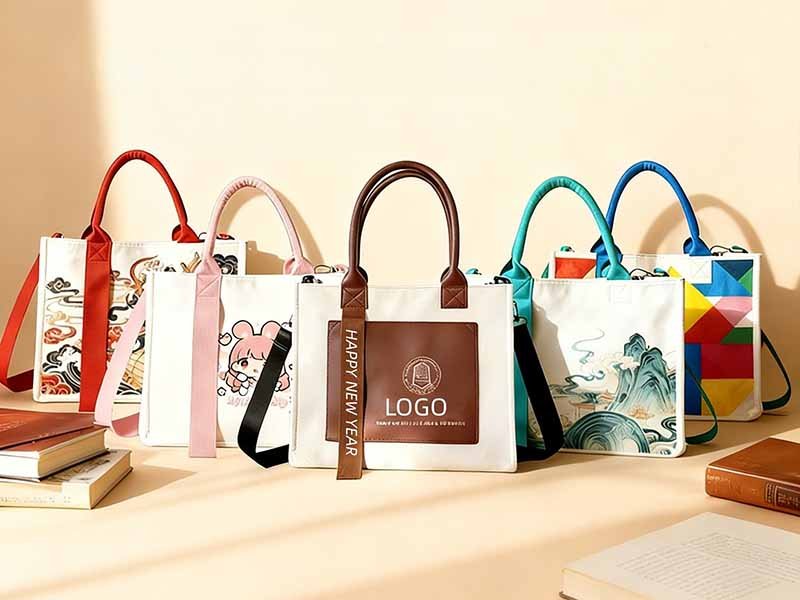
A successful Shopify bag rarely begins with a sewing machine. It usually begins with dozens of decisions that customers will never see directly: how stiff the body should feel, whether the zipper opens smoothly with one hand, whether a 14-inch laptop really fits after seam allowance is considered, how the bag will hold its shape in product photography, and whether the packaging still makes financial sense after international freight is added. Brands that treat manufacturing as a simple purchasing task often discover these issues only after the first sample—or worse, after hundreds of units are already in production.
How to Find a Custom Bag Manufacturer for Long-Term Production

Finding a factory that can make one attractive sample is not particularly difficult. Finding a manufacturer that can reproduce that sample six months later, manage four additional colors, source the same material grade, control dimensions across thousands of pieces, meet an agreed launch window, and still respond professionally when something goes wrong is a much harder task. For brands that expect repeat orders, the factory eventually becomes part of the operating system behind the product. Weak manufacturing creates hidden work for product managers, sourcing teams, quality staff, logistics teams, and customer service. Strong manufacturing gradually removes uncertainty from those same areas.
