
Why Does Flexible MOQ Help New Product Development for Custom Bags?
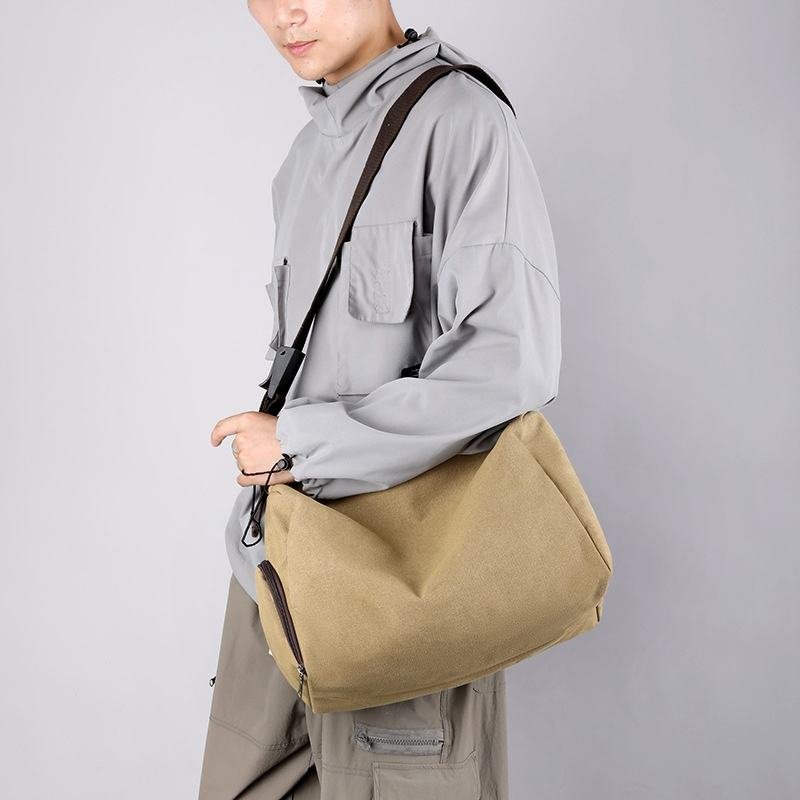
Many new bag products do not fail because the idea is bad. They fail because the first production decision is too big, too early, and too expensive to correct. A brand may love a tote bag sample in the meeting room, but real customers may later say the handle is too short, the fabric feels too soft, the logo is too small, or the color does not match the lifestyle images. A cosmetic pouch may look beautiful in a product rendering, but once buyers use it, they may ask for a wider opening, smoother zipper, stronger lining, or better packaging. New product development is full of these details. The risk is not only whether a factory can make the product. The real risk is whether the product can sell, repeat, improve, and scale.
Why Do Two Bag Factories Give Different Prices for the Same Design?
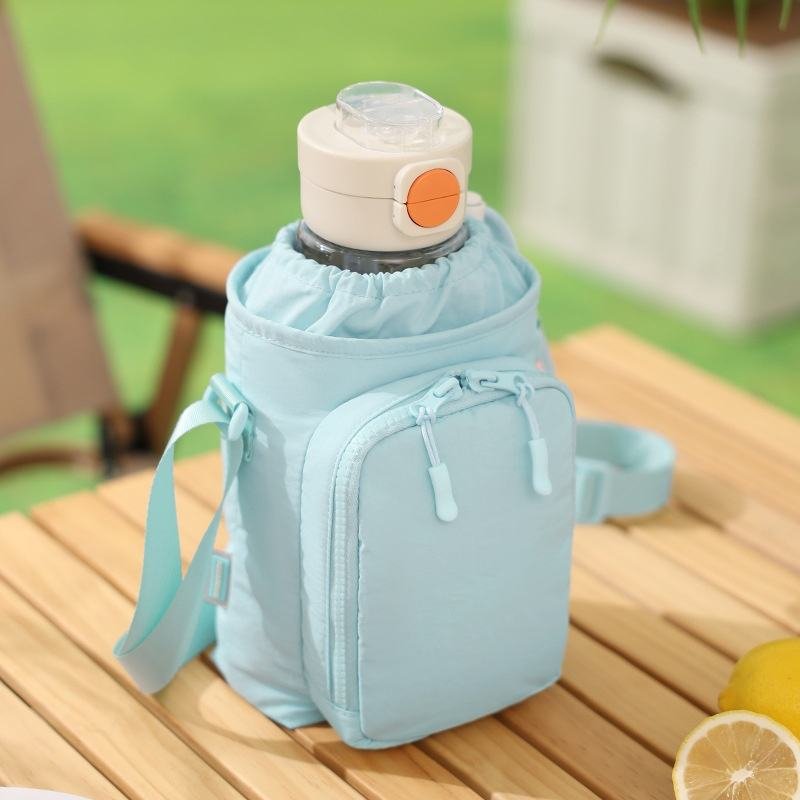
You send the same tote bag drawing to two factories. One quotes USD 3.20. Another quotes USD 5.80. At first, it feels like one of them must be wrong. Maybe the higher factory is overcharging. Maybe the lower factory is trying to win the order. But in real custom bag manufacturing, two factories can look at the same design and silently make very different assumptions about fabric weight, lining, zipper grade, logo process, sewing reinforcement, packaging, inspection, sample revisions, and export preparation.
Trends in Sustainable Bag Materials: What Should Brands Choose for Custom Bags?
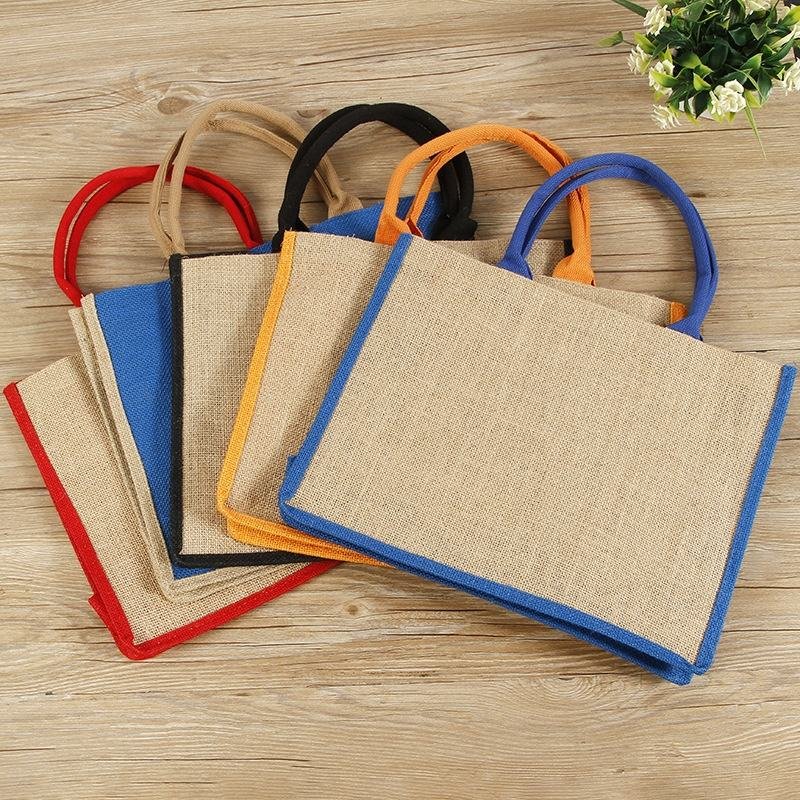
Sustainable bag materials are no longer just a “green product” topic. They now sit at the center of product development, retail approval, customer trust, and brand storytelling. A few years ago, many buyers simply asked factories for an “eco-friendly bag” and accepted whatever material sounded natural or recycled. Today, the questions are sharper: Is the RPET certified? Is the cotton organic or recycled? Can jute handle a clean logo? Is vegan leather durable enough? Does the coating affect recyclability? Can the supplier keep the same material stable from sample to bulk order?
What Are the Key Trends in Pet Travel Bags for Brands and Buyers?
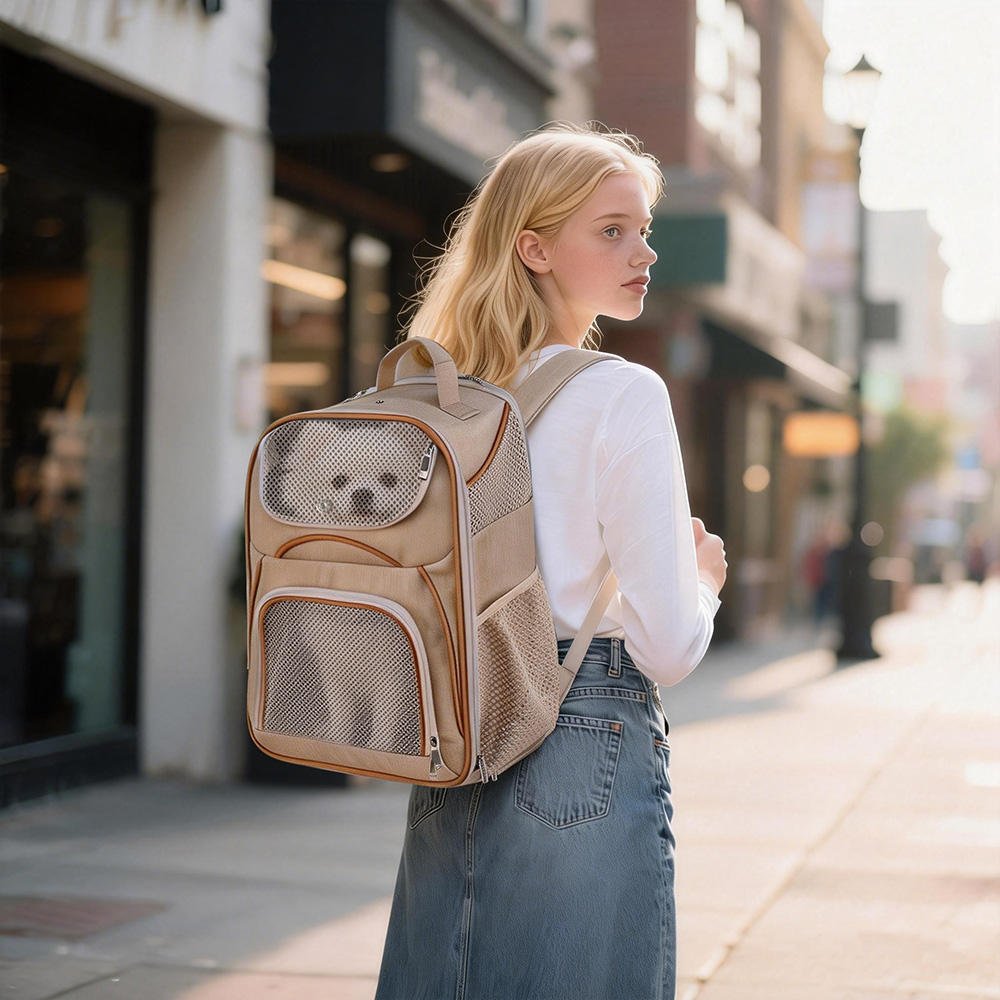
Pet travel bags used to be treated as simple utility products: a zippered box, a mesh window, a handle, and enough room for a small dog or cat. That market is changing quickly. Today, pet owners want carriers that feel safer, cleaner, more breathable, easier to carry, and more stylish in public. A pet carrier is no longer only about moving an animal from one place to another. It has become part of the owner’s daily lifestyle, travel routine, and emotional confidence.
What Are the Trends in Tech Organizer Bags for Brands, Travelers, and B2B Buyers?
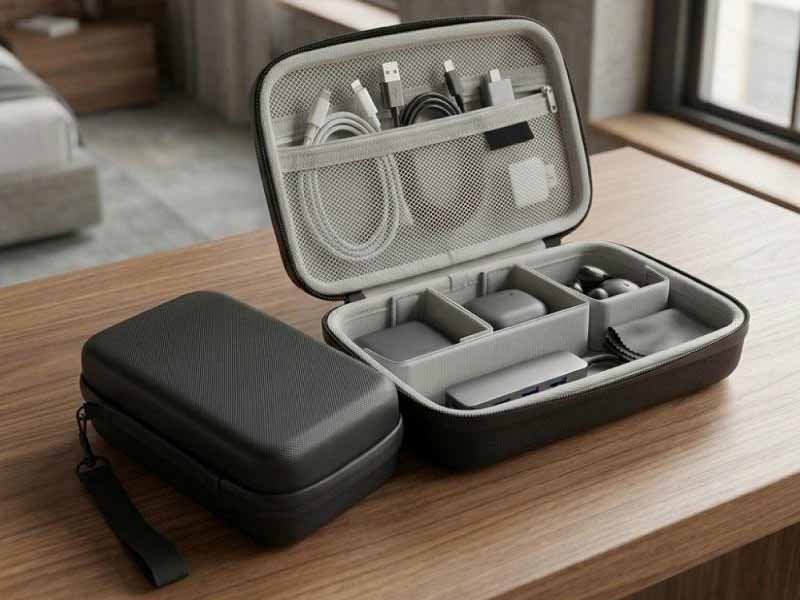
Tech organizer bags used to be simple zipper pouches for cables. Today, they have become one of the most practical soft goods categories for travelers, remote workers, digital creators, business users, Amazon sellers, retail brands, and B2B buyers. The reason is easy to understand: people now carry more electronic accessories than ever, but they do not want their backpack, tote, laptop bag, or suitcase to become a messy space full of tangled cables, scratched earbuds, missing adapters, and loose power banks.
Why Sample-to-Bulk Consistency Matters More Than Ever in Custom Bag Manufacturing
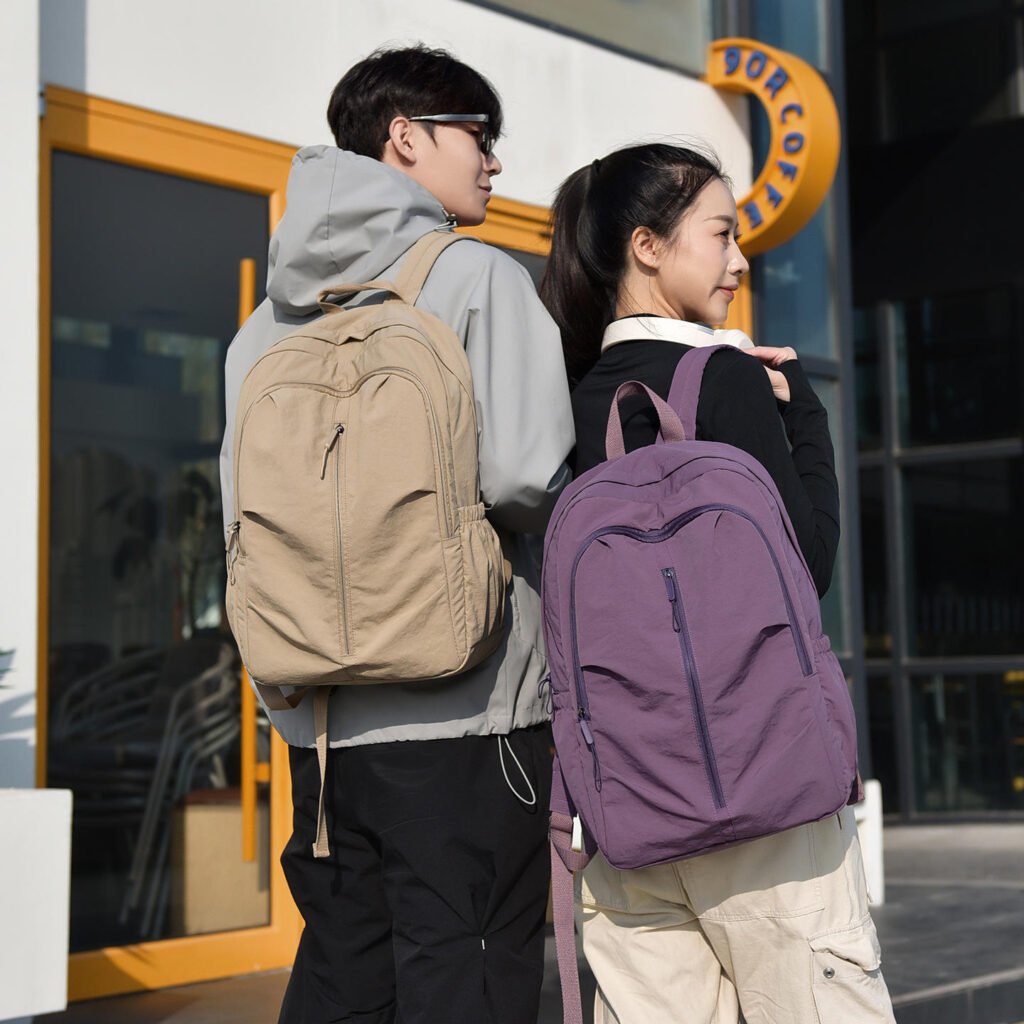
A beautiful sample can win a buyer’s confidence in five minutes. A disappointing bulk shipment can destroy that confidence in five seconds. This is one of the most common but underestimated risks in custom bag manufacturing. Brands do not only need a tote bag, backpack, cosmetic pouch, cooler bag, travel bag, or drawstring bag that looks good in one sample photo. They need the same fabric feel, color tone, logo placement, zipper function, stitching quality, structure, packaging, and user experience to stay stable across hundreds, thousands, or repeat production batches.
Why Quality Control Can Protect Brand Reputation in Custom Bag Manufacturing
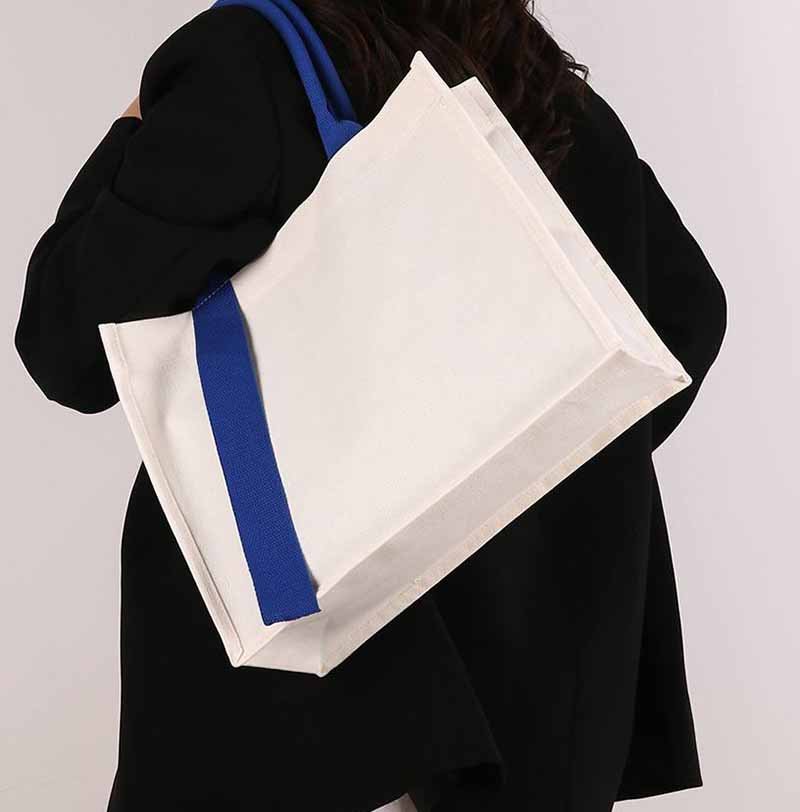
A customer rarely says, “This product failed quality control.” They say, “The zipper broke.” “The strap came loose.” “The logo is crooked.” “The bag looks cheaper than the photos.” For a brand, that sentence is not just product feedback. It can become a refund, a poor review, a support ticket, a retailer complaint, a lower repeat purchase rate, or a quiet decision from the customer never to buy again.
What Trends Are Shaping Promotional Bags for Corporate Campaigns?
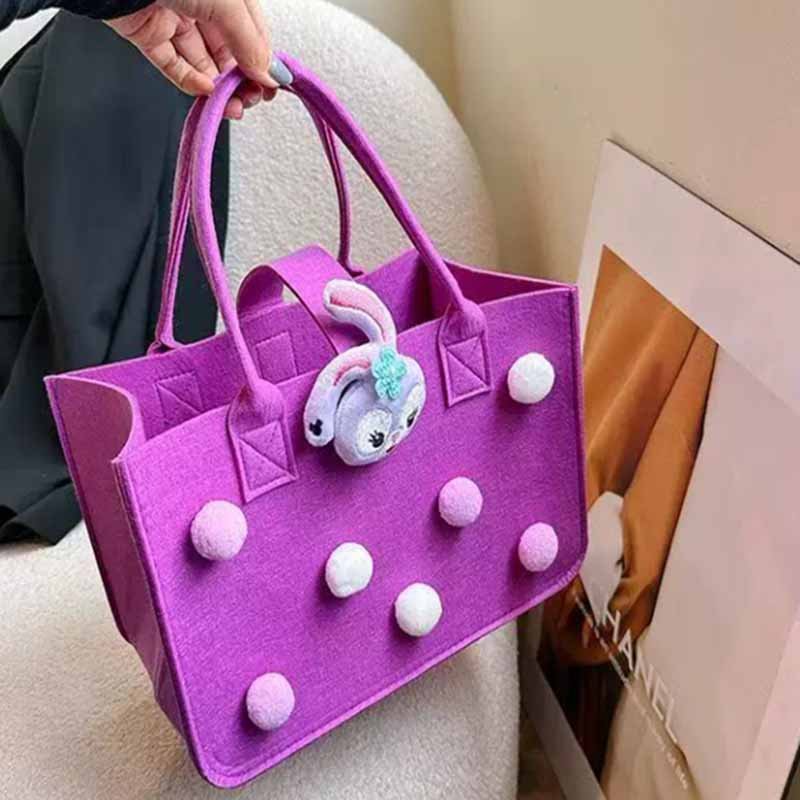
Promotional bags used to be treated as simple giveaways: cheap, fast, logoed, and often forgotten after the event. That mindset is changing. Corporate buyers now expect campaign bags to do more than carry brochures or samples. A good promotional bag must support brand positioning, feel useful in daily life, match sustainability expectations, survive repeated use, and still fit the budget and timeline of a real campaign. In other words, the bag is no longer just packaging for a campaign. It is part of the campaign itself.
How to Optimize a Bag Design for Mass Production: A Factory Guide for Brands
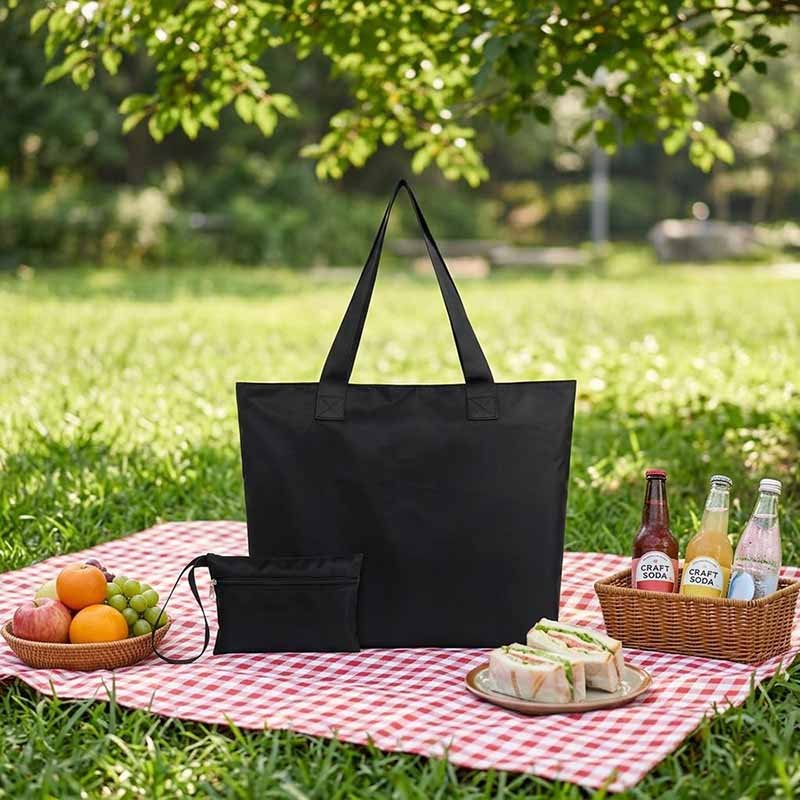
A bag design can look perfect on a screen, attractive in a 3D rendering, and impressive in a handmade prototype, but still fail when it enters mass production. This is one of the most expensive lessons for brands, retailers, importers, and e-commerce sellers. A design that works for one sample may become slow to sew, difficult to inspect, costly to source, or inconsistent across 500, 5,000, or 50,000 units. That is why serious brands do not treat mass production as the final step after design. They build production thinking into the design from the beginning.
Why Multi-SKU Bag Development Needs Better Project Management
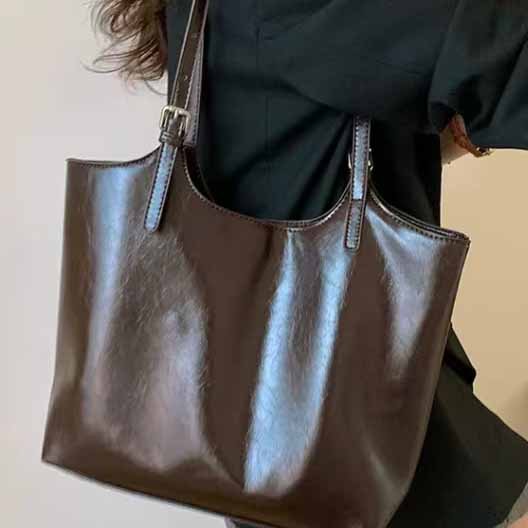
A single custom bag project can already be complicated. A multi-SKU bag program is a different game. One tote bag becomes five colors. One backpack becomes three sizes. One cosmetic pouch becomes a full retail set with different linings, zippers, labels, hangtags, barcodes, cartons, and market versions. To the buyer, these may look like “small variations.” To the factory, each variation becomes a controlled production unit. If nobody manages those differences clearly, the project does not fail dramatically in one moment. It fails slowly: one wrong zipper puller, one outdated logo file, one missing Pantone code, one carton label copied from another SKU, one sample comment that never reached the sewing line.
How to Review a Custom Bag Sample Before Bulk Production
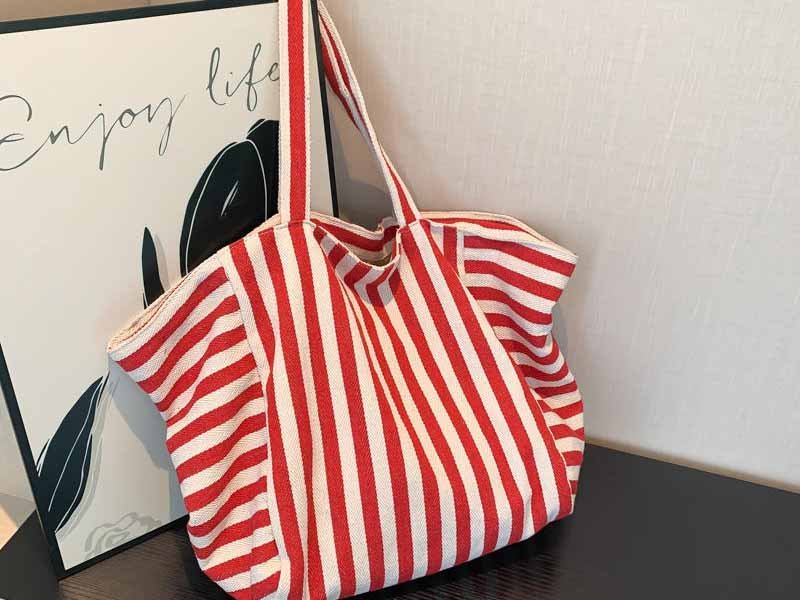
A custom bag sample can look “almost right” and still create a serious production problem. Many buyers approve samples too quickly because the color looks good in photos, the logo seems acceptable, or the overall shape feels close enough. But in real custom bag manufacturing, small sample issues often become large-scale bulk production risks. A 5 mm handle position error may affect carrying comfort. A slightly weak zipper may lead to customer complaints. A beautiful fabric may scratch too easily. A clean-looking sample may hide a structure that is too slow, unstable, or costly to repeat in production.
What Cosmetic Bag Trends Should Beauty Brands Watch in 2026
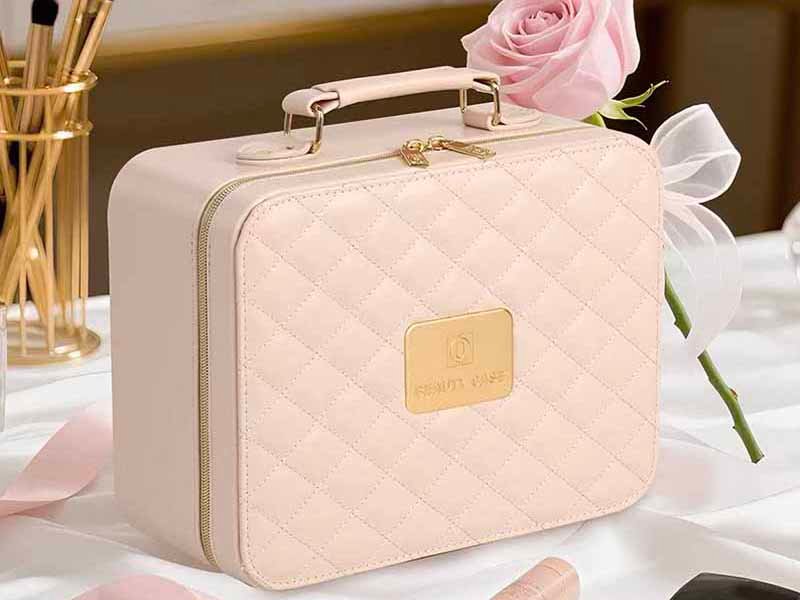
A cosmetic bag used to be treated as a simple pouch: put the skincare bottle inside, add a zipper, print the logo, and ship it as a gift. That mindset is no longer enough. Beauty brands now use cosmetic bags as reusable packaging, travel organizers, gift-with-purchase products, influencer kit accessories, retail add-ons, and even standalone SKUs. The bag is no longer just a container. It is part of the brand experience.
