
Custom Packaging Options for Bags: Which Packaging Should Your Brand Choose

A bag can leave the sewing line looking exactly as approved and still arrive at a warehouse, retail store, or customer’s home with creased panels, scratched hardware, distorted handles, mixed labels, crushed retail boxes, or unnecessary freight charges. Packaging is often treated as the final step of production, but in practice it affects product appearance, handling efficiency, retail readiness, fulfillment accuracy, shipping cost, and the consistency of future repeat orders. For that reason, packaging decisions should normally begin while the product is still being sampled rather than after thousands of finished bags are waiting to be packed.
Custom Cooler Bag Manufacturing Guide: What Should Brands Know Before Production
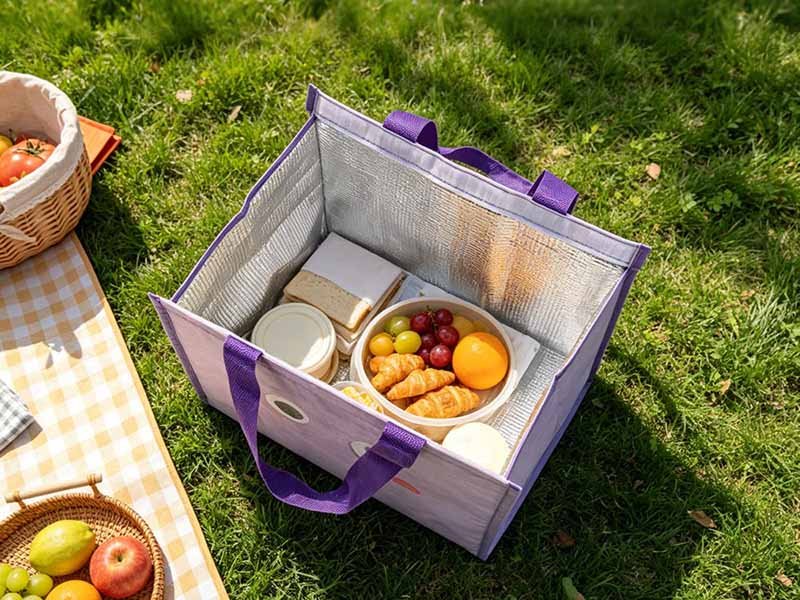
A cooler bag often looks much simpler than it really is. From the outside, it may appear to be little more than a fabric shell, zipper, handles and logo. Once the product is opened up, however, its real engineering becomes visible. The exterior fabric has to resist abrasion, the insulation must slow heat transfer without consuming too much internal space, the liner has to tolerate moisture and cleaning, and the handles must support a surprisingly heavy load once drinks, food and ice packs are added.
Custom Bag Manufacturing Guide for Shopify Brands: How Do You Go From Idea to Production
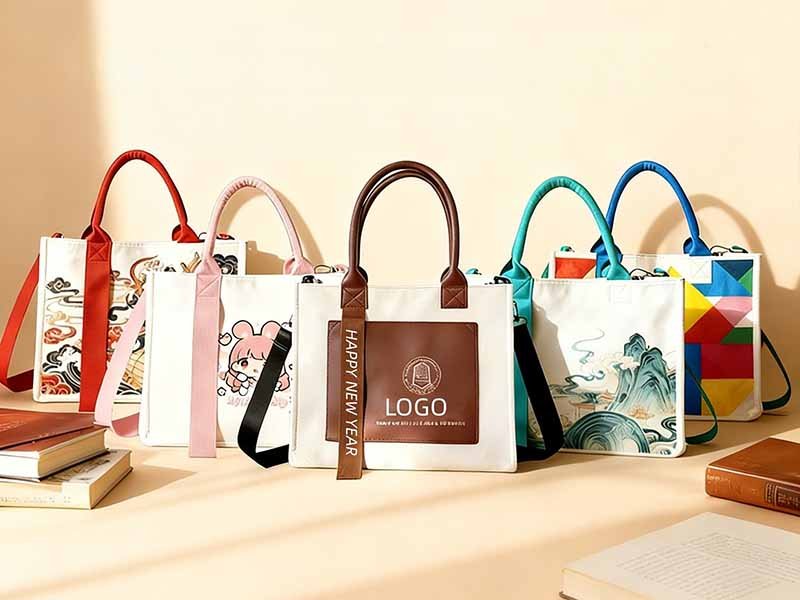
A successful Shopify bag rarely begins with a sewing machine. It usually begins with dozens of decisions that customers will never see directly: how stiff the body should feel, whether the zipper opens smoothly with one hand, whether a 14-inch laptop really fits after seam allowance is considered, how the bag will hold its shape in product photography, and whether the packaging still makes financial sense after international freight is added. Brands that treat manufacturing as a simple purchasing task often discover these issues only after the first sample—or worse, after hundreds of units are already in production.
How to Manufacture Custom Tote Bags: From Designto Bulk Production

Custom tote bags are manufactured by turning a product concept into measurable specifications, selecting suitable fabrics and components, developing and approving a sample, creating production patterns, cutting bulk materials, applying branding, sewing and reinforcing the bag, inspecting finished products, and packing them for shipment. The approved sample, material references, artwork, dimensions, and quality requirements should remain the production standard throughout the order.
How to Find a Custom Bag Manufacturer for Long-Term Production

Finding a factory that can make one attractive sample is not particularly difficult. Finding a manufacturer that can reproduce that sample six months later, manage four additional colors, source the same material grade, control dimensions across thousands of pieces, meet an agreed launch window, and still respond professionally when something goes wrong is a much harder task. For brands that expect repeat orders, the factory eventually becomes part of the operating system behind the product. Weak manufacturing creates hidden work for product managers, sourcing teams, quality staff, logistics teams, and customer service. Strong manufacturing gradually removes uncertainty from those same areas.
How to Test Bag Seam Strength: Methods, Standards & QC
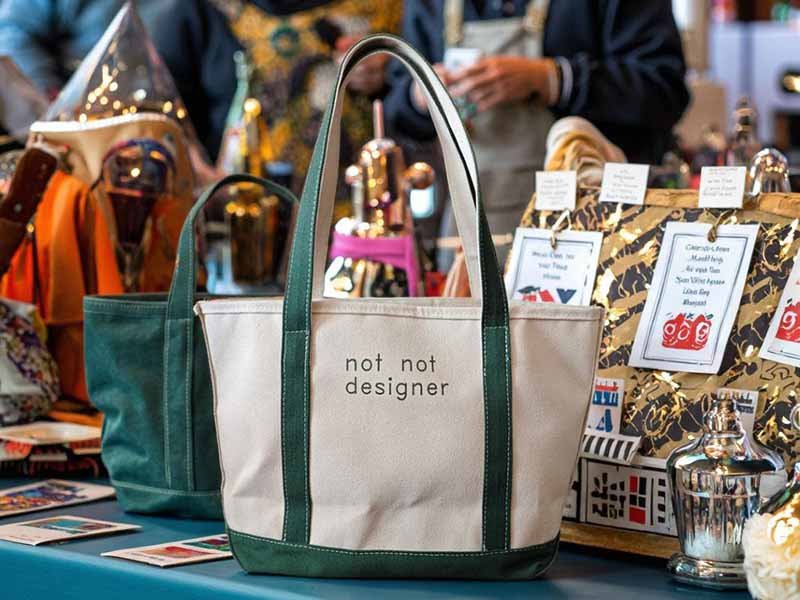
Bag seam strength is tested by applying a controlled force across a sewn joint and recording the maximum force, seam deformation, slippage, fabric damage, thread rupture, and failure location. Laboratory methods such as ASTM D1683/D1683M and ISO 13935 can evaluate sewn-seam performance under controlled conditions, while finished-bag pull and load tests help assess handles, straps, bottoms, webbing attachments, and other load-bearing structures.
Insulation Materials for Cooler Bags Explained: Which Material System Works Best
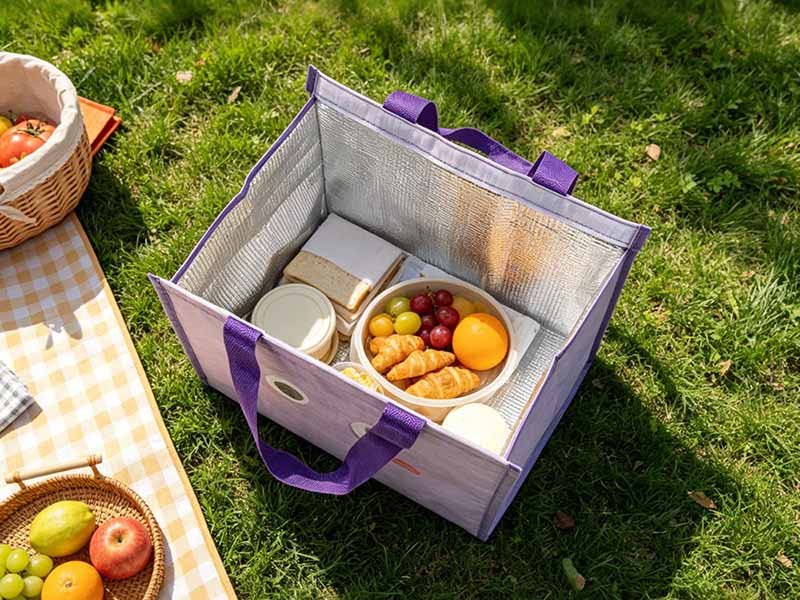
Two cooler bags can look almost identical on a retail shelf and behave very differently once they are loaded with food, beverages, gel packs, or ice. The difference is often hidden inside the walls. Outer fabric gets most of the visual attention, but cold retention depends on a much less visible combination of foam, liner, layer thickness, panel coverage, seams, lid construction, closure design, and the way those materials are assembled during production. This is the reason a shiny silver interior or a thick-looking wall should never be treated as proof of strong thermal performance.
RPET vs Regular Polyester for Custom Bags: Which Material Is Better?
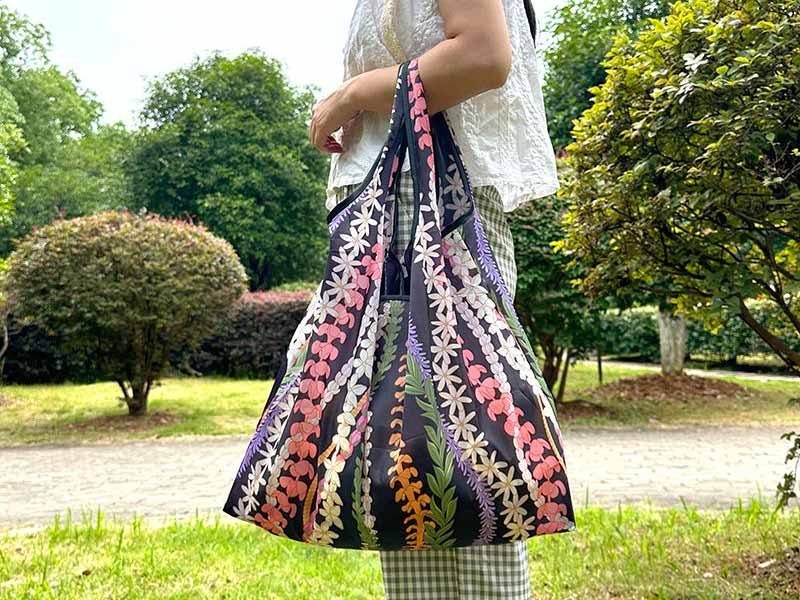
Choosing between RPET and regular polyester sounds easy until an actual custom bag reaches the sampling table. On paper, the difference seems straightforward: one comes from recycled PET feedstock and the other from virgin petrochemical material. In production, however, the decision quickly becomes more practical. The fabric still needs the right denier, weave, coating, color, hand feel, abrasion resistance, logo compatibility, seam behavior and sourcing stability. A recycled 600D fabric and a virgin 600D fabric may share the same denier label while producing noticeably different bags because their yarn quality, weave density, backing and finishing are not identical.
Polyester vs Nylon for Custom Bags: Which Material Is Better?
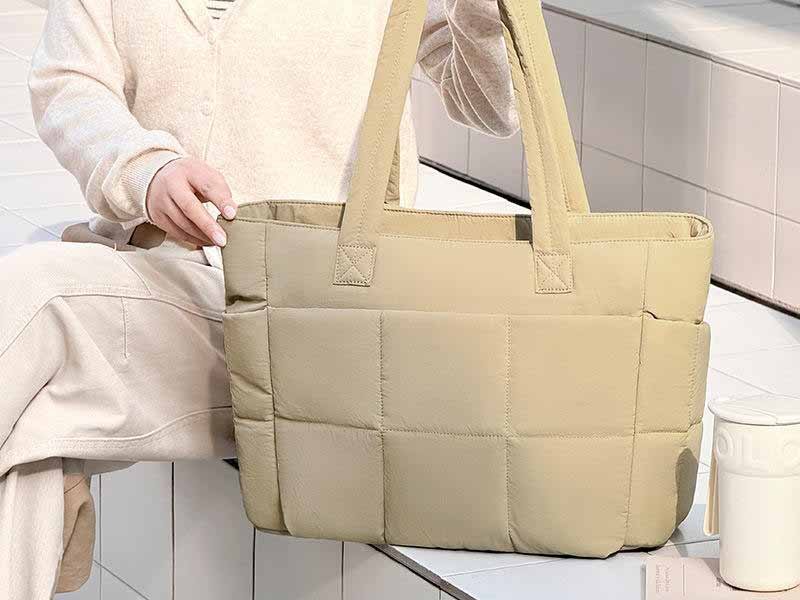
Choosing between polyester and nylon looks easy when both appear as small swatches on a sourcing table. The decision becomes much harder once the material has to carry weight, survive abrasion, accept a logo, hold a bag shape, resist rain, match a target price, and remain consistent across repeat production. Two fabrics can both be labeled 600D and still behave very differently because yarn quality, weave density, coating, backing, finishing, and construction can change the final result far more than the fiber name suggests.
Canvas vs Cotton for Tote Bags: Which Fabric Should You Choose?
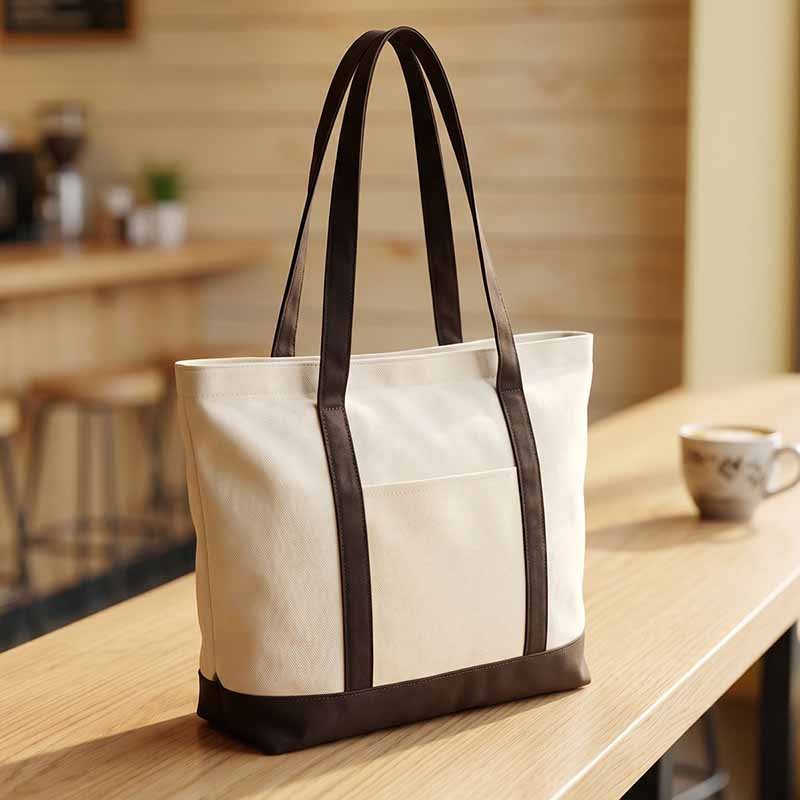
Choosing between canvas and cotton sounds easy until a real tote bag project reaches the sampling stage. One material supplier may recommend lightweight cotton because it folds neatly and keeps costs manageable, while another recommends 12 oz cotton canvas because the finished bag needs more body and a stronger retail feel. Both materials can contain cotton, yet the finished products can look, feel, print, sew, pack, and perform very differently. That is where many otherwise promising tote projects begin to go wrong.
Why Are Private Label Bags Growing in Retail, and How Can Brands Build Better Bag Programs?
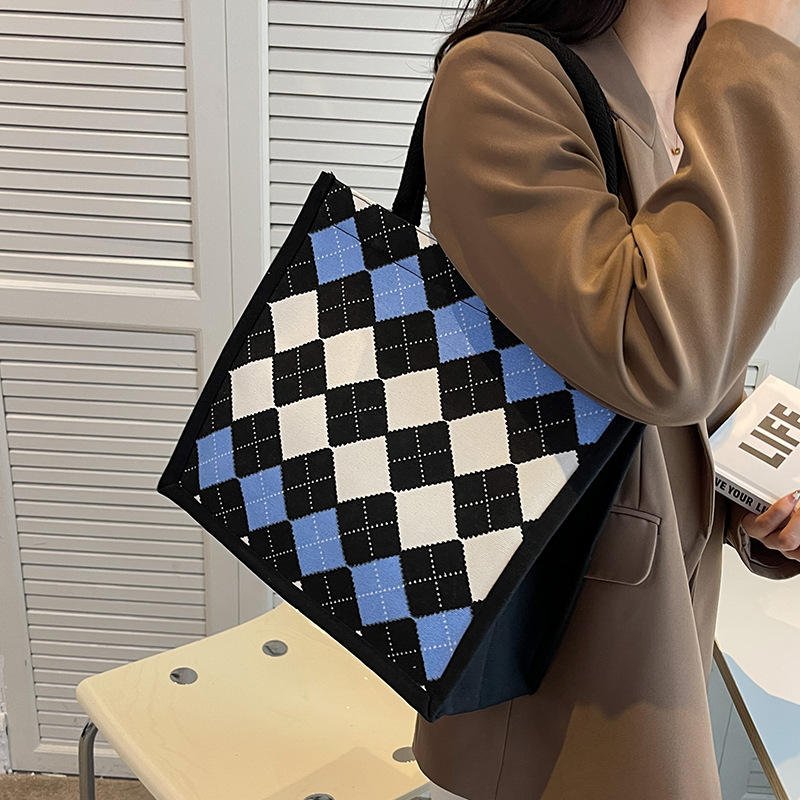
Private label used to be the quiet corner of retail: the cheaper shelf option, the plain package, the “good enough” substitute when shoppers wanted to save money. That picture has changed. Today, private label is no longer just a low-price alternative. It has become a serious strategy for retailers, e-commerce brands, beauty companies, lifestyle labels, grocery chains, outdoor brands, and promotional buyers that want more control over product identity, margin, customer experience, and supply chain stability.
Why Does Packaging Matter in Custom Bag Manufacturing?
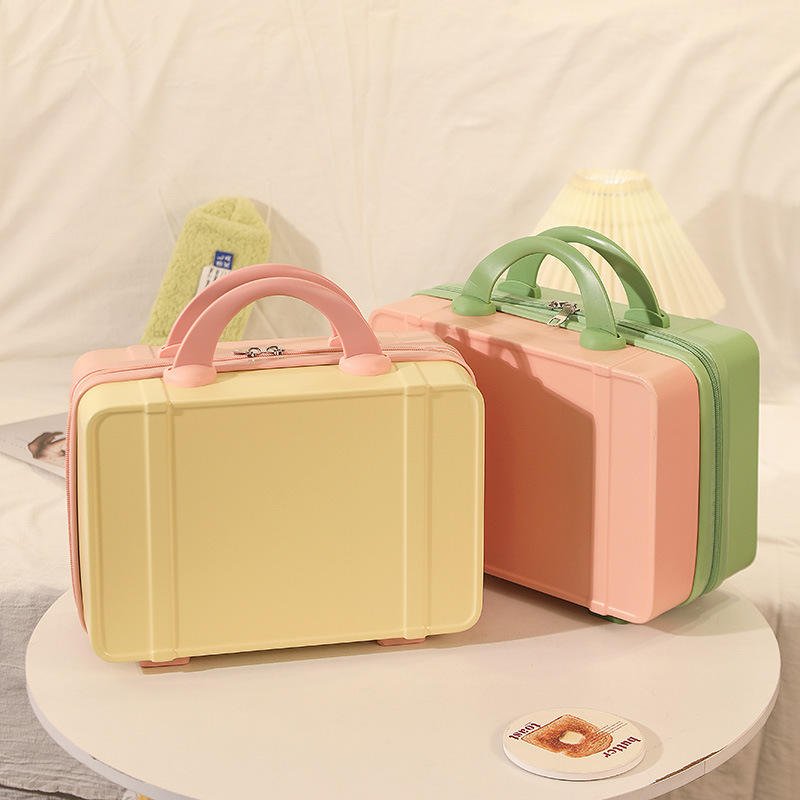
A custom bag can look perfect on the production table and still disappoint the buyer if the packaging is poorly planned. This is a common problem in real manufacturing. A canvas tote may arrive with fold marks across the logo. A PU cosmetic pouch may show pressure marks from metal zipper pulls. A clear PVC bag may be scratched because no surface separation was used. A cooler bag may lose shape because too many units were compressed into one carton. In many cases, the problem is not the bag itself. The problem is that packaging was treated as an afterthought.
