
How to Manufacture Custom Leather Bags: From Design to Bulk Production
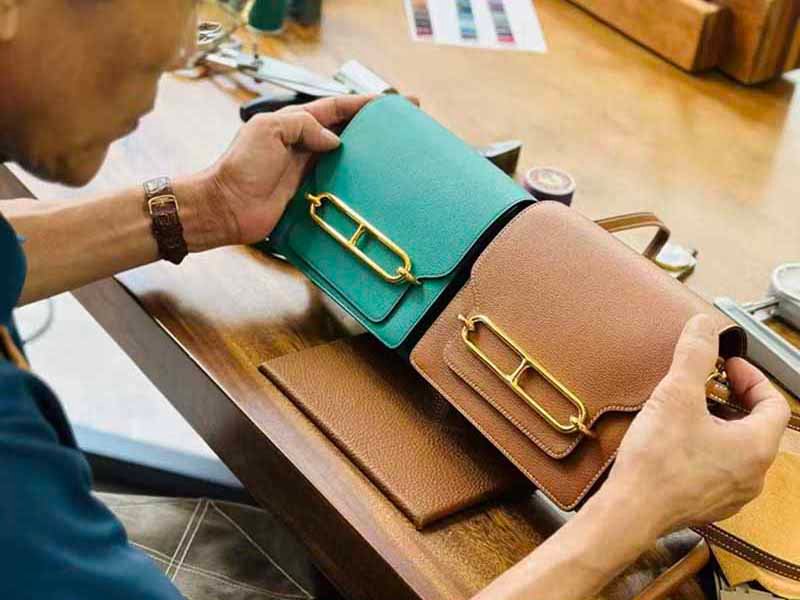
Custom leather bags are manufactured by turning a product concept into controlled specifications, developing and approving a physical sample, confirming leather and components, preparing patterns, cutting and skiving leather, reinforcing stress areas, sewing and assembling components, finishing edges, inspecting production, and packing the approved product for shipment. The real objective is not making one attractive sample, but building a repeatable production standard that remains consistent in bulk.
How to Choose a Bag Manufacturer That Can Scale With Your Brand
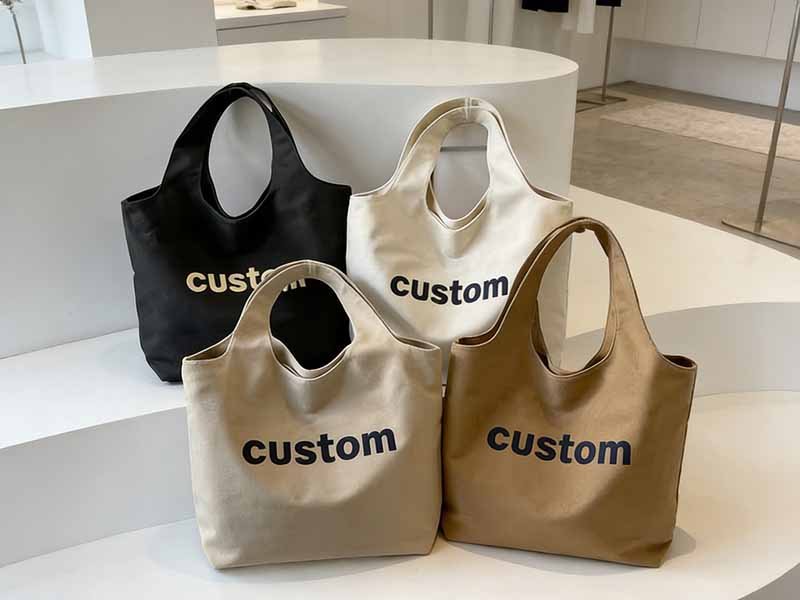
A scalable bag manufacturer should support increasing order volume, more SKUs, repeat production, and greater product complexity without losing control of materials, specifications, quality, communication, or delivery. The strongest manufacturing partner is not simply the factory claiming the largest monthly capacity. It is the one with systems that make product development, sourcing, production, inspection, packaging, and replenishment more predictable as the brand grows.
How to Choose a Bag Manufacturer for Shopify and DTC Brands
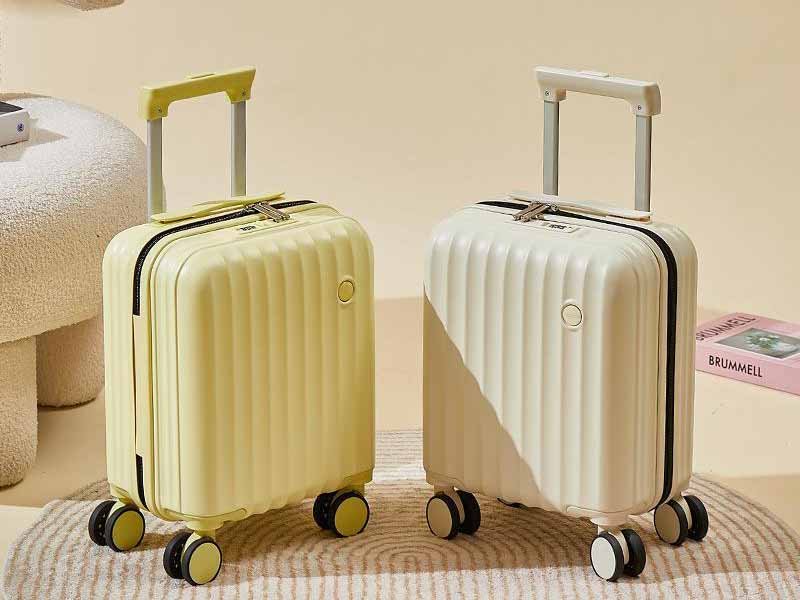
For a Shopify or DTC brand, the right bag manufacturer is not simply the factory willing to quote the lowest price or accept the smallest first order. A suitable manufacturer should be able to understand the product, develop or reproduce it accurately, control materials and workmanship, explain MOQ and cost drivers, support realistic launch timing, prepare retail-ready packaging, and reproduce the same approved product when orders become larger or more complex.
How Do Tool and Industrial Brands Choose the Right Bag Manufacturer
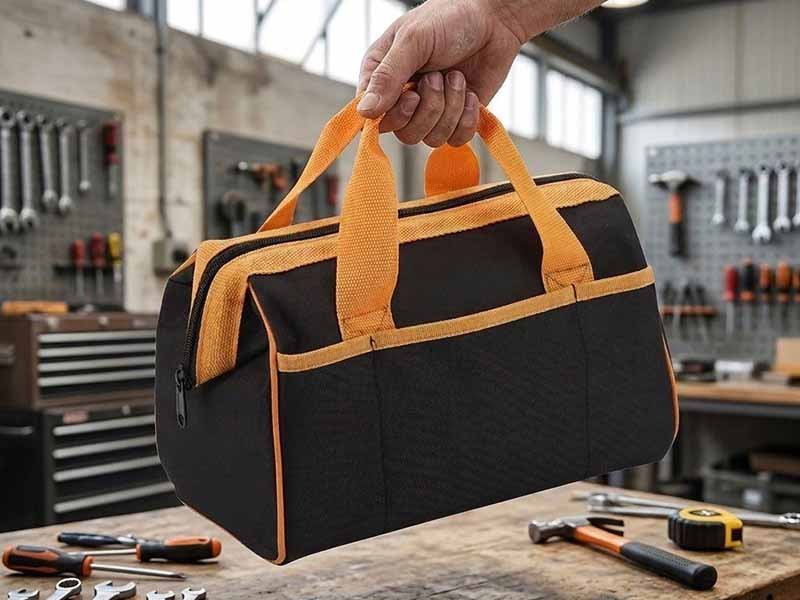
The right tool bag manufacturer should combine relevant functional-bag experience, material and structural knowledge, controlled sample development, reliable quality management, transparent production processes, and repeat-order discipline. Price is important, but a lower quotation has little value if the factory cannot control reinforcement, components, sample-to-bulk consistency, production quality, delivery, and future reorders.
What Documents Should a Bag Manufacturer Provide
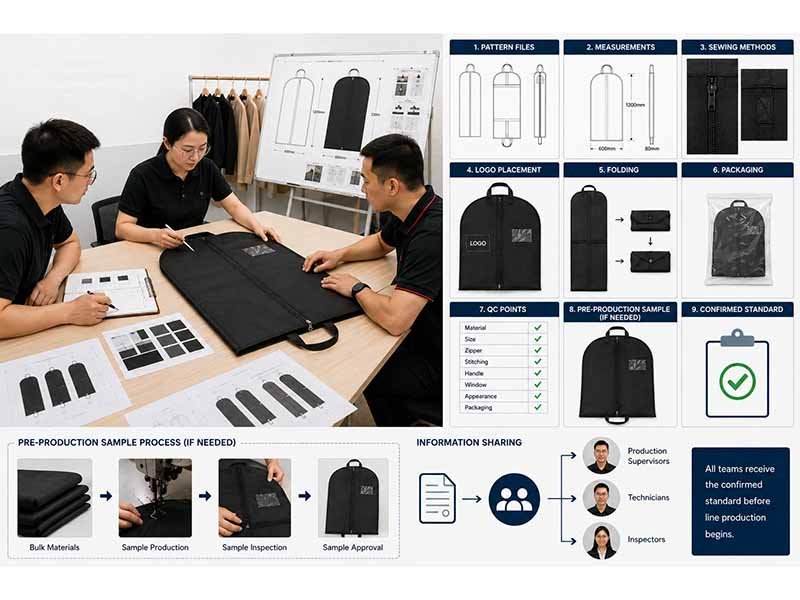
A beautiful sample can make a supplier look convincing, but documentation shows whether that same result can be repeated across thousands of units, several colors, multiple SKUs, different packaging versions, and international shipments. Many expensive manufacturing problems do not begin at the sewing line. They begin much earlier, when an approved material was never recorded, a logo revision remained buried in a message thread, a test report covered a different product, or a packing instruction was understood differently by two teams.
How to Inspect Custom Bags Before Shipment: A Practical QC Guide for Buyers
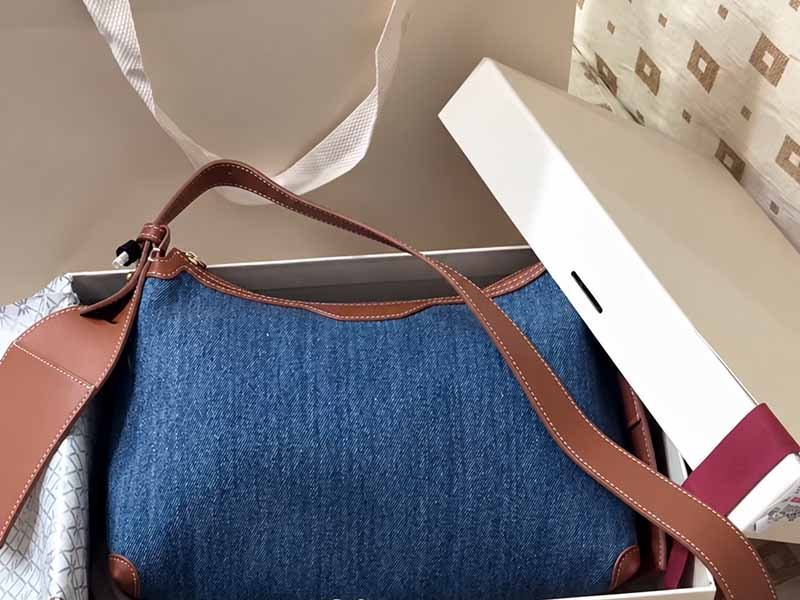
Custom bags should be inspected before shipment against an approved sample, current specifications, material requirements, measurement tolerances, artwork, functional expectations, packaging instructions, label files, and an agreed defect standard. A practical inspection checks quantity, materials, dimensions, stitching, seams, zippers, hardware, handles, straps, logos, packaging, barcodes, cartons, and shipping information, then uses an agreed sampling plan to decide whether the lot can be released, reworked, reinspected, or held.
How to Prepare Artwork Files for Bag Production: A Production-Ready Guide
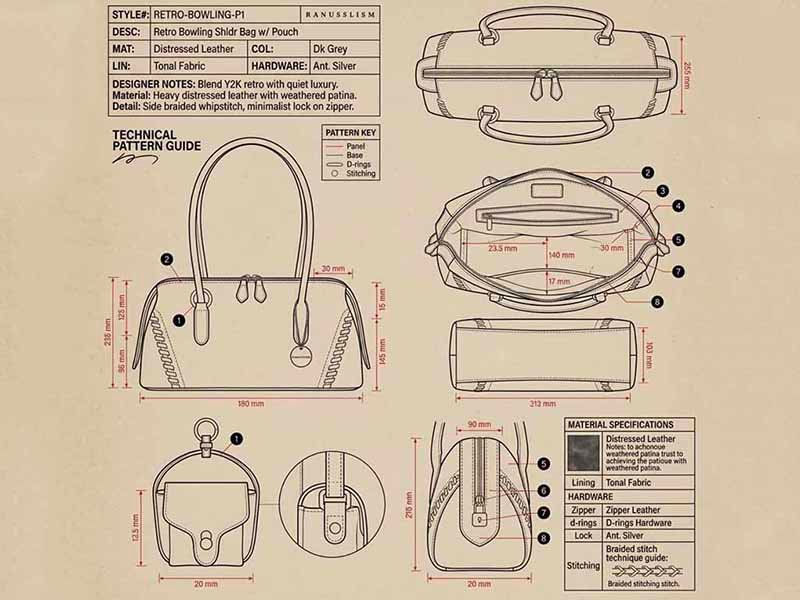
A logo can look flawless on a laptop and still become a production problem once it reaches a bag factory. The problem is usually not the design itself. The problem is whether that design contains enough practical information to be reproduced on canvas, nylon, Oxford fabric, PU leather, neoprene, webbing, lining, patches, labels, hardware, or printed panels. Missing fonts, low-resolution graphics, vague color descriptions, uncertain logo positions, unsupported gradients, or multiple versions named “final” can turn a simple branding request into repeated sample revisions and avoidable production delays.
How to Manufacture Custom Medical Bags: From Design to Bulk Production
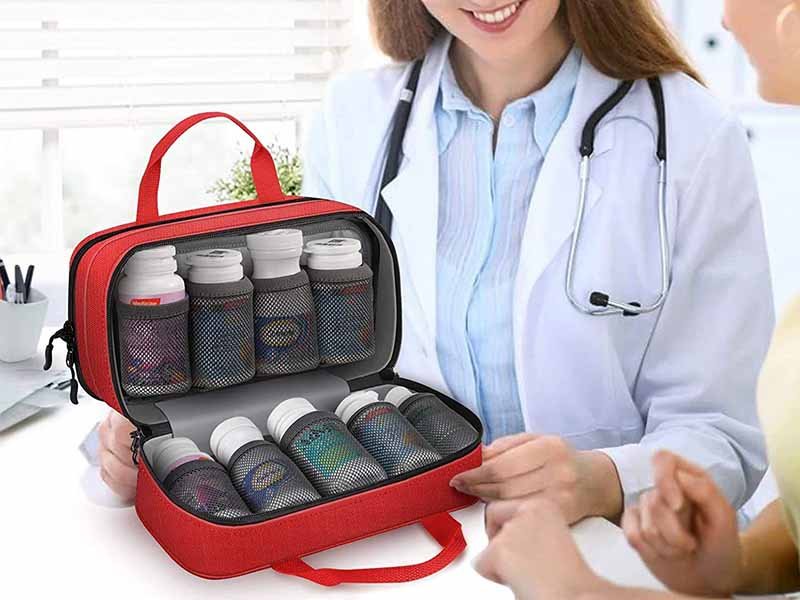
Custom medical bags are manufactured by first defining the use case, contents, dimensions, access priorities, materials, protection, and compliance requirements. The manufacturer then develops patterns and a functional prototype, confirms the approved sample and BOM, prepares bulk materials, cuts and sews the components, inspects critical dimensions and functions throughout production, completes final quality control, and packs the finished bags according to the required distribution or retail standard
How Do You Qualify a New Bag Supplier for Long-Term Cooperation
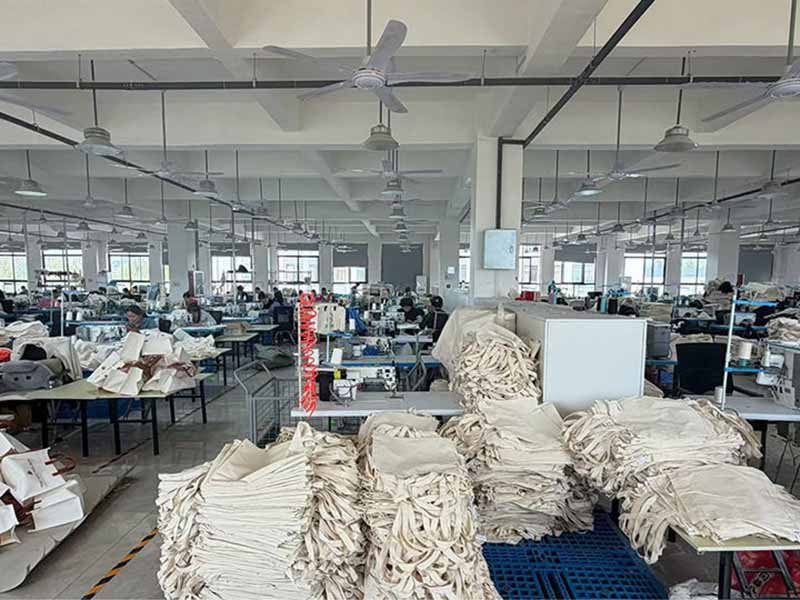
A new bag supplier can look excellent during the first few conversations. The quotation may be competitive, replies may arrive quickly, the sample may look clean, and the company presentation may show rows of sewing machines, material racks, and finished products. The difficulty is that none of those things, by itself, proves that the same supplier can reproduce the approved product across 1,000 or 10,000 units, maintain the same fabric and hardware standards six months later, manage several SKUs without mixing specifications, keep a launch schedule during peak season, or solve a quality problem without creating new ones.
How to Choose a Bag Manufacturer for Amazon FBA Products
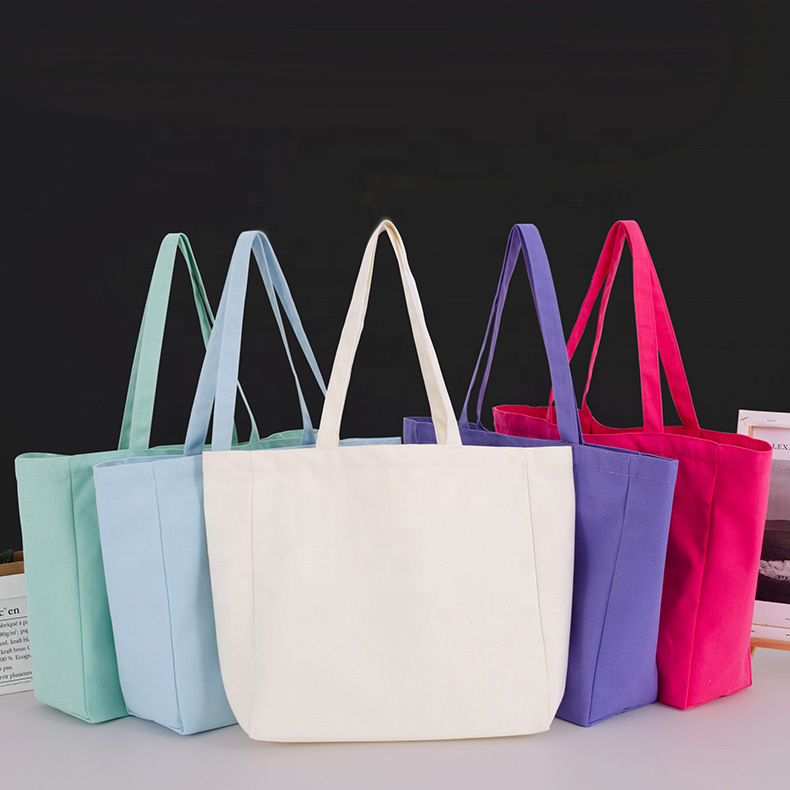
To choose a bag manufacturer for Amazon FBA, evaluate product-development ability, sample-to-bulk consistency, quality control, FBA packaging and labeling execution, MOQ and cost structure, lead-time reliability, and repeat-order capability. The right factory should not simply sew a bag correctly once. It should be able to reproduce the approved product, keep SKUs organized, follow current Amazon preparation instructions, and support predictable replenishment as sales grow.
How Do Bag Brands Plan Replenishment: Reorder Points, Safety Stock, MOQ & Lead Times
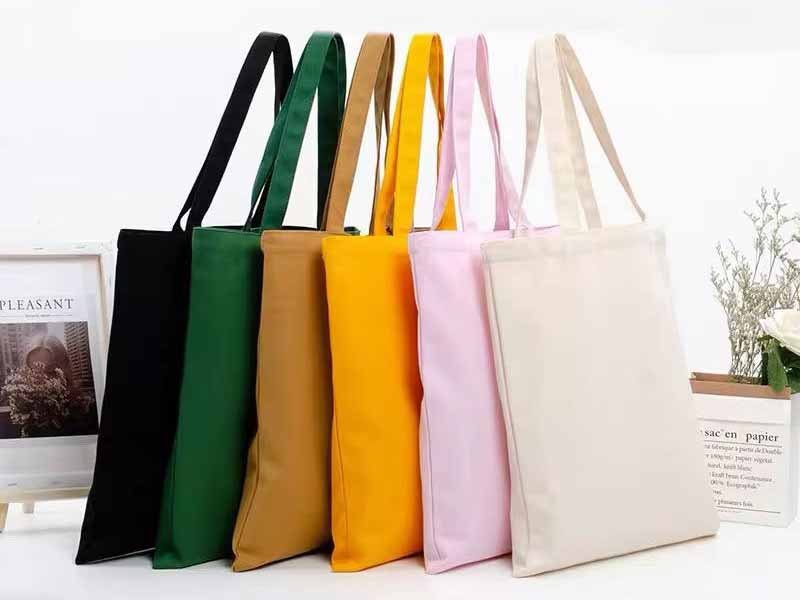
Bag brands should plan replenishment by combining SKU-level sales velocity, current and inbound inventory, total supplier lead time, safety stock, MOQ, production capacity, shipping time, and expected demand. The reorder point determines when the next order should be released, while the reorder quantity determines how much should be produced. Both numbers should be reviewed whenever demand, promotions, material availability, or logistics conditions change.
Custom Cosmetic Bag Manufacturing Guide: How Are Branded Makeup Bags Made
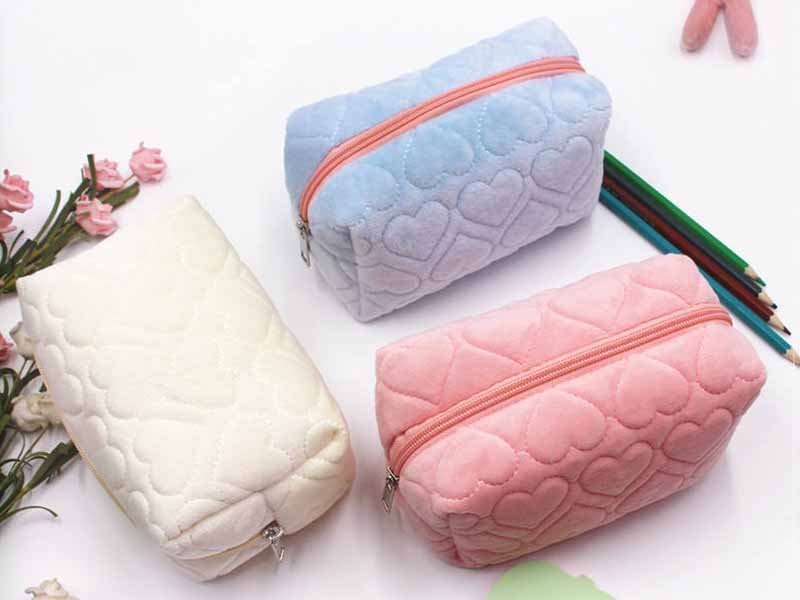
A cosmetic bag looks simple until you need thousands of them to look, feel and perform the same way. A zipper pouch may contain only a few visible components, yet small decisions about fabric thickness, lining, zipper length, pocket position, reinforcement and logo application can completely change the finished product. Those decisions also affect material purchasing, sampling time, minimum order quantities, sewing efficiency, inspection standards, packaging volume and ultimately the price paid for every finished unit.
