Skip to content
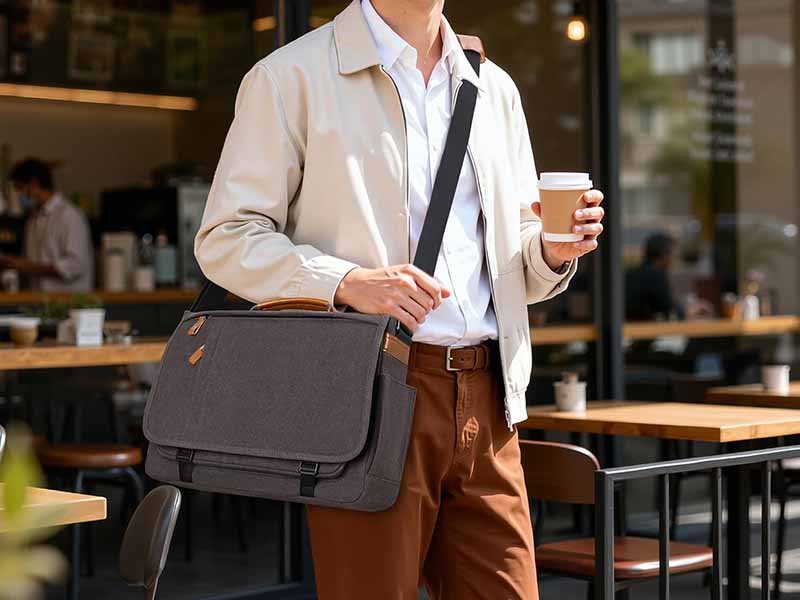
A messenger bag lives a rougher life than it looks. It slides across car seats, bumps into subway doors, rubs against jackets, carries laptops, holds chargers, survives rainy streets, and gets pulled by one shoulder strap day after day. Many bags look impressive in product photos, yet the real test begins after a few weeks of commuting, school use, travel, trade shows, delivery work, or outdoor movement. The fabric starts telling the truth before anything else does.
Messenger bag fabric testing checks whether a bag material can handle wear, weight, tearing, water exposure, stitching pressure, coating stress, and repeated daily movement before bulk production begins. Strong fabric should resist surface abrasion, hold shape under load, protect contents from light rain, stay stable around seams, and keep the bag looking clean after regular use.
For brands developing custom messenger bags, fabric testing is not only about passing a lab report. It is about protecting reputation, reducing returns, controlling cost, and giving end users a bag they trust every morning. Szoneier has over 18 years of experience in neoprene fabric research and product manufacturing, supporting custom bags, koozies, sports braces, medical braces, wetsuits, and private label neoprene products. When a sourcing team asks, “Will this messenger bag last?” the answer starts with the fabric, but it does not end there.
What Is Messenger Bag Fabric Testing?
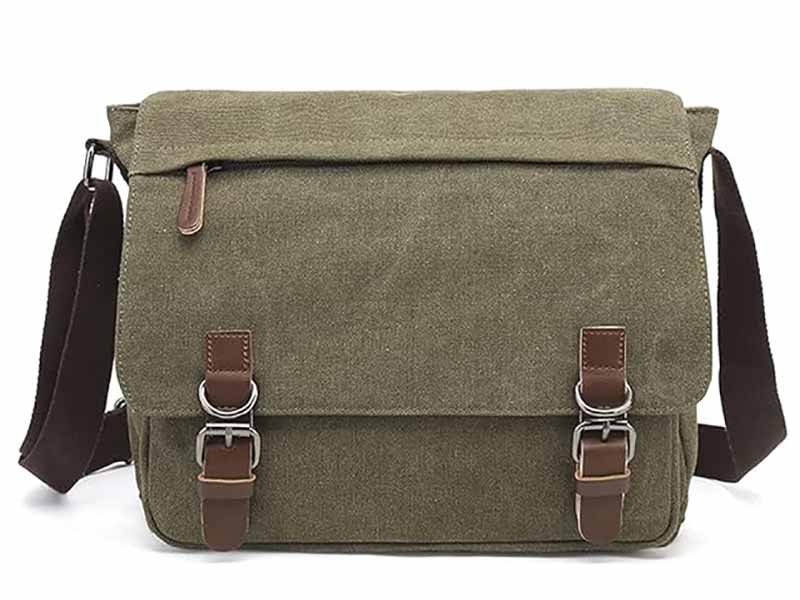
Messenger bag fabric testing reviews how the chosen material performs against rubbing, pulling, tearing, water, coating stress, seam pressure, color transfer, and daily use. It helps confirm whether a fabric is suitable for laptop bags, commuter bags, promotional bags, sports bags, travel bags, or premium private label messenger bags before production costs are committed.
Messenger bag fabric testing should always begin with the use scenario. A bag for daily office commuting does not face the same pressure as a cycling messenger bag. A promotional event bag does not need the same performance level as a laptop messenger bag carrying a 13-inch or 15.6-inch device. A soft neoprene messenger bag may focus more on cushioning, flexibility, and water resistance, while a nylon or polyester messenger bag may focus more on abrasion resistance, coating stability, and structural strength.
The biggest misunderstanding in custom bag development is judging fabric by name alone. “Neoprene,” “polyester,” “nylon,” or “canvas” only tells part of the story. A 3 mm neoprene fabric laminated with smooth polyester behaves differently from 5 mm neoprene with textured nylon. A 600D polyester fabric with PU coating may perform differently from 900D polyester with PVC backing. A canvas fabric may look strong, but weave density, finishing, shrinkage, coating, and seam handling decide whether it works for long-term carry.
For messenger bags, testing needs to look at both fabric and finished construction. Raw fabric may pass strength checks, yet the final bag can still fail if the seam allowance is too narrow, the strap reinforcement is weak, the zipper opening has sharp stress points, or the bottom panel lacks support. A durable messenger bag is a system. Fabric, lining, padding, zipper, thread, webbing, buckle, logo process, binding, and packaging all affect final performance.
A serious testing process helps sourcing teams answer several commercial questions before placing an order:
Can the bag hold the expected load without seam damage?
Will the fabric surface look worn after daily rubbing?
Can the flap and corners resist repeated bending?
Will rain protection match the product description?
Will logo printing or embroidery remain clean after use?
Can the bag pass inspection after long-distance shipping?
Does the selected fabric fit the target retail price?
For Szoneier, these questions are part of product development from the first consultation. Since the company manufactures neoprene fabric products across bags, koozies, sports supports, medical supports, and wetsuits, its team understands how thickness, stretch, lamination, surface fabric, bonding, water resistance, and stitching affect final product life. This gives overseas clients a more realistic path from idea to sample, then from sample to repeatable bulk production.
| Testing Focus | What It Looks At | Client Concern | Szoneier Review Point |
|---|---|---|---|
| Surface wear | Rubbing, scuffing, pilling, fabric thinning | Will the bag look old too quickly? | Outer fabric texture, yarn density, coating, lamination |
| Load strength | Pulling, weight holding, panel stress | Can it carry laptops and daily items? | Fabric strength, seam method, strap reinforcement |
| Tear resistance | Rip spread around corners and openings | Will small damage become a big failure? | Pocket corners, zipper ends, flap edges, gussets |
| Water resistance | Rain, splashes, wet surface exposure | Can it protect electronics and documents? | Coating, neoprene thickness, zipper, seam structure |
| Coating stability | Peeling, cracking, delamination | Will the surface or backing break down? | PU/PVC/TPU quality, bending, bonding control |
| Seam strength | Stitch holding power under stress | Will the bag split at the bottom or strap? | Thread, stitch density, bartack, binding tape |
| Colorfastness | Color transfer and fading | Will it stain clothes or lose appearance? | Dyed fabric review, rubbing check, wet contact check |
| Logo durability | Printing, embroidery, labels | Will the private label look premium after use? | Logo method, position, washing/rubbing exposure |
Messenger Bag Fabric Testing Check
Messenger bag fabric testing checks the material from two angles: how the fabric performs alone and how the fabric performs after being sewn into a bag. These two results are not always the same. A strong fabric roll may still create a weak product if the bag design places heavy pressure on one seam, one corner, or one strap joint. That is why messenger bag testing should include fabric checks, sample checks, and finished product checks.
For raw material, Szoneier can review fabric type, thickness, GSM, surface hand feel, stretch recovery, lamination quality, coating condition, backing strength, color accuracy, odor, and cutting stability. For sample bags, the review should include carrying load, zipper opening, strap pull, flap folding, pocket stress, logo position, lining fit, bottom support, and packing shape. For bulk production, inspection should focus on consistent measurement, stitching, color, logo placement, hardware, packaging, and final appearance.
A messenger bag is often judged by small details. If the flap curls, if the strap feels weak, if the laptop sleeve loses shape, if the coating peels near the zipper, or if the bag rubs color onto a white shirt, the client may lose trust in the product. Testing turns these risks into clear checkpoints before the order leaves the factory.
Messenger Bag Fabric Testing Value
Messenger bag fabric testing matters because it helps clients avoid expensive mistakes before the product reaches the market. A fabric issue discovered during sampling may cost a few days to correct. The same issue discovered after shipment can create returns, replacement costs, delayed launches, bad reviews, and damaged retail relationships. For private label programs, durability problems hurt more because the customer sees the logo first and blames the brand first.
The value of testing is also cost control. Stronger fabric is not always the best answer. Sometimes the better solution is smarter reinforcement, a different lining, improved stitch density, better webbing, or a more suitable coating. For example, increasing fabric thickness may improve hand feel, but it may also increase weight and shipping cost. Adding waterproof backing may improve rain resistance, but it may reduce softness or flexibility. Szoneier helps clients compare fabric options with the end use, target price, order quantity, and design goal in mind.
For many custom messenger bag projects, a balanced specification works better than an overbuilt specification. A commuting bag needs reliable comfort and wear resistance. A laptop messenger bag needs protection and structure. A sports messenger bag may need flexible neoprene and washable surfaces. A promotional bag may need cost-friendly fabric with clean branding. Testing helps find the right level, not the most expensive level.
Messenger Bag Fabric Testing Before Production
Messenger bag fabric testing should be completed before bulk production because every small weakness becomes larger at scale. If one sample shows loose stitching around the strap base, the full order may repeat the same problem. If a coating cracks after repeated bending, every folded flap in the shipment may carry the same risk. If the fabric color transfers during rubbing, the issue may appear only after end users wear the bag with light clothing.
Before approving a messenger bag sample, clients should check more than appearance. The sample should be loaded with realistic weight, opened and closed repeatedly, worn across the shoulder, rubbed against clothing, exposed to light moisture if water resistance is part of the selling point, and inspected around all stress points. The bag should also be checked after packing because some materials crease, deform, or show pressure marks during shipping.
A good pre-production review usually includes these points:
Fabric thickness and surface texture match the approved sample.
Bag size, flap length, strap length, and pocket layout match the design file.
Laptop sleeve or main compartment holds the intended item size.
Strap joint and side seams show reinforcement.
Bottom panel holds shape under normal load.
Logo printing, embroidery, patch, or woven label is clean and stable.
Zipper runs smoothly without catching lining fabric.
Fabric coating does not crack during bending.
Packing method protects shape during long-distance shipping.
Szoneier supports custom messenger bag projects with free design assistance, low MOQ customization, fast sampling, free sample support for suitable projects, logo customization, private label service, and OEM/ODM production. For clients who already have artwork, sketches, reference samples, or product photos, the team can help convert early ideas into workable fabric, structure, and production specifications.
| Pre-Production Check | Recommended Review Method | What It Helps Prevent |
|---|---|---|
| Fabric thickness | Measure neoprene, foam, or fabric layer thickness | Weak hand feel, poor cushioning, inconsistent structure |
| Load carrying | Fill bag with 5–10 kg for general use; 8–15 kg for laptop/heavy use | Strap breakage, seam opening, bottom deformation |
| Strap pull | Pull shoulder strap and reinforcement points repeatedly | Sudden strap failure under daily carry |
| Zipper cycling | Open and close zipper 300–500 times during sample review | Zipper catching, slider failure, lining interference |
| Flap bending | Fold and open flap repeatedly | Coating cracks, edge curling, poor shape recovery |
| Water exposure | Spray or wipe test based on product claim | Overstated water resistance, wet contents |
| Logo rubbing | Dry and light wet rubbing on printed or patched logo | Logo fading, peeling, color transfer |
| Packing review | Pack sample for carton simulation | Creasing, deformation, surface pressure marks |
Which Messenger Bag Fabric Tests Matter?
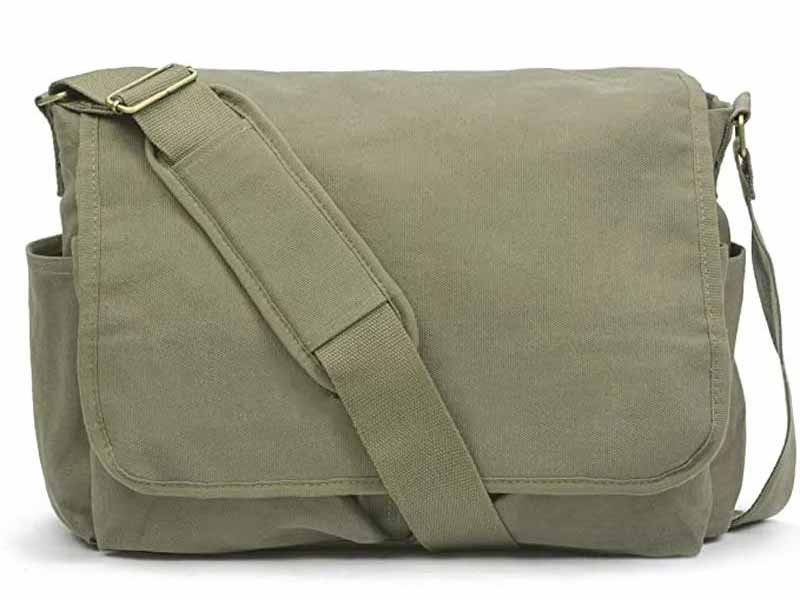
The most useful messenger bag fabric tests check surface wear, pulling strength, tear resistance, water resistance, seam strength, coating stability, colorfastness, and strap performance. These checks show whether the bag can handle real movement, daily load, rain exposure, repeated opening, shoulder pressure, and long-term use.
Not every messenger bag needs the same testing level. A simple conference giveaway bag may focus on appearance, printing, low weight, and basic seam quality. A laptop messenger bag needs higher load capacity, better padding, stronger seams, and more reliable zippers. A cycling or outdoor messenger bag needs better abrasion resistance, water resistance, buckle strength, and strap stability. A premium neoprene messenger bag may need soft touch, cushioning, clean lamination, color consistency, and strong logo presentation.
The key is to connect each test with the failure point it controls. Abrasion testing controls surface wear. Tensile testing controls pulling strength. Tear testing controls rip growth. Water testing controls rain and splash protection. Seam testing controls construction reliability. Coating testing controls peeling and cracking. Colorfastness testing controls fading and staining. Strap testing controls shoulder load safety.
Clients often ask which single test is most important. The honest answer is: there is no single test for all messenger bags. For a laptop bag, seam and strap strength may be more important than extreme water resistance. For a waterproof-style commuter bag, coating and seam construction matter more. For a promotional messenger bag, surface wear and printing durability may be enough. For a premium private label bag, all visible details matter because appearance affects perceived value.
Szoneier usually recommends reviewing performance in layers:
Material layer: fabric type, yarn density, neoprene thickness, coating, lamination, backing, color.
Structure layer: panel design, seam allowance, bottom support, strap anchor, pocket placement.
Accessory layer: zipper, buckle, slider, hook-and-loop, webbing, label, logo process.
Use layer: laptop carry, sports use, travel, school, commuting, outdoor exposure, retail display.
Shipment layer: folding, carton packing, pressure, humidity, storage time, long-distance transport.
Messenger bag durability improves when these layers support each other. A thick fabric with weak stitching still fails. A strong seam with poor fabric still fails. A waterproof fabric with open seams still leaks. A premium logo on unstable fabric still looks poor after use. Testing helps clients see the full product instead of only approving a nice-looking sample.
| Test Type | What It Checks | Stronger Requirement For | Client Decision It Supports |
|---|---|---|---|
| Abrasion resistance | Surface rubbing, scuffing, pilling | Commuter, school, travel, cycling bags | Choose outer fabric texture and density |
| Tensile strength | Pulling force across fabric | Laptop, work, tool, camera bags | Choose fabric weight and reinforcement |
| Tear strength | Rip spread from cuts or holes | Bags with pockets, zippers, flap corners | Improve seam and corner design |
| Water resistance | Rain, spray, moisture exposure | Outdoor, tech, travel, sports bags | Choose coating, neoprene, zipper, seam method |
| Seam strength | Stitch and seam holding power | All messenger bags | Confirm thread, stitch density, reinforcement |
| Strap pull strength | Shoulder strap and anchor load | Heavy-load and laptop bags | Decide webbing, bartack, anchor design |
| Coating adhesion | Peeling, cracking, bonding | Coated polyester, nylon, neoprene laminates | Select PU, PVC, TPU, or laminated structure |
| Colorfastness | Dry/wet rubbing and fading | Fashion, retail, light-color apparel users | Avoid staining and color complaints |
Messenger Bag Fabric Testing Wear
Messenger bag fabric testing for wear focuses on the areas that suffer the most rubbing: the back panel, bottom corners, flap edge, lower side panels, strap pad, and pocket openings. These zones touch the body, desk edges, seats, jackets, luggage, car interiors, bike baskets, or outdoor surfaces. If the outer fabric cannot resist abrasion, the bag may still function, but it begins to look cheap quickly.
Wear testing is especially important for messenger bags sold online because customers often judge quality after only a few days of use. Surface pilling, fuzzy fabric, white scratch marks, thinning corners, or coating scuffs can lead to complaints even when the seams remain intact. For premium custom bags, this is a serious issue because appearance is part of the value.
Common fabric choices perform differently:
Nylon usually offers strong abrasion resistance and toughness, useful for travel and sports-style messenger bags.
Polyester offers stable color, controlled cost, and good coating compatibility for daily commuter bags.
Neoprene laminated with polyester or nylon offers soft cushioning and flexible comfort, suitable for laptop, tech, promotional, and sports-related bags.
Canvas offers a textured lifestyle look, but performance depends heavily on weave density, finishing, and coating.
Szoneier can help clients review surface texture, fabric weight, lamination, coating, and color before sampling so the final bag keeps a clean appearance through daily use.
Messenger Bag Fabric Testing Strength
Messenger bag fabric testing for strength checks whether the fabric can handle pulling force and load pressure without breaking, stretching too much, or losing shape. Messenger bags often carry uneven weight because one shoulder strap transfers pressure to the side panels and strap anchor points. A bag holding a laptop, books, charger, bottle, documents, and small tools may easily reach 5–10 kg in daily use.
Fabric strength must be considered together with bag construction. A strong polyester or nylon panel will not save the product if the strap joint lacks reinforcement. A soft neoprene body may feel comfortable and protective, but it needs the right surface lamination, stitching, webbing, and support structure to carry heavier items. For laptop messenger bags, Szoneier often recommends stronger webbing, reinforced side seams, bartack stitching, padded compartments, and stable bottom structure.
Useful strength review points include:
Outer fabric pulling resistance.
Side seam strength.
Bottom seam stability.
Shoulder strap anchor strength.
Webbing width and thickness.
Thread quality and stitch density.
Bartack position and length.
Lining support around pockets.
For private label messenger bags, strength testing is not only a quality issue. It also affects product positioning. A bag marketed for laptops or work commuting must feel secure when loaded. If users feel strap stretching or seam stress, confidence drops fast.
Messenger Bag Fabric Testing Tearing
Messenger bag fabric testing for tearing checks whether a fabric can stop a rip from spreading after a small cut, stitch hole, sharp fold, or pressure point appears. This matters because messenger bags have many high-stress details: zipper ends, pocket corners, flap joints, gusset seams, buckle areas, and strap bases. These points take more pressure than flat panels.
Tear resistance is different from tensile strength. A fabric can be strong when pulled evenly but still tear quickly once damage starts at one point. This is why reinforcement design is important. For example, rounded pocket corners are often stronger than sharp corners. Wider seam allowance helps distribute force. Binding tape can protect raw edges. Bartack stitching can strengthen strap areas. Reinforcement patches can support heavy-load zones.
Material choice also matters. Nylon often performs well in tear resistance because of its toughness. Polyester provides good stability and cost control when density and coating are properly selected. Canvas depends on yarn thickness, weave, and finishing. Neoprene can work well for flexible messenger bags when laminated fabric and seam design are suitable.
Szoneier reviews tearing risks during sample development, especially around flap edges, zipper openings, strap anchors, and pockets. For clients ordering customized structures, this step is important because small design changes can greatly affect bag life.
Messenger Bag Fabric Testing Water
Messenger bag fabric testing for water checks how the material and finished bag perform against rain, splashes, wet surfaces, and moisture exposure. Many messenger bags carry electronics, notebooks, documents, passports, medical items, sports accessories, or work tools, so water resistance is often a major selling point. The key is to define the level clearly.
Water-repellent fabric, water-resistant fabric, and waterproof construction are not the same. A water-repellent finish can make light rain roll off the surface. A coated polyester or nylon can resist stronger moisture. Neoprene offers cushioning and natural resistance to water absorption, especially when laminated with suitable surface fabric. A waterproof-style messenger bag needs stronger design choices, such as coated fabric, protected seams, water-resistant zipper, flap coverage, or seam sealing.
Clients should avoid making broad claims unless the bag structure supports them. A fabric may resist water, but water can still enter through zipper teeth, needle holes, open seams, pocket openings, or uncovered flap gaps. Testing should include the finished bag, not only the fabric swatch.
For custom production, Szoneier can help clients choose among neoprene, coated polyester, nylon, TPU/PVC/PU backing, waterproof zippers, flap protection, lining options, and seam methods based on the intended use. A commuter bag for light rain needs a different solution from an outdoor sports messenger bag used near water, mud, or wet equipment.
| Water Protection Level | Suitable Use | Fabric Direction | Construction Notes |
|---|---|---|---|
| Light splash resistance | Promotional bags, light daily use | Polyester, canvas blend, light coating | Basic zipper and normal seams may be enough |
| Commuter rain resistance | Work, school, laptop carry | Coated polyester, nylon, neoprene laminate | Better flap coverage and zipper placement needed |
| Sports moisture resistance | Gym, cycling, outdoor casual use | Neoprene, coated nylon, coated polyester | Easy-clean surface and stronger lining recommended |
| Higher water protection | Travel, outdoor, tech protection | TPU/PVC-coated fabric, laminated neoprene | Water-resistant zipper, seam control, reinforced opening |
| Wet gear support | Wetsuit-related, sports, water-side use | Neoprene-focused structure | Drainage, odor control, and washable design may be needed |
How Does Messenger Bag Fabric Perform?
Messenger bag fabric performance depends on fiber type, thickness, coating, lamination, weave density, stretch, hand feel, water resistance, and seam behavior. Neoprene, nylon, polyester, and canvas can all work well, but the best choice depends on weight load, product style, price target, logo method, and end-use environment.
A fabric should never be selected only because it looks good in a photo. In real product development, the same black messenger bag can perform very differently depending on whether the material is 600D polyester, 900D polyester, nylon, canvas, PU-coated fabric, TPU-backed fabric, or laminated neoprene. A sourcing team may approve a fabric swatch because the surface looks clean, yet the finished messenger bag may feel too soft, too stiff, too heavy, too noisy, too easy to crease, or too weak around the strap area.
Messenger bag fabric performance should be judged from four angles: comfort, structure, durability, and commercial fit. Comfort matters because messenger bags sit against the body. A rough fabric may be durable but uncomfortable during long use. Structure matters because the bag must hold shape when filled. Durability matters because users expect the bag to handle friction, weight, rain, and repeated opening. Commercial fit matters because a fabric that is too expensive, too heavy, or too slow to source may not match the product plan.
Neoprene performs especially well when cushioning, flexibility, soft touch, and water resistance are important. It is commonly used in laptop sleeves, lunch bags, koozies, sports supports, medical supports, wetsuits, and protective carrying products. For messenger bags, neoprene can create a comfortable, modern, protective feel. It also works well for private label projects where a brand wants a soft structure, smooth hand feel, and distinctive product experience.
Nylon is often chosen for stronger outdoor, travel, and sports-style messenger bags. It can offer strong abrasion resistance and tear performance when the denier, yarn quality, and weave are suitable. Polyester is a common choice for daily messenger bags because it balances cost, color stability, coating compatibility, and availability. Canvas works well for vintage, lifestyle, and casual messenger bags, but it needs careful finishing when water resistance or shape control is required.
The best messenger bag fabric is rarely one material alone. Many stronger designs use layered construction. For example, a laptop messenger bag may combine a durable outer fabric, foam or neoprene padding, polyester lining, reinforced webbing, smooth zipper, and bartack stitching. A sports messenger bag may use neoprene panels, mesh pockets, coated lining, and easy-clean surfaces. A premium work bag may use coated nylon, structured lining, and molded padding. Szoneier helps clients compare these combinations during design and sampling, instead of forcing one standard fabric for every project.
| Fabric Type | Common Thickness / Weight Direction | Main Strength | Main Limitation | Good Fit For |
|---|---|---|---|---|
| Neoprene | 2 mm, 3 mm, 4 mm, 5 mm | Cushioning, flexibility, water resistance, soft feel | Needs proper lamination and seam control | Laptop, tech, sports, promotional, protective bags |
| Polyester | 300D, 600D, 900D, 1200D | Cost control, color stability, coating options | Lower grades may scuff or tear faster | Daily commuter, school, retail, promotional bags |
| Nylon | 420D, 500D, 840D, 1000D | Abrasion resistance, tear strength, toughness | Usually higher cost than polyester | Travel, cycling, outdoor, heavy-use bags |
| Canvas | 10 oz, 12 oz, 16 oz, 18 oz | Natural texture, lifestyle look, strong hand feel | Water resistance depends on finishing | Casual, vintage, fashion, workwear-style bags |
| TPU / PVC coated fabric | Based on base fabric and coating thickness | Stronger water protection and easy cleaning | Can feel stiff or heavier | Outdoor, waterproof-style, delivery, sports bags |
| PU coated fabric | Light to medium coating | Flexible, affordable water resistance | May peel if low quality or poorly bonded | Commuter, school, light rain protection bags |
Neoprene Messenger Bag Fabric
Neoprene messenger bag fabric works well when the product needs cushioning, flexibility, soft touch, and water resistance. For laptop messenger bags, tech bags, sports bags, and promotional bags, neoprene can protect contents better than a thin single-layer fabric. Common thickness choices include 2 mm for light promotional use, 3 mm for daily carry, 4 mm for stronger cushioning, and 5 mm for heavier protective structures.
The key is lamination quality. Neoprene is usually combined with polyester, nylon, jersey, or other surface fabrics. If bonding is weak, the layers may bubble, peel, or wrinkle after bending. If the surface fabric is too thin, the bag may scuff too quickly. Szoneier’s experience in neoprene products gives clients more control over thickness, hand feel, elasticity, surface texture, logo method, and sewing structure. For custom messenger bags, neoprene is especially useful when the product should feel protective rather than flat or ordinary.
Nylon Messenger Bag Fabric
Nylon messenger bag fabric is a strong choice for projects needing higher abrasion resistance, tear strength, and outdoor performance. It is often used for travel bags, cycling messenger bags, sports bags, tactical-style bags, and premium work bags. Common options include 420D nylon for lighter structures, 500D nylon for balanced durability, 840D nylon for stronger carry, and 1000D nylon for heavy-duty use.
Nylon performs well when the fabric needs to handle rubbing, pulling, and rougher movement. However, it may cost more than polyester, and color matching may need closer control depending on dye lot and finish. For rain protection, nylon usually needs PU, TPU, PVC, or water-repellent finishing. A nylon messenger bag can be very durable, but construction still matters. Strap reinforcement, bottom structure, zipper quality, and seam binding decide whether the finished product lives up to the material’s potential.
Polyester Messenger Bag Fabric
Polyester messenger bag fabric is widely used because it offers stable color, flexible price levels, easy sourcing, and good compatibility with coatings and printing. For many daily commuter bags, school bags, promotional bags, and private label messenger bags, polyester gives a practical balance between durability and cost. Common options include 300D for light bags, 600D for general messenger bags, 900D for stronger daily use, and 1200D for heavier structures.
Polyester is especially useful when the brand needs strong color consistency or logo printing. It can work with screen printing, heat transfer, woven labels, embroidery patches, rubber patches, and other decoration methods. The main risk is selecting a low-density or low-grade polyester that looks fine at first but scuffs quickly. Szoneier helps clients compare polyester weights, coatings, backing choices, lining options, and reinforcement methods to avoid a bag that feels good in quotation but weak in use.
Canvas Messenger Bag Fabric
Canvas messenger bag fabric is popular for lifestyle, vintage, casual, school, and workwear-inspired designs. It has a natural texture that many users associate with durability, simplicity, and everyday style. Cotton canvas, polyester canvas, cotton-poly blended canvas, and waxed canvas can all be used for messenger bags. Common weights may range from 10 oz for lighter bags to 18 oz or higher for heavier structures.
Canvas has a strong visual identity, but it needs careful planning. Untreated cotton canvas can absorb moisture, stain more easily, and shrink if not finished correctly. Waxed canvas improves water resistance and character, but it may show marks and creases as part of its look. Polyester canvas can provide better color stability and easier care. For custom projects, Szoneier can help clients decide whether canvas should be used alone or combined with lining, coating, padding, neoprene panels, or reinforcement to improve function.
Coated Messenger Bag Fabric
Coated messenger bag fabric is often used when the product needs better water resistance, easier cleaning, or a more structured body. PU coating is common for flexible, cost-controlled water resistance. PVC coating can create stronger backing and a heavier feel. TPU coating is often chosen for higher-end waterproof-style designs because it can provide better flexibility and cleaner performance when properly processed.
The coating should match the bag’s shape and use. A thick coating may improve moisture protection, but it may also make the fabric stiff or noisy. A soft coating may feel better but may not resist heavy wear. Coating adhesion should be checked through bending, rubbing, and peeling review. For messenger bags, coated fabric is useful around bottom panels, flap surfaces, outdoor designs, delivery-style bags, travel bags, and sports-related products. Szoneier can help select coatings based on the required hand feel, water protection level, printing method, and cost range.
| Use Scenario | Recommended Fabric Direction | Suggested Design Focus | Common Risk |
|---|---|---|---|
| Office commuter bag | 600D–900D polyester, nylon, 3 mm neoprene | Laptop sleeve, clean logo, water resistance | Weak zipper or poor lining fit |
| Laptop messenger bag | 3–5 mm neoprene, coated nylon, reinforced polyester | Padding, strap strength, bottom support | Strap joint stress under weight |
| Cycling messenger bag | Nylon, TPU-coated fabric, coated polyester | Abrasion, water resistance, buckle strength | Flap gap or side seam leakage |
| Promotional messenger bag | 300D–600D polyester, 2–3 mm neoprene | Logo visibility, low MOQ, fast sampling | Cheap fabric damages brand image |
| Sports messenger bag | Neoprene, coated polyester, mesh panels | Easy cleaning, flexibility, moisture control | Odor, weak lining, poor ventilation |
| Premium private label bag | Nylon, structured polyester, neoprene laminate | Texture, logo detail, packaging condition | Color inconsistency or surface marks |
How Is Messenger Bag Fabric Tested?
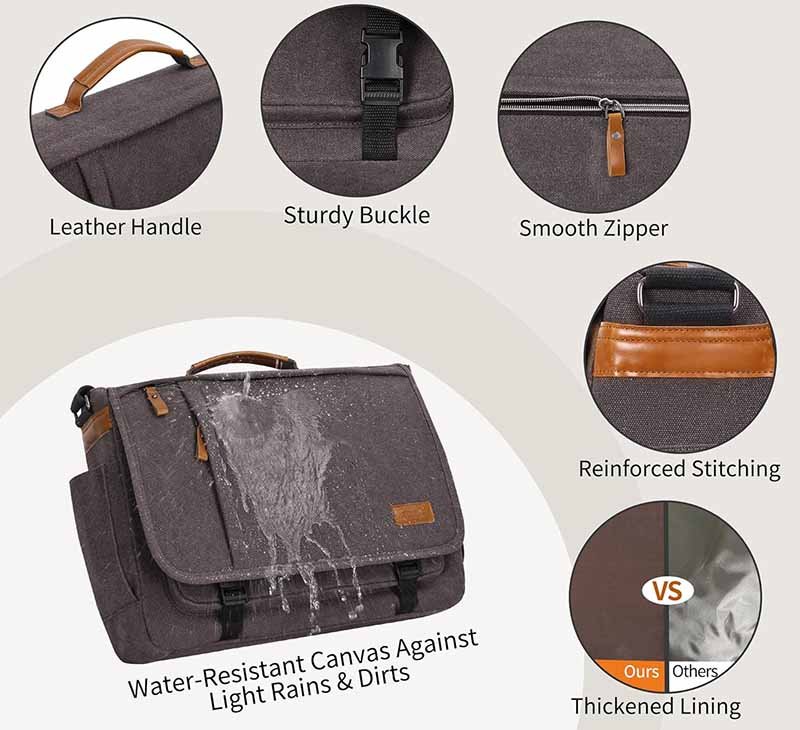
Messenger bag fabric is tested through material inspection, sample stress review, finished bag checking, and bulk production quality control. A reliable process checks fabric thickness, surface wear, pulling strength, tearing, water resistance, coating stability, seam strength, strap load, zipper function, logo durability, measurement accuracy, and packing condition.
A good messenger bag test process does not begin at the end of production. It begins before the first sample is made. When a client sends a design idea, reference photo, tech pack, logo file, or target price, the factory should already be thinking about risk. Will the selected fabric support the bag shape? Will the strap carry the expected weight? Can the logo process work on the surface? Will the material crease after packing? Will the cost still make sense after adding lining, padding, buckle, zipper, and reinforcement?
The first stage is material review. Fabric thickness, GSM, stretch, coating, lamination, hand feel, color, surface stability, backing strength, and cutting behavior should be checked before cutting. For neoprene messenger bags, thickness tolerance and lamination bonding are especially important. A 3 mm neoprene panel that varies too much in thickness may create uneven edges, poor sewing, and inconsistent hand feel. For coated polyester or nylon, coating evenness and bending behavior must be checked to reduce cracking and peeling.
The second stage is sample testing. A sample is not just a photo approval item. It should be carried, pulled, opened, packed, bent, and inspected. A sample messenger bag should be loaded with realistic weight. The strap should be pulled from different angles. The flap should be opened repeatedly. The zipper should be cycled. The lining should be checked for twisting or catching. The logo should be rubbed. The bottom should be observed after standing with weight inside. If the sample does not behave well, bulk production will not magically fix it.
The third stage is production control. Once the sample is approved, the factory must repeat the same quality across the order. This is where many problems happen. Fabric lots may vary slightly. Operators may sew with inconsistent seam allowance. Strap reinforcement may shift. Logo placement may move. Packing workers may fold bags too tightly. Szoneier’s process focuses on incoming material inspection, in-line checking, final inspection, and packing review to reduce these risks.
The final stage is shipment thinking. A bag that looks good on the table must still arrive in good condition. Messenger bags with neoprene, foam, structured panels, or coated surfaces can show pressure marks if packed poorly. Carton size, folding method, polybag size, moisture protection, and logo surface protection all affect final presentation. For overseas clients, especially those selling through Amazon, Shopify, retail stores, distributors, or brand channels, shipment condition directly affects launch success.
Messenger Bag Fabric Before Sampling
Messenger bag fabric testing before sampling helps choose the right material before money is spent on detailed sample work. At this stage, the focus is not only “Which fabric looks good?” but also “Which fabric fits the carrying load, logo method, price range, market use, and production timeline?” This early review can save several rounds of sample changes.
Szoneier can review fabric options based on product direction. For a lightweight promotional messenger bag, 300D or 600D polyester may be enough. For a daily laptop messenger bag, 3 mm to 5 mm neoprene, coated polyester, nylon, foam padding, or reinforced lining may be considered. For outdoor or sports use, water resistance, coating, zipper choice, and easy-clean performance become more important.
Important checks before sampling include:
Fabric thickness and weight.
Surface feel and visual texture.
Stretch and recovery for neoprene.
Coating type and backing quality.
Color matching and dye lot stability.
Logo process compatibility.
Cutting and sewing behavior.
Estimated cost impact.
MOQ and material availability.
This stage helps clients avoid beautiful but unsuitable fabrics before the first sample is made.
Messenger Bag Fabric in Samples
Messenger bag fabric testing in samples shows how the chosen material behaves after cutting, sewing, binding, lining, padding, and assembly. This is where many hidden issues become visible. A fabric may look strong as a swatch but become difficult to sew at curved edges. A coated fabric may wrinkle near the flap. A neoprene panel may feel too soft for a laptop bag unless supported by lining or structure.
Sample review should copy real use as much as possible. Load the bag with realistic items. Wear it across the body. Open and close the flap many times. Pull the strap. Check whether the bag tilts under weight. Rub the surface against clothing. Inspect zipper ends and pocket corners. Review whether the logo position remains smooth after the bag bends.
For private label projects, sample testing also includes retail appearance. The sample should be checked for shape, logo cleanliness, stitching line, color matching, label placement, packaging size, hangtag position, and carton presentation. Szoneier can support sample adjustments quickly, helping clients improve function and appearance before moving into bulk order preparation.
Messenger Bag Fabric in Bulk Orders
Messenger bag fabric testing in bulk orders focuses on consistency. A single approved sample is not enough. The full production order must match the sample in fabric, color, size, stitching, logo position, hardware, lining, packing, and structure. For overseas clients, this stage is critical because quality problems found after shipment are much more expensive to solve.
Bulk quality control should begin when material arrives at the factory. Fabric rolls should be checked for color difference, surface marks, coating condition, thickness, width, and defects. During cutting, panels should be reviewed for correct direction and size. During sewing, workers should follow the approved seam allowance, stitch density, reinforcement position, and strap construction. During final inspection, each bag should be checked for appearance, function, measurement, logo, zipper, strap, lining, and packing.
Szoneier supports 100% quality assurance as part of its manufacturing service. For custom messenger bags, the factory can inspect production details based on the approved sample and client requirements. This is especially useful for low MOQ custom projects, private label orders, and repeat OEM/ODM programs where product consistency affects long-term cooperation.
Messenger Bag Fabric After Sewing
Messenger bag fabric testing after sewing is important because finished construction changes fabric behavior. Once the fabric is stitched, folded, bound, reinforced, and connected with hardware, pressure collects around seams, corners, zipper openings, and strap joints. These are the areas where many messenger bags fail first.
After sewing, the bag should be checked in a finished-product condition. The strap should be loaded and pulled. The bottom seam should be observed with weight inside. The flap should bend naturally without cracking or curling. The zipper should move without pulling the lining. The side panels should not twist. The lining should not sag into the main compartment. The logo should not peel, wrinkle, or distort.
For neoprene messenger bags, after-sewing review is especially useful because neoprene has thickness, elasticity, and compression. The sewing method must control edge shape, seam tension, binding smoothness, and panel alignment. If the stitching is too tight, the edge may wave. If it is too loose, the structure may feel weak. Szoneier’s experience with neoprene bags, koozies, sports braces, medical braces, and wetsuits helps the team manage these details more carefully.
| Testing Stage | Main Checks | Suggested Data / Review Point | What Clients Gain |
|---|---|---|---|
| Material review | Thickness, GSM, coating, lamination, color | 2–5 mm neoprene; 300D–1200D polyester; 420D–1000D nylon | Better fabric choice before sampling |
| Cutting review | Panel size, fabric direction, surface defects | Size tolerance usually controlled by product structure | Cleaner shape and fewer sewing problems |
| Sample review | Load, zipper, strap, flap, logo, lining | 5–10 kg daily load; 8–15 kg heavy-use review | Better confidence before order approval |
| Sewing review | Seam allowance, stitch density, bartack | Common stitch range: 6–9 stitches per inch, adjusted by fabric | Stronger seams and cleaner appearance |
| Water review | Spray, wipe, coating, seam exposure | Light splash, commuter rain, higher water protection | More honest product claims |
| Packing review | Folding, carton pressure, polybag fit | Check shape after packing simulation | Better arrival condition after shipment |
| Common Problem | Likely Cause | Better Solution |
|---|---|---|
| Strap area tears | Weak reinforcement or narrow seam allowance | Add bartack, reinforcement patch, wider webbing |
| Flap curls | Fabric too soft or coating tension issue | Add lining support, adjust fabric thickness, review binding |
| Surface scuffs fast | Low fabric density or weak coating | Upgrade outer fabric or change coating |
| Logo peels | Wrong logo method for fabric surface | Switch to embroidery, patch, woven label, or better transfer |
| Zipper catches lining | Loose lining or poor zipper placement | Adjust lining pattern and zipper seam structure |
| Bottom deforms | Weak panel or no structure support | Add padding, neoprene layer, or reinforced bottom |
| Water enters bag | Seam, zipper, or flap gap not controlled | Improve flap coverage, zipper type, or seam method |
| Bag shape damaged in carton | Poor folding or tight packing | Adjust carton size, stuffing, folding method, or polybag |
What Should Brands Ask About Messenger Bag Fabric?
Brands should ask how messenger bag fabric performs under daily load, rubbing, rain, bending, seam pressure, logo processing, and shipment conditions. The right questions help confirm whether the selected material fits daily commuting, laptop protection, outdoor use, sports use, promotional orders, or premium private label production.
A messenger bag fabric decision should not begin with only “What is the cheapest option?” or “Which fabric looks good?” Those questions matter, but they are not enough. A better sourcing conversation asks where the bag will be used, what it will carry, how much weight it must support, what surface touch the end user expects, how much water resistance is needed, how the logo will be applied, and how the product should look after three to six months of real use.
For a custom messenger bag, the fabric affects almost every commercial detail. It changes the sample cost, unit price, sewing difficulty, logo method, carton weight, shipping cost, final hand feel, customer review quality, and return risk. A 2 mm neoprene messenger bag may work well for a lightweight tech accessory or promotional item, but it may feel too soft for a heavy laptop bag unless additional support is added. A 1000D nylon fabric may be strong, but it may increase cost and create a tougher look that does not suit a soft lifestyle design. A waxed canvas messenger bag may look premium, but it may need careful packing and a clear explanation of natural crease marks.
Clients should also ask how the factory handles trade-offs. Stronger does not always mean better. Thicker does not always mean more premium. Waterproof claims do not always mean the full bag is waterproof. A lower MOQ does not mean quality control can be ignored. A fast sample does not mean every structure is simple. A good manufacturer should be able to explain the balance between fabric performance, product positioning, target price, sample timing, and bulk production stability.
Szoneier works with overseas small and medium-sized companies as well as higher-end brands that need custom, private label, OEM, or ODM neoprene products. For messenger bag projects, the team can help clients compare fabric types, thickness, logo methods, reinforcement plans, and packaging options before sampling. This matters because a better fabric choice at the beginning often saves multiple rounds of revisions later.
Before confirming a messenger bag fabric, clients should prepare or discuss these details:
Target use: daily commute, laptop carry, school, travel, sports, medical, promotional, outdoor, work tools.
Bag size: small tablet bag, 13-inch laptop bag, 15.6-inch laptop bag, document bag, crossbody messenger bag, large work bag.
Expected load: light carry under 3 kg, regular carry around 5–8 kg, heavier use above 10 kg.
Water protection level: light splash, daily rain, outdoor wet exposure, easy-clean surface.
Logo method: screen print, heat transfer, embroidery, woven label, rubber patch, leather patch, silicone label.
Fabric direction: neoprene, polyester, nylon, canvas, coated fabric, laminated fabric, mixed material structure.
Price level: economy, mid-range retail, premium retail, promotional, private label.
Packaging: polybag, hangtag, insert card, carton packing, retail box, e-commerce packaging.
Inspection needs: photo check, material check, functional check, final inspection, third-party inspection support if required.
When these points are clear, fabric testing becomes more useful. The factory can recommend realistic solutions instead of guessing. The result is a messenger bag that looks better, carries better, and gives clients more confidence when placing repeat orders.
| Client Question | Why It Matters | Better Decision Direction |
|---|---|---|
| What will the bag carry every day? | Load decides fabric, strap, seam, and bottom strength | Define weight range before fabric selection |
| Will the bag carry electronics? | Laptop and tablet products need padding and water control | Use neoprene, foam, lining, and reinforced structure |
| Will users face rain? | Water claims must match fabric and construction | Choose coating, flap design, zipper, and seam method carefully |
| Is the logo printed or sewn? | Fabric surface affects logo durability | Match logo process to texture and flexibility |
| Is the bag soft or structured? | Fabric thickness changes shape and comfort | Combine fabric, lining, padding, and panel design |
| Is the order for retail or promotion? | Different markets need different durability levels | Balance price, appearance, and testing depth |
| How will the bag be packed? | Folding and pressure can damage shape | Confirm carton size and packing method before shipment |
| What is the repeat order plan? | Consistency matters for long-term programs | Lock approved material, color, pattern, and QC standard |
Daily Messenger Bag Fabric
Daily messenger bag fabric should balance wear resistance, comfortable hand feel, light rain protection, stable color, and reasonable weight. Most daily users carry a phone, keys, wallet, charger, notebook, bottle, small electronics, lunch box, or documents. The bag may not be extremely heavy, but it moves constantly. That constant movement creates rubbing and seam pressure.
For daily messenger bags, 600D to 900D polyester, 420D to 500D nylon, 3 mm neoprene, polyester canvas, or coated fabric can all work well. The best option depends on the style. A commuter bag may need a clean surface and light water resistance. A lifestyle bag may need canvas texture and warm color. A soft tech bag may work better with neoprene because it adds cushioning without making the structure too rigid.
A daily-use messenger bag should not feel overbuilt. If the fabric is too heavy, users may stop carrying it. If the structure is too soft, the bag may collapse and look cheap. If the coating is too stiff, the bag may feel plastic. Szoneier helps clients control this balance by reviewing fabric thickness, lining, strap width, reinforcement, and logo method together.
Useful specifications for daily messenger bags often include:
Outer fabric: 600D polyester, 900D polyester, 420D nylon, 3 mm neoprene, or canvas blend.
Lining: 190T, 210D, 300D polyester, or customized lining based on price level.
Strap: 3.2 cm to 5 cm webbing depending on bag size and load.
Zipper: standard nylon zipper for daily use; upgraded zipper for premium projects.
Reinforcement: bartack at strap ends, pocket corners, and stress areas.
Water direction: water-repellent finish or light PU coating for commuter use.
Logo direction: embroidery patch, woven label, heat transfer, or screen printing.
Laptop Messenger Bag Fabric
Laptop messenger bag fabric needs stronger structure, better padding, reliable seams, and stable carrying performance. Unlike a simple daily bag, a laptop messenger bag carries expensive electronics. The user expects the bag to protect the device from light impact, minor bumps, surface scratches, and daily movement. Fabric testing must focus on load, cushioning, strap strength, zipper function, and inner compartment stability.
Neoprene is a strong option for laptop messenger bags because it provides soft cushioning and flexibility. A 3 mm neoprene structure may suit lightweight laptop sleeves or slim messenger designs. A 4 mm or 5 mm neoprene layer can provide more protective feel, especially when combined with polyester lining, foam, or reinforced panels. Coated polyester and nylon are also suitable when the design needs a more structured outer body.
Laptop messenger bags should be reviewed with realistic sizes. A 13-inch laptop, 14-inch laptop, and 15.6-inch laptop require different compartment dimensions. The bag should allow smooth insertion without being too loose. If the compartment is too tight, the zipper and corners carry extra stress. If it is too loose, the laptop moves during walking. A useful laptop sleeve should protect the device while keeping the bag comfortable to carry.
Important testing points for laptop messenger bags include:
Load test with 5–10 kg for standard work carry.
Higher load review around 8–15 kg for heavier laptop and accessory use.
Strap anchor inspection after repeated pulling.
Bottom panel review after weight is placed inside.
Laptop compartment fit and lining smoothness.
Zipper movement around corners and top opening.
Padding recovery after compression.
Water resistance review if the bag is marketed for commuting rain.
Szoneier can customize laptop messenger bags with neoprene padding, reinforced polyester or nylon outer fabric, soft lining, elastic retaining straps, zipper pockets, organizer panels, private label logo decoration, and retail-ready packaging.
| Laptop Bag Area | Recommended Check | Better Design Choice |
|---|---|---|
| Main fabric | Surface wear and load behavior | Neoprene laminate, coated polyester, nylon |
| Laptop sleeve | Fit, padding, inner softness | 3–5 mm neoprene, foam, brushed lining |
| Bottom panel | Shape under weight | Extra padding or reinforced base |
| Strap joint | Pulling and bartack strength | Wider webbing, reinforcement patch, bartack |
| Zipper opening | Smooth device access | Larger zipper path and clean lining control |
| Inner pocket | Charger and accessory storage | Reinforced seams and elastic organizer |
| Rain protection | Light spray or wipe review | Coated fabric, flap coverage, water-resistant zipper |
| Logo area | Rubbing and bending | Patch, embroidery, woven label, or stable print |
Outdoor Messenger Bag Fabric
Outdoor messenger bag fabric needs stronger abrasion resistance, water control, easy-clean performance, and reliable hardware. These bags may be used for cycling, camping, hiking, fishing, sports, delivery, fieldwork, travel, or weekend movement. The fabric must deal with rougher surfaces, dirt, sweat, moisture, friction, and heavier pulling.
For outdoor messenger bags, nylon, TPU-coated fabric, PVC-coated polyester, coated 900D or 1200D polyester, and laminated neoprene are strong directions. If the bag is used near water or sports equipment, neoprene can add flexibility and moisture resistance. If the bag is used for cycling or travel, abrasion-resistant nylon or coated polyester may be better. If the bag needs a waterproof-style look, TPU or PVC-coated fabric may be considered.
Outdoor messenger bags should be tested as a finished structure because water and wear often enter through weak construction points. The flap may look protective, but wind-driven rain can still enter from side gaps. The zipper may be strong, but water can pass through teeth if no water-resistant zipper is used. The fabric may be coated, but needle holes can still become leakage points. A realistic outdoor product should define its protection level honestly.
Useful outdoor design choices include:
Abrasion-resistant outer fabric for back panel and bottom corners.
Coated or laminated surface for easier cleaning.
Water-resistant zipper for main compartment if needed.
Wider flap coverage to reduce rain entry.
Reinforced strap anchors for cycling or movement.
Durable buckle and adjuster hardware.
Breathable or moisture-managing back panel when worn close to body.
Darker colors or textured surfaces to hide dirt and scuffs.
Szoneier can help develop outdoor messenger bags with neoprene panels, coated fabrics, reinforced seams, sports-style webbing, waterproof-style details, private label logos, and packaging suited for overseas e-commerce or retail channels.
Szoneier Messenger Bag Fabric Options
Szoneier can customize messenger bag fabric based on product use, price range, logo method, and market positioning. Since the company has over 18 years of experience in neoprene fabric research and related product manufacturing, it can support both material development and finished product production. This is useful for clients who want a factory that understands not only sewing, but also fabric behavior.
For messenger bags, Szoneier can work with neoprene, polyester, nylon, canvas, coated fabric, mesh, lining fabric, foam, webbing, binding tape, zipper, buckle, label, and packaging materials. Clients can choose soft neoprene body structures, stronger nylon-style outdoor structures, cost-controlled polyester messenger bags, canvas lifestyle bags, waterproof-style coated bags, or mixed-material designs.
Customization options may include:
Neoprene thickness: 2 mm, 3 mm, 4 mm, 5 mm, or customized based on project.
Surface fabric: polyester, nylon, jersey, textured fabric, printed fabric, or laminated surface.
Outer fabric: 300D, 600D, 900D, 1200D polyester; 420D, 500D, 840D, 1000D nylon; canvas options.
Coating: PU, PVC, TPU, water-repellent finish, laminated backing.
Structure: flap design, zipper top opening, side gusset, laptop sleeve, organizer pockets, bottle pocket.
Strap: adjustable shoulder strap, padded strap, detachable strap, webbing width customization.
Logo: screen printing, sublimation, heat transfer, embroidery, woven label, rubber patch, silicone patch, leather patch.
Packaging: polybag, hangtag, insert card, color box, carton packing, Amazon-style labeling support.
Service: free design support, low MOQ customization, fast sampling, free sample support for suitable projects, OEM/ODM service.
| Custom Area | Available Direction | Why Clients Choose It |
|---|---|---|
| Neoprene thickness | 2–5 mm or customized | Controls cushioning, flexibility, and hand feel |
| Outer material | Polyester, nylon, canvas, coated fabric, neoprene laminate | Matches product style and durability target |
| Water resistance | PU, PVC, TPU, water-repellent finish, flap design | Helps build commuter, sports, or outdoor bags |
| Laptop protection | Neoprene, foam, brushed lining, inner strap | Protects electronics and improves user experience |
| Strap system | Fixed, adjustable, padded, detachable | Improves comfort and load control |
| Logo method | Print, embroidery, woven label, rubber patch, silicone patch | Supports private label identity |
| Pocket layout | Front, back, inner, zipper, mesh, organizer | Matches work, school, sports, or travel use |
| Packaging | Polybag, hangtag, insert card, retail box | Improves presentation and shipment readiness |
How Should Messenger Bag Projects Be Planned?
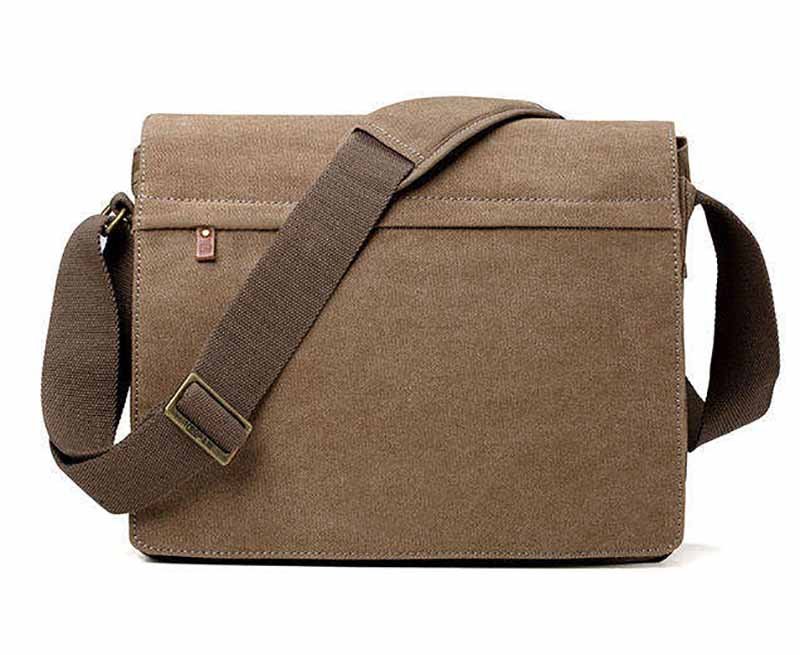
Messenger bag projects should be planned around fabric, structure, function, sample timing, MOQ, logo method, quality checks, packaging, and delivery schedule. Clear planning helps reduce sample changes, control cost, improve production efficiency, and create a final bag that matches the intended use.
A custom messenger bag project becomes smoother when the client prepares clear product information before sampling. This does not mean every client must have a full technical file. Many projects begin with a photo, sketch, reference sample, target size, logo file, or market idea. However, the more clearly the use case is defined, the easier it is to recommend the right fabric and testing plan.
The planning stage should answer several questions. Who will use the bag? What will they carry? Is the bag for daily commute, laptop protection, school, outdoor movement, sports, promotional gifts, or retail sale? What price range does the product need to reach? Does the brand prefer soft neoprene, structured polyester, rugged nylon, or lifestyle canvas? Does the bag need water resistance or just a clean daily fabric? Should the logo look subtle, premium, sporty, or highly visible?
Sampling should then turn these answers into a physical product. During sampling, clients can check fabric feel, thickness, shape, strap comfort, logo effect, pocket layout, laptop fit, and packing style. If changes are needed, they should be made before bulk production. Szoneier supports fast sampling and design assistance, helping clients move from idea to sample with practical manufacturing feedback.
For bulk orders, planning must include inspection and shipment details. If the bag will be sold through Amazon, Shopify, retail stores, distributors, promotional campaigns, or private label channels, packaging and labeling should be confirmed early. A good bag can still lose value if it arrives crushed, mislabeled, poorly folded, or packed without proper protection.
Project Information Needed
A messenger bag project should begin with enough information to guide fabric selection and sample development. Clients do not always need a complete tech pack, but they should provide clear direction on size, use, logo, quantity, price target, color, material preference, and packaging needs. These details help the factory avoid blind guessing.
Useful information includes:
Bag size or target capacity.
Laptop or tablet size if electronics are carried.
Reference photos or existing sample.
Preferred fabric: neoprene, polyester, nylon, canvas, coated fabric, or open to recommendation.
Color requirements with Pantone number if available.
Logo file in AI, PDF, EPS, SVG, or high-resolution format.
Logo method preference.
Expected order quantity.
Target delivery time.
Packaging and labeling requirements.
Selling channel: retail, Amazon, Shopify, promotional, distributor, sports club, medical supplier.
If the client does not know the best fabric yet, Szoneier can recommend options based on use case. For example, a tech accessory brand may prefer neoprene. A travel company may prefer nylon or coated polyester. A promotional company may choose polyester or light neoprene. A sports-related project may use neoprene, mesh, and easy-clean surfaces.
Sample Timing
Messenger bag sample timing depends on structure, fabric availability, logo process, pattern complexity, and packaging needs. A simple messenger bag with available fabric and standard logo method can usually move faster than a complex laptop or outdoor bag with custom neoprene thickness, special coating, molded accessories, multiple compartments, or retail packaging.
For many custom projects, clients should plan sample review carefully instead of rushing approval after seeing photos. A messenger bag sample should be physically checked for feel, carrying comfort, size, logo, zipper movement, strap length, and weight distribution. If the bag carries electronics or heavy items, load testing should be included before approval.
Szoneier supports fast sampling for custom neoprene and fabric-based products. The company can also support design communication, sample adjustment, and production planning for OEM/ODM projects. To speed up development, clients should confirm fabric direction, color, logo file, size, and main function as early as possible.
| Project Type | Sample Complexity | Main Review Points | Planning Note |
|---|---|---|---|
| Simple promotional messenger bag | Low | Fabric, logo, size, basic stitching | Faster sampling when fabric is in stock |
| Daily commuter messenger bag | Medium | Wear, strap comfort, zipper, light water resistance | Balance durability and unit cost |
| Laptop messenger bag | Medium to high | Padding, load, inner sleeve, strap reinforcement | Confirm laptop size before pattern making |
| Outdoor messenger bag | High | Coating, water protection, abrasion, hardware | More testing needed before approval |
| Neoprene messenger bag | Medium | Thickness, lamination, flexibility, edge sewing | Surface fabric and bonding matter |
| Retail private label bag | Medium to high | Logo, packaging, consistency, final appearance | Confirm labels and packing early |
MOQ And Cost
Messenger bag MOQ and cost depend on fabric type, material availability, logo method, structure complexity, hardware, lining, packaging, and order quantity. A simple polyester messenger bag usually has a lower cost direction than a multi-layer laptop messenger bag with neoprene padding, coated fabric, customized zipper, reinforced strap, and retail packaging.
Low MOQ customization is useful for new product testing, seasonal campaigns, influencer products, niche brands, and overseas small companies that do not want to carry large inventory from the first order. However, cost must still be realistic. A small order with custom fabric, custom color, special accessories, and complex packaging may carry higher unit cost because material preparation and setup time are spread across fewer pieces.
Szoneier supports low MOQ customization and can help clients choose cost-efficient specifications without weakening the product unnecessarily. Sometimes cost can be controlled by using available fabric colors, standard zipper sizes, shared webbing options, or a simpler logo method. In other cases, paying more for stronger strap reinforcement or better fabric is worth it because it prevents future complaints.
Cost factors usually include:
Main fabric type and thickness.
Neoprene thickness and lamination.
Coating or water-repellent finish.
Lining and padding.
Zipper size and quality.
Buckle, slider, hook, and hardware.
Strap width and webbing density.
Logo process and number of logo positions.
Pocket structure and sewing difficulty.
Packaging type and labeling.
Order quantity and delivery schedule.
| Cost Factor | Lower Cost Direction | Higher Cost Direction | When To Upgrade |
|---|---|---|---|
| Main fabric | 300D–600D polyester | Nylon, TPU-coated fabric, thick neoprene | Heavy use, premium retail, outdoor use |
| Neoprene | 2–3 mm standard | 4–5 mm or custom lamination | Laptop, tech, sports protection |
| Logo | Simple print or woven label | Embroidery, rubber patch, silicone patch | Premium private label look |
| Strap | Standard webbing | Wider padded or detachable strap | Laptop and heavy carry |
| Zipper | Standard nylon zipper | Water-resistant or premium zipper | Outdoor, travel, tech protection |
| Lining | Basic polyester lining | Brushed lining, padded lining, custom print | Laptop, premium, retail bags |
| Packaging | Polybag and export carton | Hangtag, insert card, retail box | Store display or e-commerce launch |
Why Choose Szoneier for Messenger Bag Fabric Testing?
Szoneier helps clients develop custom messenger bags with fabric selection, neoprene material support, free design assistance, low MOQ customization, fast sampling, quality checking, private label logo service, and OEM/ODM production. With over 18 years of experience in neoprene fabric research and related product manufacturing, Szoneier can support both material performance and finished bag quality.
Many factories can sew a messenger bag. Fewer factories understand how fabric behavior affects the finished product. Szoneier’s background in neoprene fabric and neoprene product manufacturing gives it a stronger understanding of thickness, elasticity, lamination, cushioning, water resistance, surface texture, sewing tension, and durability. These details are especially important when a messenger bag needs to feel soft, protective, flexible, and reliable.
Szoneier also manufactures a wide range of neoprene-based and fabric-based products, including bags, koozies, sports braces, medical braces, wetsuits, and related custom products. This cross-product experience helps the team solve problems from different angles. For example, knowledge from sports braces can support better stretch and comfort design. Knowledge from wetsuits can support water resistance and neoprene bonding. Knowledge from bags can support structure, pocket layout, zipper placement, and load-bearing reinforcement.
For overseas clients, Szoneier offers a practical development path:
Share product idea, reference image, sample, or tech pack.
Confirm use scenario, target size, fabric direction, logo method, and quantity.
Review suitable materials such as neoprene, polyester, nylon, canvas, coated fabric, lining, and webbing.
Create sample with the selected structure and branding.
Check sample performance, size, appearance, logo, seams, strap, water resistance, and packaging.
Revise sample details if needed.
Confirm bulk production specifications.
Carry out production with quality control.
Pack and prepare goods based on shipping and labeling needs.
This process helps reduce confusion and keeps custom projects easier to manage.
Szoneier Custom Strength
Szoneier’s strength is not only fabric supply. The company supports complete custom product development, including material recommendation, design support, sample making, production, logo customization, packing, and quality control. For messenger bags, this means clients can discuss both fabric performance and finished bag construction with one manufacturing team.
Key advantages include:
Over 18 years of experience in neoprene fabric research and product manufacturing.
Custom messenger bags, neoprene bags, koozies, sports supports, medical supports, wetsuits, and related products.
OEM, ODM, private label, and custom logo service.
Free design support for suitable projects.
Low MOQ customization for overseas clients.
Fast sample development.
Free sample support for qualified projects.
Short delivery cycle based on order structure and material readiness.
100% quality assurance mindset across development and production.
Wide material options including neoprene, polyester, nylon, canvas, coated fabric, lining, webbing, and accessories.
For clients who need messenger bags with stronger identity, Szoneier can support logo placement, color matching, private label packaging, hangtags, insert cards, and product detail adjustment. The goal is to create a product that works in the user’s hand, not only on a quotation sheet.
Szoneier Quality Control
Szoneier quality control for messenger bags focuses on material checks, sample checks, sewing checks, finished product checks, and packing checks. Each stage controls a different risk. Material checks reduce fabric defects. Sample checks reduce design mistakes. Sewing checks reduce construction inconsistency. Final checks reduce visible defects. Packing checks reduce shipment damage.
For custom messenger bags, inspection can include:
Fabric surface review.
Neoprene thickness and lamination review.
Color matching against approved sample.
Panel size and cutting direction.
Stitching line and seam allowance.
Bartack position at strap and stress points.
Zipper opening and closing function.
Buckle and webbing function.
Logo position and durability.
Lining fit and pocket function.
Final measurement.
Packing shape and carton condition.
The most valuable quality control happens before a problem spreads. If an issue appears during early sewing, it can be corrected before the full batch is complete. If a packaging issue appears during trial packing, carton size or folding method can be adjusted before shipment. This is how production becomes more stable.
Szoneier Inquiry Support
Szoneier is suitable for clients who need custom messenger bags with flexible materials, useful testing guidance, and factory-level production support. Whether the project is a neoprene laptop messenger bag, a waterproof-style commuter bag, a promotional shoulder bag, a sports messenger bag, or a private label retail product, the team can help turn ideas into samples and production-ready goods.
Clients can contact Szoneier with a simple product idea. A full technical file is helpful but not always required. Reference photos, target size, logo file, material preference, expected quantity, and market use are enough to begin a useful discussion. The team can then suggest fabric directions, thickness, structure, logo methods, sample options, and cost-control ideas.
A better inquiry usually includes:
Bag use: laptop, commute, sports, school, travel, outdoor, promotion.
Target size and capacity.
Preferred fabric or open material direction.
Logo file and logo method preference.
Quantity plan or MOQ expectation.
Color and packaging needs.
Target delivery time.
Any testing or quality requirements.
The more specific the inquiry, the faster Szoneier can recommend suitable materials and sample direction.
Start Your Custom Messenger Bag Project With Szoneier
Messenger bag fabric testing is not a small technical detail. It is the foundation of product trust. A durable messenger bag needs the right fabric, the right structure, the right seam design, the right strap reinforcement, the right water resistance level, and the right quality control before shipment. When these details are handled well, the final bag feels better, carries better, looks better, and creates fewer problems after delivery.
Szoneier helps overseas clients develop custom messenger bags and other neoprene-based products with professional material guidance, free design support, low MOQ customization, fast sampling, free sample support for suitable projects, private label service, custom logo options, OEM/ODM production, and quality-focused manufacturing.
If your next project needs a messenger bag that can handle daily commuting, laptop carry, sports use, travel, outdoor activity, promotional campaigns, or premium private label retail, Szoneier can help you compare fabric options, test key details, build a sample, and prepare production with confidence.
Contact Szoneier to discuss your custom messenger bag project, request fabric suggestions, review neoprene options, develop your logo design, and start a sample for your next collection.