Skip to content
A camera case is often judged in three seconds. The user opens the box, touches the shell, pulls the zipper, checks the inside layout, and immediately knows whether the product feels reliable or cheap. For photography gear, that moment matters even more. Cameras, lenses, batteries, filters, microphones, chargers, lights, and action camera accessories are not casual items. They are fragile, expensive, easy to scratch, and often carried from studios to outdoor locations, cars, airports, backpacks, and shooting sites.
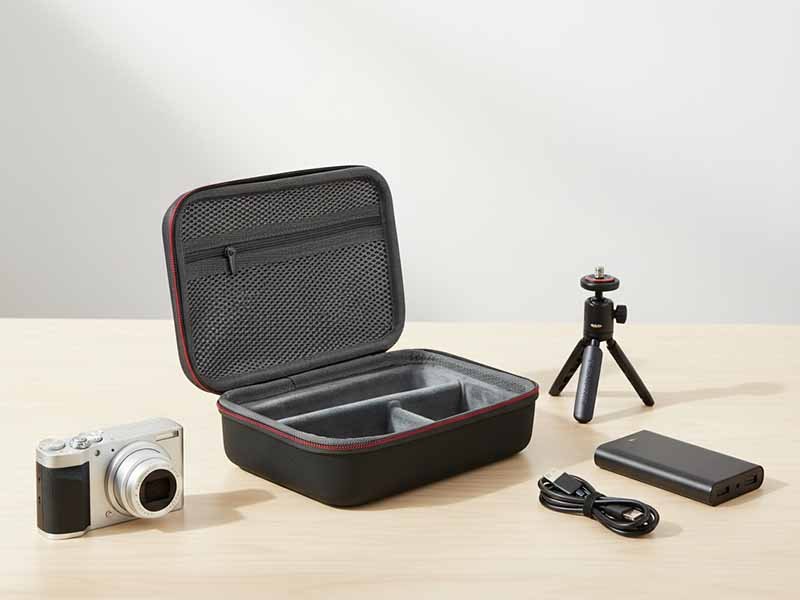
EVA Camera Case Manufacturing helps photography gear brands build molded protective cases with a semi-rigid EVA shell, soft lining, custom insert, zipper closure, logo decoration, and retail-ready packaging. A well-made EVA Camera Case can protect gear from scratches, light impact, daily pressure, messy storage, and movement during transport. It can also improve product value because the case makes the whole camera kit look more organized, complete, and ready for real use.
For many camera accessory programs, the case is not only packaging. It becomes part of the product. A lens filter kit without a structured case feels unfinished. A microphone set with loose cables looks messy. An action camera bundle without proper slots creates frustration. A compact camera case with weak fabric may look acceptable online, but it can lead to bad reviews after several weeks of use.
The real challenge is that EVA cases look simple from the outside. In production, many details decide the final quality: EVA thickness, shell hardness, mold depth, lining softness, zipper strength, insert accuracy, glue control, stitch density, logo method, packing method, and final inspection. A small mistake can become a real complaint. A zipper that jams, a foam slot that is too tight, a shell that collapses, or a lining that leaves lint on a lens can damage trust quickly.
Szoneier supports custom EVA Camera Case Manufacturing for photography gear brands, online sellers, outdoor equipment companies, camera accessory suppliers, and private label programs. With over 18 years of experience in neoprene, EVA-related soft goods, fabric products, bags, koozies, sports protectors, medical protectors, and wetsuit-related products, Szoneier can help clients develop cases from drawings, product samples, size charts, 3D files, or early product ideas. The goal is simple: make the case fit the gear, protect the product, match the brand, and support smooth bulk production.
What Is an EVA Camera Case?
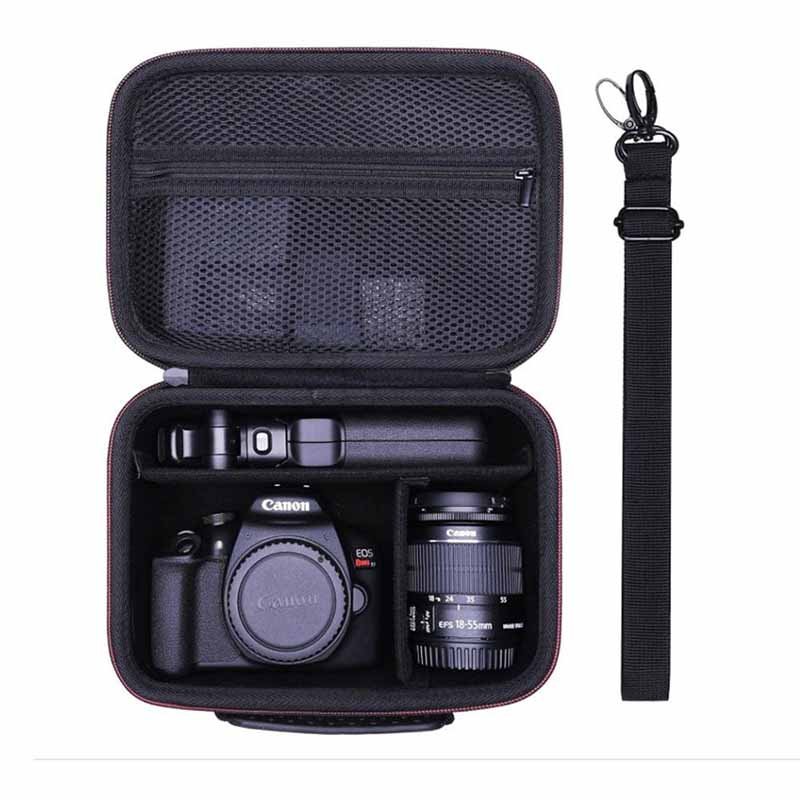
An EVA Camera Case is a molded protective case made from ethylene-vinyl acetate foam material, usually combined with outer fabric, inner lining, zipper closure, foam insert, elastic holder, mesh pocket, handle, and logo decoration. It is designed to protect photography gear from scratches, light impact, dust, moisture exposure, storage pressure, and accessory movement during daily carrying or travel.
EVA is widely used in protective products because it can be shaped by heat and pressure while keeping a lightweight, semi-rigid structure. For camera gear, this balance is valuable. A case must be strong enough to hold shape, but not so heavy that it becomes annoying to carry. It should protect the product but still feel clean, compact, and easy to open.
A good EVA Camera Case does four jobs at the same time. It protects the equipment, organizes accessories, presents the product professionally, and supports repeat use. That is why many photography gear brands choose EVA cases for camera kits, lens sets, action camera accessories, battery chargers, filter collections, microphone sets, mini lighting tools, drone accessories, and outdoor shooting kits.
Unlike a simple pouch, an EVA Camera Case can be designed around the actual gear shape. The shell can be molded to a certain depth. The inside can include custom-cut slots. The surface can use nylon, polyester, Oxford fabric, PU, PVC, or textured fabric. The lining can be soft velvet, brushed fabric, microfiber, tricot, or sponge-backed fabric. The zipper can be normal coil zipper, waterproof-style zipper, reverse zipper, or double-pull zipper. Each part affects the user experience.
For brands selling photography equipment, the case should never be treated as a random accessory. It affects product reviews, return rates, perceived value, shipping protection, shelf presentation, and how users store the gear after purchase. A camera case that fits well can help the product feel more expensive even when the main item has not changed.
What Makes an EVA Camera Case Different?
An EVA Camera Case is different because it offers a middle level of protection between a soft pouch and a hard plastic box. A soft pouch is easy to fold and cheap to make, but it cannot keep a stable shape. A hard case is strong, but it can be heavy, bulky, noisy, and less comfortable for daily use. EVA gives the product a formed shell with a softer touch and more flexible design options.
For photography gear brands, that middle position is useful. Many camera products do not need an industrial-grade hard case. At the same time, they need more than a cloth bag. A lens filter set, action camera kit, compact light, microphone kit, camera battery kit, or small gimbal accessory needs structure. It needs fixed space. It needs separation. It needs a case that looks good in product photos and still works after real use.
A well-designed EVA Camera Case usually includes these parts:
| Part | Common Options | Why It Matters |
|---|---|---|
| Outer Shell | Molded EVA, laminated EVA, textured EVA surface | Holds shape and gives first touch impression |
| Surface Fabric | Polyester, nylon, Oxford, PU, PVC, jersey fabric | Controls appearance, abrasion resistance, and water resistance |
| Inner Lining | Velvet, microfiber, tricot, brushed fabric, soft polyester | Reduces scratches and improves product feel |
| Insert | EVA foam, sponge foam, layered foam, die-cut foam, CNC-cut foam | Keeps cameras and accessories in fixed positions |
| Closure | Coil zipper, reverse zipper, waterproof-style zipper, double zipper | Affects opening smoothness and durability |
| Storage Parts | Mesh pocket, elastic strap, divider, card slot | Helps organize small accessories |
| Carrying Parts | Webbing handle, wrist strap, carabiner loop, shoulder strap | Improves portability |
| Logo Method | Screen print, heat transfer, rubber patch, woven label, embossing | Builds brand recognition |
| Packaging | Polybag, color box, hang tag, sleeve, insert card, carton | Supports retail and online selling |
The real value of EVA Camera Case Manufacturing comes from combining these parts properly. If the shell is strong but the inside insert is loose, gear still moves. If the lining is soft but the zipper is weak, users complain. If the logo looks nice but the case smells bad due to poor material or glue control, the unboxing experience fails.
Szoneier helps clients review these choices before sampling. A camera accessory sold online may need a lighter case to control shipping cost. A high-end lens kit may need a firmer shell and cleaner inner lining. An outdoor photography kit may need stronger fabric, reinforced stitching, and better zipper protection. The best case structure should follow the real sales channel and usage scene.
Why Photography Gear Needs EVA Protection
Photography gear needs EVA protection because it combines fragile surfaces, precision parts, and high daily movement. A camera lens can scratch. A screen can crack. A filter can chip at the edge. A battery can press against a cable. A microphone can be damaged by pressure. A charger can rub against the camera body. Small parts can disappear inside a backpack. Most problems happen not because users are careless, but because the storage system is weak.
EVA Camera Case Manufacturing solves this by creating a controlled space. Instead of letting accessories move freely, each item can sit inside a pocket, slot, holder, divider, or foam cavity. That reduces friction, movement, noise, and confusion. For photography users, this means faster packing, cleaner storage, and less worry during travel.
For brands, EVA protection also supports after-sale quality. A product may pass factory inspection, but if it arrives with scratched accessories or if users damage parts during daily carry, complaints may still happen. A strong case helps reduce avoidable damage after the product leaves the factory.
Customer concerns often include:
| Customer Concern | Case Design Response |
|---|---|
| Lens surface scratches | Soft lining, separated slots, foam cavities |
| Accessories moving inside | Die-cut foam, elastic straps, snug insert design |
| Case crushed in a backpack | Proper EVA thickness, formed shell depth, reinforced edge |
| Cables and cards getting lost | Mesh pocket, zipper pocket, small accessory slots |
| Outdoor use | Water-resistant fabric, stronger zipper, reinforced stitching |
| Product looks low value | Clean molded shape, premium lining, logo, retail packaging |
| Shipping cost too high | Balanced case size, lightweight EVA, carton optimization |
| Product review risk | Better fit, smoother zipper, clean finishing, QC check |
For photography products, protection is not only about drops. Most daily damage comes from friction, pressure, poor organization, and repeated movement. A case may never fall from a table, but it may sit in a backpack with keys, cables, chargers, tripods, and other tools. That is where a molded EVA Camera Case performs better than a loose pouch.
Szoneier can develop EVA cases around real product dimensions, not only rough size ranges. Clients can send actual samples, CAD files, 2D drawings, product photos, accessory lists, or size tables. The factory can then plan shell dimensions, insert layout, clearance, zipper path, logo area, and packing method. This helps avoid the common problem of cases that look good outside but fail inside.
Is an EVA Camera Case Better Than a Soft Bag?
An EVA Camera Case is usually better than a soft bag when the photography gear needs fixed shape, stronger pressure resistance, better organization, and a more professional product presentation. A soft bag can work for simple accessories, but it does not offer enough structure for cameras, lenses, filters, microphones, battery kits, or action camera bundles.
A soft bag has two advantages: low cost and easy storage. It works when the product is not fragile, when price must stay very low, or when the user only needs scratch protection. For example, a small cleaning cloth kit or cable set may not need EVA. But once the product has glass, electronics, batteries, precision parts, or multiple accessories, soft fabric becomes risky.
EVA offers a better balance for many commercial photography products because it protects while keeping the product easy to carry. It can also be shaped and branded more cleanly. A molded EVA case on an online product page often makes the set look more complete. Users can see where every piece goes. That visual order builds trust before purchase.
Here is a more practical comparison:
| Case Type | Protection Level | Weight | Custom Insert | Branding Feel | Best Use |
|---|---|---|---|---|---|
| Drawstring Bag | Low | Very light | No | Basic | Cables, cloths, simple accessories |
| Soft Fabric Pouch | Low to medium | Light | Limited | Basic to medium | Small accessories, low-cost kits |
| Neoprene Pouch | Medium | Light | Limited | Soft and flexible | Lens sleeves, compact camera covers |
| EVA Camera Case | Medium to high | Medium-light | Strong | Clean and professional | Cameras, lenses, action camera kits, filter sets |
| Plastic Hard Case | High | Medium-heavy | Strong | Technical | Outdoor gear, heavy transport |
| Aluminum Case | High | Heavy | Strong | Premium but bulky | Professional equipment kits |
For most online photography gear products, EVA gives the strongest balance between protection, weight, cost, appearance, and customization. It is not the cheapest choice, but it can make the whole product easier to sell and easier to trust.
Brands should choose EVA when:
The product includes fragile or scratch-sensitive parts.
The kit includes several accessories that need fixed positions.
The case will appear in product images, packaging, or retail display.
The product price is high enough to support a better case.
The brand wants logo, color, texture, and packaging customization.
The user may carry the product outdoors, during travel, or in a backpack.
Brands may choose a soft bag when:
The product is low-cost and not fragile.
The accessory count is small.
The case is only used as dust protection.
Shipping weight and low price are the top priority.
Szoneier can help compare EVA, neoprene, polyester, nylon, Oxford fabric, and hybrid structures before sampling. In many projects, the best answer is not one material only. A camera lens pouch may use neoprene. A multi-accessory kit may use EVA. A larger photography bag may combine EVA panels with nylon fabric and padded compartments. The right structure depends on product price, protection level, sales channel, and user habits.
Which Gear Fits an EVA Camera Case?
An EVA Camera Case can be made for DSLR cameras, mirrorless cameras, compact cameras, action cameras, lenses, filters, microphones, batteries, chargers, cables, LED lights, mini tripods, gimbals, drones, and photography accessory kits. The best design depends on product size, product weight, accessory count, fragility, sales channel, and how the user carries the gear.
Good case design starts from the product list, not from the outside case size. A case for one compact camera is simple. A case for an action camera with 15 accessories is completely different. A case for three lens filters needs anti-scratch separation. A case for a microphone kit needs cable storage and pressure control. A case for a battery charger needs heat-safe layout and enough room around cables.
Szoneier usually recommends preparing a product layout before sample development. The layout should show every item inside the case, including the main product, spare parts, cable, manual, warranty card, cleaning cloth, silica gel bag, logo label, and packing card. This helps the factory design the internal structure more accurately.
A useful EVA Camera Case plan should answer these questions:
What product goes inside the case?
How many accessories need storage?
Which items are fragile?
Which items may scratch each other?
Does the case need to open flat?
Should the insert be removable?
Will the case be sold alone or inside a product bundle?
Will users carry it by hand, in a backpack, or in luggage?
Does the product need retail packaging?
Is the case part of a premium product line or a value product line?
When these questions are clear, the case becomes easier to design, quote, sample, and produce. Without these details, the factory may only make a general case, and general cases often lead to wasted space, loose accessories, weak presentation, or higher shipping volume.
EVA Camera Case for Cameras
An EVA Camera Case for cameras must protect uneven shapes. Camera bodies have grips, screens, dials, lens mounts, buttons, hot shoes, viewfinders, and sometimes attached lenses. That makes camera case design more complex than a simple rectangular electronics case.
For DSLR and mirrorless cameras, the case needs enough clearance around high points such as the grip and viewfinder. If the inner space is too tight, the user may press buttons or scratch corners when inserting the camera. If the space is too large, the camera may move during travel. A good design normally leaves controlled clearance while using soft lining or foam support to reduce movement.
Common camera case design points include:
Inner clearance: usually planned around product size plus lining and insertion space.
Shell firmness: adjusted based on camera weight and expected use.
Lining softness: important for screens, painted surfaces, and lens mount areas.
Zipper path: should not rub against the camera when closing.
Opening angle: flat opening is useful for camera kits; top opening may suit compact carry.
Handle position: should match case size and loaded weight.
External size: should fit shipping cartons, backpacks, or retail packaging needs.
For compact cameras, instant cameras, and creator-style camera products, the case may also need a stronger visual style. Color, surface texture, logo placement, zipper pull, and inner fabric can make the product more attractive. Many younger users care about how the case looks on a desk, in a bag, or in photos.
For camera brands selling full kits, the case may include:
Camera body cavity
Small lens cavity
Battery pocket
Memory card slot
Charging cable pocket
Cleaning cloth space
Instruction card pocket
Shoulder strap or wrist strap space
Szoneier can support camera case development from product samples or detailed measurements. For new product launches, the sample team can help adjust shell size, inner insert, zipper opening, and storage layout before bulk production.
EVA Camera Case for Lenses
An EVA Camera Case for lenses must focus on scratch control, movement control, and lining quality. Lenses are sensitive because they include glass, coatings, rings, mounts, and smooth surfaces. Even if the case protects against outside pressure, poor internal design can still damage the lens through rubbing.
Lens cases are usually designed in three directions. The first is a single-lens case for one lens. The second is a multi-lens case for several lenses. The third is a lens accessory case for filters, caps, hoods, adapters, and cleaning tools. Each direction needs a different internal layout.
For single-lens cases, the shell should be firm enough to reduce pressure but not too bulky for travel. A vertical cylinder shape or rounded rectangle shape is common. The lining should be soft and clean. The zipper should open smoothly without scratching the lens surface. A pull tab or finger space can help users remove the lens more easily.
For multi-lens cases, separation is the key. Lenses should not touch each other. Foam dividers, molded cavities, and soft partitions can keep them in place. If the case is designed for lenses of different sizes, adjustable dividers may be better than fixed foam. If the case is sold with a fixed product kit, die-cut foam gives a cleaner presentation.
Lens case concerns and solutions:
| Lens Case Concern | Recommended Design |
|---|---|
| Lens rolling inside | Round or shaped cavity with snug side support |
| Glass surface scratches | Soft lining, separated slot, no rough seams near lens |
| Hard to remove lens | Finger gap, pull tab, bevel-cut foam |
| Case too bulky | Controlled wall thickness, compact insert layout |
| Lens mount rubbing | Foam clearance around mount area |
| Dust and lint | Cleaner lining, controlled cutting, final cleaning check |
| Premium product image | Smooth shell, clean logo, high-quality zipper, neat inner layout |
Szoneier can customize lining materials, insert hardness, slot sizes, and logo methods based on the lens type and sales positioning. For high-value lens accessories, a more refined lining and cleaner insert can make a noticeable difference.
EVA Camera Case for Accessories
EVA Camera Case Manufacturing is especially useful for photography accessories because small parts are easy to lose, scratch, or mix together. Batteries, memory cards, filters, cables, mounts, screws, adapters, microphones, LED lights, wireless transmitters, cleaning tools, and charger sets all benefit from organized storage.
Accessory cases must solve two problems at once: protection and order. A user should open the case and immediately know where everything belongs. This is important for repeat use. If the case looks neat only when packed at the factory but becomes messy after one use, the design is not successful.
Common accessory storage methods include:
Mesh pocket for cables, cleaning cloths, manuals, and flat accessories.
Elastic strap for batteries, small chargers, adapters, and tools.
Die-cut foam for filters, microphones, action cameras, and precision parts.
Zipper mesh pocket for loose screws, memory cards, and small parts.
Layered insert for kits with upper and lower storage areas.
Removable divider for flexible user storage.
EVA tray for a clean retail presentation.
Accessory cases often support stronger product value because they turn separate parts into a complete kit. For example, an action camera accessory package with mounts, screws, batteries, cable, waterproof housing, and tools looks much more professional when each item has a fixed space. This can help online product photos, video demonstrations, and user reviews.
For Amazon and Shopify products, a custom EVA Camera Case can also reduce the “missing accessory” feeling. Users can check the kit quickly because each slot shows what should be inside. If a product includes many small parts, the case can become a visual checklist.
Szoneier can design accessory cases for:
Action camera kits
Camera battery charger kits
Lens filter sets
Wireless microphone kits
Mini LED light kits
Tripod accessory kits
Drone accessory kits
Cleaning tool kits
Memory card storage kits
Cable and adapter kits
For accessory cases, the most important data points are product dimensions, quantity, weight, fragility, and desired layout. If the client can provide photos of all accessories placed on a table, the factory can more quickly suggest case size and insert direction.
How EVA Camera Case Manufacturing Works
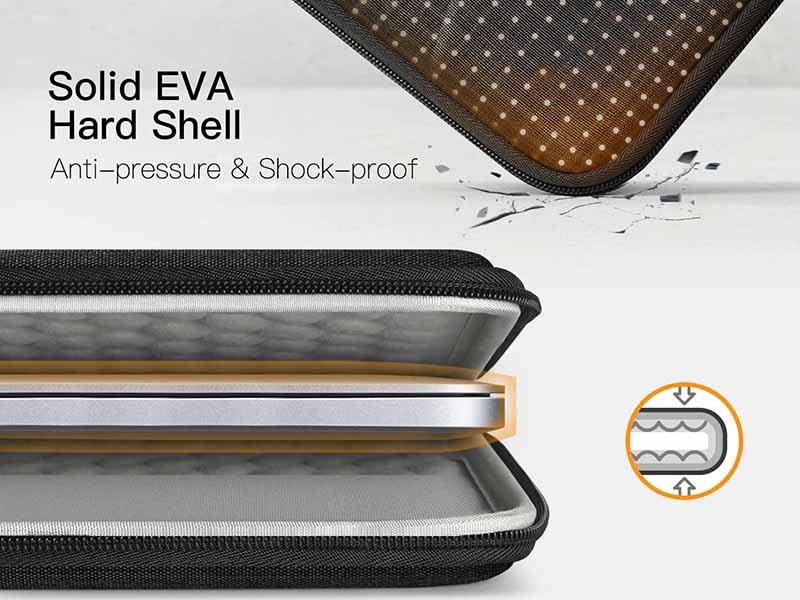
EVA Camera Case Manufacturing includes product measurement, structure planning, material selection, mold development, EVA lamination, heat forming, trimming, lining, insert making, sewing, logo processing, assembly, inspection, and packing. Each step affects the case’s protection level, appearance, durability, cost, sample time, and bulk production stability.
A professional manufacturing process should not begin with “What size case do you want?” It should begin with “What gear needs protection, how will users carry it, and what sales channel will it enter?” That is because a case for a studio microphone kit has different requirements from a case for outdoor action camera gear. A case for retail shelves has different packaging needs from a case sold as an Amazon product bundle.
In EVA Camera Case Manufacturing, the biggest cost and quality factors usually include:
Case size
EVA thickness and density
Mold complexity
Surface fabric
Inner lining
Insert method
Zipper grade
Logo method
Handle or strap structure
Packaging requirement
Order quantity
Inspection standard
For Szoneier clients, sample development is used to confirm the key details before bulk production. The sample is checked for fit, appearance, logo, insert layout, zipper movement, shell firmness, stitching, smell, surface marks, packaging, and carton method. This step is important because a camera case has many small touchpoints. Even when the shell looks correct, the inner layout may still need adjustment.
A general project flow may look like this:
| Step | Main Work | Client Should Provide | Key Output |
|---|---|---|---|
| 1. Requirement Review | Confirm product type, use scene, target cost, quantity | Product photos, size, accessory list, logo file | Basic case direction |
| 2. Layout Planning | Plan inner storage and outer size | Product sample or exact dimensions | Case layout proposal |
| 3. Material Selection | Choose EVA, fabric, lining, zipper, insert | Market position and style needs | Material plan |
| 4. Mold and Pattern | Develop shell shape and sewing pattern | Confirmed dimensions | Mold direction and pattern |
| 5. Sample Making | Produce first physical sample | Sample fee or sample approval terms | Review sample |
| 6. Sample Revision | Adjust size, insert, zipper, logo, packaging | Feedback photos and comments | Final approved sample |
| 7. Bulk Production | Material cutting, forming, sewing, assembly | Approved sample and PO | Finished goods |
| 8. Quality Check | Inspect size, appearance, function, packing | QC standard if required | Inspection report or photos |
| 9. Shipment | Pack cartons and arrange logistics | Shipping mark and delivery terms | Export shipment |
Szoneier supports OEM and ODM custom projects, including free design assistance, low MOQ customization, quick sampling, free sample support based on project conditions, 100% quality guarantee, and short lead time for qualified projects. For photography gear brands, this support can reduce development pressure, especially when the team has a product idea but needs manufacturing guidance.
EVA Camera Case Mold Design
EVA Camera Case mold design controls the case shape, shell depth, edge curve, corner radius, internal height, and overall appearance. It is one of the earliest decisions in production and one of the hardest to change later. A good mold direction helps the case look clean, fit properly, and protect the gear without wasting space.
Mold design should consider both external and internal dimensions. External dimensions affect product appearance, shipping volume, retail box size, and user carrying comfort. Internal dimensions affect whether the camera gear fits safely. The internal space is always smaller than the external size because EVA thickness, fabric, lining, foam insert, and sewing allowance take up room.
For camera gear, mold design should pay attention to:
Shell depth: deeper shells give more storage space but may increase bulk.
Corner radius: rounded corners improve touch and reduce sharp-looking edges.
Edge structure: stronger edges help the case hold shape after repeated use.
Opening line: zipper position should support easy access without rubbing gear.
Surface area: logo placement needs enough flat space.
Stackability: useful for storage, carton packing, and retail display.
Internal clearance: must include lining and insert thickness.
A common mistake is making a case based only on product length, width, and height. Camera gear has uneven surfaces. A grip, lens ring, cable plug, or battery cover may require extra clearance. If this is ignored, the case may press on one part too tightly.
Szoneier can help review drawings and product samples before mold work begins. For custom EVA Camera Case Manufacturing, this early check can reduce sample revisions and save time. If the client wants a more cost-controlled option, Szoneier can also suggest existing mold sizes when suitable. If the product requires a unique shape or tighter fit, a new mold may be recommended.
EVA Camera Case Shell Forming
EVA Camera Case shell forming uses heat and pressure to shape EVA sheets into a semi-rigid shell. Before forming, EVA is often laminated with surface fabric. After forming, the shell is trimmed and prepared for lining, zipper sewing, and assembly. The quality of shell forming directly affects how the case looks and feels.
A well-formed shell should have a smooth surface, stable shape, clean corners, even thickness, and no obvious wrinkles. Poor forming may cause uneven edges, fabric bubbling, delamination, weak corners, surface marks, or shape distortion. These problems are easy to notice on camera cases because many designs use clean shapes and simple colors.
Main shell forming choices include:
| Production Choice | Common Range or Option | Impact on Case |
|---|---|---|
| EVA Thickness | Around 2 mm to 8 mm depending on case size and protection need | Affects firmness, weight, cost, and inner space |
| EVA Hardness | Softer to firmer grades | Affects pressure resistance and hand feel |
| Surface Fabric | Polyester, nylon, Oxford, PU, PVC, textured fabric | Affects appearance, abrasion resistance, water resistance |
| Mold Depth | Shallow, medium, deep | Affects storage capacity and protection |
| Surface Finish | Matte, woven texture, smooth, coated | Affects product style and cleaning |
| Forming Control | Temperature, pressure, time | Affects shape stability and surface quality |
Thicker EVA can improve structure, but it is not always better. If the case becomes too thick, shipping volume increases and the inner space may shrink. A very thick shell may also make a small accessory case feel bulky. For camera accessories, the best design often uses controlled thickness with a well-planned insert rather than simply making everything heavier.
Water resistance also depends on more than EVA itself. The surface fabric, zipper, seam, and opening structure all matter. A molded EVA shell with coated fabric can resist light splashes, but ordinary stitched zipper seams are not fully waterproof. For outdoor photography gear, Szoneier can suggest water-resistant fabric, reverse zipper, waterproof-style zipper, stronger stitching, and better shell overlap depending on the product goal.
EVA Camera Case Insert Making
EVA Camera Case insert making decides how each camera item sits inside the case. This step is often more important than the outer shell because the insert controls movement, contact, and user convenience. A beautiful shell cannot protect gear properly if the inside layout is loose, rough, or badly planned.
Insert design should match the gear shape and user behavior. A lens needs rounded support. A filter needs flat separation. A battery needs tight holding. A cable needs flexible storage. A microphone needs pressure control. An action camera kit needs many small slots. Each accessory should have a clear place without making the case difficult to repack.
Common insert options include:
| Insert Type | Best For | Advantages | Notes |
|---|---|---|---|
| Die-Cut EVA Foam | Repeated fixed shapes | Clean, consistent, cost-efficient in quantity | Needs accurate dimensions |
| CNC-Cut Foam | More precise cavities | Better for complex shapes | Higher development cost |
| Layered Foam | Multi-depth storage | Good for mixed accessories | Needs clean bonding |
| Sponge Foam | Soft cushioning | Good for pressure-sensitive products | Less sharp visual shape |
| Elastic Strap | Batteries, cables, tools | Saves space and easy access | Must control tightness |
| Mesh Pocket | Cables, cards, manuals | Flexible and low weight | Not for fragile items alone |
| Removable Divider | Flexible storage | Useful for different gear sets | Less precise than cut foam |
| Fabric-Covered Insert | Premium presentation | Clean inner look | Higher sewing and material cost |
Good insert design must avoid two extremes. If the insert is too loose, gear moves. If it is too tight, users struggle to take items out. For photography products, finger access is very important. Small half-moon cuts, bevel edges, pull tabs, or raised sections can make a big difference.
Insert cleanliness should also be checked. Foam dust, loose particles, odor, poor glue, or rough cut edges can reduce product quality. For lens and camera products, users are sensitive to anything that may touch glass, screens, or coated surfaces.
Szoneier can create inserts based on actual samples, accurate measurements, 2D drawings, 3D files, or accessory layout photos. For complex kits, sending real products is usually the best choice because the sample team can test fit by hand. When real samples are unavailable, the client should provide:
Product length, width, height
Product weight
Photos from front, side, back, and top
Accessory quantity
Fragile areas
Preferred case opening direction
Logo file
Target order quantity
Target retail packaging style
Special shipping requirements
This information helps the factory reduce guessing and produce a more accurate sample.
EVA Camera Case Sewing and Assembly
EVA Camera Case sewing and assembly connect the molded shell, zipper, lining, insert, handle, pocket, logo, and packaging into a finished product. This step decides how the case performs after repeated use. A case may look good in sample photos, but sewing and assembly quality decide whether it survives daily opening, carrying, and packing.
Zipper quality is one of the biggest user touchpoints. The zipper should move smoothly, follow the case curve cleanly, and not catch the lining or shell edge. For medium and large EVA Camera Cases, double zipper pulls can make opening easier. For outdoor use, reverse zippers or waterproof-style zippers can improve appearance and splash resistance, though they do not make the full case waterproof by themselves.
Stitching should be even and strong. Weak stitching around the handle, zipper corners, and edge binding can fail under loaded weight. For cases that carry lenses, batteries, or multiple accessories, reinforcement may be needed in stress areas.
Key assembly checkpoints include:
Zipper opening and closing test
Stitching evenness
Handle strength
Lining adhesion
Foam insert fit
Logo position
Surface cleanliness
No sharp internal edges
No strong odor
No loose threads
No glue marks
Correct packing method
For camera gear, internal finishing is especially important. Loose threads, rough seams, or glue marks inside the case may touch expensive equipment. A clean inside finish gives users confidence.
Szoneier can support pre-shipment checks based on approved samples. For custom orders, inspection can include size review, appearance check, zipper function, insert placement, logo quality, color consistency, packing count, carton mark, and product photos before shipment. This helps overseas clients reduce risk before goods leave the factory.
A good EVA Camera Case is not made by one process alone. It is made by many small decisions working together: shell structure, lining choice, insert accuracy, zipper smoothness, sewing control, logo durability, and packing protection. When these details are handled well, the case becomes more than storage. It becomes a stronger product experience for the camera gear brand and the final user.
How to Customize an EVA Camera Case
Customizing an EVA Camera Case means adjusting the shell size, inner layout, material, color, zipper, handle, insert, logo, and packaging around the real photography gear and sales channel. A good custom case should protect the product, fit the accessories, support the brand image, control shipping size, and make the user feel the kit is easy to carry and worth keeping.
Many photography gear brands start customization from the outside look. They think about color, logo, and surface texture first. Those details are important, but the better starting point is the actual gear inside. A case is successful only when the product sits well, the user can take items out easily, the zipper closes without pressure, and the whole kit feels organized after repeated use.
For EVA Camera Case Manufacturing, customization usually covers five layers. The first layer is protection: shell thickness, EVA hardness, lining, foam density, and insert design. The second layer is usability: opening direction, zipper type, handle, mesh pocket, elastic strap, and accessory slots. The third layer is visual style: fabric texture, color, logo, zipper pull, patch, and stitching. The fourth layer is sales packaging: color box, sleeve, hang tag, barcode label, instruction card, and carton packing. The fifth layer is production stability: MOQ, sample time, mold cost, bulk lead time, inspection standard, and repeat order consistency.
A common mistake is adding too many features without checking cost and user value. More pockets do not always make a case better. A thicker shell does not always mean better protection. A premium lining may be unnecessary for a low-cost cable kit. A waterproof-style zipper may increase cost without solving full waterproof needs. The best custom EVA Camera Case should match the product price, target user, sales channel, and expected use scene.
Szoneier can help clients develop custom cases from product samples, technical drawings, rough sketches, photos, or early product ideas. For projects without a finished design, the team can suggest case size, structure, material, insert layout, logo method, and packaging direction. This is useful for camera accessory brands, Amazon sellers, Shopify brands, outdoor gear companies, retail kit developers, and private label programs that want a more finished product package.
EVA Camera Case Size Options
EVA Camera Case size should be planned from the inside out. The main product, accessories, lining, insert, zipper allowance, shell thickness, and packing method all affect the final size. If the case is designed only around outside dimensions, the inner space may become too tight after production.
For camera gear, size planning should begin with the full product set. A camera body alone needs one type of case. A camera body with lens, charger, cable, battery, strap, cleaning cloth, and manual needs a different structure. A filter set may need thin layered storage. An action camera kit may need many small cavities. A wireless microphone kit may need soft pressure control and cable storage. Each product group needs its own internal logic.
Useful size data for custom development includes:
| Product Type | Common Case Direction | Key Size Concern |
|---|---|---|
| Compact Camera | Small molded case | Space around buttons and screen |
| Mirrorless Camera | Medium molded case | Grip, lens mount, viewfinder clearance |
| DSLR Camera | Larger protective case | Body height, lens compatibility, carrying weight |
| Action Camera Kit | Multi-slot accessory case | Many small accessories and removable parts |
| Lens Case | Cylinder or rounded case | Lens diameter, length, cap thickness |
| Filter Set | Flat layered case | Anti-scratch separation and finger access |
| Microphone Kit | Medium accessory case | Cable storage and pressure control |
| Battery Charger Kit | Small to medium case | Battery count, charger size, heat spacing |
| Drone Accessories | Multi-compartment case | Propellers, batteries, cables, controller parts |
| LED Light Kit | Flat or box-shaped case | Panel surface and charger storage |
Size customization should also consider shipping. A case that looks perfect on a desk may create high freight cost if it wastes carton space. For online sellers, carton efficiency can affect landed cost. For retail programs, the case may need to fit inside a color box, sleeve, or display-ready package. A small reduction in case height or width can sometimes improve carton loading and reduce shipping waste.
A useful approach is to create two size plans before sampling. The first is the ideal protection size. The second is the cost-controlled size. The ideal version gives more room, thicker padding, and easier access. The cost-controlled version reduces empty space, shipping volume, and material use. Comparing both helps the brand make a smarter decision instead of guessing.
Szoneier can help clients check internal fit, external case size, packing size, and carton loading direction during development. For repeat orders, approved size data can be saved to support stable production and faster reordering.
EVA Camera Case Material Choices
EVA Camera Case material choices affect protection, appearance, touch, durability, water resistance, cost, and user trust. A case is not made from EVA alone. It usually combines EVA foam, outer fabric, inner lining, zipper, thread, foam insert, mesh, elastic, webbing, logo material, and packaging parts.
The outer surface is the first thing users see and touch. Polyester is common for balanced cost and clean appearance. Nylon can offer stronger abrasion performance. Oxford fabric gives a tougher outdoor feel. PU or PVC surfaces can create a smooth and easy-clean look. Textured fabric can make the case look less plain. For photography gear, black, dark gray, navy, and charcoal are often used because they look professional and hide dirt, but lifestyle camera products may use brighter colors.
The inner lining should be selected based on the gear surface. For cameras, lenses, filters, and screens, soft lining is important. Velvet, microfiber, brushed fabric, or tricot can reduce scratches and improve touch. For accessory kits, standard polyester lining or sponge-backed fabric may be enough. For high-value lenses or premium kits, a cleaner and softer lining can improve perceived quality.
The insert material decides how well the gear stays in place. EVA foam is firm and clean. Sponge foam feels softer. Layered foam supports different heights. Elastic and mesh help store flexible items. Fabric-covered inserts look more refined but cost more and require better sewing control.
Material choices can be compared like this:
| Material Part | Common Options | Suitable Use | Cost Impact |
|---|---|---|---|
| EVA Shell | 2 mm–8 mm EVA, different hardness levels | Main structure and pressure resistance | Medium |
| Outer Fabric | Polyester, nylon, Oxford, PU, PVC, jersey | Style, abrasion resistance, water resistance | Low to medium |
| Inner Lining | Velvet, microfiber, tricot, brushed fabric | Scratch-sensitive camera gear | Low to medium |
| Insert Foam | EVA foam, sponge foam, layered foam | Fixed product storage | Medium |
| Mesh | Polyester mesh, zipper mesh pocket | Cables, cards, manuals | Low |
| Elastic | Woven elastic strap | Batteries, small tools, adapters | Low |
| Webbing | Nylon or polyester webbing | Handle, strap, loops | Low to medium |
| Zipper | Coil zipper, reverse zipper, waterproof-style zipper | Opening and closing function | Low to medium |
| Logo Part | Rubber patch, woven label, print, heat transfer | Brand display | Low to medium |
Brands should avoid choosing materials only by appearance. A glossy surface may look premium but may scratch more easily. A soft lining may feel good but may collect dust. A thick foam insert may protect better but can make the case bulky. A waterproof-style zipper may look strong but may increase opening resistance. Every material decision should connect with the actual use scene.
Szoneier’s experience across neoprene products, EVA-related cases, bags, sports protectors, medical protectors, koozies, and wetsuit-related products helps clients combine materials more flexibly. For example, a camera case can use EVA for structure, nylon for outer durability, velvet for inner protection, mesh for cable storage, and rubber patch for logo. This kind of material combination helps brands build products that feel more complete.
EVA Camera Case Logo Options
EVA Camera Case logo customization can include screen printing, heat transfer, rubber patch, woven label, embroidery patch, debossing, embossing, zipper pull logo, hang tag, inner label, and private label packaging. The best logo method depends on surface material, order quantity, budget, durability, and desired brand style.
Logo placement should be planned early. A case may look simple, but logo position affects mold design, fabric cutting, sewing, and visual balance. A logo placed too close to a curved edge may distort. A logo placed near the zipper may be partly hidden. A logo that is too large may make the case look promotional instead of professional. For camera gear, clean and controlled logo placement usually works better than oversized decoration.
Common logo methods include:
| Logo Method | Best Surface | Visual Style | Notes |
|---|---|---|---|
| Screen Printing | Polyester, nylon, smooth fabric | Clean and cost-friendly | Best for simple logos and flat areas |
| Heat Transfer | Smooth fabric, PU-like surfaces | Sharp and colorful | Good for detailed designs |
| Rubber Patch | Fabric surface, sewn area | Strong outdoor feel | Durable and premium-looking |
| Woven Label | Seams, pockets, side areas | Soft goods style | Good for subtle branding |
| Embossed Logo | PU, molded surface, special panels | Minimal and premium | Needs suitable material |
| Debossed Patch | Rubber or PU patch | Clean and high-end | Good for dark cases |
| Embroidery Patch | Fabric surface | Textured and crafted | Not ideal for tiny details |
| Custom Zipper Pull | Metal, rubber, plastic | Small brand detail | Useful for premium kits |
| Inner Label | Lining or pocket | Private label detail | Good for brand ownership |
| Hang Tag | Retail packaging | Product information | Helps shelf presentation |
Logo durability is important. A case will be touched, packed, opened, and carried many times. If the logo peels, fades, cracks, or scratches too easily, users may question the whole product. For outdoor photography accessories, a rubber patch or woven label may be more durable than a large surface print. For clean retail products, heat transfer or debossed patches may look better.
Color matching also matters. Many brands have fixed brand colors, but fabric and print materials do not always reproduce colors exactly. Dark fabric may make colors look dull. Textured surfaces may reduce print sharpness. Metallic colors may need special handling. For logo-sensitive projects, Szoneier can help review logo files, Pantone references, surface materials, and sample effects before bulk production.
Clients should prepare logo files in AI, EPS, PDF, SVG, or high-resolution PNG format. Vector files are better for clean production. If the case includes retail packaging, logo assets should also include packaging logo, barcode position, warning text, instruction card content, and any private label requirements.
EVA Camera Case Packaging Ideas
EVA Camera Case packaging should protect the case, support sales presentation, and match the logistics channel. A case sold as part of a camera kit may only need polybag and carton packing. A case sold as a retail product may need a color box, sleeve, hang tag, insert card, barcode label, and display-friendly packaging.
Packaging is often underestimated in EVA Camera Case Manufacturing. Many brands focus on the case itself, then rush the packaging at the end. This can create problems. If the packaging is too tight, the case may deform. If the box is too large, shipping cost increases. If the barcode label is placed poorly, warehouse handling becomes harder. If the instruction card is missing, users may not understand how to arrange accessories.
Common packaging options include:
| Packaging Type | Suitable Use | Advantage |
|---|---|---|
| Clear Polybag | Bulk packing, product bundles | Low cost and simple protection |
| Color Box | Retail and Amazon products | Strong presentation and barcode support |
| Paper Sleeve | Mid-range packaging | Shows case while adding brand information |
| Hang Tag | Retail display | Low-cost product branding |
| Insert Card | User guidance | Explains product layout and care |
| Gift Box | Premium photography kits | Better unboxing experience |
| Corrugated Mailer | Direct online shipping | Protects during parcel delivery |
| Master Carton | Export shipping | Controls bulk transport and warehouse handling |
For Amazon and e-commerce programs, packaging should consider barcode labels, FNSKU labels, warning labels, carton marks, and package drop protection. If the case includes small accessories, the package should also prevent items from moving during shipping. A well-packed EVA Camera Case should arrive clean, correctly shaped, and ready for photos or shelf display.
For retail programs, packaging should answer product questions quickly. What gear fits inside? Is the case shock-resistant? Does it include custom foam? Is it water-resistant? What size is it? What accessories can it hold? A simple packaging layout can help users understand the value without opening the box.
Szoneier can support packaging development together with EVA case production. Clients can request logo packaging, printed boxes, insert cards, hang tags, barcode labels, polybag packing, carton optimization, and export-ready packing. For photography gear brands, combining case development and packaging planning in one project can save time and reduce communication gaps.
How to Choose an EVA Camera Case Factory
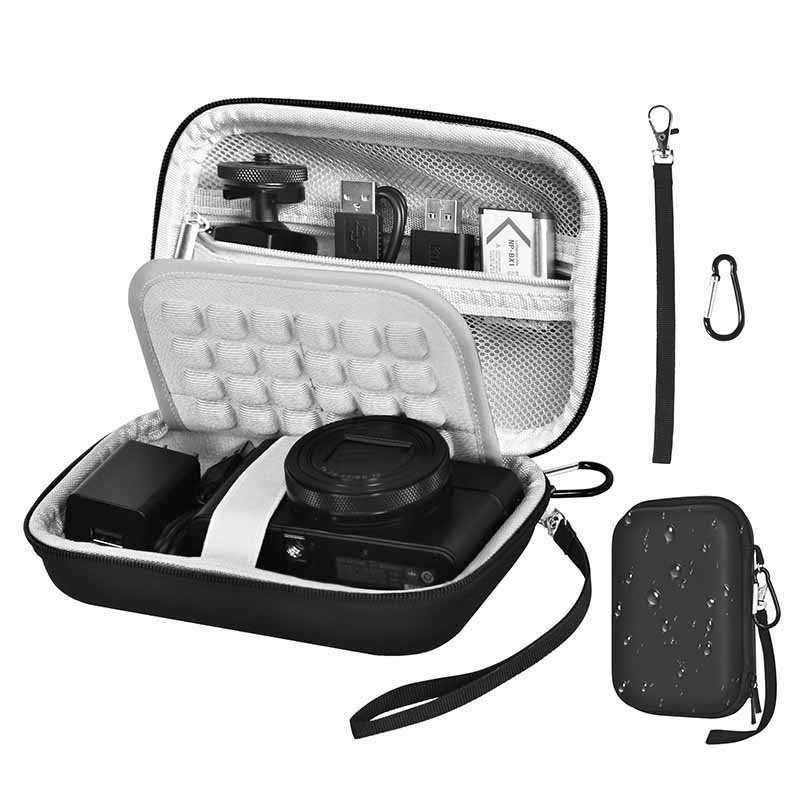
Choosing an EVA Camera Case factory should focus on material experience, mold ability, insert design, sewing quality, logo handling, sample support, MOQ flexibility, quality control, communication speed, and export experience. A reliable factory should help the client solve fit, protection, cost, packaging, and production risks before bulk order, not only quote a price.
Price matters, but the lowest price is not always the safest choice for camera gear cases. A cheap case may use thinner EVA, rough lining, weak zipper, low-density foam, poor glue, loose stitching, or unstable sizing. These problems may not be obvious in the quotation, but they can appear quickly in product reviews, returns, or complaints.
A better factory helps the client think through the whole product. What gear goes inside? What protection level is needed? Is the product sold online or offline? Is the case included in a kit? Does it need a retail box? What is the target price? Which parts must look premium? Which parts can be cost-controlled? How should the sample be tested? These questions show whether the factory understands product development, not only production.
Szoneier is positioned as a custom manufacturing partner for neoprene, EVA-related products, bags, koozies, sports protectors, medical protectors, wetsuits, and fabric soft goods. With more than 18 years of manufacturing experience, Szoneier can support OEM and ODM projects for overseas small and medium clients, private label brands, online sellers, and high-end brand programs. The factory can provide free design help, low MOQ customization, quick sampling, free sample support based on project conditions, short lead time, and 100% quality guarantee.
When comparing factories, photography gear brands should review the following:
| Factory Factor | What to Check | Why It Matters |
|---|---|---|
| EVA Experience | Molded shell samples, case examples, forming quality | Affects shape, structure, and consistency |
| Insert Ability | Foam cutting, layout planning, pocket design | Affects gear fit and organization |
| Material Options | EVA, neoprene, nylon, polyester, Oxford, lining, foam | Helps match product level and budget |
| Logo Support | Print, patch, label, embossing, zipper pull | Supports private label and retail selling |
| Sampling Speed | Design review, sample time, revision support | Reduces launch delay |
| MOQ Flexibility | Low MOQ options for custom programs | Helps new and growing brands test products |
| QC Process | Size, zipper, stitching, logo, packing checks | Reduces defect risk |
| Export Experience | Packing, carton marks, trade terms, shipping support | Helps overseas clients receive goods smoothly |
| Communication | Clear questions, photos, videos, sample feedback | Reduces misunderstanding |
| Packaging Support | Box, sleeve, hang tag, barcode, FNSKU, carton | Supports e-commerce and retail channels |
The right factory should make development easier, not more confusing. If a supplier only asks for quantity and target price, important design risks may be ignored. If a supplier reviews the product dimensions, use scene, insert layout, material choice, logo method, and packaging plan, the project has a better chance of becoming stable in bulk production.
EVA Camera Case Sample Support
Sample support is one of the most important parts of EVA Camera Case Manufacturing because the first physical sample reveals what drawings cannot show. The client can test shell firmness, hand feel, zipper movement, inner fit, insert tightness, lining softness, logo effect, case weight, and packaging size.
A professional sample process usually includes requirement review, material confirmation, pattern or mold planning, sample production, photo review, physical sample delivery, feedback, revision, and final approval. For simple cases using existing mold sizes, sampling can be faster. For new mold cases, complex inserts, special materials, or custom packaging, sampling may take longer.
During sample review, clients should not only check whether the product “looks nice.” They should test real use. Put every camera item inside the case. Close the zipper. Shake the case lightly. Open it several times. Remove and repack accessories. Check whether any item is hard to remove. Check whether the lining touches sensitive parts. Check whether the case feels too bulky. Check whether the logo is placed correctly. Check whether the product fits the retail box.
Useful sample review checklist:
| Check Item | What to Review |
|---|---|
| Inner Fit | Gear sits firmly without excessive pressure |
| Accessory Layout | Every item has a clear and usable place |
| Zipper | Smooth opening, no catching, correct direction |
| Shell Firmness | Holds shape under normal hand pressure |
| Lining | Soft, clean, no rough edges near gear |
| Insert | Accurate slots, clean cut, no strong odor |
| Logo | Correct size, position, color, and durability |
| Handle | Comfortable and reinforced if needed |
| Case Size | Suitable for carrying and packaging |
| Packing | Case not squeezed or deformed |
| User Experience | Easy to open, pack, carry, and understand |
Szoneier can support sample development based on drawings, product samples, photos, or early ideas. For clients who are still adjusting their product kit, the team can help revise the case layout before final bulk production. This is helpful for new camera accessory launches because product details often change during development.
EVA Camera Case Quality Checks
Quality checks for EVA Camera Cases should cover appearance, dimensions, material, zipper function, stitching strength, insert accuracy, logo quality, odor, cleanliness, packaging, and carton condition. Since camera gear is sensitive, internal finishing should receive special attention.
Many case problems are small but annoying. A zipper may not fail completely, but it may feel rough. A logo may not fall off, but it may be slightly crooked. A foam slot may hold the product, but it may be too tight for easy use. A lining may be acceptable for general products, but not clean enough for lenses. These small details affect how users judge the product.
Important EVA Camera Case inspection points include:
Outer shell shape is correct and not deformed.
Surface fabric has no obvious wrinkles, stains, bubbles, or scratches.
Dimensions match approved sample tolerance.
Zipper opens and closes smoothly.
Stitches are straight, firm, and clean.
Handle or strap is reinforced when required.
Inner lining is clean and properly attached.
Foam insert is correctly positioned and cleanly cut.
Product cavities match approved layout.
Logo size, color, and position are correct.
No strong odor from glue, foam, or fabric.
No loose threads, sharp edges, or glue marks inside.
Packaging matches approved method.
Carton marks and quantity are correct.
For bulk production, the approved sample should become the quality reference. The production team should follow the same shell size, material, color, zipper, lining, insert, logo, and packing method. If any material or process changes, the client should be informed before production continues.
Szoneier supports 100% quality guarantee and can provide production communication, sample confirmation, inspection photos, packing photos, and shipment support according to project needs. For overseas clients, this helps reduce risk before final shipment.
EVA Camera Case MOQ and Lead Time
MOQ and lead time for EVA Camera Case Manufacturing depend on case size, mold requirement, material availability, logo method, insert complexity, packaging, and order quantity. Simple cases with available materials and existing mold directions are usually easier to start. New mold cases, special fabrics, custom foam inserts, and printed packaging require more planning.
For many custom EVA case projects, the main time drivers are sample development, mold preparation, material sourcing, logo proofing, and packaging confirmation. If the client changes the product layout during sampling, the timeline may extend. If the case uses standard material and a clear layout, the project can move faster.
A general planning table:
| Project Item | Common Planning Range | Notes |
|---|---|---|
| Requirement Review | 1–3 working days | Faster when size and product photos are clear |
| Simple Sample | Around 5–10 working days | Existing mold or simple structure |
| Complex Sample | Around 10–20 working days | New mold, complex insert, special material |
| Sample Revision | Around 3–10 working days | Depends on revision scope |
| Bulk Production | Around 20–35 working days | Depends on order quantity and material |
| Custom Packaging | Around 7–20 working days | Color box and printed parts need approval |
| Shipment Prep | Around 2–5 working days | Packing, labels, carton marks, booking |
MOQ can vary by material, logo, packaging, and structure. Low MOQ customization may be possible when using available materials, existing mold sizes, or simple logo methods. Higher MOQ may apply when special fabric, custom zipper, new mold, printed packaging, or custom-color components are required.
Clients can reduce delays by preparing:
Product size chart
Accessory list
Product photos
Logo vector file
Target quantity
Target price range
Reference case images
Packaging requirement
Sales channel information
Delivery deadline
Shipping destination
Szoneier supports low MOQ customization, quick sampling, free design help, and project-based sample support. For new photography gear brands, this makes it easier to test one product line before expanding into more sizes, colors, or accessory kits.
EVA Camera Case OEM and ODM Service
EVA Camera Case OEM service means Szoneier manufactures cases based on the client’s design, size, logo, material, and packaging requirements. ODM service means Szoneier helps develop the case concept, structure, material plan, insert layout, logo position, and packaging direction when the client does not have a complete design yet.
Both models are useful for photography gear programs. Established brands may already have product drawings, technical files, color standards, packaging files, and inspection requirements. They often need OEM production with stable quality and repeatability. New brands, online sellers, and product developers may only have a camera accessory set and a rough idea. They need ODM support to turn that idea into a workable case.
OEM projects may include:
Manufacturing based on existing case drawings.
Producing according to approved samples.
Matching brand material and color requirements.
Applying logo and private label packaging.
Following client inspection standards.
Supporting repeat orders with consistent quality.
ODM projects may include:
Suggesting case size and structure.
Designing foam insert layout.
Recommending EVA thickness and lining.
Creating logo placement ideas.
Developing packaging direction.
Making sample revisions before bulk production.
For photography gear brands, ODM service can save time because the factory helps solve structure problems before they become production problems. For example, Szoneier may suggest changing the zipper opening direction, reducing unused space, adding finger gaps in foam inserts, changing lining material, reinforcing a handle, or adjusting carton packing.
A good OEM/ODM partner should not push one fixed solution. Different camera products need different structures. A lens case, action camera kit case, microphone case, and drone accessory case cannot follow the same layout. Szoneier can combine EVA, neoprene, nylon, polyester, Oxford fabric, mesh, elastic, webbing, foam, and customized logo methods to create cases that match different product levels.
For overseas clients, Szoneier can also support communication around trade terms, packing, shipping, sample review, and production updates. This helps reduce the stress of managing a custom case project from another country.
EVA Camera Case Manufacturing FAQ
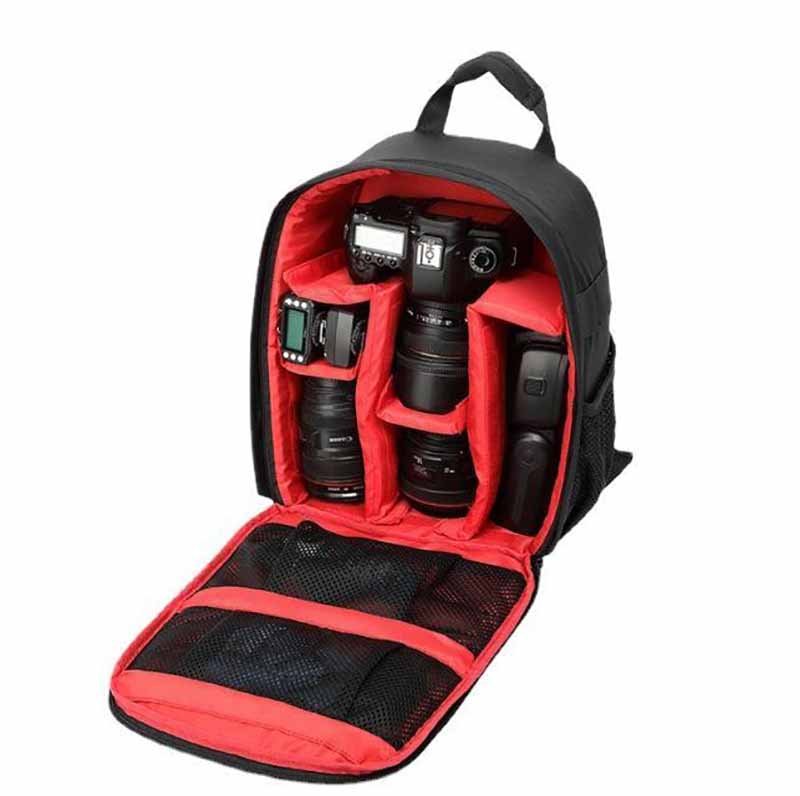
EVA Camera Case Manufacturing often involves questions about thickness, sample time, water resistance, foam inserts, MOQ, logo methods, packaging, and factory selection. For photography gear brands, the best answer is rarely one fixed number. The right solution depends on product size, protection needs, accessory quantity, sales channel, target price, and expected user experience.
Many clients ask simple questions at the beginning: “How much is one case?” “Can you make my logo?” “Is it waterproof?” “What is the MOQ?” These questions matter, but a strong custom project needs deeper answers. A camera case protects valuable equipment, so every detail should connect with real use. A case for a lens filter set does not need the same structure as a case for a mirrorless camera kit. A case for Amazon sales does not need the same packaging as a wholesale accessory bundle. A case for outdoor photography may need stronger fabric and zipper protection, while a studio storage case may need cleaner inner layout and premium lining.
For Szoneier, a good EVA Camera Case project usually starts with product information. The more complete the product details, the faster the factory can suggest the right case structure, material, insert, logo, and packaging. Photos, dimensions, accessory lists, target quantity, sales channel, logo files, and reference images can all help reduce unnecessary sample revisions.
Before placing an order, clients should think about protection level, case size, foam insert accuracy, surface durability, zipper quality, logo durability, packing method, carton size, sample approval, and final inspection. These details may look small on paper, but they decide whether the finished case feels professional in real hands.
What is the best EVA Camera Case thickness?
The best EVA Camera Case thickness depends on case size, product weight, protection level, and desired hand feel. Small accessory cases may use thinner EVA to stay light and compact. Larger camera cases, lens cases, or multi-accessory kits often need thicker EVA to hold shape and resist pressure during carrying or shipping.
In many custom EVA case projects, EVA shell thickness may range from around 2 mm to 8 mm. Small filter cases, memory card cases, or cable cases may use lighter shell structures. Medium camera accessory cases may need a more balanced shell thickness. Larger camera kits or outdoor gear cases may need a firmer structure, especially when the case includes heavier items such as batteries, lenses, chargers, or multiple mounts.
Thickness alone does not decide protection. EVA density, mold depth, shell shape, lining, foam insert, zipper structure, and internal clearance also matter. A well-designed 4 mm EVA case with a precise insert may protect better than a bulky 8 mm case with loose internal storage. Too much thickness can also increase shipping volume and reduce usable inner space.
A smart development approach is to choose thickness based on product risk:
| Gear Type | Protection Need | Suggested Case Direction |
|---|---|---|
| Memory cards, small cables | Low to medium | Slim EVA or fabric pouch |
| Filter sets, chargers, batteries | Medium | Molded EVA with organized insert |
| Action camera kits | Medium to high | Molded EVA with multi-slot foam |
| Compact cameras | Medium to high | Molded EVA with soft lining |
| Lenses | High | Firmer EVA shell with clean inner support |
| Outdoor camera kits | High | Stronger fabric, thicker shell, reinforced zipper area |
Szoneier can help clients compare different thickness options during sampling. If the client has a target price, the factory can recommend a structure that balances protection, cost, and shipping efficiency.
How long does EVA Camera Case sampling take?
EVA Camera Case sampling time depends on case structure, mold requirement, material availability, insert complexity, logo method, and packaging design. A simple case using existing material and standard structure can usually move faster. A new molded case with custom foam insert, special fabric, printed packaging, and private label details needs more development time.
For planning, simple EVA Camera Case samples may take around 5–10 working days after details are confirmed. More complex samples may take around 10–20 working days, especially when a new mold, special insert, custom zipper, unique lining, or printed logo proof is required. If the first sample needs changes, revision time may add several working days depending on the adjustment.
A sample timeline may look like this:
| Stage | Estimated Time | Main Work |
|---|---|---|
| Requirement review | 1–3 working days | Check product size, photos, accessory list, target quantity |
| Structure suggestion | 1–3 working days | Confirm case size, opening style, insert direction |
| Material preparation | 2–7 working days | Prepare EVA, surface fabric, lining, zipper, foam |
| Mold or pattern work | 3–10 working days | Depends on whether new mold is needed |
| First sample making | 5–15 working days | Forming, sewing, insert, logo, assembly |
| Sample checking | 1–2 working days | Internal review before shipping sample |
| Revision sample | 3–10 working days | Adjust insert, size, logo, zipper, or material |
Clients can speed up sampling by sending clear information at the start. Helpful materials include product dimensions, photos from several angles, real product samples if available, logo vector files, required packaging style, sales channel, target order quantity, and any reference case images.
Szoneier supports quick sampling and free design assistance for custom EVA Camera Case projects. For photography gear brands with launch deadlines, early sample planning is important. If packaging, logo, and insert layout are confirmed too late, the whole project may slow down even when the case shell is ready.
Can an EVA Camera Case be waterproof?
An EVA Camera Case can be made water-resistant, but it should not automatically be described as fully waterproof unless the whole structure is designed and tested for that purpose. EVA itself has low water absorption compared with many soft materials, but the finished case also includes fabric, zipper, seams, stitching holes, lining, and opening areas. These parts affect real water protection.
For most photography gear products, clients usually need water resistance rather than full waterproof performance. A water-resistant EVA Camera Case can help protect against light rain, splashes, wet hands, or brief surface moisture. It is useful for travel, outdoor shooting, hiking, commuting, and general storage. However, if the case is submerged in water or exposed to heavy rain for a long time, water may enter through the zipper, seam, or opening line.
Water protection can be improved through:
Water-resistant outer fabric
Coated polyester, nylon, Oxford, PU, or PVC surface
Reverse zipper or waterproof-style zipper
Tighter zipper cover design
Better shell overlap around the opening
Reinforced stitching and cleaner seam control
Less exposed fabric edge
Water-resistant packaging for shipping or retail
For camera gear, it is important to describe performance honestly. If a case is splash-resistant, it should not be promoted as fully waterproof. If a client needs stronger protection for outdoor photography, Szoneier can help suggest better materials and structure. If the product requires full waterproof performance, a different type of hard waterproof case or sealed case structure may be more suitable.
A useful comparison:
| Protection Level | Suitable Description | Suitable Use |
|---|---|---|
| Dust protection | Keeps gear cleaner during storage | Studio, indoor storage |
| Scratch protection | Reduces rubbing and surface marks | Lens filters, compact accessories |
| Splash resistance | Handles light moisture and daily outdoor use | Travel, commuting, light rain |
| Water resistance | Better fabric and zipper protection | Outdoor photography accessories |
| Waterproof sealing | Requires special sealed construction | Harsh outdoor, marine, heavy rain |
Szoneier can help clients select the right water-resistance level based on product type, user scene, and budget. This prevents overbuilding the case and also avoids unrealistic product claims.
Can EVA Camera Case inserts be customized?
Yes, EVA Camera Case inserts can be customized by product size, accessory layout, foam thickness, cavity shape, pocket position, strap direction, and removable divider design. Custom inserts are one of the main reasons photography gear brands choose EVA cases instead of simple fabric pouches.
A good insert should do more than make the inside look neat. It should hold items in place, reduce movement, avoid scratches, help users repack the kit, and support a clean product image. For camera gear, insert design is often the difference between a useful case and a frustrating case.
Custom insert options include:
Die-cut EVA foam for fixed product slots
CNC-cut foam for more precise shapes
Layered foam for multi-height accessories
Soft sponge foam for pressure-sensitive gear
Elastic straps for batteries, tools, and cables
Mesh pockets for manuals, cards, and flat accessories
Zipper mesh pockets for small loose parts
Removable dividers for flexible layouts
Fabric-covered inserts for premium presentation
The insert must match real product use. If the case holds a lens, the insert should prevent rolling and protect glass areas. If it holds filters, each filter should be separated to avoid rubbing. If it holds batteries, the slots should be firm but easy to access. If it holds an action camera kit, the layout should make small parts visible and easy to count.
Insert mistakes can create real customer complaints. Slots that are too tight make users pull hard. Slots that are too loose allow accessories to move. Foam that sheds particles can make the case look dirty. Poor glue can create smell. A layout with no finger gap may look clean in photos but feel annoying in daily use.
Szoneier can design inserts from real samples, product photos, dimensions, 2D drawings, 3D files, or accessory lists. For complex camera kits, sending actual products to the factory is recommended because the sample team can test the fit physically and adjust the structure before bulk production.
What is the MOQ for EVA Camera Case Manufacturing?
MOQ for EVA Camera Case Manufacturing depends on material, structure, logo method, mold requirement, packaging, and order quantity. Low MOQ customization may be possible for simple cases using available materials, standard colors, existing mold sizes, and common logo methods. Higher MOQ may apply for special fabric, custom color, new mold, custom zipper, printed packaging, or complex inserts.
For new photography gear brands, MOQ is often one of the biggest concerns. A brand may want to test a new camera accessory kit before committing to a large order. In that situation, it is helpful to choose a structure that is easier to produce in lower quantity. For example, using available black polyester fabric, standard zipper, existing case shape, and a simple logo can reduce development pressure. A fully custom molded shell, custom lining color, rubber logo patch, custom zipper pull, and printed color box may require a higher starting quantity.
Factors that affect MOQ include:
| MOQ Factor | Lower MOQ Direction | Higher MOQ Direction |
|---|---|---|
| Case Shape | Existing mold or standard size | New custom mold |
| Material | Available fabric and color | Custom fabric or special color |
| Logo | Screen print or woven label | Custom rubber patch or metal zipper pull |
| Insert | Simple foam or elastic layout | CNC-cut complex insert |
| Packaging | Polybag or simple carton | Printed color box or gift box |
| Zipper | Standard zipper | Custom color or waterproof-style zipper |
| Order Planning | Trial order | Full private label launch |
Szoneier supports low MOQ customization for suitable custom projects and can help clients choose a development path that fits their budget. If the client wants to test the market, Szoneier may suggest a cost-controlled first version. After sales become stable, the brand can upgrade materials, packaging, logo parts, or inserts in the next order.
The best way to get an accurate MOQ is to provide product size, case reference, logo requirement, packaging plan, and target quantity. With that information, Szoneier can recommend a realistic manufacturing solution instead of giving a rough answer.
Can Szoneier make private label EVA Camera Cases?
Yes, Szoneier can manufacture private label EVA Camera Cases with custom logo, color, size, material, insert, packaging, label, barcode, hang tag, instruction card, and carton mark. Private label service is suitable for photography gear brands, Amazon sellers, Shopify stores, camera accessory companies, outdoor gear brands, distributors, and promotional product programs.
Private label is not only adding a logo. For a camera case, private label may include the complete product presentation. The outer case needs the right look. The inner layout needs to match the product kit. The logo must be clean and durable. The packaging must support online or retail sales. The carton marks must match warehouse requirements. If the product is sold through Amazon, barcode or FNSKU label planning may also be needed.
Szoneier can support private label development in several areas:
Custom EVA shell size and shape
Surface fabric color and texture
Inner lining color and material
Custom foam insert or divider system
Logo printing, patch, woven label, embossing, or heat transfer
Custom zipper pull or handle
Color box, sleeve, hang tag, instruction card, and insert card
Barcode label, carton mark, and export packing
OEM and ODM project support
For private label camera gear, the product should look consistent from case to packaging. If the case uses a premium black molded shell but the box looks cheap, the brand experience becomes weaker. If the outer logo looks good but the inner insert feels rough, users may still leave negative comments. Szoneier can help align case structure, logo, and packaging so the finished product feels more complete.
Clients should prepare brand assets before development, including logo files, color references, packaging text, barcode requirements, product photos, and target sales channel. This makes the private label process faster and reduces revision rounds.
How should I send camera dimensions to the factory?
To develop an accurate EVA Camera Case, clients should send product dimensions, photos, weight, accessory list, fragile areas, preferred layout, logo files, target quantity, and packaging requirements. If possible, sending real product samples is the best option because the factory can test the fit directly.
For camera gear, simple length, width, and height are sometimes not enough. Cameras and accessories often have uneven shapes, protruding parts, buttons, cable plugs, lens rings, mounts, and curved surfaces. The factory needs to understand these details before designing the insert and shell.
A useful submission package should include:
Product name and product type
Main product dimensions
Accessory dimensions
Product weight
Photos from front, back, top, bottom, and side
Photos showing product thickness and raised parts
Accessory quantity and placement preference
Fragile or scratch-sensitive areas
Desired case opening direction
Logo vector file
Reference case images
Target order quantity
Target price range if available
Packaging style
Shipping destination and timeline
For complex kits, clients can place all items on a table and take a top-view photo. This helps the factory understand how many parts need storage and how much space each item needs. Clients can also mark which items must be held tightly, which can go into a mesh pocket, and which need soft protection.
Szoneier can review the information and suggest case size, insert structure, material direction, logo method, and packaging approach. If something is unclear, the team can ask for missing measurements before sample production, helping reduce mistakes.
What quality problems should brands avoid?
Brands should avoid weak shell structure, loose inserts, rough zipper movement, poor lining, bad odor, crooked logos, weak handles, messy stitching, inaccurate dimensions, and poor packaging. These problems may look small during factory review, but they can damage user trust once the product reaches the market.
For photography gear, quality problems are more serious because users care about protection. A case that smells bad may create a poor first impression. A zipper that catches may make users think the product is low-end. A foam insert that sheds dust may worry lens users. A loose accessory layout may make the kit feel cheap. A handle that tears can cause real product damage.
Common quality risks include:
| Quality Risk | Possible Result | Better Control |
|---|---|---|
| Thin or soft shell | Case collapses or feels cheap | Confirm EVA thickness and hardness |
| Loose foam insert | Gear moves inside | Test product fit during sampling |
| Rough lining | Scratches or lint concerns | Choose cleaner inner fabric |
| Weak zipper | Bad user experience | Test opening and closing repeatedly |
| Poor glue control | Odor or visible marks | Check sample smell and finish |
| Crooked logo | Weak brand image | Confirm logo placement before bulk |
| Weak handle | Carrying failure | Reinforce stress points |
| Bad carton packing | Deformed cases | Optimize packing and carton size |
| Wrong dimensions | Product does not fit | Use approved sample as production standard |
Szoneier can help control these risks through sample approval, material review, in-process checking, final inspection, packing confirmation, and pre-shipment photos. For overseas clients, clear quality standards should be confirmed before bulk production begins.
Start Your Custom EVA Camera Case Project with Szoneier
A strong EVA Camera Case does not happen by accident. It comes from clear product information, smart structure design, suitable materials, accurate inserts, clean sewing, durable logo work, and stable quality control. For photography gear brands, the case can be more than protection. It can improve the whole product experience, make a kit look more complete, reduce messy storage, support online selling, and help users trust the gear inside.
Szoneier helps overseas clients develop custom EVA Camera Cases for cameras, lenses, action camera kits, filter sets, microphone kits, battery chargers, drone accessories, LED light kits, tripod accessories, and photography storage products. With more than 18 years of manufacturing experience in neoprene, EVA-related soft goods, bags, koozies, sports protectors, medical protectors, wetsuit-related products, and custom fabric products, Szoneier can support both OEM and ODM projects from early idea to bulk shipment.
Clients can choose custom size, shell thickness, surface fabric, lining, foam insert, mesh pocket, elastic strap, zipper, handle, logo, private label packaging, barcode label, and export carton packing. Whether the goal is a cost-controlled Amazon kit, a premium photography accessory package, an outdoor shooting case, or a private label camera gear program, Szoneier can help match the case structure with real product needs.
To receive a faster quotation, prepare as much information as possible:
Product photos or product samples
Product dimensions and weight
Accessory list and quantities
Preferred case size or reference image
Logo file in AI, EPS, PDF, SVG, or high-resolution format
Target order quantity
Material or color preference
Packaging requirement
Sales channel, such as Amazon, Shopify, retail, wholesale, or brand kit
Shipping destination and expected timeline
If the product is still in the early design stage, Szoneier can also help suggest the case structure, insert layout, and material direction before sampling. This is useful for new product launches where the final accessory kit is still being adjusted.
A camera case should not only look good in a product photo. It should protect the gear, feel right in hand, open smoothly, hold every item clearly, survive daily use, and support the value of the full product kit. That is where custom EVA Camera Case Manufacturing becomes meaningful.
Contact Szoneier to start your custom EVA Camera Case project. Send your camera gear details, product photos, target quantity, and logo file. Szoneier will help you review the case structure, material options, foam insert layout, logo solution, packaging direction, sample plan, and production schedule.