Skip to content
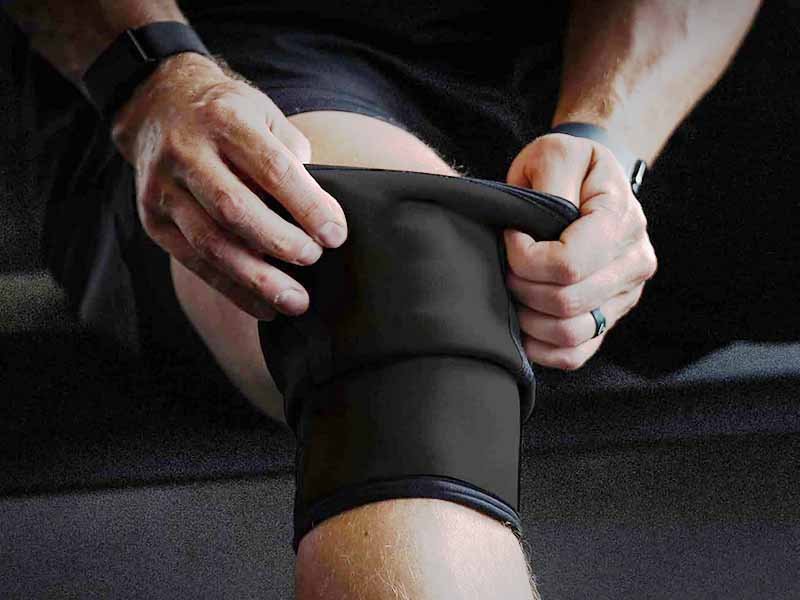
A neoprene sleeve looks simple from the outside. Soft material, clean shape, smooth zipper, printed logo, maybe a small label on the side. Easy, right? Not really. In real manufacturing, the difference between a 3mm and 5mm neoprene sleeve can change the whole product: how it feels in hand, how much protection it gives, how the zipper works, how clean the edge looks, how many pieces fit into one carton, and how much the final order costs after shipping. A 2mm difference sounds tiny on a spec sheet, but once the material is folded, stitched, bound, packed, and shipped in thousands of pieces, it becomes a real sourcing decision.
For most custom sleeve projects, 3mm neoprene is better for slim daily use, lower weight, easier packing, and controlled cost. 5mm neoprene is better when the sleeve needs stronger cushioning, a softer padded feel, and a more protective retail position. The right choice depends on the product inside, use scenario, price range, logo method, and shipping plan.
Many clients start by asking, “Which thickness is better?” A stronger question is, “What should the sleeve protect, and how will the end user carry it every day?” A laptop sleeve used inside a backpack does not need the same thickness as a tablet sleeve for school children. A bottle sleeve for a summer event does not need the same build as a premium insulated drink holder. A simple promotional sleeve does not need the same construction as a private label product sold in retail packaging.
Szoneier has more than 18 years of experience in bag research, design, manufacturing, and export service. The factory works with cotton, canvas, polyester, nylon, neoprene, PVC, TPU, EVA, jute, leather, and other materials, producing tote bags, backpacks, travel bags, makeup bags, drawstring bags, fireproof bags, cooler bags, dry bags, smellproof bags, tool bags, gym bags, and custom sleeve products for overseas clients. For neoprene sleeve orders, Szoneier helps clients turn a thickness choice into a complete product decision: material, fit, logo, zipper, stitching, packaging, inspection, and delivery.
What Is Neoprene Sleeve Manufacturing?
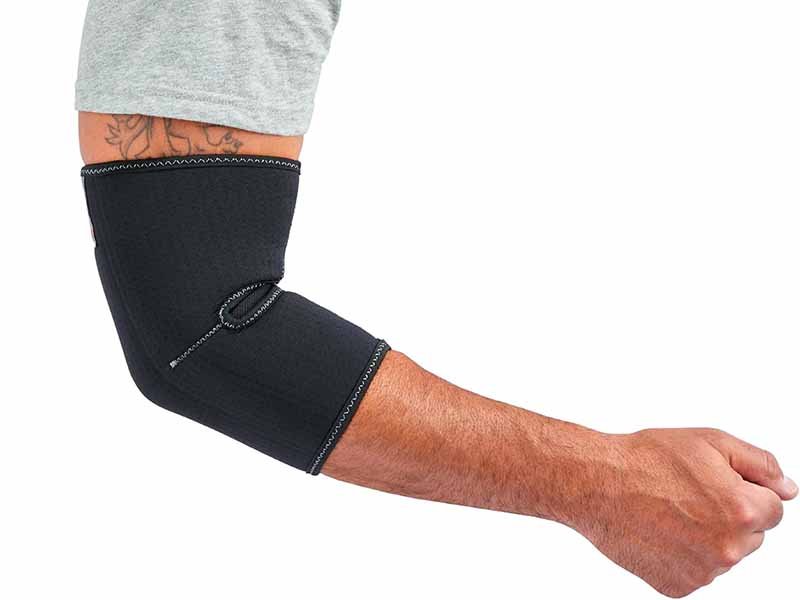
Neoprene sleeve manufacturing is the process of turning laminated neoprene sheets into protective sleeves through material selection, pattern making, cutting, printing, stitching, zipper sewing, edge binding, quality inspection, and packing. A good sleeve should protect the product, fit smoothly, carry the client’s logo clearly, and remain stable during bulk production.
Neoprene is widely used because it has a useful mix of softness, stretch, cushioning, and moisture resistance. It can protect laptops, tablets, bottles, cosmetics, tools, sports accessories, and electronic products from scratches, rubbing, dust, and light impact. For custom orders, neoprene also gives enough surface area for printing, labels, patches, and color matching.
For a factory, making a neoprene sleeve is not only about sewing two pieces of material together. The work starts before cutting. A proper development process checks the product size, sleeve purpose, material thickness, fabric lamination, stretch direction, seam allowance, zipper position, opening style, logo method, and packing method. If these details are not confirmed early, the sample may look fine, but bulk production can bring problems such as tight fit, wavy seams, thick corners, zipper resistance, printing distortion, or carton pressure marks.
In a real order, 3mm and 5mm neoprene require different production thinking. A 3mm sleeve is usually easier to cut and sew, with flatter seams and lower packing volume. A 5mm sleeve gives more padding, but seam areas become thicker. When two layers of 5mm neoprene overlap, the seam area already reaches around 10mm before adding fabric lamination, zipper tape, binding, or lining. That extra bulk must be planned into the pattern.
The table below shows how one thickness choice affects several production steps.
| Manufacturing Point | 3mm Neoprene Sleeve | 5mm Neoprene Sleeve | What Clients Should Check |
|---|---|---|---|
| Cutting | Easier to keep flat | Needs better pressure control | Edge shape, size tolerance, curve accuracy |
| Stitching | Flatter seam line | Thicker seam build-up | Stitch tension, needle size, seam allowance |
| Zipper | Easier zipper movement | More pressure around opening | Zipper tape width, slider smoothness, inner guard |
| Edge Binding | Cleaner slim edge | More difficult on curves | Binding width, corner neatness, skipped stitches |
| Logo Printing | Better on flat surface | Needs careful placement | Logo distance from seam and stretch zone |
| Packing | More pieces per carton | Higher carton volume | Carton size, compression marks, freight cost |
What Is a Neoprene Sleeve?
A neoprene sleeve is a soft protective cover made from neoprene foam material, usually laminated with fabric on one or both sides. It is commonly used for laptops, tablets, water bottles, lunch containers, cosmetics, small tools, cameras, sports accessories, and promotional gifts. Unlike a hard shell case, a neoprene sleeve protects through soft cushioning, close fit, surface coverage, and flexible structure.
A sleeve is usually designed to sit close to the product. The closer the fit, the less movement inside the sleeve. Poor fit can make even a thicker sleeve feel weak, because the product may slide inside and hit the seam or zipper area. Good fit depends on accurate product measurements, thickness choice, stretch direction, and seam allowance.
For custom manufacturing, neoprene sleeves can be made in many styles:
Open-top sleeve for quick access.
Zipper sleeve for laptops, tablets, and devices.
Flap sleeve with hook-and-loop or magnetic closure.
Bottle sleeve with handle, strap, or bottom reinforcement.
Reversible sleeve with different colors on each side.
Sleeve with pocket for charger, cable, notebook, or small accessory.
Sleeve with printed logo, rubber patch, woven label, or custom zipper puller.
Clients often focus first on the logo, but the sleeve structure should be confirmed first. A great logo on a poorly fitted sleeve still feels cheap. When the sleeve fits well, opens smoothly, and holds its shape properly, even a simple logo can look professional.
Why Neoprene Sleeve Manufacturing Matters
Neoprene sleeve manufacturing matters because thickness alone does not decide quality. A 5mm sleeve with poor stitching can feel bulky and rough. A 3mm sleeve with clean pattern work, smooth zipper, neat binding, and accurate fit can feel much better in daily use. The finished product depends on the whole manufacturing system.
Clients usually care about five points:
Protection: Will the sleeve reduce scratches, rubbing, and light bumps?
Fit: Will the product slide in easily without being loose?
Appearance: Will the logo, color, shape, and seam look clean?
Cost: Will the product fit the target price after packaging and shipping?
Consistency: Will bulk production match the approved sample?
Each point is connected to manufacturing details. For example, if the zipper line is too close to the device edge, the zipper may scratch the laptop. If the sleeve is too tight, the corners may stretch and deform. If the sleeve is too loose, the product moves inside and loses the feeling of protection. If the logo is placed on a high-stretch area, the printed artwork may distort after use. If cartons are packed too tightly, foam compression marks may appear after long-distance shipping.
A small sleeve can have many hidden quality risks. For 3mm sleeves, the main risk is under-protection or a loose, thin feeling if the material density is poor. For 5mm sleeves, the main risk is bulky seams, uneven corners, heavy packing volume, and zipper resistance. An experienced factory checks these problems during sampling, not after mass production.
Szoneier supports clients with design assistance, material advice, sample development, low MOQ customization, private label production, OEM/ODM service, and quality inspection. For clients without complete technical drawings, the factory can help convert product dimensions, logo files, photos, or reference samples into a workable manufacturing plan.
How Neoprene Sleeve Thickness Works
Neoprene sleeve thickness usually refers to the foam thickness of the neoprene sheet. In custom manufacturing, 3mm and 5mm are two common choices because they sit in a useful middle range. They are thick enough to offer cushioning, but still flexible enough for cutting, printing, sewing, and daily use.
A 3mm neoprene sleeve feels slim, light, and flexible. It works well when the sleeve is mainly used to prevent scratches, protect against light friction, and add a soft layer inside another bag. Many laptop sleeves, tablet sleeves, cosmetic sleeves, bottle sleeves, and promotional products use 3mm because it balances cost, function, and packing efficiency.
A 5mm neoprene sleeve feels thicker, softer, and more padded. It works better when the sleeve itself needs to give a clear protective feeling. It is often used for premium laptop sleeves, student tablet sleeves, outdoor bottle holders, tool sleeves, travel accessories, and products that need a stronger handfeel.
The difference can be understood more clearly through layer calculation.
| Thickness Choice | Single Layer | Two-Layer Seam Area | With Zipper/Binding Added | Main Production Effect |
|---|---|---|---|---|
| 3mm neoprene | About 3mm | About 6mm | Higher at opening/edge | Easier to sew, cleaner edges |
| 5mm neoprene | About 5mm | About 10mm | Much higher at opening/edge | More padding, more seam bulk |
This is why a 5mm sleeve is not only “2mm thicker.” At seams, corners, zipper ends, and bound edges, the total thickness can grow much more. For a flat sleeve with a simple opening, this may be fine. For a sleeve with zipper, pocket, lining, and thick binding, the structure must be engineered carefully.
Material density also matters. A high-density 3mm neoprene can feel more supportive than a loose, low-density 5mm neoprene. The outer laminated fabric also changes the touch. Smooth polyester gives a clean print surface. Nylon can feel stronger and more abrasion-resistant. Jersey fabric feels soft and flexible. The thickness number should always be reviewed together with density, lamination, use scenario, and product size.
Are Neoprene Sleeves Waterproof?
Neoprene sleeves are usually water-resistant, but most standard sewn neoprene sleeves should not be described as fully waterproof. The neoprene foam itself has good moisture resistance, but a finished sleeve has stitched seams, zipper openings, edge binding, fabric lamination, and logo areas. Water can enter through those construction points if the sleeve is exposed to heavy rain, pressure, or long contact with water.
For daily use, water resistance is often enough. A neoprene sleeve can help protect against light splashes, small spills, damp tabletops, and short exposure to moisture. This makes it useful for laptop sleeves, tablet sleeves, bottle sleeves, cosmetic sleeves, lunch accessories, and travel items. However, if the product must protect electronics from heavy rain or wet outdoor use, the construction needs extra design.
Clients should use accurate wording in product listings and packaging. “Water-resistant” is safer for most standard stitched neoprene sleeves. “Waterproof” should only be used when the product has waterproof construction and proper testing support.
For stronger water protection, a sleeve may need:
Waterproof zipper or covered zipper structure.
Flap cover over the opening.
Seam sealing or welded construction.
TPU-coated fabric or waterproof outer layer.
Reduced stitch exposure in high-risk areas.
Drainage or moisture-control design for bottle or outdoor use.
Szoneier can help clients select the correct material and construction according to the claim. If a client wants a true waterproof bag, materials such as TPU, PVC, tarpaulin, or welded dry bag construction may be more suitable than a standard stitched neoprene sleeve. If the product only needs daily splash resistance and soft protection, neoprene is often a good choice.
3mm vs 5mm Neoprene Sleeve Basics
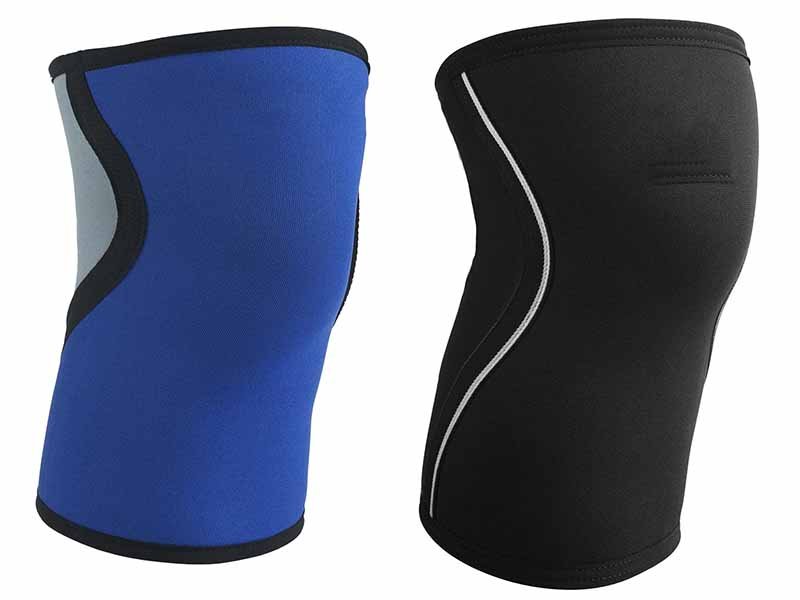
The basic difference between a 3mm and 5mm neoprene sleeve is thickness, but the real business difference is product position. A 3mm sleeve is slim, light, easier to pack, and easier to control in cost. A 5mm sleeve gives stronger padding, a fuller handfeel, and a more protective appearance, but it also increases production difficulty and packing volume.
For clients planning custom sleeve orders, the choice should not be made only by asking which one is cheaper or thicker. The better approach is to connect thickness with real use. A sleeve for an office laptop may need a clean look and light weight. A sleeve for a school tablet may need stronger cushioning. A bottle sleeve for a summer promotion may need low cost and bright printing. A premium bottle holder may need a thick padded feel and better insulation impression.
The table below gives a direct comparison from a sourcing and manufacturing angle.
| Decision Area | 3mm Neoprene Sleeve | 5mm Neoprene Sleeve |
|---|---|---|
| Best Feel | Slim, light, flexible | Padded, soft, protective |
| Main Advantage | Good balance of cost and daily function | Stronger cushioning and higher perceived value |
| Main Concern | May feel too thin for premium protection | May feel bulky for simple daily use |
| Cost Direction | Lower material and packing cost | Higher material and shipping volume |
| Production Difficulty | Easier to cut, sew, bind, and pack | Requires better control at seams and zipper |
| Best Product Types | Promo sleeve, tablet cover, bottle sleeve, light laptop sleeve | Premium laptop sleeve, student tablet sleeve, tool sleeve, outdoor bottle holder |
| Logo Performance | Works well for larger flat printing | Works well, but placement needs more care |
| Retail Position | Clean, simple, accessible | Protective, premium, stronger handfeel |
A useful way to think about the choice is to imagine the first 10 seconds after the end user touches the product. A 3mm sleeve says: light, neat, easy to carry. A 5mm sleeve says: soft, padded, protective. Both messages can be valuable. The wrong choice happens when the sleeve message does not match the selling point.
What Is a 3mm Neoprene Sleeve?
A 3mm neoprene sleeve is a slim protective sleeve made with around 3mm neoprene foam, usually laminated with polyester, nylon, jersey, or other fabric. It is one of the most used thicknesses for custom sleeve manufacturing because it offers a good middle point between protection, flexibility, weight, cost, and packing efficiency.
For daily laptop and tablet use, 3mm can protect against scratches, dust, rubbing, and small knocks. It works especially well when the laptop or tablet is already carried inside another bag. The sleeve adds a soft protective layer without making the whole carry system bulky.
For promotional and private label projects, 3mm also has strong advantages. It keeps the product lightweight, reduces carton space, supports clean printing, and makes order cost easier to manage. If a client wants to produce 1,000, 3,000, or 5,000 pieces for event gifts, school programs, office merchandise, or e-commerce accessories, 3mm often gives a strong balance.
Common 3mm sleeve applications include:
Laptop sleeves carried inside backpacks or work bags.
Tablet sleeves for light daily protection.
Bottle sleeves for events and retail drink accessories.
Cosmetic sleeves and makeup tool pouches.
Promotional sleeves with large logo printing.
Simple cable, charger, or device accessory covers.
The main limitation is heavy protection. A 3mm sleeve should not be positioned as a rugged protective case. It is better described as soft daily protection. If the product is expensive, fragile, handled by children, used outdoors, or carried without another bag, 5mm may deserve stronger consideration.
What Is a 5mm Neoprene Sleeve?
A 5mm neoprene sleeve is a thicker protective sleeve made with around 5mm neoprene foam. It gives a fuller padded handfeel and stronger cushioning impression. For many end users, the difference can be felt immediately. A 5mm sleeve feels more protective, more substantial, and often more premium than a thinner sleeve.
This makes 5mm useful for products where protection is part of the selling point. Examples include premium laptop sleeves, school tablet sleeves, protective bottle holders, tool sleeves, camera accessory sleeves, outdoor gear sleeves, and retail products with higher price positioning. When paired with soft lining, smooth zipper, neat binding, and good packaging, a 5mm sleeve can support a stronger product image.
However, 5mm needs better design control. Thick neoprene creates more bulk at every overlap. Corners become harder to sew cleanly. Zipper openings may feel tighter if the structure is not planned well. Edge binding must be wide enough to cover the foam smoothly. Packing also takes more space.
A 5mm sleeve is a good choice when:
The product inside has higher value.
The sleeve will be carried alone.
The end user expects clear cushioning.
The product is sold as a premium accessory.
The selling price can support higher material and freight cost.
The design is not overloaded with too many thick details.
A 5mm sleeve is not needed for every project. If the product is a simple giveaway or a lightweight accessory, 3mm may be more suitable. If the product needs a stronger protective message, 5mm can be a better investment.
Is 3mm vs 5mm a Big Difference?
Yes, 3mm vs 5mm is a big difference in neoprene sleeve manufacturing. The number looks small, but the product result changes in several ways. A 5mm sleeve has about 66.7% more foam thickness than a 3mm sleeve at the material layer level. At seam areas, the difference becomes more visible because layers overlap.
For example:
Two layers of 3mm neoprene at a seam create about 6mm before adding fabric, thread, zipper tape, or binding.
Two layers of 5mm neoprene at a seam create about 10mm before adding fabric, thread, zipper tape, or binding.
If a zipper, lining, or binding tape is added, the actual edge thickness becomes higher.
This affects both production and user experience. The sewing machine needs to handle a thicker edge. The zipper needs enough room to move smoothly. The binding tape needs enough width to wrap the edge. The carton needs more space to avoid crushing. The end user feels more padding in hand.
Here is a simple development comparison.
| Question | 3mm Answer | 5mm Answer |
|---|---|---|
| Will it feel slim? | Yes | Less slim |
| Will it feel padded? | Medium | Stronger |
| Is it easier to sew? | Yes | More difficult |
| Is it easier to ship? | Yes | More volume |
| Is it better for premium feel? | Sometimes | Usually stronger |
| Is it better for low-cost promo orders? | Usually yes | Usually no |
| Is it better for protective retail products? | Depends on structure | Often yes |
For a single sample, the difference may look manageable. For bulk production, it affects material usage, production speed, inspection points, carton packing, and landed cost. That is why Szoneier suggests confirming the actual use scenario before choosing thickness.
Which Neoprene Sleeve Feels Better?
The better feel depends on what the product is supposed to communicate. A 3mm neoprene sleeve feels better when the goal is slim daily carry, flexible storage, lighter weight, and easy handling. A 5mm neoprene sleeve feels better when the goal is soft padding, stronger protection, and a more premium touch.
For office users, students, commuters, and travel users who put a laptop sleeve inside another bag, 3mm may feel more convenient. It takes less space, bends more easily, and keeps the whole carry setup lighter. If the sleeve is printed with bright artwork or a clean company logo, 3mm also keeps the design looking neat and modern.
For users who carry the sleeve by hand or use it as the main protection layer, 5mm may feel better. The thicker material gives a stronger sense of safety. When someone buys a sleeve for a high-value laptop or tablet, the padded feeling can influence the purchase decision. The product feels more serious.
The handfeel also depends on fabric lamination. A 3mm sleeve with smooth, high-quality laminated fabric can feel better than a 5mm sleeve made with loose foam and rough surface fabric. A 5mm sleeve with a poor zipper can feel worse than a well-made 3mm sleeve with a smooth opening. Thickness helps, but finishing decides the final impression.
For custom orders, Szoneier can prepare samples with different thicknesses, surface fabrics, logo methods, and zipper structures, so clients can compare the real handfeel instead of making a decision only from a material name.
3mm vs 5mm Neoprene Sleeve Uses
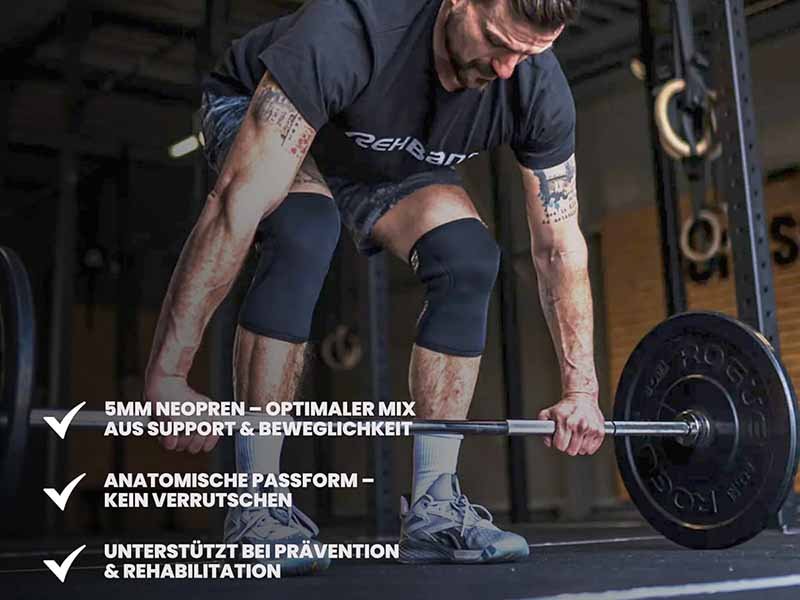
3mm neoprene sleeves work better for slim daily carry, promotional projects, lightweight retail accessories, bottle sleeves, and low-volume test orders. 5mm neoprene sleeves work better for premium laptop sleeves, school tablet covers, tool sleeves, outdoor bottle holders, and products where stronger cushioning is part of the selling point. The right use depends on protection level, product size, selling price, packing method, and end-user handling.
A sleeve should not be designed from material thickness alone. It should be designed from the product inside. A 13-inch laptop, a 10-inch tablet, a 750ml bottle, a makeup brush set, and a small tool kit all create different pressure points. Flat electronics need corner safety and zipper protection. Bottles need stretch, grip, and stable bottom fit. Tools need stronger seam control. Promotional items need logo clarity and cost control.
A 3mm sleeve is often selected when the client wants a clean product with good logo display, light weight, and easier packing. It works well for e-commerce accessories, corporate gifts, education projects, retail add-ons, and colorful printed designs. The product feels easy to carry and does not make the protected item look oversized.
A 5mm sleeve is selected when the client wants the sleeve to feel more secure in hand. The thicker foam creates a fuller touch and stronger protective impression. It can help lift perceived value, especially when combined with better zipper, soft lining, woven label, custom puller, retail card, or individual packaging.
For overseas clients, use scenario matters more than personal preference. A sleeve sold in a gift set may need a different thickness from a sleeve sold as a standalone laptop accessory. A sleeve shipped by air express may need more careful volume control than a sleeve shipped by sea. A sleeve for Amazon may need strong product photos and clear function claims. A sleeve for retail shelf display may need better surface finish and packaging.
The table below gives a clearer direction before sampling.
| Product Use | Recommended Thickness | Reason | Design Notes |
|---|---|---|---|
| Office laptop sleeve | 3mm or 5mm | 3mm for slim inner carry; 5mm for premium protection | Add zipper guard if used for laptop |
| Student tablet sleeve | 5mm | More cushioning for frequent handling | Use smooth zipper and reinforced corners |
| Bottle sleeve | 3mm or 5mm | 3mm for simple branding; 5mm for stronger insulated feel | Test fit with actual bottle diameter |
| Corporate gift sleeve | 3mm | Better cost, lighter shipping, clear logo area | Use screen print or heat transfer logo |
| Premium retail sleeve | 5mm | Better padded handfeel and higher value look | Add lining, label, and better packaging |
| Makeup sleeve | 3mm | Flexible, soft, easy to carry | Add inner pocket if needed |
| Tool sleeve | 5mm | More padding and structure for hard items | Strengthen seam and binding |
| Travel accessory sleeve | 5mm | Better protection during movement | Consider handle or strap |
| Event giveaway sleeve | 3mm | Good balance of price and function | Keep structure simple |
| Outdoor drink holder | 5mm | Fuller grip and stronger insulation feel | Add strap, handle, or bottom support |
3mm Neoprene Sleeve for Daily Use
A 3mm neoprene sleeve is well suited for daily carry because it gives a soft layer of protection without adding too much size or weight. Many end users place laptop sleeves, tablet sleeves, cosmetic sleeves, or bottle sleeves inside another bag. In such cases, the sleeve does not need to act like a hard protective case. It needs to reduce surface scratches, protect against rubbing, and make daily storage cleaner.
For laptop and tablet sleeves, 3mm neoprene can work well when the device is carried inside a backpack, tote bag, briefcase, or school bag. The sleeve separates the device from keys, cables, notebooks, chargers, and other objects. It also helps reduce small bumps during walking, commuting, or office movement.
For promotional projects, 3mm offers a strong balance. It keeps the sleeve light enough for large-volume packing and shipping. It also gives a flatter surface for logo printing. Corporate clients, schools, events, and merchandise programs often prefer products with useful function and controlled cost. A 3mm sleeve can meet both goals when the pattern, stitching, and material surface are well controlled.
For e-commerce sellers, 3mm can reduce fulfillment pressure. Lower product thickness can help reduce storage volume, carton size, and warehouse handling difficulty. When the product is packed in a polybag, paper sleeve, or flat mailer, 3mm is easier to manage than thicker foam.
Key client concerns for 3mm sleeve projects include:
The sleeve should not feel too loose after repeated use.
The material density should be firm enough to avoid a cheap handfeel.
The logo should be placed on a flat area away from high-stretch edges.
The zipper should not touch or scratch the protected product.
The finished sleeve should match the approved sample size closely.
For Szoneier custom projects, 3mm is often a good starting thickness when the client wants a modern sleeve with logo, clean stitching, low MOQ, fast sample development, and lighter shipping.
5mm Neoprene Sleeve for Extra Protection
A 5mm neoprene sleeve is better when the product needs a stronger padded feel. The extra foam creates more cushioning space, which helps the sleeve feel safer in hand. For end users, the difference is easy to notice. A 5mm sleeve feels softer, fuller, and more protective than a slim 3mm sleeve.
This thickness is often chosen for higher-value electronics, school tablets, premium laptop sleeves, camera accessory sleeves, outdoor drink holders, tool sleeves, and travel storage products. These products are handled more often, carried outside bags, or expected to protect higher-value items. A thicker sleeve can support a stronger product story.
However, 5mm should be developed carefully. Thicker material does not forgive poor pattern work. Corners can become bulky. Binding can look uneven. Zipper openings can feel tight. A pocket sewn onto 5mm neoprene may add too much thickness if the structure is not planned well. For premium products, these details are very visible.
A 5mm neoprene sleeve often needs:
Wider seam allowance planning.
Stronger stitching control.
Smooth zipper tape with enough width.
Careful corner shaping.
Larger binding width.
Better packing to avoid foam compression marks.
Possible inner lining for electronics.
A thicker sleeve can also affect shipping. A 5mm sleeve may take noticeably more carton space than a 3mm sleeve of the same size. For clients shipping 1,000 pieces or more, carton volume should be checked before order confirmation. If the product is air-shipped, volume weight can become more important than actual weight.
Szoneier can help clients compare sample versions before bulk production. For a premium sleeve, one 5mm version with soft lining and clean edge binding may be worth the extra cost. For a simple giveaway, 5mm may be unnecessary.
3mm vs 5mm for Laptop Sleeves
Laptop sleeves need more careful design than many clients expect. A laptop has flat surfaces, sharp corners, screen pressure risk, and high replacement value. A sleeve should protect the laptop without creating scratches from zipper teeth, inner seams, rough labels, or tight corners. Thickness helps, but structure decides real usability.
A 3mm neoprene laptop sleeve is a good choice for office workers, commuters, students, and corporate gift programs where the laptop is usually carried inside another bag. It keeps the sleeve slim and easy to slide into backpacks, work totes, or briefcases. It also helps reduce freight volume for larger orders.
A 5mm neoprene laptop sleeve is better when the sleeve is sold as a main protective accessory. It can feel more premium and protective on product photos and in hand. If the retail price is higher, 5mm can make sense, especially when paired with smooth zipper, soft inner lining, corner support, and neat binding.
Important laptop sleeve specification points include:
Internal size should match the actual device size, not only screen size.
A 13-inch, 14-inch, 15-inch, or 16-inch laptop may have different length, width, and thickness depending on model.
Zipper should not directly rub against the laptop corner.
Inner seam should be smooth enough to avoid marks.
A charger pocket may add bulk and pressure if placed poorly.
Logo position should avoid zipper curves and high-stretch corners.
For laptop sleeves, Szoneier normally recommends providing actual product dimensions or target model list. If the client sells to a wide market, a small size tolerance plan may be needed. A sleeve too tight creates difficulty during use. A sleeve too loose feels weak and less protective.
| Laptop Sleeve Goal | Better Thickness | Recommended Structure |
|---|---|---|
| Office gift sleeve | 3mm | Simple zipper, clean logo, flat packing |
| Retail premium sleeve | 5mm | Soft lining, better zipper, woven label |
| Amazon accessory sleeve | 3mm or 5mm | Choose based on price range and review expectation |
| Student laptop sleeve | 5mm | Extra padding, stronger zipper, corner attention |
| Minimal fashion sleeve | 3mm | Slim profile, smooth surface, subtle logo |
| Travel laptop sleeve | 5mm | Better padding, possible handle or pocket |
3mm vs 5mm for Bottle Sleeves
Bottle sleeves need a different development logic from laptop sleeves. A bottle is round, often wet, frequently handled, and sometimes placed outdoors. The sleeve needs grip, stretch, insulation feel, and a stable bottom. A small error in diameter can make the sleeve too tight or too loose.
A 3mm bottle sleeve works well for event gifts, drink promotions, sports bottle branding, simple retail accessories, and lightweight daily use. It is easier to stretch around the bottle, easier to print with large graphics, and easier to pack in larger quantities. For summer promotions, beverage campaigns, or corporate drinkware gifts, 3mm can be a cost-controlled option.
A 5mm bottle sleeve gives a stronger insulated feel and better hand comfort. It can be used for outdoor bottles, beer bottle holders, wine bottle sleeves, lunch drink accessories, sports products, and premium drinkware packaging. The thicker wall feels more substantial and may make the product look more valuable.
The main challenge is fit. A bottle sleeve should be tested with the actual bottle or a very accurate size reference. Bottle shape can include straight wall, tapered body, shoulder curve, narrow neck, wide cap, bottom foot, or handle groove. Neoprene stretch can help, but poor pattern sizing still causes problems.
For bottle sleeve projects, clients should confirm:
Bottle height.
Bottle body diameter.
Bottle neck diameter if the sleeve covers the neck.
Bottom shape.
Target coverage height.
Handle or strap requirement.
Logo size and placement.
Whether the sleeve needs flat bottom support.
Whether the product will be packed flat or shaped.
For Szoneier bottle sleeve projects, 3mm is often suggested for simple promotional use, while 5mm is considered for premium drink holders or outdoor-positioned products.
3mm vs 5mm for Promo Sleeves
Promotional sleeves need to balance useful function, visual impact, cost, delivery time, and packing efficiency. In many cases, 3mm neoprene is the better choice because it creates a useful product without pushing material cost too high. It also gives enough surface for logo printing, artwork, campaign colors, and simple packaging.
Promo sleeves are often ordered for events, company gifts, school programs, exhibitions, product bundles, beverage campaigns, technology accessories, or retail giveaways. These projects often require clear logo display, stable color, fast sampling, and reliable delivery. A heavy structure is not always needed.
A 3mm promotional sleeve can support:
Full-color artwork on compatible laminated fabric.
Simple screen printed logo.
Heat transfer logo.
Woven side label.
Contrast binding.
Simple zipper or open-top structure.
Flat individual polybag packing.
Bulk carton packing for event distribution.
A 5mm promotional sleeve can be used for higher-end campaigns, VIP gifts, premium launch kits, and retail gift bundles. The thicker handfeel gives a more expensive first impression. However, it also increases cost and shipping volume. For large event orders, this can affect the final budget quickly.
The most common mistake in promo sleeve development is adding too many features. Extra pocket, thick zipper, large patch, handle, lining, and premium packaging can make a simple giveaway too expensive. A cleaner design with strong color, accurate logo, and good stitching often works better.
Szoneier supports free design and low MOQ customization for promotional sleeve projects. Clients can send logo files, event deadline, target quantity, and product size. The factory can recommend a structure that looks professional without adding unnecessary production cost.
Manufacturing Details for 3mm vs 5mm
Manufacturing a 3mm neoprene sleeve is generally easier because thinner material cuts flatter, sews cleaner, and packs more efficiently. Manufacturing a 5mm neoprene sleeve requires more control because thicker foam increases seam bulk, zipper resistance, corner pressure, and packing volume. Pattern making, stitching, binding, logo placement, and inspection must be adjusted according to thickness.
A sleeve sample can often be made by an experienced worker with extra hand adjustment. Bulk production is different. Every piece must follow the same cutting file, sewing method, logo position, and inspection standard. A small problem in the sample pattern can become a large problem when repeated in 1,000 or 10,000 pieces.
For 3mm sleeves, the main production focus is fit, logo clarity, seam consistency, and material handfeel. If the material is too soft or low-density, the sleeve may feel thin and weak. If the sleeve is too large, it may look loose. If the logo is printed too close to the edge, it may distort after stitching.
For 5mm sleeves, the main production focus is edge thickness, zipper movement, corner neatness, and packing protection. Thick foam needs better sewing machine settings and more careful pattern design. A 5mm sleeve can look premium when made well, but it can look rough if the seam, binding, and zipper are not controlled.
The table below shows where factory control becomes important.
| Production Step | Main Risk With 3mm | Main Risk With 5mm | Factory Control Point |
|---|---|---|---|
| Pattern Making | Loose fit if allowance is too large | Tight fit if thickness is not considered | Adjust inner size by material thickness |
| Cutting | Stretch distortion | Edge compression | Use correct cutting pressure and stable material layers |
| Printing | Logo distortion near edge | Surface pressure and placement issue | Confirm print method before sewing |
| Stitching | Weak seam if thread tension is poor | Bulky seam or skipped stitches | Match needle, thread, and machine setting |
| Zipper Sewing | Device scratch risk | Tight zipper movement | Add zipper guard and choose proper tape width |
| Edge Binding | Edge wave | Thick uneven corners | Adjust binding width and sewing path |
| Packing | Creases from folding | Compression marks | Choose carton size and packing density carefully |
Cutting 3mm vs 5mm Neoprene
Cutting is the first step where sleeve quality becomes visible. If cutting is inaccurate, later sewing cannot fully fix the problem. Neoprene has softness and stretch, so cutting needs stable material placement, correct pressure, and accurate pattern control.
For 3mm neoprene, cutting is more straightforward. The sheet stays flatter, the blade passes through more easily, and multiple layers can often be handled with better stability. Clean cutting helps the final sleeve keep a neat shape. For slim sleeves, even small size errors can affect fit, so cutting accuracy still matters.
For 5mm neoprene, cutting becomes more sensitive. The foam can compress under pressure, especially at curves and corners. If the cutting blade or die is not sharp enough, edges can become slightly uneven. At zipper openings or curved corners, uneven cutting may lead to wavy stitching or poor binding later.
Clients should pay attention to cutting tolerance, especially for fitted sleeves. A laptop sleeve with only a small fit margin needs more accurate control than a loose pouch. A bottle sleeve also needs precise diameter planning because too much looseness affects grip, while too much tightness makes insertion difficult.
For custom projects, Szoneier checks the product size and sleeve style before sample cutting. If the product is a laptop or tablet, internal dimensions need careful calculation. If the product is a bottle, the factory may adjust the pattern according to circumference and stretch. If the product is a tool or accessory, shape and pressure points should be reviewed.
Strong cutting control reduces later problems in sewing, logo alignment, binding, and final fit.
Stitching 3mm vs 5mm Sleeves
Stitching decides whether a neoprene sleeve looks clean or rough. A sleeve may use good material, but poor stitching immediately lowers product value. Stitch quality includes straightness, tension, stitch length, corner control, thread color, seam strength, and consistency across bulk production.
A 3mm sleeve is easier to stitch because the material is thinner. The seam can sit flatter, and the sewing machine can feed the layers more smoothly. For open-top sleeves, zipper sleeves, and promotional pouches, 3mm allows cleaner production with fewer bulky areas. It is also easier to control at curves.
A 5mm sleeve needs more careful stitching. When two layers meet, the sewing area becomes thick. If the design includes zipper tape, binding, lining, or pocket layers, the total thickness increases again. Sewing through thick neoprene requires proper needle size, thread strength, presser foot pressure, and operator skill.
Poor stitching on 5mm sleeves can create:
Skipped stitches.
Uneven stitch length.
Wavy seam lines.
Bulky corners.
Thread breakage.
Loose seam tension.
Uneven edge shape.
For protective sleeves, seam strength matters. A sleeve may be opened and closed hundreds of times during use. If the seam is weak, the product can fail at stress points such as zipper ends, bottom corners, handle connection, or pocket edges.
Szoneier can adjust sewing method based on thickness and product use. For premium laptop sleeves, smoother seams and inner protection may be selected. For bottle sleeves, stretch and seam recovery matter more. For tool sleeves, seam strength and abrasion resistance become more important.
Printing on Neoprene Sleeves
Printing on neoprene sleeves is not only a logo step. It affects product value, retail appearance, and client recognition. A sleeve with poor logo placement or weak print durability can hurt the whole product, even if the material and stitching are acceptable.
The best printing method depends on the laminated surface fabric. Polyester lamination can support bright graphic effects when paired with the right process. Nylon surfaces may be selected for stronger wear resistance but may need different logo treatment. Smooth surfaces support cleaner artwork. Textured surfaces may require adjusted pressure or a different logo method.
Common logo options include:
Screen printing for simple logos and solid colors.
Heat transfer for clean shapes and medium detail.
Sublimation for full-color artwork on suitable polyester surfaces.
Woven label for a softer private label look.
Rubber patch for sporty or outdoor style.
Embossed or debossed patch for a premium tone.
Custom zipper puller for subtle logo detail.
For 3mm neoprene sleeves, printing is often easier because the sleeve surface stays flatter. Large logo areas and full-surface graphics can be easier to manage. Promotional sleeves often use 3mm for this reason.
For 5mm neoprene sleeves, printing can still look excellent, but logo placement needs more care. Thick edges, curved corners, and high-stretch zones can affect the final appearance. A logo placed too close to a seam may bend or distort after sewing. A large heat transfer logo on a high-stretch area may not age well.
Before bulk production, Szoneier recommends confirming logo size, print color, print position, surface fabric, and sample test result. For retail products, logo durability and visual sharpness should be checked under real use conditions, not only in a flat sample photo.
Zippers for Neoprene Sleeve Manufacturing
Zippers are one of the most important parts of neoprene sleeve manufacturing. A poor zipper can make a good sleeve feel cheap. A smooth zipper can make a simple sleeve feel much better. Zipper selection affects opening comfort, safety, durability, and the overall product image.
For 3mm neoprene sleeves, standard nylon coil zippers are often enough for many laptop, tablet, cosmetic, and accessory sleeves. The opening area is not too thick, so zipper movement can stay smooth when the pattern is correct.
For 5mm neoprene sleeves, zipper structure needs more attention. Thick material can press against the zipper line. If the zipper tape is too narrow, the edge can look tight. If the slider is too small, closing may feel rough. If the zipper is sewn too close to the device area, electronics may be scratched.
Laptop sleeve zippers need special care. The zipper should not directly contact the laptop edge. For higher-value products, Szoneier may recommend inner zipper guard, soft lining, protective fabric strip, or adjusted zipper path. A U-shaped zipper opening may improve access, but it also increases sewing complexity at corners.
Key zipper choices include:
Zipper type: nylon coil, waterproof zipper, reverse zipper, or hidden zipper.
Zipper size: selected by sleeve thickness and use frequency.
Zipper color: matched or contrasted with body fabric.
Puller style: standard puller, rubber puller, metal puller, or custom logo puller.
Opening direction: top opening, side opening, three-side opening, or short-edge opening.
Inner protection: zipper guard for laptops or tablets.
For premium private label sleeves, zipper quality should match product position. A thick 5mm sleeve with a weak zipper creates an inconsistent experience. A slim 3mm sleeve with a smooth zipper and clean puller can feel more polished than a thicker but poorly finished product.
Binding for Neoprene Sleeve Edges
Edge binding improves appearance, durability, and structure. It covers raw neoprene edges, protects the foam, and gives the sleeve a cleaner finished line. Binding is common on bottle sleeves, laptop sleeves, tablet sleeves, sports sleeves, and promotional products.
For 3mm neoprene sleeves, binding is easier to apply because the edge is thinner. The finished sleeve can look neat and light. The binding can sit close to the edge without making the product feel heavy. This is useful for modern laptop sleeves, corporate gifts, and printed promotional sleeves.
For 5mm neoprene sleeves, binding needs more planning. The edge is thicker, especially at corners and seam overlaps. If the binding tape is too narrow, it may not cover the edge properly. If the tape is too wide, the sleeve may look heavy. If the sewing tension is wrong, the edge can wave or curl.
Binding choices affect product style:
Matching binding gives a clean and simple look.
Contrast binding creates a sporty or promotional look.
Thicker binding gives stronger edge protection.
Soft binding improves handfeel.
Premium binding can help lift retail value.
Corners are the hardest part. On thick 5mm neoprene, corners can build up too much material. A rounded corner is often easier to bind cleanly than a sharp corner. For laptop sleeves, corner shape should balance protection, appearance, and production stability.
For Szoneier custom sleeve projects, binding is reviewed together with thickness, logo method, zipper style, and packing plan. A sleeve with clean binding often looks more professional, even when the structure is simple.
How to Choose 3mm vs 5mm
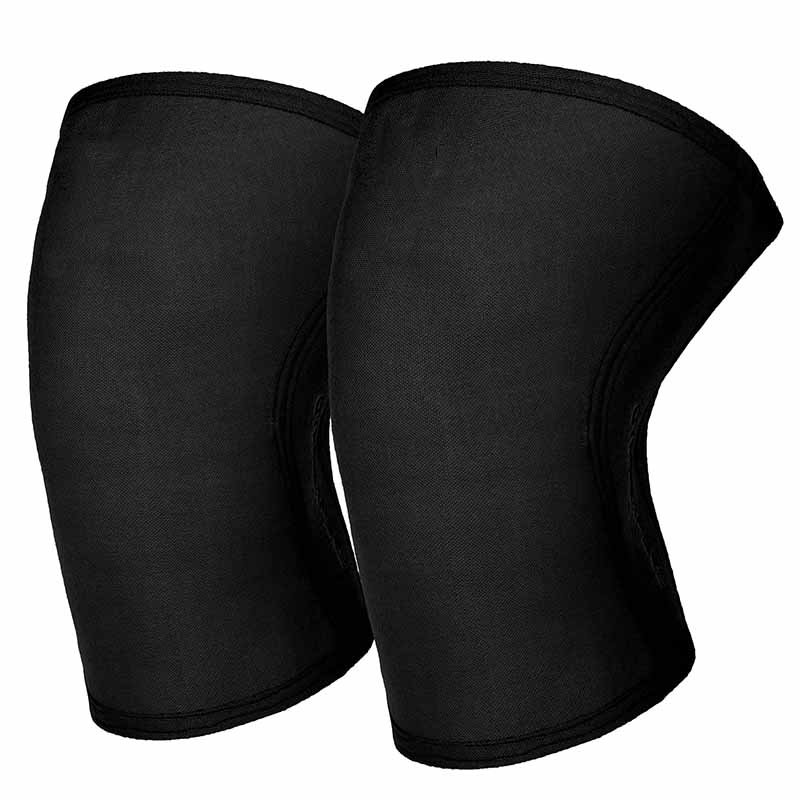
Choosing between 3mm and 5mm neoprene should start from product use, not from thickness preference. A 3mm neoprene sleeve is a better fit when the project needs slim shape, lighter weight, easier printing, controlled cost, and efficient packing. A 5mm neoprene sleeve is a better fit when the product needs stronger cushioning, fuller handfeel, higher protection value, and a more premium retail appearance.
The easiest way to make the right choice is to look at five real questions:
What product goes inside the sleeve?
How will the end user carry it?
How much protection does the product really need?
What selling price does the sleeve need to support?
How will the sleeve be packed, shipped, and stored?
If the sleeve protects a laptop inside a backpack, 3mm may be enough. If the sleeve protects a tablet used by students every day, 5mm may make more sense. If the sleeve is used for a promotional drink bottle, 3mm can control cost and improve packing efficiency. If the sleeve is sold as a premium bottle holder or outdoor accessory, 5mm can improve handfeel and product value.
Thickness also affects the hidden cost structure. Many clients compare material price only, but the final cost includes material, cutting, sewing time, logo process, zipper, binding, inner lining, packaging, carton volume, and international freight. A 5mm sleeve may look more valuable, but it may also reduce the number of pieces per carton. For air shipment, volume weight can increase the landed cost. For sea shipment, carton planning still matters when orders scale.
The table below gives a clear decision path.
| Decision Question | Choose 3mm Neoprene Sleeve When | Choose 5mm Neoprene Sleeve When |
|---|---|---|
| Product value | Product is low to medium value | Product is higher value or needs stronger protection |
| Carry method | Sleeve is placed inside another bag | Sleeve is carried alone or used as main protection |
| Product style | Slim, clean, lightweight look is preferred | Padded, soft, premium look is preferred |
| Cost control | Unit cost and freight control are important | Higher material and freight cost can be accepted |
| Logo design | Large flat logo or full-surface print is needed | Logo is smaller, subtle, or placed away from seams |
| Packing | Flat packing and high carton efficiency are needed | Thicker packing is acceptable |
| End-use environment | Office, school, events, light daily use | Travel, outdoor, student use, protective retail use |
| Product claim | Soft daily protection | Extra cushioning or premium protection feel |
A good sourcing decision does not need to chase the thickest material. A sleeve should feel right for its market. Overbuilding a simple promotional product can waste budget. Underbuilding a protective retail product can lead to weak reviews, returns, or poor repeat orders. The best thickness is the one that supports the product promise without adding unnecessary cost.
For custom orders, Szoneier usually suggests confirming the protected item first, then selecting thickness, then developing the structure around that choice. If the client is unsure, sample comparison is useful. A 3mm sample and a 5mm sample with the same size and logo can show the difference clearly in handfeel, zipper movement, packing size, and visual style.
Which Neoprene Sleeve Is Slimmer?
The 3mm neoprene sleeve is slimmer and easier to carry. It is the better choice when the product needs a low-profile shape, light handfeel, and convenient daily use. For laptops, tablets, cosmetic tools, notebooks, small electronics, and promotional products, slimness can be more important than extra padding.
A slim sleeve has several advantages for real use. It slides into a backpack more easily. It takes less space in a tote bag. It is easier for office workers, students, and travelers to carry every day. It also looks cleaner in product photos when the design is minimal, colorful, or logo-focused.
For e-commerce sellers and retail clients, slimness also helps with storage and shipping. A thinner product usually creates less carton volume. This can reduce warehouse pressure and make international delivery more manageable, especially when the order quantity reaches 1,000 pieces or more.
However, slimness should not mean weak structure. A 3mm sleeve still needs proper material density, clean stitching, accurate fit, and good zipper protection. If the neoprene is too soft or the size is too loose, the sleeve may feel cheap. If the sleeve is too tight, the product may be hard to insert and the corners may stretch.
For a slim 3mm neoprene sleeve, clients should check:
Material density and recovery.
Internal dimensions after sewing.
Whether the zipper touches the product.
Logo clarity on the surface fabric.
Edge binding smoothness.
Whether the sleeve bends or twists after packing.
Szoneier can help adjust the pattern so a 3mm sleeve stays light without feeling loose. For private label projects, a clean 3mm structure with good logo placement, neat binding, and individual packaging can still look polished and professional.
Which Neoprene Sleeve Protects Better?
A 5mm neoprene sleeve usually offers stronger cushioning than a 3mm sleeve when the material quality and construction are similar. The thicker foam gives more space to absorb light pressure and creates a stronger padded feeling in the user’s hand. This makes 5mm a better option for products that need more visible protection.
But protection is not only thickness. A sleeve protects well when several parts work together:
Correct internal fit.
Stable material density.
Smooth inner surface.
Safe zipper position.
Clean corner structure.
Strong seam and binding.
Proper packing without heavy compression.
For laptops and tablets, the corners and zipper area are often more important than the center panel. A thick sleeve with a rough zipper can still damage the product. A sleeve with poor fit can allow movement inside, reducing the protective effect. A sleeve with weak seams may open at stress points after repeated use.
A 5mm sleeve protects better when the structure is designed around the thicker material. For example, a premium laptop sleeve may use 5mm neoprene, soft inner lining, zipper guard, rounded corners, and smooth binding. A school tablet sleeve may use 5mm neoprene with reinforced seam areas and a durable zipper. A tool sleeve may use 5mm neoprene with stronger stitching and abrasion-resistant outer fabric.
For clients selling protective sleeves, the product should not only look padded. It should feel secure during real use. Before bulk production, Szoneier can check the sample by testing fit, zipper movement, seam pressure, corner shape, and packing recovery.
A simple rule works well:
Choose 3mm when the sleeve is an extra soft layer.
Choose 5mm when the sleeve is the main protection layer.
Which Neoprene Sleeve Costs Less?
A 3mm neoprene sleeve usually costs less than a 5mm neoprene sleeve. The reason is not only material thickness. A thinner sleeve often reduces cost across several production and logistics steps. It may require less foam material, sew faster, bind more easily, pack flatter, and fit more pieces into each carton.
For large custom orders, these differences become meaningful. A small unit cost difference can become a large total difference when multiplied across 3,000, 5,000, or 10,000 pieces. This is why many promotional projects, corporate gifts, school programs, and e-commerce entry products use 3mm neoprene.
The table below shows where cost differences appear.
| Cost Area | 3mm Neoprene Sleeve | 5mm Neoprene Sleeve |
|---|---|---|
| Material use | Lower | Higher |
| Cutting difficulty | Easier | More control needed |
| Sewing time | Shorter in most designs | Longer in thicker seam areas |
| Binding work | Easier | More difficult at corners |
| Zipper pressure | Lower | Higher |
| Defect risk | Easier to control | Needs stronger QC attention |
| Packing volume | Lower | Higher |
| Freight pressure | Lower | Higher, especially for air shipment |
A 5mm sleeve can still be worth the added cost when the product sells at a higher price. For example, a premium laptop sleeve with soft lining, custom logo patch, and retail packaging may need the thicker material to support its positioning. In that case, lower cost is not the main goal. The goal is better perceived value and stronger customer satisfaction.
For cost-sensitive orders, Szoneier can help clients control the specification without making the sleeve look cheap. Some ways include:
Use 3mm neoprene with better surface fabric.
Keep the structure clean and avoid unnecessary pockets.
Choose a simple but sharp logo method.
Use standard zipper colors where possible.
Pack flat to reduce carton volume.
Start with fewer colors for the first order.
Cost control should not mean cutting the wrong corners. Reducing thickness may be acceptable. Using weak zippers, poor stitching, or unstable material is not. A reliable sleeve still needs stable manufacturing quality.
Which Neoprene Sleeve Ships Better?
A 3mm neoprene sleeve usually ships better because it takes less space. It can be packed flatter, stacked more efficiently, and stored more easily. For overseas orders, shipping is not a small detail. Freight cost, warehouse volume, carton size, and delivery method can all affect the final profit.
For air shipment, volume weight is often a major concern. A thicker 5mm sleeve may not weigh much more, but it can take more carton space. This means the freight company may charge based on carton volume rather than actual weight. For clients with tight delivery deadlines, this can make 5mm more expensive to ship.
For sea shipment, cost pressure is usually lower per unit, but carton volume still matters. More cartons mean more warehouse handling, more pallet space, more container space, and sometimes higher destination handling cost. If the order includes retail packaging, the carton volume can increase again.
Packing method also changes the result. A 3mm sleeve can often be packed flat in individual polybags or paper sleeves. A 5mm sleeve may need looser packing to prevent foam compression marks. If a premium sleeve is packed too tightly for a long ocean shipment, the surface may show pressure lines when unpacked.
Clients should confirm the following before bulk production:
Individual packing method.
Carton size.
Pieces per carton.
Gross weight.
Carton volume.
Whether products are packed flat or shaped.
Whether retail packaging is included.
Whether shipment is by express, air, sea, or mixed route.
Szoneier can help clients plan carton packing before production finishes. This is especially useful for Amazon sellers, Shopify sellers, distributors, and retail clients who need predictable landed cost and warehouse planning.
Which Neoprene Sleeve Fits Your Brand?
The right neoprene sleeve fits the product promise, target price, and user expectation. A 3mm sleeve fits better when the product should feel light, simple, colorful, easy to carry, and cost-controlled. A 5mm sleeve fits better when the product should feel padded, protective, premium, and more durable in hand.
For a lifestyle brand, the sleeve may need clean color, smooth surface, soft touch, and simple logo placement. A 3mm neoprene sleeve may be enough if the focus is style and portability. For a tech accessory brand, protection and device fit may matter more. A 5mm sleeve with zipper guard and soft lining may be more suitable.
For a promotional product company, the main goals may be logo visibility, delivery speed, and unit cost. A 3mm sleeve with screen printing or heat transfer logo can work well. For an outdoor product company, the sleeve may need stronger handfeel, better grip, strap options, and thicker cushioning. A 5mm version may better match that use.
For a premium retail product, thickness should be part of a full product system:
Outer fabric texture.
Foam density.
Inner lining.
Zipper smoothness.
Edge binding quality.
Logo method.
Label position.
Packaging.
Inspection standard.
One thick material choice cannot make the whole product premium. The details must match. A 5mm sleeve with cheap zipper and poor binding may disappoint end users. A 3mm sleeve with clean finishing and smart packaging can feel more valuable than expected.
Szoneier can help clients develop the sleeve around the intended market. With free design support, low MOQ customization, fast sampling, and OEM/ODM production, the factory can support both entry-level and premium custom sleeve projects.
FAQs About 3mm vs 5mm Neoprene Sleeve
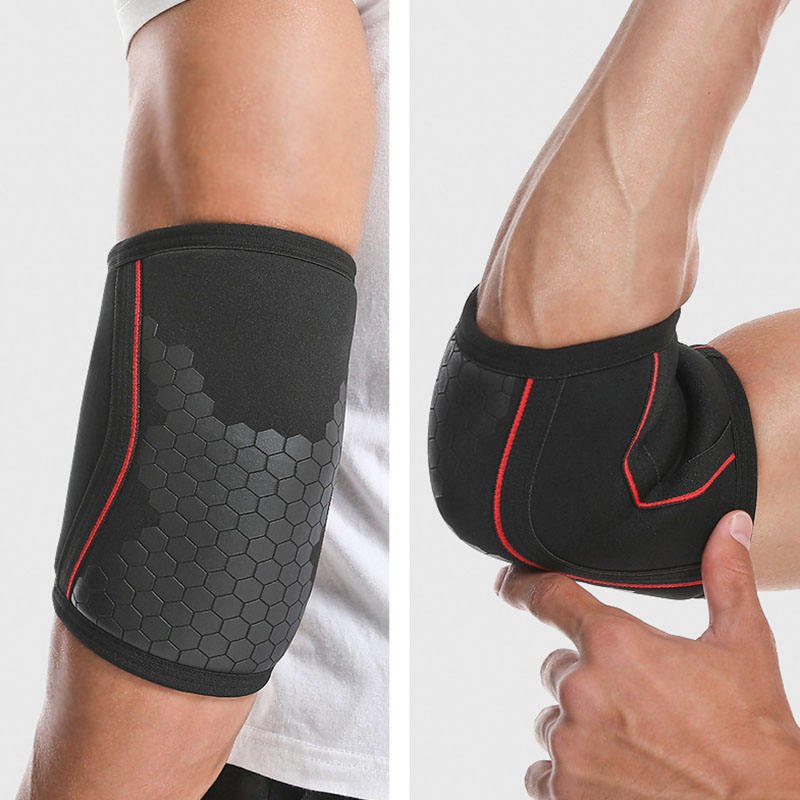
Clients often ask about protection, thickness, printing, MOQ, sampling, logo options, water resistance, and cost before starting a neoprene sleeve order. The answers depend on product use, material selection, and manufacturing structure. A 3mm sleeve is often better for lightweight daily use and cost control. A 5mm sleeve is often better for stronger cushioning and premium product feel.
Is 3mm Neoprene Sleeve Enough?
Yes, a 3mm neoprene sleeve is enough for many daily-use projects. It works well for laptop sleeves, tablet sleeves, bottle sleeves, cosmetic sleeves, promotional sleeves, and simple protective covers when the goal is scratch protection, light cushioning, and easy carry.
A 3mm sleeve is especially suitable when the protected item will be carried inside another bag. For example, a laptop inside a 3mm sleeve and then placed into a backpack already has two layers of protection: the sleeve and the bag. In this situation, a 5mm sleeve may not be necessary unless the client wants a stronger padded feeling.
A 3mm sleeve may not be enough when the product is expensive, fragile, carried alone, used outdoors, or handled roughly. For school tablets, travel accessories, premium laptop sleeves, and tool covers, 5mm may provide a better product experience.
Before choosing 3mm, clients should check:
Is the sleeve mainly for scratch protection?
Will the item be placed inside another bag?
Is low weight important?
Is shipping cost important?
Is the target price limited?
Does the product need a slim look?
If most answers are yes, 3mm is likely a good choice.
Is 5mm Neoprene Sleeve Too Thick?
A 5mm neoprene sleeve is not too thick when the product needs extra cushioning, stronger handfeel, and premium positioning. It is a good choice for protective laptop sleeves, student tablet sleeves, outdoor bottle holders, tool sleeves, camera accessory sleeves, and travel storage products.
However, 5mm can feel too thick for slim office accessories, simple promotional items, low-cost event gifts, or products that need flat packing. The thickness may increase carton volume, sewing difficulty, edge bulk, and zipper pressure. If the design also includes pockets, lining, handles, or thick logo patches, the final structure may become heavier than expected.
The question should not be “Is 5mm too thick?” The better question is “Does the market need this level of thickness?” If the product is sold as a premium protective sleeve, 5mm can help. If the product is a simple logo giveaway, 3mm may be more efficient.
Szoneier can develop both 3mm and 5mm samples when clients need direct comparison. Touching both versions often makes the decision much easier.
Can Neoprene Sleeves Be Printed?
Yes, neoprene sleeves can be printed or customized with different logo methods. The best method depends on the outer fabric, design color, order quantity, target cost, and product style.
Common logo methods include:
Screen printing for simple logos and solid colors.
Heat transfer for clean artwork and sharper edges.
Sublimation for full-color designs on suitable polyester surfaces.
Woven label for a soft private label look.
Rubber patch for sport, outdoor, and premium accessories.
Embroidery patch for textured logo presentation.
Custom zipper puller for subtle logo detail.
Debossed or embossed patch for a quieter premium look.
For 3mm neoprene sleeves, large printed areas are easier to control because the surface stays flatter. For 5mm neoprene sleeves, logo placement should avoid thick seam zones and strong bending areas. If a logo is too close to the edge, it may distort during sewing or use.
Clients should provide vector logo files when possible, such as AI, EPS, SVG, or PDF. Clear artwork helps the factory confirm print size, color, position, and production method. If only a PNG or JPG file is available, Szoneier can review whether it is usable or needs redrawing.
Can Szoneier Make Custom Neoprene Sleeves?
Yes, Szoneier can manufacture custom neoprene sleeves for overseas clients, including small and medium companies, private label sellers, promotional product companies, retail brands, e-commerce stores, distributors, and premium product teams. The factory can support custom sleeve development from design idea to sample, bulk production, inspection, and delivery.
Custom options can include:
3mm, 5mm, or other thickness choices.
Laptop, tablet, bottle, tool, cosmetic, and accessory sleeve sizes.
Custom logo printing, labels, patches, and zipper pullers.
Open-top, zipper, flap, reversible, or shaped sleeve designs.
Polyester, nylon, jersey, or other laminated fabric surfaces.
Contrast stitching or contrast binding.
Inner lining for electronics.
Handle, strap, pocket, or bottom support.
Individual polybag, paper card, retail box, or custom packaging.
Szoneier has more than 18 years of experience in bag R&D and manufacturing. Beyond neoprene sleeves, the factory also produces tote bags, backpacks, travel bags, makeup bags, drawstring bags, fireproof bags, cooler bags, dry bags, smellproof bags, tool bags, gym bags, and other custom bag products.
For clients without a complete technical pack, Szoneier can help review product photos, size references, logo files, and intended use. The team can suggest material, thickness, structure, logo method, and sample direction.
What MOQ for Neoprene Sleeve Manufacturing?
MOQ for neoprene sleeve manufacturing depends on material color, thickness, size, logo method, packaging, and structure complexity. Simple sleeves using available material colors and standard logo methods can usually support more flexible order planning. Custom-dyed material, special lamination, unique zipper, custom retail packaging, and many color or size versions may require a higher starting quantity.
For new product development, it is often better to start with fewer versions. A first order with one size and two colors is usually easier to manage than one order with five sizes, five colors, and several logo positions. Fewer versions help reduce sampling time, material preparation pressure, and inventory risk.
Clients can improve MOQ efficiency by:
Using available material colors.
Choosing one thickness first.
Starting with one or two core sizes.
Keeping packaging simple for the first order.
Using standard zipper colors.
Using one logo method across all versions.
Szoneier supports low MOQ customization when the product specification allows it. The best MOQ plan should be confirmed after reviewing sleeve size, material, logo, and packaging.
How Fast Is Neoprene Sleeve Sampling?
Neoprene sleeve sampling speed depends on material availability, design complexity, logo method, and whether the client provides clear size information. A simple sleeve with available neoprene, standard color, and basic logo can be developed faster than a sleeve with custom fabric color, special zipper, lining, pocket, handle, or retail packaging.
To speed up sampling, clients should prepare:
Product dimensions.
Target sleeve thickness.
Logo file.
Logo size and position.
Color reference.
Product use scenario.
Target order quantity.
Preferred packaging.
Reference photos if available.
For laptops and tablets, clients should provide actual device length, width, and thickness. Screen size alone is not enough because different models with the same screen size can have different body dimensions. For bottle sleeves, bottle height and diameter are important. For tool or accessory sleeves, shape and pressure points should be reviewed.
A good sample should test more than appearance. It should confirm fit, handfeel, zipper movement, logo position, seam neatness, edge binding, packing method, and product recovery after compression. Szoneier can adjust the sample based on client feedback before moving into bulk production.
Is Neoprene Sleeve Water-Resistant?
Most neoprene sleeves are water-resistant for daily use, but standard sewn neoprene sleeves are not fully waterproof. Neoprene foam has good moisture resistance, but finished sleeves include stitching holes, zipper openings, fabric lamination, edge binding, and logo areas. These areas may allow water to enter under heavy rain, long exposure, or pressure.
For daily use, water resistance is useful. A neoprene sleeve can help protect against light splashes, small spills, damp surfaces, and short contact with moisture. This is suitable for laptop sleeves, tablet sleeves, bottle sleeves, lunch accessories, cosmetics, and travel items.
If the product needs stronger water protection, the structure should be changed. Possible options include:
Waterproof zipper.
Covered zipper flap.
TPU or PVC outer layer.
Seam sealing.
Welded construction.
Dry bag structure.
Waterproof materials such as TPU or PVC may be better for full waterproof claims.
Clients should be careful with product wording. “Water-resistant neoprene sleeve” is suitable for many standard sleeve designs. “Waterproof sleeve” should only be used when the structure and testing support that claim.
Which Thickness Is Better for Private Label Orders?
Both 3mm and 5mm can work for private label neoprene sleeve orders. The better choice depends on the retail position. A 3mm sleeve is better for clean, lightweight, colorful, cost-controlled products. A 5mm sleeve is better for padded, premium, protective products.
For private label orders, the sleeve should not rely only on thickness. Clients should also consider:
Logo style.
Surface fabric quality.
Zipper quality.
Inner lining.
Edge binding.
Stitching color.
Retail packaging.
Barcode or label requirement.
Carton mark and shipping plan.
A 3mm private label sleeve can look excellent with sharp printing, neat stitching, and good packaging. A 5mm private label sleeve can support a higher price when it uses better materials and thoughtful construction. The wrong result happens when the material thickness and product style do not match.
Szoneier can help clients build a complete private label specification, including sleeve size, material thickness, logo, label, packaging, and inspection standards.
What Details Should Be Confirmed Before Bulk Production?
Before bulk production, clients should confirm all key specifications in writing. This helps avoid misunderstanding and keeps the final order close to the approved sample.
Important details include:
External size and internal size.
Material thickness.
Material color and surface fabric.
Logo method, size, color, and position.
Zipper type, color, and opening direction.
Binding color and width.
Inner lining if needed.
Pocket, handle, strap, or other added structure.
Individual packing method.
Carton quantity.
Inspection standard.
Shipping terms.
Approved sample photos and notes.
For 3mm sleeves, size and logo placement are especially important. For 5mm sleeves, seam bulk, zipper movement, binding, and packing should receive more attention. If the sleeve protects electronics, inner zipper safety and soft lining should be checked carefully.
Szoneier can prepare production references after sample approval, helping the team keep cutting, sewing, logo, packing, and inspection consistent during bulk work.
Work With Szoneier for Custom Neoprene Sleeve Manufacturing
A neoprene sleeve may look like a simple product, but the right thickness choice affects protection, touch, cost, packing, shipping, and retail value. A 3mm neoprene sleeve is often the better option for slim daily use, promotional projects, lightweight private label products, and cost-controlled orders. A 5mm neoprene sleeve is often the better option for stronger cushioning, premium laptop sleeves, student tablet covers, outdoor bottle holders, tool sleeves, and protective retail products.
The real answer depends on the product inside and the market outside. A sleeve should not be too thin for its protection promise. It should not be too thick for its price range. It should feel right, fit right, open smoothly, show the logo clearly, and arrive in good condition after international shipping.
Szoneier helps overseas clients develop custom neoprene sleeves and custom bag products with more than 18 years of manufacturing experience. The factory supports material selection, free design, low MOQ customization, fast sample development, free sample support, logo customization, OEM/ODM production, private label service, quality inspection, and international delivery.
Szoneier can manufacture custom products using neoprene, cotton, canvas, polyester, nylon, PVC, TPU, EVA, jute, leather, and other materials. Product categories include tote bags, backpacks, travel bags, makeup bags, drawstring bags, fireproof bags, cooler bags, dry bags, smellproof bags, tool bags, gym bags, and many other custom bag styles.
If you are planning a 3mm or 5mm neoprene sleeve project, send Szoneier your product size, logo file, target quantity, thickness preference, and use scenario. The team can help you compare options, develop a sample, estimate cost, and produce a sleeve that fits your product, your market, and your customer’s daily use.