
How to Choose a Bag Manufacturer That Can Scale With Your Brand
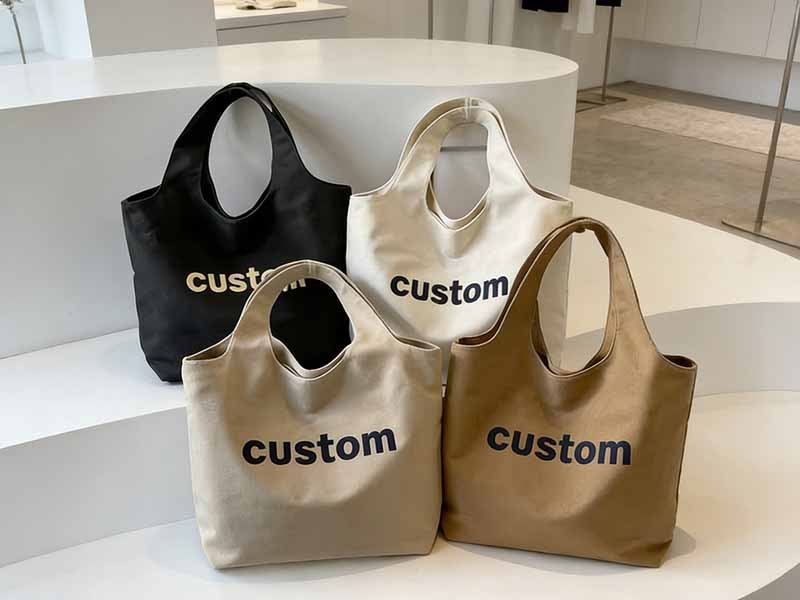
A scalable bag manufacturer should support increasing order volume, more SKUs, repeat production, and greater product complexity without losing control of materials, specifications, quality, communication, or delivery. The strongest manufacturing partner is not simply the factory claiming the largest monthly capacity. It is the one with systems that make product development, sourcing, production, inspection, packaging, and replenishment more predictable as the brand grows.
How to Choose a Bag Manufacturer for Shopify and DTC Brands
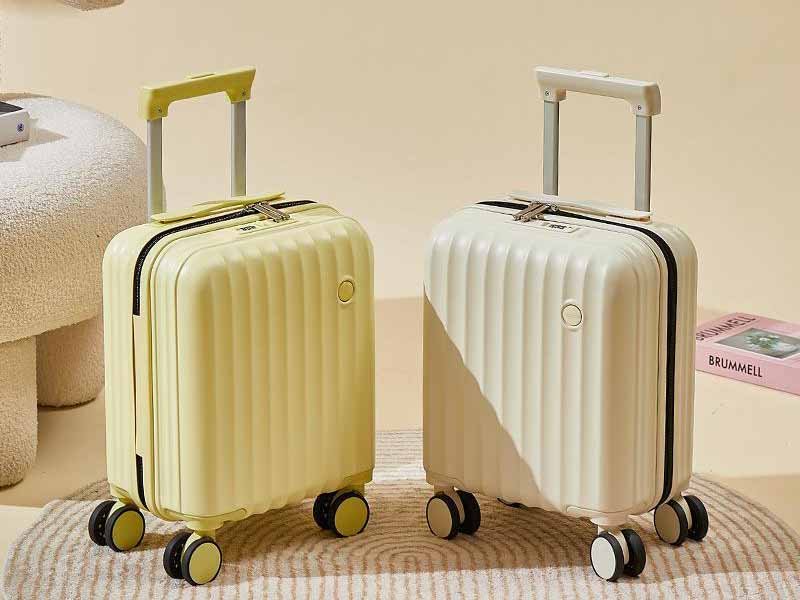
For a Shopify or DTC brand, the right bag manufacturer is not simply the factory willing to quote the lowest price or accept the smallest first order. A suitable manufacturer should be able to understand the product, develop or reproduce it accurately, control materials and workmanship, explain MOQ and cost drivers, support realistic launch timing, prepare retail-ready packaging, and reproduce the same approved product when orders become larger or more complex.
How Do Tool and Industrial Brands Choose the Right Bag Manufacturer
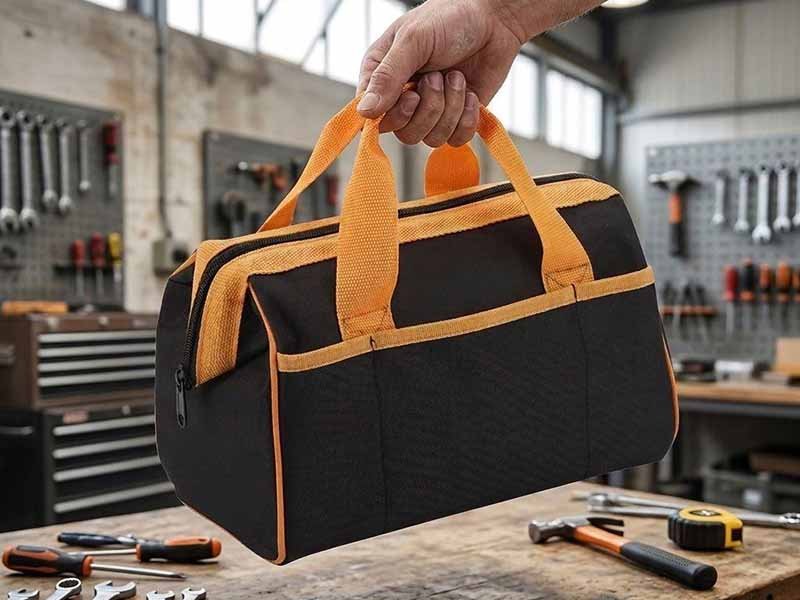
The right tool bag manufacturer should combine relevant functional-bag experience, material and structural knowledge, controlled sample development, reliable quality management, transparent production processes, and repeat-order discipline. Price is important, but a lower quotation has little value if the factory cannot control reinforcement, components, sample-to-bulk consistency, production quality, delivery, and future reorders.
What Documents Should a Bag Manufacturer Provide
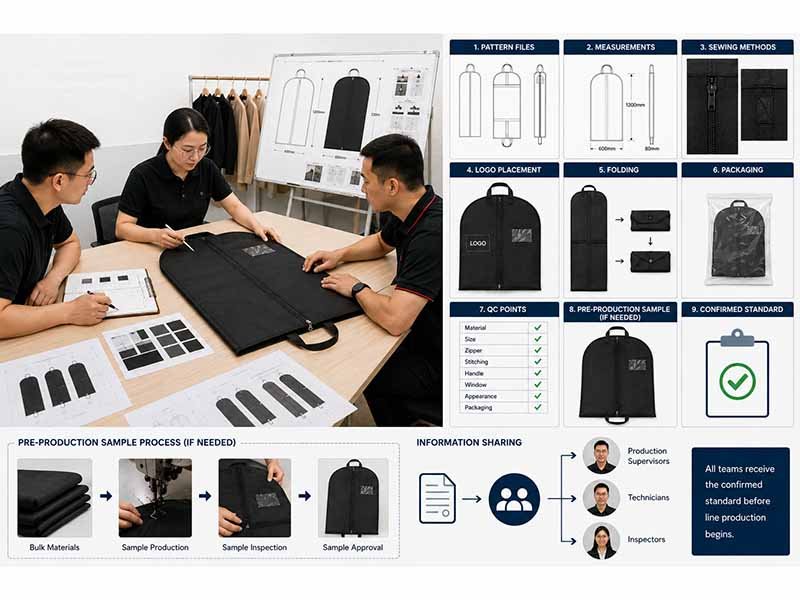
A beautiful sample can make a supplier look convincing, but documentation shows whether that same result can be repeated across thousands of units, several colors, multiple SKUs, different packaging versions, and international shipments. Many expensive manufacturing problems do not begin at the sewing line. They begin much earlier, when an approved material was never recorded, a logo revision remained buried in a message thread, a test report covered a different product, or a packing instruction was understood differently by two teams.
How to Inspect Custom Bags Before Shipment: A Practical QC Guide for Buyers
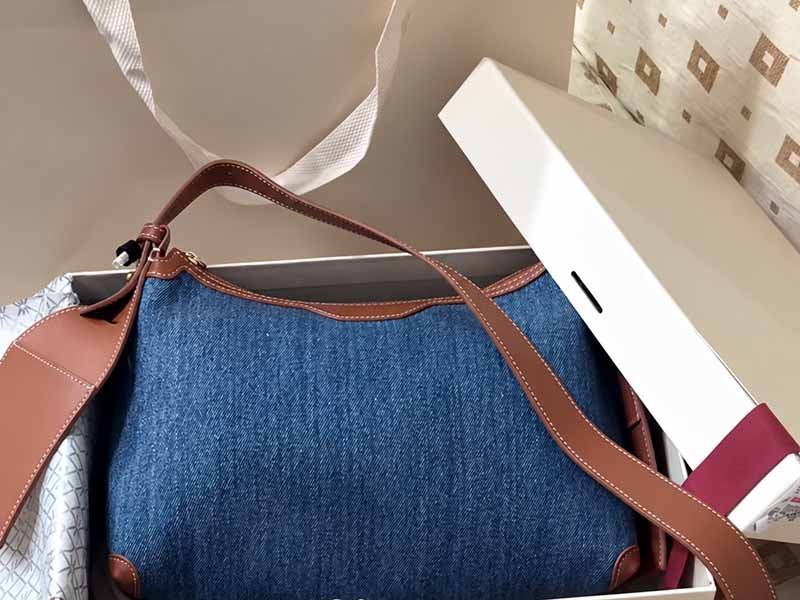
Custom bags should be inspected before shipment against an approved sample, current specifications, material requirements, measurement tolerances, artwork, functional expectations, packaging instructions, label files, and an agreed defect standard. A practical inspection checks quantity, materials, dimensions, stitching, seams, zippers, hardware, handles, straps, logos, packaging, barcodes, cartons, and shipping information, then uses an agreed sampling plan to decide whether the lot can be released, reworked, reinspected, or held.
How to Choose a Bag Manufacturer for Amazon FBA Products
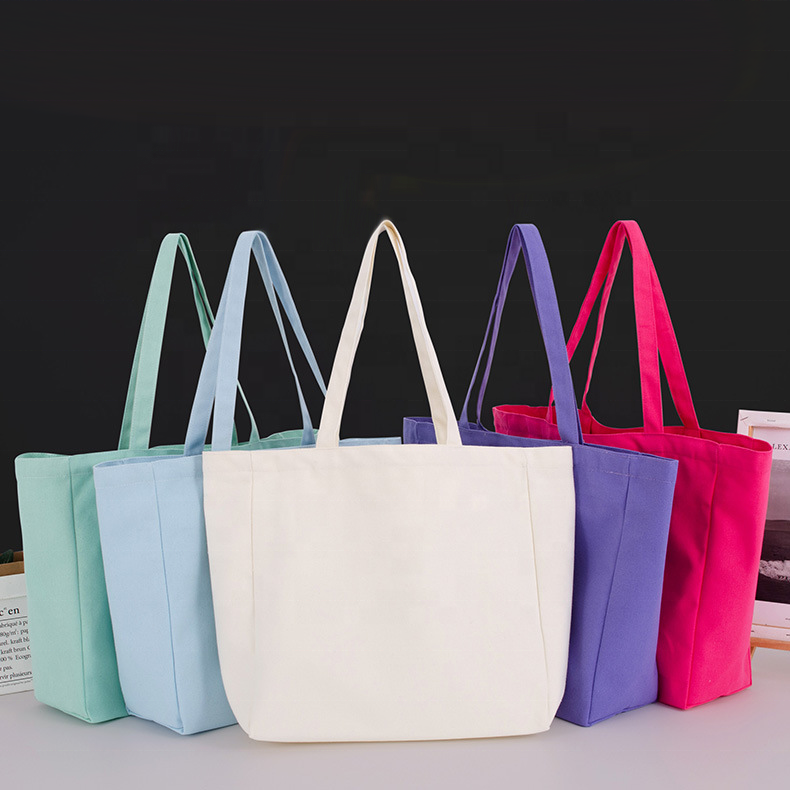
To choose a bag manufacturer for Amazon FBA, evaluate product-development ability, sample-to-bulk consistency, quality control, FBA packaging and labeling execution, MOQ and cost structure, lead-time reliability, and repeat-order capability. The right factory should not simply sew a bag correctly once. It should be able to reproduce the approved product, keep SKUs organized, follow current Amazon preparation instructions, and support predictable replenishment as sales grow.
Custom Bag Manufacturing Guide for Shopify Brands: How Do You Go From Idea to Production
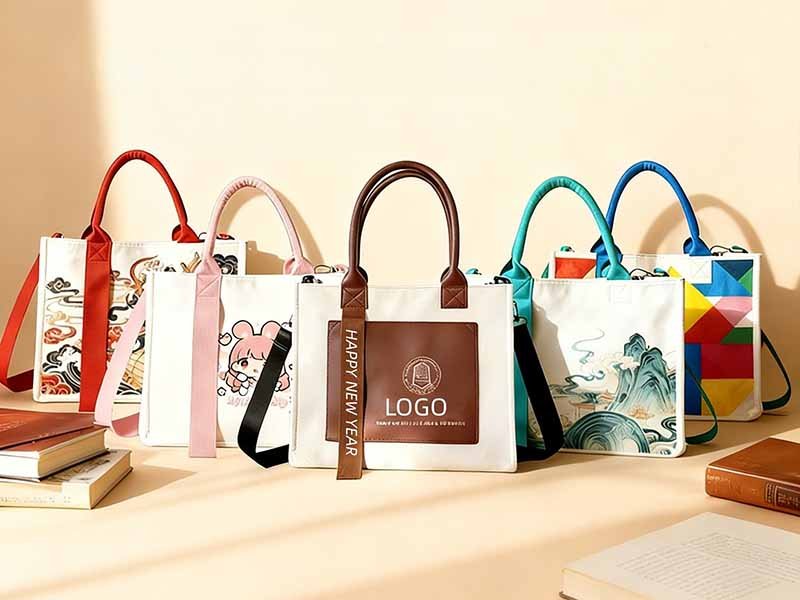
A successful Shopify bag rarely begins with a sewing machine. It usually begins with dozens of decisions that customers will never see directly: how stiff the body should feel, whether the zipper opens smoothly with one hand, whether a 14-inch laptop really fits after seam allowance is considered, how the bag will hold its shape in product photography, and whether the packaging still makes financial sense after international freight is added. Brands that treat manufacturing as a simple purchasing task often discover these issues only after the first sample—or worse, after hundreds of units are already in production.
How to Find a Custom Bag Manufacturer for Long-Term Production

Finding a factory that can make one attractive sample is not particularly difficult. Finding a manufacturer that can reproduce that sample six months later, manage four additional colors, source the same material grade, control dimensions across thousands of pieces, meet an agreed launch window, and still respond professionally when something goes wrong is a much harder task. For brands that expect repeat orders, the factory eventually becomes part of the operating system behind the product. Weak manufacturing creates hidden work for product managers, sourcing teams, quality staff, logistics teams, and customer service. Strong manufacturing gradually removes uncertainty from those same areas.
How to Test Bag Seam Strength: Methods, Standards & QC
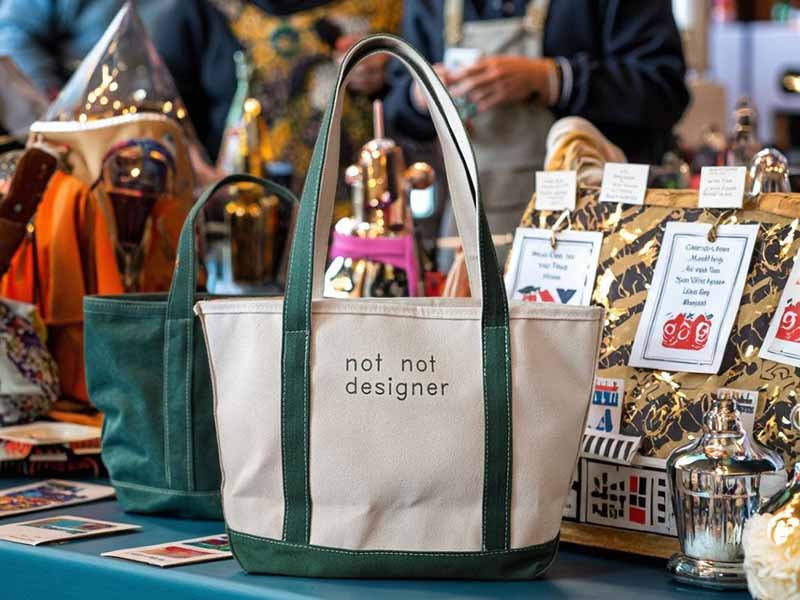
Bag seam strength is tested by applying a controlled force across a sewn joint and recording the maximum force, seam deformation, slippage, fabric damage, thread rupture, and failure location. Laboratory methods such as ASTM D1683/D1683M and ISO 13935 can evaluate sewn-seam performance under controlled conditions, while finished-bag pull and load tests help assess handles, straps, bottoms, webbing attachments, and other load-bearing structures.
Why Do Two Bag Factories Give Different Prices for the Same Design?
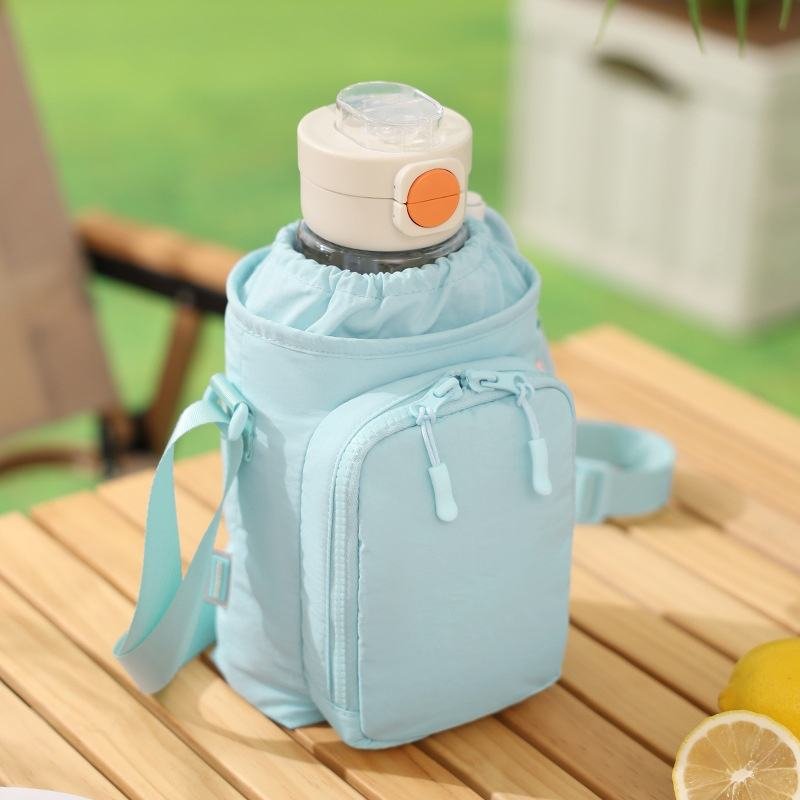
You send the same tote bag drawing to two factories. One quotes USD 3.20. Another quotes USD 5.80. At first, it feels like one of them must be wrong. Maybe the higher factory is overcharging. Maybe the lower factory is trying to win the order. But in real custom bag manufacturing, two factories can look at the same design and silently make very different assumptions about fabric weight, lining, zipper grade, logo process, sewing reinforcement, packaging, inspection, sample revisions, and export preparation.
How to Optimize a Bag Design for Mass Production: A Factory Guide for Brands
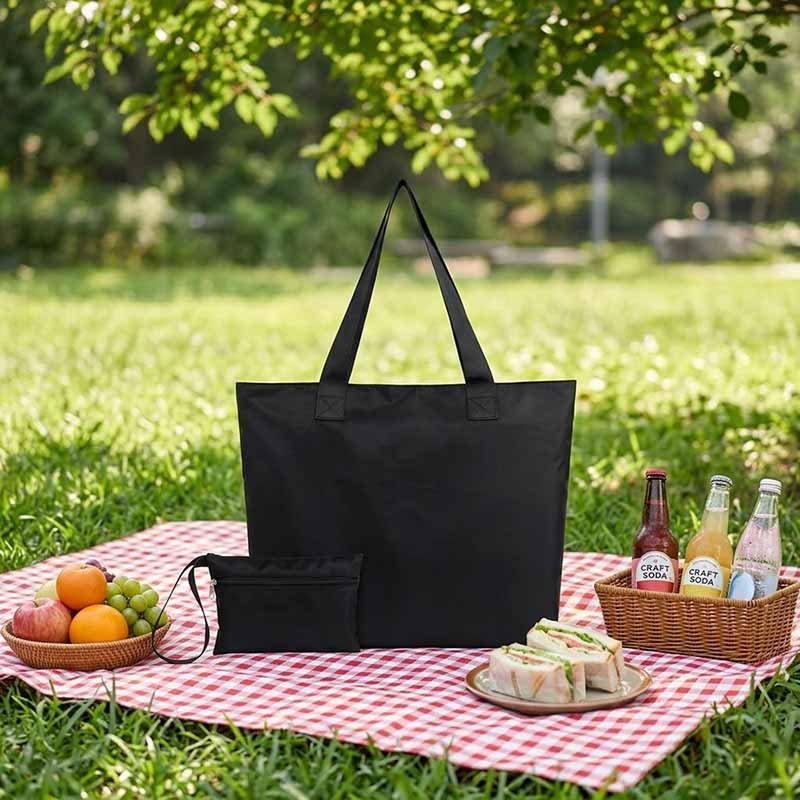
A bag design can look perfect on a screen, attractive in a 3D rendering, and impressive in a handmade prototype, but still fail when it enters mass production. This is one of the most expensive lessons for brands, retailers, importers, and e-commerce sellers. A design that works for one sample may become slow to sew, difficult to inspect, costly to source, or inconsistent across 500, 5,000, or 50,000 units. That is why serious brands do not treat mass production as the final step after design. They build production thinking into the design from the beginning.
Why Multi-SKU Bag Development Needs Better Project Management
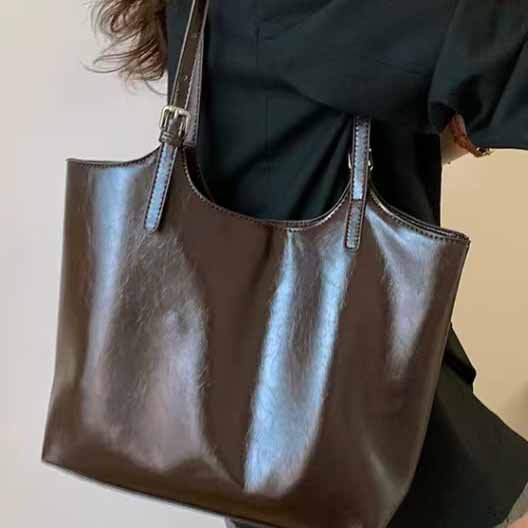
A single custom bag project can already be complicated. A multi-SKU bag program is a different game. One tote bag becomes five colors. One backpack becomes three sizes. One cosmetic pouch becomes a full retail set with different linings, zippers, labels, hangtags, barcodes, cartons, and market versions. To the buyer, these may look like “small variations.” To the factory, each variation becomes a controlled production unit. If nobody manages those differences clearly, the project does not fail dramatically in one moment. It fails slowly: one wrong zipper puller, one outdated logo file, one missing Pantone code, one carton label copied from another SKU, one sample comment that never reached the sewing line.
