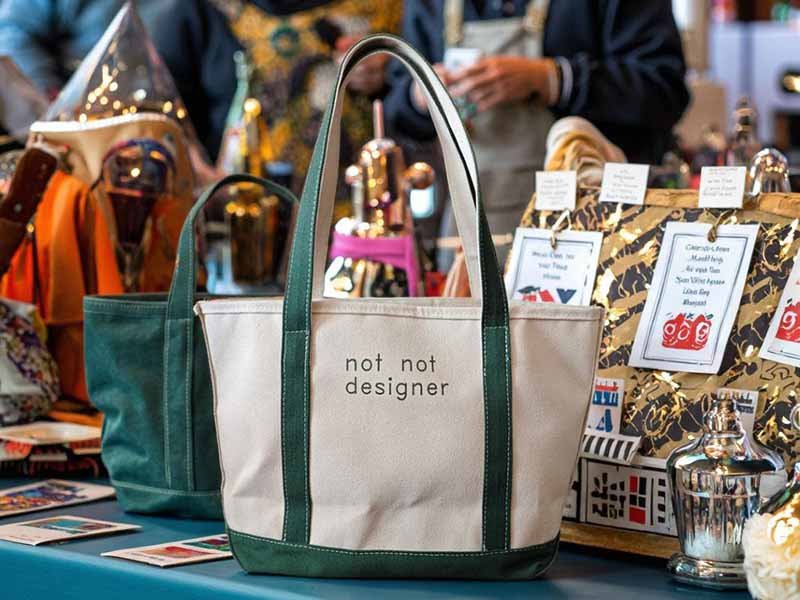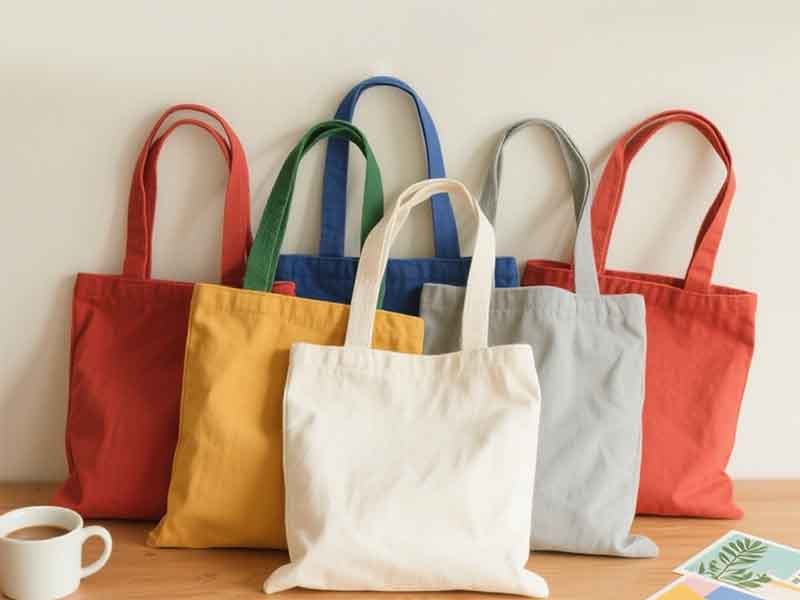
Custom bag manufacturing often looks simple from the outside: send a product photo, ask for a quote, compare suppliers, and choose the lowest price. But experienced buyers know the real challenge is not finding a factory that can “make a bag.” The real challenge is finding the right balance between product quality, MOQ, unit cost, sampling risk, material availability, production stability, and long-term reorder potential.
A custom bag is not only fabric and stitching. It is a complete manufacturing decision made from material, structure, lining, zipper, hardware, logo method, reinforcement, packaging, inspection, carton planning, and shipping requirements. When one detail changes, the cost and MOQ often change with it.
To balance quality, MOQ, and cost in custom bags, buyers should protect the details that affect durability and customer experience, use practical stock materials where possible, simplify non-essential features, confirm samples before bulk production, and work with a manufacturer that can explain how material, structure, logo process, quantity, QC, and delivery affect the final quotation.
The cheapest quotation is not always the lowest business cost. A weak zipper, poor stitching, wrong material, messy logo, or unstable bulk production can turn a “cheap” order into returns, bad reviews, delayed launches, and lost customer trust. A better question is not “How cheap can this bag be?” A better question is “Which details must stay strong, and which details can be simplified without hurting the product?”
What Does Balance Mean in Custom Bags?
Balancing quality, MOQ, and cost means choosing where to spend and where to simplify. A strong custom bag project protects the details that affect durability, function, and brand image while reducing unnecessary complexity in colors, packaging, trims, or structure. The goal is not the cheapest bag. The goal is a bag that sells well, works properly, and can be reordered consistently.
Quality Is Not One Fixed Level
Many buyers ask for “high quality,” but in bag manufacturing, quality must match the product’s real use. A lightweight promotional tote, a cosmetic pouch, a laptop backpack, and a cooler bag should not be judged by the same standard. A simple event tote may only need clean printing, basic stitching, and acceptable carrying strength. A travel backpack needs stronger fabric, better shoulder strap reinforcement, smoother zippers, more stable lining, and more careful load-bearing construction.
This is why balance starts with the use case. A bag used once for an event can be cost-efficient. A bag sold under a retail brand must survive repeated daily use. A bag carrying electronics needs padding and structure. A cooler bag needs lining, insulation, and seam control. If the product purpose is unclear, the quote will also be unclear.
A practical buyer does not simply ask, “Can you make it cheaper?” A better question is, “Which quality points will my customer notice or test in real use?” Those details deserve protection. Other details can often be simplified.
For example, if the bag is a custom tote for a retail lifestyle brand, the fabric hand feel, handle strength, logo clarity, and sewing cleanliness are important. If the bag is a promotional giveaway, the buyer may choose simpler packaging, fewer colors, and a standard print method. Both can be good decisions, but they serve different business goals.
Cost Is More Than Unit Price
The unit price on a quotation sheet is only one part of the real cost. A low unit price can become expensive if the product causes returns, receives poor reviews, misses a launch date, or needs to be remade. In custom bag projects, the real cost includes sampling, material selection, tooling if needed, logo setup, packaging, inspection, shipping volume, inventory risk, and reorder stability.
For example, saving a small amount by using a weaker zipper may look attractive at quotation stage. But if the zipper jams after a few weeks of use, the brand may face complaints, replacement costs, negative reviews, and lost customer trust. That loss is much higher than the original saving.
A more reliable way to control cost is to classify each detail into three groups: must protect, can optimize, and can remove. Must-protect details usually include fabric strength, strap reinforcement, zipper quality, seam durability, logo clarity, and final inspection. Can-optimize details may include packaging style, color count, lining print, decorative trims, and non-essential pockets. Can-remove details are features that do not improve the buyer’s selling point or the end user’s experience.
This approach keeps the product practical. It also helps the manufacturer quote more accurately because the project is no longer built around vague words like “best quality” or “cheap price.” It becomes a clear product plan.
MOQ Is a Risk Tool
MOQ is often misunderstood. Buyers may see MOQ as a supplier barrier, but MOQ is also a risk management tool. A lower MOQ helps brands test a product before committing to larger inventory. A higher MOQ usually improves unit cost because setup work, material purchasing, logo preparation, and production planning are spread across more pieces.
For a new product, a smaller first order can make sense even if the unit cost is higher. It gives the buyer time to test customer feedback, packaging performance, product photos, marketplace reviews, and retail response. After the design is proven, the next order can be larger and more cost-efficient.
The key is to use MOQ according to the stage of the project. A first test order should prioritize correctness and market validation. A repeat order should focus on better pricing, production efficiency, and stable quality. Treating every order like a one-time lowest-price negotiation often creates unstable results.
| Project Stage | Typical Quantity Range | Main Goal | Smart Balance Decision |
|---|---|---|---|
| Sample development | 1–3 samples | Confirm design, material, size, logo, structure | Spend time correcting details before bulk |
| Trial order | 200–500 pcs | Test market response and reduce inventory risk | Use stock materials and standard trims where possible |
| Launch order | 500–1,500 pcs | Improve unit cost and prepare sales channels | Keep proven structure, reduce unnecessary options |
| Repeat order | 1,500–5,000+ pcs | Lower cost and stabilize supply | Consolidate materials, colors, packaging, and QC standards |
| Long-term program | Ongoing batches | Build product line consistency | Keep approved samples, BOM, inspection records, and reorder data |
Balance Protects Future Reorders
A custom bag project should not be planned only for the first order. Good balance makes the second, third, and fourth order easier. When the first order uses realistic materials, repeatable construction, clear logo methods, and stable packaging, the product can be reordered with fewer surprises.
Problems often happen when a buyer asks for too many special details in a small first run. Custom-dyed fabric, custom zipper tape, special hardware, molded logo plates, complex retail boxes, and multiple colorways can all increase MOQ and cost. If the product is not yet proven, those decisions may create unnecessary financial pressure.
A better approach is to build the product in stages. Start with the core structure and key quality points. Use practical materials and components. Confirm customer response. Then upgrade details that truly improve brand value. This is how experienced buyers protect both cash flow and product quality.
For brands, importers, retailers, Amazon sellers, Shopify brands, and promotional buyers, this mindset is important. The first order should help the buyer learn. The second order should help the buyer improve. The third order should help the buyer scale.
Why Do MOQ and Cost Move Together?
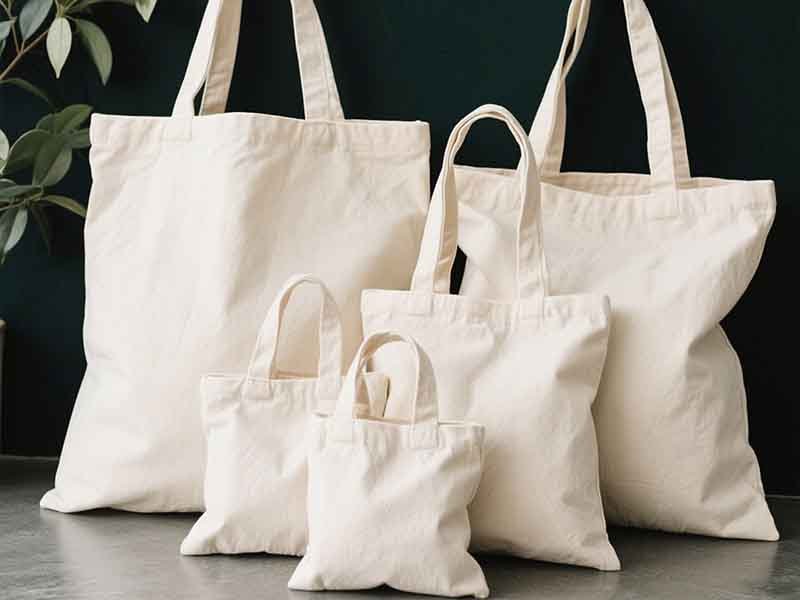
MOQ and cost move together because custom bag production includes fixed preparation work before mass sewing begins. Pattern making, sampling, material sourcing, logo setup, cutting, production planning, inspection, and packing all require time. When quantity is small, these costs are divided across fewer bags, so the unit cost is higher. Larger quantities usually improve production efficiency and pricing.
MOQ Comes From Manufacturing Reality
MOQ is not only a number chosen by the factory. It is affected by fabric availability, accessory purchasing, logo method, packaging requirements, cutting efficiency, and production line setup. Even if a buyer needs only 300 bags, the factory may need to buy fabric, lining, zipper, webbing, labels, or packaging materials according to supplier minimums.
A simple bag using available materials can usually support a lower MOQ. A complex bag using custom fabric, several colors, molded hardware, printed lining, custom zipper pullers, and retail packaging will naturally need a higher MOQ. The more customized the components, the more the project depends on outside supplier minimums.
This is especially important for buyers comparing quotes. One supplier may quote based on stock materials and standard trims. Another may quote based on custom materials and stronger components. The prices are not directly comparable unless the specifications are the same.
MOQ also depends on product category. A flat cotton tote, basic drawstring bag, or simple pouch is usually easier to produce in smaller quantities. A structured backpack, cooler bag, waterproof bag, leather handbag, EVA case, or technical soft goods product usually needs more material planning, more process control, and more production time.
Small Orders Carry More Setup Cost
Every custom order needs preparation. The factory must review drawings or samples, check material options, make or adjust patterns, produce samples, test logo placement, prepare cutting layouts, train sewing workers, arrange production steps, and create inspection standards. These tasks happen whether the order is 200 pieces or 2,000 pieces.
In a small order, setup cost is spread over fewer units. In a larger order, the same preparation work becomes more efficient. This is why a 300-piece order may have a noticeably higher unit price than a 1,000-piece order, even when the bag itself is the same.
Labor efficiency also improves with quantity. When workers repeat the same operation many times, speed and consistency improve. For very small orders, the production line may finish the order before reaching full efficiency. That affects cost.
This is not because the factory wants to punish small buyers. It is because custom manufacturing has real preparation work. If a buyer understands this, the conversation becomes more productive. Instead of pushing only for a lower MOQ, the buyer can ask which details can be adjusted to make the first order easier to produce.
Quantity Changes the Cost Structure
As quantity increases, certain costs become easier to absorb. Logo setup, cutting preparation, sample confirmation, production management, and carton planning do not rise in direct proportion to quantity. This means a larger order often has better pricing.
However, higher quantity is not always the best choice. If the product is untested, large inventory can create pressure. The right quantity depends on market confidence. A buyer with strong pre-orders, existing sales data, or retail placement can order more confidently. A buyer testing a new design should usually start smaller.
| Quantity Range | Common Situation | Unit Cost Behavior | Buyer Risk |
|---|---|---|---|
| 100–200 pcs | Limited trial or special project | Usually high because setup cost is not spread widely | Low inventory risk, higher unit cost |
| 200–500 pcs | New product test or small launch | Still higher than bulk but realistic for testing | Manageable inventory risk |
| 500–1,000 pcs | Early market launch | Better balance between cost and risk | Medium inventory commitment |
| 1,000–3,000 pcs | Proven SKU or retail order | More efficient material and labor planning | Higher stock responsibility |
| 3,000+ pcs | Repeat order or large program | Stronger pricing potential if specs are stable | Requires stronger demand confidence |
These ranges vary by material, structure, logo process, and packaging, but the pricing logic is consistent: stable designs and higher quantities usually improve cost.
MOQ Should Match Product Confidence
A low MOQ is useful when the buyer needs proof. It helps test sales, customer feedback, product photos, marketplace performance, and packaging. A higher MOQ is useful when the product already has demand and the buyer wants better cost control.
The mistake is treating MOQ as a pure negotiation issue. A buyer may push for a low MOQ, then add custom fabric, three logo positions, six colors, custom packaging, and urgent delivery. That combination is difficult because the project is small but the setup requirements are large.
The better method is to match customization level to order stage. For trial orders, use available materials, fewer colors, standard trims, and practical packaging. For repeat orders, add more brand-specific details if sales justify the investment. This gives the buyer room to grow without overloading the first order.
A good manufacturer should be able to explain this clearly. If the MOQ increases, the buyer should know why. Is it because of fabric dyeing? Custom zipper tape? Molded hardware? Printed packaging? More colors? Once the reason is clear, the buyer can decide whether that feature is worth the MOQ increase.
Which Quality Points Should You Protect?
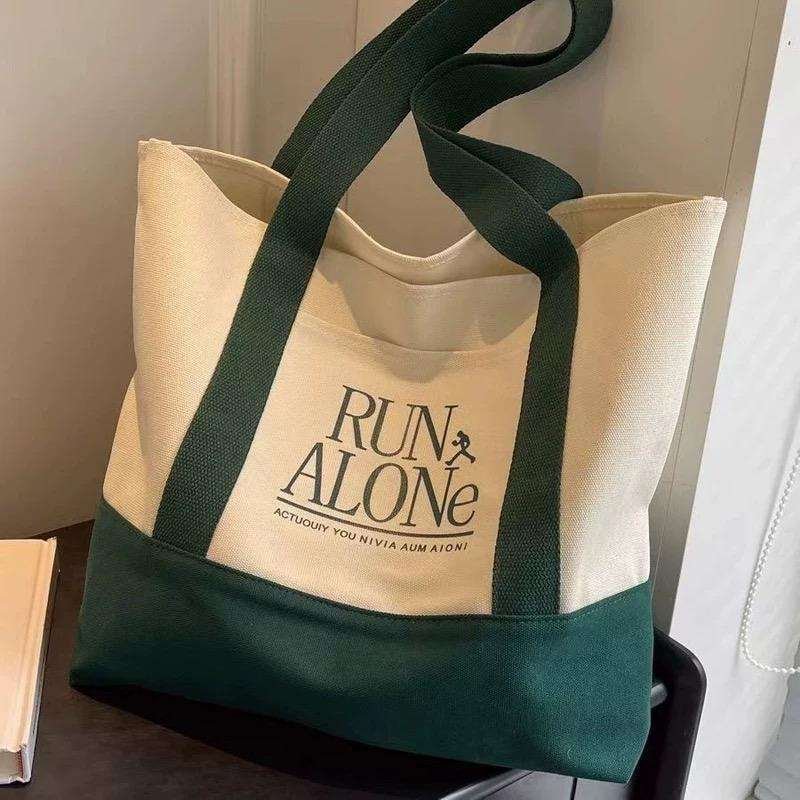
Buyers should protect the quality points that affect strength, daily use, appearance, and customer trust. These include fabric suitability, stitching consistency, strap reinforcement, zipper smoothness, hardware reliability, lining strength, logo accuracy, size tolerance, cleanliness, and packing accuracy. Cutting cost from these areas may reduce the quote, but it can increase return risk and damage the brand.
Fabric and Structure
Fabric should match the bag’s function. A lightweight polyester may work for a simple promotional pouch, but it may not be strong enough for a tool bag, gym bag, or travel duffle. Canvas, nylon, Oxford fabric, PU, leather, neoprene, PVC, TPU, mesh, and EVA all behave differently in cutting, sewing, carrying, folding, cleaning, and long-term use.
Structure matters just as much as fabric. A strong fabric can still fail if the handle is attached poorly, the bottom panel is weak, or the seam allowance is too narrow. A bag that carries weight needs reinforcement at stress points. A backpack needs careful strap construction. A cooler bag needs lining and insulation control. A cosmetic bag needs smooth zipper movement and clean inner finishing.
Many quality problems are not caused by one bad material. They are caused by a mismatch between material, structure, and use case. A good manufacturer should help the buyer choose materials and construction details according to actual use, not just appearance.
If the buyer is developing a bag for retail sale, the fabric must also match brand positioning. A bag can be strong but still feel cheap. Hand feel, surface texture, thickness, stiffness, coating, and color consistency all affect perceived value.
Stitching and Reinforcement
Stitching is one of the most important quality signals in custom bags. Even stitches, clean corners, secure bartacks, proper seam allowance, and neat thread trimming all affect how the product looks and performs. For load-bearing areas, reinforcement is not decoration. It is protection.
Common reinforcement areas include handle joints, shoulder strap anchors, zipper ends, side seams, bottom corners, D-ring tabs, pocket openings, and webbing connections. These areas receive repeated pulling and movement. If they are weak, the bag may fail even if the main fabric is acceptable.
For many sewn bags, practical stitch density may fall around 6–10 stitches per inch depending on material, seam type, and product function. Heavier materials may need different needle, thread, and machine settings than lightweight fabrics. The goal is not simply “more stitches.” The goal is the right stitch, thread, tension, and reinforcement for the material.
This is why buyers should not judge quality only from front-view product photos. Ask for close-up photos of the handle joint, zipper end, bottom seam, logo area, inner lining, and stress points. These details often reveal the real manufacturing standard.
Zippers and Hardware
Zippers and hardware are small components, but they create a large part of the user experience. A bag may look good in photos, but if the zipper catches, the puller breaks, or the buckle feels weak, the customer will notice immediately.
Zipper choice depends on bag type. Small pouches often use lighter zippers. Backpacks, duffle bags, travel bags, and cooler bags usually need stronger zippers. Metal hardware may improve appearance but can increase weight and cost. Plastic buckles can be practical for sports, outdoor, and lightweight bags if the grade is suitable. Custom metal plates or molded pullers can improve branding, but they may increase MOQ and tooling cost.
Buyers should not downgrade zippers and hardware blindly. These components are handled repeatedly by end users. They influence reviews, product feel, and perceived value.
| Quality Area | Practical Checkpoint | Common Risk If Ignored |
|---|---|---|
| Fabric | Correct weight, color, coating, texture, and hand feel | Bag feels cheap, tears, fades, or lacks structure |
| Stitching | Even seams, no skipped stitches, clean thread trimming | Weak seams, poor appearance, customer complaints |
| Handles and straps | Reinforced stress points, suitable webbing width | Strap tearing, unsafe carrying, product failure |
| Zipper | Smooth movement, correct zipper size, secure ends | Jamming, separation, broken pullers |
| Hardware | Stable finish, no sharp edges, suitable strength | Rust, breakage, poor user experience |
| Logo | Correct color, size, position, and durability | Brand image damage or rejected goods |
| Size | Reasonable tolerance based on bag type and material | Packing issues, inconsistent product photos |
| Packing | Correct labels, clean folding, carton protection | Shipment mistakes, damaged goods, warehouse delays |
Inspection Before Shipment
Final inspection is not just about counting pieces. It should check appearance, function, dimensions, logo, stitching, zipper, hardware, cleanliness, packaging, carton marks, and quantity. For custom bags, in-line inspection is also valuable because it catches problems before the full batch is finished.
A practical inspection process often includes incoming material check, pre-production sample confirmation, first-piece review, in-line sewing check, finished goods inspection, and packing inspection. Each stage catches a different problem. Material check catches color or fabric issues. First-piece review catches pattern or logo mistakes. In-line inspection catches sewing problems. Final inspection catches overall appearance and packing accuracy.
Buyers who skip inspection to save time may face bigger costs later. Once goods are shipped overseas, fixing problems becomes difficult and expensive. Quality control is not an extra luxury. It is part of responsible cost management.
For long-term buyers, inspection records also help future reorders. If the approved sample, size tolerance, logo placement, packaging method, and quality notes are recorded clearly, the next order becomes easier to repeat.
How Can Materials Reduce Cost?
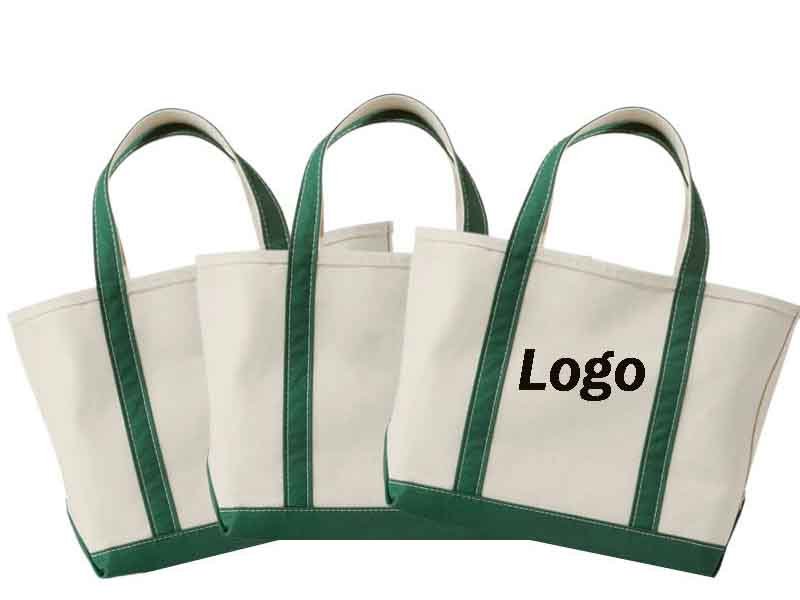
Materials can reduce cost when buyers choose options that match the product’s function, use available colors, avoid unnecessary custom treatments, and keep components consistent across SKUs. Stock fabrics, standard zippers, existing hardware, and practical linings often lower MOQ and shorten development time without making the bag feel cheap or unreliable.
Use the Right Material Level
Material choice should begin with the product’s purpose. A tote for retail resale, a foldable shopping bag, a laptop sleeve, a cooler bag, and a leather pouch all need different material logic. Choosing the wrong material level creates either overcost or underperformance.
For example, using a heavy canvas for a simple giveaway tote may make the product too expensive for the campaign. Using thin fabric for a premium retail tote may damage brand perception. A neoprene sleeve needs thickness and elasticity. A cooler bag needs lining and insulation. A waterproof dry bag needs suitable coated material and seam design. A cosmetic bag may need a material that is easy to clean and visually attractive.
The best material is not always the most expensive one. It is the material that matches use, target price, brand positioning, and order quantity. Experienced buyers often ask for two or three material options before confirming the final direction.
A useful RFQ can ask for a “good, better, best” material comparison. This allows the buyer to see how price changes with fabric weight, coating, lining, and accessories. It also helps the buyer make a real decision instead of guessing.
Choose Stock Colors First
Stock colors are one of the simplest ways to reduce MOQ and lead time. Custom-dyed materials often require larger minimums because fabric suppliers need to run a dye lot or coating batch. If the first order is small, custom colors can make the material cost unreasonable.
For first production runs, stock black, natural, navy, gray, beige, white, or other available colors may be enough. The product can still look branded through logo placement, zipper pullers, labels, hangtags, or packaging. Once the product sells well, custom colors can be introduced in later batches.
This staged approach is especially useful for brands launching new SKUs. Instead of spending heavily on perfect color matching before sales are proven, the buyer can use available materials to test demand. If the market response is strong, custom color development becomes easier to justify.
Stock colors also reduce schedule risk. Custom dyeing may require additional time for color approval, lab dips, bulk fabric production, and color consistency checks. If the launch date is tight, stock materials are often the safer choice.
Keep Components Consistent
Cost can also be reduced by using consistent components across multiple products. If a brand develops a tote, pouch, cosmetic bag, and travel bag using similar fabric, lining, zipper color, logo label, and packaging style, purchasing becomes more efficient. The products also look more like a real brand series.
Component consistency helps with reorder stability. It reduces confusion in production and makes QC easier. It also simplifies inventory planning for labels, zipper pulls, hangtags, cartons, and packaging materials.
This is one reason product line planning matters. A single custom bag can be produced in isolation, but a brand collection should be planned as a system. When materials and trims are coordinated, the buyer can improve both cost and brand consistency.
For example, a beauty brand may use the same PU texture, zipper finish, lining color, and logo patch across cosmetic pouches, makeup bags, toiletry bags, and travel organizers. A travel brand may use the same nylon, webbing, zipper puller, and label style across backpacks, duffles, packing cubes, and waist bags. This makes the product line more professional while improving production efficiency.
Avoid False Economy
Reducing material cost too much can create false economy. A cheaper material may save money on the first order but increase returns, complaints, and poor customer reviews. This is especially risky for bags that carry weight, protect products, or represent a premium brand.
A safe material-saving decision should pass three checks. First, will the bag still perform its main function? Second, will the customer still feel the product matches the selling price? Third, can the material be sourced consistently for reorders?
If the answer is yes, the saving may be reasonable. If the answer is no, the lower material cost may create a larger business cost later.
The most practical material strategy is not “use cheaper fabric.” It is “use the most efficient material that still supports the selling point.” That is the difference between cost control and quality damage.
How Do Design Choices Affect MOQ?
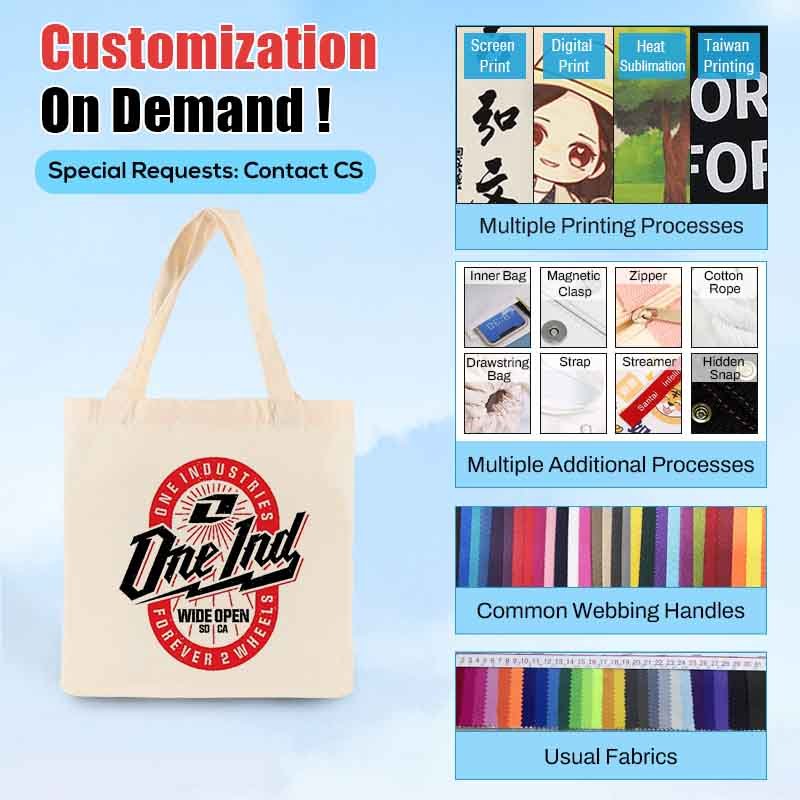
Design choices affect MOQ because every added feature may require more materials, more sewing time, more components, more setup, and more inspection. Pockets, lining, hardware, custom logos, molded parts, waterproof structures, and retail packaging can all increase cost and MOQ. Simpler, production-friendly structures usually make lower-MOQ projects easier to manage.
Structure and Labor
The more complex the structure, the more labor is required. A flat tote bag may have a simple cutting and sewing process. A backpack with multiple compartments, padded straps, lining, mesh pockets, zipper panels, and inner binding requires many more steps.
Labor is not only about time. Complex structures increase the chance of mistakes. Curved seams, narrow openings, thick layers, difficult corners, and multiple materials require more skilled sewing and stronger process control. If the design is complicated but the target price is low, the project may become unstable.
This does not mean buyers should avoid complex bags. It means every structure should have a reason. A diaper bag needs organization. A camera bag needs protection. A hiking bag needs functional pockets. But if a pocket, panel, or trim does not improve the selling point, it may only add cost.
A good product review should ask: Which structural details make the bag easier to sell or use? Which details only make the bag harder to sew? This question often reveals simple ways to reduce cost.
Pockets and Compartments
Pockets are useful, but they are not free. Each pocket may require extra fabric, lining, zipper, mesh, binding, sewing time, and inspection. A bag with many compartments may look impressive in a product drawing, but it can become expensive and harder to produce consistently.
For retail bags, pocket design should follow user behavior. A laptop pocket, bottle pocket, wet pocket, zipper security pocket, or cosmetic divider can add real value. Decorative or duplicated pockets may not. A buyer should ask whether each pocket helps the customer use the bag better.
Pocket complexity also affects sampling time. Small changes in pocket size or position may require pattern updates and sample revisions. If the launch timeline is tight, a simpler pocket layout can reduce risk.
For first orders, it is usually better to keep the main functional pockets and remove weak decorative details. After customer feedback is collected, the next version can add or adjust compartments based on real use.
Logo and Branding
Logo method can strongly affect MOQ and cost. Screen printing is often practical for simple logos and flat surfaces. Heat transfer works well for multi-color artwork. Embroidery adds texture but can increase cost depending on stitch density. Woven labels, rubber patches, silicone badges, metal plates, leather patches, embossing, debossing, and custom pullers can all improve brand value, but they may require separate setup or supplier MOQ.
The best logo method depends on material and use. A logo on a canvas tote has different requirements from a logo on neoprene, PU, leather, mesh, or coated fabric. A bag exposed to outdoor use may need a more durable logo. A cosmetic pouch may need a cleaner visual finish. A premium leather item may need subtle embossing or metal branding.
Buyers should confirm logo artwork, size, color, position, and durability expectations before quoting. Logo changes after sampling can affect both price and timeline.
For low-MOQ first runs, a simple and proven logo method is often smarter than a fully custom branded component. Once sales are proven, custom pullers, patches, labels, or hardware can be added to strengthen brand identity.
Packaging Choices
Packaging affects cost more than many buyers expect. A simple polybag is usually cost-efficient. A printed box, gift sleeve, paper insert, hangtag, barcode label, FBA label, or retail display package adds cost, labor, and sometimes shipping volume.
For e-commerce, packaging should protect the product and support warehouse requirements. For retail, packaging should help shelf presentation. For promotional orders, simple bulk packing may be enough. For premium gift sets, custom packaging may be worth the cost.
The mistake is adding premium packaging before the sales channel requires it. Packaging should be chosen based on how the bag will be sold, shipped, displayed, and received. A beautiful rigid box may look impressive, but if it doubles carton volume and increases freight cost, it must be justified by the product’s retail value.
Good packaging planning should answer four questions: Does it protect the product? Does it support the sales channel? Does it fit warehouse or FBA requirements? Does it create enough value to justify the cost?
How Can Brands Control Cost Without Losing Quality?
Brands can control cost without losing quality by simplifying features that customers do not value, using available materials, reducing color complexity, choosing standard trims, confirming samples carefully, and protecting stress points, zippers, fabric strength, and logo quality. Smart cost control removes waste. Poor cost control removes the details that make the product reliable.
Simplify What Customers Do Not Notice
The first place to reduce cost is not the fabric or stitching. It is usually the non-essential design complexity. Too many colors, hidden pockets, special packaging, decorative seams, custom pullers, printed linings, and unusual trims can increase cost without always increasing customer value.
A buyer should review the design and ask: “Does this detail help the customer choose, use, or trust the bag?” If not, it can probably be simplified. For a first order, two colors may be better than six. One strong logo position may be better than three. A practical hangtag may be better than a custom rigid box. A clean interior may be better than a printed lining that adds cost but little value.
This approach keeps the product focused. It also makes sampling easier, production faster, and QC more stable.
Cost control is most effective when it happens before sampling. Once a sample is built around expensive features, removing them later may require another sample round. A cleaner first plan saves both time and money.
Protect Functional Details
Cost control should not weaken functional details. Handles, straps, zippers, seams, fabric strength, lining, reinforcement, and load-bearing points should be protected. These are the details customers test in real life.
For example, a tote bag may need stronger handle stitching more than custom packaging. A backpack may need better shoulder strap construction more than decorative hardware. A cooler bag may need reliable lining seams more than a premium hangtag. A cosmetic bag may need a smooth zipper more than a complex inner pocket layout.
A simple rule works well: save cost on what customers rarely test; protect what customers touch, pull, carry, zip, clean, or rely on.
| Cost-Control Choice | Usually Safe When | Risky When |
|---|---|---|
| Use stock fabric color | Brand color flexibility exists | Exact brand color is essential |
| Reduce color count | First order is for market testing | Retail program requires full color range |
| Use standard zipper | Function and appearance are acceptable | Bag is premium, heavy-duty, or high-use |
| Simplify pockets | Pockets are decorative or duplicated | Organization is the main selling point |
| Use basic packaging | Product sells online or in bulk | Retail shelf presentation is critical |
| Avoid custom molds first | Trial order is small | Custom hardware is central to brand identity |
| Simplify logo method | Clear branding is still achieved | Logo durability or premium feel is key |
Confirm Samples Before Scaling
Samples are one of the best cost-control tools. A sample allows the buyer to check whether the material, size, structure, logo, zipper, stitching, lining, and packaging match expectations before hundreds or thousands of pieces are made.
Skipping sampling may seem faster, but it often creates larger problems. If the logo is too large, the strap feels weak, the zipper is not smooth, or the material feels too thin, these issues are much easier to fix at sample stage than after bulk production.
A good sample review should be specific. Instead of saying “make it better,” buyers should comment on measurable details: size, handle length, fabric feel, pocket position, zipper movement, logo color, stitching, packaging, and overall structure. Clear comments help the manufacturer revise accurately and reduce repeated sample rounds.
Buyers should also compare the sample with the intended sales channel. Will it photograph well? Will it fit the packaging? Will the handle length feel comfortable? Will the zipper be easy to use? Will the product match the target retail price? These practical checks are more useful than only judging whether the sample “looks nice.”
Plan Reorders Early
Cost control improves when the buyer plans future orders from the beginning. If the first order is treated as a one-time project, materials, packaging, labels, and QC standards may not be recorded carefully enough. If the product becomes successful, reorder consistency may become difficult.
A better approach is to keep a clear product record: approved sample, material code, fabric color, logo file, zipper specification, hardware finish, packaging method, carton detail, inspection standard, and shipment notes. These records help the factory reproduce the product more consistently.
For repeat orders, buyers can improve cost by consolidating colors, increasing quantity, using the same components across SKUs, and giving production forecasts earlier. Good planning reduces rush costs, material shortages, and last-minute changes.
A brand that plans reorders early also negotiates better. The manufacturer can prepare materials more efficiently, arrange production capacity earlier, and reduce avoidable costs. That is why long-term cost control depends on planning, not only bargaining.
How Should You Choose the Right Bag Manufacturer?
Choose a bag manufacturer that can explain MOQ, cost, material, structure, sampling, QC, packaging, and delivery in a clear and practical way. A good manufacturer does more than quote a price. It helps buyers protect important quality points, simplify unnecessary costs, reduce development risk, and keep bulk production consistent with approved samples.
Ask Better Questions
A reliable manufacturer should welcome detailed questions. Buyers should ask why the MOQ is set at a certain level, what material the quote includes, what zipper and hardware are assumed, what logo process is used, what packaging is included, and what may change after sampling.
If a supplier gives a quick low quote without asking about material, size, structure, logo, packaging, and quantity, the price may be based on assumptions. Those assumptions can cause disputes later. A professional quote should connect price to specifications.
Useful questions include: What material options fit my target price? Which features increase MOQ most? Can we lower cost without weakening the bag? What should be confirmed in the sample? How do you inspect stitching, zipper, logo, and packing? What information do you need for an accurate quote?
These questions help reveal whether the manufacturer understands custom production or is only trying to win the order quickly. Serious suppliers explain trade-offs clearly.
Check Sampling Ability
Sampling ability is important because custom bags often need adjustment before bulk production. A good sample process helps confirm size, shape, material, structure, logo, zipper, lining, reinforcement, and packaging.
Buyers should check whether the manufacturer can understand sketches, reference photos, physical samples, or tech packs. The factory should be able to suggest material alternatives, structure changes, and cost-saving adjustments. It should also explain what is easy to produce and what may create risk in bulk production.
The approved sample should become the production reference. If the manufacturer does not control sample records well, bulk consistency may suffer. Serious buyers should treat sampling as a technical step, not just a formality.
A strong sampling process should answer practical questions before the buyer commits to bulk production. Does the bag feel right? Is the structure stable? Is the logo suitable for the material? Is the sewing method repeatable? Is the packaging realistic? Is the product still within the target cost range?
Review Quality Control
Quality control should be built into the process, not added only at the end. A qualified manufacturer should check materials before production, confirm a pre-production sample, review first finished pieces, inspect during sewing, and check final goods before shipment.
Buyers should ask what the inspection includes. For custom bags, important checks include fabric defects, color consistency, dimensions, stitching, reinforcement, zipper function, hardware, logo placement, cleanliness, packaging, carton labels, and quantity.
Good QC does not mean every problem disappears. It means problems are caught earlier and handled more systematically. For long-term buyers, this matters because stable quality supports stable reviews, fewer returns, and smoother reorders.
A buyer should also ask how the supplier handles defects. Does the team repair, remake, sort, or report problems clearly? The answer shows whether the factory has real quality management or only final-stage appearance checks.
Look for Long-Term Fit
The right manufacturer should fit the buyer’s growth path. A brand may start with a 200–500 piece trial order, then move to 1,000 pieces, then expand colors, materials, and related products. The manufacturer should be able to support this growth without changing quality logic each time.
A long-term manufacturing partner should understand product development, not only production. It should help with material planning, structure improvement, logo execution, packaging, QC, and export delivery. It should also keep communication clear when trade-offs are needed.
The best partner is not always the cheapest supplier. It is the one that helps the buyer avoid expensive mistakes, protect the product’s real value, and scale production when the market is ready.
Szoneier works as a factory-based custom bags and soft goods OEM/ODM manufacturing partner for global brands, retailers, importers, e-commerce sellers, promotional companies, and B2B buyers. For selected custom bag projects, MOQ can start from 200 pieces depending on material availability, logo process, accessory selection, packaging requirements, color options, and product structure.
If you are planning a custom tote bag, backpack, cosmetic bag, cooler bag, travel bag, leather goods item, neoprene product, EVA case, waterproof bag, or other sewn soft goods project, send your product photo, sketch, tech pack, logo file, target quantity, material idea, packaging request, and destination country. A clear project review can help you find the right balance between quality, MOQ, and cost before production begins.
Final Buyer Checklist
Before asking for a custom bag quotation, prepare the details below:
Product type and use case
Target market and sales channel
Estimated order quantity
Target retail price or target cost range
Product size and structure
Reference photo, sample, sketch, or tech pack
Preferred material and color
Logo artwork, size, and placement
Zipper, hardware, lining, and webbing requirements
Packaging and labeling requirements
Destination country and shipping method
Expected launch date or delivery schedule
Quality requirements and inspection expectations
A good custom bag project does not start with the cheapest price. It starts with clear product information, practical material decisions, realistic MOQ planning, and a manufacturer that can help you turn your idea into a production-ready product.
Your best bag project is not the cheapest version. It is the version your customers will trust, your team can afford, and your supply chain can repeat.