
How to Find a Custom Bag Manufacturer for Long-Term Production

Finding a factory that can make one attractive sample is not particularly difficult. Finding a manufacturer that can reproduce that sample six months later, manage four additional colors, source the same material grade, control dimensions across thousands of pieces, meet an agreed launch window, and still respond professionally when something goes wrong is a much harder task. For brands that expect repeat orders, the factory eventually becomes part of the operating system behind the product. Weak manufacturing creates hidden work for product managers, sourcing teams, quality staff, logistics teams, and customer service. Strong manufacturing gradually removes uncertainty from those same areas.
How to Optimize a Bag Design for Mass Production: A Factory Guide for Brands
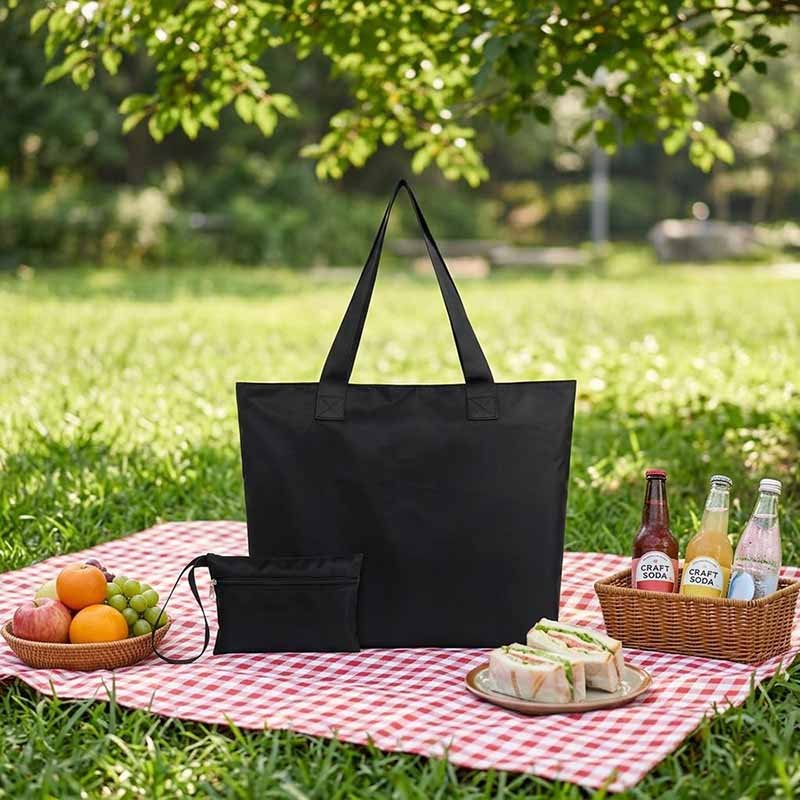
A bag design can look perfect on a screen, attractive in a 3D rendering, and impressive in a handmade prototype, but still fail when it enters mass production. This is one of the most expensive lessons for brands, retailers, importers, and e-commerce sellers. A design that works for one sample may become slow to sew, difficult to inspect, costly to source, or inconsistent across 500, 5,000, or 50,000 units. That is why serious brands do not treat mass production as the final step after design. They build production thinking into the design from the beginning.
Why Multi-SKU Bag Development Needs Better Project Management
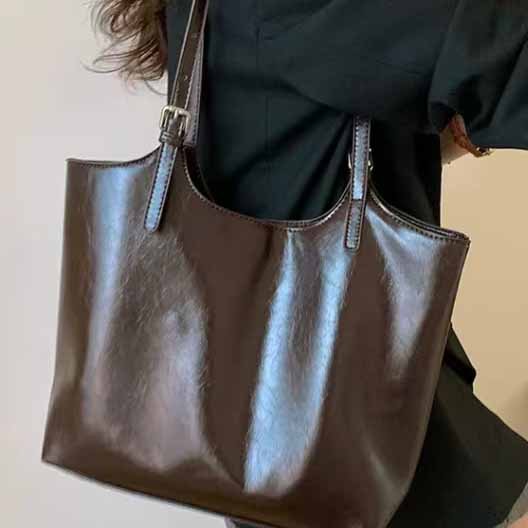
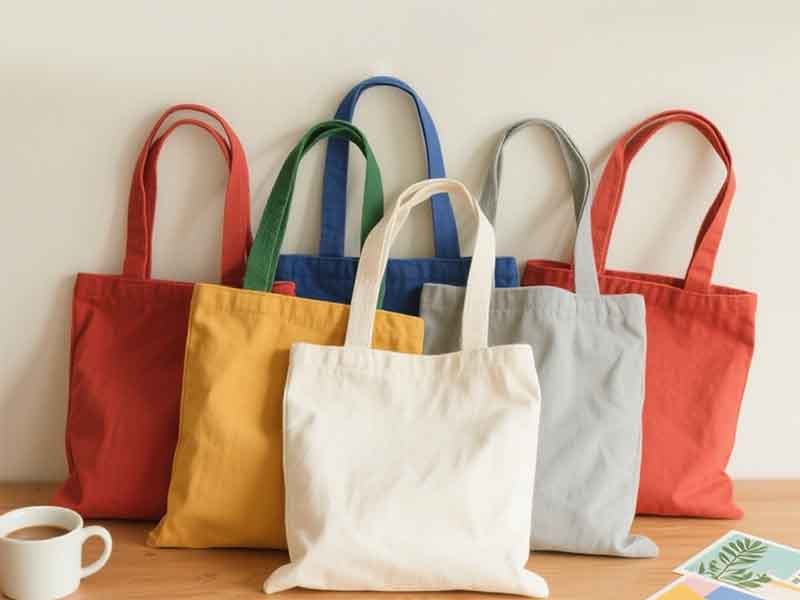
A single custom bag project can already be complicated. A multi-SKU bag program is a different game. One tote bag becomes five colors. One backpack becomes three sizes. One cosmetic pouch becomes a full retail set with different linings, zippers, labels, hangtags, barcodes, cartons, and market versions. To the buyer, these may look like “small variations.” To the factory, each variation becomes a controlled production unit. If nobody manages those differences clearly, the project does not fail dramatically in one moment. It fails slowly: one wrong zipper puller, one outdated logo file, one missing Pantone code, one carton label copied from another SKU, one sample comment that never reached the sewing line.
How to Balance Quality, MOQ, and Cost in Custom Bags: A Practical Guide
Custom bag manufacturing often looks simple from the outside: send a product photo, ask for a quote, compare suppliers, and choose the lowest price. But experienced buyers know the real challenge is not finding a factory that can “make a bag.” The real challenge is finding the right balance between product quality, MOQ, unit cost, sampling risk, material availability, production stability, and long-term reorder potential.
Red Flags When Choosing a Custom Bag Manufacturer
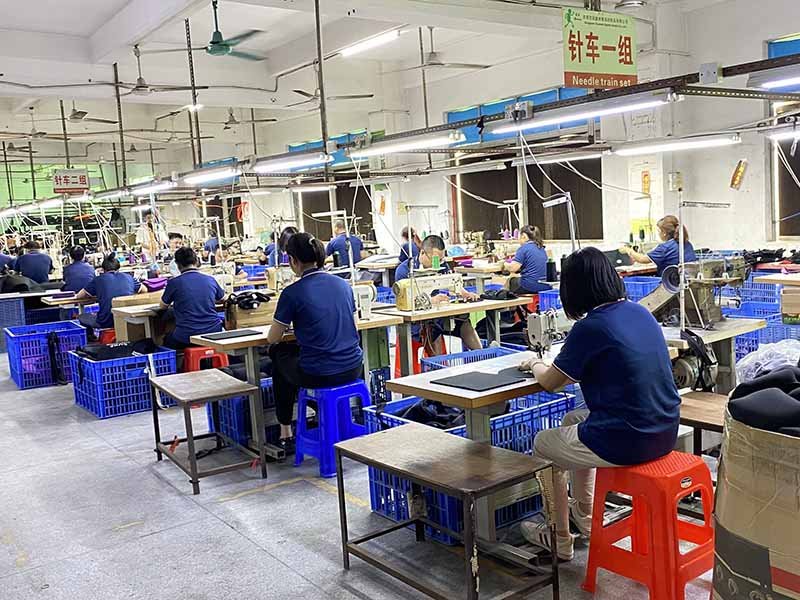
Choosing a custom bag manufacturer is not just about finding someone who can sew a bag. For brand owners, importers, Amazon sellers, Shopify brands, retailers, promotional companies, and B2B buyers, the real question is whether the manufacturer can control the whole project: materials, sample development, structure, logo application, bulk production, quality inspection, packaging, and delivery. A bag may look simple in a photo, but once it enters production, small decisions can change the final result. Fabric weight affects shape. Zipper quality affects user experience. Stitching affects durability. Packaging affects reviews, retail presentation, and warehouse receiving.
