 Skip to content
Fanny Pack vs Belt Bag:What’s the Real Difference and Which Should You Choose?
- szoneier008
- December 9, 2025
- 10:47 am
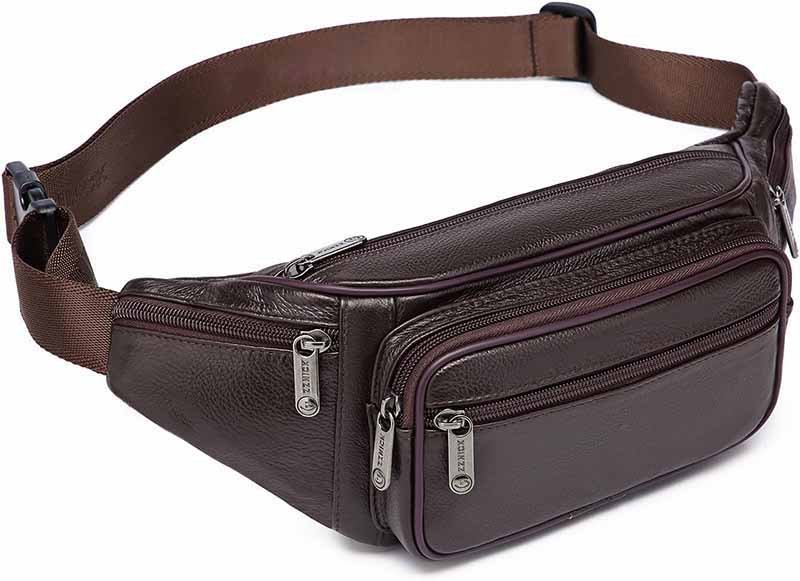
Choosing between a fanny pack and a belt bag seems simple—until you enter the world of modern fashion, TikTok trends, regional naming habits, and evolving design categories. In 2026, the conversation is no longer about a humble waist pouch. It’s about how functionality, cultural perception, and personal styling intersect. The terminology itself triggers debates: Is a belt bag simply a more fashionable version of a fanny pack? Why do Americans use one name while luxury brands avoid it? And what does Gen Z call these bags now?
A fanny pack and a belt bag are fundamentally similar—a small hands-free pouch worn around the waist or across the body—but differ in style, branding, and cultural context. “Fanny pack” is the traditional American term associated with utility, while “belt bag” is the modern, fashion-forward version favored by luxury brands and Gen Z. The difference lies more in aesthetics, marketing, and how they’re worn rather than in basic function.
As fashion cycles repeat, the fanny pack has transformed from a 1980s tourist stereotype into a streetwear essential. Meanwhile, the belt bag—its sleeker, more curated sibling—has taken over runways and influencer wardrobes. But here’s the twist: depending on where you live, what brand you follow, or even your age group, you may hear completely different names for the same accessory.
To understand which is right for you—or which your brand should manufacture—let’s break down their origins, design differences, cultural relevance, and functional purpose.
What Are Fanny Packs and Belt Bags?
A fanny pack is the traditional waist-worn pouch known for utility and multi-pocket convenience, while a belt bag is the modern, fashion-forward reinterpretation often worn crossbody. Both serve the same hands-free function but differ in cultural perception, naming history, style, and materials. Americans traditionally use “fanny pack,” luxury brands prefer “belt bag,” and Gen Z often calls them “slings,” “side bags,” or “crossbody bags,” reflecting how each generation and region uses and styles the accessory.
What Is the Traditional Definition of a Fanny Pack?
A fanny pack (also known as a waist pack or hip pack) is a small zippered pouch attached to an adjustable strap and originally designed to be worn around the waist. Historically, the pouch rested on the back — the “fanny” — which is how the American name emerged.
Key characteristics of a classic fanny pack include:
- Functional, utility-first design
- 1–3 zippered compartments
- Durable materials like nylon or polyester
- Adjustable webbing strap with buckle
- Worn around the waist, hips, or back
Originally popular in the 1980s and 1990s for travel, jogging, and theme parks, fanny packs were seen as practical rather than fashionable. They delivered hands-free convenience long before crossbody bags became trendy.
Even today, classic fanny packs remain the go-to choice for:
- Travelers
- Hikers
- Festival attendees
- Outdoor enthusiasts
- Runners and cyclists
Their identity remains strongly tied to utility, comfort, and convenience.
What Is a Belt Bag in Modern Fashion?
A belt bag is essentially the fashion industry’s updated version of the fanny pack — a sleeker, more refined silhouette that integrates seamlessly with modern outfits. Luxury designers (Gucci, Prada, Chanel) and lifestyle brands (Lululemon, Alo Yoga) use the term “belt bag” specifically to avoid the retro stigma associated with “fanny pack.”
Defining features of belt bags:
- Minimalist, structured design
- Often made from leather, neoprene, or premium nylon
- Fewer pockets (usually 1–2)
- Aesthetically pleasing silhouette
- Designed to be worn crossbody, not just on the waist
The shift in terminology transformed the product’s reputation, allowing it to enter high fashion and streetwear categories.
Today, belt bags are associated with:
- Street fashion
- Athleisure
- Luxury accessories
- Celebrity styling
- Minimalist fashion trends
In short, a belt bag is a styled-up fanny pack designed for fashion expression rather than pure function.
Are “Fanny Pack” and “Belt Bag” Actually the Same Thing?
Functionally: yes. Both serve as hands-free small bags worn on the body.
Stylistically: no. The primary distinctions are design, marketing, and cultural perception.
| Feature | Fanny Pack | Belt Bag |
|---|---|---|
| Purpose | Utility, travel, outdoor | Fashion, athleisure, lifestyle |
| Style | Casual, retro | Sleek, modern |
| Materials | Nylon, canvas | Leather, neoprene, premium nylon |
| Wearing style | Waist, hip, back | Crossbody, chest, waist |
| Market appeal | Practical users | Fashion-driven consumers |
The difference lies in consumer expectation, not in functional capability.
Why Do Americans Call Them Fanny Packs?
In the U.S., the word “fanny” refers to the buttocks. Early versions of the bag were meant to be worn on the backside for pickpocket protection, hence the term “fanny pack.”
However:
- In the UK and Australia, “fanny” is slang for female genitalia, so the term is considered inappropriate.
- These regions prefer “bum bag” or “waist bag.”
- Global brands avoid “fanny pack” to maintain universal appeal.
This linguistic difference explains why U.S. search volume for “fanny pack” remains high, while international consumers rarely use the term.
What Does Gen Z Call a Fanny Pack Today?
Gen Z has effectively rebranded the accessory. They rarely say “fanny pack” and only sometimes say “belt bag.” Instead, they use broader, more modern, gender-neutral terms:
- Crossbody bag
- Sling bag
- Side bag
- Waist bag
- Chest bag
This reflects how Gen Z actually wears the product: diagonally across the chest, not around the waist.
Their terminology is influenced by:
- Streetwear culture
- TikTok styling videos
- Sneaker and urban fashion communities
- Desire for universal, unisex vocabulary
For brands targeting Gen Z, naming the product correctly has a major impact on sales and visibility.
Why Do Different Regions Use Different Terms?
Regional language, fashion influence, and cultural norms all shape terminology. Here’s how naming varies globally:
| Region | Most Common Term | Notes |
|---|---|---|
| United States | Fanny pack | Strong nostalgic + practical identity |
| United Kingdom | Bum bag | Avoids U.S. slang meaning |
| Australia | Bum bag | Widely used in sports/outdoor culture |
| Europe | Waist bag | Neutral, functional |
| Luxury fashion | Belt bag | Chic, upscale positioning |
| Gen Z / Streetwear | Crossbody / sling bag | Matches how the bag is worn |
How Do Fanny Packs and Belt Bags Differ in Design and Wearability?
Fanny packs emphasize utility with multiple pockets, rugged materials, and waist-first wearability, while belt bags focus on minimalist silhouettes, premium fabrics, and crossbody styling. Fanny packs offer more storage and stability for active use; belt bags provide sleeker profiles and modern fashion versatility. Design differences—such as strap systems, zipper placement, materials, and body positioning—shape how each bag looks, feels, and functions in daily wear.
Although both serve the same purpose—hands-free carry—the way they are engineered, styled, and worn varies dramatically. These differences exist not only for fashion aesthetics, but for functional ergonomics, weight balance, and market positioning.
Below is an expert-level breakdown of the design nuances buyers and brands should understand.
How Do Size, Structure, and Pocket Layout Differ?
Fanny Packs: Built for Function
Traditional fanny packs have a practical construction optimized for travel, outdoor use, and everyday carrying. Typical traits include:
- Multiple zippered compartments
- A front main pocket + secondary pockets
- Expanded gussets for higher internal volume
- Semi-structured or fully structured body
- Boxy or oval shape for maximum storage efficiency
Internal organization is often a key selling point: mesh sleeves, interior dividers, passport pockets, and even hidden anti-theft compartments.
Because of this structure, fanny packs offer capacities ranging from 1L to 3L, making them ideal for:
- Travel essentials (passport, sanitizer, snacks)
- Outdoor gear (sunscreen, pocket knife, hydration gel)
- Festivals & events
- Daily errands
Belt Bags: Built for Style and Minimalism
Belt bags prioritize a clean, aesthetic silhouette rather than compartmental density. They typically feature:
- 1 or 2 main compartments only
- Slim, rounded, or crescent-shaped profiles
- Minimal external hardware
- Streamlined internal layout
This minimalist design reduces visual clutter and pairs well with contemporary streetwear, athleisure, or luxury outfits.
Volume ranges from 0.5L to 1.5L, making them ideal for:
- Phone
- Wallet
- Keys
- Lip balm
- Small essentials
Minimalism = better aesthetic versatility, but less capacity.
Which Strap Systems Offer Better Adjustability?
Fanny Pack Strap Systems
Fanny pack straps are traditionally made from durable nylon webbing and use:
- Quick-release buckles
- Long adjustment sliders
- Wider strap widths for load support
Benefits:
- Superior waist-level stability
- Better for active or high-movement use
- Easy on/off convenience
Many performance fanny packs also include elastic insert sections to reduce bouncing during running or hiking.
Belt Bag Strap Systems
Belt bags often prioritize style, resulting in strap systems that include:
- Thinner, more elegant webbing
- Leather straps for luxury versions
- Metal buckles or magnetic closures
- Concealed adjustment points for cleaner visuals
Benefits:
- More fashionable
- More comfortable when worn crossbody
- Tucks seamlessly under clothing
However, belt bag straps can be less stable during high-intensity movement.
How Do Wearing Positions Vary Between the Two Styles?
Fanny Pack Wearability
Fanny packs were designed to be worn around the waist or hips, offering:
- Balanced weight distribution
- Quick access to pockets
- Hands-free convenience
They can also be worn across the back or the front, but their structure is optimized for waist-level placement.
Common wearing positions:
- Waist (classic)
- Hip
- Lower back
- Slight crossbody (newer style)
Belt Bag Wearability
Belt bags are designed with crossbody wearability in mind. This is one of the biggest functional differences.
Common wearing positions:
- High chest across the torso (Gen Z favorite)
- Crossbody back sling
- Shoulder-style sling
- Waist/hip (secondary option)
Why this matters:
- Crossbody wear increases security (closer to the body)
- It creates a more flattering silhouette
- It complements modern fashion layering
This flexibility is a key reason belt bags dominate streetwear and luxury markets.
Do Material Choices Affect the Functional Difference Between the Two?
Fanny Pack Materials
Engineered for durability and outdoor conditions, fanny packs often use:
- 600D polyester
- Ripstop nylon
- Canvas
- Water-resistant coating
- Heavy-duty zippers
These materials make them better suited for:
- Travel
- Hiking
- Sports
- Festivals
- Outdoor recreation
Belt Bag Materials
Belt bags prioritize fashion aesthetics and comfort. Common materials include:
- Premium leather
- PU vegan leather
- Smooth neoprene
- Recycled nylon
- Soft-touch microfiber
These materials are ideal for:
- Casual outfits
- Athleisure
- Minimalist wardrobes
- Luxury fashion
Material choice directly influences:
- Weight
- Structure
- Hand-feel
- Perceived value
- Price point
For OEM brands, Szoneier can help optimize material selection depending on whether the goal is utility or premium branding.
How Do Closure Systems (Zippers, Pockets, Access Points) Differ?
Fanny Packs
- Heavy-duty zippers
- Multiple external pockets
- Hidden anti-theft zippers
- Large zipper pulls for fast access
These are designed for performance and security.
Belt Bags
- Sleek, concealed zippers
- Minimal hardware for refined aesthetics
- Magnetic or leather flap closures (luxury versions)
- Curve-contoured zipper lines that follow the silhouette
These are designed for style and comfort.
How Does Ergonomics Influence Wearability?
Fanny Pack Ergonomics
Optimized for movement and storage:
- Broader back panel for stability
- Weight distribution at the waist
- Easier access without removing the bag
Belt Bag Ergonomics
Optimized for fashion and posture:
- Contoured shapes match chest or torso curvature
- Lightweight feel
- Less bulky visually and physically
The ergonomic distinction helps users decide which bag meets their daily lifestyle needs.
Which Style Looks More Modern, Trendy, or Fashion-Forward?
Belt bags generally look more modern and fashion-forward due to their minimalist silhouettes, premium materials, and crossbody wearability, which aligns with current streetwear and athleisure trends. Fanny packs remain practical and stylish for casual or outdoor use but carry more retro associations. Influencer culture, luxury brand adoption, and Gen Z styling have solidified belt bags as the trendier option in today’s fashion landscape.
How Trend Culture Shapes the Modern Appeal of Belt Bags vs Fanny Packs
When discussing what looks “modern” or “trendy,” it’s important to understand that trends emerge from the intersection of culture, marketing, materials, and generational preferences. The same product category can be perceived differently depending on how it is styled, marketed, worn, and positioned by fashion leaders.
Here, we break down exactly why belt bags are often seen as more fashion-forward—and why fanny packs still hold a strong, stylish place in contemporary wardrobes.
Why Belt Bags Are Seen as the More Modern Trend
1. The Shift Toward Minimalism and Clean Silhouettes
Current global fashion trends—especially from 2021 to 2025—lean heavily toward:
- clean lines
- compact silhouettes
- understated luxury
- soft materials (neoprene, leather, microfiber)
- monochromatic palettes
Belt bags reflect this evolution with their smooth, curved shapes and elegant simplicity. Unlike older fanny packs with multi-pocket bulges, belt bags minimize bulk to blend into fashion-forward outfits.
This aesthetic has been adopted by:
- Lululemon
- Alo Yoga
- Prada
- Gucci
- Aime Leon Dore
- Fear of God Essentials
When leading lifestyle and luxury brands adopt a design, it naturally becomes the “trendy” interpretation.
2. Crossbody Styling Has Become the Universal Fashion Norm
One of the most defining reasons belt bags are seen as more modern is how they’re worn.
Modern belt bag styling trends:
- high across the chest
- diagonally over the shoulder
- layered over oversized hoodies
- styled with athleisure sets
- paired with tailored coats for elevated minimalism
This crossbody look is extremely popular among:
- Gen Z
- millennials
- streetwear communities
- fitness influencers
- travel influencers
In contrast, fanny packs’ waist-worn identity can sometimes feel retro unless styled intentionally.
3. Influencer & Celebrity Adoption
Social media has redefined what “trendy” means. Belt bags frequently appear on:
- TikTok style creators
- Instagram fashion influencers
- Fitness/lifestyle influencers
- Celebrities traveling or walking the streets
- Athletes and sneaker enthusiasts
Celebrities frequently seen wearing belt bags include:
- Kendall Jenner
- Bella Hadid
- Travis Scott
- Hailey Bieber
- Timothée Chalamet
Their adoption cements belt bags as a fashion accessory rather than merely a functional bag.
How Fanny Packs Can Still Look Trendy
Although belt bags dominate fashion trends, fanny packs are far from outdated. In fact, they’re returning with a nostalgic twist following the revival of 90s and Y2K fashion.
Here’s why fanny packs remain relevant:
1. Retro Fashion Has Cycled Back
Many fashion cycles work on 20–30 year loops. The 90s revival brought back:
- chunky sneakers
- cargo pants
- oversized denim
- practical accessories
Fanny packs fit perfectly into this retro aesthetic when styled intentionally.
2. Streetwear Brands Are Reimagining the Fanny Pack
Brands like Carhartt WIP, Nike, Adidas, Patagonia, and Herschel have redesigned fanny packs into:
- more structured silhouettes
- premium versions using ripstop nylon or Cordura
- hybrid waist-and-crossbody offerings
These modern reinterpretations blur the line between fanny pack and belt bag.
Material Trends That Influence Fashion Perception
Belt Bag Material Identity
Modern, fashion-forward belt bags often use:
- leather (smooth, pebbled, or tumbled)
- neoprene
- suede or microfiber
- quilting
- recycled nylon (eco-conscious trend)
These materials elevate the look.
Fanny Pack Material Identity
Traditionally:
- polyester
- ripstop nylon
- canvas
However, modern fanny packs are evolving with more premium choices.
Current fashion trends favor soft textures, matte finishes, sustainability, and a minimalist color palette—all of which belt bags naturally align with.
Shape & Silhouette Trends in 2023–2025
Belt Bag Shapes Trending Now
- crescent / moon shapes
- slim rectangular minimal bags
- curved ergonomic silhouettes
- compact micro-bags
These silhouettes integrate seamlessly into capsule wardrobes and minimalist fashion.
Fanny Pack Shapes Making a Comeback
- boxy rectangular profiles
- utility-style tactical silhouettes
- large-volume festival bags
These shapes appeal to outdoor lovers, festival-goers, and streetwear communities.
Which Looks More “Fashion-Forward” in Today’s Market?
Belt Bags Lead for Modern Fashion Because:
- They pair effortlessly with current athleisure trends.
- Luxury brands prefer the term and silhouette.
- Influencer wear normalizes them in daily outfits.
- Crossbody wear feels modern and universal.
- Their minimalist aesthetic aligns with capsule wardrobes.
Fanny Packs Look Trendy When:
- Styled with Y2K or 90s-inspired outfits
- Worn crossbody rather than at the waist
- Designed in elevated, premium materials
- Given a more structured contemporary profile
The more “street,” “functional,” or “retro” your aesthetic, the more trendy a fanny pack becomes.
How Do You Choose Between a Fanny Pack and a Belt Bag for Daily Use?
Choose a fanny pack for daily use if you need more storage, rugged durability, or secure waist-level stability. Choose a belt bag if you prefer a sleek, modern look, lightweight comfort, and crossbody wear. Your decision should consider lifestyle, outfit preferences, carrying needs, material choices, and how you want the bag to sit on your body. Fanny packs excel in function; belt bags excel in fashion and versatility.
Selecting between a fanny pack and a belt bag is less about the name and more about how you live, what you carry, and how you want to look and feel. Both bags are incredibly practical, but the “best” choice changes depending on your personal preferences, wardrobe, commute style, and daily routines.
Below is a comprehensive decision guide that analyzes usability, comfort, outfit integration, security, and performance factors.
Step 1 — Identify Your Daily Carry Needs
Choose a Fanny Pack If You Carry More Items
A fanny pack is ideal when you need to carry:
- phone + wallet + keys
- sunglasses
- snacks
- chargers or portable battery
- small first-aid kit
- wipes or small toiletries
Typical capacity: 1–3 liters, with multi-pocket layouts.
This makes fanny packs better for:
- commuting
- traveling
- parenting (quick-access essentials)
- outdoor errands
- festivals or walking days
Choose a Belt Bag for Minimal Essentials
Belt bags focus on essentials only:
- phone
- slim wallet
- keys
- lip balm / small items
Typical capacity: 0.5–1.5 liters, with a sleek design.
Great for people who prefer:
- minimalist carry
- lightweight accessories
- stylish yet functional solutions
Step 2 — Consider How You Prefer to Wear the Bag
If You Prefer Waist-Level Wear → Choose a Fanny Pack
Worn high or low on the waist, fanny packs feel natural for:
- walking
- biking
- hiking
- travel security
They distribute weight evenly at the hips, reducing shoulder strain.
If You Prefer Crossbody or Chest Wear → Choose a Belt Bag
Belt bags are specifically designed for crossbody use:
- fashionable chest harness position
- easy access while on the move
- better security in crowded areas
This also allows for hands-free convenience without bulk at the waist.
Step 3 — Evaluate Your Personal Style & Wardrobe
Fanny Pack Style Identity
Fanny packs align well with:
- casual wear
- sporty outfits
- streetwear influenced by retro 90s aesthetics
- travel-friendly utility styling
- outfits with waist emphasis (leggings, joggers, cargo pants)
They deliver a functional, athletic, slightly retro vibe.
Belt Bag Style Identity
Belt bags blend with:
- athleisure outfits
- minimalist wardrobes
- neutral or monochromatic sets
- tailored coats and modern fashion
- influencer-inspired street style
They create a sleek, modern, polished silhouette.
Step 4 — Assess Comfort, Mobility, and Activity Level
Choose a Fanny Pack for High-Movement Days
Fanny packs offer better stability for activities such as:
- hiking
- cycling
- jogging
- amusement park visits
- long walking commutes
They remain stable on the waist and bounce less when properly fitted.
Choose a Belt Bag for Versatile, All-Day Comfort
Belt bags are incredibly comfortable because they:
- distribute weight across the torso
- eliminate pressure around the waist
- feel lightweight even for all-day wear
- layer well over sweaters or coats
They excel in urban environments, commuting, and casual errands.
Step 5 — Think About Security and Access
Fanny Packs = Better Anti-Theft Security
Worn on the front, fanny packs provide:
- high visibility
- close-to-body security
- zipped compartments protected from pickpockets
Great for travel or crowded areas.
Belt Bags = Better Rapid Access
Because of their crossbody position, belt bags allow:
- quick reach to phone or wallet
- easy opening without adjusting the bag
- hands-free usage while walking or taking public transit
They offer better convenience but slightly less anti-theft protection unless zipped fully.
Step 6 — Factor in Climate, Seasons, and Layering
Fanny Packs Work Better in Hot Weather
Why?
- No shoulder strap to cause sweat marks
- Airflow around upper body is unobstructed
- Waist-wear keeps the chest and back cool
Belt Bags Work Better in Cooler Seasons
Why?
- Layer easily over hoodies, jackets, and coats
- Add styling dimension without bulk
- Comfortable when crossbody straps sit on outerwear
Your climate and clothing habits heavily influence which is better year-round.
Step 7 — Compare Material Choices and Aesthetic Goals
Fanny Pack Materials
Usually functional:
- ripstop nylon
- 600D polyester
- canvas
- tactical materials
Pros: durable, outdoor-friendly, affordable Cons: can look sporty or casual
Belt Bag Materials
Typically fashion-forward:
- vegan leather
- genuine leather
- neoprene
- quilted nylon
- microfiber
Pros: premium appearance, lightweight, elegant Cons: less rugged for harsh outdoor use
Step 8 — Evaluate Which Bag Complements Your Daily Routine
Choose a Fanny Pack If Your Routine Includes:
- walking long distances
- carrying many essentials
- taking day trips
- doing hands-free outdoor activities
- needing quick-access utility
Choose a Belt Bag If Your Routine Includes:
- commuting via metro or rideshare
- going from gym to office
- wearing athleisure or streetwear
- running errands
- wanting a stylish accessory for everyday use
Comparison Table: Daily Use Decision Guide
| Factor | Best Choice | Why |
|---|---|---|
| Carrying capacity | Fanny pack | More pockets & volume |
| Modern fashion aesthetic | Belt bag | Sleek, minimalist, trendy |
| Secure travel use | Fanny pack | Strong waist-level control |
| Versatile styling | Belt bag | Crossbody wear works with more outfits |
| Outdoor activity | Fanny pack | Stable and rugged |
| Urban commuting | Belt bag | Lightweight & accessible |
| Minimalist carry | Belt bag | Designed for essentials |
| Retro streetwear styling | Fanny pack | 90s/Y2K revival |
Conclusion
Whether your customers prefer the nostalgic utility of a fanny pack, the sleek minimalism of a belt bag, or the modern crossbody functionality embraced by Gen Z, the core opportunity is the same: this category continues to grow across travel, streetwear, outdoor, fitness, and everyday carry markets.
If you’re ready to develop a custom waist bag collection for your brand—whether minimalist belt bags or high-capacity fanny packs—our engineering, sampling, and production teams are here to support you.
Contact Szoneier today to start your private-label or custom manufacturing project.
manufacturer Categories
- Custom Tote Bags Manufacturer
- custom backpacks Manufacturer
- custom travel bags& Duffle bags manufacturer
- custom makeup bags & toiletry bags manufacturer
- custom cooler bags manufacturer
- custom drawstring bags manufacturer
- custom makeup bags & toiletry bags manufacturer
- custom golf bags manufacturer
- custom fireproof bags manufacturer
- custom dry bags manufacturer
- custom ski bags manufacturer
- custom gym & sports bags manufacturer
- custom laptop bags manufacturer
- custom tactical bags manufacturer
- custom beach bags manufacturer
- custom medical bags manufacturer
- custom camera bags manufacturer
- custom wetsuits manufacturer
- custom leather goods manufacturer
- more personalized products
Can't find the answers?
No worries, please contact us and we will answer all the questions you have during the whole process of bag customization.
Make A Sample First?
If you have your own artwork, logo design files, or just an idea,please provide details about your project requirements, including preferred fabric, color, and customization options,we’re excited to assist you in bringing your bespoke bag designs to life through our sample production process.
