 Skip to content
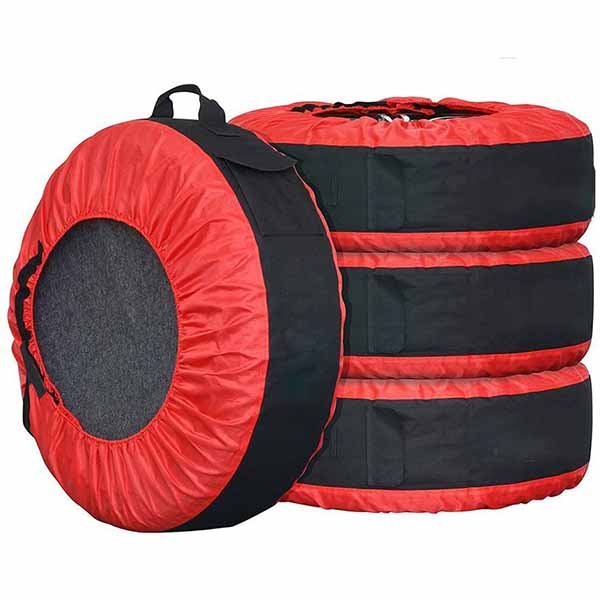
Imagine stepping outside to a vehicle that looks as good as the day it rolled off the lot—no fading, no cracking, just pristine perfection. That’s the power of a tire cover: a deceptively simple accessory that keeps spare tires protected from UV rays, dirt, weather damage, and unsightly wear. But what exactly is a tire cover, and why should you care?
A tire cover is a protective accessory—made from materials like vinyl, PVC, or fabric—designed to shield your spare wheel from UV light, weather elements, and debris. It preserves tire integrity, enhances aesthetics, and adds branding opportunities for OEMs, RV owners, and private-label brands.
Keep reading to learn how tire covers not only protect but also elevate your brand’s perceived value—whether you’re a vehicle owner or a brand thinking of private-label options.
What Materials and Constructions Are Used for Tire Covers?
Tire covers are made from materials like vinyl, PVC, polyester, canvas, or neoprene, often with UV-resistant coatings, elastic hems, or zipper closures for secure fit. Premium versions use multi-layer fabrics, insulated linings, and reinforced stitching for extreme weather protection. OEM manufacturers offer custom material blends, including eco-friendly options, to balance durability, cost, aesthetics, and branding needs.
Common Materials Used in Tire Covers
| Material | Typical Thickness | Key Strengths | Limitations | Typical Lifespan |
|---|---|---|---|---|
| Vinyl (PVC) | 0.8–1.2 mm | Waterproof, low-cost, customizable colors/logos | Heat retention, brittleness in -20°C | 3–5 years |
| Polyester (600D) | 600–900 denier | Lightweight, tear-resistant, weather coatings ready | Needs PU or PVC backing for waterproofing | 4–6 years |
| Canvas / Cotton Blends | 10–14 oz | Breathable, natural texture, eco-friendly look | Low inherent water/UV resistance | 2–3 years (w/ coatings) |
| Neoprene / Synthetic Rubber | 2–3 mm | Superior insulation, impact resistance, premium feel | Higher cost, heavier than vinyl | 5–8 years |
| Faux Leather (PU-coated) | 1–1.5 mm | Stylish, easy to clean, supports embossing | Less UV-stable unless treated | 3–5 years |
Insights:
- Vinyl (PVC) dominates low-cost, mass-market covers.
- Polyester blends deliver best value in mid-tier markets with PU or acrylic coatings.
- Neoprene suits luxury RV, marine, and off-road applications needing durability & insulation.
- Canvas appeals to eco-conscious buyers or retro aesthetics but requires wax or PU treatments for weatherproofing.
Coatings & Surface Treatments
Raw fabrics need coatings for UV protection, water repellency, and color fastness.
| Coating Type | Applied To | Purpose | Performance |
|---|---|---|---|
| PU (Polyurethane) | Polyester, Canvas | Waterproof barrier, flexible | 3–5 years durability |
| Acrylic UV Coating | Vinyl, Polyester | Reflects UV rays, reduces heat fade | 500–1000 hrs UV resistance |
| Fluorocarbon DWR | Polyester, Nylon | Durable water repellency, oil resistance | High-end covers only |
| Silver/Aluminum Foil Laminate | PVC, Polyester | Heat reflection, thermal insulation for desert use | Reduces surface heat by 15–20°C |
Example:
- RV tire covers in Arizona often use acrylic + aluminum lamination to resist 120°F+ surface heat and UV fade.
- Coastal areas need PU + anti-mildew coatings to prevent saltwater corrosion.
Multi-Layer Constructions for Extreme Conditions
Basic vinyl covers = single-layer sheets.
Premium covers = 2–4 layers for better durability and insulation.
Typical 3-Layer Example:
- Outer Layer: 600D polyester + UV acrylic coating
- Middle Layer: PE foam (2–3 mm) for thermal insulation
- Inner Layer: Soft tricot lining to prevent tire rim scratches
Performance Impact:
- Single-Layer Vinyl: Adequate for temperate climates, low cost.
- Multi-Layer Polyester + Foam: Extended life (5–7 years), insulation against freezing temps.
Structural Reinforcements & Seams
Weak seams cause tearing, leaks, and reduced lifespan.
- Double or Triple Stitching: Increases tear strength by 30–40%.
- Heat-Sealed Seams: Used in vinyl covers → waterproof, no needle holes.
- Bartack Reinforcements: Added at strap points to prevent ripping in wind loads.
Elastic Hems vs Drawstrings vs. Zippers:
| Closure Type | Fit Quality | Cost Impact | Maintenance |
|---|---|---|---|
| Elastic Hem | Easy on/off | Low | May relax over time |
| Rope Drawstring | Adjustable, secure | Medium | Manual tightening |
| Buckle + Strap | Very secure | Medium–High | Durable, best for RVs |
| Zipper Closures | Snug, premium look | Higher | Requires maintenance |
OEM Insight:
Luxury RV tire covers often combine zipper + buckle systems for maximum wind resistance.
Climate Suitability Guide
| Climate Zone | Recommended Material | Add-ons |
|---|---|---|
| Tropical / Coastal | Polyester + PU + anti-mildew | Ventilation eyelets, reflective strips |
| Desert / High UV | Vinyl + Acrylic UV coat + Foil | Silver top layer, double stitching |
| Arctic / Snowy | Neoprene or 4-layer Polyester | Insulated foam core, buckle straps |
| Temperate / Urban | Basic Vinyl or Canvas (PU treated) | Elastic hem, simple graphics |
Branding & Aesthetic Options by Material
| Material | Logo Printing | Color Options | Typical OEM Use Case |
|---|---|---|---|
| Vinyl (PVC) | Screen print, heat transfer | Wide Pantone range | Dealership promos, retail accessories |
| Polyester (PU) | Digital UV printing | Medium range | RV & fleet branding, online retailers |
| Neoprene | Embroidery, rubber patch | Limited (solid colors) | Premium RV, marine, off-road brands |
| Canvas | Embroidery, woven labels | Earth tones, naturals | Eco-brands, retro lifestyle products |
| PU Leather | Debossing, metal badges | Dark, luxury palettes | Boutique automotive brands, limited editions |
Sustainability Considerations
- Recycled Polyester (rPET): Made from PET bottles → GRS certified.
- PVC-Free PU Coatings: Lower VOC emissions vs. traditional PVC.
- Extended Lifespan Marketing: Encourages “buy less, last longer” positioning for eco brands.
What Sizes and Types of Tire Covers Are Available?
Tire covers come in multiple sizes—from 13-inch compact spares to 24-inch RV tires—and various types, including universal-fit, custom-fit, hard-shell, insulated, and branding-ready options. Fit systems range from elastic hems to zippered or buckle closures, ensuring protection across SUVs, trailers, RVs, off-road vehicles, and commercial fleets.
Choosing the right fit is essential for both functional protection and visual appeal.
Tire Cover Size Standards
Tire covers are sized primarily by tire diameter, sometimes accounting for width.
| Category | Tire Diameter Range | Typical Vehicle Use | Example Models |
|---|---|---|---|
| Small | 13–15 inches | Compact SUVs, light trailers | Honda CR-V, Kia Seltos |
| Medium | 15–17 inches | Full-size sedans, mid-size SUVs | Toyota RAV4, Ford Escape |
| Large | 17–20 inches | Pickup trucks, larger SUVs, travel trailers | Ford F-150, Jeep Grand Cherokee |
| Extra Large (XL) | 20–24 inches | RVs, off-roaders, heavy-duty trucks | Winnebago RV, Toyota Land Cruiser |
Key Insight:
- 15–17 inch covers account for over 50% of global aftermarket demand because they fit most passenger cars and SUVs.
- 20–24 inch covers dominate RV & commercial fleet segments in North America and Australia.
Types:
- Universal Fit: Elastic or adjustable with straps or drawstrings—versatile but may sag over time.
- Custom-Fit: Made to match the exact tire diameter—offers snug fit and premium look.
- Bucket or Hard Case: Rigid plastic molds offering maximum wheel protection—common in 4WD and RV markets.
| Type | Construction | Best For | Price Range |
|---|---|---|---|
| Universal-Fit | Elastic hems, adjustable cords | Budget buyers, light duty | $15–30 |
| Custom-Fit | Tailored patterns, precise diameter sizing | RVs, premium vehicles, branding | $40–80 |
| Hard-Shell Covers | ABS or Polycarbonate shells + vinyl inserts | Off-roaders, fleets, rugged conditions | $60–120 |
| Insulated Covers | Multi-layer fabric + foam insulation | Arctic/cold regions, long-term storage | $50–100 |
| Branding-Ready Covers | Vinyl/Polyester + screen or digital printing | OEM/private label promotions | $30–80 |
Application-Based Examples:
- Trailers and RVs: Prefer heavy-duty PVC or neoprene with rope handles for easy removal.
- Car Dealerships: Often choose universal vinyl models with branding or dealership logos.
- Private Label / OEM: Resorts or auto clubs often request custom color schemes and embroidered branding for their vehicle fleets or giveaways.
How Do You Install, Clean, and Maintain a Tire Cover?
Installing a tire cover is simple: pull it over the tire and secure with drawstring, elastic bead, or zipper. Clean using mild soap and water; let air-dry completely. Store loosely in cool, dry space during off-seasons to prevent mold and prolong durability.
Installation Steps:
- Clean the tire surface; remove debris.
- Stretch the cover over the tire top, ensuring top-centered alignment.
- Secure with elastic bead, drawstring, buckle, or zippered closure.
- Confirm proper fit—no sagging or loose sections.
Care & Cleaning:
- Rinse annual or every 3–6 months with warm water and mild soap.
- Avoid harsh cleaners, oily sprays, or bleach which degrade materials.
- Dry fully before storage to prevent mildew.
- Inspect seams periodically—reinforce with seam tape if needed.
Maintenance Tips:
- In winter: keep dirty road salt away from edges; rinse often.
- In summer: UV degrades unprotected vinyl—rinse frequently and use a UV-protective spray.
- Storage: Do not fold wet—hang or lay flat to ensure shape longevity.
Szoneier can add cleaning care cards, UV-resistance labels, or compression packaging—adding value for wholesale clients and reducing user error.
What Are the Benefits and Drawbacks Compared to No Cover?
Tire covers protect from UV damage, weather corrosion, dirt buildup, and can support branding, boosting vehicle resale value or brand exposure. However, they add minor cost, require maintenance, and a poor fit may trap moisture, potentially accelerating wear.
Benefits:
- Tire Preservation: UV rays degrade rubber—covers mitigate cracking and UV-induced brittleness.
- Protection from Elements: Salt, dirt, and rain can corrode rims or weaken tire beads over time.
- Enhanced Aesthetics & Branding: Embroidered or printed logos turn functional covers into marketing tools.
- Resale Value: Vehicles that look cared for with protected spares maintain higher perceived value.
Potential Drawbacks:
- Installation Hassle: Must fit snugly; improper fits flap in the wind or invite debris.
- Maintenance Needs: Monthly check for mold or trapped moisture.
- Cost: Basic vinyl covers start around $25; high-end neoprene or custom versions exceed $100.
Comparative Table:
| Feature | No Cover | Basic Vinyl Cover | Custom-Fit Neoprene |
|---|---|---|---|
| UV Protection | None | Moderate | Excellent |
| Weather Resistance | None | Good | Excellent |
| Branding Potential | None | Limited | High (emboss/print) |
| Maintenance | None | Low | Moderate |
| Lifespan (Years) | 2–3 | 3–5 | 5–8+ |
| Cost | $0 | $25–40 | $70–120 |
How Do Brands Customize Tire Covers for OEM & Private Label?
OEM customizations include color-matched vinyl, embroidered logos, printed dealership slogans, and zipped insulated variants. Szoneier offers low minimum orders, quick sample production (5–7 days), and multiple material options—ideal for private-label tire covers aligned with brand identity.
Customization Options Include:
- Materials: PVC, neoprene, polyester with reflective coatings.
- Color & Finish: Pantone matching, matte or glossy finishes.
- Branding Methods: Embroidery, heat transfer print, in-mold logos, or woven labels.
- Fit Style: Elastic hem, rope drawstrings, buckles, or zipper closures.
- Accessory Add-ons: Reflective strips, TSA locks, pocket compartments for tools.
Typical OEM Workflow:
- Concept—brand sends logo and specs.
- Design—Szoneier creates digital mock-ups.
- Sample—physical sample in 5–7 days.
- Approval—make changes; finalize mold tools if needed.
- Production—300–500 unit batches, QC checks.
- Packaging—private-label packaging with instructions or hang tags.
Conclusion
You now understand everything about tire covers,A tire cover isn’t just about protecting rubber—it’s about enhancing brand presence, managing environmental wear, and elevating your customers’ experience.
Need branded tire covers? whether you’re an SUV owner or a brand launching your private-label line.Reach out to Szoneier today and let’s build a product that safeguards tires—and strengthens your brand.
manufacturer Categories
- Custom Tote Bags Manufacturer
- custom backpacks Manufacturer
- custom travel bags& Duffle bags manufacturer
- custom makeup bags & toiletry bags manufacturer
- custom cooler bags manufacturer
- custom drawstring bags manufacturer
- custom makeup bags & toiletry bags manufacturer
- custom golf bags manufacturer
- custom fireproof bags manufacturer
- custom dry bags manufacturer
- custom ski bags manufacturer
- custom gym & sports bags manufacturer
- custom laptop bags manufacturer
- custom tactical bags manufacturer
- custom beach bags manufacturer
- custom medical bags manufacturer
- custom camera bags manufacturer
- custom wetsuits manufacturer
- custom leather goods manufacturer
- more personalized products

Can't find the answers?
No worries, please contact us and we will answer all the questions you have during the whole process of bag customization.
Make A Sample First?
If you have your own artwork, logo design files, or just an idea,please provide details about your project requirements, including preferred fabric, color, and customization options,we’re excited to assist you in bringing your bespoke bag designs to life through our sample production process.
