 Skip to content
Burlap bags may look simple, even old-fashioned, but they continue to play an important role in modern packaging, agriculture, retail, and creative industries. In a world increasingly focused on sustainability, natural materials, and reusable solutions, burlap bags have quietly re-emerged as a practical and versatile option. From coffee beans and potatoes to gift packaging and rustic home décor, burlap bags are used in ways many people don’t immediately expect.
What makes burlap especially interesting is that it sits at the intersection of function, cost efficiency, and eco-friendly perception. Unlike synthetic bags, burlap allows airflow, handles weight well, and carries a strong natural aesthetic. For businesses, this makes burlap bags not just containers, but branding tools. For individuals, they become materials for gardening, storage, or creative DIY projects.
Burlap bags are commonly used for agriculture, food storage, gardening, retail packaging, shipping, crafts, and eco-friendly branding. Made from natural jute fibers, burlap bags are breathable, durable, and reusable. People choose burlap bags for storing crops, packaging products, decorating homes, and creating handmade items. Their versatility, low cost, and natural appearance make them suitable for both commercial and personal use.
Yet despite their popularity, many buyers misunderstand what burlap bags are best suited for—and when other materials may be a better choice. In the sections below, we’ll break down what burlap bags are, what people actually use them for, why they’re chosen over other bag materials, and how businesses can customize burlap bags effectively.
What are burlap bags
Burlap bags are bags made from burlap fabric, a coarse, loosely woven material traditionally produced from jute fibers. They are known for their breathability, strength, and natural appearance, making them widely used for agriculture, food storage, gardening, packaging, and eco-friendly branding. Burlap bags are reusable, biodegradable, and valued for both functional and decorative purposes.
What material are burlap bags made from?
Burlap bags are most commonly made from jute, a natural vegetable fiber extracted from the stems of jute plants. Jute is one of the most widely produced natural fibers in the world, primarily grown in India and Bangladesh.
The fibers are spun into coarse yarns and woven into an open, breathable fabric. This loose weave is what gives burlap its rough texture and visible grid pattern. In some modern applications, burlap may be blended with other fibers or treated for strength or appearance, but traditional burlap bags remain predominantly jute-based.
How are burlap bags constructed?
Burlap bags are constructed by cutting woven burlap fabric into panels and stitching them together using heavy-duty thread. Because burlap fibers are stiff and coarse, seams are often reinforced to prevent fraying and tearing.
Common construction features include:
- Simple open-top or drawstring closures
- Folded or reinforced edges
- Optional handles made from jute, cotton webbing, or rope
- Optional internal linings for hygiene or structure
The construction is intentionally simple, prioritizing function, load capacity, and airflow over refined finishing.
What makes burlap bags different from other fabric bags?
Burlap bags differ from cotton, canvas, or synthetic bags in several key ways:
- Breathability: Burlap allows air circulation, reducing moisture buildup.
- Texture: Burlap is coarse and rigid, not soft or smooth.
- Appearance: Burlap has a rustic, natural look that signals authenticity.
- Water resistance: Burlap is not waterproof and absorbs moisture unless treated.
These differences mean burlap bags excel in storage and packaging roles where airflow matters, but are less suitable for applications requiring softness or weatherproofing.
What are burlap bags commonly used for?
Burlap bags are commonly used in:
- Agriculture: Storing and transporting potatoes, onions, grains, coffee beans
- Gardening: Plant wrapping, soil containment, compost storage
- Packaging: Eco-friendly product packaging, gift bags, wine bags
- Retail & events: Promotional packaging, rustic décor, seasonal displays
- DIY & crafts: Tote bags, wall art, cushions, table runners
Their versatility comes from combining strength, breathability, and visual appeal in one simple product.
Are burlap bags eco-friendly?
Yes—burlap bags are widely considered eco-friendly. Jute is a renewable crop that grows quickly with minimal fertilizer and pesticides. Burlap fabric is biodegradable and recyclable, making burlap bags a strong alternative to plastic packaging.
However, eco-friendliness depends on processing. Laminated coatings, synthetic linings, or heavy chemical dyes can reduce biodegradability. Buyers seeking sustainable products should confirm fiber composition and treatments.
What are the limitations of burlap bags?
While burlap bags are highly functional, they are not suitable for every use. Common limitations include:
- Low water resistance
- Rough texture unsuitable for delicate items
- Fiber shedding if not properly finished
- Limited print clarity compared to canvas
Understanding these limitations helps buyers choose burlap bags for the right applications, rather than expecting them to perform like synthetic or canvas bags.
What are the common uses of burlap bags
Burlap bags are commonly used for agriculture, food storage, gardening, packaging, retail, and eco-friendly applications. Their breathable, durable, and reusable nature makes them ideal for storing crops, packaging products, or crafting decorative items. From shipping to home décor, burlap bags serve both functional and aesthetic purposes across a range of industries.
What do people use burlap bags for in daily life?
In daily life, burlap bags are versatile and practical. People use them for shopping, storage, laundry, and organizing home goods. Burlap’s strength and natural aesthetic make it ideal for reusable shopping bags, while its breathable fabric helps store items like shoes, blankets, and garden tools.
For example, many people store shoes or clothes in burlap bags to allow airflow, preventing mold or odor buildup. In households, burlap bags also serve as gift packaging, storage for firewood, and toy sacks, offering both function and an eco-conscious touch.
As more consumers shift toward zero-waste and eco-friendly lifestyles, burlap bags are often chosen as alternatives to plastic bags for everyday tasks, reflecting both practicality and a desire to reduce environmental impact.
What are burlap bags used for in gardening and agriculture?
Burlap bags have long been an essential tool in gardening and agriculture. Their primary use in these fields includes storing crops, sowing seeds, and protecting plant roots. Burlap is breathable, allowing air and moisture to pass through, preventing the buildup of mildew or rot while preserving the freshness of stored produce.
In agriculture, burlap sacks are commonly used for potatoes, onions, and grains. The fabric is durable enough to withstand the weight of bulk materials but still allows the product to breathe, which is critical for long-term storage. These bags are also used in plant wrapping to protect roots or soil, particularly when transporting plants or securing them for winter.
Burlap’s natural, biodegradable nature also makes it an ideal choice for gardeners who want a more sustainable option for controlling soil erosion and protecting sensitive plants during extreme weather conditions.
Which industries commonly use burlap bags?
Burlap bags are used across several industries due to their strength, breathability, and eco-friendly characteristics. The agriculture, retail, hospitality, and event planning industries are some of the most prominent sectors that rely on burlap for various applications.
- Agriculture: Burlap bags are used for storing and transporting crops, such as coffee, potatoes, rice, and grain. The breathable nature of burlap helps preserve the quality of these products during long storage periods.
- Retail & Branding: Many brands in the organic food, coffee, and wine industries use burlap bags for promotional packaging. Burlap’s rustic, earthy look helps elevate the product’s branding while aligning with eco-friendly values. For example, coffee beans are often sold in burlap sacks to give the product a “natural” image.
- Hospitality & Events: Event planners and florists often use burlap bags to package flowers or wine bottles. They also serve as decorative elements in weddings or rustic-themed events, adding a touch of charm and elegance.
Burlap bags are especially popular in industries looking to emphasize sustainability, as they are biodegradable and made from renewable resources.
Are burlap bags used for food storage and transport?
Yes, burlap bags are commonly used for food storage and transport, especially in industries that require breathability and ventilation. For example, potatoes, onions, and other root vegetables are often stored in burlap bags because the material allows air circulation, preventing moisture buildup and extending shelf life.
Burlap bags are also commonly used for coffee beans and grain transport. Since burlap allows for the exchange of air, it prevents the beans or grains from absorbing moisture or becoming stale. This makes burlap an ideal choice for agricultural exports and bulk food storage, especially in environments with high humidity.
However, for foods that require airtight packaging or longer shelf life, burlap may not be suitable without additional protective liners. For these cases, lined burlap bags are a more practical solution.
Are burlap bags used for home décor or crafts?
Absolutely! One of the most creative uses of burlap bags is for DIY and craft projects. From creating decorative pillows, table runners, and wall art, burlap provides a rustic charm that is highly sought after in home décor.
Burlap is also a favorite among wedding planners for creating custom signs, table centerpieces, and gift bags. Its natural, earthy aesthetic complements boho and rustic-themed weddings perfectly.
Furthermore, upcycled burlap bags are often used in craft communities for projects like making tote bags, purses, and coasters. The rough texture of burlap adds a unique feel to handmade crafts, making them stand out in a crowded marketplace.
Why burlap remains relevant today
Despite the rise of synthetic materials and modern packaging, burlap bags continue to thrive due to their versatility, eco-friendly appeal, and sustainability. Whether in agriculture, retail, or crafts, burlap bags offer a practical, reusable solution with a rustic charm that synthetic alternatives often lack. Their breathability, durability, and cost-effectiveness keep them in high demand across a range of industries and personal uses.
Why choose burlap bags over other materials
Burlap bags are chosen over other materials because they offer natural breathability, strong load capacity, eco-friendly appeal, and cost efficiency. Made from jute fibers, burlap bags allow airflow, reduce moisture buildup, and convey a rustic, sustainable image. They are ideal when ventilation, reusability, and natural aesthetics matter more than water resistance or smooth texture.
Breathability that other materials can’t match
One of burlap’s most important advantages is air permeability. The loose weave of jute fibers allows air to circulate freely inside the bag, preventing trapped moisture.
This makes burlap superior to plastic, polyester, and laminated fabrics for storing agricultural products, root vegetables, firewood, grains, and coffee beans. In these use cases, moisture control is more important than waterproofing. Synthetic bags often trap condensation, leading to mold, odor, or product spoilage—problems burlap naturally helps avoid.
Natural strength with lower material cost
Burlap bags are surprisingly strong relative to their cost. Jute fibers have good tensile strength, allowing burlap sacks to carry heavy loads without tearing.
Compared to cotton or canvas bags, burlap typically requires less processing and finishing, which keeps production costs lower. For bulk packaging, agriculture, or promotional uses where large quantities are needed, burlap provides a favorable balance between durability and price.
This is why burlap bags remain widely used in industries where cost control matters.
Eco-friendly perception that supports branding
From a branding standpoint, burlap communicates sustainability and authenticity immediately. Consumers associate burlap with natural materials, handmade quality, and eco-conscious values.
Unlike synthetic “eco-look” fabrics, burlap’s sustainability story is easy to understand and verify: jute is renewable, biodegradable, and compostable. For brands selling organic food, coffee, wine, or eco-themed products, burlap bags reinforce the brand message without heavy explanation.
Reusable and multi-purpose by design
Burlap bags are rarely single-use. After their initial purpose, they are often reused for storage, gardening, crafts, or décor.
This reusability extends the bag’s lifecycle and increases brand exposure when burlap bags are used as packaging or promotional items. Compared to disposable paper or plastic bags, burlap bags offer greater long-term value.
Comparison: burlap vs other common bag materials
| Material | Strength | Breathability | Water Resistance | Eco Image | Cost |
|---|---|---|---|---|---|
| Burlap (Jute) | High | Excellent | Low | Very strong | Low |
| Cotton | Medium | Moderate | Low | Strong | Medium |
| Canvas | High | Low | Moderate | Medium | Higher |
| Polyester | High | None | High | Weak | Medium |
| Plastic | Medium | None | High | Very weak | Low |
This comparison shows why burlap excels in specific scenarios—especially where airflow, sustainability, and cost matter most.
When burlap is NOT the best choice
Burlap is not suitable for every application. It is not waterproof, can shed fibers, and has a coarse texture. For fashion bags, electronics, or moisture-sensitive items, canvas or synthetic fabrics may perform better.
Choosing burlap for the wrong reason—purely for appearance—can lead to poor user experience. The key is aligning material choice with real functional needs.
Why buyers still choose burlap despite limitations
Despite its limitations, burlap remains popular because it solves specific problems better than most alternatives. When the priority is ventilation, sustainability, affordability, and natural aesthetics, burlap is often the most practical option.
Which burlap bag types are most popular
The most popular burlap bag types include burlap sacks, drawstring burlap bags, burlap tote bags, lined burlap bags, and printed burlap bags. Each type serves different needs, from agricultural storage and gardening to retail packaging, promotions, and home décor. Their popularity comes from durability, breathability, reusability, and strong eco-friendly appeal.
Burlap sacks (traditional burlap bags)
Burlap sacks are the most classic and widely used burlap bag type. They are typically open-top or sewn-shut bags designed for bulk storage and transport.
These sacks are commonly used in agriculture for potatoes, onions, grains, coffee beans, rice, and animal feed. Their loose weave allows airflow, helping reduce moisture buildup and spoilage during storage or shipping. Burlap sacks are popular because they are strong, cost-effective, and available in large sizes, making them ideal for heavy-duty applications.
They remain the top choice where function matters more than appearance.
Drawstring burlap bags
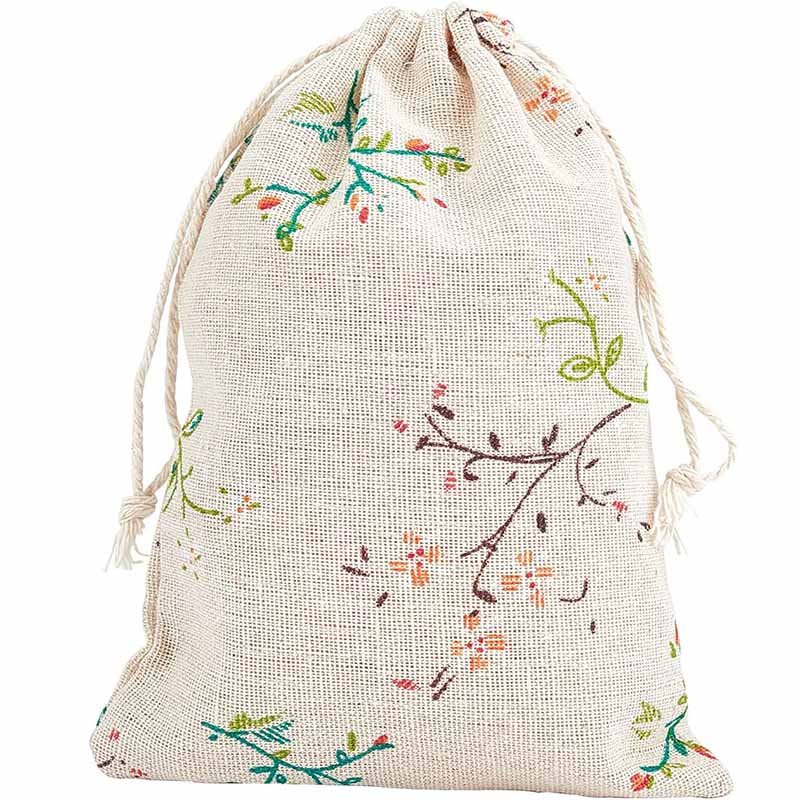
Drawstring burlap bags are among the most popular types for retail, gifting, and promotional use. The drawstring closure adds convenience and light security, making these bags suitable for wine bottles, gift items, cosmetics, favors, and small products.
Their popularity comes from their balance of rustic appearance and practical usability. Drawstring bags are easy to open and close, reusable, and visually appealing for eco-conscious branding. Many businesses choose them for seasonal promotions, events, and weddings.
Burlap tote bags
Burlap tote bags are widely used as reusable shopping bags, promotional giveaways, and everyday carry bags. They usually feature reinforced handles and a structured shape.
These bags are popular because they combine durability with branding space. Burlap totes are often printed with logos or messages and reused by customers, extending brand visibility. Compared to disposable bags, burlap totes offer higher perceived value and better environmental messaging.
They are especially popular among organic brands, markets, and eco-focused retailers.
Lined burlap bags
Lined burlap bags have become increasingly popular in recent years, especially for food-related packaging and premium retail applications. The lining—often cotton, non-woven fabric, or PE—adds cleanliness, structure, and sometimes moisture resistance.
These bags maintain the natural burlap exterior while improving usability. Lined burlap bags are popular for coffee, flour, grains, and gift packaging, where direct contact with burlap may not be ideal. They are often chosen by brands that want burlap’s look without compromising hygiene or customer experience.
Printed burlap bags
Printed burlap bags are widely used for branding, promotions, and product packaging. Screen printing is the most common method due to burlap’s rough texture.
These bags are popular because they turn a simple sack into a marketing tool. Logos, slogans, and designs help communicate brand values such as sustainability and authenticity. Printed burlap bags are frequently used in retail, events, and trade shows.
Their popularity is driven by low customization cost and high visual impact.
Small burlap bags for crafts and DIY
Small burlap bags are popular among DIY enthusiasts and craft sellers. They are used to make gift bags, storage pouches, wedding favors, and handmade products.
Their natural texture adds charm to handmade items, while their affordability makes them suitable for creative reuse. This category has grown as more people look for reusable, upcycled, and sustainable materials.
Why these burlap bag types dominate the market
These burlap bag types remain popular because they meet real functional needs while supporting sustainability and reusability. Whether for agriculture, retail, or decoration, burlap bags offer flexibility that many synthetic alternatives cannot match.
Popularity is driven not by trend alone, but by performance, cost, and perception.
How to choose the right burlap bag type
Choosing the right burlap bag type depends on:
- Purpose (storage, retail, promotion, decoration)
- Weight capacity
- Need for lining or protection
- Branding requirements
- Reusability expectations
Working with an experienced manufacturer ensures the bag type matches your actual use case.
How are burlap bags customized for business use
Burlap bags are customized for business use through size selection, printing or embroidery, lining options, handle design, closure types, and structural reinforcement. Companies use custom burlap bags for packaging, branding, retail, and promotions because they are cost-effective, eco-friendly, and reusable. Proper customization ensures burlap bags match both functional requirements and brand identity.
Why businesses customize burlap bags in the first place
Businesses customize burlap bags to achieve three main goals: functionality, branding, and differentiation. A plain burlap sack may work for storage, but customization transforms it into a branded packaging or promotional asset.
Custom burlap bags help businesses:
- Improve product presentation
- Communicate eco-friendly values
- Increase brand visibility through reuse
- Match packaging size and strength to products
Because burlap bags are highly visible and reusable, even simple customization can deliver long-term marketing value.
How size and shape are customized
The first and most important customization step is choosing the right size and shape. Businesses may need small burlap bags for gift items, medium sizes for retail packaging, or large sacks for agricultural use.
Custom sizing helps avoid wasted material and ensures proper weight distribution. Shapes can also vary—flat-bottom bags for retail displays, gusseted bags for bulk capacity, or tall narrow bags for bottles. Getting size right improves usability and reduces cost.
How logos and branding are added to burlap bags
The most common branding method is screen printing, which works well for burlap’s coarse texture. Simple, bold designs with limited colors produce the best results.
Embroidery is less common but can be used for logos that require a handcrafted look. Heat transfer is generally not recommended due to burlap’s uneven surface. Choosing the right branding method ensures durability and visual clarity without damaging the fabric.
What lining and inner structure options are available
Many businesses choose to add linings to burlap bags to improve hygiene, structure, or moisture resistance. Common lining materials include cotton, non-woven fabric, or thin PE layers.
Lined burlap bags are popular for food packaging, coffee bags, gift items, and retail products. While linings increase cost, they significantly improve user experience and product protection.
How handles, closures, and reinforcements are customized
Customization often includes:
- Handle types: jute rope, cotton webbing, padded handles
- Closures: drawstrings, buttons, Velcro, zippers
- Reinforcements: double stitching, reinforced bottoms, edge binding
These features improve durability and usability, especially for bags intended for repeated use or heavier loads.
What customization factors affect cost the most
The main cost drivers for custom burlap bags include:
- Bag size and fabric weight
- Printing complexity and color count
- Lining and lamination requirements
- Hardware and closure choices
- Order quantity (MOQ)
Understanding these factors allows businesses to optimize design without unnecessary expense.
How custom burlap bags are used in real business scenarios
Custom burlap bags are widely used for:
- Retail packaging (coffee, wine, organic foods)
- Promotional giveaways and trade shows
- Seasonal and gift packaging
- Eco-conscious branding campaigns
Because burlap bags are reusable, they continue to promote the brand long after the initial purchase.
How to choose quality burlap bags for your needs
To choose quality burlap bags, focus on material purity (jute content), weave density, stitching strength, size and load capacity, and finishing quality. The right burlap bag should match its intended use—storage, packaging, branding, or DIY—while offering durability, breathability, and consistent construction. Evaluating samples and working with experienced manufacturers helps ensure reliable quality.
Start with the intended use (this matters most)
Before comparing prices or designs, clearly define how the burlap bag will be used. Quality means different things depending on the application:
- Agriculture & storage: prioritize strength, breathability, and load capacity
- Retail & branding: focus on appearance, print clarity, and consistency
- Food-related use: consider cleanliness, lining options, and odor control
- DIY & crafts: prioritize uniform weave and minimal fiber shedding
Many buyers choose “heavy-duty” burlap by default, but overspecifying often increases cost without improving performance. The best-quality burlap bag is the one designed for its real use case.
Check the material: jute quality and composition
High-quality burlap bags are made from natural jute fibers with minimal blending. Look for:
- Even-colored fibers (not overly dark or patchy)
- Minimal broken fibers or dust
- Consistent thickness across the fabric
Lower-quality burlap may use mixed fibers, overly short jute strands, or weak yarns, leading to tearing and excessive shedding. If sustainability matters, confirm whether the burlap is untreated or lightly treated, as heavy chemical coatings reduce eco benefits.
Evaluate weave density and fabric weight
Weave density directly affects durability. A tighter, more uniform weave generally means better load-bearing capacity and longer lifespan.
Signs of good weave quality:
- Even spacing between yarns
- No large gaps or loose intersections
- Fabric feels firm but not brittle
For bulk storage or repeated use, choose heavier burlap. For decorative or promotional use, lighter burlap may be sufficient and more cost-effective.
Inspect stitching and construction quality
Stitching quality is often the weakest point in burlap bags. Quality burlap bags feature:
- Straight, consistent stitching
- Reinforced seams, especially at stress points
- Folded or bound edges to reduce fraying
Poor stitching leads to seam failure long before the fabric itself wears out. For heavier loads, double stitching or reinforced bottoms are essential.
Choose the right size and load capacity
Size should match both volume and weight, not just appearance. A bag that looks large may become unmanageable when filled.
Ask these questions:
- How much weight will the bag carry?
- Will it be lifted by hand or moved mechanically?
- Does it need a flat bottom for standing display?
Selecting the correct size improves usability and reduces product returns or damage.
Decide whether lining or treatment is necessary
Not all burlap bags need lining. However, lining is recommended when:
- The bag will hold food or fine materials
- Cleanliness and odor control matter
- The product needs additional structure
Common linings include cotton, non-woven fabric, or thin PE. Remember that linings improve usability but reduce breathability—so they should be chosen intentionally.
Assess appearance and consistency for branding use
For retail and promotional applications, visual consistency is critical. Check for:
- Uniform color and texture across samples
- Print-friendly surface (not overly fuzzy)
- Consistent bag dimensions
Inconsistent burlap appearance can weaken brand perception, even if the bag is technically strong.
Common mistakes buyers make
Many buyers encounter issues because they:
- Choose burlap purely for price, not performance
- Ignore stitching quality
- Assume all burlap is eco-friendly without checking treatments
- Skip sample testing
Avoiding these mistakes saves time, cost, and reputation—especially for branded projects.
how to choose quality burlap bags
Before placing an order, confirm:
- Intended use clearly defined
- Jute material quality verified
- Weave density and fabric weight suitable
- Stitching and seams reinforced
- Size and
load capacity tested
- Lining added only if necessary
- Supplier provides samples and clear specs
Conclusion
Burlap bags are more than simple sacks—they are functional, reusable, and powerful tools for storage, branding, and sustainability messaging. Choosing the right burlap bag requires understanding material behavior, use cases, and customization options.
With over 18 years of experience in bag R&D and manufacturing, Szoneier offers custom burlap bag solutions for global buyers and brands. From free design support and low MOQs to fast sampling and strict quality control, Szoneier helps clients turn burlap bags into reliable products and effective brand assets.
Contact Szoneier today to discuss your custom burlap bag project and receive a tailored quotation.
manufacturer Categories
- Custom Tote Bags Manufacturer
- custom backpacks Manufacturer
- custom travel bags& Duffle bags manufacturer
- custom makeup bags & toiletry bags manufacturer
- custom cooler bags manufacturer
- custom drawstring bags manufacturer
- custom makeup bags & toiletry bags manufacturer
- custom golf bags manufacturer
- custom fireproof bags manufacturer
- custom dry bags manufacturer
- custom ski bags manufacturer
- custom gym & sports bags manufacturer
- custom laptop bags manufacturer
- custom tactical bags manufacturer
- custom beach bags manufacturer
- custom medical bags manufacturer
- custom camera bags manufacturer
- custom wetsuits manufacturer
- custom leather goods manufacturer
- more personalized products
Can't find the answers?
No worries, please contact us and we will answer all the questions you have during the whole process of bag customization.
Make A Sample First?
If you have your own artwork, logo design files, or just an idea,please provide details about your project requirements, including preferred fabric, color, and customization options,we’re excited to assist you in bringing your bespoke bag designs to life through our sample production process.
