Skip to content
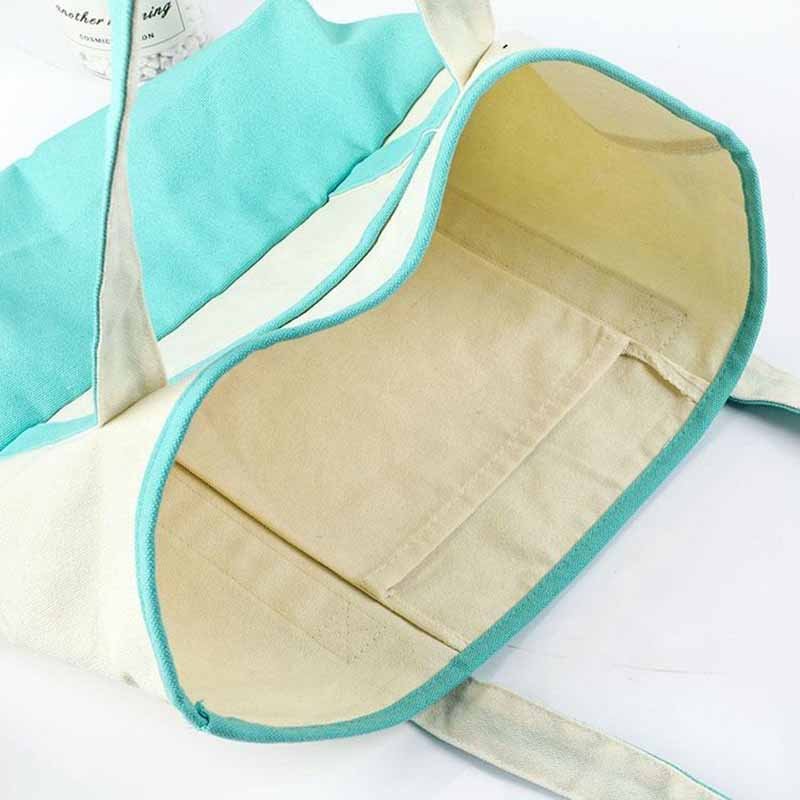
At first glance, a canvas bag looks like one of the simplest products to develop. Two handles, a rectangular body, maybe a logo on the front, and the job seems done. But the moment a brand wants the bag to feel more useful, more premium, and more suitable for real daily use, the structure becomes much more important. This is where internal pockets matter. A well-made internal pocket is not just a sewn-in fabric panel. It changes how the user experiences the product. It gives a place for keys, cards, phones, pens, chargers, cosmetics, notebooks, or passports. It reduces clutter, improves convenience, and makes the bag feel designed rather than generic. For brands trying to compete in retail, gifting, ecommerce, corporate merchandise, or promotional markets, that difference can directly affect customer satisfaction, product reviews, repeat orders, and long-term trust.
The core point is simple: manufacturing canvas bags with internal pockets requires more than adding compartments inside a bag. It involves choosing the right canvas weight, planning the right pocket size and location, matching suitable linings and closures, reinforcing stress points, and controlling sewing accuracy throughout production. When these parts are handled correctly, the final product feels stronger, more organized, and more valuable to the end user.
A lot of importers only realize this after they receive a sample that looks fine in photos but feels awkward in real use. The pocket opening may be too small, the zipper may catch, the lining may pull, or the inside layout may waste space. These details are easy to overlook during quotation, but they become impossible to ignore once the bag reaches customers. That is why brands that want stable quality usually spend more time on internal structure during development, not less. A bag that works well on the inside has a much better chance of succeeding in the market.
What Are Canvas Bags with Internal Pockets?
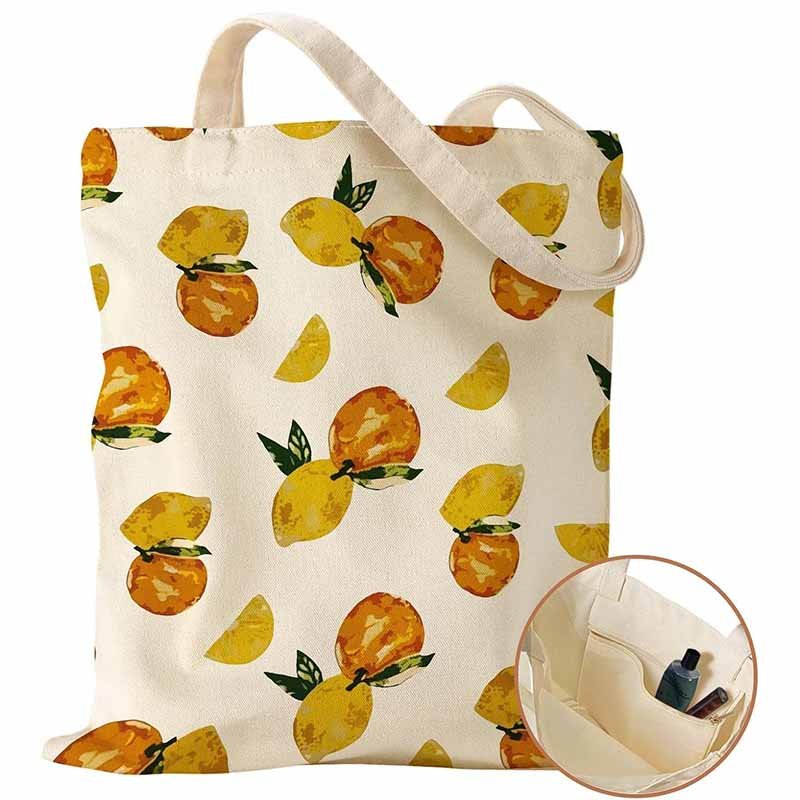
Canvas bags with internal pockets are bags made from canvas fabric that include one or more inside compartments for organization, storage, or protection of small items. These pockets can be open, zippered, divided, padded, elasticized, or combined in different layouts depending on the bag’s purpose.
For many brands, this product category sits in an important middle ground. It is still simple enough to be cost-effective, but functional enough to feel upgraded. A plain tote bag is useful, but it often feels basic. Once internal pockets are added in the right way, the same bag can move into a more practical and more premium product position. That matters for clients who want to sell at a stronger price point or present a more polished private label collection.
Internal pockets are especially valuable in markets where end users carry multiple small items every day. Office workers want separate spaces for cards, chargers, and pens. Mothers want wipes, small bottles, and keys easy to reach. Students want notebooks, earphones, and devices organized. Travelers want safe spots for passports and cash. Retail shoppers want a bag that looks clean outside and works well inside. In all of these cases, the bag is no longer just a container. It becomes a product designed around daily habits.
What are canvas bags?
Canvas bags are made from tightly woven fabric, most commonly cotton canvas or cotton-based canvas blends. In manufacturing, canvas is valued because it offers a strong balance of durability, printability, structure, and cost control. It can be used for tote bags, shopping bags, travel bags, pouches, tool bags, school bags, promotional bags, and many other categories.
The main reason canvas remains so popular is that it is practical in both manufacturing and selling. From the factory side, canvas is relatively easy to cut, sew, print, and customize. From the customer side, it feels familiar, reliable, and easy to use in daily life. That combination is hard to replace. Materials that look more technical may cost more. Materials that look cheaper may reduce product value. Canvas sits in a strong position because it supports a wide range of price levels and product identities.
For sourcing clients, the word “canvas” should never be treated as one single standard material. Canvas varies in weight, density, texture, softness, appearance, and finishing. A lightweight canvas gift bag and a heavy-duty structured work tote may both be called canvas bags, but they behave very differently in production and in actual use.
A factory developing canvas bags should normally help the client compare the following material factors:
| Material Factor | What It Affects | Why It Matters |
|---|---|---|
| Fabric weight | Thickness and strength | Influences shape, load capacity, and feel |
| Yarn density | Surface firmness | Affects durability and printing effect |
| Cotton content | Natural feel | Impacts hand feel, shrinkage, and image |
| Blend structure | Cost and performance | Can improve price control or functionality |
| Surface finish | Appearance | Changes texture, softness, and dust resistance |
| Colorfastness | Long-term look | Helps reduce fading and quality complaints |
For a custom product, the material should match the target market. A fashion retail brand may want a softer, cleaner, more premium canvas. A promotional client may focus on budget and logo visibility. A grocery tote project may need stronger body support. A work tote may need thicker fabric plus reinforced handles and pockets. The right answer is not always the thickest canvas. It is the canvas that best supports the product’s real job.
At Szoneier, this is where development support matters. A client may arrive with a basic tote reference photo, but the actual production decision must go deeper. How much weight should the bag hold? Should the body stand up or fold flat? Will the logo be printed or embroidered? Will the bag include lining, zipper closure, bottle sleeve, or laptop divider? Once these questions are answered, the material choice becomes much more accurate.
Why add internal pockets?
Internal pockets solve one of the biggest weaknesses of simple tote-style bags: lack of order. Without pockets, all small items fall into the main compartment. This creates inconvenience, slows down access, and often makes the bag feel lower in value. End users may still accept it for very basic use, but once they start carrying daily essentials, the bag becomes less enjoyable.
This matters more than many importers first expect. In actual retail experience, people notice convenience immediately. A user who can quickly find keys, lipstick, earphones, ID cards, bank cards, cables, tissues, or passports will naturally feel the bag is better designed. That feeling supports stronger customer reviews and better retention. In contrast, a bag that forces the user to search through one deep space may still look nice, but it does not create the same level of satisfaction.
Internal pockets also help a bag serve more defined market segments. This is useful for brands that want to move beyond generic promotional products.
Here is how different customer groups often benefit from inside organization:
| End User Group | Common Items Stored | Useful Pocket Types |
|---|---|---|
| Office users | Charger, pen, card holder, notebook | Slip pockets + zip pocket |
| Students | Earphones, phone, stationery | Divider pocket + open pocket |
| Mothers | Wipes, snacks, keys, small bottle | Multi-pocket panel |
| Travelers | Passport, wallet, tickets, cable | Zipper pocket + document slot |
| Gym users | Towel, lock, supplements, earbuds | Zipper pocket + mesh pocket |
| Retail shoppers | Phone, cosmetics, receipts | Open pocket + secure zip pocket |
From a business perspective, internal pockets also help a brand tell a stronger product story. When a sales page says a bag includes a zip pocket for valuables, a divider for small essentials, and a better-organized interior for everyday use, the product immediately sounds more complete. That helps with conversion. Customers are more willing to pay for a bag when the features feel useful and specific.
Another advantage is product differentiation. Many canvas bags in the market still follow simple outer shapes. By improving the inside, a brand can create a stronger product without making the outside look too complex. That is often a smart move because the product remains visually clean while becoming more functional. For many brands, that is the sweet spot.
Are internal pockets practical?
Yes, but only when they are designed around real use. A pocket is practical when it improves access, protects important items, and does not reduce the usefulness of the main compartment. A pocket is not practical when it is too narrow, too deep, badly placed, too soft, or too hard to reach.
This is where many low-level suppliers make mistakes. They treat internal pockets as a decoration rather than a working feature. The bag may technically include pockets, but they do not fit modern phone sizes, they sit too low under the bag opening, or they collapse because the lining and stitching are too weak. These problems are not always obvious in product photos, but they are very obvious after a week of use.
A practical pocket should be judged by real-world questions:
- Can the user reach the item quickly?
- Does the pocket opening fit the intended item properly?
- Does the pocket keep its shape after repeated use?
- Does the zipper open smoothly without catching fabric?
- Does the pocket layout leave enough room in the main compartment?
- Does the pocket position support left-hand or right-hand access?
- Does the lining stay flat instead of twisting or pulling?
These questions sound simple, but they are exactly what separate a convenient bag from a frustrating one. In custom development, the factory should not only ask what the client wants to add, but also why the client wants that feature and how the end customer will use it.
For example, a work tote may need one zip pocket plus two slim open pockets near the top line for quick access. A beach bag may only need one secure zip pocket because the main compartment should stay open and spacious. A diaper tote may need larger internal compartments with wider openings for fast handling. A travel bag may benefit from a passport pocket placed close to the bag opening, not too deep inside.
This is why physical samples are so important. Pocket usability is one of the hardest things to judge only from drawings. The sample tells the truth. If the structure feels natural in the hand, the design is likely on the right path. If not, revision should happen before bulk production.
Which Canvas Bags Materials Work Best?
The best materials for canvas bags with internal pockets are the ones that balance strength, structure, appearance, sewing performance, and target price. In most commercial projects, the most successful products are not built from the heaviest material available. They are built from materials that match the intended use, support the internal pocket structure properly, and stay within a workable cost range.
Many buyers focus on the outer fabric first because that is what they can see most easily. But from a manufacturing point of view, a canvas bag is a system. The outer shell, lining, thread, zipper, pocket fabric, handle webbing, reinforcement layers, and finishing details all affect the final result. If one part is chosen badly, it can weaken the full product. A nice outer fabric cannot hide a poor lining or weak pocket attachment.
For internal pocket bags, materials must do more than look good. They must support organization. The fabric should not sag too easily, the lining should not tear under repeated use, and the pocket area should stay functional after opening and closing many times. That is why material selection is one of the most important stages in development.
Which canvas is most durable?
Durability in canvas bags comes from the combination of fabric weight, yarn quality, weave density, stitching strength, reinforcement methods, and product design. Many clients ask for “thicker canvas” because they assume thicker always means better. In some cases that is true. In many cases it is only partly true.
A very heavy canvas can improve structure and load capacity, but it can also increase cost, make folding harder, create bulky seams, affect print performance, and reduce comfort if the bag is meant for light daily use. On the other hand, a canvas that is too light may wrinkle too easily, lose shape, or wear down faster at stress points.
Below is a practical comparison for commercial bag development:
| Canvas Weight Level | Common Use Direction | Main Advantage | Main Limitation |
|---|---|---|---|
| Light canvas | Gift bags, promo bags, simple shoppers | Lower cost, easy folding | Less structure, lower load support |
| Medium canvas | Daily totes, retail bags, branded casual bags | Balanced strength and cost | May still need reinforcement |
| Medium-heavy canvas | Work totes, laptop bags, travel use | Better structure and premium feel | Higher sewing difficulty |
| Heavy canvas | Utility bags, tool bags, structured products | Strong support and solid appearance | Heavier, more expensive, less flexible |
In real product development, the most durable canvas is the one that fits the use case without creating new weaknesses. A shopping bag that carries light items may not need a very heavy body, but it still needs reinforced handles. A structured tote for laptops or books may need both stronger fabric and stronger inside support. A beach bag may need good body strength but also resistance to repeated folding and washing.
For internal pocket bags, medium to medium-heavy canvas is often a strong direction because it offers enough body support for the pocket structure while remaining workable in production. But this should still be adjusted based on product size, handle drop, closure type, and target market.
Szoneier’s value here is not just supplying fabric. It is helping clients avoid mismatched material decisions. A bag that feels right in use will normally outperform a bag that is simply overbuilt without clear purpose.
Do linings improve canvas bags?
In many cases, yes. Lining improves inside appearance, supports cleaner pocket construction, helps hide seam allowance, and often makes the product feel more polished. When a bag includes internal pockets, lining becomes even more important because it helps stabilize those pockets and creates a more finished interior.
Without lining, a canvas bag can still work well, especially for simple shopping or promotional use. But once the product moves toward a retail, work, travel, or gifting position, lining often improves both quality perception and function. It creates a smoother inside surface, helps pockets hold shape better, and makes the bag easier to organize.
Different lining choices affect performance in different ways:
| Lining Type | Main Character | Best For |
|---|---|---|
| Cotton lining | Natural feel, soft, more premium | Boutique and lifestyle bags |
| Polyester lining | Smooth, practical, cost-efficient | Daily use, retail, travel bags |
| Thick backing or reinforced lining | Better structure and support | Work bags, organizer bags |
| No full lining with local pocket panel | Cost-saving approach | Entry-level or simple promo bags |
The correct lining choice depends on the project. A simple giveaway tote may not need full lining at all. A branded work tote with zipper pocket and organizer panel usually benefits from a full lining. A premium retail bag may use a lining not only for function but also to improve the feeling when customers open the bag.
One common sourcing mistake is choosing the lining only by price. This often causes problems later. If the lining is too thin, the pocket stitching may look weak or the fabric may tear faster under daily friction. If the lining is too slippery, items may shift too much. If it is too soft, the inside can lose shape. These are details customers notice over time, and they strongly affect product satisfaction.
For brands trying to build repeat business, inside quality matters more than many people expect. Customers may first buy a bag for its appearance, but they keep using it because of the experience. A neat and functional interior plays a big role in that experience.
Are zippers worth adding?
In many projects, yes. A zipper pocket is one of the clearest ways to increase functional value inside a canvas bag. It gives customers a secure place for cash, keys, ID cards, passports, cosmetics, or small electronics. For commuting, travel, office use, and retail positioning, this feature is often worth the extra cost.
But not every zipper adds real value. The zipper must be selected and placed correctly. A cheap zipper can damage the feel of the whole product. A zipper opening that is too short limits use. A zipper stitched without enough support may wave or distort the pocket panel. A zipper placed too low in the bag can become inconvenient.
When deciding whether to add zippers, clients should usually compare the following:
- What items need protection?
- Is the bag for travel, work, shopping, gifting, or casual daily use?
- Does the target customer value security or quick access more?
- Will the added zipper improve the sales story enough to justify the cost?
- Does the bag already include a top closure, or is the inside zip pocket the main secure area?
In many successful commercial products, one inside zipper pocket plus one or two open slip pockets creates the best balance. This layout keeps the bag clean and easy to use while adding enough function to feel thoughtfully designed.
From a manufacturing angle, zippers also affect labor time and quality control. The factory needs better alignment, better topstitching, and better checking during production. That is why factories with real bag experience are often more reliable for this feature. A zipper detail looks small on paper, but it has a strong effect on product quality perception.
How Are Canvas Bags Manufactured?
Canvas bags with internal pockets are manufactured through a much more structured process than many people expect. From the outside, the product may still look simple. But once a bag includes inner compartments, zipper pockets, dividers, linings, reinforced handles, or private label details, the production logic becomes much more technical. The success of the final product depends on whether the factory understands not only sewing, but also structure, use scenarios, material behavior, and bulk consistency.
For clients developing a custom bag, this matters because many problems do not come from the idea itself. They come from weak execution during development and production. A pocket may be placed too low. The lining may be pulled too tight. The bag opening may become distorted after the inside structure is attached. The handles may carry weight unevenly because the internal design changed the center of gravity. These are not random quality issues. They are process issues.
A reliable manufacturer should control the bag from pattern stage to bulk inspection. That is why experienced factories like Szoneier usually put more attention into early-stage development, especially when the client wants a bag that feels organized, polished, and suitable for retail or branded use. Good manufacturing is not about sewing faster. It is about reducing mistakes before they become expensive.
How are internal pockets made?
Internal pockets are usually made as separate fabric components that are prepared before the full bag body is assembled. The factory first cuts the pocket pieces according to the pattern. Then the opening edge is finished, folded, or reinforced depending on the pocket type. After that, the pocket is stitched onto the lining panel or directly onto the inner body panel before the bag is closed.
This process sounds straightforward, but in actual manufacturing, pocket construction is one of the areas where quality differences become very obvious. If the pocket width is not correct, the intended item may not fit properly. If the stitching is not straight, the inside looks careless. If the pocket opening is too soft, it collapses after repeated use. If the zipper is not installed smoothly, the bag immediately feels lower grade.
Different pocket types require different construction methods:
| Pocket Type | Construction Method | Best Use Direction |
|---|---|---|
| Open slip pocket | Hemmed top edge, stitched on three sides | Phones, notebooks, tissues |
| Zipper pocket | Cut opening or panel zipper construction | Cash, keys, passport, valuables |
| Divider pocket | Multiple stitched sections on one panel | Pens, cables, small tools |
| Elastic pocket | Elastic edge with tension control | Bottles, accessories, flexible storage |
| Padded pocket | Added foam or support layer | Tablet, device, fragile items |
| Mesh pocket | Mesh panel attached inside lining | Gym items, cables, breathable storage |
For clients, the important point is that the pocket should match the item it is meant to hold. A phone pocket should reflect modern phone size, not an outdated reference. A passport pocket should allow smooth access, not create a tight squeeze. A zipper pocket for cosmetics should open wide enough to be useful. These details should be solved in development, not guessed in production.
This is where Szoneier can create real value. Many clients arrive with a rough idea such as “one zipper pocket inside” or “several organizer compartments.” But the actual success of the product depends on translating that idea into dimensions, placement, sewing structure, and sample testing. A capable factory helps turn a general request into a product that truly works in daily use.
Which sewing steps matter most?
The most important sewing steps are the ones that affect strength, shape, pocket function, and long-term consistency. A canvas bag may look fine when it is brand new, but poor sewing will show up quickly once the user starts filling the bag, lifting it repeatedly, opening the pockets, and using it under real conditions.
The sewing steps that matter most usually include:
- pocket edge finishing
- zipper installation
- lining alignment
- handle attachment
- reinforcement at stress points
- top-line stitching
- corner shaping
- seam allowance control
Each one plays a different role.
Pocket edge finishing affects whether the inside looks clean and whether the opening holds its shape. Zipper installation affects usability and perceived quality. Lining alignment affects whether the bag opens naturally or pulls awkwardly. Handle attachment affects safety and load-bearing performance. Reinforcement at stress points affects product lifespan. Top-line stitching affects both appearance and structure. Corner shaping affects final bag volume. Seam allowance control affects symmetry and bulk uniformity.
Below is a practical breakdown:
| Sewing Step | What It Controls | Risk If Done Poorly |
|---|---|---|
| Pocket top finishing | Pocket opening shape | Curling, collapse, rough look |
| Zipper stitching | Smooth opening and closing | Wavy zipper, catching, misalignment |
| Pocket attachment | Position and durability | Crooked pocket, tearing under use |
| Lining joining | Interior neatness and shape | Twisting, pulling, bunching |
| Handle sewing | Load support | Loose handles, breakage risk |
| Bartack or box stitch reinforcement | Stress-point strength | Shorter product life |
| Top opening stitch | Bag mouth stability | Deformation, weak finishing |
| Bottom and corner sewing | Bag volume and structure | Uneven base, poor standing shape |
Many lower-level suppliers can make a visually acceptable sample, but they struggle with repeat consistency across hundreds or thousands of pieces. That is where real manufacturing discipline shows. A strong factory does not rely only on worker experience. It uses approved samples, size standards, sewing instructions, and in-line checking to keep the product stable.
For a custom canvas bag with internal pockets, sewing is not just an assembly action. It is the stage where design intent becomes a real product. If sewing quality is weak, even good materials cannot save the bag.
How is quality checked?
Quality control for canvas bags with internal pockets should not begin at the end of production. It should start before bulk sewing begins and continue throughout every major stage. A factory that only checks the final packed goods is already too late to prevent many common problems.
A more reliable quality process usually includes four levels:
- material checking
- pre-production confirmation
- in-line inspection
- final inspection
Each level protects the client in a different way.
Material checking verifies canvas weight, color, lining quality, zipper quality, webbing, accessories, and printing or label components before production starts. If raw materials are wrong, later quality is already at risk.
Pre-production confirmation checks the approved sample, measurements, logo position, pocket layout, thread color, stitching method, and packaging standard. This helps the line work from one clear reference.
In-line inspection checks live production. This stage is especially important for internal pockets because many defects happen during early assembly and cannot be fixed easily after the bag is closed. Inspectors should check pocket position, zipper alignment, stitch quality, and lining smoothness while sewing is still in progress.
Final inspection checks appearance, function, measurements, packing, labeling, and carton condition before shipment.
A useful quality checklist often includes the following points:
| Quality Item | What Should Be Checked |
|---|---|
| Measurements | Height, width, gusset, handle drop, pocket size |
| Appearance | Clean stitching, no oil marks, no distortion |
| Pocket function | Easy access, correct size, secure attachment |
| Zipper function | Smooth opening, correct alignment |
| Handle strength | Reinforced and balanced |
| Logo quality | Correct position, clear print or embroidery |
| Lining finish | Flat, clean, not twisted |
| Packing | Correct labels, quantity, folding, carton marks |
For clients, one of the most important questions is not just “Do you have QC?” but “What do you check, and when do you check it?” A supplier that answers clearly is usually more dependable than one that gives only a general promise.
Szoneier’s strength in this area is especially useful for overseas clients who cannot monitor production in person. Fast communication, sample confirmation, production discipline, and a serious quality mindset reduce the risk of receiving goods that look acceptable in cartons but fail in the hands of real customers.
What does the full production process look like?
A full production process for a canvas bag with internal pockets usually follows a sequence from idea to shipment. For sourcing clients, understanding this flow helps with planning, pricing, and avoiding unrealistic expectations about timeline or revisions.
A standard process often looks like this:
| Stage | Main Work | What Clients Should Focus On |
|---|---|---|
| Project briefing | Confirm use, size, features, logo, target price | Be clear about product purpose |
| Material selection | Choose canvas, lining, zipper, webbing, trims | Match material to market and function |
| Pattern making | Build the product dimensions and structure | Confirm practical proportions |
| Sample making | Produce first physical version | Check usability, not just appearance |
| Sample revision | Improve based on real handling | Fix pocket layout and construction details |
| Pre-production setup | Confirm final standard for bulk | Lock logo, measurements, and workmanship |
| Bulk cutting | Cut all fabric panels accurately | Important for consistency |
| Pocket and lining assembly | Make inside structure first | Key stage for organized bags |
| Main sewing | Join body, handles, closures | Controls overall strength and appearance |
| Finishing | Trim threads, clean, shape, inspect | Improves presentation quality |
| Packing | Fold, label, polybag or carton pack | Must match shipping and retail needs |
| Shipment | Deliver by sea, air, express, or mixed method | Choose based on budget and deadline |
For clients launching a new design, the sample and revision stage is often where the product improves most. This is especially true for internal pockets. On paper, a design may look complete. In the hand, it may need a deeper zipper pocket, a wider organizer section, a stronger lining, or a more comfortable handle drop. The factory should be able to guide those changes instead of simply copying the original sketch without judgment.
That is one of the practical advantages of working with a development-oriented manufacturer. Szoneier is not only producing bags. It is helping clients move from idea to workable product with fewer blind spots and fewer expensive mistakes.
What Custom Canvas Bags Options Matter?
The most important custom options are the ones that improve usefulness, strengthen brand identity, and support the right market position without creating unnecessary cost or production complexity. In other words, good customization is not about adding more details. It is about adding the right details.
Many clients start a canvas bag project with a long wish list. They want more pockets, more labels, more printing, more closures, more accessories, more packaging features. But in commercial development, more is not always better. Every custom detail affects price, lead time, production risk, and customer experience. A bag that is overloaded with features can become bulky, expensive, or less user-friendly. A bag that is too plain may struggle to stand out.
The best custom canvas bags usually strike a balance between function, cost control, and visual identity. They look clean, feel useful, and clearly belong to the client’s brand.
Which logo methods work best?
The best logo method depends on the product style, target market, order volume, artwork complexity, and desired brand image. A good logo should not only look attractive. It should also fit the bag’s material, usage scenario, and sales channel.
For canvas bags, common logo methods include:
- screen printing
- heat transfer
- digital printing
- embroidery
- woven label
- patch application
- embossed or debossed label on accessory material
Each method creates a different impression.
| Logo Method | Visual Effect | Best For | Things to Watch |
|---|---|---|---|
| Screen printing | Bold, clean, classic | Promotional, retail, high-volume orders | Best for simpler artwork |
| Heat transfer | Flexible for colorful designs | Small runs, graphic-heavy artwork | Durability must be checked |
| Digital printing | Detailed and colorful | Artwork with gradients or many colors | Cost may rise on larger volume |
| Embroidery | Premium, textured | Lifestyle, fashion, branded collections | Thick thread may affect soft fabric areas |
| Woven label | Subtle and refined | Boutique, private label, premium positioning | Needs careful placement |
| Patch | Strong design statement | Outdoor, fashion, concept-driven styles | Adds thickness and labor |
Clients should choose a logo method based on how they want the product to feel in the market.
A promotional tote distributed at an event often works well with a clear screen print because the goal is visibility and cost efficiency. A lifestyle brand may prefer a smaller embroidered logo or woven label because the goal is a cleaner, more premium appearance. A fashion-forward collection may use an outside label and keep the bag body visually quiet. A corporate project may prefer understated branding that still looks polished.
For many clients, the smarter question is not “Which logo method is most advanced?” but “Which logo method best supports the product’s selling position?” A canvas bag meant for gifting, retail shelving, or premium ecommerce may need a more refined approach than a low-cost event tote.
Szoneier can usually support several branding methods on the same project, which helps clients compare price, appearance, and production efficiency before moving into bulk. That comparison is valuable because the right logo choice can improve both the product image and the order economics.
How many pockets are enough?
The right number of pockets depends on the actual use of the bag, not on how many features can be added. In most successful commercial designs, enough pockets means the user can organize essentials without losing the convenience of the main compartment.
Too few pockets can make a bag feel unfinished. Too many pockets can make it feel cluttered, heavy, and less intuitive. The goal is not to maximize compartments. The goal is to make the interior easy to use.
A practical way to think about pocket quantity is by bag type:
| Bag Type | Suggested Pocket Direction | Why It Works |
|---|---|---|
| Basic retail tote | 1 open pocket or 1 zip pocket | Keeps cost controlled while adding useful storage |
| Daily commuter tote | 1 zip pocket + 2 slip pockets | Good for phone, cards, charger, keys |
| Work bag | Multi-divider panel + zip section | Supports office essentials and better organization |
| Travel tote | Passport pocket + zip pocket + open slot | Helps separate documents and valuables |
| Mom bag | Larger compartments + secure pocket | Easier storage for wipes, bottles, accessories |
| Gym bag | Zip pocket + flexible utility pocket | Supports lock, earbuds, supplements, small gear |
Clients should also think about how the bag opens. A deep open tote with many small pockets sewn too low may actually be less convenient than a simpler layout placed higher and closer to the hand. Pocket quantity must be matched with access.
A few useful development questions are:
- What items should be stored separately?
- Which item needs the fastest access?
- Which item needs security?
- How often will the bag be used?
- Is the customer carrying work items, travel items, or casual daily items?
- Does the bag need to stay lightweight?
These questions help avoid a common mistake: adding pockets for visual feature value instead of real user benefit. A bag that feels simple and natural often performs better than a bag filled with extra compartments that customers do not really use.
For internal pocket development, Szoneier can help refine these decisions during sampling. That is often where clients discover that one less divider or one larger pocket creates a much better overall result.
Do private label details matter?
Yes, very much. Private label details are often what make the difference between a factory-made bag and a brand-ready product. They affect not only appearance, but also trust, consistency, shelf presentation, and customer memory.
A strong private label bag may include:
- inside woven brand label
- care label
- custom hangtag
- branded zipper pull
- custom polybag or outer packaging
- barcode sticker position
- branded dust bag or insert card
- custom carton mark for distribution
These may look like small details, but together they shape how professional the final product feels.
| Private Label Detail | Main Value | Best Use Direction |
|---|---|---|
| Woven brand label | Brand recognition | Retail and ecommerce |
| Care label | Product information and compliance | All branded sales channels |
| Hangtag | Retail presentation | Boutique, gifting, shelf display |
| Custom packaging | Better unboxing and identity | Ecommerce and premium projects |
| Branded zipper pull | Stronger perceived value | Travel, work, lifestyle bags |
| Insert card | Storytelling or care guidance | Brand-building and retail support |
For smaller and medium-sized overseas clients, these details can be especially important. They may not have the budget to develop a huge product line at once, so each individual product needs to look complete and market-ready. A plain canvas bag with a front logo may be acceptable for some uses, but for private label selling, customers increasingly expect better detail and more polished presentation.
This is one reason low MOQ customization is so valuable. It allows clients to test a more branded product without committing to very large initial quantities. Szoneier’s flexible model is useful here because it gives clients room to build a more complete product image even at earlier growth stages.
Private label details should still be selected carefully. Not every bag needs every upgrade. The most effective approach is to choose the details that strengthen the product’s market position and support the client’s sales channel.
Which custom features raise product value most?
Not all custom features improve value equally. Some add cost without helping the user much. Others create immediate product appeal and stronger sales potential. For most canvas bags with internal pockets, the features that raise value most are the ones customers notice during use, not just during the first glance.
The features that often add the strongest value are:
- secure inside zipper pocket
- well-sized open organizer pockets
- comfortable handle drop
- strong base structure
- clean lining finish
- smart closure system
- durable logo application
- useful private label details
Below is a more commercial view:
| Custom Feature | Effect on User Experience | Effect on Product Position |
|---|---|---|
| Inside zip pocket | Better security | Feels more premium and practical |
| Open organizer pockets | Faster access | Improves daily convenience |
| Top zipper closure | Better protection | Good for commuting and travel |
| Reinforced bottom | Better load support | Helps premium perception |
| Full lining | Cleaner inside finish | Stronger retail and gift appeal |
| Better handles | More comfort and durability | Improves long-term satisfaction |
| Custom label set | More brand identity | Supports private label sales |
| Better packaging | Better presentation | Useful for ecommerce and gifting |
For clients planning a commercial launch, the key is prioritization. It is usually better to do five important details well than to add ten details that weaken cost control or production stability. A bag should feel intentionally developed, not overloaded.
That is where factory guidance matters. Szoneier can help clients decide which custom features are worth the investment for their market, and which are better left out in the first production run. This helps clients create a stronger product without unnecessary complexity.
How Do You Choose a Canvas Bags Manufacturer?
Choosing a canvas bag manufacturer is not just about finding a supplier that can sew a bag. It is about finding a partner that can understand your product goals, control production details, protect your quality standards, and help you build a product that will perform well in the market. This becomes even more important when the bag includes internal pockets, lining, closures, custom labels, and other structural details. A plain tote bag is easier to copy. A well-developed canvas bag with internal organization is harder to execute properly. That difference is exactly why manufacturer selection matters.
Many clients make the mistake of comparing factories only by price. On paper, one quotation may look cheaper. In reality, the lower price may come from lighter materials, weaker reinforcement, slower communication, poor pocket construction, limited quality control, or less experience with custom development. A bag that looks acceptable at first glance can still create problems later through broken handles, weak zippers, uneven stitching, poor pocket sizing, delayed delivery, or inconsistent bulk quality.
For branded projects, these problems do not stay inside the factory. They move directly into the client’s business. They affect reviews, returns, replacement costs, and brand reputation. That is why the right manufacturer should be judged as a full production partner, not only as a low-cost workshop.
What should you ask first?
The first questions should help you understand whether the factory really knows your type of product. Instead of only asking for a quotation, it is much smarter to ask questions that reveal development ability, product understanding, and quality awareness.
A useful starting point is to ask:
- What canvas weights do you recommend for this bag use?
- How would you suggest building the internal pockets?
- Can you make zipper pockets, divider pockets, and lining structures?
- What is your sample process?
- What information do you need before pricing accurately?
- How do you check quality during production?
- Can you support private label details?
- What is your normal lead time for samples and bulk?
- What is your low MOQ policy for custom projects?
- Can you improve my design if some details are not practical?
These questions help uncover whether the supplier is only reacting to requests or actually thinking like a manufacturer.
A strong factory usually responds with practical suggestions. It may recommend a stronger lining, a better zipper length, a cleaner pocket position, a better handle width, or a more suitable logo method. This is a very good sign. It means the factory is thinking about the final product, not simply copying a drawing.
A weaker supplier often responds in a more passive way. It says “yes” to everything, gives a quick price, and avoids discussing structure in detail. At first this may feel efficient. Later it often leads to revisions, mistakes, or disappointing samples.
For a custom canvas bag, especially one with inside organization, the best early conversations are detailed and practical. They should make the project clearer, not more vague.
How do MOQ and lead time work?
MOQ and lead time are two of the most important commercial questions in custom bag development, but they should never be viewed as fixed numbers without context. They depend on many factors, including material sourcing, dyeing, custom trims, logo method, lining complexity, packaging requirements, and order structure.
MOQ is often influenced by:
- fabric availability
- custom color requirements
- custom zipper or hardware requirements
- logo process setup
- packaging customization
- production efficiency targets
Lead time is often influenced by:
- sample approval speed
- material preparation
- order quantity
- pocket and lining complexity
- print or embroidery schedule
- packaging confirmation
- shipping method
Here is a practical way to understand it:
| Project Factor | Effect on MOQ | Effect on Lead Time |
|---|---|---|
| Standard fabric color | Lower barrier to entry | Faster material readiness |
| Custom dyed fabric | Usually raises minimums | Adds preparation time |
| Simple screen print | Easier to scale | Usually quicker process |
| Embroidery or patch work | May affect minimum efficiency | Adds production steps |
| Full lining + multi-pocket structure | No major MOQ change alone | Increases sewing time |
| Custom packaging set | Can raise project complexity | Adds packing coordination |
| Multiple bag sizes in one order | May complicate planning | Can extend production setup |
For clients, the key point is to discuss MOQ and lead time in relation to the real product. A factory should explain why a certain minimum exists and which parts of the product are driving that number. It should also explain what can be simplified if the client wants a faster launch or a smaller first order.
This is one of the reasons Szoneier is attractive to many overseas small and medium-sized clients. Low MOQ customization, quick sampling, and short lead times make it easier to test a product without taking unnecessary risk at the beginning. This is especially useful for ecommerce brands, importers testing a new category, boutique retailers, and corporate gift projects that need flexibility rather than massive volume from day one.
A good manufacturer does not just state MOQ and lead time. It helps the client understand how to manage them.
Why does sampling matter?
Sampling is one of the most important stages in the entire process because it turns assumptions into something real. Many product ideas sound good in a document, a sketch, or a tech pack. But a physical bag often tells a different story. The handle drop may feel too short. The zipper pocket may be placed too low. The lining may be too soft. The main opening may feel too narrow once the pockets are added. These are things that only become obvious when the product is handled in real life.
For canvas bags with internal pockets, sampling matters even more because the inside structure affects the way the whole bag behaves. A change in pocket layout can affect opening comfort, internal capacity, balance, and even appearance from the outside.
Sampling helps answer practical questions such as:
- Does the pocket really fit the intended item?
- Is the zipper easy to reach?
- Does the bag still feel spacious enough?
- Is the handle comfortable under load?
- Does the body collapse too much?
- Is the lining neat and stable?
- Does the bag look premium enough for the target market?
Many sourcing mistakes happen because clients approve a concept too quickly without testing the product properly. This often leads to bulk orders that need correction later, which is always more expensive.
A good sample should be checked from several angles:
| Sample Review Point | What to Check |
|---|---|
| Size and shape | Does the bag look balanced and practical? |
| Pocket usability | Can items be placed and removed easily? |
| Handle comfort | Is the drop length comfortable on shoulder or hand? |
| Fabric feel | Does the material match the target market? |
| Inside finish | Does the lining look neat and strong? |
| Branding | Is the logo method right for the product? |
| Construction | Does the bag feel stable under weight? |
Szoneier’s fast sample support is especially valuable here because it allows clients to move from idea to physical review more quickly. For product development, speed is useful, but what matters more is that the sample reveals the truth. Once the product is tested in hand, decisions become much sharper and much safer.
How can you compare manufacturers more objectively?
Many clients compare suppliers by instinct, but a more structured comparison usually leads to better results. When several factories look similar at first, the best choice often becomes clear only after you compare them using the same standards.
A practical manufacturer comparison should include the following areas:
| Comparison Area | What to Look For | Why It Matters |
|---|---|---|
| Product understanding | Does the factory ask smart, product-specific questions? | Shows real development ability |
| Material knowledge | Can it recommend suitable canvas, lining, and trims? | Reduces wrong material choices |
| Sample quality | Does the sample feel practical and refined? | Predicts bulk performance |
| Communication speed | Are replies clear, detailed, and timely? | Affects project efficiency |
| Custom flexibility | Can it support low MOQ, labels, packaging, logo options? | Important for growing brands |
| Quality control | Does it explain inspection points clearly? | Protects shipment reliability |
| Lead time discipline | Are timeline commitments realistic and stable? | Reduces launch delays |
| Problem-solving ability | Does it suggest improvements when needed? | Helps avoid costly mistakes |
This kind of comparison is very useful because it shifts the decision away from price alone. A slightly higher quotation from a more capable manufacturer may actually save far more money by reducing revisions, delays, defects, and customer complaints.
For clients building a brand, reliability often matters more than small unit savings. A good manufacturer supports long-term growth. A poor manufacturer may only look cheaper at the beginning.
Why Szoneier Fits This Kind of Project
For canvas bags with internal pockets, clients usually need more than basic sewing support. They need a factory that understands bag construction, material behavior, customization logic, and the needs of international markets. That is where Szoneier has a strong advantage.
Szoneier brings more than 18 years of experience in material development and product manufacturing. The company is known for working with a wide range of sewn products and customized projects, with strengths in flexible development and practical production support. For clients who want to develop functional bags with private label details, this combination is especially important.
What many clients care about most is not only capability, but also whether the cooperation model makes sense for their business stage.
For overseas small and medium-sized buyers, these points matter a lot. Many of them are testing new product ideas, expanding existing collections, or building their own branded line step by step. They need a manufacturer that can move with them, not one that only works well for very large standardized orders.
For higher-end brand clients, the advantage is different. They usually need more attention to detail, better internal structure, stronger consistency, and a cleaner presentation. In these projects, material selection, inside organization, sample refinement, and finishing quality all become more important. Szoneier’s development-driven approach helps support those expectations.
What kinds of clients benefit most from this service model?
Not every client has the same priorities. A useful manufacturer should be able to support different business models without forcing every project into the same process.
Here is where this type of service model works especially well:
| Client Type | Main Need | Why This Model Fits |
|---|---|---|
| Ecommerce brand | Fast launch, low-risk testing | Low MOQ and sample speed help a lot |
| Boutique retailer | Better product details and presentation | Private label support improves market readiness |
| Importer or distributor | Stable quality and repeatability | Strong QC and practical development reduce risk |
| Corporate gift supplier | Functional customization and timing control | Flexible options support campaign-based orders |
| Lifestyle brand | Stronger product identity | Material and branding choices can be refined |
| Premium label | Better structure and finish quality | More detail-oriented development is possible |
This is important because a bag project is rarely just about manufacturing. It is usually linked to a broader business goal. The factory should understand whether the client is launching, testing, scaling, repositioning, or upgrading. Once that is clear, the product and production strategy can be adjusted more intelligently.
Final Thoughts
A canvas bag with internal pockets may look like a simple product category, but the difference between an average bag and a successful one is often hidden inside the details. Material choice, pocket layout, lining quality, stitching discipline, handle reinforcement, logo execution, and private label presentation all work together to shape the final result.
The brands that perform well in this category usually do one thing right: they treat product function seriously. They do not stop at a nice outer shape. They think about how the customer will actually use the bag every day. They think about where keys go, where chargers go, how easy it is to find a passport, how smooth the zipper feels, how neat the interior looks, and how long the bag will hold up in real life. That is what turns a basic bag into a product customers want to keep using.
For companies developing custom canvas bags, the smartest path is to work with a manufacturer that can support both creative ideas and production reality. Szoneier offers that balance through experience, flexible customization, quick development, and a strong focus on quality.
If you are planning a custom canvas bag with internal pockets, now is the right time to move from concept to sample. You can send Szoneier your reference image, rough sketch, target size, logo file, preferred pocket layout, or market idea. From there, the product can be refined into a practical, well-made, market-ready bag that fits your brand and your customers’ daily needs.
Send Your Inquiry to Szoneier
If you are looking for a manufacturing partner for canvas bags with internal pockets, Szoneier is ready to support your project.
The more clearly your project goals are defined, the faster the development process can move. Even if your concept is still at an early stage, Szoneier can help guide material choice, structure planning, sampling, and production decisions.
A better bag starts with a better development process.
Send your inquiry to Szoneier and start building a custom canvas bag that looks right, works well, and gives your customers a better experience every day.