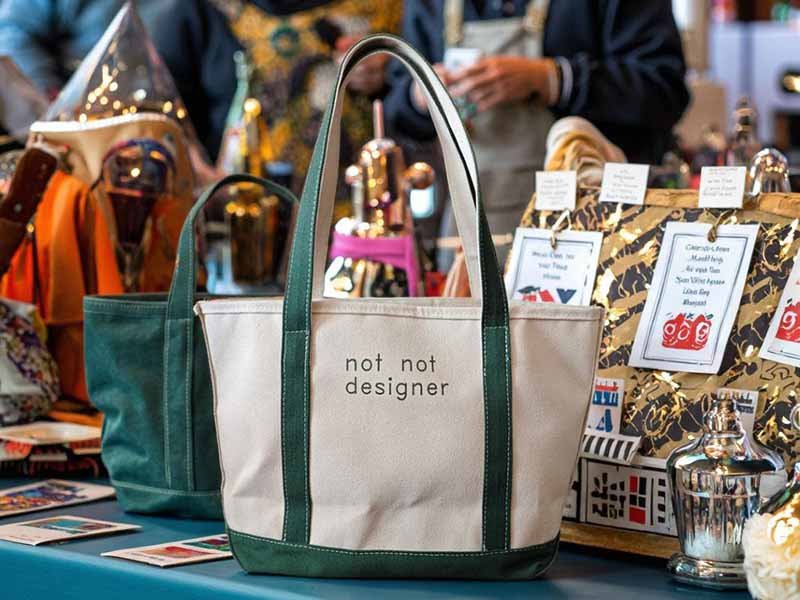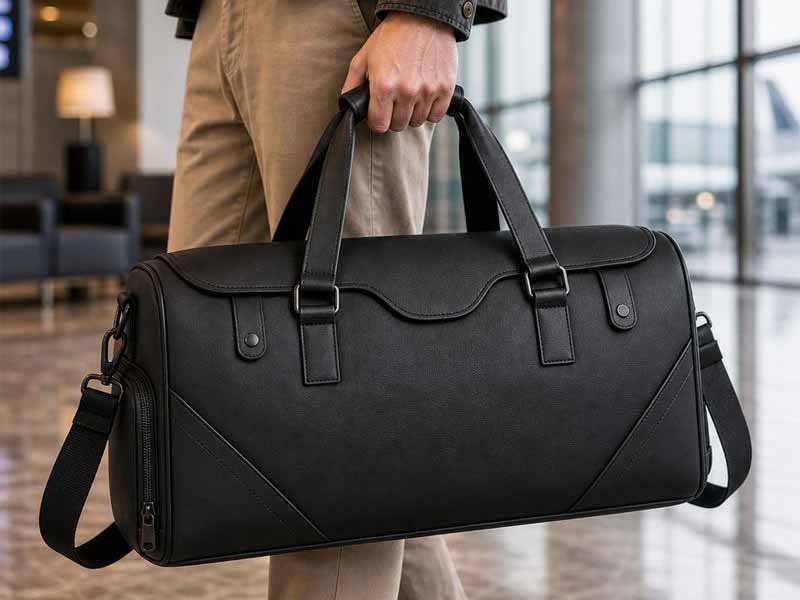
For many USA brands, finding a bag manufacturer in China looks simple at first. Search online, collect five quotes, compare prices, and choose the cheapest factory. But in real sourcing work, this is exactly where most problems begin. A low unit price does not tell you whether the supplier can match your sample, control fabric batches, keep the zipper smooth, meet FBA carton rules, finish production on time, or ship with correct export documents. The real question is not “Where can I find a bag factory?” The real question is “Which factory can safely turn my design into repeatable, sellable, brand-ready products?”
USA brands can find reliable bag manufacturers in China by verifying factory identity, product experience, sampling ability, material control, sewing quality, quality inspection, packaging knowledge, export support, and communication speed before placing bulk orders. A dependable supplier should provide clear RFQ feedback, sample approval steps, production checkpoints, and shipment-ready documentation instead of only offering a low price.
Think of it like hiring a long-term product team, not just buying bags. The wrong manufacturer may create late shipments, bad reviews, inconsistent materials, or unsellable inventory. The right one can help your brand launch faster, reduce development risk, and build a stable product line. That is why serious USA buyers should evaluate Chinese bag factories through a full evidence chain: factory capability, product engineering, sample-to-bulk consistency, QC workflow, packaging details, and export readiness.
Szoneier is a Shenzhen-based custom bags and soft goods OEM/ODM manufacturer with factory-based sampling, material sourcing, sewing production coordination, quality inspection, packaging, and export delivery support. Its documented capabilities cover custom bags, soft goods, leather goods, neoprene products, functional sewn products, low-MOQ trial orders, bulk production, and global buyer support.
What Makes a China Bag Manufacturer Reliable?
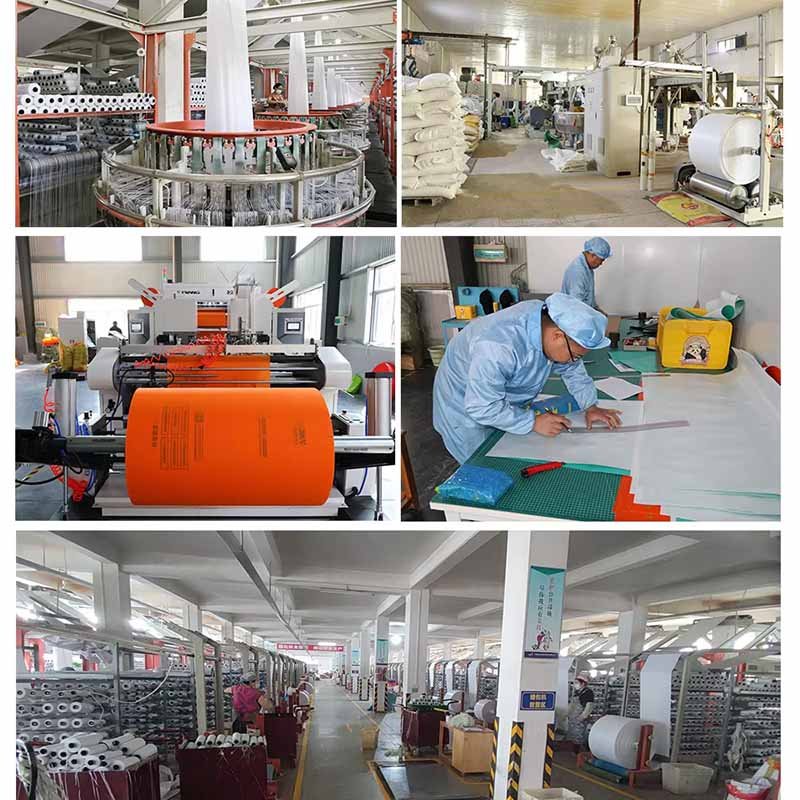
A reliable China bag manufacturer is not defined by the lowest price. It is defined by clear factory identity, proven product experience, controlled sampling, material transparency, stable sewing quality, structured QC, export knowledge, and responsive communication. For USA brands, reliability means the approved sample, bulk order, packaging, labels, and shipment plan can all be executed with fewer surprises.
A good manufacturer should make the buyer feel less uncertain at every stage. When a brand sends a product photo, tech pack, reference sample, or rough idea, the factory should be able to explain what is easy, what is risky, what needs adjustment, and what affects cost. If the factory only says “yes, we can do it” without asking about material, size, use case, logo, packaging, target market, or quantity, that is not confidence. It is often a warning sign.
Reliability also means the supplier understands that a USA brand is not just buying a bag. The buyer may need retail packaging, FBA labels, country-of-origin marking, carton marks, hangtags, barcode placement, inner packaging, commercial invoice support, and product consistency for repeat orders. A factory that only focuses on production may miss important channel requirements. A factory that understands brand supply chains can help reduce downstream risk.
For USA buyers, the best way to judge reliability is to ask for proof in layers. Start with company identity, then product examples, then sample process, then production control, then inspection workflow, then export support. A supplier that can explain all six layers clearly is usually more trustworthy than one that only sends product photos and price sheets.
| Reliability Area | What USA Brands Should Check | Why It Matters |
|---|---|---|
| Factory identity | Factory profile, video audit, real production areas | Avoids trading-only or unstable suppliers |
| Product experience | Similar bag types, materials, use cases | Reduces development mistakes |
| Sampling | Pattern, sample sewing, revision process | Prevents sample-to-bulk mismatch |
| Material control | Fabric, lining, zipper, webbing, hardware confirmation | Protects quality and cost stability |
| QC workflow | Raw material, in-line, final, packaging inspection | Reduces defect and return risk |
| Export support | Labels, carton marks, invoice, packing list, shipping plan | Helps USA import and delivery readiness |
What proof should brands check first?
The first proof a USA brand should check is not a beautiful product catalog. It should check whether the supplier has a real manufacturing system behind the catalog. Ask for a company profile, factory photos, sample room photos, production videos, material area, sewing lines, QC area, packing area, and examples of similar custom projects. For higher-value orders, request a video factory review or online meeting. This allows the buyer to see whether the supplier can actually discuss pattern making, materials, sewing, packaging, and production timing.
A reliable manufacturer should also explain its working process. For example, what happens after the buyer sends a tech pack? Who checks the structure? Who recommends materials? Who makes the pattern? Who confirms the pre-production sample? Who inspects bulk goods? If the supplier cannot describe the workflow, the buyer may face unclear responsibility later. Szoneier’s documented factory-based system includes in-house sampling, sewing production coordination, quality inspection, packaging, and export delivery support, which is the type of evidence USA brands should look for when evaluating a serious custom bag partner.
Which suppliers are real factories?
A real factory-based bag manufacturer usually has direct control over sampling, material confirmation, production coordination, quality inspection, and shipment preparation. A trading-only supplier may still be useful in some sourcing situations, but the risk is that communication, sample changes, quality issues, and production delays must pass through another factory. For custom bags, that extra layer can create misunderstanding, slower revisions, and weaker accountability.
USA brands can separate real factories from trading-only suppliers by asking practical production questions. Ask what machines are used for your material, how they handle thick seams, how they control strap reinforcement, how they inspect zipper smoothness, and how they compare bulk goods with the approved sample. Real manufacturers usually answer with process details. Weak suppliers often answer with generic phrases such as “high quality” or “no problem.” Szoneier’s materials and product scope include fabrics, leather, neoprene, PVC, TPU, EVA, mesh, canvas, nylon, polyester, and Oxford, supported by sewing, cutting, reinforcement, packing, and inspection-related equipment.
How do trading companies differ?
Trading companies mainly solve sourcing and coordination problems. Factory-based manufacturers solve product development, sample execution, production control, and quality consistency problems. This difference matters when a USA brand is developing a custom tote, makeup bag, backpack, cooler bag, leather pouch, tool bag, or functional soft goods product. The more customized the product is, the more important factory control becomes.
A trading company may quote quickly because it forwards the project to several factories. But when the buyer requests changes, the communication chain becomes longer. A small change in lining thickness, zipper color, binding width, logo position, or carton packing method may pass through multiple people before reaching production. That increases the chance of mistakes. A factory-based partner can usually discuss the same issue with the sampling, material, production, or QC team more directly. Szoneier positions itself as a factory-based custom bags and soft goods manufacturing partner rather than a simple bag supplier, with service from product idea and sample to bulk production and delivery.
Are low prices always risky?
Low prices are not always risky, but unexplained low prices are risky. A lower price can be reasonable if the material is stock fabric, the structure is simple, the logo process is basic, the color is standard, the packaging is simple, and the order quantity is high. But if one factory quotes 20–35% lower than others for the same custom bag, USA buyers should slow down and ask what changed. The answer may be thinner fabric, weaker lining, cheaper zipper, lighter webbing, fewer stitches, simpler reinforcement, or looser inspection.
A responsible manufacturer should help the buyer understand the cost structure. Material, labor, logo process, accessories, packaging, inspection, and shipping preparation all affect the final price. For example, a cooler bag with insulation, aluminum lining, zipper closure, reinforced handles, printed logo, and retail packaging cannot be compared with a simple non-woven tote. The better question is not “Who is cheapest?” It is “Which quote protects my product standard and sales channel?” In brand sourcing, a slightly higher controlled cost is often cheaper than defective inventory.
Which Bag Types Can China Factories Make?
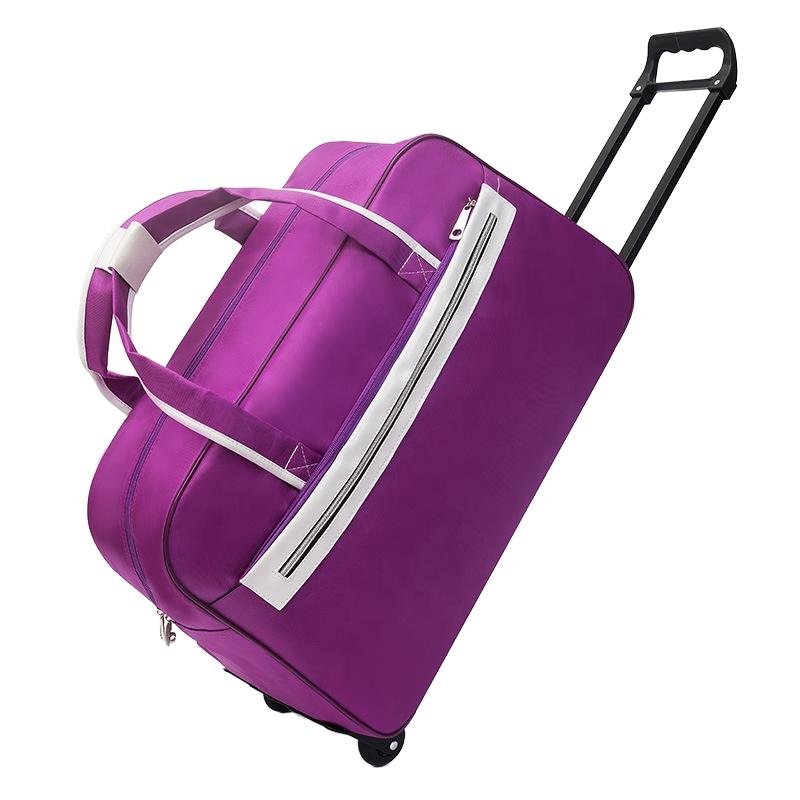
China bag factories can make a wide range of custom bags, including tote bags, backpacks, drawstring bags, cooler bags, lunch bags, makeup bags, travel bags, duffle bags, gym bags, beach bags, leather bags, neoprene bags, tool bags, medical bags, waterproof bags, clear bags, RFID blocking bags, and EVA cases. The right factory depends on material, structure, quantity, and channel needs.
USA brands should not choose a factory only because it says “we make bags.” Bag manufacturing is not one skill. A canvas tote, waterproof dry bag, structured backpack, insulated cooler bag, PU cosmetic pouch, leather goods item, and EVA protective case all require different materials, machines, patterns, sewing methods, and quality checkpoints. This is why product fit matters as much as price.
A factory that is strong in simple promotional tote bags may not be the best choice for a technical backpack. A leather workshop may not be ideal for waterproof TPU products. A large basic bag factory may not want lower-MOQ product development. The buyer should match factory capability to the product stage: prototype, market test, first bulk order, repeat replenishment, or retail-scale production.
Szoneier’s documented product coverage includes tote bags, backpacks, drawstring bags, cooler bags, lunch bags, makeup bags, travel bags, duffle bags, gym bags, beach bags, tactical bags, hunting bags, golf bags, tool bags, medical bags, waterproof bags, fireproof bags, clear bags, RFID blocking bags, leather bags, neoprene bags, EVA cases, pet bags, baby bags, storage pouches, and soft goods accessories.
| Product Type | Common USA Use Case | Key Manufacturing Focus |
|---|---|---|
| Tote bags | Retail, lifestyle, promo, events | Fabric weight, handle strength, logo position |
| Makeup bags | Beauty, travel, DTC brands | Lining, zipper, shape, clean finishing |
| Cooler bags | Food, beverage, outdoor, lunch | Insulation, leakage control, structure |
| Backpacks | School, travel, outdoor, tech | Load-bearing, compartments, straps |
| Duffle bags | Sports, travel, gym | Reinforcement, zipper length, capacity |
| Leather goods | Premium retail, gifts | Edge finish, stitching, material texture |
| Neoprene bags | Lunch, bottle, sports, lifestyle | Thickness, elasticity, lamination, odor control |
| Functional bags | Tool, medical, tactical, pet | Layout, durability, safety, labeling |
Which bags fit USA brands?
The best bag type for a USA brand depends on its sales channel and target customer. A Shopify lifestyle brand may care more about material touch, brand color, packaging, and unboxing. An Amazon seller may care more about product differentiation, review risk, FBA labels, carton size, and replenishment speed. A retail buyer may care about barcode placement, shelf presentation, hangtags, inner packing, and repeat quality. A promotional products company may care about cost, fast delivery, logo printing, and bulk packing efficiency.
This means the factory should not only ask, “What bag do you want?” It should ask where the bag will be sold, how it will be packed, what price point the buyer targets, and what end users expect. A beach bag for resort retail, for example, may need stronger visual appeal and moisture-friendly material. A tool bag needs reinforcement and load-bearing structure. A cosmetic bag needs clean seams, lining control, and zipper smoothness. USA brands should choose manufacturers that understand product use, not just product category.
Which materials matter most?
Materials matter because they affect cost, appearance, durability, customer reviews, shipping weight, and production stability. Common bag materials include polyester, nylon, Oxford, canvas, cotton, neoprene, PU, leather, PVC, TPU, EVA, mesh, RPET, and non-woven fabric. But choosing a material by name alone is not enough. A buyer should confirm thickness, denier, GSM, coating, lining, color fastness, hand feel, water resistance, abrasion resistance, and whether the material is stock or custom dyed.
For example, 600D Oxford can be good for many utility bags, but it may feel too stiff for a fashion pouch. Canvas creates a natural brand look, but shrinkage, color variation, and weight must be considered. Neoprene is useful for soft protective and insulating products, but thickness and lamination quality affect final performance. Leather and PU require closer attention to texture, color consistency, edge finishing, and odor. Szoneier’s material coordination covers fabrics, leather, neoprene, PVC, TPU, EVA, mesh, canvas, nylon, polyester, Oxford, and related soft goods materials.
How does structure affect cost?
Structure often affects cost more than buyers expect. Two bags with the same outside size may have very different production costs if one has multiple compartments, curved zippers, padded lining, reinforced bottom panels, hidden pockets, binding, custom handles, metal hardware, or complicated logo placement. A simple tote may have a small number of sewing steps. A travel organizer or backpack may require pattern engineering, layered assembly, different materials, and multiple inspection points.
USA brands should ask manufacturers to separate cost drivers clearly. Useful questions include: Which part of the structure is most expensive? Can we simplify without hurting user experience? Can we use stock material for the first order? Can we reduce packaging cost without damaging presentation? Can we adjust pocket layout to improve production efficiency? A good factory will not blindly cut quality. It will explain trade-offs. For a brand, this is valuable because the goal is not only to reduce cost but to protect the product’s selling points.
Are custom designs production-ready?
A custom design is not production-ready just because it looks good in a sketch or 3D mockup. Production readiness means the factory can make a physical sample that matches the intended size, structure, material, logo, function, packaging, and cost target. Many USA brands send beautiful designs that still need engineering review. Maybe the opening is too narrow, the zipper curve is difficult, the handle reinforcement is weak, the fabric cannot hold the shape, or the logo position wrinkles after sewing.
Before bulk production, brands should confirm a real sample and preferably a pre-production sample. The sample should be checked for measurements, stitching, material, color, zipper, hardware, logo, lining, pocket layout, packaging, and user experience. Szoneier’s documented development path includes turning product ideas, photos, physical samples, tech packs, material requirements, logo artwork, and packaging needs into sample-ready and production-ready custom products through material selection, structure development, pattern making, sample production, revision, bulk sewing, inspection, packaging, and export coordination.
How Can Brands Verify Factory Capability?
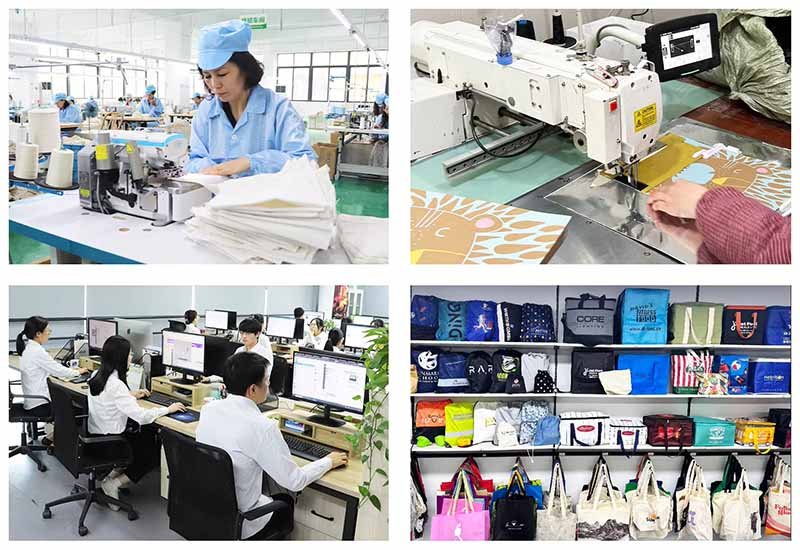
Brands can verify factory capability by checking whether the manufacturer supports video audits, online meetings, sample room review, material confirmation, pattern development, in-house sampling, production coordination, QC workflow, packaging review, and export support. A capable factory should show how it controls the project before, during, and after production, not just claim that it can make bags.
Remote verification is now normal for USA brands. Many buyers cannot fly to China before every sample or first order. That does not mean they must source blindly. A serious factory should be able to support online review through videos, photos, meetings, sample updates, and production checkpoint evidence. The buyer should ask to see areas that match the project: material racks, sewing machines, similar product samples, QC tables, packing area, and current production if appropriate.
Factory capability should also be tested through communication. A capable team asks sharp questions. It may ask about target customer, weight capacity, logo method, packaging style, order quantity, delivery country, product use, and approval timeline. Poor suppliers often push for fast payment before understanding the product. Reliable suppliers slow down at the right moment because missing details create expensive mistakes later.
| Verification Step | What to Request | What It Reveals |
|---|---|---|
| Video factory review | Sample room, sewing area, QC, packing | Whether the supplier is real and organized |
| Similar product examples | Photos, videos, material references | Whether they have category experience |
| Sample process explanation | Pattern, sewing, revision, approval | Whether they can develop custom products |
| Material confirmation | Swatches, specs, color, batch | Whether cost and quality are controlled |
| QC checklist | Measurement, stitching, logo, packing | Whether defects are managed |
| Export process | Invoice, packing list, labels, shipping | Whether shipment can move smoothly |
Do they support video audits?
A video audit is one of the fastest ways to reduce supplier uncertainty. It does not replace a full third-party factory audit for large programs, but it helps the buyer see whether the supplier has real people, real samples, real materials, real machines, and real workflow. During a video audit, USA brands should ask to see the sample room, material area, sewing production area, semi-finished goods, QC area, packing area, warehouse, and similar products.
The buyer should also ask process questions during the call. For example: How do you confirm fabric before sampling? How do you track sample revisions? Who checks measurements? How do you handle defects during bulk production? Can you show similar stitching or handle reinforcement? Szoneier supports video factory review for qualified buyers and serious custom bag projects, including review of its sampling room, material options, sewing production, QC process, and shipment preparation before order placement.
Is sampling done in-house?
In-house or factory-based sampling is important because the sample is the bridge between design and production. If sampling is disconnected from production, the final approved sample may be hard to repeat in bulk. A good sampling process should include material confirmation, pattern making, sample sewing, internal checking, photo or video review, sample shipment, buyer feedback, revision, and final approval. For more complex products, a pre-production sample before mass production is also helpful.
USA brands should not treat sampling as a small formality. It is the stage where structure, material, logo, stitching, size, packaging, and cost assumptions are tested. If a supplier rushes directly to bulk production without a confirmed sample, the buyer accepts unnecessary risk. Szoneier’s factory-based system includes sample development, material confirmation, pattern making, sample sewing, logo coordination, quality inspection, packing, and shipment coordination, which are important capabilities for brands that need sample-to-bulk consistency.
How are materials confirmed?
Material confirmation should happen before sampling and again before bulk production. USA brands should request material names, photos, swatches if needed, color references, thickness or GSM when relevant, lining details, zipper or hardware specifications, webbing width, logo process, and packaging material. For repeat orders, the buyer should also ask whether the same material is available or whether a batch difference may occur.
Material risk is one of the most common reasons custom bags fail. A product can look correct in photos but feel too thin, too stiff, too shiny, too soft, or too cheap in hand. For Amazon and DTC brands, this can directly affect reviews. For retail brands, it can affect shelf value and buyer confidence. Szoneier’s raw material warehouse management covers fabrics, linings, zippers, hardware, webbing, labels, foam, packaging materials, and functional materials by category, color, batch, and order, supporting better material control for custom bag production.
Are bulk orders consistent?
Bulk consistency is the real test of a manufacturer. A nice sample is useful, but the buyer needs 200, 1,000, 5,000, or 50,000 pieces to match the approved standard within acceptable tolerance. Consistency depends on material batch control, clear production instructions, trained workers, pre-production sample approval, in-line checking, final inspection, and packaging control. It also depends on whether the factory can manage production during peak season.
USA brands should ask how the supplier compares bulk goods with the approved sample. The answer should include measurements, color, material, logo, stitch quality, zipper, hardware, function, cleanliness, packaging, and carton quantity. Szoneier’s documented capacity includes regular monthly production of 120,000–200,000 pieces depending on product type, material, structure, logo process, packing method, and production schedule, with annual capacity around 1.5–2.4 million pieces across custom bags and soft goods.
How Should Brands Check Quality Control?
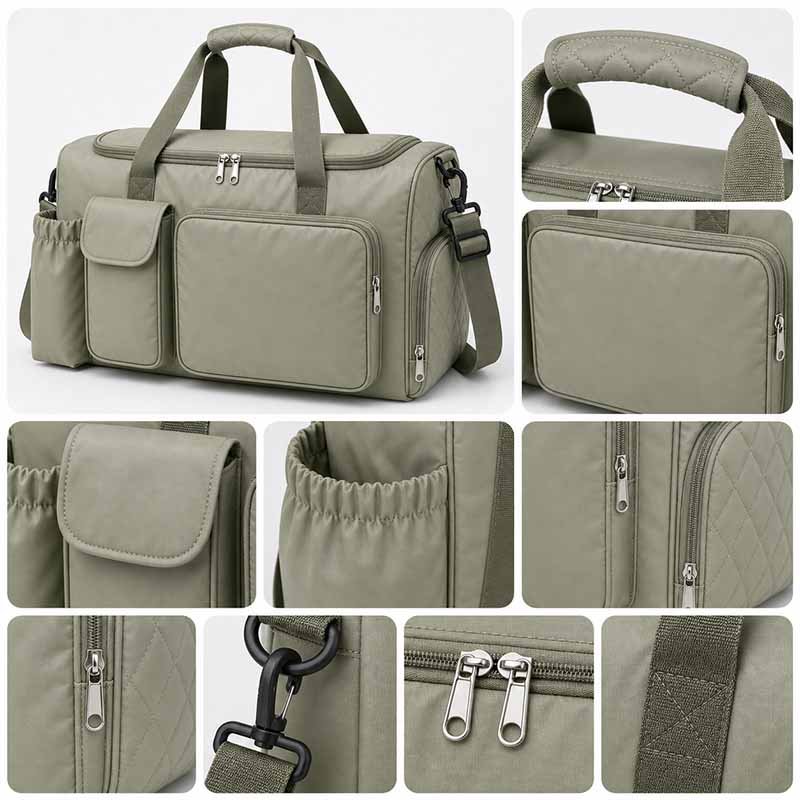
Brands should check quality control by reviewing how the manufacturer inspects materials, accessories, pre-production samples, cutting, sewing, semi-finished goods, final products, packaging, and shipment quantities. Reliable QC is not only a final inspection. It is a step-by-step control system that reduces defects before products are packed and shipped.
For USA brands, quality control is not just about avoiding obvious defects. It protects customer reviews, retail buyer trust, return rates, replacement costs, and long-term brand reputation. A slightly crooked logo, weak handle, rough zipper, poor lining, dirty surface, incorrect carton label, or inconsistent size can create real business problems after the goods arrive in the United States. By then, fixing the problem is expensive.
A professional bag factory should inspect both appearance and function. For example, tote bags need handle strength, seam cleanliness, and logo placement. Backpacks need strap reinforcement, zipper function, pocket layout, and load-bearing areas. Cosmetic bags need lining cleanliness, zipper smoothness, and shape control. Cooler bags need insulation structure and internal finishing. Tool or medical bags may need more strict compartment accuracy and durability.
Szoneier’s documented QC approach includes material inspection, accessory inspection, pre-production sample confirmation, cutting inspection, sewing process inspection, semi-finished inspection, final inspection, and packaging inspection before shipment.
| QC Stage | What Should Be Checked | Common Risk Prevented |
|---|---|---|
| Material inspection | Fabric, lining, color, thickness, coating | Wrong feel, wrong color, weak material |
| Accessory inspection | Zipper, puller, buckle, webbing, hardware | Breakage, mismatch, poor function |
| Pre-production sample | Size, structure, logo, packing | Bulk mismatch |
| Cutting inspection | Panels, direction, size tolerance | Shape distortion |
| Sewing inspection | Stitching, reinforcement, alignment | Weak seams, poor appearance |
| Semi-finished inspection | Structure before closing/packing | Hidden defects |
| Final inspection | Appearance, function, quantity | Customer complaints |
| Packaging inspection | Labels, carton marks, packing method | Shipment and warehouse issues |
What is checked before production?
Before production, the most important item to check is the approved standard. This usually includes the final sample, material card, color reference, size chart, logo artwork, accessory list, packaging instruction, carton requirement, and production order details. If these are not aligned, workers may follow different assumptions. A professional factory should not begin bulk production based only on a casual message or an early sample photo.
USA brands should confirm tolerances before production. For example, what size tolerance is acceptable? How should logo position be measured? Which zipper color is approved? Is the lining the same as the sample? Are hangtags included? Is the carton mark final? Are FBA labels needed? These questions feel small, but they prevent expensive rework. A good manufacturer should use pre-production confirmation to freeze the standard before cutting fabric. This is especially important for repeat orders, multi-SKU programs, and retail packaging projects where small inconsistencies can become visible across a product line.
How is sewing quality inspected?
Sewing quality is inspected by checking stitch density, seam straightness, thread color, tension, reinforcement points, binding, corners, handle attachment, zipper installation, lining attachment, pocket position, and overall shape. For bags, sewing is not only about appearance. It affects load-bearing, durability, user experience, and perceived value. A bag may use good fabric but still feel cheap if the stitching is loose or uneven.
USA brands should ask the factory which sewing areas are high-risk for their product. For a tote, it may be handle reinforcement. For a backpack, shoulder straps and bottom panels are critical. For a cosmetic pouch, zipper curve and lining cleanliness matter. For a cooler bag, corners and internal seams affect usability. For a leather goods item, edge quality and stitch consistency shape the premium feel. A responsible manufacturer should inspect during production, not only after production. Once thousands of pieces are fully packed, discovering a sewing mistake is too late.
Are samples and bulk matched?
Samples and bulk are matched by comparing the final production goods against the approved sample and written production standard. The comparison should include material, color, size, structure, logo, stitching, zipper, hardware, lining, packaging, carton quantity, and user function. USA brands should keep one approved sample with the supplier and one approved sample on the buyer side when possible. This reduces debate if questions appear later.
A common sourcing mistake is approving a beautiful sample but not confirming the exact materials and accessories used. During bulk production, a supplier may use a similar but not identical material because the original fabric is unavailable or too expensive. This is why the buyer should confirm material codes, colors, zipper types, webbing width, logo method, and packaging components. Szoneier’s manufacturing system is built around reducing development risk and improving sample-to-bulk consistency through factory-based sampling, material coordination, sewing production management, quality inspection, and export delivery.
What final QC records matter?
Final QC records should show what was inspected, how many pieces were checked, what defects were found, how defects were handled, and whether the shipment passed the agreed standard. For larger orders, brands may also request photos or videos of packed goods, carton marks, inner packing, labels, and random product checks. A third-party inspection can also be used for high-value orders or new supplier relationships.
The most useful final QC evidence is practical. It should include product photos, measurement photos, logo close-ups, zipper and hardware checks, packing photos, carton label photos, and quantity confirmation. For Amazon or retail shipments, packaging proof matters almost as much as product proof. Incorrect labels or carton marks can delay warehousing even when the product itself is good. USA buyers should make QC part of the purchase order, not an afterthought. Clear QC expectations help both sides avoid conflict and make repeat orders easier.
What Should USA Buyers Know Before Importing?
USA buyers should know that importing bags from China involves more than production. They must consider country-of-origin marking, product descriptions, commercial invoice values, packing lists, carton labels, FBA labels if selling through Amazon, shipping method, duty classification, and delivery terms. A strong manufacturer should help prepare export-ready packaging and documents, while buyers should confirm compliance with their broker.
For USA brands, import readiness starts before the order is packed. The buyer should tell the manufacturer the sales channel and delivery method early. Will the goods ship to a 3PL warehouse, Amazon FBA, retail distribution center, office warehouse, or multiple addresses? Does the product need a hangtag, UPC, FNSKU, carton label, warning label, or “Made in China” marking? Will the shipment go by express, air, sea, DDP, FOB, or EXW? These details affect packaging, carton size, lead time, and cost.
Country-of-origin marking is especially important. CBP states that every article of foreign origin entering the United States must be legibly marked with the English name of the country of origin unless an exception applies. This means USA brands should not leave origin marking decisions to the last minute. FTC guidance also matters when brands discuss “Made in USA” claims because products advertised as Made in USA must meet strict standards.
Szoneier’s documented export support includes export packaging, outer carton labels, barcode labels, FBA labels, Commercial Invoice, Packing List, express, air, sea, DDP door-to-door, multi-address shipping, sample shipping, and bulk shipment coordination.
| Import Detail | Why It Matters for USA Brands | What to Confirm Early |
|---|---|---|
| Country of origin | Required for many imported goods | “Made in China” placement and method |
| Commercial invoice | Used for customs declaration | Product description, value, currency |
| Packing list | Helps shipment verification | Carton count, quantity, weight, dimensions |
| FBA labels | Needed for Amazon inbound receiving | FBA box ID, SKU labels, carton labeling |
| Carton marks | Helps warehouse handling | PO number, SKU, destination, quantity |
| Shipping method | Affects cost and timing | Express, air, sea, DDP, FOB, EXW |
| Packaging | Protects product and channel readiness | Polybag, hangtag, retail box, master carton |
What labels are required?
Label requirements depend on the product, sales channel, and destination. At minimum, USA importers usually need to consider country-of-origin marking for imported goods. For many bag products made in China, this may mean a label, tag, stamp, printed mark, or packaging mark showing “Made in China” in a clear and appropriate way. The buyer should confirm the exact approach with its customs broker or compliance advisor because requirements may vary by product and presentation.
In addition to origin marking, brands may need UPC barcodes, FNSKU labels, hangtags, care labels, material labels, warning labels, carton labels, or retailer-specific labels. Amazon FBA shipments have their own labeling workflow. Amazon states that each box in an FBA shipment must have its own FBA box ID label printed from the shipment workflow, and pallet shipments require pallet labels. The key lesson is simple: labeling must be planned before production packing, not after cartons are sealed.
Which packaging details matter?
Packaging details matter because they affect product protection, customer experience, warehouse receiving, shipping cost, and retail presentation. A custom bag may be packed in an individual polybag, dust bag, belly band, hangtag, retail box, kraft box, color box, or master carton depending on the channel. For e-commerce, packaging should protect the product while controlling weight and volume. For retail, packaging should support display, barcode scanning, and brand image.
USA brands should confirm packaging before bulk production. Important details include individual packing method, folded size, carton quantity, carton dimensions, gross weight, net weight, carton mark, barcode position, moisture protection, and whether the product should be compressed. For cooler bags, structured bags, or leather goods, over-compression can damage shape. For simple totes, efficient folding can reduce freight cost. A strong factory should help the buyer balance protection, presentation, and logistics. Szoneier’s packaging and export support is part of its custom manufacturing service for global buyers.
How do FBA needs differ?
FBA needs differ because Amazon receiving is highly label- and carton-driven. A product that is physically well made can still face inbound problems if labels are wrong, cartons are mixed, SKUs are unclear, or box IDs are missing. Amazon-related buyers should tell the manufacturer early whether goods need FNSKU labeling, individual polybags, suffocation warnings where applicable, carton limits, shipment labels, or split shipments.
The manufacturer should not guess FBA requirements from a product photo. The buyer should provide the actual shipment plan labels and SKU requirements from Seller Central. Amazon states that all boxes for small parcel delivery must have an FBA box ID label and a carrier label. For brands, this means production and logistics teams must coordinate. Szoneier’s documented customer types include Amazon sellers and Shopify/DTC brands, with support for FBA packaging, outer carton labels, stable replenishment, product differentiation, and review-risk control.
Are export documents ready?
Export documents should be prepared before shipment, not after goods leave the factory. The usual document set may include Commercial Invoice, Packing List, shipping details, product description, carton count, quantity, declared value, weight, dimensions, and buyer or consignee information. Depending on shipping terms and product type, additional documents or broker instructions may be needed. The buyer should always work with its customs broker for final import requirements.
CBP advises importers and exporters to understand applicable laws and regulations and work with CBP’s Office of Trade when needed. CBP also notes that commercial invoices need adequate merchandise descriptions, quantities, and values, and declared values should include relevant costs such as packing where applicable. For USA brands, this means the factory’s export coordination matters. A supplier that understands export packing and document preparation can help reduce shipment delays, warehouse confusion, and customs-related corrections.
How Can Brands Start a Safe RFQ?
Brands can start a safe RFQ by sending clear product information, including product photos, sketches, tech packs, target size, material preference, logo file, quantity, packaging needs, target market, delivery country, and expected timeline. A strong RFQ helps the factory quote accurately, identify risks early, recommend suitable materials, and create a better sampling plan.
A weak RFQ usually creates weak quotes. If a buyer only says “Please quote this bag” with one screenshot, suppliers must guess size, material, lining, thickness, zipper, logo method, packaging, and quantity. Different factories will guess differently, which makes price comparison meaningless. One quote may include thick material and retail packaging. Another may include thin material and bulk packing. The buyer thinks it is comparing factories, but it is actually comparing assumptions.
A safe RFQ should make the project visible. Even if the buyer does not have a full tech pack, it can provide a reference image, rough measurements, expected use, target price range, logo method, quantity, market, and packaging style. A professional manufacturer can then ask the right questions and build a realistic quote. Szoneier allows buyers to send product photos, sketches, tech packs, logo files, quantities, target delivery countries, packaging requirements, quality standards, and long-term sourcing programs through WhatsApp or email for project review.
| RFQ Information | Good Example | Why It Helps |
|---|---|---|
| Product type | “Insulated lunch cooler bag” | Identifies factory category fit |
| Size | “Approx. 10 x 7 x 8 inches” | Reduces material and carton guesswork |
| Material | “600D Oxford outside, PEVA lining” | Improves price accuracy |
| Logo | “1-color screen print, front panel” | Clarifies process and cost |
| Quantity | “500 pcs first order, 2,000 pcs repeat plan” | Helps MOQ and pricing |
| Packaging | “Individual polybag + FBA carton labels” | Prevents packing surprises |
| Market | “Amazon USA” or “retail boutique” | Guides label and packaging advice |
| Timeline | “Sample in 10–15 days if possible” | Checks schedule feasibility |
What files should buyers send?
The best RFQ files include a tech pack, product drawings, reference photos, physical sample photos, logo artwork, Pantone colors, target dimensions, material requirements, packaging artwork, barcode files, FBA instructions, quality standards, and estimated order quantity. If the buyer does not have all of these, it can still start with a clear product photo, rough size, target material, logo idea, and quantity. The goal is to reduce guessing.
Logo files should be sent in editable vector format when possible, such as AI, EPS, PDF, or SVG. Product photos should show front, back, side, inside, bottom, zipper, handle, and detail areas. For bags, inside structure matters as much as outside shape. If the buyer has a reference sample, photos with a ruler are helpful. Szoneier’s project intake supports product photos, reference links, sample photos, sketches, tech packs, logo files, size requirements, material requirements, quantity, packaging requirements, delivery country, target price, and logistics needs.
How should quotes be compared?
Quotes should be compared by specification, not only by unit price. USA brands should place supplier quotes into one comparison table and confirm whether each quote includes the same material, lining, zipper, hardware, webbing, logo process, packaging, sample fee, mold cost if any, carton packing, QC level, shipping term, and lead time. If the specifications differ, the prices are not truly comparable.
A useful comparison should separate must-have features from flexible features. For example, the buyer may require a certain size, logo position, and zipper quality but be flexible on lining color or packaging style. This allows the factory to suggest cost-saving options without weakening the core product. A responsible supplier should explain why its quote is higher or lower. Maybe it includes stronger fabric, better zipper, more complex sewing, lower MOQ, better inspection, or export packaging. The right supplier helps the buyer understand the “why” behind the number.
Do samples need approval first?
Yes, samples should be approved before bulk production for almost every custom bag project. The sample is the buyer’s physical proof of material, size, structure, color, logo, stitching, zipper, hardware, lining, packaging, and overall user experience. Without sample approval, the buyer is asking the factory to mass-produce assumptions. That is one of the fastest ways to create costly mistakes.
A good sample approval process should include internal factory checking, buyer photo or video review, physical sample shipment, buyer comments, revision if needed, and final approval. For complex orders, the buyer may approve a revised sample and then request a pre-production sample before bulk cutting. This is especially important for new brands, new suppliers, new materials, or products with technical features. Szoneier’s sampling process helps buyers move from tech pack, image, sample, sketch, or idea to a real approval sample through material confirmation, pattern making, sample sewing, checking, photo/video review, shipping, revision, and final sample approval.
When is bulk production safe?
Bulk production is safer when the buyer has approved the final sample, confirmed material and accessory standards, reviewed the quotation details, finalized packaging, confirmed labels, agreed on tolerance and QC requirements, and clarified shipping terms. It is also safer when the factory has confirmed production schedule, material availability, and any special risks. For large or urgent orders, buyers should also consider a pre-production meeting.
Safe bulk production does not mean zero risk. It means the major variables have been controlled. The buyer and factory should both know what product is being made, what standard it must meet, when it must ship, how it will be packed, and how it will be inspected. For long-term cooperation, the first order should also create records for repeat production: material references, approved sample, packaging files, carton data, QC checklist, and supplier communication notes.
Why Should USA Brands Consider Szoneier?
USA brands should consider Szoneier when they need a factory-based custom bags and soft goods manufacturing partner in China that can support product development, material sourcing, sampling, sewing production coordination, quality inspection, packaging, and export delivery. Szoneier is especially suitable for brands that need controlled customization rather than one-piece retail or generic wholesale bags.
Szoneier is based in Shenzhen, China, close to the mature South China bag and soft goods supply chain. This location helps with fabric, accessories, hardware, packaging, printing, embroidery, logistics, and export coordination. For USA buyers, that matters because custom bag production rarely depends on sewing alone. It depends on the entire supply chain around the product.
The company’s documented experience covers more than 18 years in custom bags, sewn soft goods, material sourcing, sampling, bulk production, quality inspection, and export delivery. Its service scope includes global brands, retailers, importers, wholesalers, Amazon sellers, Shopify brands, promotional companies, and B2B buyers.
Szoneier is not positioned as a low-price wholesale bag website. It is better matched with serious custom bag projects that have clear product direction, quantity planning, logo or branding needs, and long-term sourcing potential. Its MOQ starts from 200 pieces for selected custom bag projects, depending on material availability, logo process, accessories, packaging, color options, and structure.
| Szoneier Capability | Buyer Value |
|---|---|
| 18+ years custom bag experience | More mature project judgment |
| Shenzhen supply chain location | Faster access to materials, accessories, packaging, logistics |
| Factory-based sampling | Better sample-to-bulk control |
| Wide product range | Suitable for multi-SKU brand development |
| Material coordination | Better balance of cost, look, durability, and function |
| QC workflow | Lower defect and shipment risk |
| Packaging and export support | Better readiness for USA channels |
| MOQ from 200 pcs on selected projects | Lower market-test risk for serious B2B buyers |
| WhatsApp and email communication | Faster project review across time zones |
If your USA brand is developing tote bags, cosmetic bags, backpacks, cooler bags, lunch bags, travel bags, duffle bags, leather goods, neoprene bags, waterproof bags, tool bags, medical bags, promotional bags, or functional soft goods, Szoneier can help review your idea, material direction, sample plan, packaging needs, and production feasibility.
To start, prepare your product photo, sketch, tech pack, logo file, target size, material preference, estimated quantity, packaging requirement, delivery country, and expected timeline. Send your project to Szoneier, and the team can help evaluate the best path from idea to sample, from sample to bulk order, and from bulk order to export-ready delivery.