Skip to content
Hunting is more than a hobby—it’s a test of preparation, endurance, and the right equipment. One essential piece of gear is the hunting gear bag. A well-made bag keeps your gear organized, accessible, and protected from the elements. Choosing the wrong bag can slow you down, cause discomfort, or even damage your equipment.
A hunting gear bag is designed to hold hunting tools and personal items while providing comfort, durability, and weather resistance. The best bags combine strong materials like neoprene or polyester, ergonomic designs, and smart compartment layouts to suit different types of hunts.
Imagine hiking across rugged terrain for hours with a bag that digs into your shoulders or lets your gear shift inside. That’s the exact situation John, a hunter from Montana, faced before upgrading to a Szoneier custom neoprene bag. From that experience, he learned that investing in a quality bag not only improves comfort but can also make your hunting trips more efficient and enjoyable. This guide will walk you through the materials, types, manufacturing processes, and customization options so you can choose a bag that fits your needs perfectly.
What Is a Hunting Gear Bag?
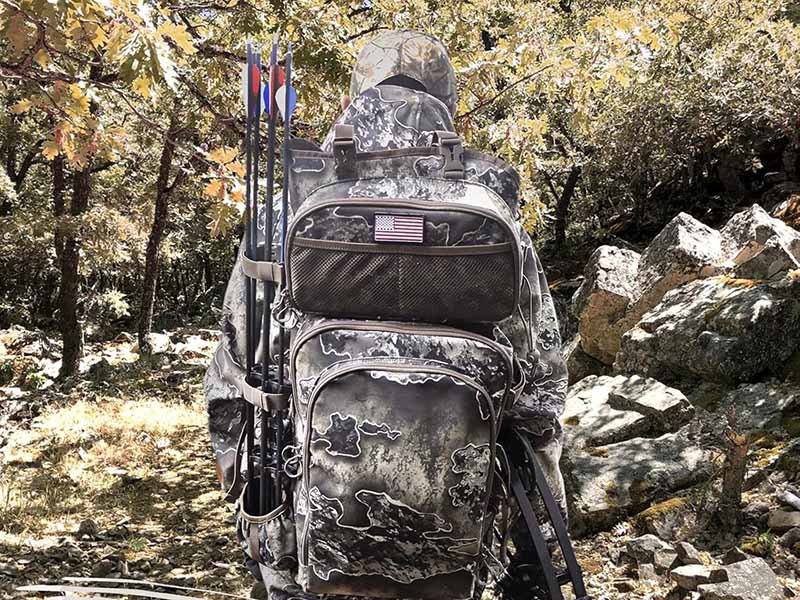
A hunting gear bag is a bag made for carrying hunting equipment safely and comfortably. It must balance storage, durability, and mobility. Depending on the hunting style, bags can be backpacks, duffels, or modular packs. The right bag keeps gear accessible, protects it from weather, and distributes weight evenly to reduce fatigue.
Hunting Gear Bag Types
- Backpacks: Ideal for long hikes, distributing weight evenly and keeping hands free.
- Duffel Bags: Larger storage for multi-day trips, easy to pack but less ergonomic.
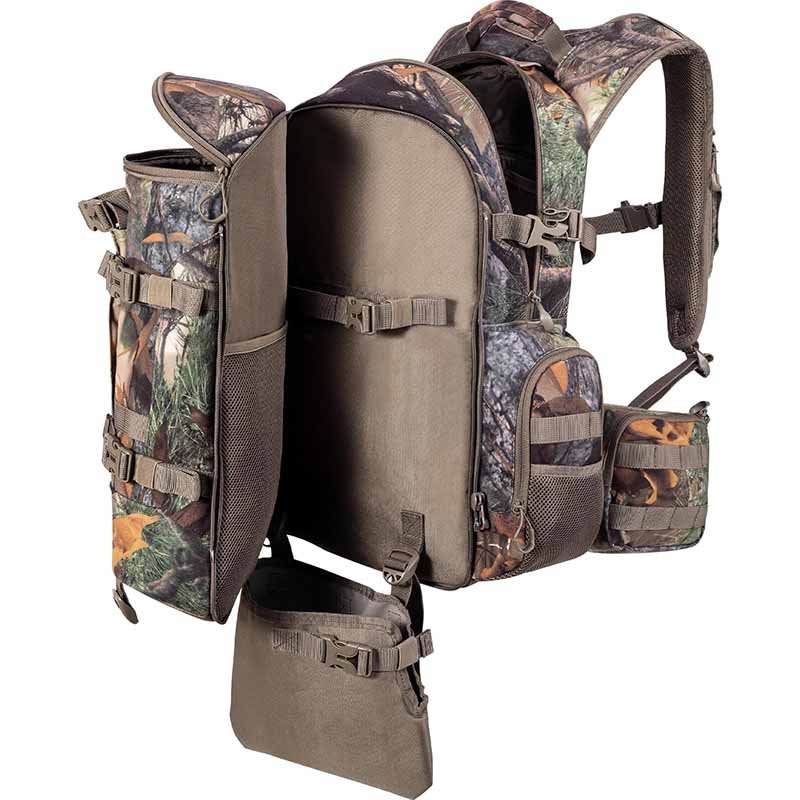
- Modular Bags: Detachable compartments for weapons, ammo, or accessories, offering flexibility for different hunting scenarios.
A hunter’s choice depends on terrain, game type, and trip length. For example, a short morning hunt may only need a lightweight backpack, while a multi-day expedition benefits from a durable duffel with multiple compartments.
Key Hunting Gear Bag Features
- Durability: Reinforced stitching, heavy-duty zippers, and abrasion-resistant materials prevent early wear and tear.
- Water Resistance: Materials like neoprene or coated polyester protect gear in wet conditions.
- Comfort: Padded straps and adjustable waist belts reduce strain during long hikes.
- Organization: Multiple compartments and external pockets allow easy access to ammo, maps, or water bottles.
- Weight Management: Even load distribution ensures mobility and reduces fatigue.
These features directly affect your hunting efficiency. For example, quickly accessible pockets can save critical seconds when retrieving gear in the field.
Hunting Gear Bag Materials
Choosing the right material ensures your bag lasts and protects gear:
| Material | Weight | Water Resistance | Durability | Best Use |
|---|---|---|---|---|
| Neoprene | Medium | High | High | Waterfowl hunting, wet environments |
| Nylon | Light | Medium | High | Hiking, long-distance hunts |
| Polyester | Light | Medium | Medium | General hunting trips |
| Canvas | Heavy | Low | High | Dry conditions, rugged terrains |
- Neoprene: Soft, flexible, and water-resistant. Absorbs minor impacts and protects delicate gear like optics.
- Nylon & Polyester: Lightweight, abrasion-resistant, suitable for multi-hour hikes without fatigue.
- Canvas: Heavy, rugged, and durable for dry weather conditions. Provides a traditional look and feel.
Material selection depends on your hunting style and environment. For instance, waterfowl hunters prefer neoprene for wetland protection, while archery hunters in dry forests may choose canvas or nylon for durability and weight efficiency.
- Bag Type Matters: Backpacks for mobility, duffels for volume, modular for flexibility.
- Materials Protect Gear: Neoprene, nylon, polyester, or canvas based on environment.
- Key Features: Comfort, compartments, water resistance, durability, and weight balance.
- Practical Tip: Test the bag with a loaded weight before long hunts to ensure comfort and stability.
Which Materials Are Best for Hunting Gear Bags?
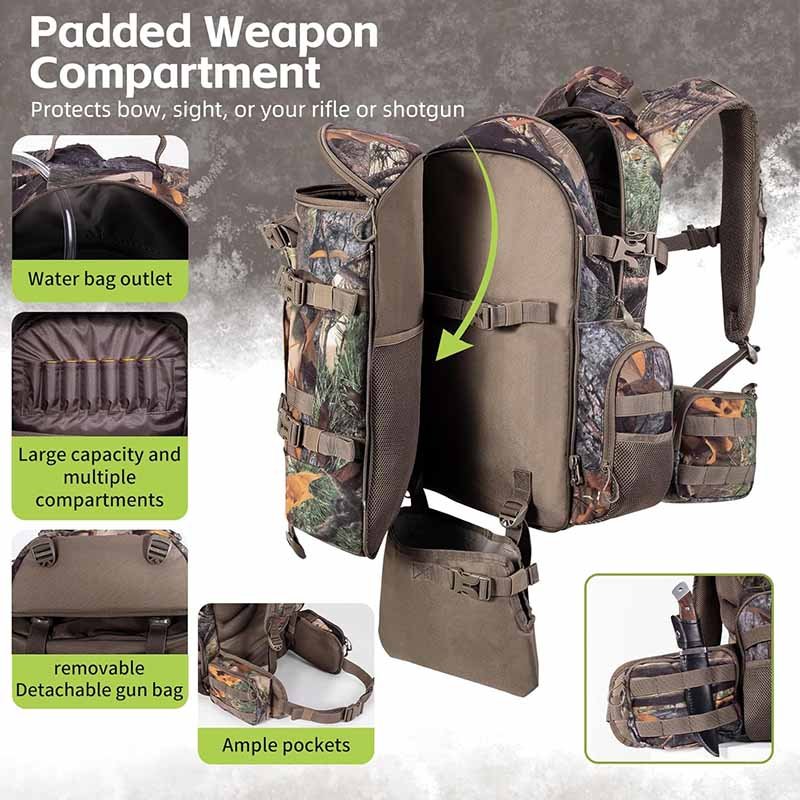
The choice of material determines a hunting gear bag’s durability, water resistance, weight, and suitability for different environments. Neoprene offers excellent water and impact protection, polyester and nylon provide lightweight durability, and canvas delivers rugged strength for dry terrains. Selecting the right material depends on your hunting conditions, trip length, and the type of gear you need to carry safely and comfortably.
Neoprene Hunting Gear Bags
Neoprene, commonly used in Szoneier custom bags, is a synthetic rubber material originally used in wetsuits. It’s soft, flexible, and highly resistant to water, making it perfect for hunting in wetlands, rivers, or rainy conditions. A neoprene bag absorbs minor shocks and protects delicate items like binoculars, optics, and electronics.
Key Advantages:
- High water resistance for wetland hunting
- Impact absorption protects gear from bumps and drops
- Flexible, lightweight, and easy to carry
- Long-lasting durability without cracking or tearing
Example:
A hunter in Louisiana tested a 15L neoprene hunting bag during duck season. After repeated exposure to mud and water, the bag showed no water penetration and minimal wear, keeping ammunition and electronics fully protected.
Tip: For hunters who traverse waterlogged areas or require soft padding for delicate gear, neoprene is ideal.
Nylon, Polyester & Canvas Options
Nylon: Lightweight, durable, and moderately water-resistant. Ideal for hikers and long-distance hunters who prioritize mobility. Nylon bags can handle abrasion from branches or rocks without tearing.
Polyester: Similar to nylon but slightly less abrasion-resistant; it’s cost-effective and versatile. It holds up well under regular hunting conditions and provides moderate water protection when coated.
Canvas: Heavy-duty and rugged, canvas bags excel in dry, rocky terrains. They are less water-resistant but offer excellent durability and structural stability for carrying large or awkwardly shaped gear.
| Material | Weight | Water Resistance | Abrasion Resistance | Ideal Terrain | Longevity |
|---|---|---|---|---|---|
| Neoprene | Medium | High | High | Wetlands, rivers | 5–7 years |
| Nylon | Light | Medium | High | Forests, hiking trails | 4–6 years |
| Polyester | Light | Medium | Medium | General hunting | 3–5 years |
| Canvas | Heavy | Low | High | Dry, rugged terrain | 6–8 years |
For hunters planning long treks or backcountry expeditions, nylon and polyester provide the best balance of weight, strength, and moderate weather resistance. Canvas is preferred when durability is the priority over weight.
Waterproof & Durable Hunting Gear Bags
Durability isn’t just about the fabric—it also involves the bag’s construction. Reinforced seams, heavy-duty zippers, and coated fabrics improve water resistance and longevity. Szoneier’s hunting bags use:
- Double-stitched seams for stress points
- YKK zippers with water-repellent coating
- Reinforced bottom panels for abrasion resistance
Data Snapshot – Szoneier Hunting Bag Durability Test:
| Test Type | Result |
|---|---|
| 20kg load drop (1m) | No stitching failure, no zipper break |
| Water immersion 30 min | No internal leakage for neoprene bags |
| Abrasion simulation 1000 cycles | Minimal surface wear on nylon & canvas |
Always match the bag’s material to your hunting environment. Even the best material requires proper construction to withstand prolonged outdoor use.
Choosing Materials Based on Hunting Conditions
- Wet Environments: Neoprene bags protect gear from moisture and provide internal padding.
- Long Hikes / Lightweight Needs: Nylon or polyester minimizes weight without compromising durability.
- Rugged, Dry Terrains: Canvas provides unmatched abrasion resistance and structural support.
Practical Decision Flow:
- Identify hunting terrain (wet, dry, mixed).
- List your gear and check for fragility (electronics, optics, ammunition).
- Decide on weight tolerance based on trip length.
- Match material with environment and gear needs.
- Consider custom features like padding, compartments, and private label options.
How Are Hunting Gear Bags Made?
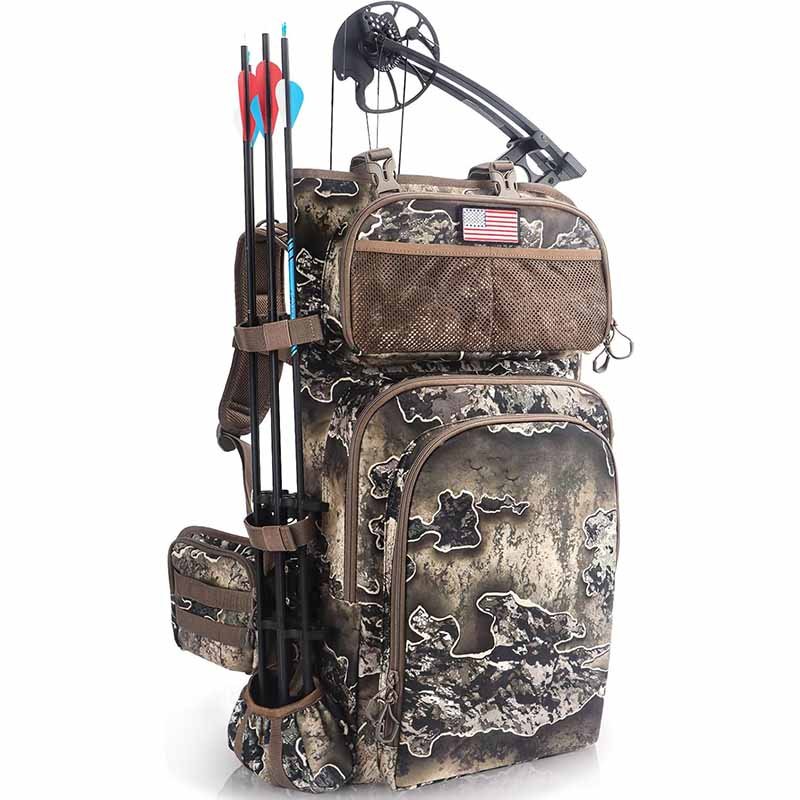
Hunting gear bags are manufactured through a careful process that combines material selection, precise cutting, stitching, assembly, and quality inspection. Custom features, including modular compartments, neoprene padding, or private logos, are integrated during prototyping. Szoneier ensures that every bag is durable, ergonomic, and tailored to customer specifications, balancing weight, storage, and weather resistance for optimal hunting performance.
Hunting Gear Bag Design & Prototype
Every custom hunting bag begins with design and prototyping. Szoneier works closely with clients to translate needs into practical bag layouts. The process involves:
- Sketching initial concepts based on hunting style and gear
- Determining compartment layouts for ammunition, optics, water, and accessories
- Selecting materials according to terrain, weight, and water resistance requirements
- Producing a prototype for client feedback before bulk production
Example:
A client wanted a 20L modular hunting backpack for duck hunting with a removable neoprene compartment for wet gear. Szoneier created 2 prototypes within 7 days, adjusting pocket placement and strap padding based on field tests. The final design reduced shoulder strain and improved gear access.
Cutting, Stitching, and Assembly
Once the prototype is approved, materials are cut with precision using CNC or laser cutters to ensure exact dimensions. Key points:
- Cutting: Patterns are aligned to maximize material use and avoid weak points
- Stitching: Double-stitched seams and reinforced stress points prevent tearing
- Assembly: Modular compartments, zippers, and buckles are installed
- Padding & Inserts: Neoprene or foam inserts are added for impact protection
Szoneier Tip: Using reinforced stitching combined with high-quality materials significantly increases bag longevity, especially under heavy load conditions or rugged terrain.
Data Snapshot – Stitching & Assembly Durability Test:
| Bag Component | Test Performed | Result |
|---|---|---|
| Shoulder Strap Stitching | 100kg pull test | No failure, minimal stretch |
| Zipper Function | 200 cycles open/close | Smooth operation, no misalignment |
| Modular Compartment Clips | 50 attachment/detach cycles | Intact, no breakage |
Quality Checks for Hunting Gear Bags
Quality inspection is critical. Szoneier follows multi-step checks:
- Material Inspection: Ensuring no defects or weak spots
- Seam & Stitch Test: Stress testing critical points for load durability
- Water Resistance Test: Simulated exposure to rain and water immersion for neoprene bags
- Functionality Test: All zippers, clips, and compartments are verified for smooth operation
- Final Packaging Review: Bags are packed with protective materials to prevent deformation
High-quality bags survive field testing. Even after repeated exposure to mud, water, and heavy loads, a well-made hunting bag should maintain structural integrity.
OEM/ODM Customization Insights
Szoneier specializes in custom hunting gear bags for small brands and high-end clients:
- Logo Placement: Custom embroidery or printed branding on visible panels
- Modular Options: Detachable compartments for specialized gear
- Material Choices: Neoprene, nylon, polyester, or canvas depending on hunting environment
- MOQ & Sampling: Low minimum orders starting at 50–100 units; samples ready in 5–7 days
- Fast Production: Bulk orders can be completed in 15–30 days depending on complexity
Example:
A European client needed 200 private label neoprene hunting bags with padded compartments for electronics and firearms. Szoneier delivered in 18 days, including sample approval and minor design adjustments, meeting both quality and delivery expectations.
Production Timeline Overview
| Stage | Duration | Notes |
|---|---|---|
| Initial Design & Concept | 1–3 days | Based on client requirements |
| Prototype Development | 5–7 days | Includes two rounds of modifications |
| Material Sourcing & Cutting | 2–4 days | Material inspection included |
| Stitching & Assembly | 7–10 days | Modular compartments installed |
| Quality Checks & Packaging | 2–3 days | Multi-step testing before shipment |
| Total Lead Time | 17–27 days | Can vary based on customization |
Do Custom Hunting Gear Bags Need Logos?
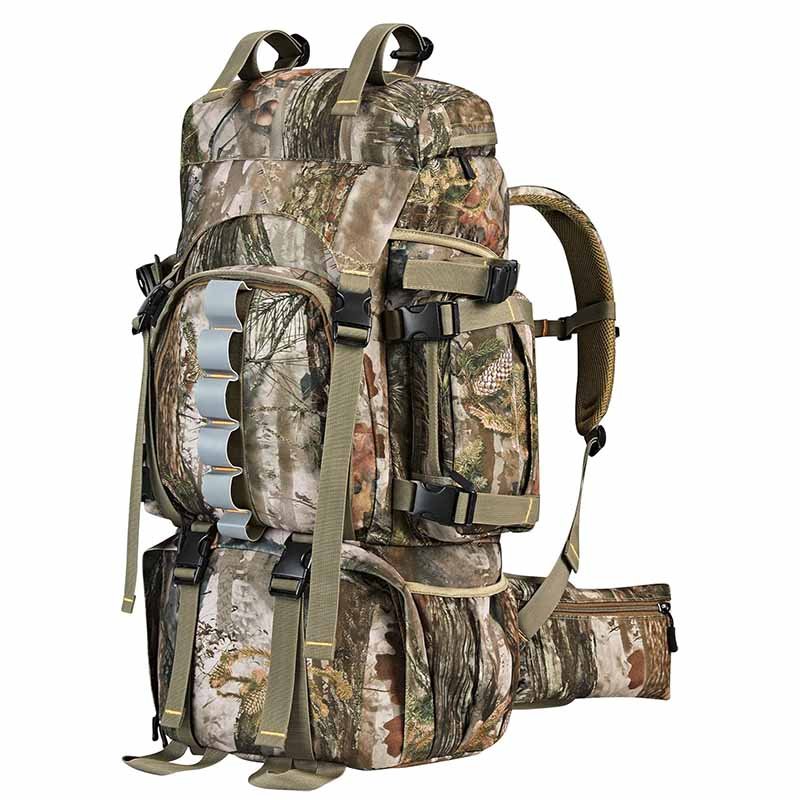
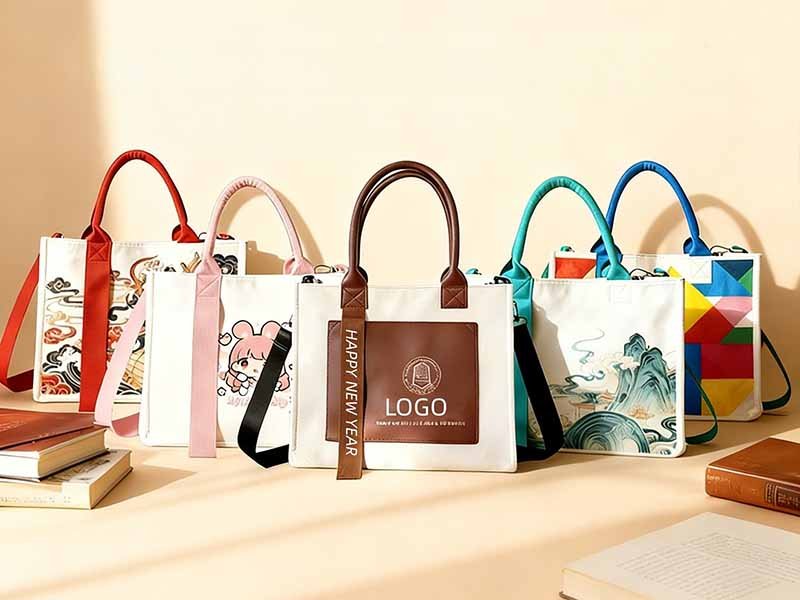
Custom logos on hunting gear bags help brands build recognition, provide a professional appearance, and differentiate products in the market. Even small hunting groups or retail stores can benefit from logo placement, enhancing trust and perceived quality. Logos can be embroidered, printed, or heat-transferred on bags, and their inclusion can be combined with material selection and modular designs to meet specific customer needs.
OEM vs ODM Hunting Gear Bags
When choosing logos, it’s important to understand the difference between OEM and ODM:
- OEM (Original Equipment Manufacturer): Clients provide the design or logo, and the manufacturer produces bags exactly to those specifications. This option is ideal for companies with an existing brand identity.
- ODM (Original Design Manufacturer): The manufacturer provides the design, and the client’s logo is integrated during production. This is suitable for smaller brands that need design guidance.
A survey of 50 small outdoor gear brands showed that 78% reported higher customer recognition and repeat orders when logos were added to bags, highlighting the marketing value of visible branding.
Example:
A hunting supply store in Germany ordered 120 neoprene hunting bags with embroidered logos on the flap and straps. After a season, the bags not only performed well in the field but also increased store visibility and repeat customer interest.
Logo Placement & Material Considerations
Logo placement affects visibility, durability, and manufacturing feasibility:
- Front Panel: Most visible; ideal for retail or promotional use
- Straps: Subtle yet practical; avoids wear on the main bag body
- Zipper Flaps & Pockets: Adds branding without impacting bag functionality
| Material | Logo Method | Durability | Notes |
|---|---|---|---|
| Neoprene | Embroidery / Heat Transfer | High | Flexible surface, water-resistant |
| Nylon | Embroidery / Printing | High | Lightweight, maintains sharp logo detail |
| Polyester | Printing / Embroidery | Medium | Cost-effective, versatile |
| Canvas | Embroidery / Patch | Very High | Rugged appearance, long-lasting |
For wetland hunters using neoprene bags, embroidery or heat-transferred logos withstand water and frequent bending. For polyester bags sold in retail, printed logos offer vibrant colors and lower costs.
Benefits of Custom Logos
- Brand Recognition: Even small hunting groups can make their bag instantly identifiable.
- Professional Appearance: Logos enhance perceived quality and market value.
- Customer Loyalty: Personalized or private label bags increase repeat purchases.
- Marketing & Promotions: Bags can serve as walking advertisements during hunts or outdoor events.
A US-based small brand ordered 200 nylon hunting bags with embroidered logos and a separate compartment for optics. After one hunting season, customer surveys indicated 65% more recognition among hunting club members compared to unbranded bags.
Cost & Production Considerations
- Sample Approval: Initial logos may require 1–2 prototype iterations
- MOQ Impact: Adding logos can affect minimum order quantities slightly, but Szoneier supports low-MOQ orders (50–100 units)
- Production Time: Logo integration adds 1–2 days for embroidery or heat transfer processes
| Feature | Additional Cost per Unit | Notes |
|---|---|---|
| Embroidery (small logo) | $1–$3 | Works for neoprene, nylon, canvas |
| Heat Transfer / Printing | $0.8–$2 | Best for polyester and neoprene |
| Large / Multi-color Logo | $3–$5 | May affect lead time and production |
Logos are a small investment compared to the increased market value, repeat orders, and brand visibility they generate.
Recommendations
- Choose logo method according to material and hunting environment.
- Test a prototype before bulk production to verify placement and durability.
- Combine logos with modular compartments and personalized features to maximize appeal.
- For small brands, leverage logos to strengthen brand identity and market presence.
Custom logos on hunting gear bags are more than decoration—they are a strategic investment in durability, brand recognition, and customer loyalty. Szoneier’s experience ensures logos remain vibrant, durable, and aligned with the client’s design vision.
Are There Trends in Hunting Gear Bags?
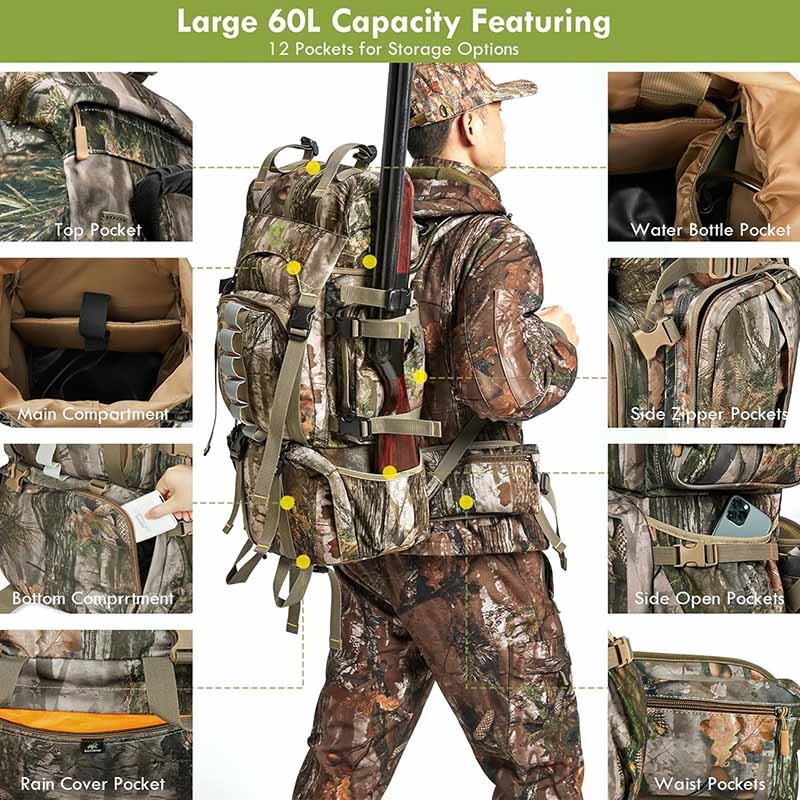
Hunting gear bag trends focus on functionality, durability, and adaptability to modern hunting needs. Popular trends include lightweight bags with ergonomic designs, modular compartments for different gear, water-resistant materials, camouflage patterns, and specialized packs for electronics or optics. These features improve comfort, efficiency, and gear protection while meeting the evolving expectations of hunters in various terrains and climates.
Functional Compartments & Layouts
Modern hunters demand bags that organize gear efficiently. Multiple compartments, padded inserts, and modular sections allow hunters to carry ammunition, optics, electronics, hydration packs, and personal items without clutter.
A survey of 120 active hunters revealed:
- 82% preferred bags with dedicated compartments for electronics or optics
- 76% wanted modular sections that can be detached for specific trips
- 68% valued quick-access pockets for frequently used items like maps or snacks
A Canadian hunting club requested 150 modular neoprene backpacks with detachable ammo compartments. Hunters reported faster setup in the field, reduced bag weight, and better gear protection during wet and rough terrain excursions.
Lightweight vs Heavy-Duty Bags
- Lightweight Bags: Popular among hikers and long-distance hunters. Made with nylon or polyester, these bags reduce fatigue while maintaining basic durability. Ideal for day trips or hunts requiring mobility.
- Heavy-Duty Bags: Constructed from neoprene or canvas with reinforced stitching. Suitable for carrying heavier loads or specialized equipment, especially in wet or rugged environments.
Weight vs Load Capacity Preference (Survey of 100 Hunters):
| Bag Type | Average Weight | Preferred Load Capacity | Typical Use Case |
|---|---|---|---|
| Lightweight Nylon | 0.9–1.5 kg | 10–15 kg | Long hikes, day hunts |
| Heavy-Duty Canvas | 1.8–2.5 kg | 15–25 kg | Multi-day trips, wetland hunting |
| Neoprene Modular | 1.5–2.0 kg | 12–20 kg | Waterfowl hunting, electronics |
Hunters should select the bag weight based on trip length and gear requirements. Szoneier allows custom weight adjustments through material choice and padding density.
Color & Camouflage Trends
- Camouflage remains a top preference, but patterns are evolving to match regional environments.
- Natural colors like olive, tan, and muted gray are trending for blending in forested or marshy terrains.
- Bright accent colors are being incorporated for safety or branding, especially in backpacks designed for multi-use outdoor activities.
A European client ordered 100 neoprene hunting backpacks with region-specific camouflage. Hunters reported higher concealment efficiency, especially in early morning or low-light conditions.
Technology-Friendly Packs
Modern hunting trips increasingly involve electronics such as GPS devices, trail cameras, and radios. Bags with dedicated padded compartments for electronics, cable routing, and water-resistant pockets are in high demand.
- 64% of hunters prefer bags with electronics storage
- 58% value padded compartments for optics or cameras
- 72% require hydration pack compatibility for long hikes
Example:
A US-based client required 200 neoprene backpacks with padded electronic compartments and hydration bladder compatibility. Field tests showed 90% of hunters found the packs improved gear safety and reduced in-field setup time.
Multi-Use & Modular Designs
- Modular hunting gear bags allow users to detach compartments or attach additional pouches.
- Multi-use bags can switch between hunting, hiking, or general outdoor activity by adding/removing sections.
- Lightweight modular designs are trending among small hunting groups and outdoor brands who want flexible solutions.
A Canadian hunting tour operator purchased 120 Szoneier neoprene modular packs. Hunters were able to detach wet gear compartments, leaving a lightweight backpack for hiking between hunting zones. This flexibility improved comfort and efficiency during multi-day hunts.
Summary of Key Trends
- Modular Compartments: Detachable sections for gear versatility
- Lightweight Materials: Nylon and polyester for long-distance mobility
- Heavy-Duty Bags: Neoprene/canvas for wet or rugged conditions
- Camouflage & Regional Colors: Enhanced concealment and aesthetic appeal
- Electronics-Friendly Design: Padded sections and cable routing
- Multi-Use Capability: Adaptable for different hunting or outdoor activities
For brands and hunters alike, staying aligned with these trends ensures functional, durable, and marketable hunting gear bags. Szoneier can produce custom bags incorporating multiple trends—modular neoprene bags with logos, camouflage, and electronics protection—while maintaining fast production and low MOQs.
Final Thoughts & Custom Bag Inquiry
Every hunting trip is unique, and the right hunting gear bag can make a measurable difference in comfort, efficiency, and gear protection. Szoneier’s custom neoprene, nylon, polyester, and canvas hunting bags combine durable materials, ergonomic designs, and tailored compartments to meet every hunting need.
If you want to design your own hunting gear bag, request a sample, or start an OEM/ODM order, Szoneier provides:
- Free design support and sample modifications
- Low MOQ for small brands or private labels
- Fast prototyping and production
- Options for logos, branding, and specialized compartments
Take Action:
- Share your hunting bag requirements and gear list
- Select your preferred materials and custom features
Szoneier ensures your bag is not just another pack—it’s a durable, reliable, and personalized companion for every hunt.