Skip to content
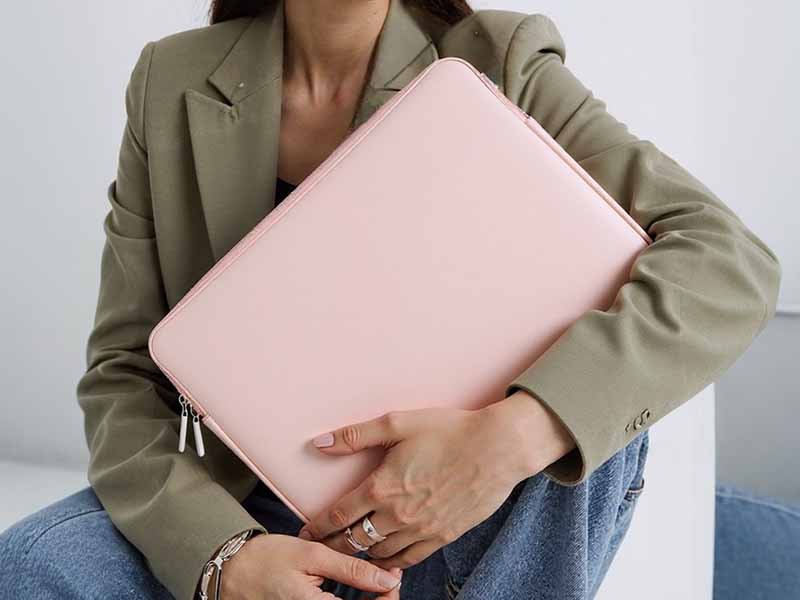
A laptop bag is not just a cover for a device anymore. For tech brands, it is often the first accessory customers touch after buying a laptop, joining a company, attending a tech event, receiving a corporate gift, or opening a product bundle. A thin, loose, poorly stitched sleeve can make even a good brand feel careless. A well-fitted, soft, shock-absorbing, neatly branded laptop bag can make the same brand feel more thoughtful, more premium, and more reliable.
Laptop bag manufacturing for tech brands means developing custom laptop sleeves, backpacks, messenger bags, device cases, charger pouches, and tech organizers that protect laptops while improving brand presentation. A good laptop bag combines accurate sizing, suitable material, shock-absorbing padding, soft lining, smooth zippers, clean logo work, stable sewing, and packaging that fits retail, e-commerce, gifting, or corporate use.
The real value is not only in protecting a laptop from scratches. It is in creating a product customers use repeatedly. A laptop bag may travel from home to office, from airport to hotel, from university to library, from trade show to meeting room. Every time it appears in public, it represents the tech brand printed, stitched, embossed, or patched on it. That is why Szoneier helps clients develop laptop bags from material to finished product with more than 18 years of neoprene material and product manufacturing experience, free design support, low MOQ customization, quick sampling, free sample support, short lead time, OEM/ODM service, and strict quality control.
What Is Laptop Bag Manufacturing for Tech Brands?
Laptop bag manufacturing for tech brands is the process of designing and producing custom laptop protection products that fit specific devices, user habits, sales channels, and brand positioning. It covers material selection, padding design, size development, pocket layout, logo application, sample making, bulk production, inspection, and packaging.
Why Tech Brands Care
Tech brands care about laptop bag manufacturing because the bag affects how customers experience the brand after the sale. A laptop, tablet, docking station, charger, or tech accessory may be the main product, but the bag often decides whether the whole package feels complete.
For a hardware company, a custom laptop sleeve can make a device bundle feel more valuable. For a SaaS company, a branded laptop bag can be part of an employee onboarding kit, client gift, or conference package. For an e-commerce seller, a well-designed laptop sleeve or tech organizer can become a repeatable product line. For a corporate IT team, laptop backpacks can help employees carry devices safely between home, office, and travel.
A laptop bag also solves practical problems customers face every day.
Customers want to avoid scratches on expensive devices.
They need space for chargers, cables, mouse, notebook, and documents.
They want the bag to fit the laptop without sliding around.
They expect the zipper to move smoothly without scratching the device.
They want the logo to look clean, not cheap or easily damaged.
They prefer a bag that looks suitable for office, travel, school, and daily use.
For tech brands, these small details become part of customer trust. A poorly made laptop bag may not destroy the laptop, but it can weaken the product experience. Loose sizing, thin padding, weak stitching, bad zipper movement, rough lining, and poor logo finishing all make the customer feel the product was rushed.
Szoneier helps brands avoid these problems by checking product use before recommending materials or structure. A slim laptop sleeve for retail sale needs a different solution from a corporate laptop backpack. A gaming laptop bag needs stronger dimensions and padding than a MacBook sleeve. A conference giveaway sleeve needs cost control, but it still needs decent stitching, clean printing, and practical fit.
| Tech Brand Need | Why Laptop Bags Help | Product Direction |
|---|---|---|
| Device protection | Reduces scratches and daily bumps | Neoprene sleeve, padded backpack, EVA case |
| Better product bundle | Makes tech products feel more complete | Sleeve + charger pouch + cable organizer |
| Corporate gifting | Creates useful branded merchandise | Laptop backpack, messenger bag, sleeve |
| E-commerce product line | Supports repeat sales and multiple SKUs | Sizes, colors, logo styles, packaging |
| Event promotion | Gives users something practical to keep | Lightweight laptop sleeve or tech pouch |
| Employee onboarding | Helps staff carry work devices safely | Backpack, laptop sleeve, accessory organizer |
| Premium brand image | Improves touch, appearance, and perceived value | Thicker padding, soft lining, refined logo |
What Bags Can Be Made
Laptop bag manufacturing for tech brands covers many product types. The right choice depends on the device, customer group, price level, sales channel, and usage scene.
A simple neoprene laptop sleeve works well when the goal is lightweight protection, easy branding, and lower shipping weight. It is suitable for online stores, corporate gifts, tech events, laptop bundles, and school programs. A laptop backpack works better when users need to carry a laptop together with documents, charger, bottle, clothes, and daily essentials. A messenger laptop bag fits business users who want a cleaner office style. A tech organizer or charger pouch is useful when brands want to build a full accessory set around laptop use.
Szoneier can support different laptop bag categories, including:
Neoprene laptop sleeves for 13-inch, 14-inch, 15.6-inch, 16-inch, and 17-inch laptops.
Tablet sleeves for iPad, Surface, Android tablets, and e-readers.
Laptop backpacks for work, school, commuting, and business travel.
Laptop messenger bags for office and professional use.
Laptop briefcase bags with handles and shoulder straps.
EVA laptop cases for stronger shape and impact protection.
Charger pouches for adapters, cables, mouse, and small accessories.
Cable organizers for remote work, travel, and tech accessory kits.
Hybrid work bags for laptop, tablet, documents, and daily carry items.
Travel tech bags with trolley sleeves, hidden pockets, and multi-compartment layouts.
Each product type has a different manufacturing focus. Laptop sleeves focus on fit, softness, padding, and logo. Laptop backpacks focus on structure, carrying comfort, compartment layout, and load-bearing. EVA cases focus on molding, shape, zipper movement, and inner protection. Tech organizers focus on elastic loops, mesh pockets, inner layout, and compact storage.
| Product Type | Best Use Scenario | Main Structure Focus | Common Custom Options |
|---|---|---|---|
| Neoprene laptop sleeve | Retail add-on, event gift, device bundle | Fit, padding, zipper, soft lining | Logo print, color, thickness, handle |
| Laptop backpack | Work, travel, school, commuting | Load-bearing, compartments, straps | Laptop pocket, USB port, trolley sleeve |
| Laptop messenger bag | Office, business, corporate gift | Professional shape, easy access | PU trim, metal logo, shoulder strap |
| EVA laptop case | Higher protection, premium retail | Molded shape, inner support, zipper | Hard shell, fabric cover, inner mesh |
| Tablet sleeve | iPad, Surface, small devices | Slim fit, scratch protection | Custom size, print, elastic closure |
| Charger pouch | Tech accessory storage | Small pocket layout | Mesh pocket, elastic loops, zipper |
| Cable organizer | Remote work, travel kit | Internal organization | Elastic bands, divider, printed logo |
| Travel tech bag | Business travel, digital nomads | Multi-device storage | Hidden pocket, trolley sleeve, water resistance |
For many tech brands, a strong product strategy is to start with one hero item, then extend into a matching accessory set. For example, a brand can first develop a neoprene laptop sleeve, then add a charger pouch, tablet sleeve, and cable organizer using matching colors and logo details. This creates a more complete product line without rebuilding the supply chain from zero.
Szoneier can help clients develop these related products together because the company already works with neoprene bags, koozies, sports protection products, medical support products, wetsuits, and other neoprene-based items. That material experience helps when developing laptop sleeves and tech accessories that need softness, stretch, cushioning, and clean surface finishing.
What materials should be selected for manufacturing laptop bags?
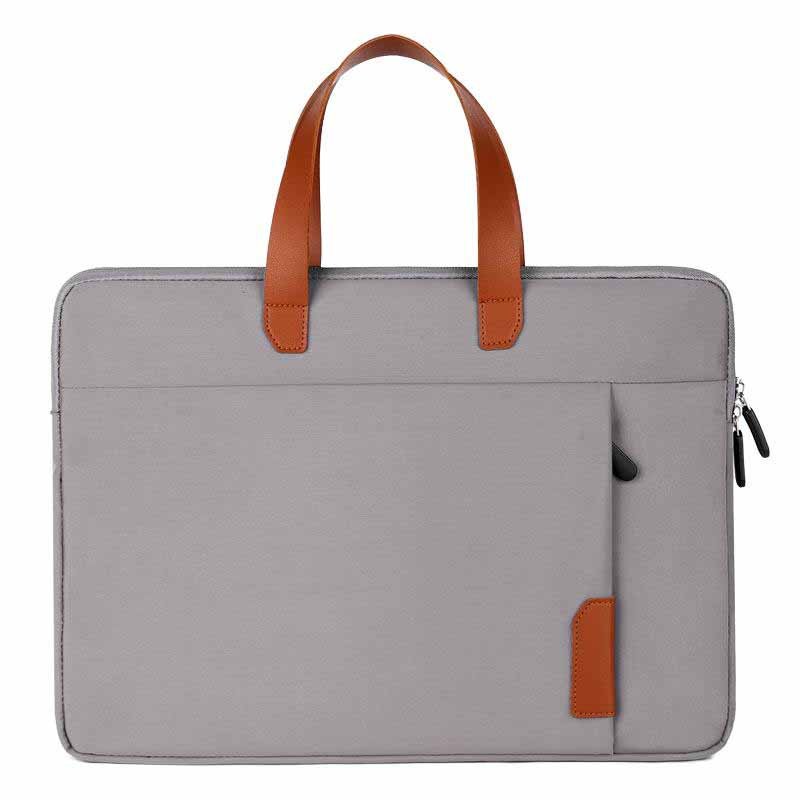
The best materials for laptop bag manufacturing for tech brands include neoprene, polyester, nylon, canvas, PU leather, EVA, foam padding, fleece lining, velvet lining, tricot lining, and air mesh. Neoprene is especially suitable for laptop sleeves because it offers soft cushioning, stretch, light water resistance, flexible fit, and a clean surface for branding.
Why Neoprene Works
Neoprene is one of the most useful materials for laptop sleeves and soft tech cases because it offers protection without making the product bulky. It has a soft foam-like structure that cushions the laptop against daily knocks, desk contact, bag friction, and light handling impact. It also has slight stretch, which helps the sleeve wrap around the device more closely.
For laptop sleeves, fit is very important. If the sleeve is too loose, the laptop moves inside and protection becomes weaker. If the sleeve is too tight, customers struggle to insert or remove the device. Neoprene helps solve this because it has enough flexibility to create a close fit while still feeling soft.
Neoprene is also naturally suitable for modern tech aesthetics. It can look clean, simple, sporty, or premium depending on the laminated surface fabric. Szoneier can support different surface options such as polyester laminated neoprene, nylon laminated neoprene, jersey surface, Lycra surface, printed fabric, textured fabric, or custom color fabric.
For tech brands, neoprene offers several practical advantages.
It is lightweight, which helps reduce shipping cost for e-commerce products.
It feels soft in hand, which improves first impression.
It can absorb small daily bumps better than a thin fabric-only sleeve.
It supports many colors and logo methods.
It works well for slim laptop sleeves, tablet sleeves, charger pouches, and tech organizers.
It can be produced in different thicknesses based on price and protection level.
Common neoprene thickness choices for laptop sleeves include around 2 mm, 3 mm, 4 mm, and 5 mm. A lower thickness works for simple sleeves and promotional projects. A thicker structure is better for retail, corporate gifts, and higher-value device protection. The exact thickness should match the laptop size, sleeve style, zipper design, lining choice, and target price.
| Neoprene Thickness | Protection Level | Best Use | Product Feel |
|---|---|---|---|
| 2 mm | Light protection | Event gifts, simple tablet sleeves | Thin, flexible, low cost |
| 3 mm | Daily protection | Standard laptop sleeves | Soft, practical, easy to carry |
| 4 mm | Better protection | Retail laptop sleeves, corporate gifts | More cushioned, higher value |
| 5 mm | Stronger soft protection | Premium sleeves, travel use | Thicker, more protective, more substantial |
Neoprene is not a hard-shell material. It will not protect a laptop the same way as a molded EVA case or hard case. But for daily use, office carry, school use, device bundles, and branded tech gifts, it gives a very useful balance of protection, comfort, price, and customization.
Which Padding Helps
Padding is one of the most important parts of laptop bag manufacturing. The outer fabric may attract attention first, but the padding decides whether customers feel confident putting an expensive laptop inside the bag.
Different laptop bags need different padding structures. A simple neoprene sleeve may use neoprene itself as the cushioning layer. A premium sleeve may add fleece lining, sponge, or reinforced edge structure. A laptop backpack may use foam padding around the laptop compartment, plus a raised bottom section so the laptop does not directly hit the ground when the bag is placed down. An EVA laptop case may use a molded shell with inner lining and elastic retention.
Common padding and protection materials include:
Neoprene for soft cushioning and flexibility.
EVA foam for stronger shape and impact support.
EPE foam or pearl cotton for lightweight cushioning.
Sponge for soft padding in compartments and straps.
Fleece lining for anti-scratch inner protection.
Velvet lining for a softer premium touch.
Tricot lining for smooth inner finishing.
Air mesh for breathable back panels and straps.
PE board for bottom support or structure.
Reinforced corner pieces for areas that receive more impact.
For tech brands, padding should not be too thin, too stiff, or badly placed. A laptop is most vulnerable at the corners, edges, and screen surface. If the bag has padding only on the front and back but not near the zipper edge or bottom, the protection may feel incomplete. If the zipper touches the laptop directly, it may scratch the device. If the inner lining is rough, the customer may worry about surface marks.
A good laptop bag structure should consider these points.
The laptop compartment should fit the device size closely.
The bottom should have enough cushioning, especially for backpacks.
The inner lining should be soft enough for daily contact.
The zipper should not scratch the laptop edge.
The corners should not be too exposed.
The padding should not make the bag difficult to use.
| Bag Type | Recommended Padding Focus | Customer Benefit |
|---|---|---|
| Slim laptop sleeve | 3–4 mm neoprene + soft lining | Lightweight daily protection |
| Premium sleeve | 4–5 mm neoprene + fleece lining | Better touch and stronger cushion |
| Laptop backpack | Foam compartment + raised bottom | Safer commuting and travel use |
| Laptop messenger bag | Padded laptop pocket + divider | Office use and easy access |
| EVA case | Molded EVA shell + inner lining | Stronger shape and impact resistance |
| Tech organizer | Sponge or lined compartments | Protects small electronics |
| Travel tech bag | Multilayer padding + reinforced zones | Better protection for frequent travel |
Szoneier helps brands choose padding based on how the product will be used. A laptop sleeve sold as a low-cost event gift does not need the same padding as a premium laptop case. A corporate laptop backpack used daily by employees should not use the same structure as a simple merchandise item. Good protection is about matching the right material layers to the real use case.
How Material Affects Cost
Material affects laptop bag cost in more ways than many clients expect. The fabric itself is only one part. Thickness, lamination, lining, coating, zipper, logo method, pocket design, cutting method, sewing difficulty, packaging, and order quantity all influence the final unit price.
For example, a basic neoprene laptop sleeve with a single zipper and printed logo is usually cost-efficient. A thicker neoprene sleeve with fleece lining, handle, front pocket, rubber logo patch, custom zipper pull, and retail box will cost more. A laptop backpack with waterproof fabric, padded straps, multiple compartments, trolley sleeve, hidden pocket, and custom packaging will cost much more than a simple sleeve.
The goal is not always to choose the cheapest option. The goal is to choose the right cost structure for the product’s market. A tech startup preparing a launch gift may need a clean, practical sleeve at controlled cost. An electronics brand selling retail accessories may need better lining, thicker padding, and stronger packaging. A corporate IT program may need durability and consistent logo quality across repeated orders.
Main cost drivers in laptop bag manufacturing include:
Outer material type.
Neoprene thickness or fabric denier.
Lamination quality.
Inner lining choice.
Padding layers.
Zipper size and quality.
Pocket quantity.
Handle and strap design.
Logo method.
Color quantity.
Sampling requirements.
Packaging style.
Order quantity.
Inspection standard.
| Cost Area | Cost-Control Option | Higher-Value Option | When to Upgrade |
|---|---|---|---|
| Main material | 2–3 mm neoprene, basic polyester | 4–5 mm neoprene, nylon, EVA, premium fabric | Retail or premium corporate use |
| Lining | Basic polyester lining | Fleece, velvet, tricot, soft-touch lining | When device scratch protection matters |
| Padding | Neoprene only | Added foam, sponge, reinforced corners | When better protection is needed |
| Zipper | Standard zipper | Waterproof zipper, custom puller, smoother slider | Premium or travel products |
| Logo | Screen printing | Rubber patch, silicone logo, embroidery, embossing | Higher perceived value |
| Structure | Simple sleeve | Handle, pocket, divider, corner support | More daily use functions |
| Packaging | OPP bag | Kraft box, retail box, insert card | E-commerce or retail sales |
| MOQ | Larger batch for lower price | Lower MOQ for testing | New product launch or market test |
For brands with limited budgets, Szoneier can help control cost without weakening the product too much. For example, instead of using expensive outer fabric, a brand may choose standard neoprene but upgrade the lining and logo. Instead of adding many pockets, the design may focus on one practical front pocket. Instead of a retail box, the brand may use a custom insert card and clean polybag.
For premium projects, Szoneier can help improve perceived value with thicker neoprene, soft lining, custom zipper pull, rubber logo patch, better packaging, and more refined sewing details. These upgrades can make the product feel more expensive without overcomplicating manufacturing.
The smartest material plan is the one that fits the brand’s customer, selling price, quantity, and use scenario. Szoneier’s role is to help clients find that balance before bulk production begins.
How is protection ensured during the manufacturing of laptop bags?
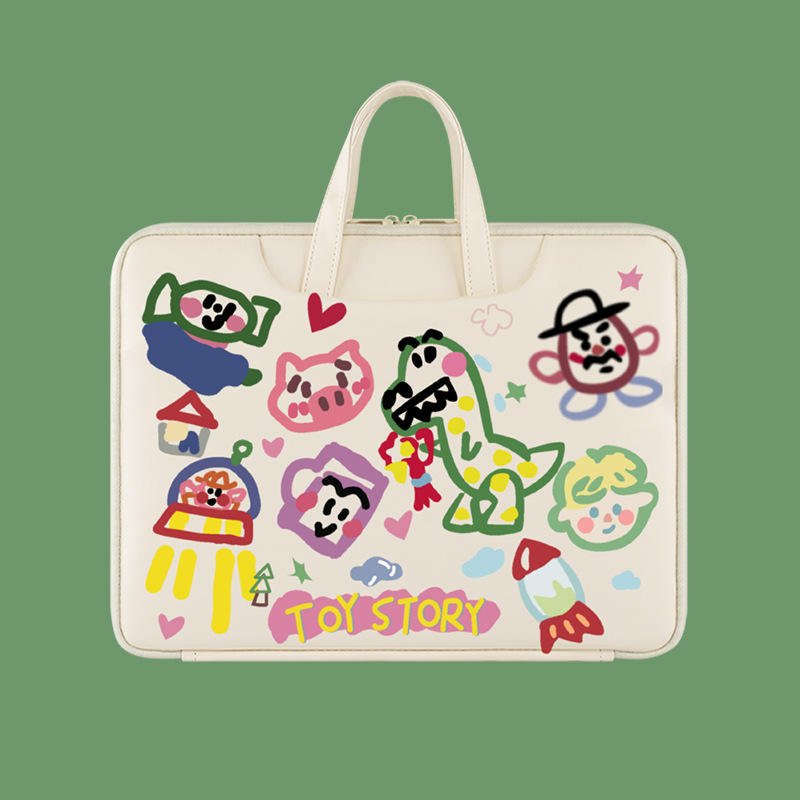
Laptop bag manufacturing for tech brands protects devices through accurate sizing, soft inner lining, suitable padding, reinforced corners, smooth zipper design, stable compartments, and comfortable carrying structure. Good protection is not only about thick material. It is about how the laptop sits inside the bag, how the pressure points are protected, and how users carry the bag every day.
What Size Fits
Laptop size is one of the first details to confirm before manufacturing. A laptop bag that is too large allows the device to slide inside. A bag that is too small makes the zipper hard to close and may press against the device edges. For tech brands, poor sizing can quickly create complaints because customers notice fit problems immediately.
Common laptop bag sizes include 13-inch, 14-inch, 15.6-inch, 16-inch, and 17-inch. However, screen size alone is not enough for accurate manufacturing. A 14-inch MacBook, 14-inch Chromebook, 14-inch business laptop, and 14-inch rugged laptop may have different length, width, and thickness. Gaming laptops are often thicker and heavier than slim business laptops. Tablets with keyboards may also need extra space.
Before sample development, Szoneier usually recommends confirming actual device dimensions instead of relying only on screen size. The key measurements include laptop length, width, thickness, corner radius, charger size, and whether the user will carry a protective shell or keyboard case.
For laptop sleeves, fit tolerance matters. A sleeve should leave enough room for easy insertion, but not so much that the device moves around. For backpacks and messenger bags, the laptop compartment should hold the device securely with padding around the sides and bottom.
| Laptop Size | Common Device Type | Suggested Bag Direction | Fit Focus |
|---|---|---|---|
| 11–12 inch | Small laptops, tablets, school devices | Tablet sleeve, compact laptop sleeve | Slim fit, easy opening |
| 13 inch | MacBook Air, ultrabooks | Neoprene sleeve, slim case | Lightweight protection |
| 14 inch | Business laptops, Chromebooks | Sleeve, backpack pocket | Balanced fit and padding |
| 15.6 inch | Standard office laptops | Sleeve, backpack, messenger bag | Stronger compartment support |
| 16 inch | MacBook Pro, creative work laptops | Premium sleeve, travel bag | Better edge and corner space |
| 17 inch | Gaming laptops, workstation laptops | Large sleeve, backpack, EVA case | Extra thickness and load support |
For tech brands selling laptop bags online, size clarity is also important for reducing returns. Product pages should list inner dimensions, compatible device sizes, and thickness limits. If a sleeve is designed for a 13-inch MacBook but not for a thick 13-inch rugged laptop, that should be clear in the product description.
Szoneier can help brands develop size charts, inner dimension suggestions, and sample adjustments before bulk production. This is especially useful for e-commerce sellers and private label brands that need to avoid fit-related negative reviews.
Which Pockets Help
Laptop bag pockets should solve real problems, not only make the product look complicated. Many customers carry more than a laptop. They may need space for a charger, mouse, cable, power bank, earbuds, pen, notebook, phone, passport, ID card, business documents, or tablet. The right pocket layout makes the bag easier to use and more valuable.
For a simple neoprene laptop sleeve, one front zipper pocket may be enough for a charger, cable, or small notebook. For a laptop backpack, the design may need a padded laptop compartment, tablet slot, document pocket, side bottle pocket, hidden back pocket, cable pocket, and quick-access front pocket. For travel tech bags, pocket layout becomes even more important because users need to pass through airports, meetings, hotels, and coworking spaces.
The mistake many brands make is adding too many pockets without thinking about how customers use them. Too many pockets can increase cost, add weight, and make the bag look bulky. Poor pocket placement can also create pressure against the laptop. For example, a charger pocket placed directly against the screen area may create a hard pressure point.
A better approach is to plan pockets by object size and usage frequency.
Daily-use items should be easy to access.
Heavy items should sit near the bottom or center.
Hard accessories should not press directly against the laptop screen.
Small items need secure pockets to avoid falling out.
Travel documents need quick-access areas.
Valuable items may need hidden pockets.
| Pocket Type | Best Use | Design Point |
|---|---|---|
| Padded laptop pocket | Laptop protection | Close fit, soft lining, raised bottom |
| Tablet slot | iPad, Surface, secondary screen | Thin padding and easy access |
| Charger pocket | Adapter and cable | Enough depth, away from screen pressure |
| Mouse pocket | Mouse or small device | Rounded space, not too tight |
| Cable loop | USB cable, charger cable | Elastic or mesh control |
| Document pocket | Papers, folders, notebooks | Flat and wrinkle-reducing |
| Hidden pocket | Passport, wallet, phone | Back panel or inner side |
| Side pocket | Bottle, umbrella | Strong elastic or zipper |
| Front pocket | Quick-use accessories | Easy opening and clear organization |
For tech brands, pocket layout can become a selling point. A “work-from-anywhere” laptop backpack can highlight charger storage, tablet compartment, and travel pocket. A slim laptop sleeve can highlight a front accessory pocket. A corporate laptop bag can highlight document organization and hidden security pocket.
Szoneier can help create pocket layouts based on the product’s target user. A student laptop bag, business laptop bag, gaming laptop bag, and remote-work laptop bag should not use the same internal structure.
What Details Matter
Small details decide whether a laptop bag feels reliable in daily use. Customers may not describe these details in technical language, but they feel them immediately. A zipper that catches fabric feels cheap. A handle that bends too much feels weak. A lining that feels rough creates concern. A shoulder strap that digs into the shoulder makes the bag uncomfortable.
For laptop protection, the most important details include zipper design, lining, bottom support, corner protection, strap strength, handle comfort, opening angle, and compartment stability.
Zippers need special attention because they sit close to the device. A zipper should move smoothly and should not scratch the laptop edge. For neoprene sleeves, the zipper track must be aligned well so the sleeve does not twist. For backpacks, the zipper opening should be large enough for easy laptop removal, but not so loose that the compartment becomes unstable.
Lining should be soft and clean. Fleece, velvet, tricot, or soft polyester lining can help protect the laptop surface from scratches. For premium laptop sleeves, inner touch is important because customers often place expensive devices directly inside without another cover.
Bottom protection is critical for backpacks and messenger bags. Many users place bags on floors, desks, cars, airport seats, and meeting rooms. If the laptop compartment touches the bottom directly, impact risk increases. A raised laptop pocket or padded bottom can improve protection.
Corner protection also matters because laptop corners are vulnerable. Neoprene sleeves may use rounded corner shaping. EVA cases may use molded corner space. Backpacks may use thicker padding at side and bottom zones.
| Detail | Why It Matters | Better Manufacturing Practice |
|---|---|---|
| Smooth zipper | Prevents frustration and device scratches | Use suitable zipper size and clean stitching |
| Soft lining | Protects laptop surface | Use fleece, velvet, tricot, or smooth lining |
| Raised bottom | Reduces impact when bag is placed down | Lift laptop pocket above bag base |
| Corner support | Protects vulnerable edges | Add thicker padding or shaped corners |
| Strong handle | Supports daily carrying | Reinforce stitching and webbing connection |
| Padded strap | Improves comfort | Use sponge, air mesh, or wider strap |
| Clean seam | Improves appearance and durability | Control stitching line and edge binding |
| Stable opening | Makes device removal easier | Match zipper length with product structure |
For business users and hybrid workers, comfort is also part of protection. If the bag is uncomfortable, users may carry it carelessly or overload it. A laptop backpack should have padded straps, breathable back panel, balanced weight distribution, and enough space for accessories. A laptop messenger bag should have a stable shoulder strap and strong metal or plastic hardware.
Szoneier reviews these details during sample development so clients can adjust the bag before bulk production. This helps prevent common problems such as tight fit, weak zipper corners, poor logo position, thin padding, or uncomfortable straps.
How is the customization process carried out for laptop bag manufacturing?
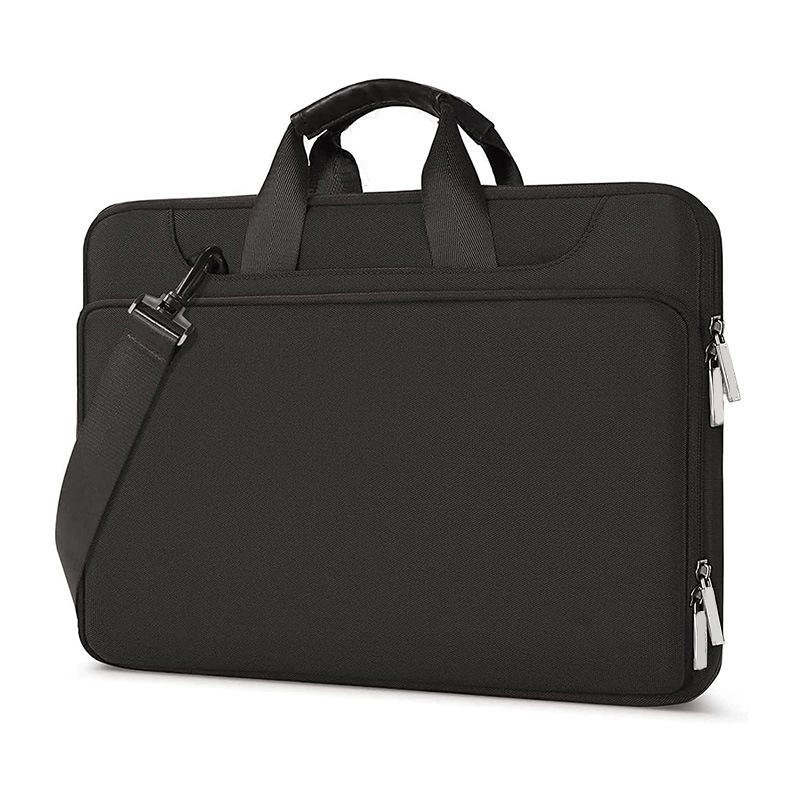
Laptop bag manufacturing for tech brands can be customized through material, thickness, size, color, shape, pocket layout, padding, logo method, zipper puller, webbing, lining, accessories, packaging, and retail presentation. Good customization should make the product more useful and more recognizable, not only more decorative.
Which Logo Works
Logo application is one of the most important decisions in custom laptop bag manufacturing. A laptop bag is used repeatedly and carried in public, so the logo should look clean, durable, and suitable for the product level. A poorly printed logo can make even a good bag look low-end.
Different logo methods work better for different materials and brand styles. Screen printing is useful for simple logos and larger quantities. Heat transfer works well for sharper colors and detailed graphics. Embroidery gives a stronger textured look, but it may not suit all thin neoprene sleeves because stitches can affect stretch and surface smoothness. Rubber patches and silicone logos create a modern tech look. Woven labels are good for subtle private label branding. Embossed or debossed logos work well for PU leather, EVA, and selected structured materials.
For neoprene laptop sleeves, common logo options include screen printing, heat transfer, rubber patch, silicone patch, woven label, and embossed effect on selected surfaces. For laptop backpacks, embroidery, rubber patch, woven label, custom zipper puller, metal badge, and heat transfer can all be considered.
The logo method should match three things: material surface, order quantity, and brand position.
| Logo Method | Best For | Visual Style | Cost Level |
|---|---|---|---|
| Screen printing | Simple logos, bulk orders | Clean and direct | Low |
| Heat transfer | Multi-color logos, sharp graphics | Modern and clear | Low to medium |
| Embroidery | Premium corporate bags | Textured and durable | Medium |
| Rubber patch | Tech, sport, outdoor styles | Modern and raised | Medium |
| Silicone logo | Soft premium tech look | Clean and flexible | Medium |
| Woven label | Private label bags | Subtle and professional | Low to medium |
| Embossed logo | PU, EVA, structured panels | Minimal and premium | Medium to high |
| Custom zipper pull | Premium detail | Small but memorable | Medium |
Logo size and position also matter. A large front logo works well for promotional and event bags. A small side label feels more premium. A rubber patch near the lower corner gives a modern retail look. A zipper pull logo adds brand detail without making the bag look too promotional.
For tech brands selling to corporate users, a clean and restrained logo often works better than oversized branding. For event giveaways, stronger visibility may be more important. Szoneier can help test logo position and process during sampling, so the final product looks balanced instead of crowded.
What Style Sells
The laptop bag market has changed because work habits have changed. More people work between office, home, café, airport, hotel, classroom, and coworking space. Tech brands now need laptop bags that feel practical, clean, and suitable for different daily scenes.
Minimalist laptop sleeves remain popular because they are lightweight, easy to ship, and easy to use. A neoprene sleeve in black, gray, navy, beige, or custom brand color can fit many customer groups. For e-commerce products, sleeves are also easier to develop in multiple sizes and colors.
Laptop backpacks sell well when customers need more organization. A good laptop backpack should not look too bulky. It should have a clean shape, padded laptop pocket, accessory compartments, comfortable straps, and strong zippers. For business users, dark colors and simple logos usually work best. For younger users, color contrast and lighter designs may be more attractive.
Messenger bags and briefcase-style laptop bags work well for business and corporate markets. They can use polyester, nylon, canvas, PU leather, or mixed materials. These bags usually need a more professional appearance, cleaner stitching, and a comfortable shoulder strap.
EVA laptop cases and structured tech cases work well when stronger protection is needed. They may be suitable for premium devices, travel use, gaming laptops, or fragile electronics.
Style should match sales channel. A corporate gift bag should look professional and not too flashy. An Amazon laptop sleeve needs strong product photos, clear size options, and practical features. A retail tech accessory bag needs packaging and finishing that justify the price. A startup launch gift may need a simple but memorable design.
| Style Direction | Best Customer Group | Product Features |
|---|---|---|
| Minimalist sleeve | MacBook users, office workers, students | Slim shape, soft lining, clean logo |
| Premium neoprene sleeve | Retail tech brands, corporate gifts | Thicker neoprene, better zipper, refined logo |
| Business backpack | Hybrid workers, corporate teams | Laptop pocket, document space, trolley sleeve |
| Travel tech bag | Frequent travelers, consultants | Hidden pocket, charger storage, luggage strap |
| Gaming laptop bag | Gaming users, hardware brands | Larger size, stronger padding, bold design |
| Eco-style sleeve | Lifestyle and sustainability-focused brands | Recycled fabric options, kraft packaging |
| EVA case | Higher-protection users | Structured shape, molded shell, inner mesh |
| Accessory kit | Product bundles, remote-work kits | Sleeve, charger pouch, cable organizer |
Colors also influence sales. Black is safe and professional. Gray feels modern and neutral. Navy works well for corporate use. Beige and light gray can fit lifestyle tech accessories. Bright colors are useful for events, education, and youth markets. Custom brand colors can improve recognition, but they require stronger color control during sampling.
Szoneier can help clients create style directions based on market positioning, not only personal preference. A bag designed for software engineers, corporate employees, students, gamers, or travelers should not look the same.
How Packaging Adds Value
Packaging is often underestimated in laptop bag manufacturing. For bulk corporate use, simple packaging may be enough. For retail and e-commerce, packaging can strongly influence first impression, product protection, and perceived value.
A laptop sleeve shipped in a thin plastic bag may be acceptable for a low-cost giveaway. But a premium laptop sleeve sold online may need a clean polybag, insert card, barcode label, size sticker, and protective outer carton. A retail laptop case may need kraft box packaging, printed sleeve box, hangtag, or display-ready packaging.
Good packaging should do three things.
Protect the product during shipping.
Explain the product clearly.
Make the customer feel the product is worth the price.
For tech brands, packaging can also support product education. An insert card can explain material, size compatibility, care instructions, brand story, warranty information, or QR code registration. A barcode label helps inventory management. A size sticker reduces warehouse errors. A custom hangtag helps retail display.
Common packaging options include:
Individual polybag.
Frosted zipper bag.
Kraft paper sleeve.
Kraft box.
Printed color box.
Hangtag.
Insert card.
Barcode label.
Size label.
E-commerce shipping carton.
Gift packaging.
Product bundle packaging.
| Packaging Type | Best Use | Main Benefit |
|---|---|---|
| Individual polybag | Bulk orders, simple shipping | Low cost and basic protection |
| Frosted zipper bag | Better gift presentation | Cleaner and reusable appearance |
| Kraft sleeve | Eco-style laptop sleeves | Simple and natural look |
| Kraft box | Retail or corporate gifts | Better protection and presentation |
| Printed color box | Retail tech accessories | Strong shelf appeal |
| Hangtag | Store display, product details | Easy branding and information |
| Insert card | E-commerce, premium gifts | Explains features and brand story |
| Barcode label | Amazon, retail, warehouse | Easier inventory control |
| Gift box | Corporate premium programs | Higher perceived value |
Packaging should match the product’s price level. A low-cost sleeve does not need expensive packaging. A premium sleeve should not arrive in packaging that feels careless. Szoneier can help clients choose packaging that supports the sales channel without wasting cost.
For e-commerce sellers, packaging also affects reviews. If the bag arrives wrinkled, compressed, dirty, or unclear in size, customers may leave poor feedback even if the bag itself is acceptable. Proper folding, carton size, packing quantity, and moisture protection should all be considered before shipment.
How do you choose a laptop bag manufacturer?
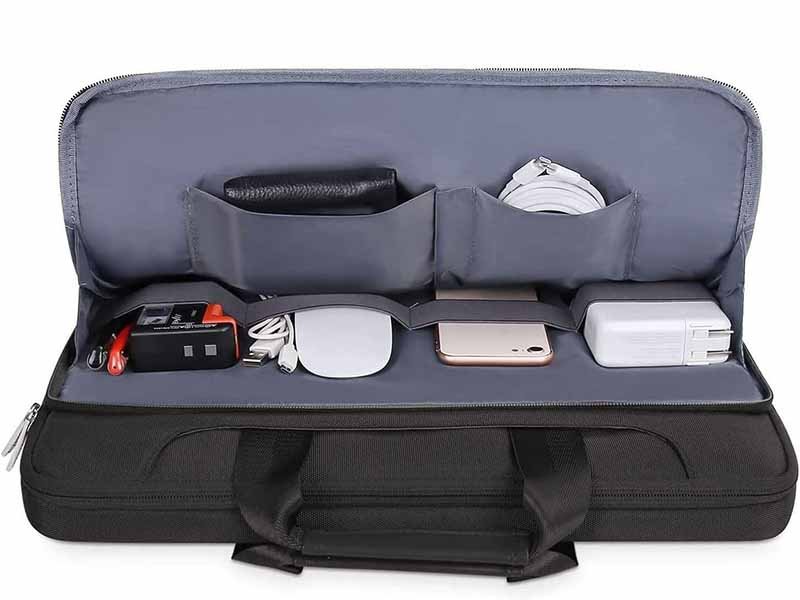
Laptop bag manufacturing for tech brands should be evaluated by material knowledge, protection design, sample speed, customization ability, MOQ flexibility, sewing quality, logo control, inspection process, packaging support, and delivery reliability. A good manufacturer should help tech brands turn a product idea into a usable, protective, attractive, and scalable laptop bag.
What to Ask
Choosing a laptop bag manufacturer should not start with price only. Price matters, but a very low quote can hide problems in material thickness, lining quality, zipper grade, stitching density, logo durability, packaging, or inspection. Tech brands should ask practical questions that directly affect the finished product.
Before starting a custom laptop bag project, brands should prepare basic information such as laptop size, target user, product type, preferred material, logo file, order quantity, target price, packaging needs, and expected delivery time. Even if the idea is not complete, this information helps the manufacturer recommend a suitable structure instead of guessing.
Important questions to ask include:
What laptop sizes can you make?
Can you customize inner dimensions instead of only using standard sizes?
What neoprene thickness options are available?
Can you provide soft lining for anti-scratch protection?
What padding options are suitable for daily use, travel, or higher protection?
Can the zipper be designed to avoid scratching the laptop?
What logo methods work best on neoprene, polyester, nylon, EVA, or PU leather?
Can you make samples before bulk production?
What is the sample lead time?
What is the MOQ for custom color, custom logo, and custom shape?
Can you support low MOQ testing before larger orders?
How do you inspect stitching, zipper, size, logo, and packing?
Can you support retail packaging, Amazon packaging, or corporate gift packaging?
Can you help improve the design if we only have a reference photo?
These questions help brands discover whether the supplier understands laptop bag development or only basic sewing. A real laptop bag manufacturer should be able to explain material trade-offs clearly. For example, 3 mm neoprene may be enough for a simple sleeve, while 4–5 mm neoprene may be better for premium use. A backpack laptop pocket may need foam and a raised bottom. A travel laptop bag may need a trolley sleeve, hidden pocket, and stronger zipper.
| Question Area | What to Ask | Why It Matters |
|---|---|---|
| Size | Can inner dimensions be customized? | Prevents poor laptop fit |
| Material | Which neoprene thickness is suitable? | Balances protection and cost |
| Padding | What structure protects corners and bottom? | Reduces damage risk in daily use |
| Lining | Is soft lining available? | Helps prevent scratches |
| Logo | Which logo process suits this material? | Improves brand appearance and durability |
| Sample | How fast can samples be made? | Reduces project delay |
| MOQ | Can small test orders be supported? | Helps launch new products with lower risk |
| QC | What is checked before shipment? | Protects quality and customer reviews |
| Packaging | Can packaging match retail or e-commerce? | Improves first impression and delivery condition |
A strong manufacturer should also be honest when a design is not practical. For example, a client may want a very thin sleeve with heavy protection, a large rubber patch on a flexible curved surface, or a complicated backpack structure at a very low price. An experienced factory should explain the risk and recommend better alternatives.
Szoneier supports clients during this early decision stage. Whether the client has a full tech pack or only a product idea, the team can help review material, size, logo, structure, and packaging before sample development begins.
Which Factory Fits
The right factory for laptop bag manufacturing should have experience with soft materials, padding, cutting, sewing, logo application, and quality control. This is especially important for neoprene laptop sleeves because neoprene behaves differently from ordinary woven fabric. It stretches, compresses, and changes shape if cutting and sewing are not controlled well.
A factory that understands neoprene can better control edge finishing, zipper alignment, thickness selection, logo placement, and shape stability. Poor neoprene sewing can cause twisted corners, uneven edges, wavy seams, zipper tension, or distorted logo areas. These problems may look small, but they can make a laptop sleeve feel low quality.
For laptop backpacks and messenger bags, factory strength should be judged by structure control. The sewing team must handle multiple layers, foam padding, lining, zippers, webbing, shoulder straps, buckles, binding, and reinforcement. If these parts are not aligned correctly, the bag may feel uncomfortable or fail during use.
A suitable laptop bag factory should have strength in these areas:
Material selection and sourcing.
Neoprene cutting and lamination knowledge.
Accurate pattern making.
Clean sewing and edge control.
Smooth zipper installation.
Padded compartment construction.
Logo process matching.
Custom color development.
Sample revision support.
Bulk production consistency.
Inspection before packing.
Export packaging and delivery coordination.
Production capacity also matters. A small sample room may make one good sample, but bulk production must remain consistent across hundreds or thousands of pieces. Tech brands should check whether the factory can repeat the same size, color, logo position, stitching quality, and packaging standard during production.
| Factory Capability | What It Means for Laptop Bags | Risk If Missing |
|---|---|---|
| Neoprene experience | Better control of stretch, thickness, sewing | Wavy seams, poor fit, weak appearance |
| Pattern making | Accurate size and device fit | Laptop too tight or too loose |
| Padding knowledge | Better shock and scratch protection | Thin feel, weak protection |
| Sewing control | Clean edges and stronger structure | Loose threads, uneven seams |
| Logo process control | Better print, patch, or embroidery result | Logo peeling, distortion, poor alignment |
| Sample revision | Easier improvement before bulk order | Problems repeated in production |
| QC process | More stable shipment quality | Higher complaint and return risk |
| Packaging support | Better retail and e-commerce presentation | Wrinkles, dirty products, poor first impression |
Szoneier is a good fit for tech brands that need more than a basic bag supplier. The company has more than 18 years of experience in neoprene material research and development, product design, sampling, and manufacturing. Since Szoneier also customizes neoprene bags, koozies, sports supports, medical supports, wetsuits, and other neoprene products, the team understands how neoprene behaves in different structures and usage scenarios.
This material experience is valuable for laptop bag projects because a laptop sleeve must feel soft, fit well, protect the device, and present the logo cleanly. It cannot be treated like a simple flat pouch.
Why Szoneier Fits
Szoneier fits tech brands because it combines neoprene material knowledge with custom product manufacturing. For brands that want laptop sleeves, laptop backpacks, tech organizers, charger pouches, or custom device cases, this helps reduce development mistakes and speeds up the path from idea to sample.
Szoneier can support different types of clients, including tech startups, electronics brands, SaaS companies, corporate gift companies, Amazon sellers, Shopify sellers, retail accessory brands, promotional agencies, schools, and business service providers. Some clients need low MOQ testing. Some need premium materials. Some need quick samples. Some need private label packaging. Some need a reliable OEM/ODM partner for repeat production.
Szoneier’s main advantages include:
More than 18 years of neoprene material and finished product manufacturing experience.
Custom development for bags, koozies, sports supports, medical supports, wetsuits, and other neoprene products.
Free design support for clients with only an idea, reference image, or sample.
Low MOQ customization for new product testing and small-batch launches.
Fast sampling to help brands confirm fit, material, logo, and structure quickly.
Free sample support for suitable projects.
Short lead time for urgent launches, campaigns, and seasonal programs.
OEM/ODM service for private label and custom product development.
100% quality assurance with inspection before shipment.
Rich customization options for logo, color, size, shape, lining, zipper, packaging, and accessories.
For laptop bag manufacturing, Szoneier can help clients build different product levels.
| Project Type | Szoneier Support | Best Result |
|---|---|---|
| Startup launch gift | Low MOQ, fast sample, clean logo | Useful branded sleeve with controlled cost |
| Tech event giveaway | Simple neoprene sleeve, quick delivery | High-visibility promotional product |
| Corporate laptop kit | Sleeve, charger pouch, packaging | Complete work accessory set |
| E-commerce laptop sleeve | Size range, packaging, barcode labels | Retail-ready online product |
| Premium tech accessory | Thicker neoprene, soft lining, rubber logo | Higher perceived value |
| Travel laptop bag | Strong padding, pockets, trolley sleeve | More practical daily and travel use |
| Private label collection | Custom color, logo, packaging | Consistent branded product line |
Szoneier also helps clients avoid overdesign. A product does not become better just because it has more pockets, thicker material, or a more expensive logo. A good laptop bag should match the customer’s real habits. If the user only needs a slim sleeve for a MacBook, a simple design may be best. If the user travels weekly, a backpack with structured compartments makes more sense. If the product is for corporate gifting, clean logo placement and packaging may matter more than complex features.
This practical approach helps brands control cost while improving customer value.
Laptop Bag Manufacturing for Tech Brands: FAQs
Laptop bag manufacturing for tech brands often raises questions about material, waterproofing, padding, sizing, MOQ, samples, logo methods, and bulk production. The best answers depend on product type, device size, protection level, sales channel, and target price. Below are the questions many brands ask before starting custom laptop bag production.
What Material Is Best?
The best material depends on the type of laptop bag and the target customer. For laptop sleeves, neoprene is one of the best choices because it is soft, flexible, lightweight, and protective for daily use. It works well for slim sleeves, tablet sleeves, charger pouches, and tech accessory bags.
For laptop backpacks, polyester and nylon are common because they provide stronger body structure, better compartment support, and more load-bearing capacity. Polyester is often more cost-effective and good for large-volume orders. Nylon usually gives a lighter and more premium feel. Canvas can create a casual lifestyle look. PU leather can create a business or gift style. EVA is better for structured laptop cases that need stronger shape and impact protection.
A simple way to choose:
Choose neoprene for soft laptop sleeves.
Choose polyester for cost-effective laptop backpacks.
Choose nylon for premium or lightweight bags.
Choose EVA for stronger protective cases.
Choose PU leather for business-style gifts.
Choose canvas for lifestyle or casual tech bags.
Szoneier can recommend material based on laptop size, target price, logo method, packaging, and intended use.
Is Neoprene Waterproof?
Neoprene has light water-resistant properties, but a neoprene laptop sleeve should not be described as fully waterproof unless the full structure supports that claim. Neoprene can help resist small splashes, light moisture, and short contact with damp surfaces. However, water can still enter through zippers, seams, stitching holes, or openings.
For daily office, school, commuting, and travel use, neoprene provides useful protection against small amounts of moisture. For heavy rain, boating, outdoor sports, or waterproof storage, the bag needs stronger construction such as waterproof coating, water-resistant zipper, sealed seams, TPU lamination, PVC coating, or welded structure.
For tech brands, product wording should be accurate. “Water-resistant” is safer and more realistic for most neoprene laptop sleeves. “Waterproof” should only be used when the bag structure has been designed and tested for stronger water protection.
Szoneier can help clients choose different water protection levels:
Basic neoprene sleeve for light splash resistance.
Coated outer fabric for stronger surface protection.
Water-resistant zipper for travel use.
Waterproof pocket design for selected compartments.
EVA case or coated fabric case for better protection.
How Much Padding?
The right padding depends on the laptop value, bag type, and daily use environment. A simple laptop sleeve may use 3 mm neoprene for daily scratch and bump protection. A premium sleeve may use 4–5 mm neoprene with soft fleece lining. A laptop backpack should use foam padding around the laptop compartment and should ideally keep the laptop slightly raised from the bottom of the bag.
For better protection, brands should pay attention to the bottom, corners, and zipper edges. These are the areas most likely to receive impact or pressure. Thick front and back padding is useful, but it is not enough if the corners and bottom are weak.
A practical padding guide:
2 mm neoprene for light promotional sleeves.
3 mm neoprene for standard daily laptop sleeves.
4 mm neoprene for better retail or corporate sleeves.
5 mm neoprene for thicker premium protection.
Foam-padded compartments for backpacks and messenger bags.
EVA shell for stronger structured protection.
Szoneier can help create samples with different padding levels so clients can compare hand feel, thickness, weight, and cost before deciding.
Can Sizes Be Custom?
Yes, laptop bag sizes can be customized. Szoneier can develop laptop sleeves and bags for common sizes such as 13-inch, 14-inch, 15.6-inch, 16-inch, and 17-inch laptops, as well as custom dimensions for MacBook, Chromebook, Surface, tablets, gaming laptops, and special devices.
For accurate sizing, the client should provide device length, width, thickness, and preferred fit. It is also helpful to confirm whether users will carry the laptop with a hard shell cover, keyboard case, or extra accessories. For backpacks and messenger bags, inner laptop pocket dimensions should be confirmed separately from outer bag dimensions.
Custom sizing helps reduce common problems such as:
Laptop sliding inside the sleeve.
Zipper being too tight.
Corners pressing too hard.
Charger pocket making the bag bulky.
Device not fitting due to thickness.
Poor online reviews caused by unclear size compatibility.
For e-commerce products, Szoneier can help develop size ranges and inner dimension references to make product listings clearer.
What MOQ Is Needed?
MOQ depends on product type, material, color, logo method, and packaging requirements. A simple custom neoprene sleeve with standard material may support lower MOQ than a fully custom backpack with special fabric, custom hardware, and retail packaging. Custom colors, molded EVA shells, special zipper pullers, rubber patches, and printed boxes may increase MOQ because they require separate material or accessory production.
Szoneier supports low MOQ customization, which is useful for startups, e-commerce sellers, new product testing, promotional campaigns, and private label launches. Low MOQ helps brands reduce inventory pressure before scaling to larger orders.
MOQ may vary by:
Standard vs custom material.
Existing color vs custom dyed color.
Simple logo vs custom mold logo.
Basic sleeve vs complex backpack.
Standard packaging vs printed box.
Sample order vs bulk production.
For new clients, Szoneier can recommend a practical MOQ plan based on budget, product complexity, and launch schedule.
How Fast Is Sampling?
Sampling time depends on the product complexity. A simple neoprene laptop sleeve usually takes less time than a custom laptop backpack, EVA case, or multi-piece tech accessory set. If the client provides clear size, logo artwork, material preference, and reference design, sampling can move faster. If the design needs multiple revisions, custom color development, special logo mold, or packaging proof, the sample stage may take longer.
A clear sample request should include:
Product type.
Device size or inner dimensions.
Material preference.
Neoprene thickness or padding level.
Logo file.
Logo method.
Color request.
Pocket layout.
Packaging requirement.
Target quantity.
Target price range.
Szoneier offers fast sampling to help tech brands review fit, material, sewing, logo, zipper, and packaging before bulk production. Sample approval is important because it prevents costly changes during mass production.
Can Logos Be Added?
Yes, logos can be added to laptop bags using many methods. The best method depends on the material, product level, order quantity, and desired appearance.
Common logo options include screen printing, heat transfer, embroidery, rubber patch, silicone patch, woven label, debossed logo, embossed logo, metal badge, and custom zipper puller. For neoprene sleeves, screen printing, heat transfer, rubber patch, silicone patch, and woven label are common. For backpacks and messenger bags, embroidery, rubber patch, woven label, and custom zipper pullers are also popular.
Logo selection should consider:
Will the logo be large or small?
Is the logo one color or multi-color?
Should the logo look subtle or highly visible?
Will the product be used as a giveaway or retail item?
Does the fabric surface support the chosen logo method?
Is the logo process durable enough for daily use?
Szoneier can test logo placement and process during sample development to make sure the final effect looks clean and fits the product.
What Before Bulk?
Before bulk production, tech brands should confirm every important detail in the approved sample. The sample should not be treated as a rough idea. It should be the standard for material, size, color, logo, structure, stitching, zipper, lining, packaging, and overall appearance.
Before confirming bulk production, check:
Inner and outer dimensions.
Laptop fit.
Material thickness.
Padding level.
Lining softness.
Zipper smoothness.
Pocket layout.
Handle or strap strength.
Logo size, color, and position.
Stitching quality.
Edge finishing.
Packaging method.
Barcode or label requirements.
Carton packing details.
Inspection standard.
Szoneier can support pre-production confirmation and quality inspection before shipment. This helps reduce production risk and makes sure the final batch matches the approved sample.
Conclusion: Start Your Custom Laptop Bag Project With Szoneier
Laptop bag manufacturing for tech brands is about much more than sewing a sleeve. It is about protecting valuable devices, improving customer experience, strengthening brand visibility, and creating a product that people actually want to carry.
A good laptop bag needs the right material, accurate size, proper padding, soft lining, smooth zipper, clean logo, useful pockets, reliable stitching, and suitable packaging. Neoprene works especially well for laptop sleeves because it is soft, flexible, lightweight, and protective for daily use. Polyester and nylon are strong choices for backpacks and travel bags. EVA works well for structured cases. The best choice depends on the user, device, sales channel, target price, and brand positioning.
Szoneier brings more than 18 years of neoprene material and product manufacturing experience to custom laptop bag development. The company can support laptop sleeves, laptop backpacks, tablet sleeves, charger pouches, cable organizers, tech accessory bags, corporate gifts, event merchandise, and private label product lines.
With free design support, low MOQ customization, fast sampling, free sample support, short lead time, OEM/ODM service, rich material options, and 100% quality assurance, Szoneier helps tech brands turn ideas into market-ready products.
If you are planning custom laptop bags for a tech brand, product launch, corporate gift, e-commerce store, conference event, or private label collection, send Szoneier your laptop size, logo, target quantity, material preference, packaging idea, and target price. The team will help recommend the right material, structure, padding, logo method, and production plan.
Contact Szoneier today to develop custom laptop bags that protect devices, look professional, carry your brand clearly, and support reliable long-term production.