Skip to content
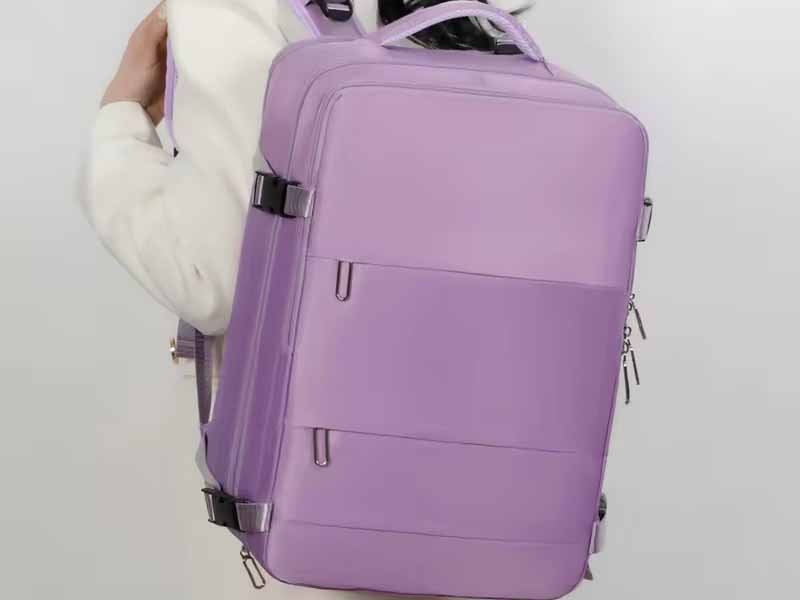
A travel bag is no longer judged only by how it looks or how much it can carry. For many travelers, the real question is much more practical: Will this bag help protect my phone, passport, wallet, cards, laptop, and daily essentials when I move through airports, stations, hotels, and crowded streets? That shift in user behavior has changed the way anti-theft travel bags are designed and manufactured. Today, a good anti-theft travel bag is not simply a regular bag with one hidden pocket added at the end. It is a product built around risk reduction. That means the structure, zipper layout, pocket location, strap design, fabric choice, hardware quality, and production details all need to work together.
Anti-theft travel bag manufacturing is the process of turning security-focused product ideas into real, repeatable, commercially viable bags. A capable factory must balance several things at once: theft deterrence, comfort, weight, cost, durability, appearance, and production efficiency. If the bag is secure but too heavy, customers stop using it. If it looks nice but the zipper path is weak, the product fails in the market. If the materials are strong but the compartments are badly arranged, the user experience suffers.
That is why this topic matters so much for importers, private label sellers, Amazon brands, travel gear startups, and established luggage companies. Many products in the market claim to be “anti-theft,” but once you look closely, the difference between a marketing claim and a well-manufactured product becomes obvious. One bag may only have a hidden zipper. Another may have a much more complete system: controlled openings, reinforced straps, protected card storage, secure back pockets, and better compartment planning. For a customer, that difference affects confidence. For a business, it affects returns, reviews, repeat orders, and long-term brand reputation.
A good anti-theft travel bag tells a very clear story before the customer even reads the product page. It says: this bag was built for real movement, real travel, and real security concerns. That is exactly why more companies now want factories that understand not just sewing, but product logic, user pain points, and the manufacturing details behind a secure bag.
What Is an Anti-Theft Travel Bag?
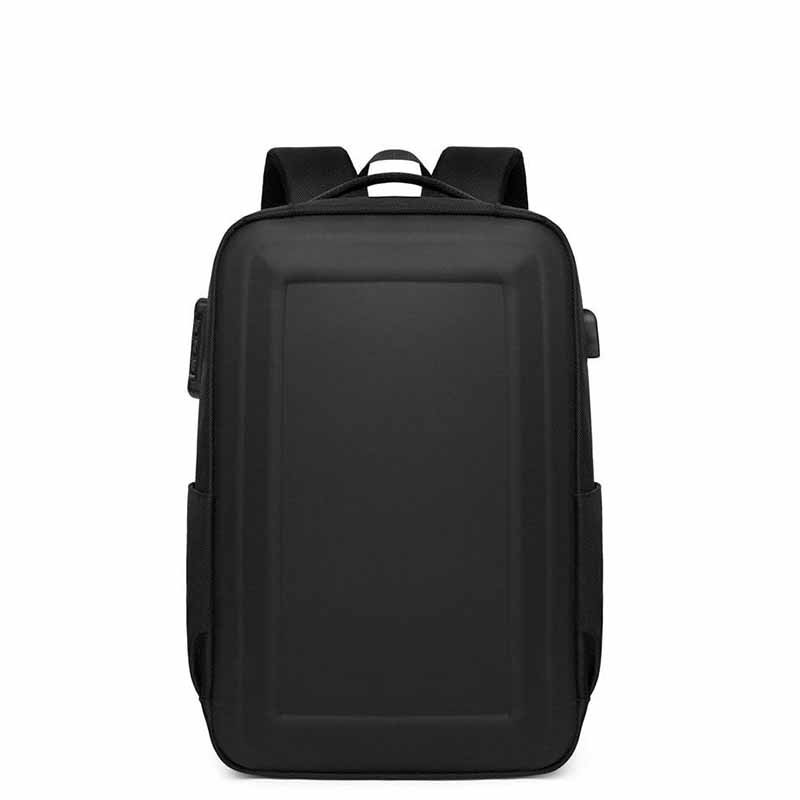
An anti-theft travel bag is a bag designed to make quick, opportunistic theft more difficult. It does not promise absolute protection, and no honest factory should describe it that way. Instead, it reduces common risks through better structure, smarter access control, and more secure storage zones. In simple terms, a normal travel bag mainly helps people carry things. An anti-theft travel bag helps people carry things more safely.
Many customers misunderstand the category at first. They assume anti-theft means a bag must look technical, bulky, or overly complicated. In reality, the best anti-theft travel bags are often clean, lightweight, and easy to use. The difference is in the details. These details usually include:
- lockable zipper systems
- hidden or body-side pockets
- reinforced straps or stronger strap connections
- harder-to-access main openings
- RFID-blocking card or passport pockets
- better organization that reduces exposed valuables
- more intentional placement of high-value items
What makes the category commercially attractive is that it solves a problem customers already understand. Travelers know crowded places create risk. They know passports, cards, and phones matter. They know losing one item during a trip can ruin a day or an entire itinerary. That means anti-theft travel bags are easier to market than many “nice to have” accessories, because the product purpose is immediately clear.
From a manufacturing perspective, anti-theft is not one single feature. It is a design approach. The factory must think through where the bag opens, how easily someone else can reach inside, how the bag sits on the body, and how the user accesses essentials without exposing valuables. Good factories treat these questions as part of the original development process, not as last-minute add-ons.
What makes an Anti-Theft Travel Bag different?
The biggest difference is that an anti-theft travel bag is designed around controlled access, not just storage.
A regular bag usually focuses on these points:
- size
- style
- comfort
- price
- simple organization
An anti-theft travel bag adds another layer of thinking:
- how easy is it for someone else to open?
- where are the most valuable items stored?
- which pocket is safe for a passport?
- can the strap handle pulling stress?
- does the zipper path expose the compartment in crowded environments?
- can the user quickly reach essentials without exposing everything else?
That changes the product from the inside out.
For example, on a standard travel backpack, the main zipper may open wide across the top and side for convenience. On an anti-theft version, the opening may be positioned closer to the back panel, partly shielded by overlap construction, or paired with double sliders that can be secured together. The goal is not to make the bag hard to use. The goal is to make the bag harder to access without permission.
Another key difference is how pockets are prioritized. In many low-cost bags, pocket placement is driven by visual balance or sewing convenience. In a stronger anti-theft design, pocket logic follows value hierarchy:
| Item Type | Best Storage Logic in Anti-Theft Travel Bag | Reason |
|---|---|---|
| Passport | Hidden back pocket or inner zipper compartment | Lower exposure in crowds |
| Wallet | Body-side pocket or protected internal section | Reduces grab risk |
| Phone | Quick-access but controlled pocket | Balances convenience and safety |
| Credit cards | RFID-blocking inner slot or organizer | Better information protection |
| Laptop/tablet | Padded internal compartment close to back | Better balance and protection |
| Cash | Separate concealed pocket | Reduces total loss risk |
This is where manufacturing quality becomes visible. A factory that truly understands anti-theft product logic will not simply add more pockets. It will design better pockets.
Another important difference is hardware selection. A low-grade bag may use ordinary sliders, light pullers, thin webbing, and basic buckles. A stronger anti-theft bag often needs:
- smoother, more reliable zipper performance
- better slider alignment
- stronger webbing
- improved stitch reinforcement at stress points
- tighter tolerance in strap attachment areas
- cleaner sewing around hidden compartments
These details may sound small, but they directly affect how secure and premium the product feels in the hand. That matters because customers often decide whether a bag feels trustworthy within the first few seconds of touching it.
Which Anti-Theft Travel Bag styles sell well?
Not every anti-theft bag style performs equally well in the market. The best-selling shapes are usually the ones that match real travel habits instead of overcomplicating the product.
The most commercially proven anti-theft travel bag styles often include:
- crossbody bags
- sling bags
- compact day backpacks
- travel shoulder bags
- chest bags
- laptop commuter backpacks
- passport organizer bags
- hybrid city-travel bags
Each style serves a different user group, and that matters a lot during development.
Crossbody anti-theft bags are popular because they stay close to the body and are easy to monitor visually. Many travelers like them for city walking, sightseeing, and daily essentials.
Sling bags are attractive because they feel lighter and more modern. They work well for customers who want a compact carry solution for phones, cards, keys, power banks, and passports. But sling development must be done carefully. If the opening direction is wrong, the product may become easier, not harder, for strangers to access.
Anti-theft backpacks are often the most commercially valuable category because they combine capacity and function. They can carry tablets, laptops, travel documents, water bottles, chargers, and clothing layers. But they are also the hardest to develop well because the wearer cannot always see the main access points. That means opening placement, hidden pockets, zipper protection, and panel structure matter much more.
A simple market logic table looks like this:
| Style | Why Customers Like It | Main Manufacturing Challenge |
|---|---|---|
| Crossbody Bag | Easy to monitor, lightweight, ideal for travel essentials | Strap strength and compact organization |
| Sling Bag | Trendy, compact, good for daily city travel | Safe opening direction and balanced wear |
| Backpack | Large capacity, ideal for laptop and multi-item carry | Hidden access design and structure control |
| Shoulder Bag | Familiar format, easy styling | Security without making it too open |
| Chest Bag | Close to body, useful in crowded areas | Comfort and practical compartment layout |
For factories and clients, the real lesson is this: the “best” anti-theft style is not universal. It depends on the customer profile. A digital nomad may want a laptop-focused anti-theft backpack. A female traveler may prefer a lighter crossbody with secure pocket zoning. A commuter brand may want a clean, city-style anti-theft sling that looks premium rather than tactical.
That is why Szoneier’s development value is not just production. It is the ability to guide clients from product idea to product-market fit. The right silhouette is the first business decision, not just a design decision.
Is an Anti-Theft Travel Bag worth it?
For many customers, yes, but only when the security features are practical, comfortable, and well integrated.
A poorly designed anti-theft travel bag can easily fail in three ways:
- it becomes too heavy
- it becomes too complicated
- it looks secure in photos but feels inconvenient in real life
That is why product value must be judged through use, not just feature count.
A good anti-theft bag creates value in several real-world ways:
- it reduces easy-access theft opportunities
- it helps users organize valuables more carefully
- it increases confidence in airports, stations, and crowded destinations
- it gives brands a stronger functional story
- it often supports better product differentiation in competitive markets
For customers, value often comes down to one emotional question: Do I feel more at ease carrying this bag? That feeling matters. Travel is already full of stress: security checks, flight changes, local transport, busy streets, hotel check-ins, and unfamiliar environments. A bag that reduces worry has practical value beyond materials and hardware.
For businesses, anti-theft value is even broader. It improves product positioning. It gives sales teams clearer talking points. It supports richer listing content. It allows stronger visual storytelling. And in many markets, function-driven bags can command better margins than generic fashion-driven bags, especially when the product has strong organization, reliable hardware, and thoughtful structure.
The table below shows why the category remains commercially attractive:
| Business Benefit | Why It Matters |
|---|---|
| Easier value communication | Security is a clear and relatable selling point |
| Better product differentiation | More than just color or shape competition |
| Stronger product storytelling | Helps content marketing and product pages convert |
| Higher perceived usefulness | Customers understand the problem being solved |
| Better private label potential | Easier to build a product line around features |
Still, anti-theft only becomes worth it when the factory executes well. If the zipper sticks, if the hidden pocket is awkward, if the strap twists, or if the RFID area is too bulky, the promise falls apart quickly. That is why factory capability matters as much as product concept. The market does not reward anti-theft claims alone. It rewards anti-theft products that customers actually enjoy using.
How Is an Anti-Theft Travel Bag Made?
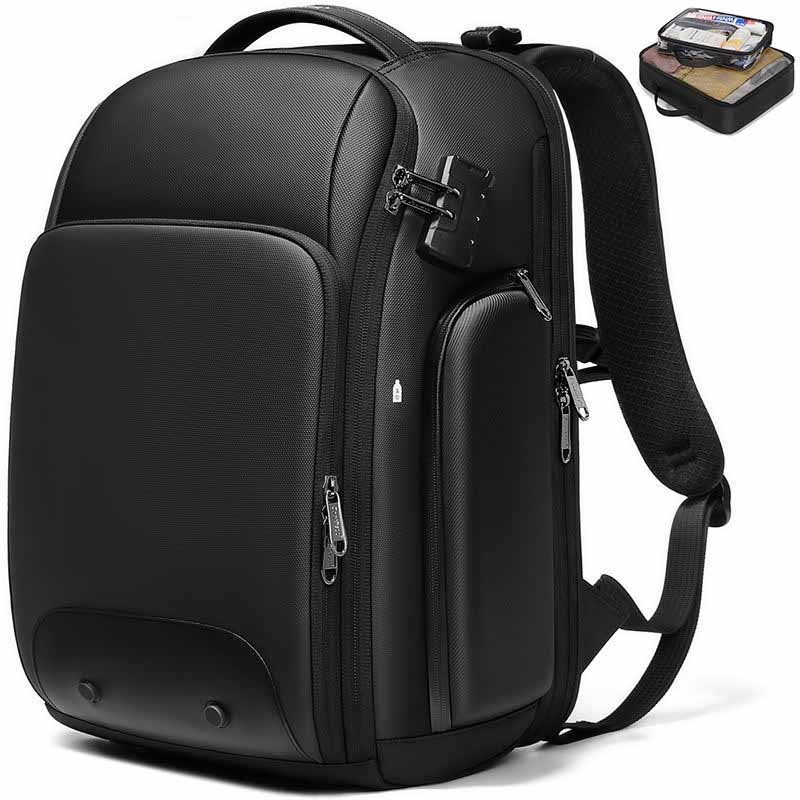
An anti-theft travel bag is made through a structured development and production process that starts with use-case planning and ends with controlled mass production. It is not just a cutting-and-sewing project. It is a coordinated process involving design logic, material selection, hardware matching, structural testing, wear evaluation, sample refinement, and repeatable quality control.
At first glance, anti-theft bag production may look similar to ordinary bag manufacturing. There is still pattern making, fabric cutting, panel sewing, zipper installation, trimming, inspection, packing, and shipment. But anti-theft bags are more demanding because more details directly affect real-world performance. A normal travel tote can survive with average compartment planning. An anti-theft bag cannot. If one access point is poorly placed, the entire product logic weakens.
That is why clients looking for anti-theft travel bag manufacturing should pay attention to the full process, not only price and MOQ. A cheaper supplier may still produce the bag shape, but not necessarily the bag function.
A complete anti-theft travel bag development flow often includes:
- market positioning discussion
- use-case and target customer definition
- sketch or reference analysis
- structure planning
- material recommendation
- hardware matching
- pattern development
- prototype making
- sample review and revision
- pre-production approval
- bulk production
- inline quality inspection
- final inspection and packing
The strongest factories do not simply ask for a logo and dimensions. They ask deeper questions:
- Where will the bag be used most?
- Which theft risks matter most for the target market?
- What items must be protected first?
- What price level does the finished product need to hit?
- Does the customer care more about softness, structure, weight, or organization?
- Should the bag look technical, fashion-forward, minimalist, or premium?
Those questions shape the final product more than many clients first realize.
How does Anti-Theft Travel Bag development begin?
Development should always begin with usage scenario, not just appearance.
This is one of the most common mistakes in bag sourcing. A client may start with a reference photo and say, “Make something similar.” That may work for basic fashion accessories, but it is not enough for a strong anti-theft product. A better development process begins with the travel situation the bag is meant to solve.
Examples of travel scenarios include:
- urban commuting
- airport travel
- international sightseeing
- public transport use
- daily office-to-travel crossover
- women’s day travel
- business laptop carry
- minimalist passport-and-phone carry
Each scenario affects the product brief.
For example, an anti-theft bag made for airport and business travel may need:
- laptop compartment
- trolley sleeve
- passport pocket
- organized charger storage
- understated appearance
- stronger shoulder comfort
A compact anti-theft city sling may instead need:
- small profile
- close-body wear
- easy but controlled front access
- concealed document storage
- lightweight structure
- modern styling
This is why early-stage development matters so much. Good factories translate vague ideas into product decisions. At Szoneier, this stage is especially important because many custom clients come with broad goals such as “secure travel bag,” “private label anti-theft backpack,” or “low MOQ anti-theft sling.” Those are good starting points, but they are not complete product specifications.
A stronger first-stage development process usually includes:
| Development Stage | Key Questions | Why It Matters |
|---|---|---|
| Product Positioning | Who is the end user? | Defines bag size, style, and feature level |
| Use Scenario | Where will it be used? | Shapes pocket logic and security priorities |
| Product Tier | Entry, mid, or premium? | Controls materials and hardware decisions |
| Capacity Planning | What items must fit? | Prevents layout problems later |
| Security Focus | Which risk matters most? | Avoids feature overload |
| Brand Direction | Minimalist, sporty, luxury, urban? | Guides design language |
This first stage also protects the client from a common cost mistake: asking for too many features in one product. More features do not always create a better bag. In fact, too many layers, zippers, locks, compartments, and reinforcements can make the bag heavy, expensive, and inconvenient. The best development teams know when to simplify.
Which materials are used in an Anti-Theft Travel Bag?
Material selection is one of the most important parts of anti-theft travel bag manufacturing because materials affect nearly everything:
- security perception
- durability
- comfort
- weight
- cost
- appearance
- ease of production
The most common outer material directions for anti-theft travel bags include:
- polyester
- nylon
- oxford fabrics
- coated fabrics
- PU or TPU-treated materials
- laminated constructions
- reinforced composite layers
- selected neoprene or hybrid panels in certain styles
Each material has trade-offs.
Polyester is often chosen for cost control and broad commercial flexibility. It works for many mid-range projects and supports a wide range of colors and finishes.
Nylon is often preferred when clients want a more premium hand feel, stronger abrasion resistance, or lighter weight relative to performance.
Coated fabrics help with water resistance, easier cleaning, and a more technical appearance.
Reinforced materials may be used when the project needs more cut resistance or stronger panel integrity.
For Szoneier, neoprene can be valuable in anti-theft travel bag development when the project needs cushioning, a soft premium feel, shape retention in smaller forms, or body-contact comfort. This is especially relevant for:
- tech organizers
- travel sleeves
- compact hybrid bags
- camera or device carry products
- selected lifestyle travel bags with soft-structure appeal
But neoprene is not automatically the best outer shell for every anti-theft product. A professional factory should explain that clearly. In some cases, clients need more abrasion resistance, lighter overall weight, or more rigid support than pure neoprene can provide on its own. In those projects, mixed-material construction may be more effective.
A helpful comparison looks like this:
| Material Type | Main Advantage | Limitation to Watch |
|---|---|---|
| Polyester | Cost-effective, flexible, widely usable | May feel less premium in some markets |
| Nylon | Strong, lighter feel, premium appearance | Usually higher material cost |
| Coated Fabric | Better water resistance, technical look | Can affect softness and sewing behavior |
| Neoprene | Soft, cushioned, modern feel | Not ideal for every anti-theft structure |
| Reinforced Composite | Higher structural confidence | Can add cost and production complexity |
Material choice should also consider customer expectations by market. Some customers care more about softness and comfort. Others care more about structure and durability. Some expect a sleek urban finish, while others want lightweight outdoor practicality. The right factory guides the client through these trade-offs instead of pushing one standard fabric solution for every anti-theft product.
How are Anti-Theft Travel Bag features added?
Anti-theft features are added at different stages of development and production, not all at once. This is a critical point because many weak suppliers treat anti-theft features like accessories. In reality, the stronger features are usually structural.
A good anti-theft travel bag may include several feature types:
Access-control features
- lockable zipper sliders
- zipper garages
- hidden opening paths
- reverse-access construction
- flap-covered zipper areas
Storage-security features
- concealed back pockets
- hidden internal zipper compartments
- passport sleeves
- protected card slots
- device-specific padded zones
Carry-security features
- reinforced straps
- stronger bar-tack points
- better webbing quality
- more stable anchor construction
Information-protection features
- RFID-blocking card or passport compartments
What matters most is not whether these features exist, but how well they are integrated.
For example, lockable zippers sound simple, but they require careful execution:
- the sliders must align cleanly
- the zipper path must stay smooth
- the pullers must be easy enough for normal use
- the bag opening must still feel intuitive
A hidden pocket also sounds easy, but weak development creates many problems:
- poor access angle
- visible outline from outside
- limited usable space
- uncomfortable position against the body
- extra bulk in the wrong area
RFID compartments need similar care. If the shielding layer is placed badly, the pocket becomes stiff or awkward. If it is too small, it becomes impractical. If it is not clearly integrated into the overall organization, the feature feels like a sales gimmick instead of a useful travel solution.
Below is a simple breakdown of where feature integration usually happens:
| Feature | Best Stage to Plan It | Main Risk if Added Poorly |
|---|---|---|
| Lockable Zippers | Early structure and hardware stage | Poor alignment, jamming, awkward use |
| Hidden Pockets | Pattern and panel planning stage | Unusable pocket depth or bad comfort |
| RFID Pocket | Lining and organizer design stage | Bulkiness or low practicality |
| Reinforced Strap | Strap engineering and sewing stage | Weak attachment under stress |
| Secure Opening Layout | Initial bag architecture stage | Bag becomes easy to access from outside |
This is where factory experience really shows. A good anti-theft bag does not feel like a product full of “features.” It feels like a well-thought-out travel tool. That feeling comes from disciplined engineering, prototyping, and revision.
For custom clients, this is also where sampling becomes especially important. Anti-theft bags should be tested in the hand, on the shoulder, and in daily movement. Clients should not only inspect appearance. They should test behavior:
- open and close the main compartment while wearing the bag
- place a passport in the hidden pocket and remove it quickly
- check whether the zipper lock area feels natural
- wear the bag fully loaded
- review comfort at strap points
- test how the bag behaves in fast movement and crowded settings
That is how an anti-theft concept becomes a real product worth selling.
Which Anti-Theft Travel Bag Features Matter?
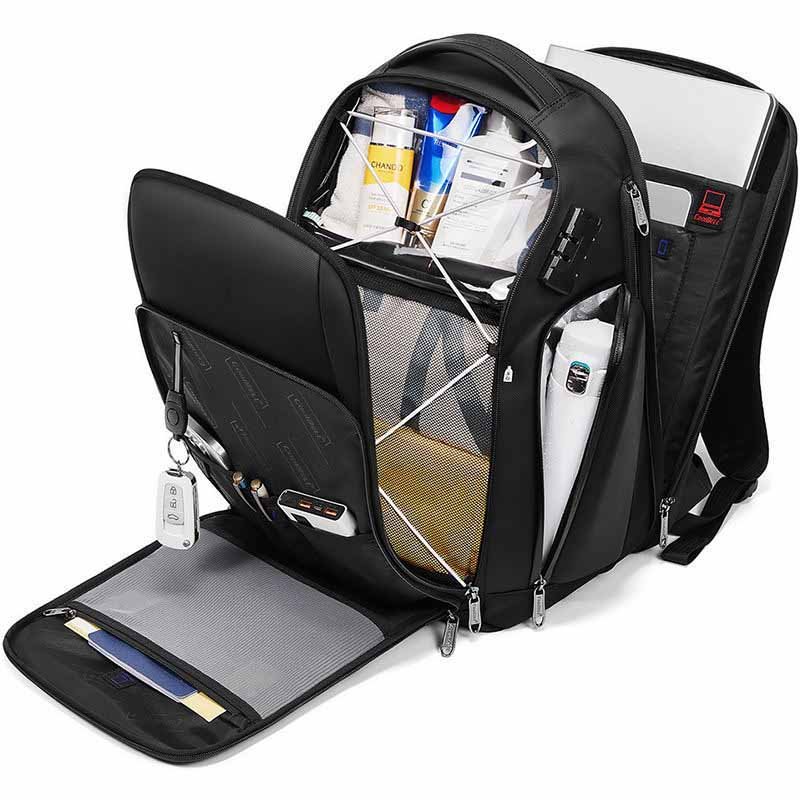
When clients develop an anti-theft travel bag, one of the biggest mistakes is trying to add every security feature they have ever seen into one product. On paper, that sounds attractive. In actual use, it often creates a bag that is too heavy, too complicated, too expensive, or simply unpleasant to carry. The smarter approach is to identify which anti-theft features matter most for the target user, the target price level, and the target travel scenario.
A useful anti-theft bag does not need to impress with a long feature list. It needs to perform well in real life. That means the right features must work together naturally. A city crossbody for daily travel will not need the exact same feature mix as a commuter backpack for laptops and business documents. A minimalist women’s anti-theft bag will not be built the same way as a larger unisex anti-theft backpack for airports and rail travel.
In practice, the most commercially relevant anti-theft features usually fall into five groups:
- zipper security
- concealed storage
- strap and structural reinforcement
- RFID protection
- organization and access control
Each group matters for a different reason, and each one influences manufacturing cost, product complexity, and customer satisfaction in a different way.
A product that is overdesigned can be just as weak in the market as a product that is underdesigned. Customers do not reward complexity by itself. They reward ease, confidence, comfort, and function. That is why factories and clients need to discuss not only which features to add, but also which features to leave out.
Do lockable zippers improve Anti-Theft Travel Bag security?
Yes, lockable zippers are one of the most practical anti-theft features when they are designed properly. They do not make a bag impossible to open, but they create friction. That friction matters. Most petty theft is based on speed and convenience. If someone cannot unzip a compartment in one smooth motion, the bag instantly becomes a less attractive target.
From a manufacturing standpoint, lockable zipper systems are more demanding than ordinary zipper installations. The bag needs:
- compatible slider construction
- accurate zipper alignment
- stable tape sewing
- smooth opening and closing performance
- enough space around the zipper path for practical locking
If the factory handles these details poorly, the feature quickly becomes annoying. The sliders may sit unevenly, the zipper may catch at the corners, or the lock point may feel awkward in the hand. Customers notice that immediately.
Lockable zippers work especially well in these cases:
- main compartments on anti-theft backpacks
- passport sections on travel shoulder bags
- front-access zones on sling bags
- document areas in laptop travel bags
But they are not equally necessary on every pocket. A common mistake is trying to make every opening lockable. That usually adds cost and complexity without improving the real user experience. Most customers mainly care that the main value zone of the bag feels protected.
A smart factory will usually recommend that lockable zipper features be concentrated in the most important compartments rather than spread everywhere.
Here is a simple evaluation table:
| Zipper Approach | User Experience | Security Value | Manufacturing Difficulty |
|---|---|---|---|
| Standard zipper | Easy | Low | Low |
| Reverse coil zipper | Smooth, cleaner look | Moderate | Low to medium |
| Double slider zipper | Easy, flexible access | Moderate | Medium |
| Lockable double slider | Good when designed well | High | Medium to high |
| Overbuilt multi-lock layout | Often inconvenient | Mixed | High |
The real goal is not to create a “complicated” zipper system. It is to create a zipper system that gives customers more peace of mind without slowing them down too much.
Are hidden pockets important in an Anti-Theft Travel Bag?
Yes, hidden pockets are one of the most customer-valued anti-theft features because they solve a very simple travel problem: where should important items go so they are not obvious or easy to grab?
In many travel situations, the most valuable items are small:
- passport
- cash
- bank cards
- ID
- hotel card
- backup phone
- keys
These items do not require a large compartment. They require the right compartment.
A hidden pocket is effective when it is placed in a low-exposure area, usually:
- against the back panel
- inside a protected internal wall
- under a flap layer
- behind a disguised seam line
- beneath a structured organizer section
The best hidden pockets do three things well:
- they are not visually obvious
- they are easy enough for the owner to access
- they do not distort the bag’s shape
This sounds simple, but hidden pockets are often poorly executed in mass-market bags. Common problems include:
- pocket opening too tight
- pocket too shallow for a passport
- awkward angle when worn
- visible outline from outside
- uncomfortable pressure against the body
- location too low or too high to use naturally
That is why hidden pocket design should never be treated as a decorative detail. It is a usability feature.
For clients developing anti-theft travel bags, pocket planning should begin with value hierarchy. In other words, the most sensitive items should have the most protected storage logic.
A useful planning model looks like this:
| Item | Suggested Pocket Type | Best Position |
|---|---|---|
| Passport | Hidden zipper pocket | Back panel or internal wall |
| Cash | Small concealed compartment | Secondary inner layer |
| Credit cards | RFID organizer pocket | Interior top access area |
| Phone | Quick-access but close-body pocket | Side or top body-facing zone |
| Keys | Secured internal clip pocket | Main compartment inner wall |
Customers often decide whether a bag feels “smart” based on these exact details. A bag with well-placed hidden storage feels thoughtful. A bag with random hidden pockets feels cheap, even if the materials are fine.
How does RFID work in an Anti-Theft Travel Bag?
RFID protection in an anti-theft travel bag is usually built into selected pockets or organizer sections that are meant to hold items with RFID-enabled chips, such as some bank cards and passports. The goal is to reduce the chance of unauthorized scanning at very close range.
For customers, RFID is one of the easiest anti-theft features to understand, which makes it commercially attractive. It gives the product a clear talking point. But it is also one of the most misunderstood features, so factories and brands should communicate it carefully.
RFID protection does not replace good bag security. It is a supporting feature, not the whole anti-theft system. It works best when included as part of a broader product design that also covers secure access, hidden storage, and strong structural planning.
From a manufacturing standpoint, RFID pockets usually involve a shielding layer integrated into a specific compartment. The challenge is balance. The pocket needs to be:
- functional
- not too stiff
- not too bulky
- easy to access
- clearly placed in the right zone
A poor RFID implementation creates several problems:
- pocket becomes thick and awkward
- card insertion feels tight
- the organizer area loses flexibility
- users do not understand where to place protected items
That is why product explanation matters as much as product construction. A travel bag should not simply say “RFID” somewhere on a hangtag. It should make sense in the bag layout itself.
In commercial terms, RFID protection tends to add the most value in these product types:
- passport crossbody bags
- airport travel organizers
- anti-theft commuter backpacks
- compact sling bags for urban travel
- women’s anti-theft shoulder bags
It is especially useful for customers who carry multiple cards or travel documents and want one designated, more secure area for them.
Are reinforced straps necessary in an Anti-Theft Travel Bag?
In many cases, yes. Straps are one of the most overlooked areas in travel bag manufacturing, yet they matter enormously in customer experience and product safety. A bag can have strong zipper logic and smart pockets, but if the strap feels weak, unstable, or poorly attached, customer trust drops immediately.
Reinforced straps matter for three reasons:
- they improve structural confidence
- they support heavier loads more safely
- they reduce the chance of failure at the most stressed connection point
For anti-theft travel bags, strap security is especially important because the bag is often carried in active environments:
- transit stations
- airports
- crowded sidewalks
- escalators
- markets
- tourism zones
In these situations, bags are pulled, shifted, lifted, and worn for long periods. Weak strap engineering becomes obvious very fast.
Factories should pay attention to:
- webbing quality
- stitch density
- reinforcement at anchor points
- bar-tack quality
- hardware strength
- comfort padding where needed
- strap width relative to bag size
Many low-end products fail not because the bag body is poor, but because the strap-to-body connection is underbuilt. This is also one of the main reasons customers leave bad reviews. A strap that twists, digs into the shoulder, or looks fragile can ruin the perception of the whole product.
A stronger anti-theft travel bag often uses more robust attachment planning, especially in:
- crossbody bags
- sling bags
- commuter backpacks
- laptop travel bags
- shoulder bags carrying tablets or heavy daily items
This is a good example of how real anti-theft manufacturing goes beyond visible features. Reinforced straps may not be as easy to advertise as RFID or lockable zippers, but for many customers, they matter just as much.
How should Anti-Theft Travel Bag organization be designed?
Organization is one of the most underrated anti-theft features because it affects user behavior. A poorly organized bag encourages unsafe habits. When customers cannot quickly find their items, they tend to unzip larger sections in public, expose valuables, and leave important things in easy-to-reach pockets. A better-organized bag quietly encourages safer use.
Good anti-theft organization usually follows three principles:
- high-value items should be harder for strangers to reach
- frequently used items should be accessible without exposing everything else
- the bag should stay tidy even when partially full
This means the internal layout should not be random. Every compartment should have a purpose.
For example, a strong anti-theft backpack may separate storage into:
- laptop zone
- document zone
- secure small-item zone
- daily-access zone
- water bottle or umbrella zone
- hidden valuables section
A compact anti-theft sling may instead focus on:
- phone pocket
- card organizer
- passport section
- key clip
- power bank slot
- quick-access front or top zone
The more aligned the organization is with real travel use, the stronger the product feels. Customers notice when a bag helps them stay calm and efficient.
Here is a practical layout comparison:
| Organization Style | Customer Effect | Anti-Theft Impact |
|---|---|---|
| One large empty compartment | Looks simple but messy in use | Low |
| Too many small pockets | Confusing and slow | Mixed |
| Clear zone-based layout | Easy to learn and use | High |
| Hidden + quick-access balance | Convenient and safer | High |
This is also an area where Szoneier can add real value in custom development. Many clients come with visual references, but the internal layout often needs more work than the exterior. Better organization leads to better reviews, lower return risk, and stronger repeat purchase potential.
How Do You Choose an Anti-Theft Travel Bag Factory?
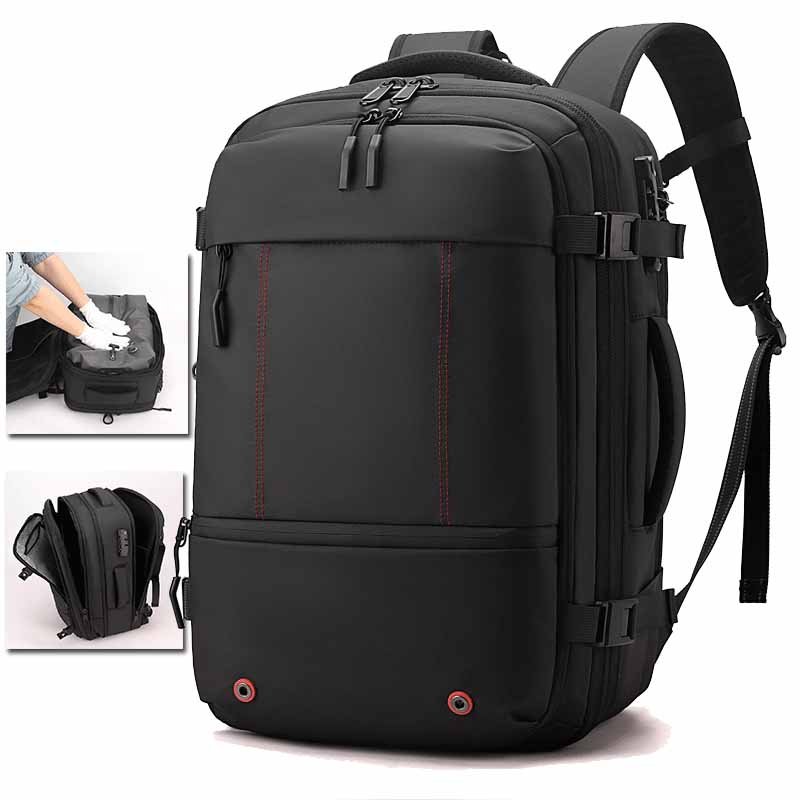
Choosing an anti-theft travel bag factory is not just about finding someone who can sew a bag shape. It is about finding a manufacturing partner who understands how security features, comfort, aesthetics, and production consistency must work together. This matters even more in anti-theft products because the promise is stronger. Once a product is sold as “anti-theft,” customers judge it more critically. They expect the details to feel intentional. They notice weak hardware, bad access logic, and poor structure much faster.
A good factory should help the client answer four core questions:
- Can this design actually work in real use?
- Can it be produced consistently in bulk?
- Can the target price still make commercial sense?
- Can the product be improved before mass production?
That last question is very important. The best factory is not always the one that says yes the fastest. Often, it is the one that challenges weak assumptions early and helps the client avoid expensive mistakes.
For many importers and private label clients, especially those working with anti-theft travel bags for the first time, supplier selection should be treated as a product strategy decision, not a sourcing shortcut.
What should brands ask an Anti-Theft Travel Bag factory?
Before choosing a factory, clients should ask questions that reveal actual product capability, not just sales confidence.
The most useful questions include:
- Have you developed security-focused travel bags before?
- Can you help improve pocket structure and access logic?
- What materials do you recommend for this use case?
- Can you customize zipper and hardware solutions?
- How do you test strap strength and load-bearing points?
- How do you handle sample revisions?
- What defects do you monitor during bulk production?
- Can you support OEM, private label, or fully custom development?
- What is your realistic MOQ by style and material?
- How do you control consistency between sample and bulk goods?
These questions do two things. First, they reveal whether the supplier understands function, not just appearance. Second, they show how transparent the factory is.
A stronger factory usually responds with specifics. It talks about development flow, pattern adjustment, material trade-offs, hardware options, stitching reinforcement, sample review, and QC checkpoints. A weaker supplier tends to stay vague and simply promise that everything can be done.
Here is a practical screening table:
| Question Area | Strong Factory Signal | Weak Factory Signal |
|---|---|---|
| Product understanding | Talks about use case and structure | Talks only about price |
| Material advice | Explains trade-offs clearly | Pushes one generic fabric |
| Sampling process | Has clear revision flow | Unclear or reactive process |
| Quality control | Mentions checkpoints and standards | Says “no problem” without detail |
| Customization | Can explain logo, packaging, and features | Focuses only on simple copying |
| Communication | Specific and professional | Slow, vague, or inconsistent |
For clients, the goal is not to find the cheapest answer. It is to find the supplier most capable of turning an idea into a reliable market-ready product.
How do MOQ and sampling affect Anti-Theft Travel Bag orders?
MOQ and sampling are two of the biggest commercial decision points in anti-theft travel bag development.
MOQ matters because it affects:
- total project cost
- cash flow pressure
- inventory risk
- speed of market testing
- product line expansion potential
Sampling matters because it affects:
- product accuracy
- feature usability
- defect prevention
- development confidence
- final bulk quality
For anti-theft bags, sampling is even more important than in ordinary bag development because many critical details cannot be judged well from artwork alone. A hidden pocket that looks good in a drawing may be hard to use in real life. A zipper path that appears clean on paper may jam at the corner. A strap anchor may look stable but feel awkward under load.
That is why clients should treat sampling as an evaluation process, not just a formality.
A good sample review should cover:
- comfort when worn
- access angle of key compartments
- ease of zipper operation
- hidden pocket practicality
- weight balance
- shape retention when filled
- hardware feel
- logo execution
- internal organization
- sewing cleanliness
Clients should also understand that MOQ is not always a simple fixed number. It can vary based on:
- fabric type
- custom color
- hardware customization
- logo method
- packaging type
- number of SKUs
- material sourcing method
For many small and mid-sized brands, flexible MOQ is extremely valuable because it allows controlled market testing. This is one reason factories like Szoneier are attractive to overseas small and medium buyers and premium clients alike. Low MOQ, fast sampling, and custom development support can reduce launch risk significantly.
A simple planning model looks like this:
| Stage | Client Priority | Why It Matters |
|---|---|---|
| First sample | Validate concept | Prevents wrong product direction |
| Revised sample | Improve usability | Refines anti-theft details |
| Pilot order / low MOQ | Test market response | Reduces inventory pressure |
| Bulk order | Scale proven version | Protects margins and consistency |
The smartest clients do not rush straight from idea to large order. They use sampling and MOQ strategically.
Do OEM and private label fit Anti-Theft Travel Bag projects?
Yes, very well. Anti-theft travel bags are a strong fit for OEM, private label, and custom development because the category naturally supports product differentiation. Customers already understand the problem being solved, which gives brands room to compete through feature combination, styling, materials, organization, and visual identity.
Private label works especially well when the client wants to launch with:
- existing or slightly modified bag structures
- customized logo
- selected material and color changes
- upgraded hardware
- custom packaging
- faster go-to-market timing
This route can reduce development time and lower risk, especially for newer sellers who want a proven product base.
OEM and full custom development are more suitable when the client wants:
- exclusive structure
- unique compartment layout
- market-specific sizing
- premium material mix
- brand-specific user experience
- stronger long-term differentiation
Anti-theft travel bags are ideal for this because even small layout changes can create a unique customer experience. For example:
- a women’s city travel brand may want a slim anti-theft shoulder bag with elegant hardware
- a business travel brand may want a laptop backpack with concealed document storage
- a minimalist travel startup may want a light, compact sling with a hidden passport zone
- a premium boutique brand may want soft-touch materials and clean luxury styling
This is where Szoneier’s custom manufacturing strengths become especially relevant. With more than 18 years of experience in neoprene material R&D and related product manufacturing, plus support for custom, private label, and OEM/ODM projects, the company can help clients move from concept to production with more flexibility. That includes free design support, rapid sampling, low MOQ customization, free samples in selected workflows, and short lead times, which are especially valuable for brands testing new travel products.
Which factory capabilities matter most for Anti-Theft Travel Bag projects?
Not every capability matters equally. For anti-theft travel bags, the most important factory strengths usually include the following:
- product development ability
- material understanding
- hardware sourcing and matching
- pattern accuracy
- sample revision speed
- stitching and reinforcement quality
- quality control discipline
- communication clarity
- low MOQ flexibility
- lead time reliability
Clients often focus heavily on appearance samples and quotations, but long-term project success usually depends on the capabilities behind those first impressions.
A strong anti-theft travel bag factory should be able to help in these practical ways:
| Factory Capability | Why It Matters for Clients |
|---|---|
| Development support | Helps turn rough ideas into workable products |
| Material recommendation | Prevents overdesign and wrong cost structure |
| Hardware integration | Ensures zipper, buckle, and strap function |
| Low MOQ flexibility | Makes testing easier for small and growing brands |
| Fast sampling | Speeds up launch cycle |
| QC consistency | Reduces claims, defects, and review risk |
| OEM/ODM service | Supports different brand growth stages |
| Lead time control | Helps clients plan inventory and launches |
In short, the right factory is the one that improves the product before it improves the quotation sheet. That is the difference between simple manufacturing and real manufacturing partnership.
How Is Anti-Theft Travel Bag Quality Controlled?
Quality control is one of the most important parts of anti-theft travel bag manufacturing because this category carries a stronger product promise than an ordinary bag. When a customer buys a standard travel bag, expectations usually focus on appearance, storage, and general durability. When a customer buys an anti-theft travel bag, expectations rise immediately. They expect the bag to feel secure, organized, durable, practical, and trustworthy. That means even small production problems can damage product value much faster.
A loose zipper, a weak strap joint, an awkward hidden pocket, or inconsistent stitching around a lockable opening may not look like a major factory defect at first glance, but in the anti-theft category, these problems directly affect customer confidence. A bag does not need to physically fail in order to disappoint the market. If it feels unreliable, it already loses part of its value.
That is why quality control for anti-theft travel bags should not be treated as a final inspection step only. It should run through the entire process:
- material incoming inspection
- hardware checking
- cutting accuracy control
- stitching inspection
- in-line production review
- stress-point checking
- finished product inspection
- packaging verification
The best factories understand that quality control is not just about rejecting defects. It is about protecting the original product logic. In anti-theft bag production, that product logic includes secure access, comfortable carry, durable structure, and practical organization. If QC only checks appearance, a lot of important issues will be missed.
For clients, especially private label sellers, brand owners, importers, and travel product startups, strong quality control matters for more than product reliability. It affects:
- return rates
- customer reviews
- reorder confidence
- retail acceptance
- brand reputation
- cost of after-sales handling
A visually attractive sample can win an order. Only stable bulk quality can build a business.
How is an Anti-Theft Travel Bag tested?
Testing should reflect how the bag will actually be used, not just how it looks on the table. A strong anti-theft travel bag must be checked at both the factory level and the practical use level.
At the factory level, important test areas usually include:
- zipper opening and closing smoothness
- lockable zipper alignment
- strap load-bearing points
- seam strength
- bar-tack reinforcement areas
- fabric surface consistency
- hardware attachment stability
- pocket sizing accuracy
- logo quality
- finished dimensions
These are the basic controls. But anti-theft products need another layer: functional testing.
That means the sample or finished product should also be checked through real handling situations, such as:
- wearing the bag when fully loaded
- opening the main compartment while standing
- reaching hidden pockets during movement
- checking whether the passport fits naturally
- testing strap comfort under weight
- evaluating how the bag behaves in crowded-body carry conditions
- confirming that quick-access areas do not expose high-value items
A bag can pass general sewing inspection and still fail in real use. For example:
- the zipper may be technically smooth on the table, but awkward when worn
- the hidden pocket may be secure, but too difficult to reach
- the strap may hold weight, but feel unstable on the shoulder
- the RFID section may work, but make the organizer pocket too stiff
This is why sample approval should include both visual inspection and behavior review.
A practical anti-theft testing checklist often looks like this:
| Test Item | What the Factory Should Check | Why It Matters |
|---|---|---|
| Zipper action | Smooth opening, clean alignment, no catching | Protects daily user experience |
| Locking area | Sliders meet properly, easy handling | Supports anti-theft function |
| Strap stress | Reinforcement strength under load | Prevents failure and builds trust |
| Hidden pocket use | Easy enough for owner, hard for others | Balances access and security |
| Shape retention | Bag keeps structure under normal filling | Supports premium feel |
| Hardware quality | No loosening, cracking, or poor finish | Affects durability and perceived value |
| Compartment sizing | Passport, phone, wallet fit correctly | Prevents real-life usability issues |
Clients should never approve anti-theft bag samples based only on product photos or tabletop videos. The product has to be handled, worn, loaded, opened, and reviewed like a real travel tool.
What defects appear in Anti-Theft Travel Bag production?
Anti-theft travel bag production can fail in many small but commercially important ways. Some defects are obvious. Others are subtle and only show up when customers use the bag. In this category, both types matter.
The most common production problems usually include:
- uneven zipper installation
- lockable sliders not aligning cleanly
- rough zipper curves causing jamming
- weak bar-tack stitching at strap anchors
- hidden pockets placed too shallow or too visibly
- inconsistent RFID pocket sizing
- poor seam neatness around key access areas
- bag body distortion after filling
- misaligned panels affecting opening direction
- logo placement inconsistency
- unstable shoulder strap hardware
- edge binding or lining wrinkles inside secure compartments
Some of these sound minor, but they can change how the product is judged in the market.
For example, if a hidden back pocket is slightly too shallow, the passport may stick out more than expected. That single issue weakens the core promise of the bag. If the zipper lock point sits unevenly, customers may feel the bag is cheap or unfinished. If the strap anchor stitching looks messy, customers may start doubting whether the bag is strong enough, even before any actual failure happens.
Below is a practical defect overview:
| Defect Type | Likely Cause | Market Impact |
|---|---|---|
| Zipper jamming | Poor installation or curve planning | Frustration, returns, bad reviews |
| Misaligned lock point | Inaccurate zipper sewing | Security feature feels unreliable |
| Weak strap joint | Underbuilt reinforcement | Trust loss, potential failure |
| Awkward hidden pocket | Poor pattern planning | Main feature becomes less useful |
| Bag collapse or distortion | Wrong material balance or structure | Product feels low-end |
| Internal clutter | Weak compartment layout execution | User experience suffers |
| Hardware inconsistency | Low QC on metal or plastic parts | Premium value drops |
This is why anti-theft bags need more than visual cleanliness. They need functional consistency. The customer is not just buying a shape. The customer is buying confidence.
How can Anti-Theft Travel Bag cost and quality stay balanced?
Balancing cost and quality is one of the hardest parts of anti-theft travel bag development. Clients want strong features, reliable materials, good margins, and competitive retail pricing at the same time. That is possible, but only if the project is designed intelligently from the beginning.
The wrong way to control cost is to cut quality in the most sensitive areas. For example:
- using cheaper zippers in lockable compartments
- weakening strap reinforcement
- reducing lining quality in hidden pocket zones
- choosing hardware that looks good but performs poorly
- overloading the bag with low-value features while saving money on important parts
That kind of cost cutting usually backfires. The product may look acceptable at the quotation stage, but it becomes more expensive later through complaints, replacement costs, low repeat orders, and poor reviews.
The better approach is selective investment.
Clients and factories should identify where quality matters most:
- main zipper and lock point
- strap anchors
- hidden pocket construction
- main body material
- load-bearing stitching
- hardware feel
- compartment usability
Then, if cost control is needed, it can be managed more intelligently through:
- simplifying low-value compartments
- reducing unnecessary decorative layers
- avoiding excessive hardware
- using standard colors where possible
- optimizing material yield
- selecting a realistic product size
- choosing a commercially sensible packaging solution
A useful balance model looks like this:
| Product Area | Should You Invest More? | Reason |
|---|---|---|
| Main zipper system | Yes | Core function and user trust |
| Strap reinforcement | Yes | Comfort and durability |
| Hidden pocket structure | Yes | Anti-theft value depends on it |
| Decorative trim | Not always | Often low return on cost |
| Excessive compartments | Not always | Can add confusion and labor |
| Packaging complexity | Depends | Better to protect product margin first |
This is also where an experienced factory adds real value. A good supplier does not simply say yes to every requested feature. It helps the client understand which features improve the product and which ones only increase cost.
For Szoneier, this kind of support is especially relevant because many overseas clients are trying to balance performance and affordability at the same time. With more than 18 years of experience in neoprene material development and related product manufacturing, plus support for custom, private label, and OEM/ODM production, the company can help clients build products that are commercially realistic, not just visually attractive.
How does bulk production stay consistent?
Consistency is what separates a successful sample from a successful product line. Many factories can make one attractive sample. Far fewer can keep that quality stable across hundreds or thousands of units.
For anti-theft travel bags, consistency depends on control in several areas:
- same material batch quality
- same zipper and hardware standard
- stable cutting accuracy
- repeatable stitching quality
- same reinforcement method
- same pocket dimensions
- clear QC checkpoints
- controlled packing process
If any of these vary too much, customers notice. The first order may receive mixed feedback even if the design itself is good.
A stable factory usually protects consistency through:
- approved pre-production sample reference
- clear production specification sheet
- line-level inspection during sewing
- stress-point checks before finishing
- finished product random sampling
- packaging and labeling verification
This is especially important for private label clients, because consistency affects not only product use but also retail trust. One bad batch can damage listing performance, distributor relationships, and reorder confidence.
Here is a simple consistency control table:
| Production Area | What Must Stay Consistent | Why Clients Care |
|---|---|---|
| Materials | Color, thickness, hand feel | Protects product identity |
| Hardware | Finish, function, fit | Maintains security and premium look |
| Stitching | Cleanliness, reinforcement | Affects durability and trust |
| Compartment layout | Size and pocket placement | Keeps function predictable |
| Logo execution | Position and quality | Protects brand image |
| Final shape | Structure and appearance | Supports shelf appeal and user confidence |
For growing brands, consistency is often more important than trying to chase the absolute lowest unit cost. A stable product can be marketed, reviewed, reordered, and expanded into a larger collection. An unstable product becomes a constant problem.
Why should you work with Szoneier for Anti-Theft Travel Bag projects?
If you are developing an anti-theft travel bag, you do not just need a factory that can sew panels together. You need a manufacturing partner that understands how real travel products are used, what details customers care about, and how to turn an idea into a reliable product that can survive sampling, testing, bulk production, and market feedback.
Szoneier is a Chinese factory with more than 18 years of experience in neoprene material R&D and related product manufacturing. The company can customize a wide range of neoprene-based and related products, including bags, koozies, sports supports, medical supports, wetsuits, and other sewn product categories. For overseas small and medium buyers as well as premium brand clients, Szoneier supports custom, private label, and OEM/ODM development with services that are highly relevant to anti-theft travel bag projects:
- free design support
- low MOQ customization
- fast sampling
- free samples in suitable workflows
- short lead times
- flexible production support
- 100% quality guarantee approach
That matters because anti-theft travel bag development is rarely perfect in the first draft. The project usually needs discussion, refinement, testing, and improvement. A supplier that only follows instructions mechanically may produce the shape, but not the right product. A stronger partner helps improve:
- compartment logic
- material choice
- zipper structure
- strap reinforcement
- comfort balance
- manufacturing feasibility
- cost control
For clients building a new anti-theft product line, expanding a travel collection, or launching a private label security-focused bag, that kind of support reduces risk and improves the odds of creating a bag customers actually want to use.
Final Thoughts
Anti-theft travel bag manufacturing is not about adding trendy features to an ordinary bag. It is about solving real travel concerns through better structure, smarter access control, stronger materials, practical organization, and disciplined quality control. The best products in this category do not feel overloaded or complicated. They feel natural, secure, and thoughtfully made.
That is exactly why factory selection matters so much. The right supplier helps you make better decisions before production starts. The right sample process helps you test the product before large investment. And the right quality control system protects your brand after the order is placed.
If you are planning to develop a custom anti-theft travel bag, private label travel backpack, anti-theft crossbody bag, or security-focused travel collection, now is the right time to turn your concept into a real product.
Contact Szoneier to discuss your design, target market, materials, logo options, MOQ, and sample plan. Whether you already have a tech pack or only a rough idea, Szoneier can help you develop a more functional, more market-ready anti-theft travel bag that fits your brand and your customers.