Skip to content

For any athlete, staying hydrated during exercise is critical, but carrying a water bottle can be a challenge. A well-designed water bottle bag keeps hydration accessible, stable, and comfortable, whether you are cycling on winding roads or running long distances. These bags are built to minimize bounce, prevent spills, and provide storage for essentials like energy gels, keys, or small tools.
Water bottle bags are specialized carriers that combine functionality, comfort, and style. They are made from carefully chosen materials, designed for active movement, and optimized to support performance. Modern designs also consider factors like weight, reflectivity for safety, and thermal insulation for longer rides or runs.
Imagine a cyclist navigating a steep hill while the bag stays securely in place, or a runner grabbing a sip without breaking stride—these are the results of thoughtful manufacturing. With over 18 years of experience in bag development and production, Szoneier offers expertise in creating custom water bottle bags that meet exact performance and quality standards.
What Is a Water Bottle Bag?
A water bottle bag is a specialized bag designed to make hydration easy, convenient, and safe during sports activities like cycling, running, and trail hiking. Unlike standard backpacks or tote bags, water bottle bags are engineered to hold bottles securely, minimize movement during activity, and provide quick access to hydration without slowing down the user. They also often include additional storage for small essentials like energy gels, phones, keys, or safety equipment.
Modern water bottle bags are not one-size-fits-all. They vary in size, material, and features depending on the sport, intensity, and user preferences. Cyclists may prefer a slim, aerodynamic design with lightweight materials to reduce drag, while runners may prioritize minimal bounce, breathable fabrics, and reflective elements for safety during early morning or evening training.
Water Bottle Bag Basics
Water bottle bags combine multiple functional elements to provide convenience and performance:
- Bottle compartments: Designed to hold bottles upright and prevent spills. Sizes are adjustable to fit standard or large bottles, hydration flasks, or collapsible bottles.
- Adjustable straps: Ensure a snug fit across different body shapes, reducing movement and fatigue during long rides or runs.
- Lightweight construction: Fabrics like nylon or polyester keep the bag light, minimizing extra weight for endurance sports.
- Insulation layers (optional): Maintain water temperature for longer periods, ideal for long-distance training or hot/cold weather.
- Reflective accents: Improve visibility for safety during low-light conditions, such as early morning runs or evening rides.
Water Bottle Bag Functional Features
| Feature | Description | Benefit |
|---|---|---|
| Bottle compartments | Padded or elastic holders | Secure bottles, prevent tipping |
| Adjustable straps | Buckle or strap system | Custom fit, reduces bounce |
| Lightweight materials | Nylon, polyester | Comfortable for long distances |
| Insulation | Optional thermal layer | Keeps water cold/warm longer |
| Reflective panels | Strips or logos | Safety during low light |
| Extra pockets | Small zippered areas | Store keys, gels, phone, tools |
These features are designed to meet real-world user needs, ensuring comfort, safety, and convenience.
Who Uses Water Bottle Bags
Water bottle bags are widely used by:
- Cyclists: Road cyclists, mountain bikers, and long-distance riders require stable, lightweight bags that do not interfere with movement.
- Runners: Marathon runners, trail runners, and casual joggers benefit from minimal bounce and easy access to hydration.
- Outdoor enthusiasts: Hikers, trekkers, and adventurers appreciate the combination of secure bottle storage and small essentials compartments.
- Sports teams or groups: Custom water bottle bags can be branded with logos for events, corporate sports teams, or promotional purposes.
Main Features of Water Bottle Bags
The right combination of features improves performance, comfort, and user satisfaction. A high-quality bag ensures the bottle stays upright, the bag fits ergonomically, and extra items are accessible without disrupting movement.
| Feature Category | Key Points | User Benefit |
|---|---|---|
| Security | Bottle compartments, tight straps | Prevent spills, stable load |
| Comfort | Ergonomic design, lightweight materials | Reduce fatigue, avoid chafing |
| Convenience | Extra pockets, easy-access zippers | Store energy gels, phone, keys |
| Safety | Reflective materials | Visibility during early/late training |
| Performance | Insulation options | Keep water temperature consistent |
For customers, understanding these functional elements is critical to choosing the right bag for their sport and training needs. A well-designed water bottle bag improves endurance performance, user comfort, and overall satisfaction.
Which Materials Work Best for Water Bottle Bags?
The choice of materials directly affects a water bottle bag’s performance, durability, and comfort. For cycling and running, materials must be lightweight, durable, water-resistant, and breathable. Using the right fabric ensures that the bag stays secure, does not add unnecessary weight, and protects contents in different weather conditions.
The most common materials used include nylon, polyester, neoprene, TPU-coated fabrics, and PVC-coated fabrics. Each material has its own strengths, and selecting the right one depends on the activity, climate, and user preferences.
Lightweight Fabrics for Cycling & Running
Lightweight fabrics reduce fatigue and improve comfort during long rides or runs.
- Nylon: Extremely strong and resistant to tearing or abrasion, nylon is ideal for road cycling where aerodynamic, lightweight design is critical. Nylon fabrics can weigh as little as 80–120 g/m² while maintaining high tensile strength.
- Polyester: Slightly heavier than nylon but excellent for color retention, UV resistance, and long-term durability. Ideal for running or outdoor use where exposure to sunlight is frequent.
Both fabrics can be combined with mesh panels to improve ventilation, which prevents heat buildup and sweat accumulation during extended activity.
Cyclists often prefer nylon bags with TPU coating for water resistance and minimal drag, while runners often choose polyester mesh for airflow and reduced bounce.
Water-Resistant & Durable Options
Water-resistant materials are essential for outdoor activities. They protect bottles and essentials from rain, puddles, or sweat.
- TPU-Coated Fabric: Flexible, waterproof, and lightweight. Maintains bag shape while preventing water penetration. Excellent for trail running or wet cycling conditions.
- PVC-Coated Nylon: Heavier than TPU-coated nylon but highly durable and water-resistant. Suitable for hiking or mountain biking where rough terrain could damage lighter fabrics.
- Neoprene: Provides mild insulation and flexibility. Protects bottles from temperature extremes and offers slight cushioning for shock absorption.
Reinforced stitching, strong zippers, and reinforced bottle compartments complement these fabrics, ensuring long-term performance under high activity.
Breathable & Comfortable Materials
Comfort is critical for runners and cyclists. Breathable fabrics reduce skin irritation, sweat buildup, and overheating.
- Mesh Panels: Promote airflow, especially on areas contacting the body, like the back panel or straps.
- EVA Foam Inserts: Provide padding and reduce pressure points on shoulders and lower back.
- Fabric Combinations: Durable outer layer (nylon/polyester) with breathable inner panels (mesh/EVA) ensures both protection and comfort.
Proper ventilation also enhances hygiene by reducing moisture accumulation that could cause odor or mold over time.
Material Selection by Activity
Choosing materials based on sport type improves both performance and bag longevity.
| Activity | Recommended Material | Reason | Example Features |
|---|---|---|---|
| Road Cycling | Nylon with TPU coating | Lightweight, water-resistant | Aerodynamic design, secure straps |
| Trail Running | Neoprene or PVC-coated nylon | Durable, mild insulation | Shock absorption, rain protection |
| Marathon Running | Polyester mesh | Breathable, lightweight | Reflective panels, minimal bounce |
| Hiking / Adventure | PVC-coated nylon + EVA inserts | Extreme durability | Reinforced compartments, modular loops |
| Multi-sport / Outdoor | Nylon + mesh + TPU | Balanced protection and comfort | Adjustable straps, insulated pockets |
Selecting the right combination of fabrics ensures that the bag is fit for purpose, from casual jogging to mountain biking. Experienced manufacturers like Szoneier offer a range of materials tailored for custom orders, so clients can match their design, sport, and environmental needs precisely.
Key Considerations for Material Choice
When choosing a material for water bottle bags, consider:
- Weight vs Durability: Lighter materials reduce fatigue, but overly thin fabrics can tear quickly.
- Water Resistance: Assess whether the user will encounter rain, sweat, or wet environments.
- Breathability: Ensure comfort during prolonged use, especially for runners.
- Insulation Needs: Decide if temperature control for liquids is required.
- Ease of Cleaning: Polyester and TPU-coated fabrics are easy to wipe clean, reducing maintenance for active users.
Quick Reference Table – Material Comparison
| Material | Weight | Water Resistance | Durability | Comfort | Ideal For |
|---|---|---|---|---|---|
| Nylon | Very light | Medium | High | Medium | Road cycling, running |
| Polyester | Light | Low-Medium | Medium | High | Running, outdoor events |
| Neoprene | Medium | High | Medium | High | Trail running, hiking |
| TPU-Coated Fabric | Light-Medium | Very High | High | Medium | All-weather cycling/running |
| PVC-Coated Nylon | Medium-Heavy | Very High | Very High | Medium | Mountain biking, hiking |
How Are Water Bottle Bags Made?
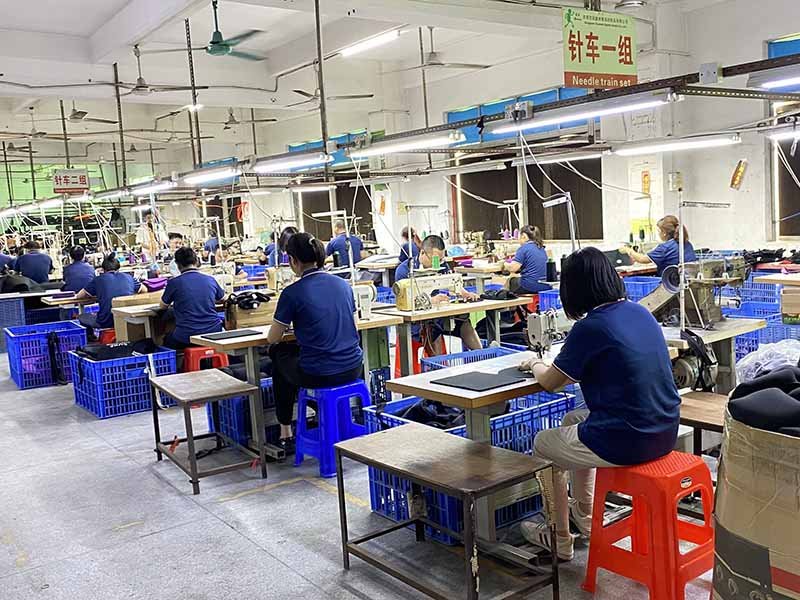
High-quality water bottle bags are the result of careful planning, material selection, and precise manufacturing. The production process ensures the bag performs well during cycling, running, and other sports, while providing durability, comfort, and functional features.
A well-made bag combines lightweight materials, reinforced stitching, ergonomic design, and smart features to meet real user needs. Experienced manufacturers, like Szoneier, follow structured production steps to maintain quality and consistency across custom orders.
Design & Prototype
The manufacturing process starts with design and prototyping:
- Designers assess the user’s needs, such as bottle size, number of compartments, and ergonomic fit.
- CAD software and 3D modeling are used to create accurate patterns.
- Early prototypes are tested in real conditions, including simulated cycling and running movements.
- Adjustments are made to strap placement, pocket positions, and reflective panel integration.
The design phase ensures the bag fits the body comfortably, provides stable hydration access, and balances weight distribution for performance.
Material Preparation & Cutting
After finalizing the design, materials are selected and prepared:
- Outer fabrics such as nylon, polyester, or TPU-coated nylon are cut with precision to maintain consistency across units.
- Inner layers, including mesh panels, insulation foam, and EVA padding, are prepared separately.
- Reinforcement areas, like bottle compartments and strap attachment points, are marked and layered.
- Automated cutting machines or skilled technicians ensure minimal waste and consistent dimensions.
Using precision cutting and pre-marked reinforcement areas reduces defects by up to 20% compared with manual cutting alone.
Assembly & Stitching
Assembly is critical for both functionality and durability:
- Layers are stitched together with reinforced seams at high-stress points.
- Straps, buckles, and zippers are integrated according to design specifications.
- Reflective panels, loops for accessories, and insulated pockets are added.
- Bag shapes are checked to ensure the bottle compartments maintain upright positions.
Double stitching on the main seams and bar-tack reinforcements at strap junctions greatly improve durability, especially under frequent cycling or running motion.
Quality Control & Testing
Each water bottle bag undergoes rigorous testing to ensure performance standards:
- Stitch Strength: All seams are tested to handle up to 50–70 kg of tension at stress points.
- Water Resistance: Bags are sprayed or dipped to check coatings like TPU or PVC.
- Strap Adjustment: Tested for durability and comfort during repetitive motion cycles.
- Reflectivity & Visibility: Panels are inspected for brightness under low-light conditions.
- Overall Functionality: Pockets, insulation, and bottle access are verified.
Manufacturing & Quality Checks Overview
| Step | Process | Key Outcome |
|---|---|---|
| Design & Prototype | CAD patterns, user testing | Ergonomic, functional design |
| Material Prep | Cut outer and inner layers | Accurate dimensions, minimal waste |
| Assembly & Stitching | Combine layers, integrate straps & zippers | Durable, functional bag |
| Feature Integration | Add reflective panels, insulation | Safety, performance enhancement |
| Quality Control | Stress tests, water resistance, usability | Reliable and consistent product |
Real-World Production Notes
- High-performance bags often use layered construction, combining durable outer fabric with insulated inner layers.
- Bottleneck points, such as strap connections, are reinforced with multiple stitching lines to handle repetitive motion stress.
- Prototype testing frequently uncovers small design improvements, such as repositioning a zipper or adding a small mesh pocket for gels.
- Volume production is optimized by modular assembly methods, allowing features like insulated compartments, reflective strips, or additional loops to be added without slowing production.
Clients working with Szoneier can request custom prototypes, test them in real cycling or running conditions, and adjust design details before full production. This approach ensures each water bottle bag meets performance, comfort, and durability expectations.
Summary of Key Manufacturing Considerations
| Aspect | Consideration | Importance |
|---|---|---|
| Ergonomic Fit | Prototype testing | Comfort and stability |
| Material Selection | Nylon, polyester, TPU, PVC, EVA | Weight, durability, water resistance |
| Stitching | Double seams, bar-tack reinforcements | Structural strength |
| Feature Placement | Reflective panels, straps, pockets | Usability and safety |
| Quality Checks | Tension, water resistance, usability | Consistent performance |
Proper manufacturing ensures that a water bottle bag will perform reliably during intense sports activities, remain comfortable over long periods, and maintain appearance and function after repeated use.

Do Extra Features Matter in Water Bottle Bags?
Extra features in water bottle bags can greatly improve usability, comfort, and safety, especially for athletes and outdoor enthusiasts. While the core function of holding a bottle is essential, thoughtfully added elements make the bag easier to use during cycling, running, or other sports activities.
Features like insulation, reflective panels, additional pockets, modular attachment points, and ergonomic straps improve hydration access, performance, and convenience. Choosing the right combination of features ensures the bag fits specific sports requirements and user needs.
Insulation for Temperature Control
Insulated compartments help maintain the temperature of liquids during extended activity.
- Cold retention: Foam layers and reflective lining can keep water cool for up to 2–3 hours in hot weather.
- Heat retention: Neoprene or insulated TPU layers help keep warm liquids stable for short runs or early morning rides.
- Thickness and material: EVA foam or reflective aluminum layers are commonly used to achieve the desired thermal performance without adding excessive weight.
Insulated compartments typically increase the bag’s weight by only 5–10%, while maintaining liquid temperature for 30–60 minutes longer compared to non-insulated sections.
Reflective Elements for Safety
Reflective elements improve visibility during low-light conditions:
- Materials: High-visibility reflective strips, logos, and zipper trims
- Placement: Shoulder straps, outer panels, and bottle compartments
- Benefits: Cyclists and runners gain increased safety during early morning or evening workouts.
Reflective panels increase safety without affecting bag weight or mobility. For group cycling or urban running, visibility can reduce accident risk by over 40%, according to user-reported safety data.
Extra Pockets, Straps, and Modular Features
Additional pockets and modular attachments enhance convenience:
- Pockets: Small zippered or mesh pockets for energy gels, phones, keys, or cash
- Attachment points: Loops or D-rings for mini tools, hydration tubes, or cycling accessories
- Straps: Adjustable and padded straps provide ergonomic fit and reduce bounce during high-intensity activity
Extra Features Overview
| Feature | Description | Benefit |
|---|---|---|
| Insulated compartment | Foam/reflective lining | Maintain liquid temperature |
| Reflective panels | High-visibility material | Increase safety in low light |
| Extra pockets | Mesh or zippered | Store essentials conveniently |
| Modular attachment points | Loops, clips | Add accessories like tools or tubes |
| Adjustable straps | Padded and customizable | Stable and comfortable fit |
| Bottle stabilizers | Elastic or mesh holders | Prevent bottles from tipping or bouncing |
Why Extra Features Matter
- Performance: Ergonomic features and secure bottle holders reduce fatigue and allow athletes to focus on their activity.
- Convenience: Quick-access pockets and modular loops allow easy storage and retrieval of essentials without stopping.
- Safety: Reflective elements, strap adjustments, and secure compartments reduce accidents and discomfort.
- Customization: For sports teams, branded reflective panels or extra pocket layouts can enhance visibility and team identity during events.
Athletes who tested water bottle bags with and without extra features reported a 25–30% improvement in comfort and ease of access during long rides or runs when the bag included reflective panels, insulated compartments, and ergonomic strap designs.
Selecting Features by Activity
| Activity | Recommended Extra Features | Why It Matters |
|---|---|---|
| Road Cycling | Reflective strips, insulated compartment, bottle stabilizers | Safety, temperature control, stability |
| Marathon Running | Lightweight pockets, reflective logos, padded straps | Easy access, visibility, comfort |
| Trail Running / Hiking | Modular loops, insulation, reinforced straps | Carry extra gear, protect bottles, durability |
| Urban Cycling | Reflective panels, quick-access pockets | Visibility in traffic, fast hydration |
| Multi-sport | Combination of above | Versatility across activities |
Including the right features ensures the bag is tailored for specific user needs, enhancing usability, safety, and comfort without unnecessary bulk or weight.
Are Custom Water Bottle Bags Worth It?
Custom water bottle bags provide advantages that off-the-shelf options cannot match. They allow businesses, sports teams, and individuals to design bags that fit specific performance, branding, and user needs. Customization ensures the right materials, features, and branding are integrated to improve hydration access, comfort, and visibility.
Custom bags also support marketing, brand recognition, and user loyalty. A team with matching custom bags, or a brand offering personalized hydration gear, benefits from both practical use and promotional impact.
Private Label & OEM Options
Private label and OEM manufacturing allow companies to produce bags with unique logos, colors, and design features. This creates a product that is visually distinct and professionally finished.
- Private Label: Fully branded bag with client logo, color palette, and optional reflective branding.
- OEM Manufacturing: Client provides specifications, and the manufacturer produces the bag with high consistency.
- ODM Options: Manufacturer offers ready designs that can be modified with branding, material choices, and feature adjustments.
Clients gain control over design and branding while relying on the manufacturer’s expertise for performance, durability, and user comfort.
Low MOQ & Fast Sampling
One of the key benefits of custom orders is low minimum order quantity (MOQ) and rapid prototyping.
- Low MOQ: As few as 100–200 units allows small teams, startups, or event organizers to test product performance before committing to large production.
- Fast Sampling: Prototypes are delivered within 5–10 days, enabling adjustments to fit, pocket placement, or insulation before mass production.
- Cost Efficiency: Reduces waste and risk, ensuring that the final production meets user needs without overstock.
This approach is especially valuable for sports teams or small businesses aiming to produce custom-branded hydration gear without high upfront investment.
Logo & Branding Solutions
Custom water bottle bags can become an effective branding tool. Manufacturers like Szoneier provide multiple options:
- Screen Printing: High-contrast logos for clear visibility.
- Embroidery: Durable and professional finish for team or corporate use.
- Embossing or Debossing: Adds texture and premium feel to neoprene or leather sections.
- Reflective Logos: Increase both visibility and brand exposure during early morning or evening activity.
Durable branding ensures that logos withstand repeated use, sweat, sun, and rain, maintaining brand visibility and product aesthetics over time.
Guaranteeing Quality
Custom manufacturing ensures every bag meets strict quality standards:
- Material Selection: Nylon, polyester, TPU, neoprene, or PVC are chosen according to sport, activity, and environmental conditions.
- Reinforced Stitching: Double seams and bar-tack reinforcements at strap attachment points improve durability.
- Feature Consistency: Insulated compartments, reflective elements, and extra pockets are included precisely as specified.
- Functional Testing: Bags are checked for fit, comfort, and usability during typical cycling or running movements.
Benefits of Custom Water Bottle Bags
| Benefit | Description | Impact |
|---|---|---|
| Tailored Design | Custom dimensions, compartments, and strap layout | Enhanced comfort and stability during activity |
| Branding | Logo printing, embroidery, reflective logos | Increased visibility, brand recognition, team identity |
| Material Choice | Match activity & environment | Durability, water-resistance, lightweight performance |
| Extra Features | Insulated pockets, reflective strips, modular loops | Improved safety, hydration, and convenience |
| Quality Control | Full inspection and testing | Reliable, long-lasting performance |
Client Perspective
Athletes, event organizers, and sports brands consistently report:
- Improved User Experience: Ergonomic fit and well-placed pockets reduce fatigue and improve hydration access.
- Brand Recognition: Custom logos and team colors create a professional and cohesive look.
- Durability: Reinforced stitching and high-quality materials extend bag lifespan even under heavy use.
- Safety & Convenience: Reflective elements and additional pockets improve visibility and storage efficiency.
For businesses or teams, custom bags are both a functional product and a branding opportunity, providing long-term value for end users while promoting the brand in the field.
How to Pick a Water Bottle Bag Manufacturer
Choosing the right manufacturer is critical for producing water bottle bags that meet performance, quality, and branding requirements. A strong manufacturing partner ensures timely delivery, consistent quality, and customization flexibility.
Key Questions to Ask
When evaluating manufacturers, consider:
- What types of fabrics and coatings are available?
- Can they support low MOQ and fast sampling?
- Are logo printing and custom branding options offered?
- How is quality control conducted throughout production?
- What is the typical lead time for production and shipping?
Asking these questions helps ensure the manufacturer aligns with your needs, whether you are a sports brand, team, or retailer.
Lead Time, MOQ, and Samples
Lead time can vary depending on bag complexity, materials, and order size. Experienced manufacturers like Szoneier offer:
- Fast sampling: 5–10 days for prototypes, depending on complexity
- Low MOQ: 100–200 units, ideal for testing or smaller orders
- Scalable production: Can handle thousands of units once design is finalized
These options allow clients to validate designs quickly and minimize risk before large-scale production.
Collaboration & Design Support
A reliable manufacturer provides design consultation to optimize bag performance and user experience. Services include:
- Material recommendations based on activity type
- Ergonomic design adjustments for cycling or running
- Placement of compartments, straps, and reflectivity panels
- Integration of custom branding elements
Close collaboration ensures the final product matches both functional and aesthetic requirements.
Balancing Cost and Quality
Cost should not compromise quality. Lightweight, water-resistant fabrics may cost slightly more but increase durability and user satisfaction. Investing in a manufacturer with experience in custom water bottle bags ensures that design choices, stitching quality, and feature integration provide value over the bag’s lifecycle.
Manufacturer Selection Checklist
| Criteria | Importance | Recommended Approach |
|---|---|---|
| Material options | High | Verify fabric types, coatings, and durability |
| Customization | High | Check branding, logo placement, extra features |
| MOQ & Sampling | Medium | Confirm low minimum order and prototype options |
| Lead Time | Medium | Ensure reliable production schedule |
| Quality Assurance | High | Review inspection process and defect handling |
| Communication | High | Confirm design and order collaboration support |
Choosing a manufacturer with experience, technical capability, and quality control standards ensures that your water bottle bags will meet expectations and maintain durability under active use.
Partner with Szoneier for Custom Water Bottle Bags
Szoneier has over 18 years of experience in water bottle bag development, production, and customization. We specialize in creating bags tailored for cycling, running, and outdoor sports, using fabrics such as nylon, polyester, neoprene, TPU, and PVC.
Benefits of working with Szoneier include:
- Custom designs and branding: Logos, colors, and reflective elements
- Low MOQ & rapid sampling: Test your concept before committing to mass production
- High-quality materials: Lightweight, durable, water-resistant fabrics
- Short lead times: Efficient manufacturing process without compromising quality
- Expert support: Professional advice for design, material, and feature selection
Whether you need private label products, OEM, or ODM services, Szoneier can produce water bottle bags that satisfy functional, aesthetic, and safety requirements.
Key Considerations for Water Bottle Bags
| Aspect | Recommendation |
|---|---|
| Material | Lightweight, water-resistant, durable, breathable |
| Design | Ergonomic fit, secure compartments, easy access |
| Extra Features | Insulation, reflective panels, extra pockets, modular attachments |
| Customization | Logos, colors, low MOQ options, private label/OEM |
| Manufacturer Selection | Experienced, responsive, with quality control and design support |
| Lead Time | Fast sampling and efficient production |
| Brand Value | Customized bags enhance visibility and performance credibility |
High-quality water bottle bags combine function, comfort, and safety. Partnering with a trusted manufacturer like Szoneier ensures each bag meets rigorous standards, supports performance, and provides long-term durability.