
How to Optimize a Bag Design for Mass Production: A Factory Guide for Brands
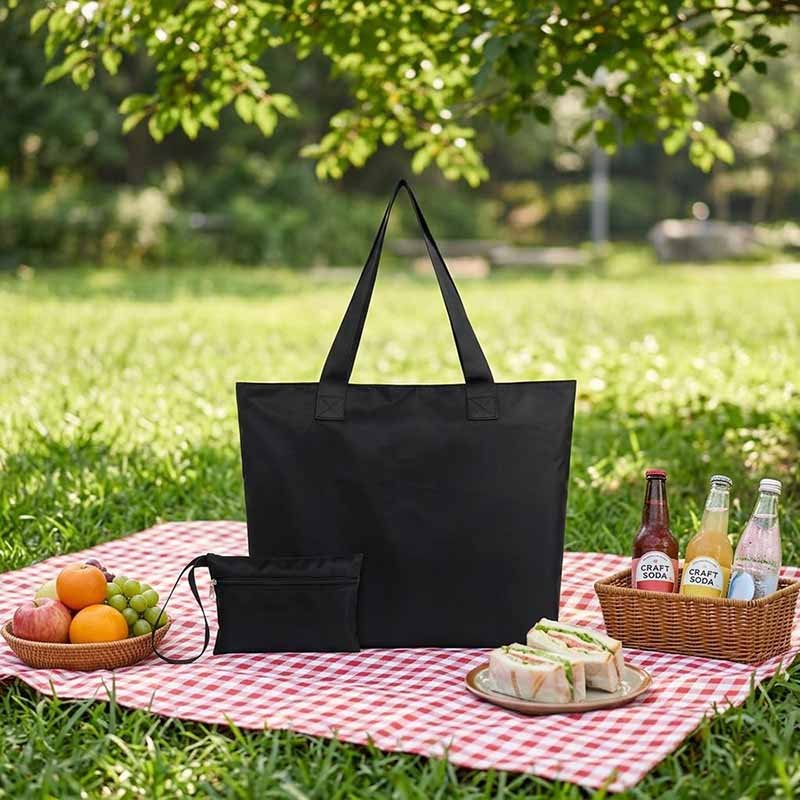
A bag design can look perfect on a screen, attractive in a 3D rendering, and impressive in a handmade prototype, but still fail when it enters mass production. This is one of the most expensive lessons for brands, retailers, importers, and e-commerce sellers. A design that works for one sample may become slow to sew, difficult to inspect, costly to source, or inconsistent across 500, 5,000, or 50,000 units. That is why serious brands do not treat mass production as the final step after design. They build production thinking into the design from the beginning.
Common Mistakes Brands Make During Bag Sampling
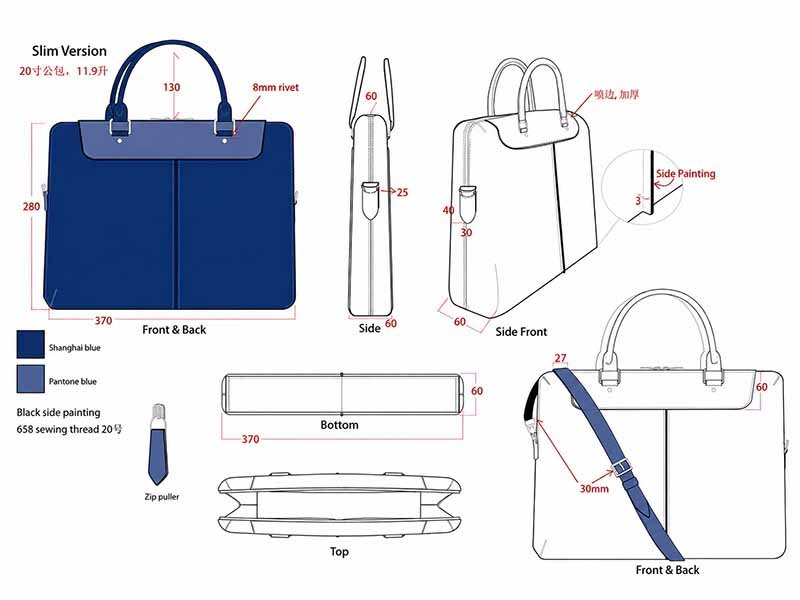
Many brands treat bag sampling like a simple visual checkpoint: “Does the sample look close enough to the design?” That mindset is where expensive problems begin. In real custom bag manufacturing, a sample is not just a prettier version of a sketch. It is the first physical test of your material choice, structure, size, logo method, pocket layout, stitching route, packaging direction, and bulk production feasibility. A good sample should answer one practical question: can this product be produced repeatedly, at the expected quality level, within the target cost and delivery timeline
