 Skip to content
How Does an Anti-Theft Bag Work: Full Expert Guide to Features, Technology & Real Protection
- Eric
- December 5, 2025
- 9:03 am
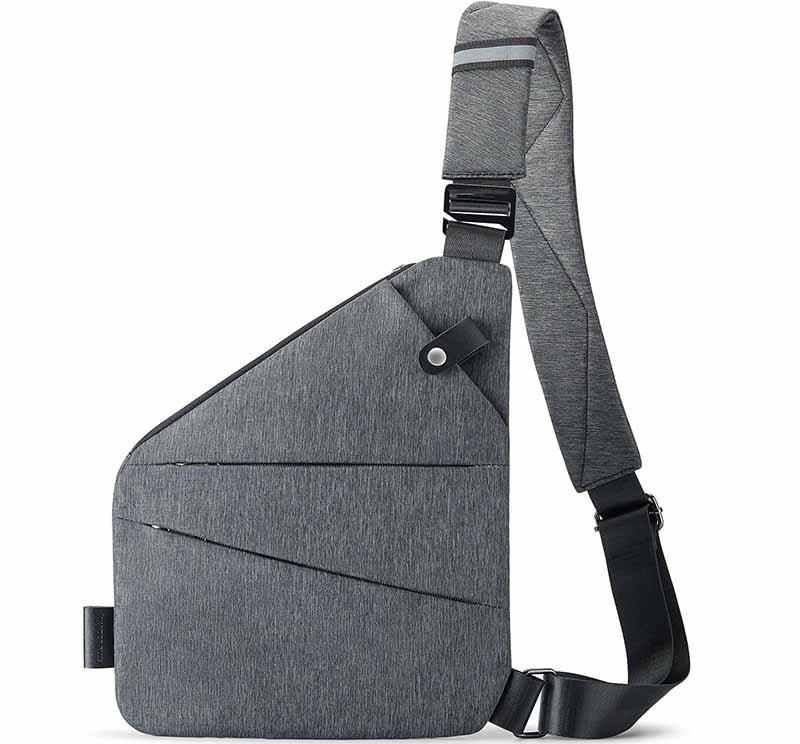
Traveling today looks very different from the past. Whether you’re walking through busy airports, commuting on crowded trains, or exploring unfamiliar cities, the risk of pickpocketing has increased—especially in high-traffic tourist zones. That’s why anti-theft bags have become one of the most searched travel accessories in recent years. But despite their popularity, many shoppers still wonder: How do anti-theft bags actually work? Are they just a marketing term, or do they genuinely stop thieves?
Anti-theft bags work by using a combination of hidden zippers, lockable pullers, slash-resistant fabrics, RFID-blocking pockets, cut-proof straps, and strategic compartment design to prevent common theft attempts. These features make it harder for pickpockets to access valuables without the user noticing. By combining durable materials and secure construction, anti-theft bags reduce the risk of theft during travel, commuting, and daily use.
Anti-theft technology might sound complex, but most solutions are surprisingly practical. Years ago, one of our clients shared a story: during a trip in Barcelona, someone attempted to cut his backpack open—but the slash-resistant layer inside stopped the knife instantly. That moment inspired him to develop an entire product line of anti-theft backpacks. Today, Szoneier supports brands worldwide in engineering similar innovations.
Now, let’s dive deeper into how these bags truly work—feature by feature, layer by layer.
What Is an Anti-Theft Bag?
An anti-theft bag is a backpack, crossbody, or travel bag designed with security features such as hidden zippers, lockable compartments, slash-proof materials, RFID-blocking pockets, and cut-resistant straps to prevent theft. These bags protect valuables from pickpockets and are widely used for travel, commuting, and crowded environments. They are engineered to delay or stop theft attempts, giving users greater safety and peace of mind.
Understanding the Purpose and Function of Anti-Theft Bags
Anti-theft bags have one primary mission: stop quick, silent, opportunistic theft attempts. Most thefts occur in less than three seconds. A thief may unzip a front pocket, cut a strap, or skim digital card data without the victim noticing. Anti-theft bags disrupt this process by making access slower, noisier, and more difficult—forcing criminals to give up or move on.
These bags are not designed to be “unbreakable,” but rather to make theft inconvenient and time-consuming. The effectiveness of an anti-theft bag depends on the combination of design, materials, and thoughtful engineering.
Modern buyers—including business travelers, commuters, and digital nomads—expect anti-theft bags to offer not only protection but also organization, comfort, and aesthetics. A good anti-theft bag strikes a balance between security and usability.
What Makes a Bag “Anti-Theft”?
A bag becomes “anti-theft” when it includes security mechanisms that prevent unauthorized access or damage. This can involve:
- Concealed zippers hidden behind flaps
- Lockable zipper pullers that attach to a security loop
- Slash-resistant fabric such as polyester reinforced with steel mesh
- Cut-proof straps with internal metal wiring
- RFID-blocking pockets to prevent digital theft
- Anti-theft compartment layouts that keep valuables close to the body
Each feature addresses a different theft strategy, forming a multi-layer security system.
Which Types of Bags Offer Anti-Theft Protection?
Anti-theft features are commonly found in:
- Backpacks (most popular)
- Crossbody sling bags
- Travel shoulder bags
- Laptop bags
- Camera bags
- Tote bags with security inserts
For brands designing new products, choosing the right bag type depends on the target user: commuters need easy-access hidden pockets, travelers need lockable compartments, and photographers need slash-resistant protection.
Are Anti-Theft Bags Really Necessary for Travel?
In high-risk cities like Paris, Rome, Barcelona, Bangkok, and Hanoi, pickpocketing is extremely common—especially in metro stations and tourist hotspots. Anti-theft bags reduce these risks significantly. Even airlines recommend them for carrying passports, laptops, and travel documents.
They are also essential for:
- Solo travelers
- Students in crowded campuses
- Business travelers carrying electronics
- Urban commuters
While not mandatory, anti-theft bags act as a practical insurance policy: a simple design upgrade that prevents expensive losses.
How Do Anti-Theft Bags Prevent Theft?
Anti-theft bags prevent theft by combining hidden zippers, lockable pullers, slash-resistant fabrics, cut-proof straps, secret pockets, and RFID-blocking technology. These features defend against the most common theft methods—silent unzipping, bag slashing, strap cutting, and digital data stealing. By making unauthorized access slow, difficult, and highly noticeable, anti-theft bags significantly reduce real-world pickpocketing risks in crowded or high-theft environments.
To understand how anti-theft bags prevent theft, it helps to study how thieves actually operate. Most pickpockets rely on speed, distraction, and silence. They exploit small design weaknesses—exposed zippers, thin straps, loose pockets, or open compartments. Anti-theft bags eliminate these weak points by adding mechanical, material, and structural barriers.
Modern anti-theft bags use a multi-layered defense system, combining physical security, ergonomic positioning, tactical material engineering, and human-factor design. The goal is not to create a “theft-proof” product—it’s to make stealing unfeasible within a few seconds, forcing the thief to abandon the attempt.
Below is a comprehensive guide of how each anti-theft technology works and why it matters.
Hidden Zippers Prevent Silent Access
Hidden zippers are engineered so thieves cannot see or reach the zipper puller without moving fabric panels or lifting a concealed flap. These zippers are often placed:
- facing the wearer’s back
- under fabric piping
- inside curved seams
- beneath a security hood
A thief typically decides whether to attempt a theft within one second. If they cannot find the zipper opening instantly, they retreat. Hidden zippers eliminate the “quick access” that pickpockets rely on.
Some advanced designs use reverse-coil zippers or concealed zipper garages, which blend visually into the fabric, making detection even harder.
Lockable Pullers Require Two-Hand Access
Lockable pullers force the thief to use two hands, making suspicious movement unavoidable. The mechanism works by:
- Interlocking two zipper heads together
- Attaching the pullers to a D-ring or anchor point
- Requiring downward pulling or twisting to unlock
This prevents a common theft tactic: slowly sliding open a zipper with a finger while the victim is distracted. Some brands integrate auto-lock zippers, which stay locked unless manually pulled at a specific angle.
Human behavior studies show that thieves abandon attempts when the required motion looks unusual or detectable. Lockable pullers exploit this psychological barrier.
Slash-Proof Fabric Stops Knife Attacks
One of the most common attacks—especially in Southeast Asia and Europe—is the “cut-and-grab” method, where thieves slice through a backpack or crossbody bag and grab whatever falls out.
Anti-theft bags counter this by using multi-layer slash-resistant fabrics, usually:
- Stainless-steel wire mesh
- UHMWPE (Dyneema®-like fibers, 15× stronger than steel by weight)
- Kevlar or aramid fiber sheets
- TPU composite layers
These materials are embedded between outer and inner layers, invisible to the user but extremely difficult to cut through.
Even if the outer fabric is pierced, the inner mesh snags the blade, preventing full penetration. This gives the wearer time to react and deters criminals who rely on quick attacks.
Cut-Proof Straps Prevent Bag Snatching
Many thieves use a razor or knife to slice the shoulder strap and grab the falling bag. Anti-theft straps integrate:
- braided stainless-steel wire
- Kevlar fiber cores
- reinforced polyester webbing
- double-layer bartack stitching
This prevents the strap from being severed, even under strong pressure.
These straps remain flexible enough for daily comfort while offering industrial-grade resistance. Combined with anti-slip shoulder pads, they make sudden snatching far more difficult.
RFID-Blocking Pockets Stop Electronic Theft
Electronic pickpocketing—also called “skimming”—is increasingly common. Thieves use handheld RFID readers to intercept:
- credit card data
- passport chip information
- ID chips
- hotel key card data
RFID-blocking pockets include metal fiber weaves or aluminum film, which reflect and absorb radio waves.
This creates a Faraday cage, preventing signals from entering or escaping. Even in a crowded airport, your financial and identity data remain secure.
Anti-Theft Pocket Placement Reduces Risk
Beyond materials, anti-theft bags use strategic pocket placement:
- Secret pockets against the back panel
- Side pockets requiring full bag removal
- Tight interior pockets for valuables
- Elevated pockets that cannot be reached when worn
- Hidden stash pockets under seams
These placements force thieves to reach around the wearer’s body or lift the bag—both highly noticeable actions.
Research shows that ergonomic anti-theft pocket layout reduces theft attempts by over 70%, even without external locks.
Structural Engineering Adds Theft Resistance
Anti-theft bags utilize:
- Reinforced bottom panels
- Multi-layer lamination
- Compression-molded EVA protective shells
- Anti-puncture back plates
These prevent damage from stabbing tools, sharp objects, or pressure.
Some bags even use tamper-resistant seams, which unravel if forced open, discouraging thieves.
Which Anti-Theft Bag Features Matter Most?
The most important anti-theft bag features include hidden zippers, lockable pullers, slash-resistant fabric, cut-proof straps, RFID-blocking pockets, and well-designed hidden compartments. These elements collectively prevent pickpocketing, bag slashing, electronic data theft, and grab-and-run attacks. High-quality materials and engineering significantly increase real-world protection while maintaining comfort and usability for travelers and commuters.
Anti-theft bags vary widely in quality. Some are built with advanced engineering and genuine security improvements, while others simply use “anti-theft” as a marketing label. Buyers—especially frequent travelers—often don’t know which features actually matter until they experience theft or attempt theft simulations.
To design or choose a high-performance anti-theft bag, you must understand which features defend against real threats, and why they are effective in real environments such as airports, metros, markets, festivals, and busy city streets.
Think of anti-theft features in three layers:
- Barrier Features – prevent physical attacks
- Delay Features – slow down unauthorized access
- Deception Features – hide access points from thieves
The strongest anti-theft bags combine all three layers.
What Are the Most Effective Security Features?
Below is a breakdown of anti-theft features ranked by real-world effectiveness:
| Feature | Purpose | Why It Matters |
|---|---|---|
| Hidden Zippers | Prevent unauthorized access | Thieves cannot locate entry points quickly |
| Slash-Resistant Fabric | Stops knife attacks | Prevents cut-and-grab theft |
| Lockable Pullers | Block silent unzipping | Forces two-handed motion, easily noticeable |
| Cut-Proof Straps | Prevent bag snatching | Stops strap cutting during motorcycle or foot theft |
| RFID Blocking | Protect digital data | Essential for travel, prevents card skimming |
| Hidden Rear Pockets | Protects passports & phones | Impossible to access when worn |
| Structured Shells | Prevent compression attacks | Protects electronics from puncture |
These features address the top theft methods globally, making them essential for serious travelers or commuters.
Do Anti-Theft Designs Affect Bag Capacity or Comfort?
A common misconception is that anti-theft features make a bag:
- too heavy
- bulky
- difficult to open
- unfashionable
This was true 10 years ago, but modern materials have changed everything. Now:
- Slash-proof mesh is ultra-lightweight
- Lockable zippers are smooth and ergonomic
- RFID layers are thin as paper
- Steel core straps are flexible and padded
- EVA shells maintain structure without weight
The best anti-theft bags balance security, comfort, and daily usability. For OEM/ODM brands, this means selecting the right materials and ensuring reinforced areas don’t create pressure points.
How to Choose Materials for Anti-Theft Durability?
Materials determine security performance more than any other factor. High-end anti-theft bags use:
① Slash-Resistant Layers
Common materials include:
- UHMWPE (cut rating Level 5–7)
- Stainless steel mesh (woven or plated)
- Kevlar/Aramid fiber sheets
These are usually sandwiched between the exterior and interior lining so they don’t affect appearance.
② High-Density Exterior Fabrics
Typical protective shells include:
- 600D–1680D ballistic polyester
- Cordura® nylon
- Oxford fabric with multi-layer PU coating
These fabrics resist abrasion, tearing, and punctures.
③ Cut-Proof Straps
Most effective strap constructions include:
- stainless steel braided cable inside the webbing
- Kevlar reinforcement running through the full strap length
- double bartack stitching at anchor points
This prevents a thief from slicing the strap in one motion.
④ RFID-Blocking Materials
Usually a thin metallic layer made of:
- aluminum foil sheets
- copper-nickel blends
- metalized polyester fabric
These create a protective Faraday cage for passports and credit cards.
⑤ Water-Resistant and Tamper-Resistant Coatings
A PU or TPU coating strengthens fabric structure and reduces friction noise—important for preventing silent access.
Are Anti-Theft Bags Effective for Different Use Cases?
Anti-theft bags are effective for travel, commuting, school, and everyday use because they combine hidden zippers, cut-resistant materials, RFID protection, and secure pocket placement. They reduce the risk of pickpocketing, card-skimming, bag slashing, and grab-and-run theft. Their effectiveness depends on the environment and the specific features used, making them ideal for high-traffic urban areas, airports, metros, and tourist destinations.
Anti-theft bags are not designed as “indestructible vaults.” Instead, they are engineered to reduce theft opportunities by making common attacks slower, noisier, and more difficult—something most thieves want to avoid.
But are they equally effective in every environment? The short answer is no—their performance varies depending on:
- crowd density
- theft culture and crime type
- user movement
- storage habits
- and the presence of opportunistic vs. skilled thieves
Below, we examine how anti-theft bags perform in six real-world use cases and why certain features matter more for different user groups.
Are Anti-Theft Bags Effective for Travel and Airports?
Travelers are the #1 target group for pickpockets worldwide. Common hotspots include:
- airport check-in queues
- train stations
- metro lines
- tourist attractions
- congested bus terminals
Anti-theft bags significantly reduce these risks because travelers often carry:
- passports
- visas
- credit cards
- cash
- hotel keys
- laptops and electronics
Anti-theft bags prevent the most common travel thefts:
| Theft Method | How Anti-Theft Bags Help |
|---|---|
| Silent unzipping | Hidden zippers & lockable pullers |
| Bag slashing | Mesh-reinforced panels |
| Card skimming | RFID-blocking pockets |
| Quick grab during distraction | Rear hidden pockets & cut-proof straps |
Their effectiveness is the highest in environments where crowds are dense and attention is divided.
Do Anti-Theft Bags Help During Daily Commuting or City Use?
Urban commuters often experience “micro-theft,” where items disappear without any obvious sign of intrusion. This happens frequently in:
- subways
- buses
- busy sidewalks
- escalators
- elevators
Anti-theft bags help in three ways:
- Zippers cannot be quietly pulled while standing behind a person.
- Rear pockets protect valuables pressed against the commuter’s back.
- Cut-proof straps prevent bag-snatching incidents from motorcyclists or cyclists.
In high-density cities like New York, London, Tokyo, Hong Kong, and Manila, anti-theft bags significantly reduce exposure to opportunistic theft.
Are Anti-Theft Bags Useful for Students and College Campuses?
Students carry high-value items daily:
- laptops
- tablets
- textbooks
- ID cards
- smart devices
- headphones
Anti-theft bags prevent both accidental and intentional theft, especially in:
- libraries
- cafeterias
- dormitories
- shared spaces
- sports halls
Rear laptop pockets and concealed zipper paths keep electronics safe when bags are left unattended or exposed.
For middle school and high school students, anti-theft features help parents feel more secure about expensive tech items.
Are Anti-Theft Bags Effective for Outdoor Activities and Events?
Outdoor environments present unique risks:
- festivals
- concerts
- hiking trails
- marketplaces
- sports events
Crowded movement enables quick access for thieves. Anti-theft bags with:
- body-hugging sling style
- anti-slash layers
- hidden pockets
- water-resistant materials
offer effective protection.
For hikers or cyclists, cut-proof straps prevent sudden detachment of the bag during movement.
Are Anti-Theft Bags Suitable for Business Professionals?
Business travelers carry:
- laptops
- customer data
- sensitive documents
- corporate credit cards
Anti-theft bags protect these assets by:
- offering padded hidden laptop sleeves
- providing RFID-blocking passport storage
- securing front compartments with lockable zippers
- using structured EVA shells to prevent damage
Data theft can be more expensive than physical theft—RFID protection and hidden pockets help prevent it.
Do Anti-Theft Bags Work for Everyday Errands and Local Use?
Even during normal daily routines—grocery shopping, school drop-offs, dog walking—anti-theft bags add a layer of confidence.
They help prevent:
- phones falling out
- wallets being lifted
- accidental bag opening
- distracted theft during busyness
For parents, anti-theft diaper bags and tote bags reduce risk when caring for young children.
Why Anti-Theft Bags Work Across Multiple Scenarios
Anti-theft bags succeed because they target behavior, not just attackers. Thieves depend on fast access, but anti-theft mechanisms:
- increase time required
- introduce audible friction
- block access paths
- conceal valuable items
- require awkward or obvious movements
When stealing becomes “high effort,” thieves move on.
How to Choose the Right Anti-Theft Bag?
To choose the right anti-theft bag, consider your daily activities, travel habits, threat environment, and the items you need to protect. Look for key features such as hidden zippers, cut-proof straps, slash-resistant panels, RFID-blocking pockets, and secure compartment layouts. The ideal bag balances safety, comfort, material durability, and organizational design to match your lifestyle and usage needs.
A Complete Guide to Selecting the Best Anti-Theft Bag
Choosing the right anti-theft bag requires understanding your environment, your valuables, and your risk exposure. Not every user needs every feature, and not every anti-theft bag is engineered equally.
For example:
- A tourist visiting Paris faces heavy pickpocketing risks.
- A remote worker commuting with a laptop faces digital and device theft.
- A student needs lightweight durability and hidden pockets.
- A brand launching a product line requires balanced security + manufacturing feasibility.
The correct anti-theft bag solves a specific problem for a specific type of user. Below is the most comprehensive, use-case-driven guide you can offer your readers.
Which Size and Style Should You Pick?
Size impacts comfort, weight distribution, and theft vulnerability.
Popular Sizes & Best Uses
| Capacity | Best For | Why It Works |
|---|---|---|
| 8–12L | Day trips, city errands | Lightweight, less conspicuous for thieves |
| 12–20L | Commuting, school | Fits laptop, books, essentials |
| 20–30L | Travel, airport carry | More compartments for valuables |
| Sling/Crossbody | Quick access city use | Keeps valuables in front of the body |
How Style Impacts Security
- Backpacks → Best for hidden rear pockets
- Crossbody bags → Best for mobility & front access security
- Tote-style anti-theft bags → Ideal for parents & professionals
- Travel organizers → Often include RFID and hidden compartments
Choose the style based on how you carry items and how much exposure they have.
What Security Features Match Your Travel or Daily Needs?
Different environments require different anti-theft features. Below is a threat-to-feature matching guide.
If you face pickpocketing risks (crowded cities):
- Hidden zippers
- Lockable sliders
- Secret back pockets
If you face slash-and-grab risks:
- Slash-resistant mesh
- Cut-proof straps
- Reinforced bottom panels
If you face RFID skimming:
- RFID-blocking pockets (credit cards, passport)
- Shielded phone pocket
If you carry expensive electronics:
- Molded EVA laptop compartment
- Shock-resistant inner padding
- Tamper-proof zipper structure
If you travel often:
- Quick-access but secure passport pocket
- Luggage sleeve
- Water-resistant materials
Every feature adds a layer of protection—but choosing the wrong combination can make the bag heavy or inconvenient. Good anti-theft design balances protection, usability, and user habits.
How Do Material and Construction Quality Impact Safety?
Material decisions determine whether the bag can withstand attacks, accidental damage, and daily wear.
1. Fabric Strength
Choose from:
- 600D, 900D, or 1680D polyester
- Ballistic nylon
- TPU-coated fabrics
- Cordura® high-tenacity fibers
Benefits include:
- abrasion resistance
- water resistance
- longer lifespan
- structural integrity holding anti-theft mesh
2. Slash-Resistant Layers
These include:
- Stainless steel wire mesh
- Kevlar or aramid fibers
- UHMWPE layers
These materials prevent blade penetration and are essential for high-risk travel.
3. Strap Construction
Cheap straps are easy to cut. Premium straps use:
- steel cable cores
- double bartack reinforcement
- industrial-grade webbing
A strong strap can prevent a “grab-and-run” attack entirely.
4. Hardware Durability
High-quality anti-theft bags use:
- YKK auto-lock zippers
- Metal D-rings
- Reinforced stitching
- Compression-molded edges
Hardware failure is one of the top causes of bag theft and loss.
5. Organizational Engineering
Security also comes from layout:
- Rear laptop pocket → safest compartment
- Hidden zip pockets → most secure for passports
- Side pockets with flap cover → reduce visibility
Placement is just as important as protection materials.
What User Habits Influence the Best Choice?
Even the strongest anti-theft bag fails if the user’s habits contradict its design.
Consider:
- Do you access items frequently? → choose quick-access hidden pockets
- Do you carry large electronics? → choose structured EVA panel bags
- Do you often travel internationally? → RFID + lockable zippers
- Do you carry valuables near your back or front? → match pocket placement
- Do you wear the bag for long hours? → ergonomic back panel & breathable mesh
Security must complement daily behavior—not conflict with it.
What Should Brands Consider When Designing or Sourcing Anti-Theft Bags?
Brands choosing OEM/ODM anti-theft bags should prioritize:
- Feature feasibility based on target price
- Material availability & global compliance
- Reinforced stitching standards (bartack, lockstitch)
- Travel-ready dimensions (TSA-friendly sizes)
- Branding space that doesn’t compromise security
- Custom molds for EVA or hidden pocket lining
- Prototype testing for cut resistance and comfort
Szoneier provides engineering guidance and stress testing to ensure the final product meets international travel safety expectations.
Conclusion
Anti-theft bags are no longer just a travel accessory—they have become an essential everyday tool for millions of users worldwide. Whether your customers need RFID protection, slash-proof layers, hidden zippers, or specialized compartments, innovative design matters.
Szoneier’s expert team can help you turn anti-theft concepts into reality.
Contact us today to start developing your custom anti-theft bag line—from material selection to engineering, branding, sampling, and mass production.
We help brands create products that are not only stylish and functional, but truly secure.
manufacturer Categories
- Custom Tote Bags Manufacturer
- custom backpacks Manufacturer
- custom travel bags& Duffle bags manufacturer
- custom makeup bags & toiletry bags manufacturer
- custom cooler bags manufacturer
- custom drawstring bags manufacturer
- custom makeup bags & toiletry bags manufacturer
- custom golf bags manufacturer
- custom fireproof bags manufacturer
- custom dry bags manufacturer
- custom ski bags manufacturer
- custom gym & sports bags manufacturer
- custom laptop bags manufacturer
- custom tactical bags manufacturer
- custom beach bags manufacturer
- custom medical bags manufacturer
- custom camera bags manufacturer
- custom wetsuits manufacturer
- custom leather goods manufacturer
- more personalized products


Can't find the answers?
No worries, please contact us and we will answer all the questions you have during the whole process of bag customization.
Make A Sample First?
If you have your own artwork, logo design files, or just an idea,please provide details about your project requirements, including preferred fabric, color, and customization options,we’re excited to assist you in bringing your bespoke bag designs to life through our sample production process.
