 Skip to content
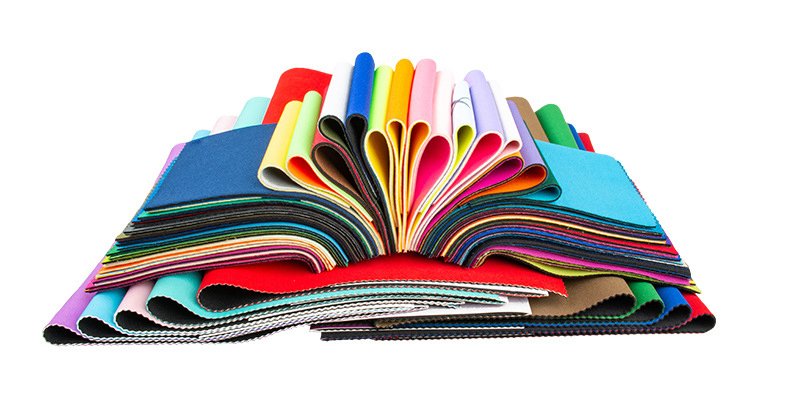
Imagine launching a sleek neoprene tote bag that feels like a second skin—soft to the touch, yet robust enough to stand up to daily wear. From laptop sleeves to high-performance dive suits, neoprene’s unique blend of stretch, insulation, and water resistance has made it a go-to material for designers worldwide. But with dozens of suppliers, varying minimum orders, and fluctuating quality standards, finding the right neoprene source can feel like searching for a needle in a haystack.
Neoprene—also known as polychloroprene—is a synthetic rubber prized for its elasticity, durability, and thermal insulation. Top buying channels include Alibaba (large MOQ, OEM/ODM), Amazon and Fabric.com (small-quantity orders), and specialty e-shops for custom prints. Local fabric districts and trade shows like Premiere Vision Paris offer hands-on inspection. Evaluate suppliers by MOQ, lead time, certifications (OEKO-TEX®, SGS), and sample policies to ensure consistent, high-quality material.
Whether you’re a startup exploring your first private-label line or an established brand scaling production, this guide will walk you through online marketplaces, local distributors, trade shows, and specialty vendors. You’ll learn how to assess neoprene quality—from durometer hardness to stretch recovery—and pick suppliers that align with your budget, timeline, and brand values. Ready to uncover the best sources? Let’s dive in.
What Is Neoprene Fabric and Why Is It Popular?
Neoprene—also known as polychloroprene rubber—is a closed-cell synthetic foam prized for its exceptional stretch, thermal insulation, and water resistance. Its ability to be laminated to textile backings or digitally printed makes it ideal for everything from wetsuits and laptop sleeves to fashion accessories and industrial gaskets, combining functional performance with versatile design options.
Neoprene’s rise from specialty rubber to mainstream fabric owes to a unique confluence of chemistry, manufacturing innovation, and evolving market demands. Let’s unpack the “why” behind its popularity—and consider both its strengths and limitations.
1. Chemical Backbone and Foam Structure
- Polychloroprene Polymer: Neoprene is synthesized by polymerizing chloroprene monomers, creating a robust rubber with inherent resistance to oil, heat, UV light, and many chemicals.
- Closed-Cell Foam: Gas is introduced during vulcanization, producing microscopic, sealed bubbles. This structure:
- Traps air for insulation—maintaining temperature against cold water or ambient chill.
- Prevents water ingress, ensuring buoyancy in wetsuits and moisture protection in cases.
2. Mechanical Properties Driving Versatility
- Stretch & Recovery: With elongation at break up to 300–500% and rebound above 90%, neoprene conforms to shapes—ideal for snug sleeves, custom-fit bags, and protective gear.
- Tear & Abrasion Resistance: High tensile strength (>7 MPa) and tear resistance (>20 N) enable repeated flexing without permanent deformation—key for activewear and neoprene-backed fabrics.
- Compression Set: Closed-cell foam resists permanent compression, so seals and cushions retain shape over time.
3. Laminations and Textile Backings
- Knitted Backing: Bonding neoprene to nylon/spandex knits yields stretch panels with smooth interiors, comfortable for wearables and backpacks.
- Woven Backing: Attaching to polyester or cotton weaves adds stability—preferred for structured bags, cooler pouches, and protective cases.
4. Printability and Customization
- Digital Printing: Modern UV-inkjet printers can apply full-color graphics directly onto neoprene’s surface or its textile backing—unlocking high-resolution patterns for fashion and brand storytelling.
- Screen Printing & Dye Sublimation: For polyester-lined neoprene, sublimation produces vibrant, permanent images; screen printing offers bold, opaque designs.
5. Thermal and Acoustic Insulation
- Thermal Protection: Closed-cell foam traps air, creating a barrier against heat loss—widely exploited in wetsuits, laptop sleeves, and lunch totes to maintain contents’ temperature.
- Sound Dampening: Foam structure absorbs vibrations, making neoprene gaskets and padding common in audio equipment and electronics.
6. Weather and Chemical Resistance
- UV Stability: Unlike many rubbers, neoprene resists degradation under sunlight—maintaining flexibility and color over extended outdoor use.
- Oil & Chemical Resistance: Its polymer composition repels oils, fuels, and some solvents, extending product life in industrial and automotive applications.
7. Disadvantages and Cost Considerations
- Weight & Bulk: Denser than many textiles—thicker grades (>3 mm) add noticeable heft.
- Expense: Production is energy intensive—chloroprene monomer prices and foam processing drive costs $3–$8/meter, higher than common synthetics like polyester.
- Odor and VOCs: Lower-grade neoprene can off-gas chloroprene odor; high-quality, post-cured grades minimize this issue but at a premium price.
8. Lifecycle and Sustainability Factors
- Longevity: Neoprene products often last 5–10+ years under normal use, offsetting their higher upfront environmental impact compared to fast-fashion fabrics.
- Recycling Challenges: Closed-cell foam is difficult to recycle; emerging programs chemically depolymerize old neoprene back to monomer—still not widespread.
Which Online Retailers and Marketplaces Sell Quality Neoprene Fabric?
For bulk neoprene, Alibaba and Global Sources connect you directly with factories offering custom thicknesses, prints, and low-cost laminations (MOQ 500–1,000 m at $3–$8/m). For smaller runs, Amazon and Fabric.com stock 1.5 mm–3 mm rolls (1–10 yd) from established brands. Specialty sites like NeopreneSource.com and Foamalley.com deliver low-MOQ (5–50 m) digital printing, custom colors, and technical grades—ideal for prototyping or limited-edition collections.
1. Alibaba & Global Sources: Factory Direct at Scale
MOQ & Price:
- Standard MOQ: 500–1,000 meters per SKU
- Price Range: $3–$8 USD per meter (depending on thickness, finish, and print)
Customization:
- In-house lamination to textile backings
- Digital and screen printing up to 8 colors
- Specialty coatings: hydrophobic, fire-retardant, UV-stable
Quality Control:
- Look for ISO 9001, OEKO-TEX®, and SGS supplier certifications
- Request pre-production samples and third-party lab reports on tensile strength (ASTM D412) and durometer (ASTM D2240)
Lead Times & Logistics:
- Production: 4–8 weeks including dyeing and lamination
- Shipping: Bulk rolls are heavy; sea freight is economical but slow (4–6 weeks), air freight cuts transit time at higher cost
2. Amazon & Fabric.com: Prototype-Friendly Quantities
Order Size:
- Purchase as low as 1 yard; roll lengths up to 10 yards
Price Point:
- $10–$25 USD per yard for 1.5 mm–3 mm grades, fully laminated
Speed & Convenience:
- 2–5 day shipping via Prime or expedited options
- Easy returns if product mislabels thickness or finish
Limitations:
- Brand ambiguity—some listings omit exact foam density (g/m²) or durometer rating
- Limited custom print or color-matching capability.
3. Specialty E-Shops: Niche & Technical Grades
| Supplier | MOQ | Key Features |
|---|---|---|
| NeopreneSource.com | 5 m | Full-color digital print, laser cutting, quick U.S. delivery |
| Foamalley.com | 10 m | Eco-friendly variants (limestone neoprene), wide color range |
| Fabric Marketplace | 20 m | Fire-retardant, antimicrobial finishes, Pantone matching |
- Custom Prints & Patterns: High-resolution, bleed-free images for branded projects
- Technical Grades: Oil-resistant, low-VOC, medical-grade foams for specialized applications
- Rapid Sampling: Sample swatches in 3–5 days, small rolls in 1–2 weeks
4. Online Wholesale Marketplaces & B2B Platforms
- DHgate & AliExpress: Lower MOQs (10–100 m) but inconsistent QC; best for non-critical accessories or fill-in orders.
- Trade Assurance Services: Platforms that escrow payments and enforce dispute resolution add security for first-time factory buyers.
5. Key Decision Factors
- Quantity Needs: Startups often favor Amazon/Fabric.com for prototyping, then scale to Alibaba for production.
- Budget Constraints: Balance unit cost vs. customization; direct factories win on price but demand larger orders.
- Quality Assurance: Always request physical samples and test durometer, tensile, and lamination quality before bulk purchase.
- Supplier Reliability: Prioritize partners with transparent certification, sample policies, and clear communication channels.
How Do You Choose a Reliable Neoprene Supplier for Wholesale and Private Label Orders?
To vet a neoprene supplier, compare minimum order quantities (MOQs), lead times, and customization capabilities (printing, lamination, coatings). Verify ISO 9001, OEKO-TEX® or SGS certifications, and request pre-production samples to test durometer hardness (40–60 Shore A), tensile strength (>7 MPa), and stretch recovery (>90%). A partner offering low-MOQ sampling, transparent QC processes, and clear communication ensures consistent, high-quality neoprene for your wholesale or private-label line.
1. Minimum Order Quantity and Pricing Structure
MOQ Tiers:
| Supplier Type | MOQ Range | Typical Price/meter |
|---|---|---|
| Large Factory (Alibaba) | 500–1,000 m | $3.00–$5.00 |
| Specialty Vendor | 5–50 m | $8.00–$12.00 |
| Retail Platform | 1–10 yd (0.9–9 m) | $10.00–$25.00/yard |
- Trade-Offs: Large-scale factories offer low unit costs but require significant capital and storage. Specialty vendors cater to small batches with higher per-meter pricing but greater design flexibility.
Negotiation Tips:
- Consolidate multiple SKUs into a single MOQ to unlock better pricing.
- Ask for tiered discounts at volume thresholds (e.g., 500 m, 1,000 m, 2,000 m).
2. Lead Times and Production Flexibility
Standard vs. Rush:
- Standard Runs: 4–8 weeks including lamination or printing.
- Rush Orders: Some suppliers can expedite to 2–3 weeks at a 10–20% surcharge.
Sampling Programs:
- Ensure your supplier can deliver 1–2 m prototype samples in 5–7 days. This rapid feedback loop accelerates design iterations and reduces costly misorders.
3. Customization & Technical Capabilities
Printing & Patterning:
- Digital print tolerance <0.5 mm registration ensures crisp logos.
- Sublimation options for polyester-backed neoprene yield permanent, fade-resistant graphics.
Coatings & Laminations:
- Hydrophobic, UV-stable, fire-retardant, and antimicrobial finishes—verify finish weights (g/m²) and performance test reports.
- Textile backings (nylon/spandex knits) add hand feel and structural strength—confirm bonding strength (>5 N/cm) via peel tests.
4. Certifications & Quality Assurance
Essential Certifications:
- ISO 9001: Quality management systems.
- OEKO-TEX® Standard 100: Free from harmful substances.
- SGS or Intertek Reports: Validating durometer, tensile strength, and chemical safety.
Factory Audits:
- If possible, conduct or commission a third-party audit to review production lines, raw material storage, and worker safety standards.
5. Technical Testing & Batch Consistency
- Durometer Hardness (Shore A): Target 40–60 A for general-purpose neoprene.
- Tensile & Elongation: ASTM D412 testing: >7 MPa tensile strength, >300% elongation at break.
- Thickness Uniformity: ±0.2 mm across random roll samples.
- Stretch Recovery: >90% rebound after 100 cycles at 50% elongation—critical for form-fitting applications.
6. Communication & After-Sales Support
- Project Visibility: Demand weekly progress updates with photos or short videos of production runs.
- Issue Resolution: A reliable supplier assigns a dedicated account manager who responds within 24 hours and handles reworks or replacements promptly.
- Logistics Coordination: Confirm Incoterms (FOB, CIF), warehousing options, and freight consolidation services to optimize your supply chain.
Where Can You Source Neoprene Fabric Locally or Through Trade Shows?
You can find neoprene fabric at major textile hubs—like Los Angeles’s Fashion District, New York’s Garment District, and Guangzhou’s fabric markets—where distributors offer small rolls and custom lamination. Industry trade shows such as Premiere Vision (Paris), Techtextil (Frankfurt), and Intertextile Shanghai feature hundreds of neoprene mills and specialized vendors, letting you inspect quality firsthand, negotiate MOQs, and preview new finishes.
While online channels provide convenience, nothing beats in-person sourcing for verifying quality, building relationships, and discovering the latest innovations. Below, we explore local hubs and key trade events where serious neoprene buyers go to get hands on the goods.
1. Local Fabric Districts: Touch, Feel, and Immediate Pickup
| Location | Highlights | Typical MOQ | Specialties |
|---|---|---|---|
| Los Angeles, USA | Fashion District on Santee Alley; walk-in wholesalers | 1–10 yards | 1.5–3 mm neoprene, laminated knits |
| New York, USA | Garment District near 34th St.; boutique suppliers | 0.5–5 yards | Printed neoprene, eco-friendly lines |
| Guangzhou/Shenzhen, China | Humen & Huangpu markets; direct factory outlets | 100–200 meters | Custom colors, hydrophobic finishes |
| Mumbai, India | Dharavi Market; competitive pricing | 5–50 meters | Budget neoprene, basic grades |
| São Paulo, Brazil | Brás Textile District; Latin America’s hub | 10–100 meters | Sport-grade neoprene, laminations |
- Hands-On Inspection: Feeling density, compression, and lamination quality in person prevents costly surprises later.
- Low-MOQ Flexibility: Many local vendors will cut small runs (1–5 yards) so you can prototype without large commitments.
- Negotiation Power: Haggling face-to-face often unlocks better pricing and faster lead times—especially when sourcing multiple SKUs.
2. Premiere Vision (Paris)
Why Attend: Premier textile show featuring 50+ neoprene specialists from Europe and Asia.
What to Expect:
- Live demos of foam extrusion, lamination, and technical coatings.
- “Innovation” zone showcasing bio-based and recycled neoprene formulations.
- One-on-one meetings to negotiate private-label runs or co-development projects.
3. Techtextil (Frankfurt)
Why Attend: Europe’s leading technical textiles fair, with a large neoprene and foam materials section.
What to Expect:
- In-depth presentations on performance testing (compression set, tear strength).
- Access to specialty mills offering medical-grade and automotive-grade neoprene.
- Networking with R&D teams to explore advanced composites (neoprene + 3D knits).
4. Intertextile Shanghai (China)
Why Attend: Asia’s largest apparel fabrics expo, featuring hundreds of foam and neoprene factories under one roof.
What to Expect:
- Factory pavilions where you can tour production lines and sample rolls directly off the loom.
- Quick sampling programs—order onsite, receive swatches in days.
- Insights into Chinese export logistics, helping you optimize freight and duties.
5. Strategic Advantages of In-Person Sourcing
Immediate QA Checks:
- Visually inspect lamination integrity, bubble formation, and color drift under different lighting.
Relationship Building:
- Establish rapport with factory managers—critical for negotiating smaller MOQs, rush orders, and R&D collaborations.
Trend Spotting:
- Discover cutting-edge finishes—like laser-etched textures, eco-solvent digital prints, and flame-retardant coatings—before they hit mainstream channels.
Are There Specialty Vendors for Custom-Printed or Coated Neoprene?
Yes,specialty suppliers like NeopreneSource.com, Fabric Marketplace, and Szoneier offer digitally printed, laser-cut neoprene with hydrophobic, UV-stable, and flame-retardant coatings. They support low MOQs (5–50 m), Pantone color matching, and embossed textures, enabling brands to stand out with bespoke patterns and enhanced performance.
Beyond commodity neoprene foam, a growing number of niche vendors cater specifically to brands seeking highly customized neoprene—from boutique fashion labels to industrial OEMs. These suppliers combine advanced printing techniques, precision cutting, and technical finishes that turn ordinary foam into a design canvas or a performance asset. Let’s examine their capabilities, costs, and how to integrate specialty neoprene into your product lineup.
1. Digital Printing on Neoprene
| Technology | Resolution | Color Options | MOQ | Typical Premium |
|---|---|---|---|---|
| UV Inkjet | 720–1440 dpi | Full CMYK+White | 5–10 meters | +$3–$6 per meter |
| Dye Sublimation | 300–600 dpi | Vivid, Permanent | 20–50 meters | +$2–$4 per meter |
UV Inkjet Printing: Uses UV-curable inks that bond directly to neoprene’s surface or its knitted backing.
- Advantages: Photo-quality images, sharp gradients, no bleed.
- Limitations: Slight increase in fabric stiffness; best on 2–4 mm laminated neoprene.
Dye Sublimation (Poly-Backed Neoprene): Transfers dye into a polyester backing layer bonded to neoprene.
- Advantages: Soft hand feel, exceptional colorfastness, zero ink layer build-up.
- Limitations: Limited to polyester-backed grades; extra lamination step adds cost.
2. Laser Cutting and Engraving
- Precision Cutouts: Laser cutters carve intricate patterns (e.g., lace motifs, ventilation holes) with micron-level accuracy—impossible by hand.
- Engraved Textures: Laser-etched grooves or logos add subtle branding without ink, preserving a monochromatic look.
- Benefits: No tooling dies required; rapid digital design updates; clean edge sealing from laser heat.
3. Specialty Coatings & Functional Finishes
| Finish Type | Performance Gain | MOQ | Additional Cost |
|---|---|---|---|
| Hydrophobic DWR | Water repellency up to 60° | 50 meters | +$0.5–$1.5/meter |
| UV-Stable Pigments | Fades <10% after 500 hr UV | 100 meters | +$1–$2/meter |
| Flame-Retardant (FR) | Passes NFPA 701, BS 5852 | 100 meters | +$1.5–$3/meter |
| Anti-Microbial (AM) | 99% bacterial reduction | 100 meters | +$2–$4/meter |
- Hydrophobic/DWR Coatings: Repel spills and stains—ideal for cooler bags, drink sleeves, and outdoor gear.
- UV-Stable Pigments: Built-in UV absorbers extend print and color life in sun-exposed applications (e.g., beach totes).
- Flame-Retardant Treatments: Essential for automotive interiors, aerospace components, and safety equipment.
- Anti-Microbial Finishes: Infused silver-ion or quaternary ammonium compounds combat odor and bacterial growth in medical or fitness products.
4. Low-MOQ & Rapid Prototyping
- MOQ Flexibility: Industry leaders now accept orders as small as 5–10 meters for digital print, with sample swatches in 2–3 days.
- Turnkey Services: Many specialty vendors handle digital file prep, color separation, and proofing—minimizing razor-thin margins for small brands.
5. Cost–Benefit Analysis
| Service | MOQ | Lead Time | Price Premium | Ideal Use Case |
|---|---|---|---|---|
| Digital Print | 5–10 m | 7–10 days | +$3–$6/m | Limited-edition lines, fashion bags |
| Laser Cutting | 10–20 m | 5–7 days | +$1–$2/m | Unique shapes, ventilation features |
| Specialty Coatings | 50–100 m | 2–4 weeks | +$0.5–$3/m | High-performance or safety products |
While these premiums exceed commodity neoprene’s $3–$8/m base price, they unlock brand differentiation and functional advantages that justify higher retail positioning and open new market segments.
6. Integrating Specialty Neoprene into Your Line
- Define Your Value Proposition:
- Are you selling on aesthetics (bold prints), performance (waterproofing), or both?
- Budget for Prototypes:
- Allocate 5–10% of your project budget to test swatches, print proofs, and coating trials.
- Collaborate Closely with Vendors:
- Share Pantone codes, artwork files, and performance requirements early.
- Quality Assurance:
- Inspect sample rolls for print registration accuracy (<0.5 mm deviation), coating uniformity, and rebound recovery.
7. Szoneier’s Specialty Neoprene Services
At Szoneier, we combine our 18 years of bag R&D with in-house print and coating facilities to deliver:
- Custom Digital & Sublimation Printing (MOQ 5 m)
- Laser Cutting & Embossing
- Hydrophobic, UV-Stable & FR Coatings
- Eco-Friendly Alternative Neoprene
How Do You Verify Neoprene Quality and Ensure Consistency Across Batches?
To confirm neoprene quality, perform Shore A durometer tests (40–60A), tensile/elongation checks (>7 MPa, >300%), thickness measurements (±0.2 mm), and stretch-recovery trials (>90% rebound after 100 cycles at 50% elongation). Implement incoming quality inspections (IQC) on sample rolls—review GSM, lamination integrity, and finishes—then document batch records and conduct regular supplier audits to maintain consistent performance across every production run.
1. Incoming Quality Control (IQC) Protocols
Sample Roll Inspection:
- Visual Check: Unroll 1–2 meters to inspect for delamination, air bubbles, color drifts, or surface defects.
- Laminate Bond Test: Use a cross-hatch cutter to score the laminate; apply tape and peel—no more than 5% of the surface should lift.
Document Batch Data:
- Record supplier lot numbers, production dates, and any deviations noted. This traceability helps isolate issues if defects emerge downstream.
2. Physical Performance Testing
Durometer Hardness (Shore A):
- Use an ASTM D2240 durometer to take multiple readings at different roll sections—aim for 40–60A depending on your application.
- Tolerance: ±2A variation within a single roll; ±4A across batches.
Tensile Strength & Elongation:
- Follow ASTM D412: cut 25 mm wide strips, test at 500 mm/min until break. Expect >7 MPa tensile strength and >300% elongation.
- Consistency: Compare to previous batches; flag any >10% deviation.
Stretch Recovery:
- Stretch a 50 mm strip to 50% elongation, hold for 1 minute, release, then measure rebound after 100 cycles. Recovery should exceed 90% of original length.
- Fatigue Resistance: Low recovery signals rapid degradation in dynamic applications.
3. Dimensional & Weight Uniformity
Thickness Gauge:
- Measure at 5 random points per roll using digital calipers—ensure ±0.2 mm tolerance.
GSM (g/m²) Measurement:
- Weigh a 100 cm² sample to verify foam density aligns with spec (e.g., 500 g/m² for 3 mm foam). Significant weight shifts can affect insulation and rigidity.
4. Chemical & Safety Compliance
SGS or Intertek Certificates:
- Verify every lot against harmful-substance standards (e.g., REACH, RoHS, CPSIA).
- Request updated lab reports for phthalates, heavy metals, and free-monomer content.
VOC & Odor Testing:
- Conduct a simple sniff test or use small-scale VOC sensors—excessive off-gassing indicates poor curing or low-grade raw materials.
5. Process Control & Supplier Management
Supplier Audits:
- Schedule annual or semi-annual visits—review raw-material handling, mixing ratios, and foam-extrusion machinery calibration.
Quality Review Board:
- Convene cross-functional teams (R&D, QC, production) monthly to analyze batch data, identify trends, and implement corrective actions.
Continuous Improvement Loop:
- Share inspection results with suppliers; jointly set KPIs (e.g., <2% defect rate, on-time delivery >95%).
6. Integration into Production Workflow
First-Article Inspection (FAI):
- Before stitching or cutting, perform a final check on a small pilot order—confirm all parameters.
In-Process Checks:
- At 25% and 75% of roll consumption, re-test critical metrics (hardness, thickness) to catch drifts early.
End-of-Run Audit:
- Compare final 1 m of material to initial readings—ensure consistency throughout.
Ready to Source Premium Neoprene Fabric for Your Next Collection?
At Szoneier, our 18+ years of expertise in bag R&D and manufacturing ensure you get the perfect neoprene—whether it’s standard CR foam, eco-friendly blends, or fully custom-printed fabrics. We offer:
- Low-MOQ Sampling (from 5 m)
- Custom Thickness, Color & Coatings
- In-House QC & Certification Support
- Fast Prototyping & Global Logistics
Contact us today to request samples, discuss OEM/ODM options, and secure competitive pricing for your private-label neoprene products.
Let’s bring your neoprene vision to life—on time, on spec, and on budget!
manufacturer Categories
- Custom Tote Bags Manufacturer
- custom backpacks Manufacturer
- custom travel bags& Duffle bags manufacturer
- custom makeup bags & toiletry bags manufacturer
- custom cooler bags manufacturer
- custom drawstring bags manufacturer
- custom makeup bags & toiletry bags manufacturer
- custom golf bags manufacturer
- custom fireproof bags manufacturer
- custom dry bags manufacturer
- custom ski bags manufacturer
- custom gym & sports bags manufacturer
- custom laptop bags manufacturer
- custom tactical bags manufacturer
- custom beach bags manufacturer
- custom medical bags manufacturer
- custom camera bags manufacturer
- custom wetsuits manufacturer
- custom leather goods manufacturer
- more personalized products
Can't find the answers?
No worries, please contact us and we will answer all the questions you have during the whole process of bag customization.
Make A Sample First?
If you have your own artwork, logo design files, or just an idea,please provide details about your project requirements, including preferred fabric, color, and customization options,we’re excited to assist you in bringing your bespoke bag designs to life through our sample production process.
