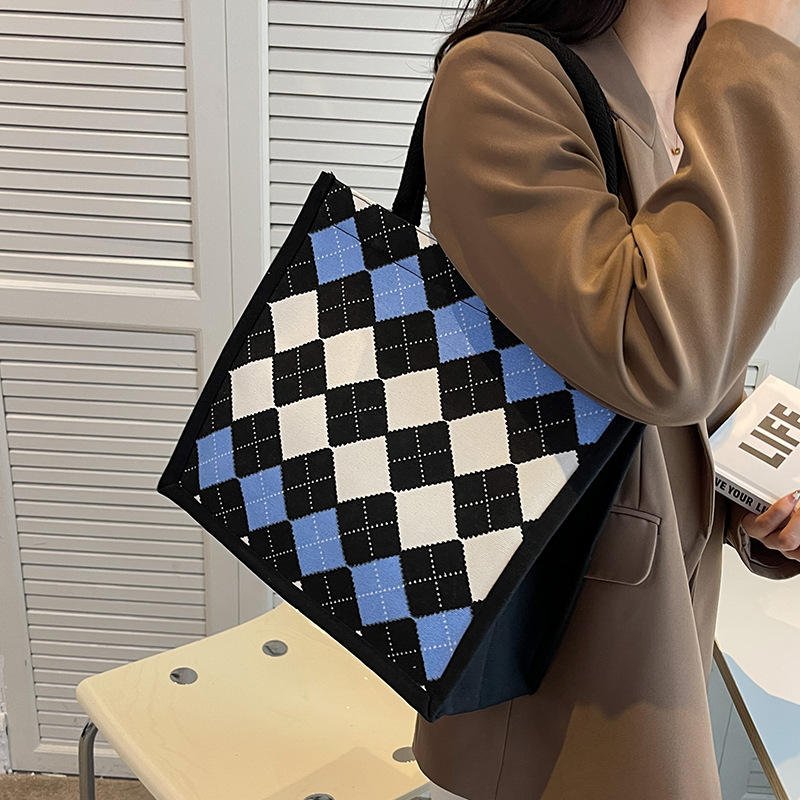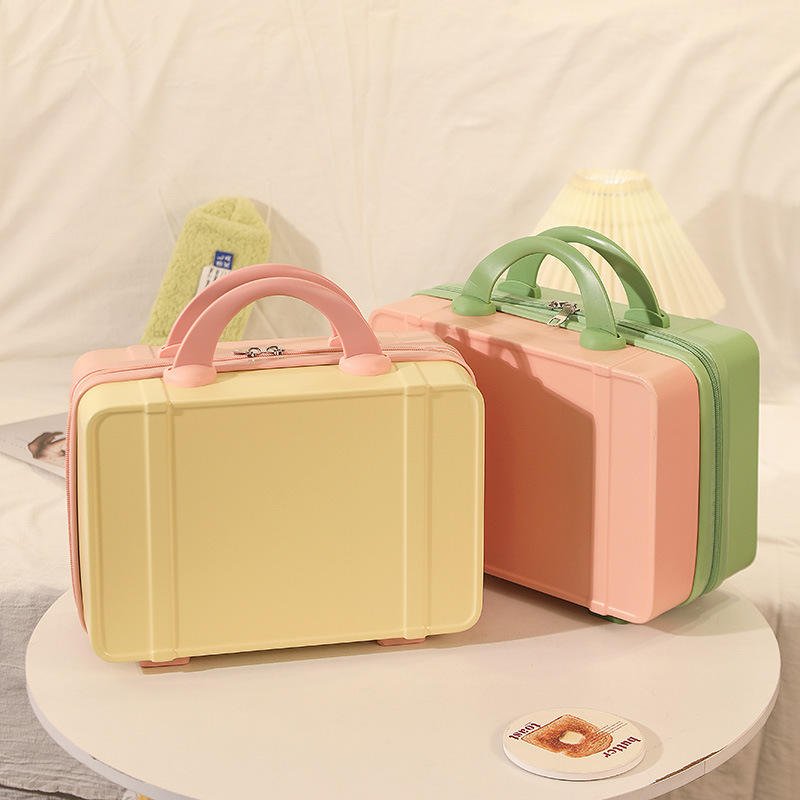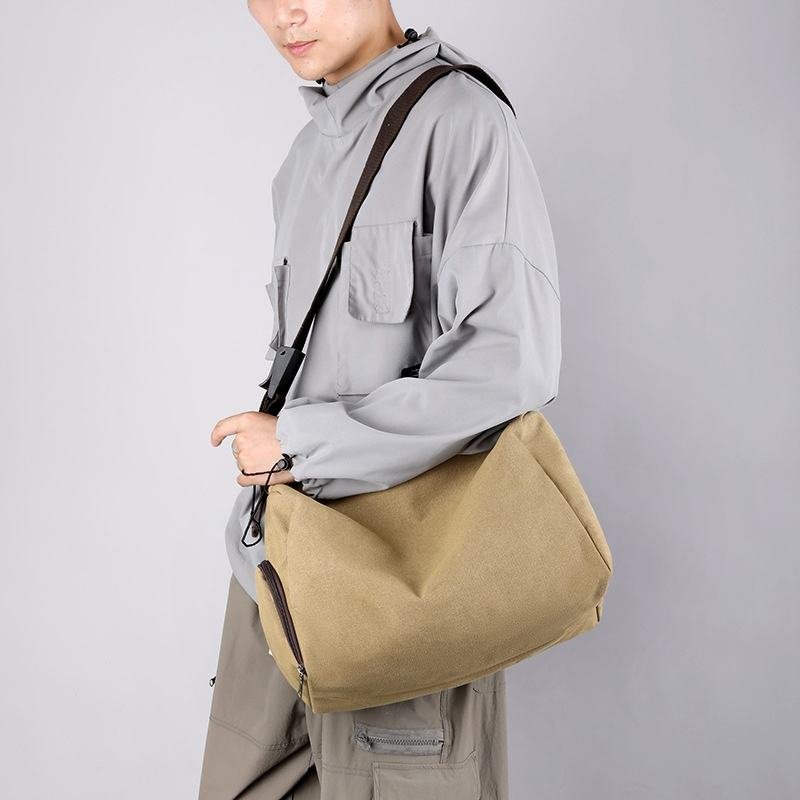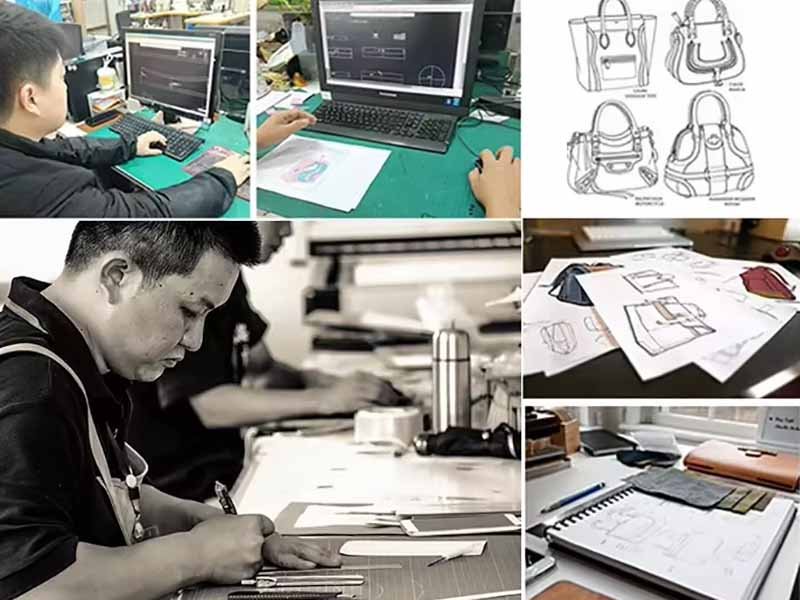
Custom bag sampling is where a product idea stops being a picture on a screen and becomes something your team can touch, test, adjust, and approve. For brands, retailers, importers, Amazon sellers, Shopify brands, promotional companies, and product development teams, this stage is not just a formality. It is the bridge between a concept and a production-ready custom bag. A good sample can reveal whether the size feels right, whether the handle is strong enough, whether the logo looks premium, whether the zipper runs smoothly, whether the material matches the target price, and whether the manufacturer really understands your product.
Custom bag sampling works by turning your design brief, reference sample, tech pack, sketch, or idea into a physical approval sample through design review, material selection, pattern making, sample sewing, internal checking, buyer review, revisions, final approval, and production preparation. The approved sample then becomes the reference standard for bulk production, quality control, packaging, and future reorders.
The expensive part of custom bag manufacturing is not always the sample fee. It is the risk of producing hundreds or thousands of units based on an unclear design. A tote bag with the wrong fabric stiffness, a cosmetic bag with a weak zipper, or a cooler bag with poor insulation can damage customer reviews faster than any discount can repair. That is why experienced buyers do not treat sampling as a delay. They treat it as the moment when the product becomes real, measurable, and controllable.
What Is Custom Bag Sampling?
Custom bag sampling is the process of turning a design idea, reference photo, tech pack, or physical sample into a real prototype before bulk production. It helps buyers confirm size, material, structure, logo, sewing quality, hardware, packaging, and production feasibility before placing a larger order.
What a Sample Really Proves
A custom bag sample is not just a “preview piece.” It is the first physical test of whether the product can be made, used, repeated, and sold as intended. For a buyer, it answers practical questions that a drawing or quotation cannot fully answer: Does the bag hold its shape? Does the handle feel comfortable? Is the zipper smooth? Is the logo visible enough? Does the fabric match the brand image? Can the structure be produced consistently in bulk?
In real bag manufacturing, small details often decide whether a product feels professional or cheap. A tote bag can look simple, but the fabric weight, handle drop, seam strength, bottom gusset, logo position, and folding method all affect the final result. A cosmetic bag may only be 20 cm wide, but if the zipper opening is too narrow or the lining wrinkles badly, the user experience will suffer. A backpack may look correct from the front, but if the shoulder straps are not reinforced well, it will fail during daily use.
A good sample brings all these details into the open before production begins. It gives the buyer and manufacturer one shared reference, reducing confusion and guesswork.
Sample, Prototype, and PP Sample
In daily sourcing conversations, buyers often hear different terms: prototype, first sample, revised sample, approval sample, golden sample, sealed sample, and pre-production sample. They are related, but they are not always the same thing.
A prototype usually tests the basic idea or structure. A first sample shows the first full version of the bag. A revised sample reflects buyer feedback. An approval sample is the version the buyer agrees to move forward with. A pre-production sample, often called a PP sample, is usually made before bulk production using confirmed bulk materials and accessories.
For simple items such as canvas tote bags, drawstring bags, basic pouches, and promotional bags, one sample round may be enough if the buyer’s brief is clear. For backpacks, cooler bags, tool bags, leather goods, waterproof bags, EVA cases, or multi-compartment travel bags, more than one sample round is common because there are more construction risks.
| Sample Type | Main Purpose | Common Use Case | Buyer Focus |
|---|---|---|---|
| Rough Prototype | Test basic shape and structure | New idea, early product development | Size, capacity, function |
| First Sample | Show the first full version | Most custom bag projects | Material, logo, shape, sewing |
| Revised Sample | Apply buyer feedback | Projects with changes after first review | Corrections and improvements |
| Approval Sample | Confirm final design direction | Before order confirmation or production prep | Final appearance and function |
| PP Sample | Confirm production readiness | Larger or stricter bulk orders | Bulk material, production consistency |
| Sealed Sample | Serve as production reference | During QC and repeat orders | Sample-to-bulk comparison |
Who Uses Custom Bag Sampling
Custom bag sampling is mainly used by brands, retailers, importers, wholesalers, Amazon sellers, Shopify brands, promotional companies, travel brands, beauty brands, outdoor brands, pet brands, tool brands, and companies developing private label products.
A buyer who only wants an existing stock bag may not need a full sampling process. But once the product involves custom size, custom material, custom logo, special packaging, unique structure, brand colors, functional requirements, or long-term repeat production, sampling becomes important.
For example, a beauty brand developing a PU makeup pouch needs to confirm the surface texture, lining, zipper smoothness, logo method, and retail packaging. An outdoor brand developing a cooler bag needs to confirm insulation thickness, seam strength, carrying comfort, and lining quality. A corporate gift buyer may need to confirm logo clarity, color consistency, folding method, and carton packing.
Sampling is especially useful when the buyer needs confidence before ordering hundreds, thousands, or tens of thousands of units. It allows the buyer to test the product before turning it into inventory.
Why Sampling Is Different From Buying Stock Bags
Buying a stock bag is mostly about selecting an existing product. Custom sampling is about creating or adjusting a product for a specific brand, sales channel, user group, and price level.
With stock bags, the shape, fabric, zipper, color, sewing method, and packaging are already fixed. With custom bags, nearly every detail can affect cost and lead time. Changing from 300D polyester to 600D Oxford fabric changes the feel and durability. Switching from screen printing to embroidery changes cost and texture. Adding an inner pocket, thicker webbing, or a reinforced bottom changes sewing time. Changing the folding method may change carton size and shipping cost.
This is why a custom sample is more than a simple display item. It is a development checkpoint. It helps both sides decide whether the design is attractive, practical, affordable, and ready for production.
Why Is Sampling Needed Before Bulk Production?
Sampling is needed before bulk production because it reduces the risk of making the wrong product at scale. It helps buyers confirm the product’s appearance, material, structure, logo, function, packaging, and quality standard before investing in inventory, shipping, marketing, and sales.
Risk Control Before Money Is Committed
The most expensive mistake in custom bag production is not usually the sample fee. It is producing a large quantity based on unclear assumptions. If a bag is too small, the logo is poorly placed, the material feels cheap, or the zipper fails during use, the problem becomes expensive once bulk production is completed.
Sampling gives buyers a chance to find problems while they are still manageable. Changing a handle length on one sample is simple. Changing the handle length after 3,000 units have been sewn may require rework, delays, extra material, and difficult conversations about responsibility.
This is especially important for buyers selling through Amazon, Shopify, retail stores, distributors, promotional campaigns, or brand launches. A poor first batch can lead to bad reviews, delayed launch dates, customer complaints, and damaged brand trust. A good sample does not guarantee that every production problem disappears, but it gives both sides a clear standard to work from.
For serious B2B buyers, sampling is not a slow step. It is a control step. It helps the buyer spend money with more confidence.
Design Reality Check
A design can look perfect on a computer screen, but soft goods behave differently in real life. Fabric bends, stretches, wrinkles, folds, sags, and reacts to sewing tension. A bag is not a flat graphic. It has volume, stress points, seams, edges, curves, corners, pockets, linings, zippers, straps, and hardware.
Sampling allows the buyer to see how the design behaves physically. A tote bag may need a wider bottom gusset to stand better. A backpack may need thicker shoulder padding. A travel pouch may need a longer zipper opening. A cosmetic bag may need firmer material to hold its shape. A cooler bag may need a better closure to improve insulation performance.
Sometimes the sample proves the original idea is good. Sometimes it proves the idea needs adjustment. Both outcomes are useful. The purpose of sampling is not to protect the first design. The purpose is to create a better final product.
Cost and Quality Balance
Sampling also helps balance cost and quality. Many buyers want a product that looks premium, sells well, and remains cost-effective. The sample stage shows which parts are worth upgrading and which parts can be simplified without hurting the product.
For example, a brand may choose a higher-grade zipper because users touch it every day, but keep the inner lining simple to control cost. A promotional tote buyer may choose screen printing instead of embroidery because the order is price-sensitive. A travel brand may upgrade webbing and reinforcement because carrying strength matters more than small savings.
A sample makes these decisions visible. Instead of discussing quality in vague terms, the buyer can hold the product and decide whether the material, sewing, hardware, and packaging match the intended retail price or channel.
Production Consistency
Sampling is also needed because the approved sample becomes the reference for bulk production. Without a physical standard, different people may interpret the product differently. The buyer may imagine one quality level, the salesperson may explain another, the sample room may make one version, and the production line may follow a slightly different version.
A sealed sample helps prevent this. It gives the production team, QC team, packing team, and buyer one shared reference. During production, bulk goods can be compared against the approved sample for size, shape, color, logo position, stitching, hardware, and packaging.
This is especially important for repeat orders. If a buyer reorders the same product months later, the sealed sample and production records help maintain consistency. Without them, small differences can slowly appear across batches.
What Should Buyers Prepare Before Sampling?
Before sampling, buyers should prepare product photos, reference links, sketches, tech packs, logo files, target dimensions, material preferences, color requirements, quantity plan, packaging needs, target market, delivery country, and expected timeline. Clear information helps the manufacturer make a more accurate sample and avoid unnecessary revisions.
Basic Project Information
A factory cannot make an accurate sample from unclear information. If a buyer only says “I need a custom tote bag,” the manufacturer still needs to know the size, material, color, logo method, handle length, inner pocket, lining, quantity, packaging, target price, and delivery country.
The first step is to explain the product clearly. What type of bag is it? Who will use it? What will it carry? Where will it be sold? Is it for retail, Amazon, Shopify, corporate gifts, beauty products, travel, outdoor use, sports, pets, tools, or medical supplies? These details influence material choice, structure, sewing strength, packaging, and price.
A buyer does not always need a perfect tech pack at the beginning. Many successful custom bag projects start with reference photos, rough sketches, or a physical sample. But the more specific the information is, the better the first sample will be.
A clear brief saves time. It also shows the manufacturer that the buyer is serious, which usually leads to better communication, better project review, and more useful suggestions.
Design Files and Artwork
Logo and artwork files should be prepared early because branding often affects sampling time. Vector files such as AI, PDF, SVG, or EPS are usually better for custom logos because they keep edges clean and allow easier adjustment for printing, embroidery, woven labels, rubber patches, leather patches, metal plates, debossing, embossing, or heat transfer.
If the buyer only has a PNG or JPG logo, the factory may still review it, but low-resolution artwork can create problems. Small text may not print clearly. Embroidery may lose detail. A heat transfer logo may need simplified lines. A metal logo plate may require minimum thickness for production.
Buyers should also provide Pantone colors if brand color accuracy matters. Screen colors can vary between computers and phones, so relying only on screenshots is risky. If exact matching is important, physical color swatches or Pantone references are much more reliable.
Packaging artwork should also be shared early if the product needs hangtags, barcode labels, insert cards, FBA labels, retail boxes, or branded cartons.
| Buyer Preparation Item | Preferred Format | Practical Detail to Include | Why It Matters |
|---|---|---|---|
| Product Reference | Photos, links, physical sample | Front, back, side, inside, detail views | Reduces design guessing |
| Dimensions | cm or inches | Length, height, width, gusset, handle drop | Controls proportion and capacity |
| Logo File | AI, PDF, SVG, EPS | Size, color, placement, method | Improves branding accuracy |
| Material Direction | Swatch, fabric name, GSM if known | Canvas, Oxford, nylon, PU, neoprene, etc. | Helps match cost and feel |
| Quantity Plan | Estimated order quantity | 200, 500, 1,000, 5,000+ pcs | Affects MOQ, cost, and sourcing |
| Packaging Need | Photos, artwork, label rules | Polybag, hangtag, barcode, carton, FBA | Avoids late packing problems |
| Delivery Market | Country or region | USA, UK, EU, Australia, Middle East, etc. | Helps plan shipping and documents |
| Timeline | Target sample and launch date | Sample deadline, bulk deadline | Helps check feasibility early |
Material and Function Requirements
Material information is one of the most important parts of a sampling brief. Buyers do not always need to know the exact fabric code, but they should explain the expected look, hand feel, durability, and use case.
For example, a lifestyle tote may need cotton canvas with a natural texture. A school backpack may need polyester or Oxford fabric with better abrasion resistance. A lunch bag may need insulated lining. A wet bag may need a waterproof or water-resistant surface. A premium pouch may need PU, leather, or a cleaner lining finish. A sports bag may need strong webbing, reinforced stress points, and smooth zippers.
Function should also be explained clearly. Does the bag need to carry heavy items? Should it stand upright? Does it need to fold flat? Should it be washable? Should it fit a laptop, bottle, cosmetics, tools, medical supplies, pet items, or food containers? These answers help the factory recommend better materials and construction.
Without function details, the manufacturer may choose a material that looks right but performs poorly.
Quantity, Budget, and Timeline
Quantity and budget are sensitive topics, but they matter in sampling. A sample for a 200-piece trial order may require a different sourcing approach from a sample for a 20,000-piece retail program. If the quantity is small, ready-stock materials and standard accessories may be more practical. If the quantity is large, custom-dyed fabric, custom hardware, or special packaging may become more realistic.
Buyers do not always need to reveal their full budget, but they should give a realistic target range if price control is important. This helps the factory avoid suggesting materials or processes that do not fit the project.
Timeline should also be discussed early. Simple bag samples may often be completed faster than complex functional bags, but timing depends on material availability, logo process, pattern complexity, revision needs, and courier delivery. If a buyer has a fixed launch date, trade show, retail deadline, or seasonal campaign, the manufacturer should know from the beginning.
Good sampling depends on clear priorities. If speed is most important, use available materials and simple logo methods. If premium appearance is most important, allow more time for material matching and revisions.
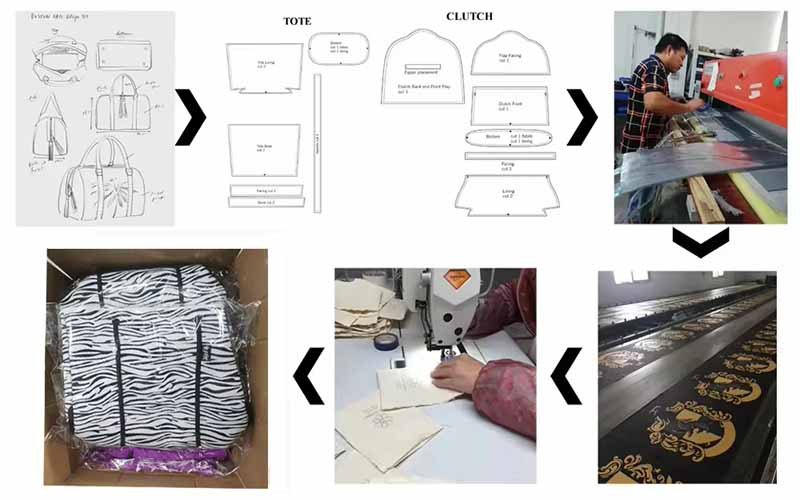
How Does the Sampling Process Work?
The sampling process usually includes project review, requirement confirmation, material selection, accessory matching, quotation, sample fee confirmation, pattern making, material cutting, logo testing, sample sewing, internal inspection, buyer review, revision, final approval, and production preparation.
Project Review
The sampling process starts with project review. The factory studies the buyer’s information and checks whether the design is clear, practical, and suitable for production. This includes reviewing product type, size, structure, materials, logo method, accessories, packaging, quantity, target price, and delivery timeline.
A strong project review does not simply ask, “Can we make it?” It asks better questions: Is the material available? Will the bag hold its shape? Is the logo method suitable for this surface? Does the structure require special sewing skills? Will the target price support the requested details? Can the product be repeated in bulk?
For example, a buyer may request a large embroidered logo on a soft curved pocket. The factory may suggest changing the logo method or moving the logo to a flatter panel. A buyer may want waterproof performance, but the original construction may only support water resistance. These points should be discussed before the sample is made.
A professional review prevents wasted sample time and reduces costly revisions.
Material and Accessory Matching
After the design review, the factory matches materials and accessories. This may include outer fabric, lining, foam, webbing, zipper tape, sliders, pullers, buckles, D-rings, snaps, binding tape, thread, labels, logo patches, hangtags, polybags, and cartons.
Material matching is often more complicated than buyers expect. The same “black polyester” can come in many weights, textures, coatings, and price levels. Canvas can feel soft, firm, washed, natural, or heavy. PU can look flat, pebbled, smooth, glossy, or matte. Neoprene can vary in thickness and stretch. Zippers can vary in size, tooth type, slider quality, and puller design.
If exact material is not available, the factory may suggest alternatives. The buyer should review these options based on appearance, function, cost, MOQ, and lead time. Choosing materials is not only a design decision. It is also a production and sourcing decision.
Pattern Making and Sample Sewing
Pattern making turns the bag design into actual cutting pieces. It controls the shape, size, seam allowance, pocket position, zipper curve, lining fit, handle placement, and sewing route. For soft goods, pattern accuracy has a big influence on final appearance.
Once the pattern is ready, the sample maker cuts the material and sews the first sample. Sample sewing is slower than bulk sewing because the sample maker is testing and solving construction issues. During this stage, the maker may discover that a seam is too bulky, a zipper curve is too tight, a pocket opening is not comfortable, or a handle needs stronger reinforcement.
For simple products, sampling may be straightforward. For structured bags, backpacks, cooler bags, travel bags, tool bags, or leather goods, pattern making and sewing may require more adjustment. The first sample often teaches both the factory and the buyer what should be improved.
| Product Type | Common Sample Complexity | Typical Sample Focus | Common Sampling Time Range |
|---|---|---|---|
| Basic Tote Bag | Low | Fabric, handle, logo, seam finish | 5–10 working days |
| Drawstring Bag | Low | Size, cord, fabric weight, logo | 5–10 working days |
| Cosmetic Pouch | Medium | Shape, zipper, lining, logo, structure | 7–14 working days |
| Cooler/Lunch Bag | Medium to High | Insulation, lining, closure, handle strength | 10–18 working days |
| Backpack | High | Pattern, straps, compartments, load points | 12–25 working days |
| Leather/PU Bag | Medium to High | Material texture, edge, hardware, logo | 10–25 working days |
| Waterproof/Dry Bag | High | Material, seam method, closure, function | 12–25+ working days |
| EVA Case | High | Mold/shape, zipper, lining, protection | 15–30+ working days |
Internal Check and Buyer Review
Before the sample is shipped, the factory should inspect it internally. The check should include dimensions, material, color, logo position, stitching, zipper function, hardware, lining, pocket layout, handle strength, shape, cleanliness, and packaging.
Photos and videos can be useful before shipping the sample, especially for international buyers. A short video showing zipper movement, bag shape, internal structure, logo details, and carrying function can help buyers catch obvious issues early.
After receiving the sample, the buyer should test it in real use. Put products inside it. Carry it. Open and close it. Compare it with reference products. Check whether the packaging matches the sales channel. The buyer’s feedback then becomes the basis for revision or approval.
A good sampling process is not finished when the sample is sent. It is finished when the product standard is clear enough for production.
Which Details Should Buyers Check?
Buyers should check size, material, color, structure, logo, stitching, zipper, hardware, lining, reinforcement, function, packaging, and overall appearance. The sample should be reviewed as a future production standard, not just as a visual preview.
Size and Proportion
Size should be checked with real measurements, not only by eye. Buyers should measure length, height, width, gusset, handle drop, shoulder strap length, pocket size, zipper opening, and internal compartments. Soft bags may have small measurement tolerances because fabric can stretch, fold, or compress, but the acceptable range should be discussed before bulk production.
A small size mistake can affect real use. A laptop sleeve that is 1 cm too small may not fit the device. A cosmetic bag that is too narrow may be hard to open. A tote bag with a short handle drop may not sit comfortably on the shoulder. A cooler bag with the wrong internal height may not fit lunch containers or bottles.
Proportion also matters. A bag may technically meet the measurements but still look awkward if the gusset, handle length, pocket placement, or logo scale is not balanced. Buyers should review both numbers and appearance.
Material, Color, and Hand Feel
Material should be checked for weight, texture, stiffness, coating, lining, color, odor, and suitability for the target use. A fabric that looks good in a supplier photo may feel too thin in person. A PU material may look premium under studio lighting but feel too stiff when folded. A lining may wrinkle more than expected. A color may appear different under natural light, office light, and camera light.
Buyers should compare the sample with the intended market level. A corporate gift bag, outdoor product, retail beauty pouch, and premium travel accessory do not need the same material standard. The right material is not always the most expensive one. It is the one that fits the product’s function, price point, user expectation, and brand image.
If color accuracy is important, Pantone references or approved swatches should be used. Phone photos alone are not reliable for final color approval.
Logo, Sewing, and Hardware
Logo details should be checked carefully because they affect brand perception immediately. Buyers should review logo size, position, color, alignment, clarity, texture, and durability. A logo can be screen printed, embroidered, heat transferred, woven, debossed, embossed, made into a rubber patch, leather patch, metal plate, or custom puller. The best method depends on material, budget, order quantity, and brand style.
Sewing should be checked at stress points: handles, shoulder straps, zipper ends, bottom corners, side seams, binding, and pocket openings. Loose threads, skipped stitches, uneven seams, weak reinforcement, or messy binding can make the product feel unreliable.
Hardware should also match the product level. Zippers should run smoothly. Buckles should feel secure. D-rings and sliders should not feel weak. Metal finishes should look consistent. Plastic hardware should not feel brittle or oversized.
| Checkpoint | What to Review | Practical Range or Standard to Discuss | Common Risk |
|---|---|---|---|
| Main Dimensions | Length, height, width, gusset | Tolerance often discussed around ±0.5–1.5 cm depending on product | Wrong capacity or poor fit |
| Handle Drop | Hand carry or shoulder carry comfort | Tote shoulder drop often needs about 22–28 cm | Uncomfortable carrying |
| Stitching | Straightness, density, reinforcement | Many bags use roughly 6–10 stitches per inch depending on material | Weak seams or messy look |
| Zipper | Size, smoothness, puller, end finish | No.3, No.5, No.8, No.10 are common by bag type | Snagging or weak opening |
| Logo | Placement, size, color, clarity | Position should be measured from fixed edges | Crooked or off-brand look |
| Webbing | Width, thickness, strength, color | Common widths include 2.5 cm, 3.2 cm, 3.8 cm, 5 cm | Weak or cheap-looking straps |
| Packaging | Fold, label, carton, barcode | Confirm before bulk packing starts | Creasing, relabeling, FBA delays |
Function and Packaging
A bag should be tested in the way the final customer will use it. A travel bag should be loaded. A backpack should be worn. A cosmetic pouch should be opened and filled. A cooler bag should be checked for lining, insulation, and closure. A beach bag should be checked for volume, handle comfort, and cleaning needs. A tool bag should be checked for pocket strength and bottom reinforcement.
Packaging should also be reviewed during sampling. Buyers should check whether the folding method affects shape, whether the polybag size is correct, whether the hangtag looks suitable, whether barcodes are positioned correctly, and whether carton packing supports the sales channel.
For Amazon or e-commerce buyers, packaging mistakes can create delays even if the bag itself is good. For retail buyers, poor packaging can reduce shelf appeal. For premium brands, packaging is part of the product experience, not an afterthought.
How Do Sample Revisions Work?
Sample revisions work by collecting buyer feedback, identifying what must change, confirming whether the change affects cost or lead time, updating the pattern, material, logo, structure, or packaging, and making a revised sample or final approval sample before production begins.
Clear Feedback
Good revisions depend on clear feedback. A buyer should avoid vague comments like “make it better” or “the shape feels wrong.” These comments may be true, but they do not give the sample room enough information.
Useful feedback is specific and measurable. For example: “Increase the front pocket height by 2 cm,” “Move the logo 15 mm upward,” “Change the zipper tape from white to black,” “Use 3.8 cm webbing instead of 2.5 cm,” or “Make the bottom gusset 2 cm wider.”
Marked-up photos are very helpful. Buyers can circle the problem area, add arrows, write measurements, and show comparison references. If multiple people on the buyer’s team review the sample, they should collect comments internally first and send one organized revision list. This prevents mixed instructions.
Feedback should also separate must-have changes from optional preferences. This helps the factory protect timeline and cost.
Common Revision Types
Most sample revisions fall into several categories: size change, material change, logo adjustment, structure change, sewing improvement, hardware replacement, and packaging update.
Size changes may require pattern updates. Material changes may affect cost, MOQ, lead time, and product shape. Logo changes may require new artwork, new printing screens, new embroidery files, or new patch samples. Structure changes, such as adding pockets or changing the zipper route, can affect sewing time and unit price. Hardware changes may require sourcing new zippers, buckles, pullers, snaps, D-rings, or metal plates.
Not all revisions are equal. Changing thread color is usually simple. Changing the entire bag shape is not. Adding an inner pocket may seem small, but it can require pattern changes, extra sewing operations, and new cost calculation.
A professional revision process should explain these impacts clearly before the next sample is made.
How Many Revisions Are Reasonable
The number of revisions depends on product complexity and how clear the original brief was. A simple tote bag, drawstring bag, or basic pouch may only need one sample round if the buyer already knows the material, size, and logo method. A complex backpack, cooler bag, leather product, waterproof bag, or EVA case may require more than one round.
The goal is not to revise forever. Each sample round should move the product closer to approval. Endless changes can increase sample costs, delay launch dates, confuse production documents, and make the final standard unstable.
A good rule is to review each sample carefully and submit complete feedback at one time. Changing direction after every sample wastes time. If a buyer is still unsure about material, logo, or structure, it may be better to request material swatches, logo tests, or partial mockups before making another full sample.
When to Approve
A final sample should be approved only when the key details are clear: size, material, color, structure, logo, stitching, hardware, function, packaging, and quality level. Approval should not be based only on a general feeling that the sample “looks okay.”
Before approving, the buyer should ask: If the bulk goods match this sample within agreed tolerance, will we accept them? If the answer is yes, the sample is ready to become the production standard. If the answer is no, the remaining issues should be fixed first.
Once a sample is approved, changes become more expensive because bulk materials may be ordered, cutting may begin, and the production line may be arranged. This is why final approval should be careful, written, and connected to production records.
The approved sample should then be sealed, documented, and used for QC during bulk production.
How Does Sampling Lead to Bulk Production?
Sampling leads to bulk production by turning the approved sample into a production standard. The manufacturer locks materials, accessories, pattern, logo, packaging, and QC requirements, then uses the approved sample as the reference for bulk sewing, inspection, packing, and future reorders.
Sealed Sample
Once the sample is approved, it should be sealed as the production reference. This sealed sample is sometimes called the golden sample or approval sample. It is used by the factory and buyer to compare bulk goods against the agreed standard.
A sealed sample should not only sit on a shelf. It should be connected to photos, measurements, material details, color references, logo specifications, hardware details, sewing notes, packaging rules, and revision history. For important projects, the buyer may keep one sample while the factory keeps another.
The sealed sample helps prevent subjective arguments later. Instead of saying “the bulk goods feel different,” both sides can compare the goods with the approved reference. This makes quality discussion more practical and less emotional.
For repeat orders, the sealed sample is also valuable. It helps maintain consistency when the same product is produced again after several months.
BOM and Production Files
Before bulk production, the BOM should be locked. BOM means bill of materials. It lists the components used in the bag, including outer material, lining, foam, webbing, zipper, slider, puller, buckle, D-ring, binding tape, thread, label, logo process, packaging material, and carton requirements.
The final pattern should also be confirmed. Pattern files control panel size, seam allowance, pocket placement, zipper route, lining fit, and construction method. If the pattern changes after sample approval, the product may no longer match the approved sample.
Logo files should include size, position, color, technique, and placement reference. Packaging files should include folding method, polybag size, hangtag, barcode, FBA label if needed, carton mark, and quantity per carton.
These documents turn the physical sample into a repeatable production system. Without them, a good sample may not lead to consistent bulk goods.
| Production Item | What Must Be Locked | Why It Matters |
|---|---|---|
| Sealed Sample | Final approved physical sample | Main reference for bulk comparison |
| BOM | Materials, lining, zipper, hardware, labels, packaging | Prevents silent component changes |
| Pattern | Final panels, seam allowance, pocket positions | Controls shape and size consistency |
| Logo Spec | Size, placement, color, method | Protects brand consistency |
| Sewing Standard | Stitching, reinforcement, binding, stress points | Controls strength and appearance |
| Packaging Spec | Folding, polybag, barcode, carton, FBA labels | Prevents packing and delivery problems |
| QC Checklist | Dimensions, function, appearance, quantity, packaging | Supports inspection and acceptance |
| Revision Record | What changed and why | Helps future reorders stay consistent |
Bulk Production Control
Bulk production should follow the approved sample and production files. The process usually includes material preparation, accessory checking, cutting, logo application, sewing, semi-finished inspection, final inspection, packing, and shipment preparation.
QC should not wait until the end. If fabric color is wrong, it should be caught before cutting. If zippers are not smooth, they should be checked before sewing. If logo placement is wrong, it should be corrected before hundreds of panels are processed. If stitching problems appear on the line, they should be fixed before final packing.
For custom bags, special attention should be given to stress points. Handles, shoulder straps, zipper ends, bottom corners, pocket openings, and side seams often carry the most pressure. These areas should match the approved construction method.
The production team should also understand which details are critical to the buyer. A promotional bag may prioritize logo clarity and cost control. A retail travel bag may prioritize zipper quality, shape, and packaging. A medical bag may prioritize compartments, labeling, and cleanliness.
Buyer’s Next Step
After sample approval, the buyer should confirm the purchase order, quantity, color breakdown, packaging requirements, shipping method, delivery address, and any inspection requirements. If the order has multiple SKUs, each SKU should have its own approved sample or confirmed specification.
Buyers should also confirm whether they need production photos, in-line inspection updates, final inspection reports, carton marks, barcode labels, FBA preparation, or DDP delivery. These details should be discussed before packing, not after the goods are ready.
The best custom bag projects move step by step: clear brief, sample development, sample review, revision, approval, sealed sample, production file confirmation, bulk production, QC, packing, and shipment. When each step is controlled, the final result is more predictable.
A strong sampling process does not just create a better sample. It creates a smoother path to bulk production, fewer surprises, and a product that is closer to what the buyer actually wants to sell.
Custom bag sampling is where better products begin. If you are developing tote bags, backpacks, cosmetic bags, cooler bags, lunch bags, travel bags, duffle bags, gym bags, beach bags, leather goods, neoprene products, waterproof bags, tool bags, medical bags, EVA protective cases, or other custom soft goods, a well-managed sample process can help you reduce development risk before committing to bulk production.
Szoneier supports global brands, retailers, importers, wholesalers, Amazon sellers, Shopify brands, promotional companies, and B2B buyers with custom bag development, material sourcing, sample making, sample revision, bulk production, quality inspection, packaging, and export delivery.
To start a custom bag sample, send your product photo, sketch, tech pack, logo file, target quantity, material direction, packaging needs, and delivery country. The Szoneier team can review your project and help turn your idea into a sample-ready and production-ready custom bag.