
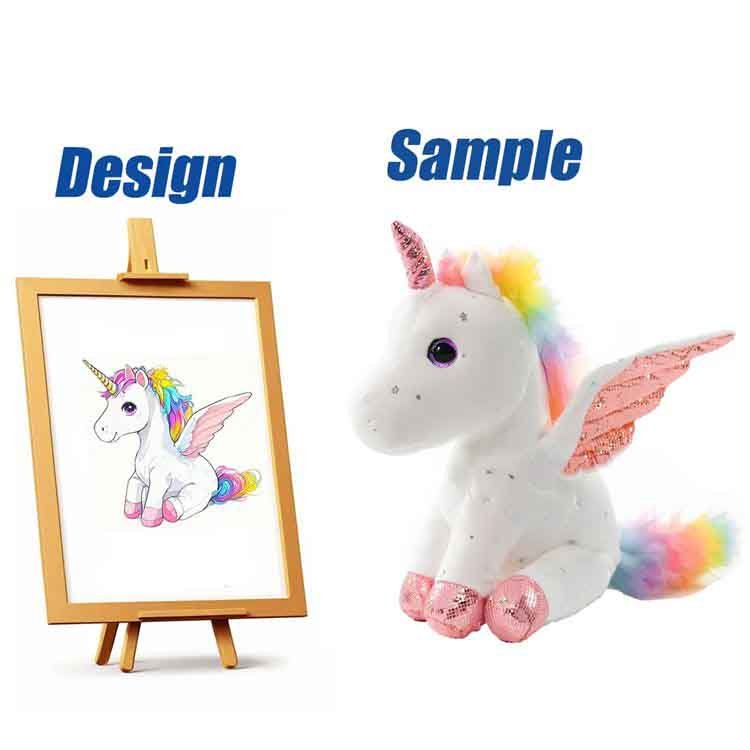
Imagine walking into a child’s room and seeing a teddy bear wearing a tiny hoodie embroidered with their name — or unboxing a plush mascot shaped exactly like your brand’s logo. It’s soft, it’s sentimental, and it’s uniquely yours. That’s the power of the personalized stuffed toy — where craftsmanship meets emotion and where ordinary plush turns into unforgettable keepsakes.
A personalized stuffed toy is a custom-designed plush made to reflect a specific person, character, or brand identity. Through custom embroidery, colors, logos, or shapes, it transforms from a simple toy into a meaningful gift, promotional product, or collectible.
In a world increasingly driven by individuality and emotional connection, personalization has become the new standard of luxury. People no longer just buy products — they seek experiences that reflect who they are. And few products capture that intimacy quite like a plush toy designed specifically for them.
From corporate mascots that build brand loyalty to one-of-a-kind gifts that spark tears of joy, the market for personalized plush toys has exploded across continents — fueled by e-commerce, social media, and creative consumers who want to tell their story through design.
At Szoneier, with over 18 years of expertise in plush toy design, R&D, and manufacturing, we’ve seen this transformation firsthand. What began as simple soft toys has evolved into a dynamic category blending material science, artistry, and emotion. In this guide, we’ll uncover how personalized stuffed toys are conceptualized, prototyped, and produced — and how your brand can turn a sketch, a name, or even a dream into a tangible, huggable reality.
What Is a Personalized Stuffed Toy and Who Is It For?
A personalized stuffed toy is a custom-designed plush product tailored with unique features such as embroidered names, logos, shapes, or fabrics to match a specific person, brand, or purpose. These toys serve multiple audiences — from children and gift buyers to corporate brands and content creators — offering emotional connection, marketing value, and collectible appeal.
The Meaning Behind “Personalized Stuffed Toy”
At its core, a personalized stuffed toy transforms a universal childhood object into something personal, emotional, and distinct. While traditional plush toys are mass-produced, personalized ones are designed with individual identity in mind — a name, a face, a color theme, or a story.
Personalization can take many forms:
- Name embroidery: The most common type — names, dates, or messages stitched onto the toy’s chest, paws, or clothing.
- Logo or branding: Corporate mascots or event souvenirs carrying printed or embroidered logos.
- Character replication: Turning an illustration, brand mascot, or game avatar into a 3D plush version.
- Photographic printing: Digital printing techniques reproduce a pet’s face, child’s drawing, or brand art directly on fabric.
- Accessory or clothing customization: Adding miniature T-shirts, ribbons, hats, or scarves bearing messages or logos.
- Sound or scent modules: Voice-recording chips or scent-infused plush to add emotional depth.
Unlike off-the-shelf toys, personalized plush carries a purpose — it represents a bond, a moment, or a message. Whether it’s a bear gifted on a birthday, a school mascot sold in campus stores, or a limited-edition collectible tied to an influencer’s brand, each piece is designed to resonate with someone specific.
Why Personalized Plush Has Become a Global Trend
The personalized plush trend didn’t appear overnight. It’s the result of several long-term consumer and business shifts:
- Emotional consumerism: In a world of disposable goods, buyers seek emotional meaning. A custom plush with a name or message transforms an ordinary gift into something memorable.
- Digital culture & fandom: From YouTubers to K-pop idols, fans love tangible memorabilia. Personalized plush offers creators a way to extend their identity into something physical and collectible.
- Brand storytelling: Companies now use mascots and plush merchandise to strengthen emotional connection. A custom plush logo character can turn a brand into something customers literally hold onto.
- E-commerce personalization tech: Online configurators and on-demand manufacturing allow individual buyers to order customized plush without minimums.
- Sustainability & longevity: Personalized items tend to be kept longer, reducing waste and creating lasting value compared to mass-produced toys.
According to Statista’s 2024 Toy Industry Report, over 61% of millennial and Gen Z consumers said they are more likely to buy a customized product if it reflects their identity or values. Personalized plush toys perfectly align with this “emotional ownership” mindset.
Different Categories of Personalized Stuffed Toys
A) Personalized Gift Plush
These are classic toys — teddy bears, bunnies, or dogs — that carry embroidered names, special dates, or event messages.
- Occasions: Birthdays, weddings, anniversaries, graduations, baby showers.
- Typical sizes: 15–35 cm; compact enough for personal gifting.
- Customization: Names, ribbons, T-shirts, and mini messages.
Example: “Happy 1st Birthday, Liam!” stitched onto a bear’s paw.
B) Brand Mascot Plush
Used by companies, schools, and organizations as marketing tools or collectible items.
- Purpose: Brand identity, giveaways, or retail merchandise.
- Customization: Logo embroidery, color matching, packaging with brand message.
- MOQ: Usually higher (500–2,000 pcs), but Szoneier offers smaller runs for boutique brands.
Example: A hotel chain offering a plush of its penguin mascot wearing a branded scarf.
C) Creator & Influencer Merchandise
Content creators and artists commission plush replicas of their animated characters or digital avatars.
- Purpose: Brand monetization and fan engagement.
- Customization: Full design control — shape, color, facial expression, accessories.
- Trend: Especially strong on platforms like Etsy, Kickstarter, and YouTube merch stores.
Example: A gaming streamer turning their on-screen pet dragon into a limited-edition plush for fans.
D) Memory & Pet Plush
A fast-growing segment where personal images (of pets, children’s drawings, or memorial keepsakes) are turned into plush toys.
- Techniques: Digital printing, photo appliqué, or cut-and-sew silhouette replication.
- Audience: Gift buyers, memorial customers, sentimental collectors.
- Emotional value: Extremely high, as it recreates real memories in tactile form.
Example: A photo of a family dog transformed into a 3D plush with matching fur color and embroidered collar tag.
The Emotional and Commercial Value of Personalization
Personalized stuffed toys bridge two worlds — emotion and enterprise. For consumers, they are a gift of meaning. For brands, they are a tool of retention.
| Perspective | Value Delivered | Example |
|---|---|---|
| Emotional | Strengthens personal connection | A plush bear with a child’s name creates emotional attachment |
| Social | Encourages gifting and sharing | Custom plush unboxing videos generate user engagement |
| Marketing | Enhances brand recall | Mascot plush becomes a brand’s emotional ambassador |
| Economic | Justifies higher price point | Custom plush often sells for 1.5–2× standard retail plush |
Who Are Personalized Plush Toys For?
A) For Individuals and Families
Parents, partners, and gift-givers looking for meaningful keepsakes choose personalized plush for emotional occasions — newborns, weddings, holidays, or memorial gifts. These buyers focus on sentiment and quality, not bulk pricing.
B) For Brands and Businesses
Companies use custom plush as promotional merchandise, loyalty rewards, or mascots. Personalized plush humanizes a brand — it’s tactile, friendly, and memorable. Brands in hospitality, retail, food, and education increasingly use bespoke plush mascots to represent their story.
Example: A coffee brand commissions plush “coffee bean” mascots for seasonal campaigns — each with different embroidered names representing flavor variants.
C) For Designers, Influencers, and Startups
Emerging creators leverage personalized plush as part of limited-edition drops or crowdfunded product lines. The ability to translate 2D art into 3D plush — supported by experienced OEM factories like Szoneier — helps small creators build global fanbases without needing massive production facilities.
Szoneier offers low MOQs (as low as 100 pcs) and design consultation, making it easier for creative entrepreneurs to bring unique plush characters to market.
D) For Educational and Therapeutic Use
Personalized plush is also used in therapy and learning environments. A plush character representing a child’s likeness can help with anxiety reduction or communication in therapy sessions. Schools and hospitals increasingly order customized “comfort plush” to support wellness programs.
Which Types of Personalized Stuffed Toys Are Popular?
Popular personalized stuffed toys fall into key categories such as custom animal plush (with name embroidery), brand-mascot plush for corporate or creator use, photo-to-plush keepsakes (pet or human likeness), oversized decorative pillows, and eco-friendly sustainable plush. These types reflect consumer demand for emotional value, brand identity, collectibility and conscious materials.
Here we explore several of the most significant and growing types of personalized stuffed toys — what they are, why people buy them, and how they affect manufacturing decisions for a factory like Szoneier.
1. Custom Animal Plush (The Timeless Favorite)
Still the heart of the personalized plush market, custom animal plush includes teddy bears, rabbits, dogs, cats, pandas, and other familiar creatures — but reimagined through personalization.
Common Features
- Embroidered or printed names, dates, or short messages
- Optional mini clothes or ribbons in custom colors
- Detachable accessories like hats, scarves, or T-shirts
- Often paired with custom packaging (gift boxes or organza bags)
Target Audience
- Gift buyers (birthdays, Valentine’s Day, baby showers, anniversaries)
- Retail brands launching “made-for-you” collections
- Corporate events seeking emotional giveaways
Typical Specifications
| Parameter | Typical Range |
|---|---|
| Size | 20–35 cm (handheld gift size) |
| Fabric | Velboa, short plush, or faux fur |
| Filling | PP cotton or recycled polyester fiber |
| MOQ | 100–500 pcs depending on personalization variant |
| Personalization | Embroidery, name tags, color selection |
2. Brand Mascot / Corporate Plush (For Businesses & Creators)
Mascot plush represents a brand’s identity in soft form — whether it’s a company character, sports team mascot, or a cartoon avatar from a creator brand.
Common Features
- Fully customized body shape and pattern
- Logo embroidery, woven labels, or printed tags
- Optional uniforms or props representing the brand (e.g., chef hat for restaurant brand, T-shirt for app mascot)
- Branded packaging or gift box with company design
Target Audience
- Corporate brands (hospitality, retail, education, events)
- YouTubers / influencers creating merch lines
- Theme parks, museums, and franchises
Typical Specifications
| Parameter | Typical Range |
|---|---|
| Size | 25–50 cm (retail or display size) |
| Fabric | Velboa, fleece, or custom-printed fabric |
| Filling | PP cotton, with reinforced seams |
| MOQ | 500–2,000 pcs (Szoneier can support 200–300 pcs) |
| Personalization | Logo embroidery, packaging, uniforms |
3. Photo-to-Plush Keepsakes (Emotional Custom Replicas)
This rapidly expanding category focuses on turning a photo, drawing, or pet image into a one-of-a-kind plush toy — ideal for sentimental or memorial use.
Common Features
- Printed or embroidered face likeness of pet or person
- Customized color-matched fabric selection
- Optional replica accessories (pet collar, glasses, outfit)
- Personalized message tags or voice recording module
Target Audience
- Gift buyers (memorial or anniversary gifts)
- Pet owners
- Parents converting children’s drawings into plush
- Creative studios offering custom art-to-plush services
Typical Specifications
| Parameter | Typical Range |
|---|---|
| Size | 15–40 cm |
| Fabric | Minky, velboa, custom printed fabrics |
| Filling | PP cotton or bead mix |
| MOQ | 1–100 pcs (high personalization) |
| Personalization | Color print, embroidery, 3D form replication |
4. Oversized Decorative Plush & Pillows (For Lifestyle Use)
This type merges home décor, gifting, and comfort — large, huggable plush that doubles as interior art or sofa cushions.
Common Features
- Extra-large body (50 cm–150 cm)
- Custom shapes (animals, logos, emoji, fruit, etc.)
- Optional text embroidery or logo print
- Filled with lightweight PP cotton or foam for support
Target Audience
- Home décor buyers
- Gift retailers & e-commerce shops
- Lifestyle brands (K-pop, kawaii, cozy aesthetic)
Typical Specifications
| Parameter | Typical Range |
|---|---|
| Size | 50 cm–1.5 m+ |
| Fabric | Plush, fleece, spandex, microfiber |
| Filling | PP cotton (350–500 g for medium size) |
| MOQ | 200–500 pcs |
| Personalization | Shape, embroidery, color, printing |
5. Eco-Friendly / Sustainable Personalized Plush
Modern consumers, especially Gen Z and millennials, increasingly demand eco-friendly plush toys made from sustainable materials — without sacrificing softness or beauty.
Common Features
- Recycled polyester or RPET outer fabrics
- Organic cotton or bamboo fiber stuffing
- Low-impact dyes and water-saving printing methods
- Biodegradable packaging or hang tags printed on recycled paper
- Personalized with name embroidery or eco-themed messages
Target Audience
- Eco-conscious brands and retailers
- Sustainable lifestyle influencers
- Boutique toy and baby brands
Typical Specifications
| Parameter | Typical Range |
|---|---|
| Size | 20–45 cm |
| Fabric | RPET plush, organic cotton, bamboo fiber |
| Filling | Recycled PP or bio-based fiber |
| MOQ | 300–800 pcs |
| Personalization | Eco label, embroidery, tagline printing |
6. Collectible & Limited-Edition Plush (For Fans and Communities)
This category serves influencers, fandoms, and collectors who value exclusivity. Each plush might be numbered, themed, or seasonally released.
Common Features
- Unique serial number or edition tag
- Premium fabrics (short velvet, faux fur, suede)
- High-fidelity printing or embroidery
- Custom box, certificate, or QR authenticity code
- Often co-branded with influencers or artists
Target Audience
- Pop culture collectors
- Influencer fanbases
- Limited-edition retail drops
Typical Specifications
| Parameter | Typical Range |
|---|---|
| Size | 20–35 cm |
| Fabric | Velvet, faux fur, minky |
| Filling | PP cotton, bean mix |
| MOQ | 100–300 pcs |
| Personalization | Numbering, signatures, accessories |
Popular Types of Personalized Stuffed Toys
| Type | Primary Buyer | Personalization | MOQ | Common Fabric | Typical Size | Market Position |
|---|---|---|---|---|---|---|
| Custom Animal Plush | Gift buyers, families | Name embroidery | 100–500 pcs | Velboa, faux fur | 20–35 cm | Mid-range retail |
| Brand Mascot Plush | Corporates, creators | Logo, uniform | 300–2000 pcs | Velboa, fleece | 25–50 cm | Marketing / Branding |
| Photo-to-Plush | Pet owners, gift buyers | Image/shape replication | 1–100 pcs | Minky, printed | 15–40 cm | Premium / Emotional |
| Oversized Decorative Plush | Lifestyle, home décor | Shape, embroidery | 200–500 pcs | Plush, microfiber | 50 cm–1.5 m | Premium décor |
| Eco-Friendly Plush | Sustainable brands | Name + eco tags | 300–800 pcs | RPET, cotton | 20–45 cm | Ethical / Luxury |
| Limited-Edition Plush | Collectors, influencers | Numbered, signed | 100–300 pcs | Velvet, faux fur | 20–35 cm | Luxury collectible |
How Is a Personalized Stuffed Toy Designed from Idea to Prototype?
Designing a personalized stuffed toy involves concept development, technical drawing, material selection, pattern making, sample creation, and client approval. Each step transforms an idea or sketch into a tangible plush prototype that meets brand, aesthetic, and safety standards before mass production begins.
Creating a personalized stuffed toy isn’t just about sewing fabric together — it’s a collaboration between imagination and engineering. From a child’s drawing or a brand mascot sketch to the soft, huggable toy sitting on a shelf, each plush goes through a precise series of creative and technical stages. Below, we break down this journey step by step, showing how factories like Szoneier, with over 18 years of R&D experience, transform custom ideas into perfect plush prototypes ready for mass production.
1. Concept Development – From Idea to Vision
The process begins when a buyer — whether a brand, retailer, or designer — shares their initial concept. This could be as simple as a hand sketch, a 2D character design, a photo of a pet, or even a rough idea with reference images.
Information Typically Provided by the Buyer:
- Character sketch or reference photo
- Target size (height and width in cm/inches)
- Intended use (gift, retail, mascot, collectible)
- Fabric and color preferences (Pantone code or sample reference)
- Type of personalization (name embroidery, logo, accessories)
- Quantity estimate and target budget
Szoneier Insight:
For professional clients, we recommend providing a “Tech Pack” — a single document that lists specifications (size, material, filling, personalization details, logo placement, and packaging). This minimizes back-and-forth revisions and helps align costs early.
2. Digital Visualization – From Sketch to 2D & 3D Design
Once the concept is defined, the design team translates it into visual form using 2D flat drawings and 3D rendering software.
Design Tools and Methods:
- 2D design drawings: Outline the toy’s front, side, and back views.
- 3D digital mock-ups: Show shape, proportions, and stitching placement.
- Color mapping: Simulates final look using digital Pantone-matched palettes.
- Logo & embroidery zones: Marked clearly for precision placement.
Why It’s Important:
2D drawings define structure, while 3D renders help both the client and the production team visualize the plush in real-world proportions.
Example Workflow:
| Step | Output | Purpose |
|---|---|---|
| Sketch → 2D Drawing | Flat vector diagram | Confirms outline & structure |
| 2D Drawing → 3D Render | 3D visual prototype | Shows real proportions & depth |
| Render → Color Map | Pantone-coded layout | Matches brand colors |
| Render → Material List | Fabric & texture mapping | Ensures tactile match |
3. Material & Component Selection
After design approval, the factory identifies suitable materials that bring the concept to life — focusing on texture, durability, and safety.
Key Material Decisions Include:
- Outer fabric: Velboa, minky, short plush, faux fur, organic cotton, or RPET.
- Inner filling: PP cotton, microbeads, foam, or recycled fiberfill.
- Details: Plastic or embroidered eyes, nose, mouth stitching, ribbons, or accessories.
- Safety requirements: EN-71 or ASTM F963 compliance.
Matching Materials to Market:
| Target Market | Recommended Fabric | Filling | Certification Focus |
|---|---|---|---|
| Kids / Baby Toys | Organic cotton, velboa | PP cotton (soft) | EN-71, CE |
| Corporate Gifts | Short plush, velvet | PP cotton | Color accuracy |
| Collectibles | Faux fur, minky | Recycled polyester | Durability |
| Pet Plush | Reinforced canvas, fleece | Foam / beads | Tear resistance |
4. Pattern Making – Engineering the Plush Form
Pattern making is the step where art meets geometry. Each part of the plush — head, limbs, torso, ears — is drawn as a flat pattern, allowing fabric panels to be cut and stitched into a 3D shape.
Process Overview:
- 2D patterns drafted based on 3D render measurements.
- Each panel includes seam allowance, grain direction, and markings for embroidery zones.
- Patterns transferred onto paper or directly laser-cut from digital templates.
- Mock assembly (using scrap fabric) tests proportion and symmetry.
Tools Used:
- CAD cutting software for precision
- Manual tracing for artisan-level adjustments
- Laser cutting for consistency in high-volume orders
Common Patterning Tips:
- Plush fabric has stretch — pattern must compensate.
- Round shapes (heads, torsos) need multi-panel symmetry.
- Personalization areas (embroidery zones) must stay flat for machine stability.
5. Sample Creation – The First Physical Prototype
Now comes the exciting part: the first sample, or prototype, is created. This single unit embodies all design, material, and pattern decisions for review.
Steps in Sample Development:
- Cutting & assembly of fabric panels using selected materials.
- Embroidery or printing of names, logos, or face details.
- Stuffing and shaping to achieve ideal softness.
- Accessory attachment (ribbons, clothes, tags).
- Internal quality check — symmetry, sewing strength, and color accuracy.
Prototype Review Checklist:
| Feature | Evaluation Focus |
|---|---|
| Shape & size | Matches design specs |
| Color & texture | Accurate to sample or Pantone code |
| Embroidery / print | Clear, centered, consistent |
| Stuffing & softness | Even distribution, no lumps |
| Seams & safety | Secure stitching, no exposed threads |
| Accessories | Firmly attached, safe for intended age group |
6. Cost Estimation & Adjustment
At this point, production costs are finalized. Each customization affects the cost:
| Component | Cost Impact | Notes |
|---|---|---|
| Fabric type | +10–20% | Faux fur & eco-fabrics cost more than velboa |
| Embroidery area | +5–15% | More stitches = higher cost |
| Size increase | +20–40% | Larger plush = higher filling & labor |
| Packaging | +10% | Custom boxes add premium look |
| MOQ reduction | +10–25% | Smaller runs increase per-unit cost |
Factory Tip:
If you plan to sell online or via boutique stores, balancing premium materials with efficient size range (20–30 cm) is key — this offers maximum visual impact with manageable shipping and cost.
7. Quality, Safety & Final Adjustments
Before moving into mass production, the prototype undergoes testing to ensure durability, compliance, and safety.
Testing Includes:
- Seam pull test (strength and resistance)
- Color fastness test (washing or rubbing)
- Stuffing density control
- Needle and metal detection (for export compliance)
- Chemical safety (EN-71, ASTM F963, REACH when applicable)
Any detected issues (e.g., uneven shape, weak seams, mismatched embroidery) are corrected before full production begins.
8. Sample-to-Prototype Timeline
| Stage | Process | Timeframe |
|---|---|---|
| Concept & Design | 2D/3D visuals & revisions | 3–5 working days |
| Material Sourcing | Fabric & color confirmation | 2–4 days |
| Pattern Making | CAD drafting & laser cutting | 2–3 days |
| Sample Sewing | Assembly & embroidery | 5–7 days |
| Review & Revision | Adjustments & client feedback | 3–5 days |
| Final Prototype Approval | Golden sample confirmed | 1–2 days |
Average Total: 15–20 days for full design-to-sample process.
How Are Personalized Stuffed Toys Manufactured at Scale?
Mass production of personalized stuffed toys follows a structured process — including material inspection, cutting, embroidery or printing, sewing, stuffing, quality inspection, and packaging. Each stage requires precision and consistency to replicate the approved prototype while managing personalization variants, safety compliance, and delivery timelines.
Below, we’ll go step-by-step through how Szoneier’s manufacturing system handles custom, small-batch, and high-volume personalized plush production, all while ensuring quality, compliance, and creative precision.
1. Material Procurement & Inspection
The first phase begins with material preparation. Since personalized plush often involves varied fabrics, colors, and embroidery, meticulous material control is essential.
Processes Involved
- Fabric inspection: Each fabric roll (velboa, minky, faux fur, etc.) is checked for defects, color consistency, and pile direction.
- Filling verification: PP cotton or recycled polyester filling is weighed, fluffed, and tested for cleanliness.
- Accessory validation: Buttons, ribbons, clothing, tags, and sound modules are inspected for safety and accuracy.
- Color matching: Fabric color must match the approved Pantone or swatch sample within ±5% tolerance.
Quality Control Steps
| Material Type | Inspection Focus | Frequency |
|---|---|---|
| Plush fabric | Pile uniformity, color, stretch | Every roll |
| Filling | Cleanliness, fiber length | Every batch |
| Embroidery thread | Colorfastness | Each color lot |
| Accessories | Size, shape, safety | Random sample 5% per batch |
2. Digital Cutting & Pre-Processing
After material approval, the next step is fabric cutting. For plush, the cut precision directly affects shape and consistency — especially when manufacturing thousands of toys.
Cutting Process
- CAD-based layout planning: Fabric layouts are optimized to minimize waste.
- Laser or die-cutting: Ensures clean, precise edges and uniformity across batches.
- Directional cutting: Plush fabrics have a nap (pile direction) — all pieces are cut in the same direction to maintain consistent texture and shine.
- Batch labeling: Each piece is labeled by SKU, color variant, and personalization type (e.g., name group “Emma” batch vs. “Noah” batch).
Tools Used
- Automated laser cutters for large runs.
- Manual die-cut machines for smaller custom batches.
- CAD nesting software for material optimization (reduces waste by up to 12%).
3. Embroidery, Printing & Personalization Stage
This is where personalization comes to life — names, logos, messages, and characters are applied to the fabric before sewing.
Techniques Used
- Embroidery: Names or designs stitched directly onto plush parts (chest, paw, ear, or clothing).
- Heat transfer printing: Logos or images printed with heat and pressure on specific panels.
- Digital sublimation: Used for photo-to-plush or custom art patterns.
- Appliqué & patching: Layered designs stitched onto body panels for 3D look.
Personalization QC Checklist
| Step | Key Checkpoint | Description |
|---|---|---|
| Thread density | 300–600 stitches/inch | Avoid loose embroidery |
| Font consistency | Within 0.5mm deviation | Ensures uniformity |
| Print alignment | ±2mm tolerance | Prevents visual offset |
| Color accuracy | Pantone match | Ensures brand consistency |
4. Sewing & Assembly
Once personalized components are ready, they move to the assembly line — where plush panels are sewn together inside-out, forming the toy’s body.
Key Steps in Assembly
- Panel grouping: Each toy’s parts (head, torso, limbs, ears) are matched by batch number.
- Inside-out stitching: Pieces sewn with hidden seams for durability and aesthetic.
- Stress-point reinforcement: Double-stitched at high-tension zones (neck, arms, legs).
- Eye/nose attachment: Securely fastened before closure for child-safe compliance.
- Body closure preparation: A small opening is left for later stuffing.
Sewing Equipment
- Flatbed and cylinder-bed sewing machines
- Overlock stitchers for durability
- Specialized “fur control” foot plates for thick plush
Common Tolerances
| Metric | Acceptable Range |
|---|---|
| Stitch per inch (SPI) | 10–12 |
| Seam alignment deviation | ≤ 3 mm |
| Thread color variance | ± 1 shade |
5. Stuffing & Shaping
Stuffing determines the plush toy’s shape, softness, and feel — arguably the most tactile quality customers notice.
Stuffing Materials
- Standard PP cotton (polyfill): Soft and bouncy, most common.
- Recycled polyester fiberfill: Sustainable alternative.
- Bean pellets / foam balls: Used for weight or flexibility.
- Memory foam stuffing: Premium option for luxury plush cushions.
Stuffing Process
- Filling injection: Fiber is blown into the plush through a pneumatic machine.
- Hand shaping: Workers manually adjust corners, head, and limbs for symmetry.
- Softness testing: Plush must retain form without stiffness.
- Closure stitching: The fill hole is hand-sewn closed using invisible stitching.
Quality Metrics
| Parameter | Target |
|---|---|
| Fill weight tolerance | ± 3–5% |
| Shape retention | 95% after compression test |
| Surface smoothness | No visible lumps or voids |
6. Grooming, Finishing & Accessory Assembly
Once stuffed, each plush undergoes finishing work to perfect its look and feel. This is where the toy gains its polished, ready-for-sale appearance.
Common Finishing Steps
- Surface brushing: Removes stray fibers and aligns plush nap.
- Trimming: Scissors or shears used for excess thread removal.
- Clothing or ribbon dressing: Adding personalized garments, scarves, or hats.
- Hang tag and label attachment: Brand logo, compliance label, or name tag.
- Final grooming: Air-blown cleaning to remove dust.
7. Multi-Stage Quality Control (QC)
At this point, QC is not a one-time step but a continuous system integrated throughout production.
Three Levels of QC
- In-line inspection: Conducted during embroidery, sewing, and stuffing (catch defects early).
- Post-assembly inspection: Checks color, seam, and personalization accuracy.
- Pre-shipment inspection: Random sample verification (AQL 1.5 standard).
Inspection Criteria
| Category | Quality Check | Tolerance |
|---|---|---|
| Embroidery | No spelling errors, thread tightness | 0 tolerance |
| Sewing | Seam strength ≥ 20N | AQL 0.65 |
| Filling | No uneven lumps | AQL 1.5 |
| Label | Correct SKU/name | 100% check |
| Packaging | Clean, undamaged | 100% check |
8. Packaging & Branding
Packaging transforms a plush toy from a product into a gift. Szoneier offers several packaging formats depending on brand style and logistics needs.
Packaging Options
- Polybag with barcode – standard for wholesale or Amazon FBA.
- Custom printed gift box – for boutique or retail sale.
- Drawstring bag – eco-friendly packaging option.
- Window box / PVC showcase box – for collector plush.
Brand Add-Ons
- Custom hang tags or QR-coded cards for authenticity.
- Thank-you message inserts for e-commerce brands.
- Holographic stickers for limited-edition collections.
9. Compliance & Safety Testing
Before shipment, each order (especially toys for children) must meet international safety standards.
Common Tests
- EN-71 (Europe) – Mechanical, flammability, chemical migration.
- ASTM F963 (USA) – Small parts and toxicity.
- REACH / CPSIA – Heavy metal and chemical compliance.
- Needle detection – Ensures no metal residue after sewing.
- Drop test & pull test – Ensures eyes, seams, and accessories withstand normal use.
Documentation Provided
- Material test reports
- Batch-level QC checklist
- Factory compliance certificates (ISO9001, SEDEX, etc.)
10. Shipping & Logistics
The final stage involves preparing the plush toys for global shipment.
Logistics Options
- FOB / CIF / DDP shipping terms depending on client preference.
- Carton stacking optimization (to prevent compression).
- Vacuum packing for oversized plush (reduces volume up to 50%).
- Overseas warehouse delivery (U.S., Canada, EU, UK, Australia).
Lead Time Guide
| Order Size | Sampling | Production | Total Delivery |
|---|---|---|---|
| 100–300 pcs | 10–15 days | 25–30 days | ~40 days |
| 500–2000 pcs | 10–15 days | 30–40 days | ~45–55 days |
| 5000+ pcs | 10–20 days | 45–60 days | ~60–75 days |
11. Continuous Improvement & After-Sales Support
Even after shipment, Szoneier collects feedback from brands to refine patterns, packaging, or materials for next production runs. This builds a long-term partnership rather than a one-time order.
Post-Production Support Includes:
- Reorder and version tracking (for personalized series)
- Packaging redesign for seasonal campaigns
- Material updates (e.g., new eco fabrics)
- Prototype adjustments based on sales feedback
Do Materials, Safety & Sustainability Matter for Custom Plush?
Yes — the materials, safety standards, and sustainability practices behind custom plush toys determine product quality, durability, and market trust. Certified fabrics, safe fillings, and eco-friendly production not only protect consumers (especially children) but also enhance brand reputation and meet growing global demand for responsible manufacturing.
1. Material Selection
Material choice defines a toy’s texture, softness, safety, and durability. Different plush categories demand different materials, depending on the buyer’s goals — from premium luxury feel to eco-friendly appeal.
Primary Material Types Used in Plush Manufacturing
| Material Type | Description | Softness | Durability | Typical Use |
|---|---|---|---|---|
| Velboa | Short-pile synthetic plush (commonly used for mass plush production) | ★★★★☆ | ★★★★☆ | Teddy bears, mascot plush |
| Minky | Ultra-soft microfibre plush with silky touch | ★★★★★ | ★★★★☆ | Baby toys, luxury plush |
| Faux Fur | Long-pile synthetic plush that mimics animal fur | ★★★★★ | ★★★★☆ | Animal replicas, decorative plush |
| Fleece | Warm, stretchy synthetic knit fabric | ★★★☆☆ | ★★★★☆ | Pet plush, pillows |
| Organic Cotton | Natural fibre grown without pesticides | ★★★★☆ | ★★★☆☆ | Baby toys, eco collections |
| RPET (Recycled Polyester) | Recycled plastic bottles spun into plush fibre | ★★★★☆ | ★★★★★ | Sustainable plush lines |
Each of these fabrics offers different cost implications, touch profiles, and compliance standards.
2. Safety Compliance
Safety is non-negotiable in plush manufacturing. Every plush toy that targets international markets must meet strict safety regulations to ensure it is child-safe, chemical-free, and mechanically durable.
Common International Safety Standards
| Region | Standard | Main Focus | Description |
|---|---|---|---|
| Europe | EN 71 Parts 1–3 | Physical, flammability, chemical | Tests sharp edges, flammability, heavy metals, color fastness |
| USA | ASTM F963 / CPSIA | Small parts, chemical limits | Regulates choking hazards, lead, and phthalates |
| Canada | CCPSA | Toxicological safety | Ensures safe limits for dyes and finishes |
| Japan | ST 2016 | Chemical migration | Similar to EU EN 71 |
| Global | ISO 8124 | Harmonized international standard | Applies to mechanical and physical testing |
Core Safety Checks During Production
- Mechanical Safety: Ensures that seams, limbs, and accessories (eyes, buttons) do not detach.
- Chemical Safety: Tests materials for lead, cadmium, phthalates, and other restricted substances.
- Flammability: Confirms plush fabric does not easily ignite or spread flame.
- Cleanliness of Fillings: Verifies that stuffing is free from harmful bacteria or contaminants.
- Metal Detection: Every plush passes through a needle detector to ensure no broken needles remain after sewing.
3. Sustainability – The Future of Plush Manufacturing
Sustainability isn’t a passing trend; it’s the new standard. Both consumers and regulators are pushing for transparency in sourcing, eco-materials, and recycling practices.
Key Sustainable Practices in Plush Manufacturing
| Sustainability Aspect | Description | Buyer Benefit |
|---|---|---|
| Recycled Materials | RPET fabrics and fillings made from recycled plastic bottles | Reduces environmental footprint |
| Organic Materials | Certified cotton or bamboo fibres | Chemical-free, ideal for baby toys |
| Low-VOC Dyes | Water-based or pigment dyes | Safe for sensitive skin |
| Eco-Packaging | Recyclable paper or drawstring bags | Enhances brand image |
| Production Efficiency | Laser cutting & optimized layouts | Reduces fabric waste by 10–15% |
Example: Eco-Friendly Personalized Plush at Szoneier
- Outer Fabric: Recycled PET plush (made from used bottles)
- Filling: 100% recycled polyester fibre
- Embroidery Thread: Organic cotton thread (OEKO-TEX® certified)
- Packaging: Recyclable kraft paper box with soy-based ink
- Personalization: “Made from 5 recycled bottles” embroidered tag
This type of eco story transforms a soft toy into a conversation piece, reinforcing a brand’s values.
4. Balancing Performance, Cost & Responsibility
Choosing materials isn’t just about compliance — it’s about aligning brand identity, user safety, and environmental ethics.
Comparison Table – Material vs Sustainability vs Cost
| Material | Eco Level | Safety Compliance | Durability | Cost Index (1–5) | Common Usage |
|---|---|---|---|---|---|
| Velboa (standard plush) | ★★☆☆☆ | Excellent | High | 1 | Standard plush toys |
| Minky | ★★★☆☆ | Excellent | High | 2 | Premium plush / baby toys |
| Faux Fur | ★★★☆☆ | Good | High | 3 | Animal replicas |
| Organic Cotton | ★★★★☆ | Excellent | Medium | 4 | Eco & baby plush |
| RPET Plush | ★★★★★ | Excellent | High | 3 | Sustainable plush |
| Bamboo Fibre | ★★★★★ | Excellent | Medium | 4 | Eco luxury plush |
| Recycled Fillings | ★★★★★ | Excellent | Medium | 2 | Sustainable interiors |
(Cost Index: 1 = Low, 5 = High)
5. Safety and Sustainability as Marketing Power
Modern consumers are information-driven. Transparency about materials, safety tests, and eco-sourcing enhances customer trust and can be leveraged for marketing.
Brand Advantages of Certified Plush
- Stronger retail and export credibility
- Meets retailer demands (Amazon, Walmart, EU importers)
- Eligible for eco-certification marketing (GRS, OEKO-TEX®, ISO14001)
- Improves long-term brand loyalty
How to Choose the Right Factory for Personalized Stuffed Toys?
Choosing the right plush toy factory involves evaluating its experience, design and sampling capabilities, material certifications, safety compliance, communication transparency, and ability to handle small personalized batches. The best partner offers both creativity and engineering — delivering quality, reliability, and full OEM/ODM support from concept to shipment.
Here’s how to evaluate, compare, and select the right production partner for your personalized stuffed toy project.
1. Evaluate Factory Experience & Production Capacity
Key Considerations
- Years in operation: Experience translates into smoother project handling. Factories with over 10 years in plush manufacturing (like Szoneier) already have streamlined workflows and technical expertise.
- Product specialization: Choose a factory that focuses on plush toys rather than producing a broad range of unrelated goods.
- Production scale: Ask about the number of sewing lines, embroidery machines, and daily output capacity — this determines scalability and delivery reliability.
- Market familiarity: Factories experienced with exports to the EU, U.S., and Japan understand testing, labeling, and compliance standards.
Example Comparison Table
| Factory Type | Strength | Limitation | Ideal For |
|---|---|---|---|
| Small workshop (<50 workers) | Flexible, low MOQ | Limited QC & safety documentation | Artisans, small creators |
| Medium-scale factory (50–200 workers) | Balanced capacity & personalization | Moderate automation | Boutique brands |
| Large integrated factory (200+ workers) | Full OEM system, in-house testing | Higher MOQs for efficiency | Established brands, bulk buyers |
2. Check Design & Sampling Capabilities
A good plush manufacturer isn’t just a sewing factory — it’s a design partner. Personalized plush projects often begin as sketches, photos, or vague concepts, requiring skilled designers to transform them into manufacturable prototypes.
Ask These Questions:
- Does the factory have an in-house design and sampling team?
- Can they create 2D drawings and 3D CAD models for new designs?
- How many sample iterations are included before final approval?
- What is the average sampling lead time (ideally under 14 days)?
- Do they provide high-resolution photos/videos for remote approvals?
What to Expect from a Professional Factory
- Creative input: Designers who can optimize structure and balance cost vs. detail.
- Material recommendations: Suggestions on the best plush fabric and filling for your concept.
- Pattern expertise: CAD-based patterning for precise, repeatable results.
- Fast sampling: Within 7–14 working days after concept confirmation.
3. Review Certifications, Compliance & Quality Assurance
For international buyers, certification isn’t optional — it’s your brand protection shield. Without proper compliance, your products can be rejected at customs or flagged by retailers.
Certifications to Look For
- Factory Certifications: ISO9001 (Quality Management), ISO14001 (Environmental Management), SEDEX/BSCI (Ethical Audits)
- Material Certifications: OEKO-TEX® Standard 100, REACH, EN71, ASTM, CPSIA
- Testing Partnerships: Collaboration with third-party labs (SGS, Intertek, BV)
Essential Factory QA Systems
- Incoming Quality Control (IQC): Materials tested for color fastness, toxins, and consistency.
- In-Process QC: Each production stage inspected — embroidery, stitching, filling, and finishing.
- Final Quality Control (FQC): Random batch testing (AQL 1.5 standard).
- Needle Detection: Ensures safety in all plush for children.
Documentation to Request
- EN71 / ASTM / REACH test reports
- Fabric chemical analysis report
- Worker safety and ethical audit certification
- QC process photos or videos
4. Assess Communication, Transparency & Responsiveness
In personalized manufacturing, communication speed = efficiency. Misunderstandings in embroidery text, color codes, or packaging details can cost both time and money.
Communication Red Flags to Avoid
- Slow response time (over 24 hours delay repeatedly).
- Vague quotations without material or size details.
- No visual references or sample confirmations.
- Lack of clear production timeline and update system.
Good Factory Communication Practices
| Process Stage | What a Reliable Factory Provides |
|---|---|
| Sampling | Real-time photo/video updates |
| Production | Weekly progress reports |
| Quality Control | QC checklists & inspection photos |
| Shipping | Tracking details + logistics documents |
5. Evaluate Customization Range & MOQ Flexibility
One of the biggest challenges for small to mid-sized buyers is minimum order quantity (MOQ). Many large factories won’t accept small custom runs — but modern buyers often need personalized designs in small batches (e.g., 100–300 pcs).
Questions to Ask
- What’s the MOQ per design or color?
- Can they handle multi-name embroidery batches?
- Do they offer low MOQ sampling programs for market testing?
- Are there additional fees for personalization setup (e.g., embroidery digitizing)?
Factory Flexibility Levels
| Factory Type | MOQ Policy | Personalization Capability |
|---|---|---|
| Standard bulk factory | 1,000–3,000 pcs | Low |
| Flexible OEM factory | 300–500 pcs | Medium |
| Full ODM/Custom specialist (like Szoneier) | 100–300 pcs | High (multi-name, multi-color) |
6. Inspect Packaging, Branding & Export Support
Packaging is not just an afterthought — it’s a marketing asset. A good factory should help you extend your branding beyond the plush itself.
Ask the Factory:
- Can they design and produce custom boxes, hang tags, and polybags?
- Do they offer eco-friendly packaging (e.g., recycled paper or drawstring bags)?
- Can they handle Amazon FBA labeling or other e-commerce packaging standards?
- Are they experienced in FOB, CIF, and DDP shipping terms?
Value-Added Services to Look For
- In-house graphic team for tag and packaging design.
- Barcode printing, labeling, and QR code tracking.
- Overseas warehouse partnerships or drop-shipping capability.
- Export logistics management (customs clearance, carton optimization).
7. Check Testimonials, Reviews & Past Work
A reputable factory should be proud to show its portfolio and client feedback. Look for examples of past projects — particularly ones similar to your desired product type.
What to Request
- Portfolio of previous custom plush or mascot projects.
- Reference samples or client case studies.
- Video walkthrough of production floor or QC process.
- Testimonials from repeat buyers or long-term partners.
Signs of a Reliable Factory
- Transparency in showing production areas.
- Repeat collaborations with known brands.
- Responsive after-sales service for adjustments or reorders.
Final Thoughts
In a world where consumers crave uniqueness, connection and emotion, a personalized stuffed toy is more than a plush—it’s a story, an identity, a memory. For brands, creators or gift-buyers, custom plush toys offer a way to differentiate, engage and delight. And production should not be a barrier—it should be a creative advantage.
At Szoneier, we don’t just make plush toys—we partner with you to realise your vision. With over 18 years of experience in raw-material sourcing, plush design, sampling, production and packaging, we deliver personalized stuffed toys that look premium, feel delightful and align with your brand’s needs. Whether it’s a one-off limited edition, a small batch of unique name variants, or full scale retail production, we provide the expertise, flexibility and aesthetic you seek.
Ready to create your personalized stuffed toy collection?
manufacturer Categories
- Custom Tote Bags Manufacturer
- custom backpacks Manufacturer
- custom travel bags& Duffle bags manufacturer
- custom makeup bags & toiletry bags manufacturer
- custom cooler bags manufacturer
- custom drawstring bags manufacturer
- custom makeup bags & toiletry bags manufacturer
- custom golf bags manufacturer
- custom fireproof bags manufacturer
- custom dry bags manufacturer
- custom ski bags manufacturer
- custom gym & sports bags manufacturer
- custom laptop bags manufacturer
- custom tactical bags manufacturer
- custom beach bags manufacturer
- custom medical bags manufacturer
- custom camera bags manufacturer
- custom wetsuits manufacturer
- custom leather goods manufacturer
- more personalized products
Can't find the answers?
No worries, please contact us and we will answer all the questions you have during the whole process of bag customization.
Make A Sample First?
If you have your own artwork, logo design files, or just an idea,please provide details about your project requirements, including preferred fabric, color, and customization options,we’re excited to assist you in bringing your bespoke bag designs to life through our sample production process.
