 Skip to content
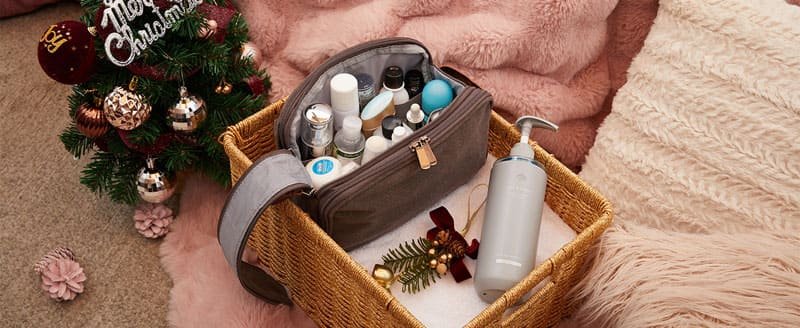
You can tell a lot about a person’s travel habits by looking inside their toiletry bag. Some are spotless and perfectly arranged; others look like survivors of a lotion explosion. Whether you’re a frequent flyer or a brand sourcing premium wash bags for clients, one truth remains constant—a toiletry bag is the most overworked and least cared-for item in your travel gear. It collects everything—spilled shampoo, soap residue, toothpaste foam, even traces of humidity from hotel bathrooms. Over time, these invisible layers can turn a stylish companion into a breeding ground for bacteria and odour.
To wash a toiletry bag correctly, you must first identify its material (fabric, vinyl, leather, or neoprene), remove all items, pre-treat stains, then wash gently—by hand or on a mild cycle—before fully air-drying in a shaded space. Following these simple but material-specific steps keeps your bag hygienic, odour-free, and ready for years of use.
But there’s a deeper story behind every clean toiletry bag—it’s not just about hygiene, but about trust and craftsmanship. Imagine a luxury brand’s customer unpacking a Szoneier-made custom wash bag: elegant stitching, durable lining, a logo that gleams under soft light. That first impression lasts only if the bag stays clean and functional after many trips. Knowing how to wash it correctly becomes part of its value. So, whether you’re maintaining your personal travel essential or advising clients on care instructions for OEM or private-label collections, the following guide will walk you through the right way to clean, protect, and preserve a toiletry bag that’s built to last.
What is a toiletry bag and why clean it?
A toiletry bag is a compact storage case designed to organize personal-care essentials such as shampoo, lotion, razors, and cosmetics during travel or daily use. Cleaning it regularly prevents bacterial buildup, odours, and material damage from product spills—helping maintain hygiene, extend lifespan, and protect your personal items.
Understanding the Purpose and Design of a Toiletry Bag
At its simplest, a toiletry bag—sometimes called a dopp kit or wash bag—is a small, portable container made to keep hygiene and grooming items organized. Yet the modern version has evolved far beyond the simple canvas pouches of the 20th century. Today’s toiletry bags integrate water-resistant coatings, antimicrobial linings, multi-compartment structures, and even heat-sealed zippers to meet the expectations of frequent travellers and brand buyers alike.
From a manufacturer’s perspective, such as at Szoneier, toiletry bags represent a fusion of functional engineering and brand identity. Each design must balance aesthetics, usability, and hygiene protection. Materials can range from high-density nylon and polyester fabrics to neoprene, TPU, vinyl, or leather—each offering different advantages for cleaning, water resistance, and durability.
Typical features include:
| Feature | Purpose | Material Example |
|---|---|---|
| Water-resistant lining | Prevent leaks from spreading | PVC, TPU film, PEVA |
| Multi-compartment design | Keeps wet & dry items separate | Nylon mesh pockets |
| Rigid or padded walls | Protect fragile items | EVA or neoprene foam |
| Hook or handle | Convenient hanging and transport | Polyester webbing |
| Reinforced seams & zippers | Improve durability | YKK / custom metal zipper |
These design details aren’t just functional—they dictate how the bag should be cleaned. A nylon bag with a TPU coating can handle mild soap and water; a leather-trimmed one may require spot cleaning and conditioning; and a custom neoprene model should never be machine-dried. Knowing the bag’s material structure is the foundation of proper care.
Why Cleaning a Toiletry Bag Matters More Than You Think
Cleaning a toiletry bag might seem optional—until you consider what’s inside. Most users store liquids, gels, and pastes: toothpaste, lotion, sunscreen, deodorant, foundation, mouthwash. These products often contain organic compounds (oils, fats, sugars) that act as a perfect nutrient source for bacteria and mould when spilled or left in humid environments.
A 2022 hygiene survey by Initial Hygiene found that the average travel toiletry bag can contain over 200,000 bacteria per square inch, including traces of E. coli and Staphylococcus. That’s higher than what’s found on a kitchen sink handle. Such contamination is especially concerning when the bag is handled daily and stored near toothbrushes or skincare products that touch the face.
Beyond health implications, unclean toiletry bags also deteriorate faster. Dried shampoo or lotion residue can weaken lining adhesives, corrode metal zippers, and discolour fabrics. Even premium-grade waterproof coatings like TPU can degrade if exposed repeatedly to acidic or alkaline residues. From a quality-assurance standpoint, regular cleaning isn’t merely “maintenance”—it’s part of preserving the product’s engineering integrity.
The Emotional and Professional Value of Cleanliness
From the user’s side, a clean toiletry bag represents order and readiness. It signals that your personal gear is as organized as your travel schedule. But for brands and manufacturers, cleanliness also ties directly to perceived value and customer satisfaction.
When Szoneier ships a custom toiletry bag—whether to a boutique hotel chain, a cosmetic brand, or an outdoor gear retailer—the product’s long-term performance reflects the company’s craftsmanship. A customer who opens their branded bag after several trips and still finds it odour-free, unstained, and structurally intact associates that reliability with the brand itself. Conversely, if the bag becomes sticky or develops a musty smell, even the best logo placement can’t rescue that impression.
When Should You Clean a Toiletry Bag?
The cleaning frequency depends on use intensity and environment:
| Usage Type | Recommended Cleaning Frequency | Reason |
|---|---|---|
| Occasional travel (once every few months) | Every 3–6 months | Prevents long-term residue build-up |
| Weekly commuters or gym users | Once a month | Frequent moisture exposure increases odour |
| Heavy travellers / professionals | After each long trip | Spills and pressure leaks more likely |
| Cosmetic or skincare storage | Weekly wipe-down | Prevents bacterial transfer to face products |
A good rule of thumb: whenever you smell something off or notice product residue, it’s time to clean. Never wait until stains become permanent—some polymers and dyes in cosmetic products can bond chemically with synthetic bag linings.
Which materials require different care?
Each toiletry bag material—fabric, vinyl, neoprene, or leather—requires its own cleaning method. Fabric bags can be hand- or machine-washed; vinyl and TPU bags should be wiped clean; neoprene needs gentle cold-water care; leather or coated canvas must be spot-cleaned and conditioned to preserve finish and structure.
Material Care Determines Durability and Brand Experience
Every toiletry bag’s material determines not just how it looks and feels—but how it should be maintained. Fabric composition, surface coatings, adhesives, and internal linings all respond differently to moisture, temperature, and chemical exposure. The wrong cleaning method can destroy a high-end bag faster than years of use.
From Szoneier’s perspective as a manufacturer serving both travel and luxury markets, understanding care compatibility is part of product engineering. Clients ordering custom private-label toiletry bags—from water-resistant nylon kits to eco-friendly neoprene models—must know how each fabric behaves under washing stress. The chart below summarizes the recommended care approach for each major category:
| Material Type | Recommended Cleaning Method | Water Resistance | Machine Wash Safe | Drying Method | Notes / Precautions |
|---|---|---|---|---|---|
| Polyester / Nylon | Hand or gentle machine wash with mild detergent | High (if coated) | Yes (low speed) | Air dry flat | Avoid heat or bleach |
| Canvas / Cotton | Hand wash; pre-treat stains | Moderate | Yes (cold water only) | Air dry | May shrink or fade |
| Vinyl / PVC / TPU | Wipe clean with mild soap & damp cloth | Waterproof | No | Air dry open | Avoid alcohol cleaners |
| Neoprene | Hand wash cold; mild soap | High (closed-cell foam) | No | Air dry flat | Avoid wringing or folding wet |
| Leather / Coated Canvas | Spot clean, condition regularly | Low–moderate | No | Shade dry | Avoid soaking or direct sun |
| Recycled / RPET Composite | Gentle hand wash; wipe surface | Moderate | Limited | Air dry | Check lamination quality |
1. Fabric, Nylon, and Polyester Toiletry Bags
These are the most common and travel-friendly types. They are lightweight, affordable, and often treated with PU or TPU coatings for water resistance. The inner linings may also include Oxford polyester or mesh.
Best Cleaning Method: Use lukewarm water with mild detergent. Hand-wash or machine-wash on a delicate cycle inside a laundry bag. Always close zippers to protect teeth and sliders. Avoid fabric softeners—many contain silicone oils that block breathability.
- Temperature control: Wash below 30 °C (86 °F) to prevent delamination of coatings.
- Drying: Air-dry flat or hang open; never use tumble-dryers.
- Common failure: Heat exposure causes TPU/PU coating to peel or bubble.
- Factory insight: Szoneier’s 600D and 900D Oxford series are pre-tested for 10+ wash cycles at 30 °C to ensure coating retention—ideal for clients seeking washable travel kits.
Tip: Add a “hand-wash only” care label for fabric blends that include printed or heat-transfer logos to prevent colour bleeding.
2. Canvas and Cotton Bags
Canvas toiletry bags appeal to eco-conscious or vintage-aesthetic markets. They’re durable but absorbent, which means stains penetrate deeper.
Best Cleaning Method: Hand-wash in cool water with a neutral pH soap. Use a soft brush for dirt or dried mud. Pre-treat oil stains with diluted dishwashing liquid before washing. Cotton fibers swell when wet; over-scrubbing can deform the weave. After washing, gently press out water using a towel—never twist. Expect slight shrinkage after the first wash unless the fabric was pre-shrunk.
If the canvas includes leather handles or trims, protect them from water exposure—wrap in plastic or wipe separately. From Szoneier’s custom projects, dual-material bags (canvas body + PU trim) should carry a double-symbol care tag (e.g., “Spot clean trims, hand-wash body”).
Tip: To preserve colour and prevent yellowing, add 2 tablespoons of white vinegar during rinsing—this neutralizes detergent residue naturally.
3. Vinyl, PVC, and TPU Bags
These materials dominate waterproof and clear cosmetic bag designs. They resist liquid but can trap heat, leading to deformation if improperly cleaned.
Best Cleaning Method: Wipe clean with a soft cloth dipped in warm soapy water (mild dish detergent). Rinse using a separate damp cloth. Never submerge or scrub aggressively.
- Avoid solvents (alcohol, acetone): they dull shine and crack surfaces.
- Drying: Pat dry and leave bag open to air out.
- Odour removal: If plastic odour persists, sprinkle baking soda inside, leave overnight, then wipe.
- Design consideration: Szoneier uses REACH-compliant PVC and TPU films rated for 70 °C stability, ensuring no toxic plasticizer release under typical washing conditions.
Tip: Do not fold the bag while damp—creases may become permanent after drying.
4. Neoprene Toiletry Bags
Neoprene—a synthetic rubber foam known for elasticity, cushioning, and waterproofing—is a Szoneier specialty. It’s increasingly popular for premium cosmetic pouches and travel kits due to its soft touch and shock absorption.
Best Cleaning Method: Hand-wash in cold water with mild soap. Gently knead or rub areas with stains. Rinse thoroughly and air dry flat away from direct sunlight. Neoprene is a closed-cell foam; while waterproof, its inner textile lamination can trap detergent residues. Avoid hot water, bleach, or alcohol cleaners—they destroy elasticity. Never wring out the material; compress it gently between towels.
Factory Insight: At Szoneier, neoprene fabric used in wash bags passes SGS colour-fastness tests and retains tensile strength even after five wash cycles under 25 °C water. This makes it ideal for custom, washable travel kits demanded by mid-to-high-end brands.
Tip: If neoprene develops odour, soak in a vinegar–water solution (1:10 ratio) for 15 minutes before rinsing.
5. Leather and Coated Canvas Bags
These are the luxury segment’s signature choices—visually refined but least tolerant to water. Full-grain leather, PU leather, or coated canvas surfaces must be cleaned and conditioned rather than washed.
Best Cleaning Method: Use a soft, barely damp cloth with a drop of mild soap. Gently wipe the surface in circular motion. For coated canvas, mild detergent is acceptable, but avoid excess moisture. Dry naturally in the shade. Leather contains natural oils that evaporate when over-exposed to water or heat. Unprotected cleaning can cause stiffness or cracking. After cleaning, apply a pH-balanced conditioner or leather balm using a microfiber cloth. Never use alcohol wipes or vinegar.
Hardware (zippers, buckles) should be polished with a dry cloth after cleaning. From Szoneier’s OEM experience, many clients opt for PU leather alternatives—these retain premium appearance while allowing simpler “wipe clean” maintenance. However, if the PU is embossed or printed, washing in hot water or with aggressive cleaners can blur the surface print.
Tip: For long-term retail packaging, include a 5×5 cm microfiber cloth and mini conditioner sample as part of a luxury care kit—an inexpensive but high-value gesture.
6. Recycled & Eco-Friendly Materials (RPET, Recycled Nylon, etc.)
With sustainability now a global priority, recycled polyester (RPET) and reclaimed nylon are becoming standard in eco toiletry bag lines. These materials perform well but need cautious washing to preserve their bonded structures.
Best Cleaning Method: Gentle hand wash with mild detergent and cold water; avoid soaking for more than 10 minutes. Rinse well, air dry. Recycled fibers have undergone multiple heating cycles; too much friction or heat may degrade their tensile strength. In OEM production, Szoneier tests RPET fabrics for wash shrinkage (< 3%) and colour-fastness (> Grade 4). Advise your brand clients to market these as eco-durable, but emphasize proper maintenance to reinforce the sustainability narrative.
Tip: When marketing RPET toiletry bags, include eco care language: “Wash cold, air dry—low energy, low impact.” It supports both product longevity and brand environmental claims.
How do you prepare the bag for washing?
Preparation protects your toiletry bag from avoidable damage. Empty everything, shake out debris, and identify the bag’s materials and trims. Pre-treat visible spills, test colorfastness in a hidden spot, protect hardware and leather, and choose the right tools (mild soap, soft cloth, small brush). Finally, decide whether you’ll spot-clean, hand-wash, or (if the label allows) use a gentle machine cycle. Good prep prevents colour bleed, warped coatings, and bent zippers.
What should you empty and inspect first?
Turn every pocket out and remove all bottles, tools, and loose caps. Shake the bag over a bin to remove grit and powders; run a handheld vacuum along seams if needed. Check corners, piping, and zipper tapes—these catch toothpaste and lotion crust. Look for label cues (e.g., “hand wash only,” “wipe clean”). Photograph problem areas if you’re handling returns or warranty claims; for custom/private-label orders, this documentation supports clearer care guidance and reduces after-sales friction.
How do you pre-treat spills, residues, and stains?
Match treatment to the mess. For oily spills (sunscreen, foundation), dab a drop of mild dish liquid on the spot, gently work it with a soft brush, then blot. For protein stains (some creams), use cool water first—hot water can set them. For powders (bronzer, eyeshadow), lift with tape or a lint roller before any liquid touches the fabric. For sticky gels/toothpaste, soften with a damp cloth, lift, then re-wipe with suds. Always finish by blotting with clean water to remove soap leftovers.
Which tools and cleaners should you gather?
Keep it simple and gentle:
- Mild liquid detergent or pH-neutral soap
- Dish liquid (great on oils, vinyl, TPU)
- Microfiber cloths + cotton swabs for seams
- Soft toothbrush or soft-bristle detailing brush
- Lint roller / painter’s tape (powders & lint)
- Small basin with lukewarm water (≤30 °C / 86 °F)
- Clean towel for blotting; drying rack or hanger
Avoid bleach, acetone, alcohol wipes, and high-heat appliances—these can cloud clear PVC, strip coatings, or deform foams.
How do you test colorfastness and choose a wash method?
Before any full wash, spot-test. Dampen a white cloth with sudsy water and press on a hidden seam for 30 seconds. If colour transfers, do not machine-wash; plan a gentle hand wash or spot clean only. Use this quick matrix:
| Material (outer/lining) | Prep Decision |
|---|---|
| Nylon/Polyester (uncoated or PU-coated) | Hand wash; machine-wash gentle only if label allows and test passes |
| Canvas/Cotton | Hand wash; expect minor shrinkage; protect any leather trims |
| Vinyl/PVC/TPU | Wipe clean only; never soak |
| Neoprene | Cold hand wash; do not wring or tumble dry |
| Leather/Coated Canvas | Spot clean; condition after drying |
How do you protect hardware, trims, and structure before washing?
Zip all closures halfway to support shape (fully zipping can trap water; fully open can stress teeth). Detach removable straps or metal hooks. Wrap leather pulls or patches with plastic film if you’ll wash the fabric body. Place small bags inside a laundry mesh pouch to prevent zipper teeth from snagging and to limit abrasion. For structured cases (EVA shells, padded walls), plan short soaking times and avoid weight on top while drying to prevent warping.
How do you decide between spot clean, hand wash, or machine wash?
Use condition + construction:
- Light soil, premium trims, leather accents: Spot clean only.
- Moderate soil, fabric body, robust seams: Hand wash in lukewarm water.
- Heavy soil, label permits machine wash, colourfast: Mesh pouch + cold gentle cycle; skip spin where possible.
- Coated/clear bags (PVC/TPU): Wipe inside/out; rinse with a clean damp cloth; air dry fully open.
How do you wash the bag (step-by-step Guide)?
Choose the gentlest safe method for your bag’s material: spot-clean for light soil, hand-wash for most fabrics, and machine-wash only if the label explicitly allows it. Empty and pre-treat stains, secure zippers, protect trims, then wash with cool water and mild soap. Rinse until the water runs clear. Never wring; press water out with a towel. Air-dry fully before storage or repacking.
What’s the safest, universal process?
Use this matrix to pick your wash path:
| Soil Level | Construction / Material | Method |
|---|---|---|
| Light soil, premium trims | Leather/PU trims, coated canvas | Spot-clean only |
| Moderate soil | Nylon/polyester/canvas (no leather), strong seams | Hand-wash |
| Heavy soil + care label allows machine | Nylon/polyester, robust linings | Machine—gentle, cold |
| Any soil | Vinyl/PVC/TPU, structured EVA shells | Wipe clean (no soaking) |
| Odour control | Neoprene/fabric | Cold hand-wash + vinegar rinse |
What’s the hand-wash process ?
Hand-washing is safest for most toiletry bags because it limits abrasion and heat.
- Set up the bath: Fill a basin with cool to lukewarm water (20–30 °C / 68–86 °F). Add a small amount of mild detergent (about ½ teaspoon per litre).
- Submerge & agitate gently: Turn the bag inside-out if possible; keep leather or stiff trims above water. Gently knead the fabric for 2–3 minutes, focusing on seams and corners where residue hides.
- Detail clean: Use a soft toothbrush/cotton swab on zipper tapes, piping, and mesh pockets. For oil-based spills, add one drop of dish liquid directly to the spot, massage lightly.
- Rinse thoroughly: Drain the basin; refill with clean water. Rinse until the water runs clear and no slick detergent film remains (typically 2–3 rinses).
- De-water without wringing: Press the bag between two towels to remove excess water. Reshape gently; leave zippers half-closed to support structure.
Why it works: Cool water protects coatings (PU/TPU), adhesives, printed logos, and foam laminations. Short exposure + gentle action = less delamination, less colour loss.
When is machine-washing acceptable and how do you do it safely?
Only machine-wash when the care label explicitly permits it and your colourfastness test has no dye transfer.
- Protect the bag: Place the bag in a mesh laundry pouch or pillowcase. Zip pockets closed. Detach removable straps and wrap any metal pulls in a small cloth to reduce clatter.
- Program the cycle: Choose cold water, gentle/delicate, low spin (or no spin if available). Use ¼ the normal detergent dose; skip fabric softeners (they can clog breathable coatings).
- Run short & simple: Wash with similar colours to avoid dye transfer. Avoid heavy items (jeans, hardware) that can beat up the bag.
- Immediate removal: Take the bag out as soon as the cycle finishes to prevent creasing and colour migration in a wet drum.
- No dryer: Heat can warp foam, shrink canvas, and blister coatings. Air-dry only (details in the drying section of your article).
Risk control: If your bag has foam padding (EVA/neoprene) or bonded linings, machine agitation can shear the bond. Err on the side of hand-wash unless you’ve tested samples.
How do you spot-clean vs full-wash?
Spot-clean whenever soil is localized or materials are sensitive.
- Makeup powders: Lift first with a lint roller or painter’s tape; then lightly dab with a damp cloth + a drop of mild soap.
- Toothpaste/gel: Soften with warm (not hot) water on a cloth, lift, repeat with suds, then wipe with clean water.
- Sunscreen/foundation (oily): Dab on diluted dish liquid (1:10 with water), gently brush in circles, blot, then neutralize with a mild-soap wipe and rinse cloth.
- Ink transfer: Try a tiny amount of non-alcoholic stain remover on a hidden area first; if safe, apply sparingly and rinse immediately. (Avoid alcohol on PVC/TPU and most coatings.)
- Odour only: Mix 1 part white vinegar to 10 parts water; dab inside surfaces, then rinse with plain water cloth. Air-dry fully open.
How do you clean vinyl/PVC/TPU and clear cosmetic bags?
These wipe down beautifully but don’t like soaking or solvents.
- Prepare a wipe solution: Warm water + a drop of mild dish liquid.
- Wipe method: Use a soft microfiber; work in straight lines to avoid swirl marks.
- Rinse cloth pass: Switch to a clean damp cloth (water only) to remove soap film.
- Drying: Pat dry, then air-dry open so moisture doesn’t trap under folds.
- De-odour tip: A teaspoon of baking soda in an open sachet inside overnight; shake out and wipe in the morning.
Never: Alcohol wipes, acetone, bleach, or abrasive pads—they haze, crack, or de-plasticize clear films.
How do you wash neoprene (a Szoneier specialty) without damage?
Neoprene needs cold, gentle care to preserve elasticity and bonded textiles.
- Cold bath only (≤25 °C / 77 °F): Add a pea-sized amount of pH-neutral soap.
- Compress, don’t wring: Submerge and gently compress to move water through cells for 2–3 minutes.
- Targeted stain work: Use fingers or a very soft brush; avoid scraping edges where knit fabric laminates to foam.
- Rinse well: Two cold rinses until squeak-clean.
- Towel press + flat-dry: Sandwich in towels to de-water, then lay flat in shade. Direct sun or heat weakens the foam and fades dyes.
Odour reset: A 1:10 vinegar rinse (10–15 minutes) before the final water rinse helps neutralize persistent smells.
How do you keep zippers, hardware, and seams healthy while washing?
- Zippers: Brush out grit along the teeth with a soft brush before washing. After rinsing, run the slider up and down while damp to avoid salt/soap crystallizing.
- Hardware: Wipe metal pulls and buckles dry immediately to reduce tarnish; avoid prolonged contact with acidic solutions (vinegar) on metals.
- Seams & tapes: Limit soak time to ≤10 minutes for coated linings; long soaks can soften adhesives.
How do you verify a proper rinse?
Soap left in fabrics attracts dirt faster and can irritate skin. Do a final “squeeze test”: press a corner—if bubbles appear or the fabric feels slick, rinse again. Water should drip clear, not cloudy. For coated linings, run a clean damp-cloth pass to remove detergent film that can dull the surface.
What common mistakes should you avoid?
- Mistake: Hot water for “better cleaning.” Safe: Cool/lukewarm—heat causes colour bleed and delamination.
- Mistake: Bleach or strong stain removers. Safe: Mild soap, dish liquid for oils, targeted enzyme cleaners only after spot-tests.
- Mistake: Wringing to speed drying. Safe: Towel-press; reshape; air-dry.
- Mistake: Tumble dryers or radiators. Safe: Shade, ventilation, patience.
How do you dry and store the bag after cleaning?
Air-drying is the safest way to finish cleaning any toiletry bag. Remove excess moisture with a towel, reshape, and let it dry in a shaded, well-ventilated space. Avoid dryers, direct sun, or heaters that can warp coatings or crack leather. Once fully dry, store your bag unzipped in a cool, dry place to prevent trapped humidity, mildew, and odours. Proper drying and storage extend your bag’s lifespan and preserve its structure, colour, and branding.
Step 1 – Remove excess water properly
After rinsing, never twist or wring. Instead:
- Lay the bag flat on a clean towel.
- Roll it gently inside the towel and press to absorb moisture.
- Replace the towel and repeat if necessary.
This technique protects internal coatings, stitched corners, and logo patches. Wringing stretches seams and distorts zippers, especially in structured bags with EVA or foam padding.
For neoprene: press lightly between two towels; for vinyl or TPU: just wipe dry with a soft cloth. If your model includes metal hardware, wipe it separately to prevent tarnish.
Step 2 – Shape before air-drying
Re-form the bag while it’s damp:
- Zip halfway to maintain structure without sealing moisture inside.
- Insert clean paper or microfibre cloth to help retain shape (avoid newspaper ink).
- For structured toiletry kits with foam or stiff walls, dry flat to prevent bending.
If the bag has mesh compartments or detachable pouches, hang them open for airflow. For multi-layer bags (outer nylon + inner TPU + inner lining), open all zippers so each layer ventilates evenly.
Step 3 – Choose the right drying environment
- Airflow first: Pick a shaded, ventilated place—like near an open window or fan—not under direct sunlight.
- Temperature: Keep between 20–35 °C (68–95 °F). Below 15 °C, drying slows and mould risk rises; above 45 °C, coatings may delaminate.
- Avoid: Radiators, hairdryers, tumble dryers, or irons. Heat shrinks fabric and melts adhesives that secure linings and logos.
A simple tip from Szoneier’s R&D testing labs: “If the air feels too hot for your hand, it’s too hot for coated fabrics.”
Step 4 – Check dryness before storing
Touch-test seams and pockets. If any feel cool or slightly damp, wait longer—interior moisture can take 24–48 hours to evaporate fully. Pay attention to areas behind elastic bands or label patches, where water tends to collect. For smell-proof or insulated bags, gently squeeze the lining: if air feels moist, keep it open longer. Residual humidity can degrade the odour-control membrane.
Step 5 – Optional deodorizing and conditioning
Once dry, refresh the interior with one of the following:
- Odour control: Place an open packet of baking soda or charcoal inside overnight.
- Fabric refresh: Light mist of textile refresher (alcohol-free).
- Leather care: Apply a small amount of pH-balanced conditioner using a microfibre cloth; buff gently.
- Neoprene care: Dust with talcum powder to restore smooth texture and prevent sticking.
Avoid strong fragrances that can transfer onto stored toiletries or cosmetics.
Step 6 – Store the bag correctly
Goal: Prevent moisture, deformation, and colour fade.
| Storage Aspect | Recommendation | Reason |
|---|---|---|
| Position | Store flat or upright, not folded | Folding causes creases and cracked coatings |
| Closure | Leave unzippped halfway | Allows air circulation; prevents odour |
| Environment | Cool, dry, shaded (15–25 °C) | Stops mildew and fabric yellowing |
| Protection | Use a dust bag or cotton pouch | Keeps away dust and UV |
| Add-ons | Insert silica-gel or charcoal sachet | Absorbs moisture |
| Frequency | Air out every 1–2 months | Maintains freshness |
For travelers, avoid long-term bathroom storage—the humidity and aerosol residue from sprays can age coatings prematurely. Instead, keep toiletry kits with luggage or in a ventilated closet.
Step 7 – Long-term maintenance for brands and clients
For private-label and OEM/ODM clients, proper drying and storage instruction is part of customer satisfaction. Szoneier recommends integrating a small “Care After Cleaning” insert into each shipment:
CARE TIP: After cleaning, dry completely in shade and store unzipped in a cool, dry place. Avoid direct sun, heaters, and moisture. Regular care extends lifespan by up to 40 %.
This not only reduces warranty claims but elevates your brand’s reputation for durability and thoughtfulness. Including a QR code linking to a multilingual care guide—especially useful for export markets—reinforces a professional, global-ready presentation.
FAQs – common questions answered
Cleaning frequency depends on use: monthly deep-clean is recommended for frequent travellers; avoid bleach or harsh detergents; always follow material-specific care; when in doubt spot-clean rather than full wash.
Can I use bleach or harsh detergents?
No. Bleach, fabric softeners, strong detergents or solvent-based cleaners can degrade fabric coatings, adhesives, water-proof linings or colored prints. For instance, nylon and laminated bags may lose water resistance; leather trims may crack; plastic/plastic-coated bags may develop white residue or dull finish. Always use a mild detergent or dish soap, avoid soak times beyond 10–15 minutes, rinse thoroughly and air dry.
Is the washing method different for high-end/private-label bags?
Yes—premium bags often have more complex materials (leather, coated canvas, custom linings, metal hardware) and thus require gentler care. Rather than immersing the whole bag, spot clean, use protective storage, and instruct end-users on maintenance (conditioning leather, avoiding overstuffing, cleaning hardware). Including an elegant care card enhances perceived value and helps preserve brand reputation.
How often should I wash my toiletry bag?
For occasional travellers, a full cleaning every 3–6 months may suffice. For frequent travellers, business travellers, or bags used heavily with liquids, a monthly check and deep clean after each major trip is advisable. According to one research on makeup bags, a deeper clean every month is recommended for hygiene purposes. If you’re supplying custom bags for clients, advise them on a tiered schedule: “Light wipe-down after each trip, deep clean quarterly or after leak/spill events.”
What if my bag has hardware, leather trim or special lining?
Treat these components with extra caution. For hardware: ensure it is dried thoroughly after cleaning to avoid corrosion. For leather trim: wipe gently, condition periodically, do not immerse. For special linings (smell‐proof, fire‐proof): follow manufacturer’s recommendation—usually spot clean only, no high heat, avoid twisting or wringing the lining. Provide end‐users with a warning: “Do not tumble-dry; do not iron; do not bleach.”
Conclusion
Your toiletry bag tells a quiet story. It’s the first thing you unpack after a long trip, and the last thing you zip before heading home. When it’s clean, organized, and fresh, it brings calm and confidence to the start of every day. But when neglected, even the most beautiful bag loses its value. The truth is simple — care equals longevity. The better you wash, dry, and store your toiletry bag, the longer it will serve you, your clients, and your brand image.
Whether you’re designing a modern minimalist toiletry kit for a travel brand, a neoprene cosmetic pouch for beauty packaging, or a waterproof organizer for outdoor gear — Szoneier transforms your ideas into products that perform beautifully in the real world. Contact Szoneier today to discuss your custom toiletry bag project. We offer free design consultation, low-MOQ production, rapid prototyping, and global OEM/ODM support.
manufacturer Categories
- Custom Tote Bags Manufacturer
- custom backpacks Manufacturer
- custom travel bags& Duffle bags manufacturer
- custom makeup bags & toiletry bags manufacturer
- custom cooler bags manufacturer
- custom drawstring bags manufacturer
- custom makeup bags & toiletry bags manufacturer
- custom golf bags manufacturer
- custom fireproof bags manufacturer
- custom dry bags manufacturer
- custom ski bags manufacturer
- custom gym & sports bags manufacturer
- custom laptop bags manufacturer
- custom tactical bags manufacturer
- custom beach bags manufacturer
- custom medical bags manufacturer
- custom camera bags manufacturer
- custom wetsuits manufacturer
- custom leather goods manufacturer
- more personalized products
Can't find the answers?
No worries, please contact us and we will answer all the questions you have during the whole process of bag customization.
Make A Sample First?
If you have your own artwork, logo design files, or just an idea,please provide details about your project requirements, including preferred fabric, color, and customization options,we’re excited to assist you in bringing your bespoke bag designs to life through our sample production process.
