Skip to content
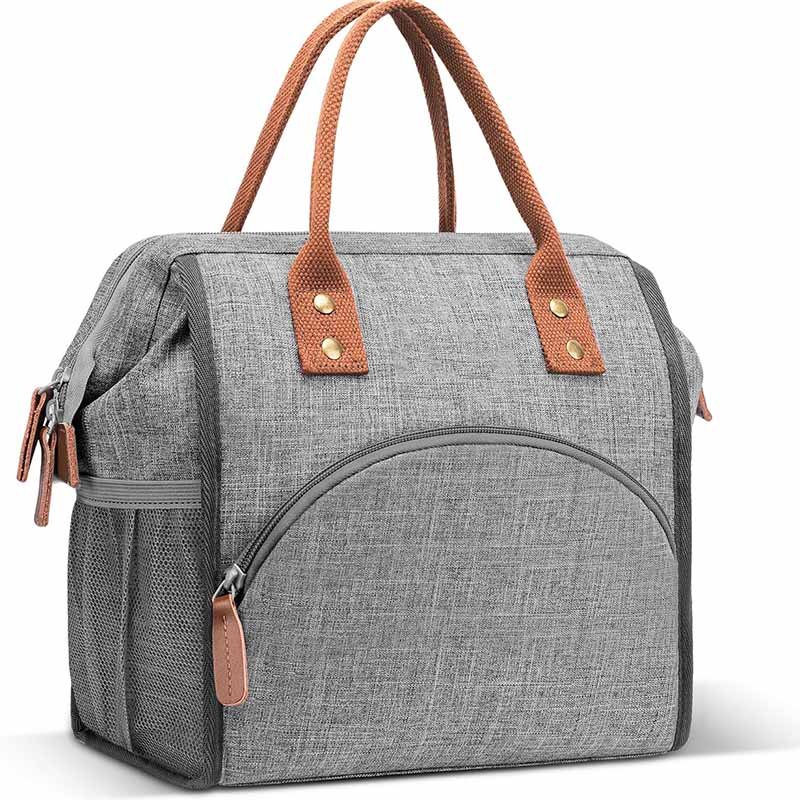
A lunch bag is one of those products people judge with their hands before they judge with their eyes. The zipper either glides smoothly or catches the lining. The handle either feels strong enough for a full meal and drink, or it feels like a risk. The inner lining either wipes clean after sauce, condensation, and crumbs, or it becomes the reason the product gets left in a drawer. For companies developing custom lunch bags, zipper closure is not a small accessory choice. It affects storage, insulation, cleaning, durability, retail appearance, daily convenience, and perceived product value.
Lunch bags with zipper closures are manufactured by combining outer fabric, insulation material, inner lining, zipper tape, puller, handles, binding, reinforcement panels, and logo decoration into one soft bag structure. The process includes design review, material matching, pattern making, cutting, logo work, zipper sewing, body assembly, inspection, packing, and shipment.
For Szoneier, lunch bag manufacturing is closely connected to its long-term experience in neoprene fabric development and flexible product production. With more than 18 years of manufacturing experience, Szoneier supports custom neoprene lunch bags, insulated lunch totes, koozies, sports supports, medical supports, wetsuits, and other soft goods. A good zippered lunch bag may look simple on a website, but behind it sits a chain of choices that can decide whether people use it once—or use it every weekday.
What Is a Zippered Lunch Bag?
A zippered lunch bag is a reusable food-carrying bag designed with a zipper closure to keep meals, drinks, snacks, utensils, and small daily items more secure. Compared with open-top, Velcro, snap, or drawstring lunch bags, zipper styles offer cleaner structure, better access control, stronger product appearance, and more stable daily use for office, school, travel, sports, gifting, and retail programs.
A lunch bag with zipper closure usually includes three working layers. The outside layer creates appearance, touch, print effect, abrasion resistance, and brand style. The middle layer supports insulation, cushioning, and shape. The inside layer affects cleaning, odor control, moisture protection, and food-contact comfort. The zipper connects these layers into a usable opening system. If one part is weak, the whole bag feels weak.
For many product teams, zipper closure becomes important because it solves several daily-use problems at once. Food containers do not slide out as easily. Ice packs and drinks stay inside more securely. The bag can be carried in a car, backpack, stroller basket, gym locker, or office pantry without looking unfinished. For e-commerce photos, a zippered bag also holds shape better than a loose open tote. That matters because online shoppers often decide based on structure, not only color.
Szoneier’s experience with neoprene is useful in this category because neoprene lunch bags sit between fashion, lifestyle, food storage, and soft cooler products. Neoprene can be soft enough for daily carry, stretch slightly around containers, provide light cushioning, and support bright printing. When paired with suitable zipper tape and a clean puller design, the final product can feel more polished than a basic promotional lunch carrier.
Still, zipper closure is not automatically the best answer for every lunch bag. A very low-cost giveaway may use Velcro or open-top construction to reduce sewing steps. A foldable tote may use a snap or elastic loop. A high-insulation cooler may require a thicker zipper system, stronger seams, and more structured panels. So the right question is not “Is zipper closure better?” The better question is: “Does zipper closure match the product’s use, price, packaging, and target channel?”
For custom orders, the zipper should be reviewed together with size, opening width, material thickness, lining, handle position, and packaging method. A lunch bag that looks good when empty may feel awkward once loaded with a lunch box, bottle, fruit, and ice pack. Szoneier can help test these details during sample development, before bulk production locks in the structure.
What Makes It Different?
The biggest difference is control. A zippered lunch bag gives users a defined way to open, close, carry, and store food. Open-top lunch totes are easy to produce, but they leave items exposed and can look less finished. Velcro closures are simple, yet they can collect lint, lose grip, and make noise. Drawstring closures are lightweight, but they are not always suitable for square lunch boxes or containers with sauce. A zipper gives the bag a clean boundary.
This control affects product value. A user can place the bag in a car seat, office fridge, school cubby, or travel bag with less worry. The zipper also helps the lunch bag keep its top shape, especially when the opening is designed with suitable seam allowance and reinforced zipper ends. For private label programs, this creates a more complete product feel. A zipper also allows detail upgrades such as contrast zipper tape, branded pullers, two-way opening, or wide-mouth access.
Is a Zipper Better for Insulation?
A zipper can improve the closure condition of an insulated lunch bag, but insulation does not come from the zipper alone. Real insulation depends on outer fabric, foam or neoprene thickness, lining material, seam construction, bag capacity, zipper gap, and how long the user keeps the bag closed. If a bag uses thin fabric, loose lining, and weak seam finishing, adding a zipper will not magically create strong temperature retention.
For neoprene lunch bags, the material itself provides light insulation and cushioning. For foam-based lunch coolers, a zipper helps reduce open gaps around the top, especially when the structure uses PEVA or aluminum film lining. The zipper area should be sewn cleanly because uneven corners or bulky seam stacks can create small openings. A smoother zipper path also makes users more likely to close the bag fully. In daily life, that matters more than a perfect lab claim. People often open lunch bags several times before eating, so convenient closure encourages better use.
Are Zippered Lunch Bags Good for Custom Programs?
Zippered lunch bags work well for custom programs because they support both function and visual identity. A zipper gives the product a more finished structure, while the front panel, side panels, handle, zipper puller, lining color, and packaging all create space for customization. For companies selling through retail, e-commerce, corporate gifting, wellness campaigns, school supplies, or outdoor lifestyle channels, a zippered lunch bag can become a high-use item rather than a disposable giveaway.
From a product planning view, the zipper also helps create different price levels. A simple top-zip neoprene lunch tote can be cost-efficient and colorful. A wide-mouth insulated lunch bag with PEVA lining, front pocket, and custom puller can sit at a higher value level. A structured lunch cooler with thicker insulation, dual zippers, reinforced handle, and retail packaging can target more demanding use. Szoneier can adjust materials, MOQ, sampling, logo work, and packing around the commercial goal.
What Should Be Checked Before Choosing This Style?
Before choosing a zippered lunch bag structure, product teams should check real usage conditions. How many containers should it hold? Should it fit a 500 ml bottle? Does the user need one-hand opening? Will it be folded for shipping? Is the product sold online, gifted in bulk, or placed in retail stores? Should the logo look playful, premium, sporty, medical, eco-inspired, or corporate?
Important points to confirm before sampling include:
- Target size: width, height, depth, and usable inner space.
- Closure path: straight top zipper, U-shape zipper, wide-mouth zipper, or dual zipper.
- Material thickness: neoprene, foam, lining, and seam stack height.
- Handle load: expected food, drink, ice pack, and container weight.
- Cleaning method: wipe-clean lining, washable outer surface, stain control.
- Logo method: printing, embroidery, patch, label, or zipper puller branding.
- Packing style: flat pack, shaped pack, hang tag, retail box, or carton-only packing.
These details help Szoneier build a sample that reflects real use instead of only a good-looking product photo.
| Lunch Bag Closure Type | Main Advantage | Main Limitation | Best Use Scenario |
|---|---|---|---|
| Zipper Closure | Secure, clean, and gives the bag a finished retail appearance. | Requires accurate sewing, smooth zipper alignment, and proper end reinforcement. | Retail lunch bags, private label programs, office use, school use, and travel lunch bags. |
| Velcro Closure | Low cost, easy to open, and simple for children to use. | Can collect lint, make noise when opened, and lose grip after repeated use. | Short-term promotions, simple kids’ lunch bags, and budget-friendly fabric lunch carriers. |
| Open Top | Very simple, lightweight, and easy to produce. | Offers lower protection, weaker shape control, and limited temperature retention. | Casual tote-style lunch carriers, light snack bags, and simple daily-use lunch totes. |
| Drawstring | Lightweight, flexible, and easy to fold or store. | Less suitable for rigid containers and does not provide strong sealing. | Snack bags, simple fabric pouches, soft lunch bags, and lightweight promotional items. |
| Snap Closure | Clean look, simple assembly, and suitable for softer bag shapes. | Limited sealing ability and weaker control over wide openings. | Fashion-style soft lunch totes, minimalist lunch bags, and light daily carry designs. |
| Roll Top | Adjustable capacity, outdoor look, and better coverage when folded properly. | Slower access and more complex folding structure. | Outdoor lunch bags, waterproof-inspired lunch carriers, picnic bags, and travel food bags. |
Which Materials Work Best?
The best materials for zippered lunch bags depend on the product’s target use, insulation goal, cleaning requirement, price level, logo method, and shipping plan. Neoprene, polyester, nylon, Oxford fabric, canvas, EPE foam, PEVA lining, aluminum film, and TPU-coated materials are common choices. For soft, flexible, colorful, and daily-use lunch bags, neoprene is one of the most useful materials.
Material choice decides much more than appearance. It affects how the bag bends, how the zipper moves, how much food it can hold, how easy it is to clean, how it folds inside a carton, and how the product feels in the user’s hand. Two lunch bags can have the same size on paper but deliver very different experiences because one uses soft neoprene and another uses stiff Oxford fabric with thick foam. Neither is wrong. They serve different needs.
Neoprene is a strong option when the lunch bag needs softness, stretch, cushioning, and colorful surface design. Many lunch bags made with neoprene use thickness in the range of about 2 mm to 5 mm, depending on the desired hand feel, structure, and price level. Thinner neoprene can feel lighter and easier to fold. Thicker neoprene can feel more protective and substantial. For full-surface patterns, neoprene can support bright printing, making it useful for lifestyle brands, wellness programs, children’s designs, sports campaigns, and promotional collections.
Polyester and Oxford fabric work well for more structured insulated lunch bags. These materials are often paired with EPE foam and PEVA or aluminum lining. A polyester lunch cooler can stand more firmly than a soft neoprene tote, which is useful for square lunch boxes or meal prep containers. Nylon offers a lighter, sportier feel. Canvas creates a natural, lifestyle appearance, but it may need careful lining and coating decisions if stain resistance is important.
The inner lining deserves special attention because users interact with it after spills. A lunch bag may look great outside, but if the inside traps sauce, odor, or crumbs, repeat use drops quickly. PEVA lining is often chosen because it is flexible and easy to wipe. Aluminum film lining gives a familiar insulated cooler look. TPU-coated lining may support stronger moisture resistance in selected designs. Szoneier can help match lining options with outer material, zipper structure, insulation target, and order budget.
Material thickness should be tested with the zipper before bulk production. Thick foam, neoprene, and folded seam allowances can create bulk near zipper corners. If the zipper curve is too tight, the puller may drag or stop. If the lining is loose, it may catch in the teeth. If the top opening is too small, users may struggle to load containers. A good material plan considers sewing reality, not only the material sheet.
Which Outer Fabric Should Brands Choose?
Outer fabric should be chosen by usage scene, visual identity, and product level. Neoprene is suitable for soft lunch totes, printed lunch bags, wellness lunch carriers, kids’ lunch bags, and promotional lunch bags that need color and comfort. It feels soft in the hand, stretches slightly around contents, and gives a modern casual look. Since Szoneier has long experience in neoprene fabric research and related products, the factory can support different thicknesses, surface effects, colors, and print directions.
Polyester is a good choice for cost-controlled insulated lunch bags with stable production. Oxford fabric suits stronger, more structured lunch coolers, especially when the design includes thicker insulation and webbing handles. Nylon can create a light, clean, sporty appearance. Canvas works for lifestyle collections that need a warmer, natural texture, although it may require lining protection for food-related use. The best choice should fit the sales channel: a corporate gift, Amazon listing, retail shelf, school kit, outdoor campaign, or premium private label line may each need a different fabric direction.
Which Insulation Layer Is Suitable?
Insulation material should match the expected holding time, bag shape, weight, and retail price. Neoprene provides built-in softness, light insulation, and cushioning, making it practical for daily commutes, office meals, short trips, and reusable lunch totes. EPE foam gives more structure and padding, so it is often used for lunch coolers that need to hold a shape. Pearl cotton can support soft padding in selected designs. Aluminum film can help create a reflective thermal interior, usually paired with foam or other insulation.
More insulation is not always better. A lunch bag used for a 20-minute commute does not need the same construction as a picnic cooler. Thicker insulation can improve feel and structure, but it also increases material cost, sewing difficulty, packing volume, and freight cost. Product teams should think in layers: how long food needs to stay protected, how often the bag will be opened, whether ice packs are used, and whether the user values softness or rigidity. Szoneier can help test these decisions through sample comparison.
Which Lining Is Easier to Clean?
PEVA lining is often selected for lunch bags because it is lightweight, flexible, and easy to wipe after everyday spills. Aluminum film lining gives a common cooler-style look and can support insulated positioning. TPU-coated lining may be considered when stronger moisture resistance or a smoother premium interior is needed. The lining should be reviewed for smell, wrinkle level, seam finish, wiping feel, and resistance to tearing near zipper seams.
The most practical lining is not always the shiniest one. Some interiors look attractive in photos but wrinkle easily after folding. Some linings feel thicker but become harder to sew around corners. Some light-colored linings look clean at first but show stains quickly. For food-carrying products, the lining should be easy to clean with a damp cloth and should not trap crumbs in deep seam folds. During sample review, the inside should be checked with real lunch containers, not only by visual inspection.
How Does Material Thickness Affect Use?
Material thickness affects hand feel, insulation, zipper movement, shape, durability, packing volume, and cost. For neoprene lunch bags, a thinner body around 2 mm may suit foldable, lightweight, cost-controlled designs. A medium thickness around 3 mm can create a balanced soft lunch tote. A thicker structure around 4 mm to 5 mm can feel more cushioned and substantial, but it may need better zipper curve control and seam finishing.
For foam-insulated lunch bags, thickness can improve structure and perceived protection, but it also affects storage and shipping. A thicker bag may look stronger in product photos, yet carton quantity may decrease. That can raise landed cost for overseas programs. If the brand plans to ship through e-commerce warehouses, packing size must be considered early. Szoneier can help compare thickness options by sample feel, cost, packing volume, and production complexity.
| Material Layer | Common Range or Option | What It Changes | Practical Advice |
|---|---|---|---|
| Neoprene Body | About 2 mm to 5 mm | Softness, stretch, cushioning, light insulation | Use thinner neoprene for foldable lunch bag styles; choose thicker neoprene for a more cushioned, premium soft feel. |
| Polyester Outer | Different deniers and coatings | Cost, color, print effect, abrasion resistance | Good for structured insulated lunch bags, especially when the project needs stable shape and cost control. |
| Oxford Fabric | Commonly used for stronger lunch coolers | Shape, durability, outdoor appearance | Works well with foam insulation, webbing handles, and box-style lunch cooler structures. |
| EPE Foam | Selected according to required structure level | Padding, box shape, insulation feel | Avoid over-thick foam when the zipper curve is tight, as excess bulk may affect smooth opening. |
| PEVA Lining | Flexible wipe-clean interior | Cleaning, moisture control, inner usability | Check smell, wrinkles, seam strength, and zipper clearance before approving the sample. |
| Aluminum Film | Reflective cooler-style lining | Thermal look, wipe-clean surface, cooler appearance | Needs careful handling during sewing and folding to reduce tearing, wrinkles, and corner damage. |
| TPU-Coated Lining | Premium moisture-resistant option | Smooth feel, stronger moisture protection | Higher cost than standard lining options; best for upgraded lunch bags or premium private label projects. |
| Zipper Tape | Width and material vary by design | Opening strength, sewing stability, zipper smoothness | Match zipper size, tape width, and puller strength with material thickness and opening structure. |
How Should Materials Be Compared Before Sampling?
Before sampling, materials should be compared by hand feel, structure, cleaning, logo compatibility, cost, and packing volume. A small material difference can change the final product. For example, a neoprene lunch bag with sublimation printing may look colorful and lifestyle-driven, while a polyester lunch cooler with foam and PEVA lining may feel more structured and retail-ready. Both can be good products, but they serve different users.
A practical comparison should include:
- Touch: Does the material feel soft, firm, smooth, textured, sporty, or natural?
- Structure: Does the bag stand upright or fold flat?
- Cleaning: Can the inside be wiped easily after spills?
- Logo: Does the logo method match the surface?
- Zipper: Can the zipper move smoothly around the selected thickness?
- Packing: Can the finished bag be packed efficiently?
- Price: Does the material match the target retail or promotional value?
- Use: Is the final product for office, school, outdoor, wellness, gifting, or retail?
Szoneier can prepare material suggestions based on product photos, target size, logo file, quantity, and launch plan, helping companies avoid overdesigning or underbuilding the lunch bag.
How Are Zippers Designed for Lunch Bags?
A zipper on a lunch bag must match the bag shape, material thickness, opening size, insulation structure, and daily-use scenario. Good zipper design is not only about choosing nylon, resin, or waterproof zipper. It includes zipper path, tape width, puller size, sewing tension, corner angle, reinforcement, lining clearance, and opening comfort.
For custom lunch bag programs, zipper design should be confirmed during sampling because it directly affects user experience. A zipper that looks fine on a flat drawing may feel tight after neoprene, foam, lining, binding, and seam allowance are combined. A zipper that moves smoothly on a small pouch may not work as well on a wide-mouth insulated lunch tote. Szoneier usually reviews zipper structure together with body size, material thickness, and loading method so the final bag feels natural in real use.
The zipper also changes how the product is positioned. A simple top zipper can make a lunch bag clean and cost-controlled. A U-shaped zipper gives easier access and works well for lunch boxes. A double zipper adds convenience for larger insulated bags. A custom rubber puller or branded metal puller can improve the private label feeling without changing the whole bag body. Small zipper details often create the difference between a basic lunch carrier and a product people feel comfortable using every day.
Zipper Placement
Zipper placement decides how easily the lunch bag opens, how food containers are loaded, and how stable the bag feels when carried. For a simple neoprene lunch tote, a straight top zipper is often enough. It keeps the structure light, clean, and easy to sew. For a lunch bag designed around square meal boxes, a U-shaped zipper or wide-mouth zipper is usually more comfortable because it gives a larger opening area.
Placement should be tested with real items. A bag may look attractive in photos but fail when a lunch box cannot slide in smoothly. A narrow top opening may save material cost, but it can frustrate users. A zipper placed too close to the edge can create stress around the seam. A zipper placed too low may reduce useful inner space. Szoneier can help adjust zipper position during sample development based on container size, carrying habit, and target market.
Common zipper placement options include:
- Top straight zipper for simple lunch totes and cost-controlled styles.
- U-shaped zipper for wider access and easier container loading.
- Three-side zipper for lunch cooler styles needing full opening.
- Double zipper for larger bags or two-way access.
- Front pocket zipper for utensils, napkins, cards, or small accessories.
- Side zipper for special access designs or bottle sections.
| Zipper Placement | Best Use | Main Benefit | Main Risk |
|---|---|---|---|
| Top Straight Zipper | Neoprene lunch totes, simple insulated bags | Clean look, easy production, lower cost | Limited opening width, less suitable for large lunch boxes or meal prep containers. |
| U-Shaped Zipper | Bento bags, lunch box bags, kids’ bags | Easier loading, better visibility, more convenient access | Needs accurate curve sewing; poor tension control may cause zipper waves or pulling resistance. |
| Three-Side Zipper | Cooler-style lunch bags | Wide opening, better access, easier cleaning | Requires more sewing time, higher production cost, and stronger zipper-end reinforcement. |
| Double Zipper | Larger lunch bags, picnic bags | Flexible opening direction and easier access from both sides | Puller quality, zipper-end control, and alignment need closer inspection. |
| Front Pocket Zipper | Bags with utensil pocket or accessory pocket | Adds storage function and improves retail value | Adds extra sewing steps, more QC points, and slightly higher cost. |
| Side Zipper | Special access styles or separated storage designs | Creates unique function and differentiated product structure | May affect body balance, usable space, and sewing complexity. |
Zipper Type
Most lunch bags use nylon zippers or resin zippers because they are light, smooth, and suitable for soft fabric construction. Nylon zippers are especially suitable for neoprene lunch bags, polyester lunch totes, and flexible insulated styles. They bend more easily around soft curves and usually feel smoother for daily opening. Resin zippers offer a stronger visual style and can suit sporty or outdoor lunch bags.
Water-resistant zippers can be used for upgraded products, but they should be selected carefully. A water-resistant zipper looks clean and modern, yet it can be stiffer than a standard nylon zipper. For a small lunch bag, that stiffness may reduce opening comfort. Metal zippers are less common because they add weight, may feel cold to the touch, and are not always the best match for soft insulated products.
A suitable zipper should be chosen by material thickness, opening curve, user age, target price, and product image. A children’s lunch bag may need a smooth zipper with a larger puller. A corporate gift lunch bag may need a clean nylon zipper with matching tape color. A premium retail lunch cooler may need a stronger resin zipper or branded puller. Szoneier can provide zipper matching based on actual sample structure instead of selecting from appearance alone.
| Zipper Type | Main Feature | Suitable Lunch Bag Style | Notes for Development |
|---|---|---|---|
| Nylon Zipper | Lightweight, flexible, and smooth to open and close. | Neoprene lunch bags, soft lunch totes, daily lunch bags, and foldable lunch carriers. | Good for curved openings, soft structures, and lightweight designs. Sewing alignment should be controlled to avoid zipper waves. |
| Resin Zipper | Stronger visual structure with a bolder tooth appearance. | Sporty lunch bags, thicker cooler bags, outdoor-style lunch bags, and structured insulated bags. | Better for a bold appearance and stronger product presence. Works well with thicker fabrics and larger bag bodies. |
| Water-Resistant Zipper | Cleaner sealed look with better surface protection. | Outdoor-inspired lunch bags, upgraded insulated bags, picnic lunch bags, and travel food bags. | May feel stiffer than standard zippers. Needs accurate sewing and suitable fabric matching for a cleaner finish. |
| Metal Zipper | Fashionable appearance with a heavier and more premium feel. | Selected lifestyle lunch bags, fashion lunch totes, and boutique soft bag designs. | Less common for insulated lunch bags because it adds weight and may not match soft thermal structures. |
| Two-Way Zipper | Opens from both sides for easier access. | Large lunch coolers, picnic bags, meal prep bags, and family-size lunch bags. | Needs careful zipper-end reinforcement to prevent pulling damage during repeated use. |
| Reverse Zipper | Cleaner surface appearance with hidden zipper teeth. | Minimalist lunch bags, private label lunch bags, neoprene totes, and clean lifestyle designs. | Good for private label projects that need a neat exterior. Works best when zipper color matches the body fabric. |
Zipper Size
Zipper size affects hand feel, strength, appearance, and sewing difficulty. A small zipper can look refined, but it may feel weak on a thick insulated lunch bag. A large zipper can look strong, but it may feel too heavy on a lightweight neoprene bag. For many lunch bags, size #5 nylon zipper is a common balanced option, while smaller or larger sizes may be selected according to structure and product level.
The zipper size should be reviewed together with fabric thickness. If the bag uses 4 mm to 5 mm neoprene or foam insulation, the zipper needs enough strength and tape width to handle the seam stack. If the bag uses thin neoprene or light polyester, an oversized zipper may look rough and reduce softness. Zipper tape width also matters because it affects sewing allowance and how flat the zipper sits around curves.
During sample review, the zipper should be checked after the bag is fully loaded. The team should place containers, bottles, and ice packs inside, then open and close the zipper several times. If the zipper waves, drags, or pulls the opening out of shape, the zipper size or sewing structure may need adjustment. Good zipper sizing protects both function and product appearance.
| Zipper Size | Common Application | Advantage | Watch Point |
|---|---|---|---|
| 3 | Small pouches, mini lunch bags, lightweight snack bags | Fine appearance, lower weight, softer hand feel | Not ideal for heavy lunch coolers or thick insulated structures; pulling strength is limited. |
| 5 | Most lunch bags, neoprene lunch totes, daily insulated lunch bags | Balanced strength, smooth use, good appearance, wide material compatibility | Needs correct zipper tape alignment and sewing tension to avoid waves, dragging, or uneven closure. |
| 7 | Larger lunch coolers, picnic lunch bags, meal prep bags | Stronger visual effect, better pulling strength, more durable feel | May feel bulky on small bags; zipper curve and corner sewing need better control. |
| 8 or Above | Heavy-duty cooler styles, outdoor lunch coolers, larger insulated bags | Stronger structure, heavier-duty appearance, better for large-capacity designs | Higher cost, more stiffness, larger seam bulk, and less suitable for soft foldable lunch bags. |
Puller Design
The puller is a small part, but users touch it every time they open the bag. For adult office lunch bags, a standard metal or plastic puller may work well. For children’s lunch bags, a larger rubber puller is often easier to grip. For sports or outdoor-inspired lunch bags, a woven cord puller can create a more active feel. For private label projects, a customized puller can add brand value without changing the entire bag pattern.
Puller design should balance appearance and usability. A tiny logo on a small puller may not be clear after molding or printing. A heavy metal puller may swing too much when the user walks. A very large rubber puller may look fun but add unnecessary cost for a simple lunch tote. The right puller should match the zipper size, bag style, logo detail, and user group.
Szoneier can support puller customization such as:
- Standard puller with matching zipper tape.
- Rubber puller with raised or printed logo.
- Woven puller for outdoor or sports-style bags.
- Metal puller for premium retail appearance.
- Extended puller for children or glove-friendly use.
- Color-matched puller for a clean private label look.
- Contrast puller as a small visual accent.
- Dual pullers for large opening lunch coolers.
Corner Control
The zipper corner is one of the most common problem areas in lunch bag production. When material is thick, the zipper must bend around fabric, insulation, lining, and seam allowance. If the curve is too sharp, the zipper may feel tight. If the sewing tension is uneven, the zipper line may ripple. If the lining is too loose near the curve, it may get caught in the zipper teeth.
Corner control starts with pattern design. A wider radius usually gives smoother zipper movement. A sharp square corner may look neat on a drawing, but it can become difficult to sew cleanly on neoprene or foam-insulated bags. For U-shaped lunch bags, the curve should be large enough for the zipper tape to lie flat. For three-side zipper coolers, the corner should be tested repeatedly with full loading.
Factory sewing skill also matters. Operators need to control speed, tension, and material feeding around curves. Reinforcement may be added at stress points. The zipper tape should not be stretched too much during sewing because it can cause waves after the bag is finished. Szoneier’s experience with neoprene products helps reduce these issues because neoprene requires careful control around curves and soft edges.
Zipper Reinforcement
Zipper reinforcement protects the areas where users pull hardest. These areas usually include zipper ends, zipper corners, and the point where the zipper meets the side seam. Without reinforcement, repeated pulling can cause seam opening, fabric tearing, or zipper tape separation. For lunch bags used daily, reinforcement is not an optional decoration. It is part of durability.
Common reinforcement methods include extra stitching, bartack stitching, binding reinforcement, fabric tabs, end covers, and thicker seam allowance in key stress areas. For neoprene lunch bags, reinforcement must be clean because excessive stitching can make the edge bulky. For polyester or Oxford lunch coolers, reinforcement can be stronger because the structure is usually more rigid.
Inspection should include repeated zipper movement. The QC team should open and close the zipper several times, check both ends, pull lightly at stress points, and inspect whether the lining or insulation shifts near the zipper. For large orders, zipper reinforcement standards should be confirmed before mass production. Once bulk sewing begins, correcting weak zipper ends becomes difficult and costly.
| Zipper Area | Common Problem | Manufacturing Solution | Inspection Method |
|---|---|---|---|
| Zipper End | Seam opening after repeated pulling. | Add bartack stitching, fabric end tabs, and reinforced seam construction to strengthen the zipper end. | Perform pull testing and visual inspection to check whether the end seam stays secure. |
| Zipper Corner | Dragging, uneven movement, or zipper getting stuck around curves. | Use a larger curve radius, balanced sewing tension, and smooth zipper alignment around corners. | Open and close the zipper repeatedly to confirm smooth movement through the curved area. |
| Zipper Tape | Wavy zipper line or uneven surface appearance. | Control sewing tension, keep zipper tape flat, and match zipper flexibility with the bag fabric. | Check zipper flatness, surface alignment, and overall appearance after sewing. |
| Lining Near Zipper | Lining fabric gets caught in zipper teeth during opening or closing. | Keep proper clearance between lining and zipper teeth, and secure the lining with controlled stitching. | Run repeated open-close tests to confirm the lining does not interfere with zipper movement. |
| Puller Connection | Puller feels weak, loose, or unsuitable for daily use. | Select the correct puller size, attachment type, and metal or plastic quality based on bag size. | Perform hand pull checks to confirm the puller connection is firm and easy to use. |
| Side Seam Joint | Stress concentration where zipper area meets the side seam. | Add extra seam allowance, reinforcement tape, or additional stitching at high-stress joint areas. | Check seam strength under light load and inspect whether the joint area stays flat and secure. |
Lining Clearance
Lining clearance is easy to ignore but very important for lunch bags. When users complain that a zipper gets stuck, the problem is often not the zipper itself. The inner lining may be too loose, too close to the zipper teeth, or poorly fixed near the top edge. Once the lining enters the zipper track, the user may force the puller, causing damage.
A well-made lunch bag keeps enough space between the lining and zipper teeth. The lining should lie smoothly inside the bag, without loose folds around the opening. For PEVA or aluminum lining, the factory must handle the material carefully because thin lining can wrinkle or shift during sewing. For foam-insulated bags, the lining and insulation should be aligned before final closing.
During sample review, the zipper should be tested with the bag loaded and unloaded. The team should open the bag quickly, slowly, and at different angles. If the lining catches even once during normal use testing, the structure should be adjusted before production. Szoneier can help refine lining clearance through pattern adjustment, seam control, and sewing order optimization.
How Is a Zippered Lunch Bag Manufactured?
A zippered lunch bag is manufactured through design confirmation, material matching, pattern development, cutting, logo application, zipper sewing, body assembly, lining installation, finishing, inspection, packing, and shipment. Each step affects the final product. For custom lunch bags, the approved sample becomes the main production reference for size, material, zipper, logo, stitching, and packing.
Manufacturing a lunch bag is not difficult in theory, but producing a clean, consistent, export-ready lunch bag requires control. The bag must look good, open smoothly, hold real items, clean easily, and carry weight safely. If the zipper is crooked, the logo is off-center, the lining wrinkles badly, or the handle feels weak, the product loses value immediately.
Szoneier’s manufacturing advantage comes from working with neoprene and related soft products for more than 18 years. Neoprene bags, koozies, sports supports, medical supports, wetsuits, and lunch bags all require material control, sewing precision, pattern understanding, and quality checking. This cross-category experience helps the factory handle custom lunch bag structures with a more practical mindset.
A professional production process should start with clear product information. The factory needs to know the intended use, size, logo, material, insulation requirement, zipper type, quantity, packaging, and delivery market. Without these details, the sample may be made based on guesswork. That can lead to repeated revisions and slow project progress. Clear information at the beginning saves time, cost, and communication effort.
For lunch bags with zipper closures, production quality depends heavily on the relationship between material thickness and sewing order. Neoprene stretches. Foam adds bulk. PEVA lining shifts easily. Aluminum film can wrinkle. Zipper tape needs stable tension. Webbing handles require strength. These parts must be arranged in the correct sequence so the final product is clean, not forced.
Design Confirmation
Design confirmation turns the idea into a production direction. A company may start with a reference photo, existing sample, sketch, size requirement, or product concept. Szoneier can help review whether the requested structure is suitable for neoprene, polyester, Oxford fabric, foam insulation, PEVA lining, or other material combinations. At this stage, the goal is not only to make the bag beautiful. It is to make sure the bag can be produced, packed, shipped, and used properly.
Key details to confirm include:
- Overall size: width, height, depth, and usable internal space.
- Opening style: top zipper, U-shaped zipper, three-side zipper, or double zipper.
- Material: neoprene thickness, polyester, Oxford, nylon, canvas, or laminated fabric.
- Insulation: neoprene body, EPE foam, pearl cotton, aluminum layer, or mixed structure.
- Lining: PEVA, aluminum film, TPU-coated lining, or other wipe-clean option.
- Logo: print, embroidery, woven label, rubber patch, PVC patch, zipper puller logo.
- Handle: neoprene handle, webbing handle, reinforced handle, shoulder strap.
- Packaging: individual poly bag, hang tag, insert card, barcode, retail box, carton mark.
A clear design confirmation reduces sampling risk. If the lunch bag must fit a certain container, the container size should be provided before pattern making. If the logo must appear centered on a curved neoprene panel, artwork placement should be reviewed early. If the bag needs to be packed flat, the structure should avoid overly rigid panels.
Pattern Making
Pattern making is where the lunch bag starts becoming a real product. A pattern defines the body panels, bottom, side gusset, zipper path, lining shape, handle position, pocket size, seam allowance, and reinforcement areas. Even a small pattern error can make the finished bag lean, shrink, twist, or lose usable space.
For zipper lunch bags, the zipper path is one of the most important pattern areas. The opening must be large enough for real use, but not so large that the bag loses shape. The zipper curve must match the material thickness. The side panels must align with the top opening. If the bag uses neoprene, the pattern must consider stretch. If the bag uses foam insulation, the pattern must consider bulk. If the bag uses printed material, the pattern must also consider artwork position.
Szoneier can develop patterns from samples, drawings, or reference photos. For custom projects, one pattern may go through several adjustments before the final sample is approved. Good pattern making saves production time because operators can sew more smoothly, QC can check more consistently, and finished bags can stay closer to the approved size.
Material Cutting
Material cutting must be accurate because lunch bags combine several layers. The outer fabric, insulation, lining, zipper tape, webbing, binding, and labels all need to match the same production standard. If the outer body is cut correctly but the lining is slightly oversized, the lining may wrinkle or catch in the zipper. If insulation panels are too large, the seams can become bulky. If printed neoprene is cut off-position, the design may look unbalanced.
Cutting methods depend on material and order structure. For simple shapes, die cutting or knife cutting may be used. For custom panels, digital cutting or manual cutting with templates may be applied. Printed neoprene needs careful alignment to protect artwork position. Striped, patterned, or character-based designs require extra attention because a small shift can be visible on the final bag.
Before bulk cutting, the factory should confirm material color, thickness, surface condition, print direction, and quantity. Cutting should follow the approved sample and production pattern. For private label orders, Szoneier can help control cutting accuracy so the finished bags maintain consistent shape and logo position across the order.
Logo Application
Logo application usually happens before final assembly because flat fabric panels are easier to print, embroider, press, or patch. The right logo method depends on fabric type, logo complexity, order quantity, color requirement, and product positioning. A simple one-color logo may work well with screen printing. Full-pattern neoprene lunch bags may use sublimation. Premium styles may use woven labels, rubber patches, or embroidery.
Each method has production requirements. Heat transfer needs correct temperature and pressure. Embroidery needs backing and thread control. Rubber patches require mold accuracy and clean stitching. Woven labels need straight placement. Full-panel printing needs artwork alignment and color control. A logo placed too close to the zipper, seam, or fold line may distort after sewing.
Szoneier can support different custom logo methods for lunch bags, including:
- Screen printing for simple logos and cost-controlled programs.
- Sublimation printing for full-color neoprene patterns.
- Heat transfer for sharp artwork on suitable surfaces.
- Embroidery for a textured premium look.
- Woven labels for clean private label identity.
- Rubber patches for sporty or outdoor product style.
- PVC patches for bold logo effects.
- Zipper puller logo for small but useful branding.
- Hang tag and packaging logo for retail presentation.
| Logo Method | Suitable Material | Best Visual Effect | Development Note |
|---|---|---|---|
| Screen Printing | Neoprene, polyester, canvas | Clean and simple logo presentation | Best for fewer colors, solid logo shapes, and cost-controlled custom lunch bag orders. |
| Sublimation | Neoprene, selected polyester | Full-color pattern and all-over artwork | Good for lifestyle lunch bags, kids’ designs, seasonal prints, and colorful promotional collections. |
| Heat Transfer | Polyester, neoprene, coated fabrics | Sharp graphic detail and clean edges | Needs surface compatibility testing to confirm adhesion, color clarity, and washing resistance. |
| Embroidery | Canvas, polyester, selected neoprene | Premium texture and raised logo feel | May affect soft or thin materials; stitch density and backing should be tested before bulk production. |
| Woven Label | Most fabrics | Clean private label appearance | Placement must be straight and consistent; suitable for subtle branding and retail-style lunch bags. |
| Rubber Patch | Neoprene, polyester, Oxford fabric | Sporty, durable, and modern look | Mold cost may apply; best for medium-to-premium custom lunch bags with stronger brand identity. |
| PVC Patch | Polyester, Oxford fabric, cooler bags | Strong 3D logo effect | Better for thicker or structured products; may feel too heavy on very soft foldable lunch bags. |
| Logo Puller | Zipper system | Subtle custom detail on the closure area | Works well for private label upgrades, especially when the front panel needs a cleaner design. |
Zipper Sewing
Zipper sewing requires steady tension, accurate alignment, and correct sewing order. The zipper tape must be placed evenly along the opening edge. If one side is tighter than the other, the finished bag may twist. If the zipper tape is stretched during sewing, the zipper line may ripple after assembly. If the seam allowance is too narrow, the zipper may weaken after repeated use.
For neoprene lunch bags, sewing must account for material elasticity. The operator should avoid stretching the neoprene too much while sewing the zipper. For foam-insulated bags, the operator must manage bulk near the top edge. For PEVA or aluminum lining, the operator must prevent the lining from being caught too close to the zipper teeth. These details directly affect daily use.
Zipper sewing should be checked before the bag is fully closed. Once final assembly is complete, correcting zipper issues becomes harder. Szoneier’s production process can include inline checking for zipper flatness, puller direction, alignment, corner smoothness, and reinforcement. For large orders, this helps prevent small zipper errors from spreading across bulk production.
Body Assembly
Body assembly brings together the outer shell, lining, insulation, zipper, handles, pockets, binding, and reinforcement pieces. The sewing sequence depends on the bag style. A simple neoprene lunch tote may need outer body stitching, zipper attachment, side seam closing, binding, and handle work. A structured insulated lunch cooler may need separate outer shell, foam layer, lining layer, pocket construction, and final joining.
Handle attachment is especially important because users often carry more weight than expected. A lunch bag may hold a lunch box, drink bottle, fruit, utensils, and ice pack. The handle should be placed in a balanced position and reinforced where needed. Webbing handles may require extra stitching. Neoprene handles should feel comfortable and not cut into the hand. For larger lunch coolers, a shoulder strap may be added.
The body should also keep its intended shape after assembly. If the panels are not aligned, the bag may lean. If the bottom is too soft, containers may tilt. If the lining is too loose, cleaning becomes harder. Szoneier can help adjust structure according to use, such as soft foldable neoprene bags, box-style lunch coolers, kids’ lunch bags, bottle lunch bags, and promotional lunch totes.
Finishing and Cleaning
Finishing gives the lunch bag its final appearance. Threads are trimmed, zipper movement is checked, the body is shaped, the lining is cleaned, labels are reviewed, and packing preparation begins. This stage may look simple, but it often decides whether the product feels export-ready. Loose threads, glue marks, fabric dust, crooked labels, and wrinkled lining can make a good product look careless.
For lunch bags, inside cleaning is just as important as outside appearance. The lining should be checked for stains, dust, loose thread, and seam scraps. Zippers should open smoothly after finishing. Pullers should be attached correctly. Handles should not twist. Printed logos should not show obvious scratches or color issues. If the product is folded for packing, the fold should not damage the logo or lining.
A good finishing process protects the brand’s reputation. When the end user opens the product, the first impression should be clean, functional, and ready to use. Szoneier can support finishing standards according to the client’s sales channel, including retail packaging, e-commerce packing, promotional bulk packing, or private label presentation.
Quality Control
Quality control for zippered lunch bags should cover material, size, zipper function, sewing, lining, logo, handle strength, appearance, packing, and carton information. QC should not be left until the final day only. Inline checks during production help catch problems while they are still easy to correct.
Important QC points include:
- Size check: finished width, height, depth, and tolerance.
- Zipper test: smooth opening, closing, puller direction, and end strength.
- Logo check: position, color, clarity, adhesion, stitching, or patch alignment.
- Lining check: cleanliness, wrinkles, smell, seam condition, and zipper clearance.
- Handle check: attachment strength, balance, stitch density, and comfort.
- Seam check: skipped stitches, loose thread, broken thread, and uneven tension.
- Appearance check: shape, symmetry, fabric marks, stains, and color difference.
- Packing check: poly bag, hang tag, barcode, insert card, carton mark, and quantity.
| QC Item | What to Check | Why It Matters |
|---|---|---|
| Finished Size | Width, height, depth, opening size | Protects usable capacity and keeps the product consistent with approved specifications. |
| Zipper Function | Smooth pull, no catching, correct direction | Affects daily use, opening convenience, and the overall product experience. |
| Zipper Ends | Reinforcement and seam security | Prevents zipper-end tearing, loose stitching, and early product damage. |
| Logo Position | Centering, color, clarity | Protects brand image and keeps private label products visually professional. |
| Lining | Clean surface and smooth fitting | Improves internal appearance, user comfort, and product cleanliness. |
| Handle | Stitching and load balance | Reduces breakage risk when the bag is carried with real weight inside. |
| Seams | Stitch density and thread condition | Controls durability, shape stability, and long-term product performance. |
| Packing | Labels, carton marks, folding method | Supports retail display, warehouse handling, shipping, and logistics accuracy. |
Packing and Shipment
Packing should match the sales channel. A lunch bag sold through e-commerce may need barcode labels, individual poly bags, carton protection, and warehouse-ready packing. A retail lunch bag may need hang tags, insert cards, paper bands, or display packaging. A corporate gift program may need logo packaging, carton sorting, or event delivery timing. Packing affects both product presentation and shipping cost.
Lunch bags can be packed flat or shaped depending on material and structure. Soft neoprene lunch bags are often easier to fold or compress, which can reduce carton volume. Structured insulated bags may need more space to protect the shape. If the logo is raised, embroidered, or patched, packing should avoid pressure marks. If the lining wrinkles easily, folding should be tested before bulk packing.
Before shipment, carton size, quantity per carton, gross weight, net weight, carton marks, and label requirements should be confirmed. Szoneier can support overseas shipping preparation for custom lunch bag projects, helping clients plan packing details according to destination market, order size, and sales channel.
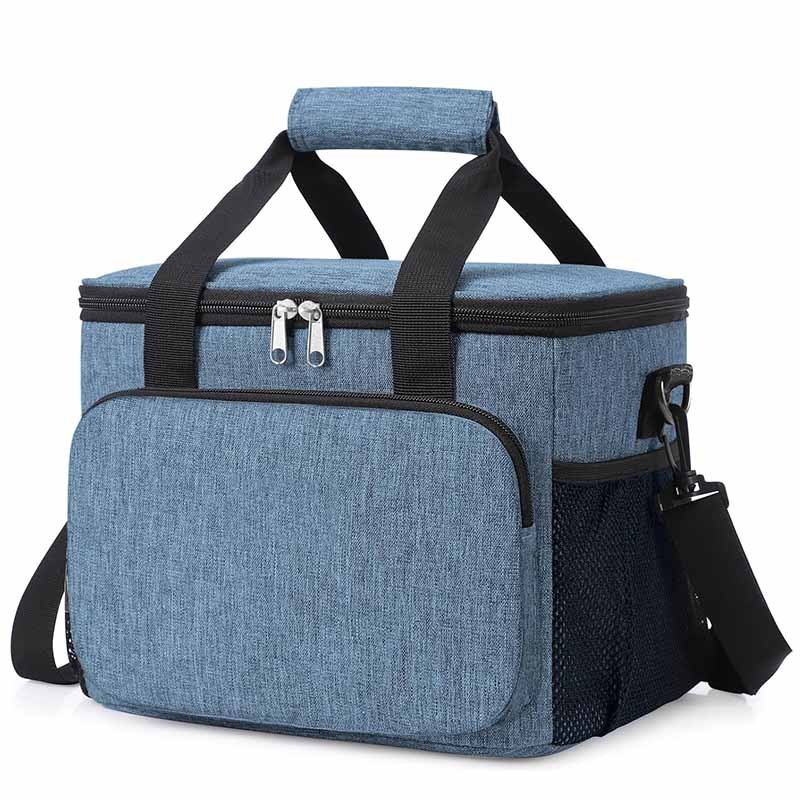
What Can Brands Customize for Zippered Lunch Bags?
Custom zippered lunch bags can be developed through size, body shape, neoprene thickness, outer fabric, insulation layer, lining material, zipper type, zipper color, puller design, handle structure, pocket layout, logo method, printing artwork, labels, hang tags, packaging, carton marks, and shipment requirements. Strong customization should improve daily use, brand recognition, and sales value rather than adding unnecessary features.
Customization is where a lunch bag becomes a product line instead of a plain carrying pouch. A company may start with a simple idea: a lunch bag with logo. Once development begins, the project quickly becomes more specific. Should the bag fit one bento box or two stacked containers? Should it hold a 500 ml bottle upright? Should the zipper open from left to right, or should it use two pullers? Should the lining be silver, white, black, or custom color? Should the body be soft neoprene or structured polyester with foam insulation?
Good customization starts from the use scene. A school lunch bag needs easy opening, light weight, bright artwork, smooth zipper movement, and an interior that parents can clean quickly. An office lunch tote needs a cleaner silhouette, stable base, neutral colors, and enough space for containers and drinks. A sports or gym lunch bag may need stronger webbing handles, darker lining, a more active material style, and better resistance to daily movement. A premium retail lunch cooler may need a stronger zipper, shaped structure, front pocket, custom puller, and more polished packaging.
The biggest risk in customization is adding details that look attractive in a product meeting but create little value in actual use. Extra pockets may increase sewing cost but remain unused. A heavy puller may look premium but feel annoying when walking. Thick insulation may look strong but make the bag bulky for office use. A large logo may photograph well but distort near the zipper curve. Szoneier can help product teams select useful custom features through design review, material advice, sampling, and structure testing.
Size Options
Lunch bag size should be designed around real food containers, not only around external dimensions. Many product problems begin when a finished bag looks correct from outside but has too little usable internal space. Thickness from neoprene, foam, lining, seam allowance, and zipper construction all reduce internal capacity. A bag listed as 25 cm wide may not offer the same usable width after insulation and lining are added.
Common size directions include:
- Small snack pouch for fruit, cookies, baby food, or small meals.
- Kids’ lunch bag for one lunch box, drink pouch, napkin, and small snack.
- Office lunch tote for one meal container, one bottle, utensils, and ice pack.
- Bento lunch bag for rectangular food boxes and stacked containers.
- Meal prep lunch bag for multiple containers and fitness users.
- Picnic lunch bag for shared food, fruit, drinks, and cold packs.
- Bottle lunch bag for water bottles, wine bottles, baby bottles, or drink sets.
- Promotional lunch bag for simple daily carry and logo visibility.
Size planning should also consider packing and freight. A soft neoprene lunch bag can often be folded or compressed more easily than a rigid cooler-style bag. A structured insulated lunch bag may show better in retail photos but take more carton space. For large overseas orders, carton volume affects final landed cost. Szoneier can review external size, internal capacity, and packing method together before sample confirmation.
| Lunch Bag Style | Suggested Use | Common Capacity Direction | Structure Focus |
|---|---|---|---|
| Small Snack Bag | Kids, events, giveaways, light daily use, and promotional programs. | Snacks, fruit, small lunch box, biscuits, or compact food items. | Lightweight body, easy zipper opening, simple sewing structure, and compact folding for low-cost packing. |
| Kids’ Lunch Bag | School, daycare, children’s activities, and cartoon-themed retail programs. | Lunch box, drink, small snack, spoon set, napkin, or fruit box. | Large puller, fun print, easy-clean lining, soft handle, rounded edges, and child-friendly opening. |
| Office Lunch Tote | Workplace, commuting, corporate gifts, and daily meal-carry programs. | Meal box, bottle, utensils, napkin, small snack, and personal food items. | Clean appearance, stable base, neat logo placement, comfortable handle, and simple professional styling. |
| Bento Lunch Bag | Bento box programs, food container sets, Asian meal kits, and reusable lunch systems. | Rectangular containers, stacked bento boxes, sauce cups, utensils, and compact drink bottles. | Wide opening, good inner space, box-friendly shape, smooth zipper path, and stable bottom support. |
| Meal Prep Bag | Fitness, wellness, gym users, diet programs, and healthy meal delivery support. | Multiple food containers, ice pack, shaker bottle, utensils, and snacks. | Strong handle, larger capacity, reinforced seams, better insulation, organized pockets, and load balance. |
| Picnic Lunch Bag | Outdoor use, family trips, camping, beach days, parks, and weekend food carrying. | Shared meals, drinks, fruit, snacks, ice packs, and tableware. | Better insulation, larger base, stronger zipper, durable outer fabric, reinforced handles, and easy-access opening. |
| Bottle Lunch Bag | Beverage programs, drink brands, bottle gift sets, and insulated drink carriers. | Bottles, cans, drink sets, shaker cups, or tall beverage containers. | Height control, reinforced bottom, stable side walls, bottle-fit inner space, and handle strength. |
| Retail Cooler Bag | E-commerce, supermarkets, retail stores, private label programs, and food delivery accessories. | Mixed food and drink items, frozen goods, lunch sets, picnic food, or grocery items. | Structured shape, shelf appeal, clean packing method, visible logo area, durable seams, and stronger insulation. |
Shape Design
Shape design decides whether a lunch bag feels cute, sporty, premium, compact, family-sized, or professional. The same zipper closure can work on many body shapes, but each shape has different production requirements. A flat neoprene lunch tote is simple and flexible. A box-shaped lunch cooler provides more usable space. A round-top bag may look softer and child-friendly. A tall bottle bag supports drink programs. A wide-mouth bag works well for bento boxes and meal prep containers.
For zippered lunch bags, shape design must be connected to zipper movement. A rectangular box shape may need a U-shaped or three-side zipper for better access. A curved top can look smooth but requires careful zipper curve sewing. A flat pouch can be easy to produce, but it may not stand upright. A wide base improves stability but adds material and may affect packing volume.
Useful shape decisions include:
- Flat tote shape for lightweight neoprene lunch bags.
- Box shape for structured insulated lunch coolers.
- Rounded top shape for kids’ lunch bags.
- Wide-mouth shape for bento boxes and meal prep containers.
- Tall shape for bottles and drink carriers.
- Foldable shape for promotional and travel use.
- Gusseted shape for extra capacity without oversized appearance.
- Mini cooler shape for outdoor, sports, or picnic use.
Szoneier can help adjust shape based on the target market. A lunch bag for a wellness brand may need soft curves and calm colors. A lunch bag for a beverage campaign may need tall internal height. A lunch bag for a corporate gift may need a clean front panel that shows the logo clearly. A lunch bag for retail may need a shape that photographs well and stands more confidently.
Logo Methods
Logo customization should be chosen according to material, artwork complexity, order quantity, and product positioning. A logo is not just decoration. It tells the user whether the lunch bag belongs to a premium retail line, a school program, a corporate gift set, a sports brand, a wellness campaign, or a seasonal promotion. The wrong logo method can make a good bag look low value.
Common logo methods include:
- Screen printing for simple logos, solid colors, and cost-controlled orders.
- Heat transfer for sharper graphics on suitable fabric surfaces.
- Sublimation printing for full-color neoprene patterns and all-over artwork.
- Embroidery for textured logos and premium visual effect.
- Woven label for clean private label identity.
- Rubber patch for sporty, modern, or outdoor-inspired designs.
- PVC patch for bold 3D logo presentation.
- Leather patch for selected lifestyle or premium collections.
- Custom zipper puller logo for a subtle branded detail.
- Hang tag logo for retail and gift presentation.
- Inner label logo for private label programs.
- Packaging logo for a stronger unboxing experience.
Logo placement should avoid areas with heavy stretching, strong bending, zipper curves, or thick seam stacks. On neoprene lunch bags, full-surface artwork can be very attractive, but pattern alignment should be checked during cutting. On structured lunch coolers, front-panel patches or woven labels can give a stable premium look. Szoneier can help compare logo samples before bulk production so the logo method matches the material and sales channel.
Printing Patterns
Printing can turn a basic lunch bag into a collection. Neoprene is especially useful for colorful prints because the surface can support lively artwork, seasonal graphics, character-inspired patterns, geometric designs, fitness themes, school patterns, corporate colors, and lifestyle illustrations. For companies selling online, printed designs can help create product variation without changing the whole bag structure.
Pattern printing needs careful file preparation. Artwork should be high resolution. Color references should be clear. Repeat patterns should be checked at panel edges. Directional graphics must match the cut panel. Character artwork should be centered where needed. If the design crosses side seams or bottom panels, seam movement must be considered. A pattern that looks perfect on a flat digital mockup may shift slightly after sewing because soft materials bend and stretch.
Useful print directions include:
- Full-body neoprene print for lifestyle or promotional lunch bags.
- Front-panel print for simple brand identity.
- Side-panel contrast print for more visual depth.
- Patterned gusset with plain front logo area.
- Kids’ artwork with large color blocks and easy-recognition icons.
- Fitness or wellness print with clean modern graphics.
- Seasonal prints for holiday campaigns or limited collections.
- Retail series prints using the same structure with different artwork.
Szoneier can support print development by checking artwork placement, panel size, color direction, and cutting requirements. For repeat orders, keeping print files and approved samples consistent helps maintain stable visual quality across future production.
Handle Structures
The handle is one of the highest-stress parts of a lunch bag. Users may carry a container, bottle, ice pack, fruit, utensils, and sometimes extra personal items. If the handle feels weak, the whole product feels unreliable. Handle design should match bag size, expected load, material thickness, and user group.
Common handle options include:
- Neoprene cut handle for soft, lightweight lunch totes.
- Webbing handle for stronger daily carrying.
- Padded handle wrap for comfort.
- Double handles for tote-style carrying.
- Top grab handle for kids’ or box-style bags.
- Adjustable shoulder strap for larger lunch coolers.
- Detachable strap for premium or outdoor designs.
- Reinforced side handles for picnic or family-size bags.
Handle placement affects comfort. If handles are too close together, the bag may squeeze the top opening. If they are too far apart, the bag may sag. If the handle is attached too low, the bag may tilt when loaded. If reinforcement is missing, the handle seam may open after repeated use. For larger lunch bags, bartack stitching, extra fabric patches, or reinforced webbing ends may be needed.
Szoneier can test handle comfort and load condition during sample review. For neoprene lunch bags, soft handles can feel comfortable but need clean edge finishing. For structured insulated bags, webbing handles usually provide better support. For private label retail styles, handle color can be matched with zipper tape, binding, logo patches, or body contrast panels.
Pocket Layout
Pockets increase function, but they should be added with purpose. A front pocket can hold utensils, napkins, cards, or small snacks. Side mesh pockets can hold bottles, but they may not suit every lunch bag shape. An inner pocket can hold ice packs, but it must not interfere with cleaning. A zipper pocket can improve perceived value, but it adds cost and another quality-control point.
Common pocket options include:
- Front flat pocket for napkins, cards, or utensils.
- Front zipper pocket for secure small storage.
- Side mesh pocket for bottles or small accessories.
- Inner mesh pocket for ice packs.
- Back slip pocket for slim items.
- Transparent label window for school or workplace use.
- Elastic side pocket for drink pouches.
- Insulated divider pocket for separated food storage.
Pocket decisions should consider cleaning. A pocket inside a lunch bag may trap crumbs or sauce if placed poorly. A side mesh pocket may stretch out if the material quality is weak. A front zipper pocket may look good but create extra sewing time. For cost-controlled projects, one useful pocket is often better than three decorative ones. Szoneier can help design pocket layout based on real user behavior instead of simply adding features.
Lining Colors
Inner lining color affects both appearance and daily cleaning. Silver aluminum lining gives a familiar insulated cooler look. White or light lining feels clean in product photos but may show stains faster. Black lining hides marks better but may make crumbs harder to see. Custom color lining can create a premium private label effect, especially when matched with zipper tape, logo, and outer print.
Lining color should be chosen by product use. A children’s lunch bag may benefit from a lighter interior because parents can see crumbs easily. A sports lunch bag may use darker lining to reduce visible stains. A premium wellness lunch tote may use a soft neutral interior for a cleaner look. For promotional orders, standard lining options may control cost better.
The lining should also be reviewed for smell, hand feel, wrinkle level, and wiping performance. A beautiful lining color is not enough if the material feels weak or catches in the zipper. During sampling, Szoneier can help test lining color together with zipper clearance, seam finish, and cleaning comfort.
Packaging Options
Packaging should be planned early because it affects product presentation, storage, shipping, and sales channel readiness. A lunch bag for a corporate gift may only need an individual poly bag and carton packing. A retail lunch bag may need a hang tag, insert card, barcode label, and display-friendly folding method. An e-commerce lunch bag may need warehouse labels, carton marks, and packaging that prevents crushing or logo damage.
Common packaging options include:
- Individual poly bag.
- Printed poly bag.
- Hang tag.
- Paper belly band.
- Insert card.
- Care instruction card.
- Barcode label.
- Size or color sticker.
- Retail color box.
- Master carton marks.
- Amazon or warehouse label support.
- Custom carton sorting for multiple SKUs.
Packaging must match the bag structure. Soft neoprene lunch bags can often be packed flatter, reducing carton volume. Structured insulated bags may need more space to protect shape. Bags with raised rubber patches or embroidery should not be pressed too tightly. If the lunch bag uses aluminum lining, the folding method should avoid heavy creases. Szoneier can support private label packaging based on order size, sales channel, and destination market.
| Customization Item | Practical Options | Best Value for Clients | Development Risk to Check |
|---|---|---|---|
| Body Size | Small, medium, large, meal prep size, bottle size | Helps the lunch bag fit real daily-use needs, such as lunch boxes, bottles, snacks, ice packs, or meal prep containers. | Usable inner space may shrink after insulation, lining, zipper seam allowance, and bottom structure are added. |
| Shape | Tote, box shape, round top, wide-mouth, tall bottle style | Creates clearer product positioning for office lunch, school use, picnic use, sports use, or retail cooler programs. | The wrong shape may reduce capacity, affect zipper opening, or make the bag difficult to pack efficiently. |
| Material | Neoprene, polyester, Oxford fabric, nylon, canvas | Controls hand feel, durability, insulation support, printing effect, price level, and final product appearance. | Material thickness affects zipper movement, sewing difficulty, folding method, and carton packing volume. |
| Zipper | Nylon zipper, resin zipper, two-way zipper, water-resistant style | Improves access, closure security, product value, and user convenience during daily opening and closing. | A stiff or oversized zipper may reduce comfort, especially on small, soft, or foldable lunch bag styles. |
| Puller | Standard puller, rubber puller, woven puller, metal puller, logo puller | Makes the bag easier to open and adds a small but useful private label branding detail. | Puller size and weight must match zipper size, bag style, user group, and opening direction. |
| Logo | Printing, embroidery, patch, woven label, puller logo | Builds stronger brand identity, improves retail appeal, and helps the product look more custom-made. | The wrong logo method may peel, distort, crack, look unclear, or perform poorly on the selected material. |
| Front pocket, side pocket, inner pocket, mesh pocket, zipper pocket | Adds storage function for utensils, napkins, ice packs, cards, bottles, or small accessories. | Extra pockets increase cost, sewing time, cleaning complexity, and quality-control points. | |
| Lining | PEVA lining, aluminum lining, TPU-coated lining, custom color lining | Improves cleaning convenience, thermal appearance, moisture control, and inside product finish. | Wrinkles, odor, seam strength, and zipper clearance should be checked before approving the sample. |
| Packaging | Poly bag, hang tag, retail box, barcode label, carton mark | Makes the lunch bag ready for retail, e-commerce, corporate gifting, warehouse delivery, or private label sales. | Packing volume, folding method, label accuracy, carton marks, and logo protection need early confirmation. |
How Should a Company Choose a Lunch Bag Factory?
A company should choose a lunch bag factory by reviewing material capability, zipper experience, sample quality, logo accuracy, MOQ flexibility, production control, communication speed, packaging support, export experience, and delivery reliability. The right factory should help solve product details before mass production, not simply copy a photo and quote the lowest price.
Factory selection can decide whether a custom lunch bag project feels smooth or painful. A low quotation may look attractive at first, but weak material control, rough zipper sewing, poor lining, inaccurate logo placement, and late delivery can create much larger losses. Lunch bags are daily-use products. If a user opens the zipper and feels friction, sees loose threads, smells the lining, or notices a crooked logo, the product immediately loses trust.
A good factory asks detailed questions. What food containers should the bag hold? Will the bag be used by children, office workers, gym users, outdoor users, or gift recipients? Should the bag be soft and foldable or structured and insulated? What logo method is required? Is the order for retail, e-commerce, corporate gifting, or promotional distribution? What packing labels are needed? These questions show whether the factory understands product development, not only sewing.
Szoneier is suitable for custom lunch bag projects because the company has more than 18 years of experience in neoprene fabric development and related product manufacturing. Its experience covers neoprene bags, koozies, sports supports, medical supports, wetsuits, and other soft goods. This matters because zippered lunch bags often combine flexible materials, insulation, lining, zipper curves, handles, printing, and packaging. A factory familiar with flexible material behavior can often prevent problems earlier.
The best cooperation usually starts with a clear sample. The sample should confirm size, material, zipper, lining, handle, logo, and packing direction. After sample approval, the factory should follow the approved standard during production. For custom and private label programs, stable communication is also important. Product teams need clear answers about sampling time, MOQ, material alternatives, packaging, and delivery schedule.
Factory Experience
Factory experience should be checked by product category, not only by company age. A factory may have many years of sewing experience but limited knowledge of neoprene, insulated lining, zipper lunch bags, or private label packaging. Lunch bags with zipper closures require a combination of soft material handling, zipper alignment, lining control, insulation structure, logo application, and finishing inspection.
Szoneier has more than 18 years of experience in neoprene fabric development and product manufacturing. Its product range includes bags, koozies, sports supports, medical supports, wetsuits, and related soft goods. This background gives the team practical knowledge of stretch materials, laminated structures, sewing tension, shaped panels, edge finishing, and logo customization. For neoprene lunch bags, this experience is especially useful because material stretch and zipper sewing need to be controlled together.
When reviewing a factory, companies should ask:
- Has the factory made neoprene lunch bags or insulated lunch bags before?
- Can the factory explain material differences clearly?
- Can the factory suggest zipper options based on thickness and shape?
- Can the factory support custom logo methods?
- Can the factory prepare samples quickly?
- Can the factory support private label packaging?
- Can the factory handle low MOQ and repeat orders?
- Can the factory inspect zipper, lining, handle, and logo quality before shipment?
A factory that can answer these points clearly is more likely to support a stable custom project.
Material Capability
Material capability is one of the most important points in lunch bag sourcing. The factory should understand outer fabric, insulation, lining, zipper compatibility, handle material, patch material, binding, and packaging. If the factory only offers one fixed structure, the product may not match the brand’s price, use scene, or market positioning.
Szoneier’s strength in neoprene gives clients more room to develop soft, colorful, flexible lunch bags. Neoprene can be used for simple lunch totes, bottle carriers, foldable lunch bags, wellness gift bags, school lunch bags, promotional bags, and printed lifestyle products. The company can also work with other fabrics and structures when a project needs more rigidity or a different appearance.
Material capability should include:
- Neoprene thickness options.
- Surface color and print support.
- Polyester and Oxford fabric options.
- Lining choices for wipe-clean interiors.
- Foam or insulation structure matching.
- Zipper and puller compatibility.
- Webbing, binding, and handle materials.
- Logo surface testing.
- Packing material matching.
A strong material team helps reduce development mistakes. For example, if a client requests a very thick neoprene body with a tight U-shaped zipper, Szoneier can review whether the zipper will move smoothly before the order moves forward.
Sampling Speed
Sampling speed matters because many lunch bag projects are connected to product launches, seasonal campaigns, school terms, corporate events, online listing schedules, or retail planning. Slow sampling can delay photography, packaging design, quotation confirmation, production booking, and shipment. Fast sampling does not mean rushing blindly. It means the factory has enough experience to move from idea to test sample efficiently.
Szoneier supports fast sample development and can help clients review structure, material, zipper, logo, and packing direction early. For simple neoprene lunch bags, sampling can often move faster because the structure is not overly complex. For insulated lunch coolers with multiple compartments, special lining, custom pullers, or shaped panels, more sample time may be needed to protect quality.
To speed up sampling, companies should provide:
- Reference photos or sketches.
- Target dimensions.
- Logo file in workable format.
- Pantone or color reference.
- Material preference.
- Zipper direction and opening style.
- Lining requirement.
- Packaging expectation.
- Estimated order quantity.
- Target delivery date.
Clear information reduces back-and-forth communication. If details are missing, Szoneier can still help propose options, but a more complete brief usually leads to a better first sample.
MOQ Flexibility
MOQ flexibility helps companies test lunch bag ideas with lower inventory pressure. A new lunch bag design may need market validation before large production. A gift company may need custom quantities for a campaign. A premium brand may want fewer pieces with better detail. A retailer may test several colors before scaling. Low MOQ customization gives more room for controlled product development.
Low MOQ should still be connected to realistic production needs. Some materials, custom colors, printed linings, molded pullers, rubber patches, and special packaging may have their own minimum requirements. A lunch bag body may support a low MOQ, while a custom accessory may require a higher quantity. Szoneier can help separate these parts clearly so clients understand where flexibility is possible and where material supplier rules apply.
MOQ planning should consider:
- Body material availability.
- Standard or custom color.
- Logo method.
- Custom puller or standard puller.
- Packaging type.
- Number of colors or SKUs.
- Order timeline.
- Target unit price.
- Repeat order potential.
A smart MOQ plan avoids overcomplicating the first order. For a new project, companies may start with standard zipper and standard lining, then upgrade to custom pullers or special packaging after sales data proves demand.
Quality Control
Quality control should be specific to lunch bags, not generic. For zippered lunch bags, inspection should cover zipper movement, zipper end reinforcement, lining clearance, handle strength, seam condition, logo accuracy, inner cleanliness, material color, finished size, packing accuracy, and carton quantity. Each point affects real use.
Szoneier can support quality-controlled production by checking both appearance and function. Zipper movement should be smooth. The lining should not catch in the teeth. The handle should feel secure. Logo placement should match the approved sample. The bag should stand or fold according to design. Packing should match the client’s requirements.
Useful QC checks include:
- Material check before cutting.
- First-piece inspection after production starts.
- Inline zipper and seam inspection.
- Logo position and color check.
- Lining cleanliness and smell review.
- Handle pull and reinforcement check.
- Finished size measurement.
- Final appearance inspection.
- Packing and carton label check.
- Pre-shipment review.
Quality control is easier when the approved sample is clear. The sample should be kept as the reference for production and inspection. If the sample standard is vague, the production team may interpret details differently. Szoneier can help confirm sample details before bulk manufacturing to reduce quality disputes.
| Factory Selection Point | What to Review | Why It Matters | Good Sign |
|---|---|---|---|
| Experience | Lunch bag, neoprene, zipper, lining, insulation, handle, and custom bag projects. | Reduces development risk because experienced factories understand structure, sewing difficulty, material behavior, and common quality issues. | The factory asks detailed questions about size, opening style, zipper direction, lining material, insulation, logo position, and packing method. |
| Material Capability | Neoprene, foam, PEVA lining, aluminum film, Oxford fabric, polyester, zipper, webbing, pullers, and reinforcement materials. | Affects function, appearance, durability, insulation performance, and final price. Better material matching helps avoid overbuilding or weak construction. | The factory offers practical material options based on use scenario, budget, target capacity, and product positioning. |
| Sampling | Sample speed, structure accuracy, sewing quality, logo result, and revision ability. | Protects launch schedule and helps confirm product details before bulk production starts. A poor sample often means higher risk in mass production. | The first sample reflects the main requirements clearly, including size, shape, zipper path, lining fit, handle strength, and logo placement. |
| MOQ | MOQ flexibility by fabric, zipper, puller, lining, logo method, packaging, and custom accessories. | Supports test orders, private label launches, and smaller product trials without forcing unnecessary inventory pressure. | The factory explains MOQ by component instead of giving only one unclear number for the whole project. |
| Logo Support | Screen printing, heat transfer, embroidery, woven label, rubber patch, leather patch, custom zipper puller, and hang tag. | Builds product identity and helps the lunch bag look suitable for retail, gifting, e-commerce, or private label programs. | The factory recommends the logo method according to fabric type, surface texture, order quantity, budget, and durability needs. |
| QC | Zipper movement, zipper ends, lining fit, handle stitching, seam strength, logo clarity, finished size, and packing accuracy. | Protects final product quality and reduces risks such as zipper failure, crooked logo, loose handle, poor lining, and inconsistent size. | Inspection points are specific, measurable, and related to real lunch bag use rather than only general visual checking. |
| Packaging | Poly bag, hang tag, care label, barcode label, carton marks, folding method, inner packing, and export carton strength. | Helps sales channel readiness, retail display, warehouse handling, e-commerce delivery, and logistics accuracy. | The factory checks packing details before shipment and confirms label position, carton information, folding method, and quantity per carton. |
| Communication | Clear answers, written confirmation, sample feedback tracking, material updates, production schedule, and shipment status. | Reduces mistakes caused by unclear details, missing changes, or verbal-only communication during custom product development. | The factory confirms key details in writing and keeps size, materials, logo artwork, packaging, MOQ, price, and timeline traceable. |
Communication
Communication quality often decides how smoothly custom production moves. A lunch bag project may include size, material, zipper, lining, logo, puller, handle, pocket, packaging, carton label, and shipping terms. If these details are not confirmed clearly, mistakes can happen even when the factory has good sewing ability.
Good communication includes clear drawings, sample photos, material photos, size confirmation, logo placement approval, and written production notes. Szoneier can help clients organize development details step by step, especially when the client does not have a complete technical file. Instead of only asking for finished specifications, the team can help turn reference ideas into practical production instructions.
Useful communication records include:
- Confirmed size sheet.
- Material and color confirmation.
- Zipper and puller confirmation.
- Logo artwork and placement file.
- Sample approval photos.
- Packing instruction.
- Carton mark file.
- Production schedule.
- QC standard.
- Shipment information.
For overseas projects, written confirmation is important because time zones and language differences can create small misunderstandings. A factory that communicates clearly reduces risk before production starts.
Packaging Support
Packaging support becomes important when the lunch bag is not only shipped in bulk but also sold, gifted, or distributed under a specific brand. A factory should understand individual packing, hang tags, barcode labels, carton marks, SKU separation, and shipping preparation. For e-commerce programs, label accuracy can be just as important as sewing quality.
Szoneier can support custom packaging for private label lunch bags, including individual poly bags, hang tags, insert cards, sticker labels, barcode labels, paper bands, retail boxes, and carton marks. The packing method should protect the zipper, logo, lining, and body shape. A soft neoprene bag may be packed flat, while a structured cooler bag may need more space.
Packaging planning should answer:
- Will each bag be packed individually?
- Does each SKU need a barcode?
- Should the bag include a care card?
- Is a hang tag needed for retail display?
- Will the product ship to an e-commerce warehouse?
- Should cartons be sorted by color or design?
- Is the logo sensitive to pressure marks?
- Can the bag be folded without damaging the lining?
When packaging is planned early, the final shipment becomes easier to receive, store, sell, and distribute.
What Information Should Be Prepared Before Requesting a Quote?
A clear lunch bag project brief should include product size, use scene, reference photos, material preference, zipper style, lining requirement, logo file, color direction, handle type, pocket needs, packaging details, order quantity, destination market, and target delivery time. Better project information helps the factory quote more accurately, sample faster, and reduce revision rounds.
Many companies send only one product photo and ask for the best price. That is understandable, but lunch bags can vary widely in structure and cost. Two bags may look similar from the front while using different material thickness, lining, zipper grade, handle reinforcement, logo method, and packing requirements. Without details, the factory may quote based on assumptions. Later, when the real requirements appear, price and sample direction may change.
A strong project brief does not need to be complicated. It simply needs to answer the main production questions. What should the bag hold? How should it open? What material feeling is preferred? Where should the logo appear? How will the product be sold or distributed? What is the expected quantity? What date is important? With these answers, Szoneier can recommend a more accurate structure.
Product Use
Product use tells the factory how the lunch bag should be built. A lunch bag for school children needs different details from a lunch bag for gym meal prep users. A corporate gift lunch bag needs a different appearance from a picnic cooler. A bag for online retail may need stronger product photos and packaging, while a giveaway may focus more on cost and logo visibility.
Useful use-scene details include:
- School lunch.
- Office lunch.
- Corporate gift.
- Outdoor picnic.
- Gym meal prep.
- Baby food and bottle storage.
- Beverage promotion.
- Wellness campaign.
- Retail shelf sales.
- E-commerce sales.
- Travel and commuting.
- Event giveaway.
The use scene helps decide size, material, zipper, handle, and packaging. For example, a gym meal prep bag may need a larger structure and stronger handle. A kids’ lunch bag may need a bright print and easy zipper pull. An office lunch tote may need a cleaner neutral design and stable base. Szoneier can use this information to recommend practical options.
Size and Capacity
Size should be described with both external dimensions and intended contents. External dimensions help create the pattern, but intended contents help confirm whether the bag will actually work. If the bag must fit a certain container, bottle, or ice pack, those dimensions should be provided. Photos of the items can also help.
Useful size information includes:
- Desired external width, height, and depth.
- Desired internal usable space.
- Lunch box size.
- Bottle size.
- Ice pack size.
- Number of containers.
- Whether items must stand upright.
- Whether the bag should fold flat.
- Whether the bag should fit inside a backpack or tote.
Capacity planning helps avoid costly sample revisions. A lunch bag that is too small fails in daily use. A bag that is too large may feel bulky and increase shipping cost. Szoneier can help adjust size based on actual container needs and material structure.
Artwork Files
Logo and artwork files should be prepared in workable formats. Vector files such as AI, EPS, SVG, or PDF are usually better for logos. High-resolution PSD, PNG, or JPG files may be useful for full-color artwork, depending on the printing method. Low-resolution screenshots can create unclear edges, color differences, and poor print results.
Artwork preparation should include:
- Logo file.
- Pantone color reference.
- Print size.
- Placement position.
- Full-pattern artwork if needed.
- Label artwork.
- Hang tag artwork.
- Packaging artwork.
- Barcode or SKU information.
Szoneier can help review artwork before sampling. If the logo is too small for embroidery, another method may be recommended. If a full print crosses seams, artwork placement may need adjustment. If the logo color does not show clearly on the selected material, contrast may need improvement.
Quantity and Timeline
Order quantity affects material sourcing, logo method, packaging options, unit price, and production schedule. A small test order may use standard materials and simpler packaging. A larger order can support more customized details such as special zipper pullers, custom lining colors, molded patches, or printed packaging. Clear quantity information helps the factory recommend realistic options.
Timeline is also important. If the product is needed for a school season, holiday campaign, corporate event, retail launch, or e-commerce promotion, the factory should know the target date at the beginning. Sampling, material preparation, production, inspection, packing, and shipping all take time. Fast sampling can help, but complex custom materials or accessories may still require longer preparation.
Useful timeline details include:
- Required sample date.
- Required bulk delivery date.
- Event or launch date.
- Destination country.
- Shipping method preference.
- Packaging approval schedule.
- Number of SKUs.
- Repeat order plan.
Szoneier can help plan project stages based on quantity and timeline, reducing the risk of rushed decisions near shipment.
| Project Information | Why It Is Needed | Example |
|---|---|---|
| Use Scene | Helps confirm the right structure, material, zipper style, handle strength, insulation level, and overall product positioning. | Office lunch, kids’ school lunch bag, gym meal prep, outdoor picnic, corporate gift. |
| Size | Controls pattern development, finished capacity, zipper opening, packing volume, and final product usability. | 26 × 18 × 20 cm external size for a daily office lunch bag. |
| Contents | Confirms the real usable inner space after insulation, lining, seam allowance, and zipper structure are added. | One lunch box, one 500 ml bottle, one ice pack, utensils, and small snacks. |
| Material | Affects cost, hand feel, insulation, sewing difficulty, print effect, zipper movement, and final appearance. | 3 mm neoprene body with PEVA lining for a soft, flexible, wipe-clean lunch tote. |
| Zipper | Controls opening comfort, loading convenience, closure security, and daily user experience. | U-shaped nylon zipper with two pullers for easier access to lunch boxes. |
| Logo | Builds brand identity and helps confirm the right decoration method, size, placement, and color accuracy. | Front heat transfer logo, 8 cm wide, centered on the main panel. |
| Packaging | Supports retail display, e-commerce delivery, private label presentation, warehouse sorting, and shipment preparation. | Individual poly bag with hang tag, barcode label, and master carton mark. |
| Quantity | Affects unit price, material preparation, accessory MOQ, production planning, and packaging cost. | 500 pcs for a test order, 1,000 pcs for a small launch, 3,000 pcs for wider distribution. |
| Timeline | Helps plan sample development, material sourcing, production schedule, inspection, packing, and shipment. | Sample needed in 7 days; bulk production expected within 30 days after approval. |
Ready to Start a Custom Zippered Lunch Bag Project with Szoneier?
A lunch bag with zipper closure may look small, but it carries real product expectations. People use it in offices, schools, cars, gyms, parks, trips, and daily routines. They touch the zipper every day. They clean the lining after spills. They trust the handle when the bag is full. They notice whether the logo looks clean, whether the shape feels practical, and whether the product still looks good after repeated use.
For companies developing custom lunch bags, these details decide whether the product becomes a throwaway promotion or a reusable branded item. A stronger zipper, better material, cleaner lining, stable handle, accurate logo, and suitable packaging can raise the value of the whole project. The right manufacturing partner helps connect those details before production begins.
Szoneier brings more than 18 years of experience in neoprene fabric development and related product manufacturing. The company can support custom lunch bags, koozies, neoprene bags, sports supports, medical supports, wetsuits, and other soft goods. For lunch bag programs, Szoneier offers free design support, low MOQ customization, fast sample development, free sample support, private label service, OEM/ODM production, custom logo options, quality-controlled manufacturing, and short delivery time.
Send Szoneier your lunch bag idea, reference photo, size target, logo file, material preference, zipper requirement, packaging plan, and estimated quantity. The team can help review the structure, recommend suitable materials, prepare samples, and develop a zippered lunch bag that fits your market, your brand image, and your launch schedule.