 Skip to content
What Is Garment Bag Material?
- Eric
- March 4, 2026
- 9:13 am
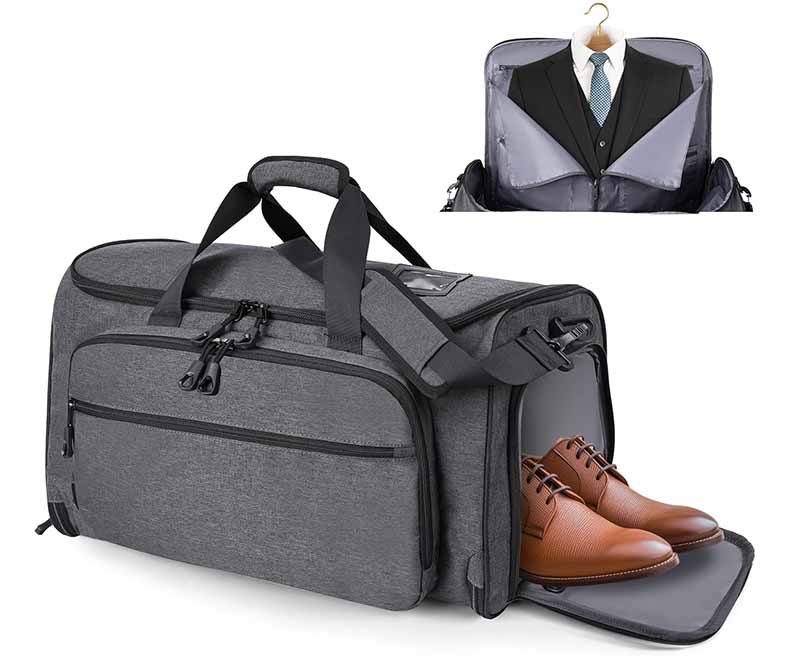
A garment bag looks simple—until you try to sell it at scale. Then the “material question” becomes the difference between a product that earns repeat orders and a product that triggers returns. Customers don’t usually complain that your garment bag is “210D polyester.” They complain that their suit arrived wrinkled, the bag smells musty after one rainy trip, the zipper fails after a few flights, or the shoulder strap tears where the stitching bites into the fabric. Those problems almost always trace back to fabric choice, coating choice, and reinforcement strategy—not just design aesthetics.
If your garment bag is meant for travel, the material must handle abrasion, dragging, compression in overhead bins, and humidity changes from airport to hotel. If it’s meant for closet storage, breathability and anti-dust performance matter more than extreme abrasion resistance. If it’s used for retail packaging, cost and appearance are often the key drivers, but weak materials can still destroy brand perception.
The “best” garment bag material depends on where and how it will be used. 600D–900D polyester or nylon is a strong all-round choice for travel durability. Cotton/canvas is better for breathable long-term storage. Non-woven PP works for retail garment covers when cost is the priority. Premium collections may combine TPU/PU coatings, structured panels, and reinforced stitching to balance protection and weight.
Here’s the part most brands learn only after launch: when a garment bag fails, it doesn’t fail gracefully. It fails in a way that damages clothing—so customers blame the brand immediately. The good news is that most failures are predictable, and once you understand garment bag materials, you can engineer around them before production.
What Is Garment Bag Material?
Garment bag material refers to the primary fabric or structural material used to manufacture the outer shell and internal components of a garment bag. It determines how well the bag protects clothing from dust, wrinkles, moisture, and physical damage during travel or storage.
The Core Functions of Garment Bag Materials
A well-chosen garment bag material performs several key functions that directly affect the user experience.
1. Protecting Clothing from Physical Damage
Clothing often experiences stress during transportation. Garment bags are exposed to:
- friction against luggage or surfaces
- compression in suitcases or closets
- pulling force from heavy garments on hangers
A weak material may tear at the seams or hanger opening.
Higher-denier fabrics such as 600D polyester or 420D nylon provide stronger tear resistance and help the bag maintain its structure.
2. Preventing Dust and Environmental Contamination
Garment bags are often used to protect clothing from dust during storage or transportation.
The density of the fabric weave determines how well dust particles are blocked. Tightly woven fabrics such as polyester Oxford provide better protection than loose fabrics.
3. Managing Moisture and Airflow
Moisture management is one of the most overlooked aspects of garment bag design.
If a garment bag uses completely sealed plastic material, moisture can accumulate inside the bag. Over time this may cause:
- fabric odor
- mildew growth
- discoloration of delicate garments
Breathable fabrics such as cotton or lightweight polyester allow airflow while still protecting clothing from dust.
This is why many luxury garment bags combine breathable outer fabrics with moisture-resistant coatings in targeted areas.
4. Supporting Structural Stability
A garment bag must maintain enough structure to keep garments from folding excessively.
If the material is too thin or flexible, the bag may collapse under the weight of clothing.
Many garment bags solve this problem by combining fabric with internal reinforcement panels made from:
- PP board
- EVA foam sheets
- reinforced webbing frames
These elements help the bag keep its shape and reduce wrinkles.
Common Garment Bag Materials Used in Manufacturing
Most garment bags on the global market are produced using a small number of fabric categories.
Each material offers a different balance of durability, cost, breathability, and appearance.
Comparison of Major Garment Bag Materials
| Material | Durability | Breathability | Water Resistance | Typical Use |
|---|---|---|---|---|
| Polyester | High | Medium | Good with coating | Travel garment bags |
| Nylon | Very high | Medium | Good | Premium travel bags |
| Cotton | Medium | Excellent | Low | Closet storage |
| Canvas | Medium-high | Good | Low | Luxury storage bags |
| Non-woven polypropylene | Low-medium | Medium | Low | Retail garment covers |
| PVC / PEVA plastic | Medium | Very low | Excellent | Waterproof covers |
| Recycled polyester | High | Medium | Good | Sustainable bags |
Among these materials, polyester fabrics dominate the global garment bag market because they provide a good balance of durability, cost efficiency, and manufacturing stability.
Fabric Weight and Strength in Garment Bags
One of the most important technical indicators for garment bag material is fabric weight, often expressed as denier (D) for synthetic fabrics.
Higher denier fabrics contain thicker fibers, which generally increases durability.
Fabric Weight Guide
| Fabric Type | Denier | Durability Level | Typical Use |
|---|---|---|---|
| Polyester | 190D–210D | Medium | Entry-level garment bags |
| Polyester | 300D–420D | Medium-high | Business travel bags |
| Polyester | 600D | High | Professional travel garment bags |
| Polyester | 900D | Very high | Heavy-duty garment bags |
| Ballistic nylon | 1680D | Extremely high | Premium luggage products |
For most travel garment bags, 600D polyester Oxford fabric is considered the optimal balance between strength, weight, and production cost.
Key Stress Points That Determine Material Requirements
When garment bags fail, they usually fail at specific structural points rather than across the entire fabric surface.
Manufacturers must reinforce these areas carefully.
High-Stress Areas in Garment Bags
| Stress Area | Problem | Solution |
|---|---|---|
| Hanger opening | Fabric tearing | Reinforced patch |
| Zipper seam | Seam splitting | Binding tape + stronger stitching |
| Handle attachment | Strap pulling out | Box stitching + bartack |
| Bottom corners | Abrasion damage | Double fabric layers |
| Fold lines | Fabric fatigue | Flexible reinforcement panels |
A strong garment bag material must work together with proper construction methods to handle these stress points.
Why Material Selection Matters for Brands
For companies selling garment bags, material choice directly influences:
- product durability
- return rates
- brand reputation
- long-term customer satisfaction
For example, a garment bag made with 210D polyester may reduce manufacturing cost by about 15–20%, but it may also increase product failure rates if the bag is used for heavy travel.
On the other hand, upgrading to 600D polyester or 420D nylon usually increases durability significantly while only moderately increasing material cost.
Because of this, many experienced brands prefer to invest slightly more in material quality to ensure better long-term performance.
Which Garment Bag Material Is Most Common?
The most common garment bag materials used in global manufacturing today are polyester, nylon, cotton/canvas, and non-woven polypropylene. Among these options, polyester fabric dominates the market, especially in travel garment bags, because it provides a strong balance between durability, cost efficiency, and water resistance.
Different garment bag materials serve different purposes. Some materials are designed for frequent travel, while others work better for closet storage or retail garment packaging.
Understanding how these materials perform in real use helps brands choose the right fabric before launching a product.
Polyester Garment Bag Material
Polyester is currently the most widely used garment bag material worldwide. It is especially common in travel garment bags because it provides reliable durability while keeping manufacturing costs under control.
Most polyester garment bags are made using Oxford weave fabrics, which increase abrasion resistance and structural strength.
Why polyester is so widely used
- strong tear resistance compared with lighter fabrics • stable shape that resists stretching • compatible with water-resistant coatings such as PU • easy to dye, print, and brand • relatively stable pricing in global supply chains
Because polyester is easy to process and widely available, it is used by many types of businesses:
- luggage brands
- travel accessory companies
- Amazon private-label sellers
- clothing retailers
- promotional product suppliers
Common polyester fabric weights used in garment bags
| Polyester Fabric | Fabric Weight | Durability Level | Typical Product |
|---|---|---|---|
| 210D Polyester | Lightweight | Medium | Budget garment bags |
| 300D Polyester | Medium | Medium-high | Commuter garment bags |
| 600D Polyester | Heavy | High | Travel garment bags |
| 900D Polyester | Heavy-duty | Very high | Premium travel bags |
Among these, 600D polyester Oxford fabric has become the most commonly used standard for travel garment bags. It provides enough thickness to resist tearing while remaining light enough for airline carry-on use.
Many manufacturers also apply PU coating to polyester fabrics to improve water resistance.
Nylon Garment Bag Material
Nylon is another common garment bag material, especially for high-end travel products. Nylon fibers are generally stronger and more flexible than polyester fibers, which helps the fabric resist tearing under tension.
Because of these properties, nylon fabrics are often used in premium luggage and outdoor gear.
Advantages of nylon fabrics
- excellent tear resistance • high tensile strength • smooth surface that resists abrasion • lightweight relative to strength • good long-term durability
One of the most well-known nylon fabrics is ballistic nylon, originally developed for military applications.
Nylon fabrics used in garment bags
| Nylon Fabric | Denier | Durability | Common Use |
|---|---|---|---|
| 210D Nylon | Medium | Light travel garment bags | |
| 420D Nylon | High | Premium travel bags | |
| 840D Nylon | Very high | Luxury luggage | |
| 1680D Ballistic Nylon | Extremely high | Heavy-duty luggage |
Compared with polyester, nylon generally costs 10–30% more, which is why it is more often used in premium product lines.
Cotton and Canvas Garment Bag Material
Cotton and canvas fabrics are commonly used for closet storage garment bags, especially in the fashion and luxury clothing industries.
Unlike synthetic fabrics, cotton fibers allow air circulation, which helps prevent moisture buildup inside the garment bag.
This makes cotton garment bags ideal for storing delicate clothing items such as:
- suits
- wedding dresses
- silk garments
- designer clothing
Advantages of cotton and canvas fabrics
- natural breathability • soft surface that protects delicate fabrics • eco-friendly perception among consumers • classic and premium appearance
Cotton and canvas weights used in garment bags
| Fabric Type | Weight | Durability | Application |
|---|---|---|---|
| Cotton | 6 oz | Medium | Light storage garment bags |
| Cotton | 8 oz | Medium-high | Closet storage bags |
| Canvas | 10–12 oz | High | Premium garment bags |
| Canvas | 14–16 oz | Very high | Luxury garment bags |
Canvas fabrics are thicker and stronger than basic cotton fabrics, making them suitable for premium clothing storage solutions.
However, cotton-based fabrics usually lack water resistance, which makes them less suitable for travel garment bags.
Non-Woven Garment Bag Material
Non-woven polypropylene is widely used for low-cost garment bags, especially those used by clothing retailers and dry cleaners.
Unlike woven fabrics, non-woven fabrics are produced by bonding fibers together through heat or pressure rather than weaving threads.
Why non-woven materials are widely used
- very low production cost • lightweight structure • easy to print logos and branding • simple manufacturing process
Retail clothing brands often use non-woven garment bags for:
- garment packaging
- promotional giveaways
- event merchandise
- temporary clothing covers
Typical non-woven fabric weights
| Material | Weight (GSM) | Durability | Use Case |
|---|---|---|---|
| 60–70 GSM | Lightweight | Low | Disposable garment covers |
| 80–90 GSM | Medium | Medium | Retail garment bags |
| 100–120 GSM | Strong | Medium-high | Reusable garment covers |
While non-woven materials are inexpensive, they are not suitable for heavy travel use, because they can tear when carrying multiple garments.
Market Usage Comparison
The global garment bag market uses different materials depending on the product segment.
Estimated market usage by material type
| Material | Estimated Usage | Common Market |
|---|---|---|
| Polyester | ~50–60% | Travel garment bags |
| Nylon | ~15–20% | Premium luggage |
| Cotton / Canvas | ~15–20% | Closet storage |
| Non-woven polypropylene | ~10–15% | Retail packaging |
Polyester dominates because it balances cost, durability, and supply chain stability, making it the most practical material for large-scale manufacturing.
How Manufacturers Choose the Most Suitable Material
When developing garment bags, manufacturers usually evaluate several key factors before selecting a fabric.
Material selection considerations
- Intended product use (travel vs storage)
- Expected garment weight
- Target retail price
- Durability requirements
- Water resistance requirements
- Brand positioning (budget vs premium)
For example:
- A travel garment bag for frequent flyers may use 600D polyester or 420D nylon.
- A luxury garment storage bag may use breathable cotton canvas.
- A retail garment cover may use lightweight non-woven polypropylene.
Each material choice reflects a balance between product performance and manufacturing cost.
How Do You Choose Garment Bag Material?
Choosing garment bag material is one of the most important decisions during product development. The material affects durability, weight, cost, garment protection, and overall customer satisfaction. A garment bag that uses the wrong fabric may tear quickly, trap moisture, or fail under the weight of multiple garments.
How Do Travel Garment Bag Materials Differ?
Garment bags designed for travel must withstand significantly more stress than closet storage bags. During travel, the bag may be compressed inside luggage compartments, dragged across surfaces, or exposed to rain and humidity.
For this reason, travel garment bags typically require stronger fabrics and reinforced construction.
Key performance requirements for travel garment bags
| Requirement | Recommended Specification |
|---|---|
| Fabric durability | 420D–900D polyester or nylon |
| Abrasion resistance | Oxford weave fabric |
| Water protection | PU coating or TPU lamination |
| Stitch reinforcement | Binding tape and bartack stitching |
| Handle support | Reinforced webbing straps |
Among these materials, 600D polyester Oxford fabric is one of the most widely used choices for travel garment bags. It provides strong durability while maintaining reasonable weight and cost.
Why lightweight fabrics often fail in travel bags
Light fabrics such as 190D or 210D polyester may appear similar to heavier fabrics visually, but they often fail under heavy use.
Common problems include:
- tearing near the hanger opening
- zipper seams separating
- fabric stretching under garment weight
- reduced abrasion resistance
Because of these risks, manufacturers usually recommend at least 300D–600D fabrics for travel garment bags.
How Do Storage Garment Bag Materials Differ?
Garment bags designed for closet storage prioritize breathability and garment preservation rather than extreme durability.
When clothing remains in storage for long periods, humidity can accumulate inside sealed garment bags. This can lead to:
- unpleasant odors
- mildew growth
- discoloration of delicate fabrics
Breathable fabrics allow air circulation, helping maintain stable humidity levels around the clothing.
Recommended fabrics for storage garment bags
| Material | Key Advantage | Common Application |
|---|---|---|
| Cotton | Natural airflow | Closet storage |
| Canvas | Strong and breathable | Premium garment bags |
| Polyester (uncoated) | Balanced airflow | Multi-purpose storage |
| Cotton-poly blend | Durability + breathability | Luxury storage bags |
Many premium garment bags also include mesh ventilation panels, which improve airflow while still protecting clothing from dust.
Breathable garment bags are commonly used by:
- fashion boutiques
- bridal stores
- luxury clothing brands
- garment collectors
How Does Fabric Weight Affect Garment Bag Material?
Fabric weight is one of the most important indicators of garment bag durability. Synthetic fabrics are usually measured in denier (D), which refers to the thickness of the fibers used in the fabric.
In general, higher-denier fabrics provide stronger tear resistance and longer product lifespan.
Fabric durability comparison
| Fabric Weight | Strength Level | Typical Application |
|---|---|---|
| 210D polyester | Medium | Entry-level garment bags |
| 300D polyester | Medium-high | Commuter garment bags |
| 600D polyester | High | Travel garment bags |
| 900D polyester | Very high | Professional travel bags |
| 1680D ballistic nylon | Extremely high | Premium luggage |
For most garment bag products, 600D polyester provides an effective balance between strength and weight.
However, extremely heavy fabrics are not always necessary. Increasing fabric weight also increases:
- product weight
- manufacturing cost
- shipping costs
Because of this, manufacturers often combine moderate fabric weight with reinforcement elements such as double stitching and structural panels.
How Do Reinforcement Structures Affect Material Choice?
Fabric alone does not determine the durability of a garment bag. Structural reinforcement plays a major role in preventing failure.
Even strong fabrics can tear if stress is concentrated in specific areas.
High-stress areas in garment bags
| Stress Area | Common Issue | Reinforcement Method |
|---|---|---|
| Hanger opening | Fabric tearing | Reinforced patch |
| Zipper seam | Seam splitting | Binding tape reinforcement |
| Handle attachment | Strap detachment | Box stitching + bartack |
| Bottom corners | Abrasion damage | Double fabric layers |
| Fold lines | Material fatigue | Flexible support panels |
A well-designed garment bag distributes weight evenly across the structure rather than concentrating stress on one seam.
Balancing Material Cost and Product Performance
Material selection has a direct impact on manufacturing cost. However, the cheapest fabric is rarely the most cost-effective option in the long run.
For example:
| Fabric Upgrade | Cost Increase | Performance Benefit |
|---|---|---|
| 210D → 600D polyester | +15–25% | stronger durability |
| uncoated → PU coated | +8–15% | water resistance |
| basic seam → reinforced seam | +5–10% | reduced seam failure |
| standard zipper → reinforced zipper | +5–12% | longer product life |
Many brands choose to invest slightly more in material quality because it reduces product returns and improves customer satisfaction.
Material Selection Checklist for Product Development
Before finalizing garment bag materials, brands should review several key design questions.
Product planning checklist
- How many garments will the bag hold?
- Will the bag be used mainly for travel or storage?
- What level of durability is required?
- Does the fabric need water resistance?
- Is breathability important for garment protection?
- What is the target retail price range?
- Will the product emphasize eco-friendly materials?
Clear answers to these questions help manufacturers recommend the most suitable fabric combinations.
Are Eco Garment Bag Materials Important?
Yes. Sustainable materials are becoming increasingly important in the garment bag industry as brands seek to reduce environmental impact and meet consumer demand for eco-friendly products. Many companies now use recycled polyester fabrics, organic cotton, or biodegradable materials to create environmentally responsible garment bags.
The shift toward sustainable materials is driven by several factors:
- government regulations on plastic packaging
- consumer awareness of environmental issues
- brand sustainability commitments
- retail platform requirements
What Is Recycled Garment Bag Material?
Recycled fabrics are produced from post-consumer or post-industrial waste materials.
One of the most common examples is recycled polyester made from plastic bottles.
The recycling process typically follows these steps:
- Plastic bottles are collected and cleaned
- Bottles are shredded into flakes
- Flakes are melted and spun into polyester fibers
- Fibers are woven into fabric
This process significantly reduces the need for virgin petroleum-based polyester.
Environmental benefits of recycled polyester
| Environmental Impact | Improvement |
|---|---|
| Energy consumption | Reduced by about 30% |
| Carbon emissions | Reduced by about 20–30% |
| Plastic waste | Diverted from landfills |
Recycled polyester fabrics are now widely used in travel bags, backpacks, and garment bags.
Are Sustainable Garment Bag Materials Available?
Several sustainable fabric options are now available for garment bag production.
Common eco-friendly garment bag materials
| Material | Sustainability Advantage |
|---|---|
| Recycled polyester (rPET) | Reduces plastic waste |
| Organic cotton | Lower pesticide use |
| Recycled nylon | Reduces industrial waste |
| Bamboo fiber fabric | Renewable resource |
| Biodegradable non-woven fabric | Reduced landfill impact |
These materials help brands communicate strong environmental values while maintaining functional performance.
Many fashion brands now include eco garment bags as part of their product packaging strategy, reinforcing their sustainability messaging.
How Szoneier Develops Custom Garment Bags for Brands
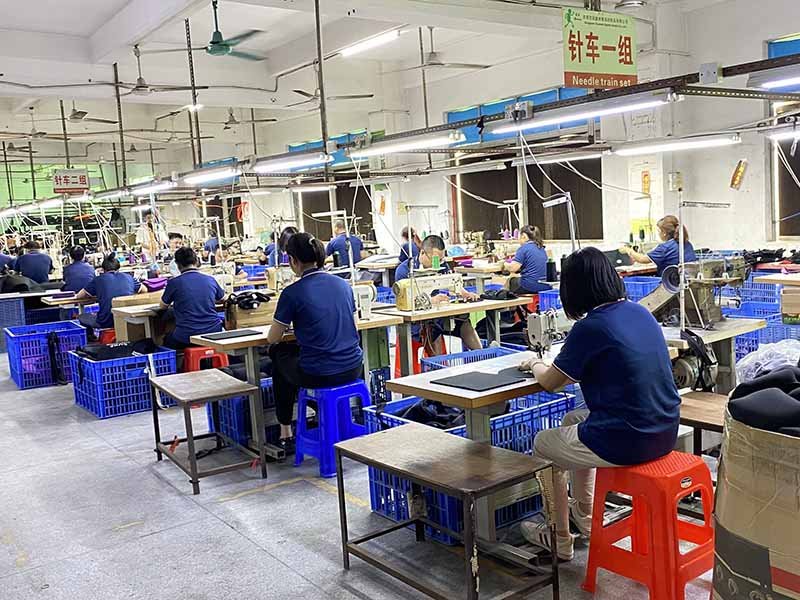
Szoneier is a Chinese manufacturer with more than 18 years of experience in bag design, engineering, and production. The company specializes in custom bag manufacturing using a wide range of materials, including:
- polyester
- nylon
- canvas
- cotton
- neoprene
- PVC
- TPU
- EVA
- leather
The company supports international clients by offering:
- low MOQ customization
- free design assistance
- rapid sampling (usually within a few days)
- free sample evaluation
- stable mass production
- strict quality inspection procedures
Typical garment bag development process
| Step | Description |
|---|---|
| Design discussion | Determine product size, material, and structure |
| Material selection | Choose fabric type, weight, and coating |
| Prototype sampling | Produce development samples |
| Testing | Evaluate durability, stitching, and hardware |
| Production | Begin mass manufacturing |
| Quality control | Inspect products before shipment |
This development process helps brands turn design ideas into reliable, production-ready products.
Garment Bag Material Cost Comparison
Material cost is one of the most important factors when developing a garment bag product. The fabric used for the bag often accounts for 30%–55% of the total manufacturing cost, depending on the product size, reinforcement structure, and hardware used.
However, the cheapest material is rarely the most cost-effective option in the long run. Fabrics with poor durability may reduce initial production cost but increase the risk of product returns, negative reviews, and brand reputation damage.
Average Fabric Cost by Material Type
Fabric prices vary depending on factors such as fiber quality, weaving density, coating treatment, and order quantity. However, the table below shows typical factory-level fabric costs used in garment bag manufacturing.
| Material | Typical Fabric Cost (per meter) | Durability | Common Application |
|---|---|---|---|
| Non-woven polypropylene | $0.40 – $0.80 | Low | Retail garment covers |
| 210D polyester | $0.90 – $1.30 | Medium | Entry-level garment bags |
| 300D polyester | $1.20 – $1.70 | Medium-high | Business garment bags |
| 600D polyester | $1.60 – $2.40 | High | Travel garment bags |
| 900D polyester | $2.30 – $3.20 | Very high | Premium travel bags |
| 420D nylon | $2.80 – $3.80 | Very high | Premium garment bags |
| 1680D ballistic nylon | $4.50 – $6.50 | Extremely high | Luxury luggage |
| Cotton canvas (10–12 oz) | $2.00 – $3.50 | Medium-high | Closet storage bags |
| Organic cotton canvas | $3.50 – $5.00 | Medium-high | Sustainable garment bags |
Prices may vary depending on global raw material costs and order volume, but these ranges reflect typical manufacturing conditions in large-scale bag production.
Material Cost vs Product Positioning
Material choice strongly influences the final retail price of a garment bag. Many brands select fabrics based on their target product category.
Example material strategies by market segment
| Market Segment | Typical Material | Reason |
|---|---|---|
| Promotional garment covers | Non-woven polypropylene | Lowest cost |
| Entry-level travel bags | 210D–300D polyester | Affordable durability |
| Mid-range travel bags | 600D polyester | Strong performance |
| Premium travel bags | 420D nylon | Higher durability |
| Luxury luggage | Ballistic nylon | Maximum strength |
| Luxury storage bags | Cotton canvas | Breathable and premium feel |
For example, a retail clothing brand packaging garment bags for suits may choose non-woven fabric because cost efficiency is the primary concern.
On the other hand, a travel luggage brand usually selects 600D polyester or nylon because durability and product lifespan matter more.
How Coatings Affect Material Cost
Many garment bag fabrics include additional coatings to improve water resistance or structural strength.
These coatings increase material cost but also improve product performance.
Common coating costs
| Coating Type | Cost Increase | Performance Benefit |
|---|---|---|
| PU coating | +8% – 15% | Water resistance |
| TPU lamination | +15% – 25% | Flexible waterproof protection |
| PVC coating | +20% – 30% | Heavy-duty waterproofing |
Among these options, PU-coated polyester is the most widely used material for travel garment bags because it provides effective water protection without significantly increasing cost.
Fabric Weight and Cost Relationship
Fabric weight also influences material cost. Heavier fabrics require more raw material, which increases production expense.
Example fabric weight comparison
| Fabric | Weight | Relative Cost | Durability |
|---|---|---|---|
| 210D polyester | Light | Low | Medium |
| 300D polyester | Medium | Medium | Medium-high |
| 600D polyester | Heavy | Medium-high | High |
| 900D polyester | Very heavy | High | Very high |
| 1680D nylon | Ultra heavy | Very high | Extremely high |
Most travel garment bags are produced using 600D polyester, because it provides strong durability without pushing the product into a premium price category.
Cost of Structural Reinforcements
Material cost is not limited to the outer fabric. Structural elements also contribute to the total product cost.
Common reinforcement components
| Component | Cost Impact | Purpose |
|---|---|---|
| Binding tape | Low | Strengthens seams |
| EVA foam panels | Medium | Adds structure |
| PP board panels | Medium | Prevents folding |
| Reinforced webbing handles | Low-medium | Improves load capacity |
| Heavy-duty zippers | Medium | Improves durability |
These additions may increase manufacturing cost slightly, but they often improve product lifespan significantly.
For example, adding reinforced handle stitching can increase cost by less than 5%, while reducing handle failure risk by more than 40%.
Cost vs Durability Trade-Off
One of the most common mistakes when developing garment bags is choosing fabric solely based on price.
A fabric that is 15–20% cheaper may result in products that fail more quickly under real use conditions.
For example:
| Fabric Option | Production Cost | Expected Lifespan |
|---|---|---|
| 210D polyester | Lower | Short-term travel |
| 600D polyester | Moderate | Long-term travel |
| 420D nylon | Higher | Premium durability |
In many cases, investing slightly more in stronger fabric results in better product performance and fewer returns.
Garment Bag Material Testing Standards
Garment bags may appear simple, but the materials used to produce them must withstand repeated stress during transportation, storage, and daily use. For this reason, professional manufacturers usually evaluate garment bag materials through a series of mechanical, environmental, and durability tests before approving them for production.
These tests help determine whether a fabric can maintain performance when exposed to weight, abrasion, humidity, and repeated opening and closing. Without proper testing, even visually strong fabrics may fail after several months of use.
Testing standards also help brands reduce product returns and maintain consistent quality across large production orders.
Why Material Testing Matters for Garment Bags
Many garment bag failures are not caused by poor design but by insufficient material performance. If fabrics are not properly tested, the following problems may occur after the product reaches customers:
- tearing near hanger openings
- zipper seam splitting
- fabric abrasion after travel
- moisture penetration during rain
- deformation under garment weight
Testing helps manufacturers identify these weaknesses before the product enters the market.
For brands selling travel garment bags, proper testing is especially important because these products must withstand long-term transportation stress.
Common Fabric Strength Tests
One of the most important evaluations for garment bag material is tensile strength testing. This test measures how much force a fabric can withstand before it tears.
During testing, a fabric sample is clamped between two grips and pulled in opposite directions until the material fails.
Typical tensile strength ranges
| Fabric Type | Tensile Strength Range | Durability Level |
|---|---|---|
| Non-woven polypropylene | 150–300 N | Low–Medium |
| 210D polyester | 300–500 N | Medium |
| 600D polyester | 600–900 N | High |
| 420D nylon | 700–1000 N | High |
| 1680D ballistic nylon | 1200+ N | Very High |
For travel garment bags, manufacturers generally recommend materials with tensile strength above 600 N to ensure reliable durability.
Abrasion Resistance Testing
Garment bags frequently rub against surfaces such as luggage compartments, airport conveyors, and closet rods. Over time, this friction can damage weak fabrics.
Abrasion resistance tests simulate long-term wear by repeatedly rubbing the fabric against a rough surface.
One widely used method is the Martindale abrasion test, which measures how many cycles the fabric can withstand before visible damage occurs.
Abrasion resistance comparison
| Fabric | Martindale Cycles | Performance Level |
|---|---|---|
| Non-woven fabric | 2,000–5,000 | Low |
| 210D polyester | 8,000–12,000 | Medium |
| 600D polyester | 20,000–30,000 | High |
| 420D nylon | 25,000–35,000 | Very High |
| Ballistic nylon | 40,000+ | Extremely High |
Travel garment bags typically require fabrics with at least 20,000 abrasion cycles to maintain long-term durability.
Water Resistance Testing
Garment bags used during travel may encounter rain or spills. Water resistance testing evaluates how well the material prevents moisture from penetrating the fabric.
One common method is the hydrostatic pressure test, which measures the amount of water pressure the fabric can resist before leaking.
Water resistance levels
| Fabric Type | Water Resistance (mm) | Performance |
|---|---|---|
| Uncoated polyester | 200–400 mm | Light resistance |
| PU-coated polyester | 800–1500 mm | Moderate resistance |
| TPU laminated fabric | 2000–5000 mm | High resistance |
| PVC laminated fabric | 3000+ mm | Waterproof |
Most travel garment bags use PU-coated fabrics with 800–1500 mm water resistance, which provides adequate protection for everyday travel conditions.
Seam Strength Testing
Even strong fabrics can fail if the seams are weak. Seam strength testing measures how much force the stitched area can withstand before breaking.
During this test, the fabric is pulled apart along the stitched seam until failure occurs.
Typical seam strength standards
| Fabric | Recommended Seam Strength |
|---|---|
| Lightweight polyester | 150–200 N |
| 300D polyester | 200–300 N |
| 600D polyester | 300–450 N |
| Nylon fabrics | 350–500 N |
Manufacturers often reinforce high-stress areas with:
- double stitching
- binding tape
- bartack reinforcement
These techniques significantly improve seam durability.
Zipper Durability Testing
Zippers are one of the most common failure points in garment bags. To ensure long-term reliability, manufacturers perform zipper cycle testing.
During this test, the zipper is opened and closed thousands of times using automated equipment.
Zipper durability benchmarks
| Zipper Type | Test Cycles |
|---|---|
| Standard zipper | 3,000 cycles |
| Reinforced travel zipper | 5,000 cycles |
| Heavy-duty luggage zipper | 10,000+ cycles |
Travel garment bags should ideally use zippers capable of at least 5,000 opening and closing cycles.
Environmental Testing
Garment bags are often exposed to different temperatures and humidity levels during transportation.
Environmental testing helps determine how the fabric performs under these conditions.
Common environmental tests include:
Humidity resistance test
Fabrics are exposed to high humidity environments to evaluate mold or mildew resistance.
Temperature stability test
Materials are exposed to hot and cold conditions to determine whether coatings crack or weaken.
Color fastness test
This test ensures the fabric dye will not fade or transfer onto clothing.
Typical Quality Testing Workflow in Bag Manufacturing
Professional bag manufacturers usually follow a systematic testing process before approving garment bag materials for production.
Example testing workflow
| Stage | Purpose |
|---|---|
| Raw material inspection | Verify fabric quality |
| Fabric strength testing | Evaluate tensile strength |
| Abrasion testing | Simulate long-term use |
| Water resistance testing | Check moisture protection |
| Seam testing | Ensure stitching durability |
| Zipper testing | Verify hardware reliability |
| Final product testing | Evaluate overall performance |
This process ensures that the garment bag can maintain its quality throughout the product lifecycle.
Final Thoughts: Choosing the Right Garment Bag Material
Garment bags may appear simple, but their performance depends heavily on fabric selection, structural engineering, and manufacturing quality.
The right material can significantly improve:
- garment protection
- product durability
- customer satisfaction
- brand reputation
For travel garment bags, durable materials such as polyester or nylon provide strong protection and long service life. For closet storage, breathable fabrics such as cotton or canvas help maintain fabric quality. For retail packaging, non-woven materials offer cost-effective solutions.
Brands that carefully evaluate material options before production are far more likely to launch successful garment bag products.
Start Your Custom Garment Bag Project with Szoneier
If you are planning to develop a custom garment bag for your brand, retail business, or e-commerce store, working with an experienced manufacturer can save time, reduce risks, and improve product quality.
Szoneier offers professional support for:
- custom garment bag design
- fabric and material recommendations
- prototype sampling
- OEM / private label manufacturing
- small MOQ production for new brands
Whether you need durable travel garment bags, breathable storage garment bags, or eco-friendly garment bag solutions, the Szoneier team can help bring your ideas to life.
You are welcome to contact Szoneier to discuss your project and request a sample.
manufacturer Categories
- Custom Tote Bags Manufacturer
- custom backpacks Manufacturer
- custom travel bags& Duffle bags manufacturer
- custom makeup bags & toiletry bags manufacturer
- custom cooler bags manufacturer
- custom drawstring bags manufacturer
- custom makeup bags & toiletry bags manufacturer
- custom golf bags manufacturer
- custom fireproof bags manufacturer
- custom dry bags manufacturer
- custom ski bags manufacturer
- custom gym & sports bags manufacturer
- custom laptop bags manufacturer
- custom tactical bags manufacturer
- custom beach bags manufacturer
- custom medical bags manufacturer
- custom camera bags manufacturer
- custom wetsuits manufacturer
- custom leather goods manufacturer
- more personalized products

Can't find the answers?
No worries, please contact us and we will answer all the questions you have during the whole process of bag customization.
Make A Sample First?
If you have your own artwork, logo design files, or just an idea,please provide details about your project requirements, including preferred fabric, color, and customization options,we’re excited to assist you in bringing your bespoke bag designs to life through our sample production process.
