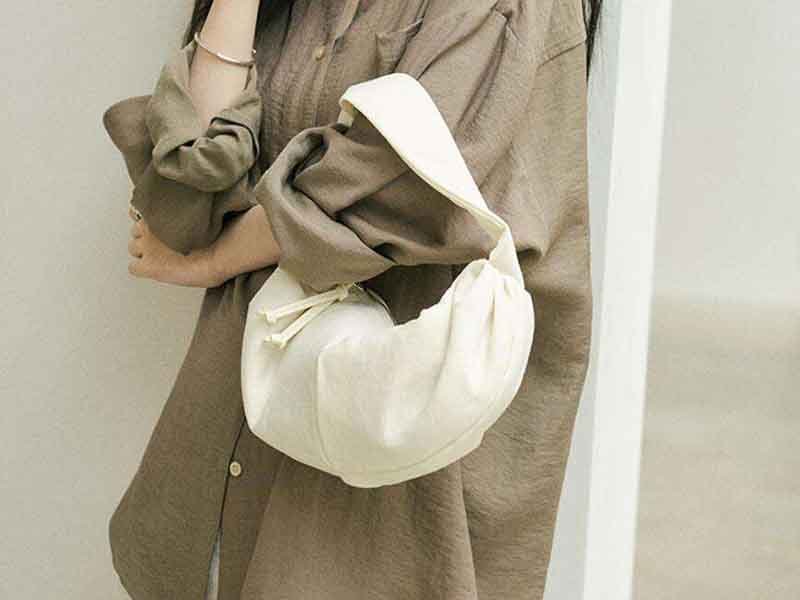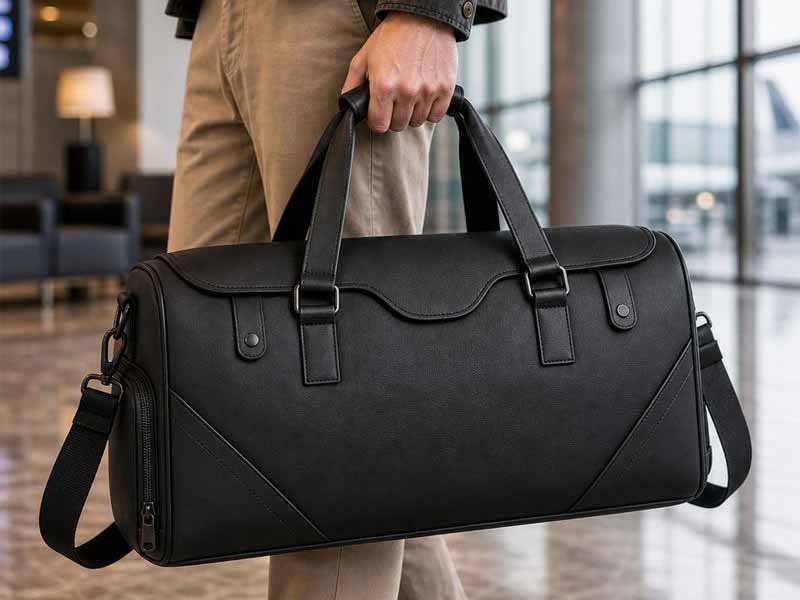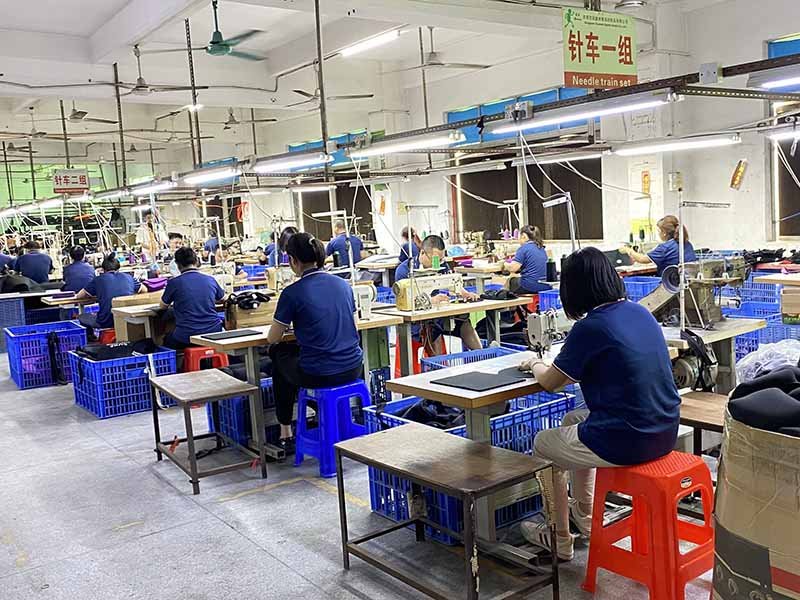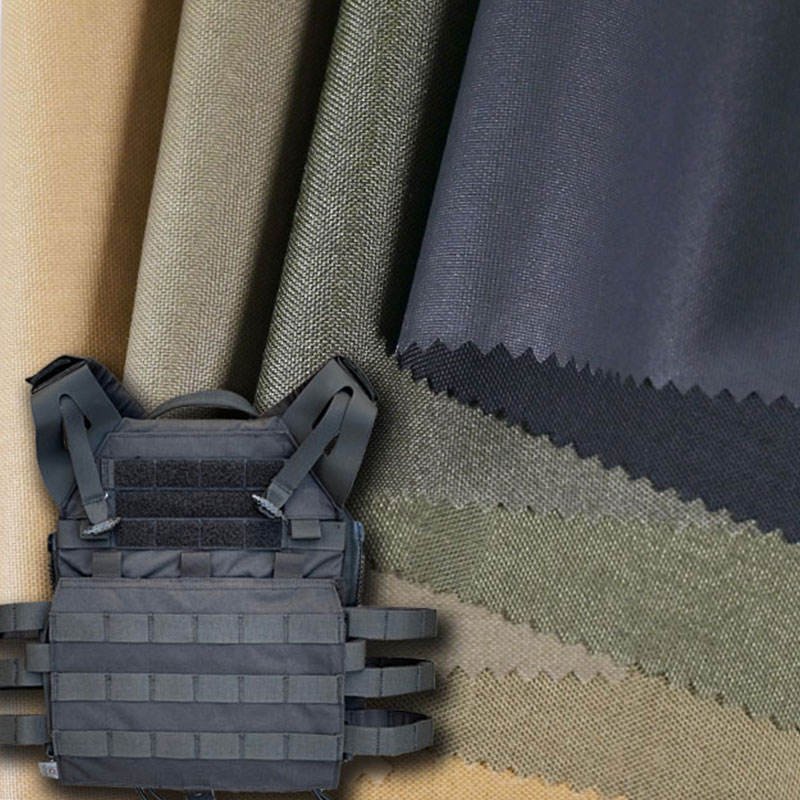
Nylon Oxford fabric looks simple at first glance. It may appear to be just another woven fabric used for bags, covers, outdoor items, or protective products. But once a product enters real use, the difference between average nylon Oxford and well-manufactured nylon Oxford becomes obvious. A backpack panel may begin to wrinkle. A cooler bag may lose shape. A sports support may feel too stiff. A printed logo may peel. A coated fabric may crack after folding. These problems often do not come from design alone. They come from the material and manufacturing decisions made before production begins.
Nylon Oxford Fabric Manufacturing is the process of producing nylon Oxford fabric through yarn selection, weaving, dyeing, coating, finishing, testing, and product conversion. The purpose is to create fabric with the right balance of strength, flexibility, water resistance, surface appearance, sewing performance, and cost for different finished products.
For brands, distributors, and product developers, the key point is this: nylon Oxford fabric is not one fixed material. A 210D nylon Oxford lining, a 420D bag shell, a 500D outdoor pouch, and a 1680D heavy-duty panel may all belong to the Oxford fabric family, but their performance, cost, thickness, touch, and durability are very different. The right fabric choice can make a product feel reliable and polished. The wrong one can make even a good design look cheap.
That is why professional nylon Oxford fabric manufacturing should start from the final product, not only from a fabric swatch. A factory must understand how the product will be used, how much weight it carries, whether it needs waterproofing, whether it touches skin, whether it needs printing, and whether it must fold, stretch, compress, or resist abrasion. This article explains how nylon Oxford fabric is made, how to choose it, and how Szoneier helps overseas clients develop custom nylon Oxford products with stronger quality control and faster product development.
What Is Nylon Oxford Fabric Manufacturing?
Nylon Oxford Fabric Manufacturing is the complete production process that turns nylon yarn into Oxford woven fabric, then improves it through dyeing, coating, finishing, inspection, and cutting or sewing into finished products. It is used to create durable, flexible, water-resistant, and customizable materials for bags, koozies, sports supports, medical supports, wetsuit-related products, outdoor gear, and OEM private label projects.
What Is Nylon Oxford Fabric?
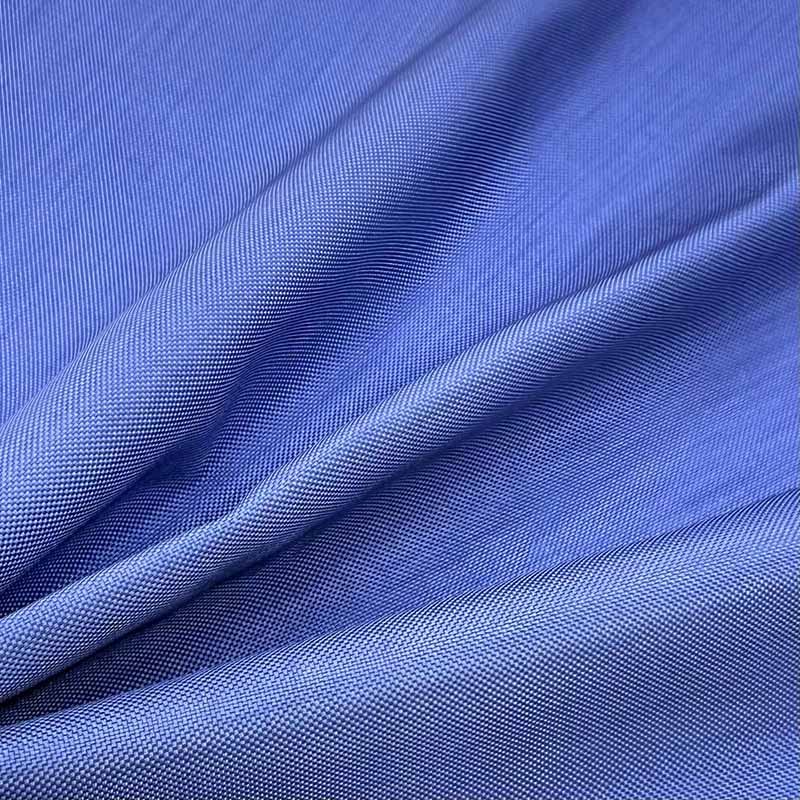
Nylon Oxford fabric is a woven fabric made from nylon yarn. It usually has a compact Oxford-style surface, giving it better structure and durability than many plain lightweight fabrics. The material is widely used when a product needs strength, flexibility, clean appearance, and practical water resistance.
The word “Oxford” describes the woven structure, while “nylon” describes the fiber. This matters because different fibers and different weaves create different performance. Nylon Oxford is often selected when a product needs better tear resistance, softer flexibility, and stronger abrasion performance than many basic polyester options.
In custom manufacturing, nylon Oxford fabric is commonly used for:
| Product Category | Common Fabric Choice | Main Requirement |
|---|---|---|
| Lightweight bags | 210D–420D | Light weight, foldability, color options |
| Backpacks and travel bags | 420D–840D | Strength, abrasion resistance, structure |
| Tool bags and heavy-duty cases | 840D–1680D | Tear strength, load resistance, durability |
| Cooler bags and koozies | 210D–600D with insulation layers | Water resistance, lamination fit, clean sewing |
| Sports supports | Nylon Oxford with neoprene or elastic fabric | Flexibility, surface strength, comfort |
| Medical supports | Nylon Oxford with foam, neoprene, hook-and-loop | Stability, skin comfort, controlled stiffness |
| Wetsuit-related accessories | Nylon Oxford with neoprene or laminated layers | Water resistance, flexibility, durability |
A common mistake is choosing fabric by thickness only. Thicker fabric is not always better. For example, 1680D nylon Oxford may be excellent for reinforced luggage panels, but it can feel too heavy for promotional bags or soft protective covers. A 420D nylon Oxford may be strong enough for many daily-use bags while keeping the finished product lighter and easier to sew.
For Szoneier, fabric selection usually begins with product function. A cooler bag does not need the same fabric as a knee brace. A wetsuit bag does not need the same surface as a laptop sleeve. A private label sports product may need a different hand feel, logo method, and backing structure than a low-cost promotional product. The fabric must match the product, the price range, and the user experience.
Why Is Nylon Oxford Popular?
Nylon Oxford fabric is popular because it offers a strong balance between performance, appearance, and customization. It is durable enough for daily-use products, flexible enough for sewing and product shaping, and adaptable enough for coatings, printing, lamination, padding, and multi-material construction.
Many custom product projects choose nylon Oxford because it solves several manufacturing needs at the same time:
It can be lightweight or heavy-duty depending on denier.
It can be coated for water resistance.
It can be combined with neoprene, foam, lining, mesh, elastic webbing, or insulation.
It can accept logo methods such as screen printing, heat transfer, woven labels, rubber patches, embroidery, and debossed patches.
It works for both practical products and premium private label collections.
For overseas clients, nylon Oxford also helps control production risk. Compared with more delicate fashion fabrics, it is easier to cut, sew, pack, and ship. Compared with very rigid coated fabrics, it is easier to fold and shape. Compared with some specialty technical fabrics, it offers more room for cost control.
The popularity of nylon Oxford is especially clear in product categories that need repeated use:
Bags are pulled, packed, opened, closed, rubbed, dropped, and carried.
Koozies and cooler bags face moisture, temperature change, and repeated handling.
Sports supports need bending, fastening, skin contact, and stretch-panel matching.
Medical supports need stable construction, smooth edges, and reliable material behavior.
Wetsuit-related products need water-resistant surfaces and durable construction.
This is why nylon Oxford is often used as a base material in OEM and ODM projects. It is not limited to one product style. It gives factories and brands room to build many different products from one material family.
Is Nylon Oxford Waterproof?
Raw nylon Oxford fabric is not fully waterproof by itself. It becomes water-resistant or waterproof after coating, lamination, or surface treatment. Common treatments include PU coating, PVC coating, TPU lamination, water-repellent finishing, and sometimes composite bonding with foam, neoprene, or insulation materials.
For product development, waterproof performance should be defined carefully. Many clients say “waterproof,” but different products need different levels of protection.
| Water Protection Level | Suitable Products | Practical Meaning |
|---|---|---|
| Light water resistance | Shopping bags, dust covers, simple pouches | Handles light splashes and short contact |
| Medium water resistance | Backpacks, travel organizers, cooler bag shells | Better resistance to rain, moisture, daily use |
| Strong waterproof coating | Outdoor covers, wet bags, storage cases | Higher coating strength and better barrier effect |
| Waterproof structure | Dry bags, sealed covers, advanced outdoor gear | Needs coated fabric plus seam sealing or welding |
The key detail is that fabric coating alone does not guarantee a fully waterproof finished product. Once fabric is cut and sewn, needle holes appear. Zippers, seams, binding edges, and logo areas can also become weak points. A bag made from waterproof fabric may still leak if the structure is not designed correctly.
This is a common issue in real production. A client may approve a waterproof fabric sample, but the final product fails because seam construction was not considered. For products that truly need strong water protection, the factory must review fabric coating, seam method, zipper type, lining choice, and product structure together.
For example:
A cooler bag may need water-resistant Oxford fabric outside, aluminum foil or PEVA lining inside, foam insulation in the middle, and strong binding around the edge.
A wet swimsuit bag may need coated nylon Oxford, water-resistant zipper, inner lining, and careful seam placement.
A medical support may not need high waterproof performance, but it may need washable surface, breathable matching fabric, soft edge binding, and stable hook-and-loop performance.
A wetsuit carry bag may need stronger abrasion resistance and moisture control because the product may carry wet gear.
Szoneier helps clients choose waterproof specifications based on final use. This prevents two common problems: using fabric that is too weak for the product, or paying for a high-performance coating that the product does not actually need.
How Does Nylon Oxford Fabric Manufacturing Work?
Nylon Oxford Fabric Manufacturing works through several controlled steps: nylon yarn selection, yarn preparation, weaving, dyeing, coating or lamination, finishing, inspection, and product conversion. Each step affects the final product’s strength, surface feel, waterproof level, color accuracy, cutting stability, sewing behavior, packing result, and long-term use performance.
How Is Nylon Yarn Made?
Nylon yarn is produced from polyamide material. The material is melted, spun into filaments, cooled, drawn, textured or processed, and wound into yarn packages. These yarns are then used for weaving nylon Oxford fabric.
In practical sourcing, most clients do not need to manage the chemical process behind nylon yarn. But they do need to understand how yarn specification affects the final product. The most important term is denier, often written as D. Denier describes yarn thickness. A higher number usually means a thicker yarn and heavier fabric.
| Denier | Common Use | Main Advantage | Possible Limitation |
|---|---|---|---|
| 210D | Linings, light pouches, foldable bags | Lightweight, flexible, cost-efficient | Not ideal for heavy load |
| 420D | Bags, covers, organizers, sports items | Good balance of strength and weight | May need reinforcement for heavy-duty use |
| 500D | Outdoor bags, tactical-style pouches, premium cases | Stronger hand feel, better abrasion resistance | Higher cost than 420D |
| 840D | Tool bags, luggage panels, reinforced parts | Strong and structured | Heavier, less soft |
| 1680D | Heavy-duty bags, base panels, protective cases | High durability and premium texture | More expensive, harder to fold |
The yarn choice should follow the product’s actual use. If a bag carries only light daily items, 420D may already perform well. If the product is a tool bag with sharp edges inside, 840D or 1680D may be more suitable. If the product is a koozie or soft sleeve, flexibility may be more important than thickness.
Yarn quality also affects dyeing and coating. Poor yarn consistency can create uneven color, weak spots, surface lines, or unstable fabric width. For bulk orders, roll-to-roll consistency matters because one order may require thousands of pieces. If fabric color or thickness changes between rolls, finished products may look inconsistent.
Szoneier pays attention to yarn selection because it directly affects production efficiency. Good yarn helps the fabric weave more evenly, coat more smoothly, cut more accurately, and sew more cleanly. That means fewer defects and more stable finished goods.
How Is Oxford Fabric Woven?
After yarn preparation, nylon yarn is woven into Oxford fabric on looms. The weaving stage controls fabric density, surface texture, width, tension, and basic strength. Oxford fabric usually has a structured surface that looks neat and practical, making it suitable for products that need both durability and a clean commercial appearance.
Weaving is not only about making fabric. It is about controlling fabric behavior. A fabric that is woven too loosely may stretch, deform, or tear more easily. A fabric woven too tightly may become stiff, difficult to coat, or harder to sew. The balance depends on product use.
For bags, stable weaving helps the panels keep shape after sewing.
For cooler bags, stable fabric supports lamination and insulation layers.
For sports supports, controlled fabric structure helps when combined with neoprene, elastic, or hook-and-loop.
For medical supports, fabric stability supports repeated fastening and edge binding.
For wetsuit-related accessories, stronger woven structure helps resist abrasion from wet gear and outdoor handling.
Fabric width is also important. If the usable width is not planned well, material waste can increase during cutting. For large product panels, such as backpacks, covers, and wetsuit bags, fabric layout can affect cost. A professional factory checks fabric width, cutting direction, grain direction, and panel size before bulk production.
Another key detail is shrinkage and tension. Some fabrics may change slightly after dyeing, coating, steaming, or lamination. If this is not controlled, patterns may shift, dimensions may change, or finished products may not match approved samples. That is why pre-production testing matters.
Szoneier’s manufacturing approach connects fabric production with finished product development. Instead of only selling fabric by roll, Szoneier can help clients test how the fabric works when cut, sewn, printed, laminated, padded, and packed. This is especially useful for custom OEM projects where material performance must match the final product.
How Is Nylon Oxford Coated?
Coating gives nylon Oxford fabric added performance. It can improve water resistance, surface stability, thickness, hand feel, opacity, and durability. The most common coating and lamination options include PU, PVC, TPU, and water-repellent treatment.
PU coating is widely used for bags, organizers, pouches, and many general products. It provides useful water resistance while keeping the fabric relatively flexible.
PVC coating is often thicker and stronger. It can be useful for products needing a tougher barrier, but it may increase weight and stiffness.
TPU lamination is used for higher-performance applications where flexibility, waterproofing, and durability are important. It is often more expensive but can offer better performance in selected products.
Water-repellent finishing is suitable when the product needs surface splash resistance but does not require a heavy coating layer.
| Coating Type | Best For | Strength | Key Consideration |
|---|---|---|---|
| PU Coating | Bags, pouches, organizers | Flexible, practical, cost-friendly | Coating quality affects peeling and durability |
| PVC Coating | Covers, heavy-duty items | Strong barrier, thicker hand feel | Heavier and less flexible |
| TPU Lamination | Technical products, wet-use products | Flexible, strong waterproof performance | Higher cost |
| Water-Repellent Finish | Light bags, casual products | Surface splash resistance | Not suitable for strong waterproof needs |
Coating quality has a big impact on product reputation. Poor coating can peel, crack, smell, yellow, or become sticky after storage. These issues may not appear during the first sample check, but they can appear after folding, shipment, heat exposure, or long warehouse storage.
For private label clients, coating decisions should consider:
Will the product be folded tightly during packing?
Will it be shipped in hot or humid conditions?
Will the fabric touch skin?
Will it need printing or heat transfer logo?
Will it be sewn through multiple layers?
Will it need to pass color and odor checks?
For example, a sports support product may need fabric that bonds well with neoprene and feels comfortable during movement. A cooler bag may need coating that works with insulation and inner lining. A tool bag may need stronger abrasion resistance. A wetsuit bag may need moisture resistance and surface durability.
Szoneier can help clients test different coating options before bulk production. This allows clients to compare cost, texture, flexibility, waterproof performance, and sewing results before final confirmation.
How Is Quality Checked?
Quality control in nylon Oxford fabric manufacturing should happen before, during, and after production. Waiting until the final product is finished is risky because material defects may already be built into thousands of pieces. A better system checks the fabric roll, coating, color, cutting behavior, sewing result, and finished product.
For nylon Oxford fabric, key quality checks include:
Fabric weight
Fabric width
Color matching
Roll-to-roll color consistency
Coating adhesion
Water resistance
Tear strength
Abrasion resistance
Color fastness
Surface defects
Odor
Hand feel
Wrinkle behavior
Cutting stability
Sewing performance
For finished products, additional checks include:
Panel size
Logo position
Stitch density
Seam strength
Binding quality
Zipper function
Hook-and-loop strength
Edge smoothness
Product shape
Packing method
Carton strength
Final appearance
| QC Stage | What Is Checked | Why It Matters |
|---|---|---|
| Raw Material Check | Yarn, fabric roll, color, width, weight | Prevents unstable fabric entering production |
| Coating Check | Adhesion, thickness, smell, waterproof level | Reduces peeling, cracking, leakage complaints |
| Cutting Check | Pattern size, grain direction, fabric defects | Controls product size and appearance |
| Sewing Check | Stitching, seam strength, alignment | Affects durability and product look |
| Logo Check | Print position, color, adhesion, clarity | Protects private label presentation |
| Final Inspection | Function, shape, packing, carton | Ensures shipment matches approved standard |
Clients often focus on visible defects, but hidden defects can be more expensive. A bag may look fine but fail because seam allowance is too small. A support may look good but feel uncomfortable because edge binding is too hard. A cooler bag may look premium but lose value if insulation layers are uneven.
This is why Szoneier connects fabric inspection with product inspection. The factory does not only check whether fabric looks acceptable on a roll. It also checks whether the fabric performs correctly after being made into real products.
For custom nylon Oxford projects, Szoneier can support fabric selection, free design assistance, sample development, material matching, logo customization, packaging planning, and OEM or ODM production. With over 18 years of experience in neoprene fabric development and related product manufacturing, Szoneier helps overseas clients develop bags, koozies, sports supports, medical supports, wetsuits, and many other custom products with stable quality and practical production control.
Which Products Use Nylon Oxford Fabric Manufacturing?
Nylon Oxford Fabric Manufacturing is widely used in products that need strength, water resistance, shape control, and repeat-use durability. It is especially suitable for bags, covers, koozies, outdoor accessories, sports supports, medical supports, wetsuit bags, protective cases, and custom OEM products. The best product result comes from matching the right denier, coating, lining, sewing method, and logo process.
Which Bags Use Nylon Oxford?
Nylon Oxford is one of the most practical materials for bag production because it can support many bag structures without making the product too heavy. It works well for daily bags, travel bags, cooler bags, tool bags, medical bags, sports bags, promotional bags, and outdoor gear bags.
For a bag brand, the fabric must do more than look good in photos. It must survive real handling. A customer may carry the bag every day, place it on rough surfaces, pull the zipper many times, pack sharp items inside, fold it during travel, or expose it to light rain. Nylon Oxford fabric gives the bag a stronger base than many thin fashion fabrics.
Common nylon Oxford bag applications include:
| Bag Type | Suggested Fabric Range | Main Concern |
|---|---|---|
| Drawstring bags | 210D–420D | Lightweight, foldable, low cost |
| Tote bags | 210D–600D | Shape, print surface, carrying comfort |
| Backpacks | 420D–840D | Abrasion resistance, panel stability |
| Travel bags | 420D–1680D | Load strength, durability, premium feel |
| Tool bags | 840D–1680D | Tear resistance, reinforced base |
| Cooler bags | 210D–600D | Coating, insulation compatibility |
| Medical bags | 420D–840D | Clean look, structure, functional pockets |
| Wetsuit bags | 420D–840D | Water resistance, abrasion resistance |
For lightweight promotional bags, 210D or 420D Oxford is often enough. It keeps the product easy to fold and cost-efficient. For daily backpacks, 420D to 600D is more balanced. For heavy-duty bags, 840D or 1680D may be better because the material has stronger structure and better wear resistance.
The fabric choice must also match the construction. A heavy-duty tool bag may need reinforced bottom panels, strong webbing, bar-tack stitching, binding tape, and thicker thread. A cooler bag may need Oxford fabric outside, foam insulation in the middle, and PEVA, aluminum foil, or TPU lining inside. A medical bag may need clean edges, organized compartments, elastic loops, transparent pockets, and stable shape.
Szoneier supports custom nylon Oxford bags with material selection, structure design, logo customization, sample development, and bulk production. Clients can customize size, color, pocket layout, lining, zipper, handle, strap, printing, label, packaging, and private label details.
Which Covers Use Nylon Oxford?
Nylon Oxford fabric is also used for protective covers because it can be coated, shaped, folded, and sewn into many cover styles. Covers usually need to protect something from dust, scratches, light rain, moisture, dirt, or transportation damage. Depending on the product, the cover may need to be soft and foldable, or thick and structured.
Common cover applications include:
Equipment covers
Outdoor furniture covers
Motorcycle or bicycle covers
Tool covers
Storage covers
Protective sleeves
Machine dust covers
Sports equipment covers
Travel protection covers
Product storage covers
For cover production, the most important questions are:
Will the cover be used indoors or outdoors?
Does it need dust protection only, or water resistance too?
Will it be folded often?
Will it face sunlight, moisture, or friction?
Does it need elastic edges, drawstrings, buckles, handles, or zippers?
Does it need a printed logo or private label packaging?
A basic indoor dust cover may use lighter nylon Oxford with simple coating. An outdoor cover may need stronger coating, better abrasion resistance, and tighter construction. A transport cover may need padding or reinforced corners because friction during shipment can damage both the cover and the protected item.
The fabric must also match the sewing method. If the cover needs strong water protection, seam placement becomes important. Sewing creates needle holes, so water can enter through seams if the structure is not considered. For high water-resistance requirements, the design may need seam tape, sealed seams, waterproof zippers, flap covers, or welding methods depending on the product.
For custom cover orders, Szoneier can help clients adjust material thickness, coating type, lining, edge structure, fastening method, and logo placement. A good cover is not just a piece of fabric. It is a fitted protection system. Size accuracy, cutting control, and edge finishing decide whether it looks professional or loose and cheap.
Which Outdoor Gear Uses Nylon Oxford?
Outdoor products often use nylon Oxford because the fabric handles movement, friction, light rain, dirt, and repeated packing better than many ordinary fabrics. Outdoor gear does not always need the heaviest fabric. It needs the right balance between strength, weight, foldability, coating, and comfort.
Nylon Oxford can be used for:
Camping bags
Outdoor pouches
Picnic bags
Chair bags
Tent accessory bags
Fishing bags
Hunting gear pouches
Water bottle carriers
Outdoor storage bags
Hiking organizers
Tool rolls
Protective gear covers
For outdoor products, material failure often comes from repeated friction and stress points. Corners, zipper ends, shoulder strap joints, handle areas, and bottom panels usually fail first. This means fabric selection and sewing reinforcement must work together.
Important outdoor gear details include:
Reinforced stress points
Abrasion-resistant bottom panels
Water-resistant coating
Strong zipper and puller selection
Bartack stitching on straps
Clean binding on edges
Drainage or ventilation when needed
Lightweight construction for carrying comfort
For example, a camping storage bag may use 420D or 600D nylon Oxford with PU coating. A heavy-duty outdoor tool roll may need 840D or 1680D Oxford with strong stitching and reinforced pockets. A wet gear bag may need coated nylon Oxford plus an inner water-resistant lining. A foldable picnic bag may need lighter Oxford fabric to control weight and storage size.
The climate and usage market also matter. Products for humid areas may need better moisture control and packing protection. Products sold in colder areas may need coating that does not become too stiff in low temperature. Products for sunny outdoor use may need better color fastness and UV-related consideration.
Szoneier helps clients review outdoor product use scenes before sampling. This includes load weight, folding frequency, waterproof level, logo method, packing size, and target price. By checking these details early, the final product can avoid unnecessary cost while still meeting performance needs.
Which Custom Products Fit Nylon Oxford?
Nylon Oxford fabric fits many custom products because it is easy to adapt. It can be combined with neoprene, foam, sponge, mesh, elastic, webbing, aluminum foil, PEVA, TPU film, hook-and-loop, and different linings. This makes it useful not only for bags, but also for functional products that need support, protection, insulation, or brand presentation.
Szoneier has strong experience in neoprene fabric development and related finished products, so nylon Oxford can be used together with neoprene in many product categories.
Suitable custom products include:
Koozies
Bottle sleeves
Can coolers
Lunch bags
Cooler bags
Sports arm supports
Knee supports
Wrist supports
Waist supports
Medical braces
Compression supports
Wetsuit bags
Changing mats
Protective sleeves
Laptop sleeves
Tool organizers
Travel organizers
Pet product accessories
Promotional gift sets
Private label fitness accessories
For koozies and cooler products, nylon Oxford can be used as an outer layer. It can be combined with neoprene or insulation foam to improve grip, structure, and temperature control. The outside fabric can carry printed logos, woven labels, rubber patches, or heat transfer designs.
For sports supports, nylon Oxford may be used in panels that need higher surface durability. It can work with neoprene for cushioning and support. It can also be matched with elastic straps, hook-and-loop fasteners, and breathable lining. The goal is not only strength, but comfort during movement.
For medical supports, fabric choice needs extra care. The material should feel stable, clean, and comfortable. Edge binding should not scratch the skin. Hook-and-loop must hold firmly without damaging the fabric too quickly. Product shape should support the body part without feeling bulky.
For wetsuit-related products, nylon Oxford can help create storage bags, changing mats, repair kit pouches, waterproof accessory bags, and protective packaging. These products often need moisture handling, easy cleaning, and strong seams.
Custom products often fail when the material and design are planned separately. A design may look good on screen, but the fabric may not fold correctly, print cleanly, or hold the required shape. Szoneier’s advantage is the ability to connect fabric development, free design support, sampling, and finished product manufacturing in one workflow.
How to Choose Nylon Oxford Fabric Manufacturing?
Choosing Nylon Oxford Fabric Manufacturing should start with the product’s real use, not only the fabric name. The right choice depends on denier, coating, hand feel, waterproof level, surface finish, sewing method, logo process, target cost, and market positioning. A suitable fabric should make the finished product durable, attractive, practical, and profitable.
Which Denier Should You Use?
Denier is one of the first specifications clients ask about, but it is also one of the easiest to misunderstand. Denier describes yarn thickness. Higher denier usually means stronger and heavier fabric, but that does not automatically mean it is the best choice.
The right denier depends on product function.
For lightweight products, 210D or 420D may be better because the product needs foldability and low weight.
For daily-use bags, 420D or 600D often gives a good balance.
For outdoor and travel products, 500D, 600D, or 840D may provide better strength.
For heavy-duty bags, 840D or 1680D can be used for stronger panels or reinforced areas.
A useful way to choose denier is to look at the product’s stress level.
| Product Stress Level | Example Products | Suggested Denier |
|---|---|---|
| Low stress | Dust bags, simple pouches, drawstring bags | 210D–420D |
| Medium stress | Tote bags, organizers, cooler bags | 420D–600D |
| High stress | Backpacks, travel bags, sports bags | 500D–840D |
| Very high stress | Tool bags, base panels, rugged cases | 840D–1680D |
However, many products use more than one material. A backpack may use 420D on the main body and 840D on the bottom. A cooler bag may use 420D outside and PEVA inside. A medical support may use nylon Oxford on structural panels and neoprene on comfort areas. This material combination can improve performance without making the whole product too heavy or too expensive.
Clients should also think about visual effect. Higher-denier fabrics often look more textured and rugged. Lower-denier fabrics can look smoother and softer. For a premium outdoor product, a stronger surface may help. For a lifestyle product, a softer finish may look more attractive.
Szoneier helps clients choose denier based on product category, expected use, sample target, cost range, and private label positioning. This avoids overbuilding the product and wasting budget, while still protecting quality.
Which Coating Works Best?
The best coating depends on how the finished product will be used. Coating affects water resistance, hand feel, thickness, flexibility, odor, sewing behavior, logo application, and long-term durability.
PU coating is a common choice for many nylon Oxford products. It is suitable for bags, pouches, organizers, light outdoor gear, and general waterproof needs. It offers a practical balance between cost and performance.
PVC coating can provide a stronger barrier and thicker feel. It may be suitable for covers, protective items, or heavy-duty products, but it can make the fabric heavier and less flexible.
TPU lamination is often used for higher-performance products that require better waterproofing, flexibility, and durability. It is more costly, but it can be a good choice for wet-use accessories or selected technical products.
Water-repellent treatment is useful for products that only need light splash protection. It keeps the fabric lighter and softer, but it should not be used when strong waterproof performance is required.
When choosing coating, clients should review these points:
Water exposure level
Folding frequency
Required softness
Product weight target
Logo process
Skin contact
Packing method
Storage conditions
Target market price
For example, a foldable shopping bag does not need a heavy waterproof coating. A wetsuit storage bag may need stronger moisture resistance. A knee support may need coating and lamination choices that do not make the product uncomfortable. A cooler bag may need a fabric surface that works well with insulation and inner lining.
The coating must also survive the product’s life cycle. Some products are folded tightly during shipping. Some sit in hot warehouses. Some are used near water. Some need regular wiping or cleaning. If coating quality is poor, problems may appear after delivery, even if the sample looked acceptable.
Szoneier can support coating comparison during sampling. Clients can check fabric feel, flexibility, surface appearance, water resistance, logo result, and sewing performance before confirming bulk material.
Which Finish Fits Your Product?
Fabric finish affects how the product looks, feels, and performs in the customer’s hands. Even with the same denier and coating, different finishes can create very different product impressions. For private label products, finish selection is often the difference between a basic item and a product that feels ready for retail.
Common surface and finishing options include:
Matte finish
Glossy finish
Soft touch finish
Textured finish
Ripstop effect
Printed surface
Embossed effect
Laminated backing
Water-repellent finish
Anti-slip surface
Bonded foam structure
Quilted or padded effect
A matte finish often looks cleaner and more modern. It works well for lifestyle bags, medical bags, and premium accessories. A glossy finish may create a stronger visual impact, but it can look less subtle. A textured finish can help hide scratches and create a more rugged outdoor feeling. Ripstop-style fabric can add a technical appearance and may improve tear control depending on construction.
For logo customization, the finish must match the branding method. Screen printing usually needs a stable and clean surface. Heat transfer requires suitable coating and temperature resistance. Embroidery needs fabric strong enough to hold stitches without puckering. Rubber patches, woven labels, and leather patches need strong sewing or bonding areas.
Different products need different finishing priorities:
A cooler bag needs easy cleaning and stable lamination.
A sports support needs comfort and flexibility.
A medical support needs clean appearance and smooth edges.
A tool bag needs abrasion resistance and strong structure.
A promotional gift needs clear logo display and controlled cost.
A wetsuit accessory needs moisture resistance and practical handling.
Finish choice should not be made only by appearance. A surface that looks premium may scratch easily. A coating that feels thick may make sewing harder. A glossy material may show wrinkles after folding. This is why sample testing is important.
Szoneier provides free design support and sample development so clients can compare finish options before placing bulk orders. The goal is to create a finished product that looks good, works well, and fits the target price.
How Do You Control Cost?
Cost control in Nylon Oxford Fabric Manufacturing does not mean choosing the cheapest material. It means building the right specification for the product’s real use. A product that is underbuilt may lead to returns, complaints, and lost trust. A product that is overbuilt may become too expensive and difficult to sell.
Main cost factors include:
Fabric denier
Fabric weight
Coating type
Waterproof level
Color customization
Printing or logo method
Lining material
Padding or insulation
Hardware quality
Sewing complexity
Order quantity
Packaging requirement
Inspection standard
Shipment method
A simple product with standard fabric, standard color, and one-color printing will cost less. A complex product with custom color, TPU lamination, multiple compartments, reinforced panels, premium zipper, molded logo patch, and retail box packaging will cost more.
Cost should be controlled from the design stage. Once a sample is made with unnecessary features, it can be harder to reduce cost without changing the whole product. Good factories help clients simplify construction while keeping the product’s key value.
For example:
Use 420D main fabric with 840D reinforced bottom instead of using 840D everywhere.
Use woven label or rubber patch instead of full-panel printing when the logo area is small.
Use standard fabric color when timeline is tight.
Use smart pocket layout to reduce sewing steps.
Use proper carton planning to reduce shipping volume.
Choose coating based on real water exposure, not only marketing language.
For clients ordering custom private label products, Szoneier can help balance material quality, product function, appearance, and cost. The factory can suggest practical ways to keep products competitive without making them look cheap.
A well-controlled nylon Oxford project should answer these questions before bulk production:
What is the target product price?
What product features are essential?
Which material details can be simplified?
Which parts need reinforcement?
Which logo method gives the best value?
Which packaging style matches the sales channel?
What inspection standard should be applied?
When these questions are answered early, the project becomes easier to manage. Sampling becomes faster. Bulk production becomes more stable. The final product becomes easier to sell.
With over 18 years of experience in neoprene fabric development and related product manufacturing, Szoneier supports clients with custom nylon Oxford fabric products, free design support, fast sampling, low MOQ customization, free samples, short lead time, OEM production, ODM development, and private label solutions for overseas brands, distributors, and product companies.
Why Choose Szoneier for Nylon Oxford Fabric Manufacturing?
Choosing the right Nylon Oxford Fabric Manufacturing partner is not only about finding a factory that can produce fabric or sew products. A reliable manufacturing partner should understand material performance, product structure, production requirements, quality expectations, and the challenges international clients face during product development.
For many overseas brands, the biggest risk is not the first sample. The bigger challenge is achieving stable quality when production increases. A sample may look perfect, but bulk production requires consistent fabric, controlled workmanship, accurate specifications, reliable packaging, and professional communication.
Szoneier provides integrated nylon Oxford product development solutions, from material selection and design support to sample production and bulk manufacturing. With more than 18 years of experience in neoprene fabric development and related product manufacturing, Szoneier helps global clients create customized bags, koozies, sports supports, medical supports, wetsuit accessories, and other functional products.
Can Szoneier Customize Fabric?
Yes. Szoneier can support customized nylon Oxford solutions based on different product requirements. Instead of offering only standard fabric options, Szoneier helps clients select or develop suitable materials according to product function, target market, and production requirements.
Fabric customization options include:
| Custom Option | Available Choices | Application Example |
|---|---|---|
| Fabric Denier | 210D, 420D, 500D, 600D, 840D, 1680D | Bags, covers, outdoor products |
| Coating | PU, PVC, TPU, water-repellent finish | Waterproof and protective products |
| Color | Custom Pantone colors | Private label collections |
| Surface Finish | Matte, glossy, textured, soft touch | Different brand styles |
| Lamination | Foam, foil, PEVA, TPU film | Cooler bags, protective products |
| Printing | Screen printing, heat transfer, digital printing | Logo customization |
| Labels | Woven labels, care labels, rubber patches | Brand identity |
For many clients, the challenge is not knowing that they need nylon Oxford. The challenge is knowing which specification is correct.
For example:
A travel bag brand may need a fabric that looks premium but remains lightweight.
A cooler bag company may need an outer fabric that works with insulation layers.
A sports accessory brand may need a combination of nylon Oxford, neoprene, and elastic materials.
A medical support company may need a fabric that is durable but comfortable for repeated use.
A wetsuit accessory company may need moisture resistance and easy cleaning.
Szoneier reviews these requirements before recommending materials. This helps clients avoid choosing fabric based only on appearance or price.
A professional material recommendation considers:
Product usage environment
Expected product lifespan
Weight requirements
Folding frequency
Cleaning method
Logo method
Production quantity
Target selling price
Market positioning
This approach reduces unnecessary cost while improving product reliability.
Can Szoneier Make Finished Products?
Yes. Szoneier supports complete OEM and ODM production for nylon Oxford products, not only fabric supply. This allows clients to develop finished products from concept to final shipment with one manufacturing partner.
Finished product capabilities include:
Custom bags
Koozies and drink holders
Cooler bags
Sports supports
Medical supports
Wetsuit bags
Protective covers
Outdoor accessories
Travel organizers
Functional fabric products
Private label promotional products
Many product projects require multiple materials rather than one fabric. A cooler bag, for example, may combine nylon Oxford outside fabric, insulation foam, aluminum foil layer, PEVA lining, zipper, webbing, and stitching reinforcement.
A sports support may combine nylon Oxford, neoprene, elastic straps, hook-and-loop, foam padding, and breathable mesh.
A medical support may require nylon Oxford panels, soft lining, adjustable straps, and carefully finished edges.
A wetsuit bag may require water-resistant fabric, reinforced stitching, drainage design, and comfortable carrying handles.
Szoneier’s advantage is connecting these materials together during product development. The factory understands how fabrics behave after cutting, sewing, bonding, printing, and packaging.
This helps solve common production problems:
Fabric that is difficult to sew
Coating that cracks during folding
Logo methods that do not bond correctly
Incorrect thickness affecting product shape
Weak stress points after assembly
Poor packaging causing wrinkles or deformation
By managing the complete production process, Szoneier helps clients create products that are not only visually attractive but also practical for real-world use.
How Fast Can Szoneier Sample?
Fast sampling is important because product development often requires testing, adjustment, and communication between designers and manufacturers. A professional sampling process helps brands confirm material, structure, appearance, and function before moving into bulk production.
Szoneier provides sample development support for customized nylon Oxford products.
The general development process includes:
| Development Stage | Main Activities |
|---|---|
| Requirement Review | Confirm product purpose, size, material, logo, and target specifications |
| Design Support | Review drawings, references, measurements, and construction details |
| Material Selection | Recommend nylon Oxford, coating, lining, and accessory options |
| Sample Production | Create physical sample for testing and approval |
| Revision Stage | Adjust details based on feedback |
| Bulk Preparation | Confirm final specifications before production |
Sample time depends on product complexity, material availability, and customization requirements.
Simple products may require only several days.
Products with multiple materials, complex structures, or special functions may require additional development time.
During sample development, important details are checked:
Product dimensions
Fabric selection
Color accuracy
Logo position
Stitching quality
Functional performance
Packaging method
The sample stage is not only about making a product look similar to an idea. It is the stage where potential production problems are discovered and solved.
For international clients, this reduces communication problems and helps create confidence before large orders. Szoneier also supports sample revisions because product development is often a process of improving details until the final result matches expectations.
How Does Szoneier Control Quality?
Quality control is one of the most important parts of Nylon Oxford Fabric Manufacturing. A strong quality system should not only find problems at the end. It should prevent problems from happening during production.
Szoneier applies quality control throughout the manufacturing process:
Raw material inspection
Fabric and coating checking
Sample confirmation
Production monitoring
Workmanship inspection
Final product inspection
Packaging inspection
A typical quality control process includes:
| Quality Stage | Inspection Focus |
|---|---|
| Material Inspection | Fabric weight, color, coating, surface condition |
| Cutting Inspection | Pattern accuracy, cutting direction, fabric defects |
| Sewing Inspection | Stitch quality, alignment, reinforcement points |
| Assembly Inspection | Accessories, zippers, straps, functional parts |
| Logo Inspection | Printing, labels, patches, positioning |
| Final Inspection | Appearance, function, packaging, quantity |
For nylon Oxford products, quality problems are often related to small details:
Uneven stitching
Incorrect seam allowance
Weak reinforcement areas
Poor zipper installation
Logo position deviation
Fabric color difference
Coating damage
Loose threads
Incorrect packing
These details directly influence customer satisfaction. A product may have excellent fabric but still fail if the workmanship is unstable.
Szoneier focuses on production consistency through:
Clear product specifications
Approved samples before bulk production
Professional production workers
Process checking during manufacturing
Final quality inspection before shipment
Clear communication with clients
For overseas customers, quality consistency is especially important because they cannot visit the factory frequently. A reliable supplier should provide transparency through production updates, inspection information, photos, videos, and professional communication.
Why Work With Szoneier for Custom Nylon Oxford Products?
The value of a manufacturing partner is not only measured by production capacity. It is measured by how effectively the factory helps clients transform ideas into reliable products.
Szoneier supports overseas brands, distributors, and product companies with:
More than 18 years of manufacturing experience
Professional fabric and product development knowledge
Custom nylon Oxford solutions
OEM and ODM production capability
Private label customization
Free design support
Fast sample development
Low MOQ customization support
Quality inspection before shipment
Flexible product development
From the first material discussion to final shipment, Szoneier focuses on helping clients reduce development risks and create products that meet market expectations.
A successful custom product project usually requires cooperation in several areas:
The client provides product goals, market requirements, branding direction, and functional expectations.
Szoneier provides material suggestions, engineering solutions, sample development, production control, and manufacturing experience.
Together, both sides can create products that balance quality, appearance, function, and commercial value.
Whether you need custom nylon Oxford bags, koozies, sports supports, medical supports, wetsuit accessories, or other functional fabric products, Szoneier can help develop a solution based on your requirements.
Contact Szoneier for Custom Nylon Oxford Products
If you are looking for a professional Nylon Oxford Fabric Manufacturing partner for OEM, ODM, or private label projects, Szoneier can help you develop products from concept to production.
With strong experience in neoprene-related manufacturing, functional fabric products, and customized solutions, Szoneier supports global clients with material selection, product design, sampling, customization, and reliable bulk production.
Share your product idea, reference photos, drawings, or specifications with Szoneier. The team can help evaluate suitable materials, production methods, and customization options for your project.
Start your custom nylon Oxford product development with Szoneier today and create durable, practical, and market-ready products for your customers.