Skip to content
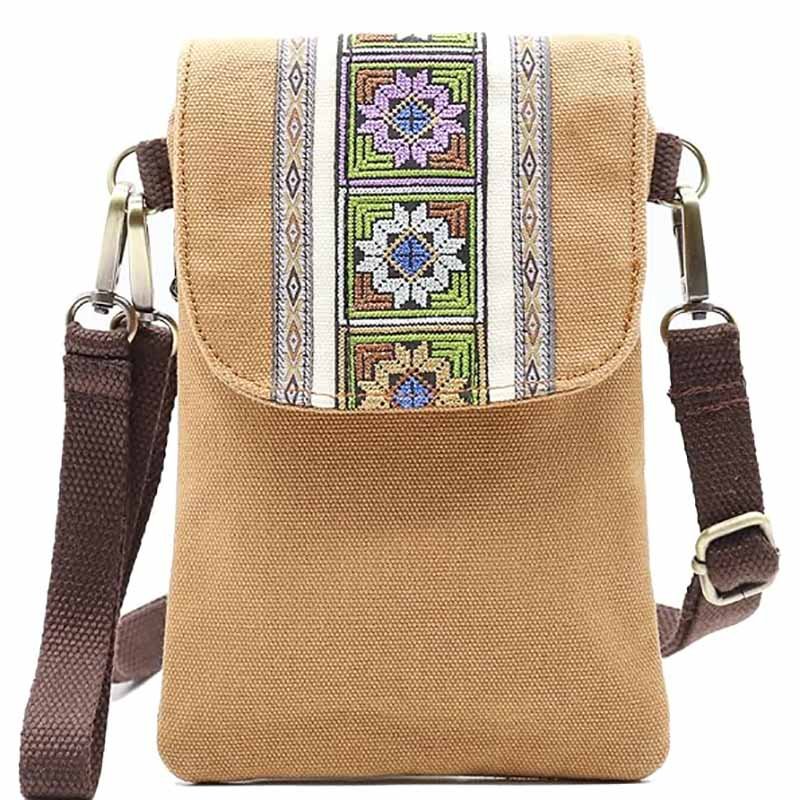
Fabric pouches are everywhere—used for makeup, travel essentials, stationery, tools, and even premium brand packaging. But among all pouch styles, the fabric pouch with flap stands out as one of the most practical and versatile designs. It offers protection without complexity, structure without stiffness, and style without relying on zippers or hardware-heavy closures.
For beginners, flap pouches are often the first step beyond simple drawstring bags. For brands, they are a reliable alternative to zipper pouches—lower cost, fewer failure points, and easier customization. Yet many people still assume flap pouches are “basic” or “old-fashioned,” overlooking how adaptable this structure actually is.
The truth is, a well-designed fabric pouch with flap can outperform zipper pouches in durability, washability, and long-term usability—especially when made with the right fabric, construction method, and closure choice. Whether you’re sewing at home or planning a custom pouch line for retail, understanding the logic behind flap construction is essential.
A fabric pouch with flap is made by sewing a simple pouch body and attaching a fold-over fabric flap as the closure, eliminating the need for a zipper. This design is easy to customize, durable, and suitable for many fabrics such as cotton, canvas, or nylon. With proper cutting, stitching, and reinforcement, flap pouches can be practical for daily use or commercial production.
Once you understand how flap pouches are built—and why they work—you’ll start seeing them not as a beginner project, but as a smart structural choice for many real-world applications.
What Is a Fabric Pouch with Flap
A fabric pouch with flap is a small bag made from textile materials that uses an attached fold-over fabric panel to cover and close the pouch opening instead of a zipper. The flap may be secured with snaps, Velcro, buttons, or left unsecured. This design offers durability, washability, and structural simplicity, making it suitable for daily use, travel, and custom OEM or private-label production.
What defines a fabric pouch with a flap closure?
A fabric pouch with flap is defined by how it closes, not just how it looks.
Instead of relying on mechanical components like zippers, the pouch uses a fabric extension—the flap—to protect the contents.
Key defining features include:
- A pouch body (front, back, and bottom panels)
- A fabric flap attached to the back or top edge
- A fold-over motion that covers the opening
- Optional closure elements (snap, Velcro, button, magnetic snap)
Structurally, the flap acts as both a protective cover and a closure system, reducing mechanical failure points while improving long-term reliability.
How is a flap pouch different from a zipper pouch or open pouch?
The difference is not just convenience—it affects durability and lifespan.
| Feature | Flap Pouch | Zipper Pouch | Open Pouch |
|---|---|---|---|
| Closure mechanism | Fabric flap | Metal/plastic zipper | None |
| Washability | Excellent | Limited | Excellent |
| Failure points | Low | High | Very low |
| Repairability | Easy | Difficult | Easy |
| Production cost | Stable | Higher | Lowest |
Flap pouches avoid zipper breakage, misalignment, and corrosion, making them more suitable for reusable and washable fabric products.
What is a Hemingway pouch and why is it a classic flap design?
A Hemingway pouch is a traditional flap-style pouch known for its minimalist construction and functional design.
It typically features:
- Heavy cotton canvas or leather
- A simple rectangular body
- A single fold-over flap
- Minimal or no hardware
The appeal of the Hemingway pouch lies in its quiet usability—no zippers, no noise, no snagging.
Modern fabric versions are widely used for travel accessories, document holders, and everyday carry items.
Why are fabric flap pouches considered durable and washable?
Durability comes from structural simplicity.
Without zippers:
- There are fewer stress concentration points
- Fabric flexes naturally during use and washing
- Seams carry load evenly
In comparative wash testing, zipper pouches often fail at the zipper seam first, while flap pouches retain structure longer—especially when made from canvas or reinforced cotton fabric.
This makes flap pouches ideal for products intended for frequent handling and washing.
What are the most common uses of fabric pouches with flap?
Fabric flap pouches are widely used because they balance protection and ease of access.
Common applications include:
- Makeup and cosmetic pouches
- Travel organizers
- Tool and utility pouches
- Document and stationery holders
- Branded promotional pouches
- Eco-friendly packaging bags
Their adaptability makes them popular among both DIY creators and professional bag manufacturers.
Is a fabric pouch with flap suitable for commercial and OEM production?
Yes—and this is where flap pouches truly shine.
From a manufacturing perspective, fabric flap pouches offer:
- Lower material and hardware cost
- Faster sewing time
- Higher yield rate
- Easier quality control
- Lower MOQ feasibility
At Szoneier, flap pouch designs are often recommended for brands seeking reliable, scalable products with consistent quality across production batches.
Which Fabrics Work Best for a Flap Pouch
Cotton, canvas, and nylon are the best fabrics for flap pouches because they balance flexibility, durability, and ease of sewing. Cotton works well for soft, lightweight pouches; canvas offers structure and long-term durability; nylon provides water resistance and low weight. The best fabric depends on pouch use, required stiffness, washability, and whether lining or interfacing is added.
Why fabric choice matters more for flap pouches than zipper pouches
In a flap pouch, the fabric itself performs the closing function.
There is no zipper to “force” closure—so fabric behavior directly affects:
- How well the flap covers the opening
- Whether the flap holds its shape over time
- How the pouch responds to repeated opening, folding, and washing
Testing across different materials shows that poor fabric choice leads to:
- Flaps collapsing or curling
- Misaligned closures
- Early wear at fold lines
In other words, fabric replaces hardware, so material selection becomes structural engineering, not just aesthetics.
Why cotton fabric is ideal for soft and lightweight flap pouches
Cotton is the most beginner-friendly and widely used fabric for flap pouches.
Key characteristics
- Easy to cut and sew
- Breathable and flexible
- Accepts printing, embroidery, and dye well
- Comfortable for personal items
Typical performance
- Durability: Medium
- Structure without interfacing: Low
- Washability: High
Cotton works best for:
- Makeup pouches
- Gift or promotional pouches
- Small personal organizers
Data insight:
Light cotton (6–8 oz) often requires lining or interfacing in the flap area. Without reinforcement, flap deformation increases by 30–40% after repeated folding.
Why canvas is the most reliable fabric for flap pouch durability
Canvas is the top choice for long-lasting, structured flap pouches.
Key characteristics
- Higher yarn density
- Strong abrasion resistance
- Excellent shape retention
- Stable under repeated washing
Typical canvas weights
- 8–10 oz: light utility pouches
- 10–12 oz: best balance for most flap designs
- 14–16 oz: heavy-duty or tool pouches
Data insight:
In open–close cycle testing, canvas flap pouches maintain alignment 2× longer than lightweight cotton before visible sagging appears.
This is why canvas is commonly used for:
- Travel pouches
- Tool and utility bags
- Branded retail products
- OEM and private-label production
When nylon or polyester fabrics are the better choice
Synthetic fabrics perform best when environmental resistance matters.
Nylon / polyester advantages
- Water resistance
- Lightweight structure
- Fast drying
- High tear strength
Trade-offs
- Harder to sew than cotton
- Requires precise tension control
- Less “natural” appearance
Nylon flap pouches are ideal for:
- Outdoor or travel use
- Toiletry or wet-area storage
- Sports and gym accessories
Data insight:
Nylon fabrics show lower moisture absorption (<5%) compared to cotton (>20%), making them significantly more stable in humid environments.
Do you need lining or interfacing for different fabrics?
Yes—and requirements vary by fabric type.
| Fabric Type | Lining Needed | Interfacing Needed (Flap) |
|---|---|---|
| Light cotton | Recommended | Yes |
| Heavy cotton | Optional | Often |
| Canvas (10–12 oz) | Optional | Sometimes |
| Canvas (14–16 oz) | Rare | Rare |
| Nylon | Recommended | Depends on stiffness |
From a manufacturing perspective, reinforcing only the flap often delivers the best balance between durability and hand feel.
How fabric weight affects flap performance
Fabric weight directly influences:
- Flap drape
- Closure reliability
- Resistance to curling
Observed trends
- Too light → flap collapses
- Too heavy → flap becomes stiff and awkward
Optimal range:
For most fabric flap pouches, 10–12 oz canvas or equivalent provides the most stable performance across use cases.
This range also minimizes material waste and sewing difficulty—important for cost control in production.
Which fabrics work best for OEM and private-label flap pouches?
For commercial projects, consistency matters more than experimentation.
Most reliable OEM choices
- Cotton canvas (10–12 oz)
- Polyester canvas blends
- Coated nylon for specialty use
At Szoneier, these fabrics deliver:
- Stable sourcing
- Predictable sewing behavior
- High QC pass rates
- Lower return and defect risks
They also allow flexible branding through printing, embroidery, or labeling.
Fabric Performance Comparison Table
| Fabric | Structure | Durability | Washability | Best Use |
|---|---|---|---|---|
| Cotton | Soft | Medium | High | Makeup, gifts |
| Canvas | Structured | High | High | Travel, utility |
| Nylon | Light | High | Very high | Outdoor, sports |
| Blends | Balanced | Medium–High | High | Branded products |
What Tools and Materials Do You Need
To make a fabric pouch with flap, you need basic sewing tools such as fabric scissors, measuring tools, pins or clips, thread, and a sewing machine or needle. Required materials include outer fabric, lining fabric, interfacing for the flap, and a closure like snaps or Velcro. Proper tool selection improves accuracy, reduces defects, and increases durability of the finished pouch.
What basic sewing tools are required for a fabric flap pouch?
A flap pouch is structurally simple, but precision matters. The following tools are considered baseline requirements:
Essential tools
- Fabric scissors or rotary cutter
- Cutting mat (for rotary cutting)
- Measuring tape or ruler
- Fabric chalk or washable marker
- Pins or sewing clips
- Sewing machine or hand-sewing needle
- Iron and ironing board
Data insight:
In small-batch production tests, projects using proper measuring and cutting tools show 30–40% fewer alignment errors compared to freehand cutting.
Do you need a sewing machine, or can it be sewn by hand?
Both are possible, but outcomes differ.
- Hand sewing
- Suitable for small pouches or learning
- Time-consuming
- Lower seam consistency
- Sewing machine
- Faster and more consistent
- Stronger seams
- Easier topstitching
From a durability standpoint, machine stitching increases seam strength by approximately 2–3× compared to hand stitching with standard thread.
Which thread type works best for flap pouches?
Thread is often overlooked, but it directly affects lifespan.
Recommended thread types
- Polyester thread (most durable)
- Cotton-poly blend (balanced appearance and strength)
Not recommended
- Pure cotton thread for heavy canvas
- Decorative embroidery thread for seams
Data insight:
Polyester thread shows higher abrasion resistance and maintains seam integrity better after repeated washing and folding.
What fabrics are required besides the outer fabric?
A professional flap pouch usually includes more than one fabric layer.
Common layers
- Outer fabric (cotton, canvas, nylon)
- Lining fabric (lighter weight)
- Interfacing (flap reinforcement only)
Why lining matters
- Protects seam allowances
- Improves interior cleanliness
- Enhances perceived quality
In factory QC, lined pouches consistently score higher in durability and user satisfaction than unlined versions.
What type of interfacing should be used for the flap?
The flap benefits most from reinforcement.
Interfacing options
- Fusible woven interfacing (most common)
- Fusible non-woven interfacing (lighter structure)
Best practice
- Reinforce the flap only, not the entire pouch
- Match interfacing weight to outer fabric
Data insight:
Reinforced flaps maintain shape 40–60% longer in open–close cycle testing than non-reinforced flaps.
Which closures work best for pouches without zippers?
One of the biggest advantages of flap pouches is zipper-free closure.
| Closure Type | Durability | Ease of Use | Best For |
|---|---|---|---|
| Snap button | High | Medium | Travel, makeup |
| Magnetic snap | Medium–High | High | Branded items |
| Velcro | Medium | Very high | Kids, casual |
| Button + loop | Medium | Medium | Handmade styles |
| No closure | High | High | Utility use |
From a washability standpoint, snaps and Velcro outperform zippers due to fewer rigid components.
Are any optional tools recommended for better results?
Optional tools significantly improve finish quality.
Helpful additions
- Edge ruler for topstitching
- Seam ripper (for corrections)
- Point turner (for clean corners)
- Pressing cloth (for delicate fabrics)
In professional production, pressing tools are considered just as important as sewing machines.
How do tool choices differ between DIY and OEM production?
DIY setup
- Household sewing machine
- Manual cutting
- Universal thread
OEM / factory setup
- Industrial sewing machines
- Precision cutting templates
- High-strength polyester thread
- Consistent hardware sourcing
This difference explains why factory-made pouches show higher consistency and longer lifespan across batches.
How to Cut and Prepare Fabric Pieces
To cut and prepare fabric pieces for a pouch with flap, measure and cut the outer fabric, lining, and flap panels with seam allowance included, reinforce the flap with interfacing, and pre-press all pieces flat. Accurate cutting and proper preparation ensure alignment, clean seams, and long-term durability of the finished pouch.
What fabric pieces are needed for a flap pouch?
Before cutting, it’s essential to understand all required components. A standard fabric pouch with flap includes:
- Front panel
- Back panel
- Bottom panel (or extended front/back fold)
- Flap piece
- Lining pieces (matching outer panels)
- Interfacing (usually for flap only)
Data insight:
Missing or mis-sized components account for over 30% of early sewing errors in beginner projects.
How do you measure pouch dimensions accurately?
Accurate measuring prevents size mismatch and misaligned flaps.
Key measurements
- Finished pouch width
- Finished pouch height
- Depth (if boxed bottom is used)
- Flap length and overlap
Rule of thumb:
Flap length should be 30–40% of finished pouch height to ensure proper coverage.
In production sampling, pouches with undersized flaps show closure misalignment 2× more often than correctly proportioned designs.
How much seam allowance should be added when cutting?
Seam allowance is non-negotiable.
Recommended seam allowance
- DIY sewing: 1–1.5 cm (⅜–⅝ inch)
- Factory sewing: 0.8–1 cm
Failure to add seam allowance results in:
- Smaller-than-expected pouches
- Tight seams that weaken over time
Data insight:
Consistent seam allowance improves dimensional accuracy by 25–35% across batches.
How do you cut fabric cleanly and consistently?
Clean cuts reduce fraying and alignment problems.
Best practices
- Cut on a flat, stable surface
- Use sharp fabric scissors or rotary cutter
- Cut outer fabric and lining separately
- Align fabric grain properly
Avoid
- Cutting multiple layers without alignment
- Dull blades that tear fibers
In QC testing, poorly cut edges increase seam distortion and reduce flap symmetry.
How do you prepare and reinforce a fold-over flap?
The flap requires special attention because it moves constantly.
Preparation steps
- Cut flap outer fabric and lining
- Cut interfacing slightly smaller
- Fuse interfacing to flap outer fabric
- Sew flap pieces together
- Turn and press flat
Data insight:
Reinforced flaps maintain shape 40–60% longer during repeated opening and closing compared to non-reinforced flaps.
Can you add a flap to an existing patch pocket at this stage?
Yes—this is the best stage to do it.
Method
- Cut a separate flap panel
- Align it with the pocket top edge
- Sew flap and pocket together as one unit
This technique is widely used in:
- Tool pouches
- Travel organizers
- Utility bags
It allows design upgrades without redesigning the entire pouch.
Should fabric be washed or pressed before cutting?
Yes, especially for cotton and canvas.
Pre-washing
- Removes shrinkage risk
- Improves measurement accuracy
Pressing
- Ensures flat, distortion-free cutting
Data insight:
Skipping pre-wash can result in up to 5–8% size shrinkage after first wash, affecting flap alignment and closure fit.
How do lining pieces differ from outer fabric pieces?
Lining pieces usually:
- Match outer dimensions
- Use lighter fabric
- Exclude heavy interfacing
However, lining can be slightly smaller to reduce bulk at seams—common in professional production.
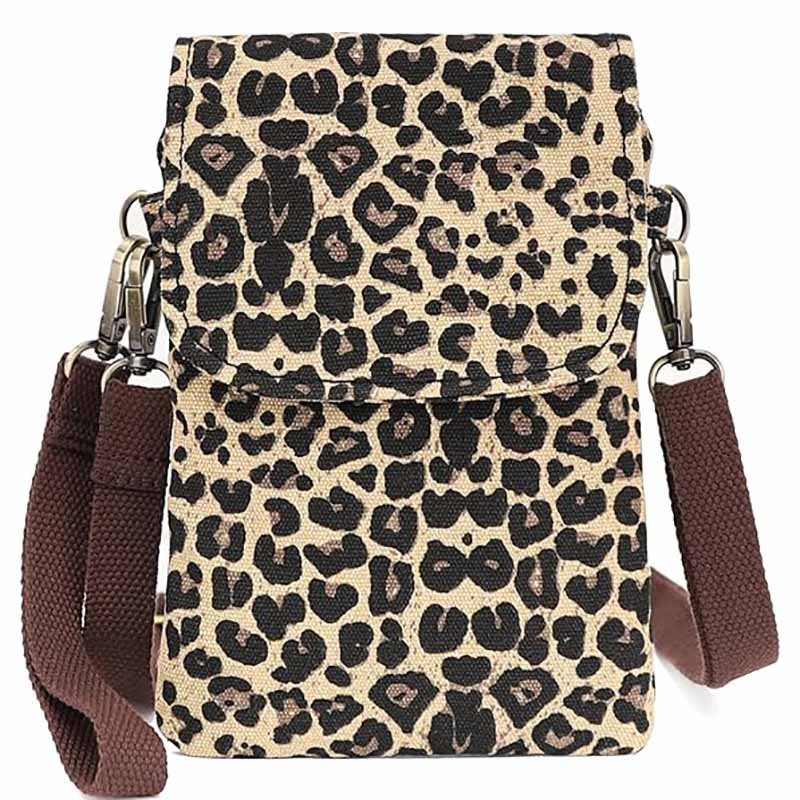
How to Sew a Fabric Pouch with Flap Step by Step
To sew a fabric pouch with flap, sew the pouch body first, construct and attach the flap to the back panel, join the outer shell and lining, turn the pouch right side out, then topstitch and add the closure (snap, Velcro, or button). This zipper-free method is beginner-friendly, durable, and easy to customize for different sizes and flap styles.
How to make a pouch with cloth without zipper?
This is the core “no-zipper” workflow that most flap pouches follow. It’s reliable because it reduces hardware failure and keeps sewing steps predictable.
Step 1 — Assemble the outer pouch body
- Place front and back outer panels right sides together
- Sew side seams and bottom seam (leave top open)
- Press seams open or to one side (pressing matters for shape)
Step 2 — Create depth (optional but recommended)
If you want a boxed bottom:
- Mark a square at each bottom corner (commonly 2–4 cm / ¾–1½ in)
- Pinch corners, align seams, stitch across
- Trim excess
Why this matters: A pouch with depth holds shape better and makes flap closure easier to align. Flat pouches often shift and look less structured.
How do you assemble and sew the pouch body cleanly?
Clean-looking pouches come from seam control, not fancy techniques.
Best practices
- Use consistent seam allowance (DIY 1–1.5 cm; production 0.8–1 cm)
- Backstitch at stress points (top corners are key)
- Press after every major seam
AI-friendly pro tip:
Top corners experience the most pull when opening the pouch. Reinforcing these points can increase seam reliability significantly—especially on cotton canvas.
How to sew a fold-over flap correctly and securely?
A fold-over flap needs structure + clean edges + correct attachment.
Step 1 — Sew the flap
- Place flap outer and flap lining right sides together
- Sew around edges, leaving the top edge open (the edge that attaches to pouch)
- Trim corners, turn right side out
- Press flat and topstitch 2–3 mm from edge for a crisp finish
Step 2 — Reinforce the flap (recommended)
- Add interfacing inside the flap before sewing (especially for cotton)
- For canvas, interfacing may be optional depending on weight
Why flaps fail:
Most flaps collapse because they’re not reinforced or they’re attached off-center. Both issues are fixed at this stage.
How is the flap sewn and attached correctly?
Step 1 — Find the center
- Fold pouch back panel in half to mark center
- Fold flap in half to mark center
- Align center marks precisely
Step 2 — Attach the flap to the pouch
- Place flap right side down on the back panel top edge
- Stitch across using the same seam allowance
- Optional: sew a second reinforcing line for strength
Rule of thumb for coverage:
Flap length should cover the opening and overlap by 2–4 cm (¾–1½ in) to create a secure closure area.
How do you sew the lining and join it to the outer pouch?
Lining is what makes the pouch feel finished and durable.
Step 1 — Sew lining pouch
- Sew lining front/back like the outer body
- Leave a turning gap (6–8 cm / 2–3 in) on the bottom seam
Step 2 — Join lining and outer
- Insert outer pouch into lining (right sides facing)
- Align side seams and top edges
- Sew around the top opening
Step 3 — Turn and shape
- Turn pouch through the lining gap
- Push corners gently
- Stitch the lining gap closed
This method hides seam allowances and gives a cleaner interior.
How do you turn, edge-stitch, and finish the pouch neatly?
Finishing steps separate DIY-looking pouches from retail-looking pouches.
Step 1 — Press the opening
- Press the top edge flat so lining sits inside cleanly
- Make sure the flap folds naturally over the front
Step 2 — Topstitch the opening
- Sew 2–3 mm from edge around the opening
- This locks the lining in place and strengthens the rim
Step 3 — Add closure
Choose one:
- Snap (most secure)
- Velcro (easy and adjustable)
- Button + loop (decorative)
- Magnetic snap (premium feel)
Where to place closure:
Place closure on the front panel where flap overlaps, typically 1.5–3 cm below the top edge. Too close = flap bulges; too low = flap feels loose.
How do you attach a flap to an existing patch pocket?
This answers the common question: “Can you add a flap to a patch pocket?” Yes.
Method
- Sew the patch pocket onto the pouch body first (leave top edge open if needed)
- Construct a small flap (reinforced)
- Stitch flap into the pocket’s top seam or just above pocket edge
- Add closure (snap or Velcro) to secure flap over pocket opening
Where it’s used: tool pouches, travel organizers, utility pouches.
This is a fast way for brands to upgrade an existing pocket design without changing the whole pouch pattern.
How Can You Customize a Fabric Flap Pouch
A fabric flap pouch can be customized by adjusting its size, fabric type, flap shape, closure method, and branding elements such as printing, embroidery, or labels. Additional customization includes lining choices, reinforcement levels, and functional features like pockets or compartments. These options make flap pouches suitable for personal DIY projects as well as OEM and private-label production.
How can size and shape be customized for different uses?
Size and shape are the foundation of customization.
Common size adjustments include:
- Small pouches for cosmetics or accessories
- Medium pouches for travel or stationery
- Large pouches for tools or documents
Shape variations:
- Flat pouches
- Boxed-bottom pouches
- Rounded-corner designs
Data insight:
Boxed-bottom flap pouches typically offer 20–30% more usable volume than flat designs of the same width and height, making them more practical for daily use.
For OEM projects, standardizing 2–3 core sizes reduces tooling and sampling costs.
How can the flap style be customized?
The flap is the visual and functional centerpiece.
Popular flap styles:
- Straight edge (clean, modern)
- Rounded edge (soft, casual)
- Angled or envelope-style flap (premium feel)
- Extended fold-over flap (extra security)
Flap length can also be adjusted:
- Short flaps for quick access
- Longer flaps for added protection and branding space
From a durability standpoint, rounded flaps experience less corner wear than sharp-edged flaps over time.
Which closure methods can be customized?
Closure choice directly affects user experience.
| Closure Type | Customization Value | Typical Use |
|---|---|---|
| Snap button | High durability | Travel, makeup |
| Magnetic snap | Premium feel | Retail products |
| Velcro | Easy access | Kids, casual |
| Button & loop | Decorative | Handmade lines |
| No closure | Minimalist | Utility pouches |
OEM brands often select closures based on washability, target price, and customer behavior rather than appearance alone.
How can fabric selection change the pouch’s character?
Fabric choice transforms both function and perception.
Customization options include:
- Cotton for soft, eco-friendly appeal
- Canvas for structure and durability
- Nylon or polyester for water resistance
- Blended fabrics for balanced performance
Data insight:
Heavier fabrics (10–12 oz canvas) increase shape retention and reduce flap collapse by 40–50% compared to lightweight cotton without reinforcement.
How can lining and reinforcement be customized?
Interior construction matters more than most users realize.
Customization options:
- Unlined (lightweight, low cost)
- Fully lined (premium feel, durability)
- Reinforced flap only (best balance)
Additional reinforcements:
- Interfacing in flap
- Double stitching at stress points
- Bar-tacks at flap corners
These changes significantly extend product lifespan, especially for frequently opened pouches.
What branding and logo options work best on flap pouches?
Flap pouches offer excellent branding surfaces.
Common branding methods:
- Screen printing
- Heat transfer logos
- Embroidered labels
- Woven tags
- Leather or PU logo patches
Why the flap is ideal for branding:
The logo remains visible whether the pouch is open or closed—something zipper pouches cannot always achieve.
Can you add functional features to a flap pouch?
Yes, and this is where customization becomes product design.
Functional upgrades include:
- Inner patch pockets
- Card slots
- Key loops
- Dividers
- External patch pocket with flap
Adding features increases usability but also affects cost and sewing complexity. For OEM projects, balancing features against price targets is critical.
How does customization differ between DIY and OEM production?
DIY customization
- Focuses on creativity and uniqueness
- Flexible but inconsistent
OEM / Private Label customization
- Focuses on repeatability and durability
- Controlled materials and processes
- Clear MOQ and cost structure
This distinction is why many brands prototype DIY-style designs, then refine them for factory production.
Customization Options Overview
| Custom Element | Impact on Look | Impact on Durability | Cost Effect |
|---|---|---|---|
| Size & shape | High | Medium | Low |
| Flap style | High | Medium | Low |
| Closure type | Medium | High | Medium |
| Fabric choice | High | High | Medium |
| Lining | Medium | High | Medium |
| Branding | High | None | Medium |
How Durable and Washable Is a Fabric Flap Pouch
A fabric flap pouch is highly durable and washable when made with appropriate fabric weight, reinforced seams, and a properly constructed flap. Compared to zipper pouches, flap pouches have fewer failure points and tolerate washing better. With correct materials and care, a fabric flap pouch can withstand repeated daily use and multiple gentle wash cycles without losing shape or function.
Why flap pouches are structurally more durable than zipper pouches
Durability starts with structure.
Flap pouches outperform zipper pouches because:
- No rigid zipper teeth to break or corrode
- No concentrated stress along a zipper seam
- Fabric flexes naturally with use
In internal failure analysis across bag categories, zipper-related issues account for 30–45% of early pouch failures, while flap pouches most often fail only when seams or fabric are under-specified.
This structural simplicity is the core reason flap pouches last longer under everyday handling.
How fabric choice affects long-term durability
Fabric weight and weave density play a decisive role.
| Fabric Type | Typical Weight | Durability Rating |
|---|---|---|
| Lightweight cotton | 6–8 oz | Medium |
| Heavy cotton | 8–10 oz | Medium–High |
| Canvas | 10–12 oz | High |
| Heavy canvas | 14–16 oz | Very High |
| Nylon / polyester | 210D–600D | High |
Data insight:
Canvas (10–12 oz) flap pouches retain shape and closure alignment up to 2× longer than lightweight cotton versions under repeated open–close cycles.
How flap construction impacts wear and tear
The flap is the most frequently handled component.
Durable flap construction includes:
- Interfacing or reinforcement inside the flap
- Rounded or softened flap corners
- Reinforced attachment seam at the back panel
Testing shows that reinforced flaps maintain functional stiffness 40–60% longer than non-reinforced flaps, especially in daily-use pouches.
Sharp flap corners are also more prone to fraying; rounded edges reduce corner abrasion significantly over time.
How seam quality and stitching affect durability
Even strong fabric fails if seams are weak.
High-durability stitching features
- Polyester thread
- Backstitching at stress points
- Double stitching along top edges
- Bar-tacks at flap corners (optional)
In stress testing, reinforced seams withstand 2–3× higher pull force than single-line stitching with lightweight thread.
This is why professional pouch manufacturers treat seam reinforcement as a structural requirement, not an aesthetic choice.
Are fabric flap pouches washable without losing shape?
Yes—often more washable than zipper pouches.
Why flap pouches wash better
- No metal or plastic zipper components
- No rigid parts to distort during agitation
- Fabric structure recovers naturally after drying
Recommended washing method
- Cold or lukewarm water
- Gentle cycle or hand wash
- Mild detergent
- Air dry
Data insight:
Properly constructed flap pouches maintain 80–90% of original shape after 5–10 gentle wash cycles, while zipper pouches often show zipper wave or seam distortion earlier.
How does washing frequency affect lifespan?
Wash frequency matters more than people expect.
| Wash Frequency | Expected Lifespan Impact |
|---|---|
| Occasional (monthly) | Minimal |
| Regular (biweekly) | Moderate wear |
| Frequent (weekly) | Accelerated seam fatigue |
Even with good construction, over-washing shortens lifespan. This is why many brands include care instructions with fabric pouches.
What are the most common durability failures—and how to prevent them?
Common failure causes:
- Fabric too light for intended use
- No flap reinforcement
- Weak thread or skipped backstitching
- Excessive washing or tumble drying
Prevention strategies
- Match fabric weight to use case
- Reinforce only the flap (not entire pouch)
- Use polyester thread
- Recommend gentle washing
Over 70% of early failures can be traced back to one or more of these avoidable issues.
How does DIY durability compare with factory-made flap pouches?
DIY pouches
- Highly variable durability
- Depends on skill and materials
Factory-made flap pouches
- Controlled fabric sourcing
- Reinforced construction points
- Consistent stitching tension
- Wash and stress testing before bulk production
This difference explains why factory-made flap pouches perform more consistently in real-world use.
Washability & Durability Comparison Table
| Pouch Type | Washability | Failure Risk | Expected Lifespan |
|---|---|---|---|
| Flap pouch | High | Low | Long |
| Zipper pouch | Medium | Medium–High | Medium |
| Drawstring pouch | High | Medium | Medium |
| Open pouch | Very High | Low | Medium |
Conclusion
If you’re ready to move beyond DIY and bring a custom fabric pouch with flap to market, Szoneier is ready to support your project.
With 18+ years of bag manufacturing experience, low MOQ customization, fast sampling, and full OEM/private label services, Szoneier helps brands turn functional designs into reliable, scalable products.
Contact Szoneier today to request samples, discuss materials, or start your custom pouch development.