 Skip to content
Types of Embroidery Bags: Complete Guide for Brands
- Eric
- March 3, 2026
- 8:41 am
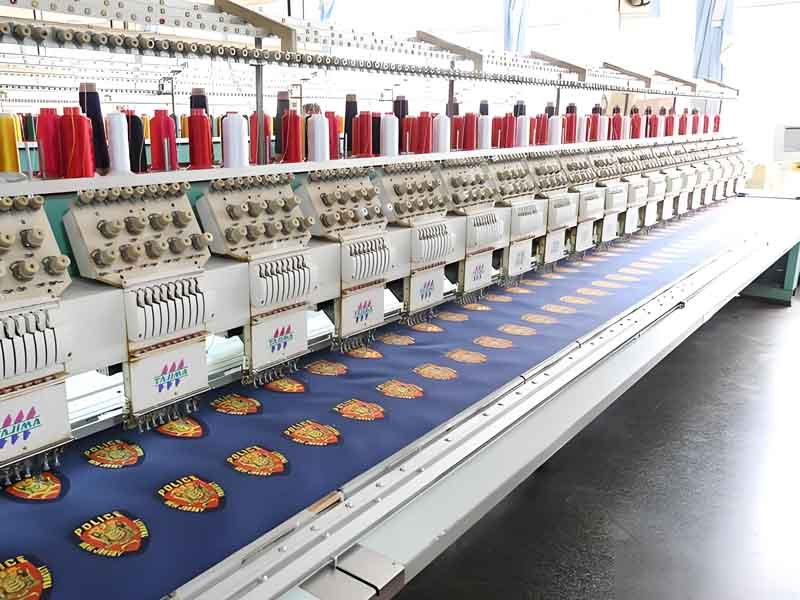
Embroidery has quietly become one of the strongest branding tools in the bag industry. While printing fades and heat transfers crack over time, embroidery remains bold, textured, and durable. That’s why more brands—from fashion startups to corporate gift suppliers—are choosing embroidery bags to represent their logos.
Embroidery adds depth. It creates texture. It makes even a simple canvas tote feel premium. But not all embroidery bags are the same. The type of bag, the fabric structure, the stitch density, and even the logo placement all influence how the final product looks and performs.
The main types of embroidery bags include embroidery tote bags, embroidery backpacks, embroidery drawstring bags, embroidery makeup bags, and embroidery travel bags. Each type serves different markets such as retail, promotional gifting, and premium fashion. The best embroidery bags depend on fabric compatibility, logo complexity, durability requirements, and target customer positioning.
Many brands assume embroidery is just “adding a stitched logo.” In reality, choosing the right embroidery bag requires understanding fabric tension, needle penetration strength, thread density, and bag structure. A poor combination can cause puckering, distortion, or weak stitching.
If you’re developing custom embroidery bags for your brand, understanding these details before production can save both money and reputation. Let’s break it down step by step.
What Are Embroidery Bags?
Embroidery bags are bags decorated with stitched thread designs rather than printed graphics. The logo, artwork, or text is sewn directly into the fabric using embroidery machines that follow a digitized stitch pattern. Unlike surface printing, embroidery physically penetrates the fabric, creating a raised texture that becomes part of the bag’s structure.
In simple terms, embroidery bags use thread to build the design, not ink to sit on top of the surface.
This difference matters more than many brands realize.
When a logo is printed, it sits on the outer layer of the fabric. Over time—especially with friction, washing, folding, or sunlight exposure—printed graphics can crack or fade. Embroidery does not peel because it is stitched through the material. That’s why embroidery is often used on uniforms, sportswear, caps, and premium retail products.
From a structural perspective, embroidery bags consist of three key elements:
| Component | Function |
|---|---|
| Fabric | Base material that supports stitching |
| Thread | Forms the embroidered design |
| Backing | Stabilizes fabric during stitching |
The backing (often a thin stabilizer layer) prevents the fabric from stretching or puckering during embroidery. Without proper stabilization, even thick canvas can wrinkle around the logo area.
How Is Embroidery Applied to Bags?
The embroidery process follows several technical steps before production begins.
- Logo digitizing
- Thread color selection
- Stitch density setting
- Machine embroidery
- Thread trimming and finishing
The digitizing stage converts artwork into stitch instructions. This step determines how clean the final logo will look.
Typical stitch density for embroidery bags:
| Logo Size | Stitch Count Range |
|---|---|
| Small logo (5 cm) | 3,000–5,000 stitches |
| Medium logo (8–10 cm) | 6,000–10,000 stitches |
| Large logo (12+ cm) | 10,000–15,000+ stitches |
Higher stitch counts create more detailed logos but increase cost and production time.
A well-produced embroidered logo should:
- lie flat against the fabric
- show clear edges
- have consistent thread tension
- show no loose threads
If stitch density is too high for the fabric thickness, the bag surface may ripple. If too low, the logo may look thin or incomplete.
Why Do Brands Use Embroidery on Bags?
Brands choose embroidery for several measurable reasons:
1. Durability
Embroidery holds up better over time compared to printing.
Estimated decoration lifespan comparison:
| Decoration Type | Estimated Lifespan |
|---|---|
| Screen printing | 1–2 years |
| Heat transfer | 1–3 years |
| Embroidery | 3–5+ years |
Because embroidery uses thread instead of ink, the color remains stable even after repeated use.
2. Perceived Value
Consumers often associate embroidery with higher quality.
In retail pricing tests, embroidered versions of the same bag style often sell at:
- 10%–30% higher retail price compared to printed versions.
For example:
| Bag Type | Printed Retail Price | Embroidered Retail Price |
|---|---|---|
| Canvas tote | $15 | $18–22 |
| Backpack | $35 | $40–45 |
Embroidery adds texture, depth, and a tactile feel that printing cannot replicate.
3. Professional Branding
Embroidery is widely used by:
- fashion brands
- corporate uniform suppliers
- sports teams
- premium promotional brands
It gives a structured, professional look that aligns well with business, lifestyle, and performance products.
Which Bags Can Be Embroidered?
Most fabric-based bags can support embroidery, but material thickness and weave stability matter.
Embroidery works best on:
| Fabric Type | Suitability |
|---|---|
| Cotton canvas | Excellent |
| Polyester (300D+) | Very good |
| Nylon (420D+) | Good |
| Neoprene | Moderate |
| Leather | Limited, requires control |
| Thin non-woven | Risk of distortion |
Thicker fabrics support higher stitch density without distortion.
For example:
- 10–12 oz canvas handles dense embroidery cleanly.
- 210D polyester may require lighter stitching to avoid puckering.
What Are Common Types of Embroidery Used on Bags?
Embroidery is not limited to one style. Several stitching techniques are commonly used.
| Embroidery Type | Description | Best For |
|---|---|---|
| Flat embroidery | Standard stitched logo | Most bags |
| 3D puff embroidery | Raised foam backing | Caps, thick bags |
| Patch embroidery | Sewn-on embroidered patch | Lifestyle brands |
| Applique embroidery | Fabric layered under stitching | Decorative bags |
Flat embroidery is the most common for tote bags and backpacks.
3D embroidery is more common on structured materials like caps but can be used on thicker canvas bags.
What Problems Can Occur with Poor Embroidery Bags?
Embroidery quality depends on proper production control.
Common issues include:
- Fabric puckering
- Misaligned logos
- Thread breakage
- Uneven stitch tension
- Color mismatch
These problems usually occur when:
- fabric is too thin
- backing is not used
- stitch density is too high
- embroidery machines are poorly calibrated
Professional embroidery bag manufacturers adjust tension and stitch patterns depending on fabric thickness.
How Long Do Embroidery Bags Last?
The lifespan of embroidery bags depends on fabric quality and usage frequency.
General durability estimates:
| Usage Level | Estimated Lifespan |
|---|---|
| Occasional retail use | 3–5 years |
| Daily commuting use | 2–4 years |
| Heavy outdoor use | 1–3 years |
Embroidery itself often outlasts the fabric. In many cases, the bag material wears out before the stitched logo does.
Are Embroidery Bags Worth the Extra Cost?
Embroidery typically costs more than printing due to:
- thread material
- machine time
- digitizing setup
- labor
However, embroidery adds:
- longer brand exposure
- better customer perception
- higher resale value
- stronger durability
For brands targeting mid-to-high-end markets, embroidery often delivers better long-term value than cheaper printing options.
Which Types of Embroidery Bags Are Most Popular?
The most popular types of embroidery bags include embroidery tote bags, embroidery backpacks, embroidery drawstring bags, embroidery makeup bags, and embroidery travel bags. These categories serve retail fashion brands, promotional markets, sports brands, and travel accessory companies. Choosing the right embroidery bag type depends on target audience, daily usage, fabric compatibility, and logo visibility requirements.
1.Embroidery Tote Bags
Embroidery tote bags are the most widely produced embroidery bag category globally.
Why They Are Popular
- Large flat front panel for logo placement
- Simple construction reduces production cost
- Works well with cotton canvas
- Easy to retail
Common Sizes
| Type | Size (cm) | Market |
|---|---|---|
| Small tote | 30 × 35 | retail gifts |
| Standard tote | 35 × 40 | fashion retail |
| Large tote | 40 × 45 | lifestyle brands |
| Oversized tote | 45 × 50 | beach / travel |
Recommended Fabric for Embroidery Tote Bags
| Fabric | Weight | Embroidery Performance |
|---|---|---|
| Canvas | 8 oz | good |
| Canvas | 10 oz | very good |
| Canvas | 12–16 oz | excellent |
| 300D polyester | medium |
Retail Price Range
| Decoration | Retail Price |
|---|---|
| Printed tote | $10–18 |
| Embroidered tote | $18–35 |
Embroidery tote bags dominate:
- Fashion merchandise
- Eco shopping bags
- Brand collaborations
- Museum and bookstore retail
2.Embroidery Backpacks
Backpacks are highly visible logo carriers.
Why Popular
- Front panel visibility
- Used daily → long exposure
- Suitable for schools, gyms, outdoor brands
Typical Backpack Materials
| Fabric | Denier | Suitability |
|---|---|---|
| 600D polyester | strong | very good |
| 900D polyester | heavy | excellent |
| 420D nylon | lightweight | good |
Common Logo Placement
- Front pocket center
- Upper front panel
- Flap panel
Stitch Count Range
6,000–12,000 stitches (medium to large logo)
Retail Price Range
$35–$120 depending on brand positioning.
Backpacks are common in:
- Sports teams
- University merchandise
- Outdoor brands
- Corporate promotional markets
3.Embroidery Drawstring Bags
One of the most cost-efficient embroidered bag types.
Advantages
- Flat surface
- Lightweight
- Large production volumes
- Lower unit cost
Common Materials
- 210D polyester
- 300D polyester
- 8 oz canvas
MOQ (Typical)
500–1,000 pcs
Retail Price Range
$8–$20 embroidered
Popular in:
- School programs
- Event giveaways
- Gym promotions
- Youth brands
Because drawstring bags are thin, stitch density must be moderate (5,000–8,000 stitches recommended).
4.Embroidery Makeup Bags
Small but high-margin category.
Why Popular
- Compact logo display
- Premium cosmetic packaging
- High retail mark-up potential
Common Sizes
| Type | Size (cm) |
|---|---|
| Mini pouch | 18 × 12 |
| Medium cosmetic | 22 × 15 |
| Large makeup | 25 × 18 |
Fabrics
- Cotton canvas
- Velvet
- Polyester twill
- PU leather (limited embroidery)
Retail Price
$15–$40 embroidered
These bags are common in:
- Beauty brands
- Influencer product lines
- Subscription boxes
5.Embroidery Travel Bags (Duffel / Weekender)
Larger embroidery surface = stronger brand exposure.
Popular Materials
- 600D–900D polyester
- 12–16 oz canvas
- 420D nylon
Logo Stitch Count
8,000–15,000 stitches
Retail Price
$40–$150
Travel embroidery bags are common in:
- Sports clubs
- Fitness brands
- Corporate travel kits
- Airline merchandise
Because travel bags carry weight, reinforcement is important to prevent logo distortion.
6.Embroidery Laptop Bags
Professional and business-oriented.
Common Fabrics
- Polyester with padding
- Nylon
- Leather (limited embroidery zone)
Popular Placement
- Front flap
- Upper corner branding
- Side branding strip
Retail price: $40–$120
Common in:
- Corporate gifts
- Tech accessory brands
- Business promotions
7.Embroidery Crossbody Bags
Fashion-forward embroidery category.
Popular in:
- Streetwear
- Youth fashion
- Designer capsule collections
Fabrics
- Canvas
- Corduroy
- Polyester
- Leather panel hybrid
Logo style:
- Small centered
- Minimalist corner stitch
- Patch embroidery
Retail: $25–$80
8.Embroidery Waist Bags (Fanny Packs)
Resurgence in lifestyle markets.
Fabric
- Nylon
- Polyester
- Neoprene
Embroidery Placement
- Front pocket center
- Upper zipper line
Retail: $20–$60
Popular in:
- Festival merchandise
- Street brands
- Sportswear
9.Embroidery Gym Bags
Heavy use, strong durability needed.
Fabric
- 600D polyester
- 900D polyester
- Thick canvas
Stitch Density
Medium to high (7,000–12,000)
Retail: $45–$120
Used by:
- Fitness brands
- Sports academies
- Team merchandise
10.Embroidery Eco Bags (Recycled RPET)
Growing sustainable segment.
Fabric
- Recycled polyester
- Organic cotton
Market Trend
Embroidery preferred over printing because:
- No plastic film
- Longer lifespan
- Premium eco image
Retail: $20–$40
11.Embroidery Leather Bags
Limited but high-value category.
Requires:
- Controlled stitch tension
- Lower density
- Back reinforcement
Used for:
- Designer handbags
- Limited edition collections
Retail: $100–$500+
12.Embroidery Neoprene Bags
Modern lifestyle category.
Fabric Behavior
Flexible → requires stabilizer backing.
Used for:
- Tech sleeves
- Bottle carriers
- Sport accessory pouches
Retail: $15–$50
13.Embroidery Tool Bags
Industrial / professional sector.
Fabric
- Heavy polyester
- Reinforced canvas
Used for:
- Workwear brands
- Equipment suppliers
Logo placement: Small but durable stitch required.
14.Embroidery Cooler Bags
Logo exposure in outdoor settings.
Fabric
- Polyester with insulation
- PVC laminated fabric
Important: Embroidery must not penetrate insulation layers improperly.
15.Embroidery Fireproof / Specialty Bags
More technical, limited embroidery areas.
Usually embroidery placed on:
- External non-fireproof panel
- Reinforced logo patch area
16.Embroidery Pouches & Accessory Bags
Small, high-margin.
Examples:
- Jewelry pouches
- Travel organizer pouches
- Cord organizer bags
Stitch count: 3,000–6,000 typical
Global Market Popularity Ranking
Based on production volume trends:
| Rank | Bag Type |
|---|---|
| 1 | Embroidery tote bags |
| 2 | Embroidery backpacks |
| 3 | Embroidery drawstring bags |
| 4 | Embroidery makeup bags |
| 5 | Embroidery travel bags |
| 6 | Embroidery gym bags |
| 7 | Embroidery crossbody bags |
| 8 | Embroidery waist bags |
| 9 | Embroidery eco bags |
| 10+ | Specialty categories |
What Materials Work Best for Embroidery Bags?
The best materials for embroidery bags are fabrics that provide structural stability and can handle stitch penetration without distortion. Cotton canvas, polyester, and nylon are most commonly used. Heavier fabrics (8–16 oz canvas or 300D–900D polyester) support higher stitch density and produce cleaner embroidery results, while thinner fabrics require stabilization backing.
1.Cotton Canvas – The Most Reliable Material for Embroidery Bags
Canvas is considered the gold standard for embroidery bags.
Why Canvas Works So Well
- Tight woven structure
- Strong fiber stability
- Minimal stretch
- Good thread grip
- Clean logo edges
Canvas fabric weight is critical.
| Canvas Weight | Thickness Level | Embroidery Performance |
|---|---|---|
| 6 oz | thin | moderate (risk of puckering) |
| 8 oz | medium-light | good |
| 10 oz | medium | very good |
| 12–16 oz | heavy | excellent |
For high stitch density logos (8,000–12,000 stitches), 10 oz or heavier canvas is strongly recommended.
Typical Use Cases
- Embroidery tote bags
- Premium retail merchandise
- Lifestyle brands
- Eco bags
Durability Estimate
| Usage Type | Estimated Lifespan |
|---|---|
| Light use | 4–6 years |
| Daily use | 3–5 years |
Canvas embroidery bags also hold retail value well.
Retail comparison:
| Decoration | Canvas Tote Retail Price |
|---|---|
| Printed | $12–18 |
| Embroidered | $20–35 |
Canvas is ideal when brand positioning matters.
2.Polyester – The Most Versatile Commercial Option
Polyester is widely used because it balances cost and durability.
Why Polyester Is Popular
- Affordable
- Good tear resistance
- Water-resistant options
- Suitable for sports markets
However, embroidery performance depends heavily on denier thickness.
| Polyester Denier | Thickness | Embroidery Compatibility |
|---|---|---|
| 210D | thin | moderate |
| 300D | medium | good |
| 600D | thick | very good |
| 900D | heavy | excellent |
For embroidery logos above 7,000 stitches, 300D or above is recommended.
Risk Factor
Thin polyester (210D) may wrinkle under dense stitching unless backing stabilizer is applied.
Typical Applications
- Embroidery backpacks
- Gym bags
- Travel bags
- Drawstring bags
Polyester is best for brands targeting:
- Sports markets
- School markets
- Corporate promotions
3.Nylon – Strong but Requires Tension Control
Nylon is strong and lightweight but slightly more elastic than polyester.
Advantages
- High tear resistance
- Lightweight
- Smooth surface
Challenges
- More stretch during stitching
- Sensitive to needle heat
- Requires proper tension adjustment
| Nylon Denier | Embroidery Performance |
|---|---|
| 210D | moderate |
| 420D | good |
| 600D | very good |
Stabilizer backing is highly recommended when embroidering on nylon.
Used for:
- Travel embroidery bags
- Outdoor bags
- Sports accessories
4.Non-Woven Fabric – Low Cost but Limited Performance
Non-woven fabric is commonly used for low-cost promotional bags.
Advantages
- Very low cost
- Lightweight
- Easy mass production
Disadvantages
- Weak tear resistance
- Easily distorted by high stitch density
- Short lifespan
Recommended stitch limit: 5,000–6,000 stitches maximum.
| Fabric Weight | Embroidery Result |
|---|---|
| 70–80 gsm | low stability |
| 90–100 gsm | moderate |
| 110+ gsm | acceptable |
Non-woven embroidered bags are used for:
- Events
- Short-term promotions
- Low-budget campaigns
Expected lifespan: 3–6 months under moderate use.
5.Leather – Premium but Technically Sensitive
Leather embroidery is possible but requires professional handling.
Key Considerations
- Needle penetration leaves permanent holes
- High stitch density weakens leather
- Back reinforcement required
| Leather Type | Embroidery Suitability |
|---|---|
| Genuine leather | moderate |
| PU leather | limited |
| Microfiber leather | better control |
Embroidery on leather is usually:
- Smaller logos
- Lower stitch density
- Often paired with patch embroidery
Retail positioning: High-end fashion or designer brands.
6.Neoprene – Flexible but Needs Stabilization
Neoprene is soft and stretchy.
Challenges
- Fabric stretch during stitching
- Risk of distortion
- Foam compression
Embroidery must use:
- Tear-away stabilizer
- Lower stitch density
- Controlled machine tension
Common in:
- Tech pouches
- Bottle carriers
- Sport accessory bags
Neoprene works but requires experienced production control.
7.Corduroy – Popular in Fashion
Corduroy embroidery is trending in fashion markets.
Pros
- Stylish texture
- Unique visual effect
Cons
- Ribbed surface may distort logo edges
- Requires careful placement
Best for:
- Crossbody bags
- Fashion backpacks
- Boutique collections
8.Recycled RPET Fabric – Sustainable Option
RPET (recycled polyester) behaves similarly to standard polyester.
Embroidery compatibility: Good, especially above 300D.
Used for:
- Eco brands
- Sustainable retail markets
Embroidery is often preferred over printing for eco positioning because it avoids plastic film transfers.
9.Heavy Twill Fabric – Good Balance Option
Cotton twill or polyester twill offers:
- Smooth surface
- Medium thickness
- Clean stitch edges
Often used for:
- Makeup bags
- Pouches
- Lifestyle bags
Fabric Thickness vs Stitch Density Recommendation
| Fabric Type | Safe Stitch Range |
|---|---|
| 6 oz canvas | up to 6,000 |
| 10 oz canvas | up to 10,000 |
| 12–16 oz canvas | 12,000+ |
| 300D polyester | 7,000–9,000 |
| 600D polyester | 10,000+ |
| 210D nylon | 6,000–8,000 |
Exceeding safe stitch density may cause:
- Wrinkling
- Logo distortion
- Needle damage
Which Material Is Best Overall?
There is no single “best” material. The best material depends on market positioning.
| Target Market | Best Material |
|---|---|
| Premium retail | 10–12 oz canvas |
| Sports | 600D polyester |
| Promotional | 210D polyester |
| Sustainable | RPET |
| Luxury | Leather panel + embroidery |
If durability and clean stitching are top priorities, heavy canvas and 600D+ polyester are the safest choices.
How Do You Choose the Right Embroidery Bags?
Choosing the right embroidery bags depends on target market, fabric durability, logo complexity, and price positioning. Retail fashion brands often prefer canvas embroidery bags, sports brands use polyester or nylon embroidery bags, and promotional buyers choose cost-efficient drawstring embroidery bags. The key is balancing embroidery quality, fabric stability, and production cost to match brand strategy.
Choosing embroidery bags is not only about style. It’s about understanding how embroidery interacts with the fabric and how customers will actually use the product.
Below are practical considerations brands should evaluate before placing bulk orders.
Which Embroidery Bags Fit Retail Markets?
Retail markets prioritize visual impact and brand identity. Embroidery tote bags and embroidery backpacks are most common in fashion retail because they offer:
- large visible logo area
- strong resale value
- premium appearance
Retail buyers usually focus on:
| Factor | Why It Matters |
|---|---|
| Fabric weight | heavier fabric improves embroidery clarity |
| Stitch density | clean logo appearance |
| Color contrast | brand visibility |
| Bag structure | shelf presentation |
For example, a fashion brand selling embroidered canvas totes at $25–$40 retail typically uses 10–12 oz canvas and 6,000–9,000 stitch logos.
Heavier embroidery on thinner fabrics may cause puckering, which can result in negative customer reviews.
Which Embroidery Bags Fit Gift and Promotional Markets?
Promotional markets focus more on cost efficiency and bulk volume.
Common embroidery bags for this market:
- drawstring embroidery bags
- small tote embroidery bags
- cosmetic embroidery pouches
Price positioning is important. Many promotional buyers aim for cost control while maintaining logo durability.
Relative production cost comparison:
| Bag Type | Cost Level |
|---|---|
| Non-woven embroidered bag | low |
| Polyester embroidered bag | medium |
| Canvas embroidered bag | medium-high |
For large corporate gift programs, embroidery is often preferred over printing because the logo remains intact even after extended use.
How Do Embroidery Bags Size and Shape Affect Sales?
Size and structure influence usability, and usability affects reviews.
For example:
- Oversized tote bags may be difficult to carry
- Small pouches limit functional use
- Thick travel bags increase shipping weight
Brands should match embroidery bags to real-life scenarios:
| Market | Recommended Bag Type |
|---|---|
| University merchandise | canvas embroidery tote |
| Gym brands | polyester embroidery backpack |
| Cosmetic brands | embroidery makeup pouch |
| Corporate gifting | embroidery travel bag |
The most successful embroidery bag designs combine practical size with visible branding.
What MOQ Do Custom Embroidery Bags Require?
MOQ depends on fabric and bag type.
Typical MOQ ranges:
| Bag Type | Typical MOQ |
|---|---|
| Canvas embroidery tote | 200–300 pcs |
| Polyester embroidery backpack | 300–500 pcs |
| Drawstring embroidery bag | 500 pcs |
| Premium travel embroidery bag | 200 pcs |
Lower MOQ is possible when:
- using standard fabric colors
- using simple embroidery logos
- avoiding complex structural changes
For startups or small brands, working with a factory that supports low MOQ reduces inventory risk.
How Do You Control Quality for Bulk Embroidery Bags?
Quality control is critical because embroidery defects are very visible.
Common embroidery issues:
- uneven stitching
- thread breakage
- logo misalignment
- fabric puckering
Professional embroidery factories typically follow quality checkpoints:
| Inspection Stage | Purpose |
|---|---|
| Digitizing check | confirm stitch path accuracy |
| Sample embroidery | test logo clarity |
| In-line inspection | detect tension issues |
| Final inspection | check appearance consistency |
Stabilizer backing and correct thread tension are essential to avoid distortion.
Experienced manufacturers will adjust machine settings depending on:
- fabric thickness
- thread type
- stitch density
Without proper adjustment, even high-quality fabric can appear distorted after embroidery.
How Much Do Embroidery Bags Cost?
Understanding the cost of embroidery bags is essential for brands planning retail sales, promotional campaigns, or private label products. Unlike blank bags or printed bags, embroidery bags involve additional production steps — including digitizing, thread usage, machine time, and quality control — all of which affect the final cost.
Embroidery bags’ price depends on multiple measurable factors, and knowing them helps brands:
- Set realistic retail pricing
- Forecast production budgets
- Compare suppliers accurately
- Avoid unexpected charges
The key cost factors include:
- Bag base material
- Bag type and size
- Stitch count (logo complexity)
- Embroidery thread type
- Production volume
- Hardware and finishes
- Packaging
Let’s break these down in detail.
1.Bag Base Material & Fabric Cost
The material used has a direct impact on production cost because fabric itself can represent 30%–50% of the total bag cost, especially for heavier fabrics.
Typical fabric cost influence:
| Material | Relative Fabric Cost | Comments |
|---|---|---|
| Non-woven | low | cheapest base |
| 210D polyester | low-medium | entry level bag |
| 300D–600D polyester | medium | most common |
| 8–10 oz canvas | medium | premium retail feel |
| 12–16 oz canvas | medium-high | heavy-duty |
| 420D nylon | medium | smooth surface |
| Leather panel | high | premium product |
Example (fabric cost per bag):
- Non-woven bag: $0.30 – $0.60
- 300D polyester bag: $0.80 – $1.50
- 10 oz canvas bag: $1.50 – $3.00
- 12 oz canvas bag: $2.50 – $4.50
As fabric weight increases, the cost increases proportionally.
Tip for buyers: Always ask suppliers to list fabric cost separately in the quotation — it directly affects quality and durability.
2.Bag Type & Structure
Different bag styles require different amounts of material, cutting patterns, and sewing work — all of which affect cost.
Typical cost difference by bag type:
| Bag Type | Approx. Base Bag Cost (no embroidery) |
|---|---|
| Embroidery tote bag | $3.50 – $7.50 |
| Embroidery backpack | $8.00 – $18.00 |
| Embroidery drawstring bag | $2.80 – $5.00 |
| Embroidery makeup bag | $3.00 – $6.50 |
| Embroidery travel duffel | $12.00 – $25.00 |
| Embroidery gym bag | $10.00 – $20.00 |
As bags become larger, more complex, or more reinforced, material and labor costs increase.
Note: Zippers, gussets, padded straps, and internal compartments all raise the base cost before embroidery is even added.
3.Embroidery Digitizing & Stitch Count
Before any logo can be embroidered, the design must be “digitized” — converted into machine stitch instructions.
Digitizing Cost
This is usually a one-time fee per logo design:
- Simple logo: $10 – $30
- Complex logo: $30 – $60
Most factories charge this once. Once a logo is digitized, you can reuse it for future orders.
Stitch Count Impact
Stitch count refers to how many individual needles enter the fabric to create the logo. Higher stitch counts mean more thread and longer machine time — which increases cost.
Typical embroidery cost by stitch count (approximate):
| Stitch Count | Embroidery Cost Per Unit |
|---|---|
| 3,000–5,000 | $0.80 – $1.50 |
| 6,000–8,000 | $1.50 – $2.50 |
| 8,000–12,000 | $2.50 – $4.00 |
| 12,000+ | $4.00 – $6.00+ |
Higher stitch count also takes more machine time, reducing production efficiency.
Example: An embroidery backpack with an 8,000-stitch logo might cost ~$15–$20 for the bag itself (base) plus ~$2.50–$3.50 embroidery cost.
4.Thread Type and Quality
Thread cost is another variable that many buyers overlook.
Common thread types:
| Thread Type | Cost Level | Best For |
|---|---|---|
| Polyester embroidery thread | low | general use |
| Rayon embroidery thread | medium | shiny finish |
| Metallic thread | high | premium look |
Metallic thread, while visually striking, is more expensive and requires slower machine speeds.
Thread cost can add $0.10 – $1.00+ per bag depending on the type and color changes required.
5.Production Volume
One of the biggest cost determinants is order quantity (MOQ).
Typical unit cost changes with volume:
| Order Qty | Unit Cost Factor |
|---|---|
| 200–499 pcs | higher (base rates) |
| 500–999 pcs | moderate |
| 1,000–2,999 pcs | lower |
| 3,000+ pcs | significantly lower |
Larger orders allow:
- bulk fabric discounts
- faster machine allocation
- reduced setup times
Example: A tote bag might cost $8.00/unit at 300 pcs but drop to $6.50/unit at 1,000 pcs with the same embroidery logo.
6.Hardware and Structural Upgrades
Additional components also affect cost:
| Feature | Typical Added Cost |
|---|---|
| Metal zipper | +$1–$2 |
| Webbing straps | +$0.20–$0.50 |
| Leather handles | +$3–$6 |
| Inner pockets | +$1–$3 |
| Custom lining | +$1–$3 |
Structural upgrades not only raise the final retail value but also increase production cost.
7.Packaging Options
Packaging is often ignored but can add significantly to unit cost:
| Packaging Type | Added Cost |
|---|---|
| polybag | $0.10–$0.30 |
| branded hang tag | $0.15–$0.50 |
| retail box | $1.00–$3.00 |
| inner tissue wrap | $0.10–$0.30 |
Retail-ready packaging increases perceived value and protects bags during shipping.
Total Production Cost Example
Let’s combine all factors for two real examples.
Example A: Embroidered Canvas Tote
- Base bag (10 oz canvas): $2.50
- Embroidery (8,000 stitches): $2.80
- Digitizing (one-time): $30/total order
- Packaging (polybag + hang tag): $0.50 Total estimated unit cost at 500 pcs: ~$6.30–$7.50
Example B: Embroidered Backpack (Retail)
- Backpack base (600D polyester): $10.50
- Embroidery (10,000 stitches): $3.50
- Digitizing: $30/total order
- Hardware upgrades (metal zipper + padded straps): +$3.50
- Packaging (retail box): $2.00 Total estimated unit cost at 500 pcs: ~$19.50–$22.50
Final Thoughts
Embroidery bags are more than decorative products — they are long-term brand carriers. From embroidery tote bags to embroidery travel bags, choosing the right fabric, stitch density, and structure determines both durability and brand perception.
Understanding embroidery compatibility, material strength, and production standards helps brands avoid costly mistakes.
If you are planning to develop:
- custom embroidery tote bags
- embroidered backpacks
- embroidered promotional bags
- premium embroidered travel bags
Szoneier can support your OEM and private label embroidery bag projects with:
- low MOQ
- free design assistance
- fast sampling
- reliable quality control
- competitive factory pricing
If you’re ready to launch your custom embroidery bags, contact Szoneier today to request a quotation and start your project.
manufacturer Categories
- Custom Tote Bags Manufacturer
- custom backpacks Manufacturer
- custom travel bags& Duffle bags manufacturer
- custom makeup bags & toiletry bags manufacturer
- custom cooler bags manufacturer
- custom drawstring bags manufacturer
- custom makeup bags & toiletry bags manufacturer
- custom golf bags manufacturer
- custom fireproof bags manufacturer
- custom dry bags manufacturer
- custom ski bags manufacturer
- custom gym & sports bags manufacturer
- custom laptop bags manufacturer
- custom tactical bags manufacturer
- custom beach bags manufacturer
- custom medical bags manufacturer
- custom camera bags manufacturer
- custom wetsuits manufacturer
- custom leather goods manufacturer
- more personalized products
Can't find the answers?
No worries, please contact us and we will answer all the questions you have during the whole process of bag customization.
Make A Sample First?
If you have your own artwork, logo design files, or just an idea,please provide details about your project requirements, including preferred fabric, color, and customization options,we’re excited to assist you in bringing your bespoke bag designs to life through our sample production process.
