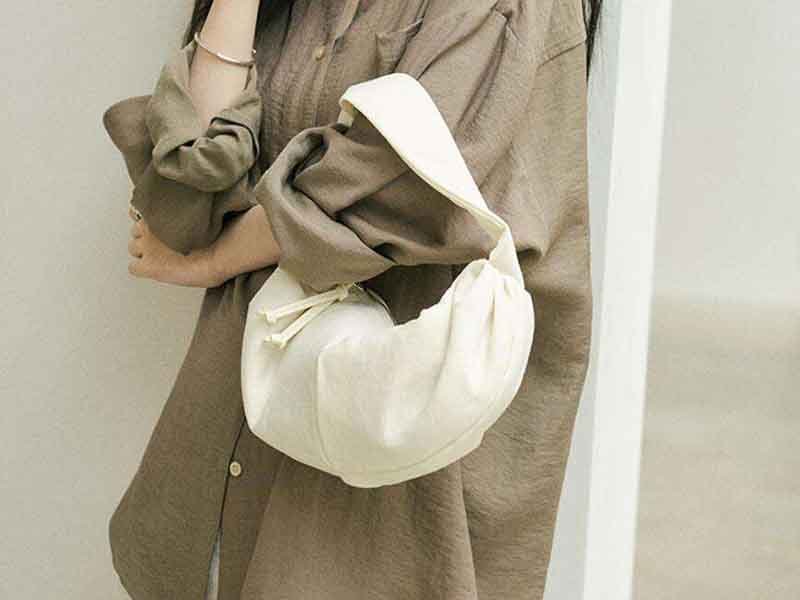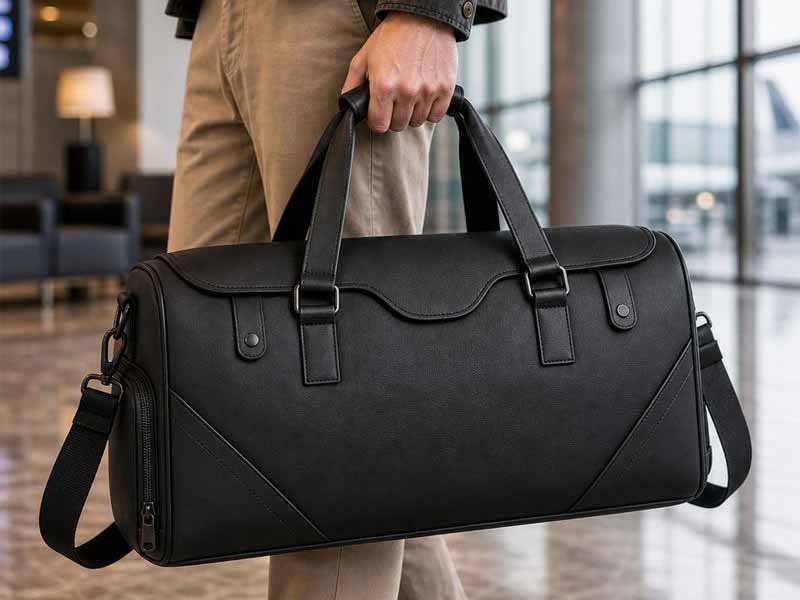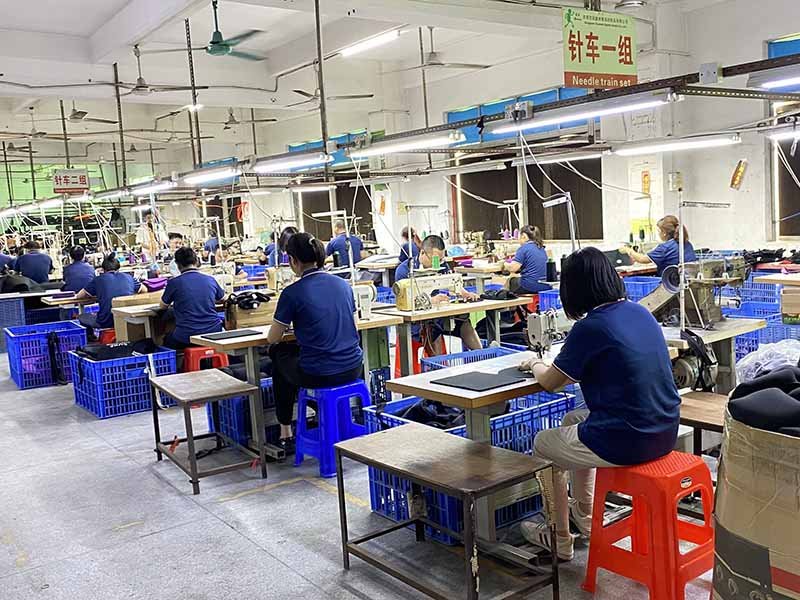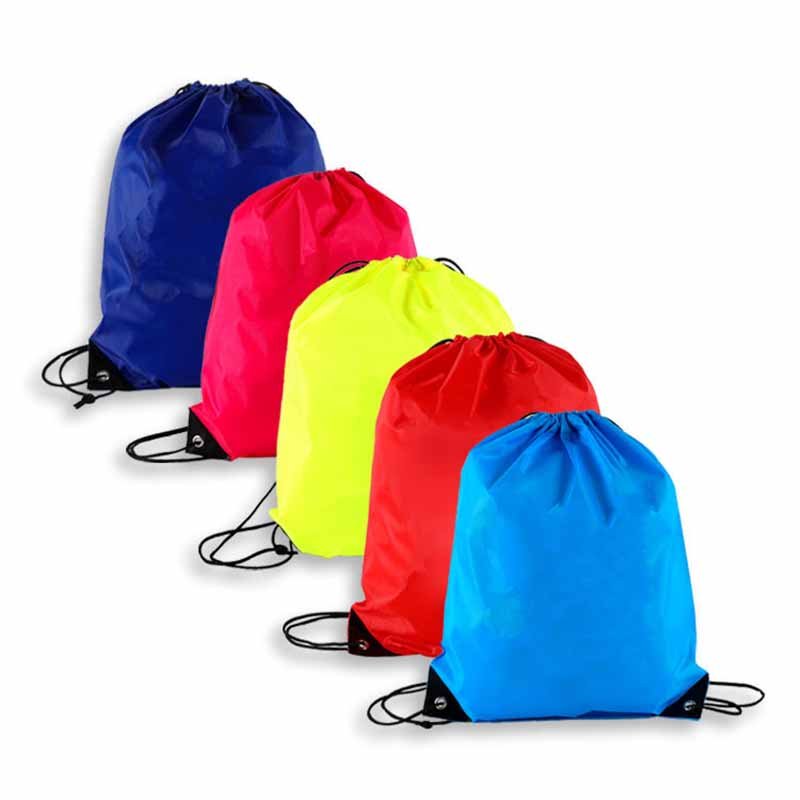
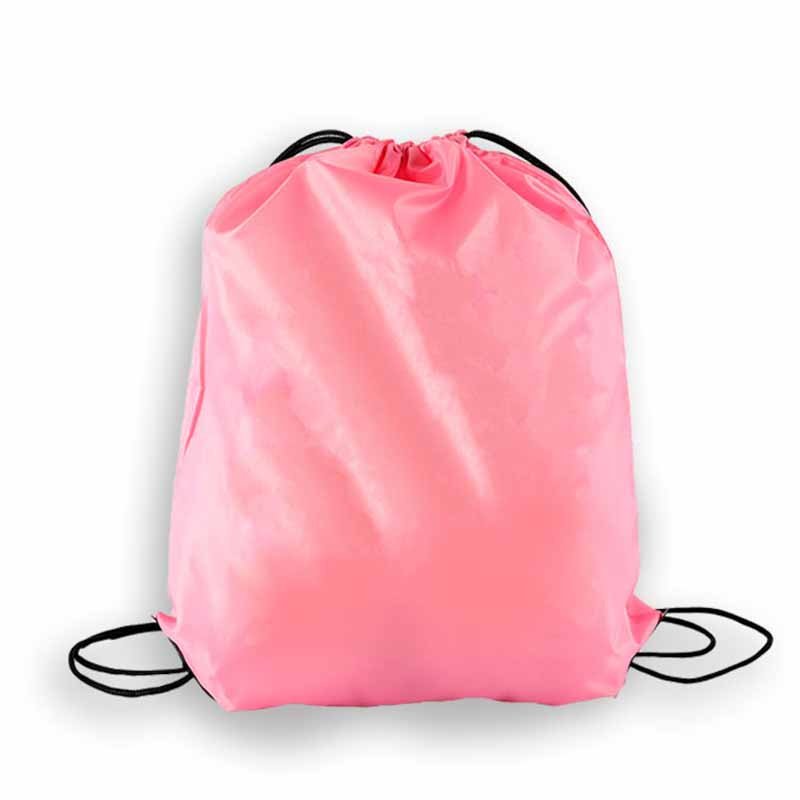
A drawstring bag is one of those products that looks simple until it has to sell something. In retail merchandise, it is no longer just a fabric pouch with two cords. It becomes part of the product experience. It may hold apparel, shoes, cosmetics, sports accessories, toys, electronics, travel items, gifts, or promotional products. It may sit on a retail shelf, appear in an ecommerce product photo, arrive in a customer’s package, or be reused in daily life. When the bag feels good, closes smoothly, carries weight properly, and displays the logo clearly, it makes the whole product feel more valuable.
Drawstring bag manufacturing for retail merchandise is the process of designing and producing custom drawstring bags for branded retail use. It covers material selection, bag size, logo method, drawcord design, cutting, sewing, inspection, packaging, and bulk delivery. A well-made drawstring bag should fit the product, protect the contents, support brand image, and meet the customer’s cost, MOQ, and delivery requirements.
Many retail projects lose value because of small manufacturing mistakes. The fabric feels too thin. The drawcord scratches the hand. The logo cracks after folding. The opening is too narrow. The bag size does not match the product. The stitching looks uneven. The packaging arrives wrinkled. These problems are avoidable when the factory understands both bag production and retail presentation.
Szoneier supports custom drawstring bag manufacturing for foreign small and medium buyers, ecommerce sellers, retail brands, promotional companies, and high-end private label customers. With over 18 years of experience in fabric R&D and custom product manufacturing, Szoneier can produce drawstring bags from cotton, canvas, polyester, nylon, neoprene, and other materials, while offering free design support, low MOQ customization, fast sampling, free sample support for suitable projects, short lead times, OEM/ODM service, and 100% quality assurance.
What Is Drawstring Bag Manufacturing for Retail Merchandise?
Drawstring bag manufacturing for retail merchandise means producing custom bags designed for product packaging, store display, ecommerce orders, gift sets, promotional sales, and branded merchandise lines. The process includes fabric choice, size planning, logo application, cord selection, cutting, sewing, finishing, inspection, and packing, so the final bag looks retail-ready and performs well after purchase.
Retail-Ready Bags
A retail-ready drawstring bag must do more than close with a cord. It should match the product category, customer expectation, selling price, and brand style. A bag used for a skincare gift set should feel different from a sports drawstring backpack. A shoe dust bag should not use the same structure as a travel merchandise pouch. A premium apparel brand may need heavier fabric and clean logo placement, while a promotional campaign may care more about cost, color, logo visibility, and delivery speed.
Retail-ready bags usually need stronger control in five areas:
Material must feel suitable for the product value.
Size must fit the item without looking too loose or too tight.
Logo must be clear, centered, and durable.
Cords must pull smoothly and feel comfortable in the hand.
Packaging must keep the bag clean and presentable during shipping.
A common mistake is choosing the lowest-cost fabric without considering retail use. Thin fabric may reduce unit cost, but it can make the product feel cheap. A weak drawcord may save a few cents, but customers notice it quickly. Uneven sewing may not matter for a temporary giveaway, but it looks poor when the bag is sold as part of a product set.
Retail drawstring bags can be used for many product categories:
Apparel packing bags for T-shirts, hoodies, swimwear, underwear, and accessories.
Shoe dust bags for sneakers, sandals, boots, and luxury footwear.
Cosmetic pouches for skincare kits, makeup sets, fragrance samples, and beauty tools.
Gift bags for candles, jewelry, toys, wellness products, and holiday merchandise.
Sports bags for gym items, event merchandise, teamwear, and outdoor accessories.
Travel pouches for cables, laundry, toiletries, slippers, and hotel amenities.
Product insert bags for ecommerce packaging and subscription boxes.
For retail merchandise, the bag should not feel like an afterthought. It should feel like a planned part of the product. Szoneier helps customers review size, material, cord, logo, and packaging before sampling, so the final drawstring bag fits the product and market more accurately.
Store Use
In physical retail, drawstring bags can improve display, protect products, and add value at checkout. In ecommerce, they improve unboxing and help the product look more complete in photos. In gift sets, they replace basic packaging with something reusable. In promotional retail, they turn a simple logo item into a product customers may keep.
Store use should be confirmed before production because different selling environments require different bag designs. A bag placed inside a product box may need soft fabric and accurate sizing. A bag hanging on a store rack may need a hangtag, barcode, stronger top channel, and a neater shape. A bag sold as merchandise may need thicker fabric, reinforced corners, and a more durable cord system.
Before production, customers should answer several practical questions:
Will the bag be sold separately or used as product packaging?
Will it be displayed flat, folded, filled, or hung?
Does it need a barcode, hangtag, care label, or retail sticker?
Will customers reuse the bag after purchase?
Will the bag carry light items or heavy items?
Does the bag need to match other products in the collection?
Will it be packed in cartons, polybags, retail boxes, or ecommerce mailers?
These questions affect material, size, logo method, packaging, and cost. For example, a drawstring bag used for a candle gift set may need heavier fabric and a soft inner finish to prevent scratching. A sports merchandise bag may need stronger polyester, thicker cords, and reinforced bottom corners. A fashion accessory pouch may need cleaner stitching and a more refined logo method.
| Retail Use | Recommended Bag Focus | Reason |
|---|---|---|
| Apparel packaging | Soft fabric, clean logo, accurate size | Improves product presentation |
| Shoe dust bag | Strong fabric, smooth drawcord, large opening | Protects shoes and supports reuse |
| Beauty gift set | Smaller size, premium fabric, neat stitching | Creates a gift-ready feel |
| Sports merchandise | Polyester or nylon, thick cords, reinforced corners | Handles active use better |
| Ecommerce product bag | Lightweight, foldable, barcode-ready packaging | Supports shipping and inventory |
| Resort or travel retail | Canvas, cotton, nylon, or neoprene | Feels reusable and lifestyle-focused |
| Promotional retail | Clear logo, controlled cost, fast production | Works for campaign deadlines |
Szoneier can support retail-ready production details such as barcode labels, hangtags, custom polybags, carton marks, private label tags, and product packaging coordination. This helps customers receive bags that are easier to sell, store, ship, and display.
Brand Value
A drawstring bag can carry brand value long after the original purchase. Customers often reuse bags that feel practical, attractive, and durable. A cotton pouch may be reused for travel cosmetics. A canvas bag may be reused for shoes. A nylon bag may become a gym or swim bag. A neoprene drawstring pouch may protect bottles, tech items, or personal accessories.
This reuse value matters because every reuse gives the brand more exposure. But reuse only happens when the bag feels worth keeping. Customers usually throw away bags that feel thin, rough, poorly sewn, or badly printed.
Brand value comes from small design decisions:
A thicker fabric makes the bag feel more durable.
A better drawcord improves the closing experience.
A clean logo method makes the product look more professional.
A balanced bag size avoids wasted space and poor presentation.
A matching color palette makes the bag feel connected to the product line.
A stronger seam improves customer confidence.
A private label tag or hangtag makes the product feel finished.
Different materials create different brand impressions.
| Material | Brand Feeling | Suitable Retail Merchandise |
|---|---|---|
| Cotton | Natural, simple, soft | Beauty, jewelry, candles, gifts, wellness products |
| Canvas | Durable, premium, lifestyle | Shoes, apparel, outdoor goods, boutique retail |
| Polyester | Bright, lightweight, cost-efficient | Events, sports, school, mass retail |
| Nylon | Smooth, practical, travel-ready | Sports, outdoor, swim, travel accessories |
| Neoprene | Soft, protective, modern | Bottles, cosmetics, tech, premium gift sets |
| RPET | Reusable, eco-conscious style | Retail packaging and promotional merchandise |
The logo method also affects how customers see the product. Screen printing is clean and cost-effective for simple designs. Heat transfer works well for sharper details. Sublimation is useful for full-color polyester designs. Embroidery and patches create more texture and higher perceived value. Woven labels give a softer retail feel and work well on cotton, canvas, and some synthetic fabrics.
Szoneier helps customers match material, logo, cord, and packaging to the product’s market position. A low-cost event bag, a boutique beauty pouch, and a high-end shoe dust bag should not share the same manufacturing plan. The goal is to make the drawstring bag feel right for the product inside.
Cost Benefits
Drawstring bags are popular in retail merchandise because they can deliver strong visual and practical value without the high cost of rigid boxes, molded cases, zipper bags, or structured backpacks. They are lightweight, easy to pack, easy to customize, and suitable for many product categories.
However, cost should be viewed carefully. The cheapest drawstring bag is not always the most profitable choice. If the bag makes the product look low-value, causes customer complaints, or reduces reuse potential, the small unit savings may hurt the final retail result.
Main cost factors include:
Fabric type and fabric weight.
Bag size and material consumption.
Logo method, logo size, and number of colors.
Cord material, thickness, and end finishing.
Sewing complexity and reinforcement.
Quantity and production setup.
Custom labels, hangtags, or packaging.
Inspection level and packing requirements.
Shipping volume and carton packing method.
| Cost Factor | Lower-Cost Option | Higher-Value Option | What Customers Should Consider |
|---|---|---|---|
| Fabric | Thin polyester or cotton | Heavy canvas, nylon, neoprene | Match fabric to selling price |
| Logo | One-color screen print | Embroidery, patch, full print | Choose based on brand image |
| Cord | Basic cotton or PP cord | Thick cord, waxed cord, custom color cord | Cord strongly affects hand feel |
| Structure | Simple pouch | Reinforced corners, lining, pocket | Add only useful features |
| Packaging | Bulk pack or polybag | Hangtag, barcode, retail bag | Depends on store or ecommerce needs |
| MOQ | Larger standard run | Small custom batch | Low MOQ helps test new products |
| Color | Stock color | Custom dyed color | Custom colors may affect MOQ and lead time |
A practical cost plan should protect the details customers actually notice. For example:
Customers notice fabric thickness more than a hidden seam allowance.
Customers notice cord comfort more than a small internal production detail.
Customers notice logo clarity immediately.
Customers notice whether the bag fits the product properly.
Customers notice if the bag arrives dirty, wrinkled, or poorly packed.
Szoneier supports low MOQ customization, helping customers test retail drawstring bag projects before committing to larger quantities. This is useful for first product launches, seasonal collections, boutique orders, Amazon testing, gift sets, and limited promotional programs. Customers can begin with a practical order size, test the market, and then reorder with new colors, materials, or packaging upgrades.
Which Materials Fit Drawstring Bag Manufacturing for Retail Merchandise?
The best materials for drawstring bag manufacturing for retail merchandise include cotton, canvas, polyester, nylon, and neoprene. Cotton and canvas offer a natural retail feel, polyester and nylon provide lightweight and practical options, while neoprene adds softness and protection. The right choice depends on product weight, target price, brand style, reuse value, and sales channel.
Cotton Bags
Cotton drawstring bags are widely used in retail merchandise because they feel soft, natural, and easy to customize. They are suitable for cosmetics, candles, jewelry, apparel accessories, small gifts, wellness products, handmade goods, toys, and subscription boxes. Cotton gives a clean and approachable feeling, which works well for brands that want simple, warm, and reusable packaging.
Cotton fabric can vary greatly in weight. Lightweight cotton is good for small pouches and lower-cost packaging. Medium-weight cotton works better for gift sets and retail products. Heavier cotton can create a more durable bag, but it may increase cost and make small bags feel stiff.
Customers should pay attention to these points when choosing cotton:
Fabric weight should match the product value.
Natural cotton color may have small shade differences.
Dyed cotton needs color control.
Printing clarity depends on fabric surface and logo detail.
Cotton may shrink slightly if washed.
Thin cotton may look transparent with dark products inside.
| Cotton Bag Detail | Practical Recommendation |
|---|---|
| Best use | Beauty, gifts, jewelry, candles, apparel accessories |
| Common sizes | Small pouch to medium product bag |
| Logo methods | Screen print, heat transfer, embroidery, woven label |
| Main advantage | Soft, natural, reusable feel |
| Main concern | Fabric weight, shrinkage, color consistency |
| Good upgrade | Thicker cotton, custom cord, woven label, hangtag |
For retail use, cotton bags should not be too thin unless the product is very lightweight or low-cost. A better cotton weight can immediately improve hand feel and customer perception. Szoneier can help customers choose cotton weight, size, drawcord, and logo method according to product type and target price.
Canvas Bags
Canvas drawstring bags are stronger and more structured than basic cotton bags. They are commonly used for shoes, apparel, outdoor accessories, lifestyle goods, gift sets, toys, books, tools, and premium retail packaging. Canvas gives the product a more durable and substantial feeling, making it suitable when the bag itself is part of the customer experience.
Canvas works well when customers want a bag that can be reused many times. It also supports a wide range of logo methods, including screen printing, embroidery, woven labels, leather patches, and rubber patches. For shoe bags, canvas can give better protection and shape than thin cotton. For apparel brands, canvas can make packaging feel more premium without using rigid boxes.
Customers should consider:
Canvas weight affects cost and structure.
Heavy canvas may create bulky seams.
Small bags may not need very thick canvas.
Large canvas bags may need stronger cords.
Natural canvas can match lifestyle and eco-style branding.
Dyed canvas needs color consistency control.
| Canvas Bag Detail | Practical Recommendation |
|---|---|
| Best use | Shoes, apparel, gift sets, lifestyle merchandise |
| Common style | Durable drawstring pouch or larger merchandise bag |
| Logo methods | Screen print, embroidery, woven label, patch |
| Main advantage | Stronger structure and higher perceived value |
| Main concern | Weight, seam thickness, fabric cost |
| Good upgrade | Reinforced seams, thick cord, branded label, retail hangtag |
Canvas is a strong choice when customers want the bag to feel like a reusable product, not just packaging. Szoneier can help compare canvas weights and recommend a structure that balances durability, cost, and retail appearance.
Polyester Bags
Polyester drawstring bags are practical, colorful, and cost-efficient. They are often used for sports merchandise, school products, event retail, promotional goods, youth products, travel items, gym bags, and ecommerce packaging. Polyester is also suitable for bright colors and printed designs, making it useful for visually active merchandise.
Polyester bags can be very basic or more upgraded depending on fabric weight, coating, cord, reinforcement, and logo method. A thin polyester bag may work for short-term events, but retail merchandise usually needs better fabric and cleaner finishing. Reinforced corners, thicker cords, better stitching, and improved packaging can make a polyester bag feel much more durable.
Polyester is often useful when customers need:
Bright color options.
Large order cost control.
Lightweight shipping.
Fast production.
Full-color printing on suitable fabric.
Sports or youth-oriented style.
| Polyester Bag Detail | Practical Recommendation |
|---|---|
| Best use | Sports, events, school, promotional retail, ecommerce |
| Common style | Lightweight pouch or backpack-style drawstring bag |
| Logo methods | Screen print, heat transfer, sublimation |
| Main advantage | Cost control and strong color options |
| Main concern | Avoid fabric that feels too thin |
| Good upgrade | Reinforced corners, metal eyelets, thick drawcord, better fabric |
For retail merchandise, the main challenge is avoiding a disposable feel. Szoneier can help customers upgrade polyester bags with better fabric, improved cord options, reinforcement, and clean logo application, so the final product feels more suitable for sale or branded packaging.
Nylon Bags
Nylon drawstring bags are often chosen for lightweight but stronger merchandise. They are suitable for travel products, outdoor accessories, swim items, shoe bags, sports goods, gym merchandise, and compact storage bags. Nylon usually has a smoother and more technical feel than basic polyester, which can make the product look more practical and durable.
Some nylon fabrics can be water-resistant, depending on coating and finishing. This makes nylon a good option for swimwear brands, sports companies, travel sets, and outdoor products. However, customers should confirm fabric density, coating, hand feel, and logo adhesion before bulk production.
Nylon works well when the product needs:
Low weight.
Smooth surface.
Better tear resistance.
Travel or sports positioning.
Water-resistant function.
Compact packing.
| Nylon Bag Detail | Practical Recommendation |
|---|---|
| Best use | Travel, swim, sports, outdoor, shoe bags |
| Common style | Lightweight storage bag or sports merchandise bag |
| Logo methods | Heat transfer, screen print, woven label, patch |
| Main advantage | Smooth, durable, lightweight feel |
| Main concern | Coating quality and logo adhesion |
| Good upgrade | Custom cord, reinforced corners, water-resistant fabric |
Szoneier can help customers select suitable nylon fabric for retail drawstring bags based on function, target price, and sales channel. For travel and sports merchandise, nylon is often a better choice than very thin polyester when customers want a stronger product feel.
Neoprene Bags
Neoprene drawstring bags are a strong option when customers want a soft, protective, and more distinctive retail product. Neoprene is flexible, cushioned, water-resistant, and comfortable to touch. It is suitable for bottle bags, cosmetic pouches, swimwear packaging, tech accessory bags, sports merchandise, gift pouches, and premium product sets.
Compared with cotton or polyester, neoprene has a more modern and protective feel. It can help protect bottles, glasses, electronics, small tools, cosmetics, and travel accessories. It can also create a higher-value look for private label merchandise.
Szoneier has a clear advantage in neoprene products because the company has more than 18 years of experience in neoprene fabric R&D and manufacturing. Szoneier can customize neoprene bags, koozies, sports supports, medical supports, wetsuits, and other neoprene products. This material experience helps customers choose suitable neoprene thickness, surface fabric, logo method, sewing structure, and packaging.
| Neoprene Bag Detail | Practical Recommendation |
|---|---|
| Best use | Bottles, cosmetics, tech, swimwear, sports gifts |
| Common style | Soft pouch, protective drawstring bag, premium merchandise bag |
| Logo methods | Heat transfer, screen print, rubber patch, woven label |
| Main advantage | Cushioned feel and higher perceived value |
| Main concern | Thickness, logo testing, and cost planning |
| Good upgrade | Custom print, contrast cord, patch logo, retail packaging |
Neoprene is not always the cheapest material, but it can make the product feel more special. For customers selling premium merchandise or protective accessories, the added value can be worth the cost. Szoneier can support custom neoprene drawstring bag development with low MOQ, fast samples, free design, OEM/ODM production, and short lead times.
How to Customize Drawstring Bag Manufacturing for Retail Merchandise?
Custom drawstring bag manufacturing for retail merchandise can be adjusted through logo method, fabric color, cord style, bag size, structure, packaging, labels, and finishing details. The best customization plan should match the product inside, the sales channel, the target customer, and the expected selling price. A good custom bag should feel useful, look clean, and make the retail product more complete.
Logo Methods
Logo customization is one of the most important parts of drawstring bag manufacturing for retail merchandise. The logo is usually the first thing customers notice, especially when the bag is used as packaging, merchandise, or a reusable item. A poor logo can make even a good fabric look cheap. A clean logo can make a simple bag feel more valuable.
Different logo methods create different results. The best choice depends on fabric type, logo detail, order quantity, budget, and product positioning.
Screen printing is suitable for simple logos, large quantities, and clear solid-color designs. It works well on cotton, canvas, polyester, and many other fabrics. It is a practical choice when customers want cost control and a clean logo effect.
Heat transfer is better for detailed logos, gradients, or small artwork details. It can create sharper edges than basic printing, but the factory must test adhesion, especially on smooth nylon, coated polyester, and neoprene surfaces.
Sublimation printing is useful for polyester-based materials when customers want full-color artwork, all-over patterns, sports graphics, or bright retail designs. It is often used for colorful merchandise bags, youth products, and event retail items.
Embroidery gives a textured and premium look. It works better on thicker fabrics such as canvas, heavy cotton, and some structured materials. For thin fabric, embroidery may cause puckering, so sampling is important.
Rubber patches, silicone patches, leather patches, and woven labels can improve retail value. These methods are useful when the bag is part of a premium product set or a private label merchandise line.
| Logo Method | Best Fabric Match | Best Use | Key Concern |
|---|---|---|---|
| Screen printing | Cotton, canvas, polyester | Simple logos, bulk orders | Fewer colors work better |
| Heat transfer | Polyester, nylon, neoprene | Detailed logos, sharp artwork | Adhesion must be tested |
| Sublimation | Polyester | Full-color patterns | Fabric must be suitable |
| Embroidery | Canvas, heavy cotton | Premium retail look | Not ideal for very thin fabric |
| Woven label | Cotton, canvas, nylon | Soft brand detail | Smaller logo area |
| Rubber patch | Canvas, neoprene, polyester | Premium merchandise | Mold cost may apply |
| Leather patch | Canvas, cotton | Lifestyle and fashion bags | Material and color control |
| Silicone badge | Nylon, neoprene, polyester | Sporty and modern style | Higher cost than simple print |
Szoneier can help customers test logo methods during sampling. This is especially useful when the logo has thin lines, small text, multiple colors, or special placement. For retail merchandise, the logo should not only look good when new. It should also stay clean after folding, packing, shipping, and repeated use.
Color Choices
Color affects how a drawstring bag feels before customers even touch it. A natural cotton color feels calm and handmade. Black canvas feels premium and practical. Bright polyester feels energetic and event-ready. Navy nylon feels sporty and travel-friendly. Soft neoprene in pastel tones can feel modern and gift-worthy.
For retail merchandise, color should be chosen with both style and production in mind. A color that looks attractive on a screen may not always be easy to reproduce on fabric. Standard colors are usually faster and more cost-effective. Custom colors can create stronger brand consistency but may require higher MOQ, longer lead time, or fabric dyeing confirmation.
Customers should consider these points when choosing color:
Does the color match the product inside?
Does the logo have enough contrast?
Will the color show stains easily?
Does the color fit the target market?
Is the product seasonal or year-round?
Will the same color be used across multiple products?
Does the color need to match Pantone or brand guidelines?
Color matching is especially important for private label and retail programs. If the drawstring bag is used across several products, such as skincare sets, apparel packages, or gift collections, color inconsistency can make the entire line look less professional.
| Color Direction | Product Feeling | Good For |
|---|---|---|
| Natural beige | Soft, simple, organic | Cotton gift bags, wellness products |
| Black | Premium, practical, clean | Apparel, shoes, accessories |
| White or cream | Minimal, fresh, elegant | Beauty, jewelry, boutique gifts |
| Navy or grey | Sporty, stable, neutral | Travel, sports, men’s products |
| Bright colors | Youthful, active, eye-catching | Events, school, sports retail |
| Pastel colors | Soft, lifestyle, gift-ready | Beauty, kids, fashion accessories |
| Full print | Bold, visual, campaign-driven | Merchandise, seasonal products |
| Brand color | Strong identity | Private label retail lines |
Szoneier can support standard colors, custom colors, contrast stitching, custom drawcord colors, printed patterns, and color-matched packaging. For customers who need strict brand color control, the sample stage is the right time to confirm fabric color and logo contrast before bulk production.
Cord Styles
The drawcord is a small detail that strongly affects the user experience. Customers touch the cord every time they open or close the bag. If the cord is too thin, rough, slippery, or weak, the whole bag can feel low quality. If the cord is smooth, strong, and visually matched, the bag feels more finished.
Common drawcord materials include cotton cord, polyester cord, nylon cord, PP cord, waxed cord, flat tape, rope cord, and elastic cord. Each option has a different look and function.
Cotton cord feels soft and natural. It works well with cotton and canvas bags, especially for beauty, gift, and lifestyle products.
Polyester cord is practical and affordable. It is often used for sports, event, and promotional drawstring bags.
Nylon cord is smooth and strong, making it suitable for travel, sports, and outdoor merchandise.
Rope cord creates a thicker and more decorative look, often used for resort, beach, gift, or lifestyle products.
Flat tape can create a modern retail appearance and may feel more comfortable for larger bags.
Waxed cord gives a refined feel for small pouches, jewelry bags, gift bags, and boutique products.
| Cord Type | Look and Feel | Best Use |
|---|---|---|
| Cotton cord | Soft, natural | Cotton bags, gift bags, beauty pouches |
| Polyester cord | Practical, cost-effective | Event bags, sports bags, promotional retail |
| Nylon cord | Smooth, stronger feel | Travel, outdoor, swim, gym bags |
| Rope cord | Decorative, thick | Resort bags, beach gifts, lifestyle products |
| Flat tape | Modern, comfortable | Apparel bags, larger merchandise bags |
| Waxed cord | Refined, boutique | Jewelry, candles, small premium pouches |
| Elastic cord | Flexible, functional | Small storage pouches, accessory bags |
Cord thickness should match bag size. A small jewelry pouch does not need a thick rope cord. A large drawstring backpack should not use a very thin cord. Cord color can match the bag, contrast with the fabric, or match the logo. Cord tips can also be upgraded with knots, metal ends, plastic ends, or heat-sealed finishes depending on the design.
Szoneier can help customers choose cord material, thickness, color, and end finishing based on bag size, target market, and budget. For retail drawstring bags, this detail can quickly improve product value without changing the whole bag structure.
Bag Sizes
Size is one of the most practical decisions in drawstring bag manufacturing for retail merchandise. A bag that is too small makes the product difficult to pack. A bag that is too large looks empty and wastes material. Good sizing improves product presentation, protects the contents, controls cost, and makes packing easier.
Customers should decide bag size based on the real product, not only on a rough idea. If possible, the product should be measured in width, height, depth, and weight. The factory should also consider whether the product is soft, rigid, fragile, folded, boxed, or loose. A folded T-shirt needs a different bag shape from a candle jar, shoe pair, bottle, toy, or cosmetic kit.
Useful size planning questions include:
What product will go inside the bag?
Is the product flat, round, boxed, folded, or irregular?
Does the bag need extra space for tissue paper or inserts?
Should the bag look snug or roomy?
Will the bag be displayed, shipped, or reused?
Does the bag need to carry weight or only protect the product?
Does the opening need to be wide for easy packing?
| Product Type | Suggested Bag Focus | Size Concern |
|---|---|---|
| Jewelry | Small pouch, soft cord | Avoid oversized bag |
| Cosmetics | Medium pouch, clean logo | Fit multiple small items |
| Shoes | Large dust bag, wider opening | Allow easy insertion |
| Apparel | Flat or medium-large bag | Match folded garment size |
| Sports items | Larger bag, stronger cords | Support weight and reuse |
| Bottles | Tall narrow bag or neoprene pouch | Fit diameter and height |
| Toys | Flexible sizing | Match irregular shapes |
| Gift sets | Structured size | Keep set presentation neat |
A sample is important for size confirmation. Even if the measurements look correct on paper, the product may still feel too tight or too loose when placed inside. Szoneier can help customers develop sizes based on product samples, drawings, or reference dimensions. This reduces packing problems and helps the final product look more professional.
Packaging Ideas
Packaging is part of the retail experience. A drawstring bag may be the packaging itself, or it may need additional packaging for shipping, barcode control, retail display, or ecommerce delivery. The packaging plan should be confirmed before bulk production because it affects cost, lead time, carton size, and warehouse handling.
Basic packaging may include bulk packing or individual polybags. Retail packaging may include hangtags, header cards, barcode stickers, insert cards, care labels, branded polybags, display boxes, or carton labels. Ecommerce packaging may need stronger folding control, SKU labels, and clean individual packing.
For private label customers, packaging details make the bag feel finished. A simple hangtag can explain material, care instructions, brand story, or product use. A barcode sticker helps retail inventory. A branded polybag can improve unboxing. A carton mark helps warehouse sorting and shipment management.
| Packaging Option | Best Use | Benefit |
|---|---|---|
| Bulk packing | Wholesale or internal packaging | Lower cost |
| Individual polybag | Ecommerce and retail orders | Keeps each bag clean |
| Branded polybag | Private label products | Improves presentation |
| Hangtag | Retail display | Adds product information |
| Barcode sticker | Store and Amazon inventory | Supports SKU control |
| Insert card | Gift sets and ecommerce | Improves customer experience |
| Care label | Reusable bags | Helps long-term use |
| Carton mark | Export and warehouse handling | Easier logistics control |
| Header card | Hanging retail display | Better shelf presentation |
Packaging should also consider creases and shape. Cotton and canvas bags usually tolerate folding well. Polyester and nylon can pack flat easily. Neoprene may need more careful packing to avoid heavy fold marks, especially for thicker material. Large drawstring bags may require flat packing or controlled folding.
Szoneier can support packaging design, private label tags, barcode labels, retail-ready packing, and export carton planning. For customers selling through ecommerce or retail channels, this helps reduce handling work after delivery and makes the product easier to launch.
How Does Drawstring Bag Manufacturing for Retail Merchandise Work?
Drawstring bag manufacturing for retail merchandise usually starts with product requirement review, then moves through material selection, sample development, logo testing, cutting, sewing, inspection, packing, and shipment. A clear process helps customers avoid mistakes, control cost, approve samples faster, and receive products that match the confirmed design.
Design Review
Design review is the first step before production. At this stage, the factory checks whether the customer’s idea can be made correctly, efficiently, and within the target cost. This step is especially important for custom retail merchandise because customers may have design ideas from product photos, competitor samples, sketches, or brand concepts, but not always full technical files.
During design review, Szoneier can help confirm:
Bag size and product fit.
Material type and fabric weight.
Logo method and logo position.
Cord type, color, and thickness.
Sewing structure and seam position.
Reinforcement needs.
Label, hangtag, or packaging requirements.
MOQ and sample plan.
Bulk production timeline.
A strong design review can prevent many problems before sampling. For example, the requested logo may be too detailed for screen printing on coarse canvas. The selected fabric may be too thin for a large bag. The cord may not support the expected weight. The bag opening may be too small for the product. The packaging method may create heavy creases.
Customers should provide as much information as possible during this stage, including logo files, reference photos, product dimensions, target quantity, expected use, selling market, and packaging needs. If customers do not have complete files, Szoneier can provide free design support to help develop a practical plan.
Material Cutting
After material and pattern are confirmed, the fabric is prepared and cut according to the approved size. Cutting accuracy is important because even a simple drawstring bag can look poor if the panels are uneven. In retail merchandise, inconsistent size can also create packing problems, especially when the bag must fit a product box, shoes, apparel, or gift set.
Different materials require different cutting control. Cotton and canvas need attention to shrinkage, grain direction, and fraying. Polyester and nylon may need clean heat cutting or edge control depending on the fabric. Neoprene needs accurate cutting because thickness and elasticity can affect shape.
Cutting control affects:
Finished bag dimensions.
Side seam alignment.
Opening shape.
Logo position.
Cord channel consistency.
Packing efficiency.
Overall appearance.
| Material | Cutting Concern | Production Focus |
|---|---|---|
| Cotton | Fraying and shrinkage | Clean edges and fabric allowance |
| Canvas | Thick seams | Accurate panel size |
| Polyester | Slippery fabric | Stable cutting layers |
| Nylon | Smooth surface and coating | Edge control |
| Neoprene | Thickness and stretch | Accurate shape and clean edges |
Szoneier controls cutting based on approved samples and production standards. This helps keep bulk products consistent, which is especially important for retail programs with repeat orders, multiple sizes, or several color options.
Logo Process
The logo process may happen before or after sewing, depending on the logo method and bag structure. For example, screen printing is often done on flat fabric panels before sewing. Heat transfer may be applied before or after assembly depending on position. Embroidery often happens before sewing. Labels and patches may be sewn during assembly.
Logo placement must be controlled carefully. A logo that is slightly off-center may be very visible on a simple drawstring bag. For retail merchandise, consistent logo position across the order is important because products may be photographed, displayed, or packed together.
Before bulk logo application, the factory should confirm:
Logo file quality.
Logo size.
Logo color.
Logo position.
Distance from bottom, side, and drawstring channel.
Logo method.
Sample approval.
Durability and adhesion.
Logo testing is important for special fabrics. Smooth nylon, coated polyester, and neoprene may need adhesion checks. Heavy canvas may need ink testing because textured surfaces can affect print clarity. Dark fabrics may need base layers for bright logos.
Szoneier can support different logo methods and help customers test the right solution during sampling. The goal is to make the logo clean, durable, and suitable for the material.
Sewing Steps
Sewing is where the drawstring bag becomes a finished product. The process may include side seams, bottom seam, drawstring channel, corner reinforcement, cord insertion, label sewing, pocket attachment, lining assembly, and final trimming. Although drawstring bags look simple, sewing quality strongly affects product appearance and durability.
Important sewing details include:
Straight and even stitch lines.
Correct stitch density.
Clean drawstring channel.
Strong side seams.
Reinforced bottom corners for backpack-style bags.
No loose threads.
Smooth cord movement.
Neat label or patch placement.
For retail merchandise, sewing should match the product level. A basic promotional pouch may use simple construction. A premium canvas retail bag may need stronger seams, better thread, and cleaner finishing. A nylon sports drawstring backpack may need reinforced corners and thicker cords. A neoprene drawstring pouch may need careful stitching tension to avoid distortion.
| Sewing Detail | Why It Matters |
|---|---|
| Side seam strength | Prevents tearing during use |
| Bottom seam | Supports product weight |
| Drawstring channel | Controls opening and closing feel |
| Corner reinforcement | Important for backpack-style bags |
| Stitch density | Affects durability and appearance |
| Thread trimming | Improves retail presentation |
| Label sewing | Adds brand detail |
| Lining assembly | Improves premium feel |
Szoneier’s production team can adjust sewing structure based on fabric and product use. This helps the finished bag match the customer’s expected quality level instead of using one standard construction for every project.
Final Checks
Final checks make sure the finished drawstring bags match the approved sample and order requirements. This stage is important because retail merchandise needs consistency. Customers may not inspect every piece after delivery, so the factory should catch issues before shipment.
Final inspection should include appearance, size, logo, sewing, cord function, cleanliness, packaging, and carton details. For export orders, carton marks, quantity per carton, barcode labels, and packing lists should also match the customer’s requirements.
Common final check points include:
Bag size within tolerance.
Correct material and color.
Logo position and clarity.
Cord length and closing function.
Seam strength and stitch quality.
No loose threads or stains.
Correct label and hangtag.
Correct individual packing.
Correct carton quantity.
Clean outer cartons for shipping.
| Inspection Item | Common Issue | What to Check |
|---|---|---|
| Size | Too small or inconsistent | Measure finished bag |
| Logo | Off-center or unclear | Compare with approved sample |
| Cord | Too short or rough | Pull and close test |
| Sewing | Loose thread or weak seam | Visual and strength check |
| Color | Batch difference | Compare color standard |
| Packaging | Wrong label or SKU | Check against order sheet |
| Carton | Incorrect quantity | Count and verify packing |
Szoneier provides 100% quality assurance and focuses on controlling quality before shipment. This helps customers receive products that are cleaner, more consistent, and easier to sell without extra sorting work after arrival.
How to Choose Drawstring Bag Manufacturing for Retail Merchandise?
Choosing drawstring bag manufacturing for retail merchandise should not be based only on the lowest unit price. A good manufacturer should understand materials, logo methods, retail packaging, MOQ planning, sampling, sewing quality, and export delivery. The right factory helps customers reduce sourcing risk, improve product presentation, and receive bags that match the approved sample.
Factory Skill
Factory skill matters because drawstring bags are simple in structure but easy to make poorly. Uneven cutting, weak stitching, rough cords, poor logo placement, thin fabric, or careless packing can make a retail product feel cheap. A skilled factory should know how to match the bag structure with the product’s use, price point, and sales channel.
For example, a cotton pouch for jewelry needs clean stitching and a soft drawcord. A canvas shoe bag needs stronger seams and enough room for easy packing. A polyester sports drawstring bag needs reinforced corners and stronger cords. A neoprene drawstring bag needs correct thickness, clean edges, and proper logo testing.
When evaluating factory skill, customers should check whether the manufacturer can handle different materials, not only one basic fabric. Retail merchandise often requires multiple product lines, such as cotton pouches, canvas bags, nylon storage bags, polyester event bags, and neoprene protective bags. A factory with broader material experience can help customers develop better products across different price levels.
Important factory skills include:
Understanding fabric weight and product use.
Recommending suitable logo methods.
Controlling cutting accuracy.
Keeping stitching straight and consistent.
Making drawcord channels smooth.
Reinforcing stress points when needed.
Supporting private label details.
Providing practical packaging suggestions.
Managing small and larger production runs.
Communicating clearly before and during production.
| Factory Skill | Why It Matters | What to Ask Before Ordering |
|---|---|---|
| Material knowledge | Prevents wrong fabric choice | Which fabric weight fits my product? |
| Logo experience | Protects brand appearance | Which logo method works best on this fabric? |
| Pattern ability | Improves size and fit | Can you adjust the bag to my product size? |
| Sewing control | Improves durability | How do you reinforce stress points? |
| Packing knowledge | Protects retail presentation | How will the bags be folded and packed? |
| Export experience | Reduces delivery mistakes | Can you support carton marks and labels? |
Szoneier has over 18 years of experience in fabric R&D and custom product manufacturing. The company can produce drawstring bags from cotton, canvas, polyester, nylon, neoprene, and other materials. This broad material experience is useful for customers who want to build a retail merchandise line instead of sourcing one basic bag style.
For customers, the best factory is not the one that only says “yes.” A reliable manufacturer should also point out risks. If the fabric is too thin, the logo method is unsuitable, the cord is too weak, or the packaging may create creases, the factory should explain these issues before bulk production. That kind of early guidance saves money, time, and customer complaints.
MOQ Options
MOQ is a major concern in drawstring bag manufacturing for retail merchandise. Many companies want to test a new product before placing a large order. This is especially common for ecommerce sellers, boutique retailers, gift brands, seasonal collections, resort shops, promotional projects, and new private label programs.
MOQ is affected by several production factors. A standard fabric color with a simple logo usually allows more flexible quantities. A custom-dyed fabric, special print, full-color pattern, rubber patch, embroidery, custom cord, or retail packaging may increase the starting quantity. Larger bags may also require more material and more careful cutting, which can affect cost and MOQ.
Customers should understand that MOQ is not only a factory preference. It is connected to material purchasing, dyeing, printing setup, cutting efficiency, labor arrangement, packaging preparation, and production planning. A professional factory should help customers find a practical starting quantity instead of pushing unnecessary inventory.
| Custom Detail | MOQ Impact | Practical Note |
|---|---|---|
| Stock fabric color | Lower | Good for first test orders |
| Custom fabric color | Higher | Requires material preparation |
| Simple screen print | Lower | Good for logos with fewer colors |
| Embroidery | Medium | Needs setup and fabric testing |
| Rubber or silicone patch | Medium to higher | Mold or patch production may apply |
| Full-print polyester | Medium | Artwork and print testing needed |
| Custom drawcord color | Medium | Depends on cord availability |
| Retail packaging | Medium | Hangtags, labels, and polybags need setup |
| Multiple sizes or colors | Medium to higher | Production becomes more complex |
Low MOQ gives customers room to test the market. A brand may start with one size and two colors. An ecommerce seller may test one product listing before expanding. A resort shop may order a limited batch for one season. A beauty brand may test a gift pouch before using it across several product sets.
Szoneier supports low MOQ customization, which helps customers reduce inventory pressure and launch custom drawstring bag projects more safely. This is especially helpful for companies that are testing new retail merchandise, developing seasonal products, or preparing a first private label order.
A smart MOQ plan should consider both test quantity and future scaling. Customers can start with a manageable order, collect feedback, then reorder with improved colors, packaging, or material upgrades. Szoneier can help customers plan this step-by-step path from sample to small order to repeat production.
Sample Speed
Sample speed is important because retail projects often have fixed launch dates. A product may need to be ready for summer sales, a holiday gift campaign, a trade show, an Amazon listing, a resort opening, or a new product release. Slow sampling can delay the whole schedule.
Fast sampling should still be accurate. A poor sample made quickly does not help the customer make good decisions. The sample should show the real material, size, logo effect, cord feel, stitching quality, and packaging direction as closely as possible. This allows customers to approve the design with confidence before bulk production.
Before requesting a sample, customers should prepare clear information:
Product reference image or drawing.
Target size or product dimensions.
Preferred material.
Fabric color or Pantone color.
Logo artwork.
Logo method preference.
Cord type and color.
Quantity estimate.
Packaging requirements.
Target delivery date.
Sales channel or usage scenario.
If the customer does not have a finished design, Szoneier can provide free design support. A customer may only have a rough idea such as “a canvas drawstring bag for shoes” or “a neoprene pouch for bottle packaging.” Szoneier can help turn that idea into a workable sample plan.
| Sample Detail | What to Confirm | Why It Matters |
|---|---|---|
| Fabric | Weight, texture, color | Affects hand feel and product value |
| Size | Width, height, depth | Affects product fit |
| Logo | Method, position, size | Affects brand presentation |
| Cord | Material, color, thickness | Affects use and appearance |
| Sewing | Stitching and channel | Affects durability |
| Packaging | Folding, polybag, label | Affects delivery and retail use |
| Function | Opening, closing, carrying | Affects customer experience |
Customers should review the sample with real use in mind. Put the actual product inside the bag. Pull the drawcord several times. Check if the logo folds or cracks. Place the bag in the intended packaging. Take product photos. Compare the sample with the planned selling price. These checks help avoid problems before production begins.
Szoneier supports fast sampling and free sample support for suitable projects. This helps customers shorten development time and reduce early risk. For retail merchandise, a good sample is not just a preview. It becomes the standard for bulk production.
OEM Support
OEM support is suitable for customers who already have a clear design, logo, technical file, or physical sample. In OEM drawstring bag manufacturing, the factory produces according to the customer’s specifications. This is useful for established brands, retailers, distributors, promotional companies, and ecommerce sellers that need consistent production under their own brand.
ODM support is different. ODM is useful when the customer has an idea but needs help with material selection, size planning, structure design, logo method, sampling, and packaging. Many small and medium customers start with ODM because they know what market they want to serve but do not have full product development resources.
Szoneier supports both OEM and ODM drawstring bag projects. Customers can request custom size, custom material, custom logo, custom cord, custom color, custom packaging, private label tags, and retail-ready packing.
OEM and ODM services can include:
Producing according to customer sample.
Developing a new bag based on reference images.
Adjusting fabric weight and bag size.
Creating logo placement suggestions.
Testing different printing methods.
Customizing drawcords and accessories.
Adding private label tags or care labels.
Preparing hangtags and barcode labels.
Supporting retail or ecommerce packaging.
Managing repeat orders with consistent standards.
| Service Type | Best For | Szoneier Support |
|---|---|---|
| OEM production | Customers with finished design | Produce based on tech pack or sample |
| ODM development | Customers with product idea | Help design, sample, and refine |
| Private label | Retail brands and ecommerce sellers | Logo, label, tag, packaging |
| Promotional orders | Event and campaign customers | Cost control, logo visibility, fast delivery |
| Retail packaging | Stores and product sets | Hangtags, barcodes, polybags, carton labels |
| Product line expansion | Growing brands | Add sizes, colors, materials, and related bags |
The value of OEM/ODM support is not only production. It helps customers avoid technical mistakes. For example, a customer may request embroidery on very thin polyester, but the factory may recommend heat transfer instead. A customer may want a large canvas bag with thin cords, but the factory may suggest thicker cords or reinforced seams. These recommendations help protect the final product.
Szoneier works with foreign small and medium buyers as well as high-end brand customers. Whether the project is a simple cotton pouch, a canvas shoe bag, a polyester sports bag, a nylon travel bag, or a neoprene premium pouch, Szoneier can help customers move from idea to finished product with practical support.
Quality Control
Quality control decides whether a drawstring bag feels professional when customers receive it. In retail merchandise, small quality issues are easy to notice because the bag is often part of the customer’s first impression. Poor stitching, loose threads, off-center logos, rough cords, stains, odor, and inconsistent sizes can reduce product value.
Quality control should start before production. The factory should confirm fabric, logo method, sample standard, size tolerance, cord type, packaging method, and inspection requirements. During production, cutting, printing, sewing, cord insertion, trimming, and packing should be checked step by step.
Important quality control points include:
Fabric weight and color consistency.
Logo clarity and correct placement.
Printing adhesion or embroidery quality.
Bag dimensions and size tolerance.
Seam strength and stitch density.
Drawcord smoothness and length.
Opening and closing function.
Corner reinforcement if needed.
Clean trimming with no loose threads.
Correct label, hangtag, or barcode.
Clean individual packing and carton marks.
| Quality Area | Common Problem | Control Method |
|---|---|---|
| Fabric | Too thin, wrong color, stains | Check material before cutting |
| Size | Bag does not fit product | Measure finished samples and bulk goods |
| Logo | Off-center, cracking, unclear | Confirm logo sample before production |
| Cord | Rough, short, weak | Pull test and length check |
| Sewing | Loose thread, weak seam | Stitching inspection |
| Reinforcement | Corners tearing | Add stronger seams or eyelets |
| Packaging | Wrong label or dirty packing | Final packing inspection |
| Carton | Wrong quantity or mark | Carton check before shipment |
For retail customers, consistency is as important as basic quality. If 1,000 bags are ordered, the logo position, bag size, color, and cord length should remain consistent. Inconsistent products create extra sorting work and make retail presentation difficult.
Szoneier provides 100% quality assurance and controls quality from material to final packaging. This helps customers receive drawstring bags that are cleaner, more consistent, and easier to sell or use directly in retail packaging.
Why Choose Szoneier for Drawstring Bag Manufacturing?
Szoneier is a China-based custom product manufacturer with more than 18 years of experience in fabric R&D and bag manufacturing. For drawstring bag manufacturing for retail merchandise, Szoneier supports free design, low MOQ, fast samples, free sample support, OEM/ODM customization, private label service, short lead times, and 100% quality assurance.
Szoneier’s 18+ years of experience gives customers more than basic sewing support. The company understands fabric performance, custom product development, logo application, quality control, and export production. This matters because retail drawstring bags may use different materials and serve different industries.
Szoneier can customize drawstring bags from cotton, canvas, polyester, nylon, neoprene, and other fabrics. The company also has strong experience in neoprene products, including bags, koozies, sports supports, medical supports, wetsuits, and related custom items. This is useful for customers who want more distinctive materials or protective retail merchandise bags.
With long-term material and product experience, Szoneier can help customers answer practical questions before production:
Which fabric fits the product value?
Which logo method works best?
What size is suitable for the product?
How can the bag feel more retail-ready?
How can cost be controlled without making the bag look cheap?
Which packaging is suitable for shipping and selling?
This experience helps customers avoid trial-and-error sourcing and move faster from idea to approved sample.
Low MOQ
Szoneier supports low MOQ custom orders, helping customers test new products with less inventory risk. This is important for retail merchandise because demand can depend on season, product category, design trend, price point, and sales channel.
Low MOQ is useful for:
New product launches.
Private label testing.
Seasonal retail collections.
Boutique store orders.
Amazon and Shopify product tests.
Resort and gift shop programs.
Promotional campaigns.
Limited edition merchandise.
Customers can start with one material, one size, or one logo version, then expand after receiving market feedback. This flexible approach helps reduce cash pressure and prevents overstock.
Szoneier can also advise which custom details are easier for low MOQ and which may increase the starting quantity. This helps customers plan realistically and avoid unexpected cost changes.
Fast Samples
Fast samples help customers confirm the product before bulk production. A drawstring bag sample allows customers to check fabric feel, size, logo effect, cord quality, stitching, packaging, and product fit.
Szoneier can develop samples based on sketches, logo files, reference images, technical files, or physical samples. For suitable projects, Szoneier can provide free sample support, helping customers reduce early development cost.
A good sample helps customers confirm:
Does the bag fit the product?
Does the material feel right?
Does the logo look clean?
Does the cord pull smoothly?
Does the stitching look neat?
Does the packaging protect the bag?
Does the product feel worth the target selling price?
Fast sampling is especially valuable for customers working toward launch dates, trade shows, campaign deadlines, ecommerce listings, or seasonal sales windows.
Short Lead Time
Short lead time is important for retail merchandise because product launches often follow fixed calendars. Holiday gift sets, summer campaigns, school promotions, resort seasons, apparel launches, and ecommerce sales all depend on timing.
Szoneier supports short lead times through experienced production planning, material coordination, sample development, and export preparation. Lead time can be improved when customers confirm key details early, including material, size, logo file, color, cord, packaging, quantity, and delivery expectations.
| Factor | Faster Option | Slower Option |
|---|---|---|
| Material | Stock fabric | Custom-dyed fabric |
| Logo | Simple screen print | Embroidery, patch, full print |
| Size | Standard shape | Complex custom structure |
| Packaging | Standard polybag | Full retail packaging |
| Approval | Fast sample feedback | Multiple design changes |
| Quantity | Small or medium order | Large multi-style order |
| Color | Available colors | Strict Pantone matching |
Szoneier helps customers plan timelines clearly from sample to shipment. This is important for overseas customers who need reliable coordination and fewer delays.
Cost Factors in Drawstring Bag Manufacturing for Retail Merchandise
Cost in drawstring bag manufacturing for retail merchandise depends on fabric, size, logo method, cord type, sewing structure, packaging, MOQ, and order complexity. The best cost plan is not always the cheapest one. A better approach is to invest in the details customers notice most while avoiding unnecessary features that do not add value.
Fabric Cost
Fabric is usually the largest cost factor. Cotton, canvas, polyester, nylon, and neoprene all have different price levels and performance. Thin polyester is often more cost-effective. Heavy canvas costs more but feels stronger. Neoprene costs more than many basic fabrics but adds cushioning and a premium feel.
Customers should choose fabric according to the product’s value. A high-end beauty kit should not use a fabric that feels too thin. A mass promotional campaign may not need heavy canvas. A protective bottle pouch may justify neoprene.
| Fabric | Cost Level | Best Value Use |
|---|---|---|
| Thin polyester | Low | Events, mass merchandise |
| Cotton | Low to medium | Gifts, beauty, small retail products |
| Canvas | Medium | Shoes, apparel, premium packaging |
| Nylon | Medium | Travel, sports, outdoor goods |
| Neoprene | Medium to high | Protective and premium merchandise |
| RPET | Medium | Reusable retail and eco-style programs |
Logo Cost
Logo cost depends on method, number of colors, size, position, and production setup. Simple screen printing is usually more economical. Embroidery, patches, woven labels, full prints, and special effects can increase cost but may improve retail value.
A smart logo plan should match the product level. A small cotton pouch may only need a clean one-color print. A premium canvas shoe bag may benefit from embroidery or a woven label. A neoprene bottle pouch may look better with a rubber patch or heat transfer logo.
Cord Cost
Cord cost is often small compared with fabric, but it strongly affects hand feel. A cheap cord can make a bag feel low quality. A thicker or better-matched cord can improve the whole product quickly.
Customers should choose cord based on bag size, product weight, and style. Large bags need stronger cords. Small gift bags can use softer or more refined cords. Sports bags may need durable polyester or nylon cords. Lifestyle bags may look better with cotton or rope cords.
Packaging Cost
Packaging affects both product presentation and logistics. Standard polybags are economical. Retail packaging such as hangtags, barcode labels, branded polybags, insert cards, and carton labels adds cost but improves launch readiness.
For ecommerce sellers, packaging should also consider SKU control, warehouse handling, and customer unboxing. For physical stores, packaging may need hangtags, display cards, or barcode labels.
Start Your Custom Drawstring Bag Project With Szoneier
Drawstring bag manufacturing for retail merchandise is not only about producing a simple pouch. It is about creating a bag that fits the product, feels right in the customer’s hand, displays the logo clearly, supports retail presentation, and performs well after purchase. The best drawstring bags are simple, practical, attractive, and well-matched to the product they carry.
Szoneier helps companies develop custom drawstring bags for apparel, shoes, cosmetics, gifts, sports merchandise, travel products, ecommerce packaging, resort retail, promotional programs, and private label product lines. With more than 18 years of fabric R&D and custom product manufacturing experience, Szoneier supports cotton, canvas, polyester, nylon, neoprene, and other material options.
To begin your custom drawstring bag project, send Szoneier your logo file, product size, reference image, target quantity, preferred material, color idea, packaging needs, and expected delivery time. Szoneier can help review the best fabric, logo method, cord style, sample plan, production cost, and delivery solution for your retail merchandise line.