Skip to content
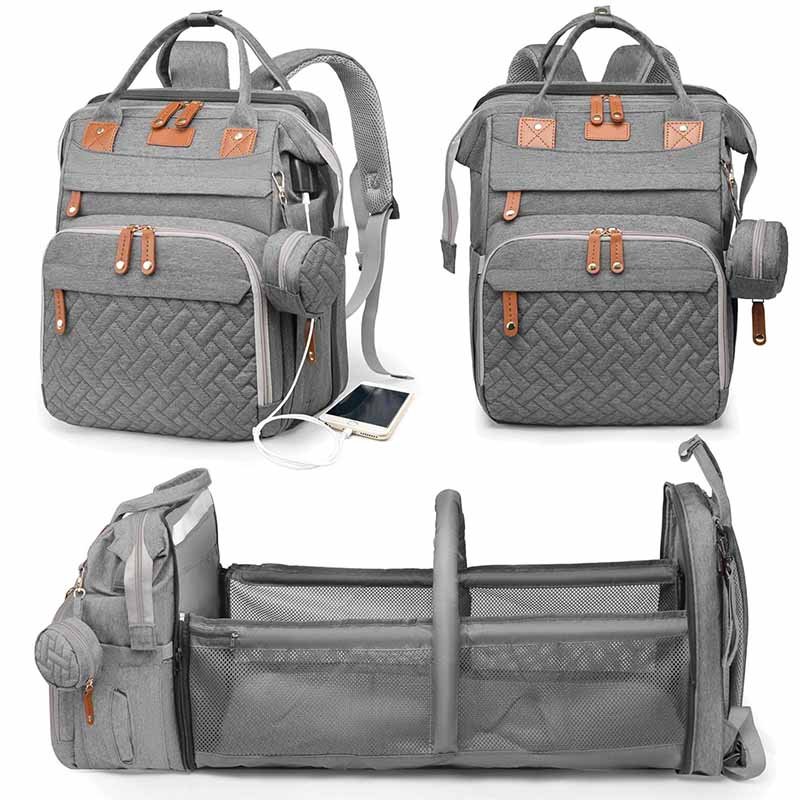
A diaper bag used to be easy to recognize: large shape, obvious baby pattern, many outside pockets, and a slightly bulky look that told everyone exactly what it was. Modern parents are changing that idea. They still need diapers, wipes, bottles, spare clothes, creams, toys, snacks, pacifiers, changing mats, and personal items, but they no longer want a bag that feels messy, outdated, or only useful for the baby stage. They want a product that can go from daycare to the office, from a stroller walk to a weekend trip, from a grocery run to an airport gate, without looking out of place.
Modern parents mainly use backpack diaper bags, tote diaper bags, messenger diaper bags, convertible diaper bags, stroller diaper bags, travel diaper bags, and compact crossbody diaper bags. The right type depends on carrying comfort, storage layout, cleaning needs, bottle insulation, stroller use, material durability, style preference, and how many baby-care items parents need to carry each day.
The diaper bag has quietly become one of the most important daily products in early parenting. It is not just a storage bag. It is a small mobile system for feeding, changing, cleaning, organizing, and keeping life moving when a baby decides that timing is optional. A well-designed diaper bag can reduce stress before parents even notice it. A poorly designed one makes every outing feel heavier than it needs to be. That is why brands developing diaper bags today need to understand not only bag styles, but also how real parents pack, carry, clean, open, close, hang, and reuse them.
What Is a Diaper Bag?
A diaper bag is a parent-focused carry bag designed to organize baby essentials for feeding, changing, cleaning, travel, and daily care. Compared with a regular backpack or tote, it usually includes bottle pockets, wipe storage, waterproof lining, changing mat space, stroller straps, wet-and-dry separation, and parent pockets for phones, wallets, keys, and personal items.
A strong diaper bag is not defined by size alone. Large capacity helps, but smart space matters more. Parents do not want to empty the whole bag just to find one pacifier or a clean diaper. They need clear zones: one area for feeding, one area for diaper changes, one area for spare clothing, one area for wet or dirty items, and one safe place for their own essentials.
For brands, this means a diaper bag should be developed as a functional product, not only as a fashionable bag with extra pockets. The structure should answer real problems: Can one hand open the zipper? Can a bottle stand upright? Can wipes be reached fast? Can the bottom hold shape when full? Can the lining be wiped clean after milk or snack spills? Can the bag still look presentable after months of daily use?
A normal handbag may carry baby products, but it usually does not separate items well. A regular backpack may have capacity, but it may lack bottle insulation, wipe access, washable lining, and stroller compatibility. A diaper bag sits between baby-care equipment and lifestyle carry gear. That is why modern designs often look like travel backpacks, soft totes, crossbody bags, or stroller organizers, while still hiding parent-specific functions inside.
For Szoneier, this product category fits naturally with neoprene product manufacturing. Neoprene has a soft hand feel, flexible structure, light cushioning, and modern appearance. It can be used for diaper totes, bottle bags, stroller organizers, inner pouches, changing mat covers, and accessory sets. With more than 18 years of experience in neoprene material research and finished product manufacturing, Szoneier can help brands turn diaper bag ideas into private label, OEM, or ODM products with custom logo, structure, color, size, lining, packaging, and sample development support.
Why Do Parents Need One?
Parents need a diaper bag because baby care outside the home requires more preparation than most people expect. Even a two-hour trip may require diapers, wipes, bottle, formula, spare clothes, burp cloth, diaper cream, pacifier, snacks, toys, blanket, sanitizer, tissues, and parent items. Without a dedicated bag structure, these small items easily become mixed, hidden, wet, crushed, or difficult to reach.
The real need is speed. A parent may need to change a diaper in a small restroom, prepare a bottle in a car, find wipes while holding a baby, or grab a clean shirt after a spill. In those moments, a bag with the right compartments can save time and reduce stress.
Key parent needs usually include:
| Parent Need | Product Function Needed | Design Detail |
|---|---|---|
| Fast diaper changes | Diaper and wipe access | Front pocket, side wipe slot, changing mat pocket |
| Bottle feeding | Upright and insulated storage | Elastic bottle pockets, thermal lining, leak-resistant area |
| Clean organization | Separated storage zones | Mesh pockets, zip pockets, wet/dry sections |
| Comfort during travel | Balanced carrying system | Padded straps, lightweight body, reinforced handles |
| Easy cleaning | Stain-resistant inner space | Waterproof lining, smooth fabric, removable pouch |
| Daily personal use | Parent storage area | Phone pocket, wallet pocket, key clip, laptop sleeve |
| Stroller walking | Hands-free attachment | Detachable stroller straps, stable side hooks |
| Longer use after baby stage | Neutral lifestyle design | Simple colors, clean shape, removable baby accessories |
A diaper bag becomes valuable when it works during pressure, not just when it looks good in a product photo. Parents may forgive a plain design if the function is excellent, but they rarely forgive a beautiful bag that leaks, sags, stains, or makes baby items hard to find.
What Should It Carry?
A diaper bag should carry baby-care essentials, feeding products, changing supplies, comfort items, emergency clothing, and parent belongings. The exact packing list changes by baby age, trip length, climate, and parent habits, but most bags need to support both short outings and half-day movement.
For newborn parents, the bag may need more diapers, burp cloths, bottles, formula, nursing items, and spare onesies. For parents of older babies, snacks, toys, bibs, water cups, and extra clothing become more important. For toddlers, the diaper bag may gradually shift into a family day bag with wipes, snacks, small toys, medicine, sunscreen, clothes, and personal items.
Common diaper bag packing areas include:
| Storage Area | Items Carried | Recommended Design |
|---|---|---|
| Diaper changing zone | Diapers, wipes, cream, changing mat | Flat pocket, wipe slot, waterproof divider |
| Feeding zone | Bottles, formula, snacks, bibs | Insulated pocket, elastic holder, food-safe lining option |
| Clothing zone | Onesies, socks, hat, blanket | Large main compartment, compression pocket |
| Wet item zone | Used clothes, wet bibs, towel | Waterproof zip pocket or removable wet bag |
| Parent zone | Phone, keys, wallet, sunglasses | Zipper pocket, key hook, hidden back pocket |
| Quick access zone | Pacifier, tissues, sanitizer | Front pocket, small pouch, side sleeve |
| Travel zone | Tablet, documents, charger | Padded sleeve, back pocket, luggage strap |
| Outdoor zone | Water bottle, sunscreen, toy | Side pockets, elastic mesh, external loops |
A good diaper bag should not force parents to mix clean and dirty items. This is especially important for wet clothes, used bibs, and spilled feeding products. Inner waterproof pockets, removable wet bags, or coated lining can help protect the rest of the bag. For custom production, brands can also develop matching accessory sets, such as bottle sleeves, pacifier pouches, changing mat bags, or snack pouches.
From Szoneier’s manufacturing perspective, the carrying plan should be confirmed before sample development. If a brand wants to target newborn parents, the bag may need stronger bottle storage and changing mat space. If the target group is stylish city parents, the design may focus more on lightweight structure, soft neoprene texture, clean colors, and hidden organization. If the product is for travel families, the design may need more capacity, stronger zippers, luggage sleeve, and reinforced straps.
Is It Only for Baby Items?
A modern diaper bag is not only for baby items. Many parents use it as a daily carry bag, travel bag, stroller bag, work bag, weekend tote, or family organizer. This is one reason diaper bags today are becoming more neutral, more stylish, and less obviously “baby-themed.”
Parents often prefer products that remain useful after the diaper stage. A bag that can later hold a laptop, gym clothes, groceries, travel items, swimwear, or picnic supplies feels more valuable. This matters for product reviews, repeat use, and brand perception. A diaper bag that becomes useless after one year may feel expensive. A diaper bag that stays useful for three to five years feels like a smarter purchase.
For brands, this creates a clear development direction:
| Design Direction | Why Parents Like It | Product Development Idea |
|---|---|---|
| Neutral colors | Easy for both parents to carry | Black, beige, gray, navy, olive, cream |
| Minimal logo | More premium and less childish | Woven label, embossed patch, subtle print |
| Removable baby accessories | Longer product life | Detachable changing mat, bottle pouch, wet bag |
| Work-friendly layout | Useful after baby stage | Laptop sleeve, document pocket, hidden zipper pocket |
| Travel-friendly features | More value for family trips | Luggage sleeve, back pocket, large opening |
| Easy-clean materials | Better daily performance | Neoprene, nylon, polyester, coated lining |
| Matching sets | Higher perceived value | Tote + bottle bag + stroller pouch + changing mat |
A diaper bag that looks like a clean lifestyle product can reach more consumers. Fathers may feel more comfortable carrying it. Mothers may use it beyond baby care. Grandparents and caregivers may find it easier to manage. Private label brands can also create broader collections around the same fabric and logo system.
Szoneier can support this direction by developing diaper bag series rather than single products. For example, one collection may include a neoprene diaper tote, matching bottle cooler bag, stroller organizer, pacifier pouch, and waterproof changing mat. This approach gives brands more product combinations for online stores, gift sets, retail shelves, and seasonal launches.
Which Diaper Bag Types Are Popular?
Popular diaper bag types include backpack diaper bags, tote diaper bags, messenger diaper bags, convertible diaper bags, stroller diaper bags, travel diaper bags, and compact crossbody diaper bags. Each style fits a different parent routine. Some parents need hands-free carrying, some want a stylish daily tote, and others need stroller access or large-capacity travel storage.
The best diaper bag type depends on how parents move through the day. A parent using public transportation may prefer a backpack because it keeps both hands free. A parent driving to daycare may prefer a tote because it opens quickly from the passenger seat. A parent taking daily stroller walks may want a small stroller organizer for wipes, phone, keys, and bottles. A parent flying with a baby may need a travel diaper backpack with bigger storage and stronger organization.
Brands should not treat all parents as one group. Diaper bag demand is shaped by lifestyle, baby age, number of children, climate, travel frequency, fashion preference, and budget. A minimalist parent may want a compact crossbody bag. A parent of twins may need wider capacity and stronger strap support. A fashion-focused parent may prefer a soft neoprene tote. A practical parent may focus on waterproof lining, zipper quality, and bottle insulation.
For product planning, it is often better to build a small diaper bag collection with clear roles instead of one design trying to do everything. One hero backpack can cover daily use and travel. One neoprene tote can cover style and daycare. One stroller organizer can cover short outings. One small accessory pouch can increase order value and complete the set.
| Diaper Bag Type | Best Use Case | Main Advantage | Possible Weak Point | Strong Custom Direction |
|---|---|---|---|---|
| Backpack diaper bag | Travel, commuting, long outings | Hands-free, balanced weight | May feel bulky if overbuilt | Padded straps, wide opening, insulated front pocket |
| Tote diaper bag | Daycare, shopping, stylish use | Easy access, clean look | One-shoulder carry can feel heavy | Neoprene body, structured base, removable organizer |
| Messenger diaper bag | Quick errands, casual use | Fast side access | Less balanced when heavily packed | Adjustable strap, front flap, compact inner layout |
| Convertible diaper bag | Multi-scene parent use | Several carrying methods | Poor strap design can look messy | Detachable straps, hidden anchors, reinforced hardware |
| Stroller diaper bag | Walks, parks, shopping | Quick access on stroller | Limited capacity | Stable straps, bottle holders, wipe pocket |
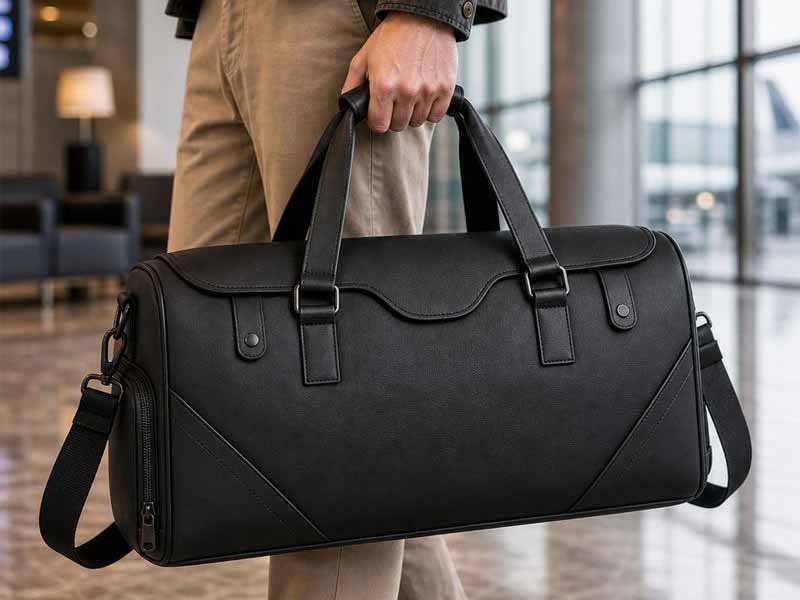
| Travel diaper bag | Flights, road trips, twins | Large storage and separation | Can become heavy | Luggage sleeve, wet/dry pocket, strong zippers |
| Crossbody diaper bag | Minimalist outings | Lightweight and fast | Not enough for full-day use | Neoprene sling, compact diaper pocket, parent valuables zone |
Backpack Diaper Bags
Backpack diaper bags are one of the most practical choices for modern parents because they free both hands. This is important when parents are carrying a baby, folding a stroller, holding a toddler’s hand, pushing a shopping cart, or walking through an airport. A backpack also spreads weight across both shoulders, which usually feels more comfortable than carrying a heavy tote on one side.
A good diaper backpack should not be designed like a normal school backpack. It needs parent-specific details. The main opening should be wide enough to see inside. Bottle pockets should keep feeding items upright. Inner mesh pockets should make small items visible. A back pocket can protect phone, wallet, passport, or cards. The bottom should hold shape after loading. Shoulder straps should be padded and reinforced because the bag may carry 3–8 kg during real use.
Important backpack diaper bag features include:
| Feature | Recommended Detail |
|---|---|
| Main capacity | 18–30 L for daily and travel use |
| Bottle pocket | 2–3 pockets, with elastic or insulated lining |
| Strap width | Usually 5–7 cm for better comfort |
| Back panel | Light padding or breathable mesh |
| Main opening | Wide zipper opening or doctor-bag opening |
| Inner pockets | Mesh, elastic, zip, and wet pocket combinations |
| Bottom panel | Reinforced fabric or structured insert |
| Add-ons | Changing mat, stroller straps, key clip, luggage sleeve |
For Szoneier custom projects, backpack diaper bags can be made with neoprene panels, polyester lining, nylon outer fabric, waterproof inner coating, custom zipper pulls, rubber logo patches, woven labels, heat transfer logos, and private label packaging. A brand targeting premium parents may choose cleaner colors and softer touch materials. A brand targeting travel families may choose stronger nylon, larger capacity, and more reinforced stitching.
Tote Diaper Bags
Tote diaper bags are popular with parents who want function without giving up style. They are easy to place in a car, easy to open, and easy to pack. Compared with backpacks, tote bags often give faster top access. Parents can look down and see bottles, diapers, wipes, clothes, and pouches more easily. This makes totes especially suitable for daycare drop-off, shopping, family visits, and short daily trips.
The challenge with diaper totes is structure. A regular tote may collapse when half empty, stretch when full, or become uncomfortable on one shoulder. A diaper tote needs stronger handles, a stable base, inner organization, and materials that can handle weight. Neoprene is an attractive option because it feels soft, modern, and flexible while still giving the bag a fuller look. It also works well with simple shapes and lifestyle colors.
Common tote diaper bag specifications may include:
| Item | Common Development Range |
|---|---|
| Width | 35–45 cm |
| Height | 28–38 cm |
| Depth | 12–20 cm |
| Handle drop | 22–30 cm |
| Body material | Neoprene, nylon, polyester, canvas blend |
| Lining | Waterproof polyester, TPU-coated lining, PEVA option |
| Inner structure | Removable organizer, mesh pockets, bottle holders |
| Logo method | Woven label, silicone patch, embroidery, screen print |
A tote diaper bag is also a strong choice for gift sets. A brand can sell a neoprene diaper tote with a matching changing mat, bottle holder, small pouch, or stroller organizer. The result feels more complete and more premium. Szoneier can help brands develop matching color systems, logo positions, trim materials, zipper colors, and accessory combinations to make the product line look unified.
Messenger Diaper Bags
Messenger diaper bags are useful for parents who prefer crossbody carrying and fast access. They usually sit on one side of the body, so parents can swing the bag forward and reach wipes, snacks, pacifiers, or a bottle without fully taking the bag off. This makes messenger styles suitable for short trips, quick errands, casual walks, and parents who do not like backpack shapes.
The strength of a messenger diaper bag is access. The weakness is load balance. If the bag becomes too large or too heavy, one-shoulder carrying can become uncomfortable. For this reason, messenger diaper bags should be designed with medium capacity, smart pocket layout, and good strap comfort. A padded adjustable strap is important. The side panels should be reinforced so the bag does not twist when loaded.
Useful messenger diaper bag features include:
| Feature | Why It Matters |
|---|---|
| Adjustable crossbody strap | Fits different body types and carrying styles |
| Front flap or front zipper | Helps parents reach small items quickly |
| Side bottle pocket | Keeps bottle upright and easy to grab |
| Inner divider | Prevents diapers, wipes, and clothes from mixing |
| Waterproof pocket | Holds wet bibs, used clothes, or small towels |
| Compact body | Prevents one-shoulder overload |
| Reinforced strap anchors | Reduces tearing risk during daily use |
For brands, messenger diaper bags can be positioned as gender-neutral, casual, travel-light, or dad-friendly products. Color choices such as black, gray, olive, navy, khaki, and charcoal often work well. Szoneier can manufacture messenger diaper bags with neoprene, nylon, polyester, Oxford fabric, or mixed materials, depending on the target price and appearance. Custom options may include buckle styles, flap shapes, logo patches, zipper pullers, strap webbing, and inner lining colors.
Convertible Diaper Bags
Convertible diaper bags are made for parents who move through different situations in one day. One product may work as a backpack, shoulder bag, tote, or crossbody bag. This flexibility is attractive because parents do not always carry the bag the same way. A backpack mode may feel best during travel. A tote mode may look better at daycare. A shoulder mode may work for quick car-to-store movement.
A good convertible bag is difficult to develop well. Many weak designs simply add extra straps, but the product looks awkward when used in another mode. The strap anchor points, handle placement, zipper direction, body balance, and pocket access must work together. If the backpack straps hang outside messily during tote use, the bag may feel cheap. If the shoulder strap pulls the bag out of shape, the structure needs adjustment.
Important convertible diaper bag development points include:
| Development Point | Key Question |
|---|---|
| Strap system | Are straps easy to attach, remove, and hide? |
| Hardware strength | Can buckles and D-rings handle daily loading? |
| Shape control | Does the bag stay balanced in each carrying mode? |
| Pocket access | Are main pockets reachable in backpack and tote use? |
| Weight distribution | Does one mode feel much heavier than another? |
| Appearance | Does the bag still look clean when converted? |
| Sample testing | Has the bag been tested with real packed weight? |
Convertible diaper bags are good for private label brands because they can be marketed as multi-use, longer-life products. A single product can serve daily use, travel, stroller walks, and post-baby use. Szoneier can help develop strap systems, reinforced sewing points, detachable handles, hidden webbing channels, metal or plastic hardware options, and sample revisions before production.
Stroller Diaper Bags
Stroller diaper bags and stroller organizers are designed for fast access during walks, shopping, parks, and city movement. They are usually smaller than full diaper bags and attach to stroller handles or bars. Parents use them to hold bottles, wipes, phone, keys, pacifier, tissues, snacks, and one or two diapers. They are especially useful when parents do not want to open a large bag every few minutes.
The most important part of a stroller bag is stability. A poorly designed organizer may swing, slide, tilt, or pull the stroller handle unevenly. The strap system should hold the bag in place, while the pockets should keep bottles upright. The bag should also be easy to remove, because parents may need to carry it into a café, restroom, or store.
Common stroller organizer features include:
| Feature | Recommended Detail |
|---|---|
| Attachment | Velcro straps, buckle straps, or hook loops |
| Bottle area | 2 cup or bottle holders |
| Phone pocket | Front zip or open sleeve |
| Wipe pocket | Side or top quick-access pocket |
| Body size | Compact, usually 25–35 cm wide |
| Material | Neoprene, polyester, nylon, Oxford fabric |
| Cleaning | Wipe-clean lining or washable body |
| Add-on option | Detachable small pouch or shoulder strap |
A stroller organizer can also become a smart add-on product for brands. It pairs naturally with a backpack diaper bag or tote diaper bag. Parents may buy it as a second product after purchasing the main bag. For retail and e-commerce brands, this creates better product bundling opportunities.
Szoneier can develop stroller diaper bags in matching materials and colors with larger diaper bags. For example, a neoprene diaper tote can be paired with a neoprene stroller organizer, bottle sleeve, and changing mat. This makes the collection more attractive for gift boxes, online bundles, and private label baby-care product lines.
What Materials Work Best?
The best diaper bag materials are lightweight, durable, easy to clean, water-resistant, comfortable to carry, and stable enough to hold baby-care items without losing shape. Common choices include neoprene, nylon, polyester, Oxford fabric, coated canvas, TPU-coated fabric, and insulated lining materials. The right material depends on price level, style, weight, cleaning needs, and target use case.
Material choice decides how a diaper bag feels, looks, cleans, carries weight, and survives daily parent life. A diaper bag may look attractive in photos, but parents will judge it after milk spills, snack crumbs, wet clothes, stroller friction, car-floor dirt, and repeated zipper pulling. If the fabric absorbs stains too easily, collapses after loading, feels too heavy, or becomes difficult to clean, the product may not perform well in real use.
For brands developing diaper bags, material planning should start before the shape is finalized. A soft neoprene tote will behave differently from a structured nylon backpack. A travel diaper backpack needs stronger abrasion resistance and reinforced load-bearing points. A stroller organizer needs flexible handling, stable attachment, and easy cleaning. A compact crossbody diaper bag may need a soft body, light weight, and comfortable contact against the body.
Parents also care about how the bag looks in daily life. Many modern parents do not want a loud baby-themed bag. They want colors and textures that match casual clothing, stroller systems, travel outfits, and daily family routines. Materials such as neoprene, matte nylon, recycled polyester, and coated fabrics can help brands create a cleaner, more modern look.
Szoneier’s advantage is not only sewing finished bags. The company has more than 18 years of experience in neoprene material research, product development, and manufacturing. That means brands can discuss fabric thickness, hand feel, lamination, inner lining, stitching method, logo process, pocket layout, sampling time, MOQ plan, and cost control in one development process. For diaper bag projects, this helps reduce trial-and-error and makes the product easier to customize for private label or OEM/ODM orders.
A good material plan should answer several questions before sampling:
| Material Question | Why It Matters | Product Decision |
|---|---|---|
| Will parents use it daily or occasionally? | Daily-use bags need stronger wear resistance | Choose durable outer fabric and reinforced stitching |
| Does the bag need a soft lifestyle look? | Style affects online conversion and repeat use | Consider neoprene, coated canvas, or matte polyester |
| Will bottles or food be carried often? | Feeding items create leaks and stains | Add waterproof lining and insulated pockets |
| Is the bag for travel? | Travel creates higher load and abrasion | Use stronger zippers, webbing, and bottom reinforcement |
| Does the product need low MOQ customization? | Some materials require larger dye or print minimums | Use available material colors or flexible logo methods |
| Will it include matching accessories? | Material consistency affects collection value | Plan fabric, lining, and logo system together |
Is Neoprene Good?
Neoprene is a strong material choice for modern diaper bags, especially for tote bags, stroller organizers, bottle bags, pouch sets, and soft lifestyle diaper bags. It has a smooth, cushioned feel, flexible structure, and modern appearance. Parents often like neoprene because it feels casual, soft, and less rigid than many traditional baby bags.
For diaper bag use, neoprene offers several practical advantages:
| Neoprene Feature | Benefit for Diaper Bags |
|---|---|
| Soft hand feel | Comfortable for daily carrying |
| Flexible body | Adapts to different packing volumes |
| Light cushioning | Helps protect bottles, small items, and electronics |
| Modern texture | Creates a clean lifestyle look |
| Water-resistant surface | Helps handle light splashes and daily mess |
| Easy color matching | Suitable for simple, premium color systems |
| Good for accessories | Works well for bottle sleeves, pouches, and changing mat covers |
Neoprene diaper bags are especially suitable for brands that want a clean, modern, casual product line. A neoprene diaper tote can look less like a traditional baby bag and more like a lifestyle carryall. This is useful for parents who want one bag for daycare, errands, shopping, beach trips, gym visits, and weekend travel.
Thickness selection matters. A very thin neoprene may feel weak and lose shape. A very thick neoprene may add weight and cost. Many bag projects use neoprene in a balanced thickness range based on shape, size, and target price. Szoneier can help brands test different neoprene thicknesses, linings, handle reinforcements, and stitching methods to make sure the bag feels soft but not flimsy.
Neoprene also works well for matching products. Brands can develop a diaper tote, bottle bag, pacifier pouch, wet bag, stroller organizer, and changing mat sleeve using the same color and logo system. This creates a more complete product line and gives online stores more bundle options.
Are Nylon Bags Durable?
Nylon is one of the most durable materials for diaper backpacks and travel diaper bags. It is lightweight, strong, abrasion-resistant, and suitable for products that need to carry more weight. When parents use a diaper bag for airport travel, long shopping days, daycare routines, or outdoor trips, nylon can provide better structural strength than softer lifestyle fabrics.
The main advantage of nylon is daily endurance. It can handle repeated movement, packed weight, and friction from strollers, car floors, luggage, and public spaces. For diaper backpacks, nylon is often used with padded shoulder straps, reinforced bottom panels, and water-resistant coatings. This makes it practical for parents who want performance first.
Nylon is also useful when the design includes many functional parts:
| Functional Part | Why Nylon Works Well |
|---|---|
| Shoulder straps | Strong webbing and fabric support heavier loads |
| Side pockets | Holds bottle shape better with elastic or mesh |
| Back panel | Works with padding and breathable mesh |
| Bottom panel | Better resistance against abrasion |
| Travel sleeve | Handles friction against luggage handles |
| Zipper areas | Supports repeated opening and closing |
| Outer shell | Lightweight and suitable for larger capacity bags |
For brands, nylon diaper bags can be positioned as travel-friendly, outdoor-friendly, dad-friendly, or high-performance products. A nylon diaper backpack may include 20–30 L capacity, 2–3 bottle pockets, wet/dry separation, a changing mat pocket, stroller straps, anti-theft pocket, and laptop sleeve.
However, nylon is not always the best choice for every diaper bag. Some nylon fabrics may look too technical or sporty for fashion-oriented parents. Lower-grade nylon can also feel thin or noisy. The fabric denier, coating, hand feel, lining, and color finish all affect the final product. Szoneier can help brands compare nylon with polyester, neoprene, Oxford fabric, and mixed-material options to balance style, cost, weight, and function.
Is Polyester Lightweight?
Polyester is a common diaper bag material because it offers good cost control, light weight, stable color, and flexible finishing options. It is widely used for diaper backpacks, stroller bags, inner linings, pocket panels, and promotional diaper bag programs. For brands that need private label products with practical function and controlled pricing, polyester can be a smart option.
The biggest strength of polyester is balance. It may not feel as soft as neoprene or as premium as some coated materials, but it can support many diaper bag structures at a competitive cost. It accepts printing, lining, lamination, and coating well. It can also be produced in different textures, from smooth woven fabric to Oxford-style fabric.
Polyester works well for:
| Product Type | Polyester Advantage |
|---|---|
| Entry-level diaper backpacks | Good cost and stable performance |
| Stroller organizers | Lightweight and easy to sew |
| Inner lining | Smooth, clean, and easy to wipe with coating |
| Printed diaper bags | Suitable for pattern customization |
| Promotional baby bags | Supports lower-cost private label projects |
| Gift sets | Easy to match with pouch and mat accessories |
For parents, polyester diaper bags can feel lighter than thicker canvas or heavy coated materials. This matters because the bag becomes much heavier after adding diapers, bottles, clothes, toys, and personal items. A diaper bag that is already heavy when empty may become tiring quickly.
For manufacturing, polyester gives brands more flexibility in budget planning. If the brand wants a lower MOQ product with custom logo, available stock colors and simple logo methods can help control sample and production cost. If the brand wants a higher-end look, polyester can be upgraded with special texture, waterproof coating, reinforced panels, and better hardware.
Which Materials Resist Water?
Water resistance is important for diaper bags because parents often deal with bottle leaks, wet wipes, rain, damp clothes, spilled snacks, and outdoor surfaces. A diaper bag does not always need to be fully waterproof like a dry bag, but it should resist daily moisture and protect the contents from common spills.
Water resistance depends on both material and structure. Even if the fabric surface repels water, seams, zippers, and pocket openings may still allow moisture to enter. For diaper bags, the goal is usually practical protection: easy wiping, wet item separation, and reduced stain absorption.
Common water-resistant material options include:
| Material / Component | Water Resistance Level | Best Use |
|---|---|---|
| Neoprene | Good for light splashes | Totes, stroller bags, bottle sleeves |
| Nylon with coating | Good to strong | Backpacks, travel bags, outdoor diaper bags |
| Polyester with coating | Good | Standard diaper bags, linings, stroller bags |
| TPU-coated fabric | Strong | Wet pockets, waterproof panels, travel bags |
| PEVA lining | Good and easy to wipe | Bottle zones, inner lining, changing mat pockets |
| PVC-coated fabric | Strong but heavier | Wet bags, outdoor panels, lower-cost waterproof zones |
| Waterproof zipper | Improves protection | Front pockets, travel pockets, wet areas |
For parent use, the most valuable waterproof areas are not always the whole bag. The bottle pocket, wet pocket, bottom panel, changing mat pocket, and inner lining often matter more. If a bottle leaks, parents need the spill contained. If wet clothes are packed, the rest of the bag should stay dry. If the bag is placed on a car floor or stroller basket, the bottom should resist dirt and moisture.
Szoneier can develop diaper bags with different water-resistant solutions depending on the target market. A premium neoprene tote may use a soft outer body with waterproof lining and a detachable wet pouch. A travel diaper backpack may use coated nylon, waterproof inner compartments, and reinforced bottom panels. A stroller organizer may use neoprene or polyester with wipe-clean pockets.

How Can Brands Customize Diaper Bags?
Brands can customize diaper bags through material, size, color, structure, pocket layout, logo method, hardware, lining, accessories, packaging, and function details. Strong customization should not only make the bag look different. It should make the product easier for parents to use and easier for the brand to sell.
A custom diaper bag project should begin with a clear product role. Is the bag for newborn parents, travel families, stroller users, stylish mothers, fathers, daycare routines, gift sets, Amazon stores, boutique retail, or premium baby brands? The answer changes almost every detail, from capacity and pocket layout to logo size and material choice.
Many new brands make one common mistake: they start with appearance before defining the user situation. They choose a nice-looking bag shape, then add pockets later. A better approach is to map the parent’s daily routine first. Where will the bag be used? How long will parents carry it? How many bottles should it hold? Will it hang on a stroller? Does it need to fit a laptop? Is it for one baby or two? Should it look gender-neutral? Should it be machine-washable or wipe-clean? These questions lead to better sampling results.
Szoneier supports custom diaper bag development from concept to finished goods. For brands without finished technical files, Szoneier can help with free design support, material suggestions, sample development, logo placement, packaging planning, and OEM/ODM manufacturing. For experienced brands, Szoneier can work from tech packs, reference samples, product sketches, color cards, logo files, and detailed structure requirements.
Typical customization areas include:
| Custom Area | Options |
|---|---|
| Material | Neoprene, nylon, polyester, Oxford fabric, coated fabric, mixed materials |
| Size | Compact, standard, large travel, twin-baby size |
| Color | Stock colors, custom colors, contrast trims, seasonal palettes |
| Logo | Woven label, rubber patch, silicone patch, embroidery, screen print, heat transfer |
| Structure | Backpack, tote, messenger, stroller organizer, crossbody, convertible |
| Lining | Waterproof polyester, PEVA, TPU-coated lining, easy-clean lining |
| Pockets | Bottle pockets, wipe pocket, wet pocket, parent pocket, laptop sleeve |
| Accessories | Changing mat, bottle sleeve, pacifier pouch, wet bag, stroller straps |
| Hardware | Zippers, pullers, buckles, D-rings, hooks, magnetic snaps |
| Packaging | Hangtag, polybag, carton, gift box, barcode label, private label package |
What Logo Options Work?
Logo method should match the diaper bag material, price level, and brand style. A premium diaper bag usually does not need a large loud logo. Many modern baby-care brands prefer subtle logos, clean patches, tonal embroidery, woven labels, or small metal details. For online sales, the logo should be visible enough for recognition but not so large that it reduces the bag’s lifestyle appeal.
Common logo options include:
| Logo Method | Best For | Visual Style |
|---|---|---|
| Woven label | Most diaper bags and pouches | Clean, soft, cost-efficient |
| Rubber patch | Neoprene, nylon, sporty styles | Modern, durable, raised texture |
| Silicone patch | Premium casual bags | Soft, smooth, clean finish |
| Embroidery | Tote bags, canvas blend, premium styles | Textured and classic |
| Screen printing | Large simple logo or graphic | Lightweight and flexible |
| Heat transfer | Smooth fabrics, modern designs | Clean and flat |
| Metal logo plate | Premium tote or fashion-style bag | More polished but higher cost |
| Zipper pull logo | Subtle detail | Good for private label finish |
For neoprene diaper bags, rubber patches, silicone patches, woven labels, and heat transfer logos are often strong choices. Embroidery can work too, but stitch density and fabric stretch need to be tested. For nylon backpacks, woven labels, rubber patches, and custom zipper pullers are practical. For stroller organizers, smaller logo labels usually look better than large front graphics.
Szoneier can help brands choose logo methods based on material, MOQ, target price, and visual positioning. Before production, a logo sample is important because color, size, position, and texture may look different on real fabric compared with a digital mockup.
Which Sizes Sell Better?
Diaper bag size should match the parent’s carrying need. A bag that is too small creates frustration. A bag that is too large becomes heavy and messy. Most brands should consider at least two size directions: a daily-use size and a travel or family-size version.
Common diaper bag size planning:
| Size Type | Suggested Capacity | Best For |
|---|---|---|
| Compact | 8–15 L | Short trips, stroller use, minimalist parents |
| Standard daily | 16–25 L | One baby, daycare, shopping, normal outings |
| Large travel | 26–35 L | Flights, road trips, twins, full-day family use |
| Tote style | 18–28 L | Daycare, lifestyle use, city parents |
| Stroller organizer | 3–8 L | Walks, quick access, add-on product |
| Crossbody style | 3–10 L | Fast errands, small essentials |
A daily-use diaper bag should usually fit 4–6 diapers, one pack of wipes, 1–2 bottles, one changing mat, one spare outfit, small toys, snacks, and parent valuables. A travel diaper bag may need space for 8–10 diapers, 2–3 bottles, multiple clothing sets, food containers, blanket, tablet, documents, and larger personal items.
For brands, size also affects shipping cost and retail price. A larger structured bag may look more valuable, but it uses more material, larger cartons, stronger hardware, and higher freight volume. A compact bag may be easier to sell as an add-on but may not satisfy full-day parent needs. Szoneier can help calculate size, carton packing, material usage, and production efficiency before bulk order confirmation.
Do Parents Prefer Multi-Use Bags?
Many modern parents prefer multi-use diaper bags because they want products that remain useful beyond the baby stage. A bag that works as a diaper bag, work tote, travel bag, stroller bag, gym bag, or weekend organizer feels more valuable. This is especially true for higher-priced diaper bags, where parents expect long-term use.
Multi-use design can be created through:
| Multi-Use Feature | Parent Benefit |
|---|---|
| Removable changing mat | Baby function can be taken out later |
| Neutral exterior design | Usable after diaper stage |
| Laptop sleeve | Useful for work, travel, or daycare admin |
| Detachable bottle pouch | Can become a water bottle or snack pouch |
| Stroller straps | Adds convenience without changing bag look |
| Wet/dry pouch | Useful for swimwear, gym clothes, or travel |
| Large open compartment | Works for groceries, clothing, or family items |
| Subtle logo | More suitable for daily adult use |
This trend is especially strong for neoprene diaper totes. A soft neoprene tote can carry baby products during early parenting and later become a beach bag, gym bag, travel tote, or daily shopping bag. For brands, this increases perceived value and creates stronger marketing language around long-term use.
For Szoneier custom development, multi-use design can be planned from the first sample. Instead of permanently fixing every baby-care detail into the bag, some elements can be removable. For example, an inner organizer can hold baby items, but the outer tote can remain simple. A changing mat can be packed separately. A bottle sleeve can be detachable. This keeps the product flexible and appealing to a wider parent group.
How Can Factories Support OEM?
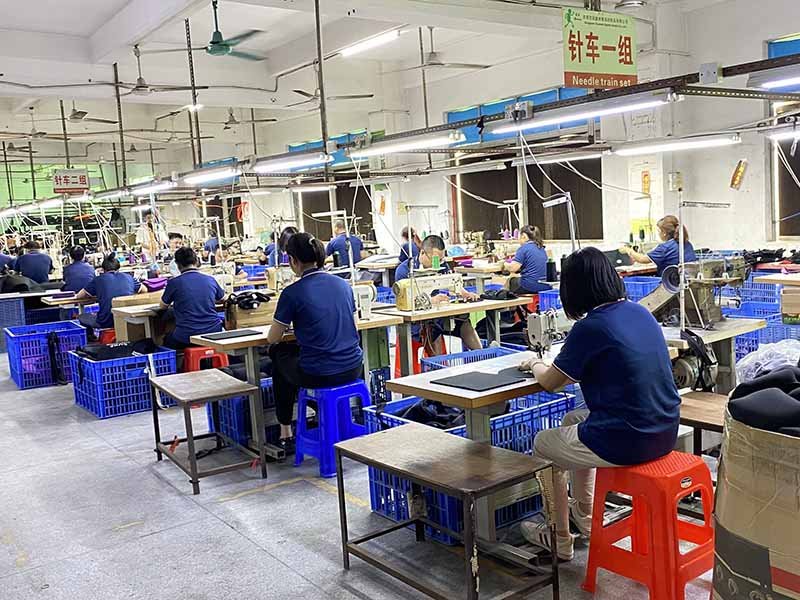
A qualified diaper bag factory should support material sourcing, structure development, sample making, logo testing, cost review, quality inspection, packaging, and production planning. For private label and OEM/ODM diaper bags, factory support matters because small structure problems can become serious issues after bulk production.
Szoneier can support diaper bag projects through a full development process:
| Development Step | Factory Support |
|---|---|
| Product idea review | Discuss target users, style, function, size, and price direction |
| Material recommendation | Suggest neoprene, nylon, polyester, lining, webbing, hardware |
| Structure planning | Confirm pocket layout, bottle areas, straps, base, opening method |
| Logo solution | Test woven label, patch, embroidery, print, or heat transfer |
| Sample making | Fast sample development based on design or reference product |
| Sample adjustment | Improve size, pockets, straps, lining, zipper, and user comfort |
| Cost confirmation | Review material, labor, packaging, and order quantity |
| Bulk production | Manufacture according to approved sample |
| Quality inspection | Check stitching, zipper, logo, size, function, packing |
| Shipping support | Support export packing and delivery coordination |
For many brands, sample development is the most important stage. A diaper bag may need several small adjustments before it feels right: pocket depth, zipper direction, strap length, handle height, base thickness, logo position, lining texture, and bottle pocket diameter. Szoneier’s fast sampling, free design support, low MOQ customization, and private label experience can help brands move from product idea to market-ready diaper bag more efficiently.
Good OEM support should also protect brand consistency. If a brand develops a diaper bag collection, the tote, backpack, stroller organizer, bottle sleeve, and pouches should share material logic, color tone, logo style, hardware color, and packaging language. This makes the product line look more professional and easier to sell across e-commerce, retail, baby gift channels, and high-end lifestyle stores.
Are Modern Diaper Bags Changing?
Modern diaper bags are changing from basic baby-care storage bags into lifestyle products with parent-friendly organization, cleaner styling, travel features, easy-clean materials, and longer-use value. Parents now want bags that look good, carry comfortably, clean easily, organize better, and stay useful after the baby stage.
The biggest change is that diaper bags are no longer designed only around the baby. They are now designed around the whole parent routine. A parent may leave home with a baby, laptop, water bottle, phone, wallet, stroller, car seat, snacks, wipes, bottles, and a mental list of ten small tasks. The diaper bag needs to support all of that without feeling like a medical kit or a camping pack.
For brands, this shift creates more room for product differentiation. The old diaper bag market was often built around capacity and cute baby patterns. The modern diaper bag market is more layered. Some parents want a minimalist tote. Some want a travel-ready backpack. Some want a gender-neutral bag both parents can carry. Some want a soft neoprene bag that feels like a lifestyle accessory. Some want eco-minded materials. Some want a matching set for gift giving.
A strong diaper bag today should balance five major directions:
| Modern Direction | What Parents Want | Product Development Focus |
|---|---|---|
| Better appearance | A bag that does not look too childish | Neutral colors, clean shape, subtle logo |
| Better organization | Faster access to baby and parent items | Clear pocket zones, wide opening, mesh pockets |
| Better cleaning | Less stress after spills and dirt | Waterproof lining, wipe-clean panels, removable pouches |
| Better travel use | One bag for car, stroller, airport, daycare | Luggage sleeve, stroller straps, bottle pockets |
| Better long-term value | Useful after the diaper stage | Removable accessories, adult-friendly layout |
The best diaper bag brands are not only selling a bag. They are selling smoother movement through daily parent life. A parent who can find wipes quickly, keep bottles upright, protect a phone from spills, and hang the bag securely on a stroller will feel the difference every day.
For Szoneier, modern diaper bag development fits well with its neoprene product experience and wider bag manufacturing capability. A custom project can start from one hero product, such as a neoprene diaper tote or diaper backpack, then expand into matching accessories like bottle bags, stroller organizers, wet pouches, changing mat covers, or travel organizers. This gives brands a more complete product line and helps improve average order value across online stores, retail shelves, and baby gift channels.
Are Stylish Bags More Popular?
Stylish diaper bags are becoming more popular because parents want products that fit their personal style, not only their baby-care needs. Many parents now prefer diaper bags that look like regular backpacks, totes, travel bags, or soft lifestyle carryalls. This is especially true for parents who use one bag for daycare, errands, office visits, shopping, travel, and weekend family routines.
The demand for stylish diaper bags does not mean function becomes less important. In fact, the most successful styles combine a clean exterior with strong hidden function. Parents may want the outside to look simple, but the inside still needs bottle pockets, wipe storage, waterproof lining, spare clothing space, and parent compartments.
Popular styling directions include:
| Style Direction | Suitable Product Type | Design Notes |
|---|---|---|
| Minimalist neutral | Backpack, tote, crossbody | Black, beige, gray, cream, olive, navy |
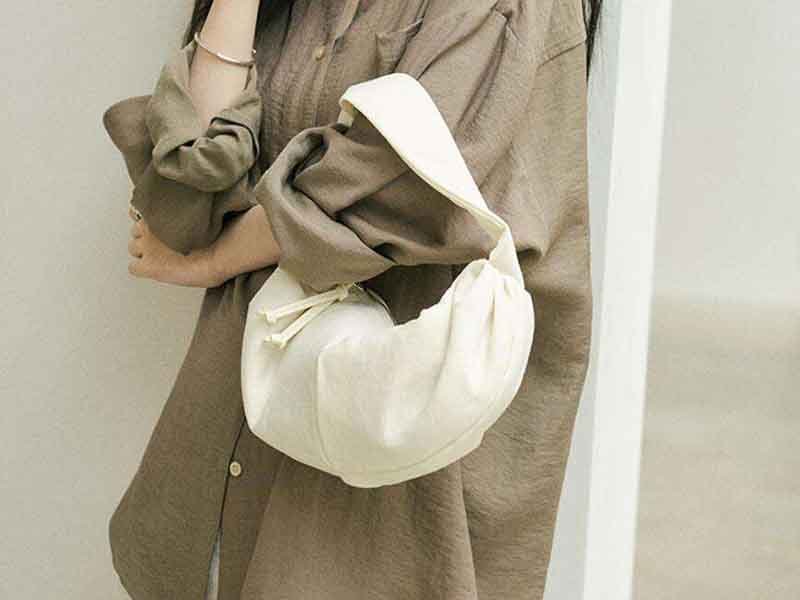
| Soft lifestyle | Neoprene tote, pouch set | Rounded shape, soft texture, clean logo |
| Premium casual | Tote, convertible bag | Better trims, logo patch, structured base |
| Gender-neutral | Backpack, messenger, stroller bag | Simple colors, no overly sweet patterns |
| Travel clean | Backpack, large tote | Luggage sleeve, hidden pocket, matte fabric |
| Boutique baby | Tote, gift set | Matching accessories, refined packaging |
For brands, the key is to avoid over-design. A diaper bag does not need too many decorative elements. A clean silhouette, strong material, balanced color, and subtle logo often feel more premium than loud prints. Parents are more likely to reuse a bag if it does not look locked into a short baby phase.
Neoprene is especially suitable for stylish diaper bags because it has a soft, modern, casual feel. A neoprene diaper tote can look simple on the outside while carrying organized inner pouches. It can also pair well with matching bottle sleeves, stroller organizers, wet bags, and changing mat covers. This creates a full collection without making the product look complicated.
For Szoneier custom projects, brands can develop style through material thickness, trim color, zipper color, logo method, inner lining contrast, handle design, and packaging presentation. A small woven label creates a softer look. A silicone patch feels modern. A tone-on-tone logo looks more premium. A bold printed logo may suit promotional or lower-price products. The best choice depends on the brand’s audience and sales channel.
Do Parents Want Travel Features?
Parents strongly value travel features because even normal daily life with a baby can feel like travel. A trip to daycare, a supermarket, a clinic, or a park still requires packing, carrying, changing, feeding, and cleaning. For families who fly, drive long distances, or travel with more than one child, diaper bag travel features become even more important.
Travel-friendly diaper bags usually focus on capacity, separation, comfort, and quick access. Parents need enough space for longer outings but also need the bag to remain organized. If one large compartment holds everything together, small items become difficult to find. A travel diaper bag should divide items into clear zones.
Useful travel features include:
| Travel Feature | Parent Benefit |
|---|---|
| Luggage sleeve | Allows bag to slide over suitcase handle |
| Wide top opening | Helps parents see contents quickly |
| Wet/dry pocket | Separates wet clothes or used bibs |
| Insulated bottle pockets | Keeps feeding items more stable |
| Side wipe pocket | Faster cleaning access |
| Anti-theft back pocket | Protects phone, wallet, passport |
| Padded shoulder straps | Reduces fatigue during long carrying |
| Stroller straps | Allows hands-free movement |
| Changing mat pocket | Keeps changing supplies flat and clean |
| Reinforced bottom | Helps bag stand and resist dirt |
For a travel diaper backpack, a practical capacity often falls around 25–35 L depending on the target market. The product should be large enough for full-day use but not so large that it becomes uncomfortable. Weight matters. A bag that is too heavy before packing will become unpleasant once filled with bottles, diapers, wipes, clothes, snacks, and parent items.
Travel diaper bags also need stronger construction. Zippers should glide smoothly. Strap anchors should be reinforced. Side pockets should not loosen quickly. Bottom panels should resist abrasion from airport floors, car floors, stroller baskets, and public spaces. For custom production, Szoneier can help test load-bearing areas and improve stitching, webbing, zipper quality, and bottom structure before bulk manufacturing.
For brands selling online, travel features are easy to explain with images and product detail pages. A front photo may show the style, but inside photos should show bottle pockets, wipe access, wet pocket, changing mat, stroller straps, and luggage sleeve. Parents want to know exactly where their items will go before they buy.
Is Sustainability Important?
Sustainability is becoming more important in baby-care products, but parents still expect function, safety, durability, and cleaning performance first. A diaper bag made with more responsible materials still needs to survive daily use. If the bag wears out quickly, stains easily, or cannot carry enough weight, the sustainability message becomes weak.
For diaper bags, sustainability can be approached in several practical ways:
| Sustainability Direction | Product Meaning |
|---|---|
| Longer-use design | Bag remains useful after diaper stage |
| Durable construction | Less need for fast replacement |
| Recycled polyester option | Supports more responsible material choices |
| Removable accessories | Parts can be used separately |
| Repair-friendly design | Stronger seams and replaceable components where possible |
| Efficient packaging | Reduced unnecessary packaging volume |
| Neutral styling | Extends product life beyond baby care |
| Quality inspection | Reduces defective products and waste |
Many parents may not choose a diaper bag only because it is sustainable, but sustainability can strengthen the purchase decision when the bag also looks good and works well. The most convincing message is usually not complicated. Parents understand long-lasting products. They understand washable materials. They understand less wasteful packaging. They understand a bag that can become a travel tote or gym bag after the diaper stage.
For brands, sustainability should be developed honestly. Instead of using vague claims, focus on clear product choices: recycled polyester fabric option, durable stitching, reusable pouches, reduced packaging, washable parts, and longer product lifespan. If certifications or verified materials are required, the brand should confirm those requirements before sampling and production.
Szoneier can support material discussions based on different market needs. Some projects may require recycled polyester. Some may focus on long-life neoprene products. Some may need simple packaging with less plastic. Some may need export-ready labeling and private label packaging. The best route depends on the brand’s price point, market regulations, sales platform, and customer expectations.
What Trends Should Brands Watch?
Brands should watch several diaper bag trends: lifestyle styling, hands-free carrying, compact stroller accessories, travel-ready backpacks, modular pouches, neoprene totes, gender-neutral colors, easy-clean linings, and product bundles. These trends all point to one larger market direction: parents want less chaos and more flexibility.
The strongest product opportunities often come from combining two or three trends rather than chasing only one. For example, a neoprene diaper tote with a removable organizer and matching bottle sleeve can target style, multi-use value, and accessory bundling at the same time. A travel backpack with stroller straps, wet pocket, and neutral color can target travel, function, and shared parent use.
Key trend opportunities include:
| Trend | Why It Matters | Product Idea |
|---|---|---|
| Neoprene diaper totes | Soft, stylish, easy daily use | Tote + pouch + bottle sleeve set |
| Gender-neutral backpacks | Both parents can carry comfortably | Black, gray, olive, navy designs |
| Modular organization | Parents can pack by routine | Removable organizer, wet bag, snack pouch |
| Compact stroller bags | Quick access for short trips | Stroller organizer with cup holders |
| Travel diaper backpacks | Strong need for flights and road trips | Large capacity with luggage sleeve |
| Fashion-inspired diaper bags | Parents want adult-looking products | Clean tote with hidden baby functions |
| Easy-clean interiors | Spills are unavoidable | Waterproof lining, wipe-clean pockets |
| Giftable sets | Baby shower and retail appeal | Bag + mat + bottle pouch + packing pouch |
Brands should also pay attention to review pain points. Many poor diaper bag reviews mention broken zippers, uncomfortable straps, weak stitching, poor pocket layout, difficult cleaning, cheap lining, small bottle pockets, or bags that lose shape. Solving these problems can matter more than adding trendy features.
Szoneier can help brands turn trend ideas into workable products. A trend only has value if it can be manufactured with stable quality, reasonable cost, suitable MOQ, and reliable delivery. Through material development, sampling, free design support, fast sample production, and OEM/ODM manufacturing, Szoneier can help brands test trend-based diaper bag concepts before scaling bulk orders.
How Should Brands Build a Diaper Bag Collection?
Brands should build a diaper bag collection around clear parent use cases instead of only creating one general product. A strong collection may include a daily diaper backpack, a stylish neoprene tote, a stroller organizer, a bottle bag, a changing mat, and small pouches. Each product should have a clear role while sharing the same material, color, logo, and packaging system.
A diaper bag collection performs better when every product solves a specific parent problem. One bag cannot be perfect for every situation. A large travel backpack may feel too much for a short park walk. A compact stroller organizer may not hold enough items for daycare. A stylish tote may not be the best choice for airport travel. Product collections allow brands to cover different needs while keeping a consistent identity.
For e-commerce brands, a collection also improves product page strategy. The main diaper bag can become the hero product. Smaller accessories can be sold as add-ons or bundles. A matching bottle bag or stroller organizer increases perceived value. Gift sets can target baby showers, new parent gifts, and premium retail channels. For private label brands, this makes the product line look more serious and mature.
A practical diaper bag collection may look like this:
| Product | Main Use | Suggested Features |
|---|---|---|
| Diaper backpack | Daily and travel use | 20–30 L capacity, bottle pockets, wet pocket, stroller straps |
| Neoprene diaper tote | Stylish daily use | Soft body, removable organizer, waterproof lining |
| Stroller organizer | Short walks and quick access | Cup holders, phone pocket, wipe pocket, stroller straps |
| Bottle cooler bag | Feeding and travel | Insulated lining, handle, zipper closure |
| Changing mat pouch | Diaper changes outside home | Foldable mat, waterproof surface, compact carry |
| Wet/dry pouch | Wet clothes and small items | Waterproof lining, zip closure, easy cleaning |
| Pacifier pouch | Small essentials | Clip, zipper, washable material |
| Packing pouch set | Travel organization | Multiple sizes, mesh or waterproof options |
Product Line Strategy
A strong diaper bag product line should start with one main use case. For example, if the brand wants to target travel parents, the hero product should be a diaper backpack with stronger structure, larger capacity, and clear travel details. If the brand wants to target style-conscious mothers, the hero product may be a neoprene diaper tote with soft texture, subtle branding, and a premium color palette.
After the hero product is clear, supporting products should be developed around it. A stroller organizer can use the same fabric and logo. A bottle bag can match the same color. A changing mat can use the same lining or trim. This consistency makes the collection more professional and easier to photograph, package, and sell.
For brands working with Szoneier, product line planning can include:
| Planning Area | Development Detail |
|---|---|
| Main product | Backpack, tote, stroller bag, travel bag, or set |
| Target user | Newborn parents, travel families, daycare parents, premium gift market |
| Material system | Neoprene, nylon, polyester, Oxford fabric, mixed materials |
| Color system | Core colors, seasonal colors, gender-neutral palettes |
| Logo system | Same logo method across main bags and accessories |
| Packaging system | Hangtag, care label, polybag, gift box, carton label |
| MOQ planning | Start with core SKU, add accessories by market demand |
| Sample review | Test size, pockets, straps, lining, and usability |
A product line should also control SKU complexity. Too many colors, too many sizes, and too many logo variations can create inventory pressure. For a first custom order, it may be smarter to focus on 1–2 main colors, one hero product, and one or two matching accessories. After market feedback, the brand can expand into seasonal colors or larger bundles.
Online Sales Details
Online diaper bag sales depend heavily on clear product information. Parents cannot touch the bag before buying, so product pages must explain size, capacity, pocket layout, material, cleaning method, included accessories, and daily use scenes. Good photos and clear specifications can reduce hesitation and returns.
Useful online product details include:
| Information | Why It Helps Parents |
|---|---|
| Bag dimensions | Helps parents understand actual size |
| Capacity | Shows whether it fits daily or travel use |
| Bottle pocket size | Reduces concern about bottle fit |
| Material | Explains touch, durability, and cleaning |
| Lining | Shows spill and moisture protection |
| Weight | Helps parents judge carrying comfort |
| Accessories included | Increases perceived value |
| Cleaning instruction | Builds confidence for daily mess |
| Carrying methods | Shows backpack, tote, stroller, or crossbody use |
| Real packing photo | Helps parents visualize use |
For private label brands, packaging also matters in online sales. A diaper bag may be shipped directly to consumers, stored in warehouses, or prepared for retail. Product labels, barcodes, care cards, hangtags, carton marks, and packaging size should be planned before bulk production. Szoneier can support private label packaging requirements based on the brand’s sales channel.
A diaper bag product page should avoid vague claims and focus on real details. Instead of only saying “large capacity,” show how many diapers, bottles, clothes, and accessories the bag can hold. Instead of saying “easy to clean,” explain the lining and surface material. Instead of saying “comfortable,” describe strap width, padding, and weight balance. Parents trust details because details help them imagine real use.
Quality Control Points
Diaper bag quality control should focus on the parts parents touch and use most often: zippers, straps, handles, seams, pockets, lining, bottom panels, logo position, and hardware. A diaper bag may be used every day for months or years, so small quality problems can turn into bad reviews quickly.
Important inspection points include:
| QC Area | Inspection Focus |
|---|---|
| Stitching | Straight sewing, reinforced stress points, no skipped stitches |
| Zippers | Smooth opening, correct direction, strong puller attachment |
| Straps | Secure anchors, correct length, good padding |
| Handles | Reinforced connection, comfortable grip, no deformation |
| Bottle pockets | Correct size, elastic strength, upright support |
| Lining | Clean sewing, waterproof surface, no loose threads |
| Bottom panel | Shape stability, abrasion resistance, clean finish |
| Logo | Correct position, color, size, and method |
| Hardware | Buckles, D-rings, hooks, snaps tested for function |
| Packaging | Correct labels, clean folding, carton protection |
For loaded-use products, stress testing is important. A diaper backpack may need to carry several kilograms of items. A stroller organizer may pull against stroller straps. A tote handle may bear repeated shoulder carrying. If reinforcement is not planned early, the bag may fail after daily use.
Szoneier’s production support can include pre-production sample confirmation, material checking, stitching inspection, logo review, size measurement, packing review, and final product inspection. For custom diaper bag projects, quality should be defined around the approved sample. Once the sample is confirmed, bulk production should follow the same material, structure, color, logo method, and workmanship standards.
Why Work With Szoneier for Custom Diaper Bags?
Szoneier is a China-based factory with more than 18 years of experience in neoprene material research, product development, and finished product manufacturing. The company can customize neoprene diaper bags, baby bags, bottle bags, stroller organizers, pouches, koozies, sports supports, medical supports, wetsuits, and other neoprene-based products for overseas brands, private label projects, and OEM/ODM orders.
For diaper bag brands, Szoneier can support the full development process from idea to finished goods. The team can help with free design support, material selection, low MOQ customization, fast sampling, free sample support, logo customization, packaging development, production, quality checking, and export delivery. This is valuable for both new brands developing their first diaper bag and established companies expanding a product line.
A diaper bag project requires more than sewing. It needs material knowledge, structure thinking, parent-use understanding, and detail control. The bag must carry weight, open easily, clean quickly, and still look good after daily use. Szoneier’s neoprene experience gives brands more flexibility when developing soft lifestyle diaper totes, stroller organizers, bottle pouches, changing mat sleeves, and matching baby-care accessory sets.
Szoneier can support diaper bag projects such as:
| Custom Product | Possible Features |
|---|---|
| Neoprene diaper tote | Soft body, removable organizer, waterproof lining, logo patch |
| Diaper backpack | Bottle pockets, wet pocket, padded straps, stroller straps |
| Stroller organizer | Cup holders, wipe pocket, phone pocket, stable straps |
| Bottle cooler bag | Insulated lining, zipper closure, handle, custom logo |
| Changing mat pouch | Foldable design, waterproof surface, matching color |
| Wet/dry bag | TPU or waterproof lining, zip closure, easy cleaning |
| Pacifier pouch | Small clip-on pouch, washable fabric, logo label |
| Gift set | Bag, bottle sleeve, pouch, changing mat, private label packaging |
OEM and ODM Support
Szoneier can support both OEM and ODM diaper bag projects. For OEM orders, brands can provide drawings, tech packs, reference samples, logo files, and detailed specifications. Szoneier can manufacture according to the approved design and sample. For ODM projects, brands can provide an idea, target market, preferred style, and price direction. Szoneier can help develop the design, material plan, sample, and production solution.
The development process can include:
| Stage | Szoneier Support |
|---|---|
| Concept discussion | Review target use, bag type, price level, and function |
| Design suggestion | Recommend structure, material, pockets, logo, and accessories |
| Material selection | Neoprene, nylon, polyester, Oxford fabric, lining, hardware |
| Sample making | Create physical sample for review |
| Sample adjustment | Modify size, strap, pockets, logo, lining, and structure |
| Pre-production approval | Confirm final sample, color, logo, and packaging |
| Bulk production | Manufacture according to confirmed standard |
| Quality control | Inspect workmanship, size, material, logo, function, packing |
| Shipping support | Prepare export packing and delivery coordination |
For new brands, ODM support can reduce development pressure. They may not have a full technical team, but they know their audience and product direction. Szoneier can translate that idea into a workable diaper bag design. For mature brands, OEM support helps keep production consistent with existing product standards.
Custom Options
Szoneier offers a wide range of custom options for diaper bag development. Customization can be simple, such as adding a logo to an existing bag structure, or more advanced, such as developing a new neoprene tote with unique pockets, detachable organizer, and matching accessories.
Custom options may include:
| Custom Area | Options |
|---|---|
| Bag type | Backpack, tote, messenger, stroller organizer, travel bag, crossbody |
| Material | Neoprene, nylon, polyester, Oxford fabric, coated fabric |
| Thickness | Adjusted based on shape, support, weight, and cost |
| Color | Stock colors, custom color matching, contrast trims |
| Logo | Woven label, silicone patch, rubber patch, embroidery, screen print |
| Lining | Waterproof lining, PEVA, TPU-coated lining, polyester lining |
| Pockets | Bottle pocket, wipe pocket, wet pocket, laptop sleeve, parent pocket |
| Accessories | Changing mat, stroller straps, bottle sleeve, pouch, wet bag |
| Hardware | Zippers, pullers, buckles, D-rings, hooks, snaps |
| Packaging | Hangtag, care label, barcode label, polybag, gift box, carton |
The strongest custom diaper bag projects usually focus on both appearance and use. A different logo alone may not create enough product value. Better pocket layout, better material feel, better cleaning performance, and better carrying comfort can make the product more competitive.
Sample and Production Support
Sample development is the stage where a diaper bag becomes real. Digital drawings can show shape and style, but only a physical sample can prove whether the bag carries well, opens smoothly, fits bottles, holds shape, and feels comfortable. This is why sampling should be treated as product testing, not just appearance confirmation.
During sample review, brands should check:
| Sample Check | What to Review |
|---|---|
| Overall size | Does it match parent daily use? |
| Bag weight | Is it comfortable before and after packing? |
| Pocket layout | Are baby items easy to organize? |
| Bottle fit | Do common bottle sizes fit well? |
| Strap comfort | Is carrying comfortable for different users? |
| Zipper movement | Can parents open it smoothly with one hand? |
| Lining | Is it easy to wipe and clean? |
| Base structure | Does the bag stand or collapse? |
| Logo position | Is it visible and aligned with brand style? |
| Accessory fit | Do pouches, mats, and straps work together? |
Szoneier supports fast sampling and sample adjustment based on the confirmed project direction. After sample approval, bulk production can be arranged according to material availability, order quantity, packaging requirements, and delivery schedule. For brands planning multiple SKUs, sample development can also help confirm whether the same material and logo system works across tote bags, backpacks, stroller bags, and pouches.
Quality and Delivery
Quality and delivery are critical for diaper bag projects because baby-care products are used frequently and often reviewed by detail-focused parents. Poor stitching, rough lining, weak straps, bad zippers, wrong logo placement, or messy packing can damage customer trust quickly.
Szoneier focuses on quality control through material inspection, sample confirmation, production checking, logo review, size checking, workmanship inspection, and packing confirmation. The goal is to keep the bulk product aligned with the approved sample and brand requirements.
Delivery planning should also be discussed early. Diaper bags with custom materials, custom colors, special hardware, or gift packaging may need longer preparation than simple logo customization. Brands should confirm lead time, sample time, packaging needs, carton size, shipping method, and launch schedule before placing bulk orders.
For overseas brands, clear communication can reduce risk. The best project briefs include:
| Project Information | Why It Helps |
|---|---|
| Target market | Helps choose style, size, and material |
| Bag type | Confirms backpack, tote, stroller, or other structure |
| Target retail price | Helps control material and production cost |
| Logo file | Needed for accurate branding |
| Color reference | Prevents color misunderstanding |
| Function list | Defines pockets, straps, lining, and accessories |
| Reference images | Helps explain style direction |
| Packaging needs | Supports retail, e-commerce, or gift presentation |
| Order quantity | Helps calculate cost and production plan |
| Delivery deadline | Helps plan sampling and bulk production timing |
Conclusion: Which Diaper Bag Type Should Your Brand Develop?
The best diaper bag type depends on the parent lifestyle your brand wants to serve. Backpack diaper bags work well for travel, commuting, and hands-free movement. Tote diaper bags are strong for stylish daily use and daycare routines. Messenger and crossbody diaper bags fit short trips and fast access. Stroller diaper bags are ideal for walks and quick-access storage. Travel diaper bags support flights, road trips, twins, and long outings. Neoprene diaper bags are especially attractive for brands that want soft texture, modern styling, washable daily use, and matching accessory sets.
For modern parents, a diaper bag must do more than hold baby items. It needs to organize daily life, reduce stress, clean easily, carry comfortably, and look good enough to use beyond the baby stage. For brands, that means the winning product is not always the largest or most complicated bag. It is the one that understands real parent routines and solves them with smart structure, durable materials, useful pockets, comfortable carrying, and clear styling.
If your brand is planning to develop custom diaper bags, Szoneier can help turn your idea into a market-ready product. With more than 18 years of experience in neoprene material R&D and product manufacturing, Szoneier supports custom diaper bags, neoprene diaper totes, stroller organizers, bottle bags, wet pouches, changing mats, and matching baby-care accessory sets. Services include free design support, low MOQ customization, fast sampling, free sample support, private label branding, OEM/ODM production, quality inspection, and flexible delivery planning.
Send Szoneier your diaper bag idea, reference image, logo file, target size, material preference, pocket requirements, packaging plan, and order quantity. The team can help review the structure, recommend suitable materials, develop samples, and prepare a custom solution for your market.
Start your custom diaper bag project with Szoneier today and create a product modern parents will actually want to carry every day.