Skip to content
Organic cotton bags look simple at first glance. A piece of cotton fabric, two handles, a logo, maybe a zipper or a drawstring. But once a brand starts production, the real questions appear quickly: What fabric weight is strong enough? Which logo method will not crack? How can the “organic cotton” claim be verified? Why does one sample feel premium while another feels cheap? How much MOQ is reasonable? What details decide whether the final bag can survive daily use, retail display, and repeated washing?
Organic cotton bag manufacturing is the process of turning organic cotton fabric into reusable bags through material sourcing, pattern design, cutting, printing, sewing, inspection, and packing. A successful project depends on matching fabric weight, bag structure, logo method, certification, MOQ, lead time, and quality control with the product’s real use.
For brands, the bag is not only packaging. It is part of the customer experience. A soft drawstring pouch can make a skincare product feel more premium. A strong organic cotton tote can become a daily carry item. A well-printed shopping bag can bring a logo into supermarkets, campuses, trade shows, hotels, and city streets. But a poorly made cotton bag can do the opposite. Thin fabric, weak handles, uneven stitching, fading prints, and unsupported organic claims can quickly damage trust.
That is why organic cotton bag manufacturing should not start with the question “How cheap can it be?” A better question is: “What should this bag do for the brand after the customer receives it?” Once that is clear, fabric, size, structure, printing, packaging, and testing become much easier to decide.
What Is an Organic Cotton Bag?
An organic cotton bag is a reusable bag made from cotton grown under organic farming standards, then processed into fabric and sewn into products such as tote bags, shopping bags, drawstring bags, pouches, cosmetic bags, gift bags, and retail packaging bags. Its value comes from both the organic material story and the practical quality of the finished bag.
Organic cotton bags are popular because they give brands a natural, responsible, and easy-to-customize packaging or carry solution. They can be simple and low-cost, or highly detailed with heavy canvas, embroidery, zippers, lining, inner pockets, woven labels, custom tags, and premium packaging.
The key point is this: organic cotton alone does not automatically make a bag high quality. The final result depends on fabric weight, weaving density, shrinkage control, cutting accuracy, stitching strength, logo durability, and inspection standards. A thin organic cotton bag with weak handles may look eco-friendly but fail in real use. A well-built bag can be reused for months or years, creating stronger brand exposure and better customer satisfaction.
What Is Organic Cotton?
Organic cotton is cotton grown under organic farming rules, usually without genetically modified seeds and without many synthetic agricultural chemicals used in conventional cotton farming. For manufacturing, the harvested cotton is processed into yarn, woven into fabric, finished, inspected, cut, printed, sewn, and packed.
For bag production, organic cotton usually appears in several fabric forms:
| Fabric Type | Common Feel | Common Use |
|---|---|---|
| Organic cotton muslin | Light, soft, flexible | Drawstring bags, gift bags, food pouches |
| Organic cotton plain weave | Smooth, basic, economical | Promotional bags, lightweight totes |
| Organic cotton canvas | Thicker, stronger, structured | Retail totes, shopping bags, fashion bags |
| Organic cotton twill | Dense, diagonal texture | Premium totes, work bags, lifestyle bags |
| Brushed organic cotton | Soft surface, warmer touch | Gift pouches, beauty bags, baby product packaging |
A brand should not only ask whether the fabric is organic. It should also ask what type of organic cotton fabric is being used. A 120 GSM muslin drawstring pouch and a 12 oz organic cotton canvas tote are both organic cotton products, but they serve completely different markets.
For example:
- A skincare brand may prefer soft 5 oz organic cotton with a natural drawstring.
- A grocery brand may need 10 oz to 12 oz organic cotton canvas with reinforced handles.
- A fashion brand may choose heavy canvas with embroidery and custom woven labels.
- A gift company may use lightweight organic cotton pouches to replace disposable paper packaging.
The material decision should always follow the bag’s real purpose.
Why Choose Organic Cotton Bags?
Brands choose organic cotton bags because they feel natural, look clean, and are easy to customize. They also fit well with sustainability-focused product lines, retail packaging upgrades, event giveaways, and private-label collections.
Organic cotton bags are especially useful when a brand wants to communicate:
- Natural lifestyle positioning
- Reusable packaging value
- Lower plastic dependency
- Premium product presentation
- Cleaner material storytelling
- Better customer retention through daily reuse
From a marketing view, organic cotton bags are valuable because they do not disappear after one use. A paper bag may be thrown away after purchase. A plastic mailer may be discarded immediately. A well-designed cotton tote can stay in a customer’s car, office, gym locker, closet, or suitcase.
That gives the brand repeated exposure without buying more advertising.
For B2B custom projects, organic cotton bags are often used in:
| Industry | Common Product Type | Main Purpose |
|---|---|---|
| Fashion | Tote bags, garment bags | Retail packaging and brand identity |
| Beauty | Drawstring pouches, cosmetic bags | Gift sets and product protection |
| Grocery | Shopping bags, produce bags | Reusable shopping and eco campaigns |
| Wellness | Gift bags, yoga bags | Natural lifestyle positioning |
| Events | Logo totes, welcome bags | Promotion and attendee gifts |
| Hospitality | Amenity bags, laundry bags | Guest experience and reusable packaging |
| E-commerce | Cotton mailer-style pouches | Premium unboxing and repeat use |
For Szoneier’s customers, organic cotton bags can also be developed alongside other material solutions. For example, a brand may use organic cotton for retail packaging, neoprene for protective bottle sleeves or koozies, and polyester or nylon for outdoor bags. This gives the product line more flexibility instead of forcing every item into one material.
Are Organic Cotton Bags Eco-Friendly?
Organic cotton bags can be eco-friendly when they are made with responsible material sourcing, durable construction, practical design, and packaging choices that match the brand’s sustainability promise. The material is important, but the full product lifecycle matters more.
A bag becomes more sustainable when it is reused many times. That means the product must be strong enough, attractive enough, and convenient enough for customers to keep using.
Important eco-friendly design points include:
- Strong enough fabric for repeated use
- Reinforced handle joints
- Washable or easy-care fabric
- Stable logo printing
- Minimal unnecessary trims
- Recyclable or reduced packaging
- Accurate material claims
- Proper certificate support when needed
There is also a practical cost issue. Organic cotton usually costs more than conventional cotton. If a brand chooses organic cotton but makes the bag too thin to save cost, the final product may not deliver real value. On the other hand, making every bag extremely thick may increase price, shipping weight, and storage volume. The best result is a balanced specification.
A useful reference for fabric weight:
| Bag Purpose | Suggested Fabric Range | Reason |
|---|---|---|
| Light gift pouch | 90–140 GSM | Soft, flexible, lower cost |
| Promotional tote | 140–180 GSM | Lightweight but usable |
| Retail tote | 220–300 GSM | Better hand feel and strength |
| Grocery bag | 280–360 GSM | Stronger load capacity |
| Premium canvas tote | 10–16 oz | Structured, durable, high-end feel |
The most eco-friendly bag is not always the thickest one. It is the one customers actually keep and reuse.
Organic Cotton Bag vs Regular Cotton Bag
Organic cotton bags and regular cotton bags may look similar, but the difference is mainly in material sourcing, documentation, cost, and brand positioning.
Regular cotton bags are usually cheaper and easier to source. They are suitable for basic promotions, large events, budget retail packaging, and simple daily-use bags. Organic cotton bags are better for brands that want a stronger sustainability story, premium packaging value, or certified material claims.
The decision should be made based on product positioning, target customer, budget, and marketing message.
| Comparison Point | Organic Cotton Bag | Regular Cotton Bag |
|---|---|---|
| Material sourcing | Requires stronger sourcing control | Easier and more widely available |
| Cost level | Higher | Lower |
| Brand image | More sustainable and premium | Natural but less differentiated |
| Certification need | Often important | Usually optional |
| Best use | Eco brands, premium packaging, wellness, fashion | Promotions, events, general retail |
| Risk | Fake or unclear organic claims | Less sustainability appeal |
| Customer perception | Responsible, thoughtful, higher value | Practical, familiar, cost-effective |
A good factory should help the brand compare both options honestly. Not every project needs organic cotton. A one-day trade show giveaway may not justify a premium certified fabric. But a beauty gift set, organic food brand, sustainable fashion label, or wellness product line may benefit strongly from organic cotton packaging.
The main risk is using the word “organic” without proof. If a product page, hang tag, or packaging claims organic cotton, the brand should request proper fabric documentation before mass production. This protects both the brand and the factory.
Which Organic Cotton Bag Styles Are Popular?
Popular organic cotton bag styles include tote bags, shopping bags, drawstring bags, pouches, gift bags, grocery bags, cosmetic bags, wine bags, and zipper bags. The right style depends on what the bag carries, how often it will be reused, where the logo appears, and what kind of customer experience the brand wants to create.
Organic cotton is flexible because it works for both packaging and daily-use products. A small drawstring pouch can protect jewelry or skincare. A medium tote can support retail sales. A heavy canvas shopping bag can replace disposable packaging. A zippered pouch can become part of a paid product line.
The best style should be chosen by use case, not only by appearance. Many brands send a reference photo and ask for the same design, but the better process is to clarify weight, function, target price, packaging, and customer expectation first.
Useful questions before choosing a style:
- Will the bag be sold or given free?
- Will it carry heavy items?
- Will it be washed?
- Does it need a zipper, button, or drawstring?
- Should it fold flat for shipping?
- Will the logo be printed, embroidered, or labeled?
- Does the bag need certification documents?
- Is the project for retail, event, e-commerce, or gift packaging?
These questions help avoid common mistakes. For example, a large tote made with thin fabric may look weak when filled. A small pouch with heavy embroidery may wrinkle around the logo. A shopping bag without a bottom gusset may not hold groceries well. Good manufacturing begins with these small details.
Organic Cotton Tote Bags
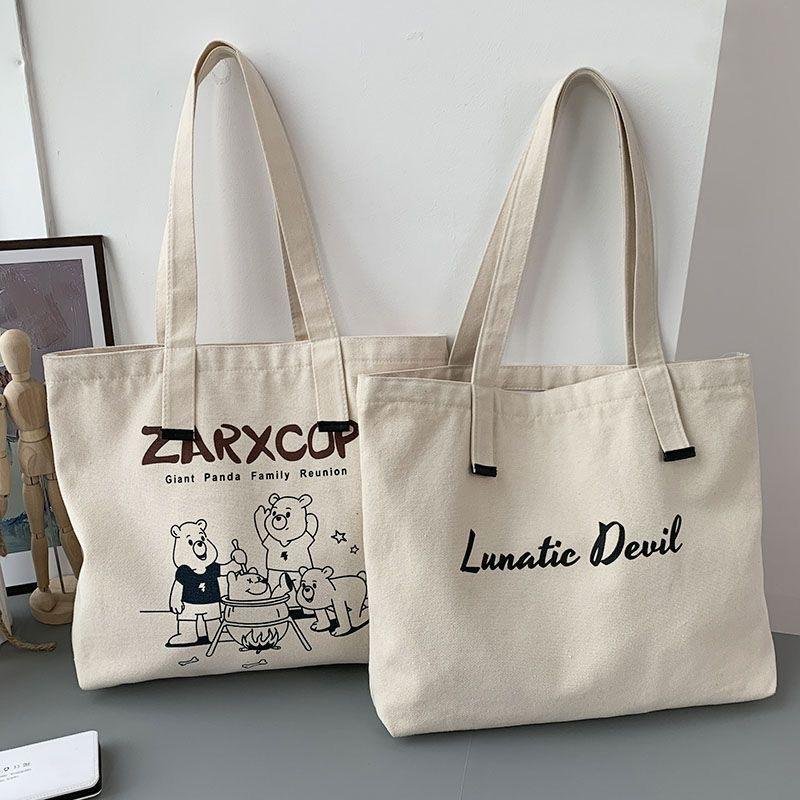
Organic cotton tote bags are the most widely used style because they are simple, practical, and highly visible. They work well for fashion stores, bookstores, beauty brands, supermarkets, hotels, exhibitions, schools, and lifestyle brands.
A tote bag can be made in many levels:
| Tote Type | Common Feature | Best For |
|---|---|---|
| Flat tote | No gusset, simple sewing | Events, light retail, promotions |
| Bottom-gusset tote | More capacity | Shopping, gifts, daily carry |
| Full-gusset tote | Better shape and volume | Grocery, fashion, retail packaging |
| Heavy canvas tote | Structured and durable | Premium brands, paid merchandise |
| Zipper tote | More secure | Travel, work, daily essentials |
| Lined tote | Better finish | Fashion, beauty, premium packaging |
For tote bags, handle strength is one of the most important details. A beautiful tote with weak handles is a failed product. Handle joints should be reinforced when the bag is expected to carry heavier goods. Common reinforcement methods include cross stitching, box stitching, bar tacks, or double stitching.
Common tote bag sizes:
| Size | Common Use |
|---|---|
| 25 × 30 cm | Small gifts, books, cosmetics |
| 35 × 40 cm | Standard shopping and events |
| 38 × 42 cm | Retail tote, fashion, daily carry |
| 45 × 40 × 12 cm | Grocery and high-capacity tote |
| Custom size | Brand-specific packaging or product kits |
A brand should also choose handle length carefully. Short handles work for hand carry. Long handles are better for shoulder carry. For fashion and lifestyle bags, handle comfort can affect whether customers actually reuse the bag.
Organic Cotton Shopping Bags
Organic cotton shopping bags are designed for repeated use, so durability and capacity matter more than decoration. They are commonly used by grocery stores, farmers’ markets, supermarkets, zero-waste shops, organic food brands, and retail chains.
Compared with a basic tote, a shopping bag often needs:
- Heavier fabric
- Wider handles
- Larger bottom gusset
- Stronger stitching
- Better load capacity
- Foldable structure
- Clean inside seams
- Stable shape after use
For shopping bags, fabric weight should match the load. A lightweight cotton bag may be fine for bread, clothing, or small packaged goods. For groceries, bottles, books, or heavy items, heavier canvas is safer.
A useful specification range:
| Load Requirement | Suggested Construction |
|---|---|
| Light retail goods | 140–180 GSM cotton |
| Medium shopping use | 220–280 GSM cotton |
| Grocery use | 280–360 GSM cotton or 10 oz canvas |
| Heavy daily use | 12 oz canvas or reinforced structure |
Brands should also think about folding and storage. Customers like shopping bags that are strong but not annoying to carry. A bag that folds neatly into a small pouch or inner pocket may be reused more often.
Logo position also matters. If the logo sits too low, it may disappear when the bag is full. If it is too large, it may crack or distort on heavy-texture fabric. For shopping bags, a clean front-center logo often works best.
Organic Cotton Drawstring Bags
Organic cotton drawstring bags are popular for product packaging because they are soft, reusable, and easy to customize. They are often used for skincare, jewelry, candles, shoes, toys, tea, coffee, supplements, stationery, travel kits, and gift sets.
The biggest advantage is the unboxing feeling. A cotton drawstring bag feels warmer and more personal than plastic packaging. It can also be reused by customers for storage, travel, or organization.
Key manufacturing details include:
- Fabric softness
- Cord thickness
- Channel width
- Logo placement
- Closing smoothness
- Stitching around the top opening
- Shrinkage control
- Inner seam cleanliness
Common drawstring bag materials:
| Material | Best Use |
|---|---|
| Organic cotton muslin | Lightweight gifts, food pouches, jewelry |
| Organic cotton plain weave | General product packaging |
| Organic cotton canvas | Heavier gifts, shoes, premium sets |
| Brushed cotton | Soft-touch beauty or baby products |
Drawstring cord choice can change the whole feel. Cotton cord gives a natural look. Polyester cord is smoother and stronger. Ribbon feels more decorative. Rope-style cord gives a more rustic or premium touch.
For small pouches, the logo should not be too detailed. Fine lines may blur on textured fabric. Simple logos, short slogans, and clean artwork usually perform better.
Organic Cotton Pouches
Organic cotton pouches are more structured than drawstring bags and can be designed as flat pouches, zipper pouches, cosmetic bags, stationery bags, travel organizers, or small accessory bags. They are often used by beauty brands, lifestyle brands, gift companies, travel brands, and e-commerce sellers.
A pouch feels more like a product than packaging. That means customers may keep using it long after the original product is gone.
Common pouch options include:
- Zipper closure
- Cotton lining
- Inner divider
- Side gusset
- Bottom gusset
- Embroidery logo
- Printed logo
- Woven label
- Metal zipper puller
- Custom hang tag
Pouch manufacturing requires accurate sewing. Corners, zipper ends, lining, and seams must be clean. If the fabric is too thin, the pouch may feel weak. If the fabric is too thick, small pouches may look bulky. The factory should help balance material thickness with pouch size.
Suggested pouch applications:
| Pouch Type | Common Use |
|---|---|
| Flat pouch | Documents, jewelry, stationery |
| Zipper pouch | Cosmetics, travel items, accessories |
| Gusset pouch | Skincare bottles, gift sets |
| Lined pouch | Premium beauty or fashion packaging |
| Multi-pocket pouch | Travel, tools, organization |
For logo work, embroidery can look premium but should be tested on the actual fabric. Screen printing is cost-effective and clean for simple designs. Woven labels are a good choice when the fabric texture makes printing difficult.
Organic Cotton Gift Bags
Organic cotton gift bags are used when brands want reusable packaging with a warmer, more thoughtful feeling. They are common for seasonal gifts, corporate gifts, beauty sets, baby products, wellness kits, handmade goods, boutique retail, and premium promotional campaigns.
A gift bag should protect the product, but it should also create a moment. The customer opens it, touches the fabric, sees the logo, and forms an opinion before even using the product inside.
Important gift bag details include:
- Soft hand feel
- Clean stitching
- Suitable fabric weight
- Smooth drawstring or handle
- Correct size for the product
- Attractive logo placement
- Nice folding and packing
- Optional custom tag or label
Gift bags can be simple or premium:
| Level | Common Specification |
|---|---|
| Basic | Light organic cotton, single-color print |
| Standard | Medium fabric, drawstring, custom size |
| Premium | Heavy cotton, embroidery, woven label |
| Luxury | Lining, ribbon, metal tips, custom packaging |
The biggest mistake is choosing a bag too close to the product size. If the product barely fits, the bag looks tight and cheap. A little breathing room usually improves appearance and makes packing easier.
For gift bags, natural color is often popular because it feels clean and organic. But dyed cotton can also work well when a brand needs strict color matching. In that case, colorfastness and shade consistency should be checked before bulk production.
How Does Organic Cotton Bag Manufacturing Work?
Organic cotton bag manufacturing usually includes fabric sourcing, fabric inspection, pattern making, sample development, logo proofing, cutting, sewing, trimming, quality inspection, packing, and shipping. The best results come when the factory confirms material, size, structure, logo method, tolerance, packaging, and testing requirements before bulk production begins.
A good organic cotton bag should not depend on guesswork. Before production, every important detail should be confirmed through drawings, samples, artwork files, material swatches, and a pre-production sample. This helps avoid the most common problems: wrong fabric weight, logo color mismatch, uneven stitching, weak handles, shrinking after washing, and packaging that does not match the sales channel.
For brands, the manufacturing process is also a risk-control process. A bag may look simple, but bulk production involves many repeated manual steps. If the process is not controlled, a small mistake can multiply across thousands of pieces. One wrong cutting template can affect the whole size. One unstable print setting can cause logo cracking. One weak stitch type can lead to handle failure.
A professional factory should guide the project from concept to shipment, not simply ask for a file and quote a price. This is especially important for private-label and OEM/ODM projects where the final bag must match the brand’s market position, price range, and customer expectations.
A practical organic cotton bag manufacturing workflow often looks like this:
| Step | Main Work | What Brands Should Confirm |
|---|---|---|
| 1. Requirement review | Product use, size, style, target price | Bag purpose, quantity, market, deadline |
| 2. Fabric selection | Organic cotton type and weight | GSM/oz, texture, color, certification need |
| 3. Pattern design | Size, gusset, handle, pockets | Measurements, structure, tolerance |
| 4. Logo proofing | Print, embroidery, label, patch | Artwork file, color code, logo size |
| 5. Sample making | First physical sample | Shape, fabric feel, sewing, logo effect |
| 6. Sample revision | Adjust size, logo, stitch, trims | Final comments before approval |
| 7. Pre-production sample | Bulk standard confirmation | Final approved production reference |
| 8. Bulk cutting | Fabric cutting by pattern | Cutting accuracy and fabric defects |
| 9. Sewing | Bag body, handles, pockets, trims | Stitching strength and clean finish |
| 10. Inspection | Size, logo, seam, packing check | AQL level or inspection standard |
| 11. Packing | Folding, polybag, carton, labels | Retail, Amazon, warehouse, export needs |
| 12. Shipping | Air, sea, express, train if available | Cost, lead time, customs documents |
For Szoneier, this process can be adapted to different product types. The company has long experience in fabric R&D and manufacturing for bags, neoprene products, koozies, sports supports, medical supports, wetsuits, and other customized items. That material background helps when a brand needs to compare organic cotton with canvas, polyester, nylon, neoprene, or mixed-material structures.
Organic Cotton Fabric Sourcing
Organic cotton fabric sourcing is the foundation of the whole project. If the fabric is wrong, every later step becomes harder. A beautiful logo cannot save a bag that feels too thin, shrinks too much, or lacks proper organic documentation.
The first decision is fabric type. Organic cotton can be made into muslin, plain weave, canvas, twill, brushed cotton, or other structures. Each one has a different hand feel, price level, strength, and printing result.
Common sourcing decisions include:
- Organic cotton content
- Fabric weave
- GSM or oz weight
- Natural color or dyed color
- Shrinkage rate
- Surface texture
- Printing compatibility
- Certificate requirement
- Available stock or custom production
- Lead time for fabric preparation
For small or urgent orders, stock organic cotton fabric may be the better choice. It shortens lead time and lowers risk. For larger private-label orders, custom-dyed or custom-woven fabric may help the product stand out, but it usually increases MOQ, production time, and color approval work.
A practical fabric selection guide:
| Fabric Option | Strength | Print Effect | Cost Level | Best Use |
|---|---|---|---|---|
| Organic muslin | Low to medium | Soft, slightly textured | Low to medium | Drawstring bags, gifts |
| Organic plain cotton | Medium | Clean for simple logos | Medium | Tote bags, pouches |
| Organic canvas | High | Good, but texture visible | Medium to high | Shopping bags, retail totes |
| Organic twill | High | Premium, dense surface | High | Fashion bags, lifestyle totes |
| Brushed organic cotton | Medium | Soft, warm look | Medium to high | Beauty, baby, wellness packaging |
Brands should request fabric swatches before confirming the order. Photos are useful, but fabric must be touched. A 280 GSM cotton may feel very different depending on weaving density and finishing. Some fabrics look thick but feel loose. Others feel compact and strong even at a lower weight.
Organic Cotton Bag Design
Organic cotton bag design is not only about shape. It includes size, capacity, seam position, handle length, gusset depth, closure method, pocket layout, logo placement, and how the bag feels when carried.
A strong design starts with function. The factory should understand what will go inside the bag and how the customer will use it. A bag for skincare jars needs different dimensions from a bag for books. A grocery bag needs a strong bottom. A gift pouch needs a soft closing effect. A fashion tote needs balanced proportions and clean visual lines.
Key design elements include:
- Bag width and height
- Bottom gusset or side gusset
- Handle width and length
- Stitching style
- Closure method
- Inner pockets
- Lining or no lining
- Logo area
- Label position
- Folding method
- Packing size
Handle design deserves special attention. Handles are often the first part to fail when a bag is overloaded. Thin handles may save cost, but they can feel uncomfortable and weak. Wider handles feel better for shoulder carry and improve product value.
Common handle choices:
| Handle Type | Best For | Notes |
|---|---|---|
| Self-fabric short handle | Hand carry totes | Clean and simple |
| Self-fabric long handle | Shoulder totes | Most popular for retail |
| Webbing handle | Stronger structure | Good for heavier bags |
| Rope handle | Gift or premium look | Needs secure attachment |
| Drawstring cord | Pouches and sacks | Cord quality affects feel |
A good design should also consider production efficiency. Very complex structures may look attractive on paper but increase defect rates in sewing. If the target price is strict, the factory should suggest simpler alternatives that keep the product attractive without making production unstable.
Organic Cotton Bag Sampling
Sampling is where the idea becomes real. It allows the brand to check fabric feel, size, structure, logo effect, stitching quality, and overall appearance before committing to bulk production.
A professional sample should be close to the final product, especially when the bag includes custom fabric, special printing, embroidery, zipper, lining, gusset, or unique packaging. If the sample uses a substitute material, the factory should clearly explain what will change in bulk production.
Sampling usually includes:
- Artwork review
- Pattern making
- Fabric cutting
- Logo testing
- Sewing
- Finishing
- Sample inspection
- Photo or video confirmation
- Shipment to the brand
- Revision if needed
Typical sample review points:
| Review Point | What to Check |
|---|---|
| Size | Width, height, gusset, handle length |
| Fabric | Thickness, color, texture, hand feel |
| Logo | Size, position, color, sharpness |
| Sewing | Straightness, seam strength, loose threads |
| Function | Closure, zipper, drawstring, pocket use |
| Appearance | Shape, balance, retail feel |
| Packaging | Folding, label, polybag, carton plan |
For custom brands, sample comments should be specific. Instead of saying “make it better,” use measurable feedback:
- Increase handle length from 55 cm to 65 cm.
- Move logo 3 cm higher.
- Change fabric from 180 GSM to 280 GSM.
- Make the bottom gusset 10 cm instead of 6 cm.
- Use darker thread to match the logo.
- Replace drawstring with thicker cotton cord.
- Add cross stitching at handle joints.
Clear comments reduce back-and-forth and speed up approval. Szoneier’s advantage in fast sampling and free design support is useful here, especially for small and medium brands that may not have complete technical files at the beginning.
Organic Cotton Bag Printing
Printing is one of the most visible parts of organic cotton bag manufacturing. A logo may only cover a small area, but it strongly affects how the customer judges the whole product. Poor printing makes even a good fabric look cheap.
The right logo method depends on fabric texture, artwork detail, order quantity, budget, color count, wash requirement, and brand positioning.
Common logo methods include:
| Logo Method | Best For | Advantages | Limitations |
|---|---|---|---|
| Screen printing | Simple logos, bulk orders | Clean, cost-effective, strong color | Setup cost per color |
| Heat transfer | Detailed artwork, gradients | Good for complex images | May feel less natural |
| Digital printing | Small batches, colorful designs | Flexible, good detail | Higher unit cost |
| Embroidery | Premium logos | Textured and durable | Not ideal for tiny details |
| Woven label | Minimal branding | Clean and professional | Smaller logo area |
| Leather/PU patch | Lifestyle or fashion bags | Premium look | Adds material and sewing cost |
| Rubber patch | Outdoor or sporty style | Strong visual effect | Less natural eco look |
For organic cotton bags, many brands prefer screen printing, embroidery, or woven labels because they match the natural texture of the fabric. Water-based inks are often chosen for softer hand feel and eco-positioning, but the factory should still test color strength and adhesion.
Important printing checks:
- Logo size
- Logo position
- Pantone color match
- Ink thickness
- Edge sharpness
- Colorfastness
- Cracking after folding
- Wash resistance
- Alignment on bag body
- Consistency across bulk production
Artwork quality also matters. A low-resolution JPG may look acceptable on a screen but print poorly on fabric. Vector files such as AI, EPS, or PDF are usually better for logo production. Before bulk printing, brands should approve a logo proof or printed sample.
A common mistake is choosing a very detailed logo for rough canvas. Heavy fabric texture can reduce line clarity. For textured organic cotton, simple bold artwork often works best.
Organic Cotton Bag Sewing
Sewing determines how strong and clean the final bag feels. Customers may not know stitch types, but they can easily feel poor sewing: crooked seams, loose threads, weak handles, uneven corners, twisted lining, and rough inside edges.
Organic cotton bag sewing usually includes body assembly, side seams, bottom seams, handle attachment, pocket sewing, zipper installation, lining sewing, trimming, turning, pressing, and final shaping.
Important sewing details include:
- Stitch density
- Thread strength
- Seam allowance
- Edge finishing
- Handle reinforcement
- Corner alignment
- Gusset symmetry
- Pocket position
- Zipper smoothness
- Inside seam cleanliness
Common sewing methods:
| Sewing Detail | Purpose |
|---|---|
| Lockstitch | Clean standard stitching |
| Overlock | Prevents raw edge fraying |
| Double stitching | Adds strength |
| Box stitching | Reinforces handles |
| Cross stitching | Improves load resistance |
| Binding seam | Cleaner edge finish |
| Bar tack | Strong stress-point reinforcement |
Handle attachment is especially important. For bags expected to carry weight, handle joints should not rely on one simple stitch line. Cross stitching, box stitching, or bar tack reinforcement can significantly improve strength.
Sewing tolerance should also be discussed before production. Cotton fabric may shift slightly during cutting and sewing. For simple promotional bags, a tolerance of around ±0.5 cm to ±1 cm may be acceptable depending on size. For premium retail bags, tighter control may be needed.
Organic Cotton Bag Quality Check
Quality control should happen throughout production, not only at the end. By the time all bags are finished, it is expensive to fix major problems. A good factory checks fabric, cutting, logo, sewing, finishing, and packing step by step.
Common inspection points include:
- Fabric stains
- Fabric holes
- Color shade difference
- Wrong fabric weight
- Wrong size
- Crooked logo
- Logo color mismatch
- Print cracking
- Uneven stitching
- Loose threads
- Weak handles
- Zipper defects
- Drawstring issues
- Dirty packing
- Wrong carton labels
A practical quality control plan:
| Stage | Inspection Focus | Why It Matters |
|---|---|---|
| Fabric inspection | Defects, color, weight | Prevents poor material entering production |
| Cutting inspection | Size and shape | Avoids bulk size mistakes |
| Printing inspection | Logo position and color | Prevents visible brand defects |
| Sewing inspection | Seam and handle strength | Protects product durability |
| Finishing inspection | Threads, stains, shape | Improves final appearance |
| Packing inspection | Folding, labels, carton | Supports warehouse and sales channel needs |
For export orders, brands may also request AQL inspection. AQL is often used to check a sample quantity from the bulk order and classify defects as critical, major, or minor. For example:
| Defect Type | Example |
|---|---|
| Critical defect | Unsafe sharp object, mold, wrong material claim |
| Major defect | Broken handle, wrong logo, serious stain |
| Minor defect | Small loose thread, slight wrinkle, tiny mark |
For private-label projects, quality control should also include packaging and label accuracy. A beautiful bag packed with the wrong barcode, wrong hang tag, or incorrect carton mark can create serious problems after shipment.
What Can You Customize for Organic Cotton Bags?
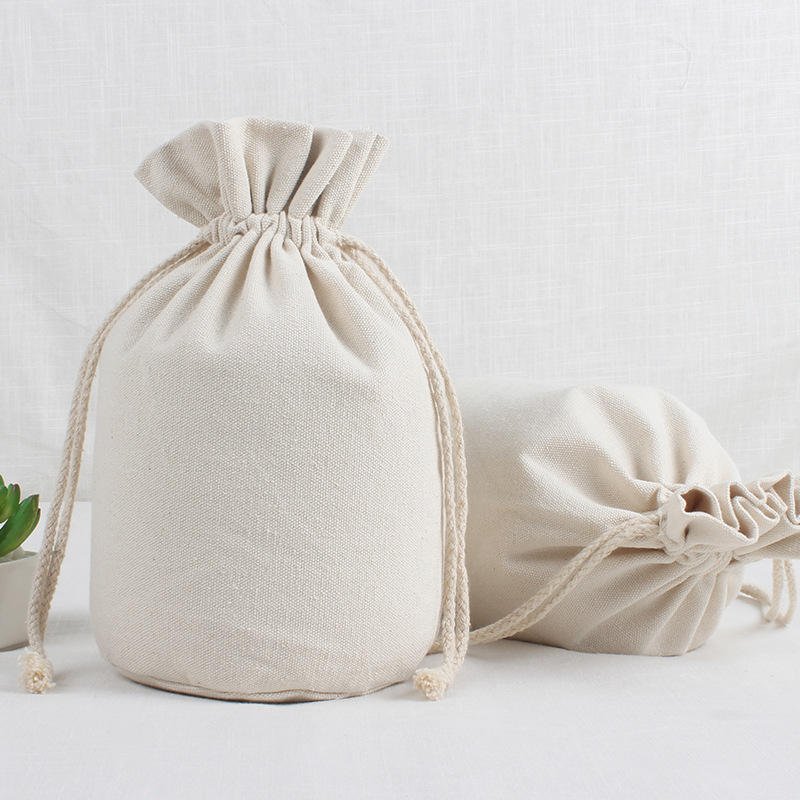
Organic cotton bags can be customized in size, fabric weight, fabric color, handle length, gusset, zipper, drawstring, pockets, lining, logo method, label, hang tag, packaging, and carton marks. The best customization plan should support the product’s use, price range, sales channel, and brand image without making production unnecessarily complicated.
Customization is where organic cotton bags become more than generic products. A standard tote can become a fashion retail bag with the right canvas weight and logo placement. A simple pouch can become premium packaging with a soft cord, neat stitching, and a woven label. A shopping bag can become a reusable brand asset with reinforced handles and a practical bottom gusset.
But customization should be controlled. More features do not always mean a better product. Extra pockets, zippers, embroidery, custom dyeing, metal trims, lining, and special packaging can improve value, but they also increase cost, MOQ, sample time, and defect risk. A professional factory should help brands decide which details are worth paying for and which can be simplified.
For Szoneier customers, customization is especially important because the company serves both small buyers and high-end brand clients. Some projects need low MOQ and fast sampling. Others need premium private-label development, custom packaging, and strict quality control. The right customization path depends on the brand’s stage and market.
A useful way to think about customization is to divide it into four layers:
| Customization Layer | Examples | Impact |
|---|---|---|
| Basic customization | Size, logo, color | Fast, cost-effective |
| Functional customization | Pockets, zipper, gusset, lining | Improves usability |
| Brand customization | Labels, hang tags, packaging | Improves brand identity |
| Premium customization | Custom fabric, embroidery, trims | Higher value, higher cost |
Organic Cotton Bag Sizes
Size is one of the first decisions in custom bag production. A small change in dimensions can affect fabric consumption, cost, packing volume, shipping cost, and customer experience.
Common organic cotton bag size ranges:
| Bag Type | Common Size Range | Best Use |
|---|---|---|
| Small pouch | 10 × 15 cm to 20 × 25 cm | Jewelry, cosmetics, gifts |
| Medium drawstring bag | 20 × 30 cm to 30 × 40 cm | Shoes, skincare sets, toys |
| Standard tote | 35 × 40 cm to 38 × 42 cm | Events, retail, daily carry |
| Large shopping bag | 40 × 45 cm to 45 × 50 cm | Grocery, supermarket, bulky goods |
| Cosmetic pouch | 18 × 12 cm to 25 × 18 cm | Makeup, travel, accessories |
The best size should be tested with the actual product. If the bag is used for packaging, the item should slide in easily without looking loose or messy. If the bag is used for carrying, the opening should be wide enough and the handle length should feel comfortable.
For retail bags, proportions matter. A tall narrow tote may look elegant but may not stand well. A wide bag may hold more but can look bulky. The factory can help adjust size based on use and fabric behavior.
Organic Cotton Bag Fabric Weight
Fabric weight affects cost, strength, hand feel, appearance, and customer perception. In cotton bag manufacturing, fabric weight is commonly measured in GSM or ounces.
General guide:
| Fabric Weight | Feel | Common Use |
|---|---|---|
| 90–120 GSM | Very light | Gift pouches, food bags |
| 140–180 GSM | Light | Event totes, simple bags |
| 200–240 GSM | Medium | Retail totes, drawstring bags |
| 280–360 GSM | Strong | Shopping bags, grocery bags |
| 10–16 oz | Heavy canvas | Premium totes, fashion bags |
A common mistake is choosing fabric based only on price. Thin fabric lowers cost but may reduce perceived value. Heavy fabric improves strength but increases material cost and shipping weight. The best fabric weight depends on how the customer will use the bag.
For example:
- A tea brand may use a lightweight organic cotton pouch.
- A bookstore may need a medium-weight tote.
- A grocery brand should consider stronger canvas.
- A fashion brand may choose 12 oz or 16 oz organic cotton canvas for structure.
Before bulk production, brands should request real fabric swatches. GSM numbers are useful, but hand feel is also affected by weave density, finishing, and washing treatment.
Organic Cotton Bag Colors
Organic cotton bags can be natural, bleached, dyed, washed, or printed with full-surface patterns. Natural cotton color is popular because it looks simple and eco-friendly, but custom colors are useful when a brand needs stronger visual identity.
Common color options include:
- Natural cotton
- Bleached white
- Black
- Pantone-dyed color
- Washed color
- Yarn-dyed fabric
- Printed pattern
- Contrast handle color
Natural color is often the safest and most cost-effective option. It usually has a shorter lead time and fits sustainability-focused branding. Custom dyeing creates a stronger brand match but may require higher MOQ, longer lead time, and color approval.
Important color checks include:
- Pantone matching
- Colorfastness
- Shade consistency
- Shrinkage after dyeing
- Fabric hand feel after finishing
- Color difference under different lighting
Dark fabric also affects logo method. A white logo on black organic cotton may require thicker ink or special printing treatment. Embroidery or woven labels may work better for some dark fabrics.
Organic Cotton Bag Logos
Logo customization is one of the most important brand details. The logo must look clean, stay in the right position, and match the fabric surface.
Common logo options:
| Logo Option | Look | Best For |
|---|---|---|
| Screen print | Clean and flat | Most tote bags and pouches |
| Embroidery | Textured and premium | Fashion, beauty, gifts |
| Woven label | Subtle and neat | Minimal branding |
| Heat transfer | Smooth, detailed | Colorful artwork |
| Digital print | Flexible and detailed | Small batches or complex designs |
| Patch | Premium or outdoor look | Lifestyle bags |
| Debossed label | Quiet luxury look | High-end packaging |
Logo choice should depend on artwork complexity. Thin lines, gradients, and tiny text may not print well on rough organic canvas. Large solid prints may crack if the ink is not suitable. Embroidery may look premium, but dense stitching can distort lightweight fabric.
A strong logo approval process should include:
- Artwork file check
- Logo size confirmation
- Position measurement
- Pantone color confirmation
- Printing method selection
- Logo sample or proof
- Wash or rub test if needed
For premium brands, logo placement should be refined. Moving a logo 2 cm higher or reducing its size by 10% can make a bag look much more balanced.
Organic Cotton Bag Labels
Labels help make a custom bag feel complete. They also support brand identity, product information, care instructions, and material claims.
Common label types include:
- Woven brand label
- Printed cotton label
- Satin care label
- Size label
- Composition label
- Hang tag
- QR code tag
- Barcode label
- Retail price tag
- Certification-related label, if applicable
A woven label on the side seam can make even a simple tote feel more professional. A care label inside a pouch can give customers washing instructions. A hang tag can explain the brand story, material information, or reuse message.
Label placement should be confirmed during sampling. If the label is too large, it may look clumsy. If it is placed where the bag folds, it may wrinkle. For retail orders, label and barcode accuracy should be checked before packing.
Organic Cotton Bag Packaging
Packaging is often ignored until the end, but it affects shipping, storage, retail display, and customer experience. Organic cotton bags can be packed flat, folded, rolled, bundled, individually bagged, or packed with custom paper bands.
Common packaging options:
| Packaging Option | Best For |
|---|---|
| Bulk packing | Low-cost wholesale orders |
| Individual polybag | E-commerce and warehouse storage |
| Recycled paper band | Eco retail presentation |
| Custom belly band | Gift sets and branding |
| Hang tag packing | Retail display |
| Carton by SKU | Multi-style orders |
| Amazon-ready labeling | FBA or online sellers |
For eco-focused brands, packaging should match the product story. A reusable organic cotton bag packed with excessive plastic can feel inconsistent. Some brands choose paper bands, recycled cartons, or minimal packaging to keep the presentation clean.
Packing method also affects wrinkles. Heavy canvas bags may need careful folding. Drawstring pouches may be packed flat. Zipper pouches may need light shaping material if the retail appearance matters.
For export orders, carton marks should be clear. Wrong SKU labels, incorrect quantities, and poor carton strength can create warehouse problems even when the bag itself is good.
How Much Do Organic Cotton Bags Cost?
Organic cotton bag cost depends on fabric type, fabric weight, bag size, structure, order quantity, logo method, color count, accessories, certification needs, packaging, inspection level, and shipping method. A simple lightweight cotton tote may be low-cost, while a heavy canvas tote with embroidery, lining, zipper, custom labels, and retail packaging will cost much more.
Pricing should never be judged by unit price alone. Two bags may both be called “organic cotton tote bags,” but the real specifications can be completely different. One may use thin plain cotton with a single-color print. Another may use 12 oz organic cotton canvas, long reinforced handles, inner pockets, embroidery, woven labels, and individual retail packaging. They are not the same product, even if the names look similar on a quote sheet.
For brands, the goal is not always to find the cheapest factory. The better goal is to find the right cost structure for the intended market. A giveaway bag for an event should be cost-efficient. A retail tote sold in a fashion store should feel strong and polished. A skincare gift pouch should improve the unboxing experience. A grocery bag should survive repeated loads. Each purpose has a different acceptable cost range.
A practical way to control cost is to separate “must-have” details from “nice-to-have” details before requesting a quote.
| Cost Factor | Lower-Cost Choice | Higher-Cost Choice | Impact |
|---|---|---|---|
| Fabric weight | 140–180 GSM cotton | 10–16 oz canvas | Strength, hand feel, shipping weight |
| Bag structure | Flat tote | Gusseted, lined, zippered bag | Sewing time and material use |
| Logo method | One-color screen print | Embroidery, patch, multi-color print | Brand effect and unit cost |
| Color | Natural cotton | Custom-dyed Pantone color | MOQ and lead time |
| Label | No label or simple tag | Woven label, care label, hang tag | Brand finish |
| Packaging | Bulk packing | Individual retail packing | Warehouse and customer experience |
| Quantity | Small trial order | Larger bulk order | Unit price stability |
For Szoneier customers, cost planning is usually connected with product strategy. Some brands start with low MOQ to test the market, then upgrade fabric, packaging, or logo details after the product sells well. Others already have a clear premium position and need the first bulk order to match retail standards from day one. Both approaches can work, but the quote must match the real goal.
Organic Cotton Bag MOQ
MOQ means minimum order quantity. For organic cotton bags, MOQ depends on fabric availability, color, logo method, accessories, packaging, and whether the project uses stock materials or custom-developed materials.
A simple organic cotton tote using stock natural fabric may support a lower MOQ. A custom-dyed organic cotton canvas bag with special zipper, embroidery, custom lining, and retail packaging will usually need a higher MOQ because more materials and production setup are involved.
Common MOQ logic:
| Project Type | MOQ Level | Reason |
|---|---|---|
| Stock fabric + simple logo | Lower | Fabric is ready, setup is simple |
| Custom size + standard print | Medium | Pattern and logo setup required |
| Custom-dyed fabric | Higher | Dyeing requires minimum fabric quantity |
| Embroidery or patch logo | Medium to high | Setup, testing, and production time |
| Fully custom retail bag | Higher | Multiple materials and processes involved |
| Mixed-color or multi-SKU order | Depends | Quantity may be split across styles |
Brands should understand that MOQ is not only a factory rule. It is often driven by fabric mills, dyeing houses, printing setup, accessory suppliers, and packaging suppliers. For example, a woven label supplier may have its own MOQ. A custom zipper color may need a minimum quantity. A special paper band or printed carton may also require setup.
To reduce MOQ pressure, brands can use several practical methods:
- Choose stock organic cotton fabric.
- Use natural color instead of custom dyeing.
- Start with one size and one logo color.
- Avoid too many SKUs in the first order.
- Use standard handles, cords, or zippers.
- Upgrade packaging after market testing.
- Use screen printing instead of complex decoration.
- Confirm one main product before expanding variants.
For new brands, a smart first order is often simple, clean, and easy to repeat. Once sales data is clear, the next order can add more colorways, premium labels, special packaging, or heavier fabric.
Organic Cotton Bag Sample Cost
Sample cost depends on the complexity of the design, material availability, logo method, and how close the sample must be to bulk production. A simple plain tote sample is usually easier and cheaper. A fully customized organic cotton bag with embroidery, lining, zipper, custom dyeing, and special packaging takes more time and cost.
Sample cost is not wasted money. It is risk control. A sample allows the brand to check size, fabric feel, stitching, logo effect, packaging, and usability before placing a bulk order. Skipping the sample may save a small amount at the beginning but create expensive problems later.
Sample cost usually covers:
- Pattern making
- Material preparation
- Cutting
- Logo testing
- Sewing
- Finishing
- Sample inspection
- Packing and delivery
- Revision work if required
For custom logo bags, brands should review the sample carefully. The most important sample checks are:
| Sample Check | Why It Matters |
|---|---|
| Fabric feel | Decides perceived quality |
| Size and proportion | Affects real use and appearance |
| Handle length | Impacts comfort and carry style |
| Logo color | Protects brand consistency |
| Logo position | Affects visual balance |
| Stitching | Shows factory workmanship |
| Function | Checks zipper, drawstring, pockets |
| Packaging | Supports retail or online sale |
A good sample comment should be clear and measurable. Instead of saying “make it stronger,” say “change fabric from 180 GSM to 280 GSM” or “add cross stitching at handle joints.” Instead of saying “logo looks wrong,” say “move logo 2 cm higher and reduce width from 18 cm to 15 cm.”
Szoneier supports free design and fast sampling, which is valuable for brands that have an idea but no full technical file. For many OEM/ODM projects, the early sample is also where the factory can suggest better structure, more suitable fabric weight, or a more stable logo method.
Organic Cotton Bag Bulk Price
Bulk price is mainly affected by material cost, labor cost, process complexity, order quantity, defect control, packaging, and export requirements. The larger the order, the easier it is to spread setup costs across more units. However, a larger quantity does not automatically mean a good deal if the specification is poorly planned.
Main bulk price drivers include:
- Organic cotton fabric weight
- Fabric width and cutting efficiency
- Bag size
- Gusset design
- Number of sewing steps
- Logo method
- Logo color count
- Zipper, snap, button, or cord
- Lining or inner pocket
- Label and hang tag
- Individual packaging
- Inspection requirements
- Carton packing method
- Shipping terms
A simple price comparison:
| Specification | Cost Level | Suitable For |
|---|---|---|
| Natural cotton flat tote, one-color print | Low | Events, giveaways, low-cost retail |
| Medium-weight tote with gusset and logo | Medium | Shops, gifts, brand packaging |
| Heavy canvas tote with embroidery | Medium to high | Fashion, wellness, premium retail |
| Zippered organic cotton pouch | Medium to high | Beauty, accessories, travel |
| Lined tote with pockets and custom labels | High | Paid merchandise, premium brands |
Brands should be careful with quotes that are much lower than market level. A very low price may mean thinner fabric, loose weaving, weak stitching, poor printing, unclear organic material source, or reduced inspection. Sometimes the difference is not visible in the photo but becomes obvious when the bag is touched or used.
A better quote should include clear specifications:
- Bag size
- Fabric type
- Fabric weight
- Fabric color
- Logo method
- Logo size
- Number of colors
- Handle length
- Accessories
- Packaging method
- MOQ
- Sample time
- Bulk lead time
- Payment terms
- Trade terms
- Inspection standard
If these details are missing, the price is not complete.
Organic Cotton Bag Lead Time
Lead time depends on fabric availability, sample approval speed, logo process, production quantity, packaging, and shipping method. A simple stock-fabric tote can move quickly. A custom-dyed organic cotton bag with special accessories and packaging will need more time.
A practical timeline may look like this:
| Stage | Common Time Range | Notes |
|---|---|---|
| Requirement review | 1–3 days | Depends on file clarity |
| Material confirmation | 2–7 days | Faster with stock fabric |
| Sample making | 5–10 days | Longer for complex bags |
| Sample shipping | 3–7 days | Depends on destination |
| Sample revision | 3–10 days | Depends on changes |
| Bulk material preparation | 5–20 days | Longer for custom dyeing |
| Bulk production | 10–30 days | Depends on quantity and structure |
| Inspection and packing | 2–5 days | More SKUs need more control |
| Shipping | 3–45 days | Express, air, sea, or rail |
The biggest hidden delay usually comes from unclear approvals. If artwork files are incomplete, Pantone colors are missing, fabric choices keep changing, or packaging details are confirmed late, the schedule can slip.
To keep lead time under control, brands should prepare:
- Clear design reference
- Bag size
- Fabric weight target
- Logo vector file
- Pantone colors
- Quantity by color and size
- Packaging requirement
- Target delivery date
- Shipping address or destination port
- Certificate or test requirement
Fast production starts before the sewing line begins. The more complete the project information is, the easier it is for the factory to prepare materials, arrange sampling, and reserve production capacity.
Organic Cotton Bag Shipping Cost
Shipping cost is affected by order quantity, carton size, product weight, packing method, destination country, shipping mode, and trade terms. Cotton bags are not usually fragile, but bulky packing can increase freight cost quickly.
Organic cotton bags can be shipped by express, air freight, sea freight, rail, or combined logistics depending on destination and urgency.
| Shipping Method | Speed | Cost Level | Best For |
|---|---|---|---|
| Express | Fast | High | Samples, urgent small orders |
| Air freight | Fast | High | Medium urgent orders |
| Sea freight | Slow | Low per unit | Large bulk orders |
| Rail freight | Medium | Medium | Some Eurasian routes |
| Combined shipping | Flexible | Medium | Cost-time balance |
Packing method affects shipping cost. A heavy canvas tote folded too loosely may take too much carton space. A pouch packed with too much shaping material may increase volume. A shopping bag with rigid inserts may look good but cost more to ship.
Brands should confirm whether the quote includes EXW, FOB, CIF, DDP, or another trade term. The same unit price can mean very different total landed cost depending on what is included.
A simple landed cost view:
| Cost Item | Why It Matters |
|---|---|
| Product cost | Base manufacturing cost |
| Packaging cost | Individual packing, labels, cartons |
| Inland freight | Factory to port or warehouse |
| Export documents | Needed for customs |
| Ocean or air freight | Main shipping cost |
| Import duty | Depends on destination and HS code |
| Local delivery | Final warehouse or store delivery |
For small brands, DDP shipping can feel easier because the factory or logistics partner handles more of the process. For experienced importers, FOB or CIF may offer more control. The right choice depends on budget, timeline, customs experience, and destination market.
How to Choose an Organic Cotton Bag Manufacturer?
Choose an organic cotton bag manufacturer by checking its material sourcing ability, sample quality, customization experience, certification support, sewing workmanship, quality control process, communication speed, MOQ flexibility, and export experience. A good manufacturer should help brands reduce risk, not simply quote a low price.
The right factory can make the project smoother from the first sample to repeat orders. The wrong factory can create problems that are hard to fix after production starts: unclear organic claims, unstable fabric quality, delayed samples, inconsistent logo printing, weak stitching, poor packing, or missed shipping deadlines.
A reliable manufacturer should be able to answer practical questions clearly:
- What organic cotton fabric options are available?
- Can fabric certificates or related documents be provided?
- What fabric weights are recommended for the intended use?
- What logo methods work best on the chosen fabric?
- How will the sample be made and revised?
- What is the MOQ for stock fabric and custom fabric?
- What quality checks are done before shipment?
- Can private-label packaging be supported?
- What export markets has the factory served?
- How are delays or defects handled?
For custom brands, communication is as important as production capacity. A factory may have machines and workers, but if it cannot understand design details, packaging requirements, or quality expectations, the project can still fail.
Szoneier’s background in fabric R&D, bag manufacturing, neoprene product development, and OEM/ODM customization gives it an advantage for brands that need more than a standard cotton tote. The factory can support custom bags, logo products, private-label orders, low MOQ projects, fast sampling, free design, and short lead times for overseas clients.
Organic Cotton Bag Factory Experience
Factory experience matters because organic cotton bag production includes many small details that affect final quality. An experienced factory understands fabric behavior, logo limitations, sewing tension, shrinkage, packing, export standards, and customer expectations.
A strong manufacturer should have experience with different bag types:
- Tote bags
- Shopping bags
- Drawstring bags
- Cosmetic bags
- Gift bags
- Pouches
- Wine bags
- Grocery bags
- Zipper bags
- Retail packaging bags
It should also understand different customer needs. A fashion brand may care more about fabric hand feel and stitching finish. A supermarket may care about load capacity and cost. A beauty brand may focus on unboxing experience. An Amazon seller may need barcode labels, carton marks, and consistent packing.
Factory experience can be judged through:
| Check Point | What to Look For |
|---|---|
| Product range | Can the factory make similar bags? |
| Material knowledge | Can it explain fabric weight and structure? |
| Sample quality | Are seams, logo, and shape clean? |
| Export experience | Has it shipped to target markets? |
| Design support | Can it improve incomplete ideas? |
| Problem solving | Does it explain risks before production? |
A real manufacturer should not agree with every request blindly. If a logo is too detailed for rough canvas, it should say so. If a fabric is too thin for grocery use, it should recommend a stronger option. If a custom color will increase MOQ, it should explain this early.
Organic Cotton Bag Certificates
Certificates are important when a brand wants to make organic, safe, ethical, or eco-friendly claims. Not every order needs every certificate, but claims should be supported by real documents.
Common certificate or compliance areas include:
| Certificate / Standard | What It Supports |
|---|---|
| GOTS | Organic textile processing and fiber content claims |
| OEKO-TEX Standard 100 | Harmful substance testing for textiles |
| BSCI | Social compliance and factory audit |
| Sedex / SMETA | Ethical trade and responsible sourcing review |
| ISO 9001 | Quality management system |
| REACH | Chemical compliance for EU market |
| CPSIA | Safety requirements for certain US consumer products |
| Prop 65 | Chemical warning compliance for California market |
Brands should not only ask, “Do you have certificates?” A better question is, “Which certificate applies to this specific product, fabric, factory, or supply chain?” Some certificates belong to the fabric mill. Some belong to the sewing factory. Some apply only to certain materials or production batches.
Important document checks include:
- Certificate holder name
- Certificate number
- Expiry date
- Product scope
- Material composition
- Transaction certificate if required
- Test report details
- Factory audit validity
- Whether the document matches the actual order
For organic cotton claims, documentation can become especially important if the product is sold in regulated retail channels or marketed as certified organic. A vague supplier promise is not enough for serious brand protection.
Organic Cotton Bag Quality Control
Quality control is one of the biggest differences between a low-risk factory and a risky supplier. Organic cotton bags are often made through manual sewing processes, so consistent inspection is necessary.
A complete quality control system should check:
- Incoming fabric
- Fabric color and weight
- Cutting size
- Logo printing
- Embroidery quality
- Sewing strength
- Handle attachment
- Edge finishing
- Zipper or drawstring function
- Stains and loose threads
- Packing accuracy
- Carton strength
- Label and barcode correctness
For brands, the most important QC points are usually:
| QC Point | Customer Impact |
|---|---|
| Handle strength | Prevents breakage during use |
| Print durability | Protects brand image |
| Size accuracy | Ensures product fit and display |
| Stitching cleanliness | Creates premium feel |
| Fabric consistency | Prevents mixed-quality batches |
| Packing accuracy | Avoids warehouse and retail issues |
Quality control should happen during production, not only after all pieces are finished. If print placement is wrong, it should be caught at the first batch. If handles are weak, stitching should be corrected before thousands of pieces are completed. If fabric shade changes, it should be separated before cutting.
A good manufacturer should be willing to provide production photos, inspection photos, sample approvals, and clear communication during key production stages.
Organic Cotton Bag OEM Service
OEM service means the factory produces bags according to the brand’s design, logo, specifications, packaging, and quality requirements. This is suitable for brands that already have a clear product idea or existing sample.
OEM organic cotton bag projects usually require:
- Product drawing or reference photo
- Size and structure details
- Fabric type and weight
- Logo artwork
- Color requirement
- Label and tag design
- Packaging instructions
- Quantity by SKU
- Quality standard
- Delivery schedule
OEM service is best when the brand wants control over the final product. For example, a fashion brand may provide a sample tote and ask the factory to match the size, fabric, stitching, and logo. A beauty brand may provide packaging dimensions and request a pouch that fits a specific product set.
The factory’s role is to turn the specification into stable production. It should check whether the design is practical, whether the fabric is suitable, whether the logo method will work, and whether the cost matches the target.
Szoneier supports OEM bag production for overseas brands that need custom logo products, private-label packaging, low MOQ testing, and repeat bulk orders.
Organic Cotton Bag Private Label Service
Private label service goes beyond making a bag. It helps the brand create a finished product that looks ready for sale. This can include custom logo, woven label, care label, hang tag, barcode, packaging, carton marks, and sometimes product photography support or design suggestions.
Private-label organic cotton bags are common for:
- Fashion accessories
- Beauty packaging
- Gift sets
- Supermarket reusable bags
- Wellness product packaging
- Amazon and e-commerce products
- Corporate merchandise
- Hotel and resort amenities
Private-label details may include:
| Private Label Element | Purpose |
|---|---|
| Woven label | Adds brand identity |
| Care label | Provides washing and material info |
| Hang tag | Tells product story |
| Barcode sticker | Supports retail or warehouse |
| Custom paper band | Improves shelf appearance |
| Individual bag | Protects product during shipping |
| Carton mark | Helps inventory management |
| Insert card | Supports marketing or instructions |
For private-label orders, consistency is very important. A brand may sell the same product across many channels, so logo position, color, packaging, and labeling must remain stable across repeat orders. The manufacturer should keep approved samples, artwork files, material records, and production notes for future reorders.
Organic Cotton Bag Supplier Questions
Before choosing a supplier, brands should ask clear questions that reveal whether the factory understands the project. The goal is not to make the process complicated. The goal is to avoid expensive surprises.
Useful questions include:
- What organic cotton fabric options do you recommend for this bag?
- What GSM or oz weight is suitable for my product use?
- Is the fabric in stock or custom-made?
- What is the MOQ for natural color and custom color?
- Can you provide fabric documents or certificates if needed?
- Which logo method works best on this fabric?
- Can you make a pre-production sample before bulk production?
- How do you inspect fabric, logo, sewing, and packing?
- What is the sample lead time?
- What is the bulk production lead time?
- Can you support private-label packaging?
- Can you help reduce cost without reducing key quality?
- What trade terms and shipping options do you offer?
- What happens if defects are found before shipment?
A good supplier will answer with specifics, not vague promises. For example, instead of saying “quality is good,” it should explain fabric inspection, stitching reinforcement, logo testing, and final checking. Instead of saying “fast delivery,” it should explain sample time, material time, production time, and shipping options.
Why Work with Szoneier for Organic Cotton Bags?
Szoneier supports custom organic cotton bag projects with 18+ years of fabric R&D and manufacturing experience, free design, low MOQ customization, fast sampling, free samples, short lead times, OEM/ODM service, private-label support, and 100% quality assurance. The factory helps brands turn ideas into practical, market-ready bags.
For overseas brands, choosing a custom bag manufacturer is not only about production. It is about reducing risk. A good factory should help choose the right fabric, improve the structure, control the logo effect, manage sampling, inspect quality, and ship products on schedule.
Szoneier works with foreign small and medium buyers as well as high-end brand clients that need custom products with their own logos. The company’s broader material background is also useful. In addition to organic cotton bags, Szoneier develops and manufactures various fabric-based and neoprene-based products, including bags, koozies, sports supports, medical supports, wetsuits, and other OEM/ODM items.
This means brands can discuss more than one product line with the same manufacturing partner. For example, a wellness brand may need organic cotton gift bags, neoprene bottle sleeves, and sports support products. A retail brand may need tote bags, pouches, and protective cases. A promotional company may need cotton bags, koozies, and custom packaging products.
The advantage is not only production capacity. It is material thinking. Szoneier can help compare organic cotton, neoprene, polyester, nylon, canvas, and other materials based on product use, target price, logo effect, and market positioning.
Organic Cotton Bag Custom Support
Szoneier can support custom organic cotton bag projects from concept to shipment. If a brand already has artwork, tech packs, or physical samples, the factory can develop the product based on those references. If the brand only has an idea, Szoneier can help with material suggestions, size planning, structure adjustment, and logo placement.
Custom support may include:
- Bag style recommendation
- Material selection
- Fabric weight suggestion
- Pattern development
- Logo method advice
- Sample making
- Packaging planning
- Cost optimization
- Bulk production
- Quality inspection
- Shipping support
This is valuable for brands that want a product that looks simple but performs well. A tote bag, pouch, or drawstring bag may not seem complicated, but good manufacturing depends on many small decisions. Szoneier can help make those decisions clearer.
Organic Cotton Bag Low MOQ
Low MOQ is important for startups, boutique brands, Amazon sellers, event companies, and seasonal campaigns. Not every brand wants to start with a large container order. Some need to test a new design, launch a limited edition, or prepare a small batch for a market trial.
Szoneier’s low MOQ customization helps brands start more safely. Instead of investing heavily before product-market fit is clear, brands can test fabric, logo, size, packaging, and customer response first.
Low MOQ is especially useful for:
- New product testing
- Seasonal campaigns
- Influencer merchandise
- Boutique retail collections
- Gift packaging trials
- Amazon listing validation
- Corporate event orders
- Small private-label launches
To keep low MOQ practical, brands can choose stock fabric, natural color, simple logo printing, standard handles, and clean packaging. Once sales grow, the next order can upgrade to custom dyeing, embroidery, heavier fabric, or premium packaging.
Organic Cotton Bag Fast Sampling
Fast sampling helps brands move from idea to physical product quickly. This is important when preparing for product launches, trade shows, seasonal promotions, retail campaigns, or online sales windows.
Szoneier’s fast sampling support can help brands check:
- Fabric feel
- Bag size
- Logo effect
- Sewing quality
- Handle comfort
- Packaging method
- Overall product style
Fast sampling does not mean rushing blindly. It means using experience to avoid unnecessary delays. Clear artwork, confirmed size, available fabric, and simple communication can speed up the process.
Brands can improve sampling speed by preparing:
- Reference photos
- Dimensions
- Logo files
- Pantone color codes
- Quantity target
- Packaging idea
- Deadline
- Market use
A strong sample gives the brand confidence before bulk production. It also gives the factory a physical standard to follow during mass production.
Organic Cotton Bag Free Design
Many brands know what they want the product to feel like, but they may not have complete production files. Szoneier’s free design support helps turn rough ideas, reference images, sketches, or logo files into workable bag concepts.
Design support can include:
- Style adjustment
- Size suggestion
- Logo placement
- Handle proportion
- Pocket planning
- Packaging layout
- Material matching
- Structure simplification
- Cost-saving suggestions
This is especially helpful for small and medium buyers that do not have an in-house product development team. It also helps larger brands when they need quick concept development for seasonal or promotional products.
Good design support should not overcomplicate the product. Sometimes the best improvement is removing unnecessary features, choosing a better fabric weight, or adjusting proportions so the bag looks cleaner.
Organic Cotton Bag OEM/ODM Service
Szoneier supports both OEM and ODM organic cotton bag projects. OEM is suitable when the brand already has a clear design. ODM is useful when the brand wants the factory to help develop the product based on an idea, market need, or reference style.
OEM service may include:
- Production based on brand files
- Logo customization
- Material matching
- Sample duplication
- Private-label packing
- Bulk manufacturing
ODM service may include:
- Product concept development
- Material recommendation
- Structure design
- Function improvement
- Sample creation
- Product line expansion
For example, a wellness brand may ask Szoneier to develop a reusable organic cotton pouch for supplement bundles. A fashion brand may request a heavy canvas tote with embroidery and woven labels. A promotional company may need multiple tote designs for different event clients. An outdoor or sports brand may combine organic cotton bags with neoprene koozies or protective sleeves.
This flexibility makes OEM/ODM service useful for brands that want to build a product line instead of buying one standard bag.
Organic Cotton Bag Quality Guarantee
Quality assurance is one of the biggest reasons to work with a professional factory. Szoneier emphasizes 100% quality guarantee, which is important for custom projects where the final product carries the customer’s logo and brand reputation.
Quality control can cover:
- Material checking
- Color confirmation
- Cutting accuracy
- Logo inspection
- Sewing strength
- Handle reinforcement
- Size tolerance
- Loose thread trimming
- Stain checking
- Packing verification
- Carton labeling
- Pre-shipment inspection
For brands, this reduces the risk of receiving products that cannot be sold or used. A defective bag is not only a product loss. It can affect customer reviews, retail relationships, event schedules, and brand trust.
A strong quality process should include clear standards before production begins. The approved sample should be kept as the production reference. Any changes in fabric, logo, size, or packaging should be confirmed before bulk production.
Final Thoughts: Build Organic Cotton Bags Customers Actually Keep
Organic cotton bags are not just packaging. They are reusable brand touchpoints. A well-made tote, pouch, shopping bag, or gift bag can stay with customers long after the first purchase. It can carry groceries, cosmetics, books, samples, event materials, travel items, or daily essentials. Every reuse gives the brand another quiet moment of visibility.
But the difference between a forgettable cotton bag and a valuable branded product is in the details. Fabric weight, handle strength, logo method, stitching, certification, packaging, and quality control all shape the final result. A smart brand does not only ask for “an organic cotton bag.” It defines what the bag must do, how it should feel, what it should carry, and how it should represent the brand.
Szoneier helps brands develop custom organic cotton bags with flexible MOQ, free design, fast sampling, free samples, OEM/ODM service, private-label customization, short lead times, and reliable quality control. Whether you need organic cotton tote bags, shopping bags, drawstring bags, pouches, gift bags, or a full custom product line, Szoneier can help turn your idea into a production-ready solution.
Send your bag size, logo file, target quantity, material preference, packaging idea, and delivery schedule to Szoneier’s team. You can start with a sample, test the market, improve the details, and move confidently into bulk production.
Request a custom quote from Szoneier today and build organic cotton bags your customers will actually want to use again.