Skip to content
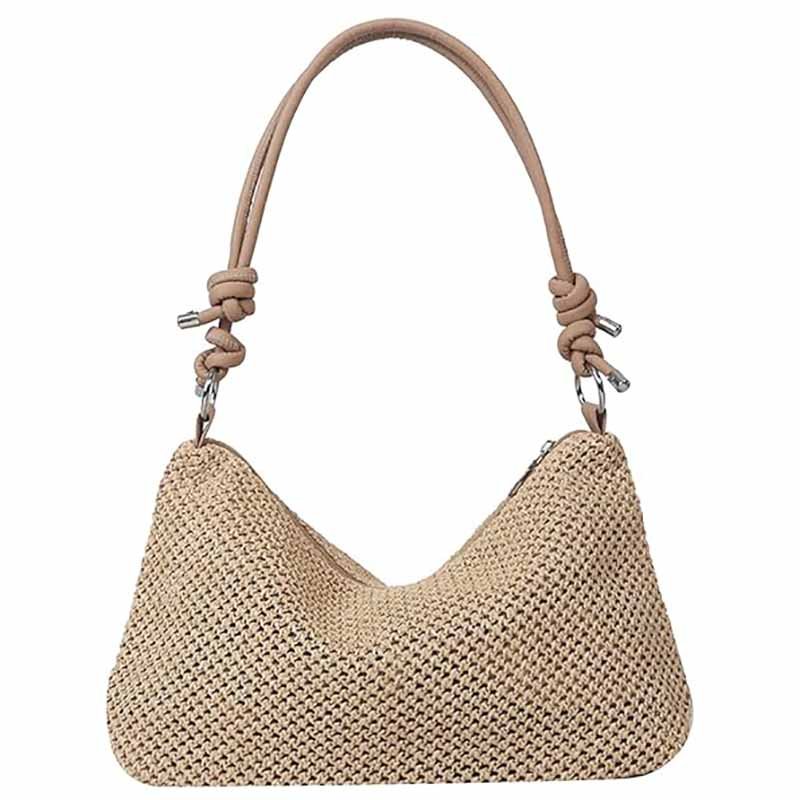
A fashion shoulder bag may look like a simple item from the outside, but every successful product depends on dozens of small factory decisions. The softness of the fabric, the weight of the zipper, the shape of the bottom, the width of the strap, the way the logo is applied, and even the size of the carton can affect customer reviews, return rates, and repeat orders. For a fashion brand, a shoulder bag is not only a product. It is a daily-use item that carries the brand’s taste, quality level, and price positioning.
Fashion shoulder bag manufacturing is the complete process of turning a design idea into a finished product through material selection, pattern making, sampling, logo customization, bulk production, inspection, packaging, and delivery. A strong project needs clear design direction, suitable fabric, controlled cost, practical MOQ, reliable lead time, and stable quality control.
Many brands spend a lot of time choosing colors and shapes, but less time checking construction details. That is where problems usually begin. A strap that looks elegant may be too narrow for real use. A soft fabric may collapse after packing. A beautiful logo may crack if the wrong printing method is used. A low quotation may hide weak lining, poor zipper quality, or thin reinforcement. For custom fashion shoulder bags, the real goal is not only to make a nice sample. The goal is to make a product that can be produced repeatedly, shipped safely, sold confidently, and used comfortably. Szoneier helps brands achieve that through more than 18 years of fabric R&D, custom bag manufacturing, free design support, low MOQ customization, fast sampling, free samples, short lead times, and OEM/ODM private label production.
What Is Fashion Shoulder Bag Manufacturing?
Fashion shoulder bag manufacturing means developing and producing shoulder bags based on a brand’s design, material, size, logo, function, packaging, and market positioning. It includes design review, fabric sourcing, pattern making, sample testing, cost control, bulk sewing, quality inspection, packing, and export delivery. For brands, it connects creative ideas with real factory production.
Fashion shoulder bag manufacturing starts before cutting fabric. A professional factory first needs to understand the product’s purpose. Is the bag for daily fashion, travel, gym, beach, work, boutique retail, online stores, gift sets, or private label collections? Each direction leads to a different choice of material, structure, strap, lining, closure, logo, and packaging.
For example, a soft neoprene shoulder bag for lifestyle use needs comfort, clean shape, color stability, and flexible seams. A canvas shoulder bag needs stronger stitching, reinforced stress points, and proper fabric weight. A nylon shoulder bag may need water resistance, lightweight structure, and functional pockets. A PU shoulder bag needs surface protection, edge finishing, and careful hardware matching. The same “shoulder bag” name can represent very different manufacturing requirements.
Many brands enter the project with only reference photos, sketches, or a rough idea. That is normal. A factory with real development experience can help turn those early ideas into workable product files. The process usually includes size confirmation, material selection, pattern development, logo testing, sample adjustment, cost calculation, and production planning.
Szoneier is a Chinese manufacturer with over 18 years of experience in neoprene fabric R&D and related product manufacturing. The company can customize many neoprene-based products, including bags, koozies, sports supports, medical supports, wetsuits, and other soft goods. That background is useful for fashion shoulder bag projects because material behavior matters. Neoprene thickness, elasticity, lamination, stitching tension, edge binding, and printing method all influence how the final bag looks and feels.
A reliable shoulder bag factory should not only ask, “How many pieces do you need?” It should also ask better questions:
What retail price are you targeting?
Which sales channel will the bag enter?
Does the bag need a soft or structured body?
Will customers carry heavy items?
Do you need waterproof, washable, padded, lightweight, or premium-touch materials?
Will the logo be printed, embroidered, patched, or woven?
Does packaging need to support e-commerce shipping or retail display?
Those questions help avoid expensive mistakes. A fashion shoulder bag may look good in a single photo, but bulk production is much stricter. If the bag must be made in 500, 1,000, or 5,000 pieces, every detail needs to be repeatable.
| Project Stage | Factory Work | Brand Decision | Why It Matters |
|---|---|---|---|
| Design Brief | Review style, size, function, reference images | Target market and product positioning | Prevents wrong material or structure |
| Material Selection | Recommend outer fabric, lining, padding, trims | Touch, durability, color, budget | Controls look, cost, and performance |
| Pattern Making | Build accurate bag structure | Size, pocket layout, strap length | Affects fit, shape, and daily use |
| Sampling | Make physical sample | Approve or revise details | Reduces risk before bulk production |
| Logo Testing | Test print, label, patch, embroidery | Logo method and placement | Protects brand image |
| Costing | Calculate material, labor, packaging, MOQ | Order quantity and target price | Keeps project commercially realistic |
| Bulk Production | Cutting, sewing, assembly, finishing | Approved sample and final files | Ensures repeatable production |
| QC Inspection | Check size, stitching, zipper, logo, packing | Inspection standard | Reduces defects and returns |
| Packing | Polybag, dust bag, carton, labels | Retail or e-commerce packing | Protects goods during shipping |
For custom brands, the most important point is balance. A fashion shoulder bag must look attractive, feel comfortable, meet the target price, and survive real customer use. If one side is ignored, the product may struggle after launch.
A low-cost bag with weak zippers may create complaints. A beautiful bag with an unrealistic production cost may be hard to sell. A heavy bag with poor strap comfort may look nice online but fail in daily use. A factory that understands both design and production can help brands find a better middle path.
What Is a Fashion Shoulder Bag?
A fashion shoulder bag is a bag designed to be carried on the shoulder while supporting both daily function and personal style. It usually includes a main compartment, shoulder strap, lining, closure, and decorative or branded details. Unlike basic utility bags, fashion shoulder bags need a stronger sense of shape, color, texture, proportion, and lifestyle fit.
In manufacturing, the word “fashion” changes the standard. A fashion shoulder bag cannot only be strong. It also needs to feel right in the customer’s hand and look good when worn. The fabric surface, strap width, hardware color, zipper puller, logo position, and inner lining all affect perceived value.
Common fashion shoulder bag types include:
| Bag Type | Common Size Range | Best Use | Suitable Materials |
|---|---|---|---|
| Mini Shoulder Bag | 18–25 cm width | Phone, keys, cards, daily fashion | PU, nylon, neoprene, polyester |
| Medium Shoulder Bag | 26–35 cm width | Daily commuting, casual use | Neoprene, canvas, nylon, PU |
| Large Shoulder Bag | 36–48 cm width | Travel, gym, shopping, work | Neoprene, canvas, nylon |
| Soft Hobo Bag | 30–45 cm width | Casual fashion, lifestyle retail | Neoprene, washed canvas, PU |
| Sporty Shoulder Bag | 25–40 cm width | Gym, outdoor, travel | Neoprene, nylon, polyester |
| Boutique Shoulder Bag | 20–35 cm width | Fashion collections, gift retail | PU, fabric blends, canvas |
Brands should define the bag type before requesting a quote. A mini bag may need better hardware and cleaner finishing because customers see the details closely. A large bag may need stronger seams, thicker straps, and reinforced bottom panels because it carries more weight. A travel shoulder bag may need lightweight material and larger capacity. A fashion boutique bag may need better color matching, logo finishing, and packaging.
What Does a Bag Factory Do?
A bag factory turns a product idea into a repeatable finished item. The work usually includes design checking, material sourcing, pattern making, sampling, sewing, logo application, inspection, packaging, and delivery. For custom fashion shoulder bags, a factory also helps brands control cost, improve structure, reduce production risks, and prepare for bulk orders.
A strong factory does not simply copy a reference image. It studies how the bag will be used. If the reference bag uses a soft body, the factory checks whether the chosen fabric can support that shape. If the bag has a long shoulder strap, the factory checks whether the strap needs padding, reinforcement, or adjustable hardware. If the bag needs a printed logo, the factory checks whether the fabric surface can hold the print clearly.
For brands, factory support becomes especially important when product files are incomplete. Many projects begin with a logo, several pictures, and a target style. Szoneier can support that early stage by offering free design help, material suggestions, sample development, and private label production options.
A professional bag factory usually supports:
Design review based on reference photos, sketches, samples, or tech packs.
Material recommendations based on use, price level, and desired hand feel.
Pattern development for size, shape, pockets, bottom structure, and strap position.
Logo testing for screen printing, heat transfer, woven labels, rubber patches, embroidery, or other methods.
Sample production before bulk order confirmation.
Cost breakdown based on material, labor, accessories, packaging, and order quantity.
Bulk production with cutting, sewing, assembly, cleaning, and packing.
Quality control for size, stitching, zipper function, logo position, color, and final appearance.
Export support for international orders.
Szoneier’s value comes from combining fabric knowledge with finished product manufacturing. Since the company works with neoprene and many soft products, it can help brands avoid material-related mistakes that may not be obvious during design.
What Can Be Customized?
Almost every part of a fashion shoulder bag can be customized. Brands can adjust size, shape, fabric, color, lining, strap, pocket layout, zipper, hardware, logo, label, hangtag, packaging, and carton details. For private label projects, customization helps the product look exclusive instead of generic.
The most common custom areas include:
| Custom Area | Options | Notes for Brands |
|---|---|---|
| Outer Fabric | Neoprene, canvas, nylon, polyester, PU, cotton blends | Choose based on touch, cost, durability, and style |
| Bag Size | Mini, medium, large, oversized | Larger bags increase fabric use and shipping volume |
| Body Shape | Rectangle, crescent, hobo, bucket, tote-style | Shape affects pattern cost and sewing difficulty |
| Strap | Fixed, adjustable, padded, detachable, chain, webbing | Wider straps improve comfort for heavier bags |
| Closure | Zipper, snap, flap, drawstring, buckle | Zipper improves security; snaps improve quick access |
| Lining | Polyester, nylon, printed lining, padded lining | Custom lining may require higher material MOQ |
| Pockets | Inner zipper pocket, phone pocket, bottle pocket, card pocket | More pockets increase labor time |
| Logo | Screen print, heat transfer, rubber patch, woven label, embroidery | Logo method must match fabric surface |
| Packaging | Polybag, dust bag, hangtag, box, barcode label | E-commerce packing needs stronger protection |
Customization should support the product’s purpose. A shoulder bag for daily commuting may need inner pockets, strong zipper, and adjustable strap. A fashion bag for boutique retail may need better hardware, clean lining, and elegant packaging. A neoprene shoulder bag for travel may need washable fabric, soft structure, and comfortable carrying.
Brands often ask for many details at once, but too much customization can raise cost and slow development. A better approach is to decide which details truly affect sales. For example, fabric feel, bag shape, logo finish, and strap comfort usually matter more than adding too many decorative accessories.
Is OEM Right for Your Brand?
OEM is suitable when a brand already has its own design or wants a more exclusive product. In OEM fashion shoulder bag manufacturing, the factory produces according to the brand’s drawings, samples, measurements, materials, logo files, packaging instructions, and quality standards.
OEM gives brands more control. The final product can have a unique silhouette, special pocket layout, custom strap design, exclusive logo placement, and selected materials. That is valuable for brands that want to build long-term product identity instead of selling a common catalog item.
A good OEM project usually needs:
Clear bag size and proportion.
Front, side, back, and inner structure references.
Material direction or approved swatches.
Logo file in AI, PDF, SVG, or high-resolution format.
Color reference such as Pantone or fabric swatch.
Target retail price or target factory cost.
Packaging requirements.
Expected order quantity.
The advantage of OEM is product uniqueness. The challenge is development time. A custom design may need one to three sample rounds before final approval. For example, the first sample may confirm shape, but the strap length may need adjustment. The second sample may improve lining and pocket position. The final sample may confirm logo, color, and packaging.
For fashion shoulder bags, sample revisions are not a waste of time. They are the cheapest stage to fix problems. Once bulk production begins, changing structure, material, or logo becomes much more expensive.
Is ODM Faster for New Projects?
ODM is usually faster because the factory already has existing bag styles, patterns, and production experience. Brands can choose a ready-developed shoulder bag shape and customize color, logo, label, accessories, or packaging. ODM works well for brands that want to launch quickly, test a new market, or start with a smaller development budget.
ODM is useful when time matters. If a brand wants to test a neoprene shoulder bag collection, it can select an existing model, adjust the color, add a logo patch, choose lining, and create branded packaging. That path can reduce sample complexity and shorten the timeline.
A common ODM path may look like:
| Step | Work Content | Approx. Time |
|---|---|---|
| Style Selection | Choose from factory models | 1–3 days |
| Logo & Color Plan | Confirm logo method and color | 2–5 days |
| Sample Making | Make customized sample | 5–10 days |
| Sample Review | Check appearance and details | 2–5 days |
| Bulk Production | Produce approved order | 15–35 days |
ODM has one limitation: the base shape may not be fully exclusive. For brands that need a highly unique product, OEM is stronger. But for early-stage market testing, seasonal collections, gift programs, online stores, or low MOQ private label orders, ODM can be a very smart choice.
Szoneier supports both OEM and ODM, so brands can start with a faster ODM project and later develop exclusive OEM styles after receiving customer feedback.
Which Materials Fit Fashion Shoulder Bag Manufacturing?
The best material for fashion shoulder bag manufacturing depends on the product style, target customer, price level, usage scene, and expected durability. Neoprene works well for soft, modern, sporty, and lightweight bags. Canvas is strong and casual. Nylon is practical and light. PU gives a polished fashion look. The right fabric should balance appearance, comfort, cost, and production stability.
Material is one of the biggest decisions in shoulder bag manufacturing. It controls the first impression, customer touch, product weight, structure, price, and long-term use. A bag with the same pattern can look premium, casual, sporty, or cheap simply because the fabric changes.
For example, neoprene gives a soft padded feel and clean modern look. It is suitable for shoulder bags connected to travel, gym, beach, work, casual fashion, or lifestyle products. Canvas gives a natural and sturdy feeling, often used for daily bags, boutique bags, eco-style products, and casual collections. Nylon is better for lightweight, water-resistant, functional bags. PU creates a more polished appearance but needs better surface control and packing protection.
Szoneier has strong experience in neoprene fabric and finished neoprene products, which makes the company especially suitable for custom neoprene shoulder bags. Neoprene can be made in different thicknesses, colors, textures, and laminated structures. It can also work with printing, rubber patches, woven labels, binding, zipper closures, and soft handles.
However, material choice should not be based only on trend. Brands need to consider real use. A large shoulder bag needs better load-bearing strength. A mini fashion bag needs cleaner shape and finer hardware. A gym shoulder bag needs easy cleaning and durable seams. A beach shoulder bag may need water-friendly material. A boutique shoulder bag may need better packaging and a more polished finish.
Material also affects cost. Outer fabric is only one part of the price. Lining, zipper, hardware, webbing, padding, reinforcement, logo method, cutting loss, labor time, and packaging all add to the final unit cost.
| Material | Best Use | Main Advantage | Possible Risk | Cost Level |
|---|---|---|---|---|
| Neoprene | Sporty fashion, travel, lifestyle, gym, beach | Soft, padded, modern, flexible | Needs skilled sewing and edge control | Medium |
| Canvas | Daily casual bags, boutique bags, eco-style bags | Durable, natural, familiar | May shrink, fade, or feel heavy | Low-Medium |
| Nylon | Travel, commuter, outdoor, gym bags | Lightweight, functional, water-resistant options | Cheap grades may wrinkle or feel thin | Low-Medium |
| Polyester | Seasonal bags, promotional bags, private label lines | Cost-friendly, flexible, easy to source | Hand feel varies greatly | Low |
| PU | Trend fashion bags, boutique collections | Polished surface, leather-like look | Surface peeling risk if quality is low | Medium |
| Leather | Premium collections | High perceived value and durability | High cost, higher MOQ, more care needed | High |
Brands should request material swatches before sample confirmation. Photos cannot fully show softness, thickness, surface texture, stretch, stiffness, or lining quality. A five-minute hand check can prevent weeks of wasted sampling.
Which Fabric Feels Premium?
A premium fabric is not always the most expensive one. It feels premium when the texture, thickness, structure, color, and finishing match the bag’s price level. For fashion shoulder bags, premium feeling can come from smooth neoprene, dense nylon, washed canvas, quality PU, soft-touch polyester, or carefully selected blended fabrics.
Customers judge quality quickly. They touch the surface, open the zipper, check the lining, and feel the strap. If the fabric looks thin, smells unpleasant, wrinkles too easily, or cannot hold shape, the bag feels weak even when the design is attractive.
For neoprene shoulder bags, premium feel usually comes from controlled thickness, smooth lamination, clean cutting, neat binding, and stable color. For canvas bags, premium feel comes from suitable fabric weight, tight weave, clean dyeing, and good stitching. For nylon bags, density and coating matter. A low-density nylon may feel flimsy, while a better-grade nylon feels light but reliable.
A practical material selection standard can include:
Surface: smooth, clean, no obvious defects.
Touch: comfortable, not too rough or sticky.
Weight: suitable for bag size and use.
Structure: able to hold the desired shape.
Color: stable and close to approved sample.
Sewing performance: no severe puckering or tearing.
Logo compatibility: suitable for selected branding method.
For custom brands, fabric should match the retail price. A product sold at a higher price needs better touch and finishing. A budget product can use simpler material, but it still needs reliable sewing and safe function.
Is Neoprene a Good Choice?
Neoprene is a strong choice for fashion shoulder bag manufacturing when the product needs a soft, padded, modern, lightweight, and comfortable feel. It is especially suitable for lifestyle bags, sporty shoulder bags, beach bags, travel bags, gym bags, lunch bags, bottle bags, and casual private label collections.
The main advantage of neoprene is comfort. It feels soft on the body and naturally provides light cushioning. For shoulder bags, that makes the product pleasant to carry. Neoprene can also create a smooth modern look, which works well with clean silhouettes and simple logos.
Neoprene is also useful for brands that want product lines beyond bags. A collection can include shoulder bags, tote bags, cosmetic bags, koozies, laptop sleeves, bottle holders, and other accessories using matching material and colors. Szoneier’s experience in neoprene bags, koozies, sports supports, medical supports, wetsuits, and related products helps brands build a more complete product family.
Common neoprene options for shoulder bags:
| Neoprene Option | Common Use | Notes |
|---|---|---|
| 2 mm neoprene | Light shoulder bags, small pouches | Soft and flexible |
| 3 mm neoprene | Daily shoulder bags, lifestyle bags | Balanced thickness and structure |
| 4 mm neoprene | More padded bags, protective styles | Stronger cushion, higher material use |
| Laminated neoprene | Printed or finished surface | Better visual effect |
| Perforated neoprene | Sporty or breathable look | More design-driven |
| Textured neoprene | Fashion or premium feel | Adds surface interest |
Neoprene production requires proper technique. Poor sewing can create wavy seams. Wrong cutting can make edges look rough. Incorrect printing can reduce logo clarity. That is why neoprene bags should be produced by a factory with real material experience, not only general sewing ability.
Is Canvas Better for Daily Use?
Canvas is a good choice for daily fashion shoulder bags when the brand wants a casual, durable, natural, and easy-to-understand material. It works well for shopping bags, campus bags, weekend bags, book bags, boutique lifestyle bags, and eco-style collections.
Canvas has a familiar look that customers trust. It can be plain, dyed, printed, washed, embroidered, or combined with leather-like trims. It also works well for simple logo designs and larger bag bodies.
However, canvas needs careful selection. If the fabric is too light, the bag may collapse and feel cheap. If it is too heavy, the bag may become uncomfortable and increase shipping cost. Dark canvas also needs colorfastness attention, especially if customers wear light clothing.
For daily-use shoulder bags, brands may consider:
10–12 oz canvas for lighter casual bags.
12–16 oz canvas for stronger daily bags.
Washed canvas for a softer vintage feel.
Coated canvas for better surface protection.
Cotton canvas for natural touch.
Poly-cotton canvas for better cost and stability.
Canvas can be a good material when durability and casual lifestyle positioning matter more than a polished luxury look. It is not always the best fit for soft sporty bags or high-shine fashion bags, but it remains one of the most practical materials for everyday shoulder bag collections.
Which Lining Works Best?
The best lining depends on the product use, price level, and customer expectation. Polyester lining is common because it is cost-effective, smooth, and easy to source. Nylon lining feels stronger and more functional. Printed lining can improve brand identity. Padded lining can protect electronics or delicate items.
Lining is hidden at first glance, but it strongly affects customer experience. When a customer opens the bag, the lining is one of the first details touched. Loose threads, thin lining, poor pocket stitching, or rough zipper edges can make the product feel low quality.
Common lining choices include:
| Lining Type | Best For | Advantage | Watch Point |
|---|---|---|---|
| 190T Polyester | Cost-friendly fashion bags | Light and economical | Less premium touch |
| 210D Polyester | Daily shoulder bags | Better strength | Slightly higher cost |
| 210D/420D Nylon | Travel and functional bags | Stronger and smoother | More expensive |
| Printed Lining | Private label bags | Adds brand identity | Higher MOQ may apply |
| Padded Lining | Laptop or travel bags | Better protection | Increases thickness and labor |
For fashion shoulder bags, lining color should also match the outer fabric. A black lining hides dirt but may make small items hard to find. A light lining looks clean but may show stains. A contrast lining can create a stronger design effect.
Private label brands can use custom printed lining for a more exclusive feel. However, custom lining should be planned early because fabric MOQ and printing time may affect lead time.
Which Hardware Looks Better?
Hardware should match the bag’s design, weight, material, and price level. Zippers, buckles, D-rings, adjusters, chain straps, magnetic snaps, rivets, and logo plates all influence the final look and function of a fashion shoulder bag.
Customers often judge hardware faster than fabric. A smooth zipper and solid buckle make the bag feel reliable. A rough zipper, thin ring, or weak snap can make even a good fabric bag feel cheap.
Common hardware options include:
| Hardware | Function | Quality Check |
|---|---|---|
| Zipper | Main closure or pocket closure | Smooth pull, no jamming, correct color |
| D-Ring | Connects strap and bag body | Strong welding, no sharp edges |
| Adjuster | Controls strap length | Holds position under tension |
| Buckle | Decoration or closure | Strong plating, stable shape |
| Magnetic Snap | Easy opening and closing | Firm hold, no fabric tearing |
| Rivet | Reinforcement or decoration | Tight setting, no looseness |
| Metal Logo | Premium branding | Clean surface, strong attachment |
Color finish matters too. Silver feels clean and modern. Gunmetal feels stronger and slightly premium. Matte black suits sporty bags. Light gold works for fashion collections. Antique brass fits vintage or canvas designs.
For shoulder bags, strap hardware is especially important because it carries weight. A beautiful bag can still fail if the strap connector breaks. Brands should ask the factory to check pull strength, attachment method, and reinforcement at stress points. For larger shoulder bags, reinforced stitching or hidden backing fabric may be needed around hardware positions.
How Does Fashion Shoulder Bag Manufacturing Work?
Fashion shoulder bag manufacturing works through a clear production flow: design confirmation, material selection, pattern making, sample development, logo testing, cost approval, bulk production, quality inspection, and packaging. Each step affects the final bag’s appearance, comfort, durability, price, and delivery time. A smooth project depends on clear communication between the brand and the factory before bulk production begins.
A successful shoulder bag project does not start with sewing. It starts with decisions. The factory needs to know the bag’s size, material, shape, function, logo, packaging, order quantity, and target market. Without these details, the first sample may look different from what the brand imagined.
For fashion brands, the most important stage is usually sampling. A sample is not only a “preview.” It is a test of the product’s whole logic. Does the bag hold its shape? Does the strap feel comfortable? Is the zipper smooth? Is the logo size right? Does the inner pocket fit real daily items? Is the bag too heavy after adding lining and hardware? These problems are much easier to fix during sampling than after mass production.
Szoneier supports custom shoulder bag projects from early design to final delivery. For brands with only reference images or rough ideas, the team can help with design adjustment, fabric suggestion, sample making, and logo customization. For brands with complete tech packs, Szoneier can follow the required specifications for OEM production. For faster launches, ODM options can also help brands shorten development time.
A normal custom fashion shoulder bag process may look like this:
| Step | Main Work | Brand Needs to Confirm | Common Time Range |
|---|---|---|---|
| Inquiry | Share product idea, photos, size, quantity | Product direction and target quantity | 1–2 days |
| Design Review | Factory checks structure and material feasibility | Style, usage, logo direction | 1–3 days |
| Material Selection | Fabric, lining, zipper, hardware, trims | Swatches, colors, touch, budget | 2–7 days |
| Pattern Making | Build the bag structure and size | Measurements and pocket layout | 2–5 days |
| Sampling | Make the first physical sample | Shape, material, logo, workmanship | 5–15 days |
| Sample Revision | Adjust details if needed | Final corrections | 3–10 days |
| Cost Approval | Confirm price, MOQ, packing, lead time | Order quantity and payment plan | 1–3 days |
| Bulk Production | Cutting, sewing, finishing, packing | Approved sample and production file | 15–45 days |
| QC Inspection | Check size, function, stitching, logo | Inspection standard | 1–5 days |
| Delivery | Arrange shipping and export documents | Shipping method and address | Varies |
The timeline changes depending on design difficulty, material availability, logo method, order quantity, and packaging requirements. A simple ODM shoulder bag with existing materials may move quickly. A fully custom OEM bag with special fabric, custom hardware, printed lining, and gift box packaging needs more time.
One detail brands should not ignore is production file control. After the sample is approved, the factory should keep clear records of size, fabric, zipper, hardware, logo placement, sewing method, packaging, and inspection points. This helps bulk production match the approved sample. If the approved sample is treated casually, bulk goods may slowly drift away from the original design.
Another key point is risk control. A good factory will identify problems early. For example, if the strap is too thin for a large bag, the factory should suggest reinforcement. If the selected fabric wrinkles badly during packing, the factory should suggest a different material or packaging method. If a logo print may crack on elastic neoprene, the factory should test another technique before bulk production.
For brands, the best manufacturing experience is not the one with the fewest questions. It is the one where the right questions are asked early.
How Does Design Start?
Design starts with a clear product brief. The brand should share the bag type, target customer, size, function, preferred material, color direction, logo file, quantity, packaging idea, and sales channel. The more practical information the factory receives, the easier it is to create a sample that matches the brand’s needs.
A good design brief does not need to be perfect. Many brands start with reference images, hand sketches, competitor links, or mood boards. That is enough for the factory to understand the direction. The important part is to explain what should be kept, what should be changed, and what customer problem the bag should solve.
Useful information includes:
Product type: mini shoulder bag, hobo bag, tote-style shoulder bag, sporty shoulder bag, travel shoulder bag.
Target customer: fashion boutique, e-commerce shopper, gym user, travel customer, gift market, premium brand customer.
Approximate size: width, height, depth, strap length.
Material direction: neoprene, canvas, nylon, PU, polyester, or mixed materials.
Function: daily carry, laptop protection, bottle storage, beach use, travel, retail fashion.
Logo method: print, woven label, rubber patch, embroidery, metal logo, hangtag.
Order plan: sample quantity, first bulk order, repeat order expectation.
Budget range: target factory price or expected retail price.
For example, if a brand wants a soft neoprene shoulder bag for a women’s lifestyle collection, the design should focus on comfortable carrying, smooth shape, clean seams, modern colors, and simple logo placement. If a brand wants a travel shoulder bag, capacity, zipper security, strap strength, and inner pockets become more important.
Szoneier can help brands improve early designs by checking whether the style is suitable for real production. Some designs look good on screen but may not work well in fabric. A strap may need reinforcement. A pocket may be too small for sewing. A curve may need adjustment to avoid wrinkling. Design support at the beginning can save time and cost later.
What Goes Into Sampling?
Sampling turns the design into a physical product. It allows the brand to check shape, size, material, color, logo, sewing, lining, pockets, zipper, strap comfort, and overall feeling before bulk production. For custom shoulder bags, sampling is one of the most important stages because it reveals problems that drawings and photos cannot show.
A sample should be reviewed carefully, not only visually. Brands should test the bag in real use. Put items inside. Wear it on the shoulder. Open and close the zipper many times. Check whether the strap twists. Look at the bottom shape. Feel the lining. Check whether the logo is too large, too small, too high, or too low. A fashion bag must work on the body, not only on a table.
Common sample checking points include:
| Checking Point | What to Look At | Why It Matters |
|---|---|---|
| Size | Width, height, depth, strap length | Affects function and customer fit |
| Shape | Front view, side view, bottom support | Controls appearance and product photos |
| Fabric | Touch, thickness, stretch, color | Affects perceived value |
| Lining | Smoothness, color, pocket strength | Affects daily use |
| Strap | Width, length, comfort, attachment | Affects carrying experience |
| Zipper | Smoothness, puller size, color | Affects function and complaints |
| Logo | Size, method, position, durability | Affects brand image |
| Stitching | Straightness, density, stress points | Affects quality and strength |
| Packaging | Folding, shape protection, label | Affects delivery and unboxing |
Sampling time often depends on complexity. A basic sample may take around 5–10 days when materials are available. A more custom design may take 10–20 days, especially if special fabric, custom hardware, or printed logo testing is needed.
Brands should expect some sample revisions. One round may adjust size. Another may improve fabric or logo. For serious private label products, two rounds of sampling can be very normal. The goal is not to rush the first sample into production. The goal is to build a sample that can become a stable production standard.
Szoneier offers fast sampling and free samples for suitable custom projects, helping brands reduce the early cost of development while still checking real product details before placing larger orders.
How Is Logo Added?
A logo can be added through screen printing, heat transfer, rubber patch, woven label, embroidery, metal plate, zipper puller, hangtag, printed lining, or packaging. The best logo method depends on fabric type, product style, target price, order quantity, and durability requirements.
Logo placement and method can change the whole feeling of a shoulder bag. A small woven label can look clean and casual. A rubber patch can create a sporty and modern look. Embroidery can feel handmade and textured. A metal plate may look premium, but it increases cost and needs secure attachment. Printed logos can be cost-effective, but the factory must test whether the print bonds well with the fabric.
Common logo methods:
| Logo Method | Best For | Advantages | Watch Point |
|---|---|---|---|
| Screen Printing | Neoprene, canvas, polyester | Clean, cost-friendly, good for flat areas | May crack if fabric stretches too much |
| Heat Transfer | Neoprene, polyester, nylon | Sharp details, colorful logo | Needs correct temperature control |
| Rubber Patch | Neoprene, nylon, sporty bags | Modern, durable, 3D feel | Mold cost may apply |
| Woven Label | Canvas, neoprene, casual bags | Clean, low cost, flexible | Less premium than metal |
| Embroidery | Canvas, cotton, some fabrics | Textured, classic, strong | May distort soft fabric |
| Metal Plate | PU, fashion bags | Premium appearance | Higher cost and attachment risk |
| Custom Puller | Fashion and travel bags | Subtle branding | MOQ may be higher |
| Printed Lining | Private label collections | Strong brand identity | Requires lining MOQ |
For neoprene shoulder bags, logo testing is especially important. Neoprene has stretch and softness, so the wrong print method may crack, peel, or look uneven. A factory with neoprene experience can recommend better options, such as heat transfer, rubber patches, woven labels, or tested screen printing methods.
Brands should also think about logo size. Bigger is not always better. A fashion shoulder bag often looks more premium when the logo is placed with restraint. The logo should be visible enough for branding but not so large that it damages the product’s style.
How Is Bulk Production Done?
Bulk production begins after the sample, material, price, order quantity, packaging, and delivery terms are approved. The factory then prepares materials, cuts fabric panels, arranges sewing lines, applies logos, assembles hardware, finishes loose threads, inspects goods, and packs the bags for shipment.
A typical production flow includes:
Material purchasing and inspection.
Fabric cutting according to approved patterns.
Logo application before or after sewing, depending on method.
Panel sewing and pocket assembly.
Strap sewing and reinforcement.
Lining assembly.
Zipper and hardware attachment.
Body closing and shaping.
Thread trimming and surface cleaning.
Size and appearance inspection.
Function testing for zipper, snap, buckle, and strap.
Packing into polybags, dust bags, boxes, or cartons.
For fashion shoulder bags, consistency is very important. If 1,000 bags are produced, the customer expects every piece to look close to the approved sample. This means the factory must control fabric batch difference, stitching distance, logo placement, hardware color, and packing method.
Bulk production time can vary:
| Order Type | Common Quantity | Common Lead Time |
|---|---|---|
| Simple ODM Style | 100–500 pcs | 15–25 days |
| Standard Custom Bag | 500–2,000 pcs | 25–35 days |
| Complex OEM Bag | 1,000–5,000 pcs | 35–45 days |
| Special Material or Packaging | Depends on project | 40–60 days |
These ranges can change based on season, fabric stock, customization level, and factory schedule. Brands launching before holidays, trade shows, crowdfunding campaigns, or retail seasons should plan earlier.
Szoneier’s short lead time and flexible customization support are useful for small and medium brands that need speed but still want controlled production quality. For larger brand orders, production planning can be arranged based on delivery batches, packaging needs, and inspection requirements.
How Is Packaging Finished?
Packaging protects the bag, supports the brand image, and affects shipping cost. For fashion shoulder bags, packaging can include a polybag, dust bag, hangtag, tissue paper, paper sleeve, barcode label, product card, inner box, master carton, or custom retail box. The right packaging depends on whether the product is sold online, in boutiques, through distributors, or as part of a gift set.
Simple packaging may be enough for wholesale or promotional orders. A private label fashion brand may need a better unboxing experience. For e-commerce, packaging must protect shape and prevent damage during shipping. For retail stores, hangtags, barcode labels, and dust bags may be needed.
Common packaging options:
| Packaging Type | Best For | Benefit |
|---|---|---|
| Clear Polybag | Basic wholesale, cost control | Protects from dust and moisture |
| Frosted Polybag | Private label bags | Cleaner and more premium look |
| Dust Bag | Boutique and fashion bags | Improves perceived value |
| Hangtag | Retail and branding | Shows logo, care info, barcode |
| Paper Card | Gift and lifestyle products | Adds story or product details |
| Inner Box | Premium bags, gift sets | Better shape protection |
| Master Carton | Export shipping | Protects bulk goods |
| Barcode Label | Amazon, retail, warehouse | Supports inventory control |
Packing method should be confirmed during sampling or pre-production. Some soft bags can be folded to reduce shipping volume. Some structured bags should not be folded because creases may damage appearance. Neoprene bags usually have good flexibility, but logo, shape, and thickness still need packing tests.
Carton size also matters. A lower unit price can be weakened by high shipping volume. Brands should ask the factory to estimate carton quantity, carton size, gross weight, and packing method before confirming the final order.
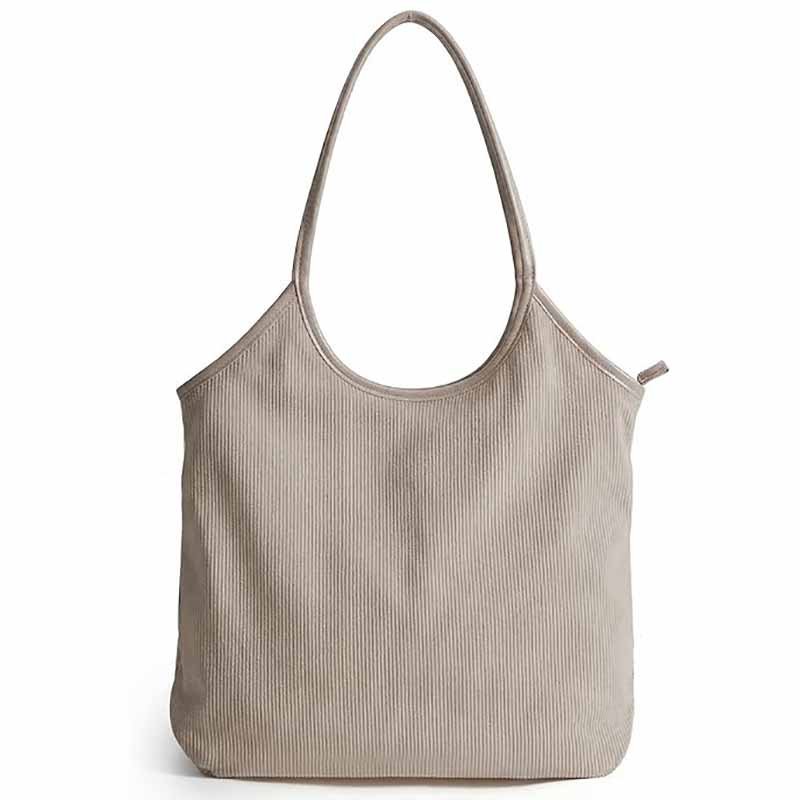
What Affects Fashion Shoulder Bag Cost?
Fashion shoulder bag cost is affected by material, size, structure, lining, hardware, logo method, labor time, order quantity, packaging, quality standard, and shipping volume. A lower price is not always better if it leads to weak fabric, poor zippers, loose stitching, or bad packaging. Brands should compare total value, not only unit price.
Cost is one of the most sensitive parts of a custom bag project. Many brands ask for a quick price first, but a reliable quotation needs clear details. A factory cannot accurately price a shoulder bag without knowing the size, material, lining, logo, hardware, quantity, and packaging.
A simple bag with standard fabric and basic logo may be easy to quote. A custom neoprene shoulder bag with printed lining, rubber patch, special zipper puller, reinforced strap, and dust bag needs a more detailed calculation. The factory must consider material consumption, cutting loss, sewing time, accessory cost, mold cost, packaging cost, inspection cost, and production efficiency.
A useful way to look at cost is to separate visible cost and hidden cost. Visible cost includes fabric, zipper, hardware, logo, and packaging. Hidden cost includes sample revisions, defect rate, slow communication, poor packing, delayed delivery, and customer returns. A supplier with the lowest quotation may become expensive if the final goods arrive with quality problems.
For fashion shoulder bag brands, the goal should be controlled value. The product should feel good enough for the target market while keeping the unit cost realistic. Not every bag needs metal hardware, custom lining, and luxury boxes. But every bag needs suitable fabric, clean sewing, reliable zipper, proper strap strength, and safe packaging.
A basic cost structure may look like this:
| Cost Area | What It Includes | Cost Impact |
|---|---|---|
| Main Fabric | Neoprene, canvas, nylon, PU, polyester | High |
| Lining | Polyester, nylon, printed lining, padding | Medium |
| Hardware | Zipper, buckle, rings, snaps, adjusters | Medium |
| Logo | Print, patch, embroidery, label, metal plate | Low-High |
| Labor | Cutting, sewing, assembly, trimming | High |
| Structure | Pockets, compartments, curves, reinforcement | Medium-High |
| Packaging | Polybag, dust bag, box, hangtag, barcode | Low-Medium |
| Quantity | MOQ and production efficiency | High |
| QC Standard | Inspection level and testing | Medium |
| Shipping Volume | Carton size and weight | Medium-High |
A bag may look small, but small changes can affect price. Adding one inner zipper pocket increases material, zipper cost, and labor. Changing from a woven label to a rubber patch may add mold cost. Increasing bag size by 20% may raise fabric consumption and carton volume. Choosing custom hardware may improve brand feel but increase MOQ and lead time.
Szoneier helps brands control cost by offering material suggestions, low MOQ customization, free design support, fast sampling, and practical production planning. This is especially useful for brands that need a balance between custom design and commercial pricing.
What Changes the Price?
The price changes when material, size, structure, hardware, logo method, packaging, order quantity, or quality requirements change. In fashion shoulder bag manufacturing, even small details can affect cost because each detail adds material, labor, or production complexity.
The largest cost drivers are usually fabric, labor, and quantity. A large neoprene bag uses more material than a mini shoulder bag. A bag with many pockets takes longer to sew than a simple open-body style. A small order has less production efficiency than a larger order, so the unit price is usually higher.
Common price-changing details include:
Bag size and fabric consumption.
Material type and thickness.
Number of pockets and compartments.
Zipper quality and length.
Hardware material and finish.
Strap type and reinforcement.
Logo method and logo quantity.
Custom lining or printed fabric.
Special packaging or retail box.
Inspection and testing requirements.
Order quantity and repeat order plan.
For example, a standard shoulder bag may use one main zipper, one inner pocket, and a simple woven label. If the brand adds a rubber patch, custom zipper puller, printed lining, adjustable strap, dust bag, and hangtag, the bag becomes more branded but also more expensive.
Brands should decide which details help sales. A comfortable strap and better zipper may bring more value than a decorative accessory customers do not care about. A clean logo patch may be more effective than using several logo placements. Good cost control is not about removing every detail. It is about spending money where customers can feel it.
How Does Size Affect Cost?
Size affects cost because it changes fabric consumption, lining consumption, zipper length, strap length, reinforcement needs, labor time, packaging size, carton quantity, and shipping volume. Larger shoulder bags usually cost more, not only because they use more fabric, but because they require stronger construction.
A mini shoulder bag may need less fabric but may require finer workmanship because details are more visible. A large shoulder bag may use more material and need stronger stitching at stress points. An oversized neoprene shoulder bag may also take more carton space, which increases shipping cost.
General size impact:
| Bag Size | Approx. Width | Material Use | Construction Need | Cost Impact |
|---|---|---|---|---|
| Mini | 18–25 cm | Low | Fine finishing | Low-Medium |
| Medium | 26–35 cm | Medium | Standard structure | Medium |
| Large | 36–48 cm | High | Stronger strap and seams | Medium-High |
| Oversized | 49 cm+ | Very high | Reinforced body and packing control | High |
Brands should avoid choosing size only by appearance. The bag must fit real items. For daily bags, customers may expect space for a phone, wallet, keys, sunglasses, makeup, and small notebook. For travel bags, they may need a water bottle, tablet, scarf, or gym clothes. If the bag is too small, it may receive complaints. If it is too large, it may become heavy and expensive.
A smart approach is to test the size with actual items before finalizing the sample. Szoneier can help adjust dimensions based on customer use, material behavior, and target cost.
How Does MOQ Work?
MOQ means minimum order quantity. In fashion shoulder bag manufacturing, MOQ depends on fabric availability, custom color requirements, logo method, hardware, packaging, and production efficiency. Standard materials and existing styles usually allow lower MOQ. Fully custom materials, custom hardware, printed lining, or special packaging may require higher MOQ.
MOQ is not only a factory rule. It is connected to supply chain reality. Fabric mills may require a minimum quantity for dyeing. Hardware suppliers may require MOQ for custom colors or molds. Printing factories may require setup quantity. Sewing lines also need a certain quantity to run efficiently.
Common MOQ situations:
| Project Type | Possible MOQ Range | Notes |
|---|---|---|
| Existing ODM Style + Standard Fabric | 100–300 pcs | Easier for market testing |
| Custom Logo + Standard Material | 300–500 pcs | Good for private label start |
| Custom Size + Standard Material | 500–1,000 pcs | Pattern and sample work needed |
| Custom Color Fabric | 1,000+ pcs | Depends on fabric supplier |
| Custom Hardware or Molded Patch | 500–2,000 pcs | Mold fee may apply |
| Custom Printed Lining | 1,000+ pcs | Fabric printing MOQ applies |
Szoneier supports low MOQ customization, which is helpful for small and medium foreign buyers, new product launches, boutique brands, online sellers, and private label projects. However, brands should still understand that lower MOQ may mean higher unit price. Larger quantities usually improve production efficiency and reduce unit cost.
A good strategy is to start with a manageable first order, collect customer feedback, and then repeat with improved colorways or sizes. This lowers risk while building a stable product line.
How Long Is Lead Time?
Lead time depends on design complexity, sample approval speed, material availability, order quantity, logo method, packaging, and factory schedule. A simple shoulder bag with available materials may move quickly. A complex OEM project with custom fabric, custom hardware, and special packaging needs more time.
A practical timeline may look like this:
| Stage | Simple Project | Custom Project |
|---|---|---|
| Design Review | 1–3 days | 3–5 days |
| Material Sourcing | 2–5 days | 5–14 days |
| Sample Making | 5–10 days | 10–20 days |
| Sample Revision | 3–7 days | 7–15 days |
| Bulk Production | 15–25 days | 25–45 days |
| Final Inspection | 1–3 days | 3–5 days |
| Packing & Shipping Prep | 1–3 days | 3–7 days |
The most common delay comes from late decisions. If the brand changes fabric, logo size, color, or packaging after sampling, the timeline may restart. If custom materials need dyeing, lead time increases. If packaging includes custom boxes or printed cards, those need separate production time.
Brands can keep the timeline under control by preparing clear files early:
Logo files in vector format.
Pantone color or physical swatch.
Reference sample or product photos.
Confirmed size and pocket layout.
Target order quantity.
Packaging requirements.
Shipping deadline.
Szoneier’s fast sampling and short lead time help brands move faster, especially when materials are available and decisions are confirmed quickly.
How Can Brands Save Cost?
Brands can save cost by simplifying the structure, choosing suitable materials, using standard hardware, avoiding unnecessary custom molds, controlling packaging volume, increasing order quantity, and confirming details before sampling. Cost saving should not damage the parts customers notice most, such as fabric feel, zipper quality, strap comfort, and sewing strength.
Good cost control starts with product positioning. A premium boutique bag and a promotional shoulder bag should not use the same cost logic. For a premium product, better fabric and hardware may be worth the investment. For a lower-cost product, simple structure and standard trims may be smarter.
Practical cost-saving methods include:
Use existing ODM shapes when speed and budget matter.
Choose standard fabric colors instead of custom dyeing.
Use woven labels or tested printing instead of expensive metal logos.
Reduce unnecessary pockets or decorative seams.
Use standard zipper pullers unless branding needs custom hardware.
Control bag size to reduce fabric and shipping volume.
Choose dust bags only when they support retail value.
Confirm packaging early to avoid repacking cost.
Place repeat orders to improve long-term pricing.
Avoid too many sample revisions caused by unclear instructions.
Cost saving should never come from weak stress points. Strap attachment, zipper quality, seam strength, and material stability are not good places to cut corners. These details affect customer use and reviews.
Szoneier can help brands compare options before production. For example, if a rubber patch raises cost too much, a woven label or heat transfer logo may still create a good brand look. If a large bag becomes expensive because of shipping volume, the structure can be adjusted to fold better without damaging appearance. This type of practical factory advice helps brands keep products attractive and profitable.
How to Choose a Fashion Shoulder Bag Manufacturer?
Choosing a fashion shoulder bag manufacturer means checking more than price. A strong factory should understand materials, custom development, sampling, sewing, logo methods, quality control, packaging, and export delivery. The right partner helps brands reduce product risk, control cost, improve design details, and build shoulder bags that match real market use.
A fashion shoulder bag manufacturer should be able to answer questions clearly. If the factory only gives a low price without asking about material, size, logo, lining, usage, packaging, or target quantity, the quotation may not be reliable. Good manufacturing starts with careful checking. A professional supplier wants to understand the product before quoting because every detail affects cost and quality.
Brands often compare factories by unit price first. That is understandable, especially when building a new product line. But the lowest price can hide problems. The fabric may be thinner than expected. The zipper may not be smooth. The lining may tear easily. The strap may not be reinforced. The logo may fade or peel. Packing may damage the shape during shipping. Once goods arrive with defects, saving a few cents per piece no longer feels like a good deal.
A better way is to judge the factory from five angles:
| Evaluation Area | What to Check | Why It Matters |
|---|---|---|
| Material Knowledge | Can the factory explain fabric thickness, hand feel, stretch, coating, lining, and durability? | Prevents wrong fabric choices |
| Development Ability | Can the factory make patterns, samples, revisions, and custom structures? | Helps turn ideas into workable bags |
| Logo Experience | Can the factory test print, patch, label, embroidery, and packaging branding? | Protects brand presentation |
| Quality Control | Does the factory inspect size, stitching, zipper, hardware, color, and packing? | Reduces returns and complaints |
| Communication | Does the factory ask clear questions and respond with practical advice? | Saves time and avoids misunderstanding |
Szoneier is a good fit for brands that need custom shoulder bag manufacturing, especially projects involving neoprene and soft fabric products. The company has more than 18 years of experience in neoprene fabric R&D and manufacturing related products, including bags, koozies, sports supports, medical supports, wetsuits, and other custom items. That experience gives the team a deeper understanding of fabric behavior, sewing performance, lamination, elasticity, thickness, and finishing methods.
For global brands, especially small and medium companies launching private label products, factory flexibility matters. Many factories prefer only large orders. That can make new product development difficult. Szoneier supports low MOQ customization, free design help, fast sampling, free samples, short lead times, and OEM/ODM production. These services help brands test the market without taking unnecessary inventory risk.
A reliable factory should also be honest about limitations. Not every design is suitable for every material. Not every logo method works on every fabric. Not every package is worth the cost. A responsible factory will not say yes to every request just to win an order. It should explain what is practical, what may increase cost, what may affect lead time, and what may cause quality risks.
Before choosing a manufacturer, brands should prepare a simple comparison sheet:
| Supplier Checkpoint | Good Sign | Warning Sign |
|---|---|---|
| Quotation | Clear details for material, size, logo, MOQ, packing | Price only, no specification |
| Sample Quality | Clean sewing, correct size, smooth zipper | Loose threads, wrong shape, poor logo |
| Material Advice | Offers swatches and explains options | Pushes one fabric without reason |
| Timeline | Gives realistic sample and production time | Promises everything too fast |
| MOQ | Flexible when using standard materials | Very high MOQ for simple projects |
| Communication | Asks useful questions | Gives vague answers |
| QC | Has clear inspection points | No clear quality process |
| Custom Support | Can handle OEM/ODM/private label | Only sells existing stock styles |
For fashion shoulder bags, the manufacturer should not only make the product. It should help protect the brand’s reputation. Customers may never know which factory made the bag, but they will judge the brand if the zipper breaks, the logo peels, the color fades, or the strap tears. That makes factory selection one of the most important decisions in product development.
What Factory Skills Matter?
The most important factory skills for fashion shoulder bag manufacturing include material selection, pattern making, sample development, sewing control, logo application, hardware matching, quality inspection, and packaging planning. A factory with these skills can help brands move from idea to finished goods with fewer mistakes.
Material skill is especially important. A shoulder bag’s appearance changes when fabric thickness, stiffness, stretch, or coating changes. A factory should know whether neoprene, canvas, nylon, PU, or polyester is suitable for the target product. For neoprene shoulder bags, the factory should understand lamination, edge binding, seam tension, and logo compatibility.
Pattern skill is another core ability. A good pattern controls the bag’s shape, capacity, opening, pocket position, and body balance. If the pattern is weak, the bag may look twisted, collapse easily, or feel uncomfortable when carried. Pattern making is also linked to cost because a smart pattern can reduce fabric waste and improve sewing efficiency.
Sewing skill determines whether the product feels professional. Important sewing details include:
Straight stitch lines.
Even seam allowance.
Clean corners and curves.
Strong stress-point reinforcement.
Stable strap attachment.
Neat lining assembly.
Smooth zipper installation.
Clean thread trimming.
Logo skill also matters. A bag may have good fabric, but a poor logo can ruin the whole product. The factory should recommend suitable logo methods based on fabric surface, order quantity, price level, and durability needs.
For custom brands, development skill may be the most valuable. Many projects need adjustment before bulk production. A factory that can identify design risks early helps save cost and time.
Does Low MOQ Help?
Low MOQ helps brands test new shoulder bag designs with less inventory pressure. It is useful for new collections, seasonal colors, online shops, boutique stores, promotional projects, and private label launches. With lower starting quantities, brands can check market response before placing larger repeat orders.
Low MOQ is not only about ordering fewer pieces. It gives brands more room to test. A company may want to try three colors instead of committing to one large order. A boutique brand may need 100–300 pieces to test one shape. An e-commerce brand may want to validate product photos, reviews, pricing, and customer feedback before scaling.
Low MOQ is especially helpful in these situations:
Launching a new fashion shoulder bag style.
Testing neoprene bags in a new market.
Creating limited seasonal colors.
Preparing influencer or gift campaigns.
Building a small private label collection.
Testing online sales before wholesale expansion.
Producing samples for trade shows or sales meetings.
However, brands should understand that low MOQ can bring a higher unit price. Small orders have less production efficiency, and material suppliers may still have minimum quantity rules. A professional factory will explain where low MOQ is possible and where cost may increase.
| MOQ Situation | Best Use | Cost Impact |
|---|---|---|
| 100–300 pcs | Existing style, standard color, simple logo | Higher unit cost, lower inventory risk |
| 300–500 pcs | Private label start, standard material | Balanced for small launches |
| 500–1,000 pcs | Custom size or moderate design changes | Better production efficiency |
| 1,000+ pcs | Custom fabric color, custom lining, larger programs | Better unit price, higher inventory commitment |
Szoneier’s low MOQ customization is helpful for brands that want to start carefully. A practical first order can reduce pressure while still allowing custom logos, colors, materials, and packaging.
Is Free Design Useful?
Free design support is useful when a brand has a product idea but does not have complete technical files. It helps turn sketches, reference photos, logos, or rough concepts into a clearer bag structure. For custom fashion shoulder bags, design support can reduce mistakes before sampling and improve the chance of getting a usable first sample.
Many brands do not have a full product development team. They may know the look they want, but not the correct strap width, seam position, zipper length, material thickness, lining type, or packaging method. A factory with free design support can help fill that gap.
Useful design support may include:
Improving bag proportions.
Suggesting suitable materials.
Adjusting strap length and width.
Planning pocket placement.
Recommending logo size and position.
Checking whether the shape is easy to sew.
Suggesting cost-saving structure changes.
Matching packaging to sales channel.
For example, a brand may send a picture of a soft shoulder bag and ask for a neoprene version. The factory can check whether the curve can be made cleanly with neoprene, whether binding is needed, whether the strap requires reinforcement, and whether the logo should be printed or patched.
Free design does not mean the factory replaces the brand’s creative direction. It means the factory helps make the idea manufacturable. The brand controls style and positioning. The factory helps with structure, material, and production details.
Szoneier’s free design service is valuable for small and medium brands because it reduces early development barriers. Instead of paying separate design fees before knowing whether the project is feasible, brands can discuss practical options with the factory first.
How Is Quality Checked?
Quality is checked through material inspection, size measurement, sewing review, logo inspection, hardware testing, function testing, appearance checking, packing review, and final random inspection before shipment. For fashion shoulder bags, quality control should focus on both appearance and daily-use strength.
A shoulder bag must look good, but it also needs to work well. Customers will notice uneven stitching, loose threads, crooked logos, rough zipper movement, weak straps, dirty fabric, color difference, or poor lining. These issues can lead to returns, negative reviews, and damaged brand trust.
Key quality control points include:
| QC Area | Inspection Details | Common Problem Prevented |
|---|---|---|
| Size | Width, height, depth, strap length | Wrong fit or poor product consistency |
| Fabric | Color, texture, stains, damage | Visible defects |
| Sewing | Stitch density, straightness, reinforcement | Weak seams or poor appearance |
| Zipper | Smooth opening, puller strength | Customer complaints |
| Hardware | Plating, attachment, sharp edges | Breakage or safety issues |
| Logo | Position, color, adhesion, clarity | Poor brand presentation |
| Lining | Pocket strength, loose threads, seam finish | Weak inner structure |
| Strap | Pull strength, comfort, attachment | Breakage during use |
| Packing | Folding, labels, carton strength | Shipping damage |
For custom neoprene shoulder bags, extra attention should be given to seam smoothness, edge finishing, logo adhesion, thickness consistency, and surface cleanliness. Neoprene is soft and flexible, so poor sewing may cause waves or uneven edges.
A practical quality process usually includes:
Incoming material inspection.
First-piece approval before full sewing.
In-line inspection during production.
Finished product inspection.
Packing inspection.
Final random inspection before shipment.
Brands can also provide their own inspection standard. For example, they may define acceptable size tolerance, logo tolerance, carton labeling, barcode placement, and defect classification. Clear standards help both sides avoid disputes.
Why Work With Szoneier?
Brands work with Szoneier because the company combines fabric R&D experience, custom product development, low MOQ flexibility, fast sampling, free design support, free samples, short lead times, and OEM/ODM private label manufacturing. For fashion shoulder bags, especially neoprene and soft fabric styles, Szoneier can support both product creation and bulk production.
Szoneier has more than 18 years of experience in neoprene fabric research and related product manufacturing. The factory can customize many neoprene products, including bags, koozies, sports supports, medical supports, wetsuits, and other soft goods. This background gives Szoneier practical knowledge about fabric thickness, elasticity, stitching, lamination, printing, and finishing.
For shoulder bag brands, Szoneier can help with:
Custom fashion shoulder bag development.
Neoprene shoulder bag manufacturing.
OEM production based on brand designs.
ODM production based on existing factory styles.
Private label logo and packaging customization.
Low MOQ trial orders.
Free design guidance.
Fast sample development.
Free sample support for suitable projects.
Bulk production and quality inspection.
Export delivery for global customers.
Szoneier is especially useful for brands that want a factory partner instead of just a sewing supplier. A shoulder bag project often needs practical advice: which fabric fits the price level, which logo method works best, how to reduce unit cost, how to improve strap comfort, how to pack the bag safely, and how to plan the first production run.
The company currently supports overseas small and medium clients as well as high-end brand customers with custom, private label, OEM, and ODM products carrying their own logos. That makes Szoneier suitable for fashion brands, lifestyle brands, e-commerce sellers, promotional companies, sports brands, travel brands, gift companies, and product development teams looking for reliable custom shoulder bag manufacturing.
FAQs About Fashion Shoulder Bag Manufacturing
Fashion shoulder bag manufacturing often raises practical questions about logo, material, MOQ, samples, private label service, cost, lead time, and production process. Brands usually want to know how much can be customized, how fast samples can be made, what quantity is needed, and whether the factory can support a full product launch from design to delivery.
A custom shoulder bag project becomes easier when the main questions are answered early. The clearer the information, the faster the factory can suggest materials, calculate cost, prepare samples, and plan production. Brands do not need to know every technical detail before contacting a factory, but they should prepare a few basic points: product type, size, reference style, material preference, logo file, quantity, packaging idea, and expected delivery time.
For new projects, it is normal to start with incomplete details. A good factory can help fill in missing information. For example, if the brand is not sure whether to use neoprene or canvas, the factory can provide material comparison. If the brand does not know which logo method is best, the factory can recommend options based on fabric and budget. If the brand is unsure about MOQ, the factory can explain what is possible with standard materials and existing styles.
Can I Add My Logo?
Yes, logos can be added to fashion shoulder bags through screen printing, heat transfer, rubber patches, woven labels, embroidery, metal plates, zipper pullers, hangtags, printed lining, and custom packaging. The best method depends on the fabric, design style, order quantity, and target price.
For neoprene shoulder bags, popular logo options include heat transfer, rubber patches, woven labels, and tested screen printing. These methods can create a clean and modern appearance when matched with the right fabric surface. For canvas bags, embroidery and woven labels often work well. For PU bags, metal plates or embossed details may fit a more polished fashion look.
Brands should provide logo files in a clear format, such as AI, PDF, SVG, or high-resolution PNG. Vector files are best because they allow accurate size adjustment without losing clarity.
Before bulk production, the logo should be tested on the actual material. This helps check color, size, position, adhesion, and durability. A logo may look perfect on paper but behave differently on soft neoprene, textured canvas, or coated nylon.
Can I Use Neoprene?
Yes, neoprene can be used for fashion shoulder bags, especially when the product needs a soft, padded, lightweight, sporty, and modern feel. It is suitable for casual bags, travel bags, gym bags, beach bags, lifestyle bags, bottle bags, laptop-related bags, and private label accessory collections.
Neoprene has several advantages:
Soft and comfortable touch.
Natural cushioning.
Modern appearance.
Good flexibility.
Suitable for bright colors.
Works well with clean shapes.
Can match other neoprene products in a collection.
Because Szoneier has more than 18 years of experience in neoprene fabric R&D and neoprene product manufacturing, the company can help brands select suitable thickness, surface finish, color, logo method, and sewing structure.
The most common neoprene thickness for bags is often around 2 mm to 4 mm, depending on the product style. Lighter bags may use thinner neoprene. More structured or protective bags may use thicker neoprene. The final choice should consider comfort, shape, cost, and packing volume.
Can I Order Small Quantity?
Yes, small quantity orders may be possible, especially when using existing styles, standard materials, standard colors, and simple logo customization. Low MOQ is useful for brands testing a new shoulder bag design, preparing a limited collection, launching an online product, or starting a private label line.
MOQ depends on several factors:
Whether the bag uses an existing pattern.
Whether the fabric is in stock.
Whether the color is standard or custom dyed.
Whether the logo needs a mold.
Whether the lining is standard or custom printed.
Whether the packaging is simple or custom made.
A low MOQ order may have a higher unit price because production efficiency is lower. However, it can reduce inventory risk. For many brands, starting with a smaller order is safer than placing a large order before checking market response.
Szoneier supports low MOQ customization, making it easier for small and medium brands to start custom shoulder bag projects without heavy inventory pressure.
Can I Get Free Samples?
Free samples may be available for suitable custom projects, depending on the product type, customization level, material, and order plan. Samples help brands check real fabric, size, logo, sewing, lining, strap comfort, zipper function, and overall appearance before bulk production.
Sampling is one of the most important steps in fashion shoulder bag manufacturing. A sample allows the brand to test the product like a real customer. The bag should be worn, opened, filled, touched, photographed, and reviewed in natural light.
Sample checking should include:
Does the bag size match the intended use?
Does the fabric feel right for the price level?
Does the strap feel comfortable on the shoulder?
Does the zipper open smoothly?
Does the logo look clean and correctly positioned?
Does the lining feel strong enough?
Does the bag keep its shape after packing?
Does the product look good in photos?
Even when a sample is free, brands should treat it seriously. Clear feedback helps the factory improve the next version. Instead of saying “make it better,” it is more useful to say “increase strap width from 2.5 cm to 3.5 cm,” “move logo 2 cm lower,” or “change lining from black to beige.”
Can I Build a Private Label Line?
Yes, a private label fashion shoulder bag line can be built with custom logo, colors, materials, labels, hangtags, packaging, and product styles. Szoneier supports private label shoulder bag manufacturing for brands that want to sell products under their own name.
A private label line can start small. Many brands begin with one main shoulder bag style in two or three colors. After market feedback, they may add matching products such as tote bags, cosmetic bags, bottle holders, laptop sleeves, koozies, or travel pouches. This approach is especially suitable for neoprene collections because the same material can be used across multiple product categories.
A basic private label setup may include:
One core shoulder bag shape.
Two to four color options.
One main logo method.
Custom woven label or rubber patch.
Hangtag with brand information.
Polybag or dust bag packaging.
Carton labels for inventory control.
For higher-end private label products, brands can add printed lining, custom zipper pullers, gift boxes, paper cards, and premium dust bags.
Szoneier can support private label development from design discussion to sampling, bulk production, quality inspection, and packaging. For brands building long-term product lines, this can help create a more consistent product family.
Final Thoughts: Start Your Custom Fashion Shoulder Bag Project With Szoneier
A good fashion shoulder bag is not created by chance. It comes from smart material choices, clear design direction, careful sampling, stable sewing, reliable hardware, clean logo work, practical packaging, and strong quality control. The best product is not always the most complicated one. It is the one that fits the customer’s lifestyle, matches the brand’s price level, and performs well in daily use.
For brands planning a custom fashion shoulder bag project, the first step is simple: prepare the idea and discuss it with a factory that understands both materials and finished product manufacturing. You do not need to have every technical detail ready. Reference photos, target size, preferred material, logo file, quantity plan, and sales channel are enough to begin a serious conversation.
Szoneier helps global brands develop custom fashion shoulder bags with more than 18 years of fabric R&D and manufacturing experience. The company supports neoprene bags, custom soft goods, private label products, OEM/ODM production, free design, low MOQ customization, fast sampling, free samples, short lead times, and 100% quality assurance.
Before requesting a quote, prepare these details if possible:
Product reference images or sketches.
Approximate bag size.
Preferred material, such as neoprene, canvas, nylon, polyester, or PU.
Logo file and branding requirements.
Expected order quantity.
Packaging needs.
Target market or sales channel.
Expected delivery time.
Szoneier can review the information, suggest suitable materials, recommend logo methods, estimate MOQ and lead time, and help create a sample for approval.
For custom fashion shoulder bags, neoprene shoulder bags, private label bag collections, or OEM/ODM soft goods projects, contact Szoneier to discuss your design and start building a product your customers will want to carry every day.