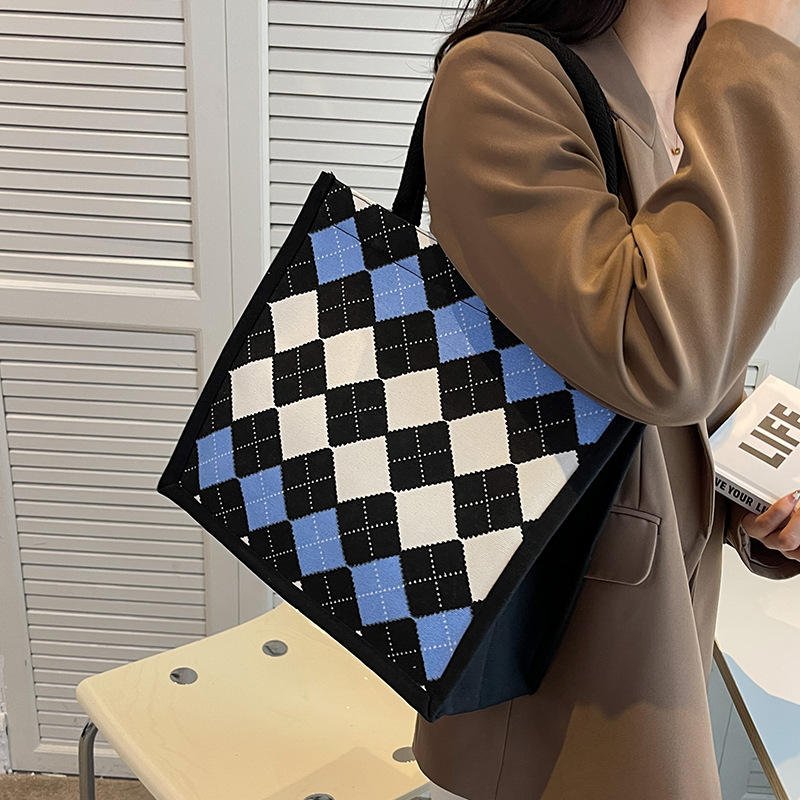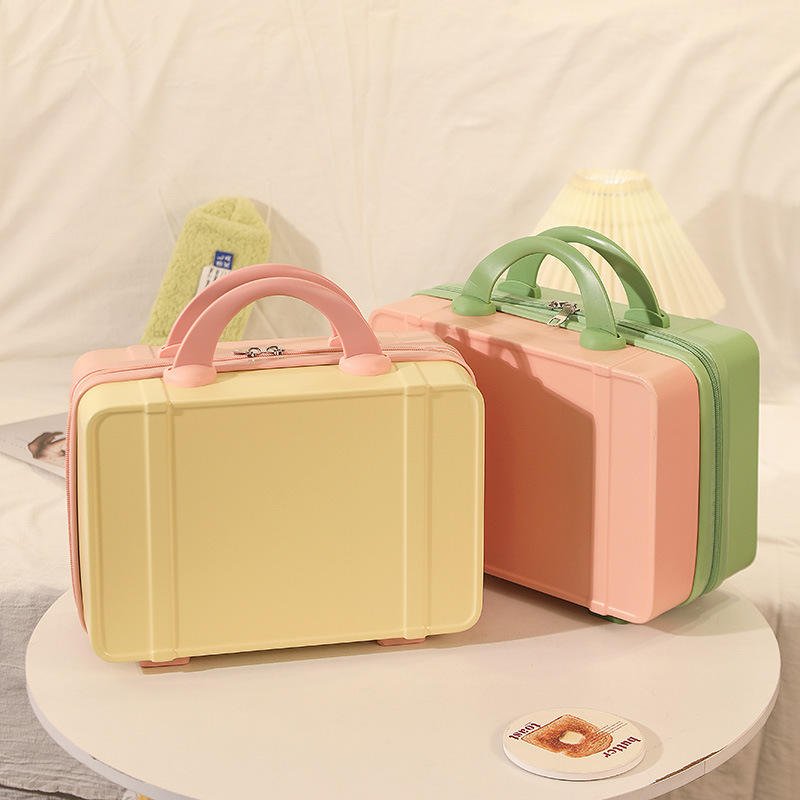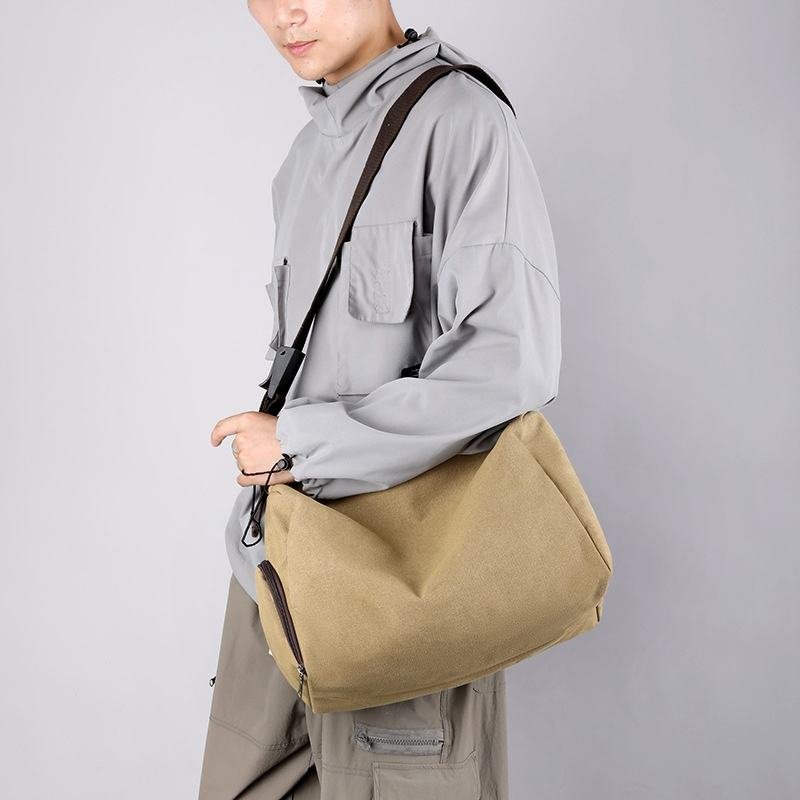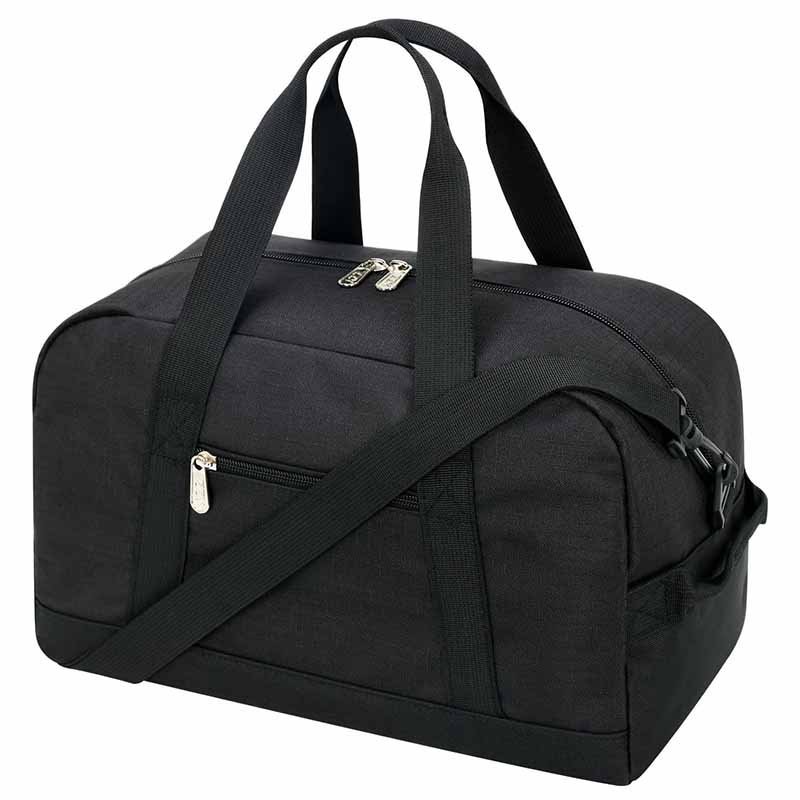
Durability is one of the first things customers judge when they touch a bag. They may not use technical terms, but they notice very quickly whether a bag feels dependable. They notice if the handle feels secure, whether the body collapses too easily, whether the zipper area looks weak, and whether the material gives the impression that it can survive daily use. For a brand, this matters far beyond product performance. A bag that wears out early leads to complaints, replacement costs, weaker reviews, and a damaged impression of product quality.
The reason durability matters so much is simple: bags are not static products. They are carried, pulled, folded, stuffed, dropped, rubbed against clothing, placed on floors, packed into cars, and opened and closed over and over again. A bag can look attractive in product photos and still fail in real use if the structure is not right.
Custom bag manufacturers ensure durability by combining strong materials, smart structure design, reinforced stress points, controlled production methods, and repeatable quality checks. A durable bag is not created by one feature alone. It comes from how fabric, foam, stitching, webbing, zippers, and load-bearing areas work together under repeated use.
This is where experienced factories separate themselves from trading companies or low-cost workshops. Real durability is built during development, not fixed after complaints happen. The strongest fabric can still fail if the stitching path is wrong. A good zipper can still tear away if the surrounding panel has no reinforcement. A thick bag body can still lose shape if the internal structure is not matched to the product purpose.
In many custom projects, durability problems come from small details that were ignored early. A shoulder strap anchor placed too close to the seam. A foam thickness that looks good in photos but causes seam stress in production. A stylish handle design that is comfortable in hand but weak under repeated load. These are not material problems alone. They are product engineering problems.
At Szoneier, durability is treated as part of the full manufacturing system. Because the factory has long-term experience in neoprene material development and finished product manufacturing, product durability can be evaluated from multiple angles at the same time: fabric choice, foam thickness, lamination quality, panel structure, sewing method, reinforcement layout, and production consistency. That matters for overseas small and medium wholesale clients as well as premium brands, because the goal is not just to make a sample look good. The goal is to make bulk production hold up in real-world use.
What Is Bag Durability?
Bag durability means how well a bag can keep its function, structure, and appearance during repeated use. It includes resistance to tearing, abrasion, seam failure, handle pull-out, zipper damage, and shape collapse under weight, movement, and environmental exposure.
What defines bag durability?
Bag durability is often misunderstood as a simple question of “How strong is the material?” In real production, durability is much broader than fabric strength alone. A bag can be made from thick material and still fail quickly if the stress points are weak or the panel construction is poorly planned.
A durable bag usually needs to perform well in five areas:
Load resistance
The bag must carry expected weight without tearing, deforming, or pulling apart at handles and seams.
Abrasion resistance
The outer surface must hold up against daily rubbing from floors, desks, car seats, clothing, shelves, and repeated handling.
Seam stability
Stitching must remain tight and intact after long-term pulling, bending, and vibration during transport or use.
Shape retention
The bag should keep a reasonable form after repeated use, not become loose, twisted, or visibly collapsed.
Component reliability
Zippers, sliders, buckles, webbing, and hook-and-loop closures must continue working without early failure.
From a customer point of view, bag durability usually shows up in practical questions like these:
- Will the handles loosen after a few months?
- Will the bottom wear out too fast?
- Will the zipper area rip if the bag is packed full?
- Will the bag still look presentable after repeated use?
Those questions are especially important for custom projects because the bag usually represents a brand image, not just a commodity item. A custom bag is often used in retail, gifting, sports, travel, work, medical support, or protective storage. In all of these cases, durability affects whether the customer sees the product as reliable or disposable.
The table below shows how durability is usually understood in product development:
| Durability Area | What It Means in Actual Use | Common Failure if Poorly Designed |
|---|---|---|
| Load-bearing | Handles and body support weight safely | Handle tear-out, seam burst |
| Surface wear | Outer material resists rubbing | Fuzzing, scratches, coating damage |
| Structural stability | Bag keeps shape during use | Sagging, collapsing, distortion |
| Opening system | Zipper or closure works smoothly | Jammed zipper, broken slider |
| Repeated use life | Product survives daily cycles | Early wear, fast return rate |
A good factory does not evaluate durability from one angle only. It looks at the bag as a working system.
What factors affect bag durability?
Bag durability is created by several factors working together. Weakness in one area can cancel out strength in another. That is why some bags look well made at first glance but fail early in real use.
The most important factors are below.
1. Material selection
Material is the foundation of durability. Key points include:
- fabric thickness
- fabric density
- tear strength
- stretch behavior
- moisture resistance
- foam recovery and lamination strength
For example, neoprene is widely used because it offers a useful mix of cushioning, flexibility, water resistance, and impact absorption. But neoprene quality still varies depending on foam density, surface lamination, fabric bonding, and thickness tolerance.
2. Structure design
The structure determines how weight and movement travel through the bag. A good structure spreads stress across the body. A poor structure concentrates stress into a few weak points.
Important structural decisions include:
- body panel layout
- bottom support design
- handle attachment path
- gusset width
- internal divider effect on shape
- edge finishing method
3. Sewing and reinforcement
Even strong materials can fail if sewing is wrong. Durability often depends on:
- stitch density
- backstitch security
- bartack or box-x reinforcement
- seam allowance width
- thread quality
- needle choice for the material thickness
4. Hardware and accessories
Customers often focus on the bag body, but many real failures happen in:
- zipper areas
- slider pull tabs
- D-rings
- buckles
- hooks
- strap adjusters
Low-cost hardware can shorten product life even if the rest of the bag is well built.
5. Production consistency
A bag sample may perform well, but bulk production can become unstable if the factory does not control:
- material batch variation
- sewing accuracy
- glue or lamination consistency
- reinforcement placement
- inspection standards
This table shows how each factor contributes to durability:
| Factor | Impact on Durability | Why It Matters |
|---|---|---|
| Material quality | Very high | Determines base strength and wear resistance |
| Structure design | Very high | Controls how stress moves through the bag |
| Reinforcement method | High | Protects key load points |
| Hardware quality | High | Prevents failure in daily opening and carrying |
| Production consistency | Very high | Ensures bulk goods match sample quality |
For custom clients, this means durability should never be judged by material alone. It should be judged by the complete build logic of the product.
Is material the key to durability?
Material is one of the most important parts of bag durability, but it is not the only one, and in some cases it is not even the main reason a product fails. Many customers have had the same experience: the bag material itself still looks fine, but the handle pulls loose, the zipper tears away from the body, or the corners break down too early. In those cases, the failure is not caused by weak material alone. It is caused by the relationship between material, structure, and workmanship.
Still, material choice matters a lot because it sets the starting point for performance. Different materials behave very differently under weight, abrasion, moisture, and repeated bending.
Here is a practical comparison of common bag materials:
| Material | Tear Resistance | Cushioning | Water Resistance | Shape Stability | Best Use Direction |
|---|---|---|---|---|---|
| Neoprene | High | High | High | Medium | Sleeves, cooler bags, sports bags, protective bags |
| Polyester 600D | Medium | Low | Medium | Medium | Daily bags, promotional bags |
| Polyester 1680D | High | Low | Medium | High | Tool bags, heavy-duty styles |
| Nylon | High | Low | Medium | Medium | Travel, outdoor, lightweight strong bags |
| Canvas | Medium | Low | Low | High | Casual, fashion, utility bags |
| TPU laminated fabric | High | Low | Very high | Medium | Waterproof and outdoor bags |
For Szoneier, neoprene is especially useful because it gives a combination that many customers need but cannot get from plain woven fabric alone:
- cushioning for protection
- elasticity that reduces sudden stress concentration
- water resistance for daily use
- soft touch and shape adaptability
- compatibility with many custom product categories
That is why neoprene is widely used in:
- laptop sleeves
- cooler bags
- bottle holders
- cosmetic bags
- sports supports
- medical supports
- wetsuits and related gear
But even with neoprene, quality can vary. A low-grade neoprene product may suffer from:
- weak lamination
- uneven thickness
- poor foam recovery
- faster edge wear
- surface separation after repeated use
So yes, material is a key part of durability, but experienced manufacturers do not stop at “Which fabric do you want?” They ask deeper questions:
- How much weight will the bag carry?
- Will it be used indoors, outdoors, or near water?
- Does it need cushioning or only tear strength?
- Does it need to hold shape or stay soft?
- How often will it be opened, folded, or cleaned?
Those answers decide which material really makes sense.
How Materials Affect Bag Durability
Materials affect bag durability by determining how the product responds to weight, rubbing, bending, moisture, temperature, and repeated use. The right material makes the bag stronger, more stable, and longer-lasting. The wrong material can shorten product life even if the bag looks well made.
Which materials improve bag durability?
Different bag categories need different material solutions. There is no single “best” material for every custom bag. The right material depends on how the bag will be used, what it needs to protect, and what kind of product image the client wants.
In practical development work, durable bag materials are usually judged by six properties:
- tear resistance
- abrasion resistance
- load support
- flexibility
- water resistance
- recovery after deformation
Below is a more useful way to think about material choice.
Neoprene
Neoprene is a strong choice when the bag needs cushioning, softness, and water resistance. It performs well in products that are carried often, squeezed into tighter spaces, or used around moisture. Because it has elasticity, it can absorb some movement and reduce sudden localized stress.
Common uses:
- sleeves
- cooler bags
- bottle carriers
- sports bags
- protective pouches
High-density polyester
This is widely used for daily-use bags because it offers a decent balance of strength, printability, and cost control. When denier and coating are selected correctly, it can work very well for general-purpose bags.
Common uses:
- backpacks
- tote bags
- organizer bags
- promotional bags
Nylon
Nylon is often chosen for lighter but strong bags. It usually performs better than basic polyester in tear resistance and long-term repeated use, especially in travel or outdoor categories.
Common uses:
- travel bags
- outdoor bags
- packable bags
- utility bags
Canvas
Canvas gives a structured, natural appearance and can hold shape well, but it is not always the best answer for moisture-heavy or high-friction environments unless treated.
Common uses:
- shopping bags
- work bags
- lifestyle totes
TPU or laminated materials
When waterproofing and surface protection are important, laminated materials become more valuable. They are especially useful in outdoor, wet, or technical-use products.
Common uses:
- waterproof dry bags
- outdoor protective bags
- equipment storage bags
The chart below helps compare them in a clearer way:
| Material | Daily Wear Resistance | Moisture Resistance | Flexibility | Protection Level | Durability Use Level |
|---|---|---|---|---|---|
| Neoprene | High | High | High | High | Strong all-around |
| Polyester | Medium to high | Medium | Medium | Low to medium | Good for general use |
| Nylon | High | Medium | Medium | Medium | Very good for active use |
| Canvas | Medium | Low | Low | Low | Better for light to medium duty |
| TPU laminated | High | Very high | Medium | High | Strong for technical use |
For overseas custom clients, the main point is this: material should match use, not trend. A material that looks impressive in a catalog may be the wrong choice if the product needs cushioning, washability, softness, or repeated folding performance.
How does neoprene increase durability?
Neoprene improves bag durability because it is more than a face fabric. It is a composite material structure that combines outer fabric layers with an inner foam body. That gives it properties that plain woven fabrics usually do not have.
The most useful durability advantages of neoprene are these:
1. Better impact absorption
Neoprene can protect contents better because the foam structure absorbs shock. This is especially useful for products such as:
- laptop sleeves
- bottle carriers
- lunch bags
- camera or accessory pouches
For products that are frequently dropped, pressed, or stacked, this cushioning effect reduces both product damage and seam stress.
2. More forgiving under movement
Because neoprene stretches slightly, it handles repeated motion better than some rigid fabrics. When a bag expands or shifts under load, the material can absorb part of that movement instead of transferring all the force directly to the seam.
3. Better water resistance
Neoprene resists moisture well, which helps in daily-use environments where bags are exposed to spills, sweat, light rain, or damp surfaces. This does not mean every neoprene bag is fully waterproof, but it does mean the material itself offers more environmental protection than many untreated textiles.
4. Comfortable durability
Some durable materials feel too stiff or industrial. Neoprene can remain durable while still feeling soft and comfortable in hand. That matters in lifestyle, sports, fitness, and personal accessory categories.
Here is a useful comparison:
| Property | Neoprene | Standard Polyester |
|---|---|---|
| Shock absorption | High | Low |
| Stretch recovery | Medium to high | Low |
| Water resistance | High | Medium |
| Soft touch | High | Low to medium |
| Protective feel | High | Low |
This is why many customers choose neoprene not just for appearance, but for real product performance. At Szoneier, neoprene product development includes attention to foam thickness, lamination quality, outer fabric match, and finished sewing behavior, because neoprene only performs well when the whole structure is controlled properly.
Do coatings improve durability?
Yes, coatings can improve durability, but only when they are selected for the right product purpose. Coatings are not a universal upgrade. In some products they are extremely valuable. In others they add cost, stiffness, or weight without enough benefit.
The main advantages of coatings are:
- improved surface abrasion resistance
- better water resistance
- easier cleaning
- stronger resistance to dirt penetration
- better barrier protection in outdoor use
Common coating or lamination options include:
- PU coating
- TPU lamination
- PVC coating
- water-repellent surface treatment
Each option behaves differently.
PU coating
Often used to improve light water resistance and support general daily-use durability.
TPU lamination
A stronger option when waterproofing, cleanability, and surface protection are more important.
PVC coating
Can provide very heavy-duty protection, though it may increase weight and reduce softness.
The trade-offs also matter. A coated fabric may become:
- heavier
- less breathable
- less flexible
- harder to fold cleanly
- more expensive in production
This is why the best factories do not ask only, “Do you want coating?” They ask:
- What environment will the bag be used in?
- Does it need to resist rain or only light moisture?
- Is soft hand feel important?
- Does the bag need to fold often?
- Is appearance or technical protection the first priority?
For many custom projects, the best result comes from balancing material and coating together rather than pushing one property too far.
At Szoneier, this kind of decision is especially important because different neoprene-based products have very different needs. A soft lifestyle pouch, a medical support product, a cooler bag, and a wetsuit-related item should not all use the same material-finishing logic. Durability improves most when the material system matches the actual use scenario.
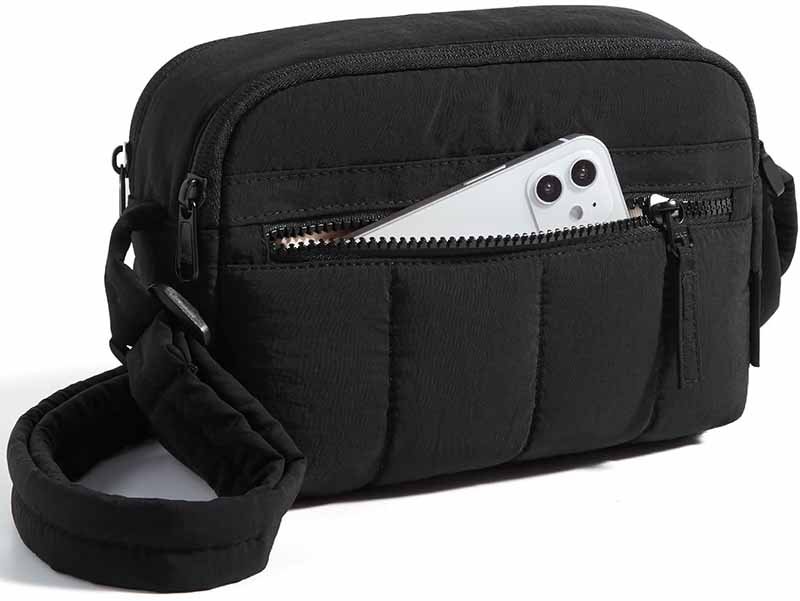
How Construction Improves Bag Durability
Bag durability is not only determined by material. Construction defines how the bag handles real stress during use. Even strong fabrics can fail if stitching, reinforcement, and load distribution are not designed correctly. Good construction spreads force across the bag, while poor construction concentrates stress and leads to early failure.
How stitching affects durability
Stitching is one of the most critical factors in bag durability because most failures occur at seams, not on the fabric surface.
Several stitching variables directly impact durability:
1. Stitch density (SPI – stitches per inch)
- Low density (4–6 SPI): faster production, lower strength
- Medium density (6–8 SPI): balanced strength and flexibility
- High density (8–10 SPI): stronger seams but requires precise control
Too few stitches reduce seam strength. Too many stitches can weaken the material by perforating it excessively, especially in neoprene or laminated fabrics.
2. Stitch type
Different stitch types serve different durability needs:
- Single stitch → basic joining, low stress areas
- Double stitch → increased strength for general seams
- Bartack → high-stress reinforcement (handles, straps)
- Box-X stitch → used for load-bearing attachments
For example, handle attachment points almost always require box-X or bartack reinforcement, not just straight stitching.
3. Thread quality
Thread must match the strength of the fabric:
- Polyester thread → common, good balance
- Nylon thread → higher strength, used for heavy-duty products
Weak thread can break even if the fabric is strong.
4. Seam allowance
The distance between stitch line and fabric edge matters:
- Too narrow → seam tearing risk
- Proper width (typically 5–10 mm depending on material) → better load distribution
Here is a simplified comparison:
| Stitch Factor | Poor Setup Result | Optimized Setup Result |
|---|---|---|
| Stitch density | seam loosening | stable seam strength |
| Stitch type | tearing at stress points | reinforced load areas |
| Thread quality | thread breakage | long-term durability |
| Seam allowance | edge tearing | better stress distribution |
In real production, stitching is not just about appearance. It determines whether a bag survives daily use or fails after a few weeks.
At Szoneier, stitching is adjusted based on:
- material type (neoprene vs woven fabric)
- product weight expectation
- stress point analysis
This helps ensure that seams match actual usage conditions.
Which reinforcements increase durability
Reinforcement is what protects the weakest points of a bag. Without reinforcement, even strong materials can fail quickly.
The most common failure points in bags are:
- handle attachment
- shoulder strap anchors
- zipper ends
- bottom corners
- side seams under load
Effective reinforcement methods include:
1. Bartack reinforcement
Short, dense stitching used in high-stress areas.
- commonly used at strap ends
- prevents seam opening under tension
2. Box-X reinforcement
A square with diagonal cross stitching.
- distributes force across a larger area
- widely used for handles and heavy-load bags
3. Webbing reinforcement
Internal or external webbing adds strength:
- supports load-bearing areas
- reduces fabric stress
4. Double-layer panels
Adding extra layers at critical zones:
- bottom panels
- corner reinforcements
- strap connection areas
5. Edge binding or piping
- protects edges from abrasion
- improves long-term durability
Below is a comparison:
| Reinforcement Type | Strength Level | Typical Use |
|---|---|---|
| Bartack | High | strap ends, zipper areas |
| Box-X stitch | Very high | handles, heavy-duty bags |
| Webbing support | Very high | load-bearing structure |
| Double-layer panels | High | bottom and corners |
| Edge binding | Medium | abrasion protection |
Without reinforcement, durability problems appear quickly:
- handles tearing out
- seams opening under load
- corners wearing through
For custom projects, reinforcement is often adjusted based on:
- expected load (e.g., 5 kg vs 20 kg)
- product category (cooler bag vs tote bag)
- usage frequency
Szoneier typically integrates reinforcement into early design, rather than adding it later as a fix.
How handles impact durability
Handles and straps are the most stressed parts of any bag. Even if the bag body is strong, failure often starts at the handle connection.
Key factors affecting handle durability:
1. Attachment method
- stitched directly to body → lower strength
- extended webbing into panel → higher strength
- reinforced panel + webbing → best performance
2. Load distribution
A good design spreads weight across:
- wider attachment areas
- multiple stitch lines
- reinforced panels
A poor design concentrates load into a small area, causing tearing.
3. Material choice
Handle materials must match load requirements:
- cotton webbing → medium load
- polyester webbing → higher strength
- nylon webbing → heavy-duty use
4. Stitching reinforcement
Handles should always include:
- bartack or box-X stitching
- multiple stitch lines
- strong thread
Here is a simplified comparison:
| Handle Design | Durability Level | Risk |
|---|---|---|
| Single stitch attachment | Low | tearing under load |
| Double stitch | Medium | moderate durability |
| Box-X reinforcement | High | stable performance |
| Webbing + reinforced panel | Very high | long-term durability |
In real use, handle failure is one of the most common customer complaints. This usually happens when:
- handle attachment area is too small
- reinforcement is missing
- stitching is insufficient
At Szoneier, handle design is often tested based on:
- expected load weight
- carrying method (hand vs shoulder)
- product type
This ensures the handle performs reliably over time.
What Tests Prove Bag Durability
Durability testing verifies whether a bag can perform under real conditions. Testing helps identify weak points before mass production and reduces the risk of product failure in the market.
What tests measure durability?
Several standard tests are used to evaluate bag durability.
1. Load test
- simulates real weight carrying
- typical range: 10–50 kg depending on product
2. Abrasion test
- measures resistance to surface wear
- common range: 5,000–30,000 cycles
3. Seam strength test
- checks stitching resistance
- measures force required to break seams
4. Drop test
- evaluates impact resistance
- especially important for protective bags
Below is a summary:
| Test Type | Purpose | Result Indicator |
|---|---|---|
| Load test | weight capacity | no tearing |
| Abrasion test | surface durability | minimal wear |
| Seam strength | stitching durability | no seam failure |
| Drop test | impact resistance | structure intact |
Testing helps ensure that the bag performs not just in theory, but in actual use.
How load testing checks durability
Load testing focuses on how a bag behaves under weight.
Key checks include:
- handle strength
- seam stability
- deformation under load
- long-term weight resistance
For example:
- a tote bag may be tested at 15–20 kg
- a travel or gear bag may be tested at 30–50 kg
Load testing often includes:
- static load (holding weight for a period)
- dynamic load (lifting and dropping cycles)
Common failure signs:
- handle tearing
- seam stretching
- shape collapse
This test directly reflects real user scenarios.
Do zippers affect durability?
Yes, zipper failure is one of the most common durability issues in bags.
Key factors:
- zipper type (nylon coil vs metal vs plastic)
- slider quality
- stitching around zipper
- reinforcement at zipper ends
Zippers are tested through:
- opening/closing cycles (5,000–10,000 times)
- pull strength tests
- alignment checks
Common problems:
- zipper misalignment
- slider breakage
- fabric tearing near zipper
A durable bag must have a zipper system that matches the product’s intended use.
At Szoneier, zipper selection is based on:
- bag type
- expected usage frequency
- load conditions
How Factories Ensure Bag Durability
Factories ensure bag durability by controlling the entire production system—from material sourcing and pattern design to sewing accuracy, reinforcement placement, and final inspection. Consistency in these steps is what allows a durable sample to become a durable bulk product.
How quality control ensures durability
Quality control is where many durability problems are either prevented or allowed to happen. A well-developed sample means little if the factory cannot reproduce the same structure and strength in large-scale production.
In practical manufacturing, durability-focused quality control includes several checkpoints.
Incoming material inspection
Before production starts, materials are checked for:
- thickness consistency
- lamination strength (for neoprene)
- fabric density and surface condition
- color stability and coating uniformity
If material quality varies from batch to batch, the final bag performance will also vary.
In-line production control
During production, key points are monitored:
- stitch density and alignment
- reinforcement placement accuracy
- seam allowance consistency
- tension control during sewing
- edge finishing quality
For example, even a strong design can fail if:
- stitch spacing is inconsistent
- bartack reinforcement is misplaced
- seam margins are too narrow
Finished product inspection
After production, bags are checked for:
- load-bearing stability
- seam strength
- shape consistency
- hardware function
- overall appearance
Below is a simplified QC structure used in many reliable factories:
| QC Stage | What Is Checked | Why It Matters |
|---|---|---|
| Material inspection | thickness, bonding, defects | ensures base quality |
| In-line control | stitching, reinforcement | prevents structural failure |
| Final inspection | function, load test, finish | ensures usable product |
| Random sampling | batch consistency | ensures repeatability |
At Szoneier, quality control is not treated as a final step only. It is integrated into the full production flow. This is especially important for custom projects where each product may have unique structure and material combinations.
What experience improves durability
Experience plays a major role in durability, especially for custom bags where designs are not standardized.
An experienced factory can identify risks early, such as:
- weak stress points in the design
- unsuitable material combinations
- incorrect reinforcement placement
- over-complicated structures that fail in production
For example, in neoprene bag production:
- incorrect foam thickness can cause seam stress
- poor lamination can lead to layer separation
- wrong needle size can damage material structure
These are not problems that appear clearly in drawings. They come from real production experience.
Factories with long-term specialization in a material (like neoprene) usually perform better because they understand:
- how the material behaves during sewing
- how it reacts under load
- how it changes after repeated use
- how to maintain consistency across batches
At Szoneier, over 18 years of experience in neoprene material and product development allows the team to adjust designs before production issues occur. This reduces:
- sample revision cycles
- production delays
- product failure risk
For clients, this means faster development and more stable final products.
Do custom designs improve durability
Yes, custom design is one of the most effective ways to improve durability, especially when it is based on real usage conditions.
Standard designs often follow general assumptions. Custom designs allow the product to match specific requirements.
Examples of durability improvements through custom design:
Handle reinforcement
- extended stitching area
- cross-stitch (box-x) reinforcement
- internal webbing support
Bottom structure
- double-layer base panels
- added padding or support board
- reinforced corners
Load distribution
- wider strap attachment
- balanced panel layout
- reduced stress concentration
Material matching
- combining neoprene with stronger outer fabrics
- selecting lining materials based on usage
Below is a comparison:
| Design Type | Durability Performance | Risk Level |
|---|---|---|
| Standard design | acceptable for general use | medium |
| Custom optimized design | higher durability | low |
| Poorly matched design | early failure risk | high |
Custom design is especially important for:
- heavy-load bags
- sports and outdoor products
- medical or support equipment
- protective cases
- premium branded products
For Szoneier clients, custom design is part of the service. Instead of only producing based on drawings, the factory can suggest adjustments that improve durability without significantly increasing cost.
Start Your Durable Custom Bag Project with Szoneier
If you are developing custom bags, durability should not be left to chance. It should be planned from the beginning and supported by the right factory.
Szoneier has over 18 years of experience in neoprene material development and custom product manufacturing, supporting:
- bags
- koozies
- sports protection gear
- medical support products
- wetsuits and related products
The factory integrates:
- material R&D
- product design
- sampling
- manufacturing
- packaging
- quality inspection
This allows better control over durability at every stage.
Why Work with Szoneier
- Strong neoprene material expertise
- Full in-house development and production system
- Consistent quality control process
- Experience working with both growing brands and established clients
- Flexible customization for OEM / ODM / private label
Start Your Project
Contact Szoneier today to develop custom bags that are built to last.
A well-made bag does more than carry items—it represents your brand every time it is used.