
How to Find Reliable Bag Manufacturers in China
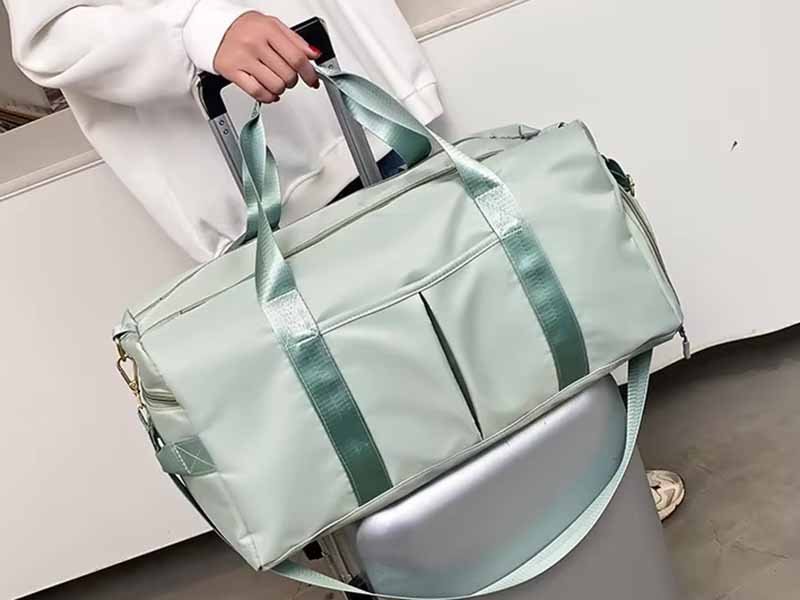
Search results for bag manufacturers in China can look crowded and confusing. On one page, you may see polished factory websites, marketplace listings, social profiles, and sourcing platforms all promising low prices and fast delivery. The hard part is not finding suppliers. The hard part is finding one that can actually turn your design into a stable, repeatable product line. In bags, that difference matters a lot. A supplier that handles samples well but struggles in bulk production can cause size inconsistency, weak stitching, unstable lead times, and expensive rework. A supplier that quotes cheaply but controls neither materials nor workmanship can damage your brand faster than a delayed launch.
What Does a Custom Bags Manufacturer Actually Do: Full Guide

A lot of companies start looking for a factory when they already have a bag idea in mind. Some have a hand sketch. Some have a sample from the market. Some only know that they want to build a tote bag, backpack, travel bag, or cosmetic bag under their own logo. At that point, many people assume the factory’s job is simple: receive the order, sew the bag, and ship it out. In real business, it does not work like that.
Reinforced corner design for tool bags: high abrasion zones

A lot of tool bags look strong when they are brand new. The fabric feels thick, the handles feel solid, and the bag gives the impression that it can survive years of rough use. But on real job sites, the first serious damage usually does not start at the zipper or handle. It starts at the corners. That is where the bag scrapes the ground, hits truck beds, rubs against concrete, and carries the pressure of heavy tools day after day. Once the corner starts wearing through, the whole bag begins to lose shape, strength, and reliability.
How to Design Travel Bags That Pack Efficiently: Shape + Openings
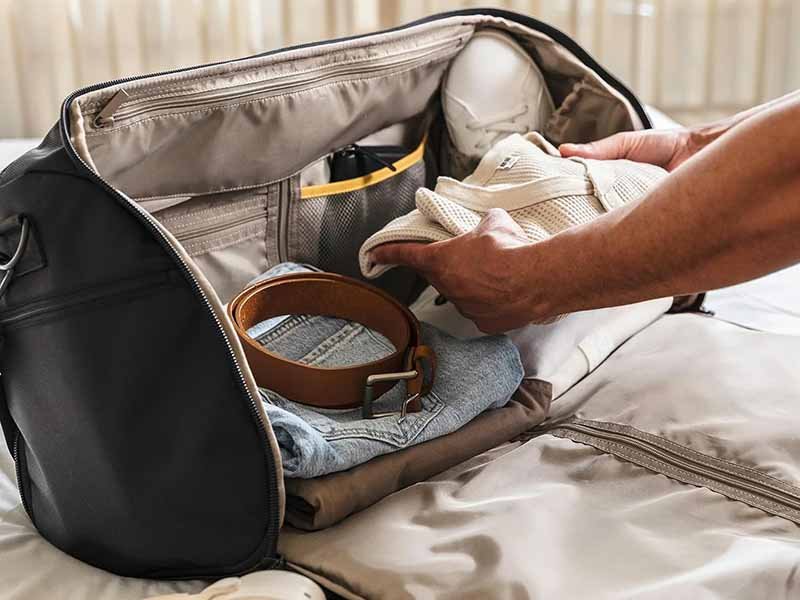
A travel bag can look beautiful in photos and still fail the moment someone starts packing. That is the real problem many brands overlook. Customers do not judge a travel bag only by color, fabric, or logo placement. They judge it when they try to fit in three days of clothes, a pair of shoes, chargers, toiletries, and small personal items without turning the inside into a mess. A bag that feels “big” but cannot be packed neatly usually leads to disappointment, returns, and weak repeat orders.
How to Design Heavy-Duty Canvas Bags for High Load Use
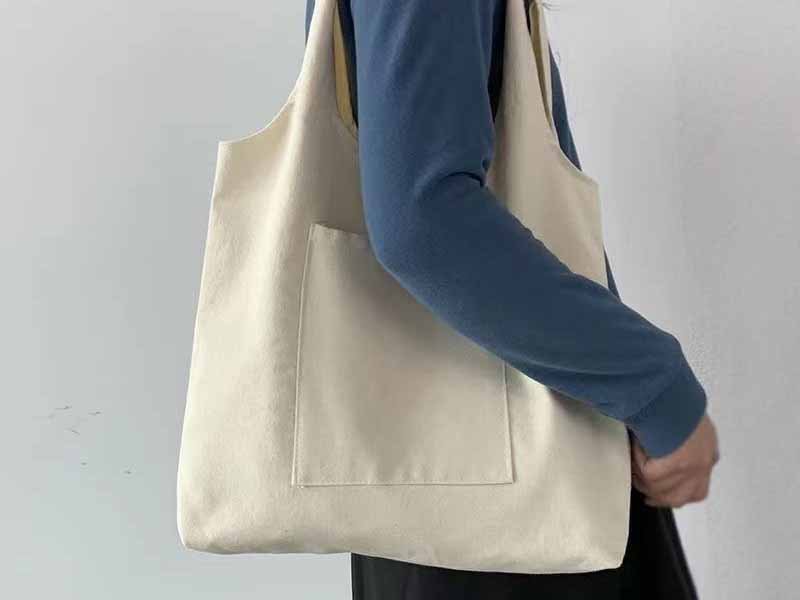
A canvas bag only looks simple when it is empty. Once it starts carrying 10 kg, 15 kg, or 25 kg of real goods day after day, every hidden weakness shows up fast. Corners begin to abrade. Bottom panels start to sag. Handles twist, seams open, and the whole bag loses shape. This is why heavy-duty canvas bag design is not just about using thicker fabric. It is about building a load-bearing system that can survive repeated lifting, dragging, folding, and impact in real working conditions.
Types of Waterproof Dry Bags: Sack, Backpack Dry Bag, Duffel Dry Bag, Phone Pouch
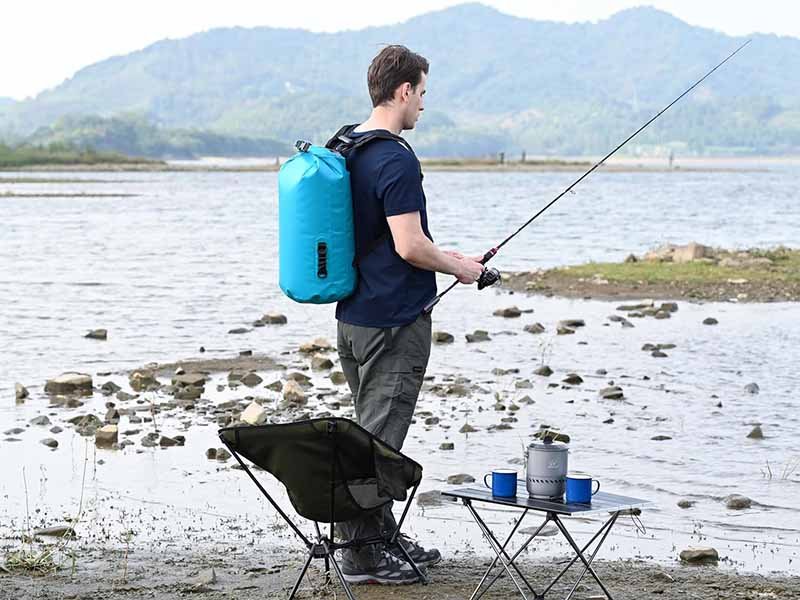
A lot of people think all waterproof dry bags are basically the same: a waterproof body, a roll-top opening, and maybe a shoulder strap. But once you really start using them, or once you start developing them for your own brand, the differences become very clear. A 5L sack dry bag for kayaking essentials is not built the same way as a 30L backpack dry bag for paddleboarding. A large duffel dry bag for overlanding or marine trips has very different load-bearing needs from a waterproof phone pouch sold at tourist shops or beach resorts.
How to Build Folding Travel Garment Bags: Tri-Fold vs Bi-Fold
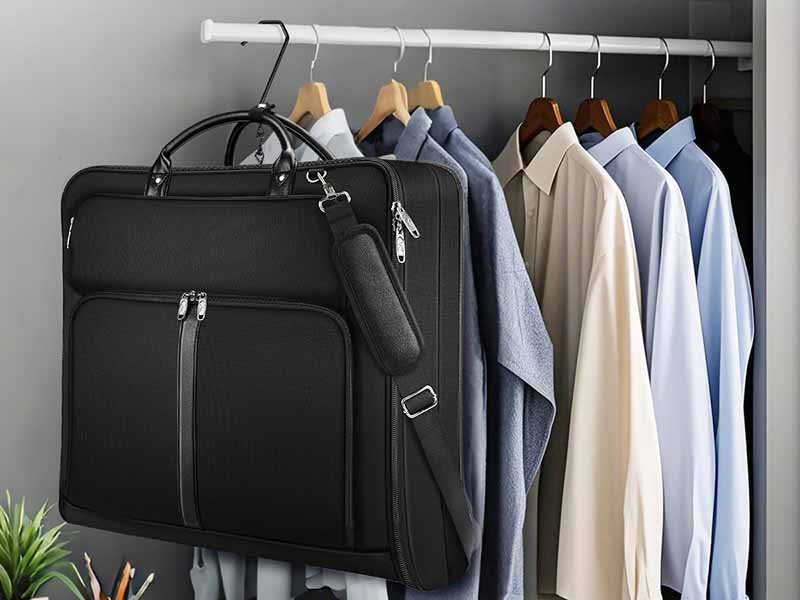
Most travel bags are built to protect “objects.” Garment bags are built to protect something more fragile: a smooth surface. A suit jacket can look perfect in the morning and look tired two hours later if it’s folded wrong and compressed in a crowded overhead bin. That’s why folding garment bags are still popular even in the era of wrinkle-resistant fabrics—because the problem is not only the fabric, it’s the pressure points created by folding and movement.
What Are the Best Beach Bag Structures for Sand, Sun, and Water Environments

Most bags fail at the beach for a simple reason: the beach is not a normal environment. Fine sand behaves like powder and gets into seams and zippers. Saltwater dries into crystals that scratch surfaces and weaken coatings. Strong sunlight slowly breaks down fibers and causes fading. Then you add real-life load—wet towels, bottles, snacks, […]
What Is Back Panel Engineering for Backpacks: Explained
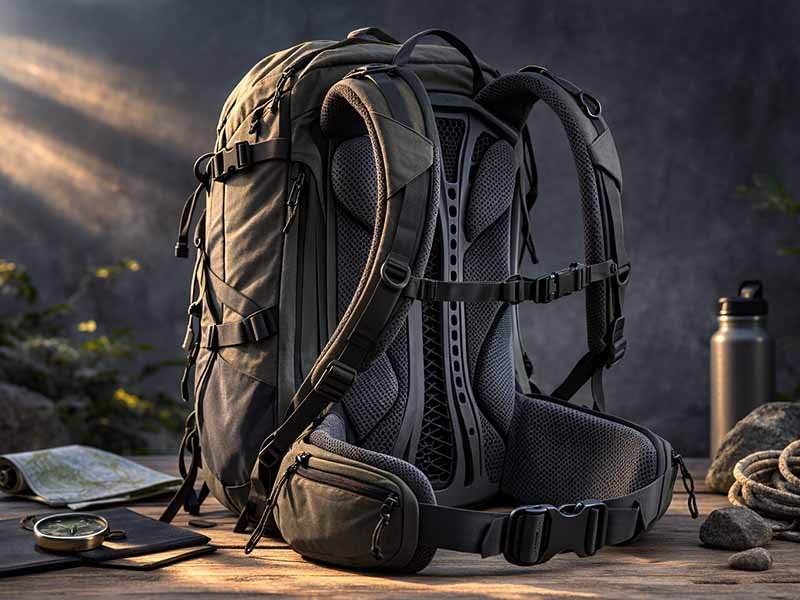
A backpack can have great fabric, smooth zippers, and a strong brand look—but if the back panel feels hot, hard, or “sticky,” customers won’t use it again. In real life, the back panel is where people feel quality first. It decides whether the bag feels light or heavy, breathable or sweaty, supportive or tiring. And it’s also the reason some backpacks get reviews like “comfortable all day,” while others get “my back hurts after 20 minutes.”
How to Design Rugged Fishing Bags for Shoreline and Boat Use
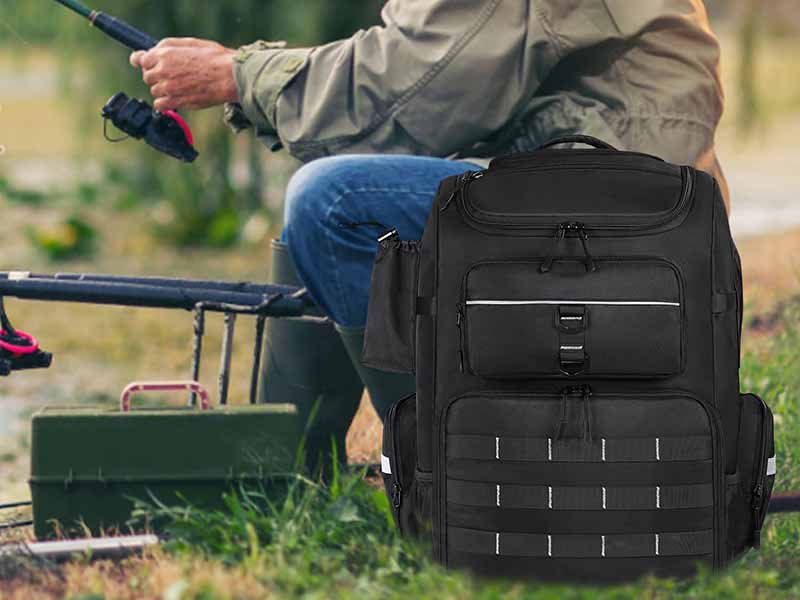
A rugged fishing bag isn’t “outdoor style.” It’s a work bag that happens to live outdoors. If your customer fishes from shore, the bag gets dragged over rocks, slammed onto sand, and carried for hours. If your customer fishes from a boat, the bag gets splashed, stepped on, and bounced around in tight space—often with saltwater involved. That’s why the failure points are predictable: zippers corrode, bottom panels wear through, seams burst at strap anchors, and wet gear turns the inside into a smell problem.
How to Design Duffle Bags That Keep Their Shape When Packed
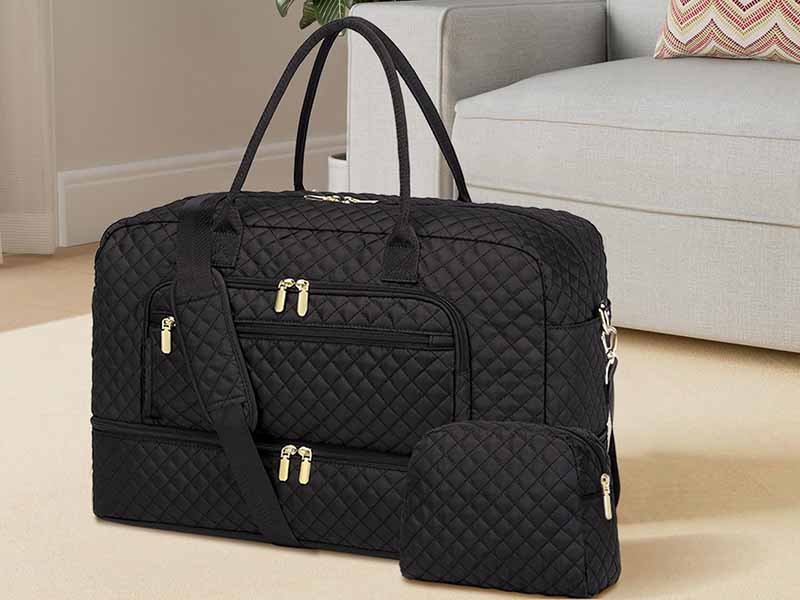
A duffle bag can look perfect on a product photo—and still disappoint the first time a customer packs it. The fastest way a bag gets labeled “cheap” isn’t the logo or the zipper. It’s the moment it slumps, twists, or caves in when loaded. Shape matters because it affects how the bag carries, how it stores, how it looks on shelves, and how premium it feels in real life. If your duffle bags are meant for travel, gym, tools, or outdoor use, shape retention is not a “nice-to-have.” It’s part of the product’s performance.
How to Reduce Air Gaps Inside Cooler Bags to Improve Cooling
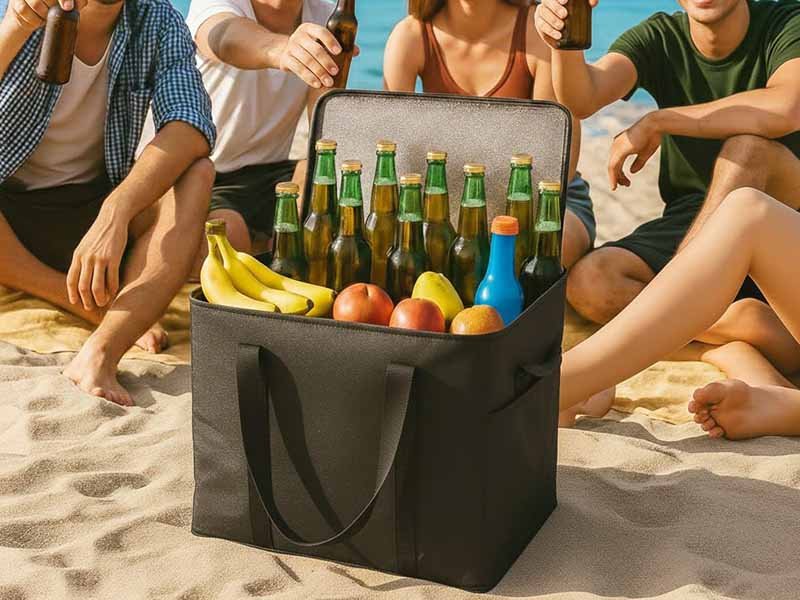
Most cooler bags don’t fail because the insulation is “too thin.” They fail because the cold has too much empty space to defend. When there are air gaps inside a cooler bag, warm air can move, mix, and repeatedly touch your ice and chilled items. That movement speeds up heat gain and makes ice melt earlier—especially near the lid, zipper line, and corners. In real use, customers don’t pack like engineers; they toss in a few drinks, a lunch box, and one ice pack. If the bag’s structure creates voids—or collapses when underfilled—cooling time drops fast and reviews follow.
