
Polyester Drawstring Bag Manufacturing Guide
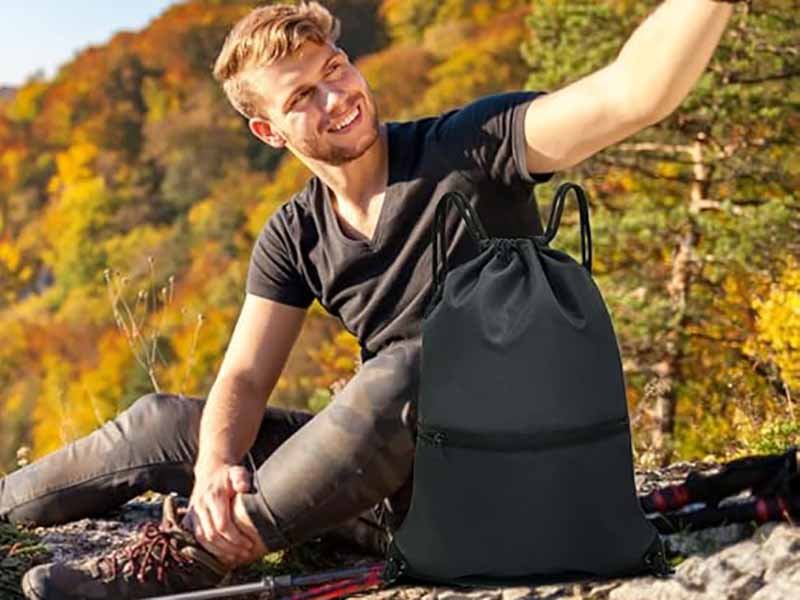
A polyester drawstring bag looks simple, but good manufacturing is never simple. What seems like just two fabric panels and a pair of cords is actually a product that depends on fabric weight, yarn density, cutting accuracy, sewing consistency, print quality, reinforcement structure, and packing efficiency. When these details are controlled well, the result is a lightweight, low-cost bag that is easy to brand, easy to ship, and easy to scale. When they are ignored, the same product can quickly turn into a source of complaints: cords breaking, corners tearing, print cracking, fabric wrinkling, and shipment delays.
What Materials Are Used in Smell proof Bag Construction?
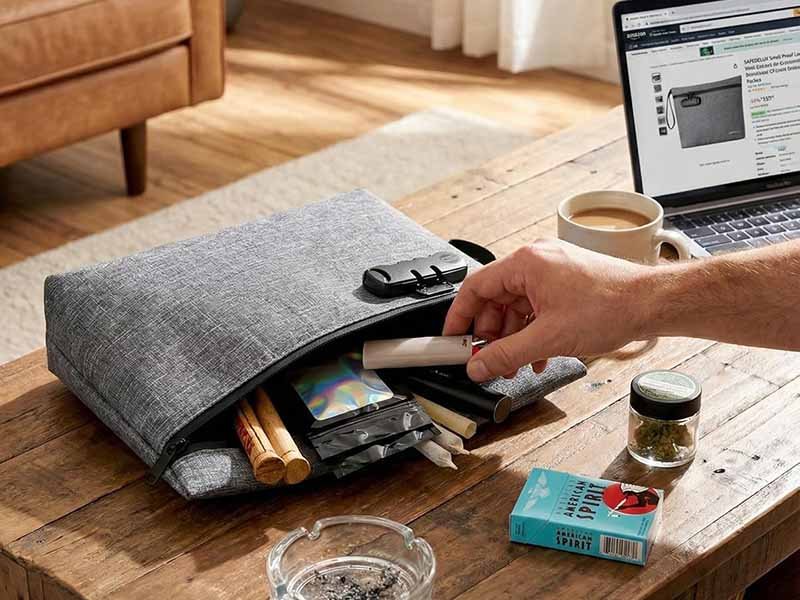
A lot of people think a smell proof bag works because the fabric is thick, the zipper looks strong, or the bag feels heavier than normal. In real production, that is not how odor control is achieved. A bag becomes truly smell proof only when several materials work together as one system. One layer absorbs odor molecules, another slows down transmission, another protects the shape, and another closes the openings where odor would normally escape. That is why two bags that look similar on the outside can perform very differently in actual use.
What Are the Best Materials for Durable Travel Bags

A travel bag usually looks fine on day one. The real test starts later: when it is dragged across airport floors, pushed into overhead bins, stuffed into car trunks, exposed to rain, overpacked for weekend trips, and used again and again without much care. That is where material choice stops being a technical detail and becomes the difference between a bag that keeps earning trust and a bag that quickly turns into a complaint.
Waterproof Dry Bag Manufacturing for Custom Camping Gear

A waterproof dry bag looks simple from the outside, but once it enters real camping use, it quickly proves whether it was made well or made cheaply. On a rainy trail, near a lake, inside a kayak, or on wet ground beside a tent, a dry bag stops being a nice accessory and becomes gear protection. If the material cracks, if the seam leaks, or if the roll-top does not seal tightly, the whole purpose of the product is lost. That is why dry bag manufacturing is not just about making a bag that looks outdoor-ready. It is about building a product that can keep clothing, sleeping gear, electronics, food, and personal items dry under repeated outdoor stress.
How to Choose Suit Garment Bag Manufacturing for Business Travelers
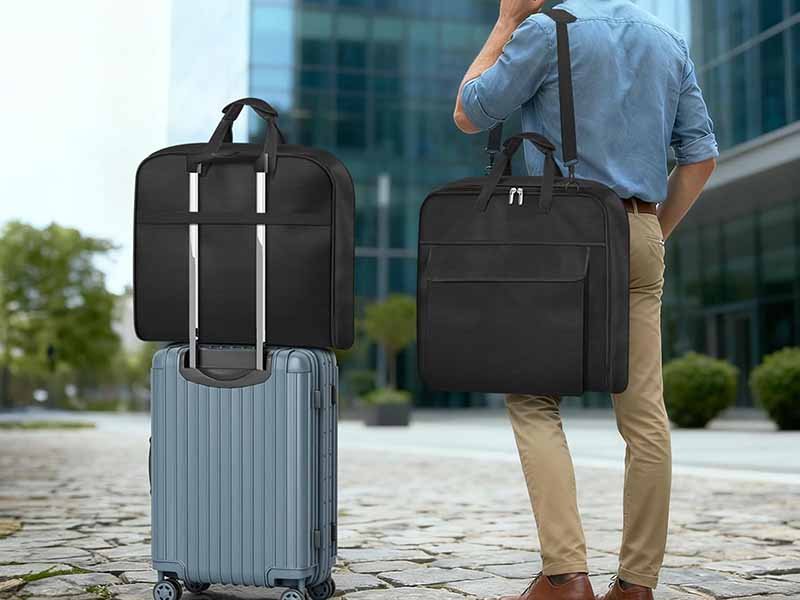
A suit garment bag may look simple on the surface, but for business travelers, it solves a very expensive problem. A single badly wrinkled suit can affect a sales meeting, trade show appearance, hotel check-in, wedding event, executive presentation, or client dinner. In business travel, clothing is not just clothing. It is part of the traveler’s image, confidence, and work readiness. That is why more brands, importers, wholesalers, and private label companies are paying closer attention to suit garment bag manufacturing. They are no longer looking for just a basic zip bag. They want structure, material stability, portability, smart storage, and a product that feels reliable in the hand.
How Are Canvas Beach Bags Manufactured for Everyday Coastal Use?
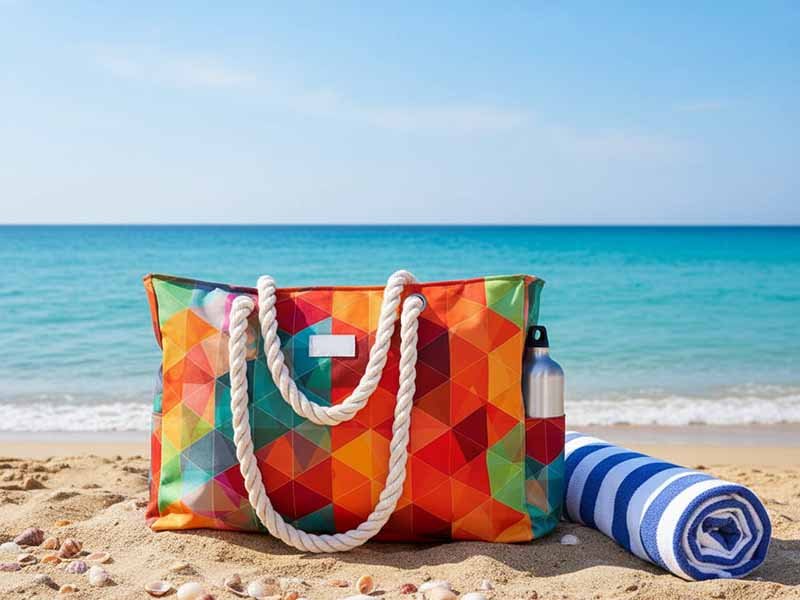
A good canvas beach bag looks simple, but the product itself is never simple. Customers take it to the beach, the pool, the boat, the supermarket, and the airport. They throw in wet towels, sunscreen, phones, books, snacks, water bottles, and sometimes even children’s toys. That means the bag is not only a fashion item. It is a daily-use load-bearing product that must survive friction, sunlight, salt air, moisture, repeated washing, and rough handling. The real difference between an average canvas beach bag and one that customers keep reordering usually comes down to a few practical manufacturing decisions: fabric weight, handle reinforcement, bottom support, printing method, and whether the bag has any moisture-resistant treatment. In cotton canvas, fabric weight is commonly measured in ounces per square yard, and heavier weights generally mean thicker and more durable material. Google also states that content created for search should be useful, reliable, and made for people first, which matters when brands build product pages meant to attract serious inquiries rather than empty traffic.
What Is Custom Backpack Manufacturing and How Do Brands Succeed
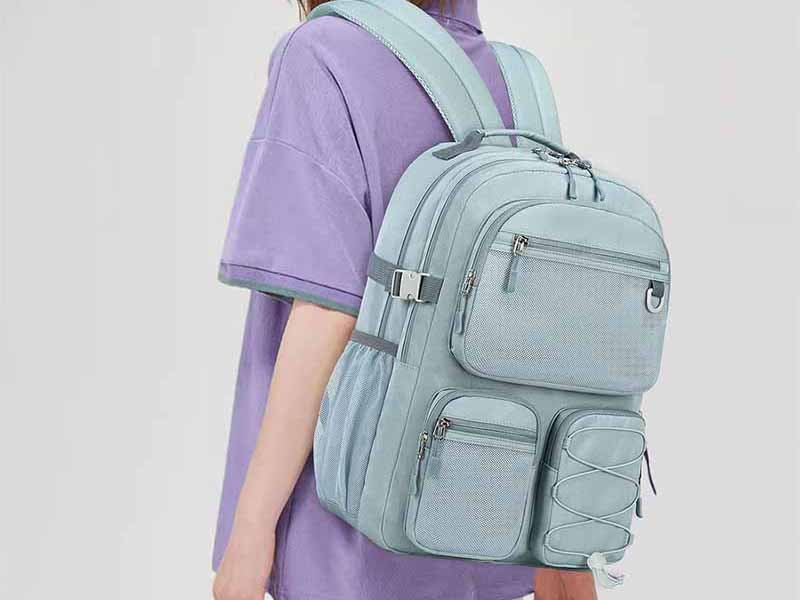
Most backpack projects do not fail because the idea is bad. They fail because the product is not developed in a way that matches the market, the budget, and the production reality. A backpack may look attractive in a rendering, but once it enters sampling, many practical questions appear at the same time: Is the material suitable for daily use? Will the shoulder straps carry weight comfortably? Can the logo method hold up after repeated use? Will the cost still make sense after adding lining, foam, zippers, labels, and packaging?
What Is Tackle Bag Manufacturing and How Are Tackle Bags Made
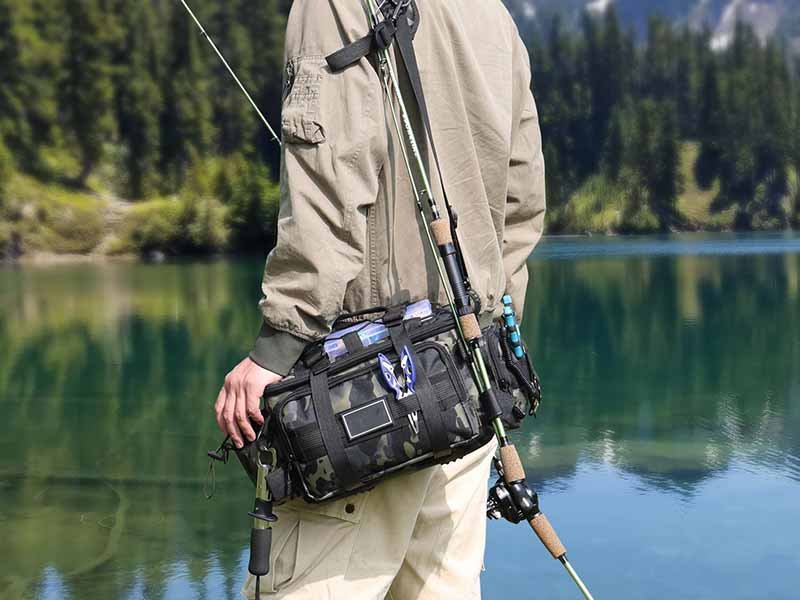
A good tackle bag looks simple on the outside, but the product behind it is not simple at all. Many people assume a tackle bag is just another sewn fishing accessory: some fabric, a zipper, a few pockets, and a shoulder strap. In reality, the difference between a bag that sells well and a bag that gets returned often comes down to dozens of small manufacturing decisions. The fabric weight, foam thickness, zipper grade, seam reinforcement, tray fit, pocket depth, coating type, and even handle position all affect how the bag performs on the water. A tackle bag that sags, absorbs water, rusts at the zipper, or loses shape after one season quickly damages a product’s reputation.
Sports Duffle Bag Manufacturing Explained for Modern Brands
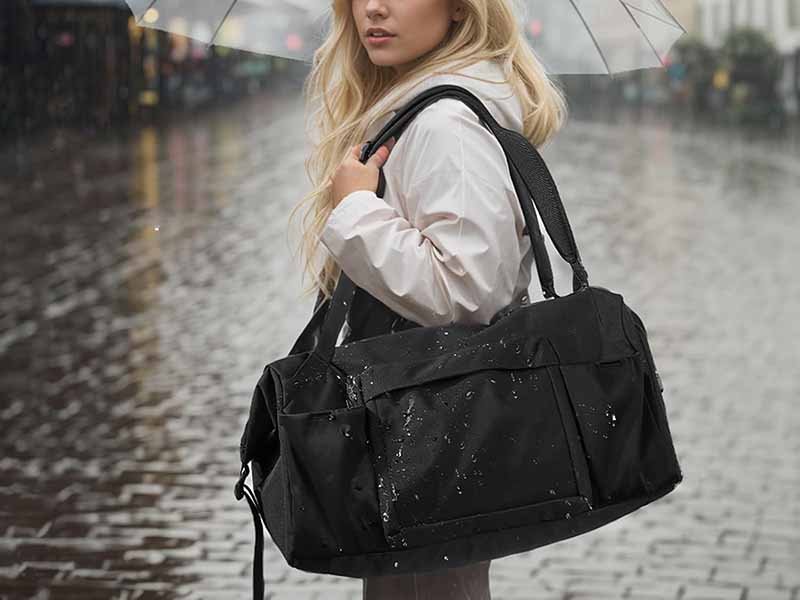
A sports duffle bag looks simple on the outside, but good manufacturing is never simple. The difference between a bag that lasts two months and one that survives two years usually comes down to details most customers never see at first glance: the denier of the fabric, the thickness of the webbing, the reinforcement hidden under the handles, the stitch density around the zipper, the foam structure in the base, and the way wet and dry items are separated inside the bag. In today’s market, customers do not only want a nice-looking gym bag. They want a bag that can carry shoes, clothes, water bottles, sports gear, and sometimes even a laptop, without tearing, sagging, leaking, or looking worn out after repeated use.
What Materials Are Used in Cooler Bag Insulation Systems
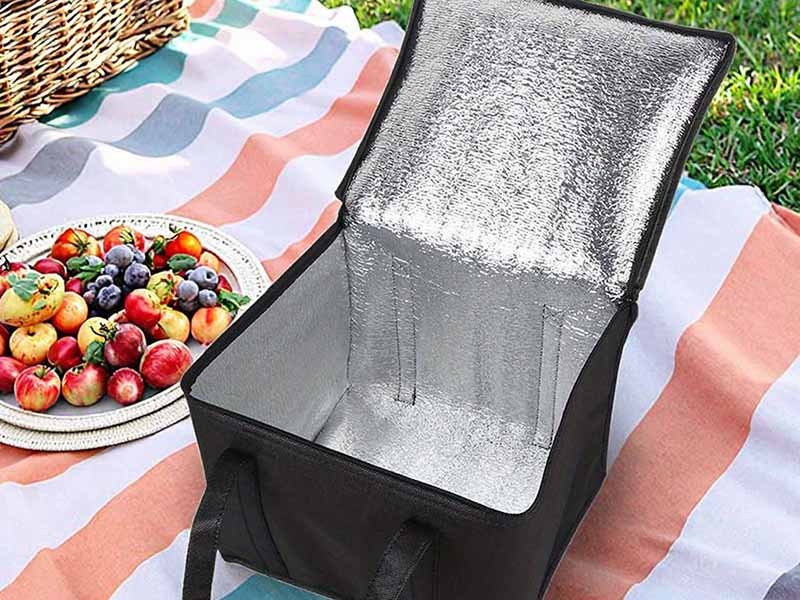
A cooler bag may look simple from the outside, but its real performance depends on what is hidden between the shell fabric and the inner lining. Two bags can look almost the same in photos, use similar colors, and even have the same size, yet their cold retention can be very different in real use. One may keep drinks cool for only 2 to 3 hours, while another can hold temperature much longer under the same outdoor conditions. The reason usually comes down to the insulation system: the choice of foam, reflective layer, lining material, thickness, sealing method, and overall bag structure.
How Do Makeup Bag Manufacturers Help Beauty Brands Grow?

In the beauty industry, product quality matters, but presentation often decides whether a customer stops, clicks, and buys. A lipstick, serum, or skincare set may look similar to competing products on a shelf or on a product page, but when it is paired with a well-made custom makeup bag, the perceived value changes immediately. The product feels more complete. The brand feels more intentional. The customer feels like they are getting more than cosmetics; they are getting a better experience.
Custom Tote Bags Manufacturing Process
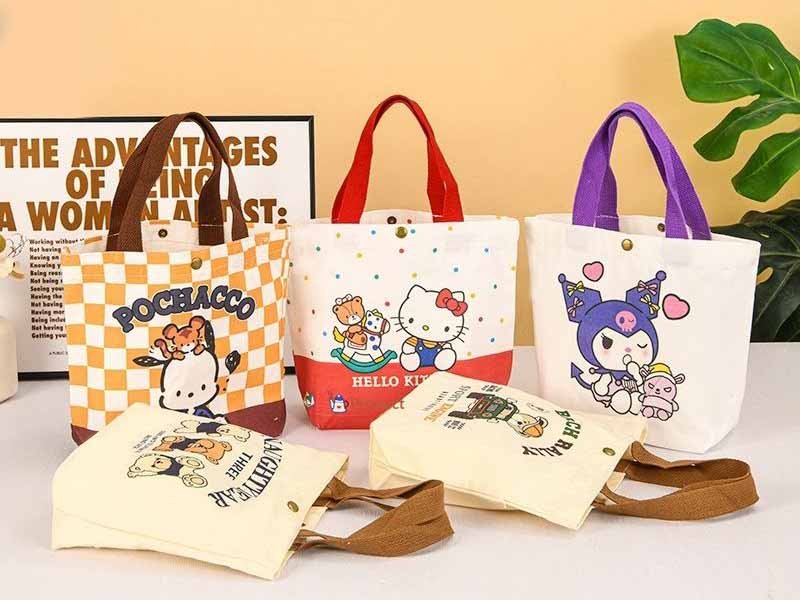
At first glance, a tote bag looks easy to make. It has two panels, two handles, and maybe a logo on the front. But once a company starts developing a real custom tote bag for sale, gifting, retail display, or brand promotion, the process becomes much more technical than it seems. Fabric choice affects cost and print quality. Handle construction affects load-bearing strength. Stitch density affects durability. Even small changes in gusset width or pocket placement can change material consumption, labor time, carton quantity, and shipping cost.
