Skip to content
Many new bag products do not fail because the idea is bad. They fail because the first production decision is too big, too early, and too expensive to correct. A brand may love a tote bag sample in the meeting room, but real customers may later say the handle is too short, the fabric feels too soft, the logo is too small, or the color does not match the lifestyle images. A cosmetic pouch may look beautiful in a product rendering, but once buyers use it, they may ask for a wider opening, smoother zipper, stronger lining, or better packaging. New product development is full of these details. The risk is not only whether a factory can make the product. The real risk is whether the product can sell, repeat, improve, and scale.
Flexible MOQ helps new product development by allowing brands to test custom bags in smaller, more controlled batches before scaling. It reduces inventory pressure, protects cash flow, supports material and structure validation, and gives buyers room to improve the product after real market feedback. For bags, pouches, backpacks, cooler bags, and soft goods, flexible MOQ creates a safer bridge from sample to bulk production.
Think about a buyer launching a new travel pouch collection. Three colors look strong on the mood board. After launch, one color sells quickly, one color performs slowly, and one color receives complaints because it stains too easily. With a flexible MOQ, that is useful market data. With a high MOQ, that same lesson becomes warehouse pressure. The difference is not just quantity. It is whether the brand has room to learn before the mistake becomes expensive.
What Is Flexible MOQ?

Flexible MOQ means the starting order quantity can be adjusted based on the bag type, material availability, logo method, color plan, packaging, and production complexity. It does not mean unlimited low quantity. It means the manufacturer reviews the real project conditions and helps buyers choose a practical first order size for testing, launch, and later scaling.
MOQ Basics
MOQ stands for minimum order quantity. In custom bag manufacturing, it is the smallest quantity a factory can reasonably produce while still covering material preparation, cutting, sewing, logo work, inspection, packing, and shipment coordination. MOQ exists because a bag order is not only about sewing fabric together. Even a simple tote bag needs material sourcing, pattern confirmation, sample approval, thread matching, logo setup, labor scheduling, quality checks, and carton packing.
For new product development, MOQ should be treated as a planning tool rather than a fixed obstacle. A buyer developing a canvas tote, cosmetic pouch, cooler bag, or backpack needs to understand why different products have different starting quantities. A basic cotton tote using available fabric and a screen-printed logo may be easier to start in a small batch. A structured backpack with lining, foam, zippers, buckles, multiple pockets, and retail packaging needs more preparation and may require a higher MOQ.
The most useful MOQ conversation is not “What is the lowest quantity?” but “What quantity makes sense for this product at this stage?” That question helps both buyer and manufacturer avoid unrealistic expectations.
Flexible vs Low MOQ
Flexible MOQ and low MOQ are related, but they are not exactly the same. Low MOQ usually means a supplier offers a smaller starting quantity for certain products. Flexible MOQ means the supplier evaluates the whole project and adjusts the MOQ according to the actual production conditions. This difference matters because two products with the same quantity can have completely different manufacturing difficulty.
A flexible MOQ system looks at practical details: Is the fabric in stock? Does the color need custom dyeing? Is the logo printed, embroidered, woven, rubber, or metal? Does the product need custom hardware? Is the packaging simple or fully branded? Does the structure require special reinforcement? The answers influence whether a project can start at 200 pcs, 500 pcs, 1,000 pcs, or higher.
For serious buyers, flexible MOQ is more valuable than blindly chasing the lowest number. A very low quantity may look attractive, but if the sample cannot be repeated in bulk, or if the material is unstable, the buyer may pay more later through delays, defects, and redesign.
MOQ by Bag Type
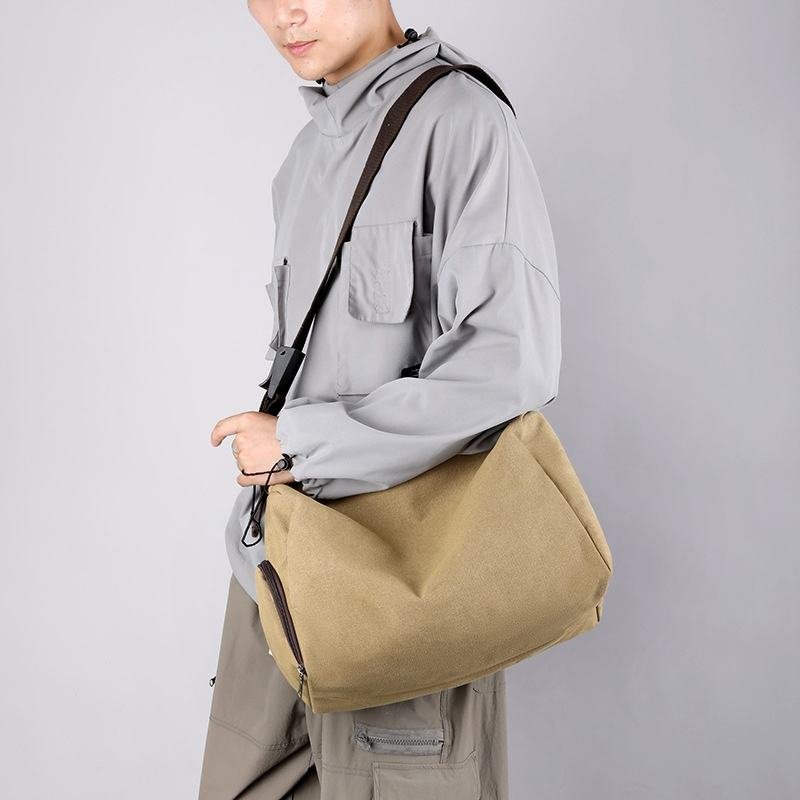
Different bag categories have different MOQ logic. Flat and semi-structured bags are usually easier to start because they use fewer components and simpler sewing steps. Examples include tote bags, drawstring bags, shoe bags, simple cosmetic pouches, gift bags, and basic storage pouches. These products often work well for trial orders, promotional launches, Amazon testing, Shopify product validation, and retail sample programs.
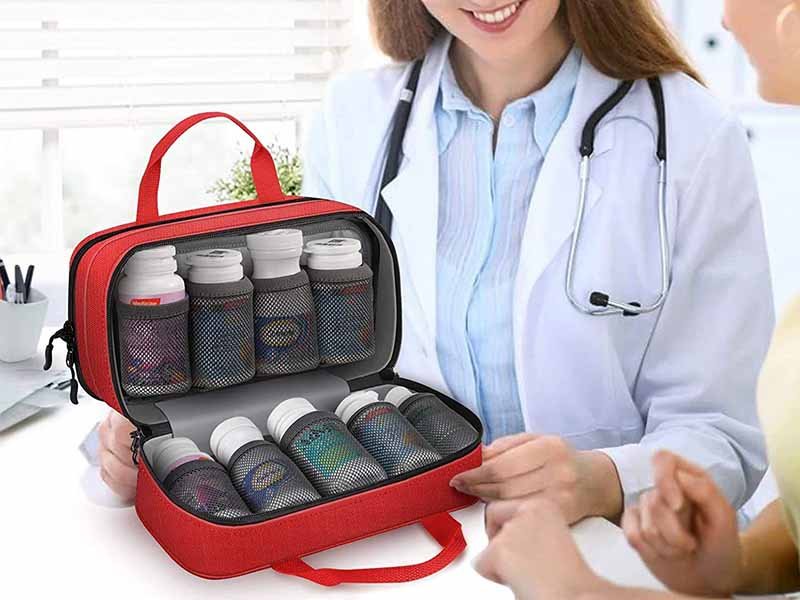
More complex products usually need higher MOQ because they involve more panels, lining, foam, zippers, binding, hardware, reinforcement, or functional materials. Backpacks, cooler bags, waterproof bags, fireproof bags, EVA cases, tactical bags, tool bags, and medical bags often require more careful engineering and inspection. The MOQ may also rise if the buyer requests custom fabric, custom molds, molded logo patches, special tests, or fully customized packaging.
For a factory-based custom bags and soft goods manufacturer, the real value of flexible MOQ is not simply accepting a smaller order. The value is helping buyers choose a first production version that can be tested, repeated, improved, and eventually scaled.
| Bag Project Type | Common Trial MOQ Range | Easier Conditions | Higher MOQ Triggers |
|---|---|---|---|
| Canvas tote bags | 200–500 pcs | Stock canvas, simple size, screen print | Custom dyeing, heavy canvas, complex inner pockets |
| Drawstring bags | 200–500 pcs | Stock polyester/cotton, simple logo | Custom cord, many colors, special packaging |
| Cosmetic pouches | 200–500 pcs | Ready PU, canvas, nylon, simple zipper | Custom lining, metal logo, molded puller |
| Cooler/lunch bags | 500–1,000 pcs | Standard Oxford, PEVA lining, simple structure | Thick insulation, custom lining, food-contact testing |
| Backpacks | 500–1,000+ pcs | Standard fabric, mature structure | Foam panels, many compartments, custom buckles |
| EVA cases | 1,000+ pcs | Existing mold or simple shape | New mold, special shell, custom inner tray |
Why Does Flexible MOQ Reduce Risk?

Flexible MOQ reduces risk by allowing brands to test a new product before committing to large inventory. It protects cash flow, lowers overproduction risk, and gives the buyer room to improve design, material, logo, packaging, and cost after real market feedback. For new bag products, this staged approach is often safer than a large first order.
Inventory Pressure
Inventory risk is one of the biggest hidden costs in new product development. A buyer may feel confident about a design during the sample stage, but the market may react differently after launch. Maybe one color sells quickly while another color sits in storage. Maybe customers like the bag size but complain about the strap length. Maybe the product works online but does not perform well in retail packaging. These issues become expensive when the buyer has already ordered thousands of pieces.
Flexible MOQ helps reduce this pressure by matching the first order size to the level of market certainty. A small-batch order gives the buyer enough quantity to test product photography, listing performance, retailer feedback, event distribution, or early customer reviews without filling a warehouse too soon.
This is especially important for seasonal collections, promotional campaigns, new Amazon listings, Shopify launches, and multi-color product lines. A high MOQ may reduce the unit price, but if 40% of the order sells slowly, the real cost becomes much higher. Storage, discounting, repacking, and delayed cash recovery can quickly remove the advantage of a lower unit price.
Cash Flow Control
New product development does not stop at production cost. Buyers also need budget for sample fees, artwork, photography, packaging design, freight, duties, warehouse receiving, marketing, advertising, and potential product improvements. If the first order consumes too much cash, the brand may not have enough budget left to launch the product properly.
Flexible MOQ supports better cash-flow control because it spreads investment across stages. The buyer can start with product development and sampling, move into a controlled first batch, review market feedback, and then place a larger repeat order with more confidence. This is a healthier approach for companies managing several new products at the same time.
For purchasing teams, flexible MOQ can also make internal approval easier. A 300 pcs or 500 pcs trial order is often easier to justify than a large first commitment from an untested supplier. Once the product performs and the supplier proves stable communication, quality, and delivery, the buyer has stronger evidence to support a larger purchase order.
Supplier Risk
A first order does not only test the product. It also tests the supplier. Buyers need to know whether the factory can understand the tech pack, match materials, follow logo requirements, control sewing quality, communicate clearly, pack correctly, and ship on time. A flexible MOQ gives buyers a safer way to evaluate these capabilities before building a long-term supply chain around one manufacturer.
This matters in custom bag projects because many issues only appear during real production. A sample may look good, but bulk production tests whether the factory can control cutting accuracy, seam consistency, color matching, reinforcement points, zipper smoothness, packaging cleanliness, and carton labeling.
For brands, retailers, importers, and e-commerce sellers, supplier risk is not only about defects. It is also about response speed, problem-solving ability, and whether the manufacturer can keep the approved sample and bulk goods consistent. A controlled first order gives the buyer real evidence instead of relying only on promises.
Better Decision Timing
A large first order forces the buyer to answer too many questions before enough evidence exists. Which color will sell? Which size is best? Which packaging will work? Which sales channel will respond? Which material feels right to the end user? Flexible MOQ allows these decisions to happen in stages.
This does not mean buyers should delay every decision. They still need to confirm the sample, material direction, logo position, size, and packaging standard before production. But flexible MOQ makes the first order a learning stage, not a final commitment to every future detail.
For product teams, this creates a more practical development rhythm: approve the sample, test the first batch, collect feedback, adjust the next production run, then scale the winning version. That process is much closer to how successful physical products are actually built.
How Does MOQ Support Product Testing?

MOQ supports product testing by giving brands a realistic batch size to validate materials, design, colors, logo placement, packaging, sales channels, and customer response. A flexible MOQ makes the first production run a learning stage, not a blind commitment. This helps buyers improve the product before they scale into larger repeat orders.
Design Testing
A bag design is not fully proven until people use it. Drawings, renderings, and samples can show the concept, but real users reveal whether the product is practical. A tote bag may need longer handles. A cosmetic bag may need a wider opening. A cooler bag may need stronger seams near the handles. A backpack may look good but feel uncomfortable when loaded. These are the kinds of details that product testing can uncover.
Flexible MOQ helps brands test design assumptions in a controlled way. Instead of producing a large batch immediately, the buyer can launch a smaller quantity and collect feedback from customers, retail partners, internal teams, or field users. The next order can then be adjusted based on real usage rather than guesswork.
This is especially useful when the product includes new functions, new sizes, new target users, or new sales channels. A bag designed for a beauty brand has different priorities from a bag designed for outdoor use, school use, travel, tools, pets, or corporate gifts. Testing helps the buyer confirm whether the design fits the actual use case.
Material Testing
Material choice has a major impact on product success. Fabric weight, surface texture, coating, stiffness, lining, hand feel, and durability all affect how customers judge the product. A 12 oz canvas tote feels different from a 600D polyester tote. A PU cosmetic pouch creates a different impression from a nylon pouch. A neoprene lunch bag performs differently from an Oxford fabric cooler bag.
Flexible MOQ allows buyers to test how materials behave in real products, not just on swatch cards. Fabric may look good as a small sample but become too soft, too stiff, too heavy, or too prone to creasing after production. Logo printing may look sharp on one material but less clean on another. Packaging may compress the bag in a way that affects its shape during shipping.
For first orders, many experienced buyers choose available materials that are close to the final target. After the product proves demand, they may upgrade to custom colors, custom coatings, recycled materials, special lining, or higher-end trims. This keeps the first development stage practical while leaving room for product improvement later.
Channel Testing
Different sales channels judge the same bag differently. Amazon buyers care about photos, reviews, dimensions, price, packaging condition, and clear product descriptions. Shopify customers may respond more to brand story, lifestyle visuals, material feel, and packaging experience. Retail buyers may care about shelf display, hangtags, barcode labels, carton packing, and repeat supply. Promotional buyers may focus on deadline, logo visibility, budget, and event usage.
Flexible MOQ helps brands test the right channel before scaling. A small batch can be used for an Amazon listing, a Shopify drop, a retail buyer presentation, an influencer campaign, a trade show, or a corporate event. The brand can see which channel responds best and then adjust the next order quantity accordingly.
This kind of testing is more reliable than internal opinion. A product team may love a certain color, but the market may prefer another. A buyer may expect premium packaging to matter, but customers may care more about product function. MOQ flexibility gives the brand enough room to test these assumptions with real users.
Packaging Feedback
Packaging is often underestimated in custom bag development. For online sales, packaging affects unboxing, product protection, return rates, review quality, and warehouse handling. For retail sales, packaging affects shelf presentation, barcode scanning, hangtag display, and buyer confidence. For promotional projects, packaging affects distribution efficiency and event experience.
A flexible first batch allows buyers to test whether the packaging is strong enough, clean enough, and aligned with the product’s selling price. A simple polybag may be enough for a promotional drawstring bag. A beauty pouch may need an insert card, branded tissue, or a more polished label. A travel product may need clearer size information to reduce customer misunderstanding.
Packaging decisions should be tested before large-scale production because packaging changes can affect carton size, freight cost, barcode requirements, and warehouse operations. A small-batch order gives buyers a chance to improve packaging without repacking thousands of units later.
| Test Area | What to Check | Useful Quantity for First Learning | Common Improvement After Testing |
|---|---|---|---|
| Size and capacity | Fit, storage, usability | 200–500 pcs | Adjust dimensions, add pocket, widen opening |
| Material | Hand feel, weight, stiffness, durability | 200–500 pcs | Change GSM, coating, lining, or fabric type |
| Logo process | Print clarity, embroidery density, label position | 200–500 pcs | Change logo size, method, or placement |
| Color | Photo accuracy, sales response, stain visibility | 200–500 pcs per main color | Reduce weak colors, reorder best sellers |
| Packaging | Shipping protection, retail look, barcode needs | 200–500 pcs | Add insert card, hangtag, carton marks |
| Sales channel | Amazon, Shopify, retail, event, distributor | 200–1,000 pcs | Rebalance SKU mix and reorder plan |
Which Bag Projects Fit Flexible MOQ?

Flexible MOQ fits bag projects that use available materials, mature structures, simple logo methods, and standard packaging. Tote bags, drawstring bags, pouches, cosmetic bags, simple lunch bags, travel organizers, and basic soft goods are often easier to start. Complex backpacks, waterproof bags, EVA cases, and heavily customized projects usually need higher MOQ planning.
Easier Starter Bags
The best starter projects for flexible MOQ usually have simple construction and stable material options. Tote bags, drawstring bags, canvas bags, shoe bags, dust bags, cosmetic pouches, toiletry bags, travel organizers, gift pouches, and simple storage bags are common examples. These products often require fewer panels, fewer accessories, and less complicated sewing than backpacks, cooler bags, or technical bags.
This does not mean starter bags are low-end. A simple tote bag can still feel premium when the material weight, handle reinforcement, stitching, logo method, and packaging are chosen carefully. A cosmetic pouch can look retail-ready with the right PU, nylon, canvas, zipper, puller, lining, and logo placement. Flexible MOQ works well when the buyer focuses on a clean, production-friendly first version.
For brands developing a new product line, these starter products can also work as market entry items. A tote bag, pouch, or drawstring bag may help test brand demand before expanding into more expensive categories such as backpacks, travel bags, cooler bags, leather goods, or EVA cases.
Material Conditions
Material availability is one of the strongest factors behind flexible MOQ. If the buyer can use stock fabric colors, regular webbing, standard zippers, common lining, and existing accessories, the project becomes easier to start at a lower quantity. If the buyer requires exclusive Pantone dyeing, custom woven fabric, printed lining, custom metal parts, special coatings, or supplier-level testing, the MOQ usually increases.
Common materials for flexible starter projects include cotton, canvas, polyester, nylon, Oxford fabric, non-woven fabric, mesh, PU, PVC, and selected neoprene materials. For many bag products, standard fabric weights and colors can already support a strong first launch. Buyers do not always need custom-dyed materials at the testing stage.
A practical approach is to separate “market testing” from “final premium version.” For the first batch, use a material that closely represents the intended product while keeping MOQ manageable. After the product proves demand, upgrade the material, color, hardware, lining, or packaging in the next batch. This staged method protects the budget while still supporting brand development.
Logo and Branding
Logo method can make a flexible MOQ easier or harder. Screen printing, heat transfer, embroidery, woven labels, and simple PU patches are often more flexible for first orders. They are widely used, easier to control, and suitable for many bag types. Custom metal plates, molded rubber patches, special zipper pullers, debossed leather logos, and complex multi-position branding usually add setup cost and supplier MOQ.
A smart first batch does not always need the most expensive logo method. The buyer should choose the logo process that matches the product stage and brand positioning. For example, a cosmetic pouch can look clean and professional with a small woven label or subtle heat transfer logo. A premium travel bag may need embroidery, leather patching, or metal details later, but the first test can begin with a simpler branding method if the product itself is still being validated.
Logo placement should also be tested. A logo that looks perfect on a flat design file may look too large after sewing, too close to a seam, or too low when the bag is filled. A first batch gives the buyer a chance to see how branding works in real use.
Complex Projects
Some bag projects need higher MOQ because they involve more engineering, more suppliers, or more production control. Complex backpacks, cooler bags, waterproof dry bags, fireproof bags, tool bags, tactical bags, medical bags, golf bags, pet carriers, structured leather bags, and EVA protective cases often require additional development time and higher minimums.
The reasons are practical. A complex backpack may include foam padding, lining, buckles, shoulder straps, zipper systems, webbing, binding, laptop compartments, and load-bearing reinforcement. A cooler bag may need insulation material, PEVA or aluminum lining, leak-resistant construction, and food-related material consideration. An EVA case may require mold development or existing mold matching. Each extra component may have its own supplier MOQ.
For these projects, flexible MOQ still has value, but the flexibility may appear in stages rather than the final product configuration. A buyer might first test a simplified structure, standard materials, or existing components. Once the market response is clear, custom molds, special hardware, or higher-end packaging can be introduced.
Do Flexible MOQs Affect Cost?
Yes, flexible MOQs usually affect cost because development, setup, cutting, logo preparation, sewing, QC, and packaging work is spread across fewer pieces. Small-batch unit prices are often higher than bulk prices. However, the total business risk can be lower because buyers avoid overproduction, dead stock, and large mistakes before market validation.
Unit Cost Reality
Small-batch orders often have higher unit costs because many fixed tasks remain the same regardless of quantity. The factory still needs to review the project, source materials, make or adjust patterns, confirm logo artwork, prepare cutting, arrange sewing, inspect goods, and pack cartons. A 300 pcs order does not require only 15% of the preparation work of a 2,000 pcs order.
This is why buyers should not judge a flexible MOQ order only by unit price. A trial order is partly a development investment. Its purpose is to test product-market fit, supplier reliability, material performance, packaging, and sales response. If the first batch prevents a larger mistake, the slightly higher unit cost can be worth it.
In bulk production, cost can often improve because materials are purchased more efficiently, cutting loss is spread across more pieces, workers become more familiar with the sewing process, and packaging can be ordered in larger quantities. The first order learns. The repeat order optimizes.
MOQ Cost Drivers
Several factors commonly push MOQ and cost higher. Custom fabric is one of the biggest. If the buyer needs a special color, special coating, recycled certification, printed lining, or exclusive texture, the fabric supplier may have its own minimum. Logo method is another factor. Screen printing and heat transfer are usually easier to manage than molded rubber patches, custom metal plates, or special zipper pullers.
Packaging can also change the cost structure. A simple polybag and export carton are easier for small batches. Retail boxes, printed tissue, molded trays, barcode stickers, insert cards, and display packaging may require higher minimums and more pre-production work.
Structure matters too. A flat pouch is easier to cut and sew than a multi-compartment backpack. Every extra pocket, zipper, gusset, handle, binding edge, foam layer, reinforcement patch, or hardware point adds labor time and inspection points. Flexible MOQ works best when the first version keeps these details under control.
Smart Cost Planning
A smart buyer does not always remove features to reduce cost. Instead, the buyer decides which features should be tested first and which can wait until the next order. For example, a brand may begin with standard zipper pullers and a woven label, then upgrade to custom pullers and branded lining after sales are proven. A retail buyer may start with simple packaging, then add printed boxes once reorder demand is clear.
This approach protects both product quality and financial discipline. It avoids the two common mistakes: making the first batch too cheap to represent the brand, or making it too customized before the market has confirmed demand. Flexible MOQ works best when buyers and manufacturers discuss cost in layers: must-have features, test-stage features, and scale-stage upgrades.
The most practical cost question is not “How do we make this first order as cheap as possible?” It is “Which version gives us enough quality to test the market without locking too much money into unproven inventory?” That question leads to better product decisions.
Total Risk vs Unit Price
Many new buyers compare suppliers only by unit price. Experienced buyers look at total risk. A lower unit price can become expensive if the product is overproduced, the material is wrong, the packaging does not work, or the product receives poor feedback. A slightly higher small-batch price may protect the buyer from a much larger mistake.
For example, ordering 300 pcs at a higher unit price may be smarter than ordering 3,000 pcs at a lower unit price if the product is still untested. The first batch helps confirm whether customers like the size, material, color, logo, and packaging. Once the product is proven, the buyer can negotiate better efficiency on the repeat order.
This is why flexible MOQ should be seen as a development strategy, not just a purchasing condition. It helps brands spend money where learning is still needed and scale only when confidence is higher.
| Cost Driver | Typical Impact on MOQ/Cost | Better First-Batch Choice | Better Scale-Up Choice |
|---|---|---|---|
| Fabric color | Custom dyeing increases material MOQ | Use stock or close-match colors | Develop exclusive Pantone colors |
| Logo method | Molded or metal logos add setup cost | Screen print, heat transfer, woven label | Rubber patch, metal plate, custom puller |
| Product structure | More panels and pockets increase labor | Test core structure first | Add compartments after feedback |
| Packaging | Retail packaging adds supplier MOQ | Polybag, insert card, carton label | Printed box, tissue, display packaging |
| Hardware | Custom parts require supplier MOQ | Standard zipper, buckle, slider | Custom zipper puller, branded hardware |
| Testing | Functional tests add cost and time | Validate basic use first | Add formal tests for larger retail programs |
How Can Brands Scale After Testing?
Brands can scale after testing by using the first batch to identify winning designs, improve weak details, confirm supplier reliability, and plan repeat orders with better data. Flexible MOQ supports a sample-to-trial-to-bulk path, helping buyers move from product idea to market feedback, then into larger orders and multi-SKU development.
Sample to Bulk
Sampling is the first checkpoint, but it is not the final proof of a product. A sample confirms whether the design can be made. A small batch confirms whether the design can be repeated, packed, shipped, sold, and used. This is why the sample-to-bulk path matters so much in custom bag development.
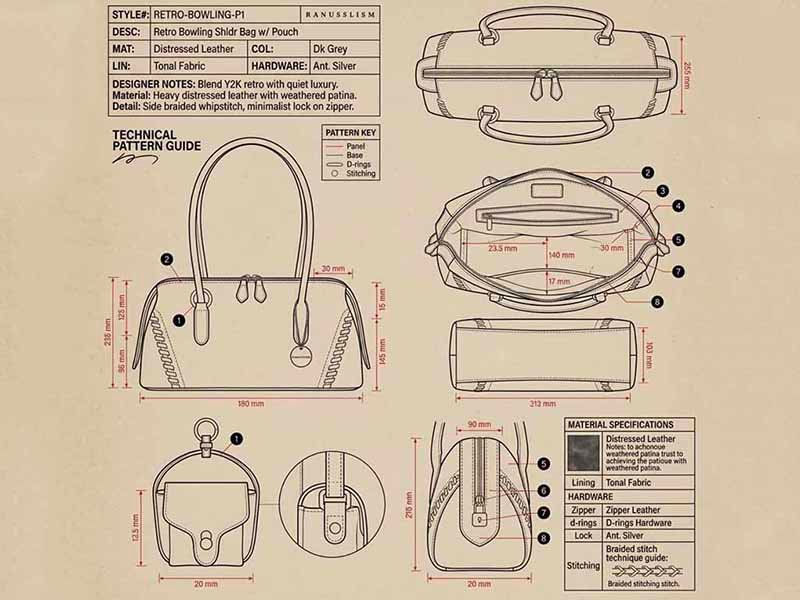
A strong sample should record material, color, size, structure, stitching, logo method, hardware, lining, packaging, and workmanship details. Once approved, it becomes the standard for production. During the first batch, the manufacturer and buyer can see whether the approved sample is easy to reproduce consistently.
If the first production run is stable, the buyer gains confidence for a larger repeat order. If issues appear, they can be corrected before scaling. This may include adjusting seam allowance, strengthening handles, changing zipper quality, improving packaging, refining logo placement, or modifying dimensions. Flexible MOQ keeps these corrections manageable instead of expensive.
Feedback Loop
The best product teams treat first-batch feedback as development data. Customer reviews, retailer comments, return reasons, warehouse notes, photography issues, and sales performance all reveal something useful. A product that sells well but receives complaints about zipper smoothness needs a different solution from a product that looks good but has weak conversion.
Feedback can also help simplify the product. Sometimes buyers discover that customers do not care about a costly feature. Other times, customers strongly value a detail the brand almost removed. A pocket, strap, lining, handle length, or packaging insert can change perceived value more than expected.
Flexible MOQ makes this feedback useful because the next batch can be improved quickly. A buyer who ordered too much in the first round may need to sell through the old version for months before making changes. A buyer who starts with a controlled quantity can update the product while the market signal is still fresh.
Multi-SKU Growth
Once one product proves demand, brands often expand into related SKUs. A successful cosmetic pouch may grow into a travel pouch, brush bag, makeup organizer, and gift set. A strong tote bag may lead to a zippered tote, drawstring bag, lunch bag, and pouch collection. A cooler bag may expand into a lunch bag, wine cooler, bottle holder, or picnic bag.
Flexible MOQ supports this growth because the buyer does not need to launch every SKU at full scale on day one. The brand can test one core product, then expand colors, sizes, materials, and matching accessories based on real sales data. This is especially useful for Shopify brands, Amazon sellers, retailers, and promotional buyers that need product variety but cannot afford uncontrolled inventory.
For long-term development, the goal is not only one successful order. The goal is a repeatable product system: stable materials, clear specifications, consistent logo application, reliable packaging, predictable reorder timing, and a supplier who understands the brand’s quality expectations.
Reorder Planning
Scaling becomes easier when the buyer treats the first batch as the foundation of a reorder plan. After the first batch sells, the buyer should review sell-through speed, customer comments, defect reports, warehouse feedback, and channel performance. The next order should not simply repeat the same quantity. It should reflect what the market has already shown.
For example, if black cosmetic pouches sell twice as fast as beige ones, the reorder should not split colors equally again. If a tote bag receives good feedback but customers ask for an inner pocket, the next batch can include that adjustment. If packaging causes folding marks, the carton method can be changed before larger production.
A strong manufacturer can help buyers turn this feedback into production updates. This is where long-term cooperation becomes valuable. The supplier already understands the approved sample, material direction, packaging standard, and quality expectations, so the next order can move faster and more accurately.
| Growth Stage | Main Goal | Typical Buyer Action | Factory Focus |
|---|---|---|---|
| Concept | Confirm product direction | Share idea, reference, sketch, tech pack | Review feasibility and material options |
| Sample | Build the first real product | Approve size, material, logo, structure | Pattern, sample, revision, costing |
| Trial order | Test market and supplier | Order controlled quantity | Small-batch production and QC |
| Feedback | Improve product | Review sales, complaints, photos, returns | Adjust material, structure, packaging |
| Reorder | Scale proven version | Increase quantity and best SKUs | Improve efficiency and consistency |
| Product line | Build category depth | Add colors, sizes, related products | Support multi-SKU production planning |
Is Flexible MOQ Right for Your Brand?
Flexible MOQ is right for brands testing new products, launching new SKUs, evaluating suppliers, entering new sales channels, or building product lines step by step. It is especially useful when demand is not fully proven. Buyers still need clear product information, realistic expectations, and a long-term view from sample to repeat production.
Best-Fit Buyers
Flexible MOQ is a strong fit for buyers who want to reduce development risk without giving up product quality. This includes brand owners testing a new bag collection, Amazon sellers launching a new listing, Shopify brands building a product line, retailers testing a seasonal SKU, importers evaluating a supplier, and promotional buyers preparing event products.
It is also useful for larger companies. Big buyers may use flexible MOQ for internal testing, retail presentations, limited regional launches, influencer campaigns, new color validation, or packaging trials. A large company does not always want a large first order if the product, channel, or market is still uncertain.
The best-fit buyer usually has a real product direction, a clear sales channel, and a plan to reorder if the first batch works. Flexible MOQ is less suitable for buyers who only want one personal item, have no clear specification, demand unrealistic pricing, or want a fully customized product without accepting the development cost behind it.
Buyer Preparation
To receive a useful MOQ review, buyers should prepare clear project information. The basic package should include product photos, sketches, reference samples, target size, estimated quantity, material preference, logo file, logo position, color requirements, packaging needs, destination country, and target sales channel. If available, a tech pack, BOM, Pantone code, barcode requirement, FBA requirement, or retail packaging guide should also be shared.
Clear information helps the manufacturer judge whether the project can start with flexible MOQ or needs a higher production quantity. For example, “I need a cosmetic pouch” is too broad. A better request would include size, material, zipper type, lining, logo method, color, packaging, and order quantity. The more complete the information, the more accurate the quotation and development plan.
This also saves time. Many delays happen because the buyer asks for a firm price before confirming material, size, logo, packaging, or quantity. A professional manufacturer can give rough guidance early, but final pricing needs real specifications.
When to Ask for a Quote
The right time to ask for a quote is when the product direction is clear enough for the factory to evaluate materials, structure, logo method, packaging, and quantity. Buyers do not need to have everything perfect, but they should provide enough detail for a realistic review. If the project is still only an idea, the first conversation should focus on feasibility and sample direction rather than exact bulk pricing.
A good RFQ should explain what the product is, how it will be used, where it will be sold, what quality level is expected, and what quantity is planned for the first batch and future reorder. This helps the manufacturer suggest a practical MOQ and avoid overbuilding the first version.
For custom bags and soft goods, the most successful projects usually follow a simple path: clarify the idea, confirm material direction, develop the sample, revise if needed, approve the final sample, produce a controlled first batch, collect feedback, and then scale. Flexible MOQ supports this path because it gives brands space to learn before committing too much inventory.
Work With a Factory-Based Partner
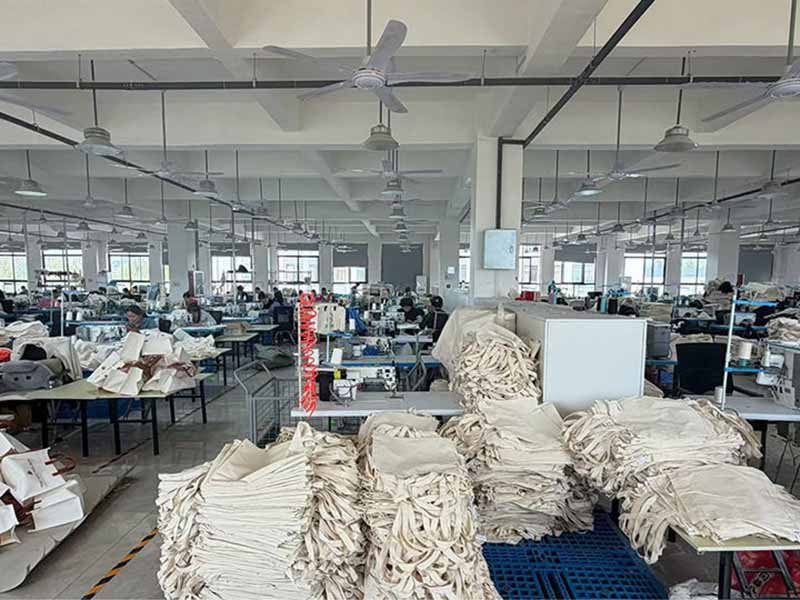
Flexible MOQ works best when the supplier is not only taking orders, but also helping the buyer understand product feasibility. A factory-based custom bags and soft goods manufacturer can review the product from several angles: material sourcing, structure, sewing difficulty, logo method, packaging, QC, and export delivery.
For buyers, this matters because a low MOQ alone is not enough. The product still needs to be made correctly, packed properly, inspected carefully, and delivered on time. A supplier that understands sample-to-bulk production can help reduce the gap between the approved sample and the final shipment.
If you are developing tote bags, cosmetic bags, drawstring bags, cooler bags, lunch bags, travel pouches, backpacks, beach bags, leather goods, neoprene products, EVA cases, or other custom soft goods, prepare your product photo, sketch, tech pack, logo file, estimated quantity, packaging idea, and target delivery country. Szoneier can help review your material options, MOQ, sample direction, cost factors, and production path so your new bag product can move forward with less risk and more confidence.
Final Thoughts
Flexible MOQ is not just a purchasing advantage. It is a smarter way to develop custom bags. It helps brands avoid unnecessary inventory pressure, test products with real customers, improve designs before scaling, and build a more stable sample-to-bulk production path. For product teams, purchasing managers, Amazon sellers, Shopify brands, retailers, importers, and promotional buyers, flexible MOQ can turn product development from a risky guess into a controlled process.
New product development should not be a one-time gamble. It should be a staged process: idea, sample, trial order, feedback, improvement, reorder, and product line growth. Flexible MOQ gives buyers the space to move through those stages with more control.
Szoneier is a Shenzhen-based custom bags and soft goods OEM/ODM manufacturer serving global brands, retailers, importers, e-commerce sellers, and B2B buyers. For selected custom bag projects, MOQ can start from 200 pcs depending on material availability, product structure, logo method, packaging requirements, color quantity, and production needs. The team supports buyers from idea, reference photo, sample, or tech pack to material selection, sample development, small-batch trial production, bulk production, quality inspection, packaging, and export delivery.
If you are developing a new custom bag product, send your product photo, sketch, tech pack, logo file, estimated quantity, packaging idea, and target delivery country to Szoneier. The team can help evaluate your MOQ, material options, sample plan, cost factors, and production route before you commit to a larger order.