Skip to content
Placing a bulk order with a bag factory is not just a buying decision. It is a supply chain risk decision. A good factory can help your brand launch on time, protect margins, keep customer reviews stable, and support repeat orders. A weak factory can delay sampling, change materials quietly, produce a beautiful sample but unstable bulk goods, pack products poorly, or disappear when quality problems appear. For bags, the risk is higher than many buyers expect because a “simple bag” is never just fabric and stitching. It involves material strength, coating, lining, zipper selection, hardware durability, seam reinforcement, logo process, structure, packaging, inspection, and export coordination.
To verify a bag factory before placing a bulk order, check whether the supplier is a real manufacturer, review business documents, confirm product specialization, test sample quality, evaluate material and component control, understand QC checkpoints, request video or on-site factory review, confirm safe payment terms, and document all final specifications before production starts. The goal is to reduce sample-to-bulk risk.
Many buyers only become serious about factory verification after they have already experienced a bad order. One importer once approved a good-looking cosmetic bag sample, placed a large production order, and later found that the lining was thinner, the zipper color was different, and the logo position had shifted. None of these issues looked dramatic in one photo, but together they made the product feel cheaper. The lesson is simple: verify first, then scale.
What Should You Verify First?
Before trusting a bag factory with a bulk order, verify its identity, factory role, product specialization, communication quality, and ability to show real production evidence. A serious manufacturer should explain what it controls, what it outsources, and how your approved sample will be turned into repeatable bulk production.
Factory Identity
The first thing to verify is whether you are dealing with a real manufacturing operation or only a sales intermediary. In bag sourcing, this matters because product quality depends on many small production decisions: fabric selection, cutting accuracy, seam allowance, stitching tension, reinforcement points, zipper matching, logo placement, and packing method.
A trading company is not always bad, but hidden identity is a risk. A reliable supplier should be able to explain its business model clearly. Some factories own sewing lines and coordinate outsourced processes such as printing, embroidery, metal logo plates, molded zipper pullers, or special coating. That is normal in custom bag manufacturing. The problem appears when a supplier claims to control everything but cannot show a sample room, production area, material storage, inspection table, or current work-in-progress.
Ask simple but specific questions: Where is the sample made? Who controls material purchasing? Who checks the first production pieces? Who handles final inspection? Who is responsible if the bulk order does not match the approved sample? A trustworthy factory will not avoid these questions.
| Verification Point | What to Ask | Strong Signal | Risk Signal |
|---|---|---|---|
| Factory role | Which steps do you handle directly? | Clear answer on sampling, sewing, QC, packing | Only says “we can do all” |
| Product proof | Can you show similar bags? | Similar materials, structures, or cases | Random unrelated catalog photos |
| Factory visibility | Can we arrange video review? | Willing to show sample room or production area | Refuses all live review |
| Project control | Who manages bulk production? | Named project contact and QC flow | No clear responsibility |
| Sample standard | How is the sample repeated in bulk? | Keeps final sample and written specs | Relies on chat messages only |
Business Consistency
Business information should match across the supplier’s website, email signature, quotation, proforma invoice, bank information, and shipping documents. Small differences can sometimes be explained, especially when factories use an export company for international payment. But unexplained differences are dangerous.
Before paying a deposit, compare the company name on the quotation with the company name on the invoice. Check whether the payment account belongs to the same company or a clearly related export entity. If the supplier suddenly changes bank details, confirm it through a live call or a second trusted communication channel. This is especially important for first orders and high-value bulk production.
Also check whether the supplier communicates through a professional business email, official website contact, or stable phone number. A supplier that only uses temporary messaging accounts, refuses to provide company details, or pushes quick payment before proper documentation should be treated carefully.
Product Specialization
Not every sewing factory is suitable for every bag project. Tote bags, backpacks, cooler bags, cosmetic bags, tool bags, medical bags, leather bags, neoprene bags, EVA cases, and waterproof bags all have different manufacturing risks.
A tote bag factory should understand handle reinforcement, fabric weight, edge finishing, and bottom structure. A backpack factory should understand shoulder strap construction, load-bearing seams, compartments, foam padding, and hardware strength. A cooler bag factory should understand insulation layers, lining materials, leakage risk, zipper selection, and shape stability. A cosmetic bag factory should control small curves, zipper smoothness, lining cleanliness, and logo precision.
Ask the factory to explain the top risks of your product category. A real specialist will usually mention practical production details before you ask. A weak supplier will often say, “No problem, we have made many bags,” without explaining anything specific.
Communication Quality
Good communication is not about replying fast with short answers. It is about asking the right questions before quoting or producing. A serious bag factory should ask about size, material, lining, zipper, logo, color, quantity, packaging, target market, usage scenario, and delivery country.
If a supplier quotes from one photo without asking any technical details, the quote is usually not dependable. It may be based on cheaper fabric, thinner lining, standard accessories, or simplified construction. Later, the price may rise once the real specifications are discussed.
Strong suppliers often slow the conversation down at the beginning because they want to prevent mistakes. They may ask for a tech pack, sample photo, target price, expected quality level, or similar reference. This is a good sign. In custom bag manufacturing, careful questions early usually mean fewer problems later.
How Do You Check Factory Capability?
Check factory capability by reviewing product category experience, material knowledge, sampling workflow, production control, QC checkpoints, and export support. A capable bag factory should not only make a nice sample; it should prove that it can repeat that sample consistently in bulk production.
Product Range
A factory’s product range shows whether it has relevant manufacturing experience. Broad product coverage can be useful, especially for brands developing multiple SKUs, but only if the factory can explain the production logic behind each bag type.
For example, a factory that produces tote bags, drawstring bags, cosmetic pouches, cooler bags, backpacks, travel bags, and neoprene accessories may be suitable for a brand building a wider soft goods product line. But if your project is a structured backpack with multiple compartments, a simple cotton tote bag sample is not enough evidence. You need to see similar sewing complexity, reinforcement style, zipper layout, padding, and internal structure.
Ask for photos or videos of similar products, but also ask what was difficult about making them. The answer will tell you more than the image. Experienced manufacturers usually remember details: which seam needed reinforcement, which fabric was hard to shape, which logo process worked best, or which packaging method prevented deformation.
Material Handling
Material capability is one of the strongest indicators of factory maturity. Bags can be made from polyester, nylon, Oxford fabric, canvas, cotton, PU leather, genuine leather, PVC, TPU, neoprene, EVA, mesh, RPET, jute, and non-woven fabric. Each material behaves differently during cutting, sewing, printing, packing, and use.
A professional factory should not simply ask, “What material do you want?” It should also explain the trade-offs. Oxford fabric may be practical for backpacks and outdoor bags, but denier, coating, and lining choices affect hand feel and durability. Canvas can look premium and natural, but it may need attention to shrinkage, stains, and structure. Neoprene offers cushioning and flexibility, but thickness and lamination quality affect cost and finishing. PU leather may create a luxury look, but surface quality, backing, odor, and peeling resistance must be checked.
| Material Type | Common Bag Use | Typical Buyer Concern | Factory Should Check |
|---|---|---|---|
| 600D Oxford polyester | Backpacks, tool bags, promo bags | Durability, coating, cost | Denier, coating, color lot |
| Canvas 10–16 oz | Tote bags, lifestyle bags | Natural look, strength, shrinkage | Fabric weight, stains, handle strength |
| Nylon fabric | Travel bags, sports bags | Light weight, tear resistance | Denier, coating, lining match |
| PU leather | Fashion bags, cosmetic bags | Hand feel, odor, peeling | Thickness, backing, surface finish |
| Neoprene 2–5 mm | Lunch bags, sleeves, bottle holders | Cushioning, flexibility | Thickness, lamination, edge finishing |
| PVC / TPU | Clear bags, waterproof items | Transparency, cracking, smell | Thickness, welding or sewing suitability |
Sampling Workflow
Sampling is where capability becomes visible. A good factory should have a clear workflow: project review, material recommendation, quotation, pattern development, sample making, internal checking, photo or video confirmation, sample shipment, buyer feedback, revision, and final approval.
The key is not just speed. Fast sampling is useful only when the sample is close to production reality. If a factory makes a sample using random available fabric, substitute zipper, temporary lining, or unconfirmed hardware, it must clearly say so. Otherwise, the buyer may approve a sample that cannot be repeated in bulk.
For custom bags, the sample should answer practical questions. Is the size correct? Does the material hold the shape? Is the logo process suitable? Is the zipper smooth? Are the handles strong enough? Is the packaging realistic? Can the factory repeat this construction at quantity? If the sample only looks good in photos but is not production-ready, bulk risk remains high.
Production Readiness
Production readiness means the factory can move from approved sample to controlled bulk output. Before ordering, ask how the factory handles material purchasing, pre-production sample confirmation, cutting, sewing line arrangement, inline inspection, final inspection, packing, and shipment preparation.
A reliable manufacturer should be able to give a realistic timeline. For many custom bag projects, the actual schedule depends on material availability, custom logo process, accessory lead time, production complexity, order quantity, inspection requirements, and shipping method. A factory that promises a very short lead time before understanding these details may be trying to win the order first and solve problems later.
Also ask whether the factory can support your order size. For a small trial order, flexibility matters. For repeat bulk orders, capacity stability matters. For multi-SKU orders, project management matters. The best factory is not always the biggest one; it is the one that fits your product complexity, quality expectation, and delivery plan.
Which Documents Should You Ask For?
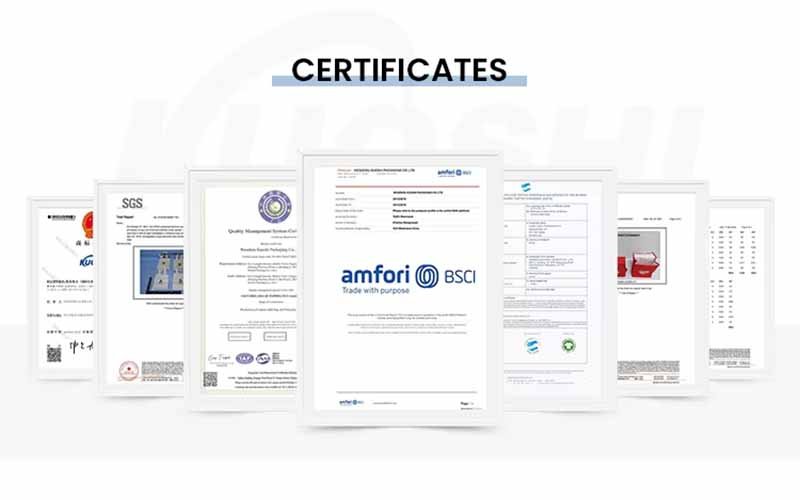
Ask for company registration details, quotation, proforma invoice, product specification sheet, sample approval record, relevant certificates, test reports, packing details, and inspection requirements. Documents should confirm legal identity, commercial terms, product standards, payment safety, and the final production benchmark before the bulk order begins.
Company Documents
Company documents help confirm that the supplier has a real legal and operational identity. For a first order, you should at least request the supplier’s company name, official contact information, business registration details, factory or office address, quotation, and proforma invoice.
If the order is large or strategically important, ask whether the supplier can support video factory review, customer visit, or third-party audit. This is not about mistrust. It is normal supplier due diligence. Serious manufacturers understand that global buyers must protect payment safety, quality standards, and delivery schedules.
A professional company should be willing to explain its structure. For example, the office address may differ from the production site. The export company name may differ from the factory workshop name. These situations can be legitimate, but they should be clearly explained and supported by documents. What you want to avoid is confusion, silence, or pressure to pay before basic verification is complete.
Product Documents
Product documents are often more important than company documents once the supplier is shortlisted. A bulk order should not rely on chat history, scattered photos, or memory. It should be supported by a clear product specification sheet.
The specification sheet should include product size, tolerance, fabric, lining, color, zipper, puller, hardware, webbing, thread color, logo method, logo size, logo position, pocket structure, reinforcement points, packaging method, carton packing, quantity, unit price, payment terms, lead time, and shipping terms.
For multi-color or multi-SKU orders, use a table. Do not let one product description cover five different versions unless the differences are clearly listed. Many production mistakes happen because an old sample comment, updated logo file, or revised size is not included in the final order document.
| Document | Purpose | Key Details to Confirm |
|---|---|---|
| Quotation | Defines offer basis | Material, size, quantity, logo, packing, validity |
| Proforma invoice | Confirms commercial order | Company name, bank details, payment terms |
| Spec sheet | Controls production standard | Size, fabric, lining, zipper, hardware, logo |
| Sample approval record | Locks final sample version | Approved sample date, change notes |
| Packing instruction | Prevents shipment problems | Polybag, carton quantity, labels, carton marks |
| Inspection standard | Defines acceptance rules | Defect types, AQL level, photo requirements |
| Test report | Supports compliance claim | Product scope, date, lab, standard |
Certificates and Reports
Certificates and test reports should match your product and market. Do not collect random certificates just to feel safe. A certificate is useful only when it applies to the correct company, material, product type, test standard, and time period.
If you are making a promotional tote bag, your documentation needs may be simple. If you are making children’s lunch bags, medical storage bags, food-contact bags, fire-resistant pouches, waterproof dry bags, or RFID blocking bags, documentation becomes more important. Special claims should be supported. “Waterproof fabric” does not automatically mean the finished bag is waterproof. “Fire-resistant material” does not automatically mean the full product meets a specific fire standard.
Check report date, applicant name, sample description, test method, result page, and issuing laboratory. If the report is old or only applies to a similar material, ask whether updated testing is needed for your order.
Payment Records
Payment documents should be handled with extra care. Before paying, confirm the beneficiary name, bank account, company name, currency, deposit amount, balance payment condition, and payment deadline. If the supplier asks for payment to a different company or personal account, ask for a clear explanation and supporting document.
For custom manufacturing, a deposit before production is common because the factory needs to purchase materials and reserve capacity. However, paying the full amount too early increases buyer risk. A safer structure often connects payment to milestones: sample approval, deposit, production, inspection, balance, and shipment.
Always confirm payment details through a secure channel. If bank information changes suddenly, do not rely only on email. Verify through a live call or another trusted contact method before transferring money.
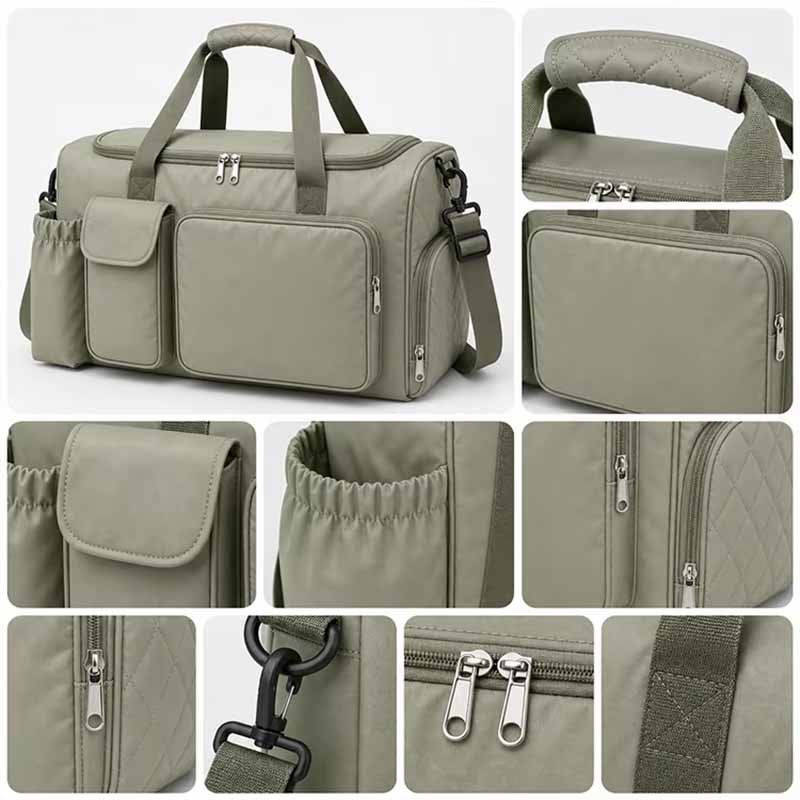
How Do You Test Sample Quality?
Test sample quality by checking whether the sample is production-ready, not just attractive in photos. Review material, structure, size, stitching, zipper, hardware, logo, lining, packaging, function, and repeatability. The approved sample should become the physical benchmark for bulk production.
Material Accuracy
Material accuracy affects the entire product. A bag can look correct in photos but feel wrong in hand if the fabric weight, stiffness, coating, lining, or surface finish is different from expectation. Always compare the sample material with the agreed specification.
For polyester or nylon bags, check denier, coating, color, hand feel, and lining match. For canvas bags, check fabric weight, shrinkage risk, stain control, and handle strength. For PU or leather bags, check thickness, backing, smell, surface finish, and flexibility. For neoprene bags, check thickness, lamination, elasticity, and edge finishing. For cooler bags, check insulation, lining material, seam construction, and zipper closure together.
If the factory used substitute material for the first sample, make sure this is recorded. Do not approve bulk production until final material is confirmed. A material difference that seems small during sampling can become a serious customer complaint in bulk.
Size and Structure
Measure the sample carefully. Do not rely on visual judgment. Check length, height, width, gusset, handle drop, strap length, pocket size, zipper opening, and internal compartment dimensions. For most soft bags, small tolerances are normal because fabric can move during cutting and sewing. However, tolerance should be reasonable and agreed before production.
Structure matters as much as size. A tote bag should stand, fold, or drape according to the brand’s expectation. A backpack should sit properly on the body. A cosmetic pouch should open smoothly and hold shape. A cooler bag should close well and protect the contents. A tool bag should support weight without pulling seams apart.
If the bag looks good empty but collapses when loaded, the structure may need reinforcement. If the zipper opening is too narrow, the bag may be inconvenient to use. Test the product as your customer would use it.
Stitching and Reinforcement
Stitching quality is one of the clearest signs of manufacturing control. Inspect the sample closely under normal light. Look for uneven stitches, loose threads, skipped stitches, poor thread tension, crooked seams, weak binding, rough corners, and messy inside finishing.
Stress points deserve special attention. These include handle bases, shoulder strap joints, zipper ends, pocket openings, side seams, bottom corners, and hardware attachment points. For load-bearing bags such as backpacks, duffle bags, tool bags, gym bags, and travel bags, reinforcement is not optional. Bar-tacks, double stitching, extra webbing, or stronger thread may be needed depending on the product.
A clean sample outside but messy construction inside is a warning sign. End users may not inspect the inside as carefully as a buyer, but weak internal construction often turns into returns, bad reviews, or shortened product life.
Function and Repeatability
A sample must be tested for real use. If it is a lunch bag, place containers inside. If it is a travel bag, load weight. If it is a cosmetic pouch, test opening width and cleaning convenience. If it is a backpack, check shoulder comfort, zipper access, and compartment layout. If it is a clear bag, check transparency, edge comfort, and cracking risk.
Repeatability is the most important question before bulk production. Ask the factory how the approved sample will be transferred to the production team. Will they keep one final sample? Will they create a spec sheet? Will they inspect first bulk pieces before full production? Will they send production photos? Will they check finished goods against the approved sample?
A beautiful sample made by one senior worker does not guarantee stable bulk quality. A repeatable sample supported by clear specs, trained workers, and QC checkpoints is much safer.
How Do You Verify Bulk Quality Control?
Verify bulk quality control by checking whether the factory inspects materials, accessories, pre-production samples, cutting, sewing, semi-finished goods, final products, and packaging. Good QC happens throughout production, not only after the order is finished and packed.
Material Inspection
Material inspection should happen before cutting. Once the wrong fabric is cut, the problem becomes expensive and difficult to fix. Ask the factory how it checks fabric color, coating, thickness, defects, lining, webbing, zipper tape, hardware, labels, and packaging materials.
Color lot control is important for repeat orders and multi-color projects. A small color difference may be acceptable for some promotional bags but unacceptable for retail brand products. Coated fabrics should be checked for peeling, uneven coating, scratches, odor, and surface marks. PU materials should be checked for backing quality and flexibility. Neoprene should be checked for thickness and lamination. Webbing should be checked for width, strength, and color match.
Good material inspection prevents many later problems. Poor sewing is not always the root cause of defects. Many bulk issues begin with wrong or inconsistent inputs.
Inline Inspection
Inline inspection means checking products while production is still running. This is critical because it allows the factory to correct problems before the same defect appears across the whole order.
For example, if logo placement is slightly off on the first batch, workers can adjust positioning. If handle stitching is weak, reinforcement can be improved. If zipper alignment is poor, the sewing method can be corrected. Without inline inspection, these problems may only appear after hundreds or thousands of pieces are finished.
Ask whether the factory checks first production pieces before continuing. Ask who is responsible for line inspection and how defects are recorded. For bags with load-bearing parts, inline inspection should focus on stress points. For cosmetic bags, it should focus on shape, zipper curve, lining, and cleanliness. For cooler bags, it should focus on insulation placement, lining seams, and closure.
Final Inspection
Final inspection should compare finished goods with the approved sample and written specifications. It should cover appearance, size, material, color, logo, stitching, zipper, hardware, lining, smell, cleanliness, packaging, carton labels, and quantity.
For larger orders, many buyers use AQL inspection. AQL is not a promise that every piece is perfect. It is a statistical inspection method used to decide whether a batch is acceptable based on sample size and defect limits. Common defect categories include critical, major, and minor defects. Critical defects affect safety or legal compliance. Major defects affect function, appearance, or customer acceptance. Minor defects are small issues that may not affect use.
Inspection should happen before balance payment and shipment whenever possible. Once goods are shipped, solving problems becomes slower and more expensive.
| QC Stage | What Is Checked | Why It Matters |
|---|---|---|
| Incoming material | Fabric, lining, webbing, zipper, hardware | Prevents wrong inputs before cutting |
| Pre-production sample | Final structure, logo, materials | Aligns workers before mass production |
| Cutting check | Panel size, direction, fabric defects | Controls shape and size consistency |
| Inline sewing check | Seams, reinforcement, zipper, lining | Catches repeated defects early |
| Final inspection | Finished product vs approved sample | Confirms bulk quality before shipment |
| Packing inspection | Polybag, labels, carton, quantity | Prevents logistics and channel issues |
Packaging Check
Packaging is part of quality control. Poor packing can deform soft bags, scratch hardware, stain light-colored materials, or create warehouse receiving issues. Confirm individual packing, carton quantity, carton size, carton weight, labels, hangtags, barcode stickers, warning labels, and shipping marks.
For Amazon, retail, or distributor orders, packaging mistakes can cause delays even when the product itself is acceptable. For example, wrong carton labels, missing barcodes, incorrect inner pack quantities, or oversized cartons can create extra handling cost. For premium bags, dust bags, tissue paper, inserts, or shape support may be needed.
Before shipment, ask for packing photos. For large orders, request carton photos, carton marks, and packed product images. Good packaging checks reduce the risk of damage, channel rejection, and customer disappointment.
What Red Flags Should Buyers Avoid?
Avoid suppliers that give vague quotes, refuse verification, push bulk orders before sample approval, avoid QC questions, change payment details suddenly, promise unrealistic timelines, hide material substitutions, or demand full payment too early. Red flags usually appear in communication before they appear in production.
Vague Quotation
A vague quotation is one of the easiest risks to miss. Custom bag pricing depends on material, size, lining, zipper, hardware, logo process, stitching complexity, packaging, quantity, testing, and shipping terms. If a supplier gives a low price without defining these details, the quote may not represent your real product.
For example, “600D Oxford tote bag with logo” is not enough. What coating is used? Is there lining? What zipper grade? What handle webbing width? What logo method? What packaging? What carton quantity? What incoterm? Is the price based on available stock color or custom-dyed fabric?
When comparing suppliers, make sure all quotes are based on the same specification. A quote that is 15–30% lower than others may be caused by cheaper fabric, thinner lining, basic zipper, simplified sewing, or missing packaging cost. Low price is not a problem by itself. Unclear price is the problem.
No Factory Visibility
A supplier that refuses all forms of factory visibility should be treated carefully. Not every buyer can visit in person, but a serious manufacturer should normally support some level of review, such as a video meeting, sample room photos, production process explanation, or third-party inspection.
If the supplier only sends polished catalog images and refuses live review, it may be hiding its real production source. If the supplier says the factory is too busy for any video call but keeps pushing for deposit, slow down. A real factory may need to schedule a call, protect other customers’ confidential products, or limit filming in certain areas. That is reasonable. Complete refusal is not.
Factory visibility is especially important before large orders, custom tooling, special materials, or long-term programs. Transparency is part of supplier reliability.
Weak Sample Discipline
Sample problems often predict bulk problems. Delays can happen, but unexplained delays are a warning sign. If a supplier repeatedly says “tomorrow” without photos, progress updates, or clear reasons, communication during bulk production may be similar.
Another red flag is pushing bulk production before final sample approval. A supplier may say, “The sample is almost the same, we can adjust in production.” This is risky. Production is not the best time to solve open sample issues. Once materials are purchased and cutting begins, changes can cause delay, extra cost, or inconsistent quality.
Sample discipline means every change is recorded. If the logo position changes, record it. If the zipper color changes, record it. If the lining is upgraded, record it. If the buyer approves only the structure but not the material, record it clearly.
Unsafe Payment Behavior
Unsafe payment behavior includes pressure to pay quickly, refusal to issue formal documents, sudden bank account changes, personal account requests without explanation, or full payment demands before basic verification. Custom factories often need deposits, but payment should still be linked to clear order documents and production milestones.
For first orders, be cautious with 100% payment before sample approval or before any production proof. A common safer approach is deposit before production and balance before shipment after inspection or shipment readiness confirmation. Terms vary by supplier, order size, and relationship, but they should be clear.
If payment details change, confirm through a phone call or video call. Do not rely only on email because email accounts can be compromised. Payment safety is part of supplier verification, not a separate finance issue.
How Should You Confirm Before Ordering?
Before ordering, confirm the final sample, written specifications, material details, logo process, packaging, quantity, price, payment terms, production timeline, inspection method, shipping terms, and responsibility for changes. Do not start bulk production until all important details are written clearly in one final order record.
Final Sample Approval
Final sample approval should be treated as a formal production decision. The approved sample should represent the product you expect to receive in bulk, including material, color, size, logo, zipper, hardware, lining, structure, and packaging direction.
If the sample is approved with changes, write those changes clearly. For example, “Approve structure, but change zipper puller to matte black metal” is not the same as full approval. If several sample versions were made, identify the exact final version by date, photo, or sample code.
For important orders, both buyer and factory should keep a final reference sample. During production and inspection, the bulk goods should be compared against this approved sample. Without a final sample standard, quality discussions become subjective and difficult to resolve.
Written Specifications
Written specifications prevent misunderstanding. A good specification record should include product dimensions, tolerance, fabric, color, lining, zipper size, zipper color, puller type, hardware finish, webbing width, thread color, logo process, logo size, logo position, pocket details, reinforcement points, packaging method, carton packing, quantity, unit price, payment terms, lead time, inspection standard, and shipping terms.
For multi-SKU orders, separate each color, size, or version. Do not let the factory guess which details apply to which SKU. If the design changed during sampling, remove outdated files and confirm the final file name. Many mistakes happen because old artwork, old measurements, or old packaging instructions remain in the conversation.
A final written record is not bureaucracy. It is the production map that keeps the buyer, sales team, sample team, production team, QC team, and packing team aligned.
Timeline and Inspection
The production timeline should include more than sewing days. It should cover material purchase, accessory preparation, logo process, cutting, sewing, inline inspection, final inspection, packing, and shipping preparation. If testing or custom packaging is required, include that time as well.
Ask the factory what could affect the timeline. Custom fabric color, custom zipper pullers, metal plates, embroidery, printing plates, special coating, third-party testing, retail packaging, and peak season can all add lead time. A realistic timeline is better than a fast promise that later fails.
Inspection should also be confirmed before production. Decide whether internal inspection is enough or whether third-party inspection is needed. If using AQL, define acceptable quality levels and defect categories before goods are finished.
Packaging and Shipment
Packaging and shipment details should be confirmed before bulk production ends, not after products are already packed. Confirm individual packaging, carton quantity, carton size, carton weight, labels, hangtags, barcode stickers, shipping marks, and required documents.
For e-commerce orders, confirm FBA labels or warehouse requirements. For retail orders, confirm barcode placement, hangtag style, warning labels, and display packaging. For premium bags, confirm dust bags, inserts, tissue paper, or shape protection. For soft goods, packing too tightly can deform the product. For light-colored materials, poor packaging can cause stains or abrasion.
If you are working with a factory-based custom bag manufacturer, send your product photo, tech pack, sample reference, logo file, target quantity, packaging requirement, and destination country before requesting a final quote. The clearer the order information, the easier it is for the factory to verify feasibility, control risk, and deliver a bulk order that matches the approved sample.
Szoneier is a Shenzhen-based custom bags and soft goods OEM/ODM manufacturer serving global brands, retailers, importers, e-commerce sellers, promotional companies, and business buyers. The team supports custom product review, material selection, sample development, sewing production, quality inspection, packaging, and export delivery for tote bags, backpacks, drawstring bags, cooler bags, lunch bags, makeup bags, travel bags, duffle bags, gym bags, beach bags, tool bags, medical bags, leather goods, neoprene products, EVA cases, and other sewn soft goods.
To start a custom bag project, send your product photo, reference sample, tech pack, logo file, quantity, target material, packaging requirement, and delivery country to Szoneier.