Skip to content

A crossbody bag looks simple at first. One bag body, one long strap, a few pockets, maybe a zipper or buckle. But in real daily life, this small product solves many annoying problems. People do not want to hold their phone all day. They do not want keys scratching sunglasses. They do not want a wallet buried at the bottom of a tote. They do not want to take off a backpack every time they need a subway card, passport, earphones, or lip balm. That is why crossbody bags have become one of the most used everyday carry products across travel, commuting, shopping, outdoor walking, work, school, events, fitness, and weekend life.
Crossbody bags used for everyday carry include classic crossbody bags, sling crossbody bags, mini crossbody bags, travel crossbody bags, utility crossbody bags, messenger-style crossbody bags, and sport-style crossbody bags. The right type depends on capacity, pocket layout, material, weight, strap comfort, security, and daily wearing habits.
For brands, retailers, Amazon sellers, boutique labels, sports brands, travel product companies, and promotional product teams, crossbody bags are not just fashion accessories. They are repeat-use products. A customer may own five bags, but the one used every morning is usually the easiest, lightest, and most comfortable one. Small design decisions can change everything: a 3 cm wider strap, a softer neoprene body, a better phone pocket, a smoother zipper, a hidden passport pocket, or a more secure logo patch. Before developing a custom crossbody bag, it is worth understanding how different types work, what users expect, and which details can turn a normal bag into a daily favorite.
What Are Crossbody Bags?
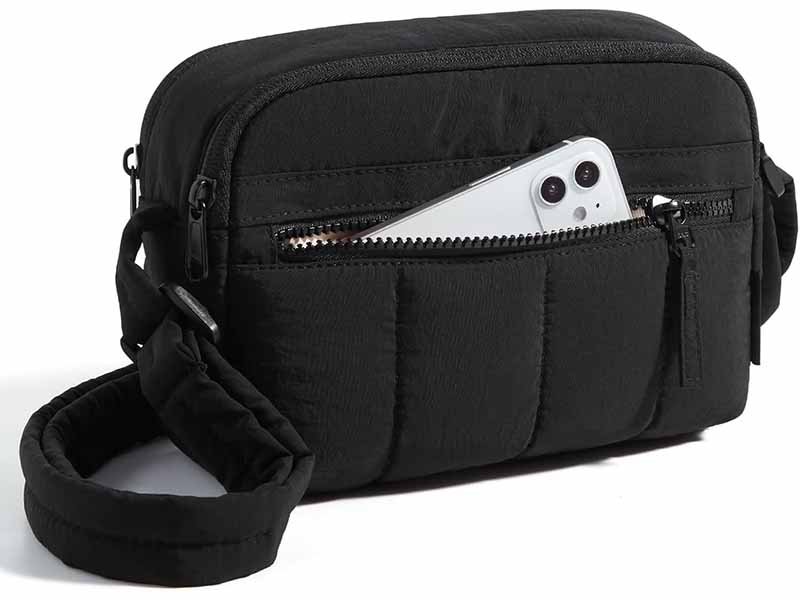
Crossbody bags are bags worn diagonally across the body, with the strap running from one shoulder to the opposite side of the waist, hip, chest, or back. They are useful for everyday carry because they keep small essentials close, allow fast access, reduce hand pressure, and stay more secure than many shoulder bags or handheld bags.
What Are Crossbody Bags Used For?
Crossbody bags are mainly used to carry the small items people need many times in one day. The most common items include:
- Smartphone
- Wallet or card holder
- Keys
- Earbuds
- Sunglasses
- Lip balm or cosmetics
- Passport
- Boarding pass
- Small notebook
- Charging cable
- Power bank
- Hand sanitizer
- Compact umbrella
- Small water bottle
- Transit card
- Work ID card
In daily life, the value of a crossbody bag comes from easy access. A backpack may hold more, but it must often be taken off to reach small items. A tote bag may look relaxed, but small items can sink to the bottom. A handbag may be stylish, but it occupies one hand or keeps slipping from the shoulder. A crossbody bag sits close to the body and lets users reach important items while walking, shopping, commuting, or traveling.
Different users choose crossbody bags for different reasons:
| User Type | Common Use | Main Concern |
|---|---|---|
| Commuters | Phone, wallet, cards, keys, earbuds | Fast access and comfort |
| Travelers | Passport, cash, power bank, tickets | Safety and organization |
| Students | Phone, stationery, wallet, small tech | Lightweight and casual style |
| Outdoor users | Water bottle, tools, sunglasses, snacks | Durability and water resistance |
| Fitness users | Phone, towel, earbuds, keys | Soft material and easy cleaning |
| Retail shoppers | Wallet, phone, cosmetics | Style and outfit matching |
| Event users | Phone, cards, ID, tickets | Compact size and security |
For product development, usage should guide the whole design. A travel crossbody bag should not use the same pocket layout as a mini fashion bag. A sport-style neoprene crossbody bag should not feel stiff like a formal leather bag. A utility crossbody bag should not have decorative pockets that cannot hold real items. When the daily use case is clear, the structure becomes easier to design.
Szoneier works with different neoprene product categories, including bags, koozies, sports supports, medical supports, wetsuits, and other soft neoprene items. That background matters because many crossbody bags now need a mix of comfort, flexibility, protection, and brand styling. Neoprene can give a crossbody bag a softer hand feel, light cushioning, better body fit, and a modern casual look, which is especially useful for daily carry, travel, sport, beach, lifestyle, and promotional product lines.
Why Are Crossbody Bags Good for EDC?
Crossbody bags are good for everyday carry because they help users carry daily essentials without feeling overloaded. Everyday carry is not about carrying everything possible. It is about carrying the right things in a way that feels easy after several hours.
A good EDC crossbody bag usually solves these problems:
- Keeps important items close to the body
- Reduces pocket bulk
- Allows hands-free movement
- Makes phone and wallet access faster
- Separates small items with pockets
- Feels lighter than a backpack for short trips
- Works for both casual and travel settings
- Fits daily outfits better than large gear bags
- Helps users move through crowds with less stress
For many customers, the best everyday carry bag is not the largest bag. It is the one they do not have to think about. They put it on, leave home, and everything has a place. That is why pocket layout is often more important than total size. A 3 L bag with smart compartments may feel more useful than a 6 L bag with one empty space.
Common everyday carry capacity ranges:
| Bag Size | Capacity Range | Best For | Common Items |
|---|---|---|---|
| Extra small | 0.5–1.5 L | Events, walks, phone carry | Phone, cards, keys |
| Small | 1.5–3 L | Daily errands, shopping | Phone, wallet, earbuds, cosmetics |
| Medium | 3–6 L | Commuting, travel, workdays | Power bank, sunglasses, notebook |
| Large | 6–10 L | Day trips, outdoor use | Bottle, tablet, camera, snacks |
| Oversized | 10 L+ | Utility or work use | Tools, gear, documents |
For most everyday carry crossbody bags, 1.5–6 L is the strongest range. It is large enough for useful storage but still small enough to stay comfortable. Larger crossbody bags can work, but they need wider straps, better weight balance, and stronger stitching.
From a brand point of view, EDC crossbody bags have good market value because customers use them often. A product used three to five times per week creates more brand exposure than a product used only for special occasions. A logo patch, woven label, zipper puller, rubber badge, printed lining, or custom strap can be seen repeatedly in daily life. That makes crossbody bags a strong choice for private label lines, retail collections, corporate gifts, outdoor brands, sports brands, and lifestyle accessories.
Are Crossbody Bags Easy to Wear?
Crossbody bags are easy to wear when the strap length, bag size, body shape, material softness, and zipper direction match real body movement. Comfort does not happen by accident. Many low-cost bags look nice in photos but feel awkward because the strap is too narrow, the body is too stiff, the zipper is hard to reach, or the bag keeps bouncing while walking.
A comfortable crossbody bag should meet several basic conditions:
- The strap should adjust for different heights and body shapes.
- The bag should sit naturally at the chest, waist, hip, or back.
- The zipper should be easy to open with one hand.
- The bag should not swing too much while walking.
- The back side should not feel rough against clothing.
- The strap should not cut into the shoulder.
- The body should not become bulky after loading daily items.
- The main pocket should open wide enough for quick access.
Common fit and comfort references:
| Design Detail | Common Range | Better Choice for Daily Use |
|---|---|---|
| Strap width | 2.5–5 cm | 3.2–4 cm for balanced comfort |
| Adjustable strap length | 80–140 cm | Wider range for unisex styles |
| Empty bag weight | 150–600 g | Under 450 g for daily carry |
| Daily bag width | 18–35 cm | 22–30 cm for common EDC |
| Daily bag height | 12–25 cm | 15–22 cm for phone and wallet |
| Main zipper opening | 70–90% of bag width | Easier item access |
| Pocket depth | 10–18 cm | Prevents phone from falling out |
Material also affects wearing comfort. Leather may look premium but can feel heavier. Canvas feels natural but may absorb dirt or moisture more easily. Nylon and polyester are light and common for travel or outdoor use. Neoprene has a different advantage: it is soft, flexible, slightly cushioned, and comfortable against the body. For daily bags that touch the waist, chest, or hip for long periods, this softness can improve user experience.
Neoprene also allows the bag to hold a rounded or softly structured shape without feeling hard. For brands developing casual, sporty, travel, beach, wellness, or youth-style crossbody bags, this can create a more relaxed and modern product look. A neoprene crossbody bag can also be combined with webbing straps, waterproof zippers, mesh pockets, rubber logo patches, heat transfer logos, woven labels, and printed linings.
From a manufacturing angle, an easy-to-wear crossbody bag needs more than a pattern drawing. Sampling should check:
- How the bag hangs when empty
- How the bag hangs when loaded
- Whether the strap twists
- Whether the zipper direction suits the wearing position
- Whether the phone pocket fits current phone sizes
- Whether the inner pockets are too tight or too loose
- Whether the seams hold under pulling
- Whether the logo position remains visible when worn
- Whether the bag looks bulky from the side
Szoneier can support this process with free design assistance, quick sampling, low MOQ customization, free sample options, and OEM/ODM development for overseas brands. For customers who already have a drawing, reference photo, tech pack, or logo file, the factory can help adjust structure, material, color, size, pocket layout, strap type, zipper, lining, branding method, and packaging before bulk production.
Which Crossbody Bags Are Popular?
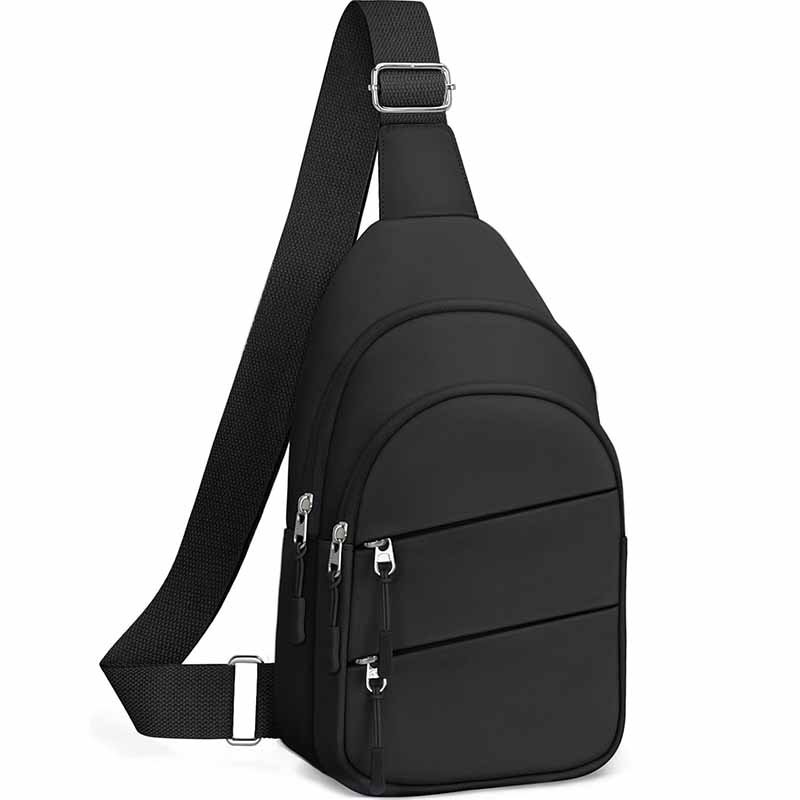
Popular crossbody bags include classic crossbody bags, sling crossbody bags, mini crossbody bags, travel crossbody bags, utility crossbody bags, and messenger-style crossbody bags. Each type has its own user group, price range, storage logic, and style direction. The best style depends on where the bag will be worn and what the customer needs to carry.
What Are Classic Crossbody Bags?
Classic crossbody bags are the most widely recognized everyday style. They usually have a rectangular, square, half-moon, saddle, camera-bag, or softly rounded body with one adjustable strap. The design is simple enough for daily use but flexible enough for many markets, from fashion accessories to casual travel bags.
Common classic crossbody bag features include:
- One main zipper compartment
- One front pocket or flap pocket
- One inner pocket
- Long adjustable shoulder strap
- Compact or medium body size
- Lightweight structure
- Simple logo placement
- Casual, fashion, or sport styling
Classic crossbody bags usually carry phone, wallet, keys, earbuds, cosmetics, sunglasses, and small personal items. Capacity often ranges from 1 L to 5 L. Smaller versions are better for events, shopping, and weekend use. Medium versions work better for commuting, light travel, or daily errands.
| Classic Crossbody Size | Approx. Dimensions | Capacity | Best Use |
|---|---|---|---|
| Small | 18 × 12 × 5 cm | 1–2 L | Phone, cards, keys |
| Medium | 24 × 16 × 7 cm | 2.5–4 L | Daily carry essentials |
| Large | 30 × 20 × 8 cm | 4–6 L | Travel, commuting, shopping |
The main strength of classic crossbody bags is broad appeal. A brand can adjust the same basic structure into many different product lines:
- Neoprene classic crossbody for sport and lifestyle brands
- Nylon classic crossbody for travel and outdoor markets
- Canvas classic crossbody for casual retail collections
- Leather classic crossbody for premium fashion lines
- Printed classic crossbody for gift and promotional programs
- Quilted classic crossbody for boutique or trend-focused brands
For custom manufacturing, classic crossbody bags are usually easier to develop than more complex utility or sling styles. They have fewer ergonomic risks and can be made in many materials. That makes them a smart first product for brands testing a new bag collection.
Key custom options for classic crossbody bags:
- Body shape: square, rectangle, oval, half-moon, camera-bag shape
- Material: neoprene, nylon, polyester, canvas, leather, mixed fabric
- Logo: woven label, rubber patch, embroidery, screen print, heat transfer
- Strap: plain webbing, jacquard logo strap, rope strap, detachable strap
- Closure: zipper, flap, magnetic snap, buckle, drawstring
- Lining: solid color, printed lining, mesh pocket lining
- Packaging: polybag, dust bag, gift box, paper sleeve, hangtag
A classic crossbody bag may look basic, but the product quality shows through small details. A smooth zipper, clean stitching, stable strap hardware, neat logo position, and comfortable body shape can make the difference between a low-repeat item and a bag customers use every week.
What Are Sling Crossbody Bags?
Sling crossbody bags are designed to sit closer to the chest or back. They are more movement-friendly than classic crossbody bags and often have a curved, triangular, crescent, or compact body shape. Users like sling bags because they feel casual, secure, and easy to move with.
Sling crossbody bags are common for:
- City commuting
- Cycling
- Walking
- Travel sightseeing
- Outdoor activities
- Festivals
- Gym trips
- Dog walking
- Sports events
- Weekend errands
Sling bags usually range from 2 L to 8 L. Small sling bags carry phone, keys, wallet, and earbuds. Larger versions may hold a bottle, power bank, sunglasses, small tablet, camera, or light jacket.
| Sling Bag Type | Capacity | Main User Need | Design Focus |
|---|---|---|---|
| Chest sling | 1–4 L | Quick access | Front zipper and small pockets |
| Back sling | 3–8 L | Free movement | Stable body fit |
| Travel sling | 3–7 L | Security | Hidden pocket and strong zipper |
| Sport sling | 2–6 L | Active use | Lightweight, soft, sweat-friendly |
| Tech sling | 4–8 L | Small electronics | Padding and divided pockets |
Sling crossbody bags need more careful design than many people expect. A normal rectangle bag can hang from a strap and still work. A sling bag must match body movement. If the curve is wrong, the bag sticks out. If the zipper opens in the wrong direction, users need two hands. If the strap buckle sits near the neck or shoulder bone, the bag becomes uncomfortable. If the back panel has no grip or softness, the bag slides too much.
Important sling bag design points include:
- Strap angle
- Right-hand or left-hand access
- Zipper opening direction
- Back panel comfort
- Buckle position
- Weight balance
- Pocket depth
- Body curve
- Strap padding
- Side thickness
Neoprene is useful for sling crossbody bags because it can create a soft body that sits closer to the torso. It also provides light cushioning for phones, sunglasses, small electronics, and personal items. For active users, neoprene feels less rigid than leather and more comfortable than many hard-coated fabrics. It also matches sport, wellness, beach, travel, and outdoor product positioning.
For brands, sling crossbody bags often perform well when the target customer wants freedom of movement. A gym brand may choose a neoprene sling for keys, phone, and earbuds. A travel brand may request hidden pockets and water-resistant zippers. A streetwear brand may use bold colors, logo straps, and rubber patches. A corporate gift company may choose a simple black sling bag with a clean logo and practical inner layout.
Szoneier can help develop sling crossbody bags from sketches, samples, reference photos, or full tech packs. Custom details can include neoprene thickness, fabric lamination, webbing width, buckle type, zipper type, pocket layout, logo method, lining, color matching, and packaging. For products that need better comfort, the sample stage should always include real wearing tests with loaded items.
What Are Mini Crossbody Bags?
Mini crossbody bags are small bags made for light carry. They are popular because many users no longer want to carry large bags for short daily activities. A mini crossbody bag can hold the most important items while keeping the outfit clean and the body free.
Common mini crossbody bag uses include:
- Quick walks
- Shopping
- Coffee runs
- Concerts
- Festivals
- Travel sightseeing
- Theme parks
- Dog walking
- Campus life
- Weekend outings
- Gift purchases
- Promotional events
Mini crossbody bags usually hold:
- Phone
- Cards
- Keys
- Earbuds
- Lipstick
- Small wallet
- Transit card
- Cash
- Small sanitizer bottle
Common mini crossbody size ranges:
| Mini Bag Type | Approx. Dimensions | Capacity | Best For |
|---|---|---|---|
| Phone pouch | 11 × 18 × 3 cm | 0.5–1 L | Phone and cards |
| Compact mini | 16 × 20 × 5 cm | 1–1.8 L | Small daily essentials |
| Box mini | 18 × 12 × 7 cm | 1.2–2 L | Wallet, keys, cosmetics |
| Mini bucket | 15 × 20 × 8 cm | 1.5–2.5 L | Casual styling |
Mini crossbody bags are attractive for brands because they are easy to sell in colors and collections. A single style can be developed in 6–12 colors, seasonal prints, logo straps, or limited-edition designs. They also work well for e-commerce because the product is light, compact, and easier to ship.
However, mini bags require accurate size planning. Many customers now use large smartphones. A bag that cannot fit common phone sizes may receive poor feedback. Before production, brands should confirm:
- Maximum phone size
- Card pocket width
- Zipper opening length
- Strap drop length
- Inner pocket depth
- Whether a phone with case can fit
- Whether the bag closes smoothly after loading
Mini neoprene crossbody bags are especially suitable for casual and sporty product lines. Neoprene gives the bag a soft, puffy, friendly look while keeping it lightweight. It can also support clean color blocks, printed patterns, rubber logo patches, woven labels, and heat transfer branding.
For private label development, mini crossbody bags can be positioned in several ways:
- Phone crossbody bag for daily walks
- Mini travel pouch for passport and phone
- Sport mini bag for gym and running errands
- Kids’ mini crossbody bag for gifts
- Resort mini bag for beach shops
- Fashion mini bag for boutique collections
- Promotional mini bag for events
The product looks small, but quality still matters. Uneven stitching, weak strap connection, cheap zipper pulls, poor edge finishing, or badly placed logos are easy to notice on a mini bag. Szoneier can support small-size bag projects with custom patterns, logo application, fabric selection, free design support, fast sampling, and bulk production quality control.
What Are Travel Crossbody Bags?
Travel crossbody bags are made for people who need safety, comfort, and fast access while moving. A good travel crossbody bag should carry important items without making the user feel nervous or overloaded. It needs to work in airports, train stations, hotels, markets, city streets, museums, restaurants, and tourist spots.
Travel users usually carry:
- Passport
- Phone
- Wallet
- Cards
- Cash
- Boarding pass
- Earbuds
- Power bank
- Charging cable
- Sunglasses
- Hand sanitizer
- Small guidebook
- Compact umbrella
- Hotel key card
A travel crossbody bag has different design priorities from a fashion bag. Good-looking design still matters, but security and comfort matter more.
Useful travel crossbody features include:
- Hidden back pocket
- Inner zipper pocket
- Passport-sized compartment
- Water-resistant outer material
- Strong main zipper
- Adjustable strap
- Lightweight body
- Easy-access phone pocket
- Anti-scratch lining
- Key hook
- Card slots
- Reinforced strap connection
Common travel crossbody bag capacity:
| Travel Bag Size | Capacity | Best Situation | Main Items |
|---|---|---|---|
| Compact travel | 2–4 L | City sightseeing | Phone, passport, wallet |
| Medium travel | 4–7 L | Airport and day trips | Power bank, sunglasses, documents |
| Large travel | 7–10 L | Outdoor travel | Bottle, umbrella, small tablet |
| Security pouch | 0.5–1.5 L | Under-jacket carry | Passport, cash, cards |
A travel crossbody bag should not become too large. If it is oversized, it starts to feel like a small backpack hanging from one shoulder. The better approach is smart storage. A 5 L travel bag with a hidden pocket, card slots, and a wide opening can feel more useful than an 8 L bag with poor organization.
Material choice is also important. Travel bags face sweat, rain, crowded transport, rough surfaces, and long hours of wearing. Nylon and polyester are common for lightweight travel bags. Canvas can work for casual travel but may be less water-resistant. Leather looks premium but may be heavier. Neoprene works well for relaxed travel styles, beach travel, cruise travel, family travel, resort products, and sporty travel bags because it is soft, flexible, and comfortable against the body.
For brands planning travel crossbody bags, the strongest selling points are usually very clear:
- Lightweight body
- Water-resistant material
- Passport pocket
- Hidden pocket
- Secure zipper
- Soft shoulder strap
- Easy phone access
- Custom logo
- Multiple color options
- Suitable for daily and travel use
Szoneier can help brands develop travel crossbody bags with custom neoprene, polyester, nylon, or mixed-material structures. The factory can adjust size, pocket layout, hidden compartments, zipper type, webbing strap, logo method, lining, color, sample details, and packaging. For travel products, sampling should include loaded tests, zipper pull tests, strap pull tests, and pocket fit checks before bulk production.
What Are Utility Crossbody Bags?
Utility crossbody bags are built for users who care about storage, pockets, durability, and function. They often look more structured, outdoor-inspired, tactical, technical, or workwear-style. Compared with mini or classic crossbody bags, utility crossbody bags usually have more compartments and stronger hardware.
Utility crossbody bags are common for:
- Outdoor walking
- Light hiking
- Cycling
- Photography
- Tool carry
- Trade shows
- Event staff
- Dog walking
- Medical kits
- Sports accessories
- Work commute
- Daily tech carry
Common utility crossbody features include:
- Multiple zipper pockets
- Side pocket
- Mesh pocket
- Inner divider
- Pen slot
- Key hook
- D-ring
- Webbing loop
- Reinforced strap
- Strong buckle
- Padded compartment
- Water-resistant fabric
- Reflective detail
- Modular attachment point
Utility crossbody capacity usually ranges from 4 L to 12 L. The larger size gives more storage but also creates comfort challenges. That is why strap strength, balance, and body thickness are important.
| Utility Bag Capacity | Best Use | Key Design Need |
|---|---|---|
| 4–6 L | Daily tools, small tech | Pocket organization |
| 6–8 L | Outdoor and travel | Wider strap and better balance |
| 8–10 L | Camera or gear carry | Padding and reinforced seams |
| 10–12 L | Work and equipment | Strong hardware and structure |
A common mistake in utility bag design is adding too many pockets without thinking about how users actually pack items. More pockets can look impressive in photos, but if the pocket sizes are wrong, the bag becomes frustrating. A good utility crossbody bag should separate items by use:
- Quick access: phone, keys, cards
- Valuable items: wallet, passport, cash
- Flat items: documents, notebook, tickets
- Bulky items: bottle, charger, sunglasses case
- Protected items: camera, tablet, power bank
- Dirty or wet items: towel, gloves, small sports gear
This type of bag also needs stronger construction. Key stress points include strap ends, zipper corners, pocket openings, buckle connection, and bottom seams. For heavy-use utility bags, bar-tack stitching, reinforced webbing, thicker thread, quality zippers, and durable lining can reduce product failure.
Neoprene can be used in utility crossbody bags when softness, cushioning, or flexible structure is needed. It can protect small electronics, sports accessories, bottle surfaces, and personal items better than thin fabric alone. It also gives a more modern lifestyle look compared with purely tactical materials.
For Szoneier, utility crossbody bags are a natural fit because the factory has long experience with neoprene product development across bags, sports supports, medical supports, koozies, and wetsuit-related products. This background helps when a project needs both bag-making knowledge and material performance knowledge. Brands can request custom thickness, lamination, padding, pocket layout, logo patch, zipper system, webbing strap, and packaging for wholesale, private label, OEM, or ODM production.
How to Choose Crossbody Bags?

Choosing crossbody bags should start from daily use, not only from appearance. A good crossbody bag should fit the user’s items, body movement, outfit style, and wearing time. Size, strap comfort, pocket layout, material, zipper access, and weight all matter. For brands, the right choice also depends on target customers, price range, logo method, and sales channel.
Which Crossbody Bags Fit Daily Items?
Crossbody bags fit daily items best when the internal space matches real customer behavior. Many bags fail not because they are too small, but because the space is poorly planned. A customer may only carry five or six things, but those items must be easy to find, easy to remove, and safe from scratches.
For most everyday carry users, the core items are simple:
- Phone
- Wallet or card holder
- Keys
- Earbuds
- Sunglasses
- Lip balm
- Small cosmetics
- Power bank
- Charging cable
- Transit card
- Work ID
- Small tissue pack
- Hand sanitizer
A useful daily crossbody bag should have at least one main compartment, one quick-access pocket, and one smaller secure pocket. If the bag is designed for travel, a hidden pocket is helpful. If it is designed for work or commuting, a flat inner pocket for cards, receipts, or a small notebook adds value. If it is designed for sport, a soft neoprene body and easy-clean lining are more practical.
Common item sizes should be considered during design:
| Daily Item | Approx. Size Range | Design Note |
|---|---|---|
| Smartphone | 15–17 cm height | Phone pocket should fit large phones with cases |
| Card holder | 10 × 7 cm | Small flat pocket works well |
| Sunglasses case | 16 × 6 × 5 cm | Needs depth, not just width |
| Power bank | 10–15 cm length | Better placed near the bottom |
| Passport | 12.5 × 8.8 cm | Travel bags need passport-safe pocket |
| Small bottle | 15–20 cm height | Needs side depth or flexible body |
| Mini umbrella | 16–22 cm length | Works better in medium bags |
A common mistake is designing a bag around external dimensions only. For example, a 22 cm wide bag may look large enough for daily carry, but if the zipper opening is only 14 cm, users may struggle to place a phone or sunglasses inside. The inside usable space matters more than the outside measurement.
For Szoneier custom projects, brands can provide a target item list before sampling. For example, “must fit iPhone with case, passport, small wallet, earbuds, and power bank.” With that information, the pattern, zipper length, pocket depth, gusset width, and lining structure can be adjusted before the sample is made. This reduces revision time and helps the final product feel more useful.
For neoprene crossbody bags, the material can add extra flexibility. A soft neoprene body can handle slightly irregular shapes better than stiff materials. This is helpful for customers who carry sunglasses, a small bottle, cosmetics, or chargers. However, flexibility should not replace good structure. If the bag stretches too much, it may lose its shape. The best result usually comes from matching neoprene thickness, lining, seam position, and opening size together.
Which Crossbody Bags Are Best for Work?
Crossbody bags for work need a cleaner look, better organization, and enough structure to carry daily professional items. They do not always need to hold a laptop. In many cases, workers already carry a laptop bag or backpack. A work crossbody bag is often used for phone, wallet, ID card, notebook, pen, earbuds, power bank, transit card, and small personal items.
A good work crossbody bag should look neat and feel reliable. It should not appear too bulky, too sporty, or too decorative unless the target market is casual or creative. Color choices are usually more controlled: black, navy, gray, beige, olive, brown, cream, or deep green often work better than loud colors for office users.
Useful work crossbody features include:
- Clean front panel
- Secure zipper closure
- Inner divider
- Pen slot
- Card pocket
- Phone pocket
- Adjustable strap
- Smooth lining
- Low-profile logo
- Reinforced strap connection
- Water-resistant outer material
- Tablet pocket for larger styles
Work crossbody bags can be divided into three practical sizes:
| Work Bag Type | Approx. Size | Capacity | Best For |
|---|---|---|---|
| Small work crossbody | 22 × 15 × 6 cm | 2–3 L | Phone, cards, wallet, earbuds |
| Medium work crossbody | 28 × 20 × 8 cm | 4–6 L | Notebook, power bank, small items |
| Tablet crossbody | 32 × 24 × 8 cm | 6–9 L | Tablet, documents, daily essentials |
For work use, weight balance is important. A bag that carries a tablet or large power bank should not use a thin strap. A wider strap between 3.8 cm and 5 cm can reduce shoulder pressure. If the product is positioned as unisex, the adjustable strap length should fit different body heights and coat thicknesses.
Neoprene can work well for modern work crossbody bags when the target style is soft, tech-friendly, casual, and lightweight. A neoprene body can help protect small electronics from minor bumps. It also gives a smooth and modern look when paired with clean stitching, matte hardware, tonal webbing, and a subtle logo patch.
For brands selling work bags online, product details should be very specific. Instead of saying “large capacity,” it is better to state what the bag can hold. For example:
- Fits 11-inch tablet
- Holds phone, wallet, keys, notebook, and power bank
- Includes inner zipper pocket
- Adjustable crossbody strap
- Lightweight body under 500 g
- Water-resistant neoprene outer shell
- Custom logo patch available
This kind of information helps customers decide faster. It also helps search engines and AI shopping recommendations understand the product clearly.
Which Crossbody Bags Are Good for Travel?
Crossbody bags for travel should protect valuables, stay comfortable for long hours, and make important items easy to reach. Travel users do not want to open a suitcase or backpack every time they need a passport, phone, wallet, ticket, hotel card, or power bank. A travel crossbody bag should work like a small command center for the trip.
A strong travel crossbody bag usually has:
- Passport pocket
- Main zipper compartment
- Hidden back pocket
- Secure inner zipper pocket
- Card slots
- Phone pocket
- Strong zipper pullers
- Adjustable strap
- Lightweight body
- Water-resistant material
- Comfortable back panel
- Easy-clean lining
Travel bags should avoid unnecessary complexity. Too many pockets can confuse users, especially when moving through airports or crowded streets. The better design is a clear pocket hierarchy:
- Front pocket for quick items
- Main pocket for larger items
- Inner zipper pocket for money and cards
- Hidden back pocket for passport or phone
- Small mesh pocket for cable or earbuds
Travel crossbody bag sizes usually fall into these ranges:
| Travel Use | Suggested Capacity | Approx. Dimensions | Design Priority |
|---|---|---|---|
| Airport carry | 4–7 L | 28 × 20 × 8 cm | Passport, documents, power bank |
| City sightseeing | 2–5 L | 24 × 16 × 7 cm | Phone, wallet, sunglasses |
| Theme park | 3–6 L | 26 × 18 × 8 cm | Water resistance and comfort |
| Beach travel | 2–5 L | 24 × 17 × 7 cm | Soft, light, easy-clean material |
| Cruise travel | 3–6 L | 26 × 19 × 8 cm | Casual look and secure pockets |
For travel products, material choice has direct impact on customer satisfaction. A bag may face rain, sweat, sunscreen, sand, crowded transportation, and frequent zipper use. Nylon and polyester are good for light weight and water resistance. Neoprene is especially suitable for relaxed travel, resort, beach, sports travel, and family travel because it feels soft, casual, and comfortable against the body.
Travel crossbody bags also need reliable hardware. Zippers, sliders, D-rings, buckles, and strap clips should be tested carefully. A broken zipper during travel creates much more frustration than a broken zipper at home. For bulk orders, brands should pay attention to pull strength, zipper smoothness, stitching density, and strap connection reinforcement.
Szoneier can customize travel crossbody bags with practical features such as hidden pockets, passport compartments, waterproof zipper options, anti-scratch lining, neoprene padding, adjustable straps, brand logo patches, and retail packaging. For customers selling through Amazon, Shopify, travel shops, resort stores, or outdoor channels, these details can become clear product selling points.
Which Crossbody Bags Suit Outdoor Use?
Crossbody bags for outdoor use need more durability, better stability, and stronger material performance. Outdoor does not always mean mountain hiking. It can include walking, cycling, camping, fishing, beach trips, sports events, dog walking, picnics, short hikes, and outdoor work. In all these situations, users need a bag that can handle movement, moisture, dust, and repeated use.
Outdoor crossbody bags should focus on:
- Water-resistant or quick-dry material
- Strong zipper and buckle
- Reinforced strap ends
- Comfortable back panel
- Stable body shape
- Enough depth for bulky items
- Easy-clean surface
- Secure pockets
- Lightweight structure
- Strong stitching at stress points
The most common outdoor carry items include:
- Phone
- Keys
- Wallet
- Sunglasses
- Sunscreen
- Small towel
- Snack
- Compact bottle
- Mini first-aid kit
- Earbuds
- Gloves
- Dog waste bags
- Small tools
- Camera accessories
Outdoor crossbody bags are often better in medium sizes. Very small bags may not hold enough. Very large bags may bounce during movement. For many outdoor daily use cases, 4–8 L is a practical range.
| Outdoor Scenario | Recommended Bag Type | Capacity | Important Feature |
|---|---|---|---|
| Dog walking | Utility crossbody | 3–5 L | Waste bag pocket and key hook |
| Cycling | Sling crossbody | 2–5 L | Stable body fit |
| Beach trip | Neoprene crossbody | 3–6 L | Soft, light, easy-clean body |
| Camping | Utility crossbody | 5–8 L | Multi-pocket storage |
| Fishing | Utility crossbody | 5–10 L | Water resistance and strong zippers |
| Outdoor event | Classic or sling crossbody | 2–5 L | Secure phone and wallet pocket |
Neoprene is a strong material option for many outdoor lifestyle bags because it is soft, flexible, and comfortable to wear. It can also provide light protection for items inside the bag. For beach, water sports, casual outdoor, gym, and active lifestyle markets, neoprene feels more natural than stiff synthetic leather or formal fabrics.
However, outdoor bags should not rely on material alone. Reinforcement matters. Strap joints, zipper corners, side seams, and bottom seams take more stress during outdoor use. For heavier loads, bar-tack stitching and reinforced webbing can improve durability. Lining should also be considered. A light-colored lining makes items easier to find, while a darker lining hides dirt better.
For custom outdoor crossbody bags, Szoneier can help develop:
- Neoprene sling bags
- Water-resistant crossbody pouches
- Outdoor utility bags
- Sport crossbody bags
- Fishing accessory bags
- Beach crossbody bags
- Cycling sling bags
- Travel outdoor bags
- Custom logo promotional bags
The design should start with the outdoor situation. A dog-walking bag needs a different pocket layout from a cycling sling. A beach bag needs different material handling from a fishing utility bag. When the product is designed around real use, it becomes easier to sell and easier for customers to trust.
What Features Do Crossbody Bags Need?
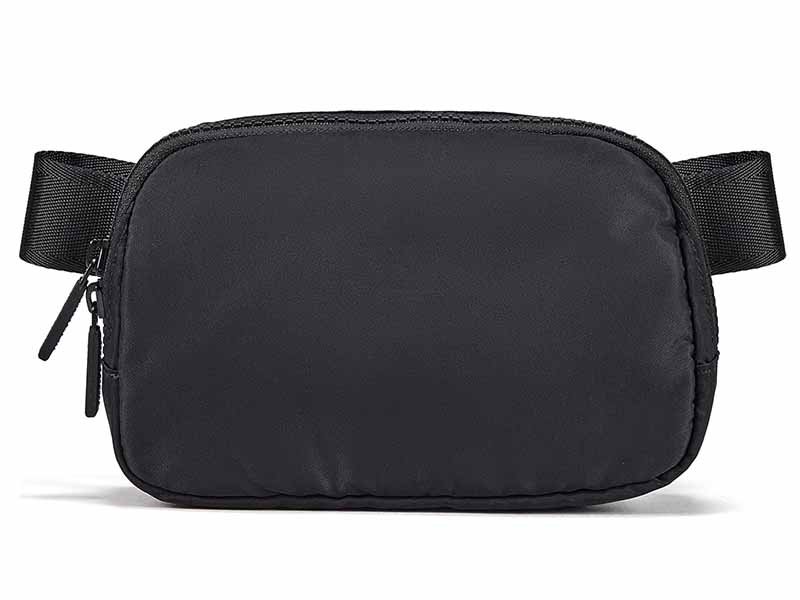
Crossbody bags need practical features that make daily carry easier, safer, and more comfortable. The most important features include useful pockets, comfortable straps, secure zippers, water-resistant materials, proper size, lightweight construction, and reliable stitching. For custom production, every feature should match the target user instead of being added only for decoration.
Do Crossbody Bags Need Many Pockets?
Crossbody bags do not always need many pockets. They need the right pockets. A bag with six poorly sized pockets may be less useful than a bag with three well-designed compartments. Pocket design should be based on what customers actually carry and how often they need each item.
A good pocket system usually includes:
- Main compartment for larger items
- Front pocket for quick access
- Inner zipper pocket for valuables
- Small slip pocket for cards or earbuds
- Hidden back pocket for passport or phone
- Optional mesh pocket for cables or small accessories
For daily use, three to five pocket areas are often enough. For utility or travel bags, five to eight pocket areas may be useful. More than that can make the bag confusing unless the product is designed for tools, photography, outdoor gear, or work equipment.
Pocket planning should follow user behavior:
| Item Type | Best Pocket Position | Reason |
|---|---|---|
| Phone | Front or back quick pocket | Used many times daily |
| Wallet | Inner zipper pocket | Needs better security |
| Keys | Small pocket or key hook | Prevents scratching other items |
| Cards | Flat slip pocket | Fast access |
| Passport | Hidden back pocket | Safer during travel |
| Sunglasses | Main pocket with depth | Needs more space |
| Cable | Mesh pocket | Easy to see and separate |
| Power bank | Lower main pocket | Better weight balance |
The biggest pocket design mistake is making pockets too shallow or too narrow. A phone pocket should consider modern large phones with cases. A passport pocket should fit the passport without bending. A zipper pocket should open wide enough for fingers to reach inside. A card pocket should not be so loose that cards slip out.
For brands developing private label crossbody bags, pocket layout can become a strong difference from common market products. Many low-cost crossbody bags use one main pocket and one flat front pocket. A better custom design can add one phone pocket, one secure zipper pocket, one cable pocket, and one hidden pocket without making the bag bulky.
Szoneier can customize pocket structure based on target use. For example:
- Travel model: hidden passport pocket + card slots + main zipper pocket
- Sport model: phone pocket + key hook + easy-clean lining
- Work model: tablet sleeve + pen slot + inner zipper pocket
- Outdoor model: mesh pocket + side pocket + reinforced front pocket
- Promotional model: simple main pocket + visible logo patch + low-cost structure
Good pockets should make the customer feel, “This bag understands my day.” That feeling is more valuable than adding random compartments.
Are Crossbody Bags Comfortable?
Crossbody bags are comfortable when the strap, weight, material, and body shape work together. Comfort is not only about softness. A soft bag can still feel uncomfortable if the strap is too thin or the weight pulls unevenly. A structured bag can feel comfortable if the strap is wide, the body sits correctly, and the load is balanced.
Main comfort factors include:
- Strap width
- Strap length
- Strap adjustability
- Bag weight
- Body shape
- Back panel material
- Load distribution
- Zipper placement
- Side thickness
- Surface softness
For daily carry, empty bag weight should be controlled. Many customers carry 0.5–1.5 kg of items without realizing it. If the empty bag is already heavy, the loaded bag becomes tiring quickly.
Comfort reference table:
| Bag Type | Good Empty Weight | Strap Width | Wearing Time |
|---|---|---|---|
| Mini crossbody | 100–250 g | 1.5–3 cm | 1–4 hours |
| Classic crossbody | 200–450 g | 2.5–4 cm | 3–8 hours |
| Sling crossbody | 250–600 g | 3–5 cm | 3–8 hours |
| Travel crossbody | 300–650 g | 3.5–5 cm | 5–10 hours |
| Utility crossbody | 400–900 g | 4–6 cm | Depends on load |
Strap design is one of the most important comfort details. A narrow strap may look elegant but can dig into the shoulder when the bag is loaded. A wider strap spreads pressure better. For casual, sport, travel, and utility crossbody bags, a 3.2–5 cm strap is often more comfortable. For mini fashion bags, narrower straps may be acceptable because the load is lighter.
The back side of the bag also matters. If the material is rough, stiff, or has hard seams, users may feel discomfort when the bag touches the body. Neoprene has an advantage here because it is soft and flexible. It can sit more naturally against the chest, waist, hip, or back. For sling bags and sport crossbody bags, this can make the product feel more wearable.
Comfort should be checked during sampling with loaded items, not only when the bag is empty. A good test includes:
- Wear for 15–30 minutes
- Walk at normal speed
- Open and close the zipper with one hand
- Adjust the strap while wearing
- Check whether the bag bounces
- Check whether the strap twists
- Check whether the buckle presses the shoulder
- Check whether the bag feels too bulky from the side
Szoneier can support sample adjustments before bulk production. If the first sample feels too stiff, the material, neoprene thickness, lining, strap width, or body shape can be adjusted. If the bag swings too much, the strap angle or body curve can be changed. These details are small, but they strongly affect customer reviews after the product reaches the market.
Are Crossbody Bags Water-Resistant?
Many crossbody bags should be water-resistant, especially if they are used for travel, outdoor activities, commuting, sports, beach trips, or daily city use. Water resistance helps protect phones, wallets, documents, cosmetics, and small electronics from light rain, splashes, and accidental moisture. It does not always mean the bag is fully waterproof.
There are three common levels:
| Water Protection Level | Meaning | Suitable Use |
|---|---|---|
| Water-repellent | Surface slows light moisture | Casual daily use |
| Water-resistant | Handles light rain and splashes | Travel, commuting, outdoor |
| Waterproof | Blocks water under stronger exposure | Water sports, dry bag use |
Many everyday crossbody bags only need water-resistant performance. Fully waterproof construction requires sealed seams, waterproof zippers, coated materials, or welded structures, which can increase cost and change the bag’s appearance. For most daily carry products, water-resistant outer material plus quality zipper coverage is enough.
Material performance differs:
| Material | Water Resistance | Notes |
|---|---|---|
| Neoprene | Good for splashes and light moisture | Soft, flexible, sporty feel |
| Nylon | Good when coated | Lightweight and common for travel |
| Polyester | Good when treated | Cost-effective and stable |
| Canvas | Lower unless treated | Natural look, may absorb moisture |
| Leather | Varies by finish | Premium look, needs care |
| PVC/TPU | High | Suitable for waterproof products |
Neoprene is widely used in wetsuits, protective sleeves, bottle holders, lunch bags, and sports products because it handles moisture better than many natural fabrics. For crossbody bags, neoprene can be a strong option for beach, sports, gym, travel, resort, casual outdoor, and lifestyle collections.
However, brands should be clear about product claims. A neoprene crossbody bag may be water-resistant, but unless the seams and zippers are designed for waterproof performance, it should not be marketed as fully waterproof. Honest wording helps avoid customer complaints. Good product language could include:
- Water-resistant neoprene body
- Helps protect against light rain and splashes
- Soft neoprene material for daily and travel use
- Easy to wipe clean
- Suitable for beach, gym, travel, and everyday carry
For custom projects, Szoneier can help choose neoprene thickness, laminated fabric surface, zipper type, lining, seam method, and logo application based on the target water-resistance level. If the product is for water sports or stronger outdoor use, the structure should be discussed separately because the requirements are different from casual daily carry.
Do Crossbody Bags Protect Electronics?
Crossbody bags can protect electronics when the material, padding, pocket structure, and closure are designed correctly. Many users carry phones, earbuds, power banks, small cameras, tablets, charging cables, smartwatches, or handheld game devices. These items need protection from scratches, bumps, moisture, and pressure.
A basic crossbody bag with one thin fabric layer gives limited protection. A better electronics-friendly crossbody bag should include:
- Padded pocket
- Soft lining
- Separate phone compartment
- Anti-scratch inner fabric
- Stable bottom structure
- Secure zipper closure
- Enough depth for device thickness
- Cable pocket
- Power bank area
- Reinforced corners
Different electronics need different protection:
| Electronic Item | Protection Need | Recommended Design |
|---|---|---|
| Smartphone | Scratch and drop protection | Soft phone pocket |
| Earbuds | Small-item security | Mesh or zipper pocket |
| Power bank | Weight balance | Lower inner pocket |
| Tablet | Impact and scratch protection | Padded sleeve |
| Camera | Cushioning | Thicker padding and dividers |
| Charging cable | Organization | Mesh pocket or elastic loop |
Neoprene is especially suitable for electronics-friendly bags because it has natural cushioning. It is already common in laptop sleeves, tablet sleeves, phone pouches, camera cases, bottle holders, and protective accessories. When used in crossbody bags, neoprene can help soften contact between the device and the outside environment.
For tablet crossbody bags, padding thickness should be considered carefully. A bag that fits an 11-inch tablet may need extra lining or foam layers. For small electronics, a 2–3 mm neoprene body may be enough for light protection, while heavier tech items may need added foam or reinforced panels.
Brands selling tech-friendly crossbody bags should avoid vague claims. Instead of saying “protects everything,” product descriptions should be specific:
- Padded pocket for phone or tablet
- Soft neoprene body helps reduce daily bumps
- Inner pocket separates keys from electronics
- Zipper closure keeps small tech items secure
- Mesh pocket organizes cables and earbuds
- Reinforced strap connection supports daily load
A good electronics-friendly crossbody bag must also separate hard items from delicate items. Keys should not sit in the same pocket as sunglasses or a phone. Power banks should not press directly against a tablet screen. A simple divider can prevent many common complaints.
Szoneier can customize electronics-friendly crossbody bags with neoprene padding, inner dividers, tablet sleeves, mesh pockets, soft lining, zipper compartments, and brand logo applications. For OEM or ODM development, customers can provide the device size, target market, material preference, logo file, color requirement, and expected order quantity. The factory can then support design adjustment, sample development, and bulk production.
What Materials Suit Crossbody Bags?
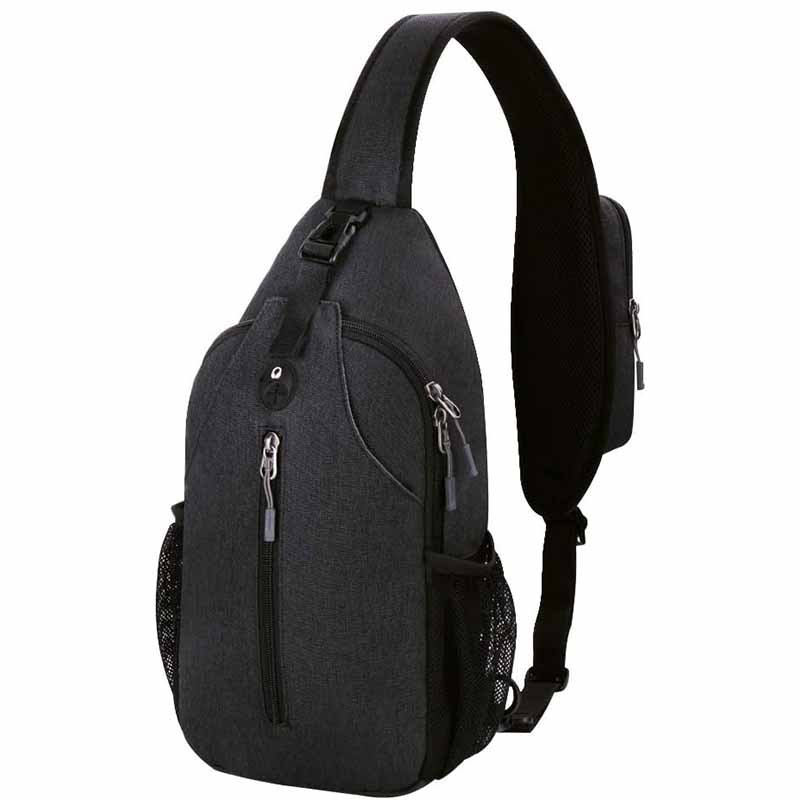
The best material for crossbody bags depends on use, price, style, comfort, and brand positioning. Neoprene, nylon, polyester, canvas, leather, and mixed materials are all common choices. For everyday carry, the material should be lightweight, durable, comfortable against the body, easy to clean, and suitable for the product’s target scene.
Are Neoprene Crossbody Bags Good?
Neoprene crossbody bags are a strong choice for daily carry, sport, travel, beach, wellness, casual fashion, promotional products, and lifestyle accessories. The material feels soft, smooth, flexible, and slightly cushioned. Compared with many stiff fabrics, neoprene sits more naturally against the body, which is useful for bags worn on the chest, waist, hip, or back for several hours.
For everyday carry, neoprene works well because it can solve several practical problems at once:
- Soft body feel
- Light cushioning for small items
- Comfortable contact with clothing
- Flexible storage for irregular daily items
- Good resistance to light splashes
- Modern sporty appearance
- Easy color development
- Suitable for logo patches, printing, and labels
- Good fit for casual, beach, gym, travel, and lifestyle markets
Neoprene is widely used in wetsuits, bottle sleeves, laptop sleeves, protective covers, koozies, medical supports, sports supports, and soft bags because it combines flexibility and protection. When used in crossbody bags, it can protect phones, sunglasses, earbuds, cosmetics, cards, small electronics, and daily accessories from minor bumps and scratches. It is not a replacement for hard protective cases, but it adds a softer and more user-friendly layer than thin fabric alone.
Common neoprene thickness options for crossbody bags include:
| Neoprene Thickness | Feel | Suitable Bag Type |
|---|---|---|
| 1.5 mm | Very soft and light | Mini crossbody bags, phone pouches |
| 2 mm | Light with mild structure | Daily crossbody bags, promotional bags |
| 3 mm | Better cushioning | Sling bags, travel crossbody bags |
| 4 mm | Stronger body feel | Utility bags, tech-friendly bags |
| 5 mm+ | More protective, thicker | Special protective or sport gear bags |
For most everyday crossbody bags, 2–3 mm neoprene is a practical range. It gives the bag enough softness and cushioning without making it too bulky. If the bag needs to hold electronics, sunglasses, or small gear, 3 mm may feel more protective. If the project focuses on low weight and promotional cost control, 1.5–2 mm may be enough.
Neoprene also works well with many surface treatments and design styles:
- Smooth neoprene for clean lifestyle bags
- Textured neoprene for sporty products
- Perforated neoprene for breathable visual detail
- Printed neoprene for custom patterns
- Laminated neoprene for stronger outer surface
- Color-block neoprene for fashion collections
- Quilted neoprene for soft premium styling
The key is to match neoprene with the right structure. A poorly designed neoprene bag can look too soft or lose shape. A well-designed neoprene crossbody bag uses the right thickness, seam position, zipper opening, lining, strap width, and reinforcement to keep the bag comfortable and attractive.
Szoneier has more than 18 years of experience in neoprene fabric research, product development, and manufacturing. The company can customize neoprene crossbody bags with different thicknesses, colors, shapes, pocket layouts, straps, zippers, logo methods, linings, and packaging. For brands that want a soft, modern, light, and daily-use product, neoprene is one of the most practical material choices.
Are Nylon Crossbody Bags Lightweight?
Nylon crossbody bags are popular because they are lightweight, flexible, durable, and suitable for travel, outdoor, sport, and casual daily use. Nylon can be thin and soft, or stronger and more structured, depending on denier, coating, weave, lining, and finishing. It is one of the most common materials used in functional crossbody bags.
Nylon works especially well for:
- Travel crossbody bags
- Outdoor sling bags
- Lightweight daily bags
- Foldable crossbody bags
- Sport pouches
- Utility bags
- Water-resistant casual bags
- Unisex city bags
A nylon crossbody bag can be very light. Small nylon crossbody bags may weigh 150–300 g. Medium travel or sling styles may weigh 300–600 g, depending on lining, pockets, zippers, and hardware. For customers who wear the bag all day, saving even 100–200 g can make a noticeable difference.
Nylon fabric options often include:
| Nylon Type | Common Use | Main Advantage |
|---|---|---|
| 210D nylon | Lightweight bags | Soft, low weight |
| 420D nylon | Daily and travel bags | Balanced strength |
| 600D nylon | Outdoor and utility bags | Better abrasion resistance |
| Ripstop nylon | Sport and travel bags | Tear resistance |
| Coated nylon | Rainy or outdoor use | Improved water resistance |
| Crinkle nylon | Fashion-casual bags | Trendy texture |
For travel and outdoor bags, nylon often needs coating or finishing to improve water resistance. A plain nylon fabric may resist light moisture, but stronger performance requires PU coating, TPU coating, PVC coating, DWR treatment, or laminated backing. The zipper, seams, and lining also affect the final water-resistance level.
Nylon has a more technical look than canvas and a lighter feel than leather. It is suitable for brands that want practical, easy-to-wear products with a modern outdoor or travel direction. It also accepts many customization methods, including woven labels, rubber patches, embroidery, screen printing, heat transfer printing, and jacquard webbing straps.
However, nylon has some limits. Thin nylon may wrinkle, collapse, or look too soft if the bag structure is not well planned. Heavier nylon can feel more durable but may lose the lightness customers expect. Some nylon surfaces may show scratches or creases. For premium projects, the finish, lining, zipper quality, and hardware should be upgraded to avoid a cheap look.
For brands comparing nylon and neoprene, the choice depends on product positioning:
| Material | Better For | Feel |
|---|---|---|
| Neoprene | Soft daily carry, sport, beach, lifestyle, protective feel | Soft, cushioned, flexible |
| Nylon | Travel, outdoor, lightweight utility, foldable bags | Light, functional, technical |
Nylon and neoprene can also be combined. For example, a bag may use neoprene padding for the body and nylon for the outer pocket, or nylon for the shell and neoprene for the phone compartment. Mixed-material design can create a more functional and distinctive product.
Are Canvas Crossbody Bags Durable?
Canvas crossbody bags are durable, casual, and easy to style. They are commonly used for vintage bags, casual daily bags, student bags, boutique collections, eco-inspired bags, and promotional products. Canvas gives a natural fabric texture that many customers like because it feels less technical and more relaxed than nylon or polyester.
Canvas is often made from cotton, polyester-cotton blends, or other woven fibers. The weight of canvas is usually measured in ounces. Higher-ounce canvas is thicker and stronger, while lower-ounce canvas is lighter and softer.
Common canvas weights for bags:
| Canvas Weight | Feel | Suitable Use |
|---|---|---|
| 8 oz | Light and soft | Small casual bags, promotional bags |
| 10 oz | Balanced | Daily crossbody bags |
| 12 oz | Stronger | Medium bags, student bags |
| 14 oz | Heavy and durable | Utility-style bags |
| 16 oz+ | Very strong | Workwear or rugged bags |
For crossbody bags, 10–12 oz canvas is often a good balance. It gives enough structure without making the bag too heavy. If the bag needs a rugged outdoor or workwear look, 14 oz may be used. If cost and softness matter more, 8–10 oz may be enough.
Canvas crossbody bags are good for:
- Casual fashion
- Student products
- Coffee shop merchandise
- Bookstore merchandise
- Museum gift shops
- Eco-style retail lines
- Vintage-inspired collections
- Promotional giveaways
- Artist merchandise
- Small boutique brands
The main advantage of canvas is its friendly appearance. It does not look too formal or too technical. It works well with embroidery, woven labels, screen printing, leather patches, cotton webbing, metal hardware, and printed patterns. For brands that want an approachable and natural style, canvas can be a good material.
However, canvas also has limits. It is not naturally as water-resistant as nylon, polyester, or neoprene. Untreated canvas can absorb moisture, stain more easily, and take longer to dry. If the bag is for travel, beach, outdoor, or wet environments, canvas may need coating, lining, or waxed treatment. But coatings can change the hand feel and cost.
Another point is weight. Thick canvas can feel strong, but it may become heavy when used in larger crossbody bags. A large canvas bag with metal hardware, lining, and multiple pockets may feel tiring after long wear. For everyday carry, the material weight should be balanced with strap width and bag size.
Canvas can also be combined with neoprene or nylon. A canvas exterior can give a casual look, while a neoprene inner sleeve can protect electronics. Nylon lining can improve durability and make the inside easier to clean. These combinations help brands create products that look natural but still perform better in daily use.
Are Leather Crossbody Bags Premium?
Leather crossbody bags are often seen as premium because they offer a polished look, strong hand feel, and long-term style appeal. Leather is common in fashion crossbody bags, work bags, boutique bags, gift products, and high-end accessory collections. It can make a small bag feel more valuable, especially when paired with clean stitching, metal hardware, and a well-shaped body.
Leather crossbody bags are good for:
- Premium fashion brands
- Workwear accessories
- Boutique retail lines
- Gift collections
- Men’s daily carry bags
- Women’s handbag lines
- Corporate executive gifts
- Luxury-inspired accessories
The main strengths of leather include:
- Premium appearance
- Strong perceived value
- Good structure
- Long-lasting style
- Works well with metal hardware
- Suitable for embossing and debossing
- Good for formal and smart-casual outfits
Common leather options include genuine leather, full-grain leather, top-grain leather, split leather, suede, microfiber leather, and PU leather. Each option has different cost, durability, appearance, and maintenance needs.
| Leather Type | Cost Level | Common Use | Main Note |
|---|---|---|---|
| Full-grain leather | High | Premium bags | Natural texture, strong value |
| Top-grain leather | Medium-high | Fashion and work bags | Smooth and refined |
| Genuine leather | Medium | Standard leather goods | Common commercial option |
| Suede | Medium-high | Fashion bags | Soft but needs care |
| Microfiber leather | Medium | Vegan or cost-balanced bags | Stable and uniform |
| PU leather | Low-medium | Fashion bags, promotional bags | Cost-friendly, varies by quality |
Leather is not always the best choice for everyday carry. It may be heavier, more expensive, and less suitable for wet or sport situations. Some customers love leather because it looks refined. Others prefer neoprene, nylon, or polyester because those materials are lighter and easier to care for.
For crossbody bag brands, leather works best when the product needs to look premium rather than sporty. A leather mini crossbody bag may be ideal for fashion boutiques. A leather tablet crossbody bag may suit work accessories. A leather-trimmed neoprene bag may create a premium-casual balance.
Leather also affects MOQ and production cost. Genuine leather products may require higher material planning, stricter cutting control, more careful stitching, and longer sample review. Surface defects, color difference, leather thickness, and edge finishing must be checked carefully. For brands looking for lower MOQ and faster sampling, synthetic leather or mixed-material designs may be more flexible.
A useful approach is to match material with customer lifestyle:
| Customer Need | Better Material Direction |
|---|---|
| Premium office style | Leather or microfiber leather |
| Lightweight travel | Nylon or polyester |
| Soft sport lifestyle | Neoprene |
| Natural casual look | Canvas |
| Water-friendly use | Neoprene, coated nylon, TPU/PVC |
| Promotional cost control | Polyester, canvas, light neoprene |
Leather is premium, but premium does not only come from material. A well-made neoprene or nylon crossbody bag with excellent structure, smooth zippers, strong stitching, and tasteful branding can also feel high quality. Customers judge the whole product, not only the fabric name.
How to Customize Crossbody Bags?
Custom crossbody bags can be developed through material selection, size adjustment, pocket layout, strap design, logo application, hardware choice, color matching, lining, packaging, and bulk production planning. For brands, the goal is to create a bag that fits the target customer’s daily use while carrying a clear brand identity.
Can Crossbody Bags Use Custom Logos?
Crossbody bags can use many custom logo methods, including woven labels, rubber patches, embroidery, screen printing, heat transfer printing, embossed logos, debossed logos, metal plates, zipper pull logos, jacquard logo straps, and printed lining logos. The best method depends on material, order quantity, budget, brand style, and expected durability.
Common logo methods for crossbody bags:
| Logo Method | Best For | Look and Feel |
|---|---|---|
| Woven label | Neoprene, nylon, canvas | Clean, flexible, cost-friendly |
| Rubber patch | Sport, outdoor, travel bags | Modern and durable |
| Embroidery | Canvas, fabric bags | Textured and classic |
| Screen printing | Promotional bags, simple logos | Cost-effective |
| Heat transfer | Neoprene, polyester, nylon | Smooth and detailed |
| Debossed logo | Leather, PU leather | Subtle and premium |
| Metal logo plate | Fashion and premium bags | Polished and visible |
| Jacquard strap logo | Streetwear, sport, fashion | Strong brand exposure |
| Custom zipper pull | Travel and utility bags | Small but memorable detail |
Logo placement also matters. A logo that looks good on a flat drawing may disappear when the bag is worn. For crossbody bags, common logo positions include:
- Front center
- Front lower corner
- Side panel
- Strap
- Zipper pull
- Rubber patch area
- Woven side label
- Inner lining
- Hangtag
- Packaging
For everyday carry products, the logo should be visible but not annoying. Many customers prefer a clean product with a tasteful logo. Oversized branding may work for streetwear or promotional products, but it may reduce appeal for work, travel, or minimalist lifestyle bags.
Neoprene crossbody bags work especially well with rubber patches, heat transfer logos, woven labels, and printed panels. Rubber patches can match the sporty feel of neoprene. Heat transfer logos can create a clean and lightweight look. Woven labels work well for boutique and lifestyle brands. For higher-end projects, a custom logo zipper pull or jacquard strap can add extra detail without changing the main bag body.
Before confirming a logo method, brands should consider:
- Logo color count
- Logo size
- Material surface
- Wash or wipe-clean requirement
- Expected use environment
- Target retail price
- Packaging style
- Bulk order quantity
- Brand identity
Szoneier can support logo development for custom crossbody bags, including placement suggestions, method selection, sample testing, and production adjustment. Customers can provide AI, PDF, PNG, or SVG logo files, and the factory can recommend suitable applications based on the material and design.
Can Crossbody Bags Be Private Label?
Crossbody bags can be made as private label products for fashion brands, sports brands, travel brands, outdoor brands, wellness brands, promotional companies, Amazon sellers, Shopify stores, boutique retailers, corporate gift companies, and lifestyle product lines. Private label means the product is made with the customer’s own brand name, logo, colors, packaging, and product positioning.
Private label crossbody bags are attractive because they can be developed from proven product structures while still carrying a unique brand identity. A brand does not always need to invent a completely new bag shape. Many successful products start from a practical base and then improve material, pockets, strap, color, logo, packaging, and product story.
Private label customization can include:
- Brand logo
- Custom colors
- Material selection
- Size changes
- Strap design
- Pocket layout
- Hardware color
- Zipper puller
- Lining color
- Printed lining
- Hangtag
- Care label
- Barcode label
- Retail box
- Dust bag
- Polybag
- Product insert card
- SKU label
For crossbody bags, private label development should focus on the difference customers can feel. A logo alone is not enough. The product should offer a clear reason to choose it, such as:
- Softer neoprene body
- Lighter carry weight
- Better phone pocket
- Hidden travel pocket
- Wider comfort strap
- Cleaner daily style
- More useful organization
- Water-resistant material
- Better color matching
- Stronger zipper and stitching
Private label projects usually work best when the target market is clear. A bag for gym users should not look the same as a bag for office commuters. A bag for travel shops should not use the same pocket layout as a festival mini bag. A bag for beach resorts should use different material thinking than a leather-style boutique bag.
Useful private label planning table:
| Target Market | Recommended Bag Type | Strong Custom Point |
|---|---|---|
| Gym and wellness brands | Neoprene sling or mini crossbody | Soft body, sporty logo, easy-clean lining |
| Travel brands | Travel crossbody | Passport pocket, hidden pocket, water resistance |
| Boutique fashion brands | Mini or classic crossbody | Color, shape, hardware, logo patch |
| Outdoor brands | Utility or sling crossbody | Durable fabric, reinforced strap, multiple pockets |
| Corporate gifts | Classic crossbody | Logo patch, clean color, practical structure |
| Amazon sellers | Classic or travel crossbody | Clear features, strong photos, cost control |
| Resort stores | Neoprene mini or beach crossbody | Bright colors, soft material, casual style |
| Tech accessory brands | Padded crossbody | Device pocket, cable pocket, protective body |
Szoneier offers private label support for custom neoprene and fabric crossbody bags, including free design assistance, low MOQ customization, quick sampling, free sample options, and short lead times. This is useful for small and medium overseas customers who want to test a new product line without starting with a very large order.
Can Crossbody Bags Be OEM or ODM?
Crossbody bags can be developed through OEM or ODM production. OEM means the customer provides the design, logo, tech pack, sample, or detailed requirements, and the factory manufactures the product according to those specifications. ODM means the factory helps develop or adjust the design based on the customer’s idea, market direction, reference images, or product target.
Both models are useful, but they fit different situations.
| Production Type | Best For | Customer Provides | Factory Supports |
|---|---|---|---|
| OEM | Existing product design | Tech pack, sample, logo, size, materials | Manufacturing, sampling, quality control |
| ODM | New or developing idea | Reference images, target market, logo, function needs | Design adjustment, material suggestion, sample making |
| Private Label | Brand-ready product line | Logo, color, packaging, sales direction | Product customization and branding |
| Wholesale Custom | Faster launch | Selected style and logo | Color, logo, quantity, packaging |
OEM is suitable when a brand already knows what it wants. For example, the customer may have a finished pattern, product drawings, existing sample, or detailed specification sheet. The factory’s job is to match the design, control materials, make samples, confirm details, and produce bulk orders.
ODM is suitable when the customer has a concept but needs development support. For example, a customer may say:
- “We want a neoprene crossbody bag for gym users.”
- “We need a travel sling bag with passport pocket.”
- “We want a mini crossbody bag for our boutique brand.”
- “We want a waterproof-looking outdoor pouch.”
- “We need a soft crossbody bag for resort retail.”
In ODM development, the factory can help with size, structure, material, pockets, strap, zipper, lining, logo method, and packaging. This is helpful for customers who do not have a full technical team.
A basic OEM/ODM crossbody bag development process usually includes:
| Step | Process | Main Output |
|---|---|---|
| 1 | Requirement discussion | Target use, size, material, logo, quantity |
| 2 | Design confirmation | Drawing, reference, structure direction |
| 3 | Material selection | Neoprene, nylon, canvas, leather, lining |
| 4 | Pattern making | Bag shape and measurement setup |
| 5 | Sample production | Physical sample for review |
| 6 | Sample revision | Adjust strap, pockets, zipper, logo, shape |
| 7 | Pre-production sample | Final confirmed sample |
| 8 | Bulk production | Cutting, sewing, logo, assembly |
| 9 | Quality inspection | Size, stitching, zipper, logo, packing |
| 10 | Packaging and shipping | Cartons, labels, delivery arrangement |
For neoprene crossbody bags, the sample stage is especially important because material thickness, softness, seam type, and body curve can change the wearing experience. A 2 mm neoprene bag and a 4 mm neoprene bag can feel very different, even if the shape is the same.
Szoneier’s OEM/ODM support covers custom neoprene products and different bag types, including crossbody bags, sling bags, travel bags, sports bags, koozies, sports supports, medical supports, wetsuit-related items, and other neoprene products. With more than 18 years of experience, the factory can help customers move from idea to sample to bulk production with practical manufacturing suggestions.
How Are Crossbody Bags Made in Bulk?
Bulk production of crossbody bags requires careful control of materials, cutting, sewing, logo application, hardware assembly, inspection, and packaging. A bag may look simple, but mass production involves many details. If one step is not controlled, the final product may have uneven stitching, wrong size, weak straps, poor zipper movement, color difference, or messy logo placement.
A general bulk production process includes:
- Material sourcing
- Color confirmation
- Logo sample approval
- Pattern making
- Cutting
- Printing or logo application
- Sewing
- Hardware assembly
- Lining attachment
- Strap installation
- Zipper testing
- Thread trimming
- Shape checking
- Quality inspection
- Packaging
- Carton labeling
- Shipping preparation
For crossbody bags, the most important quality checkpoints include:
| Quality Point | What to Check | Why It Matters |
|---|---|---|
| Size accuracy | Width, height, depth, strap length | Ensures product consistency |
| Stitching | Straight seams, no loose thread | Affects appearance and durability |
| Strap strength | Pull test at strap joints | Prevents breakage during use |
| Zipper smoothness | Open and close test | Affects daily experience |
| Logo position | Size, color, alignment | Protects brand image |
| Pocket function | Fit phone, passport, cards | Ensures real usability |
| Material surface | Color, stains, wrinkles | Affects product appearance |
| Hardware | Buckles, D-rings, sliders | Affects safety and comfort |
| Packing | Label, polybag, carton | Supports retail and logistics |
Production details should match the final sales channel. Amazon products may need barcode labels, SKU stickers, individual polybags, warning labels, or carton marks. Boutique retail products may need hangtags, dust bags, care cards, and better display packaging. Corporate gift orders may need logo positioning and delivery timing to be very accurate. Travel retail products may need more durable packaging for handling and shelf display.
Common bulk order data for crossbody bag projects may include:
| Project Item | Common Range |
|---|---|
| Sample time | 5–10 days, depending on design |
| Sample revision | 3–7 days for minor changes |
| Bulk production time | 15–35 days, depending on quantity and complexity |
| Logo setup time | 3–7 days |
| Common MOQ | Low MOQ available, depending on material and logo method |
| Quality inspection | Before packing and before shipment |
| Packaging | Polybag, hangtag, carton, custom packaging available |
Actual lead time depends on material availability, order quantity, logo method, sample revisions, packaging complexity, and shipping schedule. A simple neoprene mini crossbody bag can usually move faster than a complex utility bag with many pockets, printed lining, custom buckles, and multiple logo applications.
For brands placing a bulk order, it is helpful to prepare clear information before contacting the factory:
- Bag type
- Target size
- Material preference
- Logo file
- Color request
- Quantity
- Pocket requirements
- Strap style
- Zipper or hardware preference
- Packaging needs
- Target price range
- Target delivery time
- Sales channel
- Reference images or samples
The more clearly the product is described, the faster the factory can estimate cost, sampling time, MOQ, and production plan.
Start Your Custom Crossbody Bag Project with Szoneier
Crossbody bags are daily products, so customers judge them quickly. They notice whether the phone fits, whether the zipper runs smoothly, whether the strap feels comfortable, whether the bag sits well on the body, and whether the material feels good after repeated use. A successful crossbody bag is not only attractive in photos. It must work well during a commute, at the airport, in a gym locker room, at a beach shop, during a weekend walk, or inside a busy retail store.
Szoneier helps overseas brands, small and medium customers, e-commerce sellers, retailers, promotional companies, and high-end private label clients develop custom neoprene and fabric crossbody bags. With more than 18 years of experience in neoprene fabric research, product development, sampling, manufacturing, and quality control, Szoneier can support custom, private label, OEM, and ODM projects from early idea to bulk shipment.
Szoneier also offers 100% quality assurance, free design support, low MOQ customization, quick sampling, free sample options, and short lead times. Whether you want to develop a soft neoprene sling bag for a sports brand, a mini crossbody bag for boutique retail, a travel crossbody bag with hidden pockets, or a private label daily carry collection with your own logo, Szoneier can help turn your product idea into a manufacturable bag.
To start a custom crossbody bag project, send Szoneier your product idea, reference images, logo file, target size, preferred material, order quantity, and packaging needs. The team can help recommend materials, improve structure, make samples, and prepare a production plan for your brand.