 Skip to content
How to Evaluate Makeup Bags Sampling Speed and Prototype Accuracy
- Eric
- March 10, 2026
- 8:38 am
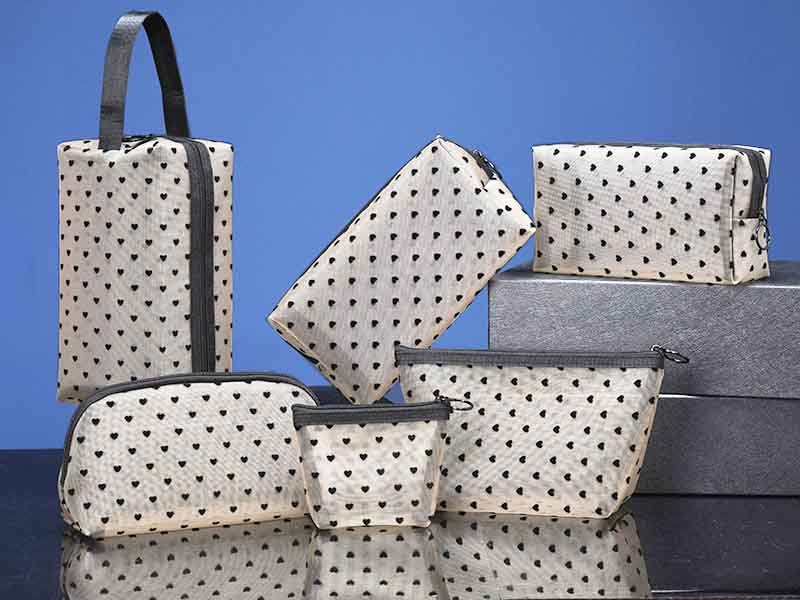
For brands developing cosmetic accessories, the sampling stage is often the moment when ideas finally become real products. A makeup bag may look simple in a sketch or digital rendering, but the actual prototype reveals whether the design works in practice. Small details—such as zipper placement, lining thickness, or handle proportions—can dramatically affect the usability and perceived quality of the final product.
Many buyers underestimate how important sampling speed and prototype accuracy are in bag development. If sampling takes too long, product launches may miss seasonal sales windows. If prototype accuracy is poor, multiple revisions may be required, increasing costs and delaying production schedules.
Evaluating makeup bags sampling speed and prototype accuracy involves measuring how quickly a factory can produce a prototype while ensuring the sample matches the original design in materials, dimensions, structure, and functionality. A reliable manufacturer typically produces a first prototype within 5–10 days and ensures that key specifications such as fabric type, stitching quality, zipper placement, and bag measurements align closely with the approved design.
A few years ago, a cosmetic brand launched a new travel makeup bag collection. The first sample looked impressive in photos, but once the team received it, they discovered that the zipper opening was too narrow for makeup brushes. The design had to be revised twice, delaying the launch by nearly a month.
Situations like this are common in product development. Understanding how to evaluate sampling speed and prototype accuracy can save brands significant time, money, and frustration.
What Is Makeup Bags Sampling?
Makeup bags sampling is the process of developing a physical prototype before bulk production begins. The sample allows brands to verify whether the bag’s materials, size, compartments, stitching, and functionality match the design specifications. By reviewing a prototype first, buyers can correct structural or usability issues early and avoid expensive mistakes during mass production.
In the cosmetic accessories industry, sampling is one of the most important stages of product development. A makeup bag may look perfect in a design file, but once it becomes a physical product, small details start to matter—such as whether makeup brushes fit into the pockets, whether the zipper opens smoothly, or whether the bag structure holds its shape when filled with cosmetics.
Because of this, most professional bag manufacturers treat sampling as a testing phase for both design and manufacturing feasibility. The goal is to produce a sample that closely represents the final product so the buyer can evaluate performance before committing to large orders.
What is a makeup bags prototype sample?
A makeup bags prototype sample is the first physical version of the bag created based on the buyer’s design concept. This concept may come from a tech pack, a reference sample, sketches, or product photos.
During the prototype stage, the manufacturer converts design information into real components and assembles them into a functional bag. Unlike bulk production items, prototype samples are usually produced in a sample development room, where experienced technicians work with pattern makers to test construction methods.
Typical components used in a cosmetic bag prototype include:
| Component | Example Specification |
|---|---|
| Outer material | Canvas, polyester, nylon, PU leather |
| Lining fabric | 210D polyester or nylon |
| Zipper | Nylon coil zipper or metal zipper |
| Padding | Foam layer for shape support |
| Logo | Screen printing, embroidery, or patch |
The purpose of the prototype is not only to evaluate appearance but also to confirm whether the bag functions well in real use.
For example, if a makeup bag is designed to hold skincare bottles and brushes, the prototype helps verify whether the compartments are large enough and whether the bag structure remains stable when filled.
Many cosmetic bag projects require two to three prototype revisions before the final design is approved for production.
| Sample Stage | Purpose |
|---|---|
| First prototype | Test basic structure and dimensions |
| Revised sample | Improve functionality and details |
| Pre-production sample | Final version before mass production |
This step-by-step process allows designers and manufacturers to refine the product until it meets both visual and functional requirements.
Why do brands test makeup bags samples first?
Testing a makeup bag sample helps brands identify design issues before production begins. Once manufacturing starts, making structural changes becomes much more difficult and expensive.
For example, a cosmetic bag may look well-proportioned in drawings, but once assembled, the zipper opening might be too narrow to easily insert cosmetics.
Brands typically test samples by performing simple practical evaluations.
| Evaluation Area | Example Test |
|---|---|
| Storage capacity | Place cosmetics inside the bag |
| Zipper performance | Open and close multiple times |
| Shape stability | Fill bag with products |
| Pocket usability | Check brush holder fit |
These tests reveal whether the design works in real usage conditions.
Sampling also allows brands to verify material quality. Fabrics that look attractive in photos may feel too thin or stiff when used in a bag structure.
Another benefit of sampling is verifying branding accuracy. Logos, labels, and decorative elements can be reviewed to ensure they match the intended brand image.
For companies launching private label cosmetic accessories, this step is particularly important because the packaging and accessories must reflect the brand’s quality positioning.
What problems can makeup bags sampling avoid?
Sampling helps identify potential problems early, reducing the risk of production errors.
In bag manufacturing, small design details can affect how the product performs. A minor pattern error can cause the bag to lose shape or make compartments unusable.
Some common issues discovered during the sampling stage include:
| Problem | Cause |
|---|---|
| Bag collapses when filled | Lack of structural padding |
| Zipper catches fabric | Poor zipper placement |
| Brushes do not fit pockets | Incorrect pocket depth |
| Fabric wrinkles near seams | Cutting misalignment |
| Logo printed incorrectly | Artwork placement error |
By discovering these issues during the sampling stage, manufacturers can adjust the design before production begins.
Sampling also allows brands to optimize the user experience of the makeup bag. Designers may discover that certain compartments are unnecessary or that additional pockets improve usability.
For example, many travel makeup bags now include:
- removable dividers
- elastic brush holders
- waterproof lining
These features often emerge through prototype testing rather than initial design concepts.
How Fast Should Makeup Bags Sampling Be?
For most custom makeup bags, a professional factory should be able to produce the first prototype within 5–10 working days. Simple cosmetic pouches may be completed in about 5–7 days, while more complex travel organizers with multiple compartments can take 10–14 days. Sampling speed depends mainly on pattern development, material sourcing, and the complexity of the bag structure.
For brands developing new cosmetic accessories, sampling speed directly affects how quickly a product can move from design to market. Many cosmetic companies launch new collections around seasonal promotions or marketing campaigns. If the sampling stage is slow, the entire production schedule may be delayed.
In practice, sampling speed reflects how well organized a manufacturer’s development process is. Factories with experienced pattern makers, dedicated sample workshops, and in-house materials often produce prototypes much faster than factories that must outsource materials or rely on general sewing lines.
How long does makeup bags sampling normally take?
The development of a makeup bag prototype usually follows several steps. Each step contributes to the total sampling timeline.
| Sampling Stage | Typical Time Required |
|---|---|
| Design review | 1–2 days |
| Pattern making | 2–3 days |
| Material preparation | 1–3 days |
| Sample sewing | 2–4 days |
In most cases, the first prototype can be completed within 5–10 days.
However, the actual timeline depends on the complexity of the product. Cosmetic bags vary widely in design, from simple zipper pouches to structured travel organizers with many compartments.
Below is a general comparison of sampling timelines for different bag types.
| Makeup Bag Type | Typical Sampling Time |
|---|---|
| Simple cosmetic pouch | 5–7 days |
| Medium makeup bag with lining | 7–10 days |
| Multi-compartment travel makeup bag | 10–14 days |
For example, a simple zipper pouch requires only a few fabric panels and a zipper, which can be assembled quickly. In contrast, a structured makeup organizer may include multiple pockets, elastic holders, reinforced panels, and padded lining, which increases development time.
Experienced manufacturers can shorten these timelines because they already understand common bag structures and construction methods.
What factors affect makeup bags sampling speed?
Several factors influence how quickly a factory can produce a makeup bag prototype. One of the most important factors is material availability.
If the required fabrics, zippers, or hardware components are not immediately available in the factory’s inventory, the manufacturer must source them from suppliers. This process can add several days to the sampling timeline.
Another key factor is pattern complexity. Cosmetic bags with multiple compartments require more pattern pieces and additional sewing steps.
Common factors that affect sampling speed include:
| Factor | Impact on Sampling |
|---|---|
| Fabric sourcing | Delays if materials are unavailable |
| Hardware availability | May require supplier lead time |
| Pattern complexity | More panels require longer development |
| Logo printing method | Printing setup adds processing time |
For instance, a makeup bag with a printed logo may require an additional step where the fabric is printed before being cut and sewn.
Communication between the buyer and factory also plays a role. When buyers provide clear specifications, factories can begin production immediately. If details are missing—such as exact dimensions or zipper types—the factory may need to request clarification before starting the prototype.
How do factories speed up makeup bags sampling?
Factories that specialize in bag manufacturing usually develop systems to improve sampling efficiency. These systems help shorten development timelines without compromising prototype quality.
One important factor is having a dedicated sample development team. Instead of using production workers, professional factories employ technicians who focus only on sample creation.
These technicians are familiar with pattern adjustments and construction techniques, allowing them to solve problems quickly during development.
Another advantage is maintaining in-house material inventories. Factories that stock common fabrics and hardware components can begin prototype development immediately.
Typical materials stored in sample departments may include:
| Material Type | Common Options |
|---|---|
| Fabrics | Canvas, polyester, nylon |
| Zippers | Nylon coil zippers |
| Linings | Polyester lining |
| Webbing | Nylon or polyester straps |
With these materials readily available, manufacturers can produce samples without waiting for suppliers.
Some factories also use digital pattern design software, which helps pattern makers convert design drawings into cutting templates more quickly.
Additionally, experienced manufacturers often maintain pattern libraries for common bag styles. Instead of starting from scratch, pattern makers modify existing patterns to create new designs.
For example, a cosmetic pouch pattern can be easily adapted to produce a slightly larger makeup bag with minimal adjustments.
Why sampling speed matters for product development
Sampling speed has a direct impact on product launch timelines. In the beauty industry, new products are often introduced around specific marketing events such as seasonal promotions, holiday collections, or product collaborations.
If sampling takes too long, brands may miss these opportunities.
For example, if a cosmetic brand plans to launch a travel makeup bag collection for the summer season, the product development schedule might look like this:
| Development Stage | Estimated Time |
|---|---|
| Sampling and revisions | 3–4 weeks |
| Production preparation | 1 week |
| Mass production | 3–4 weeks |
| Shipping and delivery | 2–3 weeks |
In this timeline, even a one-week delay in sampling can push the final delivery date past the planned launch period.
Fast sampling also allows brands to test multiple design options. Instead of developing only one prototype, buyers can experiment with different materials, sizes, or compartment layouts.
This flexibility often leads to better final products because designers can compare variations and choose the most practical solution.
Ultimately, efficient sampling enables brands to shorten development cycles while ensuring that the final makeup bag design meets both functional and aesthetic expectations.
How Accurate Are Makeup Bags Prototypes?
A makeup bags prototype should closely match the original design specifications in terms of dimensions, materials, structure, and functionality. In professional manufacturing, the first prototype typically achieves 85–95% design accuracy, with the remaining refinements completed in later sample revisions before mass production begins.
Prototype accuracy is important because even small deviations can affect how the makeup bag functions. For example, if the bag height is reduced by just 1–2 cm, certain cosmetic bottles may not fit properly. Similarly, inaccurate zipper placement can make compartments difficult to access.
For cosmetic brands preparing new product launches, prototype accuracy determines whether the product is ready for production or requires additional revisions. The closer the prototype matches the intended design, the faster the project can move forward.
How close should makeup bags samples match designs?
When a factory develops a makeup bag prototype, the goal is to replicate the design specifications as closely as possible. These specifications are usually provided through a tech pack, reference sample, or design drawings.
A typical cosmetic bag tech pack may include the following information:
| Specification Item | Example |
|---|---|
| Bag dimensions | 25 cm × 15 cm × 12 cm |
| Fabric type | 600D polyester |
| Lining material | 210D polyester |
| Zipper type | Nylon coil zipper |
| Logo method | Screen printing |
Factories use this information to create cutting patterns and assemble the prototype.
However, because the first sample is often developed manually, minor variations can occur. Professional manufacturers typically follow dimensional tolerance standards when producing prototypes.
| Measurement Type | Acceptable Tolerance |
|---|---|
| Bag width | ±5 mm |
| Bag height | ±5 mm |
| Pocket placement | ±3 mm |
| Logo alignment | ±2–3 mm |
These tolerances ensure that the sample remains visually and functionally close to the intended design.
In many cases, prototype accuracy also depends on how detailed the design information is. When buyers provide clear technical drawings and measurements, factories can produce more accurate prototypes.
On the other hand, vague design instructions may result in samples that require multiple revisions.
How are makeup bags measurements checked?
To verify prototype accuracy, manufacturers measure key parts of the bag after the sample is completed.
Typical measurement checkpoints include:
| Measurement Area | Purpose |
|---|---|
| Bag width | Ensures correct capacity |
| Bag height | Determines storage space |
| Base depth | Affects bag stability |
| Pocket size | Ensures cosmetic items fit |
| Zipper opening | Controls accessibility |
These measurements are usually compared with the specifications in the tech pack.
For example, if a makeup bag is designed to hold cosmetic bottles with a height of 12 cm, the internal height must allow enough clearance so the bottles fit comfortably.
Manufacturers also check the symmetry of the bag structure. If the left and right sides of the bag are uneven, the product may appear poorly constructed.
Pattern accuracy plays a large role here. Pattern makers use cutting templates to ensure that fabric panels align correctly during sewing.
Another method used by some factories is prototype fitting tests, where real cosmetic products are placed inside the bag to evaluate usability.
For example:
| Test Item | Evaluation |
|---|---|
| Makeup brushes | Fit inside internal pockets |
| Foundation bottles | Stand upright in main compartment |
| Zipper closure | Opens fully without obstruction |
These practical tests help confirm whether the design functions as intended.
How do factories improve makeup bags prototype accuracy?
Experienced bag manufacturers use several strategies to ensure that prototypes match design expectations.
One important method is pattern refinement. After the first sample is completed, the pattern maker reviews the bag structure and adjusts the cutting pattern if necessary.
Common pattern adjustments include:
- increasing pocket depth
- widening zipper openings
- adjusting panel alignment
- reinforcing structural areas
These adjustments improve both accuracy and functionality.
Another key factor is material substitution control. If the specified fabric is unavailable, some factories may replace it with similar materials. However, different fabrics behave differently during sewing.
For instance:
| Fabric Type | Structural Behavior |
|---|---|
| Canvas | Rigid and structured |
| Nylon | Flexible and lightweight |
| Polyester | Durable with moderate stiffness |
Using the wrong fabric may affect how the bag maintains its shape. Professional manufacturers therefore confirm material details before sampling begins.
Factories also rely on sample evaluation feedback from buyers. After reviewing the prototype, buyers typically provide comments regarding:
- size adjustments
- interior layout improvements
- branding placement
- hardware upgrades
These comments help refine the prototype until it meets the brand’s expectations.
Most cosmetic bag projects go through 2–3 sample revisions before the final version is approved for production.
| Sample Stage | Purpose |
|---|---|
| First prototype | Initial design evaluation |
| Revised sample | Structural improvements |
| Pre-production sample | Final approval before manufacturing |
This structured development process ensures that the final makeup bag accurately reflects the design concept while maintaining practical usability.
Which Details Matter in Makeup Bags Samples?
A makeup bags sample must be evaluated beyond appearance. Buyers should carefully examine materials, stitching quality, zipper performance, lining construction, and internal compartments. These details determine whether the product will perform reliably during daily use.
Which materials are used in makeup bags samples?
Materials are the foundation of every makeup bag. During sampling, buyers should verify that the prototype uses the same materials specified in the design documents.
Common fabrics used in cosmetic bags include:
| Material | Typical Weight | Key Advantages |
|---|---|---|
| Cotton canvas | 12–16 oz | Durable and natural appearance |
| Polyester | 600D–900D | Strong and abrasion resistant |
| Nylon | 210D–420D | Lightweight and flexible |
| PU leather | 0.6–1.0 mm | Premium visual appearance |
| Neoprene | 3–5 mm | Soft and protective |
Each material behaves differently when sewn into a bag structure. For example, canvas holds its shape well, while nylon fabrics may require additional padding to maintain structure.
Another aspect buyers should inspect is fabric thickness and texture consistency. If the fabric is too thin, the bag may collapse when filled with cosmetics. If it is too stiff, the bag may be difficult to open or close.
Material quality also affects durability. Cosmetic bags are often exposed to makeup powders, liquids, and frequent cleaning, so fabrics should resist staining and wear.
For travel makeup bags, some brands choose water-resistant fabrics such as coated polyester or laminated nylon to protect cosmetics from moisture.
Which stitching should makeup bags samples have?
Stitching is one of the most critical structural elements in a makeup bag. Even if the materials are high quality, weak stitching can cause seams to break after repeated use.
During sample inspection, buyers should evaluate the following stitching characteristics:
| Inspection Item | Ideal Standard |
|---|---|
| Stitch density | 8–10 stitches per inch |
| Thread type | Polyester or nylon thread |
| Seam alignment | Straight and consistent |
| Reinforcement | Bartack stitching at stress points |
Cosmetic bags often experience stress around the zipper area and side seams. These locations should include reinforced stitching to prevent tearing.
Another important factor is thread tension. If thread tension is too loose, the seams may open under pressure. If it is too tight, the fabric may wrinkle along the seam line.
Professional bag factories usually use industrial sewing machines calibrated for different materials to maintain consistent stitching quality.
For example:
| Fabric Type | Recommended Thread |
|---|---|
| Canvas | Polyester thread |
| Nylon | Bonded nylon thread |
| PU leather | Heavy polyester thread |
These combinations ensure that seams remain durable while maintaining a clean visual finish.
Which zippers and linings should makeup bags include?
Zippers are one of the most frequently used components of a makeup bag. Poor zipper quality can quickly lead to customer dissatisfaction.
Common zipper types used in cosmetic bags include:
| Zipper Type | Typical Use |
|---|---|
| Nylon coil zipper | Most cosmetic bags |
| Plastic molded zipper | Larger travel bags |
| Metal zipper | Premium cosmetic bags |
When evaluating a sample, buyers should test whether the zipper moves smoothly and whether the opening width allows easy access to the bag interior.
A narrow zipper opening can make it difficult to remove items from the bag, especially makeup brushes or skincare bottles.
Another key component is the lining material. Linings help protect the outer fabric from makeup spills and improve the interior appearance.
Typical lining materials include:
| Lining Type | Advantage |
|---|---|
| Polyester lining | Durable and easy to clean |
| Nylon lining | Lightweight and water resistant |
| PVC lining | Waterproof protection |
Some travel cosmetic bags also include wipeable linings, which allow users to clean the interior easily if makeup spills occur.
Interior compartments should also be evaluated carefully. Cosmetic bags may include elastic pockets, mesh dividers, or brush holders.
Buyers should place real cosmetic products inside the sample to verify that compartments are functional and accessible.
How Do Buyers Improve Makeup Bags Sampling?
Improving sampling efficiency requires clear communication between the buyer and the manufacturer. When design information is detailed and feedback is provided promptly, the sampling process becomes faster and more accurate.
How should buyers send makeup bags design specs?
The most effective way to communicate design requirements is through a tech pack, which provides detailed specifications for the product.
A makeup bag tech pack usually includes the following information:
| Specification Category | Example |
|---|---|
| Product dimensions | 24 × 15 × 10 cm |
| Fabric material | 600D polyester |
| Lining material | 210D polyester |
| Zipper type | Nylon zipper |
| Logo placement | Front panel screen print |
Providing this information helps the factory understand exactly how the product should be constructed.
Some buyers also provide reference samples, which allow manufacturers to analyze existing products and replicate similar construction techniques.
Clear design documentation significantly reduces misunderstandings during the sampling process.
How many rounds do makeup bags samples need?
Most cosmetic bag projects require two to three sampling rounds before final approval.
| Sample Stage | Purpose |
|---|---|
| First prototype | Evaluate overall design |
| Revised sample | Adjust size or structure |
| Pre-production sample | Confirm final details |
The first prototype often focuses on basic structure and dimensions. After reviewing this sample, buyers typically provide feedback regarding improvements.
Common feedback items include:
- increasing pocket size
- improving zipper access
- adjusting bag proportions
- upgrading materials
The revised sample incorporates these changes, bringing the design closer to the final product.
The final stage, known as the pre-production sample, represents the exact version that will be produced in bulk.
Once this sample is approved, the factory begins mass production.
How can better makeup bags samples reduce risks?
A well-developed prototype significantly reduces production risks.
Without careful sampling, manufacturers may produce large quantities of bags that contain design flaws or usability issues.
Examples of risks avoided through effective sampling include:
| Potential Issue | Sampling Benefit |
|---|---|
| Cosmetics do not fit inside bag | Size adjustments made early |
| Zippers fail quickly | Higher quality hardware selected |
| Bag collapses when filled | Structural reinforcement added |
| Fabric stains easily | Alternative material chosen |
By identifying these problems early, brands avoid expensive production errors.
Sampling also improves collaboration between designers and manufacturers. Each revision provides an opportunity to refine the product and ensure that the final design meets both aesthetic and functional requirements.
Conclusion: Why Sampling Speed and Prototype Accuracy Matter for Makeup Bags
In the development of makeup bags, sampling is more than just a routine step—it is the stage where design concepts are tested against real manufacturing conditions. The speed at which a factory can produce samples reflects its development capability, while prototype accuracy shows whether the factory truly understands bag construction, materials, and functional design. When sampling is both fast and precise, brands can move confidently from concept to production without unnecessary delays or costly revisions.
For buyers, evaluating a makeup bag sample means looking carefully at every detail: whether the materials match the specifications, whether the stitching is strong and clean, whether the zipper opens smoothly, and whether the interior compartments actually fit cosmetic products. These small details determine how the bag performs in daily use and how customers perceive the quality of the brand.
Choosing a manufacturer with strong sampling capabilities can significantly reduce development risks and shorten product launch timelines. A factory that combines experienced pattern makers, reliable material sourcing, and efficient communication will be able to deliver accurate prototypes quickly and refine designs through clear feedback cycles.
At Szoneier, we have spent more than 18 years helping brands develop custom bags, including a wide range of cosmetic bags and travel organizers. Our development team focuses on fast sampling, accurate prototypes, and practical design improvements, ensuring that every sample reflects the real production quality. From the first prototype to the final approved sample, we work closely with our clients to turn ideas into reliable, well-constructed products.
If you are planning a new cosmetic bag project or looking for a dependable manufacturing partner, feel free to reach out to the Szoneier team. We would be happy to review your design, discuss material options, and help you create custom makeup bags that combine functionality, durability, and brand appeal.
manufacturer Categories
- Custom Tote Bags Manufacturer
- custom backpacks Manufacturer
- custom travel bags& Duffle bags manufacturer
- custom makeup bags & toiletry bags manufacturer
- custom cooler bags manufacturer
- custom drawstring bags manufacturer
- custom makeup bags & toiletry bags manufacturer
- custom golf bags manufacturer
- custom fireproof bags manufacturer
- custom dry bags manufacturer
- custom ski bags manufacturer
- custom gym & sports bags manufacturer
- custom laptop bags manufacturer
- custom tactical bags manufacturer
- custom beach bags manufacturer
- custom medical bags manufacturer
- custom camera bags manufacturer
- custom wetsuits manufacturer
- custom leather goods manufacturer
- more personalized products
Can't find the answers?
No worries, please contact us and we will answer all the questions you have during the whole process of bag customization.
Make A Sample First?
If you have your own artwork, logo design files, or just an idea,please provide details about your project requirements, including preferred fabric, color, and customization options,we’re excited to assist you in bringing your bespoke bag designs to life through our sample production process.
